
I know I just posted some “photos of the week” a few days ago, but I spent a magical few hours on Thursday morning at Prairie Plains Resource Institute’s Gjerloff Prairie and couldn’t resist sharing some of the images from that trip. Though we’d just gotten a nice snowfall, I hadn’t planned to leave the house that morning because the forecast had called for overcast skies. I was awake well before sunrise, though, reading a book, when I noticed that the sky outside my window seemed a little brighter than seemed right for overcast skies.
I peered out into a foggy morning and tried to decide whether there were clouds above the fog or not. Since I couldn’t tell, I decided it was better to head out and take a chance on the photo light being good. After all, the worst case scenario would be that I’d walk around in a snowy prairie for a while!
(Remember to click on the title of this post if you’re reading it in an email. That’ll open it online and allow you to click on images to see a bigger, more clear version of them.)


The light seemed to change by the minute all morning, though not linearly. It would brighten up for a little while, bringing warmer light, and then another bank of heavy fog would obscure the sun and turn everything blue again. The sun didn’t fully emerge through the fog until almost two hours after I arrived but I could always see the brighter patch of sky where it was hiding.


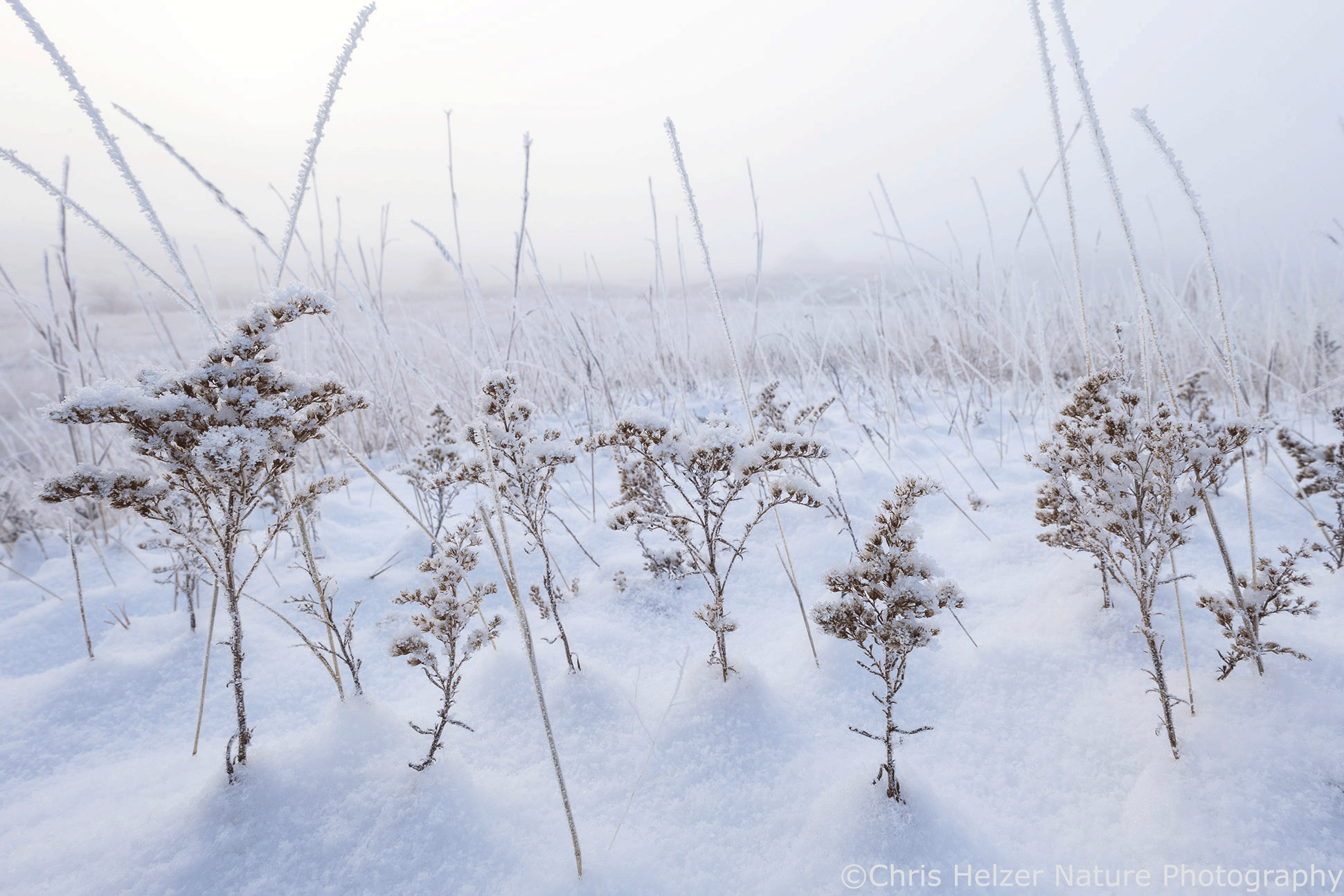

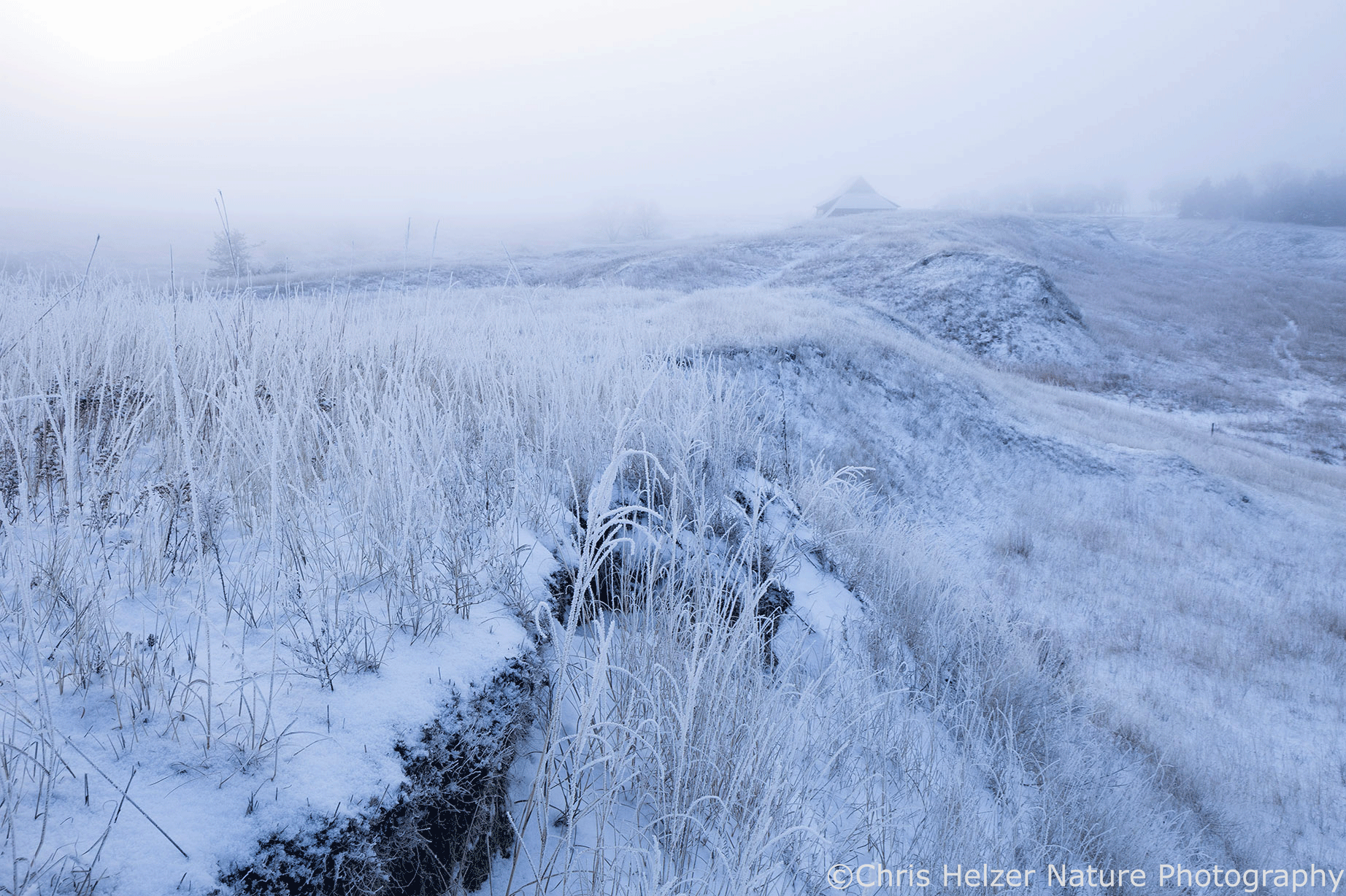
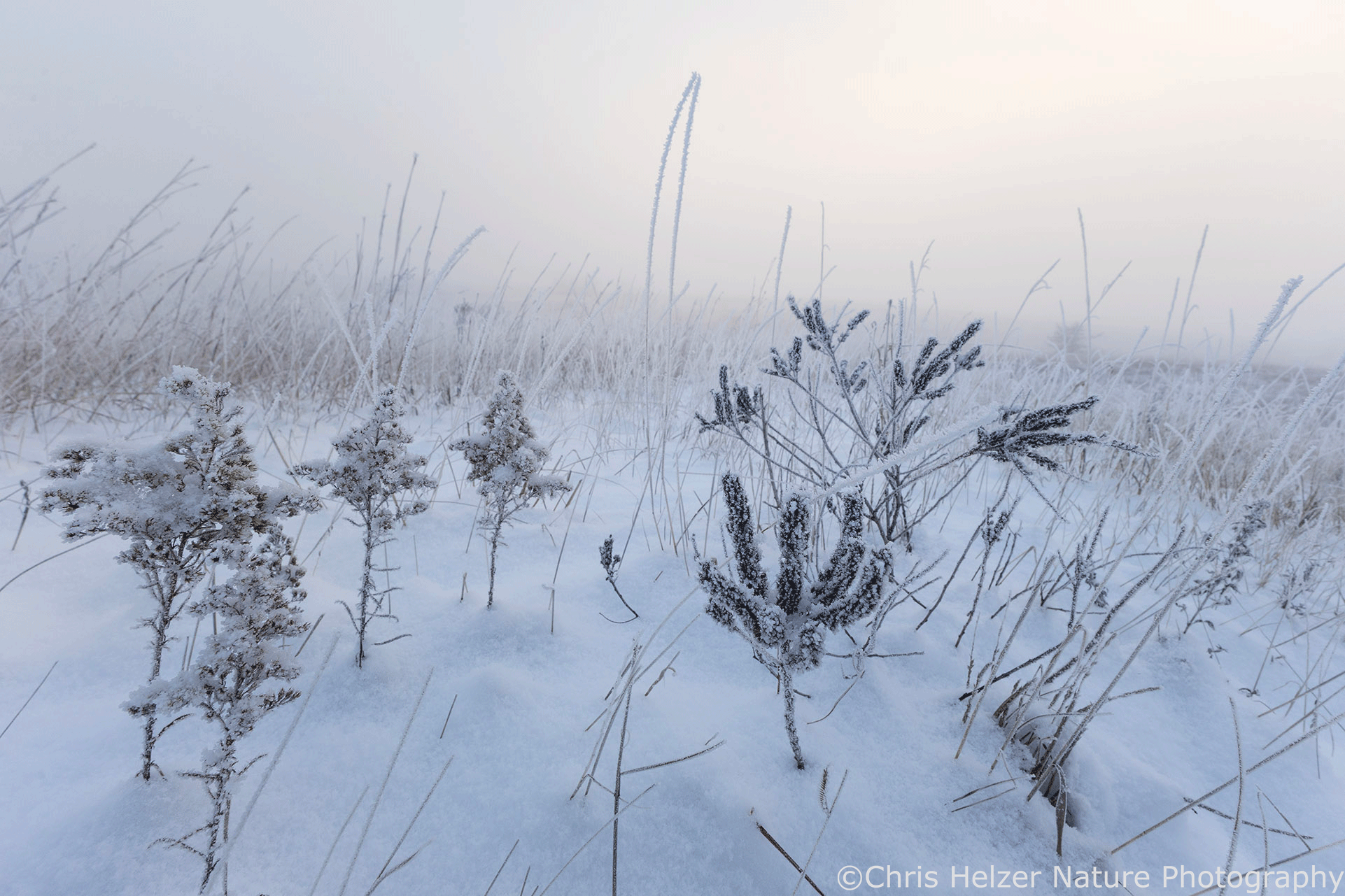
In some ways, photography was easy because I was surrounded by incredible beauty. At the same time, it was really challenging to capture the ethereal feel of my surroundings. Much of the time, tried to get low to the ground and find compositions that showed the landscape fading into the fog behind the frost-covered plants. I’d chosen Gjerloff over other local prairies because I knew its steep loess hill topography would be the right place for that kind of photo.
When I wasn’t flat on my belly (enjoying the new waterproof snow pants and parka I bought last winter), I tried to get as close as possible to taller grasses and wildflowers and use them to frame the scene behind them. When I switched to a new camera system (Canon mirrorless) late in the fall, one of the lenses I was excited about was a 15-30mm lens that can focus right up to the glass lens. I got some good use of that function Thursday morning.

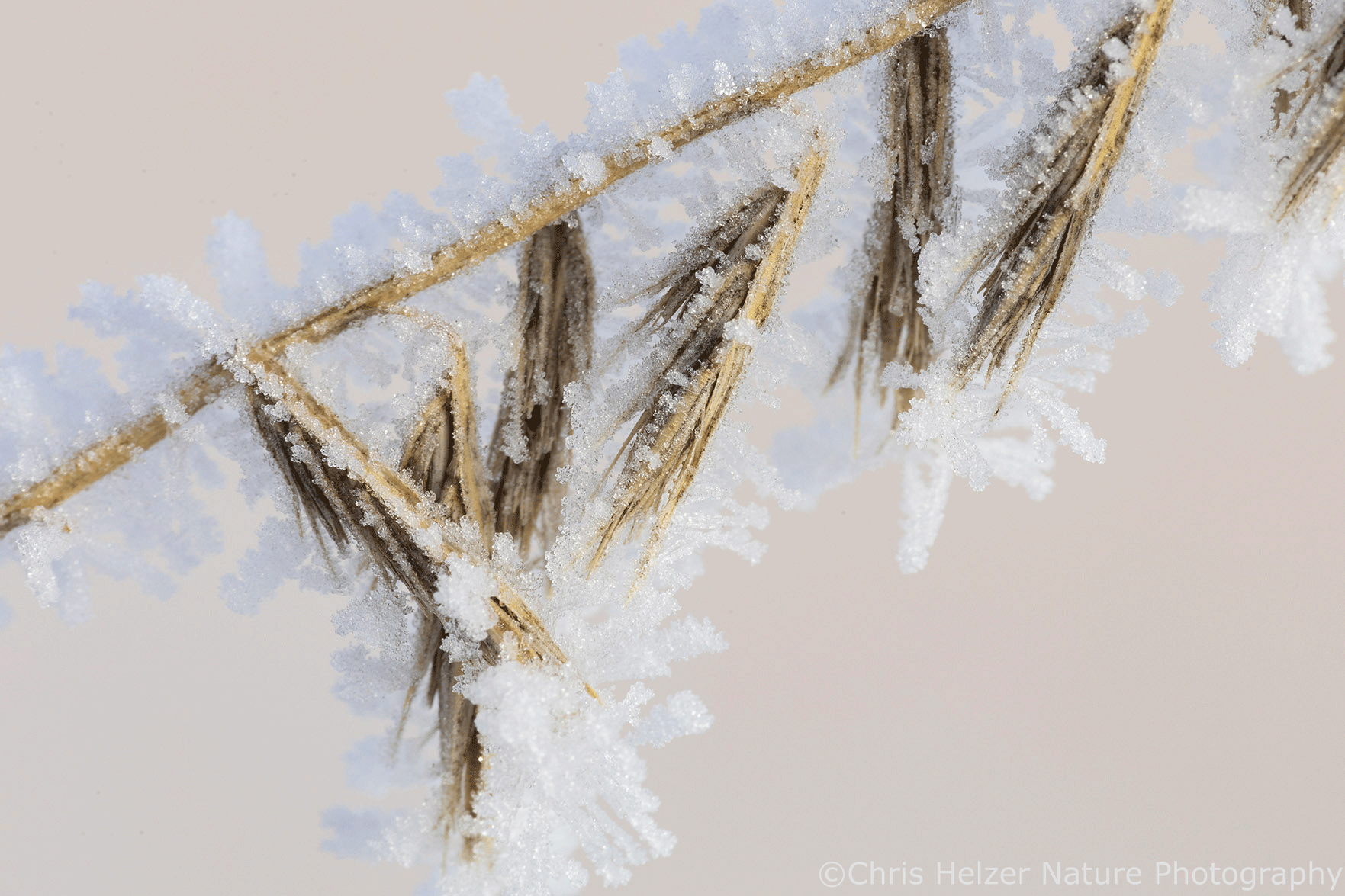
The prairie was nearly silent, except for the crunching of snow under my feet and the faint rustling of grass stems nudged by the wind. During periods of brighter skies, I switched my wide-angle lens for my macro lens and photographed frosty seed heads and stems. Then, I’d switch back again, attempting to shield the camera’s sensor from the light breeze and ice crystals falling from my coat as I did so.

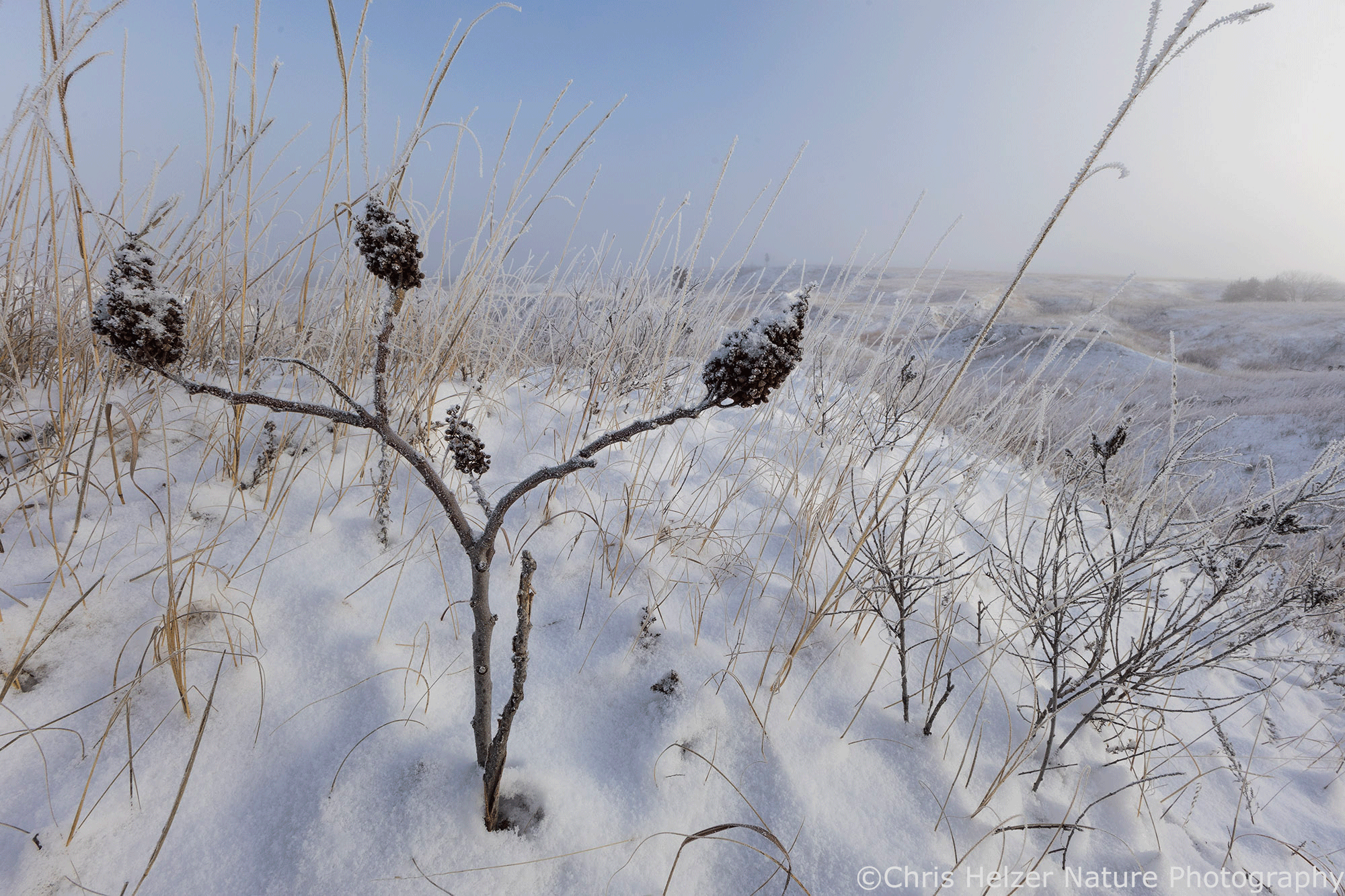

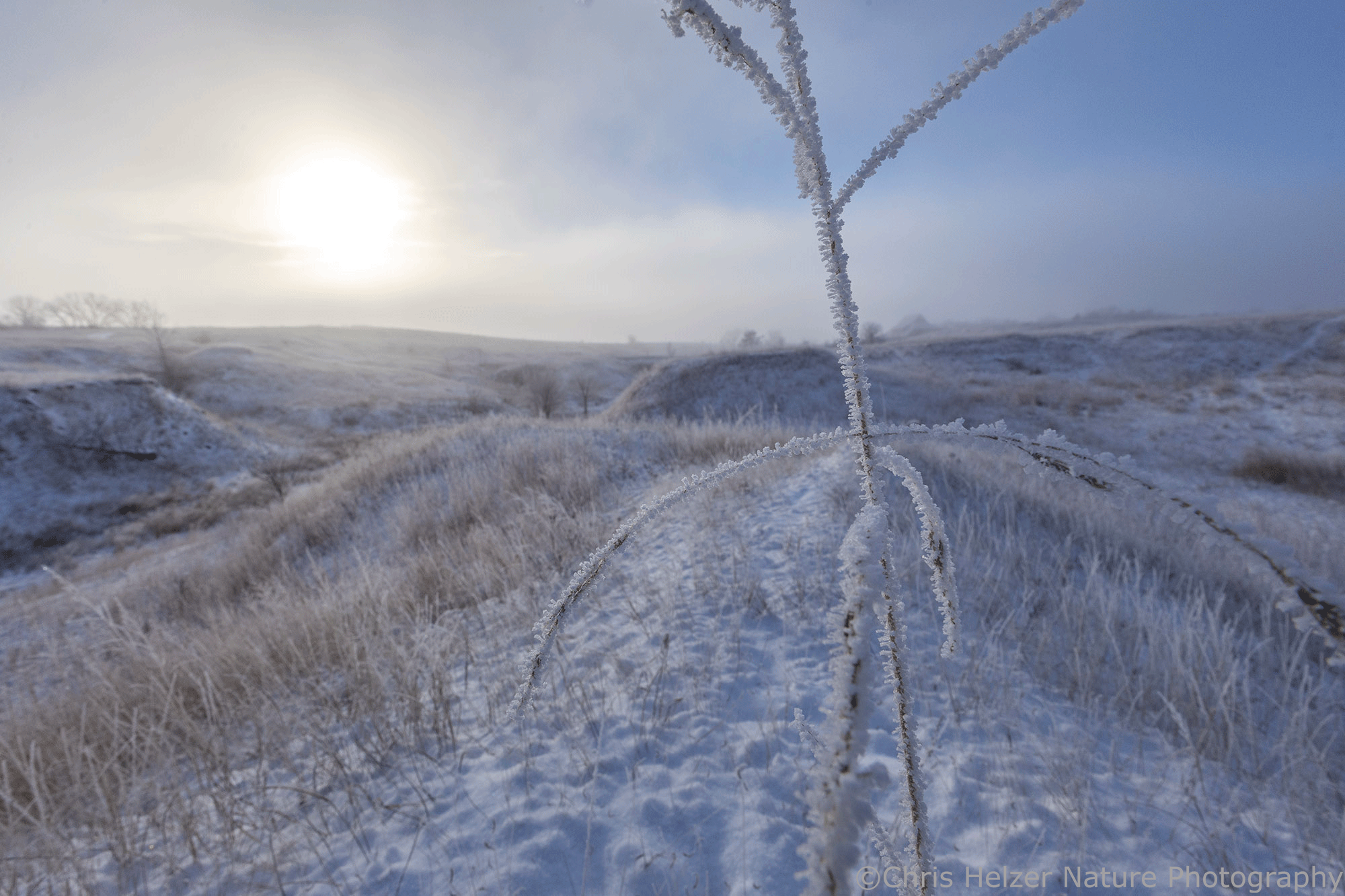


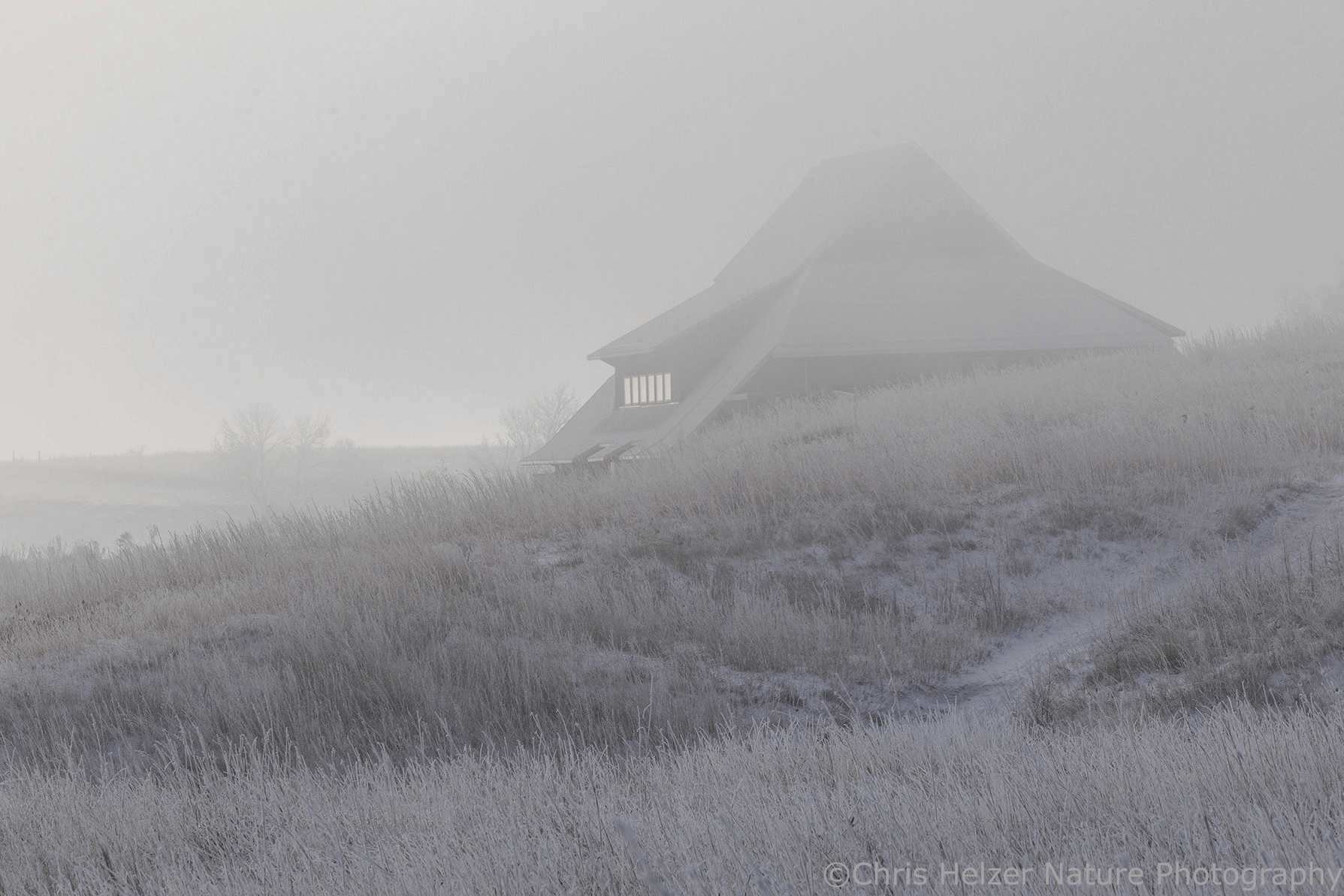


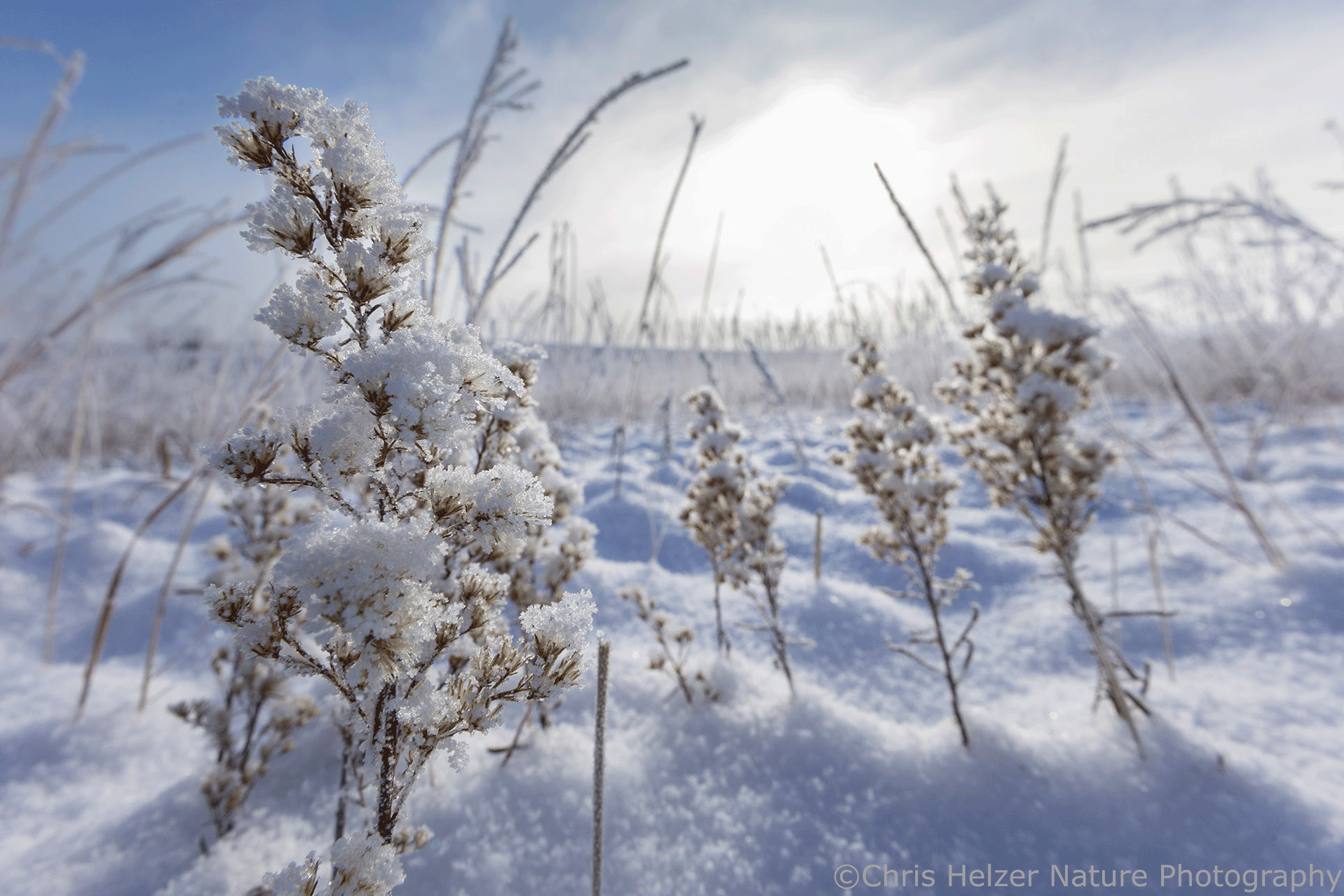
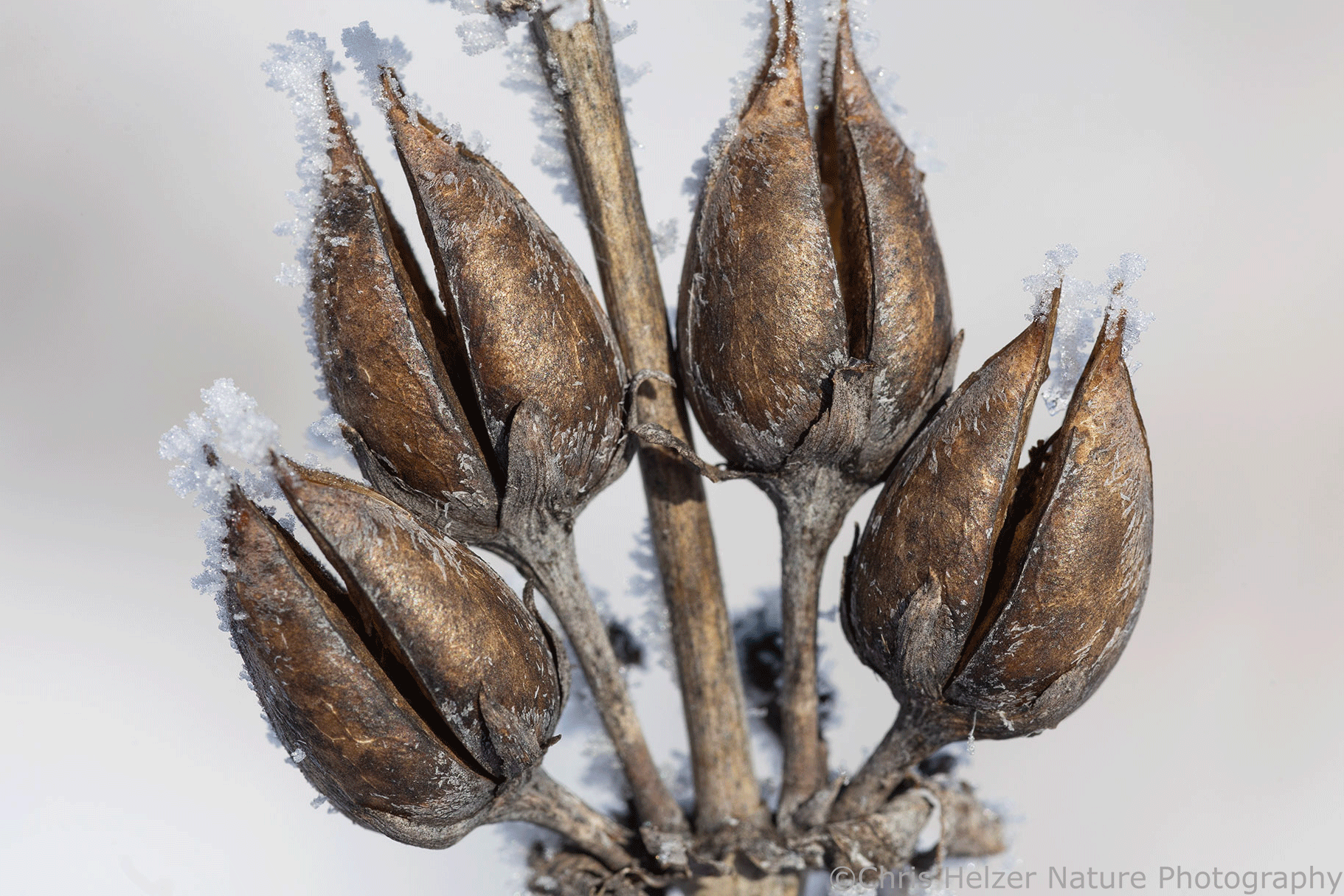
I really didn’t cover much of the prairie because as the light continually changed I kept circling back to spots I’d been before. Each time I passed by the same place, the changing light brought new opportunities and perspectives. I photographed some of the same individual plants a couple times – in different lighting conditions – and stood in my own foot prints on multiple occasions, framing up a photo while facing in a different direction than I had twenty or thirty minutes earlier.
Eventually, the fog dissipated completely, leaving me in full sunshine, intense enough that the bright snow and dark shadows made it nearly impossible to make good photos. It had been an amazing couple hours, but I was also glad for an excuse to stop tramping up and down those steep hills while wearing thick layers of clothing. Plus, I knew I had a long (but very pleasant) afternoon of sorting and working up images ahead of me and I was happy to get home to start on that task.
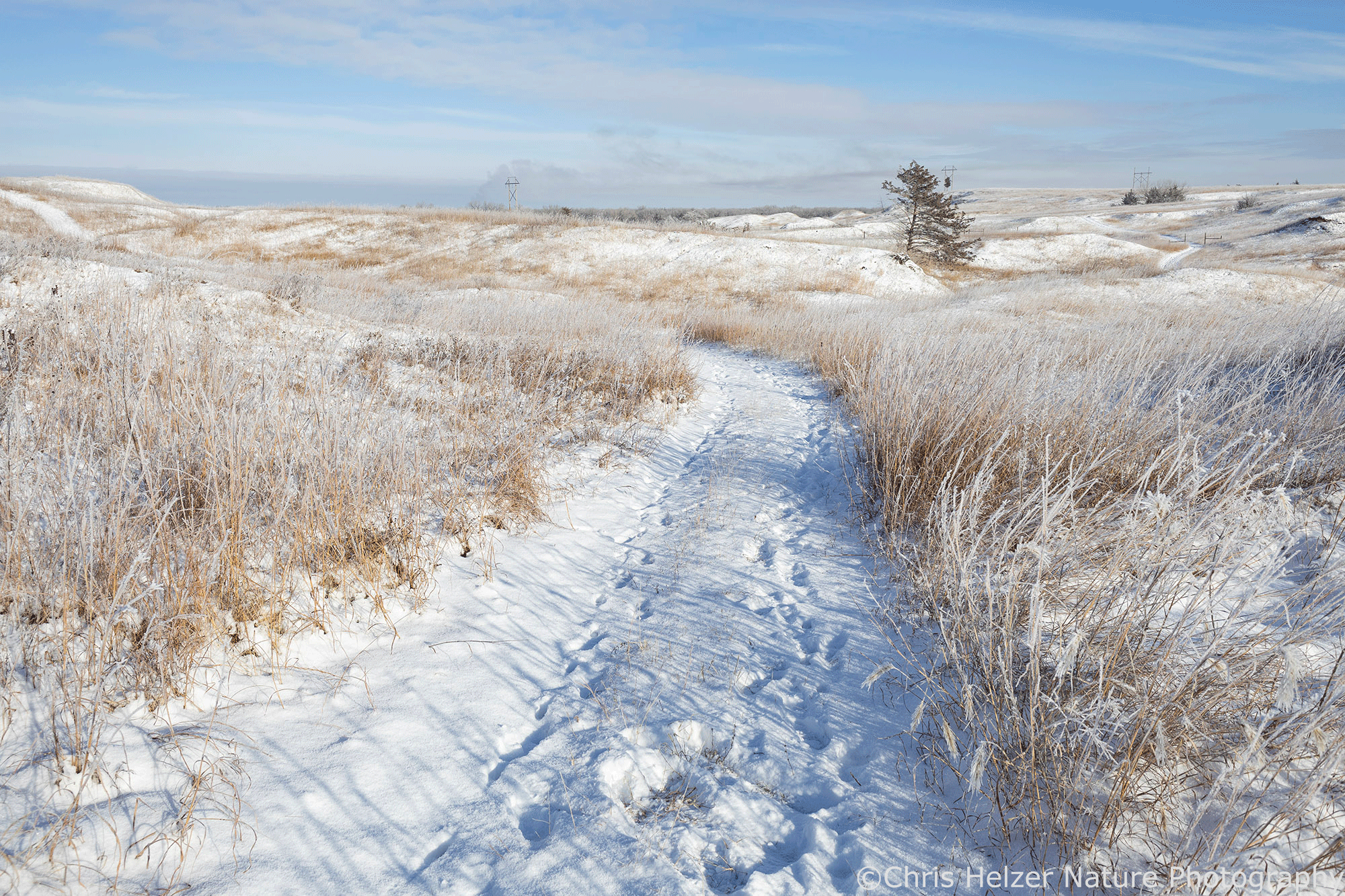
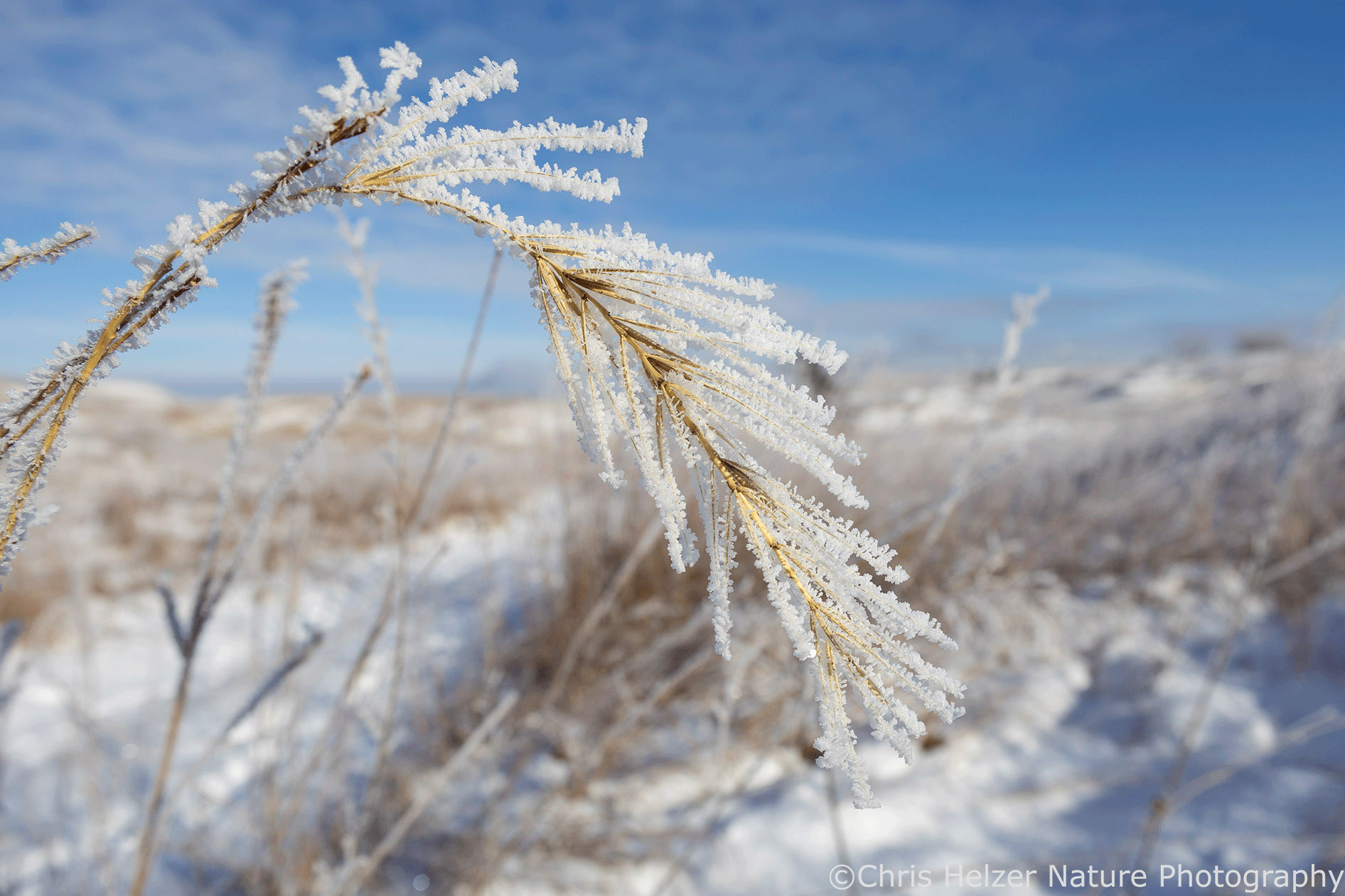
I still haven’t finished the book I was reading before deciding to head out to Gjerloff Thursday morning, but it’s not going anywhere. Neither is Gjerloff Prairie, of course, but the the fog, frost, and snow of Thursday morning was only there a few hours. I was incredibly grateful to have had the free day to take advantage of that opportunity.
If I’d driven the twenty minutes up to the prairie only to find dark overcast skies, I still would have enjoyed a nice hike. Afterward, I would have returned home to my cozy blankets and book and been perfectly content. Instead, I was rewarded with the best possible combination of winter photography conditions and an absolutely unforgettable morning!
 The Prairie Ecologist
Brrrrr.
Stunning photos celebrating winter.
These are great, the glow in the sky in the first ones definitely captured an ethereal feel, at least for me.
You made a good call. The photos are so atmospheric that I felt I was there. Chilly!
Wow, what a magical and beautiful place. I can imagine the beautiful silence and the awe of it all. I absolutely love your photos!
Very nice.
Thank you for bringing us right there with you! Lovely!
What a morning! The beautiful light and the quietude of the prairie… Thank you for sharing it. Your writing and photography is really special, and your work is the next best thing to being there. I appreciate the captions identifying the plants and insects.
Beautiful photos once again. I’d be interested to see what your latest camera set up is. Thanks for the work you do.
Thanks Steve. I’m shooting with a Canon EOS R8 camera. The Canon 15-30mm wide angle has been a favorite so far, along with the old Canon 180mm macro that I can use with an adapter.
Wow! So beautiful. What a great morning. Thank you.
Thank you for sharing the wintry beauty of the prairie.