
Many of you know about the photo project I undertook in 2018, in which I visited the same square meter of prairie throughout the year and photographed everything I could find within that small area. It was a really fun project that ended up as a book, a museum exhibit, some traveling exhibits, and lots of presentations.
Since then, I’ve been asked many times if I would go back to the same plot and repeat the project. My answer was always “no”. I’d already done that project and didn’t really feel inspired to do it all over again. This spring, however, the part of Lincoln Creek Prairie where I’d done the project was burned by Prairie Plains Resource Institute and I took the opportunity to go out and relocate what was left of the four pin flags marking my old plot.
As I replaced the old flags with new ones, I was hit with both nostalgia and curiosity. Maybe it would be fun to visit the plot a few times during the year, just to see what’s happening these days.

After replacing the flags, I took a few quick photos to document the site. If I did decide to revisit the plot a few times during 2024, it might be nice to have those photos as a kind of baseline for the year. Eight days later, on a dewy morning, I stopped by again. You know, just to say “hi” and see how the regrowth was coming along. As long as I was there, I took a few more photos.
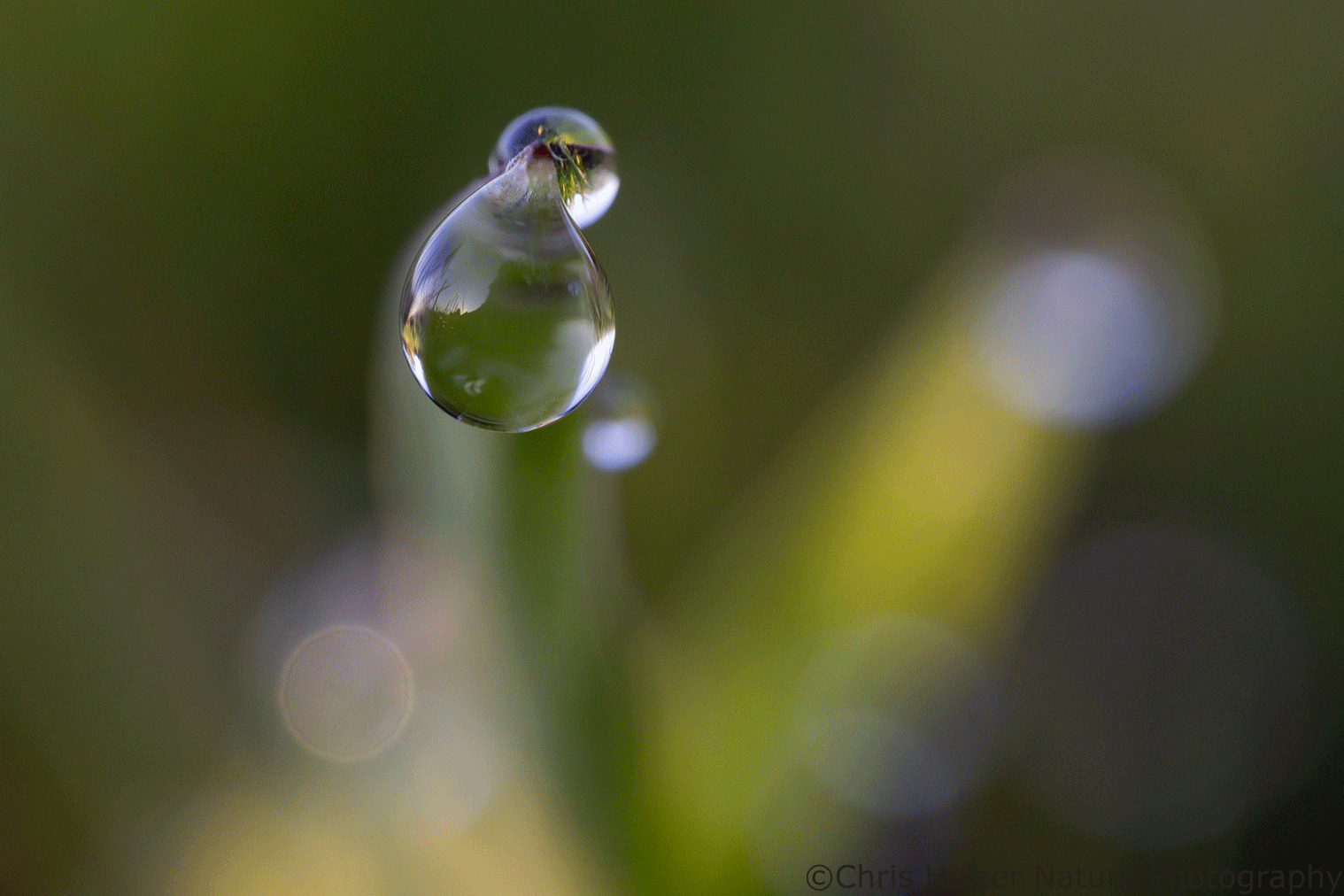
I started with the many dew drops hanging from the tips of grass blades. I found one in particular that caught my eye and ended up photographing it from lots of different perspectives. I enjoyed myself.


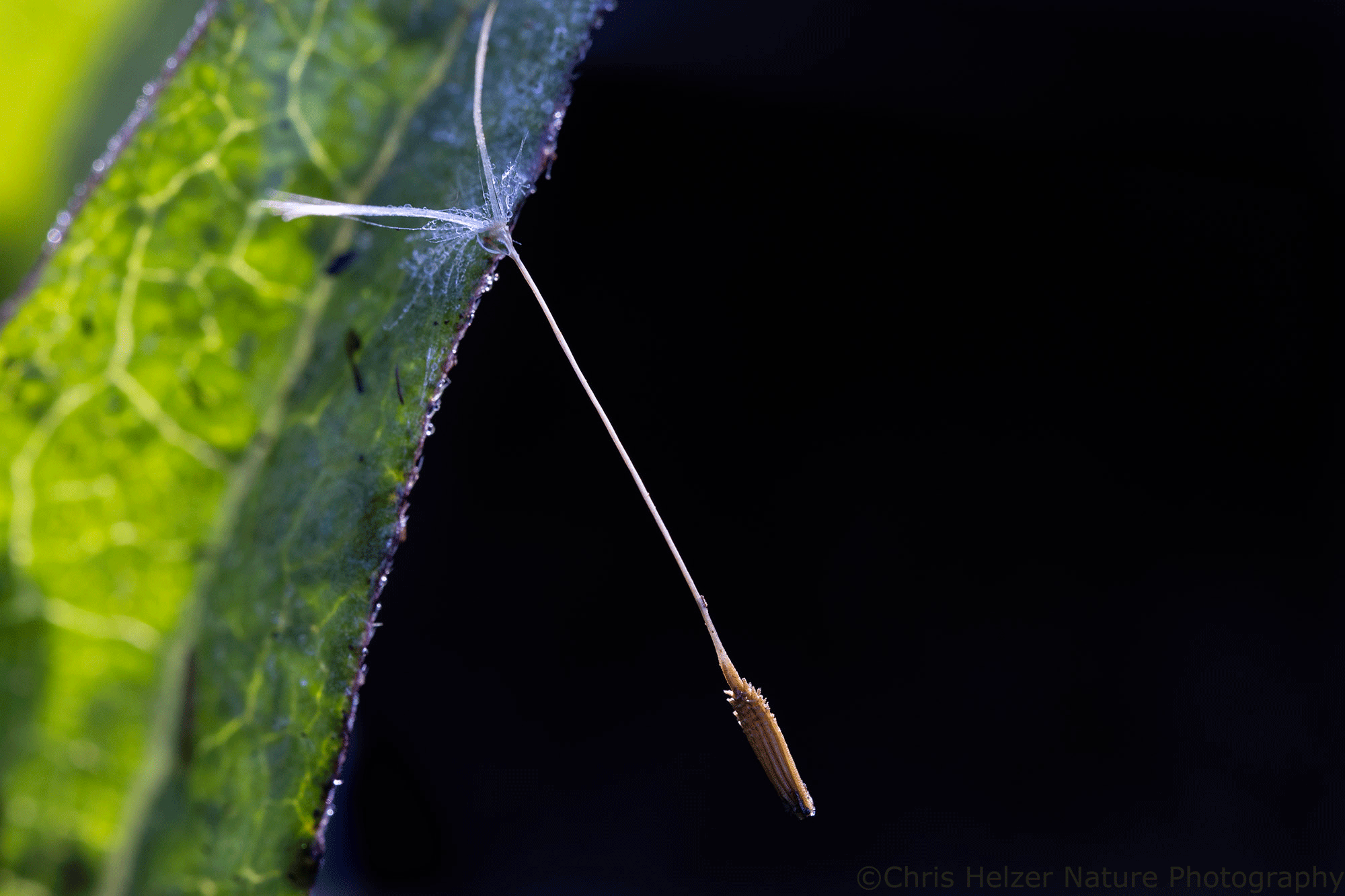
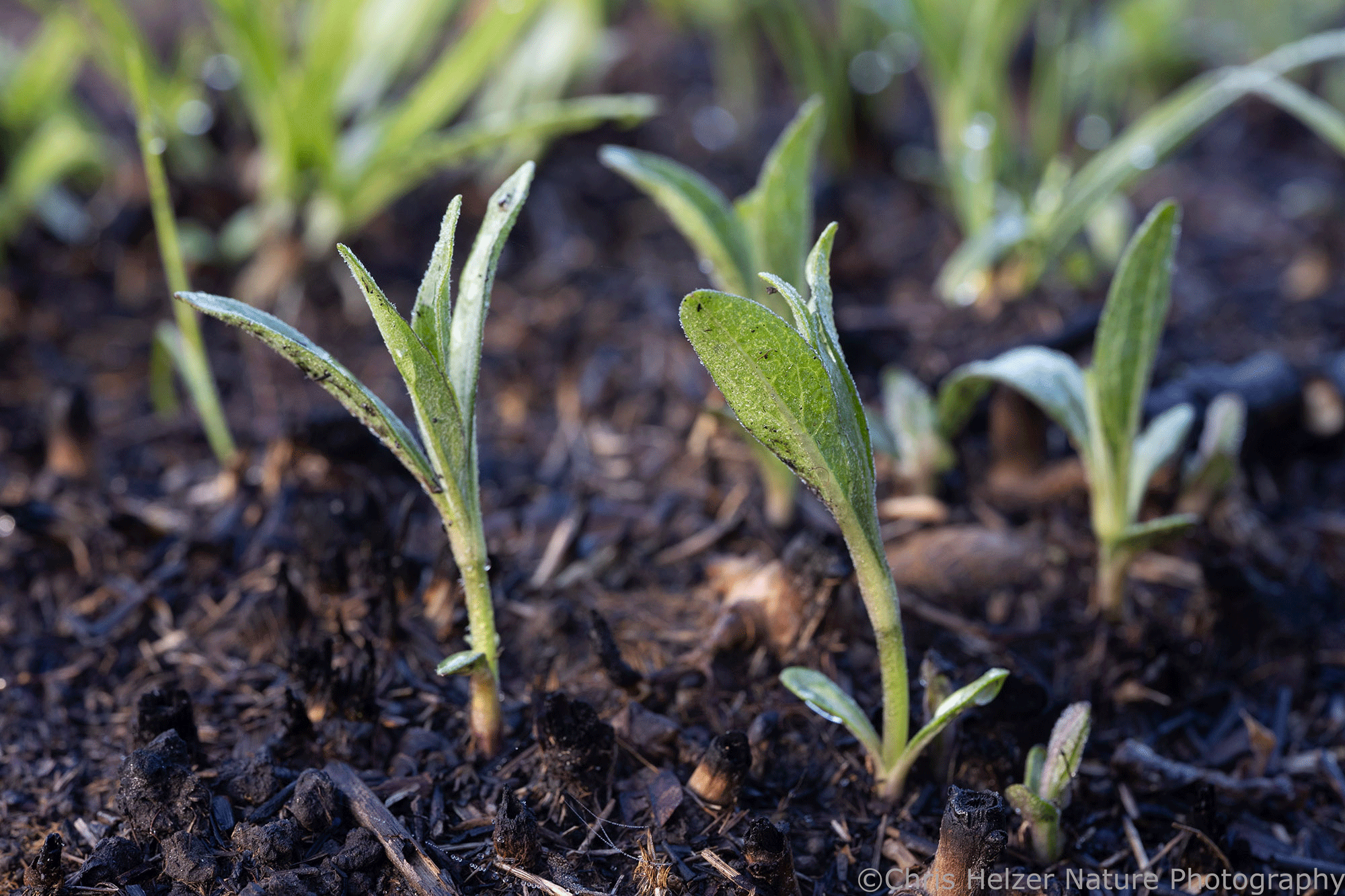
Once I started paying attention to the little droplets of water, I noticed other small treasures, including a dandelion seed hanging from an early leaf of a Maximilian sunflower. It was there, so I figured I might as well photograph it. Then I took photos of the little sunflowers as well. You know, just to document what they looked like on May 5, in case I decided to come back when they were taller.

As the sun rose and started to evaporate the dew drops, I started packing up my gear to leave. Before I did, though, I glanced over and saw an American robin feeding nearby – taking advantage of the bare ground and recent rains to hunt for worms. I circled around to the other side of it, just in case it decided to pass through my little plot as it foraged. Less than 5 minutes later, it did just that, pausing long enough for me to squeeze off a few photos of it inside the flags. You know what? This is fun!

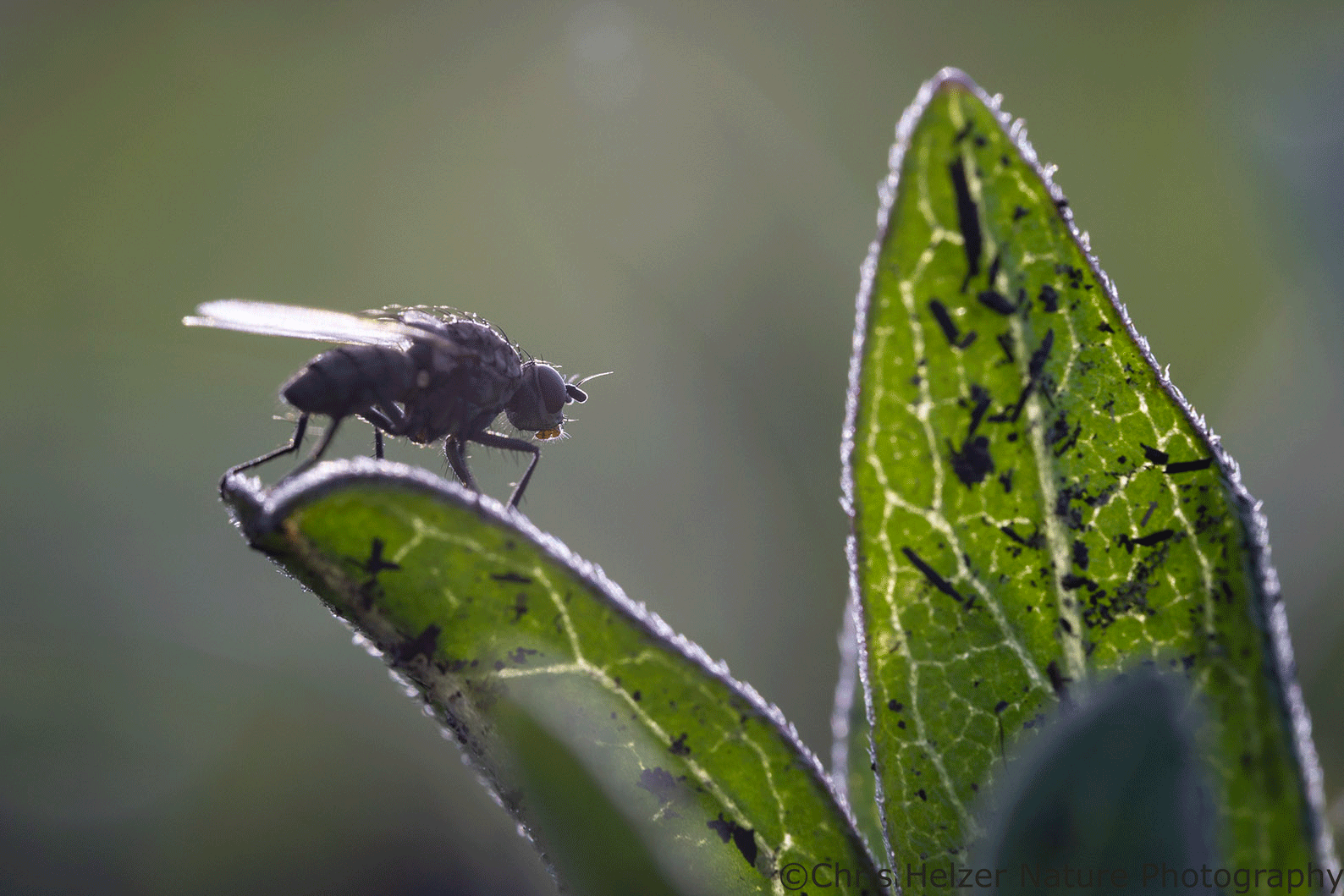
Two mornings later, I stopped by the plot again. It’s right across town, after all, so it’s easy to get to. After just a couple days, there were really noticeable differences in the growth stage of the plants. I found newly-germinated annuals – too small for me to identify yet. Warm-season grasses like big bluestem were starting to produce leaves. Even better, I was able to photograph a couple different insects, including a little leafhopper species I’d seen on my previous visit, but hadn’t managed to photograph well.


This morning, I woke up earlier than I’d planned and wasn’t able to get back to sleep. As long as I was up, I figured I should do something with my life, so I hopped in the truck and went over to Lincoln Creek yet again. It had only been three days since my last trip, but, again, there had been quite a bit of change. For one thing, lead plant was starting to emerge from its basal buds. I had wondered whether it was still there and was glad to see it.

There were dew drops again, too, though not as many as there had been three mornings ago. Enough, however, that I found a couple worth playing with.

Short-beaked sedge (Carex brevior) was starting to bloom! Six years ago, it was present, but didn’t flower – probably because the site hadn’t been burned for a few years and its growth was suppressed. This year, it looks like I’ll get the chance to photograph its yellow anthers. Assuming, of course, that I decide to come back when it’s in full bloom.

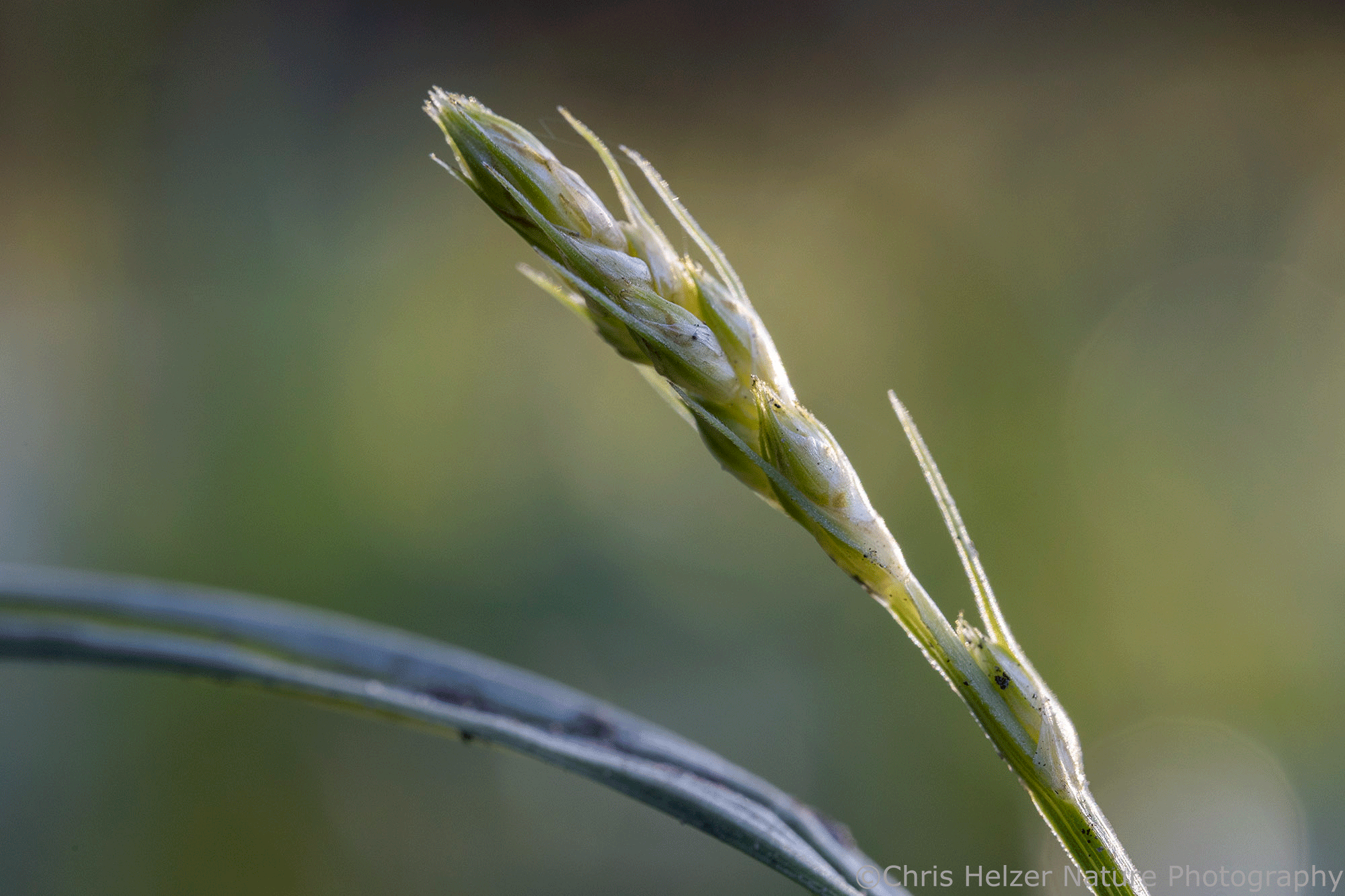
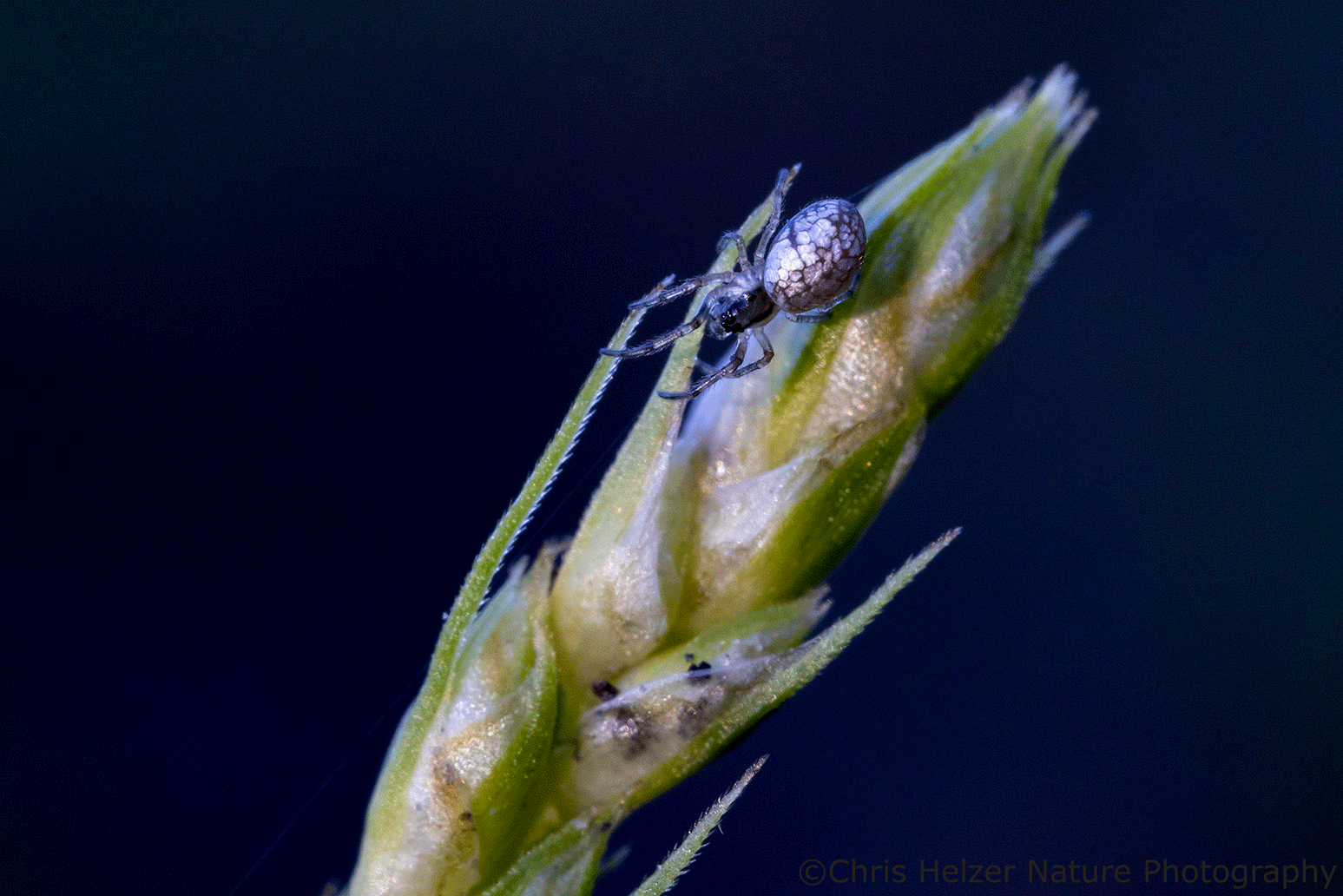
After I photographed the sedge, I moved on to other subjects within the plot. Later, I circled back to the sedge because the light had changed and I wanted to capture it with more direct sunlight. As I was focusing on it, I noticed something tiny at the tip that seemed to be moving. Aha! It was a miniscule orb weaver spider of some kind! Now, we’re talking!

I spent several minutes photographing my new friend as it moved around the sedge and then across some silk lines between the sedge and nearby plants. After I got a few reasonably-good photos, though, it disappeared. I looked away for just a second and when I looked back it was gone. It was only about 2 millimeters long, so it hid really well, even in the short, sparse vegetation.
Oh well, maybe it’ll be back again. You know, assuming I decide to return and look for it.


After I finished with the spider, I photographed a few more plants, including butterfly milkweed, which had popped out of the ground during the last few days, and some dew drops on sunflower leaves. From a distance, my square meter plot didn’t look like it had much going on, but – just as in 2018 – once I sat down and really started looking, there was a lot to see.


I might just have to do this thing. I’ve only visited four times, but I’ve already seen at least 6 different animals in the plot, including at least one ant species that wouldn’t stand still long enough for photos and a really tiny beetle this morning that I only got a slightly-blurry photo of. Given how little plant growth there is after the burn, I feel pretty good about seeing six animals already!
I definitely have to get a photo of those ants, though. And I hope I get another chance at the beetle, though I’m less confident it’ll show up again. I think I might have found at least one tunnel entrance for the ants within the plot, so maybe I’ll camp out on that next time I stop by and see if I can capture images of the ants coming and going.
At this point, at least, the old energy seems to be back. I’m realizing how much I’ve missed getting to watch the prairie grow and change at an extremely local scale. Just during the two weeks since I put those flags in the ground, I’ve already gotten to know a lot of the individual plants and have seen dramatic changes in them. I’ll visit and photograph lots of prairies this year, but it sure looks like I’m going to spend a lot of time with this very small, very familiar, little plot of land as well.
 The Prairie Ecologist
Awesome work and informative, thank you Chris.
what an inspiration! It takes a lot of discipline (and spiritual reservoir) to slow down this much and look so closely at this small space
The square meter project spoke to a lot of people, myself included. I’m glad to hear it (maybe, possibly, probably, definitely) has more to say!
I’m so happy you decided to return to this spot. After the burning it is amazing what has been laying dormant.
My initial interest in ecology came after observing a raiding column of slave-making ants and then observing their movements and activities over several weeks after following them back to their nest. I was 7 years old at the time. I had questions that none of my teachers could answer – which also led to a life-long appreciation of libraries!
There is a lot to learn in very small spaces, if we only pay attention and take some time.
Hi Chris! Linda from shoreacres recommended your blog to me! I mentioned to her that in my homeschooling conversations with my kids that the topic of prescribed burns came up and I was just starting to learn about it. She directed me here. Looking forward to reading your posts!
Pingback: Square Meter of Prairie 2024 – May: Part 1 | The Prairie Ecologist