
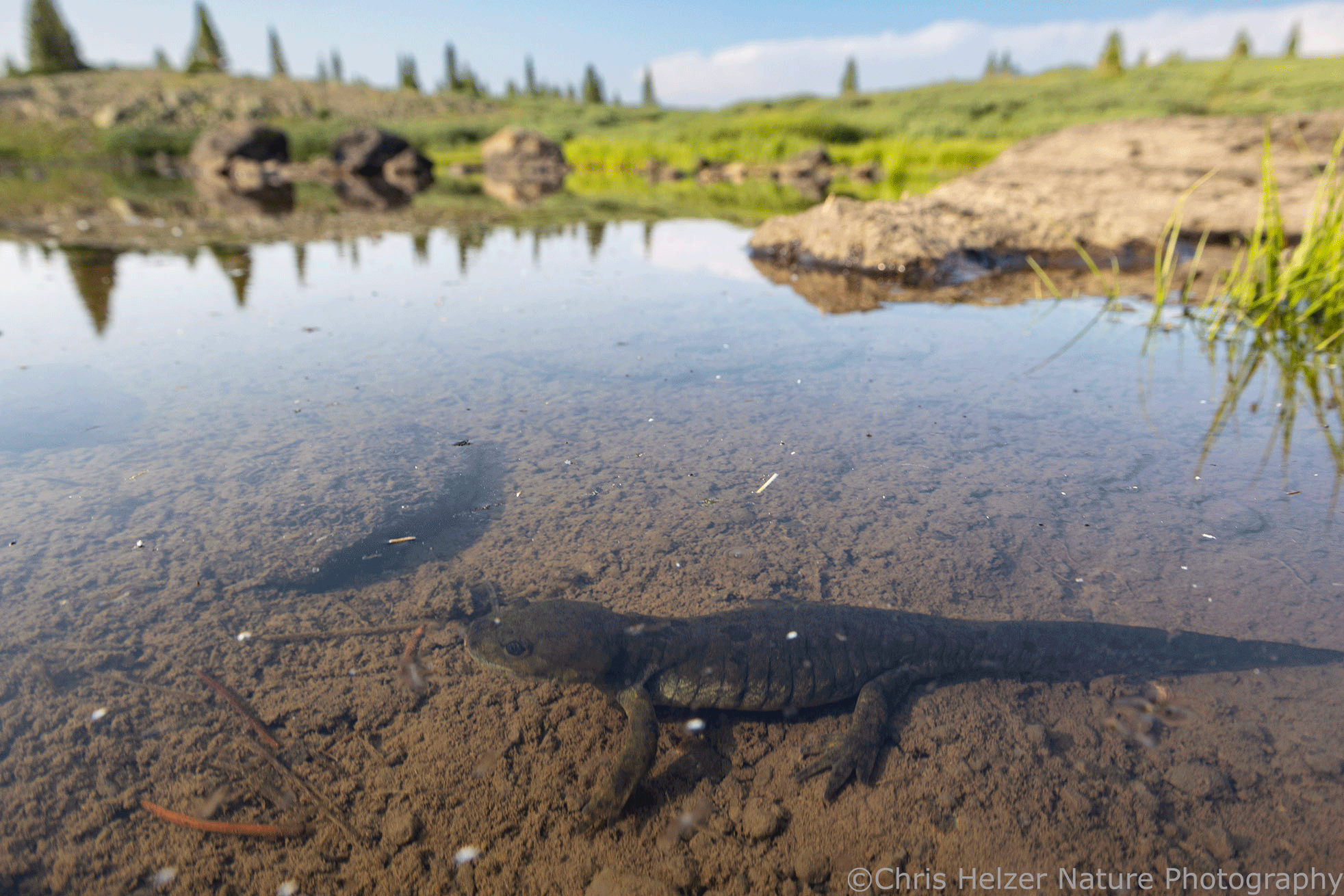
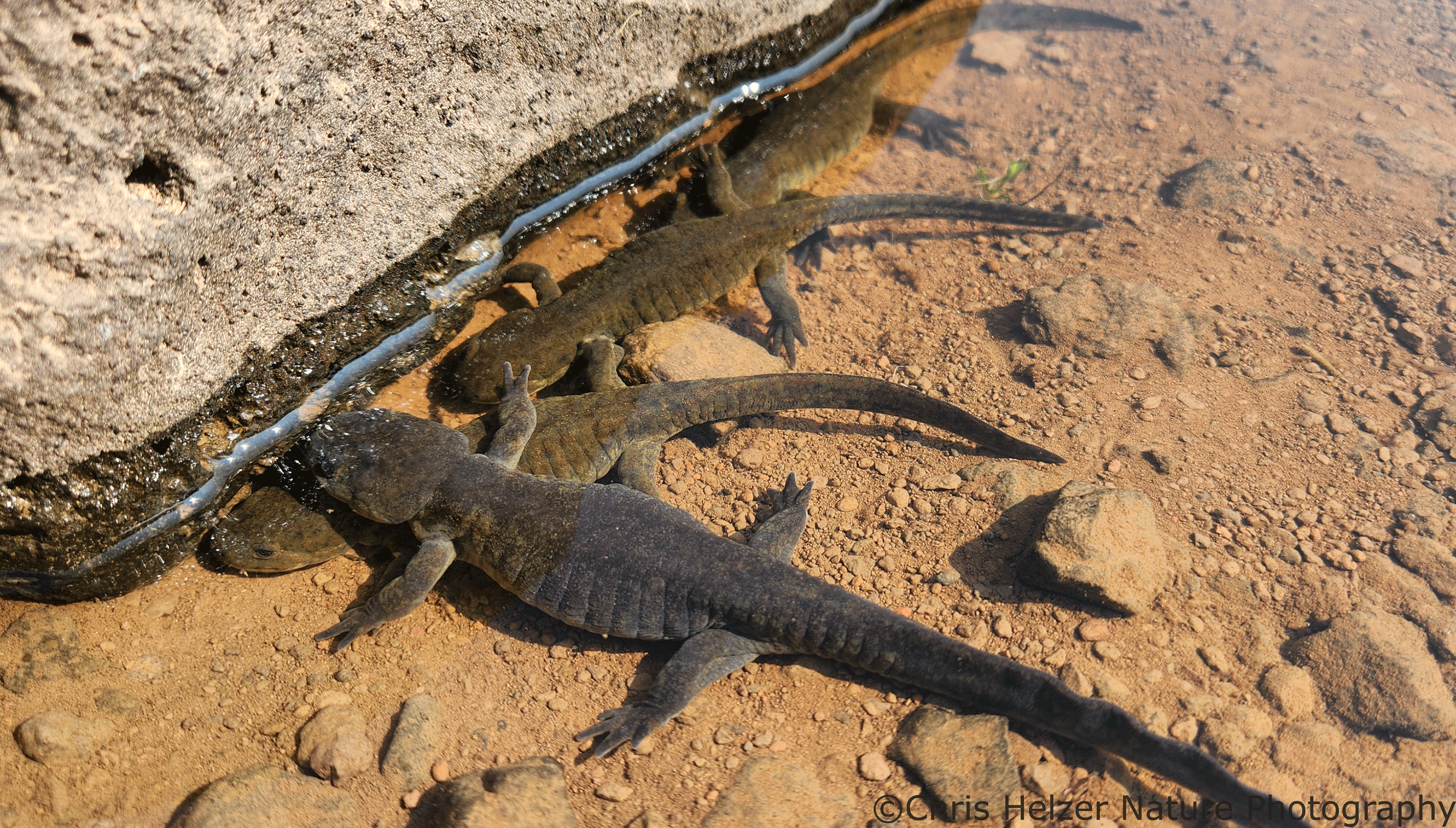
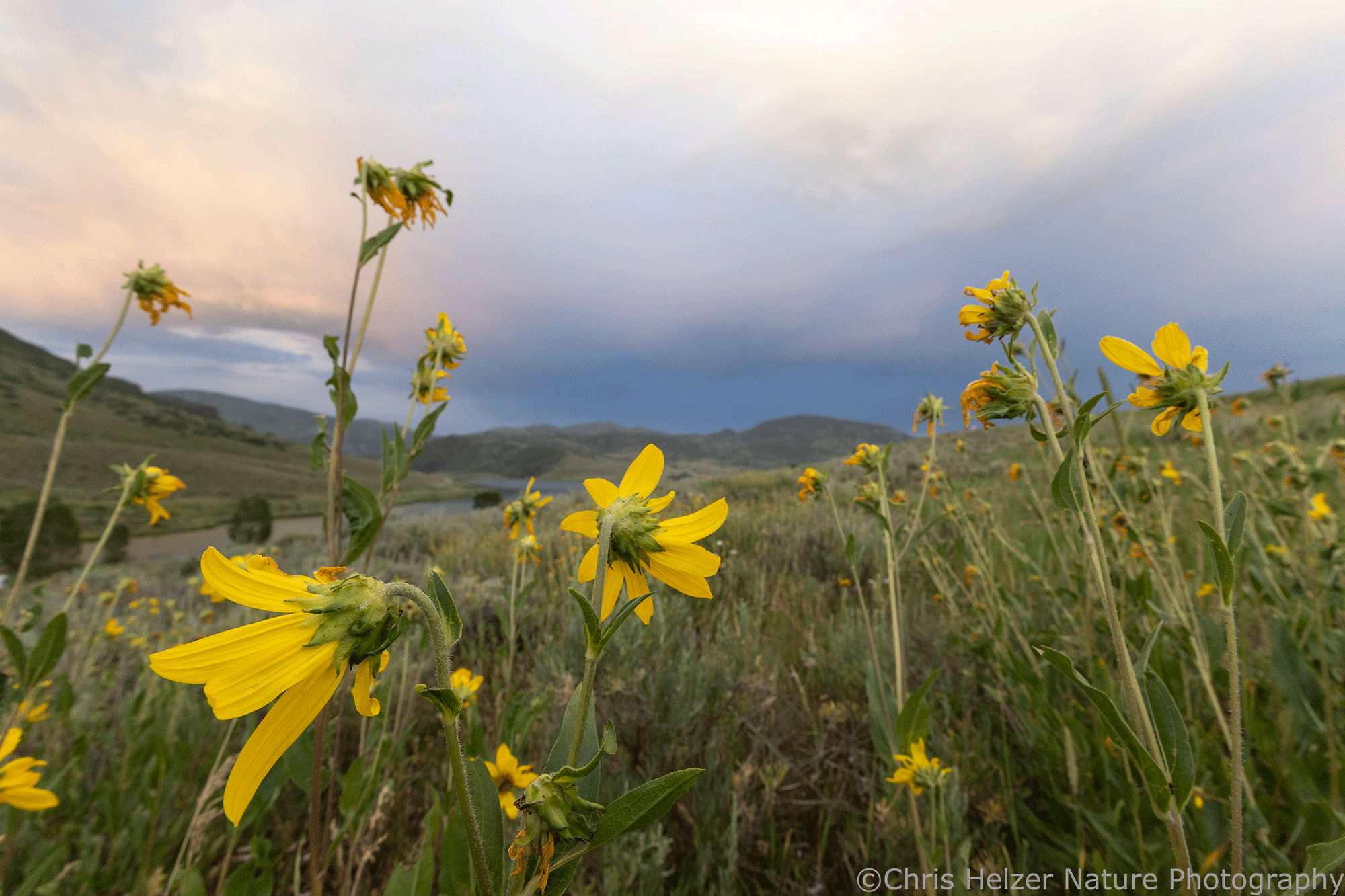
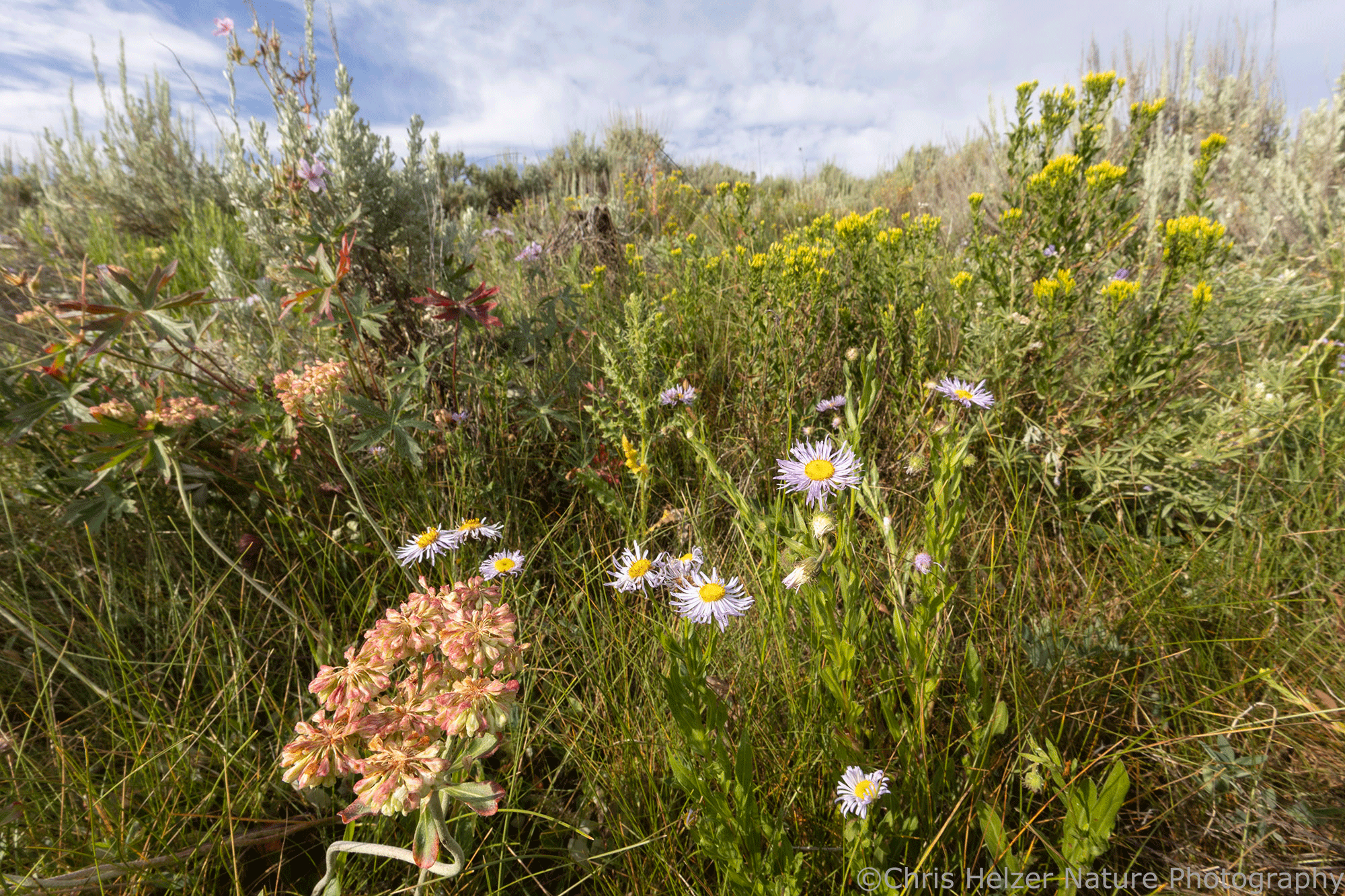
Last year, I spent several very pleasant days exploring the Flat Tops Wilderness. I backpacked up onto the big plateau and found myself a nice campsite, nestled in a small valley near a couple little lakes. To my delight, the little lakes were full of salamanders, which, along with the marmots, pika, wildflowers, grassland communities, and topography, gave me plenty to explore and photograph. Oh, there were lots of mosquitoes, too, but not in a way that ruined the experience.
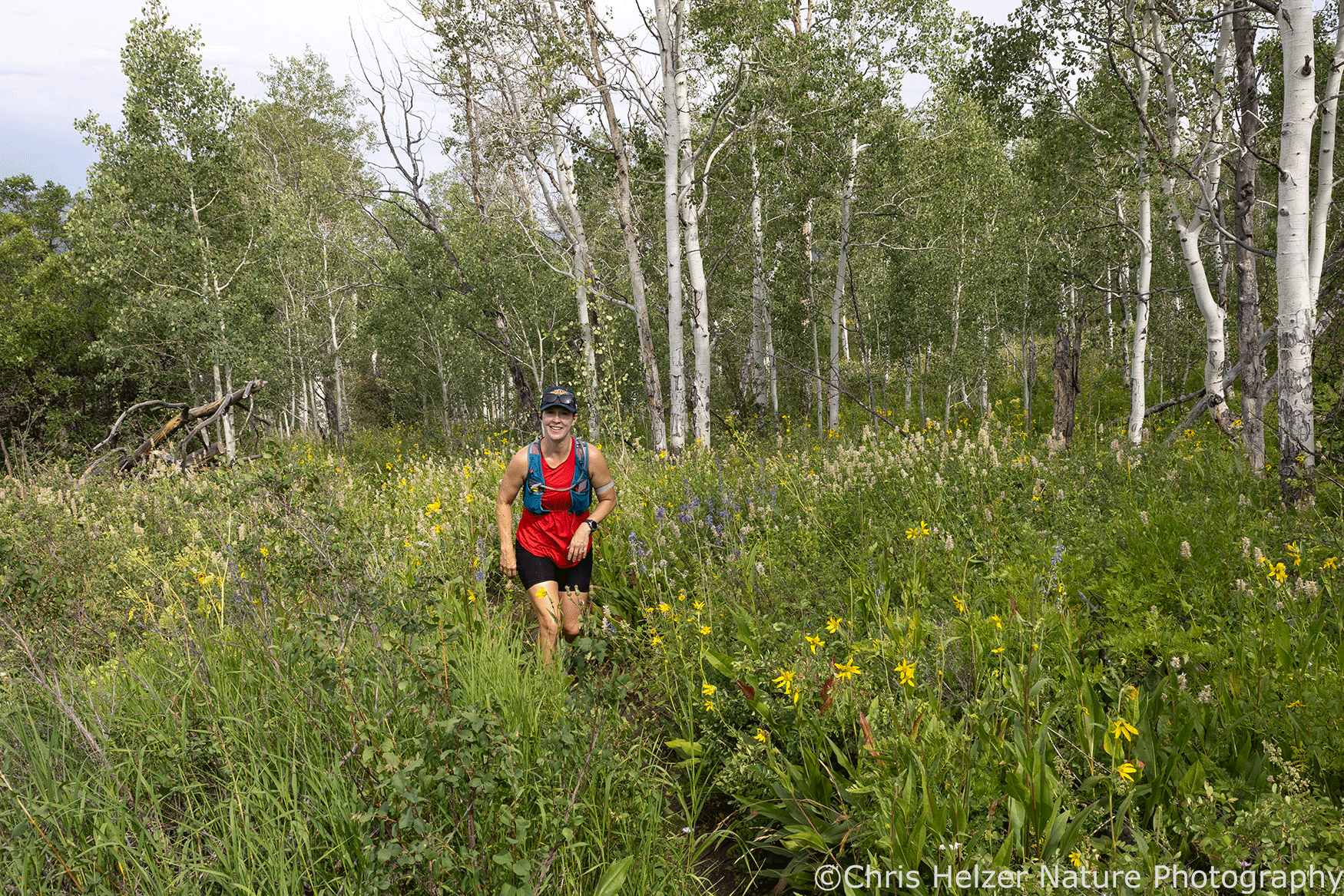
This year, I talked Kim into accompanying me back to the same site. “It’ll be great,” I told her, “you can go run trails during the day and I’ll wander around with my camera!” (Kim runs ultramarathons and is always looking for something other than the mostly-flat trails around us here in central Nebraska to use for training.) I showed her a map of where I’d camped last year, along with photos. I think the chance to see the salamanders probably closed the deal.
We made a plan. It was a good plan.
I had a packing list and made some tough decisions about what camera gear I could carry in my backpack. Kim picked out some tasty-sounding meals. Looking at the trails map, we talked through a variety of trails she could run on and places we might explore together. We even accounted for issues related to the high elevation – we took a few days to acclimate and also tried a prescription medication that alleviates symptoms of altitude sickness. And, just in case the mosquitoes were bad enough to warrant it, we packed some head nets.
On the way west, we spent a day and a half in eastern Colorado. We volunteered to run an aid station for the Summit 200, a 200 mile ultramarathon in the mountains of Summit County. It was a nice way to spend some time getting acclimated to higher elevation (we were at about 9,000 feet) and soak in the supportive culture of ultramarathon runners and race organizers. There were no mosquitoes at the aid station.
After a day of feeding and cheering on runners, we headed further west and camped at 10,000 feet at Stillwater Reservoir, right by the trail head into the Flat Tops Wilderness. It was a terrific little campground I’d stayed at last year, right next to a waterfall and little lake. The weather was pleasantly cool, though not so cool that it didn’t have mosquitoes. “Gee,” said Kim, “there are a lot of mosquitoes here!”
I guess so. It depends on what you consider “a lot.”
After a night of mediocre sleep, we got up and get ready to hit the trail. The overnight temperatures left a light frost on the ground, and when I rolled of my tent, there were no mosquitoes about. By the time we were ready to hike, though, the mosquitoes were up and moving again. “You’ll hardly notice them after a while,” I said, as I brushed a small horde of them off Kim’s shirt.
Kim is in better shape than I am. She runs ultramarathons, after all. I play soccer once a week (most weeks) and wander around in prairies. I’m not in bad shape, but Kim was nice enough not to comment on how many times I stopped to “admire the flowers” on the way up the trail. Once we hit the top, though, I took the lead because I knew the location of my secret campsite and how to get there.
“Um, where’s the trail?” Kim asked.
“Oh, we’re not going to follow the trail from here,” I said, “the campsite is off the beaten path.”
“What?” Kim shouted, “I can’t hear you over the sound of all these mosquitoes!”
This is where I made a big mistake. I remembered that we had to follow a ridge to the west to find my little lakeside campsite. Unfortunately, I picked the wrong ridge to follow. In my defense, there are two ridges running parallel to each other, and they both lead to basically the same place. On the other hand, the path I chose went through a lot of dense willows and little creek and the other one wouldn’t have.
As we walked, Kim asked me again why we weren’t following a trail. “We don’t need a trail,” I said, “that’s the advantage of camping in a wilderness area – you can find your own path!”
“Hmph,” Kim replied, as she cleared a path through the mosquitoes and shrubs and squished along in her soggy trail-running shoes
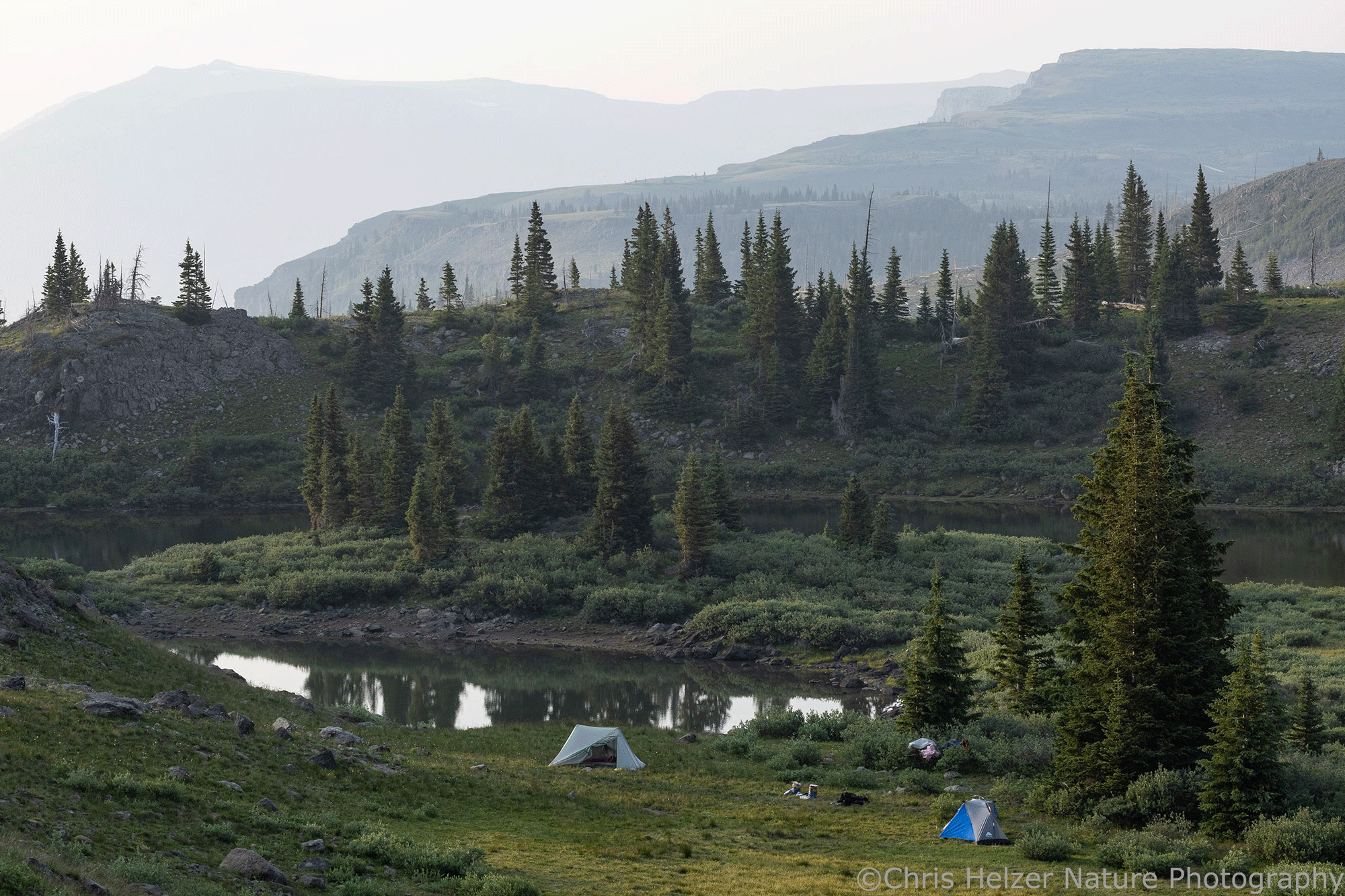
Eventually, we found the little lake and set up camp on the little hill just above it. There were only slightly more mosquitoes at the campsite than there’d been on the trail. Periodically, a breeze would clear enough of them away that we could actually see the lake.
“So,” Kim asked, “how far is it from here to the trails I’m going to run?”
And that, my friends, was where things fell apart. After all our planning, we’d both failed to fully realize how far from the trails our campsite really was. Actually, it wasn’t the distance, so much as the steep topography in-between that was the biggest issue. In retrospect, I think we’d partitioned our planning too much. I was focused on the camp site and photography opportunities and Kim was scoping out the trails and where they led. Neither of us spent time thinking about the connection between those two parts of the scheme.
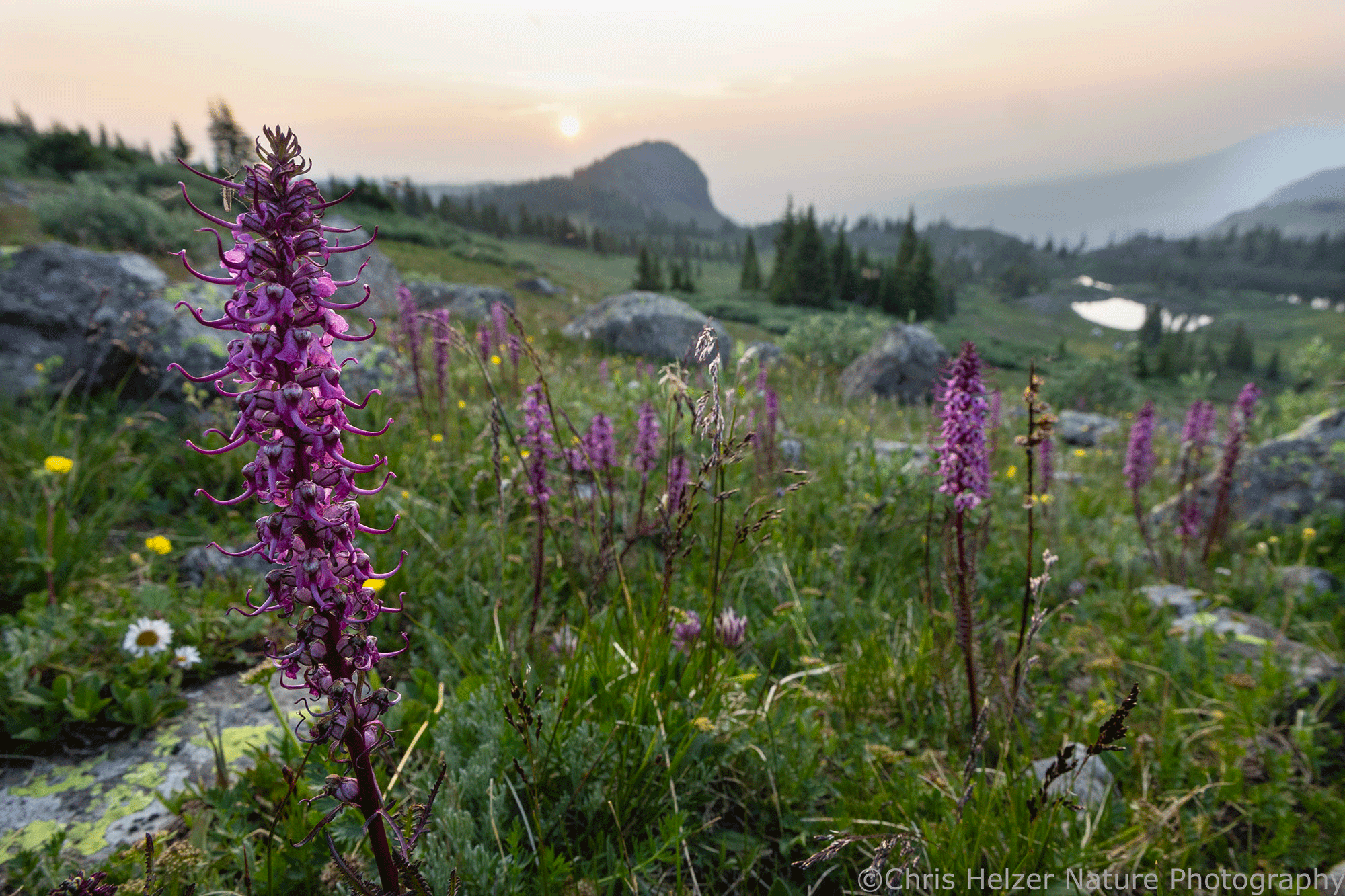
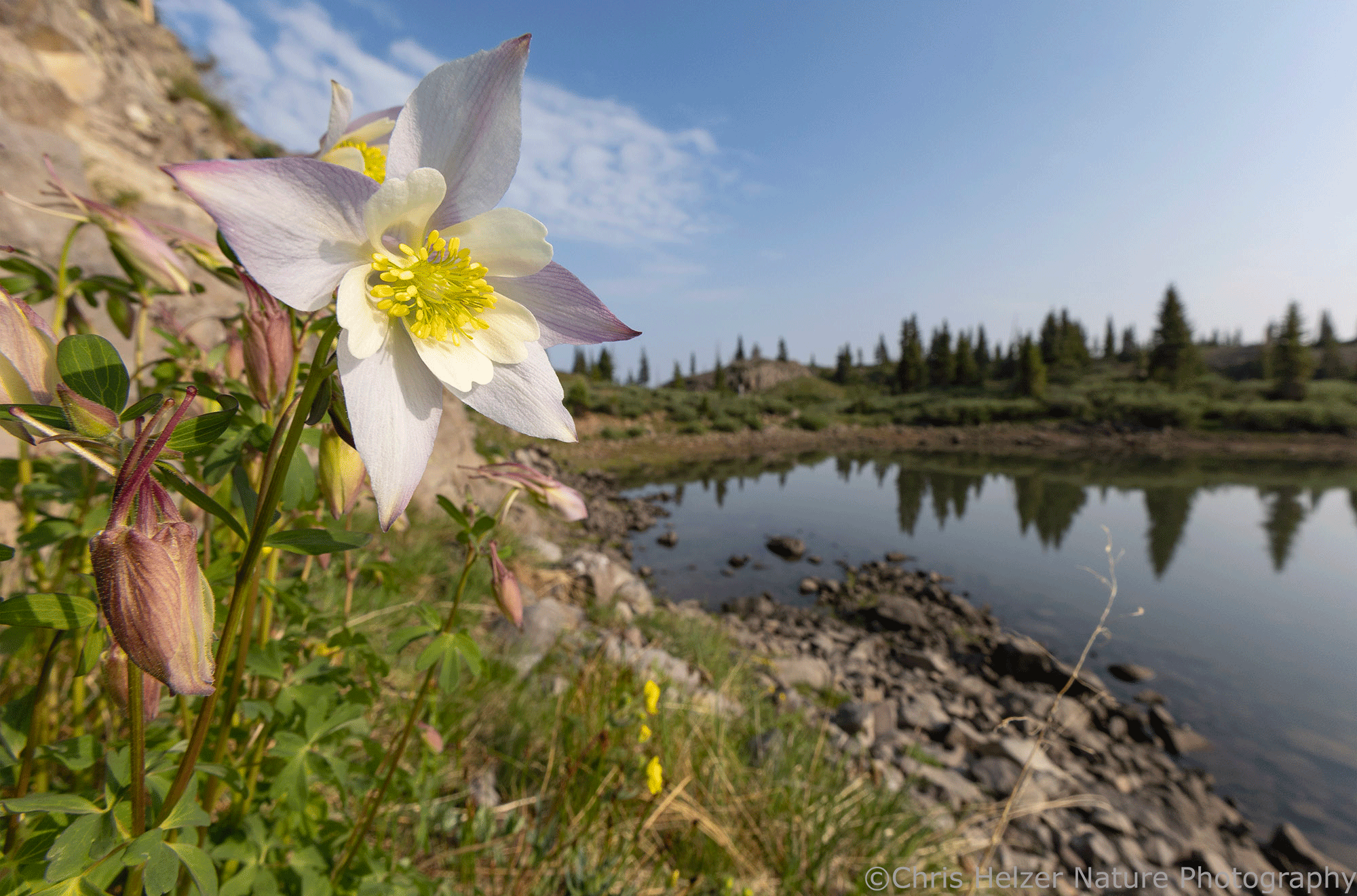
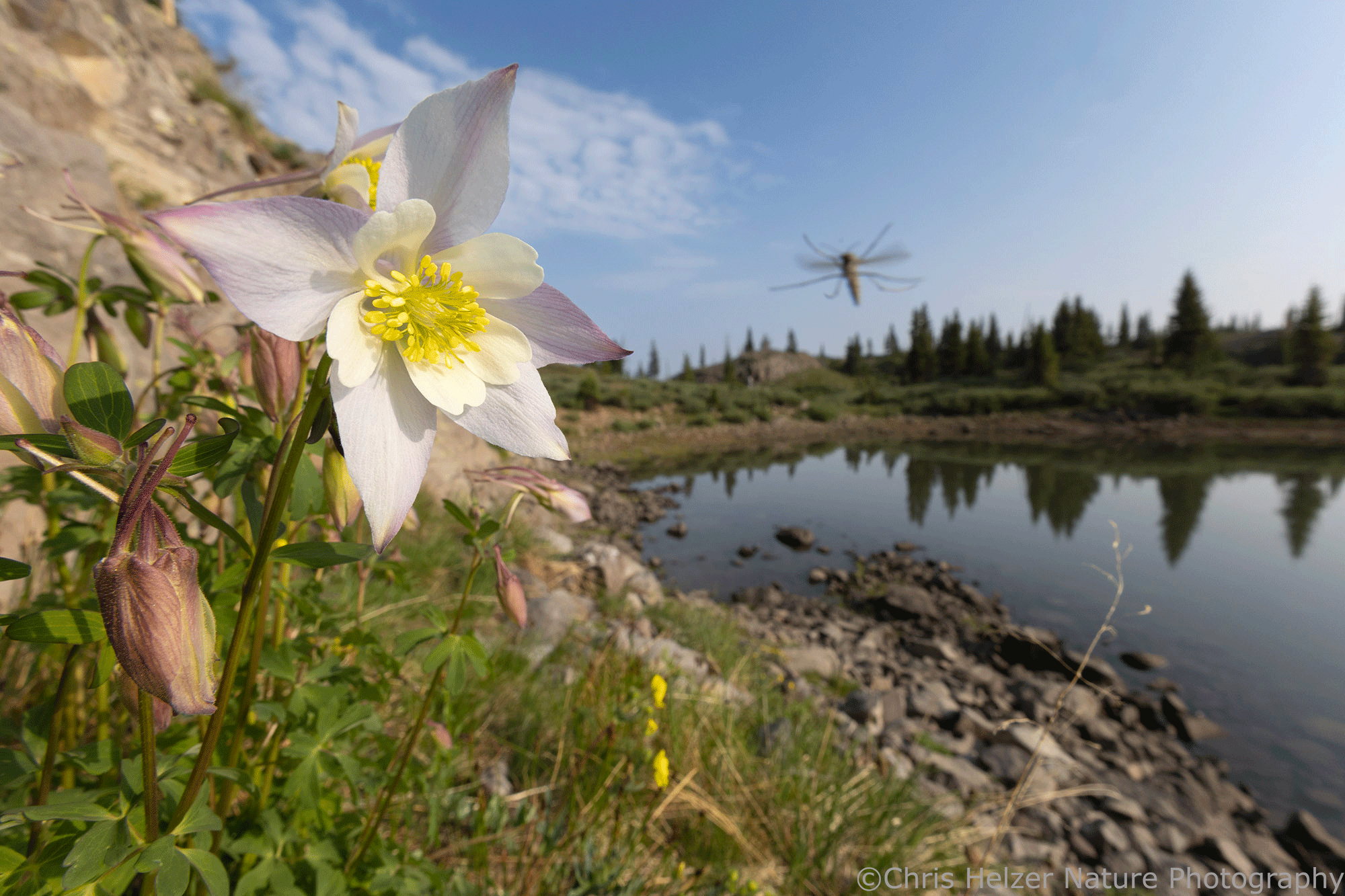
After some discussion, we ended up bailing on the whole project the following morning and backpacking down the same trail we’d climbed the day before. Poor access to trails was one factor, but there were others – including, to be honest, an impressive number of mosquitoes. I’m pretty sure one particularly discreditable swarm of them tried to steal my boots overnight.
As confirmation of our bad planning, it took us about an hour and half just to get to the nearest trail, including some pretty arduous uphill climbing. Between that and the previous days’ trek, my legs were exhausted by the time we reached the rim of the plateau and prepared to hike the four miles down to the trailhead.
Kim, however, decided she didn’t want to leave the Flat Tops without doing at least a little trail running at 11,500 feet elevation. As a result, I ended up resting and doing a little photography while Kim knocked out a “quick seven mile run” over to the Devil’s Causeway (a popular feature of the Flat Tops) and back. A charming legion of mosquitoes hung out with me while I waited, though a brief hailstorm subdued them for a little while. After Kim returned, we heaved our packs back on and trudged downhill to our vehicle.
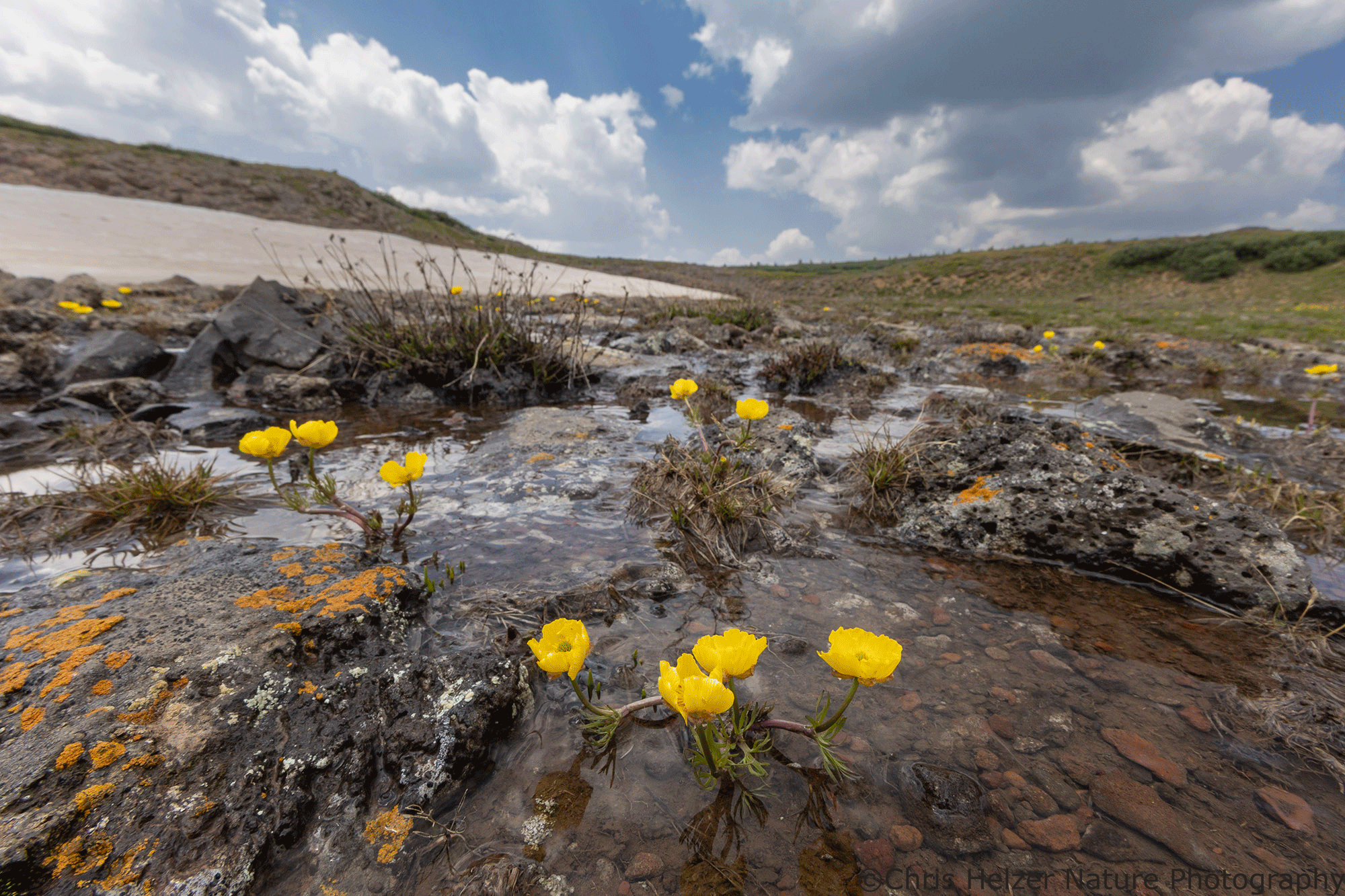
During the next few ways, we tested a few different ideas that might lead to a mutually-enjoyable vacation. We found a nice campground at nearby Stagecoach State Park, where Kim had access to some nearby trails and I had enough photography opportunities to keep me happy. There was also a great pizza place in nearby Oak Creek that provided a nice break from trail mix, beef jerky, and freeze-dried meals. We had a great time.
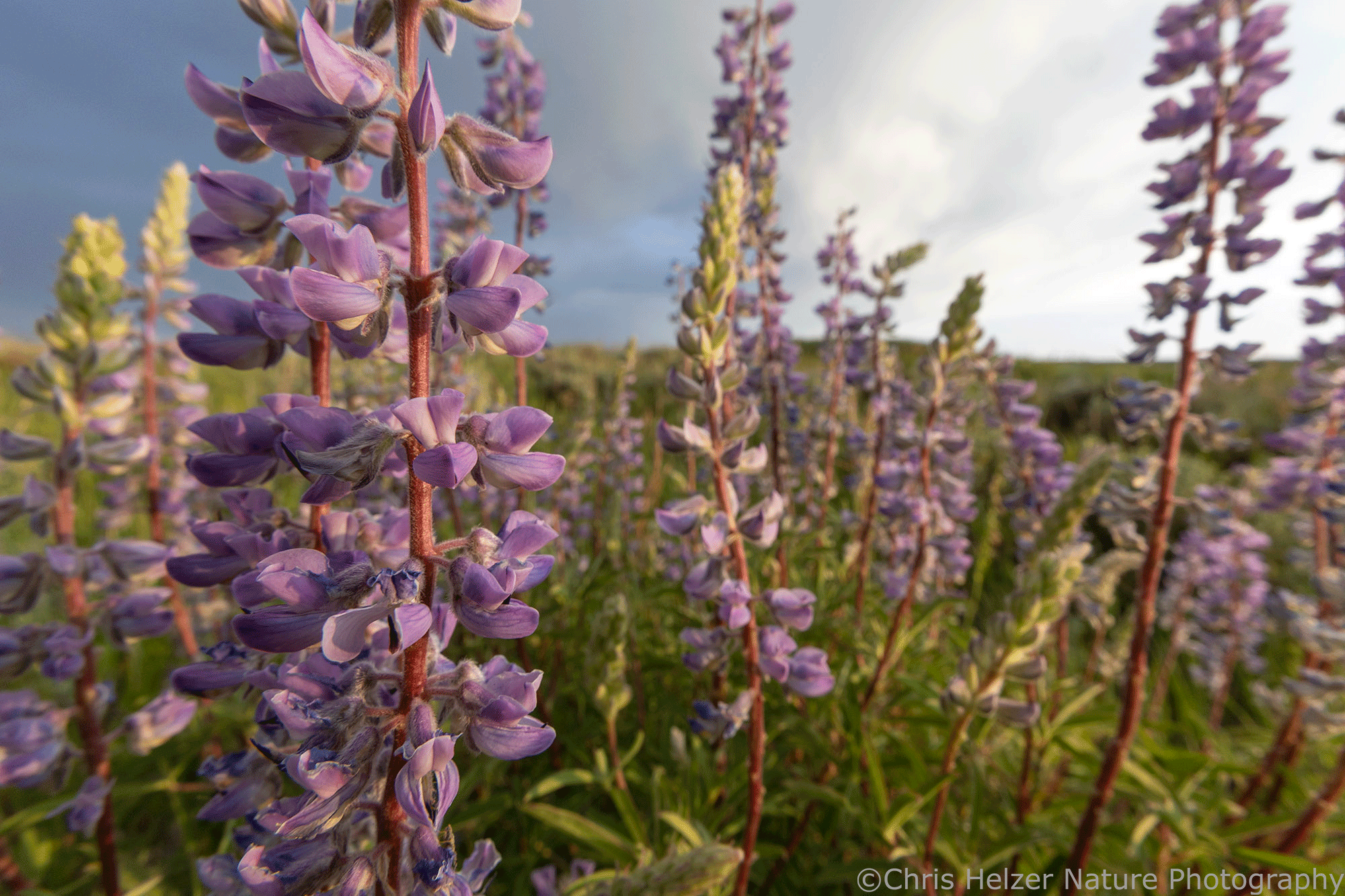
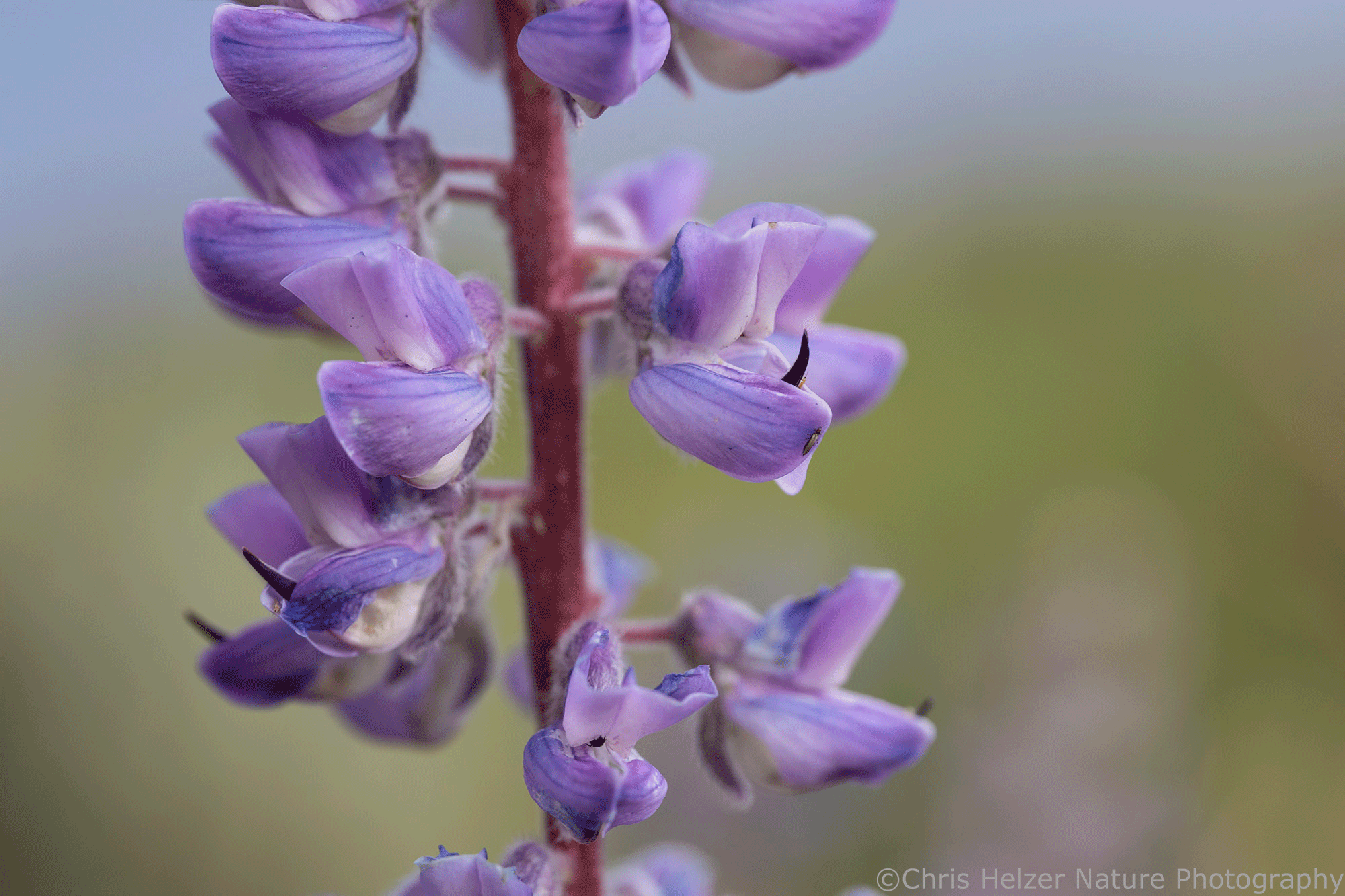
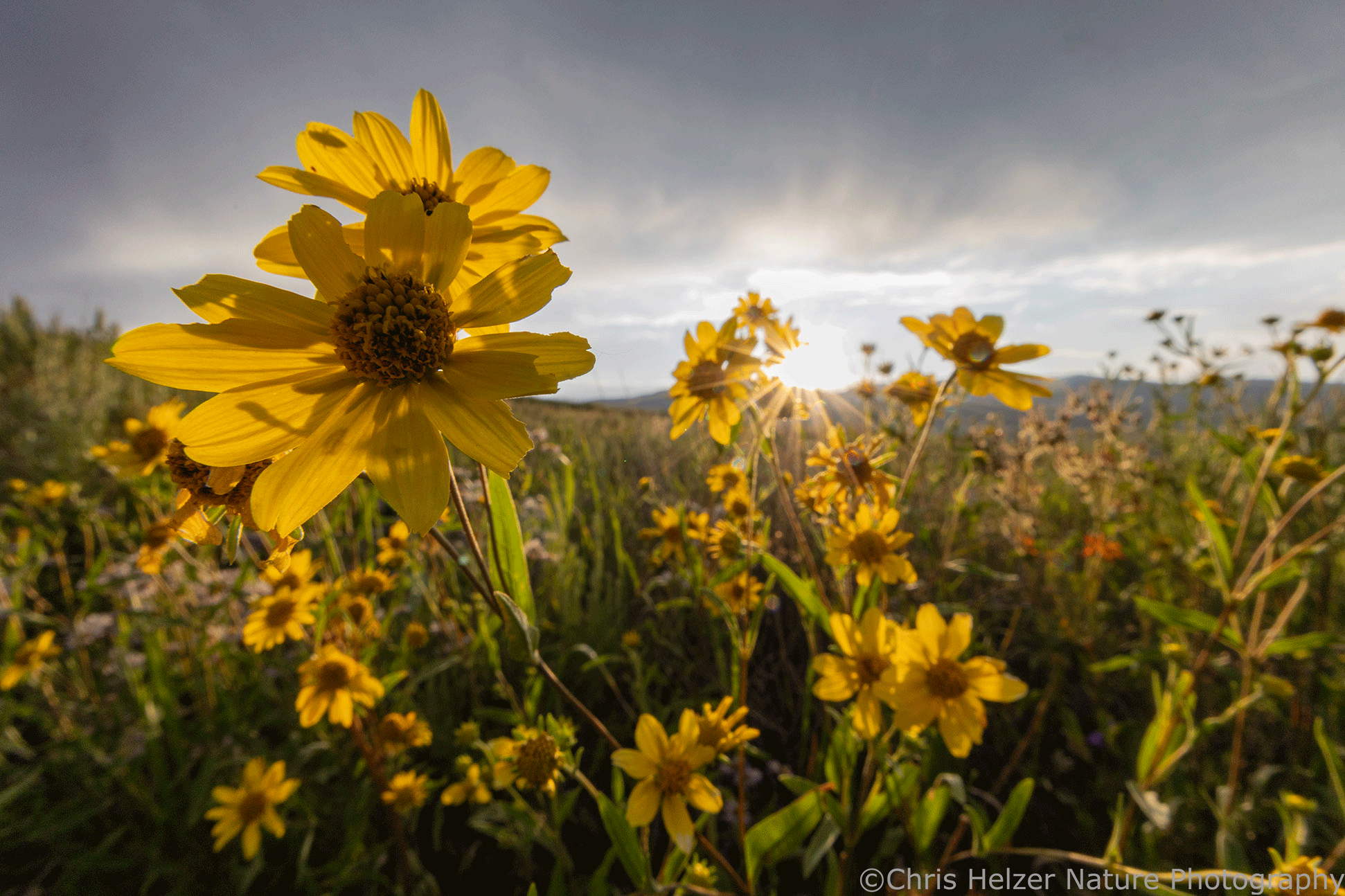
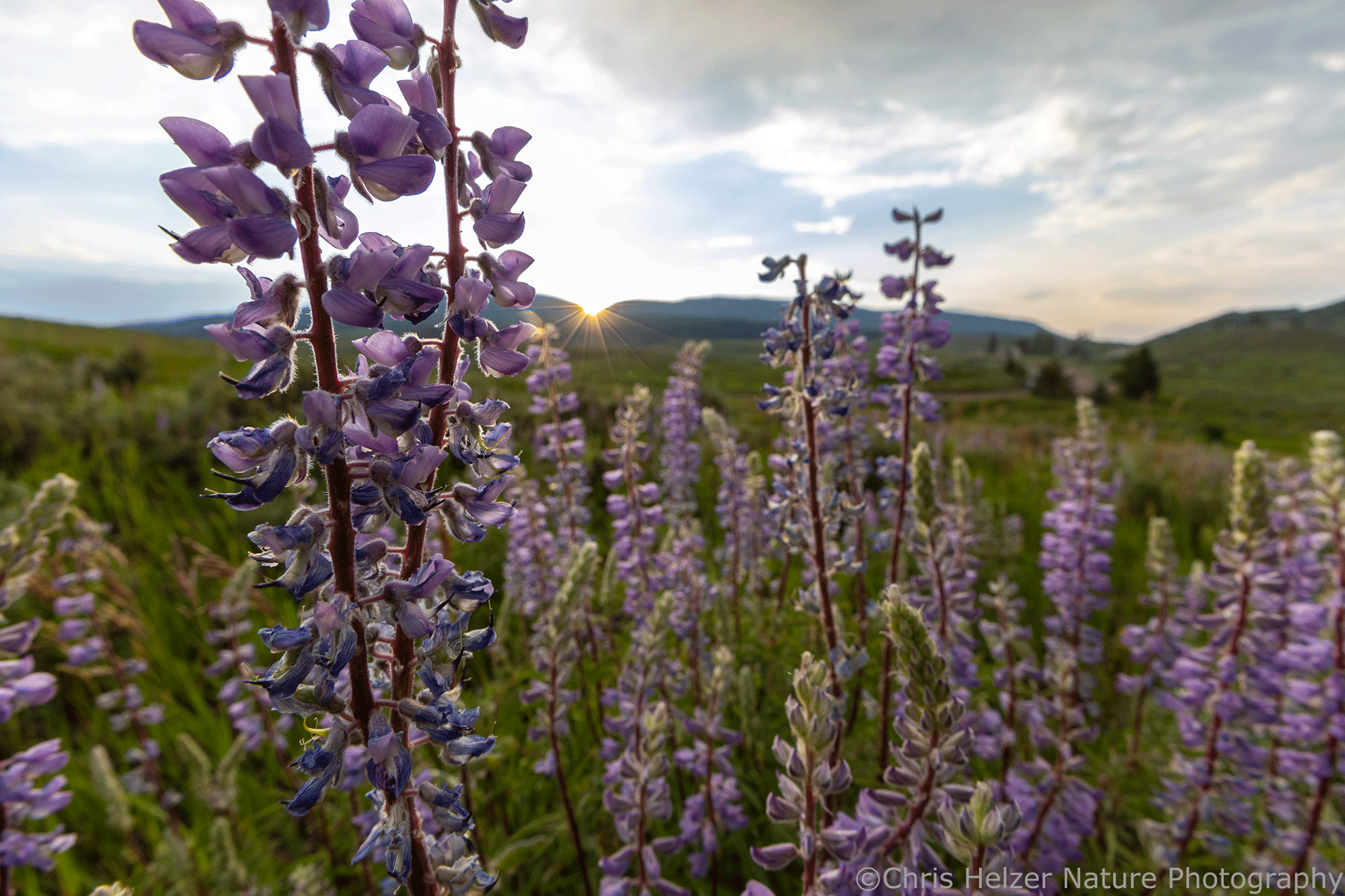
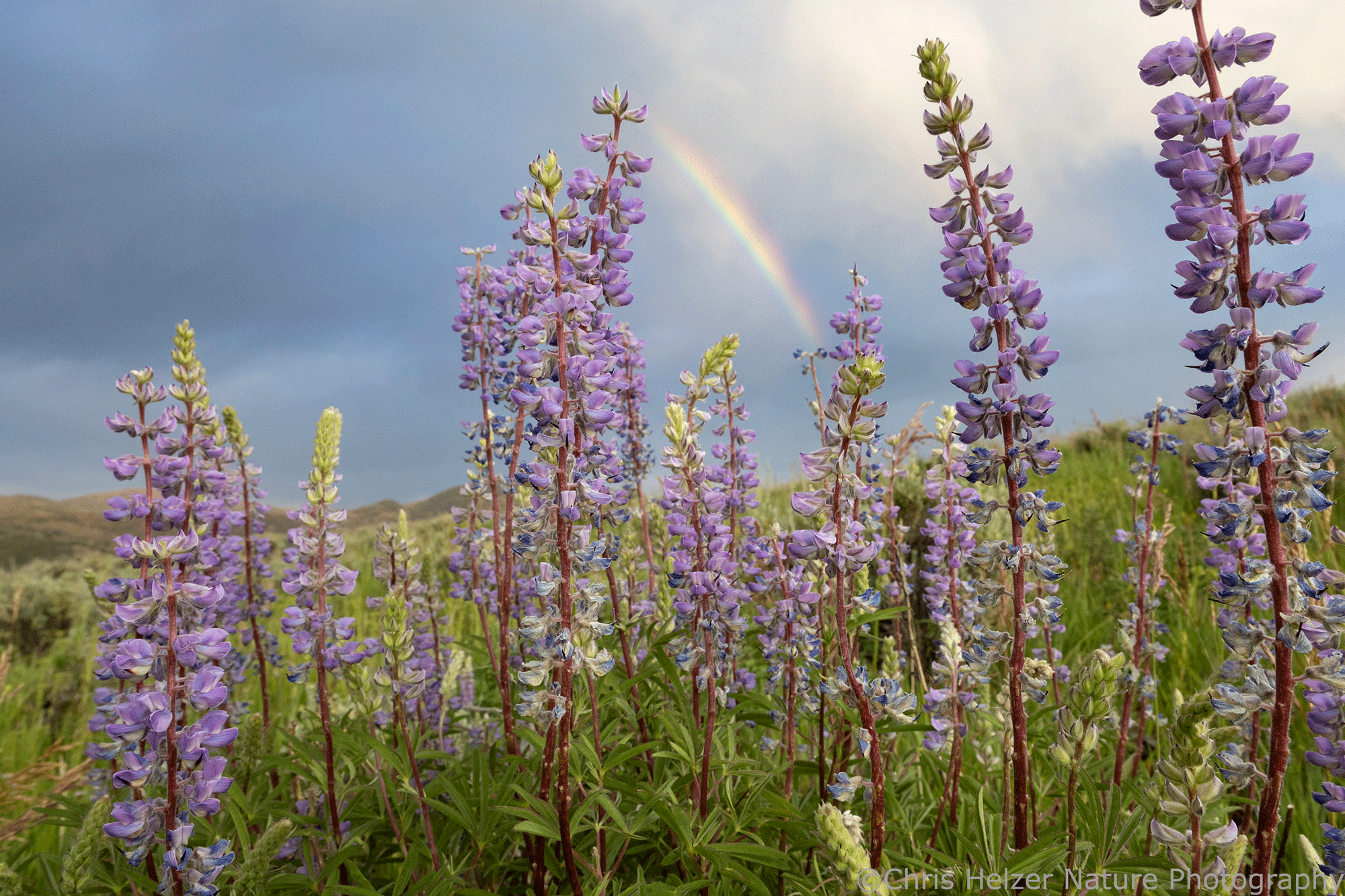
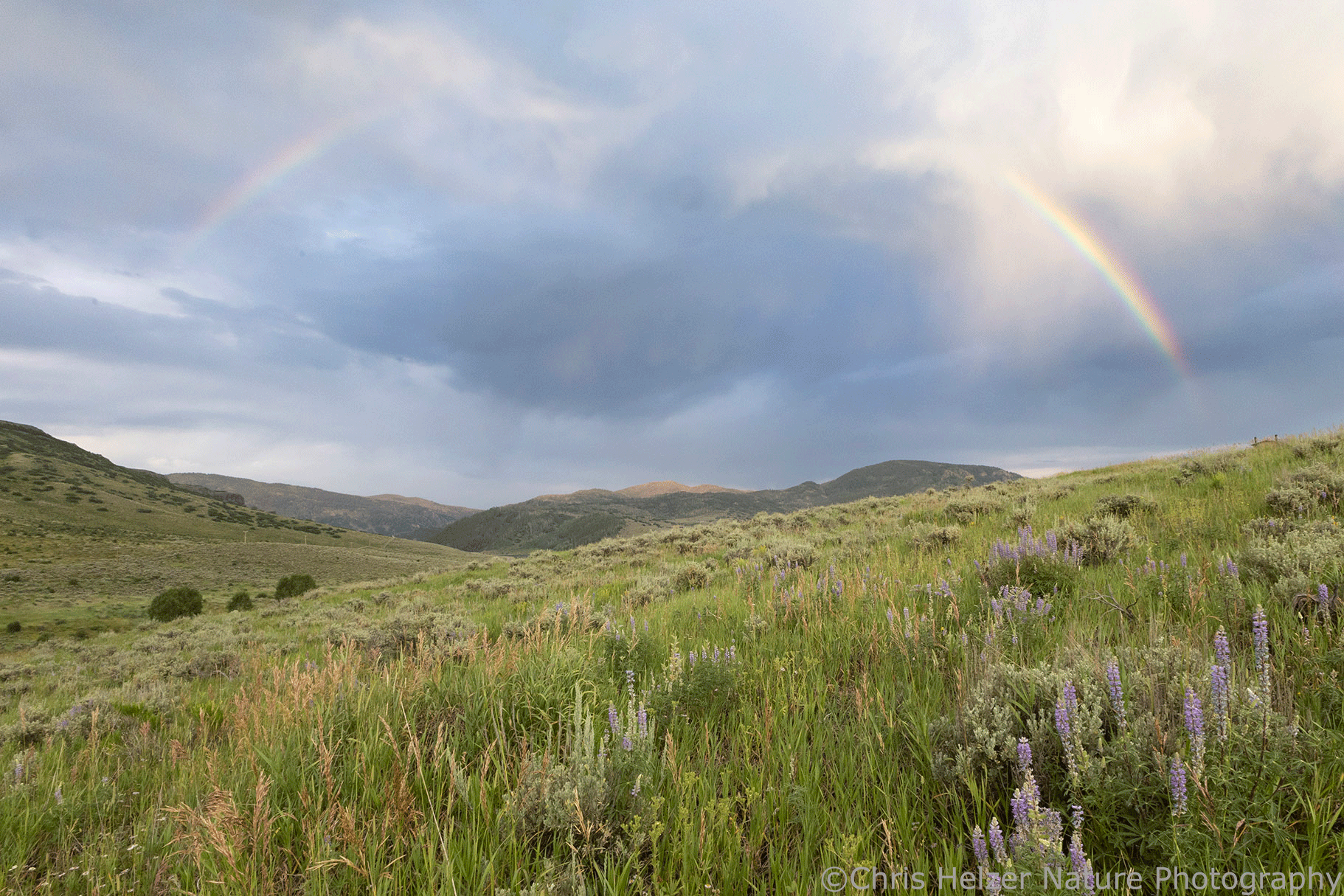
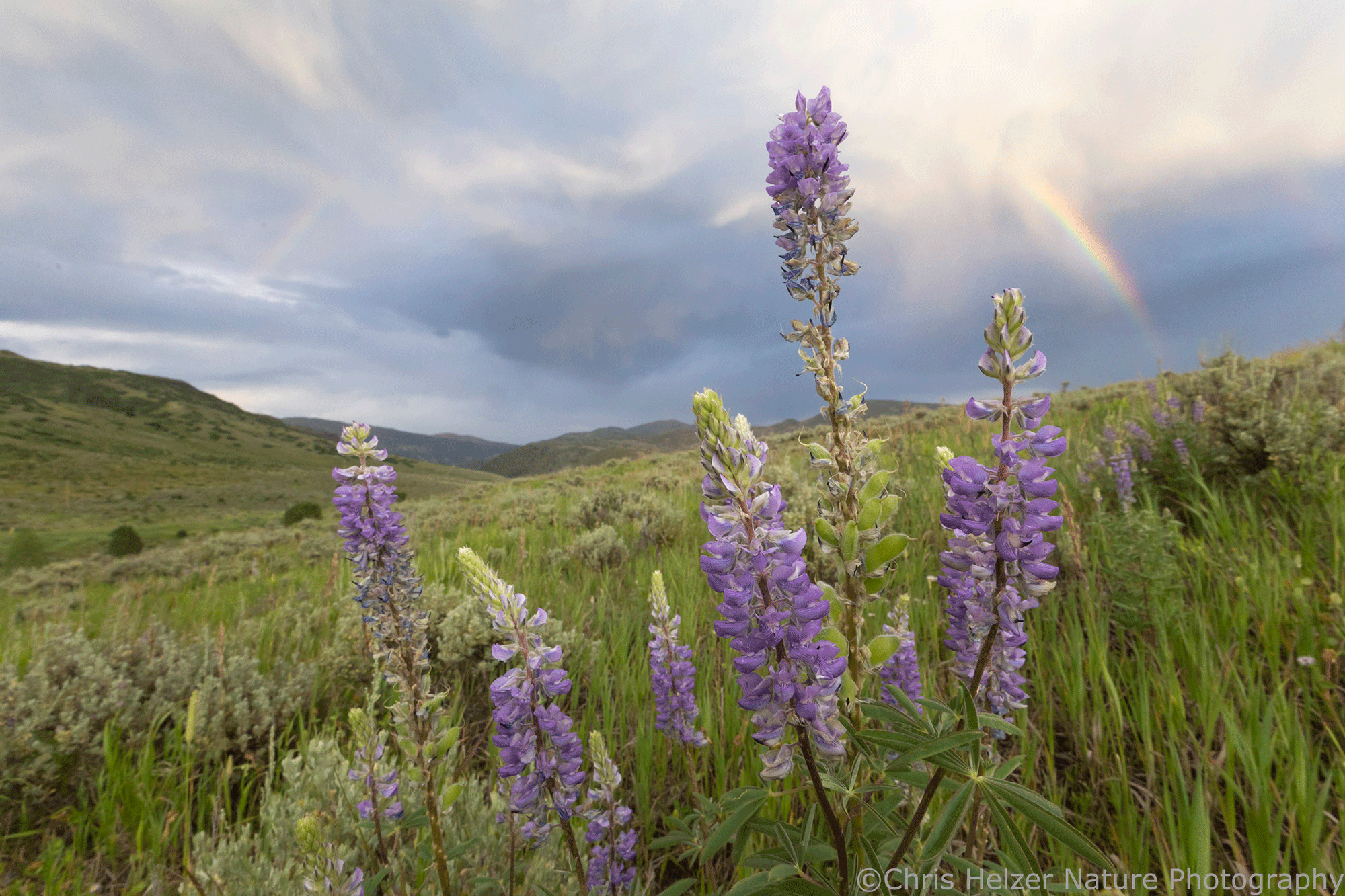
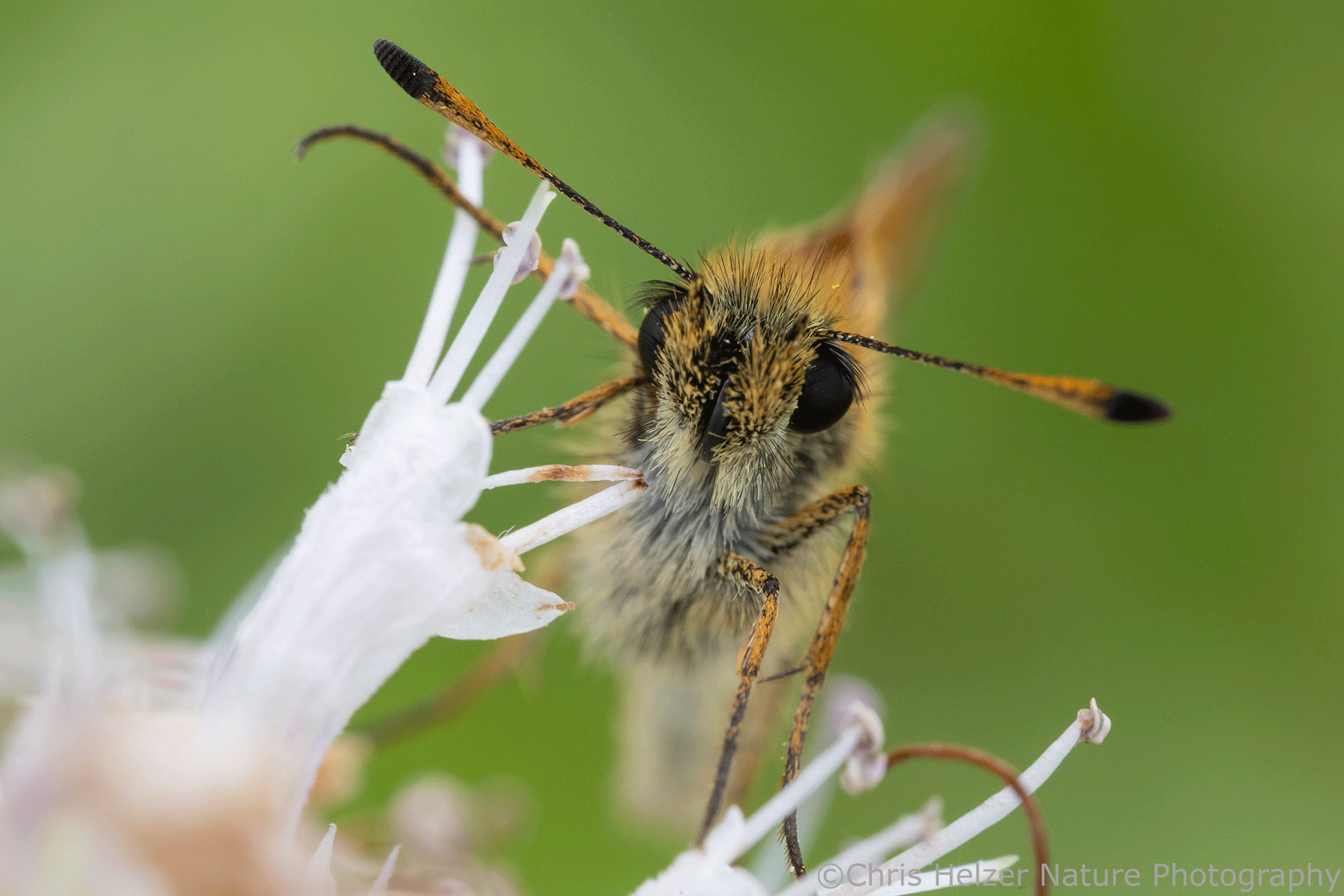
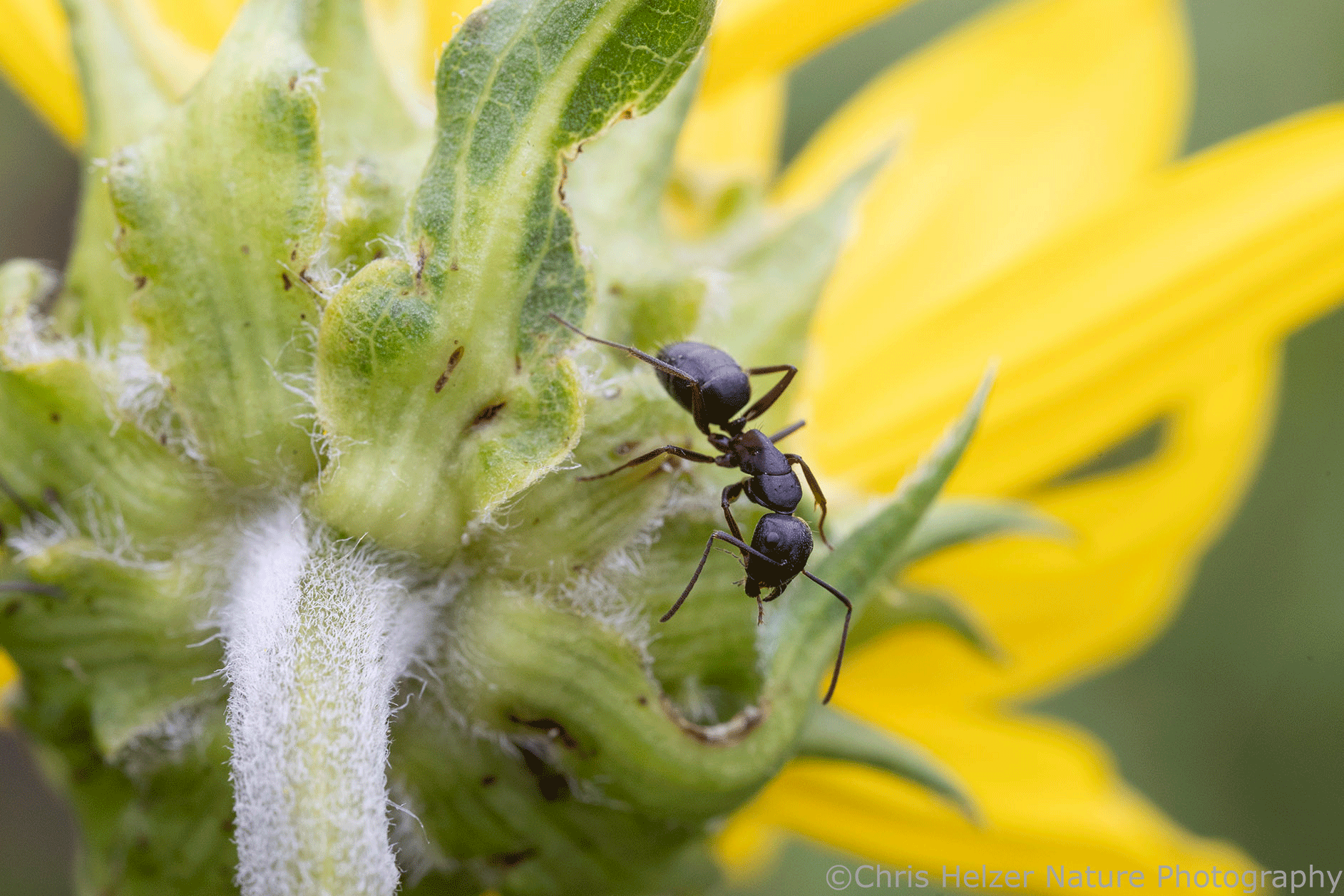
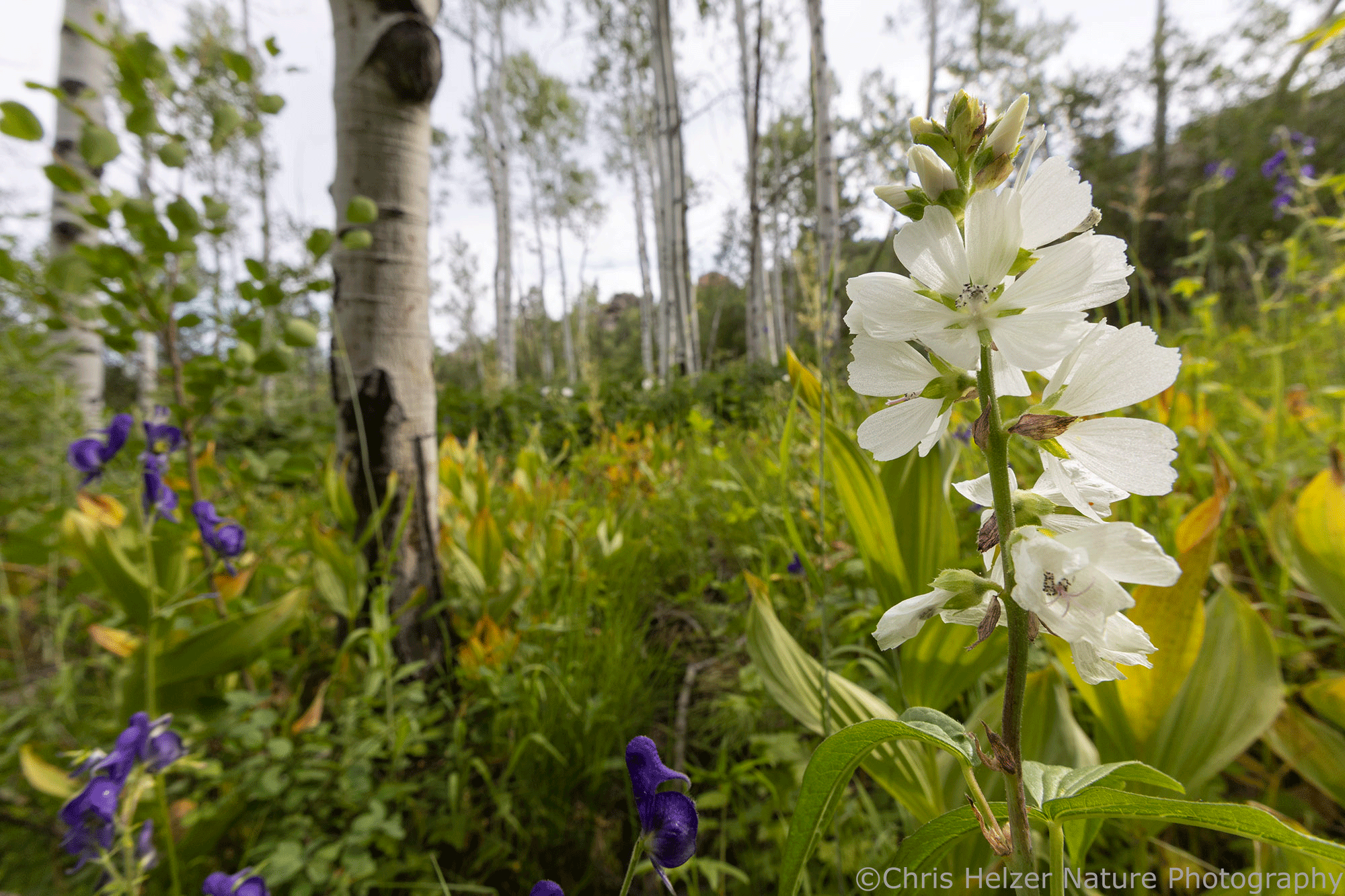
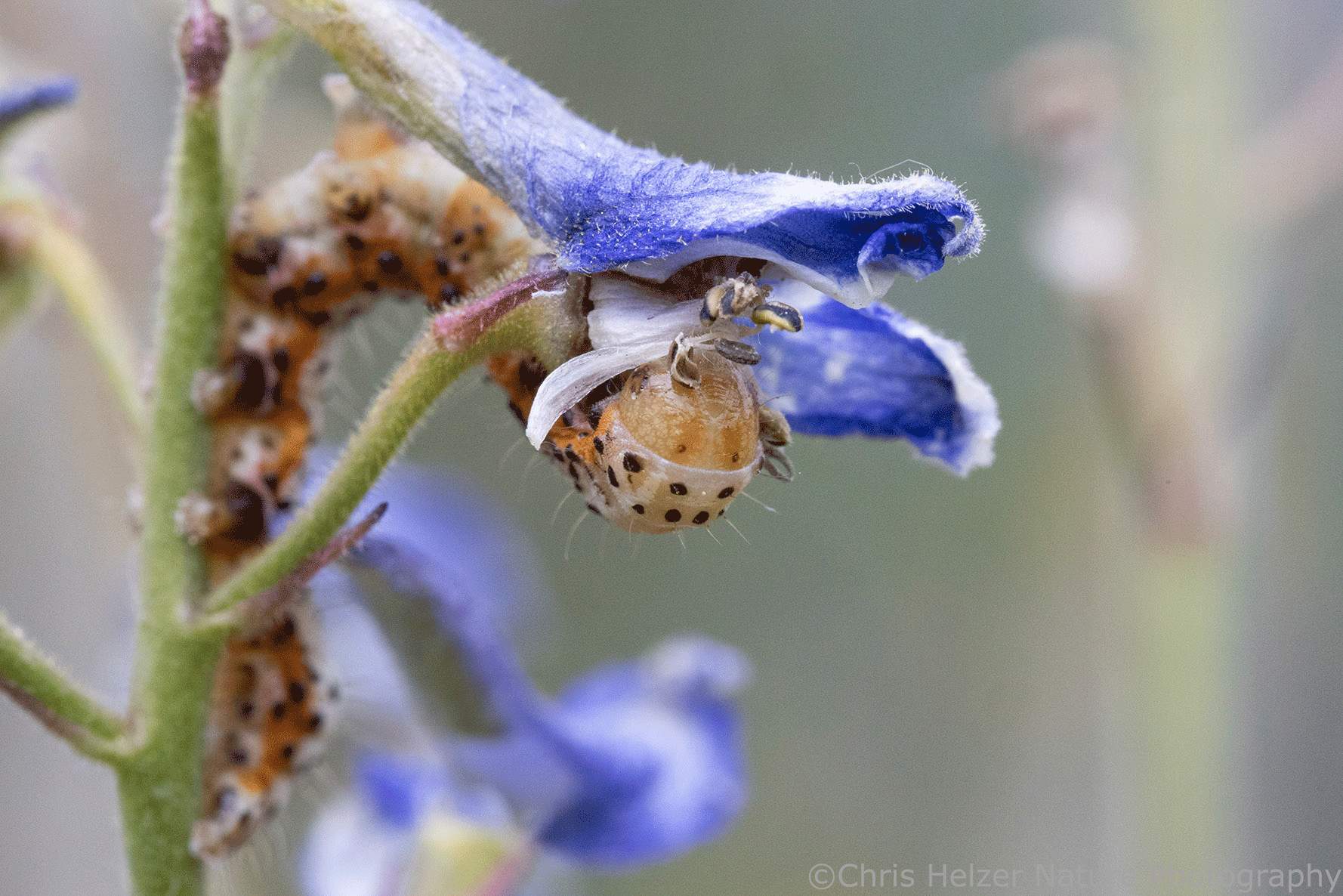
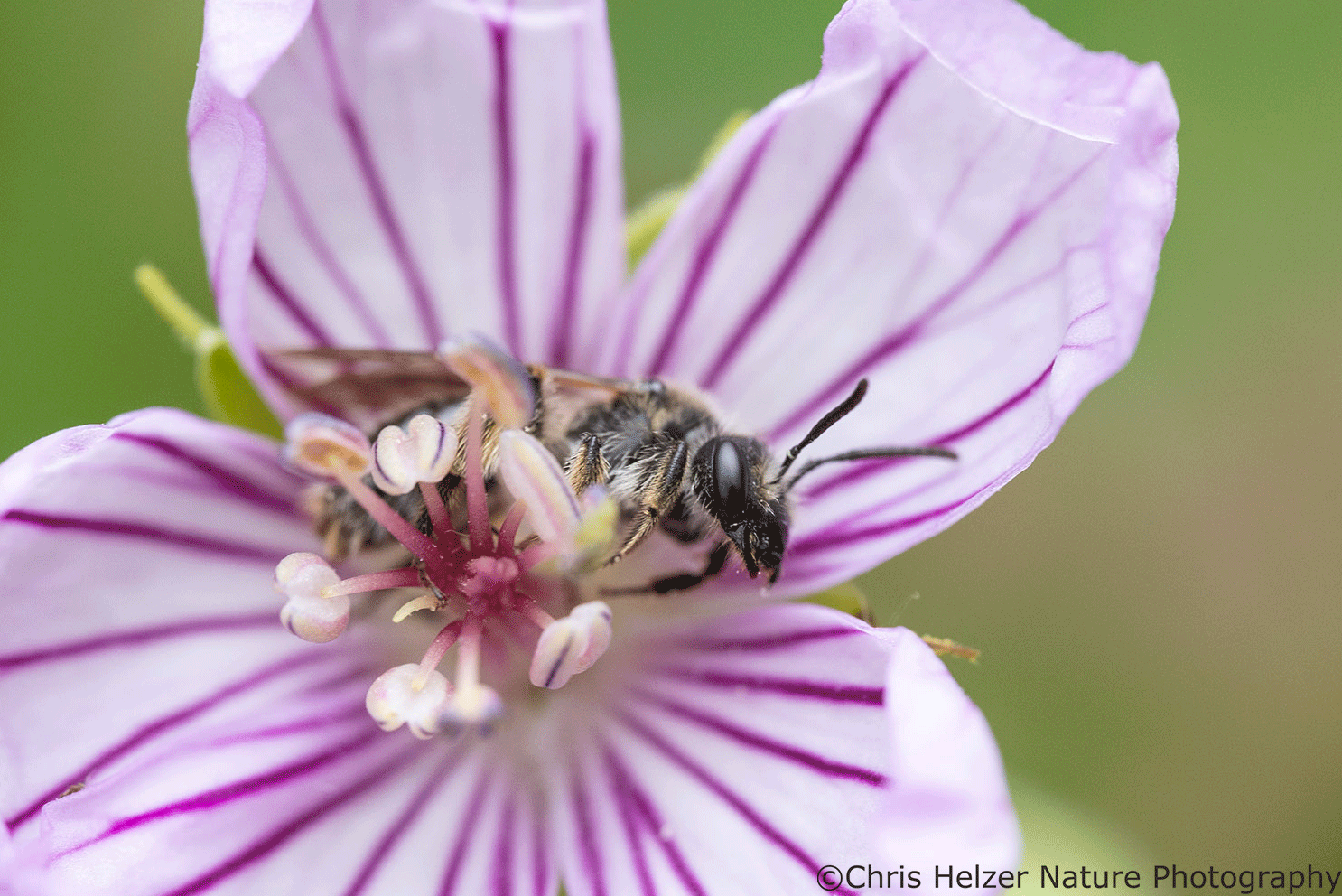
After much productive discussion, I think we’ve got some workable options for next year’s vacation figured out. We’re not ruling out backpacking but have established some better ground rules for how it would need to work. What we really want is a quiet campsite close to good running trails and photographic opportunities. Kim wants hills and at least some trees (for some shade). I want open country (for light) and good plant diversity. Relatively high elevation is nice because of the cool temperatures, but we don’t need to be at elevations that take a week to acclimate to. There should be lots of options, right?
(Suggestions are welcome!)
 The Prairie Ecologist
Incredibly beautiful photos as always, plus a funny (to me) and educational commentary. Made me glad I live in north Texas where, even in this unusually wet year, I have yet to see a mosquito in my garden. (Not that I sit out there looking for them.) Thanks, thanks, thanks!
can’t beat the Tetons for views and trails… we have an air mattress with a topper! 6500’ in Moose, but easy to access higher stuff.
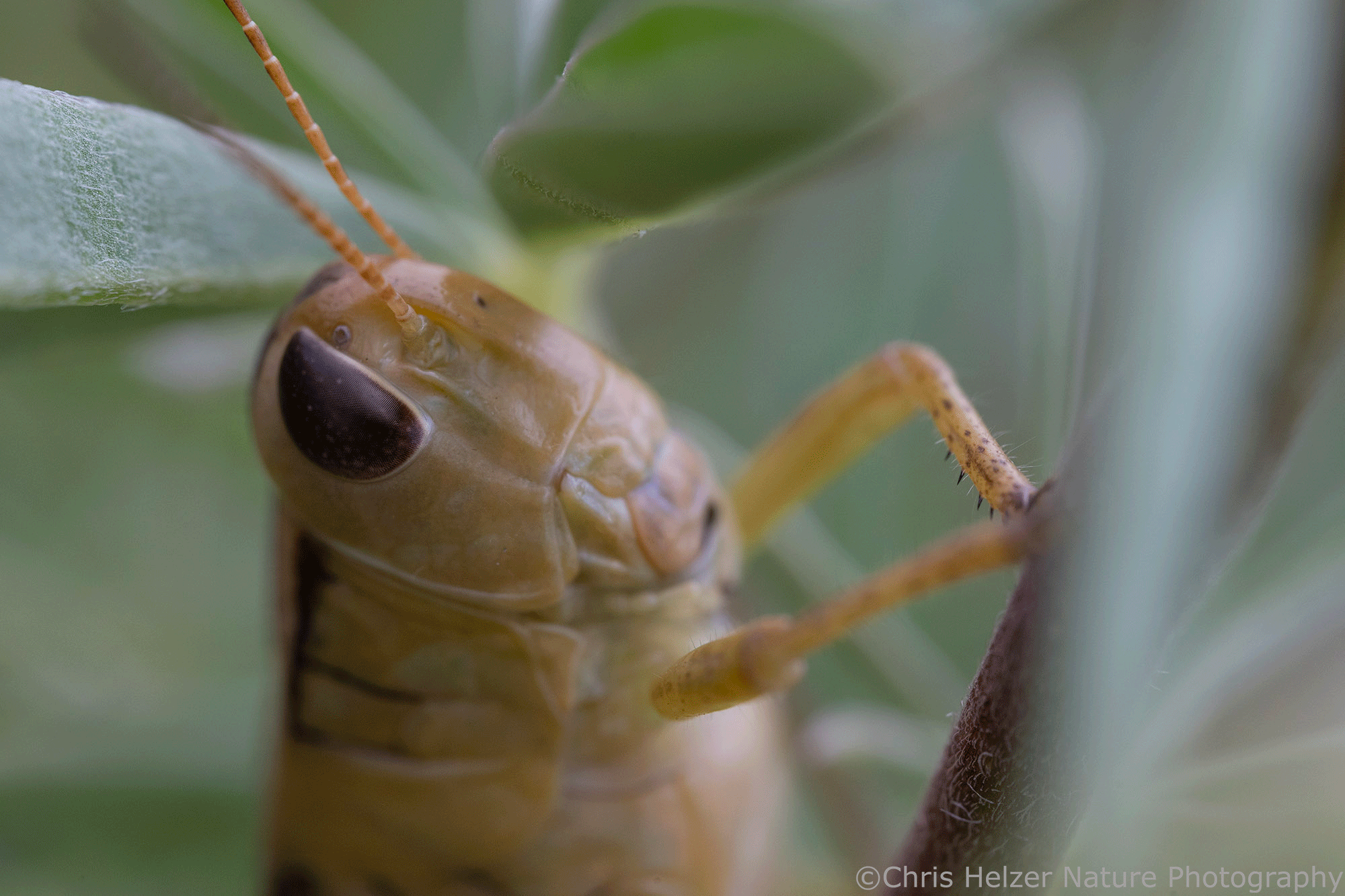
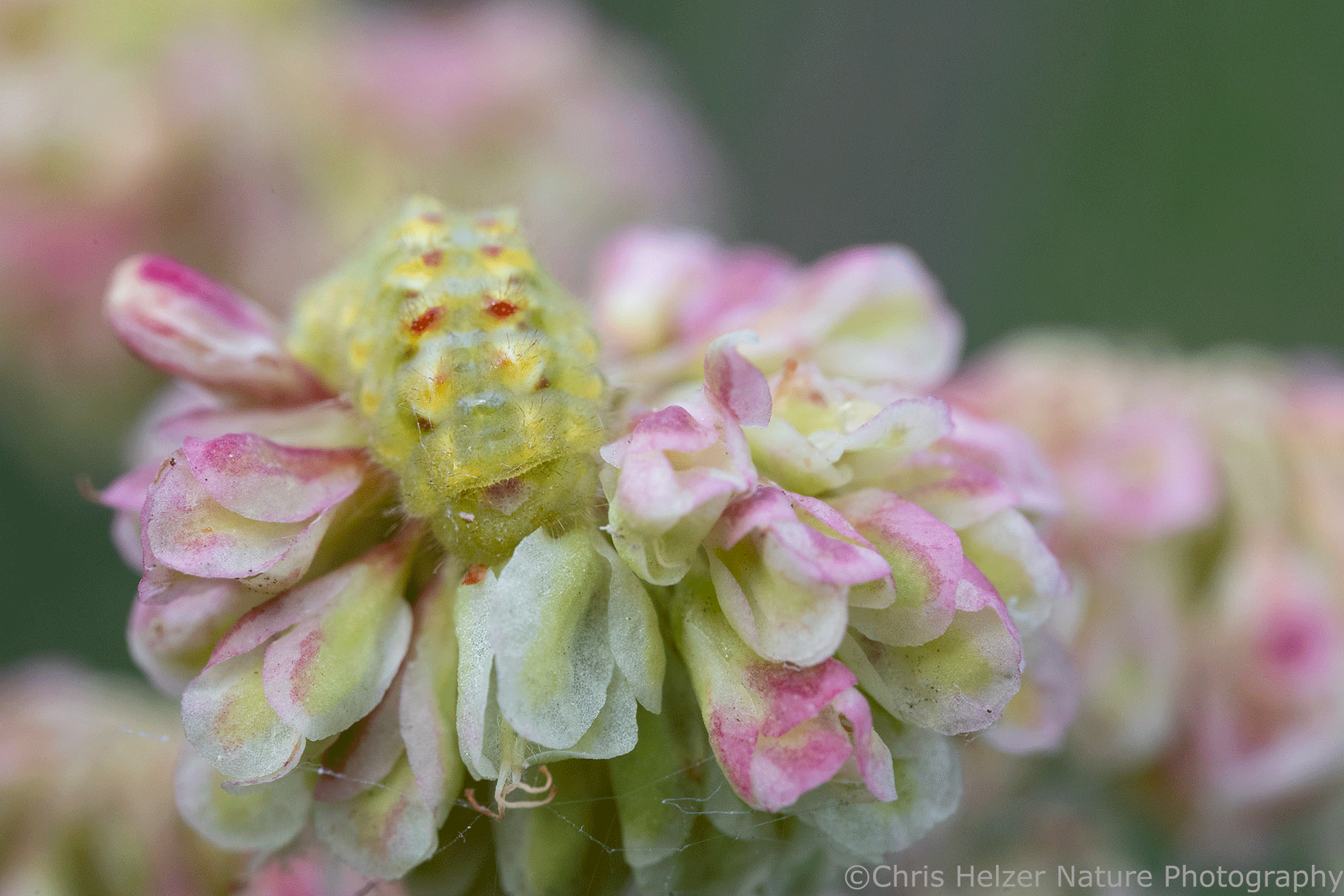
Interesting post, Chris. Mosquitoes were quite annoying on our Wisconsin vacation a little earlier this month, too. But the photos were great as always. The ant is Camponotus modoc, a close relative of our more eastern C. pennsylvanicus.
Beautiful photos. Unfortunately for me, knowing there’d be mosquitos would have been a deal-breaker as I am “mosquito fodder” to the highest degree.
What a tale! I just finished reading a book by a professional adventurer and your writing here beats it by a mile! That is sicko level mosquitoes! I like to keep one of these bug shirts in the bag, beyond head net, if I suspect mosquitoes are going to be present in any number (essential for summer in inland Alaska) – https://bugshirt.com/en-us?srsltid=AfmBOoqwXW9sRBZasCxXxj1jq0T4ir5nU9e_Jzhk08hpsaO5QywzvqRJ.
And I don’t think they allow overnights, but the Red Mountain Open Space outside Fort Collins is a little gem I stumbled upon once in my travels that I think you would like – https://www.uncovercolorado.com/public-parks/red-mountain-open-space/
Great story of compromise and making the best of things! You still got some amazing photos! Thank you for sharing.
We like Mueller State Park in Colorado. They have some very nice trails – I don’t run except to the dinner table so I am not sure how they are for that kind of thing but they are great for nature journaling and taking your time. McGinty’s Pub in nearby Divide is a great place for pizza and the Florriant Fossil Beds are just down the road. I don’t remember ever having issues with the mosquitoes but we are usually there later in the year.
Thanks so much for writing this blog. I truly do enjoy your photos and writing! Laura
Beautiful photos, as always!
We did a camping trip from Edmonton to Yellowknife many years ago. The mosquitoes were horrendous on the trip to Yellowknife and not nearly so bad on the trip back to Edmonton. I guess the crop we met on the way up had died off by the time we returned.
Consider the Weminuche Wilderness for backpacking, NE of Durango. Quickest approach to high country are trailheads near Stoney Pass and near Silverton. Also the trailhead near the big resevoir west of Creede. Fewer mosquitoes, in my experience. Lots of loop opportunities on the CDT. High, open and beautiful; lots of lakesâ¦.and fewer mosquitoes.
>
Your photos, as always, are breathtaking. Mosquitoes can ruin any camping trip but I wouldn’t have expected this many where you camped. Just imagine camping in Minnesota or Alaska. You would need to take all your photos through a head net because you wouldn’t survive if you had to take it off.
I suggest Custer County, CO. Beautiful valley, gorgeous mountains, lots of trails, an abundance of photo ops. Good pizza and other restaurants, too! https://visitwetmountainvalley.com/ Sue
Thanks so much for giving me a Colorado fix! I sure miss those high alpine wildflower meadows. Now in MT, I do long for a return to my former home of 22 years in Crested Butte. It’s certainly ‘been discovered’ but there’s a wealth of backpacking opportunities in the surrounding USFS backcountry, with jaw-dropping scenery. I’d second a previous commenter about the Weminuche as well.
Many years ago we took our young family to camp in the Flattops, and my endearing memories were the sound of field mice climbing up our outside tent walls at night, and getting caught in a sudden vicious hailstorm with young kids in ponchos (ripped to shreds). But the scenery and solitude were unmatched!
Chris:
Enjoyed the read … Mosquitoes are just a matter of timing – if you went in August, you’d probably not see them (or at least not in those numbers). Have you considered spending some time in the Snowy Range (just west of Laramie)? It’s in the Medicine Bow National Forest – and the advantage is that the paved highway (WYO 230) deposits you at 10,000 feet – lots of trails, but less open country than the Flat Tops. It is really just the first range north of Steamboat. I am assuming you want to stay on the eastern side of the divide to avoid driving another whole day to get to western Colorado. On the way to the Snowys, there is a also a funny little range, the southern extension of the Laramie Mountains, called Veedauwo… Not big enough for a whole week, but it could make an interesting stop. It’s in the Medicine Bow, too.
Katie Stevens
Gorgeous photos and amazing finds! Looks like you went through some lenses too!! 📸🤩
The amount of mosquitoes in that video is grotesque! You two are both troopers. Great photos, as always.
That is an insane amount of mosquitoes! Beautiful area though and great pics!
I’d like to make a request of Chris and others who follow this blog. If you’re out taking pictures in these breathtakingly beautiful landscapes, Consider posting some of them on Google Earth. That’s where I do most of my traveling these days as I am now in my “sunset” years. Thanks!
Pingback: Even More Photos and Stories From My Square Meter of Prairie – Late July/Early August Edition | The Prairie Ecologist
Come to Northern Utah! July is a little scary if you look at the temperatures in the valley, but it has become my new favorite time here. Snowmelt in the Wasatch, Uinta, and Bear River ranges fills the mountains with water, wildflowers, insects, animals, and green! Even when the mosquitos are bad, they’re never really that bad. Little and Big Cottonwood canyons, Logan canyon, and Provo canyon were all spectacular this year. Thanks again for another lovely post, I can’t begin to tell you how happy I am to have found your blog!
Great write up & photos. I too miss Colorado. Wanted to mention garlic as a mosquito solution. Take high dose garlic supplements in the weeks before your next foray into enemy territory. It builds up in your blood and the skeeters dislike it. My Minnesota friend swears by this for his annual fishing/camping trip.
Pingback: Photos of the Year – December 30, 2024 | The Prairie Ecologist
Pingback: A Frosty Mountain Morning | The Prairie Ecologist