
You probably aren’t surprised to see yet another post about my square meter photography project. It’s been nearly a month since my last post on the project, which covered some of what I saw at the plot during the first two weeks of July. Since then, I missed a week because of our Colorado vacation but have otherwise tried to keep up with everything happening in my favorite little grassland spot.
I may or may not have have even visited the plot before unpacking the car after our Colorado trip. I’m not obsessed – who are you calling obsessed?
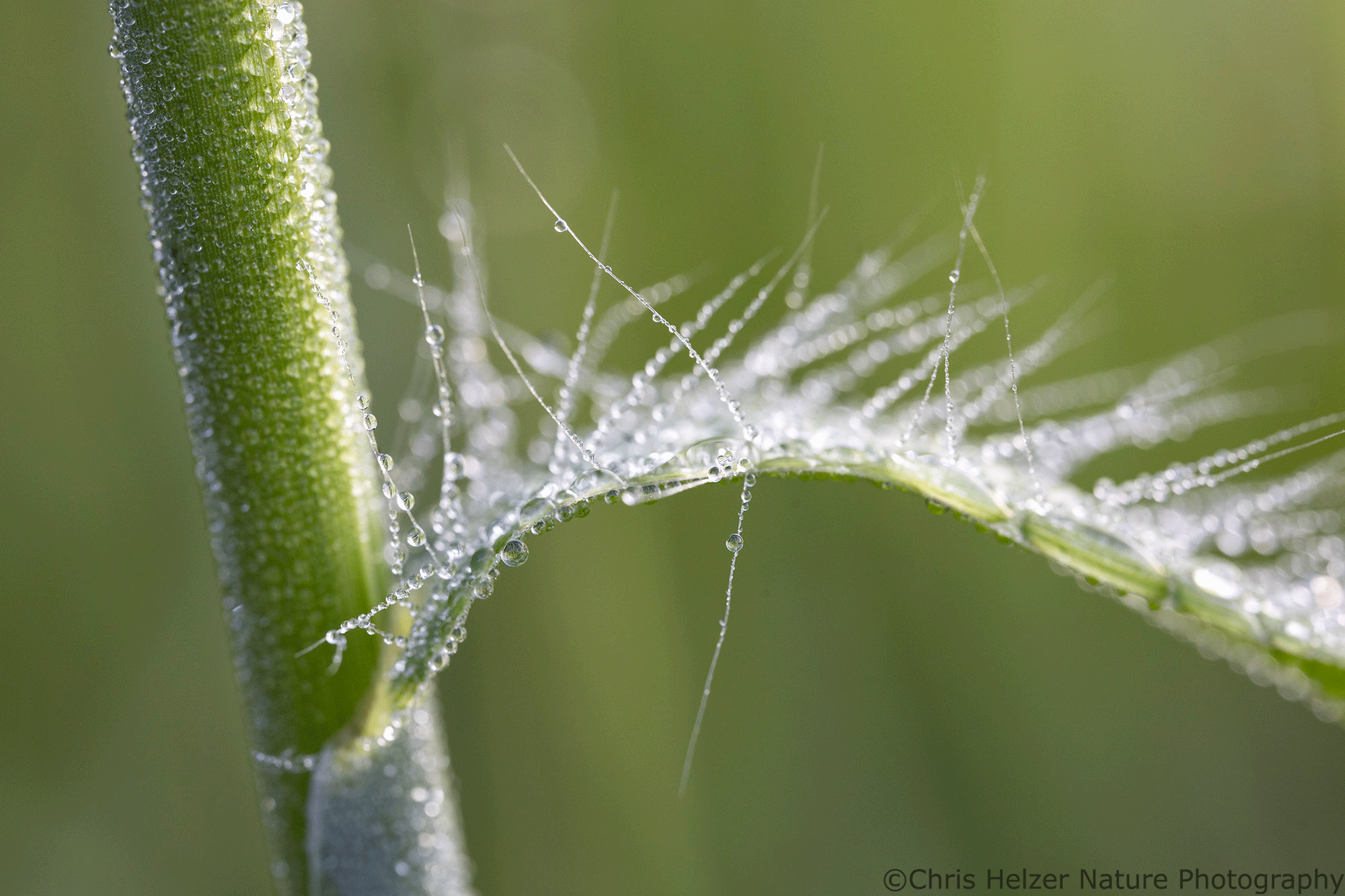

Butterfly milkweed and lead plant are both done blooming for the year and are working on producing fruits/seeds. Maximilian sunflower is getting close to blooming, as is the pitcher sage (Salvia azurea) plant that has a couple stems leaning into the plot. (Yes, I count anything that leans into the plot. I also count anything rooted inside the plot that leans outside the plot. My project, my rules.) When those sunflower and pitcher sage flowers open up, I anticipate a big rush of pollinators and other flower-feeding insects. In the meantime, there’s still been plenty of action going on, despite the absence of big showy flowers.
Quick Aside:
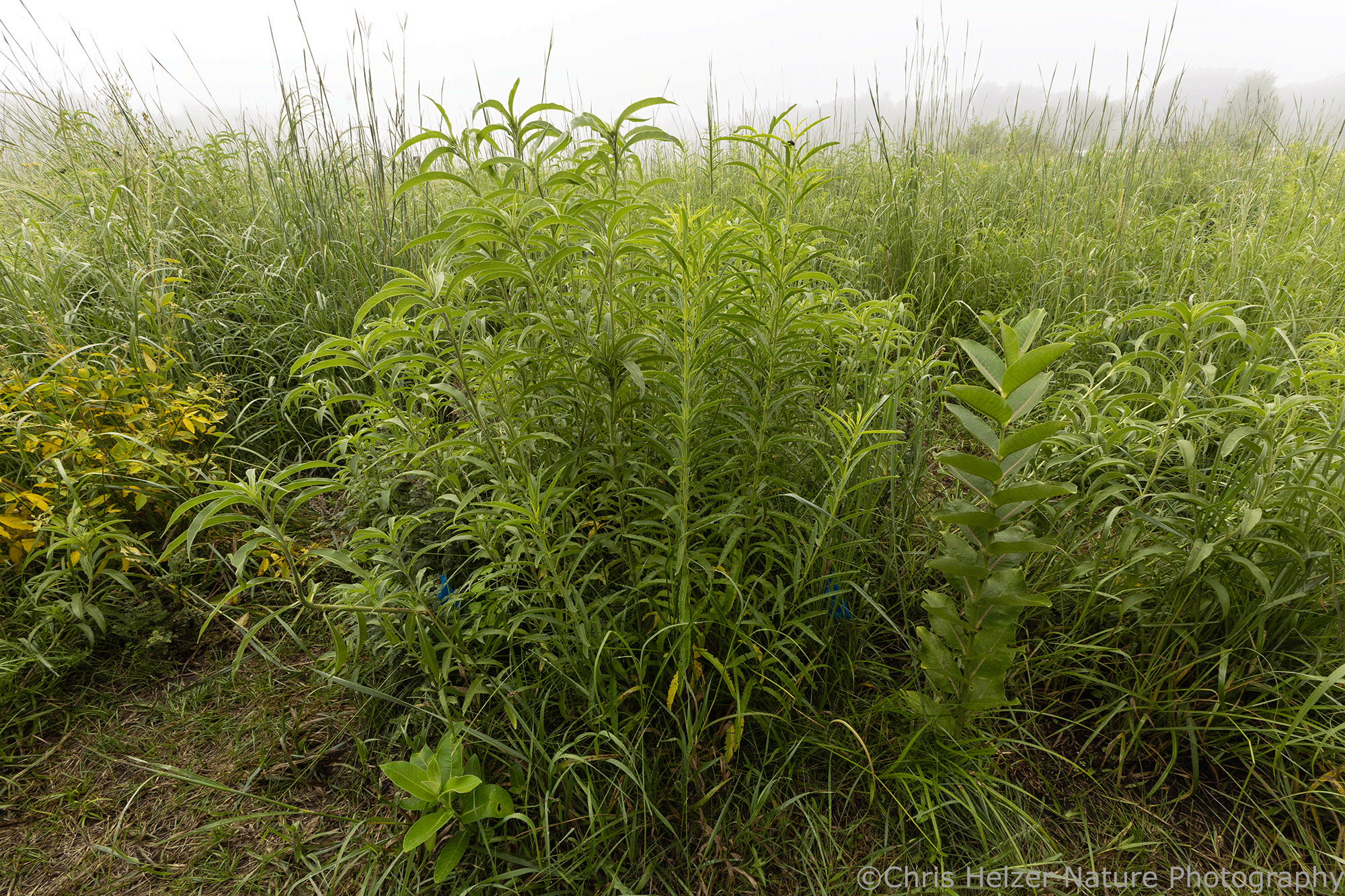
In 2018, this time of year was marked by (one plant of) stiff sunflower (Helianthus pauciflorus) blooming, though the story quickly became about the little leaf beetles that quickly consumed most of the blossoms. This spring, I was surprised and disappointed that I didn’t see any stiff sunflower plants in the plot. The species is still doing well elsewhere in the prairie, including just across the trail. In and around my plot, though, it’s mostly gone.
As a perennial plant, stiff sunflower is an odd duck. Like many perennials, it makes rhizomes (underground stems), which allows it to move laterally through the ground. Buds on those rhizomes can produce an aboveground shoot several feet from where the last shoot was. Unlike most rhizomatous perennials, though, the ‘parent’ shoot from which the rhizome originated doesn’t survive the winter and the rhizome disintegrates, leaving the new shoot on its own.
Because of this weird strategy, stiff sunflower is sometimes called a ‘pseudo-annual’ because each individual shoot only survives for a single year, even while the overall clone (the individual genetically identical patch) can survive for many years by making new shoots each year. Often, stiff sunflower does this trick and just pops up in different places each year within the same area – where it’s happy with soil and sun conditions. In the case of my square meter plot, it either died out or (I hope) migrated away to a new location. In six years, the plant could have moved quite a distance. I miss it in my plot, but it’s also fun to look at nearby clones and wonder if they’re ‘my’ stiff sunflower.
Ok, back to the story:
So anyway, there are four plant species in bloom right now, three of which are grasses. Switchgrass and big bluestem are the most prominent of the grasses, along with a single small annual I think is witchgrass (Panicum capillare) but I’m not 100% sure yet. It’s really short for witchgrass (five inches tall), but still managed to bloom in the dense shade within the plot. In addition, there are several eastern black nightshade plants (Solanum ptychanthum) in flower. I haven’t managed a good photo of the witchgrass yet (it’s hiding in the shade), but have nice shots of the others.

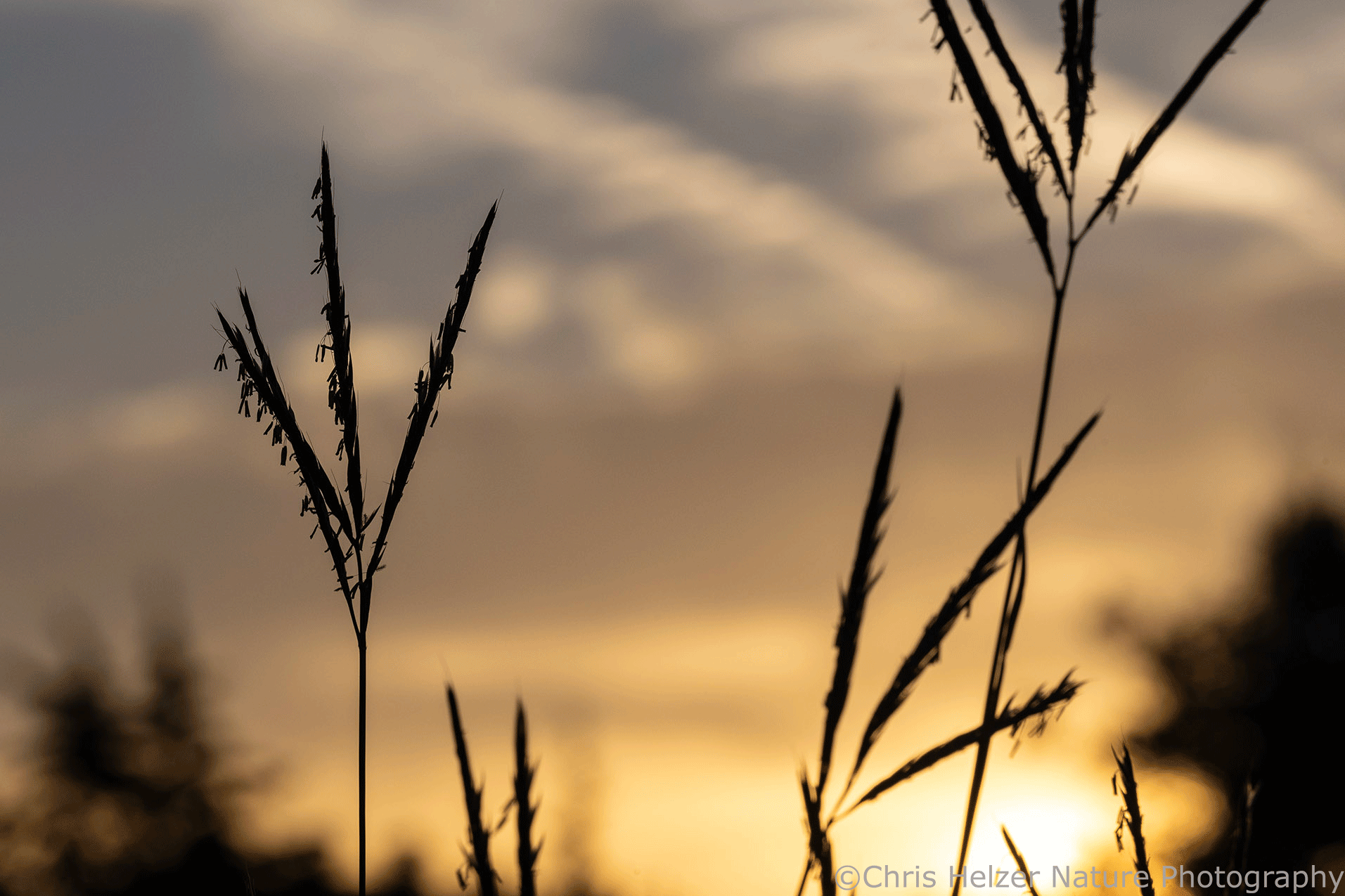

I’ve not seen any insects visiting the nightshade, switchgrass, or witchgrass flowers, but the big bluestem has attracted lots of little hover flies. Most of them are the very common ‘margined calligrapher’ hover fly (Toxomerus marginatus), which seems to enjoy the pollen of big bluestem very much. There are lots of other flies around, though, including hover flies feeding on grass pollen as well as other species of fly doing other things.
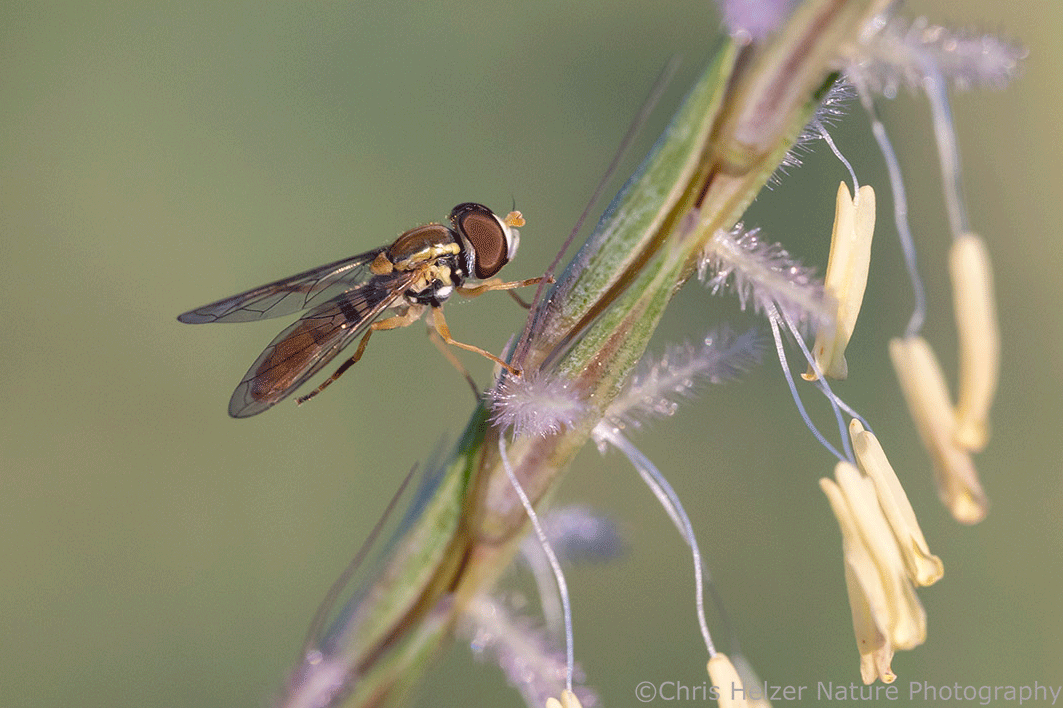


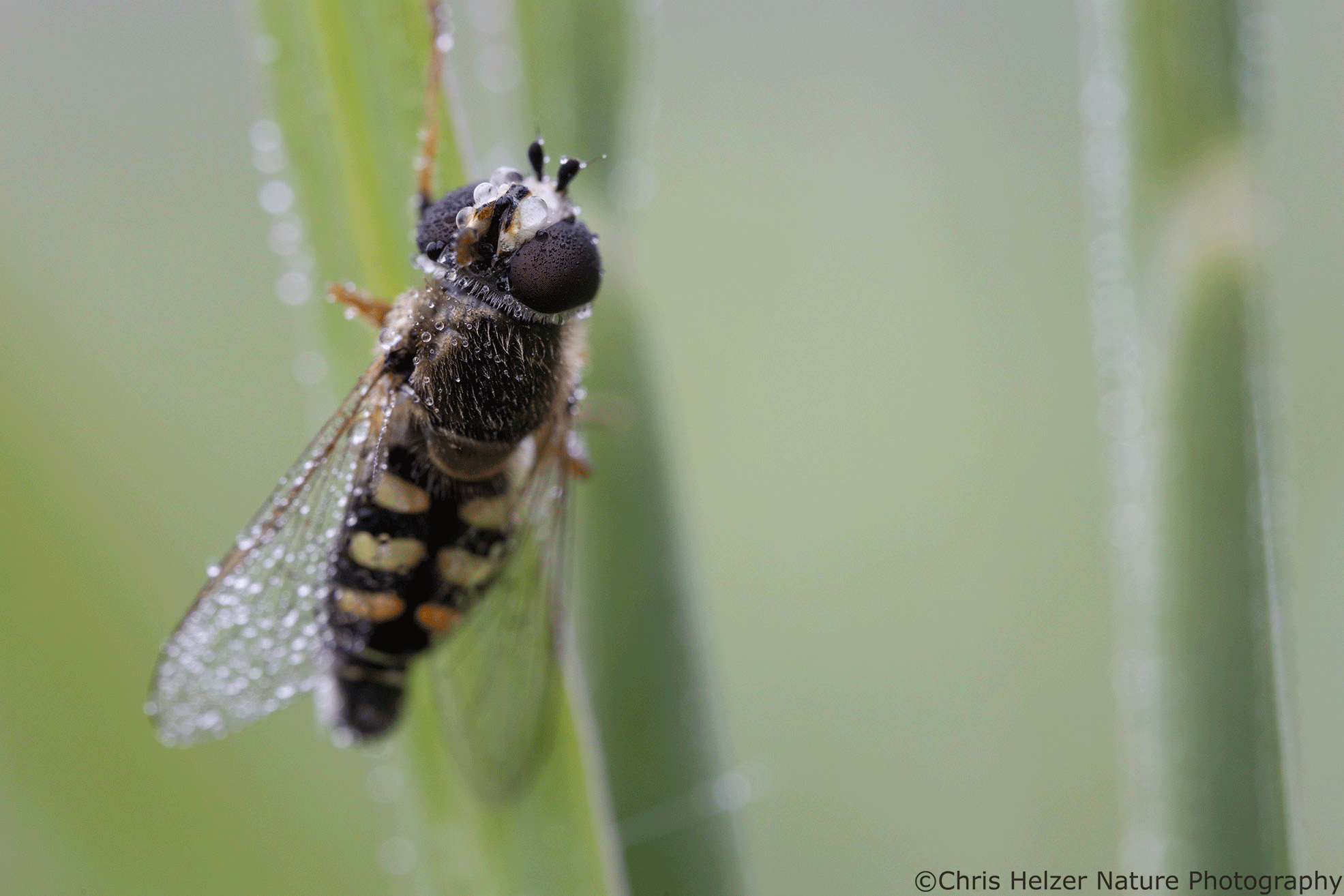
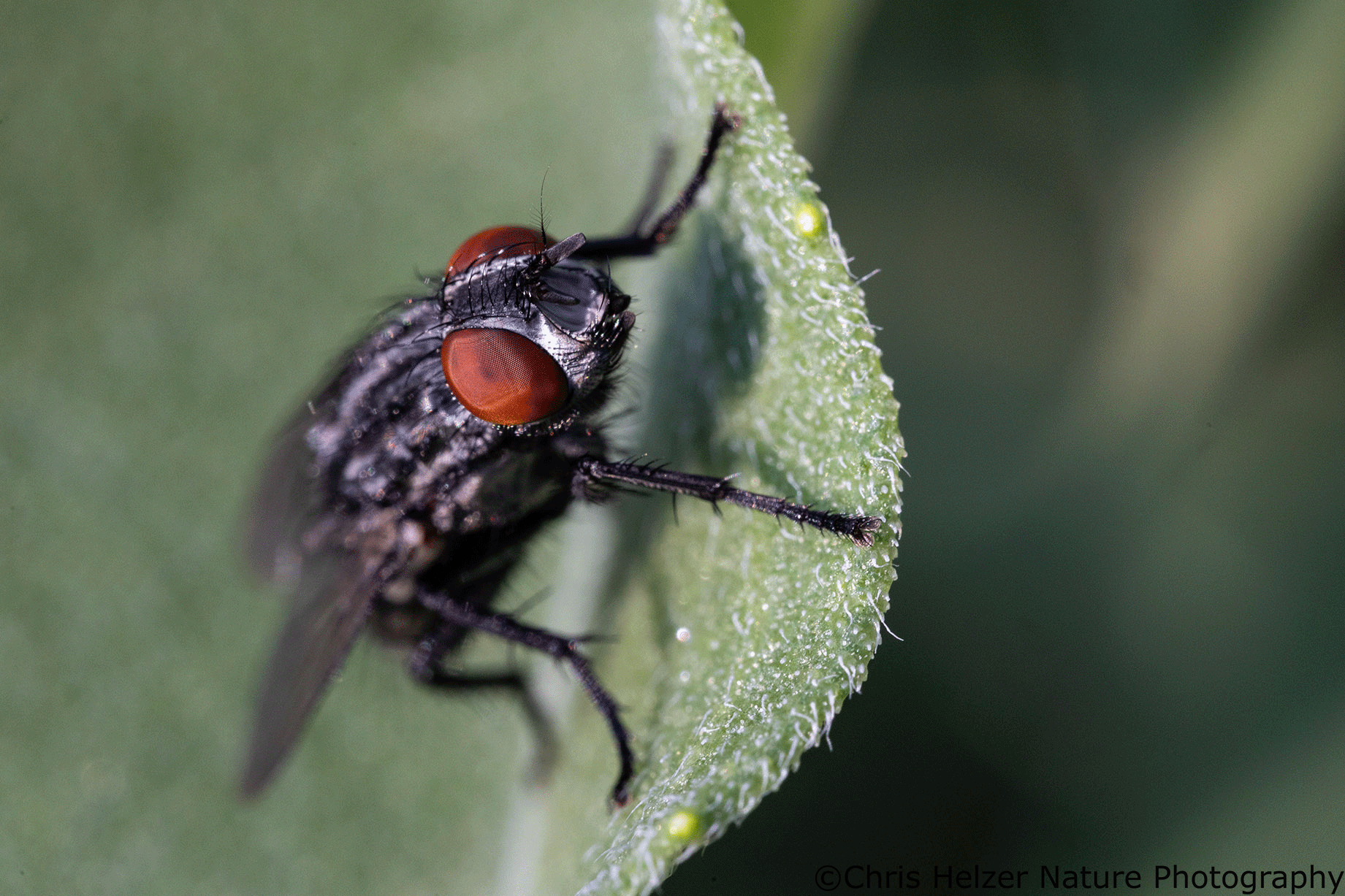
Flies are definitely the most abundant group of insects I’m seeing right now. Most of them are species I’ve already photographed, or at least I think that’s the case. To be safe, I still photograph quite a few of them – especially the really little ones – because I’ve learned that I’m not very good at fly identification.
There are way too many fly species that look similar for me to have much confidence. I’m hoping I’ll find someone who can later help me identify them, or at least help me decide how many different species I might have. If you’re good at fly identification and suffering from boredom, let me know! I could use the same kind of help with leafhoppers (good grief – leafhoppers…)
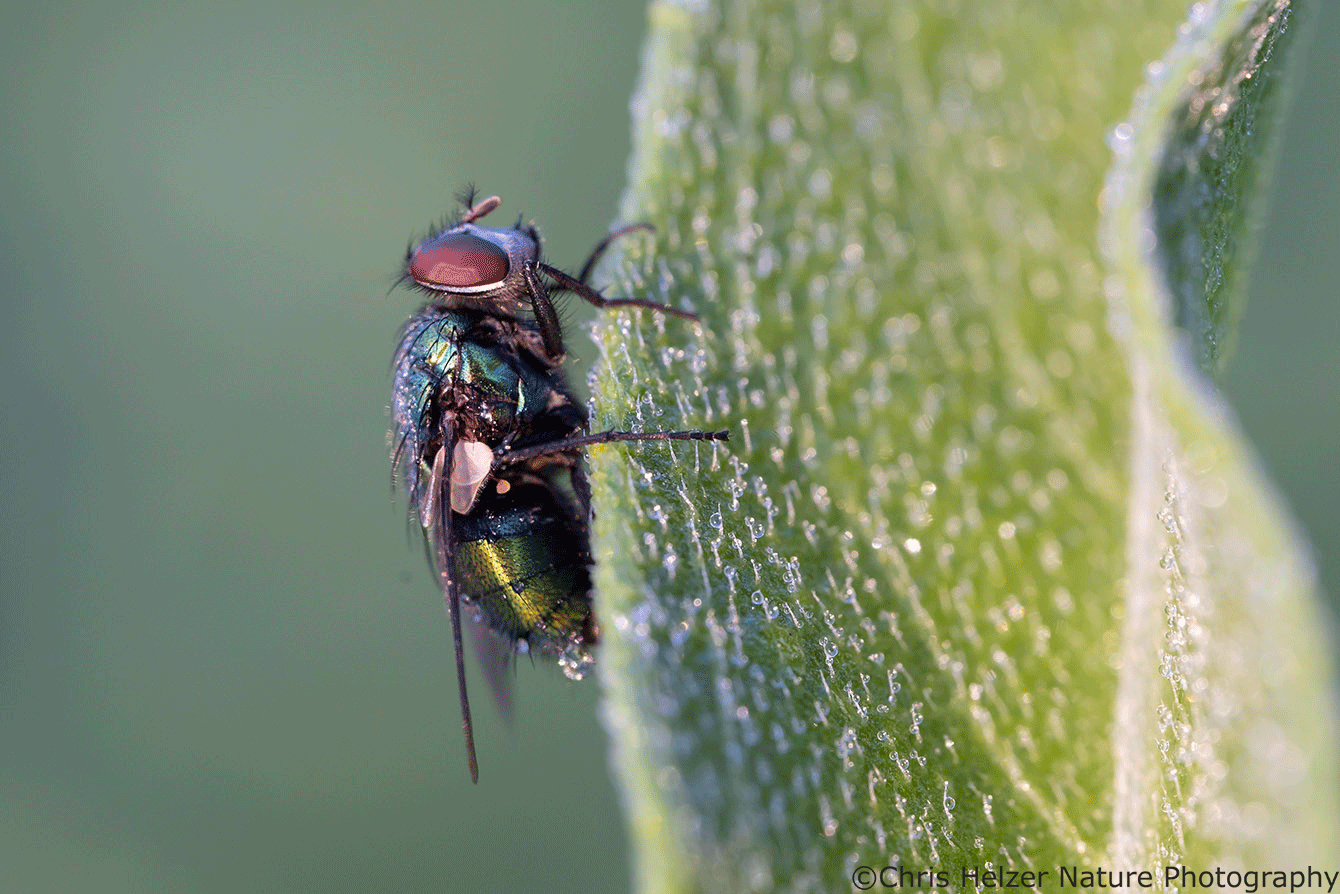
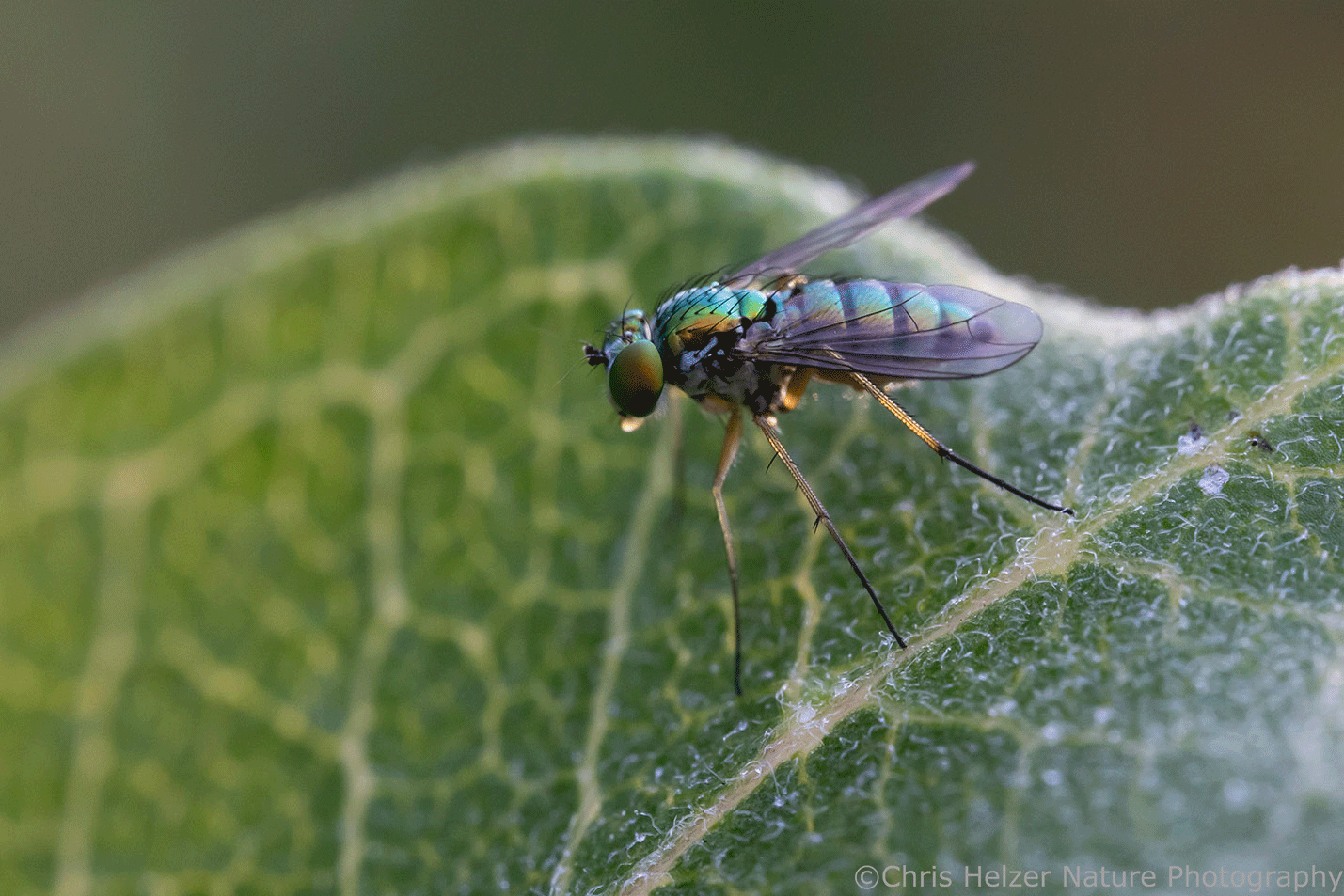
One of the more common groups of flies I’ve been watching are the longlegged flies (Dolichopodidae). Many of them are an iridescent green color and they’re tiny predators. I’m guessing/hoping I’ve got photos of at least a couple different species. Since there are something like 1,300 longlegged fly species in the country, I have a good chance of being right, but as I’ve tried to make clear, I’m not good at fly identification, so I’m not making assumptions just yet.

There is a lot of Maximilian sunflower growing in the plot. Many of the stems have some kind of insect burrowing inside them. The holes look like woodpecker nests in trees, except they’re in sunflower stems, are much smaller, and have lots of insect frass (poop) coming out of them. I didn’t want to tear apart any of the stems in my plot, but I did sacrifice one on a plant nearby, just to see if I could find the inhabitant.

As a result, the photo below is the only one in this post that wasn’t taken from within my plot, but I’m hoping it might represent a very similar-looking larva inside the stems I did photograph inside the plot. If I had to guess (which is all I can do at the moment) I’d guess it’s a fly larva. I say that partly because it kind of looks like a fly larva and mostly because of statistical probability, given the abundance of flies hanging around.


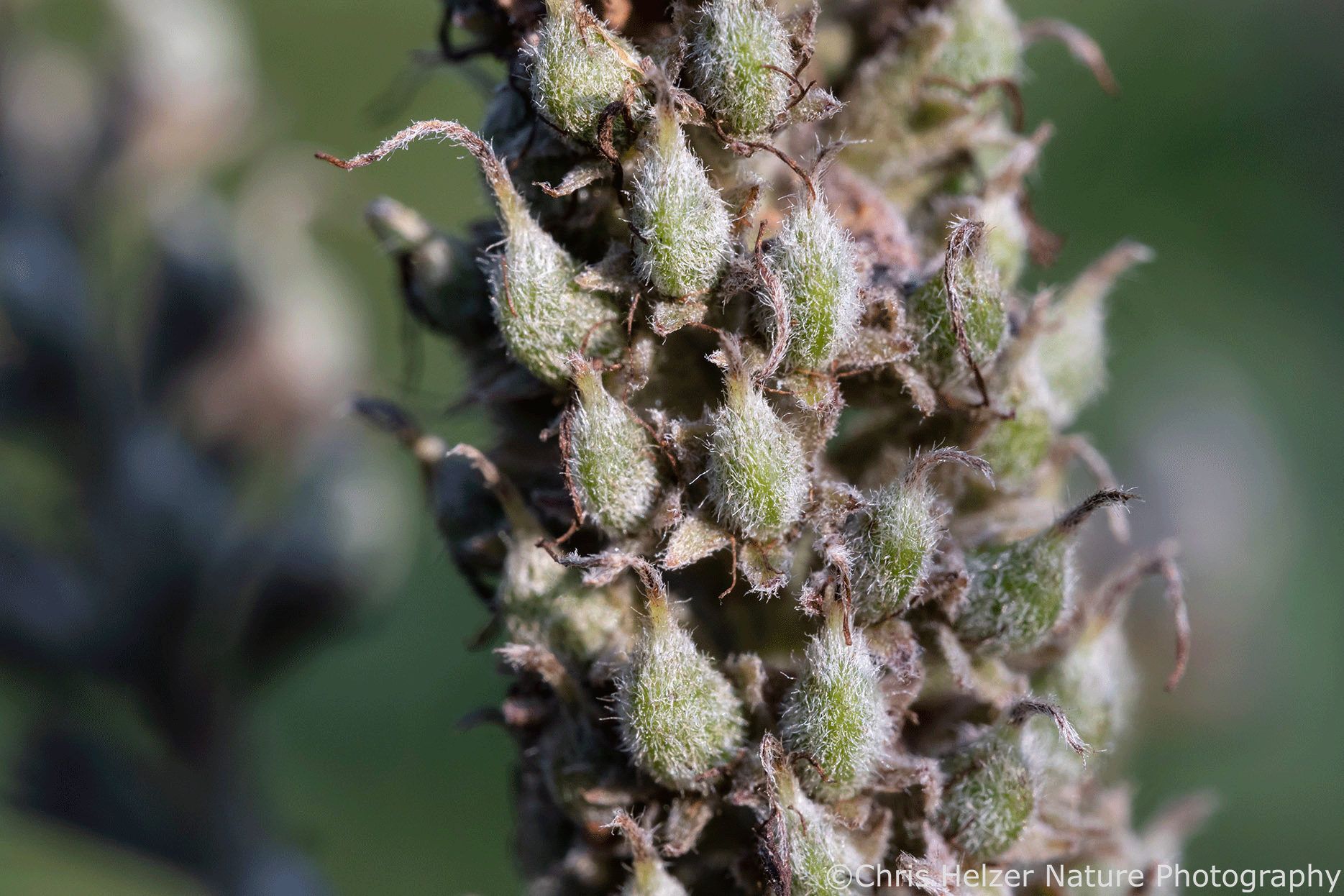
As the only wildflower blooming in the plot at the moment, eastern black nightshade has attracted a lot of my attention. It’s an annual that probably germinated because of this spring’s prescribed fire. Like other species in the nightshade family (including tomatoes) this is a ‘buzz pollinated’ species that releases pollen when a bee vibrates its wing muscles at the right frequency. It’s a tough process to photograph, but I’ve not even had a chance to try yet because I’ve not seen any bees visiting the plants in my plot.

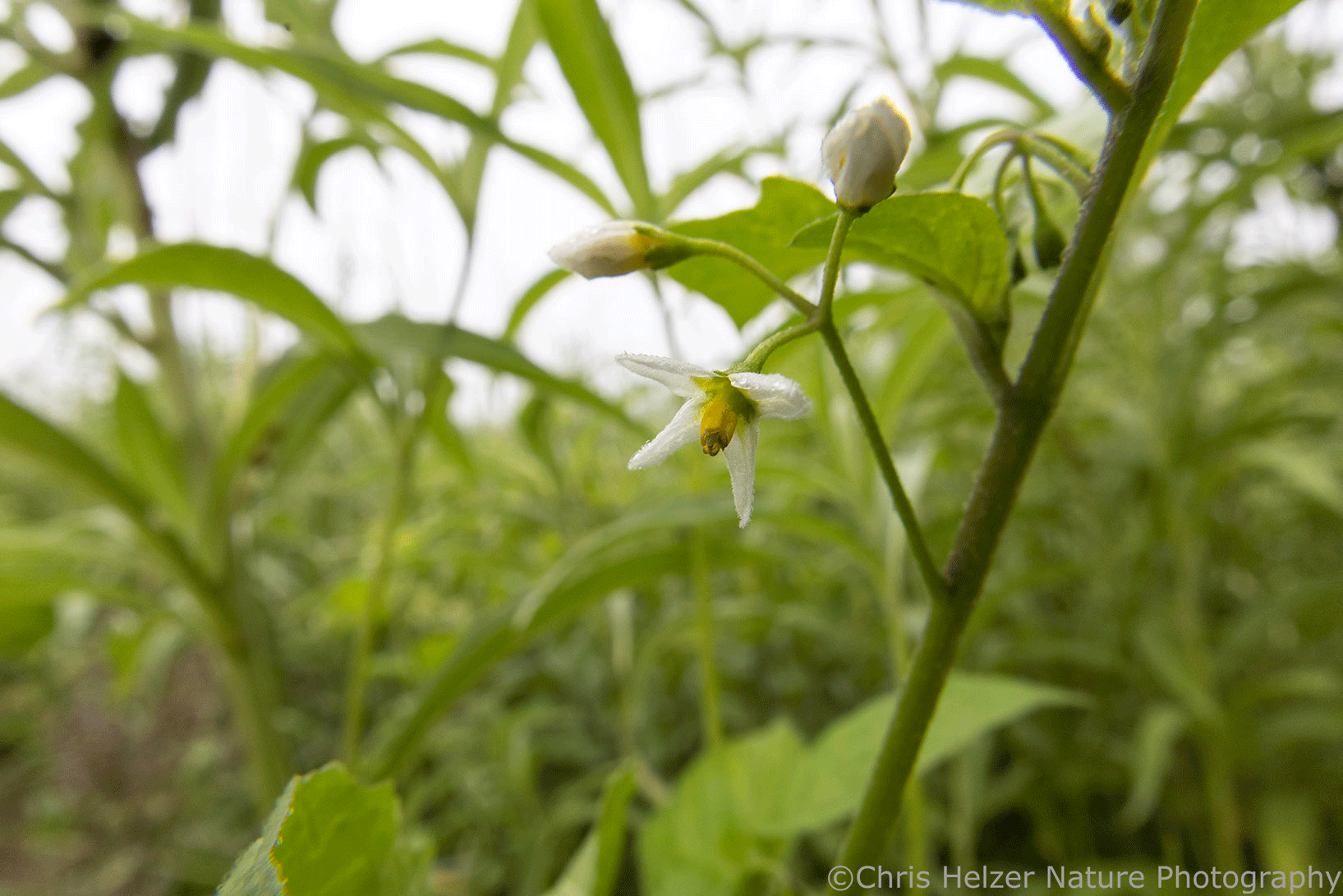
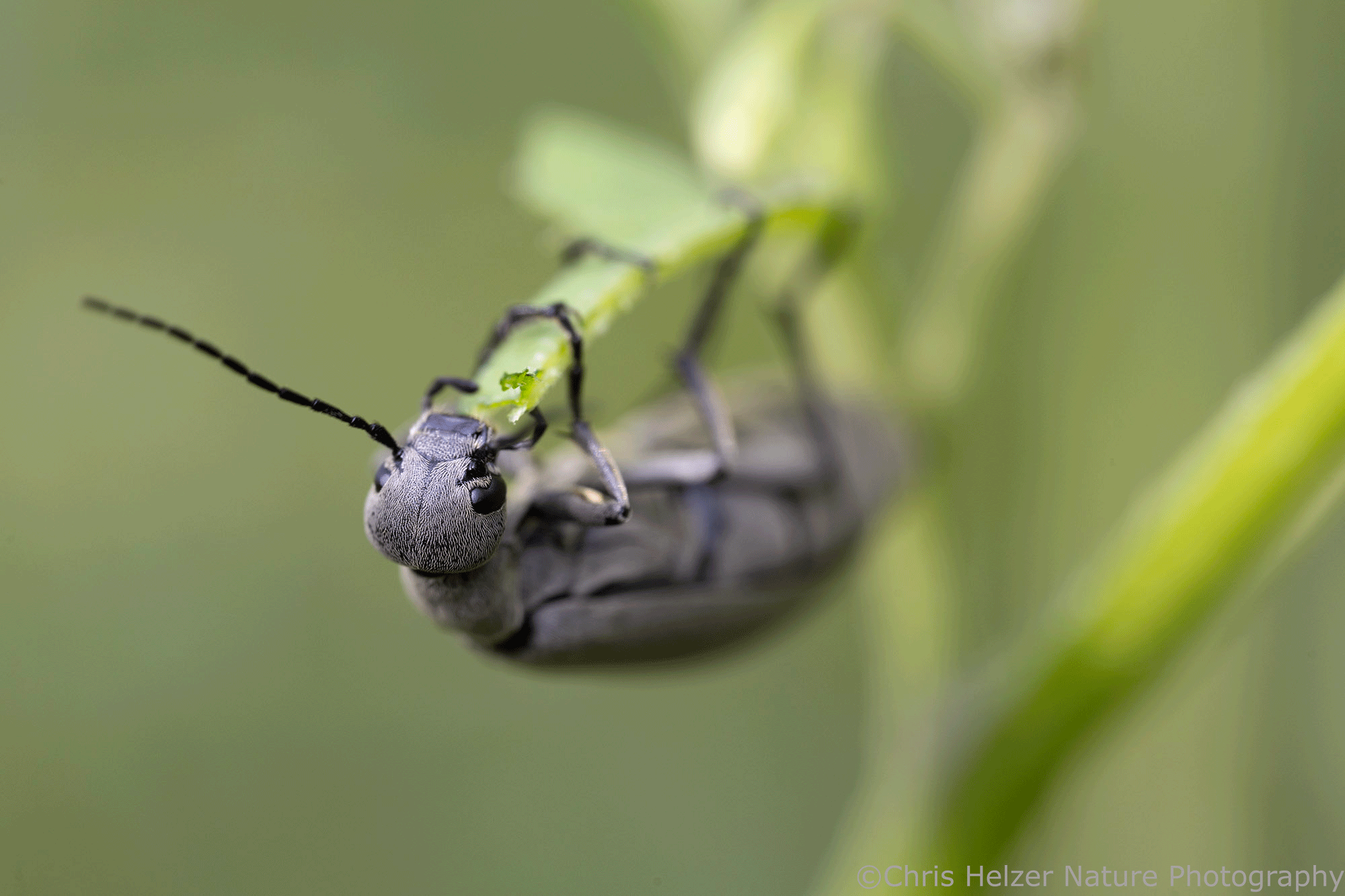
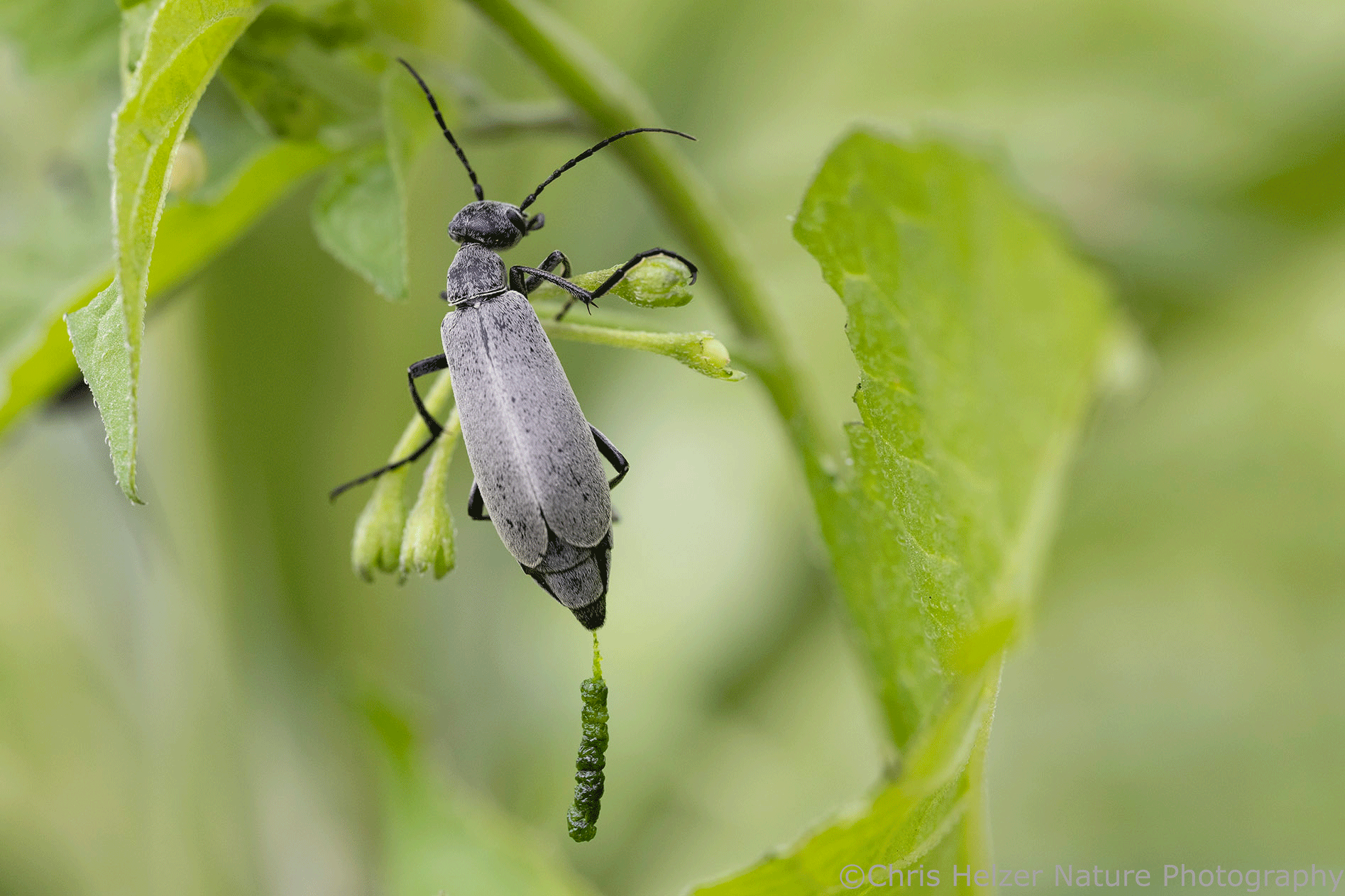
While I haven’t seen any pollinators on the nightshade plants yet, the plant did have a bunch of insect visitors back on August 3. If the plants could vote, I’m betting they would have preferred pollinators to the gaggle of blister beetles that showed up and – within a single day – completely defoliated the couple of plants inside the plot. The beetles left behind the flowers, fruits, and stems, but every scrap of leaf was consumed within just a few hours. I’m guessing on the duration of the visit since I wasn’t there when they arrived or left. However, based on how quickly things were happening when I was there, I think it’s a good estimate.

I’m pretty sure the beetles were Epicauta immaculata, aka ‘the immaculate meloid’. Bugguide experts were comfortable saying the beetle was in the genus Epicauta, and based on some reading I did on the diet of various Epicauta species, I think E. immaculata is likely the right identification. However, just as with flies, my standard caveat applies – I’m not an expert, so I could very easily be wrong.
Either way, there were at least nine of the blister beetles hanging out that day, and maybe more than that. They were large, with most measuring longer about an inch or so in length. They also appeared to be very hungry. By the time I showed up and found them, they’d already eaten about half of the plants’ leaves and they made very noticeable progress during the hour or so I was there watching them.

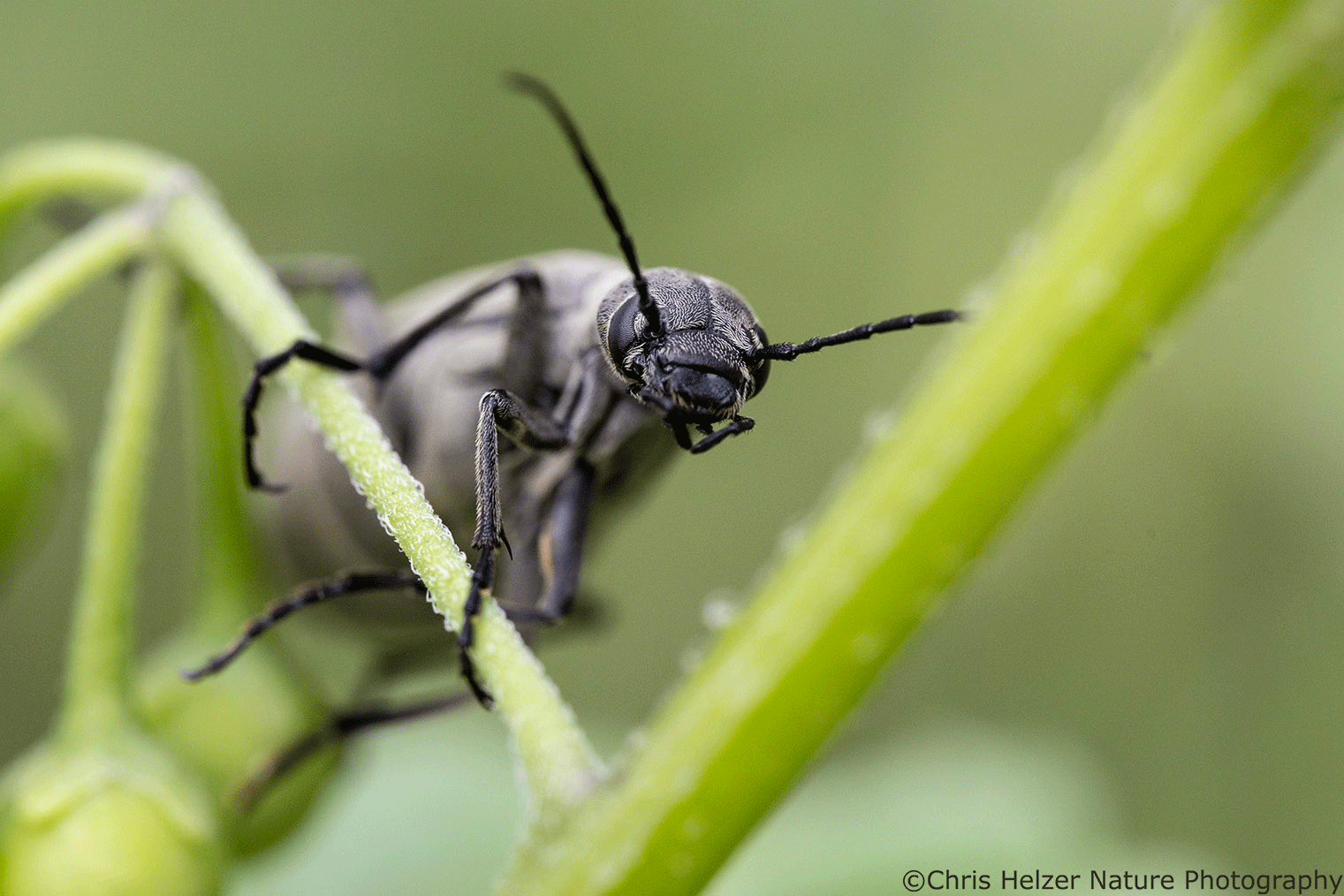
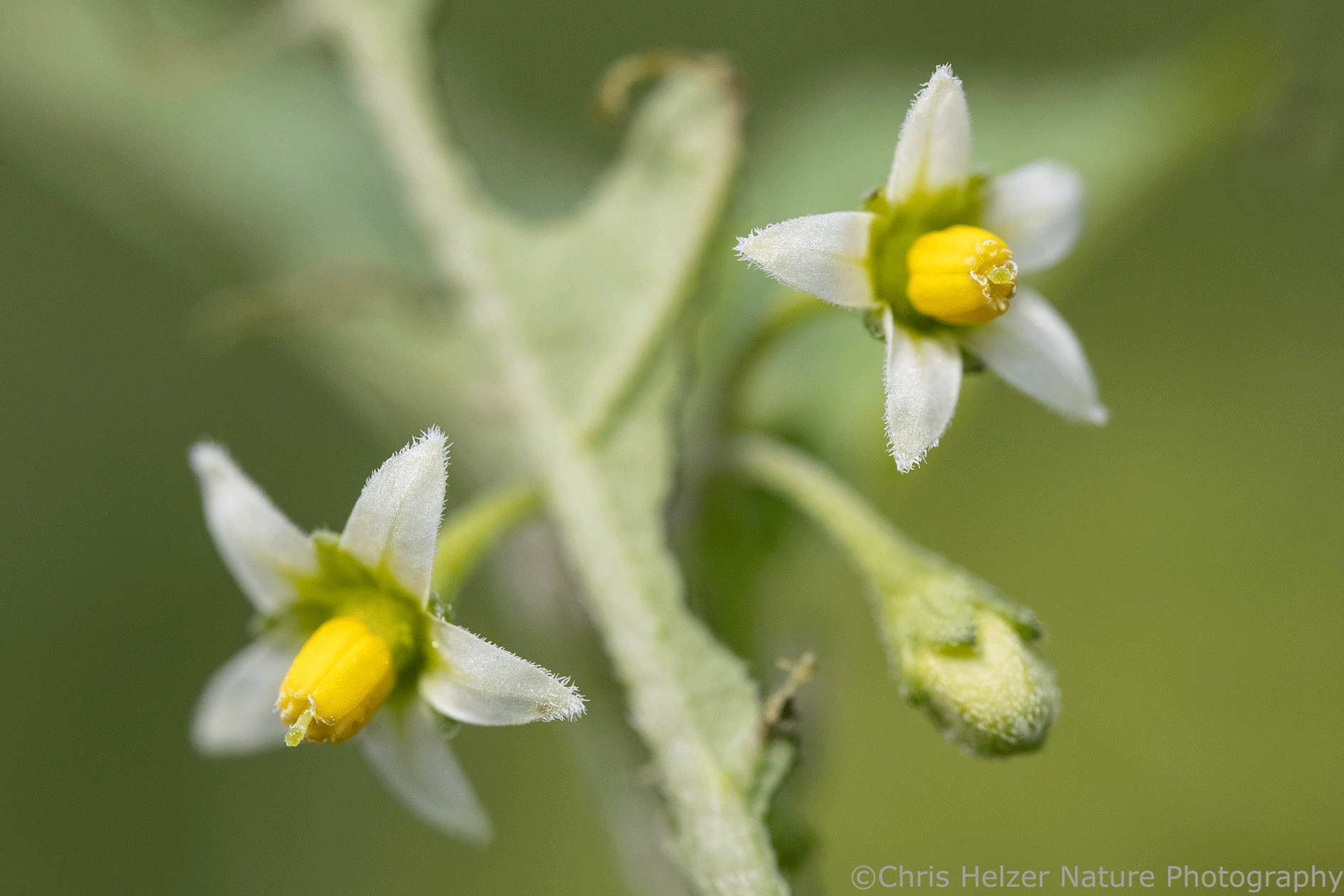

I came back the following day, curious to see what was left of the plants. The fruits and flowers were still intact, but the rest of the plants were stripped down to the skeleton (stems). I’ll be curious to see if the remaining flowers and fruits can mature without leaves to photosynthesize and create food from sunlight. So far, the fruits look like they’re continuing to ripen.

There’s more to say, but this post is already way too long, so I’ll just end with a few more photos of plot visitors:

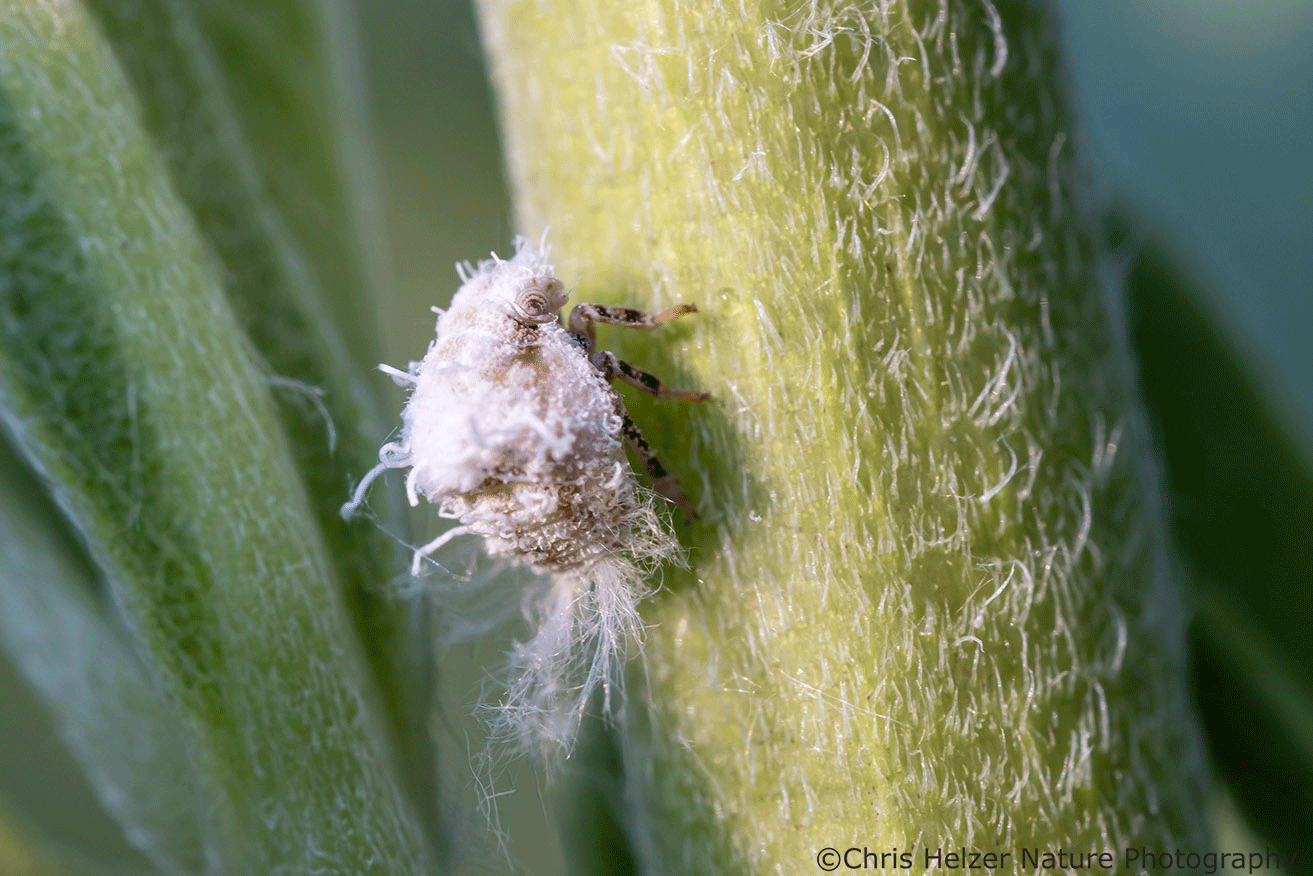


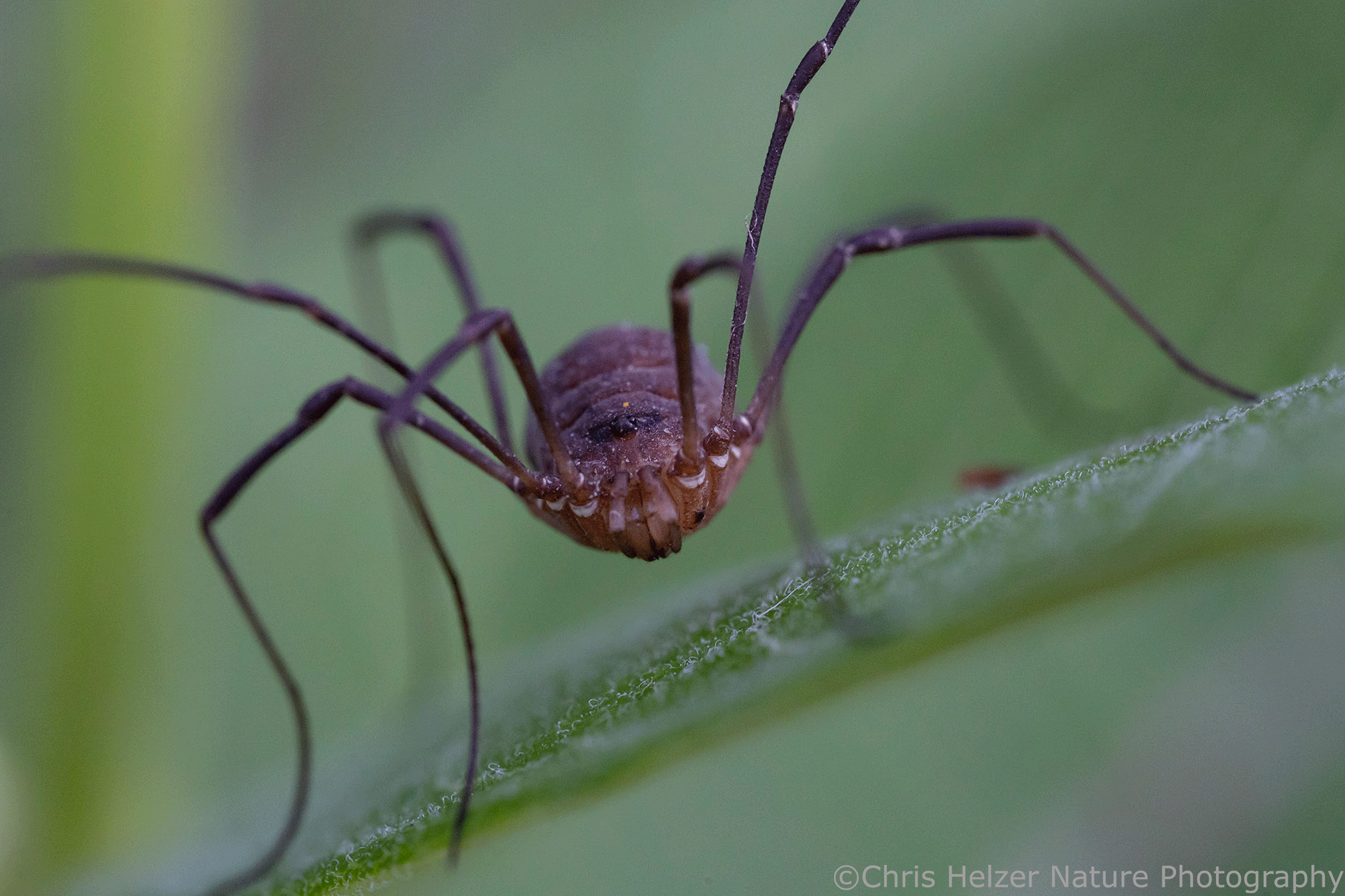

It’s almost Maximilian sunflower and pitcher sage season! I check frequently to see if any of the flower buds have opened, but nothing yet. Be prepared for a lot of yellow in my next update – there are a LOT of sunflower plants in the plot this year. Meanwhile, the project rolls on, regardless of what’s blooming or not. There’s a different story every time I visit!
Thanks for hanging in there with me. If you’ve read all the way to the end of this post, I’m both impressed and grateful. I hope you have the opportunity to find your own little patch of nature to visit!
 The Prairie Ecologist
I really like your observations. Maximilian sunflower is my fave prairie plant. I work at an airport here in TX and it’s abundant . I dug up a clump and planted it next to the maintenance shop. It is double the size of the ones in the field and we’ve had a rainy summer. It gets dew water and roof runoff, being close to an appreciator of it, that’s the only difference, I am able to take some pretty good pics with my phone and like you guess mostly about what type bug it is, like this wheel bug. Glad that bug is small, it’s pretty formidable looking.
All the best
J Watt
Such a great piece! We had what appears to be the same Blister Beetle species last summer here in NW Iowa. Had never observed them before. Here their diet was Cup Plants…they had a feast!!! Spooky beetles though – they have a way of staring you down if you get too close or watch too long! Curiously we have not seen any this summer.
I am of an age where it is no longer possible for me to go out and find patches of nature like I used to. Your blog is how I experience nature these days. I am so grateful to you. Hope you’ll continue this for a very long time!
Love your bugs!
Thank you so much as always! Your fan on the east coast, Susan