
What does good grassland habitat look like? Tall, dense vegetation? Lots of wildflowers? Sun-exposed places where animals can warm up on a cool, dewy morning? Overhead cover, but low density vegetation along the ground so small creatures can move around quickly and easily?
Yes.
Each of those habitat types supports a particular set of animals and plants. By including all of them (and others) in a single block of prairie, all those plant and animal species will have a place to thrive. When lots of habitats are available, a site has strong habitat heterogeneity.

Scientists have recognized the strong tie between habitat heterogeneity and species diversity since the early 1960s. Because of that link, heterogeneity is a good focus for land managers. It’s hard to go out and count all the different species of plants, animals, and other organisms each year to see how they’re doing. It’s a lot easier to see if there’s a nice range of habitat available across the site. (You should still track species diversity if you can, though, since other factors can affect it besides just habitat heterogeneity.)
Species diversity is important for its own sake, but also because it’s a crucial component of a prairie’s resilience. Ecological resilience is the ability of an ecosystem to flex, adapt, and survive events such as droughts, floods, intensive grazing, fire, and more. Resilience relies on two main factors. One is the size and connectivity of grassland habitat. The second is species diversity, which helps ensure prairies have the ‘bench strength‘ to maintain essential processes, no matter which species are having good or bad years.

Variation of available habitat types across space is important, but the timing of that availability also matters. If wildlife species are going to benefit from their favored habitat structure, those conditions have to exist long enough to be relevant. When an animal selects a promising location to raise a family, for example, it’s relying on that habitat to stay relatively similar during that crucial child-rearing period. If the plants in that area are burned, hayed, grazed too hard, or even grow too quickly, the animal and its family may end up struggling to survive in suboptimal habitat.
However, if habitat structure remains the same year after year, that’s not good either. Any kind of habitat structure, as well as the means used to create it (fire, grazing, haying, etc.), will favor a certain suite of animal and plant species. Many animals can move around to find what they want, but plants (and some animals) aren’t very good at that. Less mobile species that aren’t well suited to available habitat conditions can eventually disappear if everything remains static. That can reduce species diversity and, in turn, ecological resilience.
In addition, static habitats may create problems if populations of some species grow to the point where they start harming others. Disease organisms, for example, can grow in abundance under static conditions. Predators, which play essential roles in ecosystems, can become extra proficient at locating prey if those prey are always in the same spot.
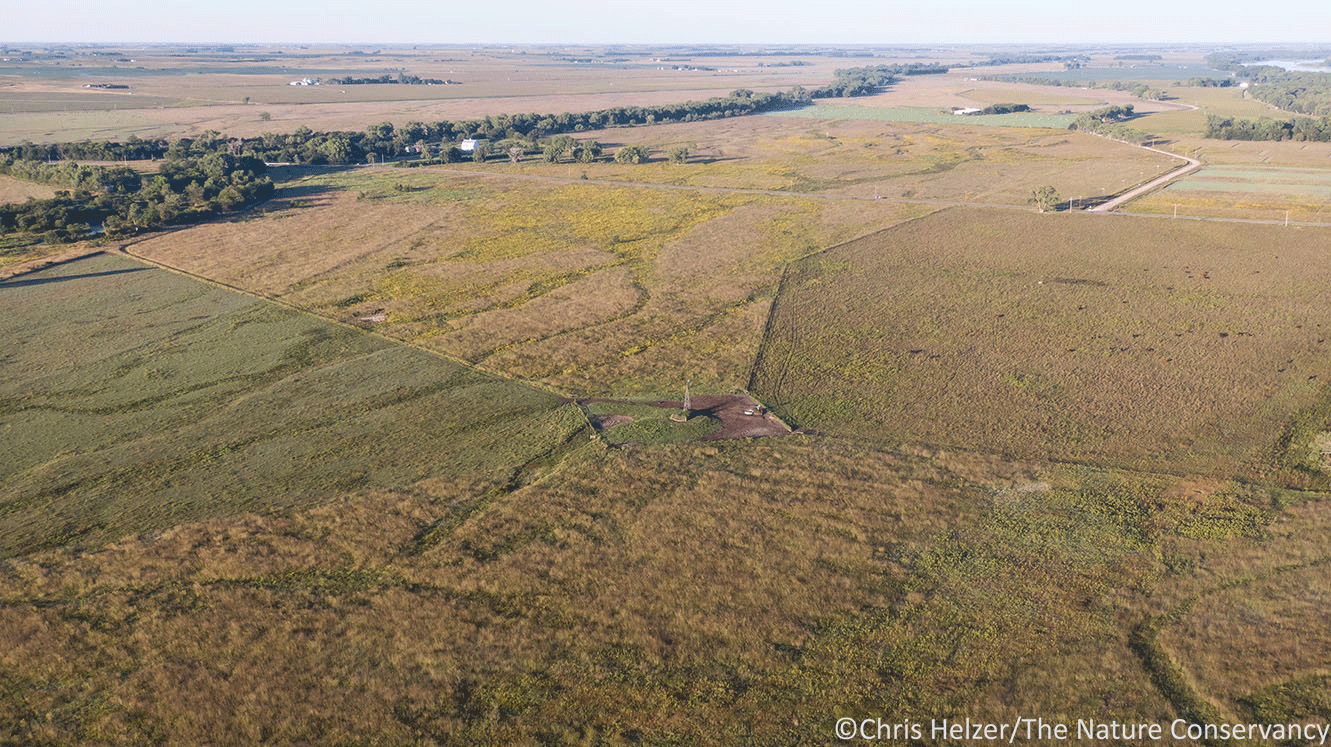
What we’re really looking for, then, is a kind of shifting mosaic of habitats. We want all of the possible habitat conditions to exist within a block of prairie, but to shift in location over time. That helps plant species survive because they’ll each get their favorite growing conditions every few years. Animals can either move around to find the most suitable habitat or – like plants – hunker down until it comes back around to them.

The weedy habitat in the upland sandpiper photo shown earlier was the result of a full season of intensive grazing during the previous year. The long-term grazing reduced the competitiveness of perennial grasses. That kept grasses short and allowed ‘weeds’ to grow taller during the year after grazing. The result was perfect brood-rearing cover for that young upland sandpiper, as well as great habitat for many other species – including lots of insects.
That post-grazing habitat type, though, is ephemeral. The year after that photo was taken, grasses grew tall and dense again in that same location. That means new grazing treatments have to be implemented in different spots each year to make sure there are always patches of grazed, recovering, and recovered habitat available somewhere.
Grazing animals don’t fit in every situation, especially when prairies are small. In fact, creating habitat heterogeneity in any form becomes challenging in small prairies. There’s often not enough room to create a range of habitat patch types that are each large enough to be useful to the species that need them. However, in prairies where grazing is desirable and feasible, a big world of options opens up.
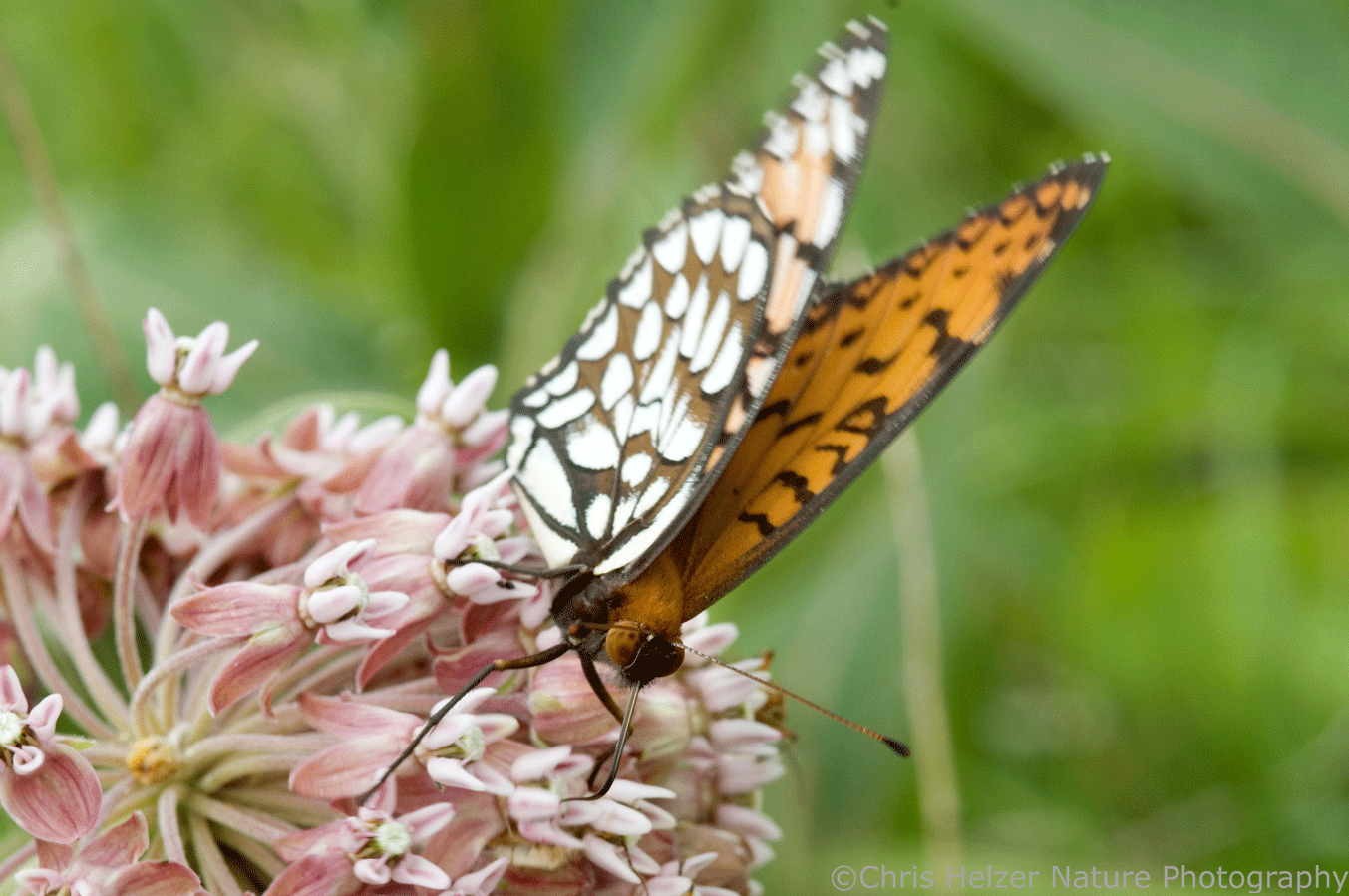
A shifting mosaic of habitats can be created in lots of ways with grazers. Patch-burn grazing and the open-gate grazing we’ve been experimenting with are just two of many approaches that can do a great job. Cattle or bison can graze an area for long enough to suppress some plants and favor others, while also manipulating vegetation structure. One of the advantages of patch-burn or open-gate grazing is that long periods of grazing and long periods of rest mean each habitat condition created lasts a relevant time period. Those long grazing bouts also help ensure strong temporary suppression of perennial grasses and a nice proliferation of short-lived plants.
If grazing isn’t an option, an alternative can be repeated mowing, especially in smaller sites. Mowing the same spot several times during a season can have somewhat similar suppression effects on dominant plants. You lose the selectivity displayed by grazers, but you can incorporate some of that variability by skipping small areas each time you mow. A little creativity can go a long way.
Late last week, I spent a morning at one of our Platte River Prairies sites where we’re experimenting with open-gate grazing. I flew the drone and got the photos shown earlier, which highlight the habitat heterogeneity of the prairie very nicely. While I was there, I also walked through all four habitat types and took photos with my favorite spade to show the variation in habitat structure across space. These images show the same four habitat patches displayed in the aerial photos, but from a different perspective.
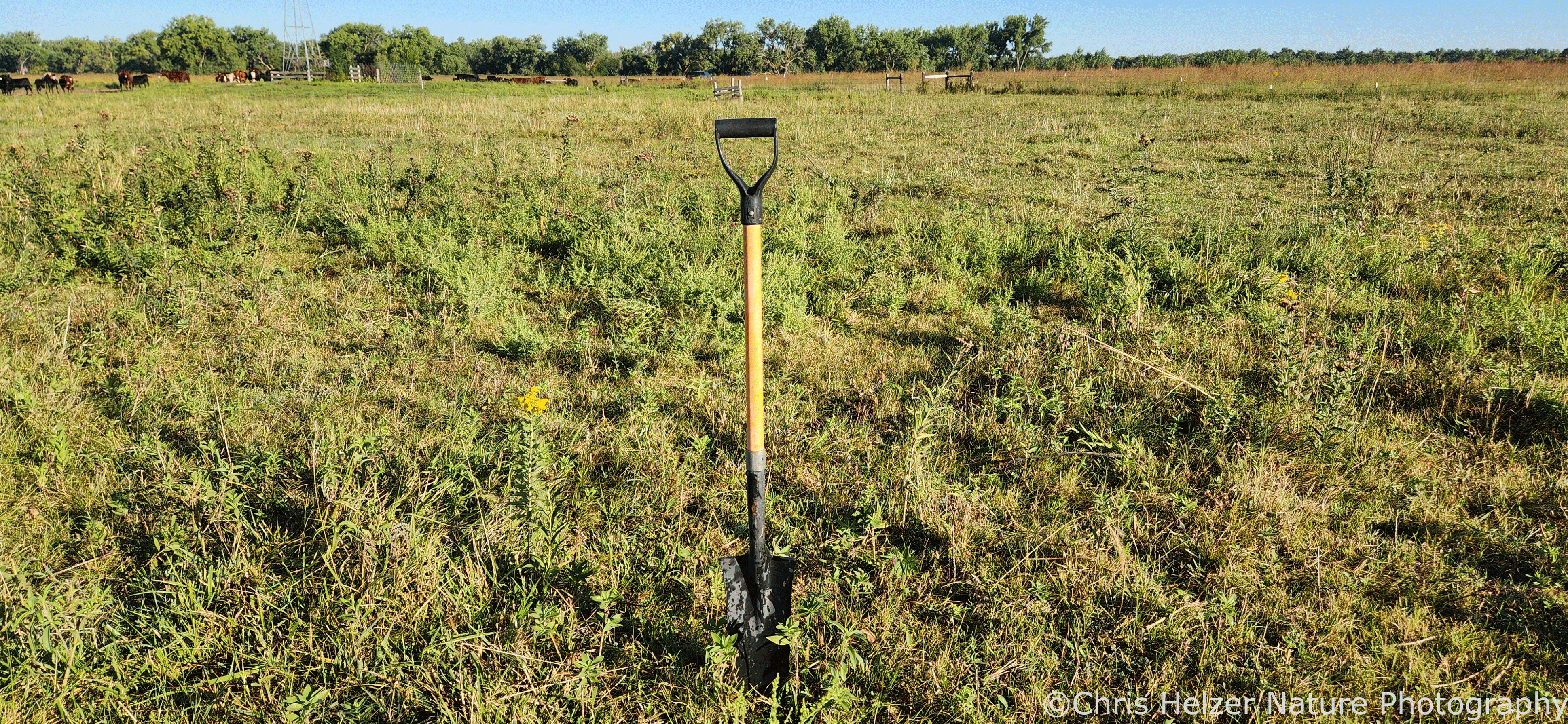

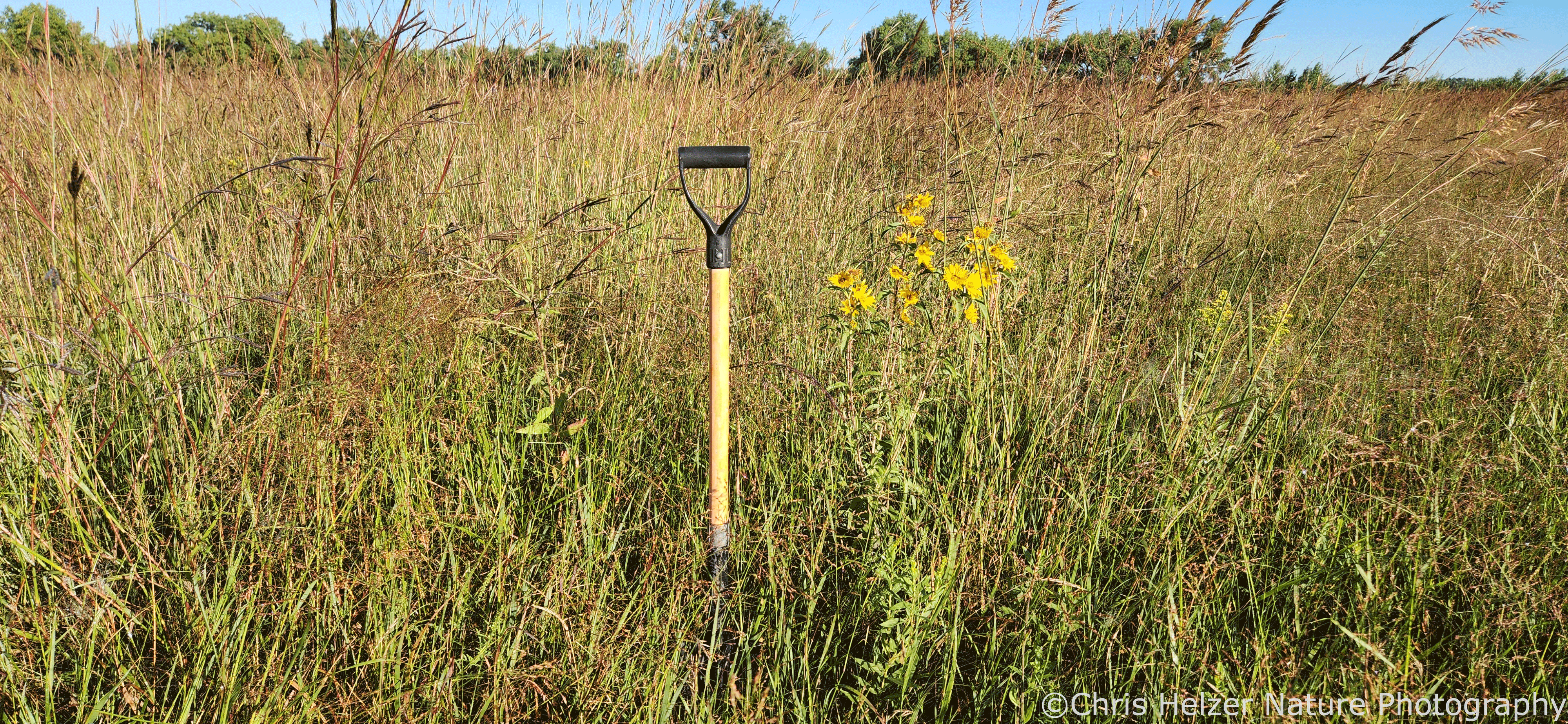

While I was on site, I also took time to visit two photo points where I’ve been taking repeated photographs since May of 2022. We’re playing with a design idea in which I use a metal frame that slides into another metal structure buried in the ground (thanks to Booker Moritz for building the frame). The frame allows me to take photos from the same exact location without having to leave behind a structure that cattle will rub on. I can also take photos from both a four-foot and one-foot height. That provides two different perspectives on the vegetation structure.
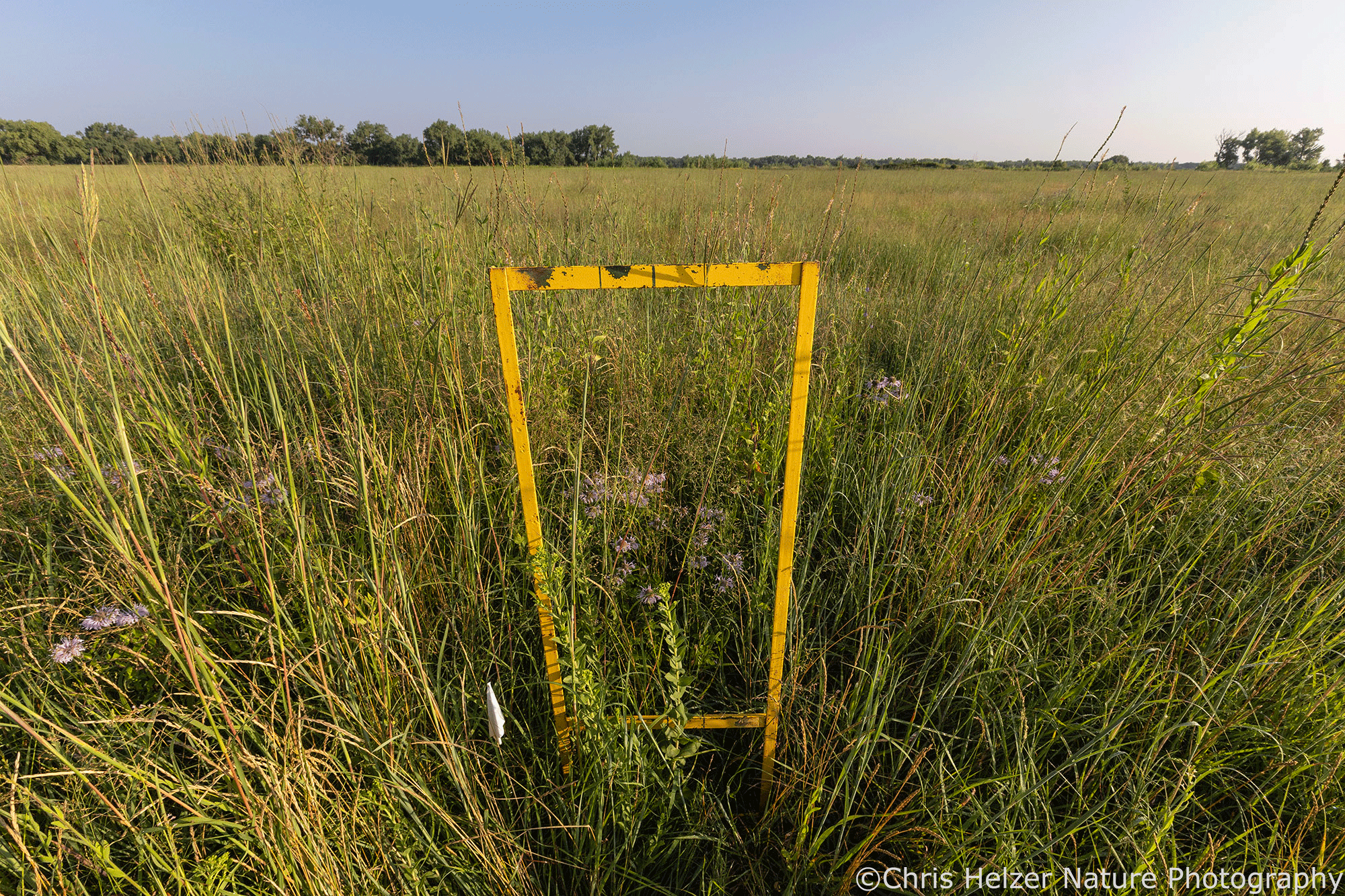
The photopoint frame means I can show you how the habitat in a particular location has changed through time. I’ve only got three seasons of images so far, but I plan to continue this for the foreseeable future. Today, I’m only showing you early August photos from one location. On August 4, 2022, this site had been rested for most of two years and cattle were just coming in to graze it (along with another pasture that they’d already been grazing). By the following summer (August 7, 2023), cattle had grazed the site hard for a full year and remained there through the fall.
When I visited on August 1, 2024, the site had been sitting idle all season, recovering from prior grazing. For most of the summer, grass growth was stunted and numerous short-lived plants, including big patches of velvety gaura (Gaura parviflora) and others were abundant. Perennial wildflowers also had a good year, including large populations of wild bergamot (Monarda fistulosa), stiff goldenrod (Solidago rigida), purple prairie clover (Dalea purpurea), and many more.
I’m sharing three short slide shows (three slides each) below that show what the site looked like in August 2022, August 2023, and August 2024. If the slide shows don’t work for you, click on the title of this post to open it online and get full function.
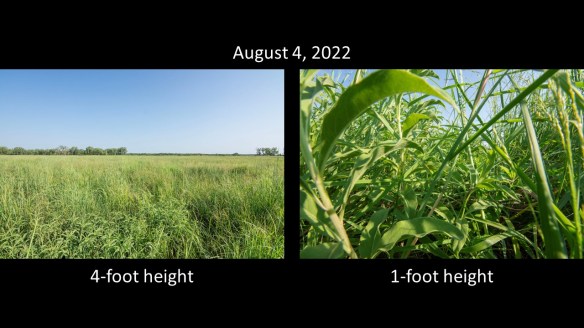


The slideshow above shows the same location photographed from a four-foot height and a one-foot height. The two slideshows below isolate each of those perspectives more clearly (four-foot first and then the one-foot height in the last slideshow).
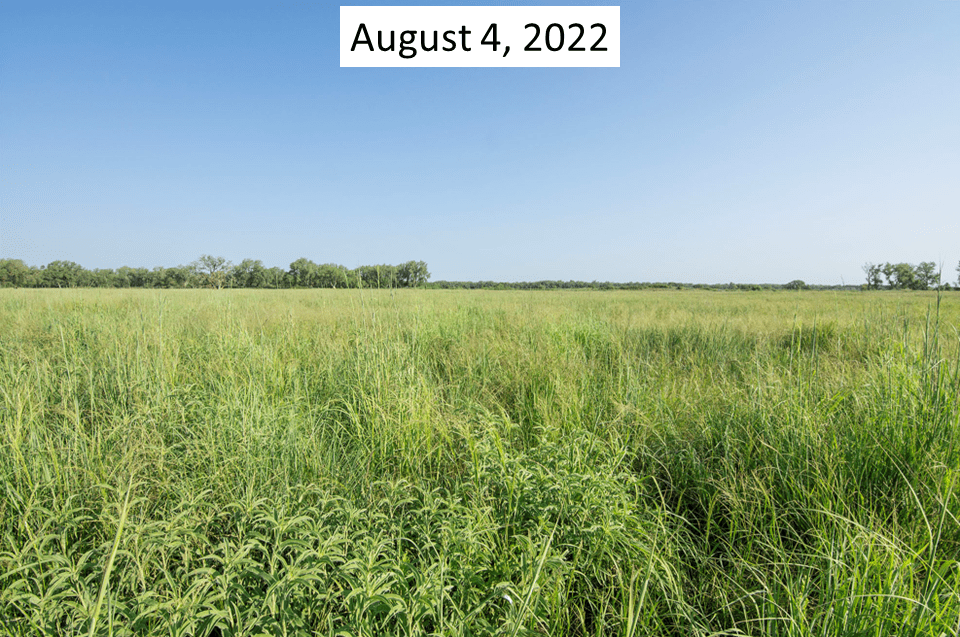


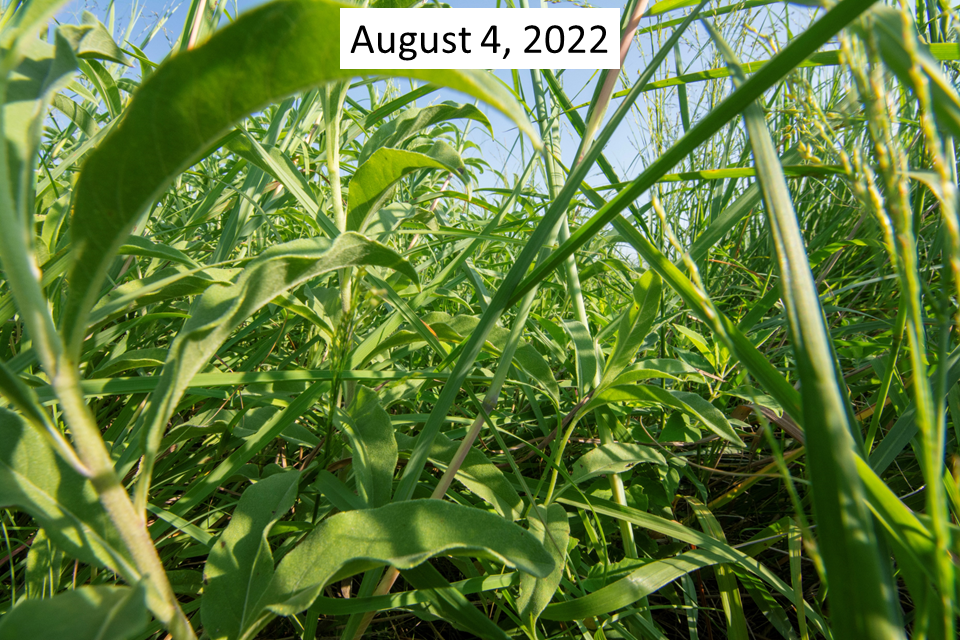

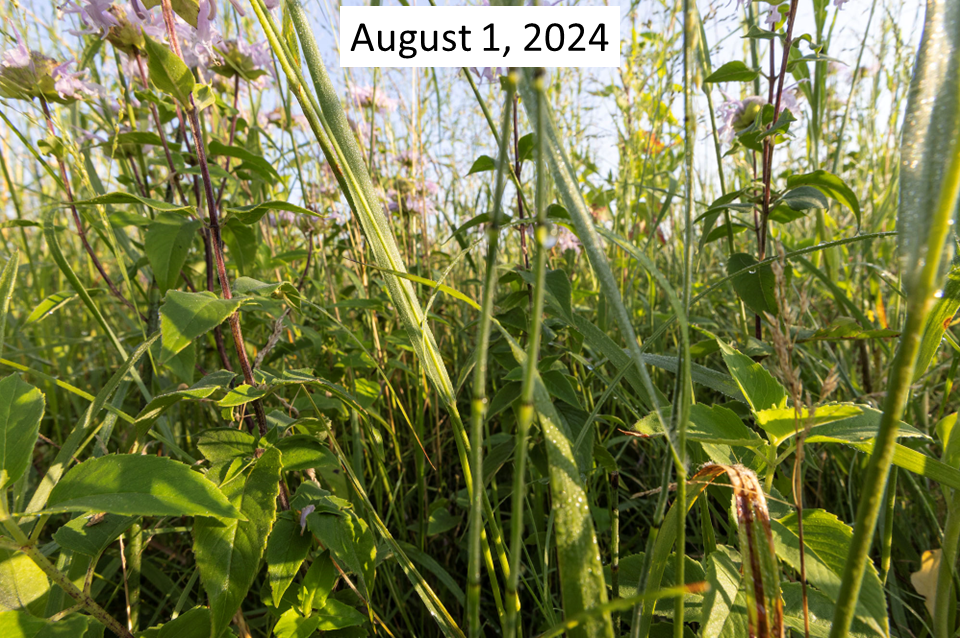
The one foot high perspective helps show how most animal species probably view vegetation structure. The difference between 2022 and 2023 is stark, and you can see how the experience of living in and moving through habitat can change dramatically based on management. The structure in 2024 was pretty tall by August, but for most of the season, vegetation was relatively short and sparse. Strong rains helped speed up the process of plants growing back.
Also, the dominant wildflower species in front of the camera switched from Maximilian sunflower in 2022 to wild bergamot in 2024. I’m really curious to see how the perennial sunflower responds next year. It is super abundant in another part of the prairie that is in its second year of rest (see the big yellow splotches in the aerial photos), so I know the species can handle periods of hard grazing. We’ll see what next year’s photos show in this particular spot. It should be interesting.
We still have a lot to learn about how to steward the diversity and resilience of prairies. What works in one place doesn’t always translate elsewhere. At both the Niobrara Valley Preserve and Platte River Prairies, our staff is constantly working to develop and test new ideas. We learn something every year and try to share those lessons with anyone who is interested. Hopefully, our efforts can combine with others around the continent and globe and help all of us adapt and grow in our ability to keep prairies healthy and vibrant.
 The Prairie Ecologist
May I copy your essays and post them on my Facebook page?– With complete attribution of course.
Absolutely! Thank you.
Cute sandpiper.
Thank you for this explanation. I volunteer at a prairie site where bison have been reintroduced. People want the bison to always be in the same location (easier to see them) and trying to explain the importance of rotating them throughout the prairie is a hard sell to many visitors. This post has given me lots of information to be able to share. Thanks so much!
This was such a fun and informative post! Thanks Chris. And for sharing the photo point strategy. I think those pictures tell the grazing and plant community story far better than any graphs.
What do you think the grazing harvest efficiency was in 2023?
I have no idea. We don’t really try to track that.