
Yes, I’m still spending considerable time staring into my square meter prairie plot at Lincoln Creek Prairie. Yes, I’m still enjoying the sense of exploration and discovery, and still finding new things to enjoy and photograph.
However, in this special edition of the Prairie Ecologist Blog, I’ve decided not to show you the wasps, flies, spiders, and other creatures I’ve been spending time with over the last several weeks. Instead, this post is a celebration of butterfly milkweed seeds.
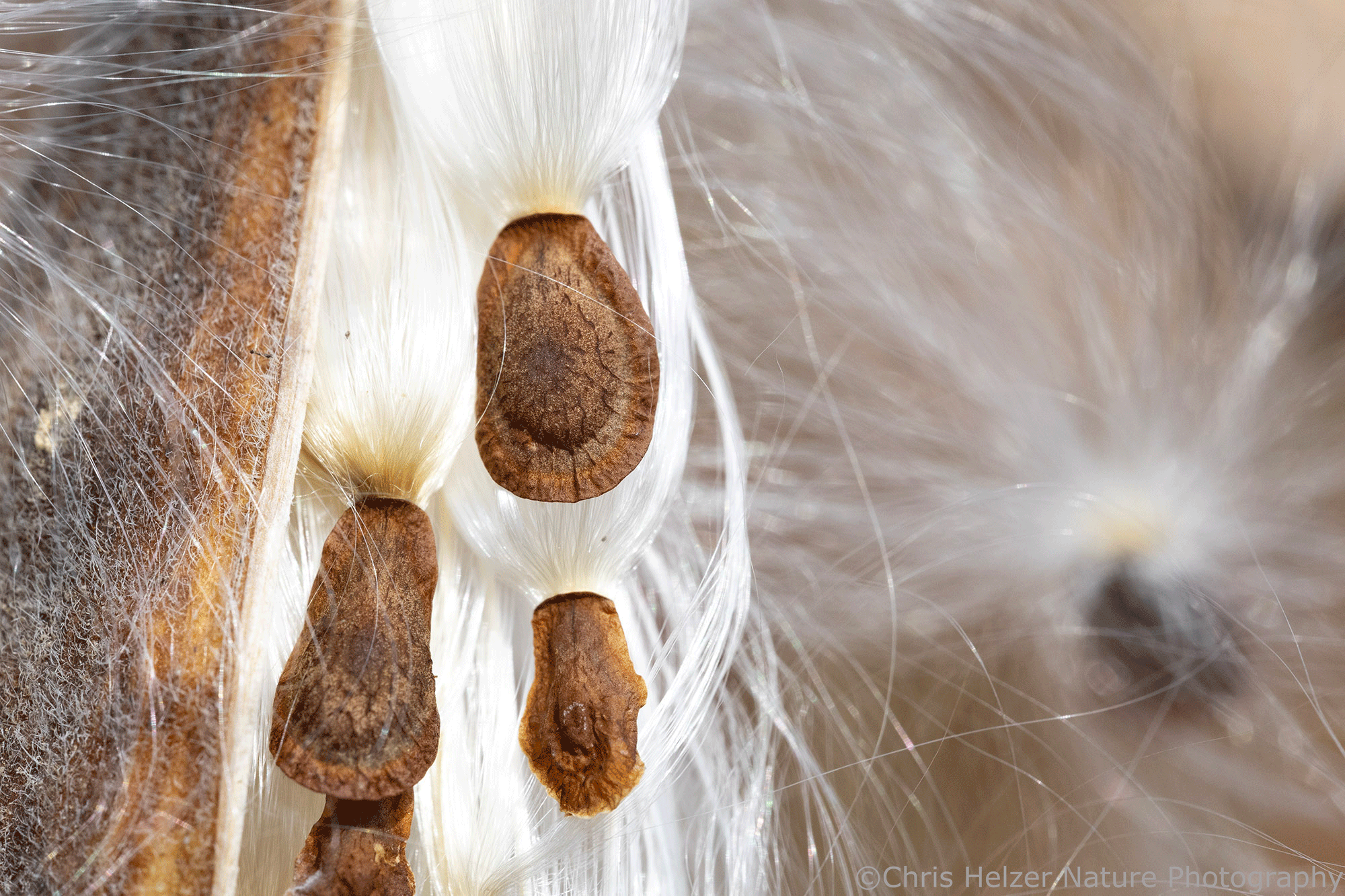
You may or may not remember that when I first tried this square meter project idea back in 2018, the butterfly milkweed plant in the plot produced a single seed pod. I was shocked and disappointed by that. I also watched that single pod like a hawk, waiting for it to open, because I didn’t want to miss the chance to photograph the seeds when they emerged. Milkweed seeds are in the top 10 (top 5?) favorite macro photography subjects for me. What’s not to like?
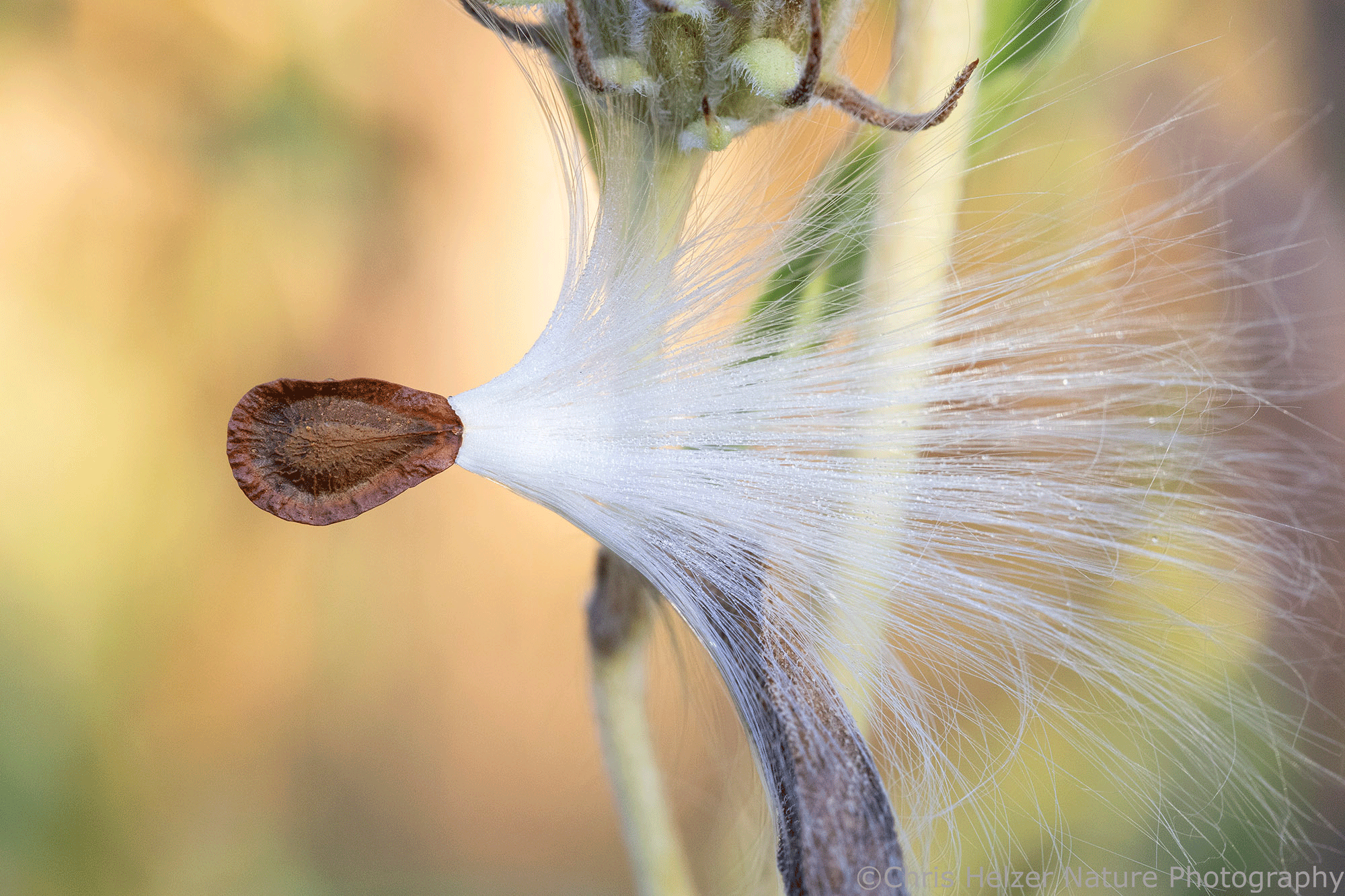
Anyway, in my second try at this project (2024), butterfly milkweed was abundantly pollinated and has produced numerous seed pods. They’ve been opening and releasing their cargo during the last several weeks and I’ve been having a ball with my macro lens. The small and large milkweed bugs visiting the plot have also enjoyed the bounty of their favorite food.

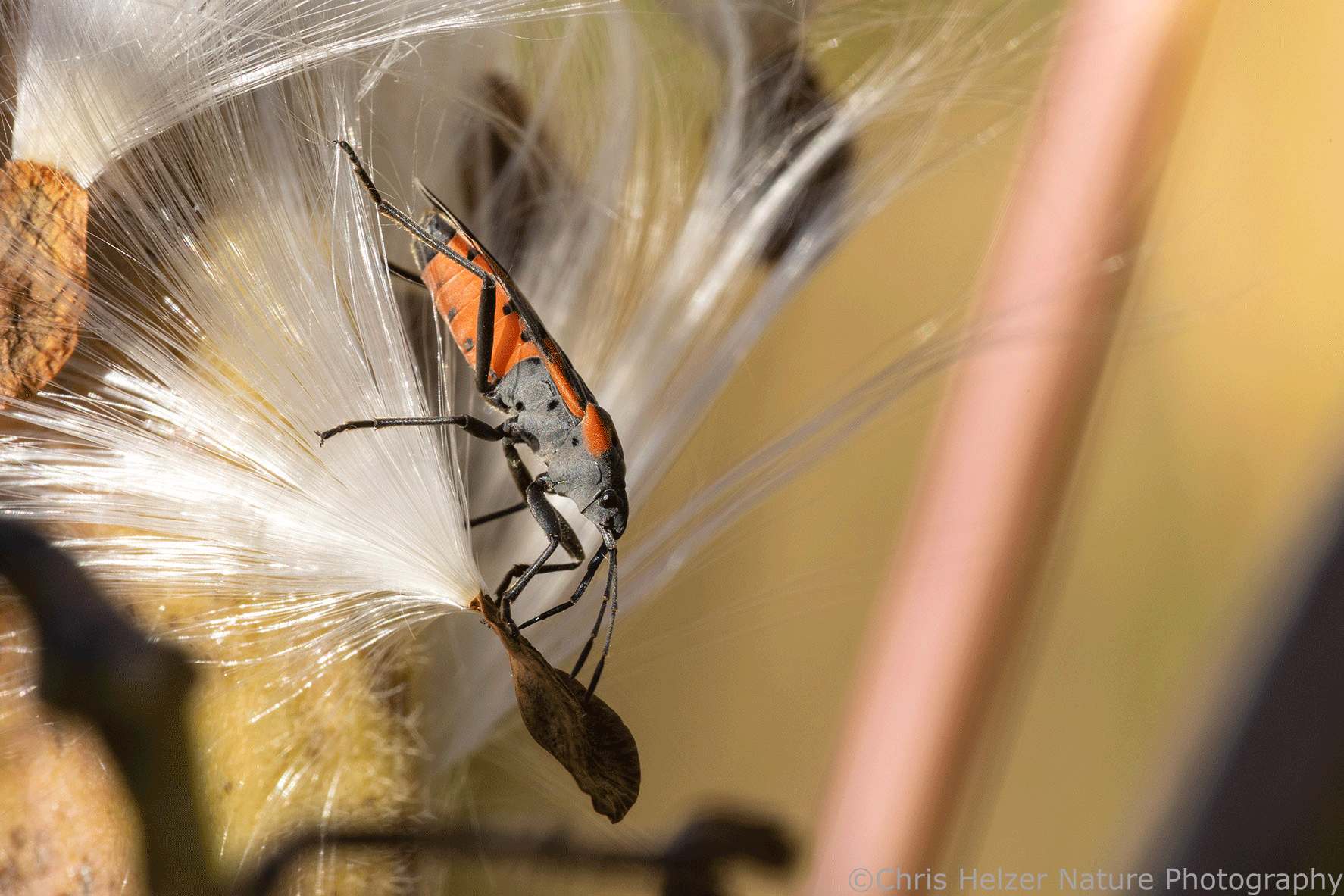
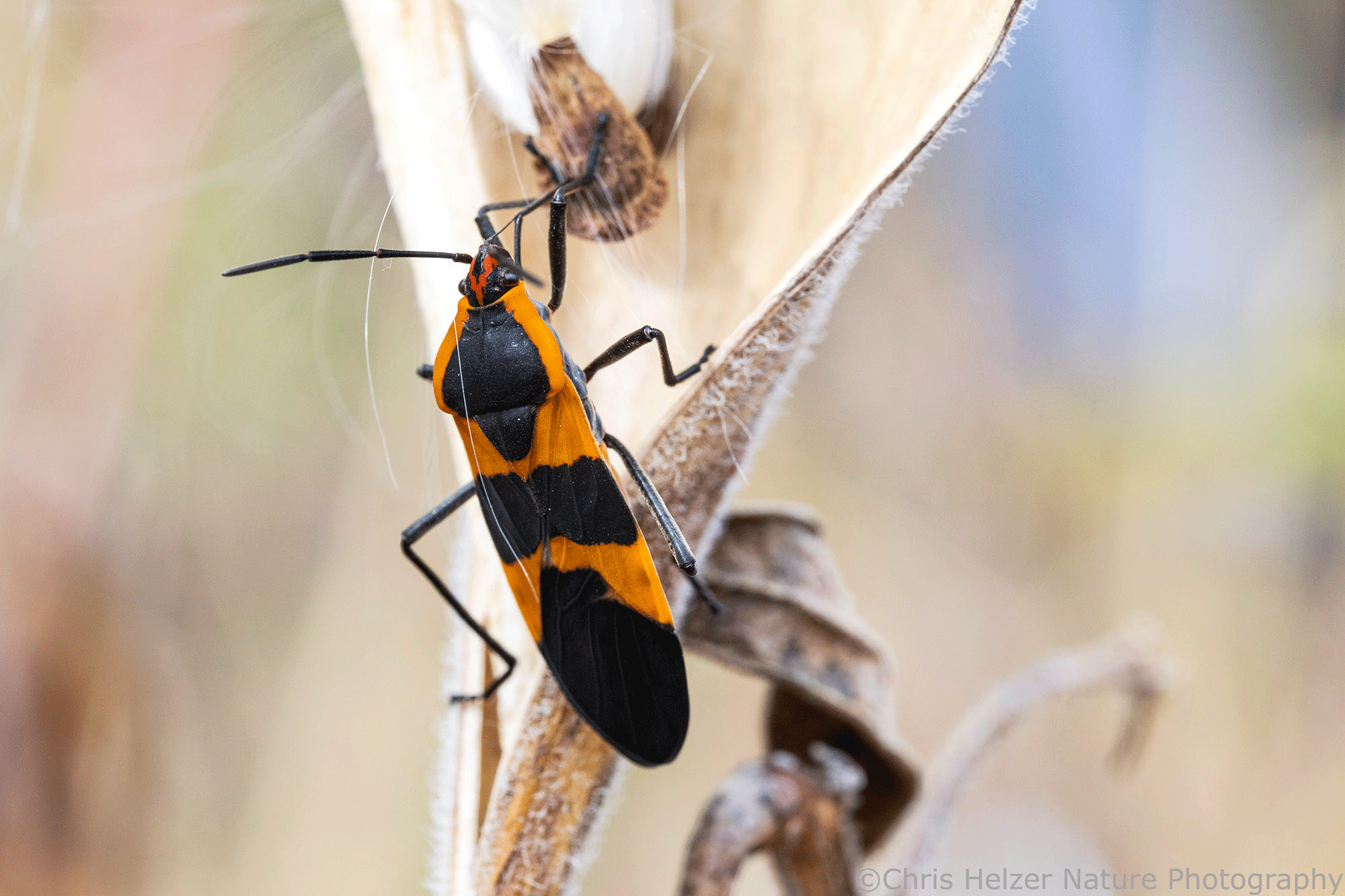
Ok, that’s enough insects for this post. This post is not about insects. It’s not about the huge flock of grackles that swirled overhead the other day. It’s definitely not about the little shrew that didn’t let me get close enough for a photo before it scurried into the shadows and disappeared.
This post is about the wonder and majesty of milkweed seeds. In particular, this is a celebration of the butterfly milkweed seeds produced by a single milkweed plant in a single square meter of prairie this year.
Without further commentary, here they are. Enjoy!

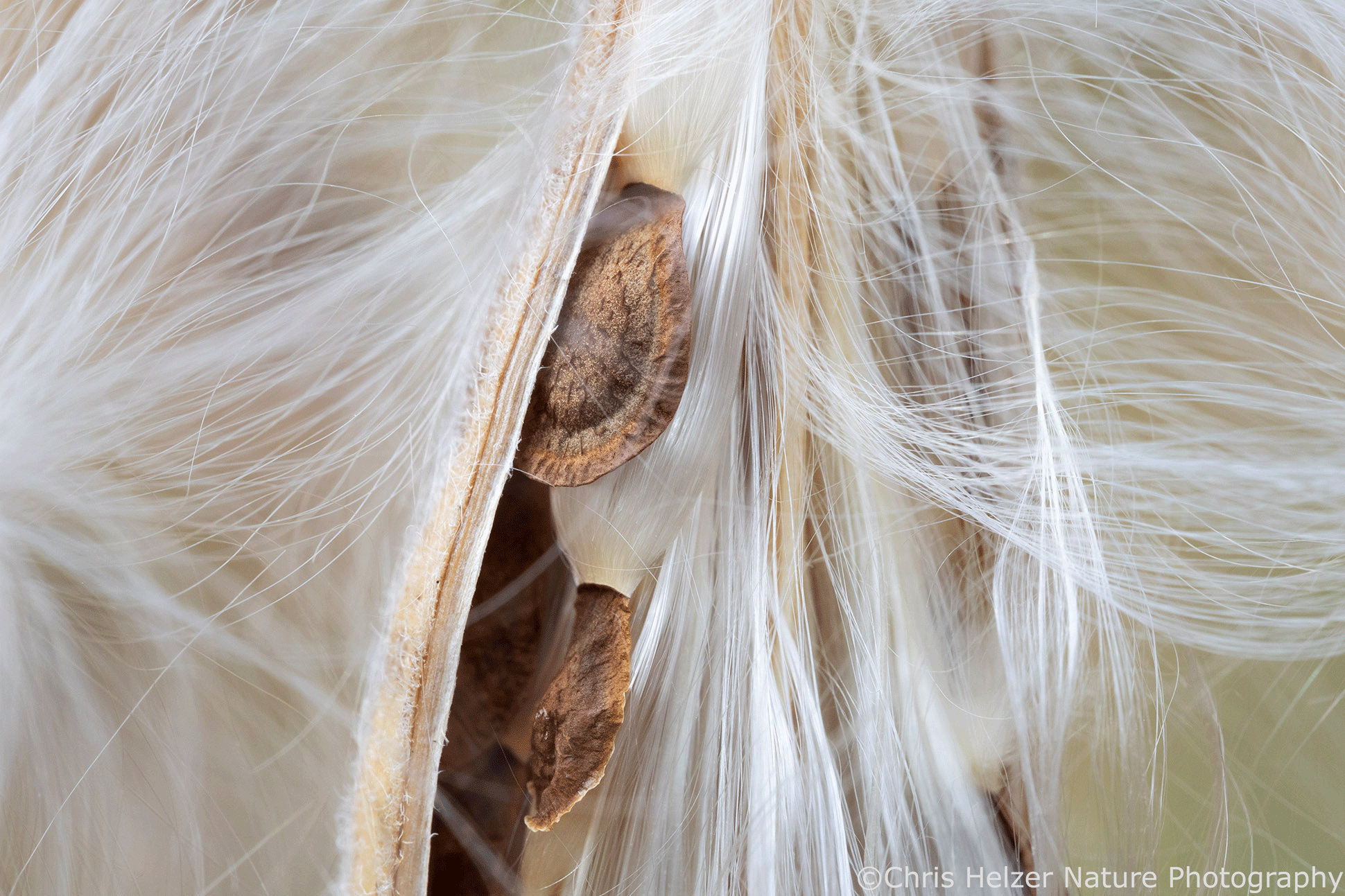


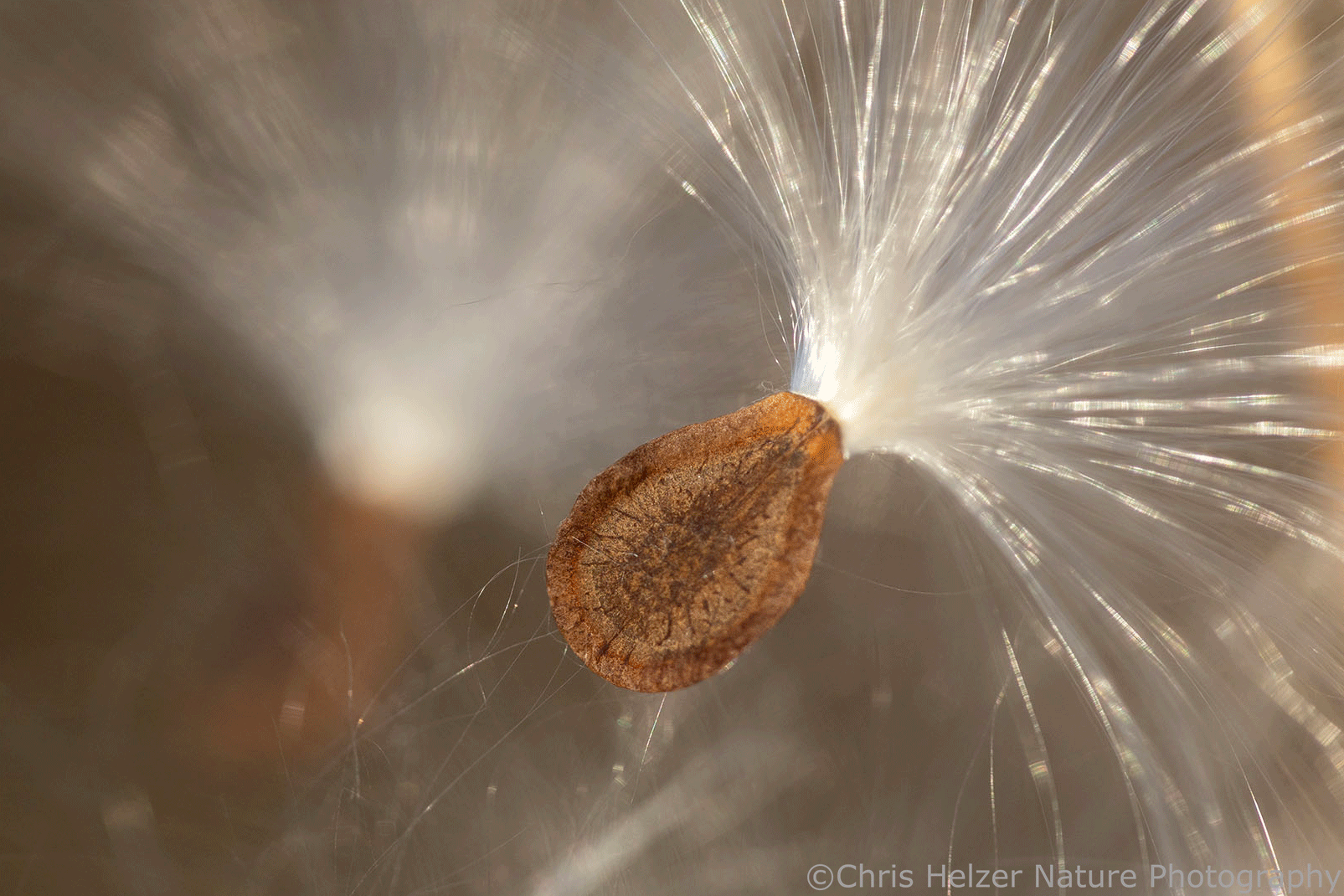

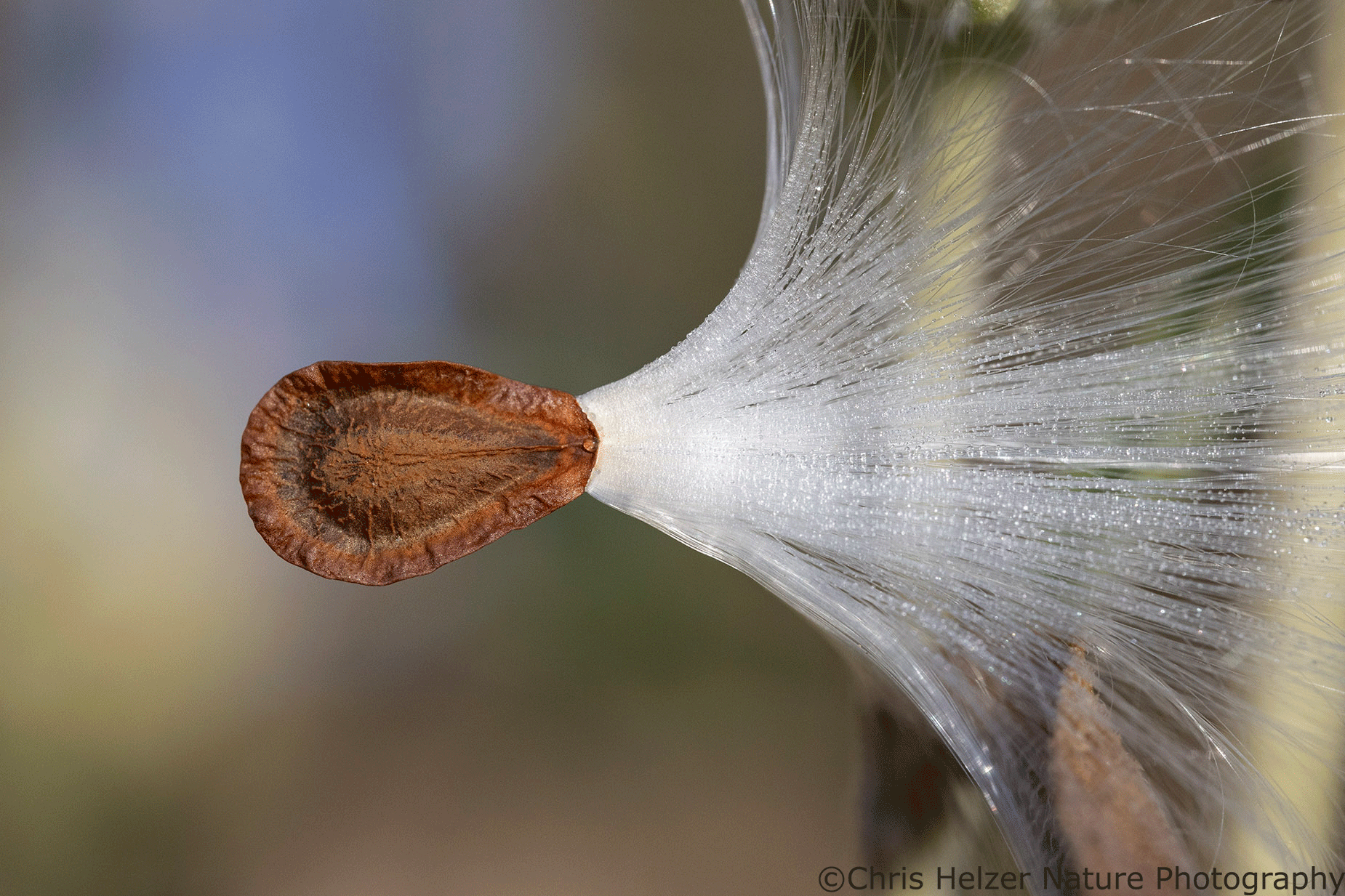


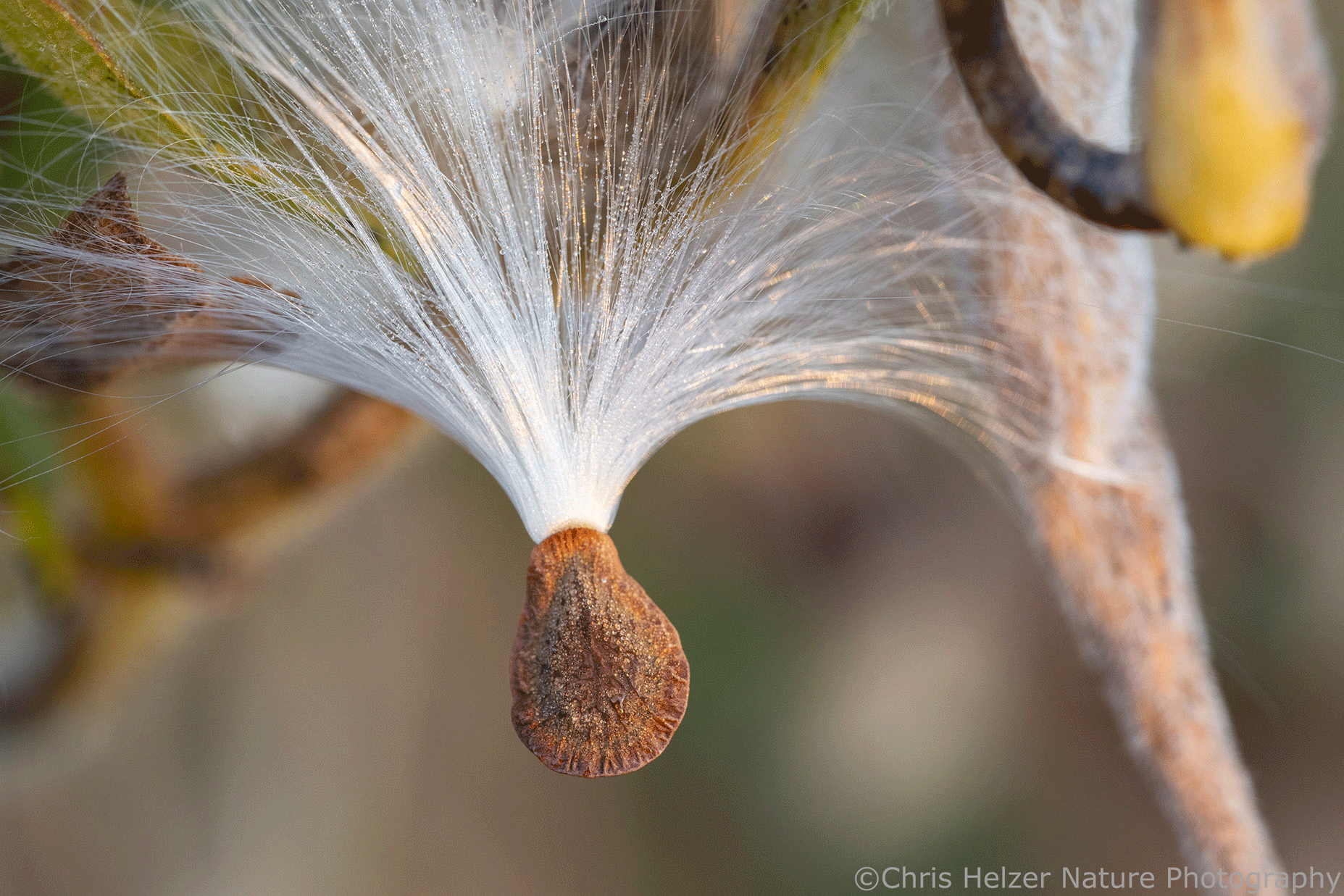
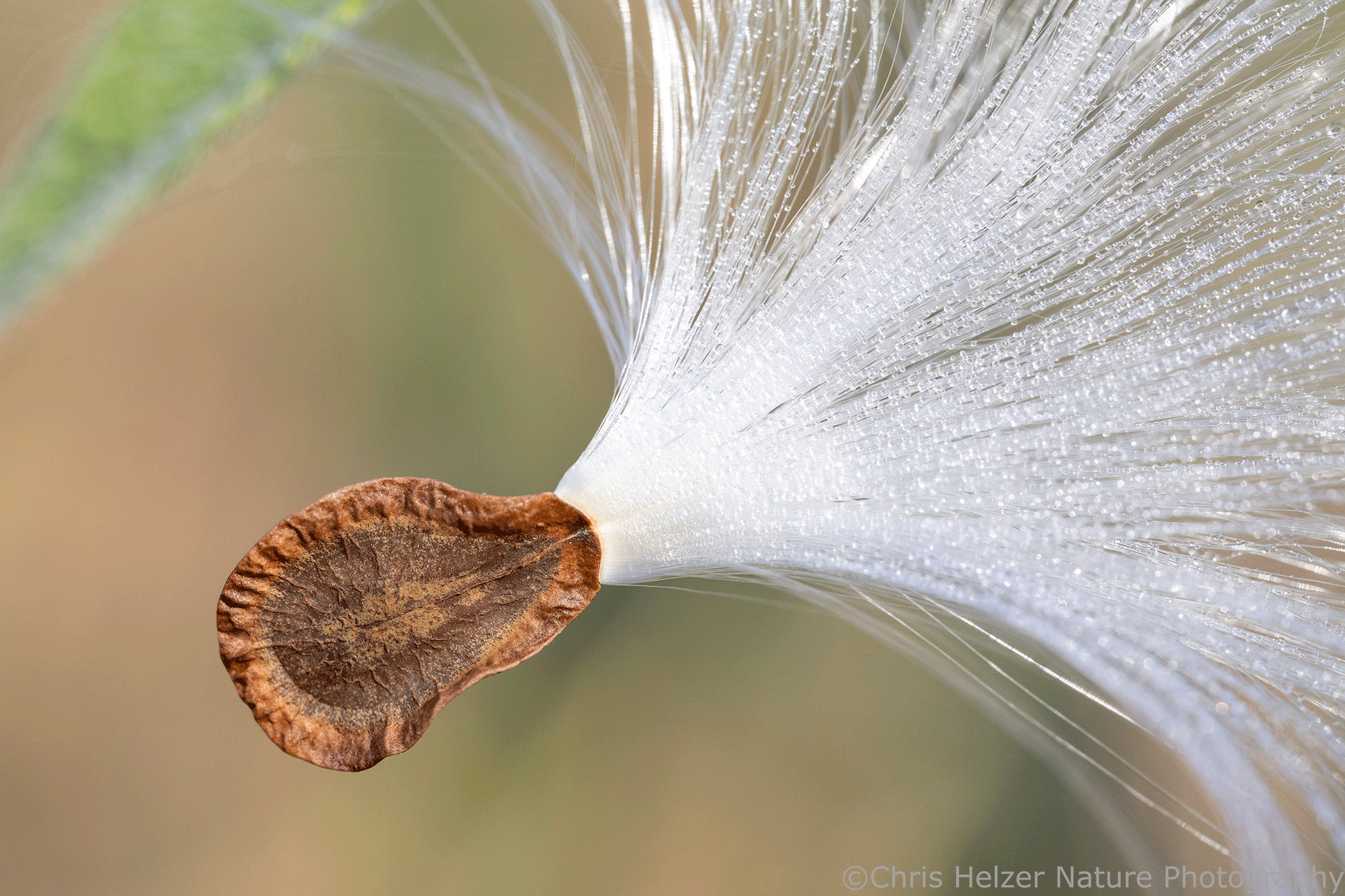

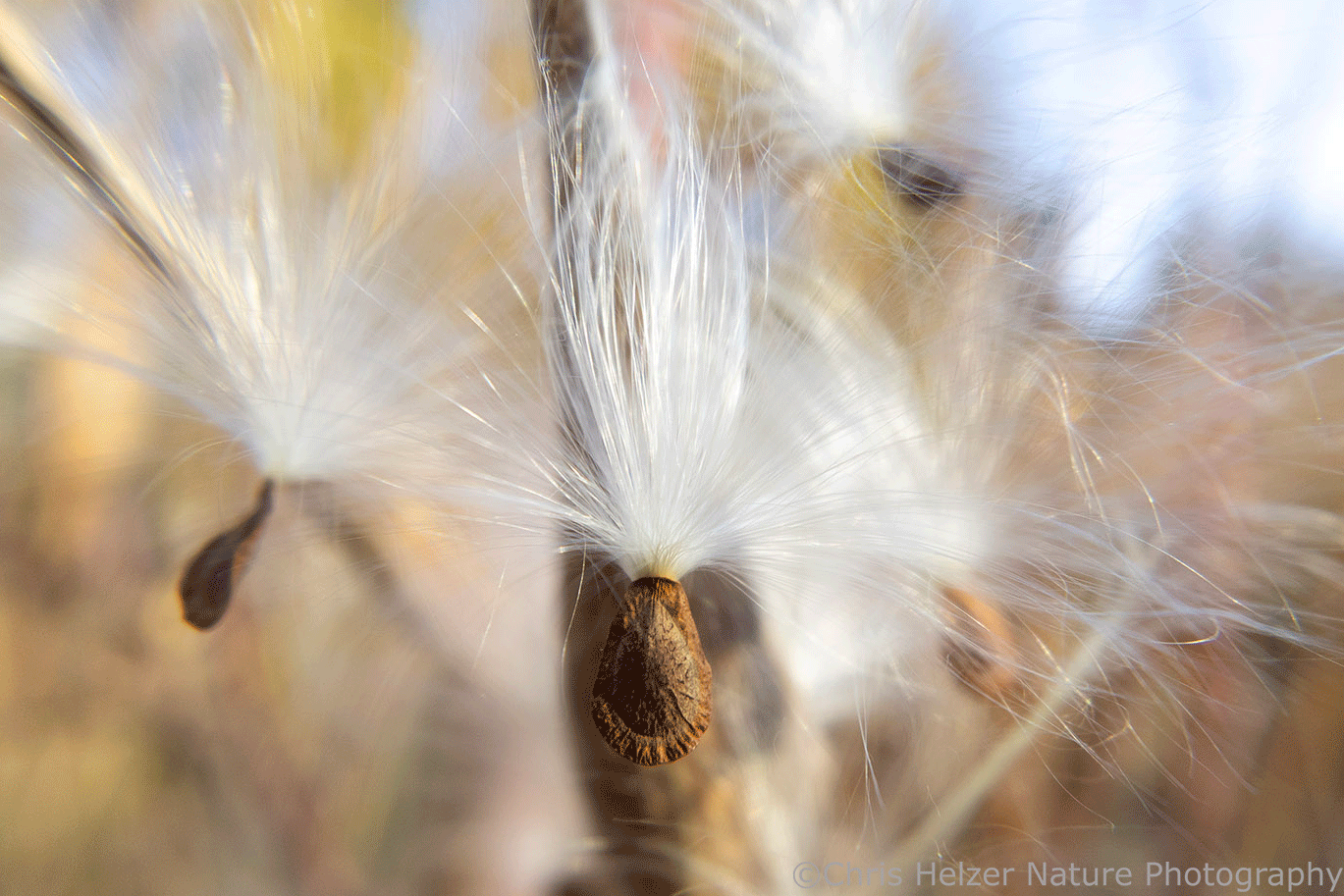


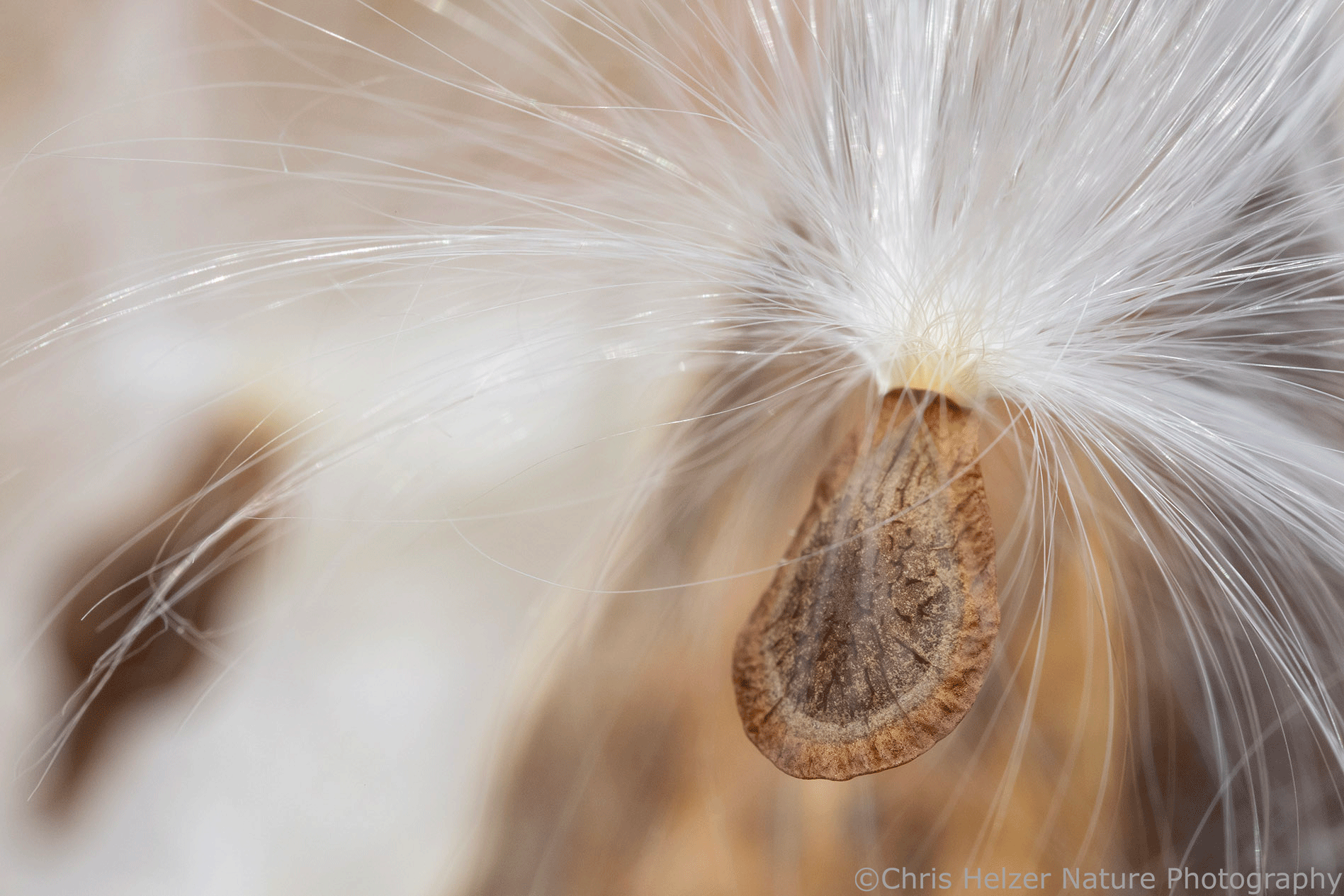

As I type this, the wind is howling at 30 miles an hour or more, and is predicted to continue for the next several days. We’ll see if any milkweed seeds remain when I next visit the plot. I sure hope so, but even if they’re gone, it was a fantastic highlight to this year’s square meter photograph project.
I hope you’re all having a terrific autumn and are out exploring the prairie habitat near you. Surely you’ve all been photographing all the milkweed seeds you’re seeing, right? (Except those of you living on the southern half of the planet who are enjoying spring!)
 The Prairie Ecologist
Like the majestic snowflake, each milkweed seed is truly unique and different and a work of art in its own right! Thank you!!
I have to say this series was just fluf
Lovely! I agree with you that milkweed seeds make wonderful macro subjects! I’ve just got horsetail milkweed in my field, but I really can’t tell the difference in the seeds, even though the seed pods themselves are different. Poof!
Sensational macro! I appreciate the milkweed seeds like fiber optics, such dazzling brilliance!
The shot immediately following the one of pods against the sky is lovely—the best of the bunch !
Truly lovely.
I would love to know how the milkweed bugs feed on the seeds. First of all, inserting their mouthparts through the hard seed cover; second, how do the seed contents come up the mouthparts and become nourishment? i.e. it would seem that some chemical or process would be needed to “liquify” the seed contents so it can be sucked up the mouthparts into the bug. Hmm.
It’s a great question. I’m no expert, but my understanding is that the bugs are essentially pre-digesting the material by injecting digestive fluid onto/into the seed to soften it, dissolve it, digest it, and then they suck up the results through the same straw-like mouthpart they inject the fluid with.
Thankyou SO much! Can’t get out myself so I really appreciate your photos.