
It’s been a while since I’ve posted about my square meter project. Don’t worry – I haven’t abandoned it! I visited the plot frequently through most of October, even as insect activity slowed considerably. There was almost always something moving around, even as November arrived. More importantly, there was always beauty and distraction, both of which were welcome.
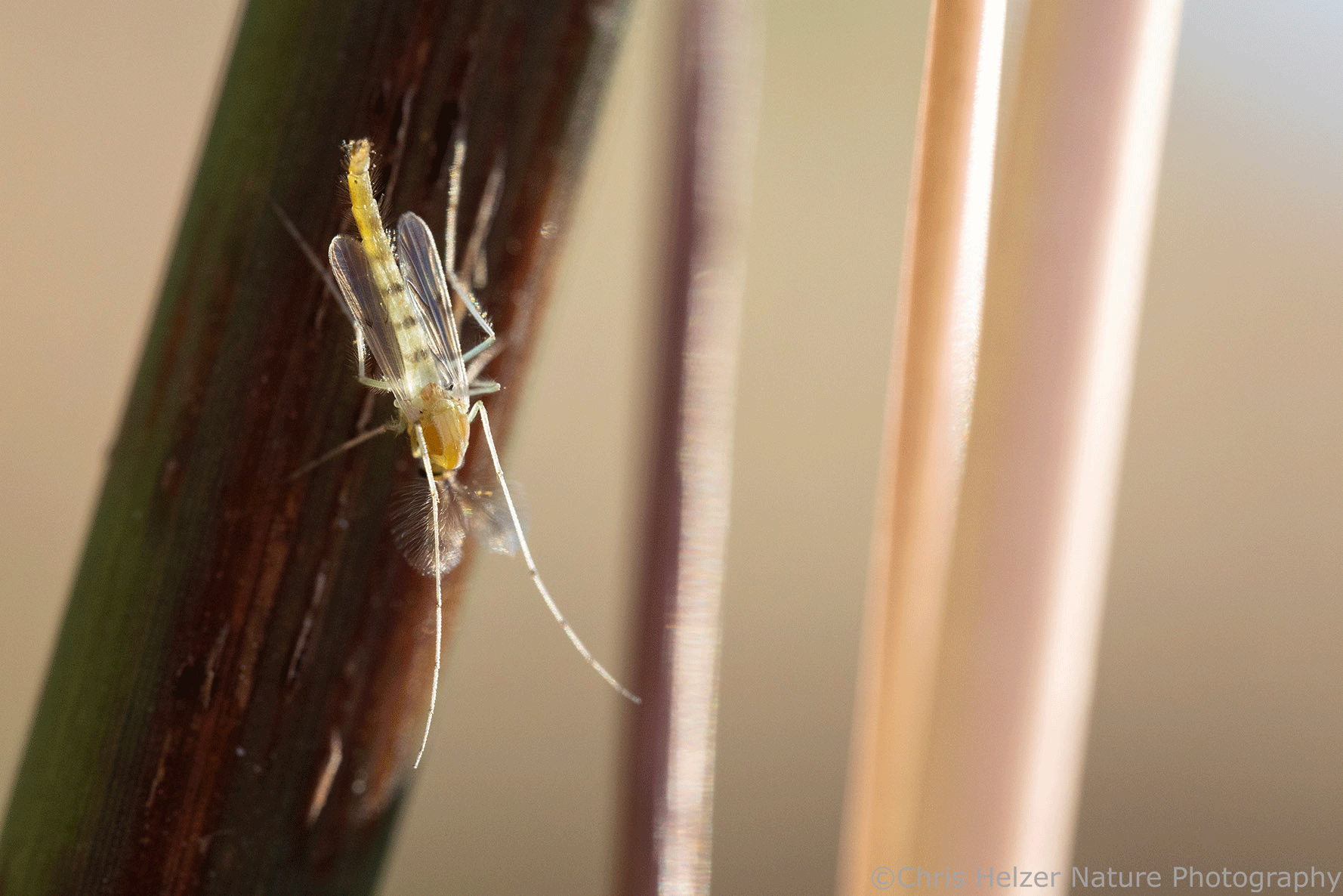
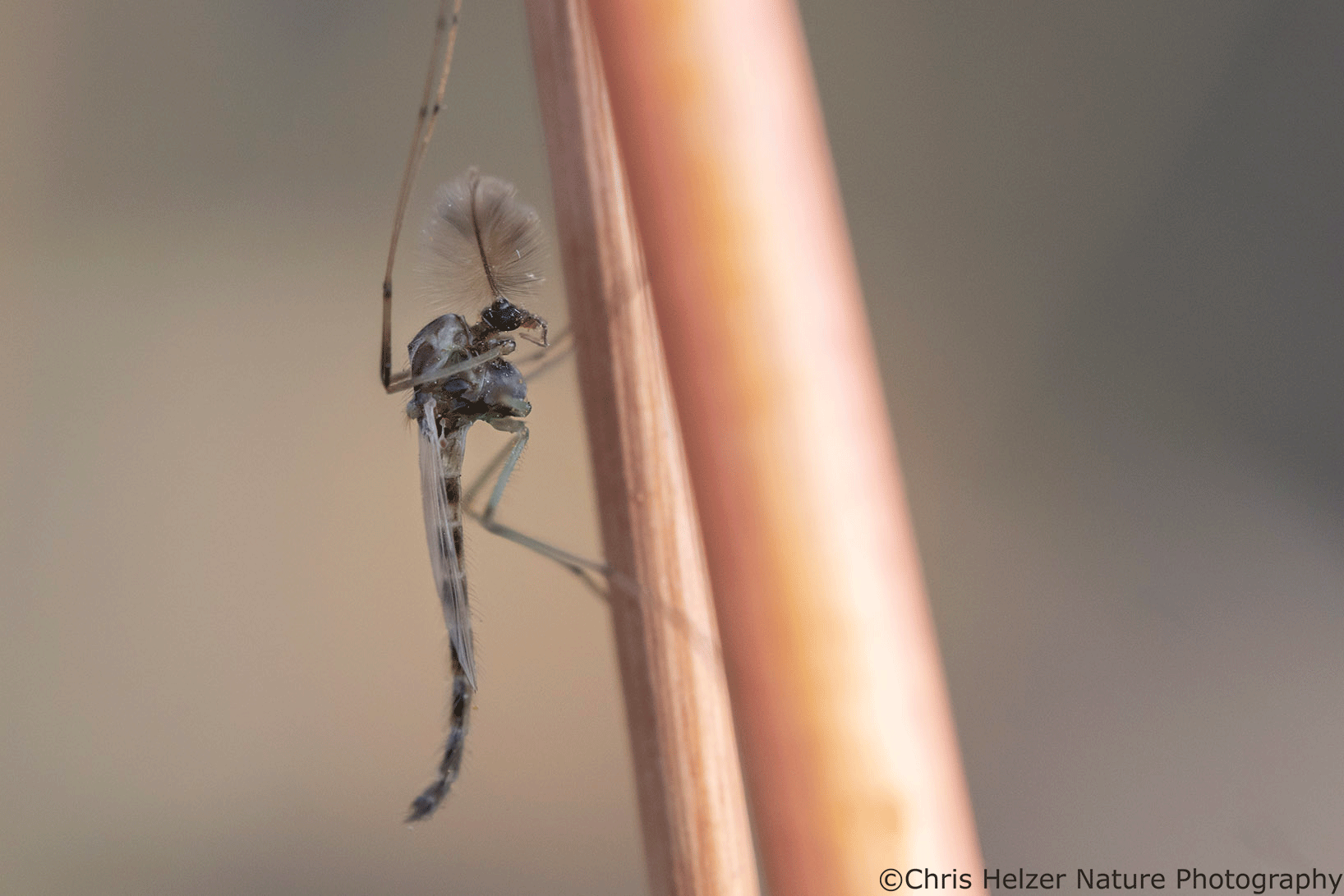
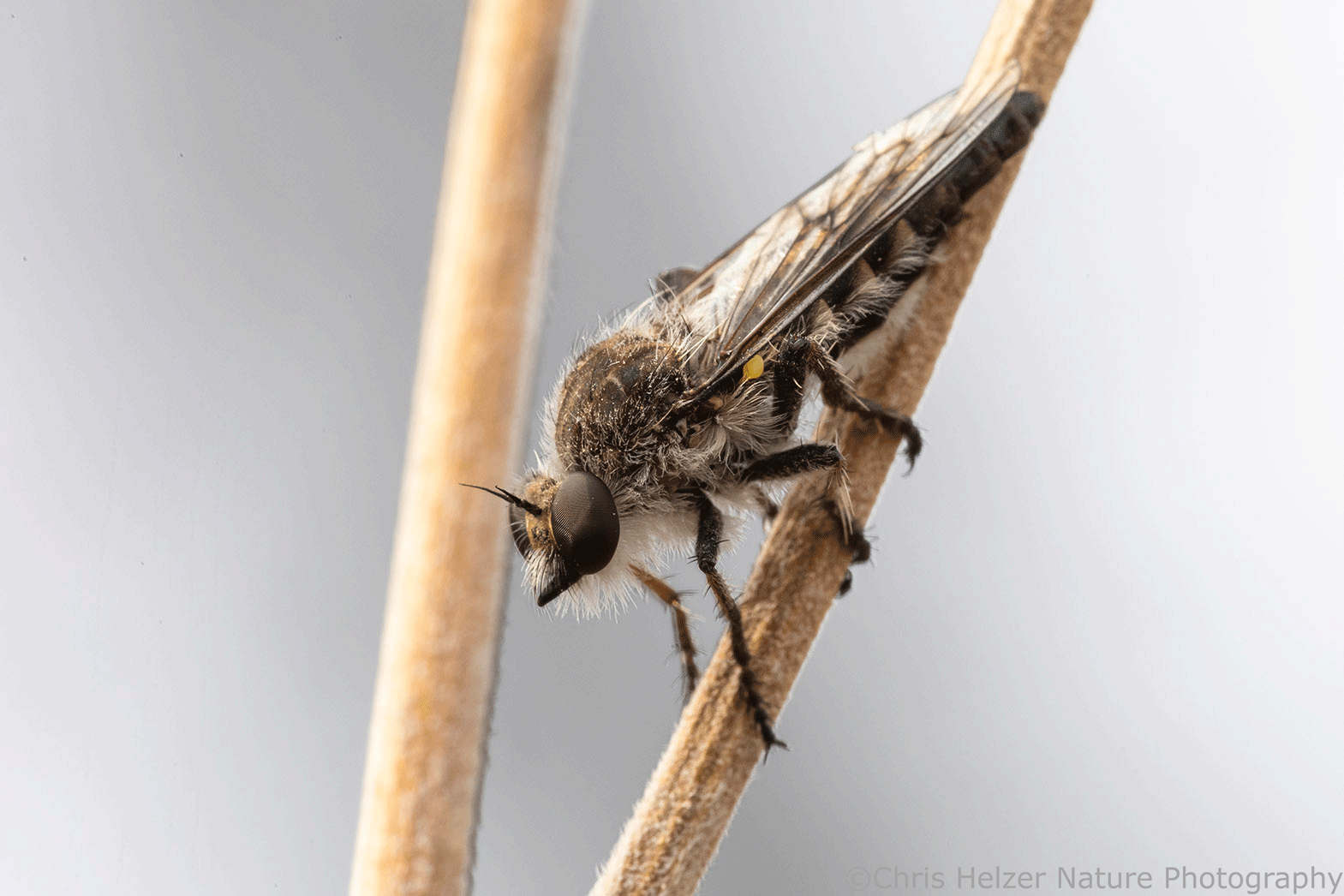
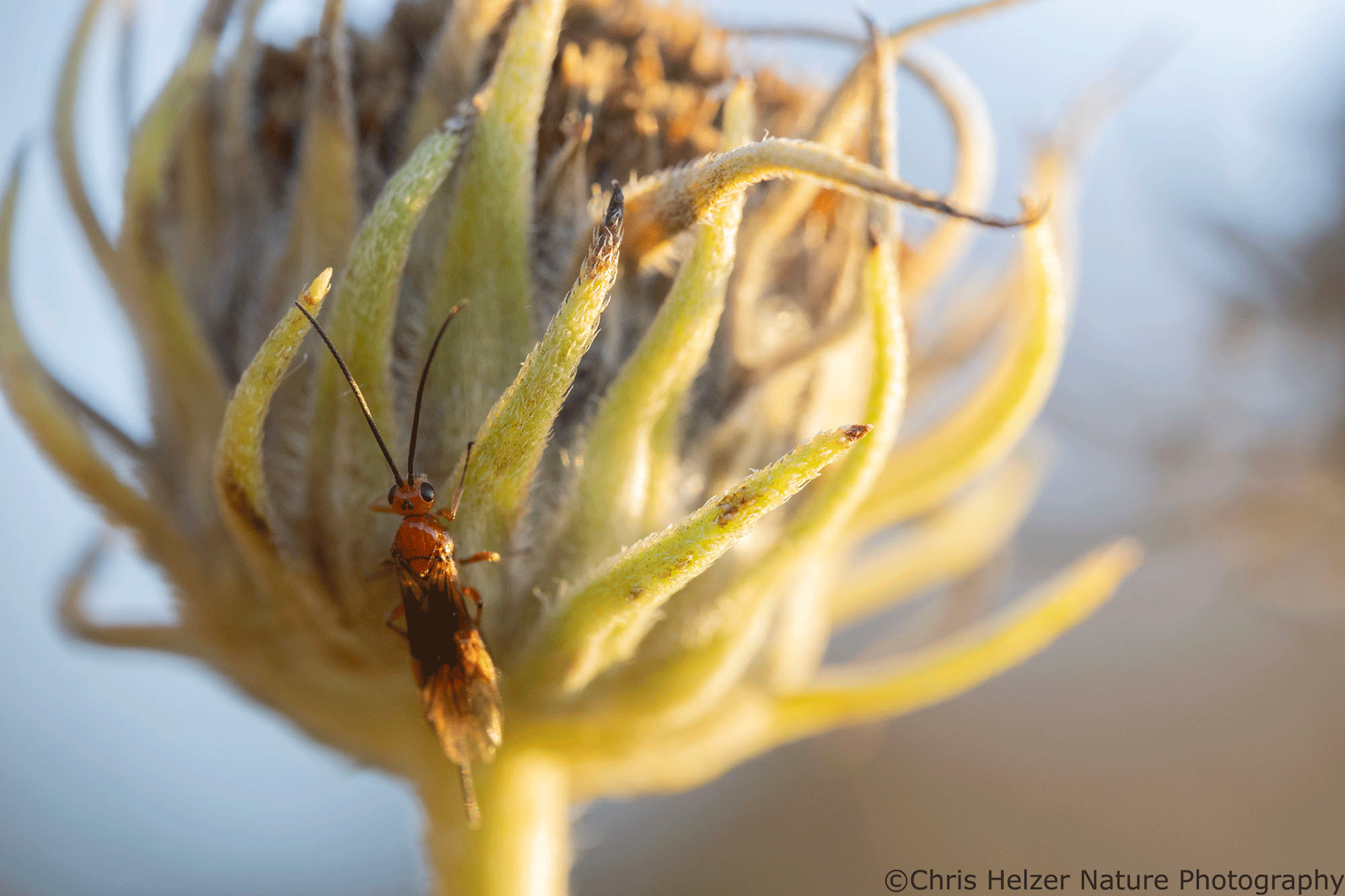
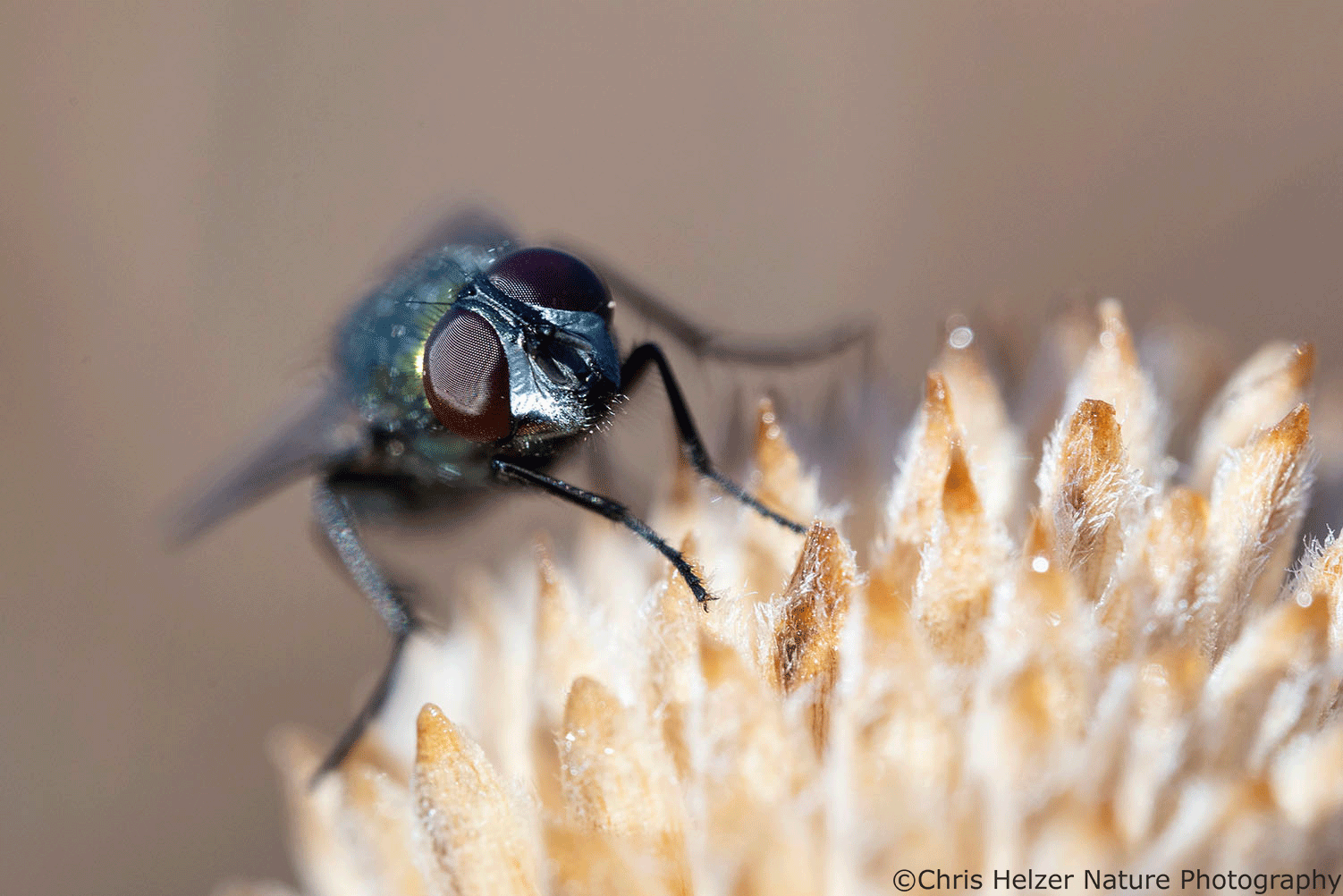
Flies must be some of the hardiest creatures on earth. As other insects stopped showing up this fall, flies and a few bugs were the stalwarts. I still can’t tell a lot of fly species apart from each other, so I’m hoping to get some help figuring out how many species I’ve actually photographed this year. I definitely found at least a couple new ones this fall, though, including my one and only robber fly of the project.

In my last square meter project update, I shared a bunch of butterfly milkweed seed photos. Those were all gone by about mid-October, but some of the insects that feed on those seeds stuck around longer. I’m not sure why.
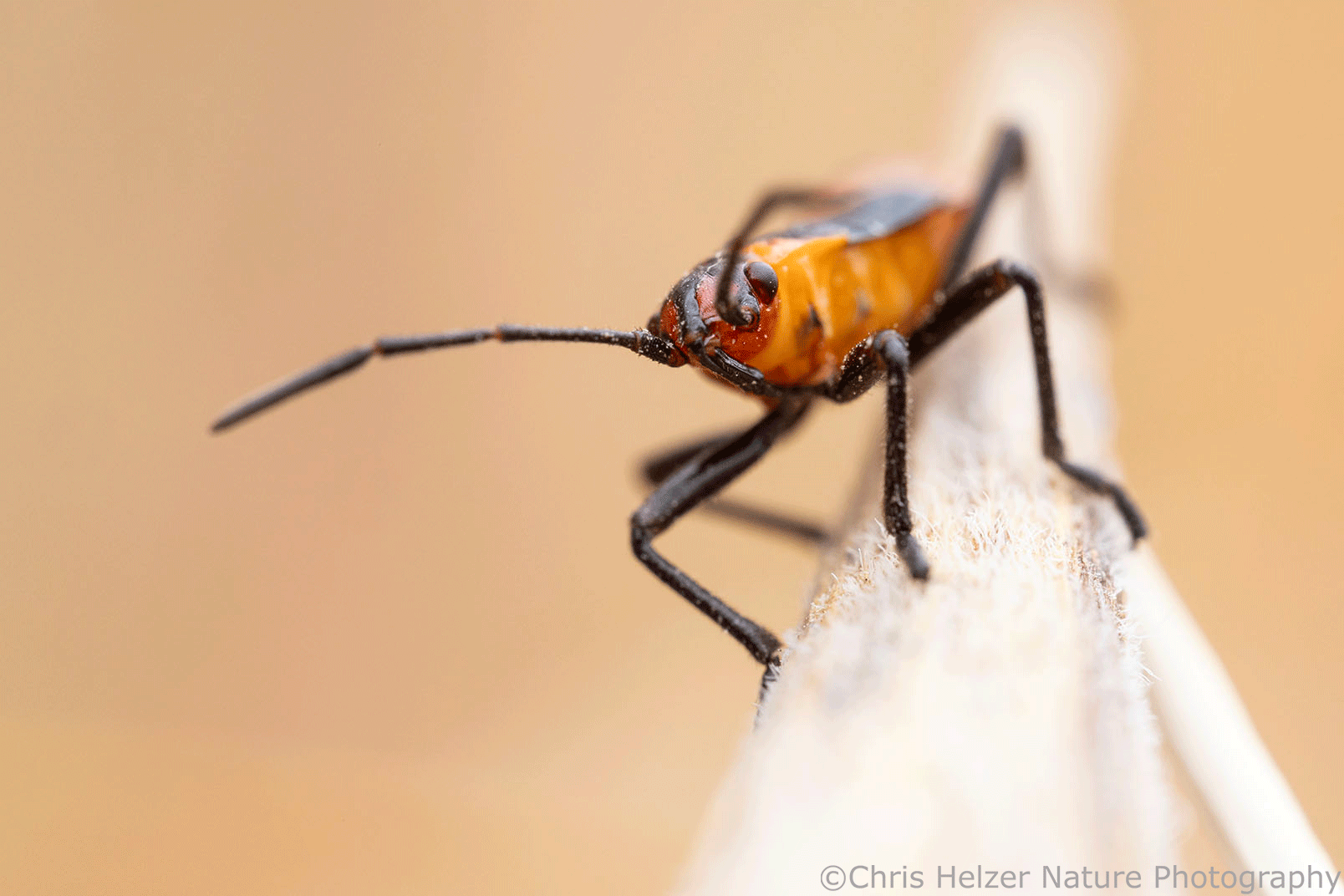
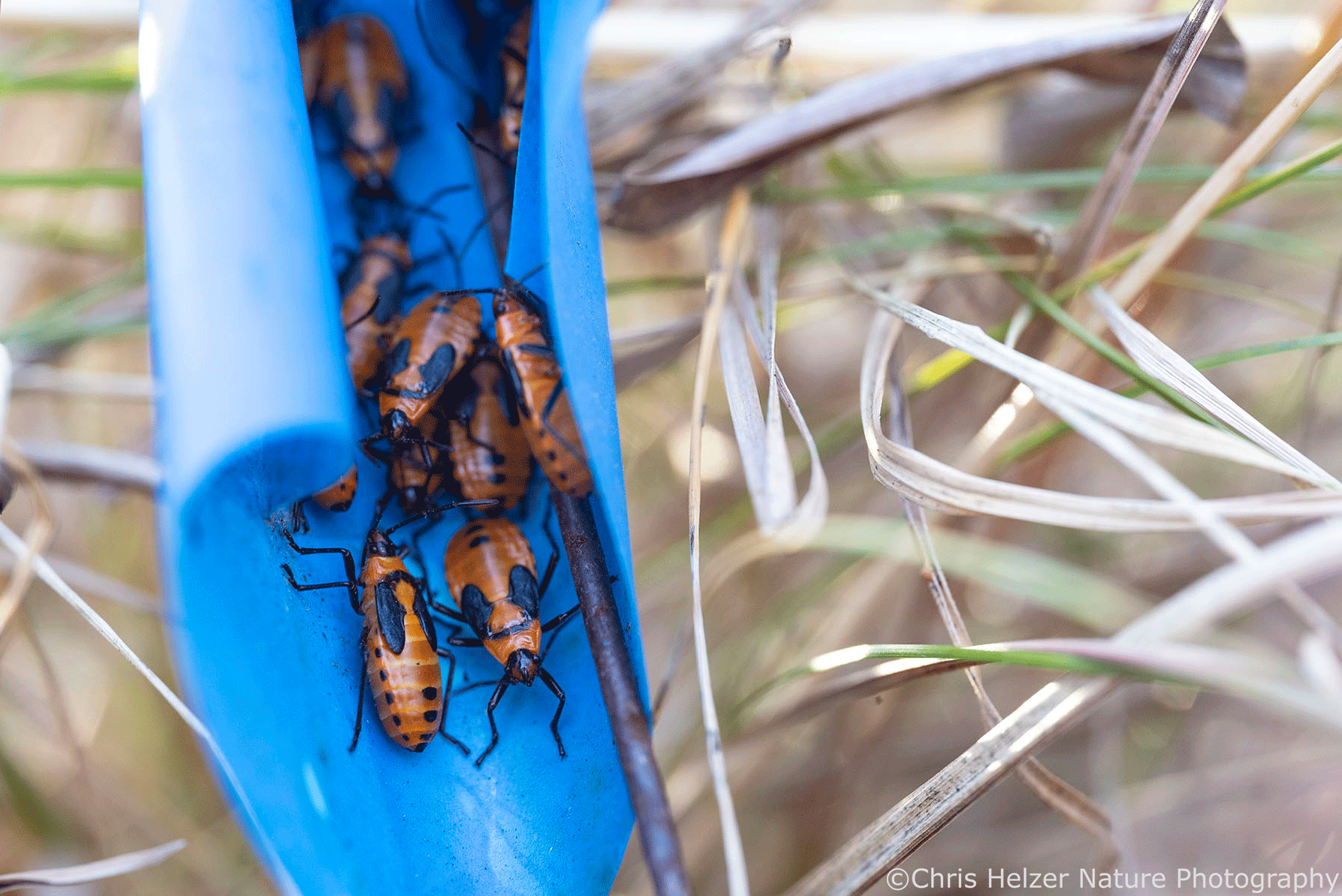
Small milkweed bug nymphs, especially, were still in the plot for a couple weeks after the last seed blew away. As far as I know, those seeds are crucial fuel for the growth and development of those juvenile bugs, so I was surprised the bugs didn’t wander off to other parts of the prairie where there were still seeds available. Don’t get me wrong, I was happy to have them around. I was just confused.
Speaking of confused, a big herd of those nymphs decided to take up residence for a while in the curled flag marking the southeast corner of my plot. To be fair, the flag did have a similar shape to a butterfly milkweed pod, but it definitely didn’t have any food inside. Those nymphs were there for a week or two. Maybe it just felt right.

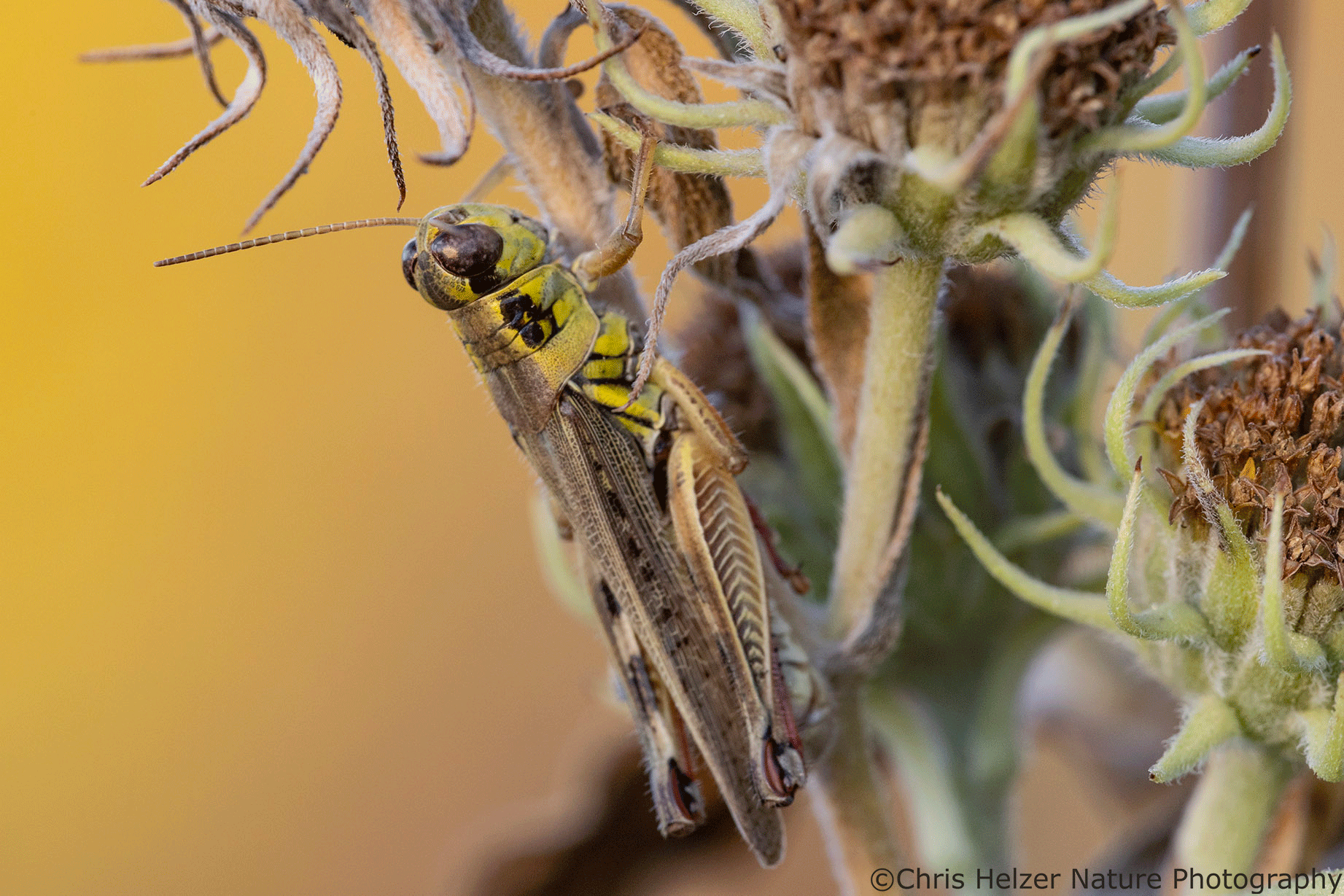
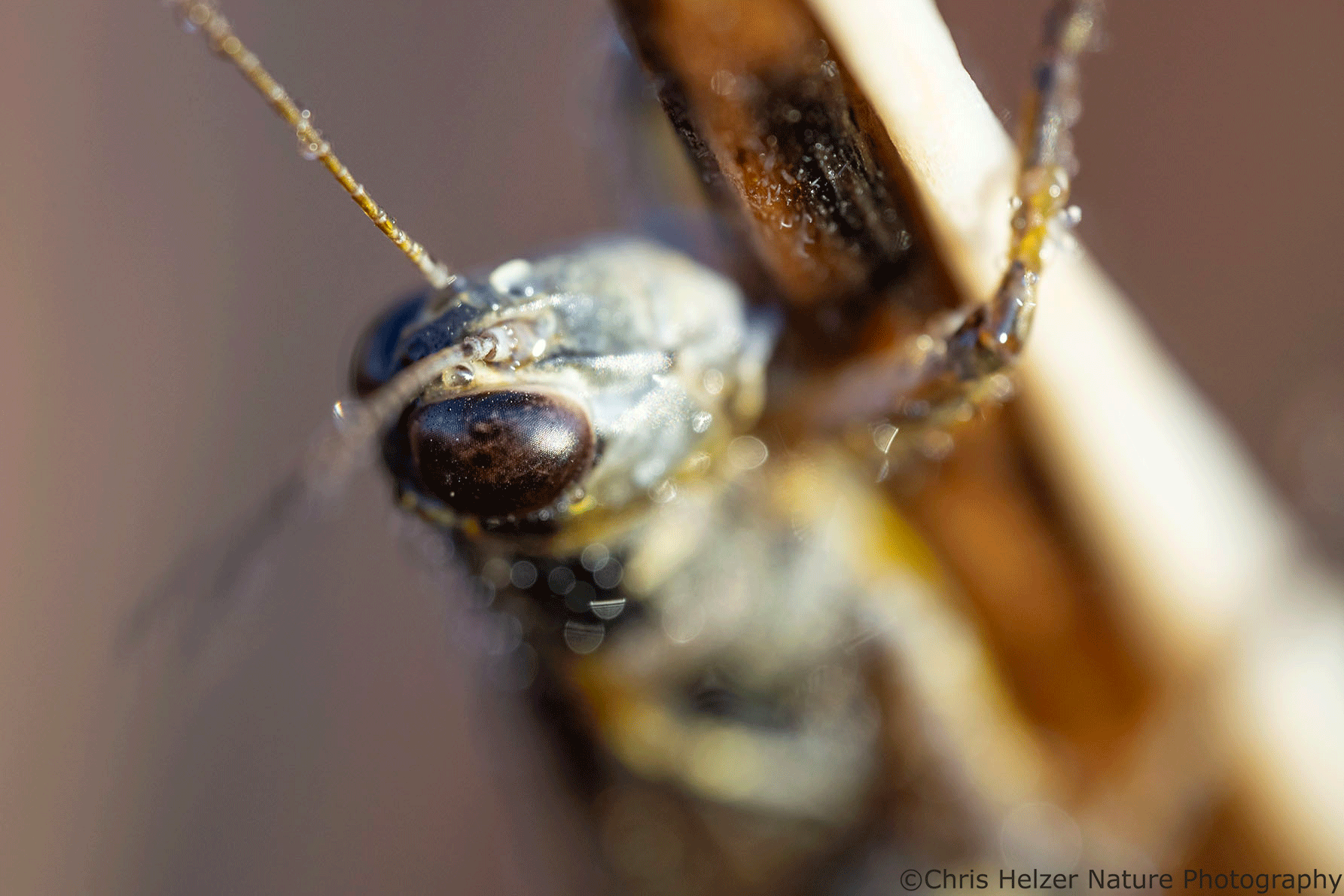
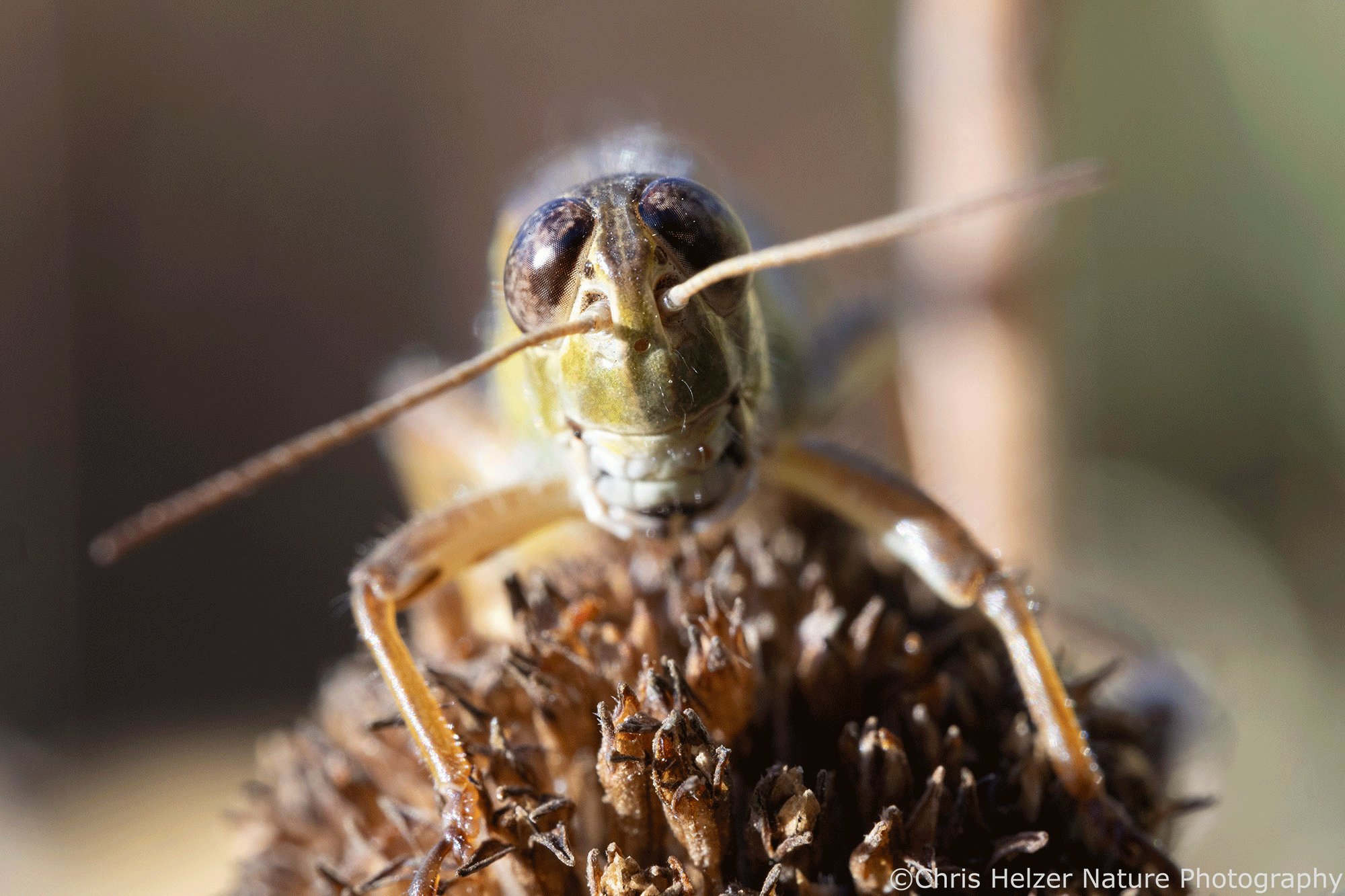
During my first run through this project (2018 – using the same plot), one of the big surprises was the tiny number of grasshoppers I encountered through the year. Six years later, in my second attempt, I’m still not seeing a lot of grasshopper species, but they’ve been a fairly common visitor. This fall, at least one (or several that looked alike) was around pretty much every morning – usually hanging out near the top of a sunflower. I assume it was there to both catch the morning warmth right away and because it was feeding on sunflower seeds.
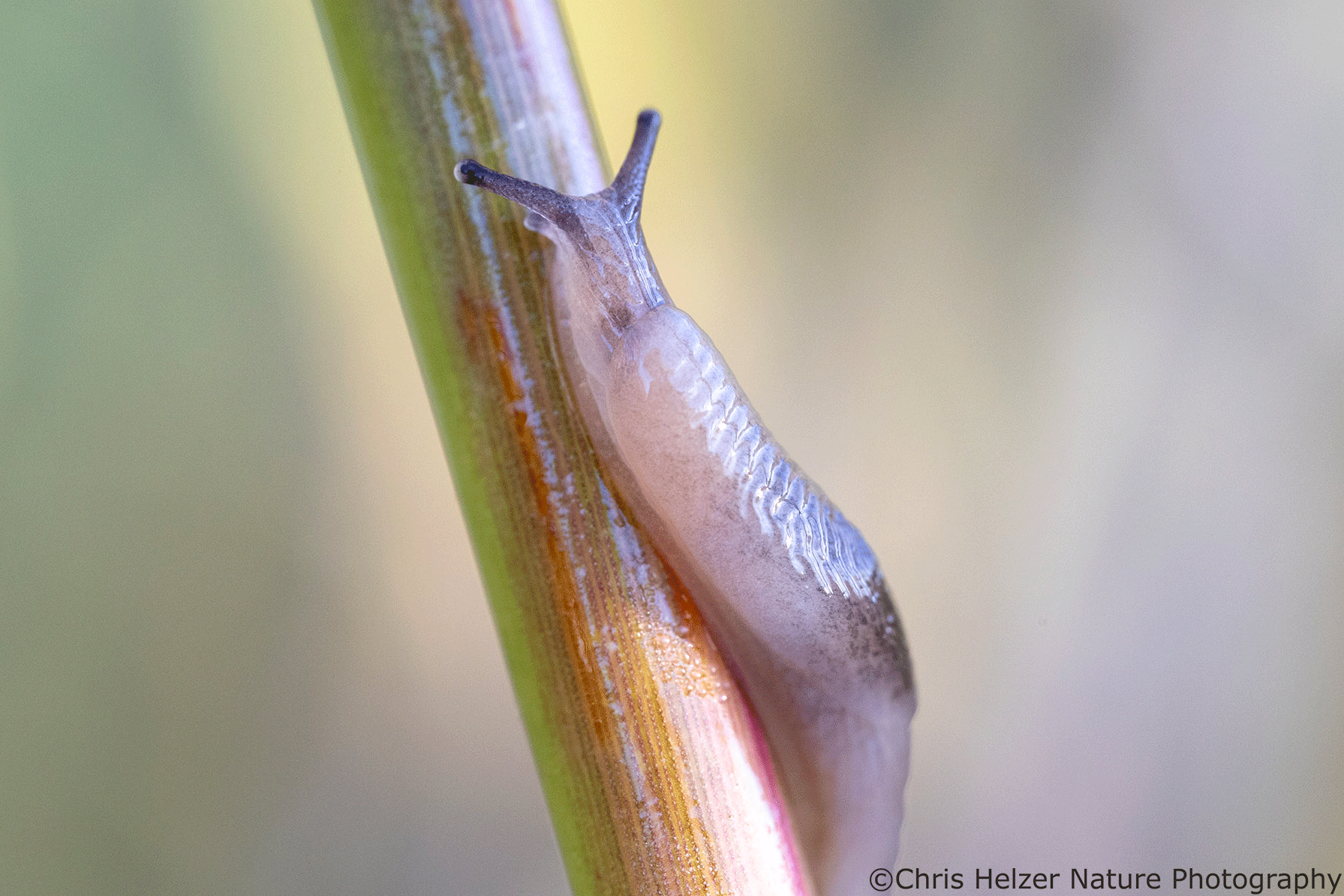
One morning in late September, I got my first mollusk of the project (including both 2018 and 2024. A slug was slowly (of course, right?) moving around on big bluestem, about a foot off the ground. I photographed it right away, but the light wasn’t great. A couple minutes later, I noticed the light was now hitting that area, so I tried to find the slug again. No luck. I looked for several minutes but couldn’t find any trace of it. I had to laugh at my misplaced confidence that the slug wouldn’t move quickly enough to evade me in just a couple minutes. Shows what I know.
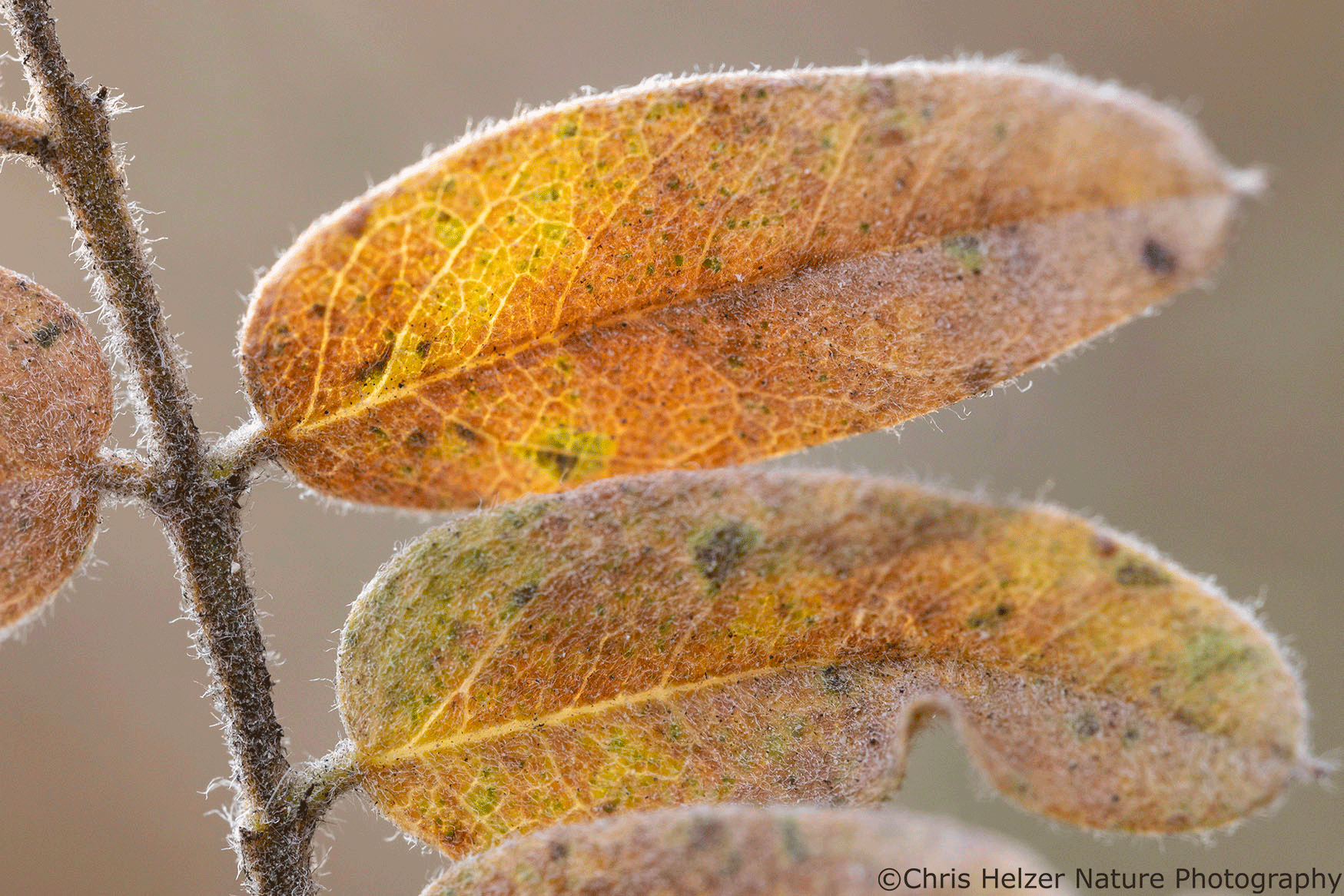
Autumn brought the typical fall colors of yellows, oranges, and browns. People unfamiliar with prairies might not think of grasslands when they imagine fall colors. They should. Maybe there aren’t sugar maples in prairies, but there are plenty of color changes to admire. The common milkweed plant in the corner of my plot never bloomed this year, but provided some nice late season color. Similarly, lead plant, despite its tiny leaflets, was really pretty when it changed from gray-green to orange.


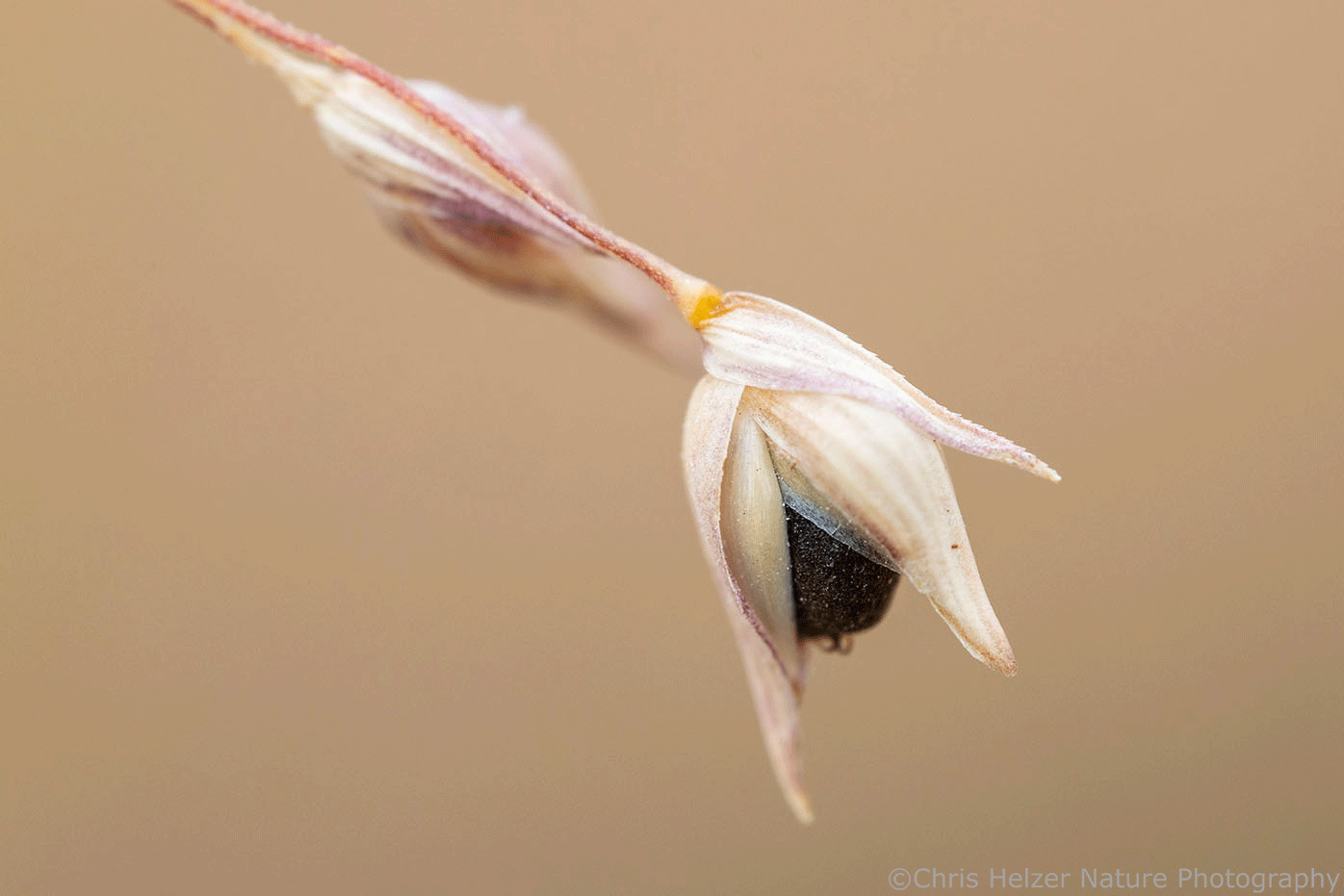
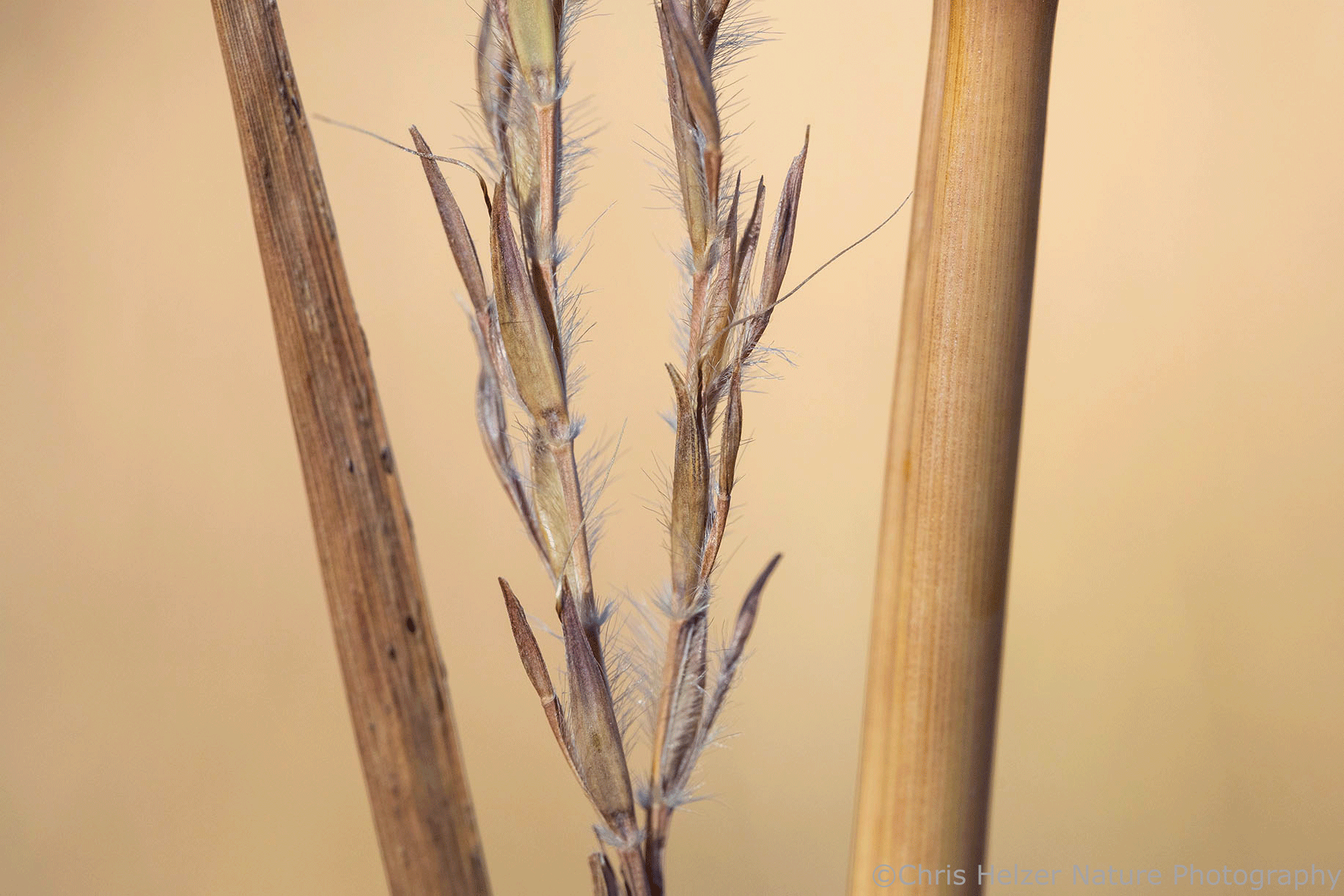
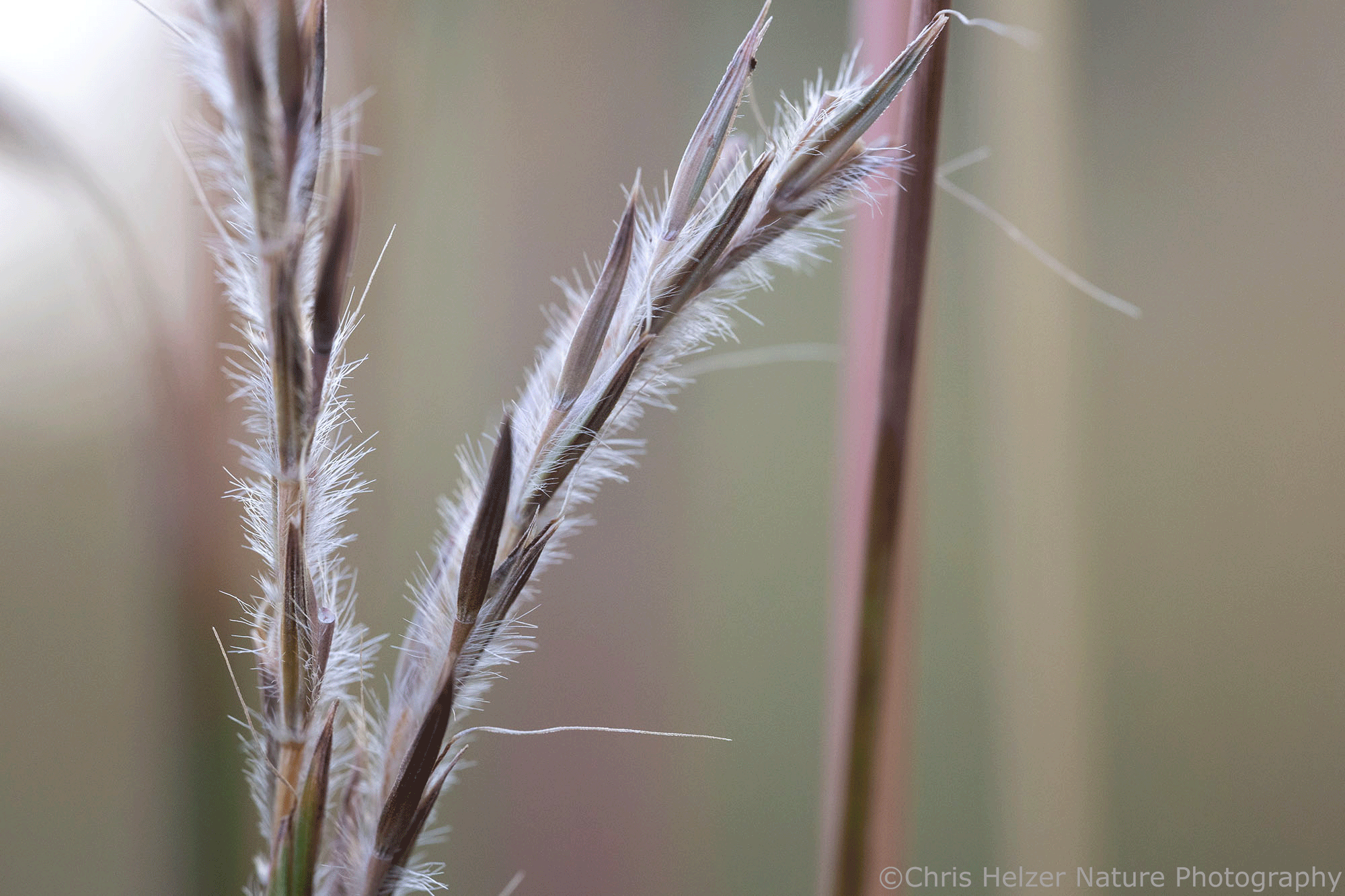
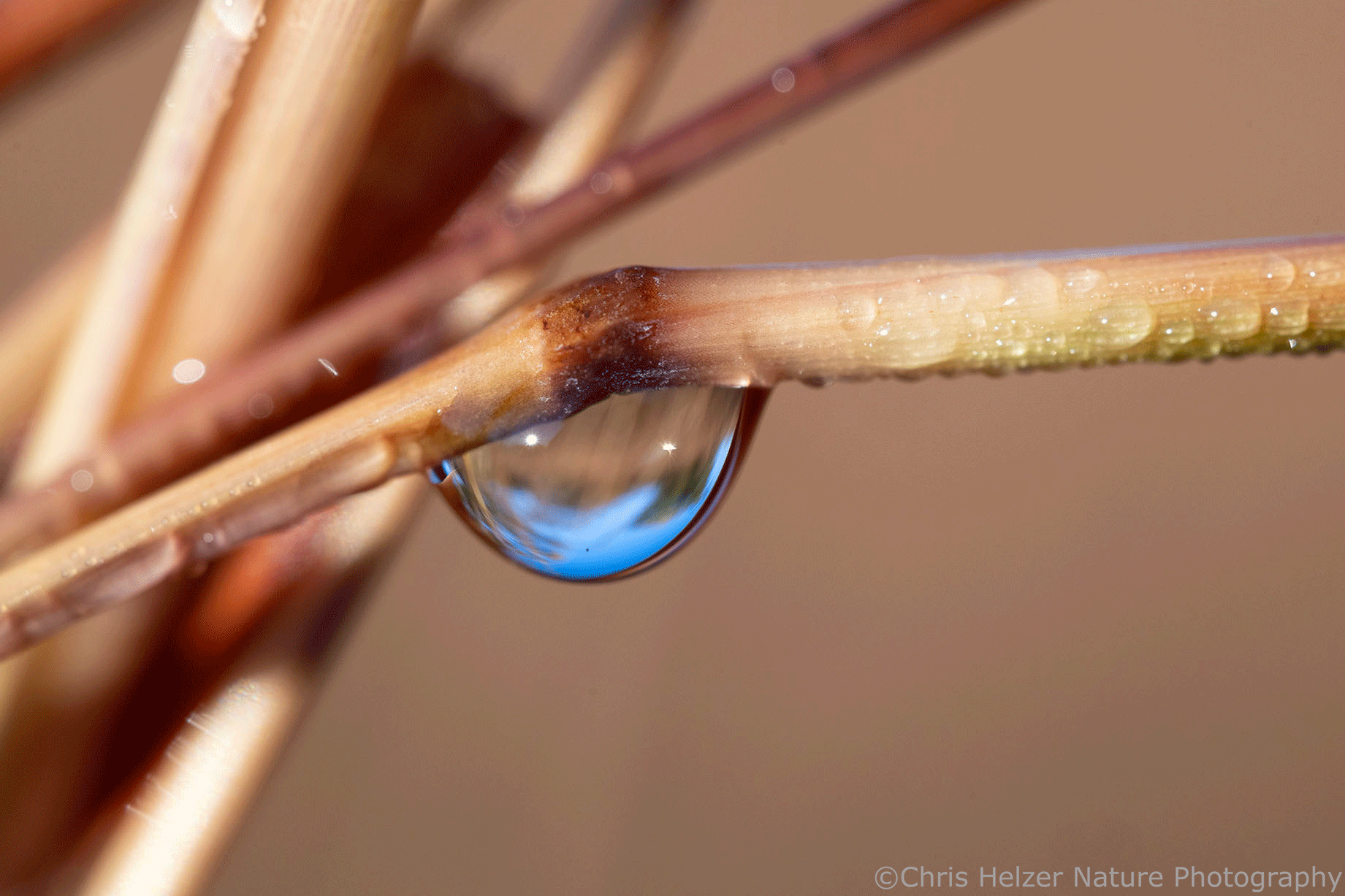
Throughout the project, I’ve spent a lot of time just photographing light, color, and texture. This fall, though, with fewer insects and other creatures moving around, I had even more time to concentrate on the more artistic aspects of the project. Forcing myself to spend so much time looking for photos in a small space might seem like it would constrict creativity. The opposite was true.
Rather than wandering around looking for the kind of photos I usually take, I had to look for whatever opportunities I could find within that square meter. That was a terrific way to expand my artistic mind a little. I’m not saying I took any world-changing photos, but I really enjoyed playing around with what was in front of me.

One of the best reasons to watch the same small set of plants carefully throughout a season is that you see and learn things you’d otherwise miss. One example this year was that I learned that empty butterfly milkweed pods close up when they get wet. Maybe you already knew that, but it was news to me!
The pods in my plot had already opened up to release their seeds. There’s no reason for them to close again once those seeds are gone, right? And yet. The morning after a nice rain, I was startled to see all the pods in my plot tightly closed. A day later, once they’d dried, they were wide open again.
The same phenomenon happened a week or so later, though it rained less and they didn’t close all the way. There must be a stimulus that’s still active in those pods related to moisture. Maybe it’s as simple as the tissue swelling and shrinking when it absorbs moisture. Either way, it was fun to notice.
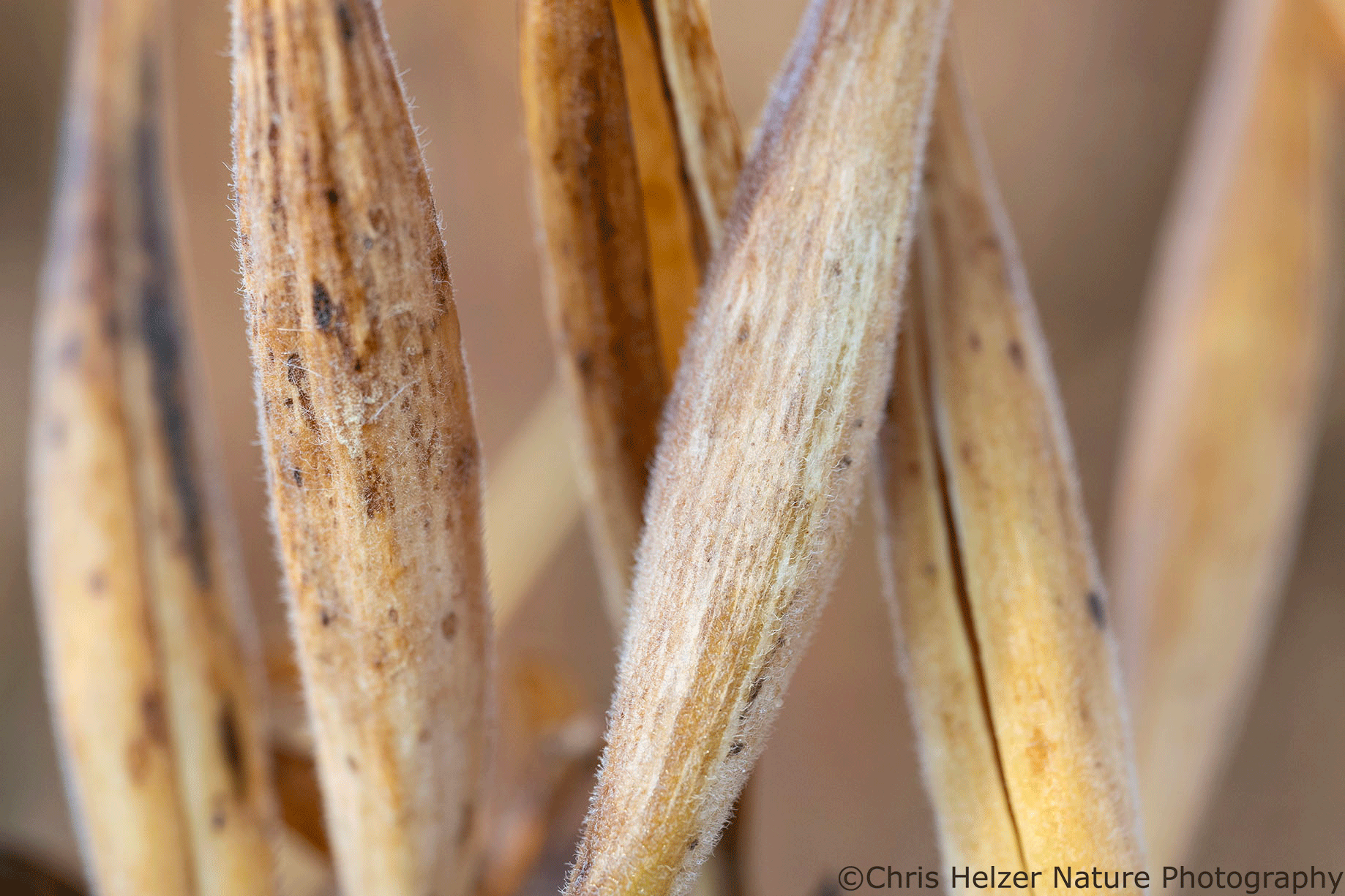
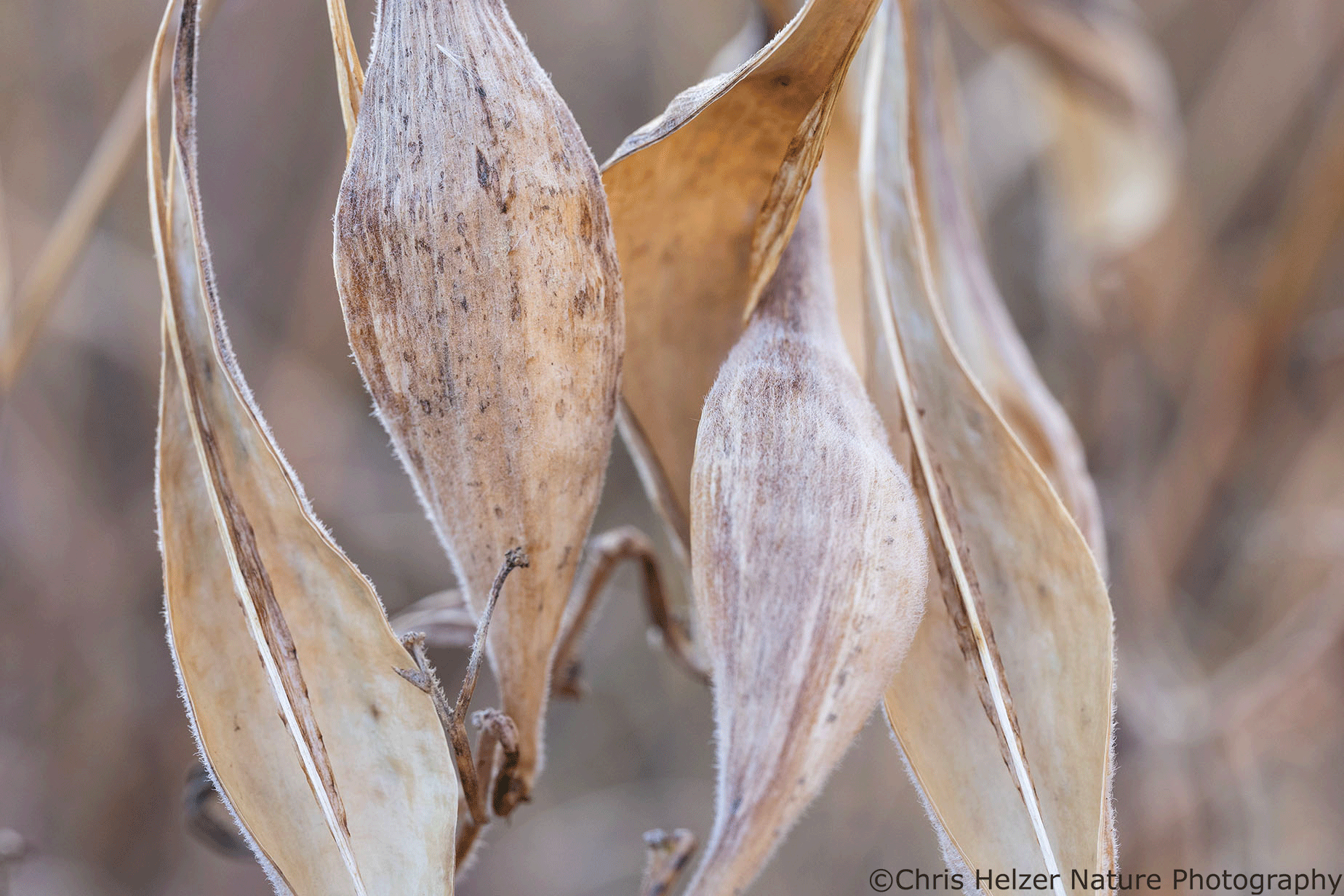
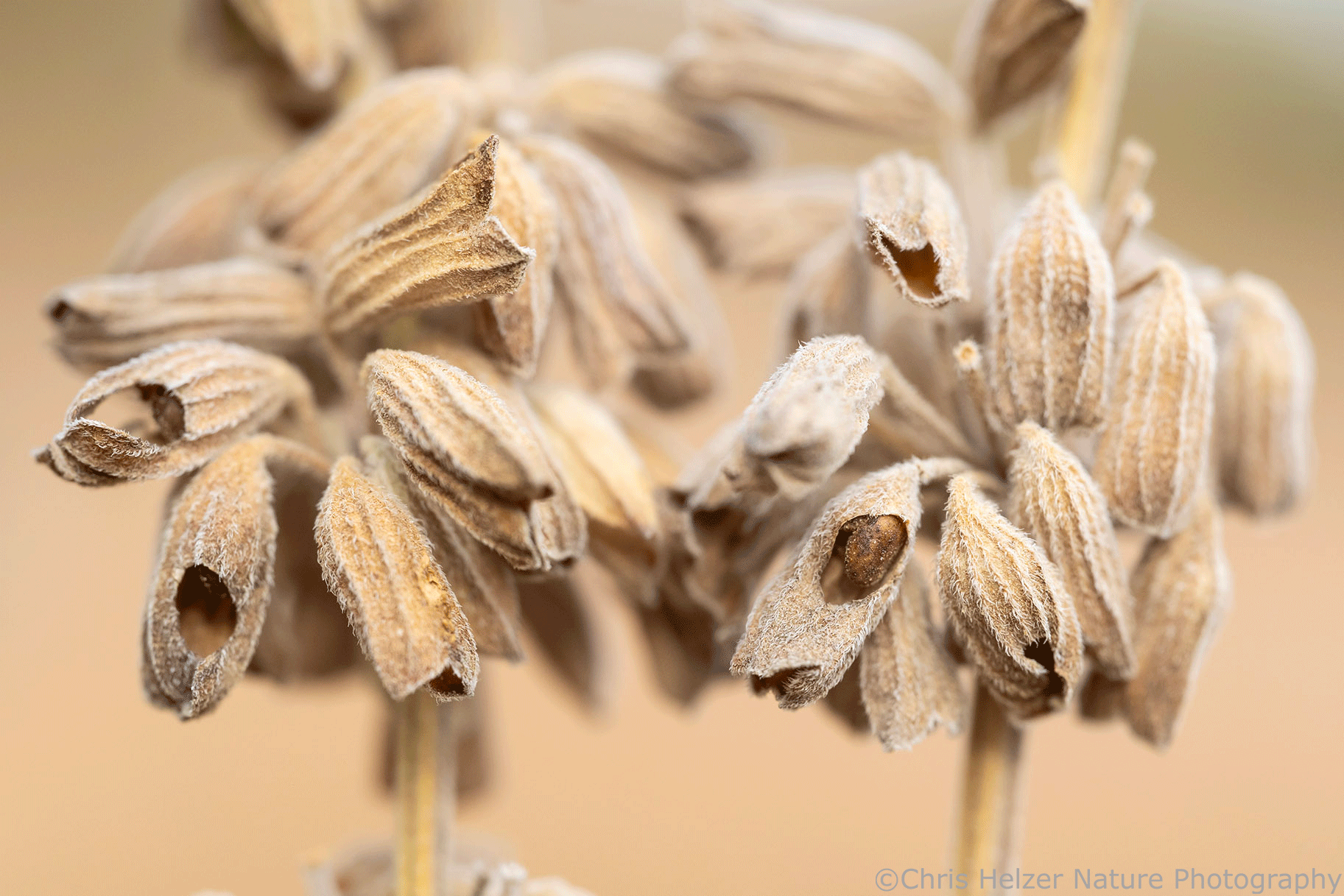
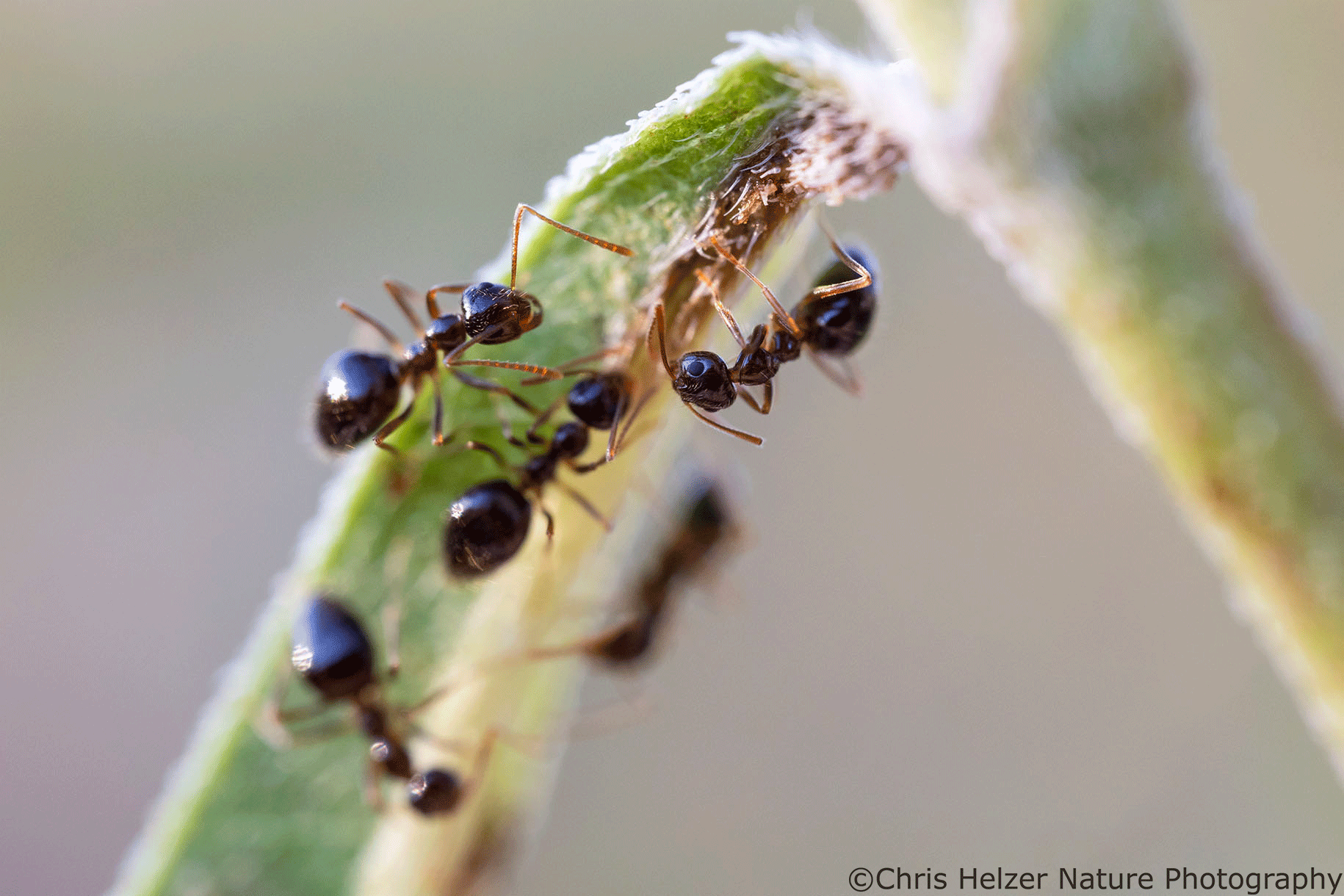
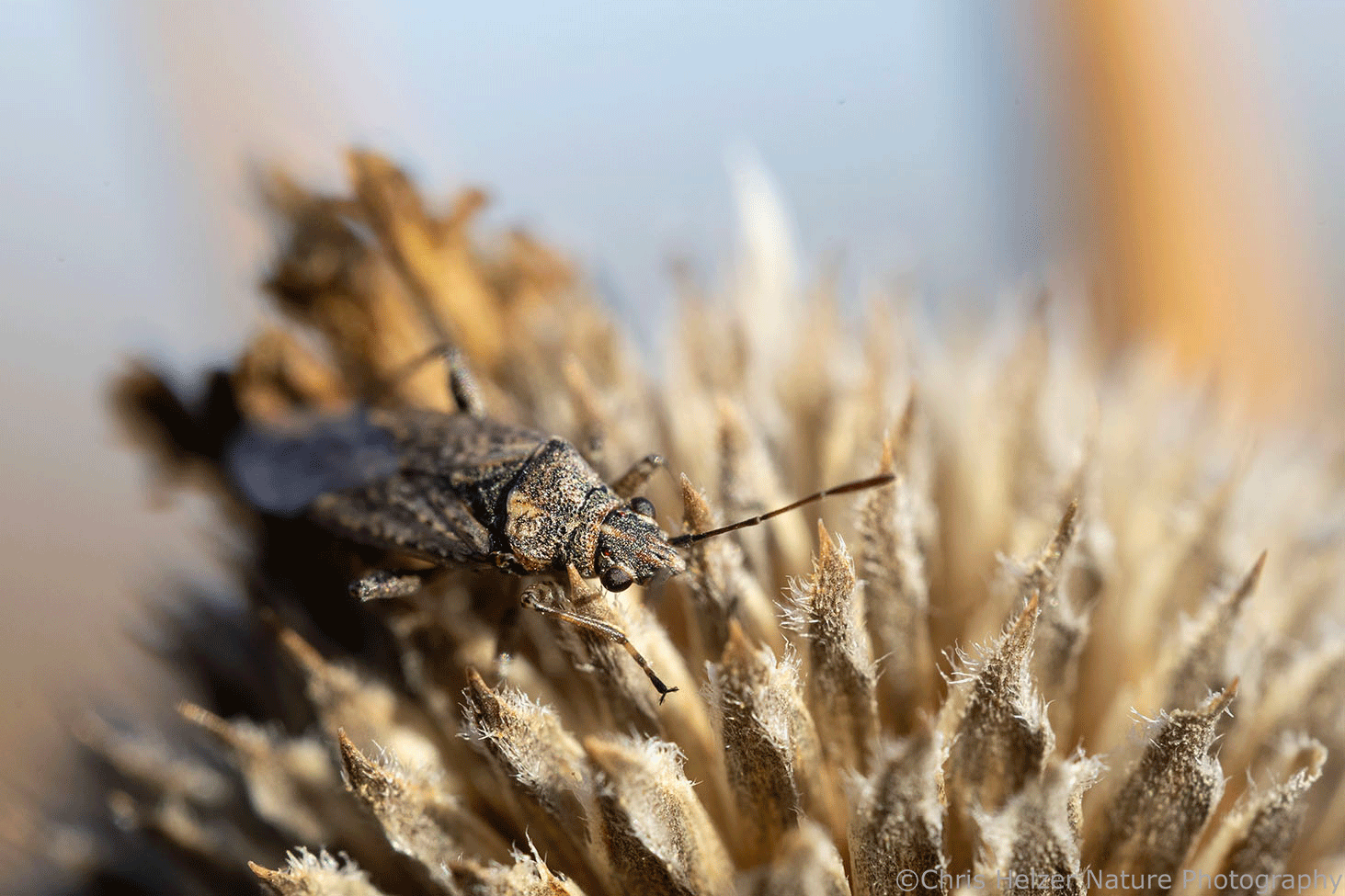
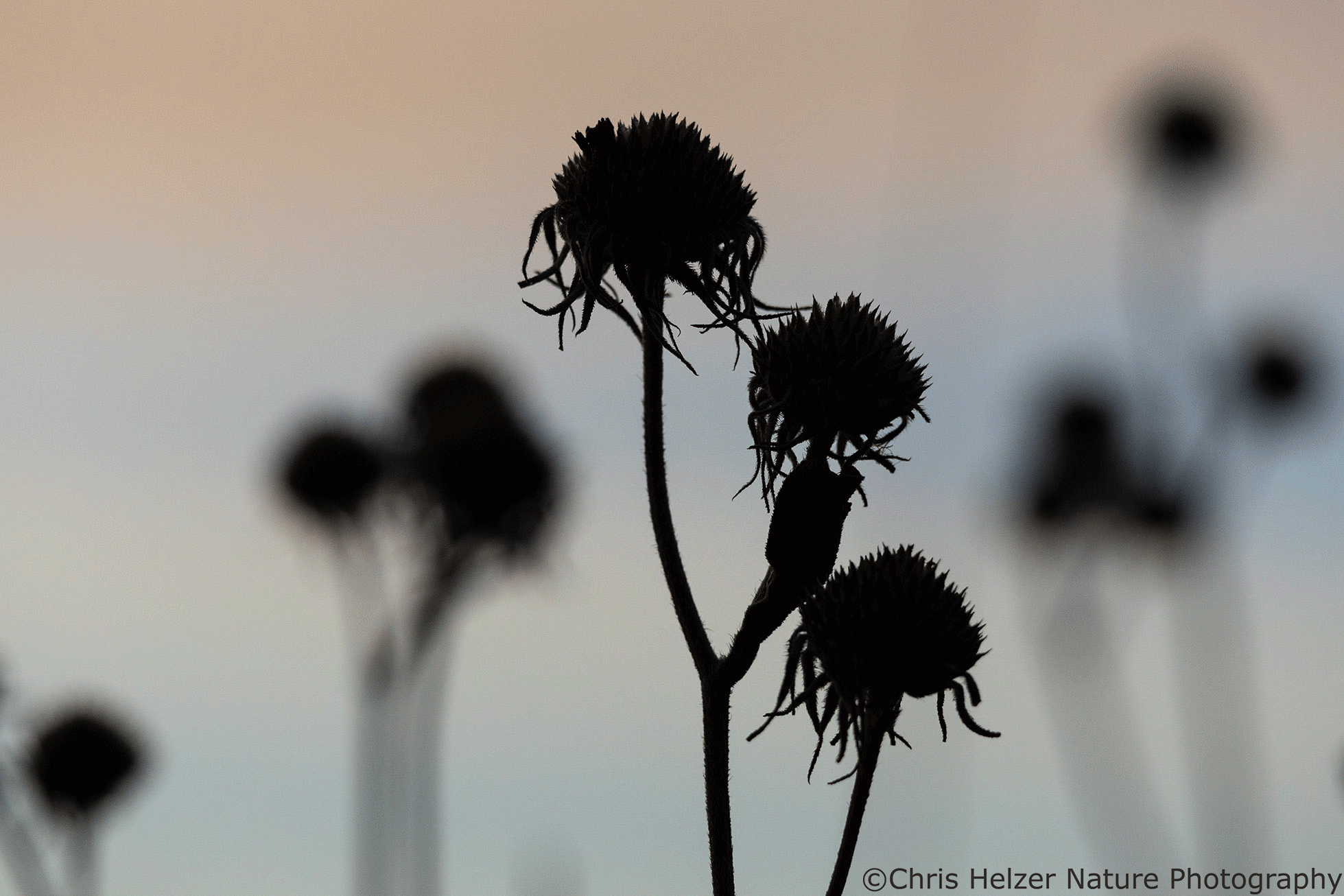
Seed heads were a big feature of my fall photography in the square meter plot. The shapes and textures of those seed heads were fun to play with, especially when silhouetted against morning and evening skies. They were also the source of a lot of insect activity as bugs and grasshoppers (and others) fed on the seeds.


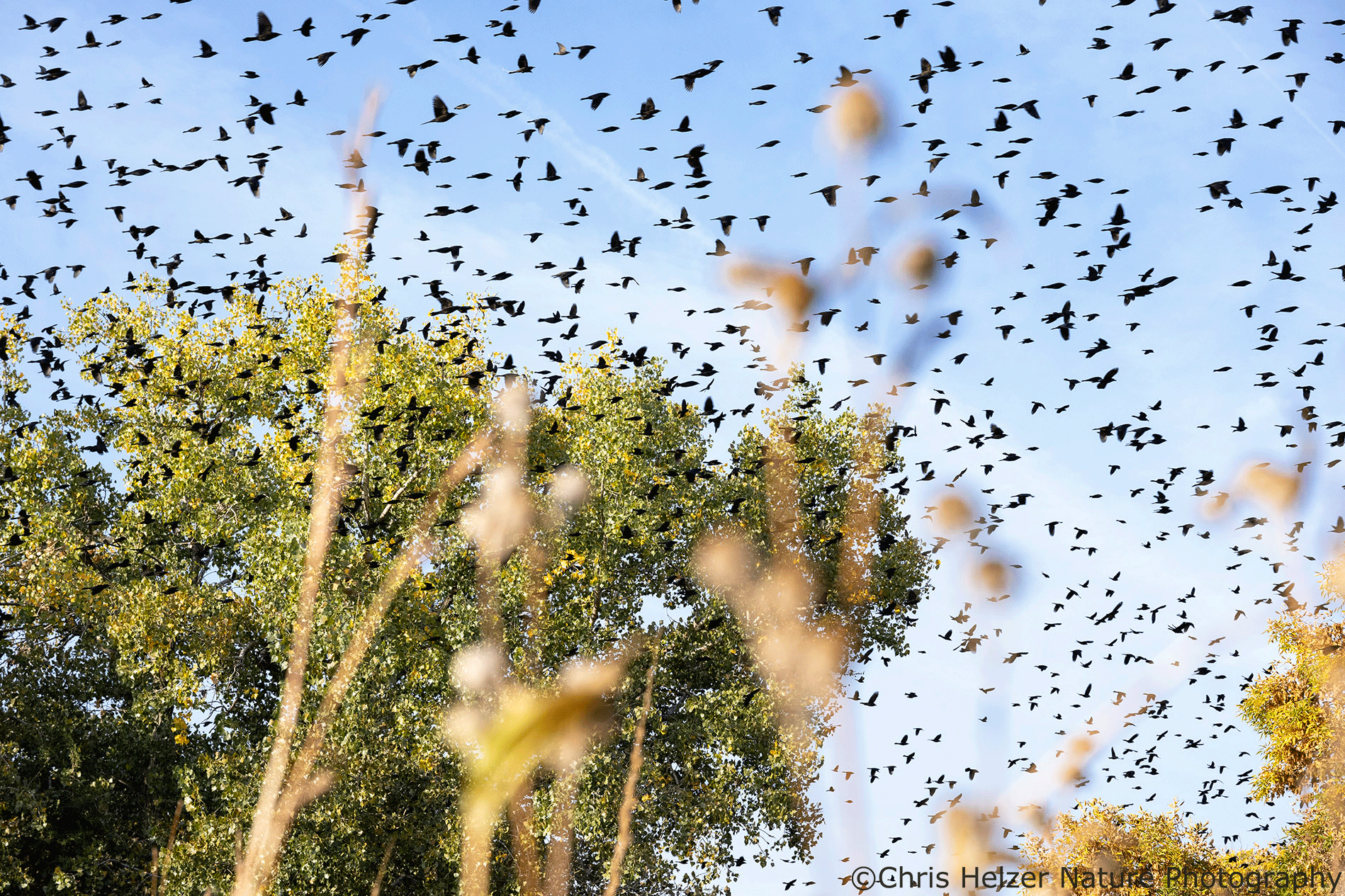
I’m pretty sure there were visiting birds eating seeds from the plot, but I didn’t ever catch them at it. I did, though, get some photos of a huge flock of grackles that passed over my head several times one day. Since I make my own rules for what counts as being ‘in the plot’, I added grackle to my species list. They were directly above the plot and I got a good photos of them. Works for me.
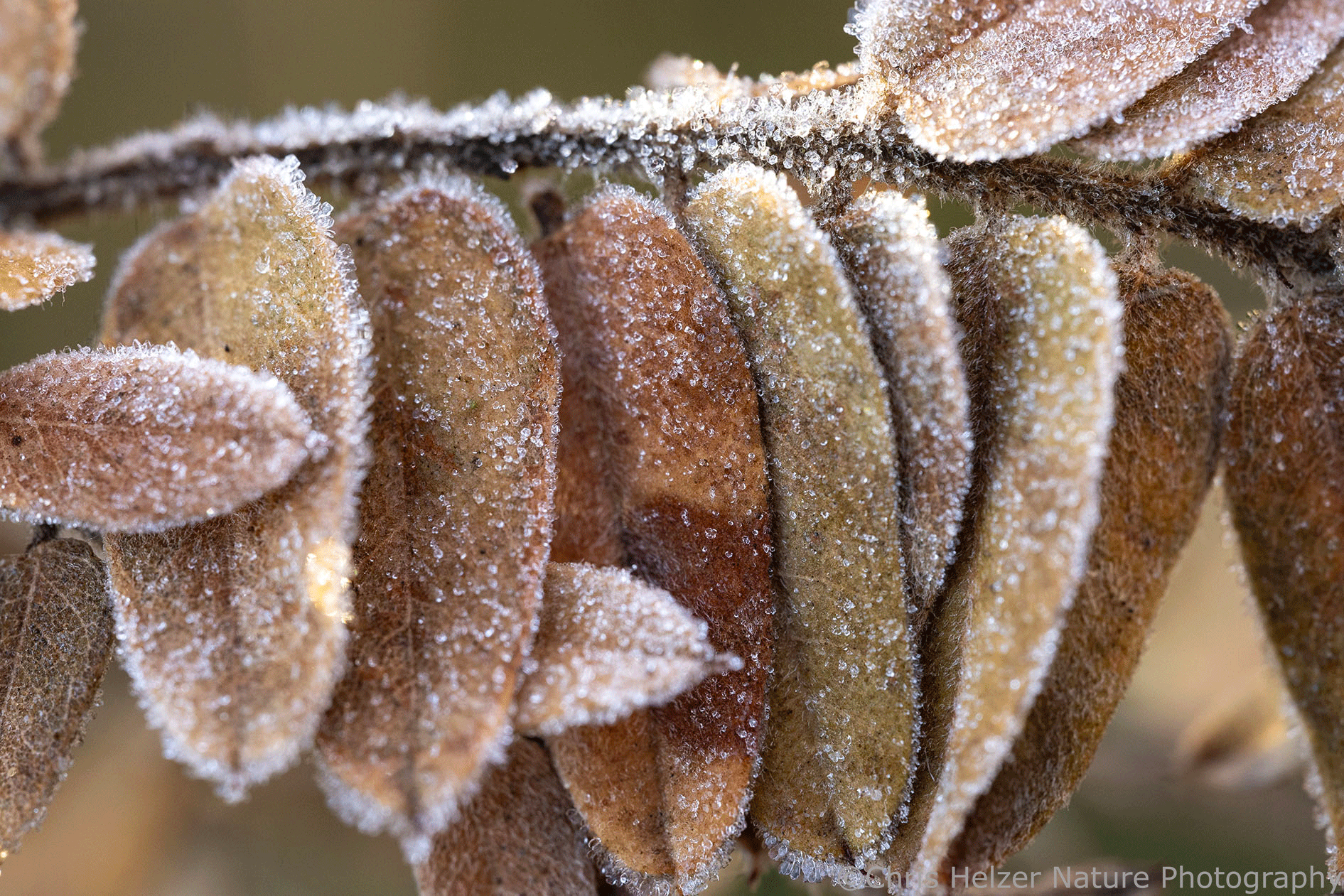
Now that we’ve had some good hard freezes, I don’t anticipate seeing much for invertebrate activity for a while, but I’ll still stop by now and then. I’ll be especially looking for days with frost or snow, or just interesting light. I’ve already visited on a couple frosty mornings, but neither was as dramatic as I hope to see later this winter.

At this point, I’m planning to continue the project until late April next year to complete a full year. I’ve already given several presentations on the project, though, and am busy trying to get species identified and statistics worked up for the numerical aspects of the work. Currently, I’m confident that I’ve photographed at least 319 species. That’s a pretty astounding number, especially since I only photographed 113 in 2018 and felt pretty good about that!
I’m kind of hoping I can get to 339, just so I can say I tripled my 2018 count. It could happen, especially if I can find someone to help me go through my fly photos. Regardless of that final number, though, I’ve found a tremendous amount of joy in that little plot of land this year. I hadn’t planned to repeat my 2018 attempt, but I’m sure glad I decided to take the plunge this year.
 The Prairie Ecologist
Fascinating discovery about the milkweed pods, closing up in the rain!
Thank you for making me smile… especially love how you capture the insects’ personality! Their seemingly facial expressions. Have a great week
Totally cool, Chris. Thanks Sent from my iPhone
Love the feathery topknot on the midge.
Chris, Your square meter project has been a treat to me – seeing the insects up close. I am in awe of the variety and complicated anatomy of these insects. Ann
I identified flies for the Hartman Research Lab at Rutgers back in the early 2000s. We were satisfied to get them to family. Going to genus and species required excellent magnification of the heads so I could count hairs. My supervisor said family was sufficient for our purposes.
I identified family by clipping off wings and looking at them under a microscope to see the pattern of the veins.
I forget now which books I used.
Maybe I’m just seeing more after having looked at your photos for a couple years, but, for me, these seemed like some of the best ever. Really terrific!
Wonderful photos as usu
Wonderful photos as usual! Chris, if you post your photos on iNaturalist, you’ll get an email at the end of the season that gives your year in review and includes the number of observations you made as well as the number of species. Plus there are all kinds of cool charts that break everything down. This is the first year I’ve posted much, and I was surprised to receive my stats.