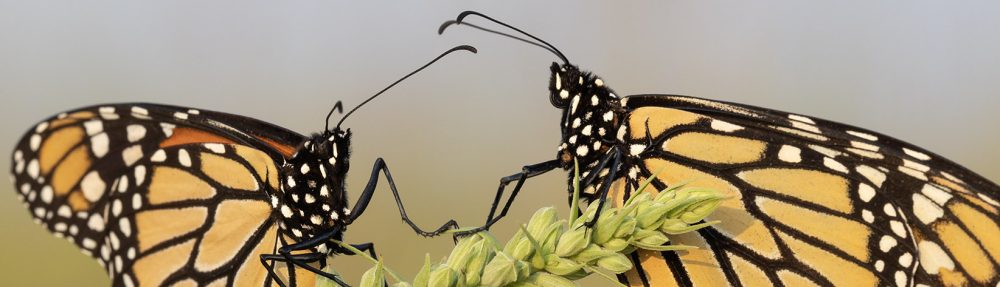
My adult son has been giving me a hard time for several days about when I’m finally going to post again. I want to be clear that I’m posting this today because I want to, not because of his pestering. You hear me, John? This has nothing to do with you.
I hope you like the photos, though.
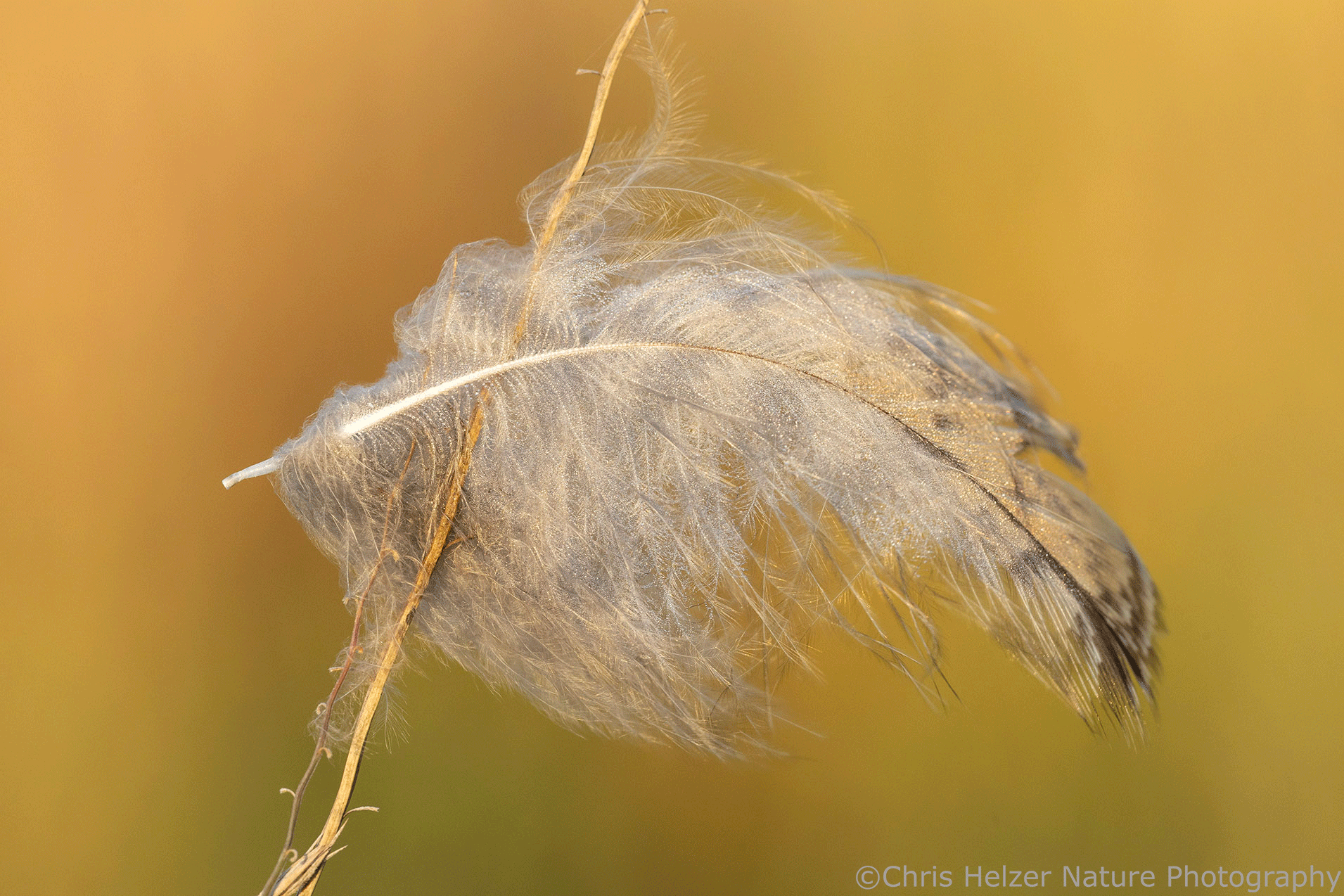
We’re nine days into October but local prairies are still buzzing. It’s getting harder to find blooming wildflowers, but when you do, hoo boy, are they getting a lot of attention from local wildlife. As flowers diminish in number, seeds take their place. That’s kind of how it works. Seed production happens all summer, of course, because various flower species bloom and make seeds on a staggered schedule across the season. In the fall, though, seed heads really take center stage.
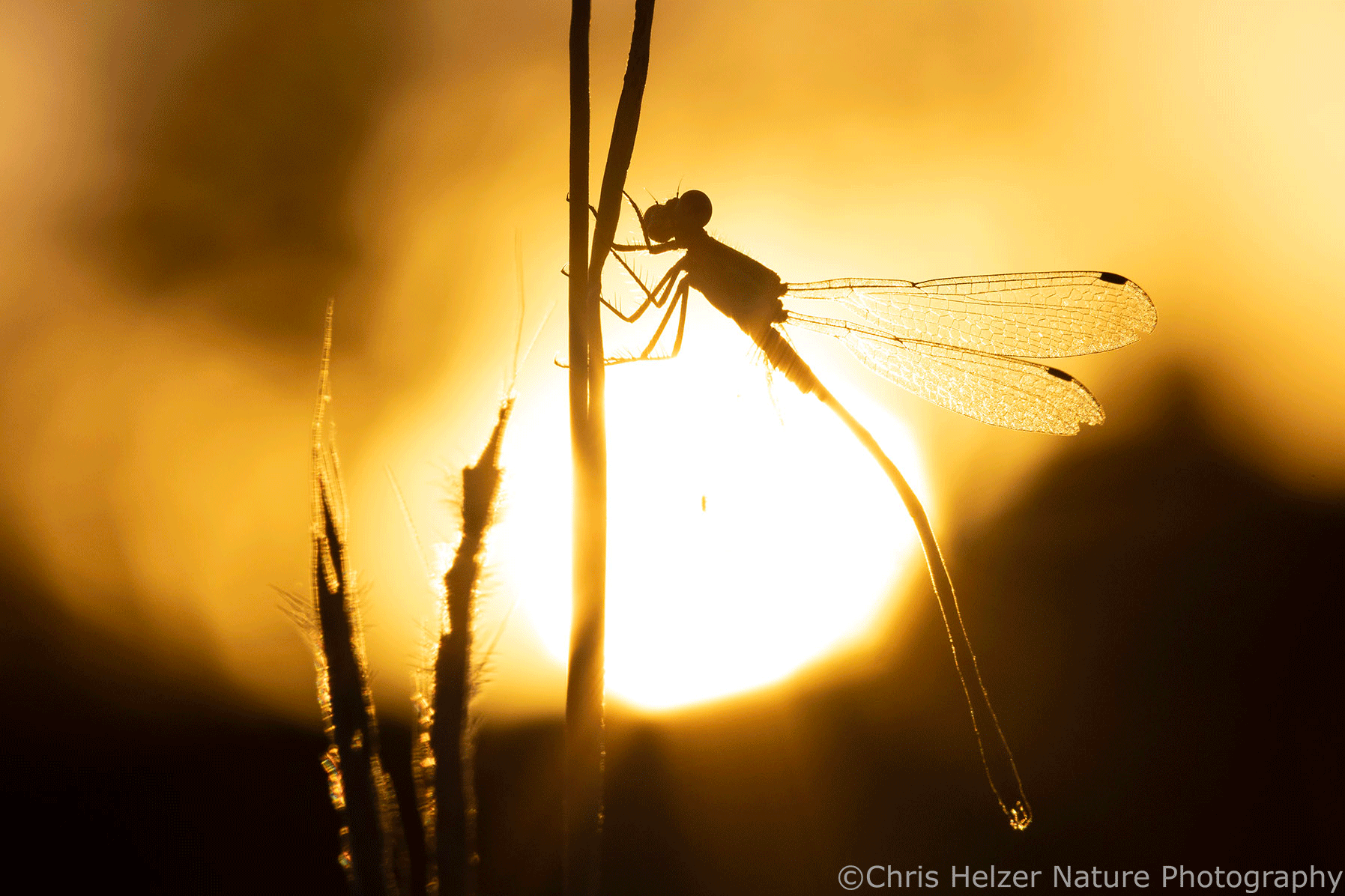
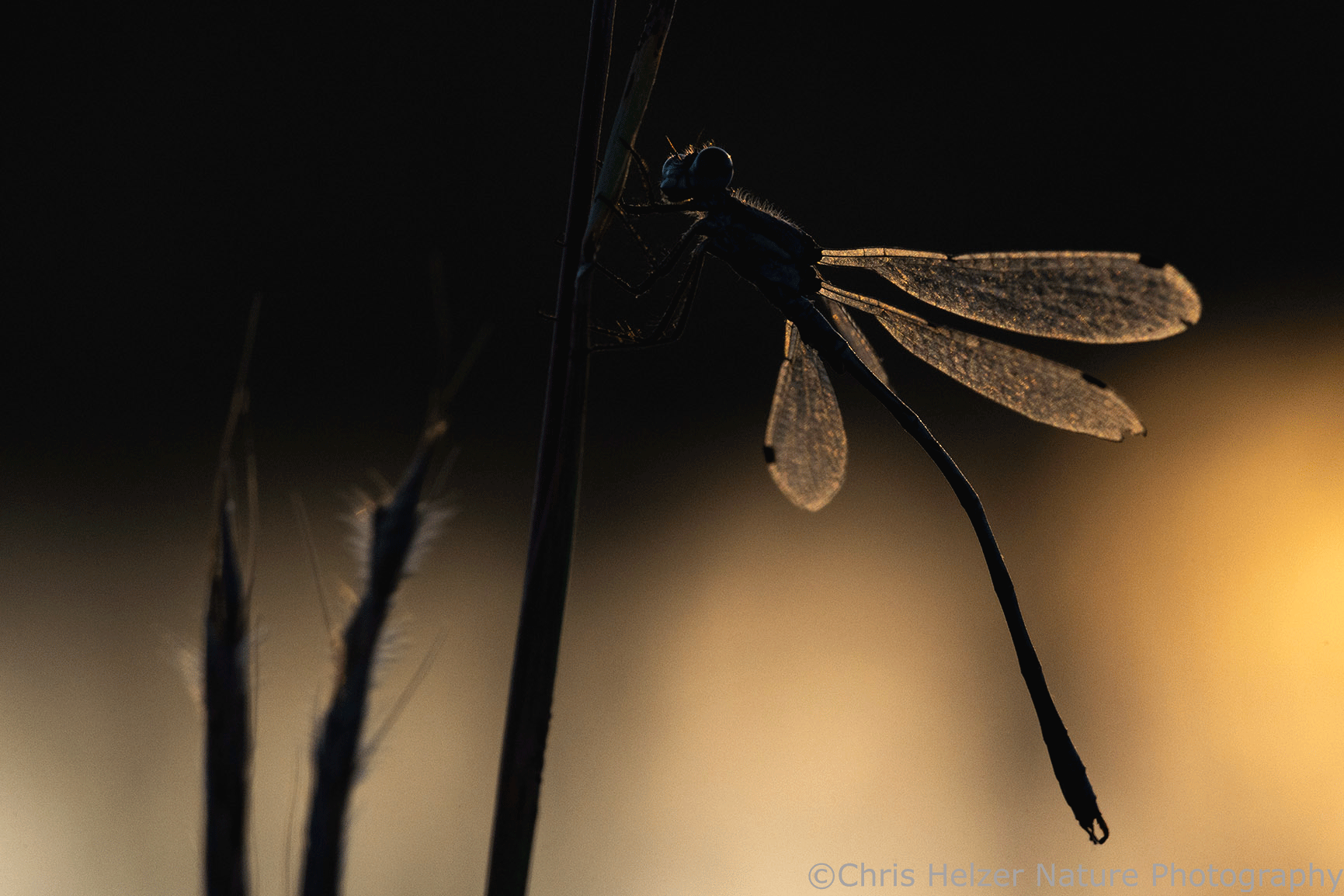
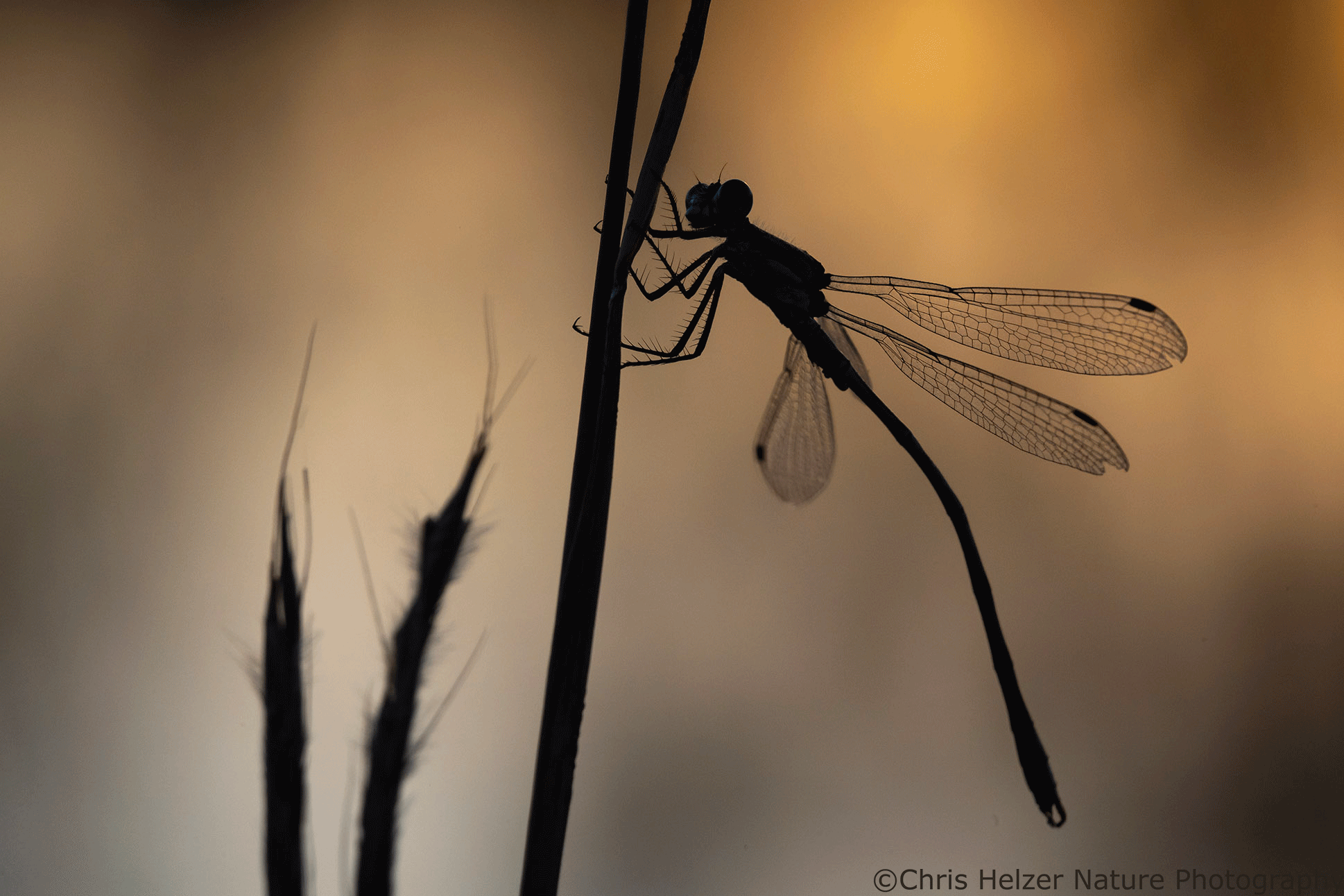
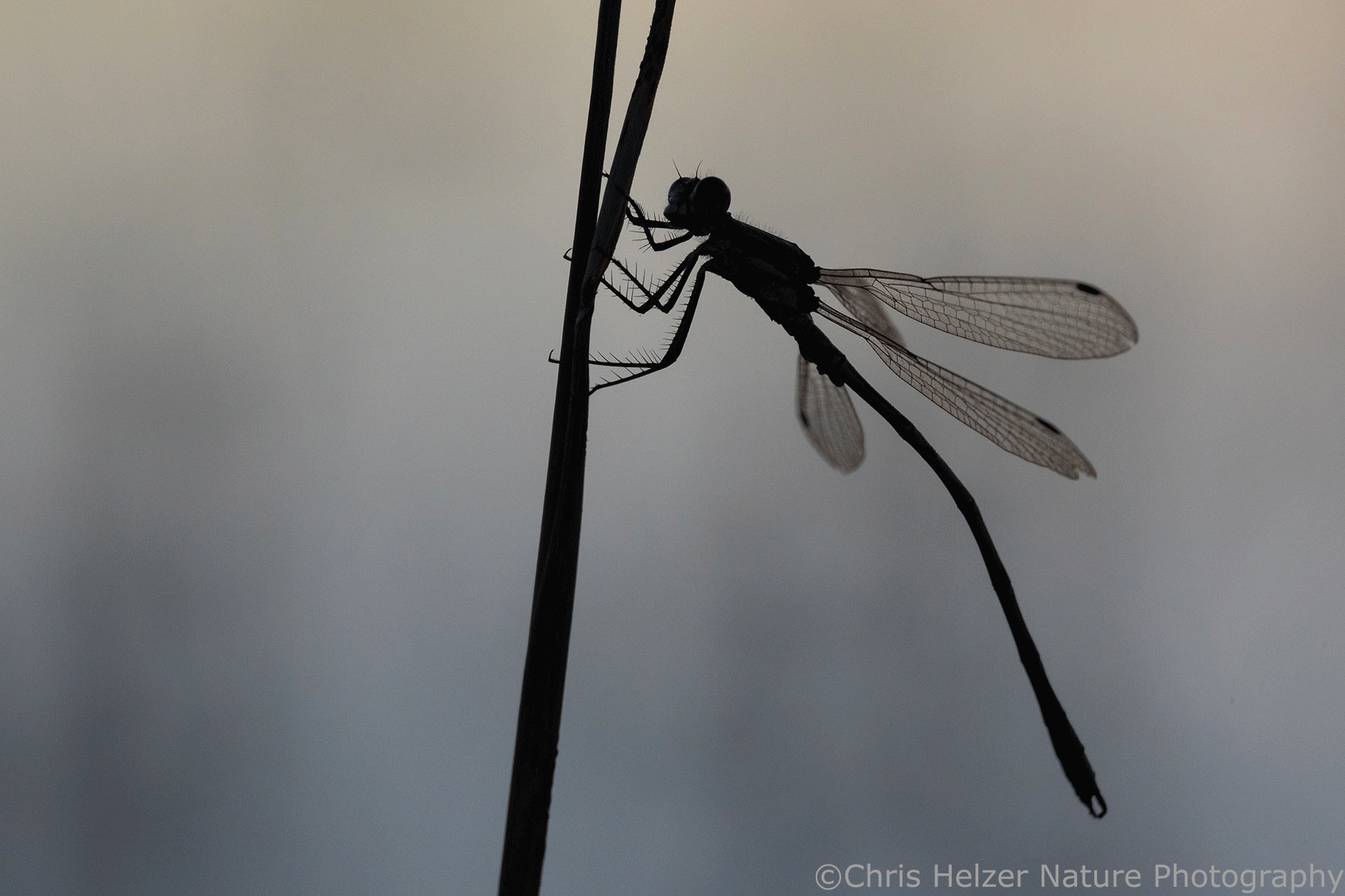
I was at our family prairie last week and was pleased to see that recent rains had filled our pond/wetland. I haven’t seen water in it for what seems like several years. I expected to see a bunch of dragonflies hanging around, but I mainly saw damselflies, which was also just fine. I hung out with one specific damselfly for a while as the sun set and photographed it through the changing light…
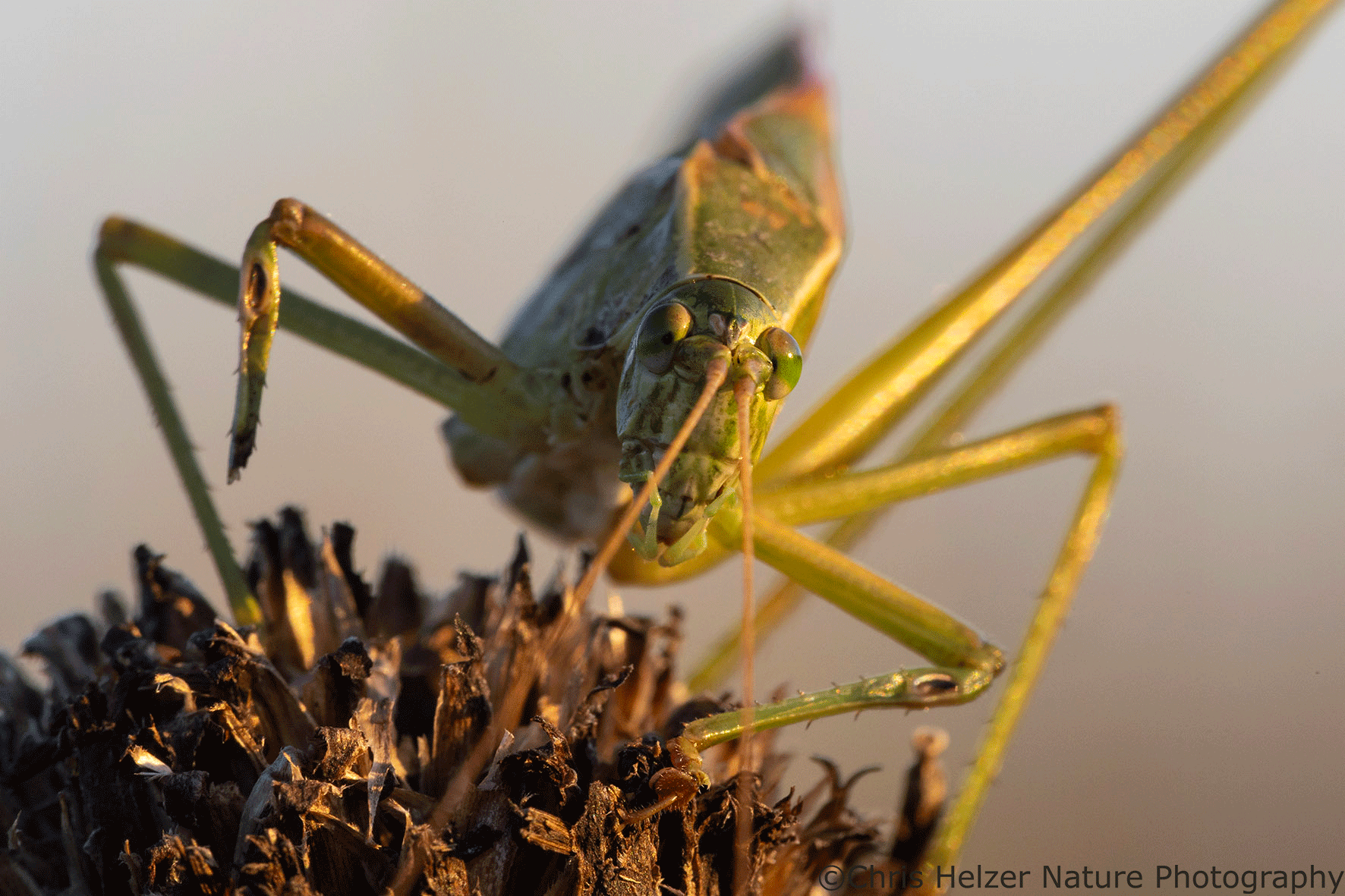
The katydid below has gone through a rough patch, it appears. It is missing one and a half of its legs on its right side. On the one hand, that might be why it sat so nicely for me while I photographed it. On the other hand, if I’d recently lost a couple legs, I think that would make me less trusting and more likely to skedaddle – even awkwardly – when something large approached. Either way, I’m glad it survived whatever traumatic event it went through.
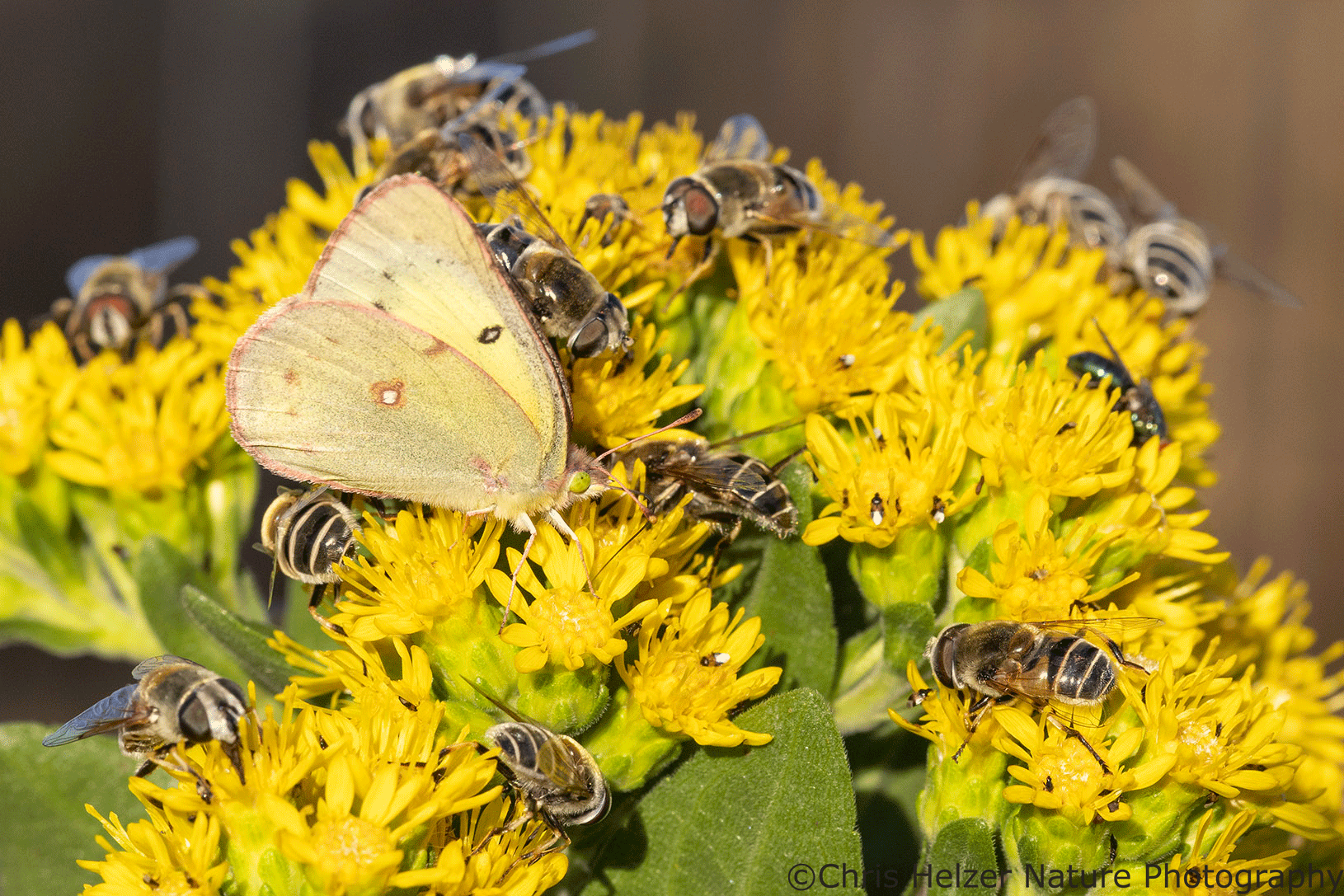
Some of the most abundant insects around right now are drone flies. I think most of what I’m seeing are yellow-shouldered drone flies, which, as far as I can tell, are not a migratory species. There are other drone fly species that do migrate, though, and we still have a lot to learn about migratory flies, so who knows, maybe we just haven’t caught yellow-shouldered drone flies at it yet. What I do know is that they’re very abundant in our backyard prairie – but also in every other prairie I’ve visited recently.
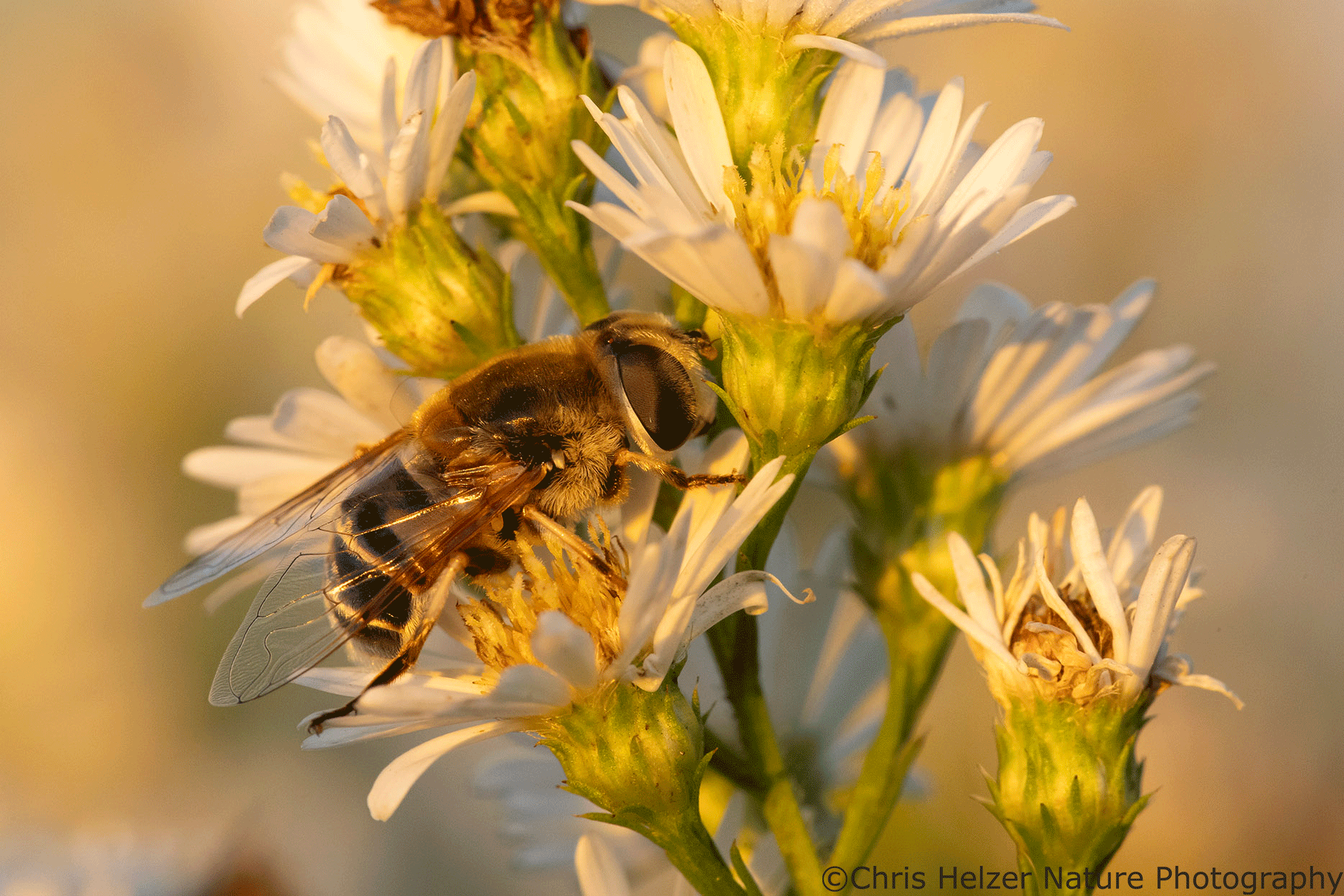
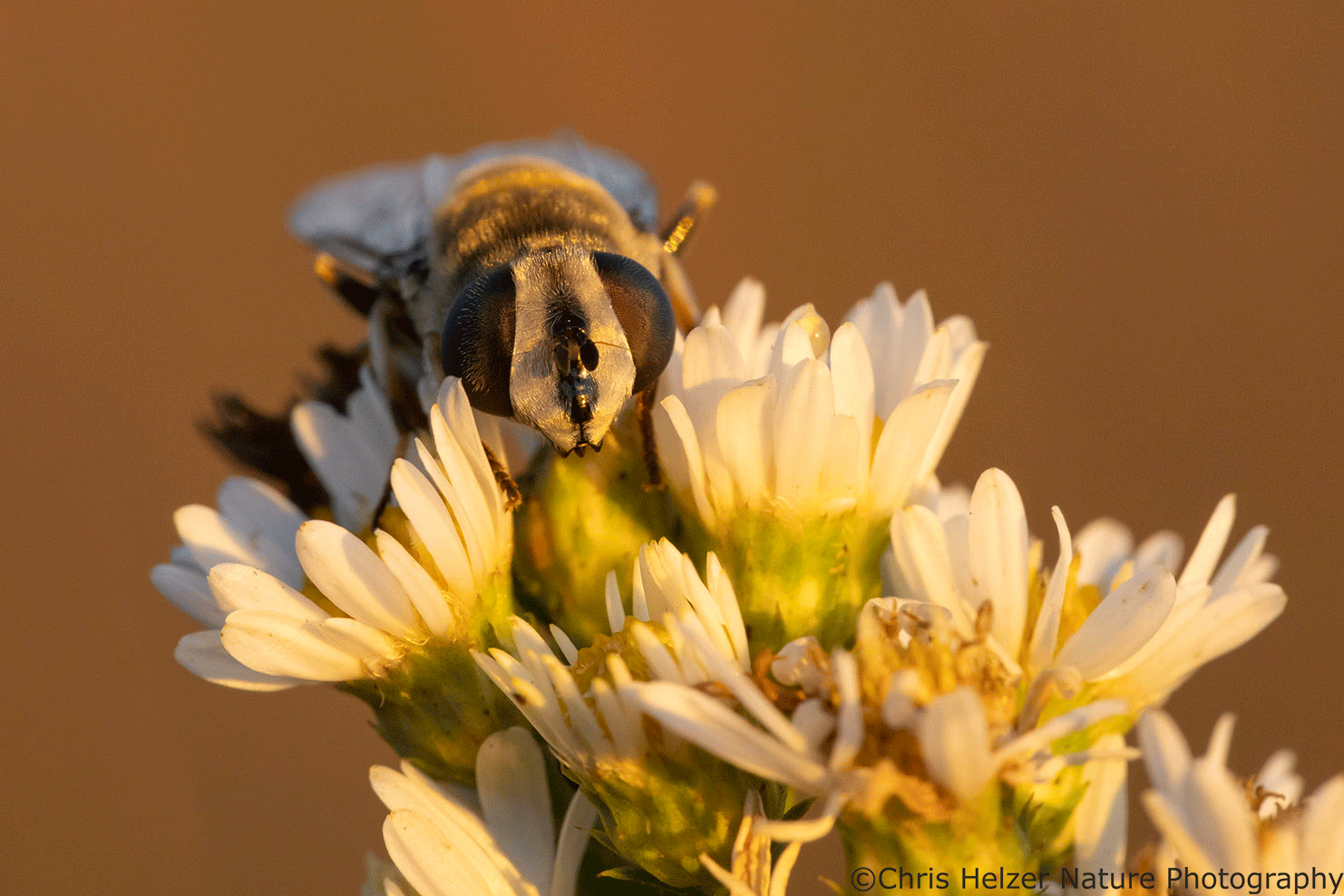
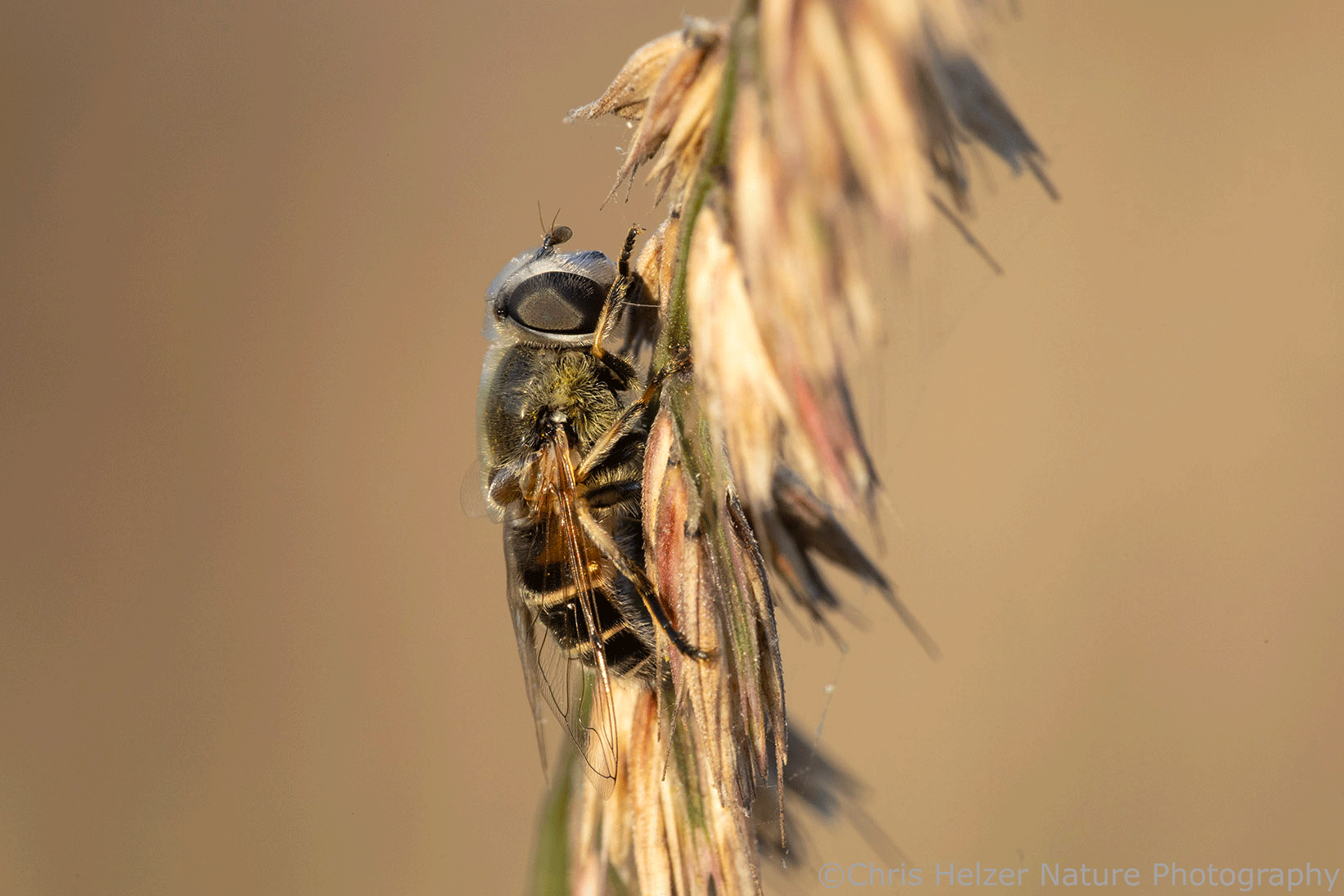
Heath aster and stiff goldenrod are the last two native wildflowers blooming in our nascent backyard prairie garden. Nascent is the kind of word I like to throw in now and then to prove I’m literate. Literate and sophisticated are different things, though. Sophisticated people don’t write dumb quizzes. I assume. They probably don’t think the word “booger” is funny, either, which proves there’s more to life than being sophisticated.
Anyway, drone flies, sweat bees, wasps, moths, butterflies, and beetles have all been descending upon those last wildflowers in our yard. It’s been a few days now since I’ve seen a bumblebee, which I just realized as I started this paragraph. I wonder if their season is over or if they’re just going elsewhere for sustenance this week.
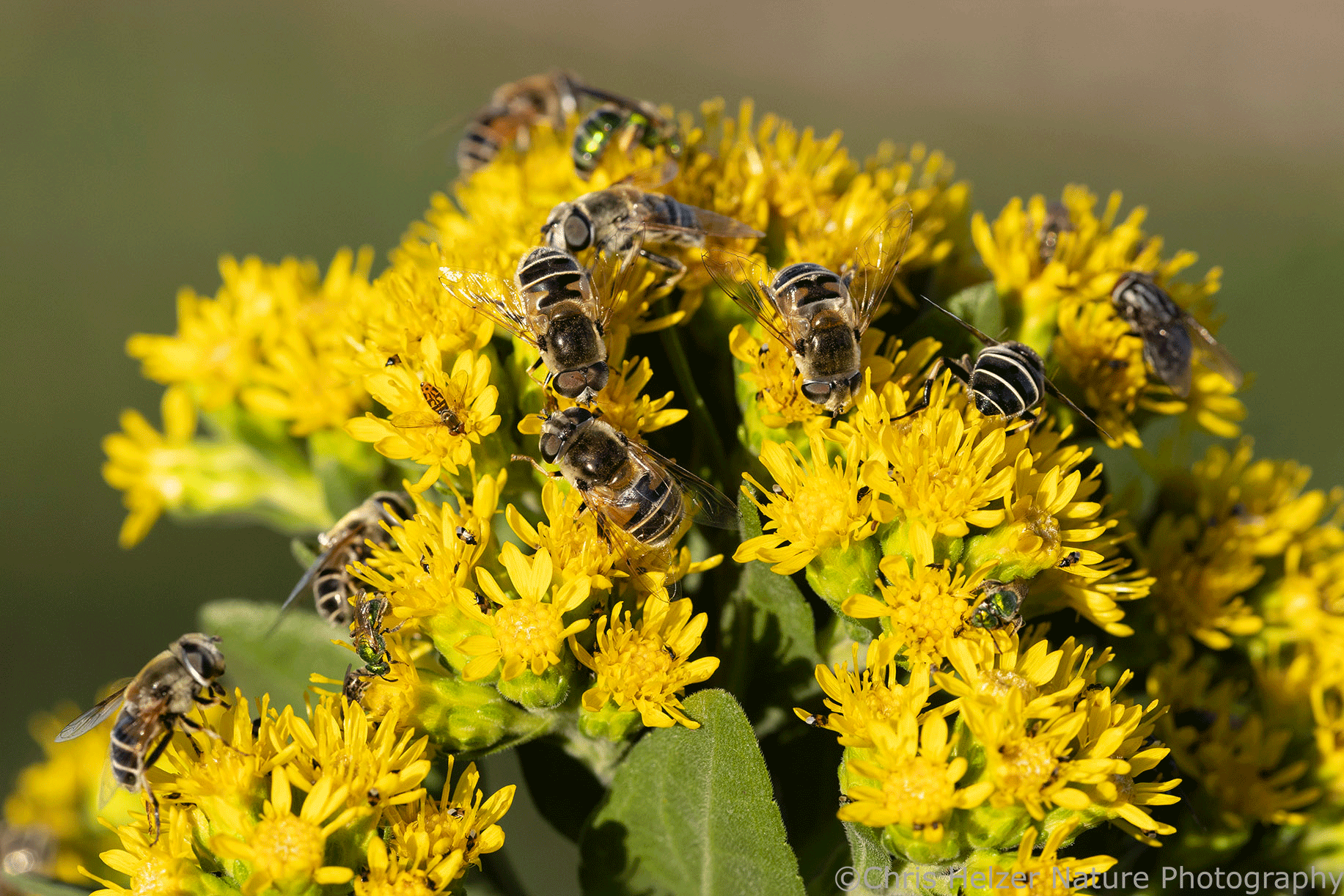
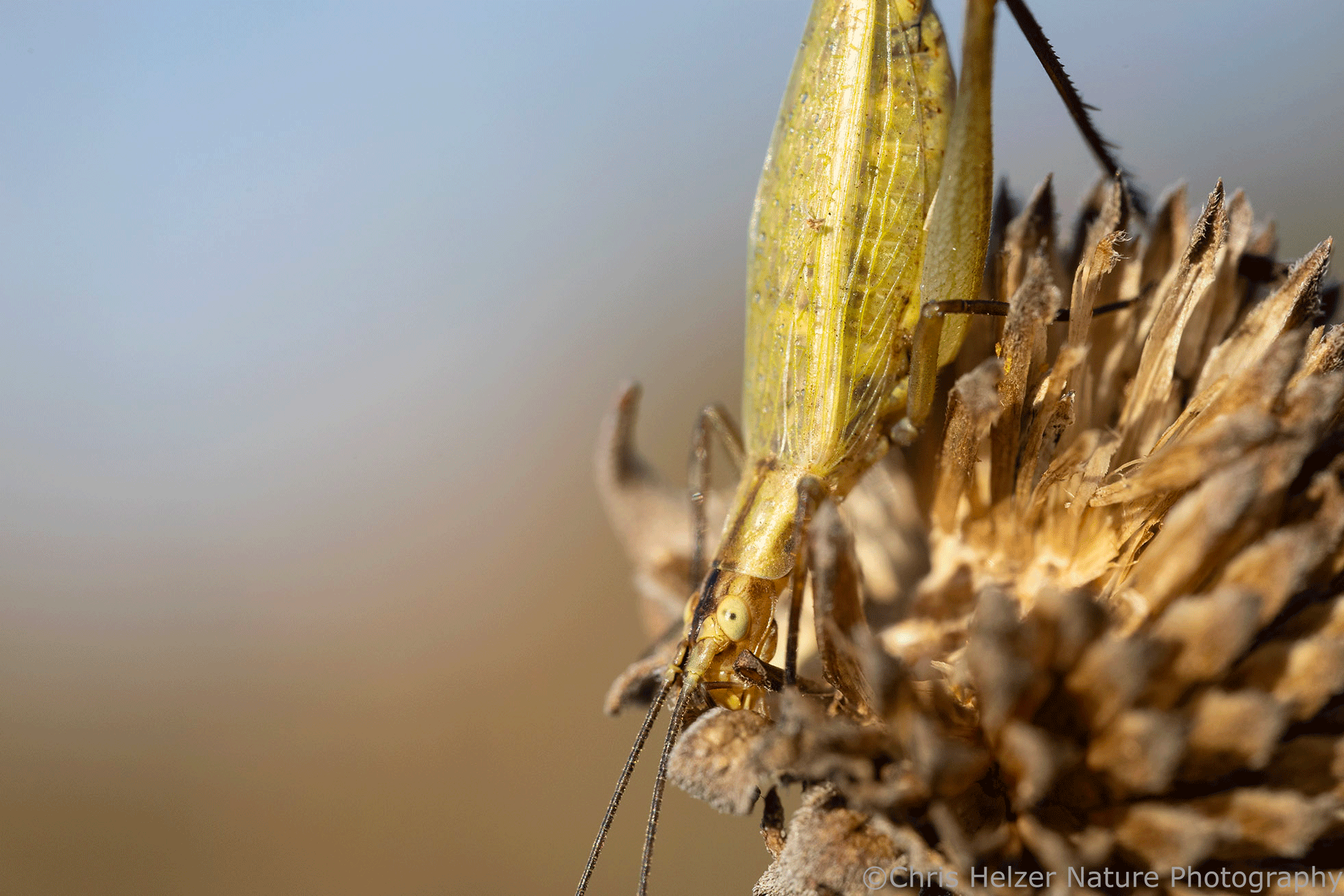
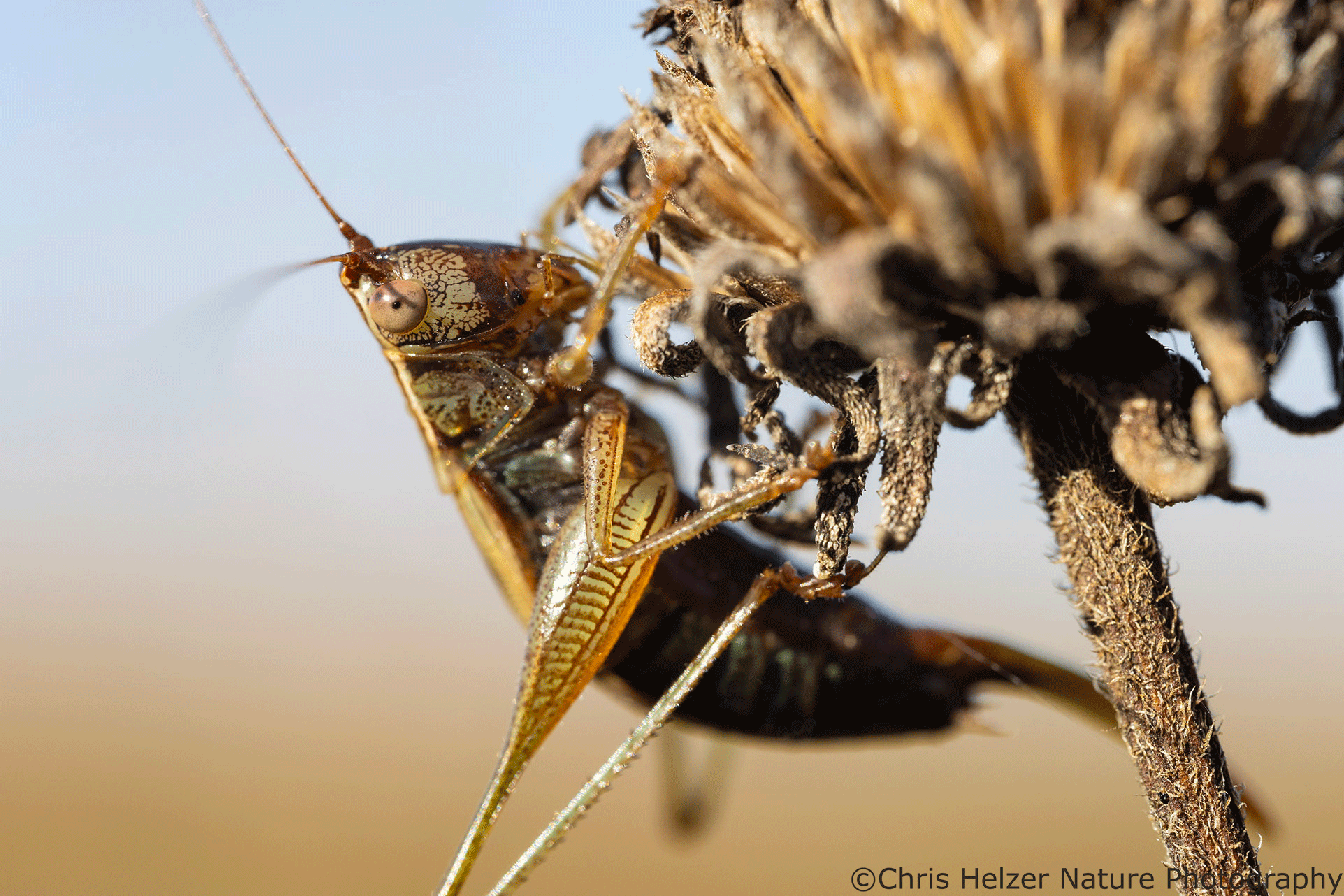
Insects like crickets, grasshoppers, and katydids are still playing their late season music. I’m going to miss that when it’s gone. Lots of all three were feeding on sunflower seeds (I assume) at the Platte River Prairies earlier this week.
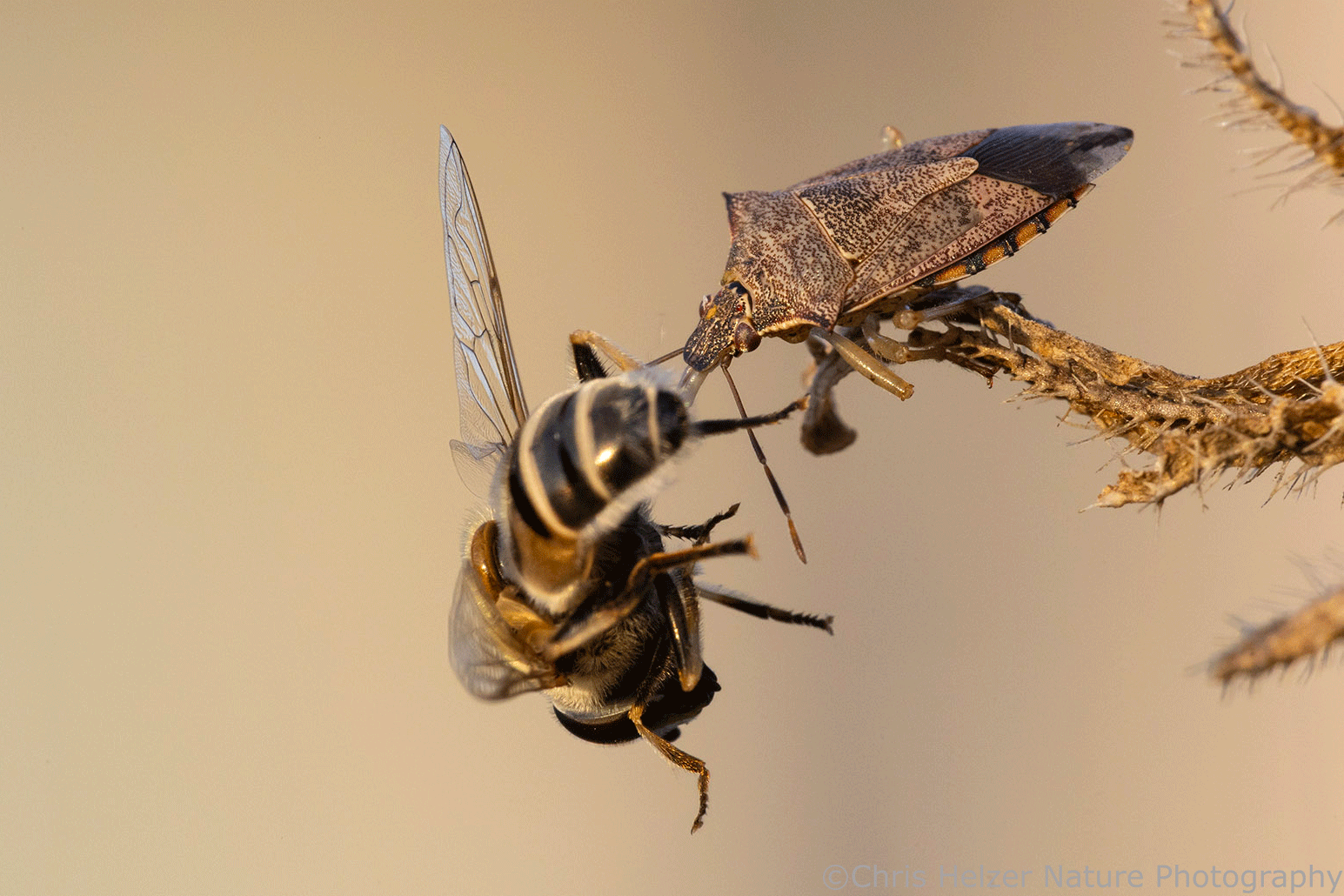
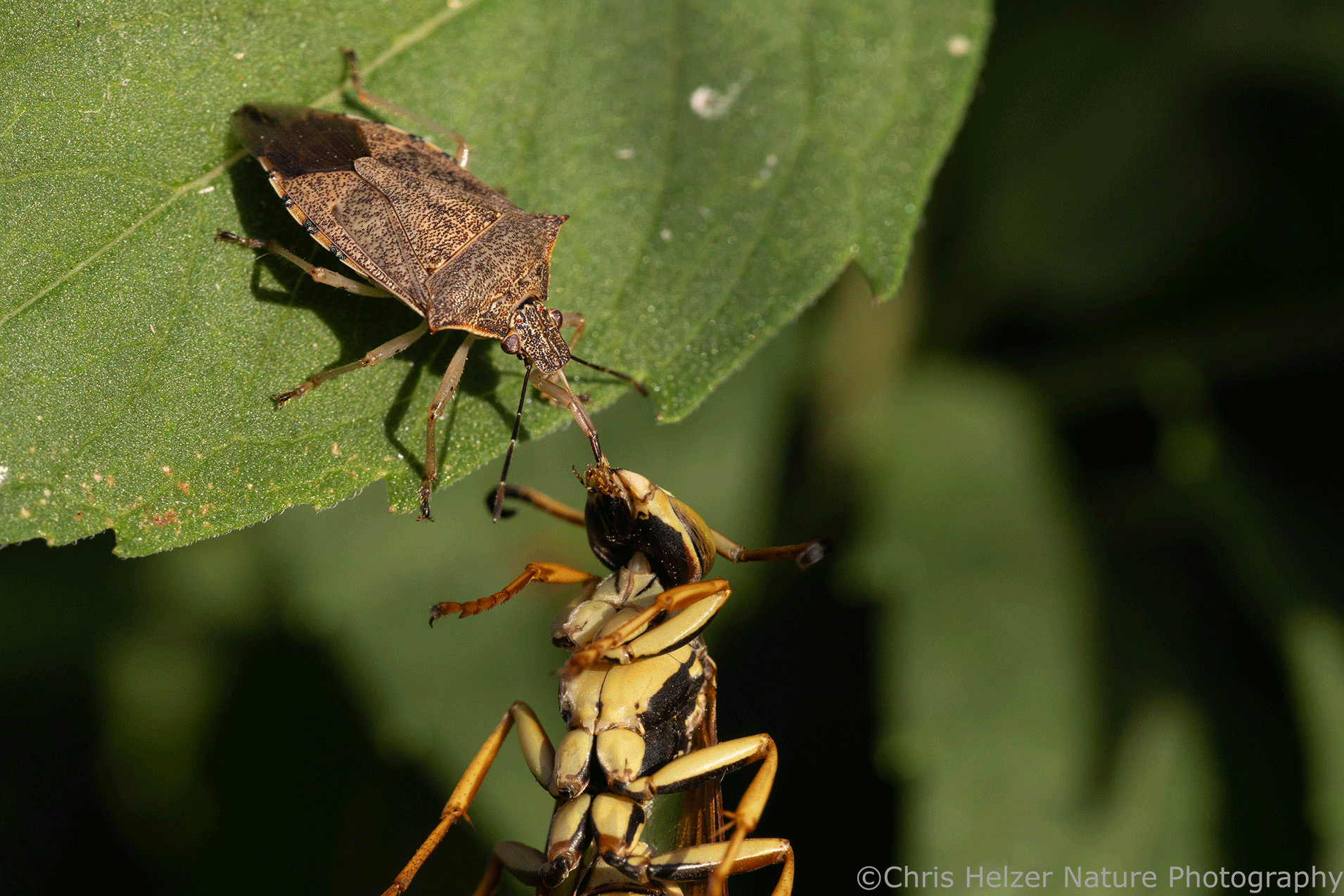
I made a cool discovery in our yard yesterday. Most stink bugs feed on plants, but a few species are predatory. At least some of those predatory species have sharp points on their “shoulders”, which helps identify them as such. I’ve never been able to find or photograph a predatory stink bug with prey. That is, until this week, when I found two different ones within a few minutes of each other – right in my backyard. What a great surprise!
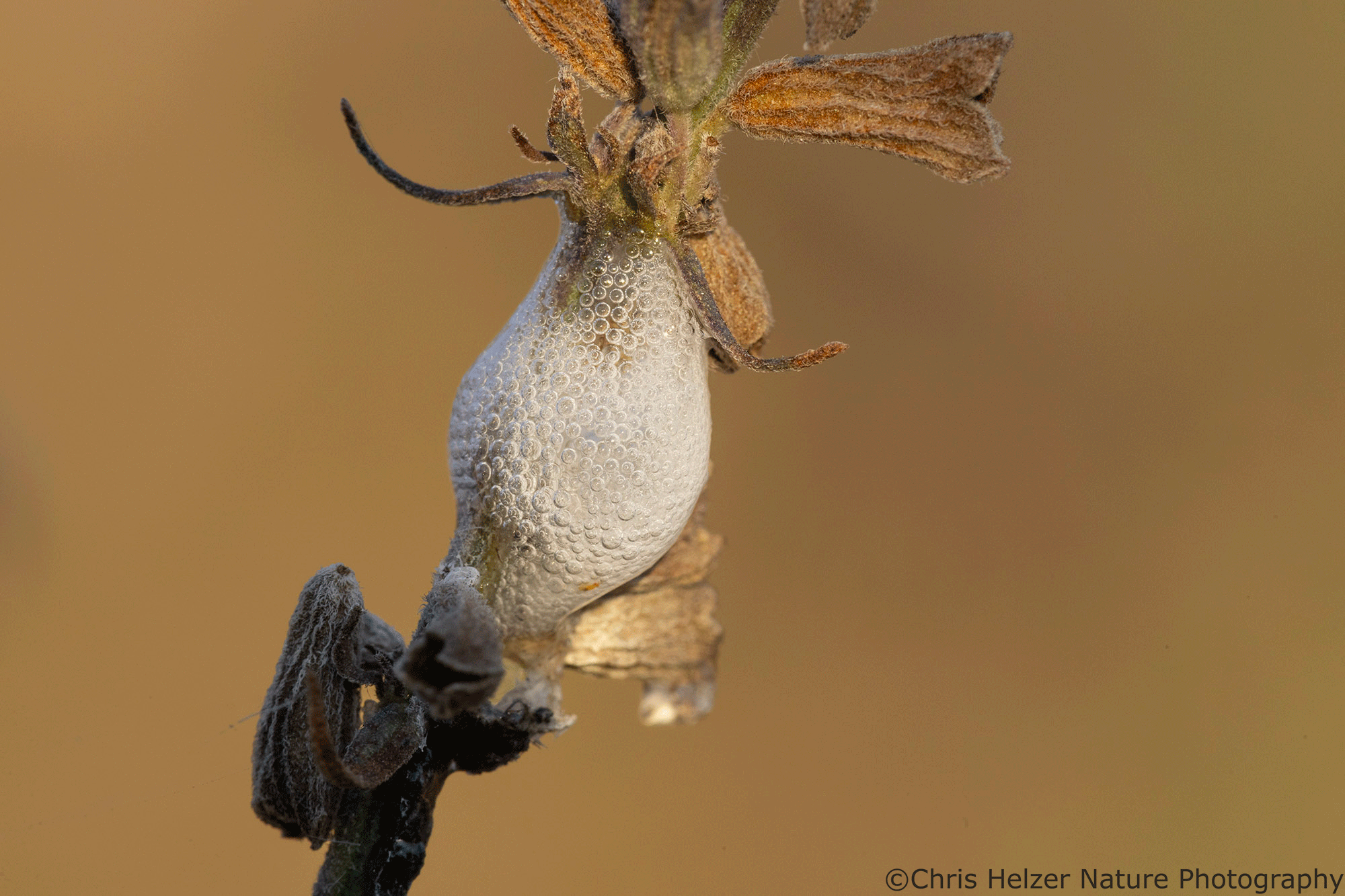
I went out to Lincoln Creek Prairie briefly this morning and was surprised to find spittle bugs on pitcher sage. I don’t remember seeing them on that plant species before, but that doesn’t mean much. I did wonder, though, how they overwinter. Do they need to hurry up and finish feeding so they can pupate before winter? Or can they survive as larvae? I’ve never seen frozen spittle bug bubbles in the winter, but wouldn’t that be something?
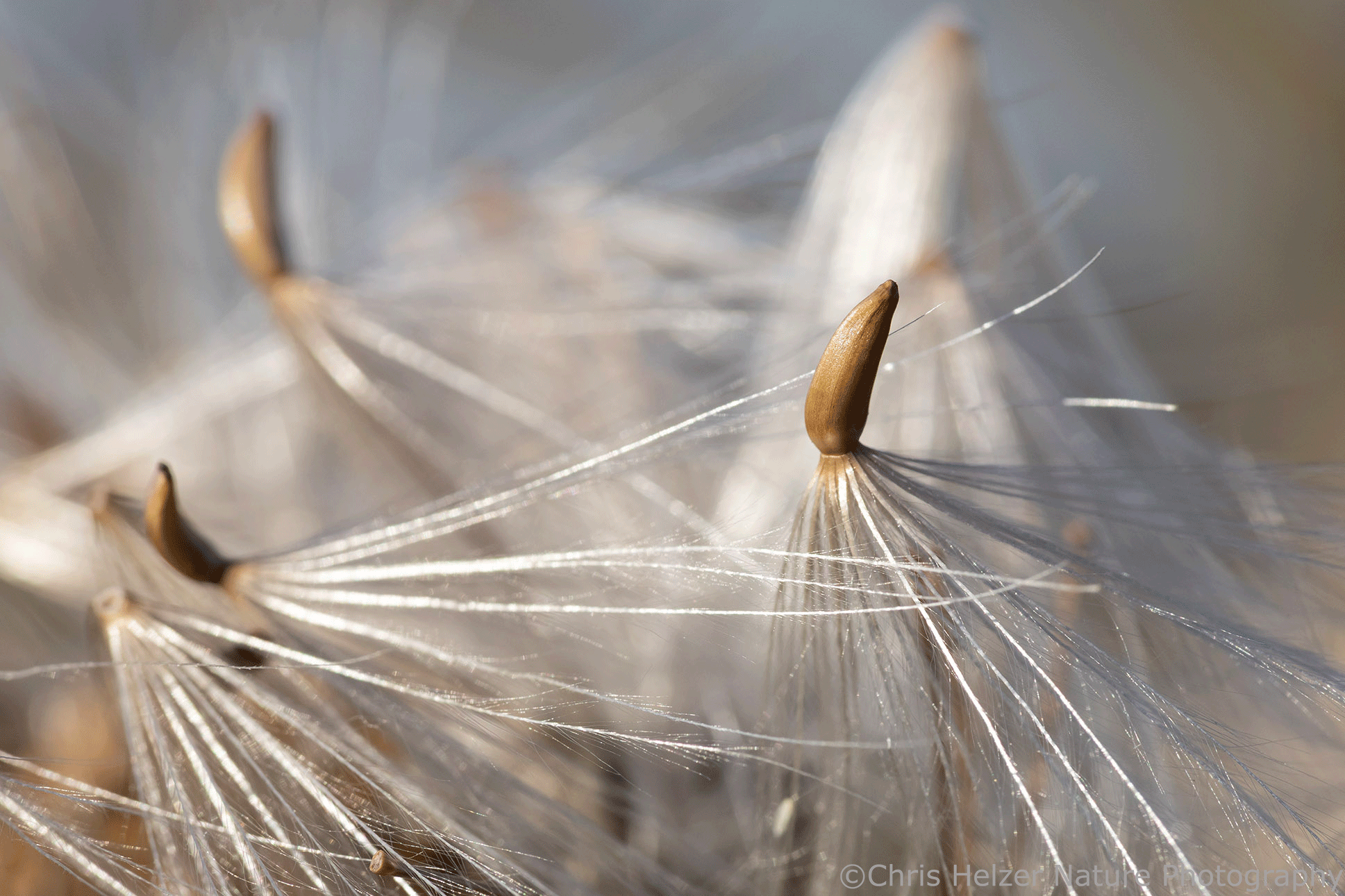
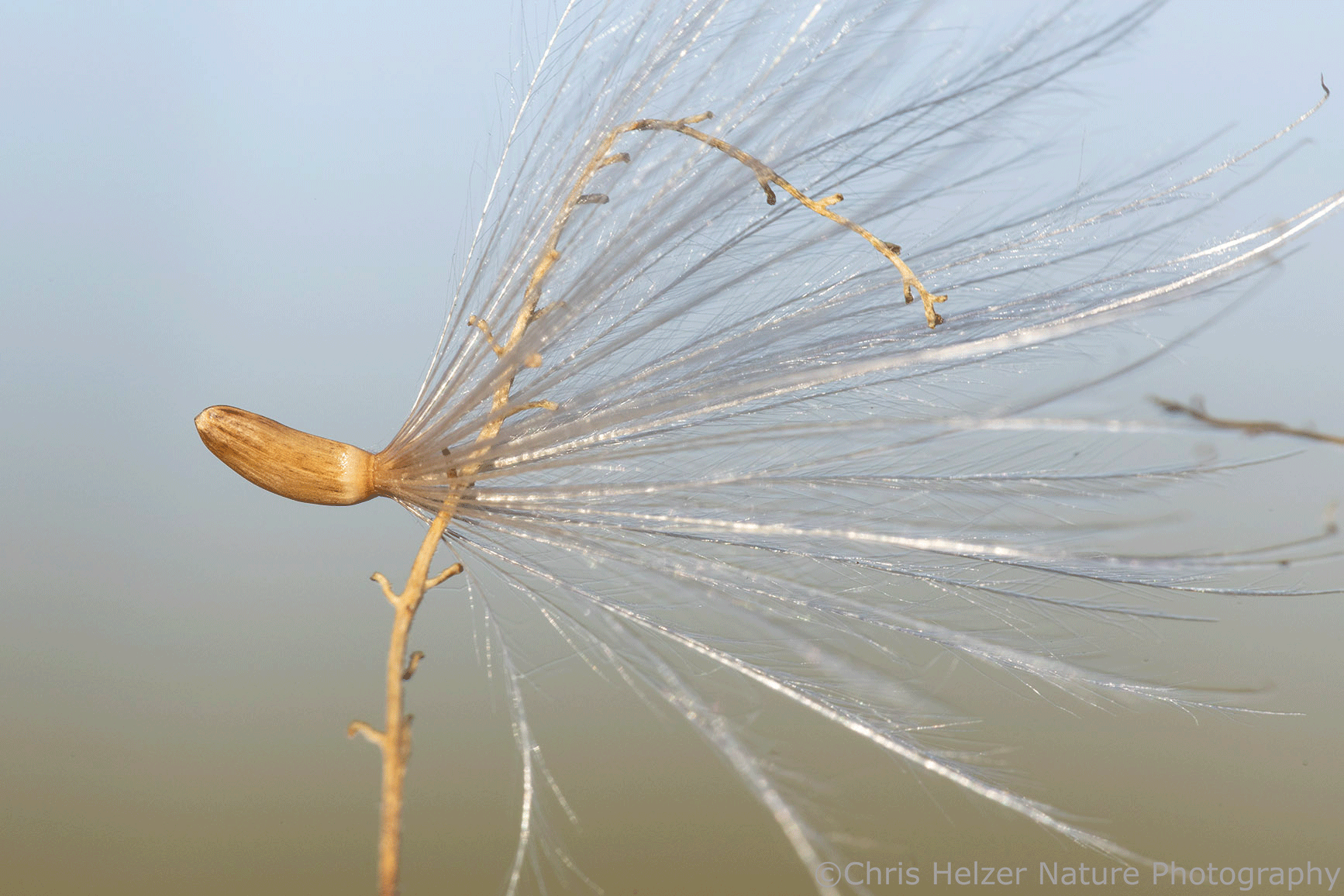
As happens every year, fall brings milkweed seeds and I’m unable to resist photographing them until everyone but me gets tired of looking at the photos. Here are just a few of the ones from this morning.
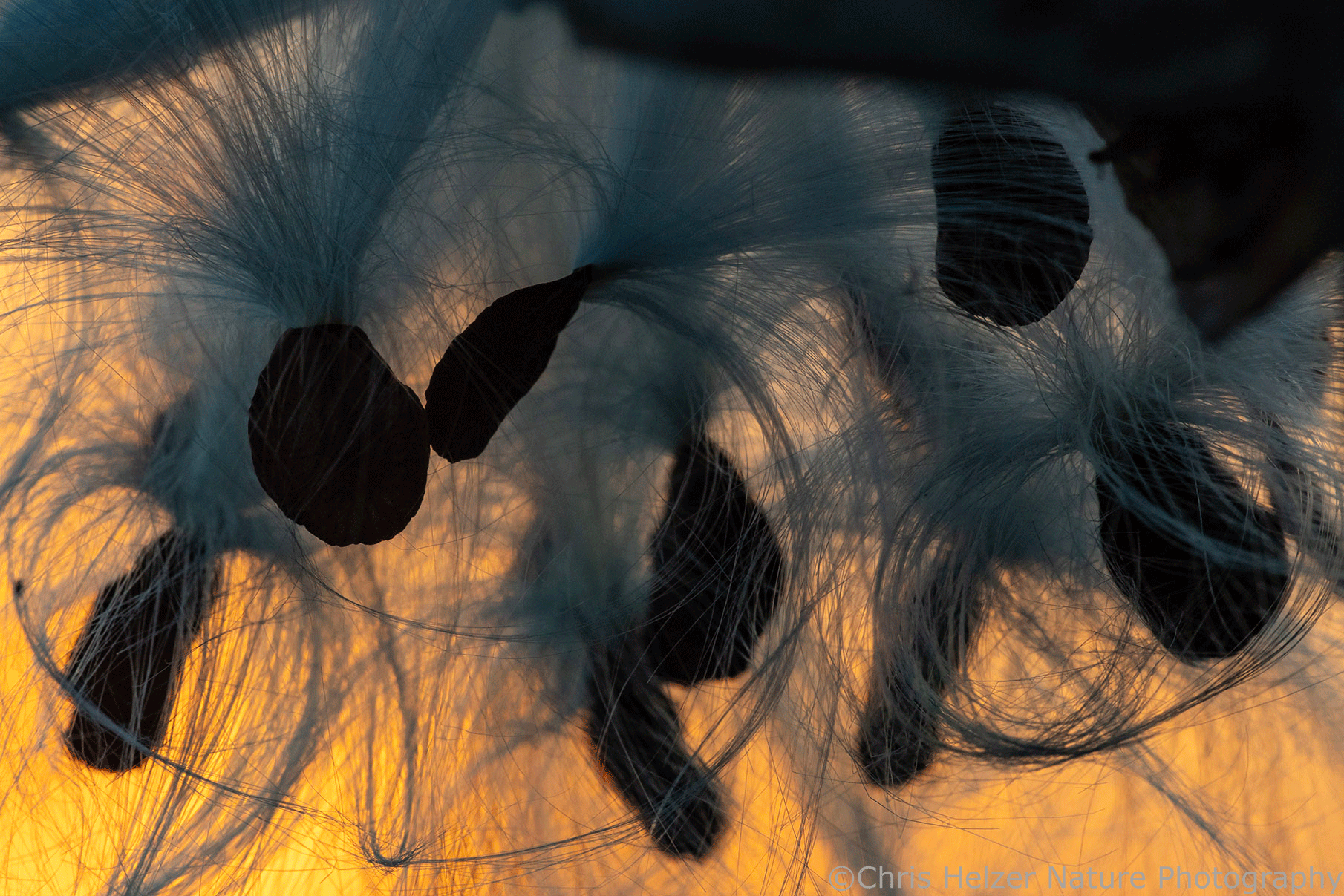
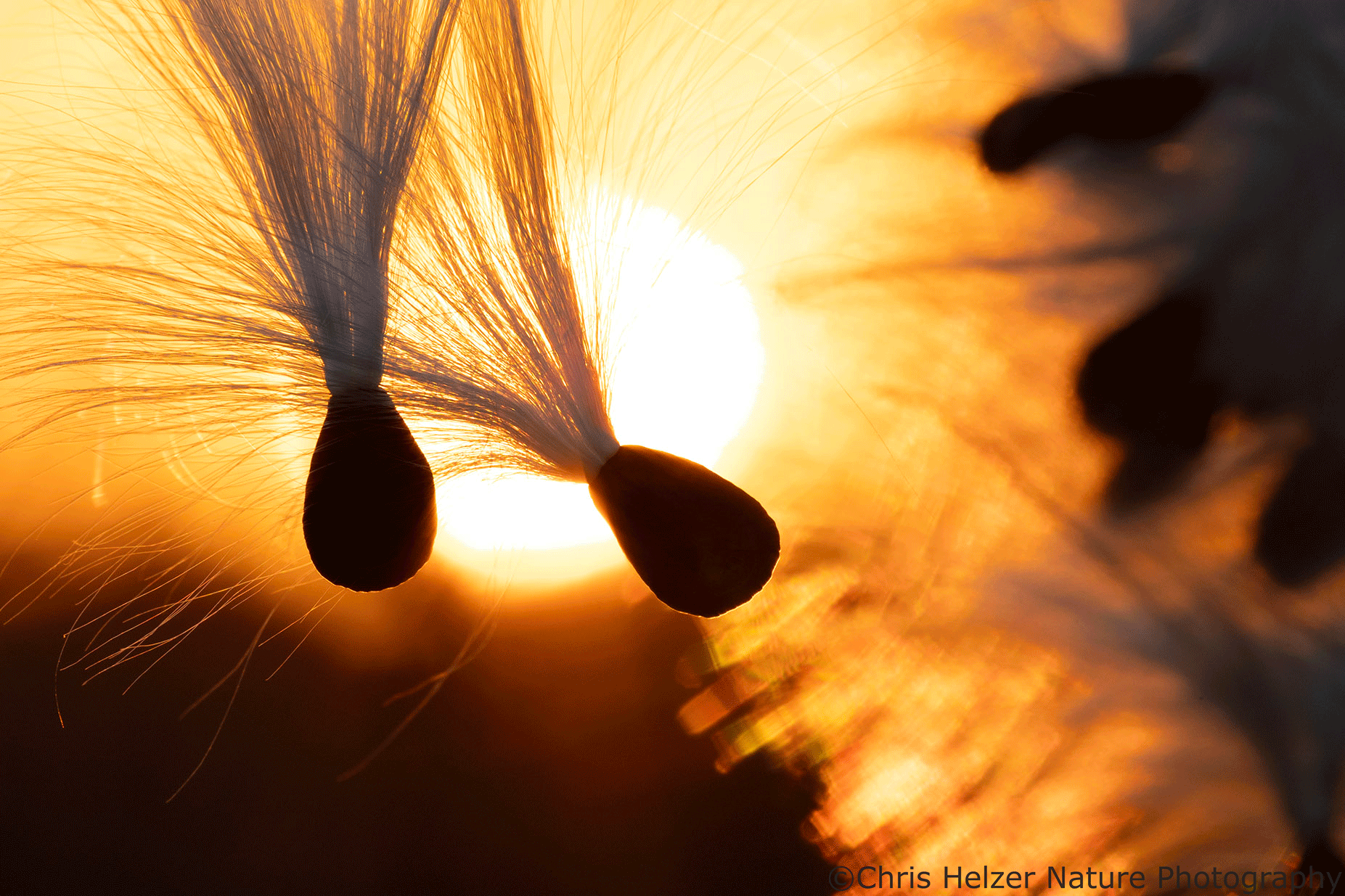
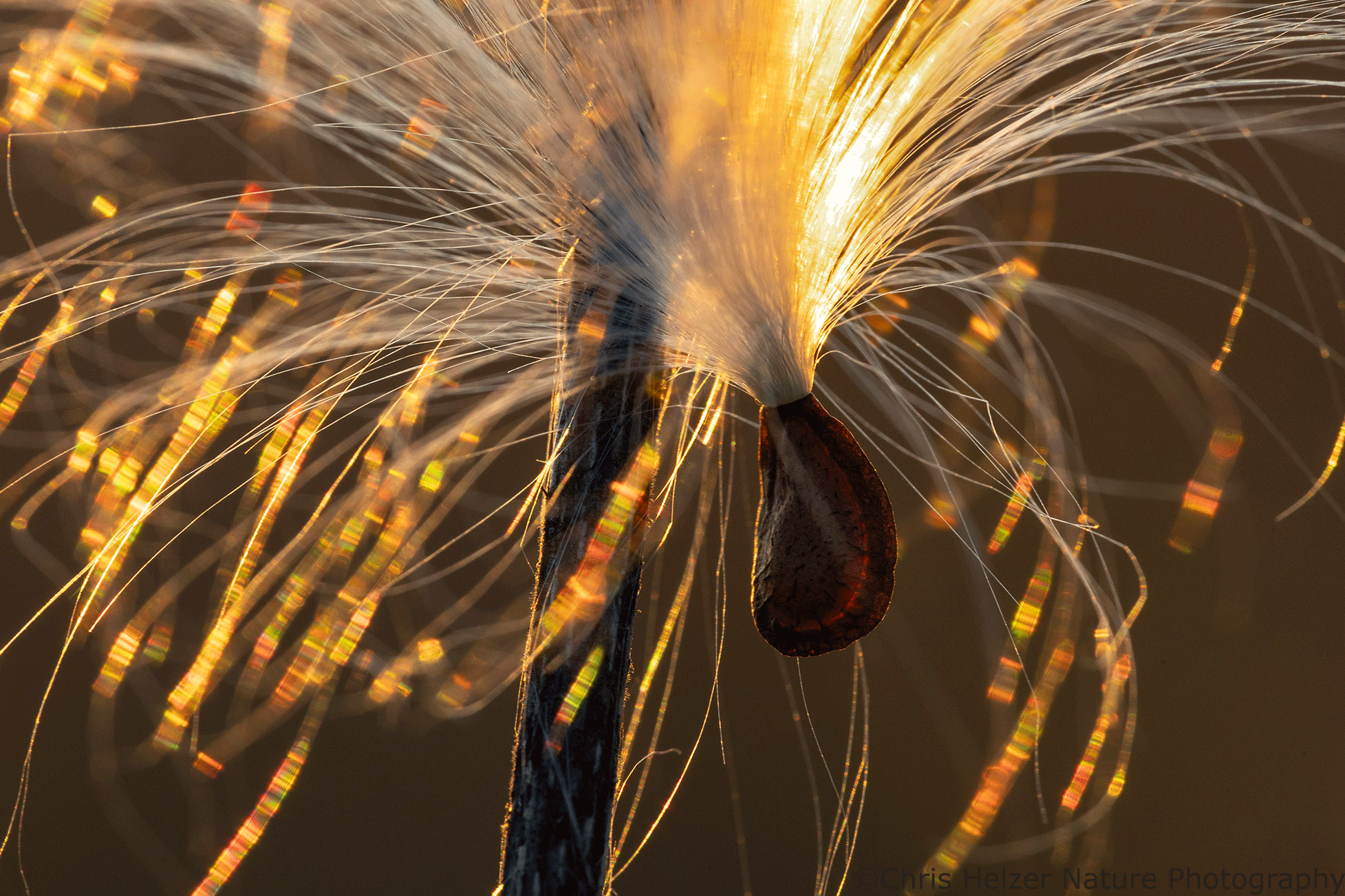
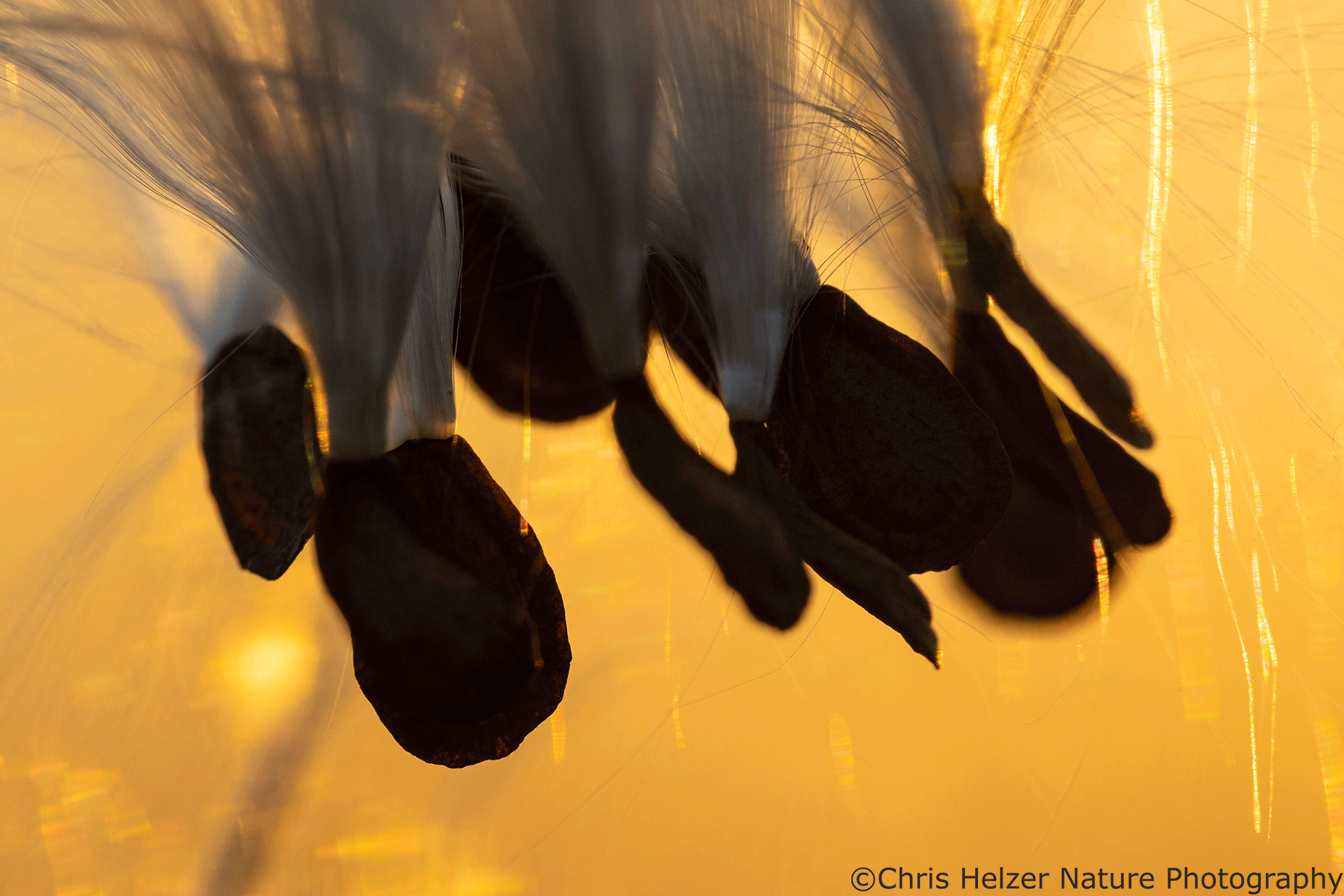
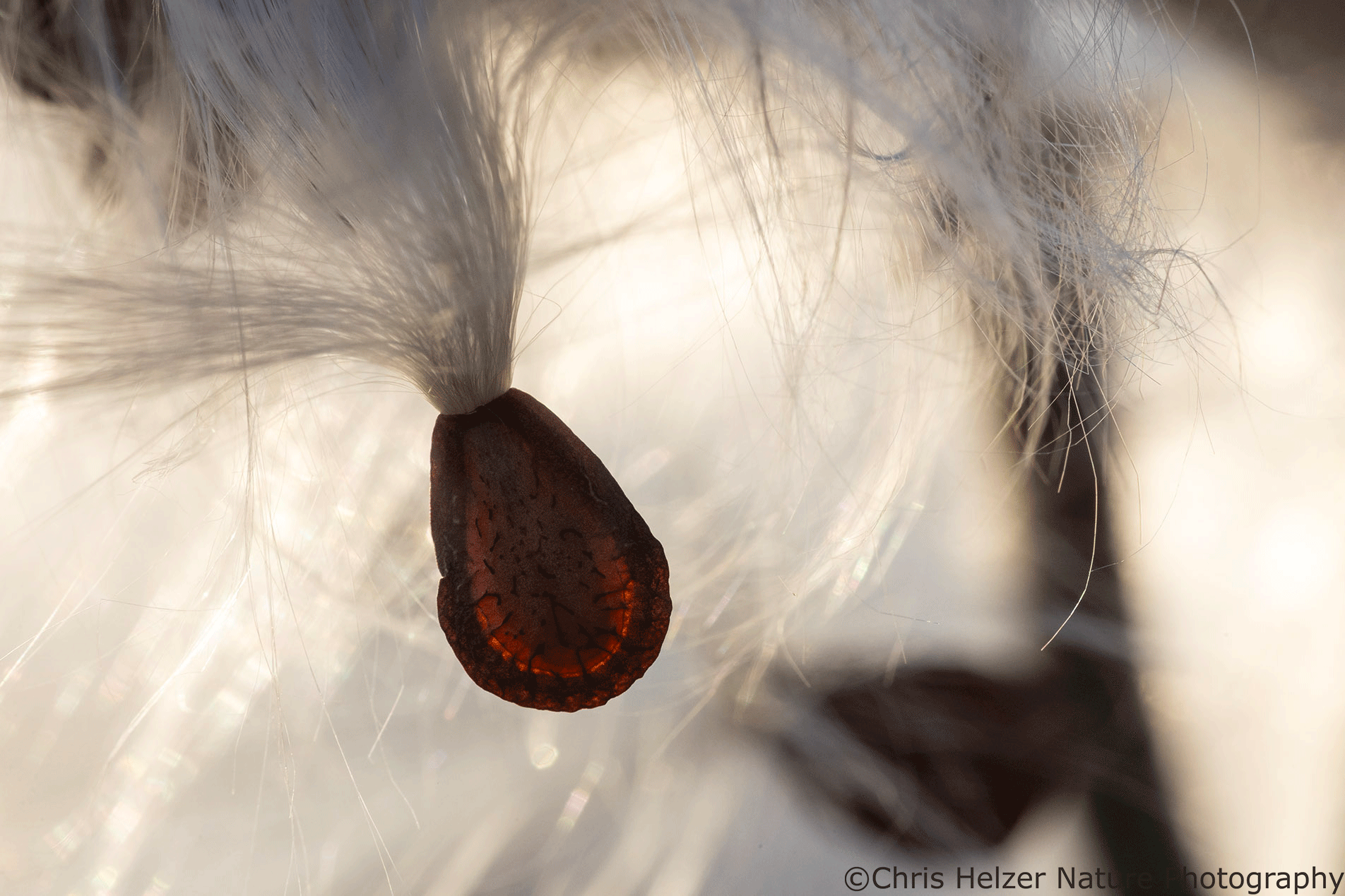
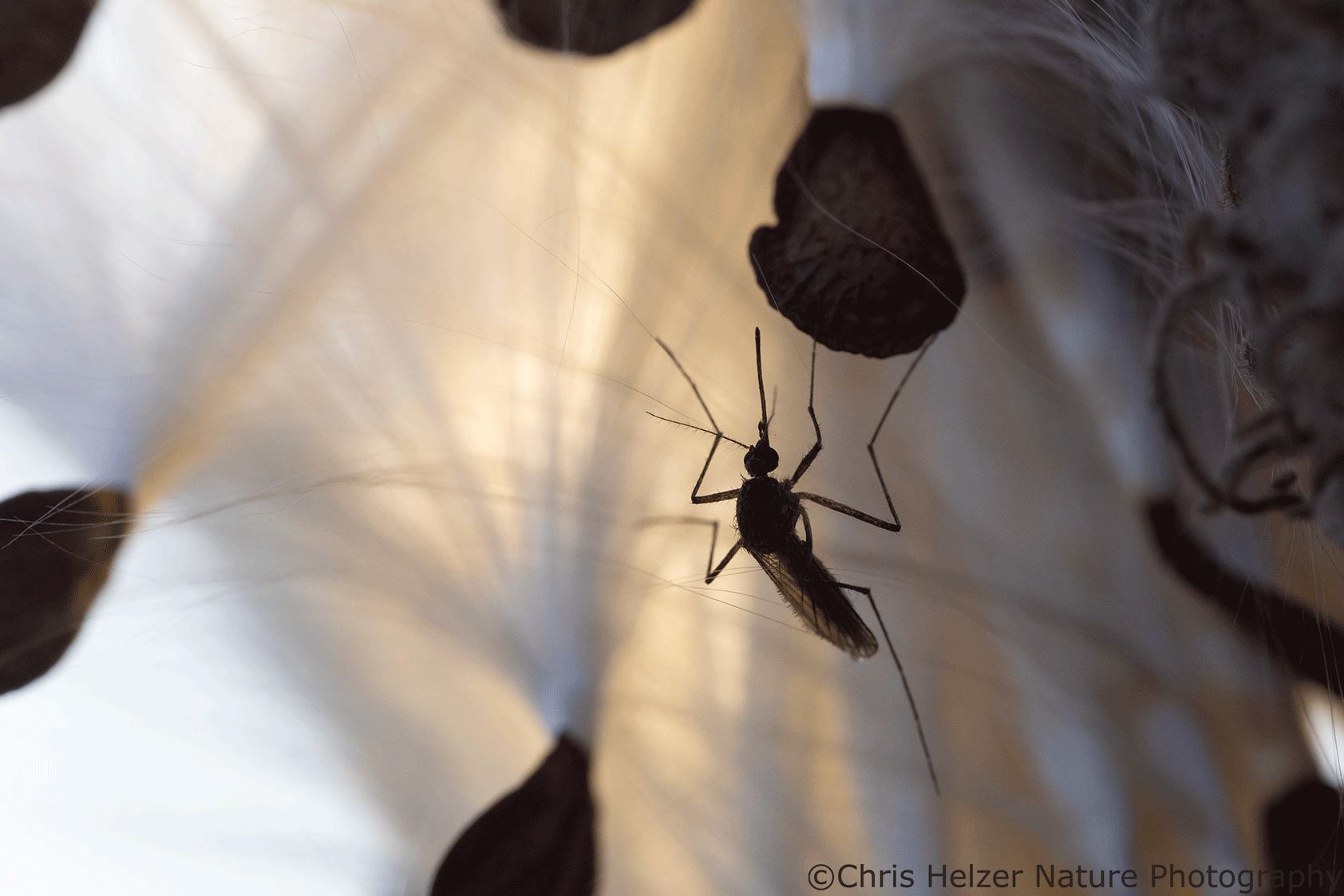
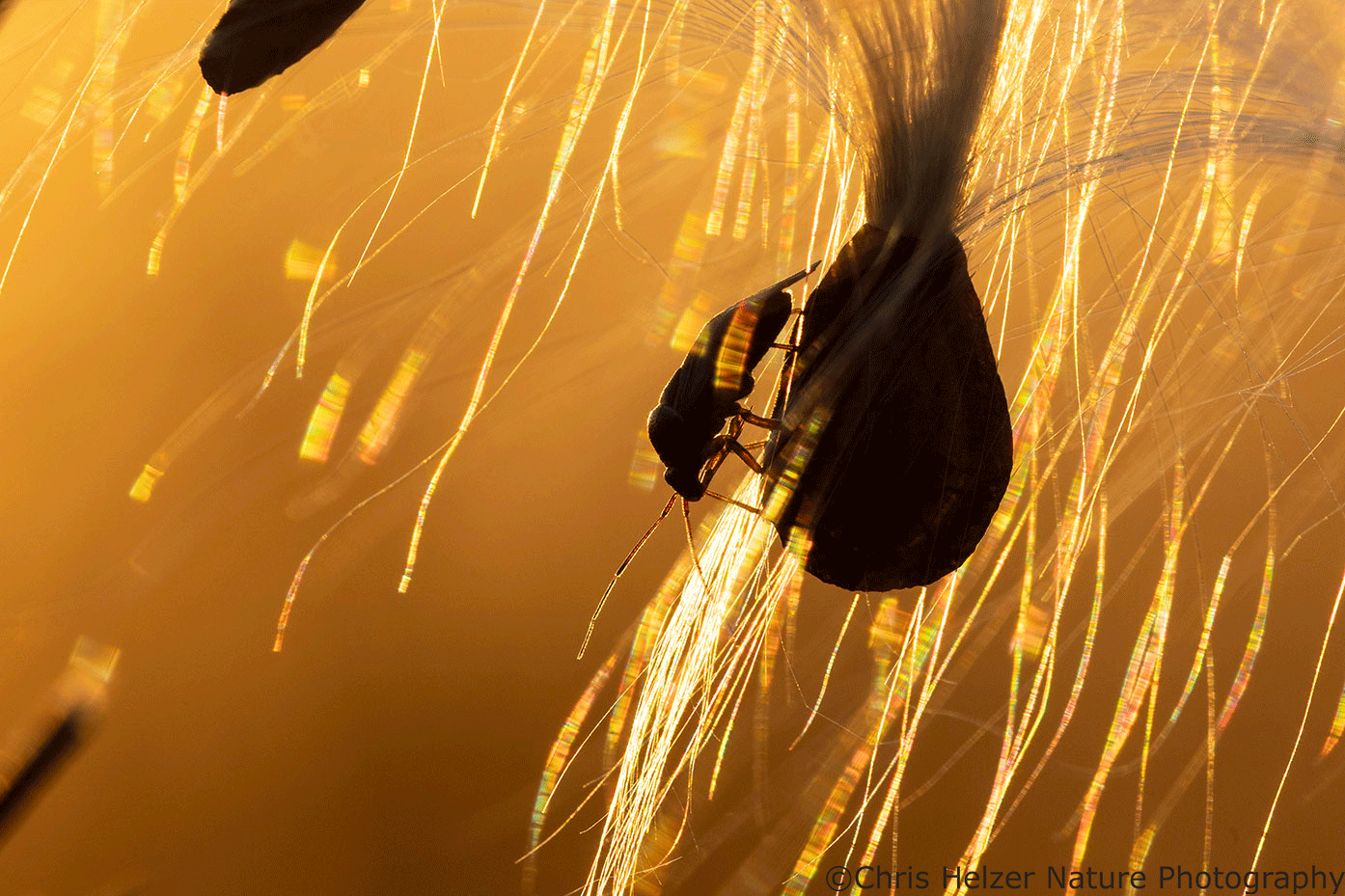
Milkweed seeds by themselves are pretty great, but I also found some insects on milkweed seeds and managed some photographs of those as well. I don’t think the mosquito was feeding on the milkweed seed, but I’m pretty sure the little bug was.
This is the final paragraph of the post where I should write something that summarizes what I’ve covered so far. Or refer back to my introductory paragraph. I’m not going to do that this time.

