Chris Helzer is Director of Science and Stewardship for The Nature Conservancy in Nebraska, where he conducts research and supervises the Conservancy’s preserve stewardship program. He also helps develop, test, and share prairie management and restoration strategies.
Chris is also dedicated to raising awareness about the value of prairies through his photography, writing and presentations. He is the author of The Prairie Ecologist blog, and two books: The Ecology and Management of Prairies and Hidden Prairie: Photographing Life in One Square Meter. He is also a frequent contributor to NEBRASKAland magazine and other publications. Chris and his family live in Aurora, Nebraska.
I hope everyone is safe and well today, especially those of you who have been dealing with tornadoes and other high winds over the last several days.
Since I haven’t been out shooting much recently, I’ve been going back through piles of images from earlier this year. Today’s post groups together some of my favorites from the first several months of 2021. Some, but not all have appeared here before. So, sit back and enjoy a quick trip into the past…
(blah blah blah – here are some pictures to look at):
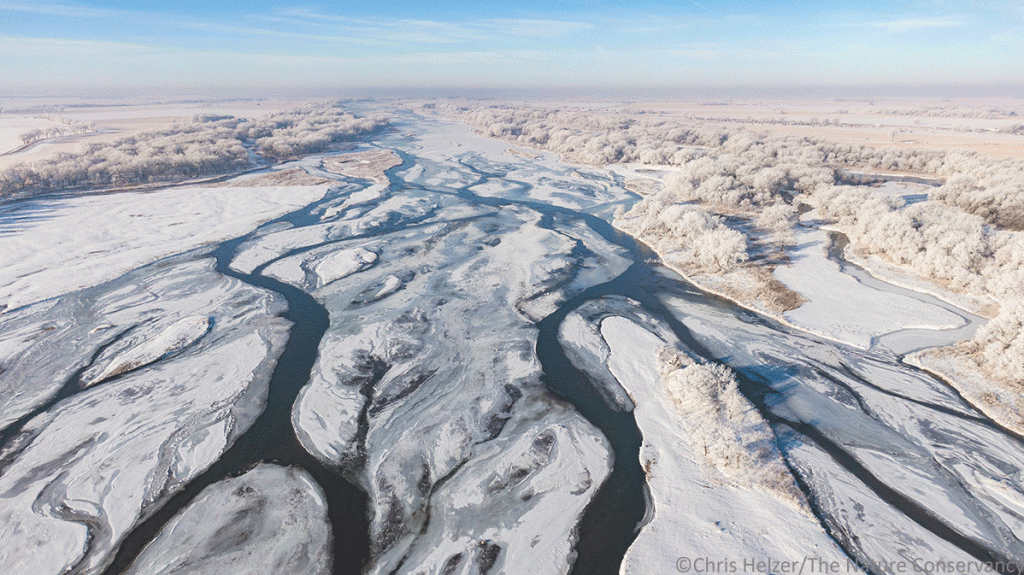
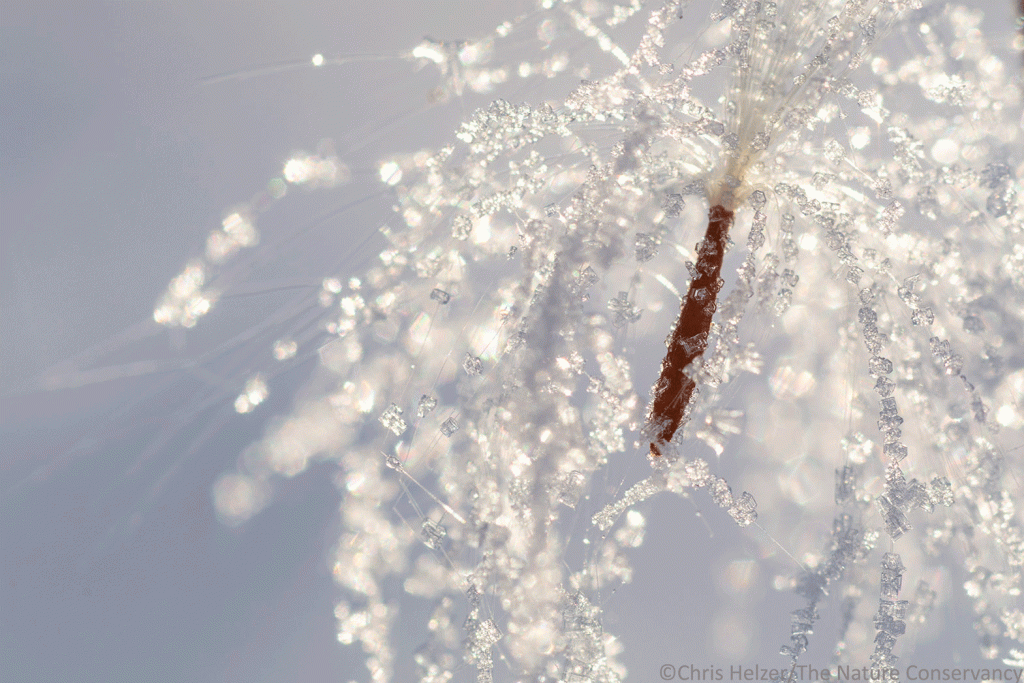
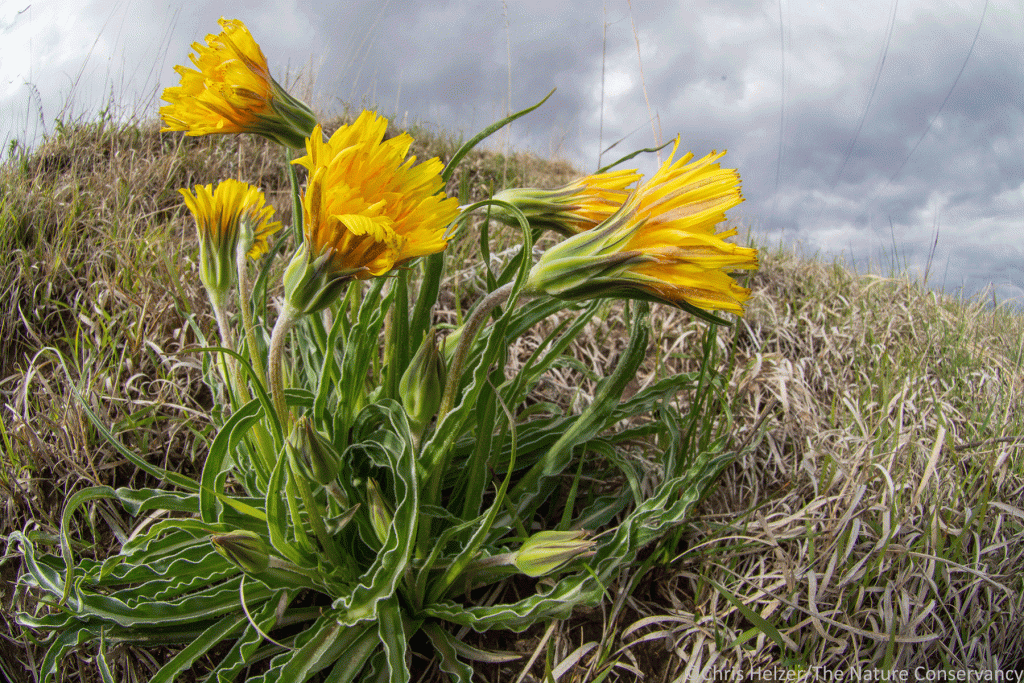
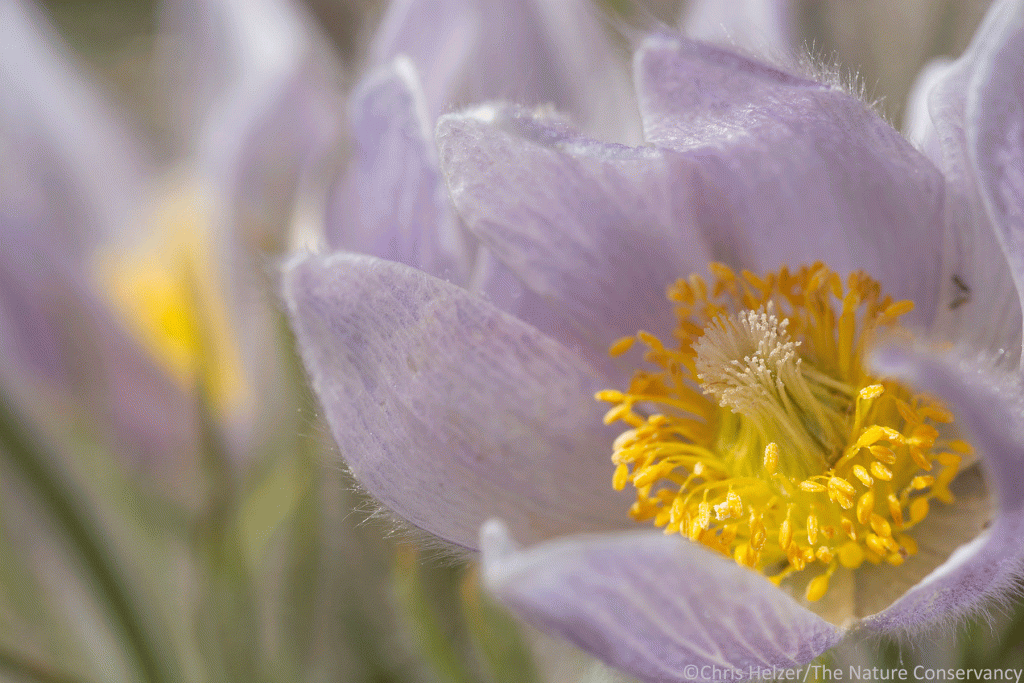
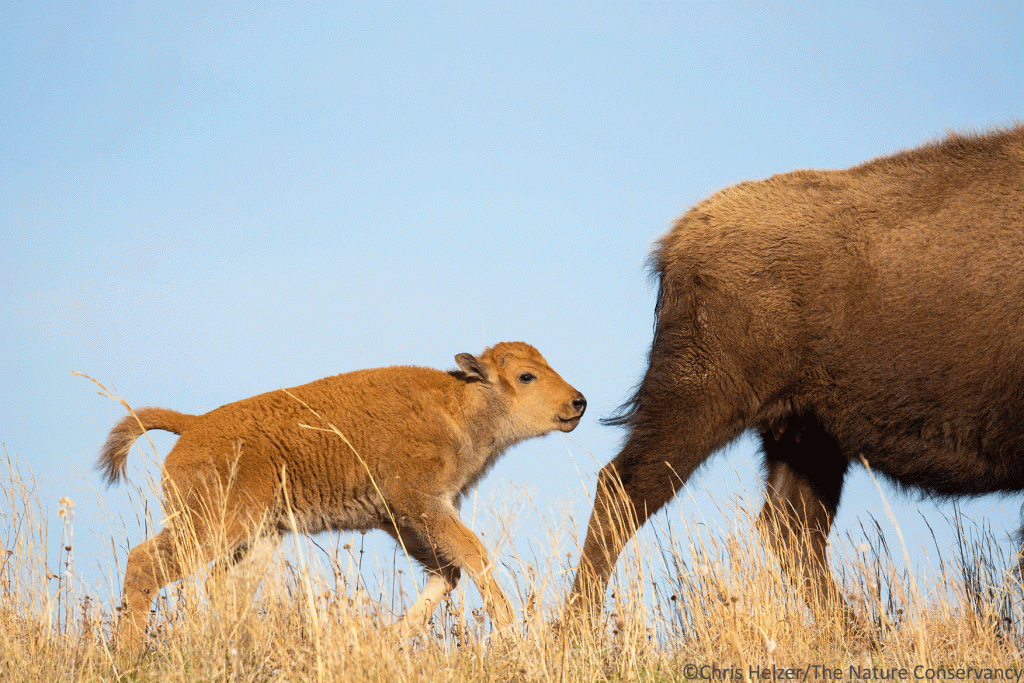
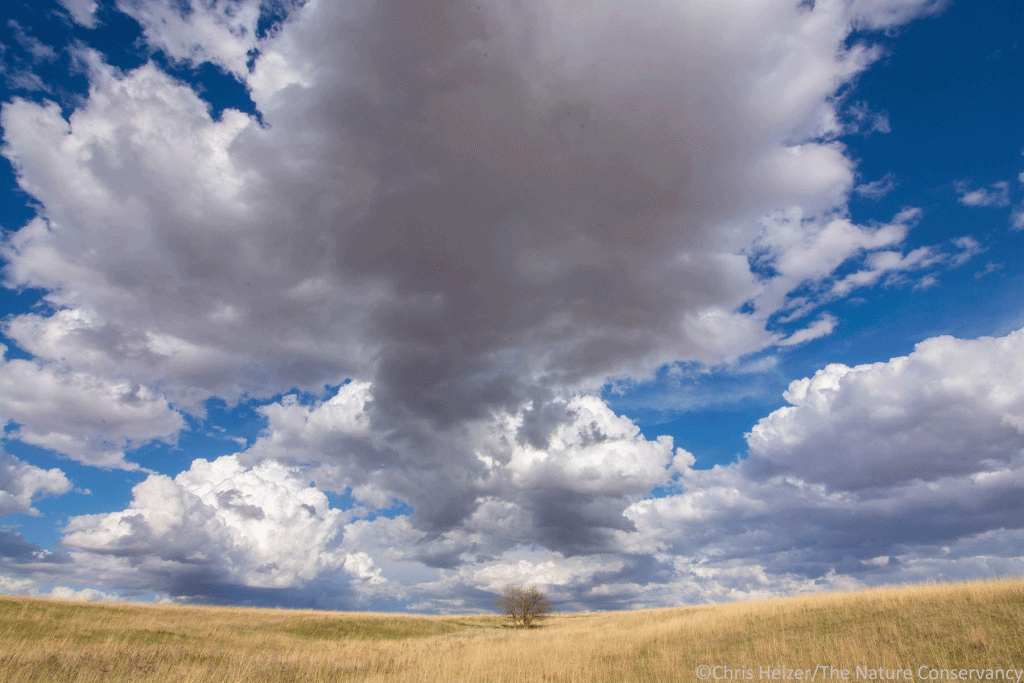
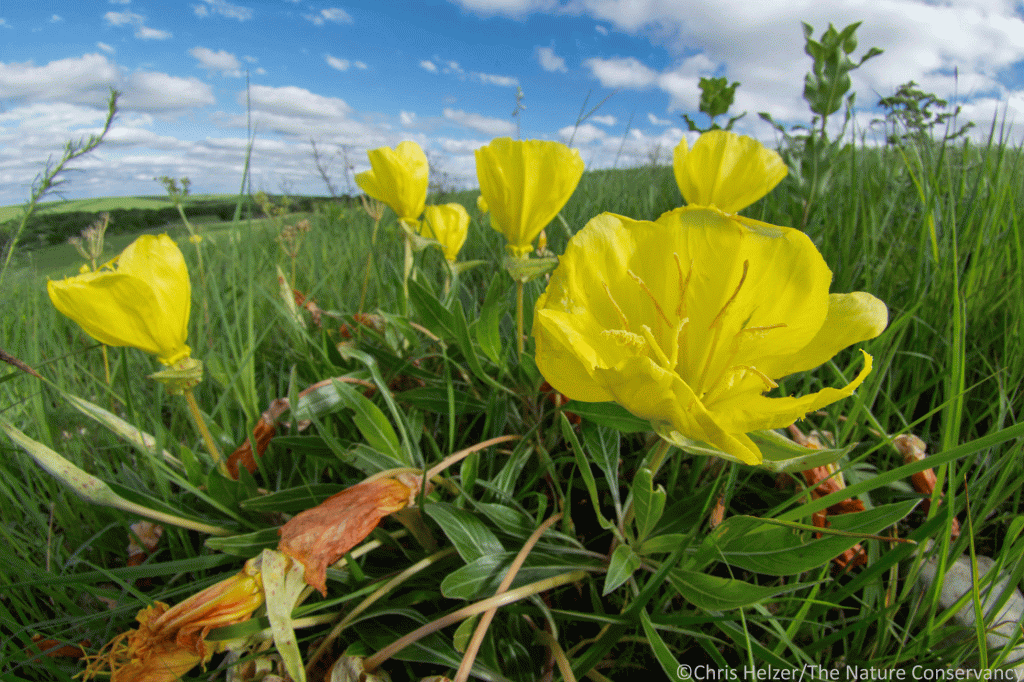
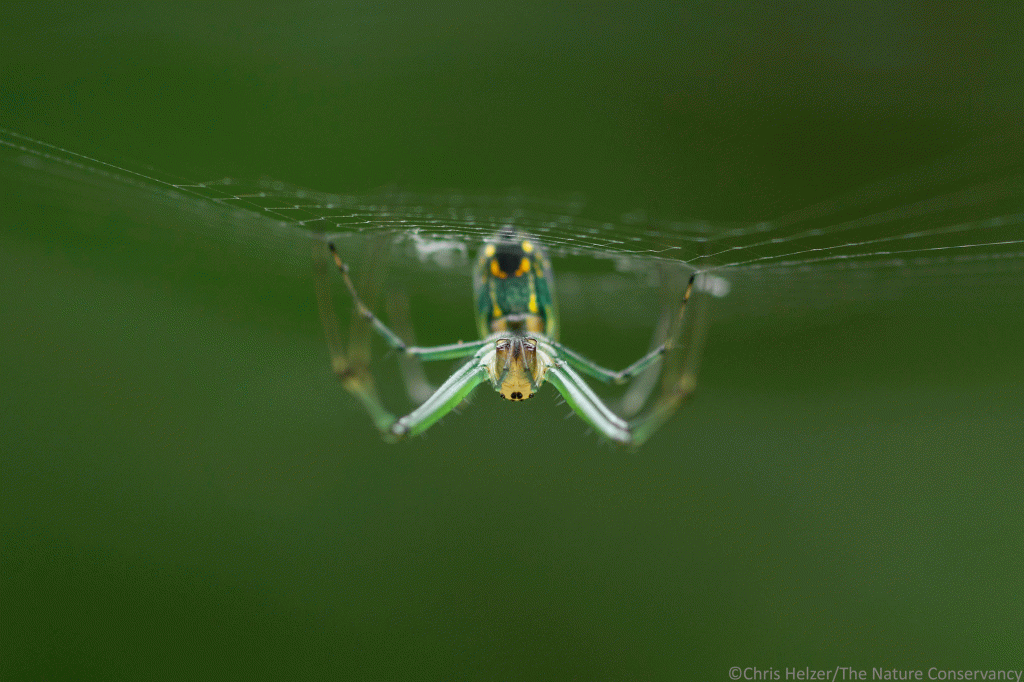
Snow in the Platte River Prairies. February 1, 2021. Tokina 11-20mm lens @11mm. ISO 250, f/22, 1/400 sec.Snow and frost on the river at The Nature Conservancy’s Platte River Prairies. February 2, 2021. DJI Mavic 2 Zoom.Prairie grass and snow at Lincoln Creek Prairie, Aurora, Nebraska. February 7, 2021. Nikon 105mm macro lens. ISO 250, f/22, 1/80 sec.Frosty dogbane seed at Springer Waterfowl Production Area. February 9, 2021. Nikon 105mm macro lens. ISO 250, f/14, 1/320 sec.Festive tiger beetle at the Platte River Prairies. March 9, 2021. Nikon 105mm macro lens. ISO 500, f/16, 1/250 sec.Prairie dandelion at Gjerloff Prairie. April 17, 2021. Nikon 10.5mm fisheye lens. ISO 400, f/20, 1/125 sec.Pasque flower at the Niobrara Valley Preserve. April 28, 2021. Nikon 105mm macro lens. ISO 320, f/8, 1/1600 sec.Bison calf and cow at the Niobrara Valley Preserve. April 29, 2021. Nikon 18-300mm lens @300mm. ISO 320, f/6.3, 1/1600 sec.Clouds at the Helzer family prairie. May 5, 2021. Tokina 11-20mm lens @11mm. ISO320, f/22, 1/160 sec.Chokecherry blossoms at the Helzer family prairie. May 5, 2021. Nikon 105mm macro lens. ISO 320, f/13, 1/1000 sec.Missouri evening primrose at the Tallgrass Prairie National Preserve in Kansas. May 28, 2021. Nikon 10.5mm fisheye lens. ISO 320, f/16, 1/160 sec.Cobaea penstemon at the Tallgrass Prairie National Preserve in Kansas. May 28, 2021. Nikon 105mm macro lens. ISO 320, f/8, 1/1000 sec.Orchard spider and web. Elk River Trail, Kansas. May 29, 2021. Nikon 105mm macro lens. ISO 400, f/8, 1/80 sec.
Goatsbeard, also known as yellow salsify (Tragopogon dubius), is a wildflower native to Europe and western Asia. It has become widespread across North America and, at least in the prairies I’m familiar with, doesn’t seem to be problematic. Instead, it seems to have joined our native plant communities in a relatively friendly way.
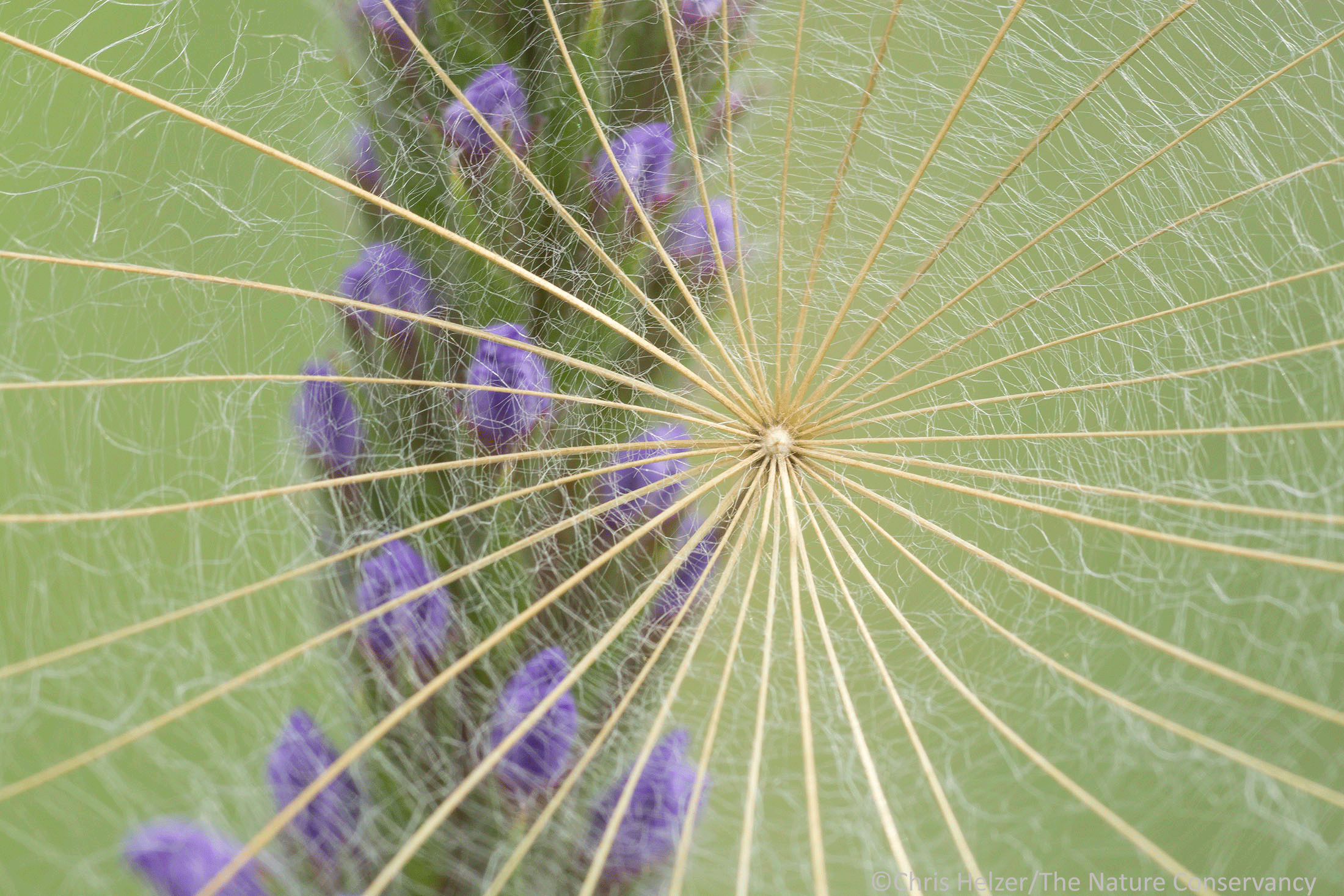
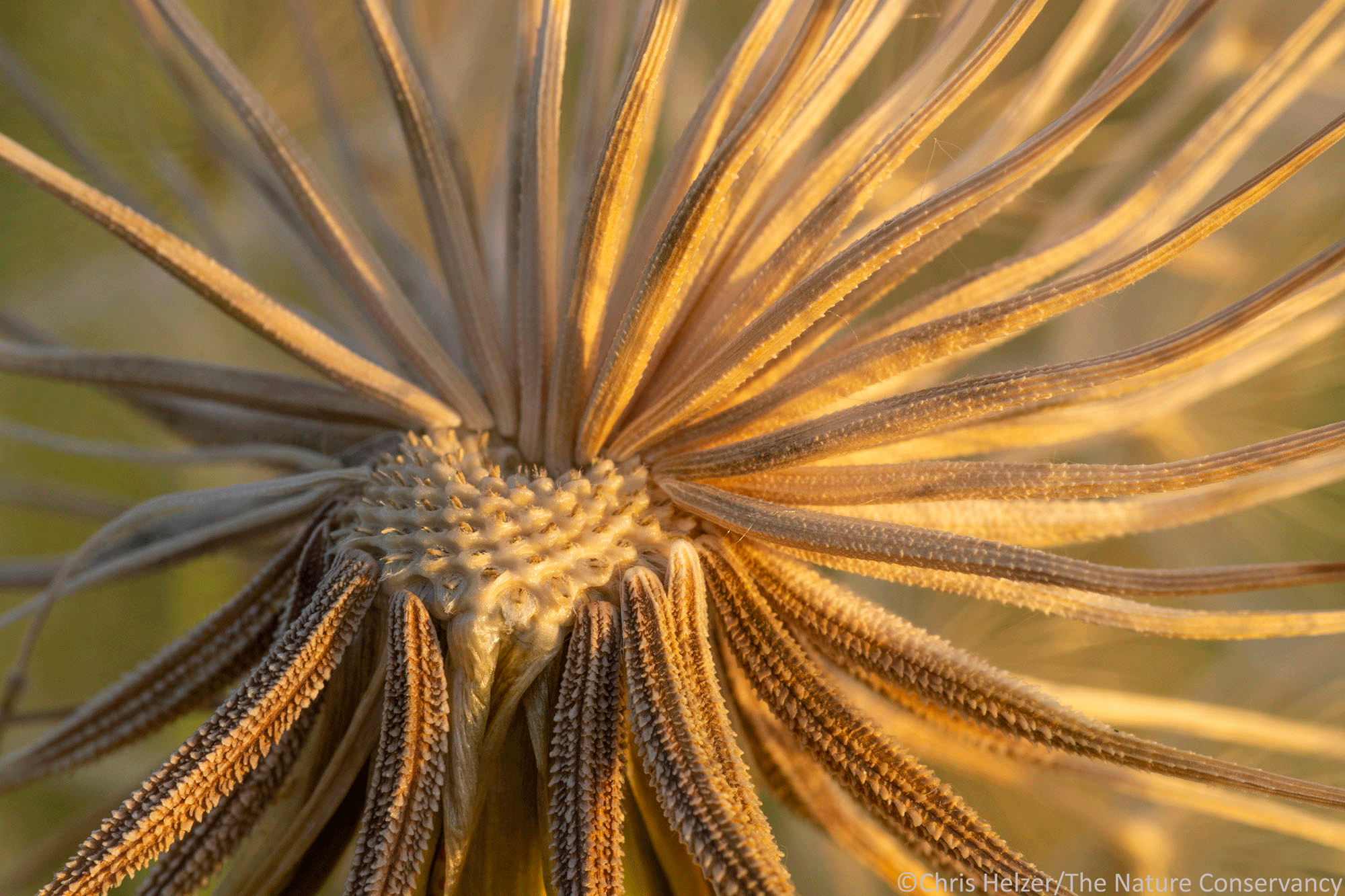
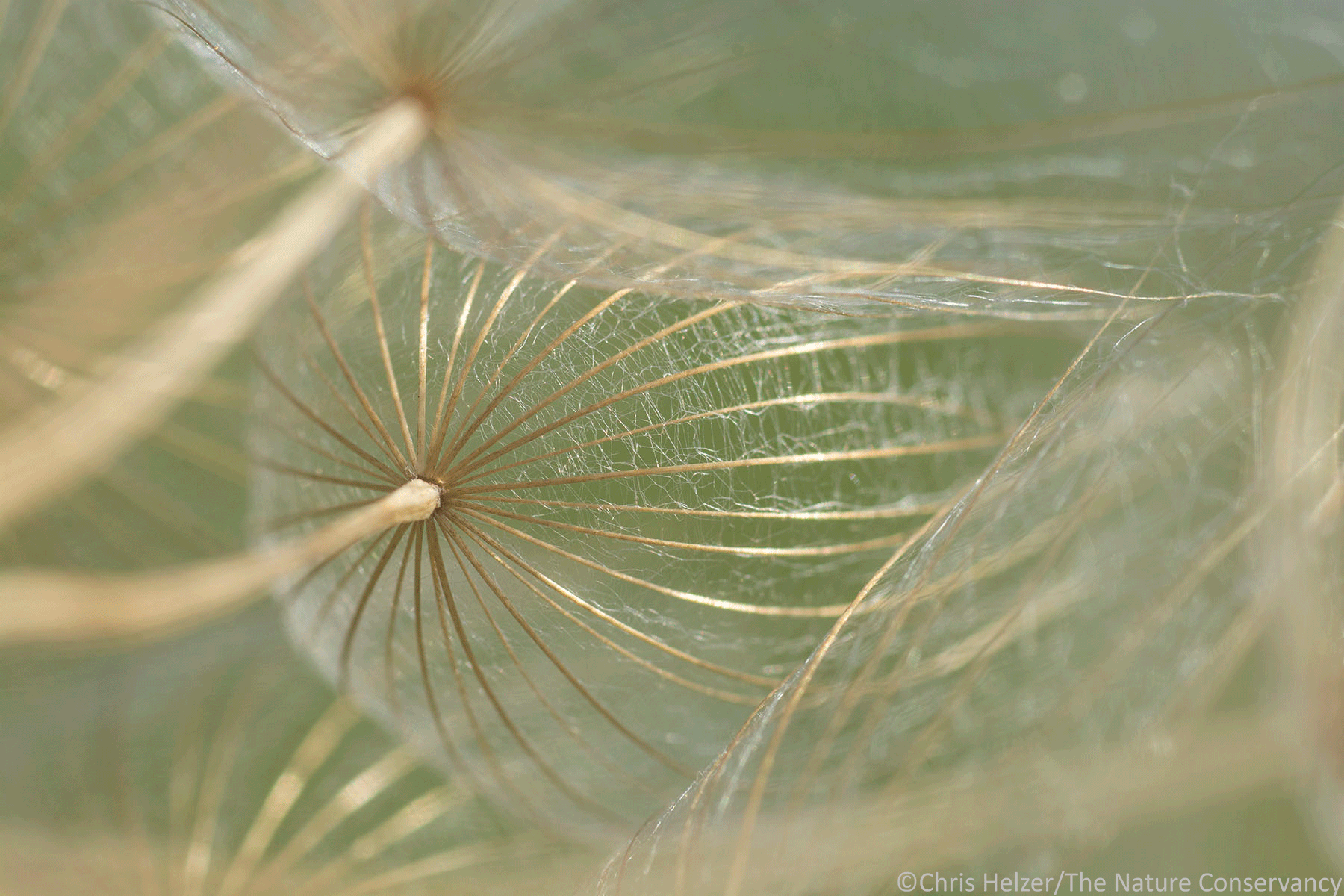
Regardless of its status as a native plant, it’s definitely a species I’ve come to appreciate from a photographer’s perspective. The flower is very pretty, but the seed heads are what really grab me. Even if you don’t recognize the name of the species, it’s likely you’ve seen the seed heads out there in the world. They look like dandelion seedheads, but are about the size of your fist.
Nikon 105mm macro lens. ISO 320, f/7, 1/100 sec.
When I find a goatsbeard seed head, my inclination is to stick my macro lens right into it. The fuzzy/fluffy appendages to the seed (the pappuses) capture light in an amazing way and the patterns created by a mass of them are hard to pass up. I have way too many abstract close-up images of goatsbeard, but every seed head is a little different and I keep finding new angles I like! Here is a very small sample of photos from recent years.
Goatsbeard, aka salsify, in bloom. (Tragopogon dubius). Goatsbeard seed on hoary vervain flower. Nikon 105mm macro lens. ISO 320, f/16, 1/160 sec.Nikon 105mm macro lens. ISO 320, f/13, 1/100 sec.Nikon 105mm macro lens. ISO 400, f/20, 1/50 sec.Nikon 105mm macro lens. ISO 500, f/10, 1/640 sec.The only real difference between this image and the one below is the focal point. I like both versions, but it’s amazing how much difference the choice of a focal point makes. Nikon 105mm macro lens. ISO 200, f/13, 1/400 sec.See above to compare this image to the previous one. Nikon 105mm macro lens. ISO 200, f/13, 1/400 sec.Nikon 105mm macro lens. ISO 400, f/20, 1/50 sec.













 The Prairie Ecologist