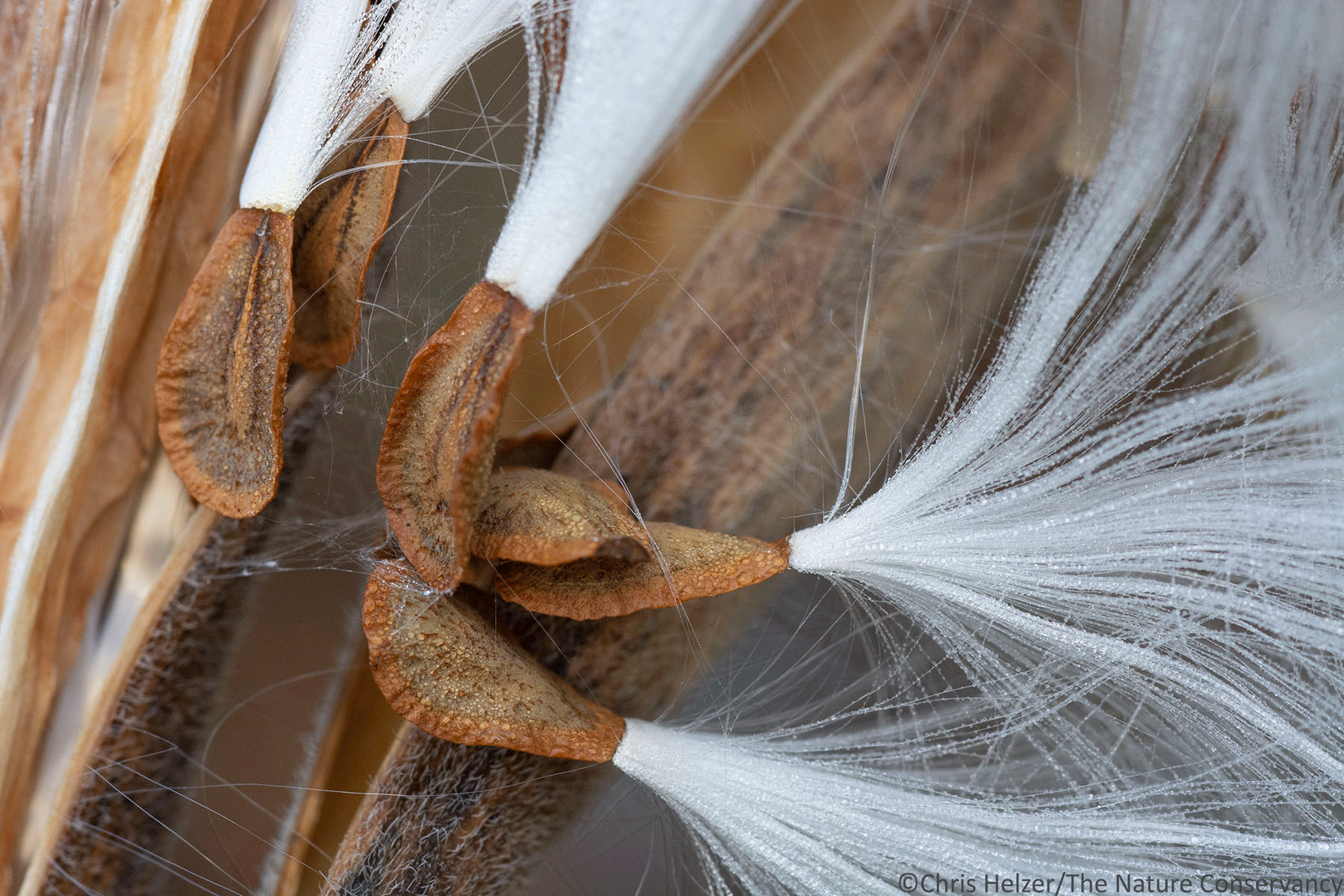
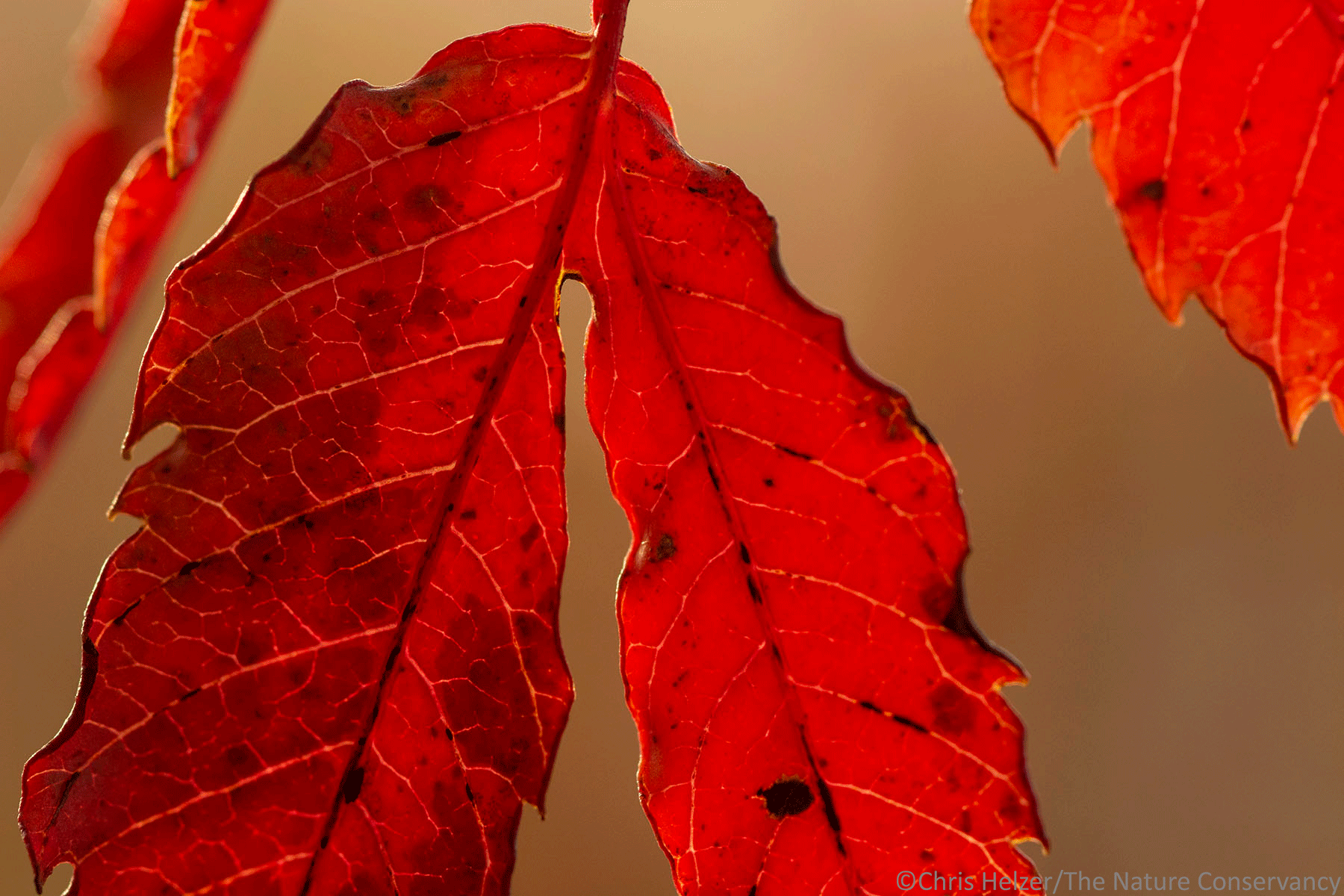
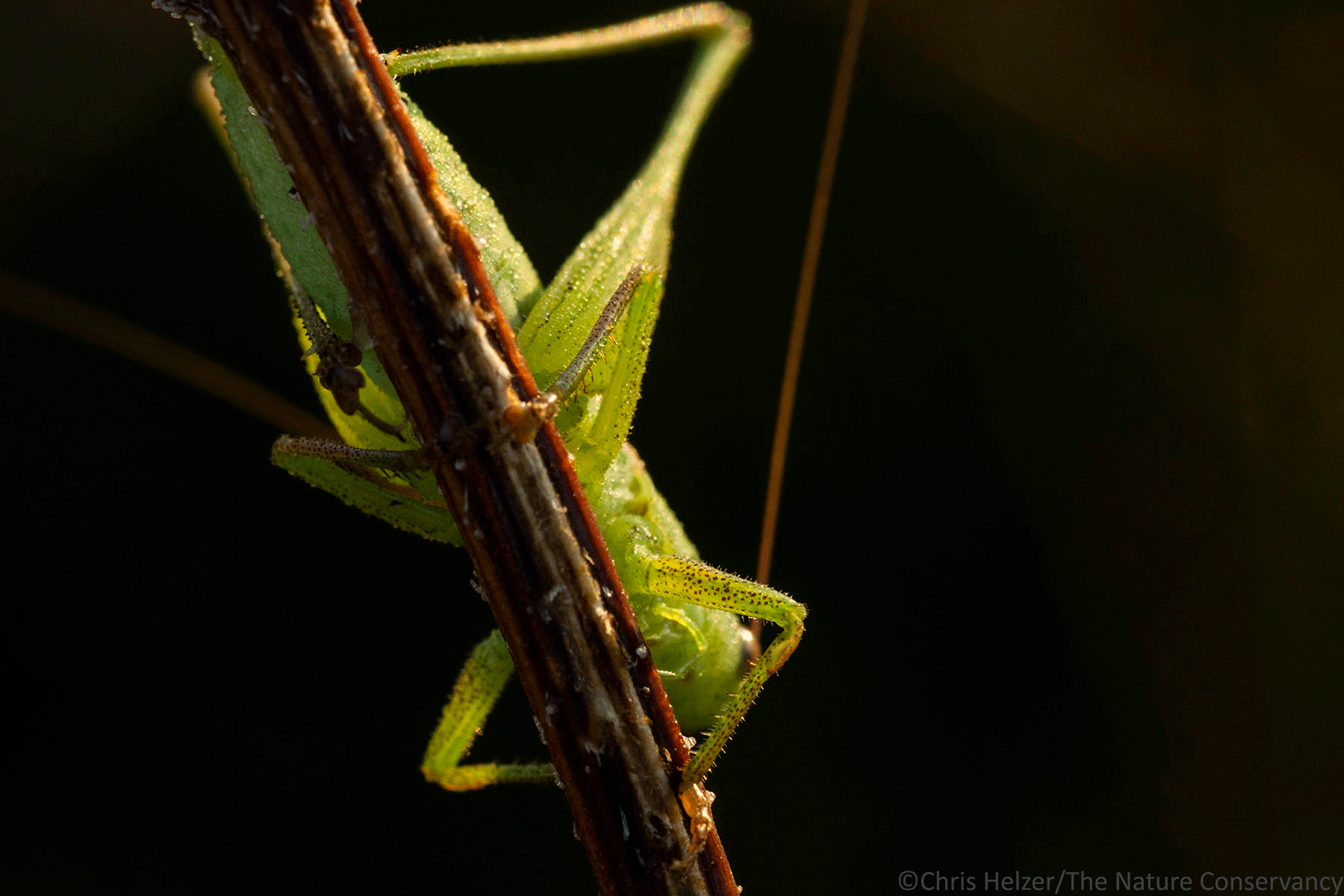
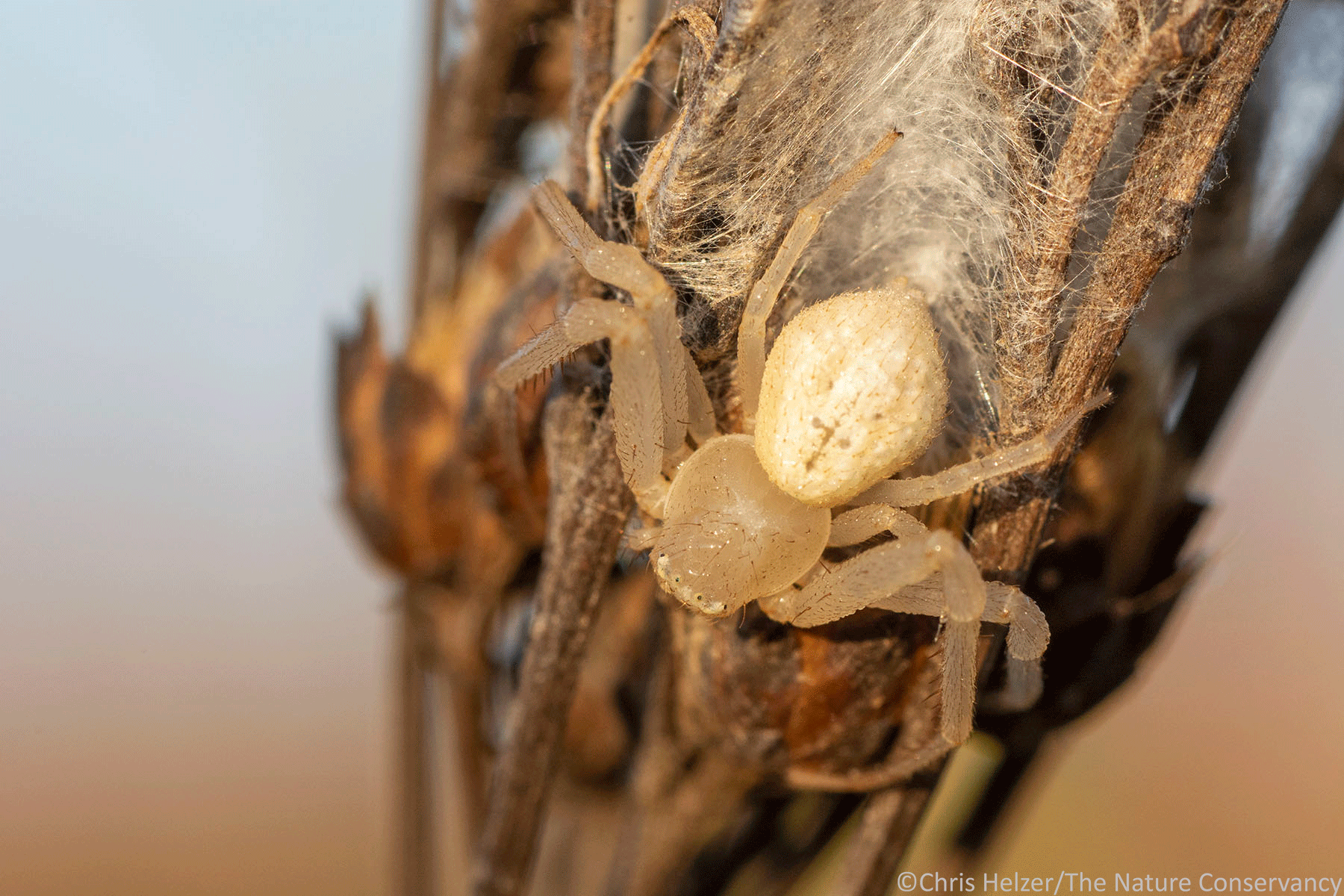
Well, last week was pretty great. Thursday evening, we had the opening reception for the Hidden Prairie temporary exhibit at the University of Nebraska State Museum’s Morrill Hall. The exhibit, which runs from now until May, 2022, features the square meter photography project I did back in 2018. First a book, now a museum exhibit – all from a silly idea I had to see what I could find within one little bit of prairie over a year! As I said during the reception, I kinda feel like I’ve just pulled off the greatest prank of my life…

From the beginning, the square meter photography project was meant to showcase the beauty and diversity of prairies and encourage people to explore prairies near them. Prairies can sometimes produce spectacular flower shows or contain big wildlife spectacles, but much of the time they look relatively dull when viewed from a distance by the uninitiated. I was hoping to show that prairies always have something interesting to discover if you look closely enough. I’m really happy to see that message resonating.
On Saturday, I went back to the museum with my two older kids and spent some time photographing the exhibit (and exploring the rest of the museum, which is really terrific – I’ve been there many times, but always learn new things). While the photos included here don’t show them, there were a lot of visitors passing through, and it was really fun to eavesdrop on their reactions. They included just what I was hoping for – a lot of surprise about the diversity of prairies and admiration for the beauty of the community and species.
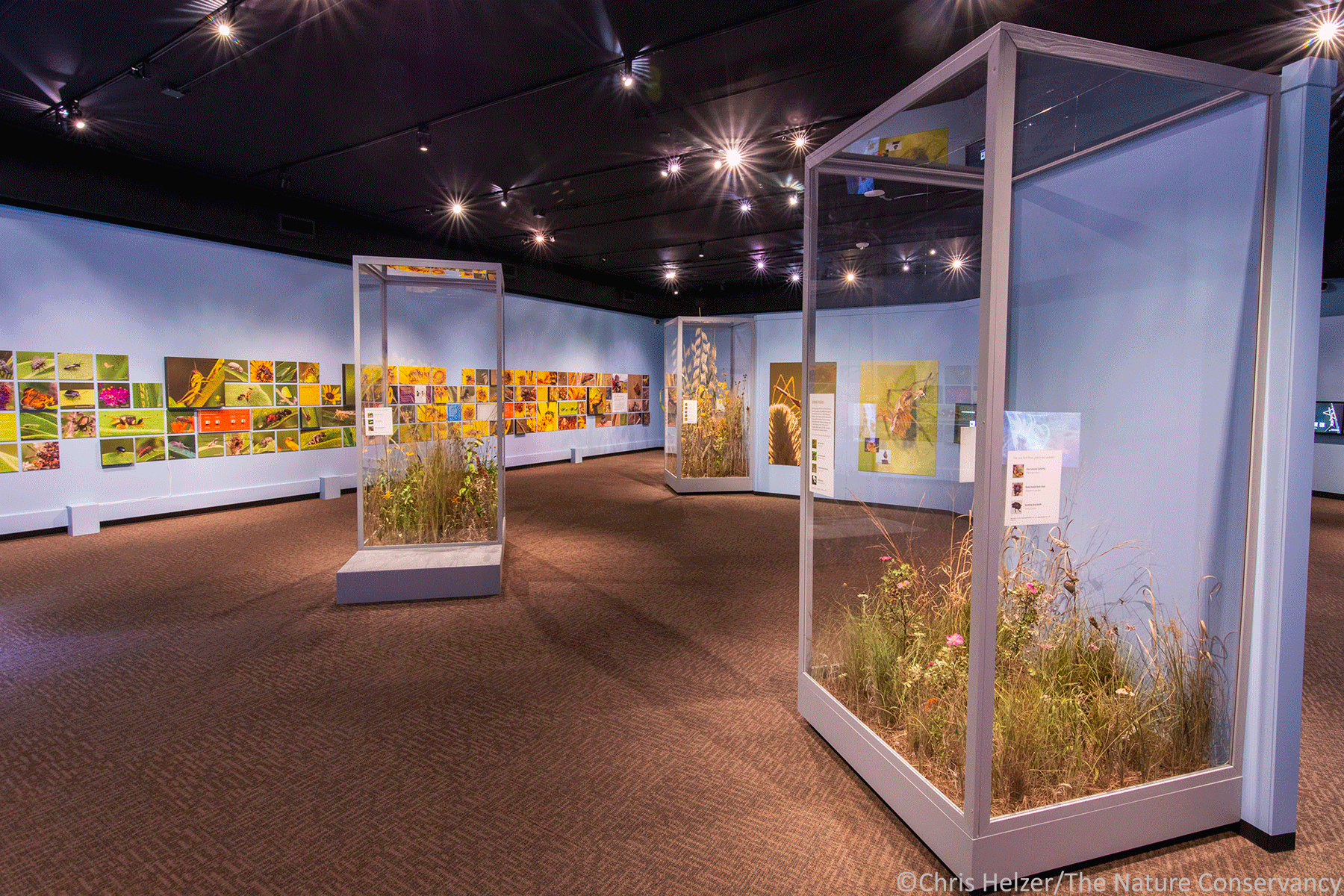


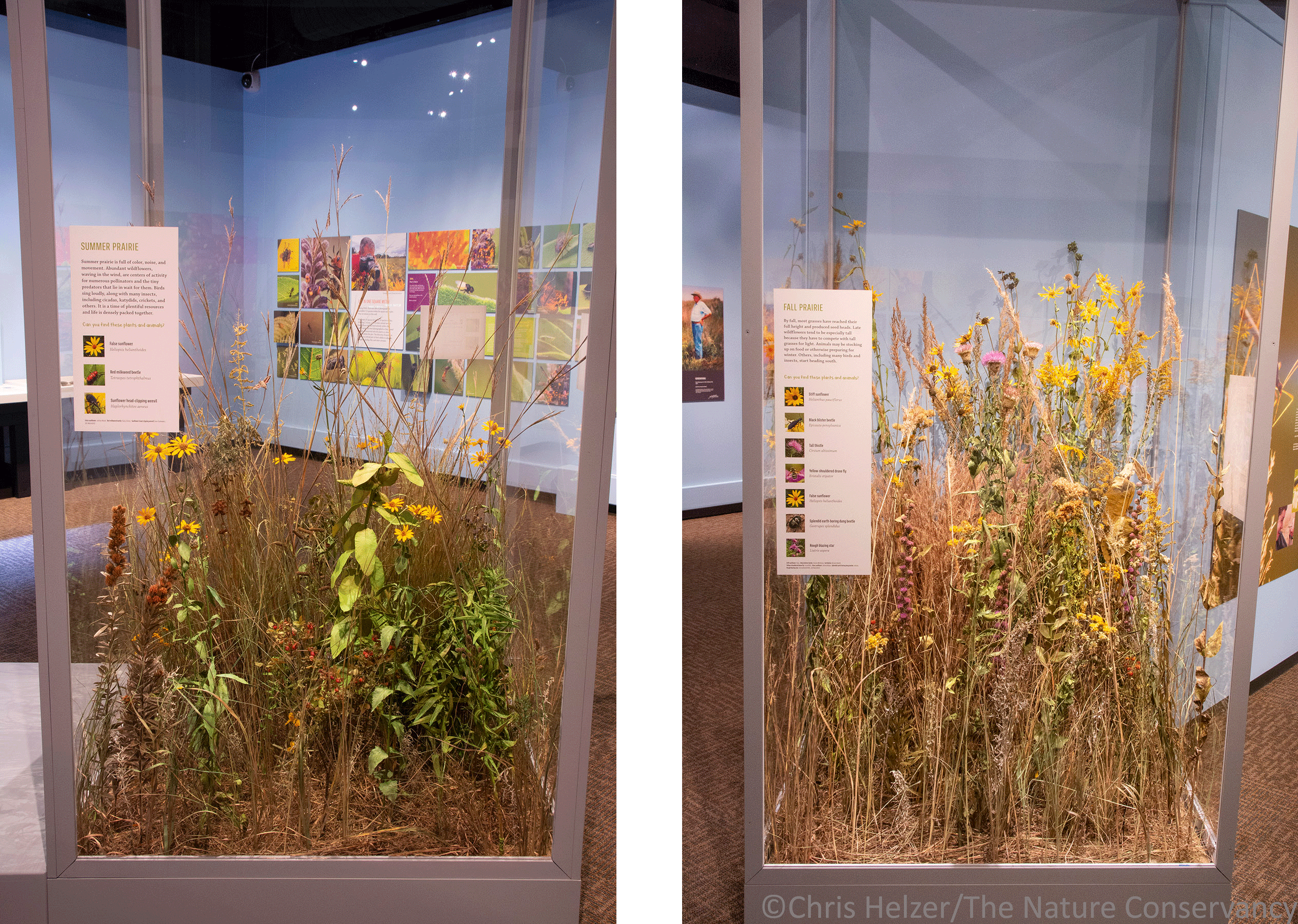
I’m incredibly grateful for the museum staff’s energy and creativity that went into creating this exhibit. Angie Fox, in particular, drove the entire process and it was a joy to work with and learn from her. I also want to call out Zak Kathol for his amazing work in constructing the exhibit itself. When we first decided to pursue this exhibit, I said my dream would be to provide actual square meters of prairie for people to explore, but that I knew that was pretty impractical. Thanks to Zak’s willingness to innovate, we ended up exactly what I’d hoped for! He is also a wizard with PVC, as you’ll see in both the Maximilian sunflower and sideoats grama sculptures he created.
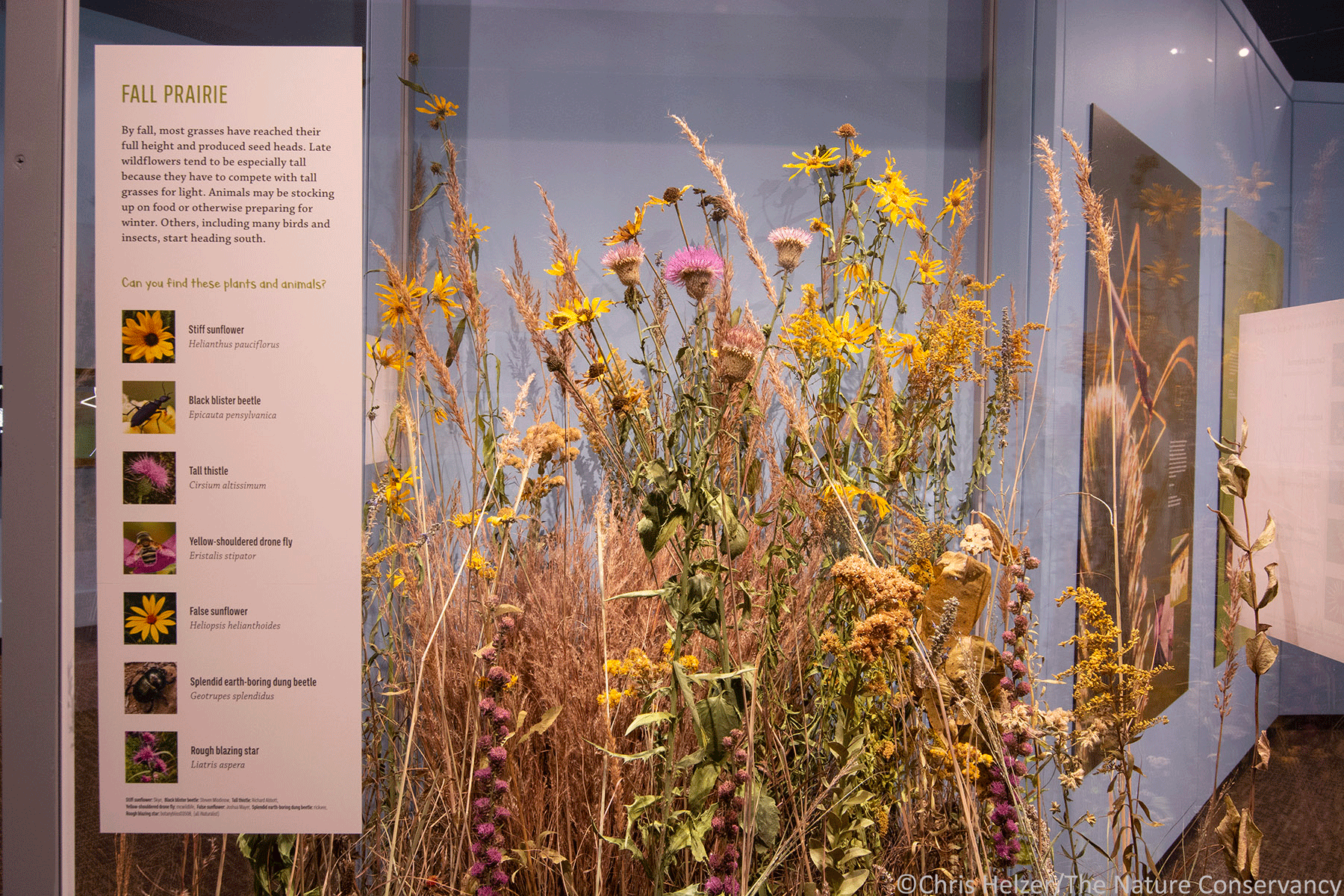

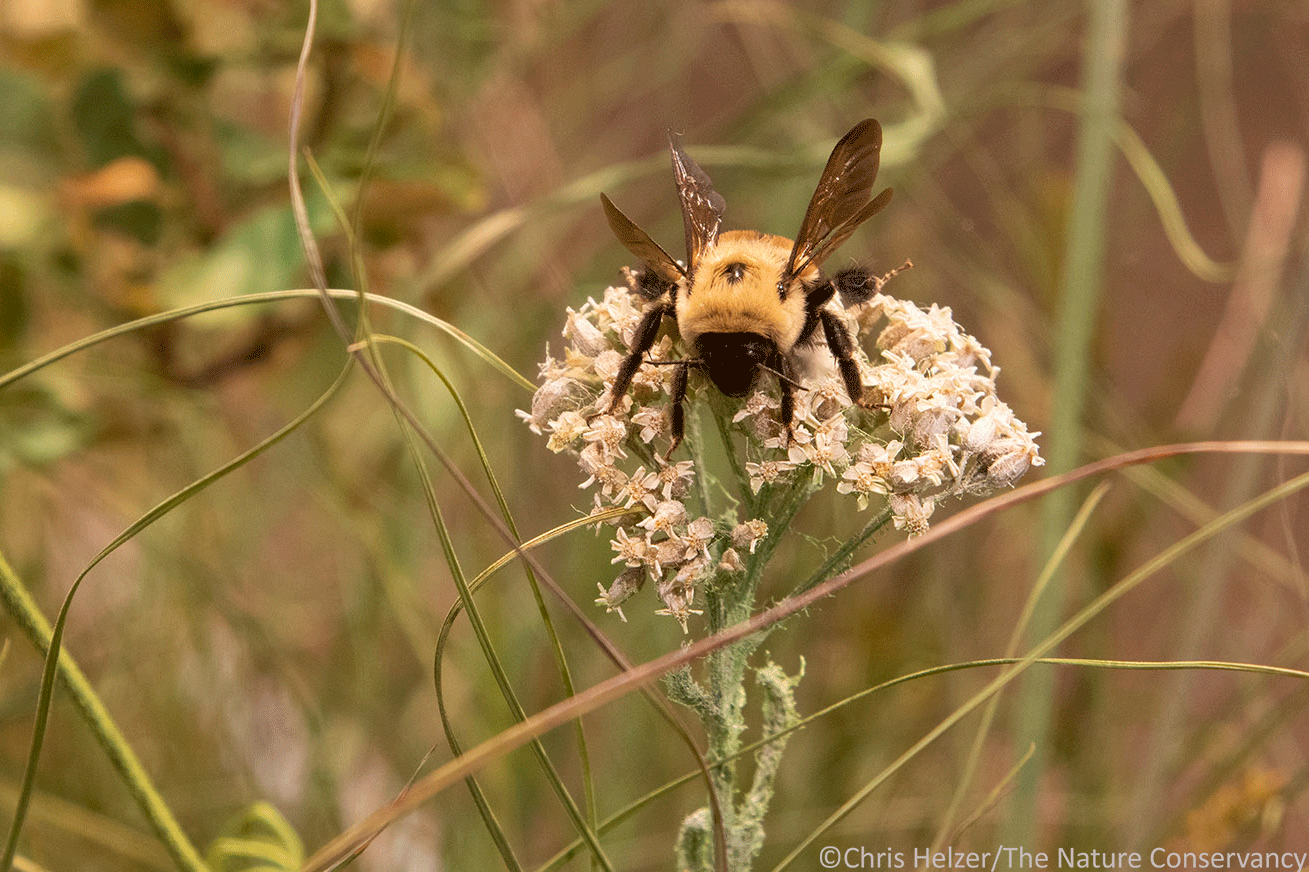

There are several activities for kids (and adults) within the exhibit, including a sorting blocks exercise displaying the key characteristics of various insect groups, a couple activities related to research on the variety of insect larvae that can be found inside sunflower heads, and a video screen that encourages visitors to practice dancing like various prairie organisms. There are also several videos that talk about both the ecology of and cultural relationships with prairies, including indigenous perspectives and both historic and modern relationships between people and grassland.

If you live near, or will be traveling through Lincoln, Nebraska between now and May, I hope you’ll stop and visit the exhibit. Hopefully, you’ll be joining many many others who will be exposed to what most us already know – the fascinating and complex communities that live in prairies.