
Ok, look. When I last conducted a survey of blog readers in 2017, over 900 of you responded, giving me tremendous feedback, which I’ve used to continue improving the blog. This time around, we’ve barely broken 500 so far – which is still great, don’t get me wrong, and thank you to everyone who has responded! However, while I’m not great at math, I’m pretty sure 500 is significantly less than 900. I had delusions of maybe getting 1,000 respondents this time, but assumed I’d at least get as many as last time!
I’m trying to decide if I should try the carrot or stick method to push the numbers up… One carrot option might be to promise I’ll put together another of the goofy quizzes I’ve written over the last several years if we reach 1,000 respondents. Is that a good incentive? I DON’T KNOW – NOT ENOUGH PEOPLE HAVE TAKEN THE SURVEY! Or I could try the stick method and threaten to post nothing but milkweed seed photos for the next several weeks or until we reach 1,000 respondents. Don’t think I can do it? You don’t know me very well, do you?
Here’s the survey link. You know what to do. (Please don’t take it twice, though.)
_________________________________________________________________
In other news, Kim and I were back in southeast Kansas last weekend. Saturday was the big ultramarathon race on the Elk River Hiking Trail Kim had been training for and I was along to be her ‘crew’. My jobs were to drive her to Kansas and back and to show up at the various aid stations along the race route to check in and make sure she had what she needed for socks, food, water, etc.
Her first aid station was 10 miles from the start of the race, so I had a little time between the start of the race and my next responsibility. I drove to the aid station location, a trailhead I’d visited twice before during training runs, and took my camera for a short walk.
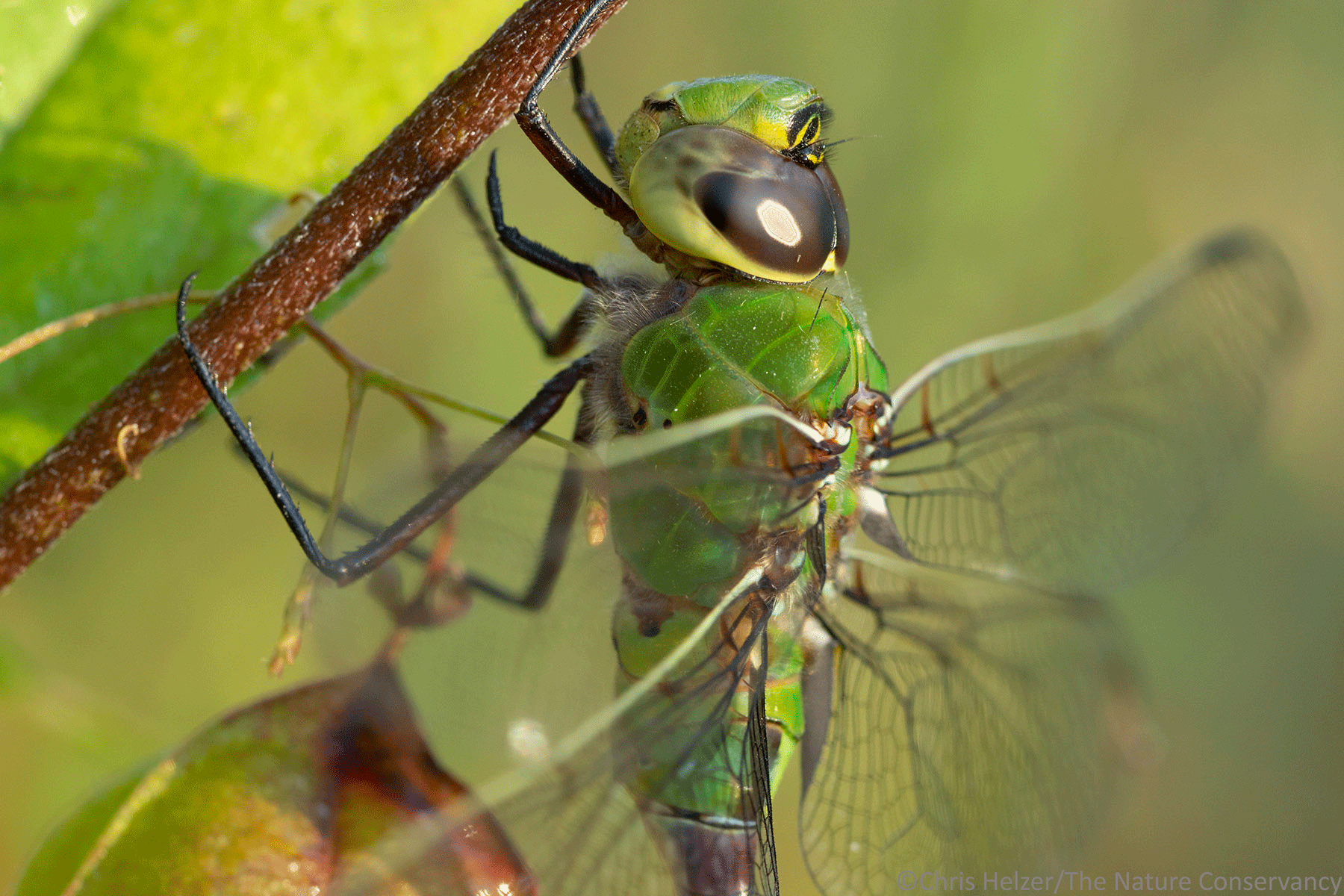
The area around this particular trailhead has been surprisingly fun to explore every time I’ve visited. I say ‘surprising’ because on the surface, it doesn’t look very promising. The trail mainly runs through a woodland that, at least near the trailhead, has a lot of fairly dense small trees with very little herbaceous growth beneath them. There is a little grassland along the edges, but it has very little plant diversity and a lot of brush, Johnsongrass, and sericea lespedeza. There is also an old closed asphalt road from the trailhead down to what looks like an old oxbow – part of Elk City Lake.
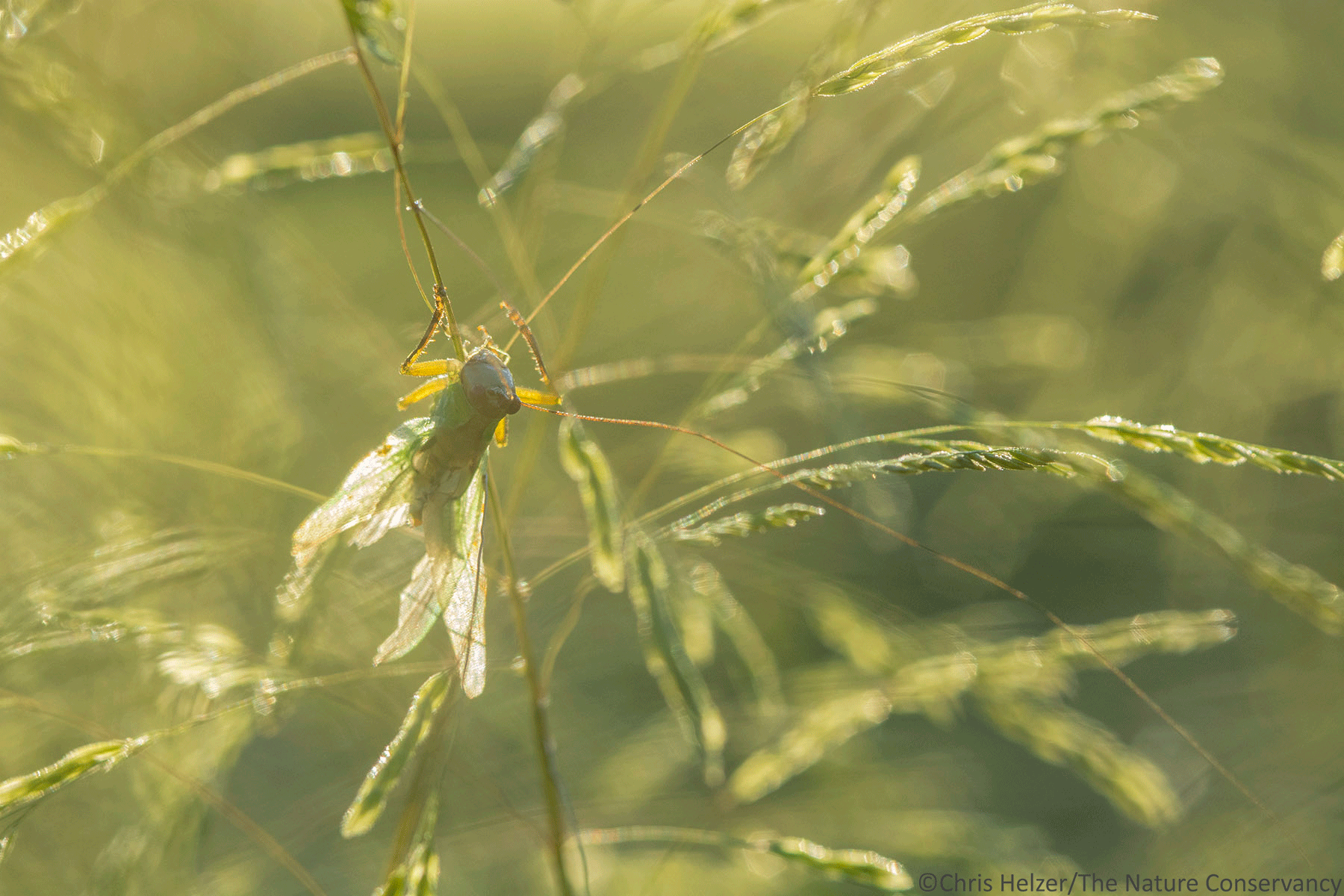
Along the edge of that road, I’ve found quite a few interesting creatures. Those have included a copperhead, an eastern box turtle, a scorpion, lots of spiders, some cool dragonflies, and a praying mantis. This time, there were a lot of people and noises nearby, so I walked the road a little way and then took a short detour through the woods to a different part of the oxbow wetland than I’d been to previously. The trip started well when I emerged from the trees and spooked a bunch of startled egrets and herons off a mudflat. I felt bad flushing them, but since they’d already left, I stayed to see what else was there.
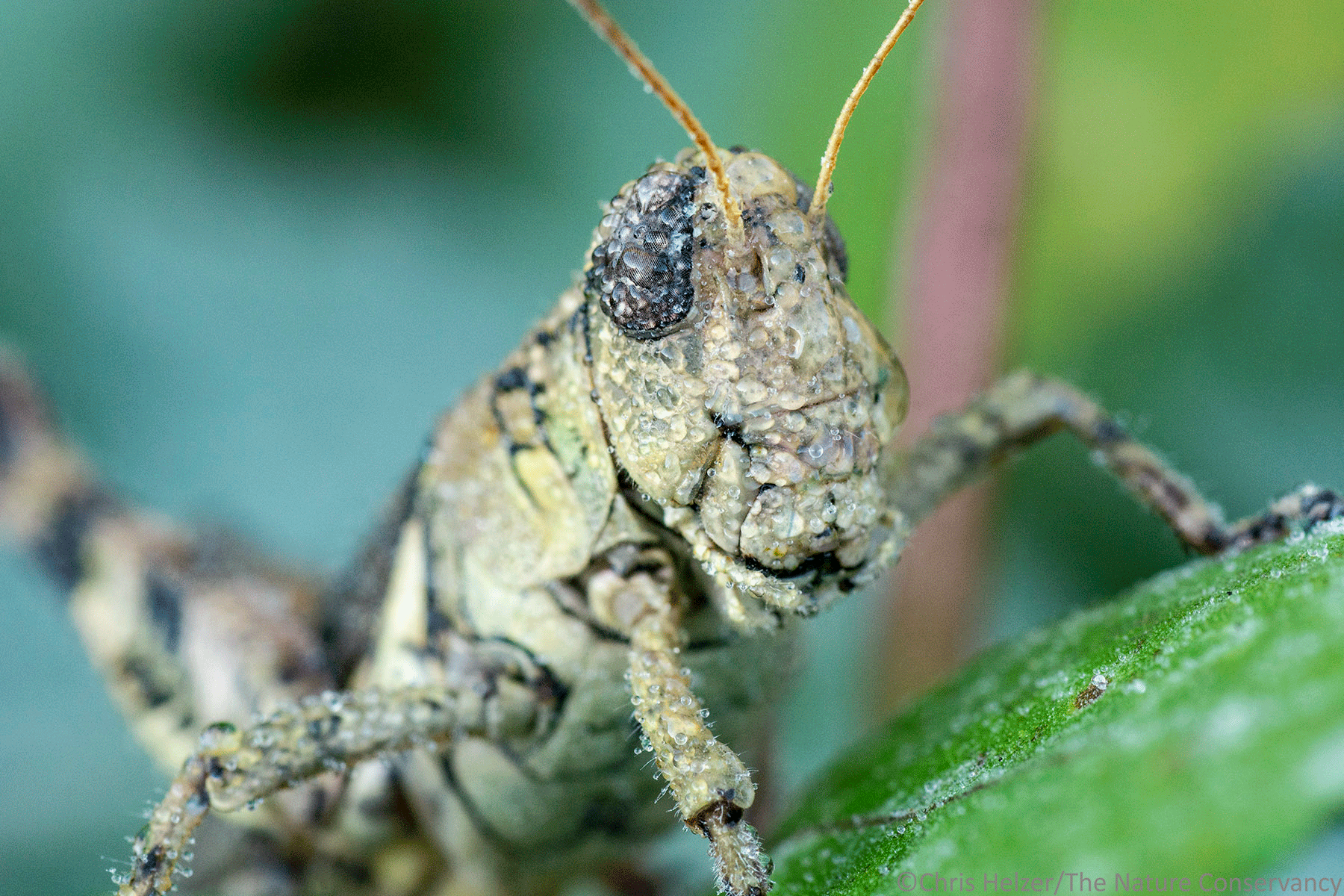

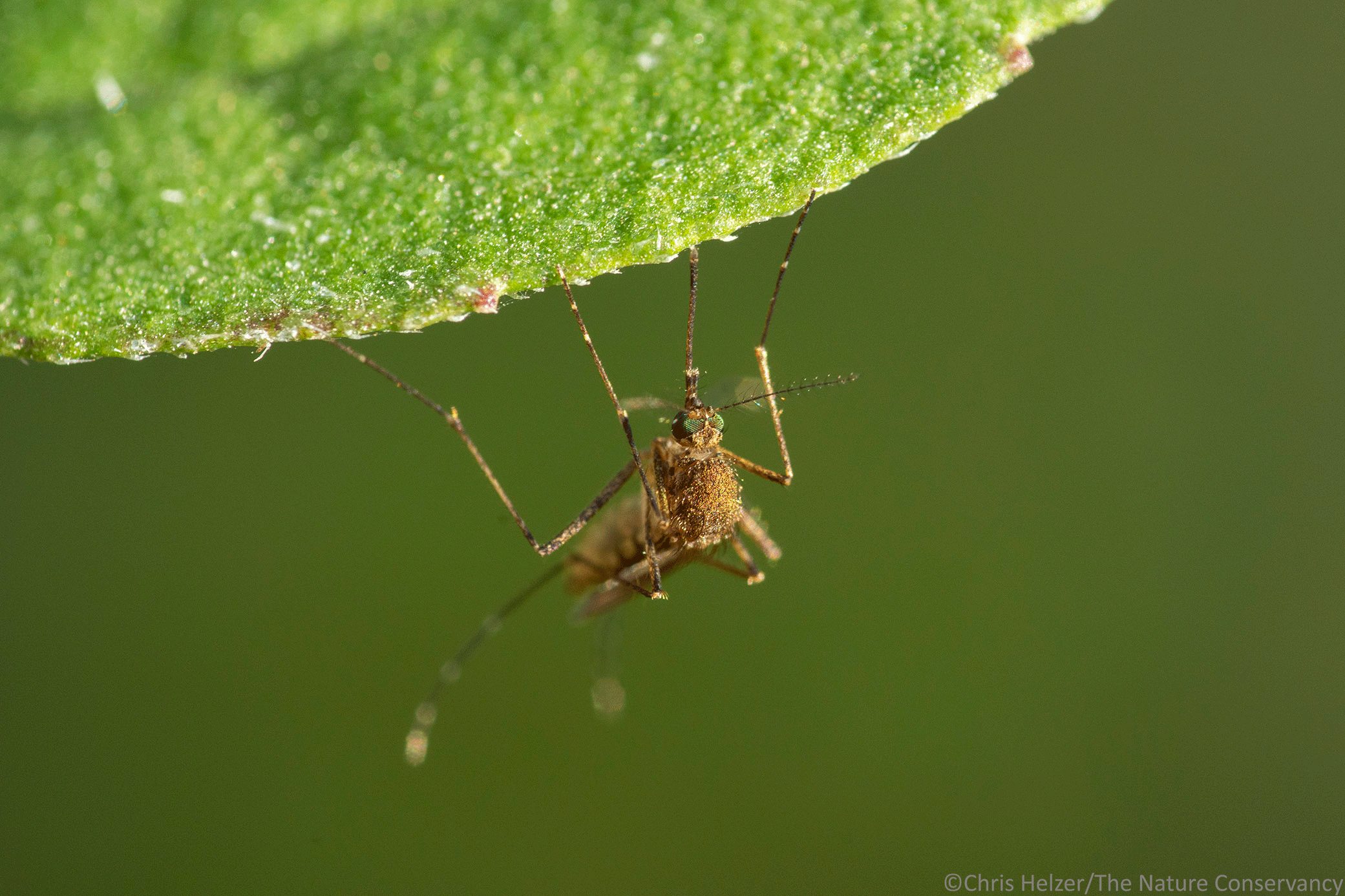
By this time in the morning, the sun was bright and rising fast. Anything in full sunlight was a little too bright for good photos and anything in full shade was too dimly lit. Because of that, I worked the edges of the shadows. Leaves in the treetops acted as a bit of a diffuser, softening light along the edges of the shadows, and I also tried to anticipate what the sun would be hitting next as it continued to rise. By doing this, I was able to find some decent light, but I had to work quickly to shoot while the light was just kissing my subject and before it fully engulfed it in harsh brightness.
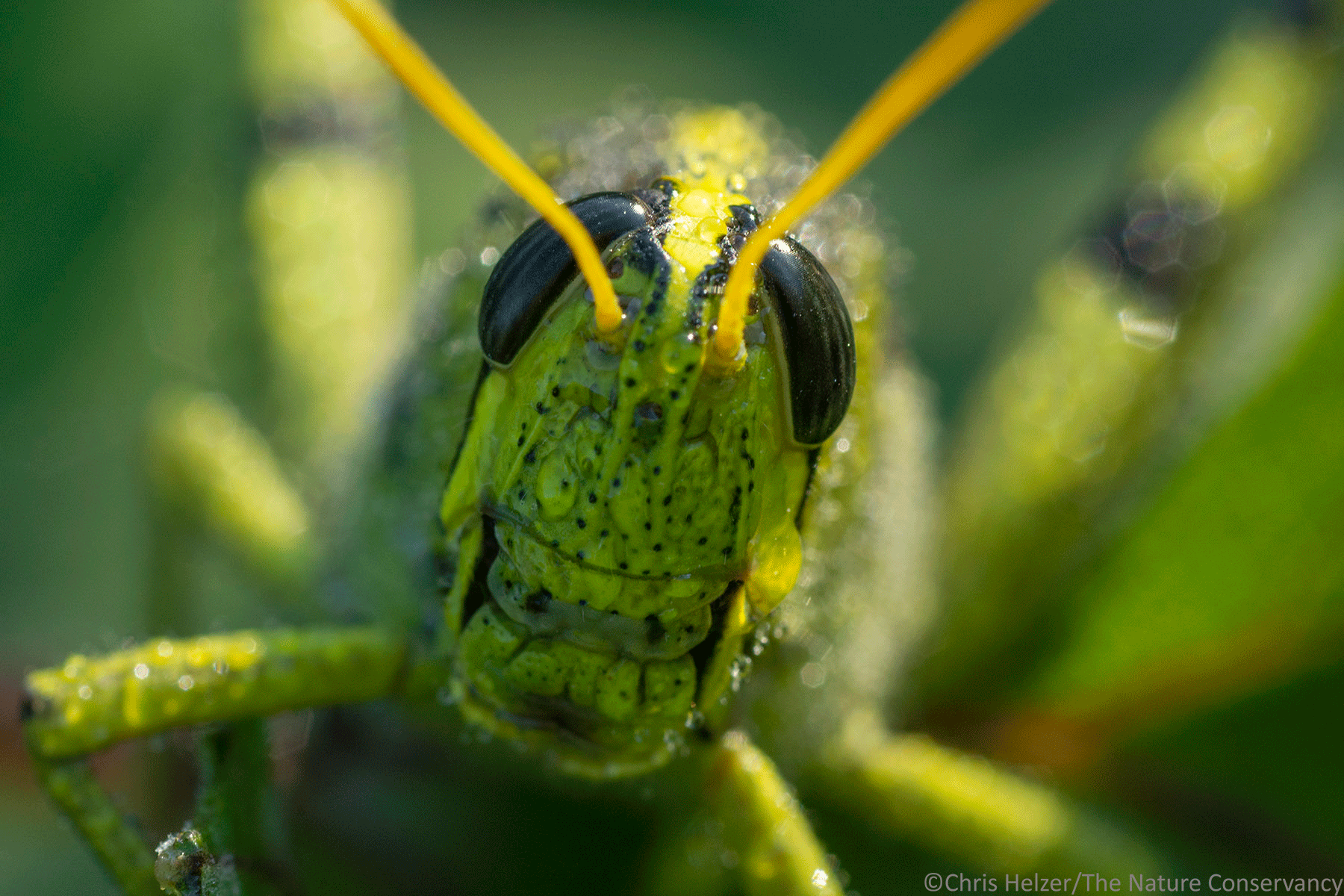
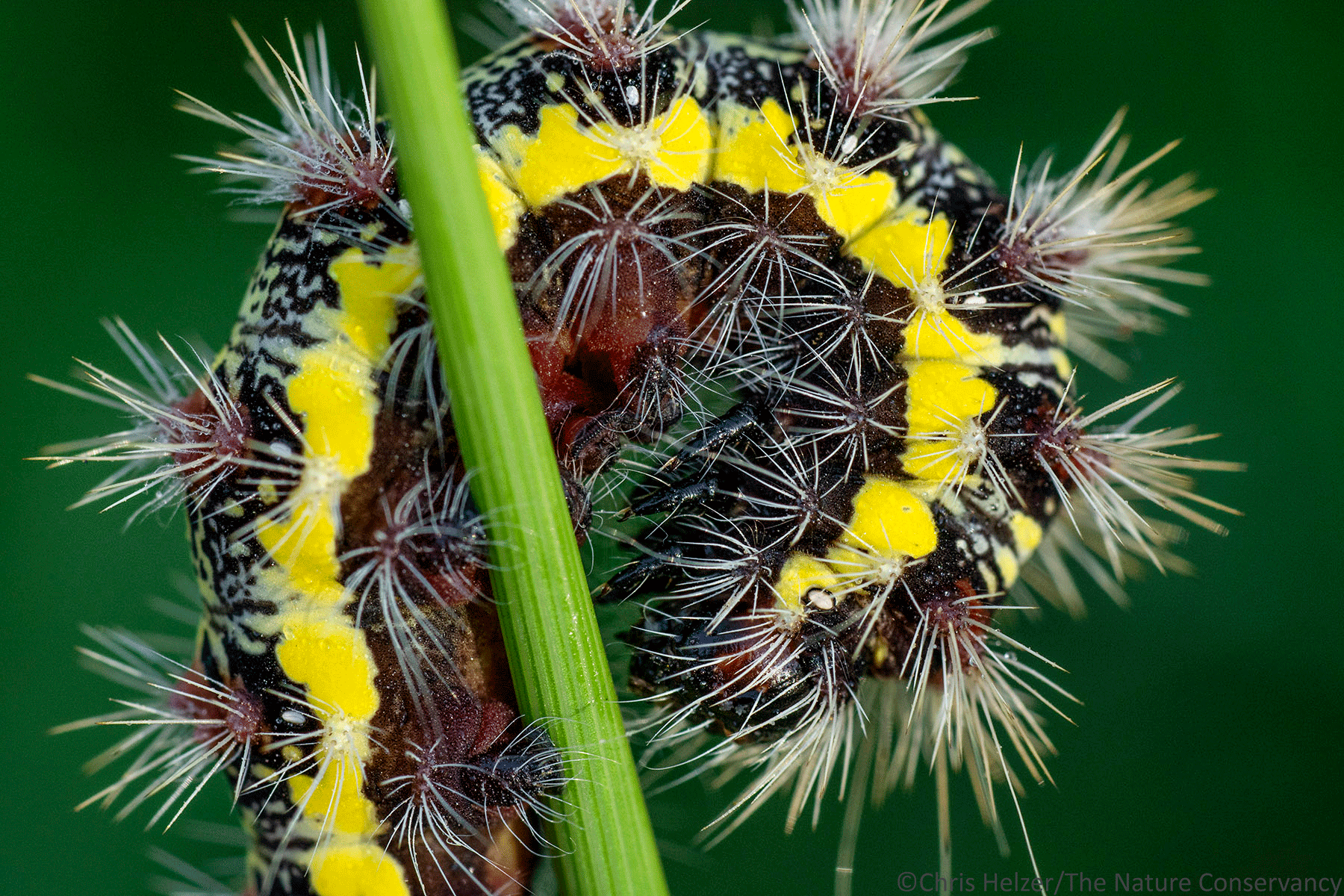
Using light this way is always a fun challenge. It keeps me moving and exploring, but instead of just wandering around looking for something interesting, I have to work within a pretty narrow, and moving, band of space. I’m looking for good subjects that are often not quite illuminated but that will be shortly. Then I set up and wait for the light to come.
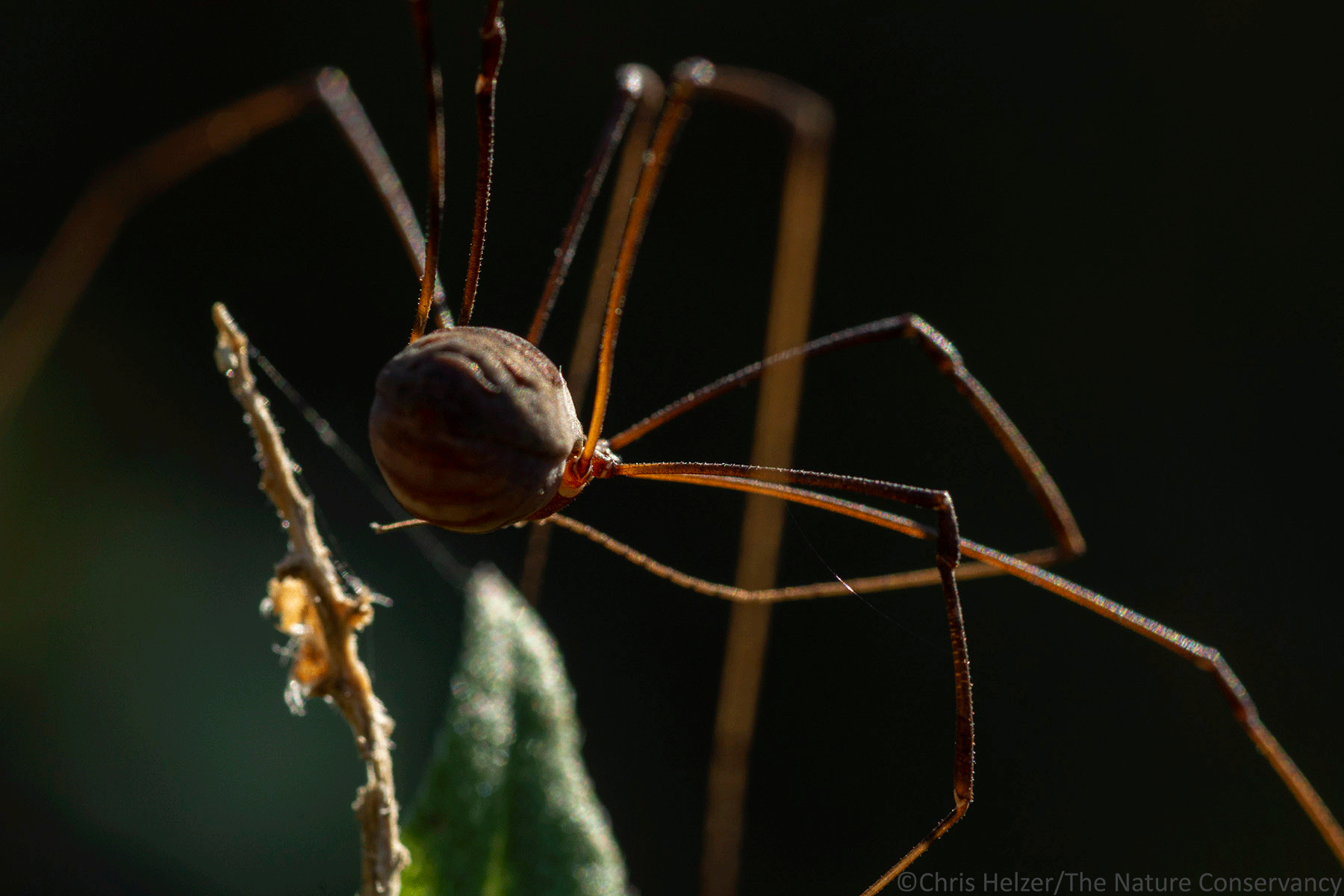
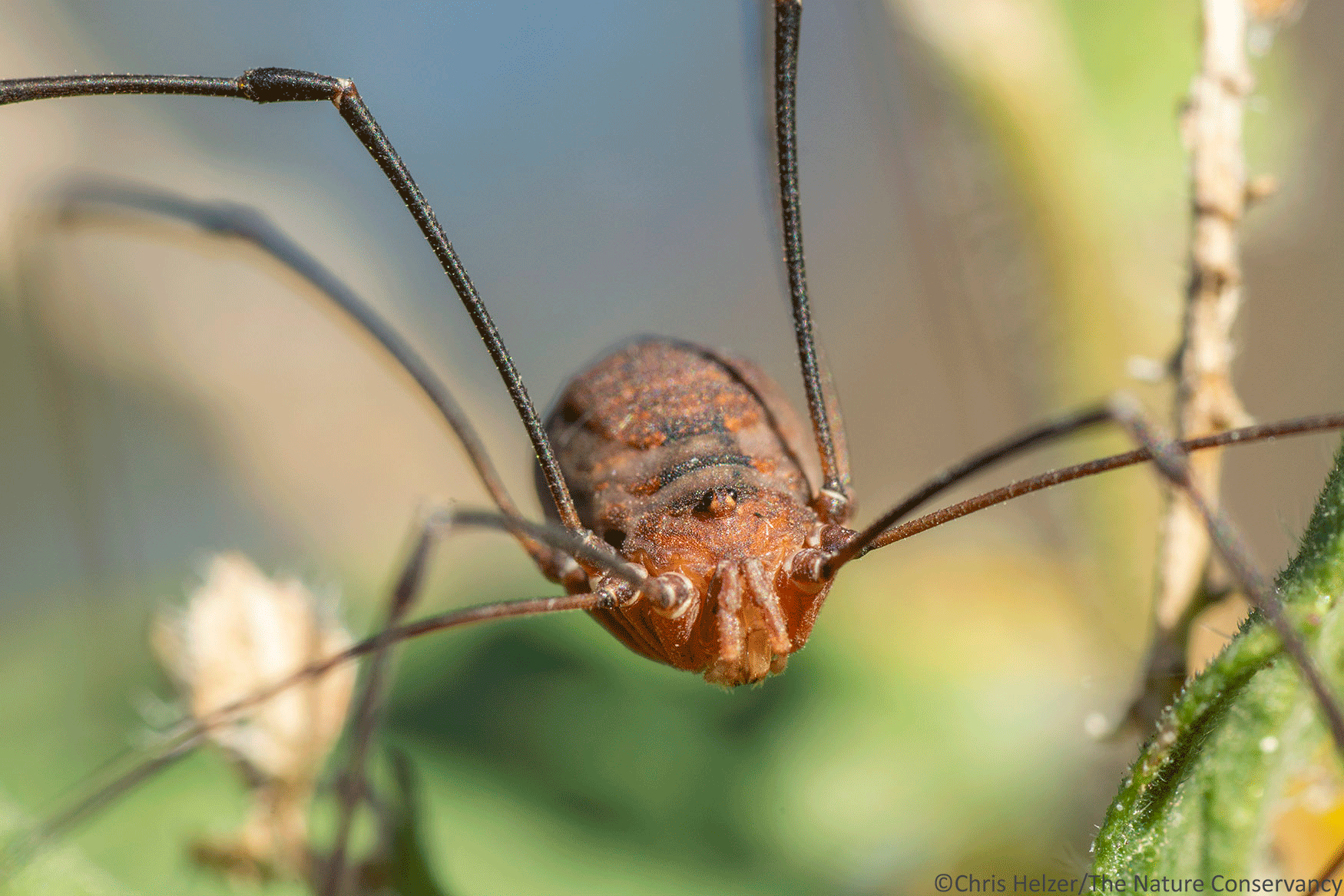
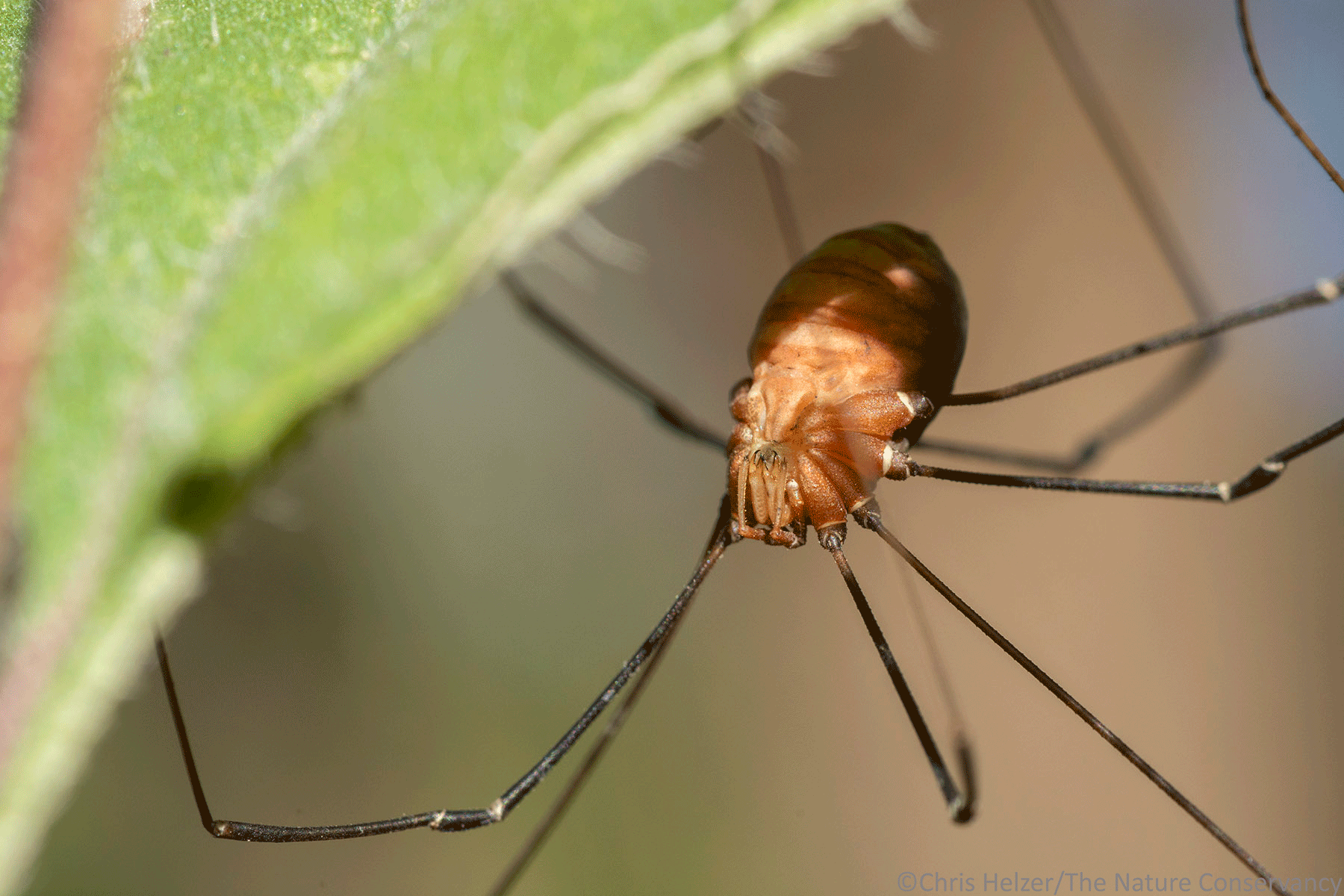
One of the other fun things about working on the edge of shadows is that there are shadows I can use as backgrounds. If I put the subject between me and the sun, I can shoot a backlit daddy longlegs, for example, with a dark shadowy background. It’s fun to play with ‘mood lighting’ in that way.
After an hour so along the edge of the wetland, I started back toward the road to make sure I’d be at the trailhead when Kim came past. Right as I got near the edge of the road, though, I had to stop again for a while because I spotted a tiny rough green snake in a small patch of grass. The snake was only about 8 or 9 inches long and was about a foot off the ground when I first saw it.
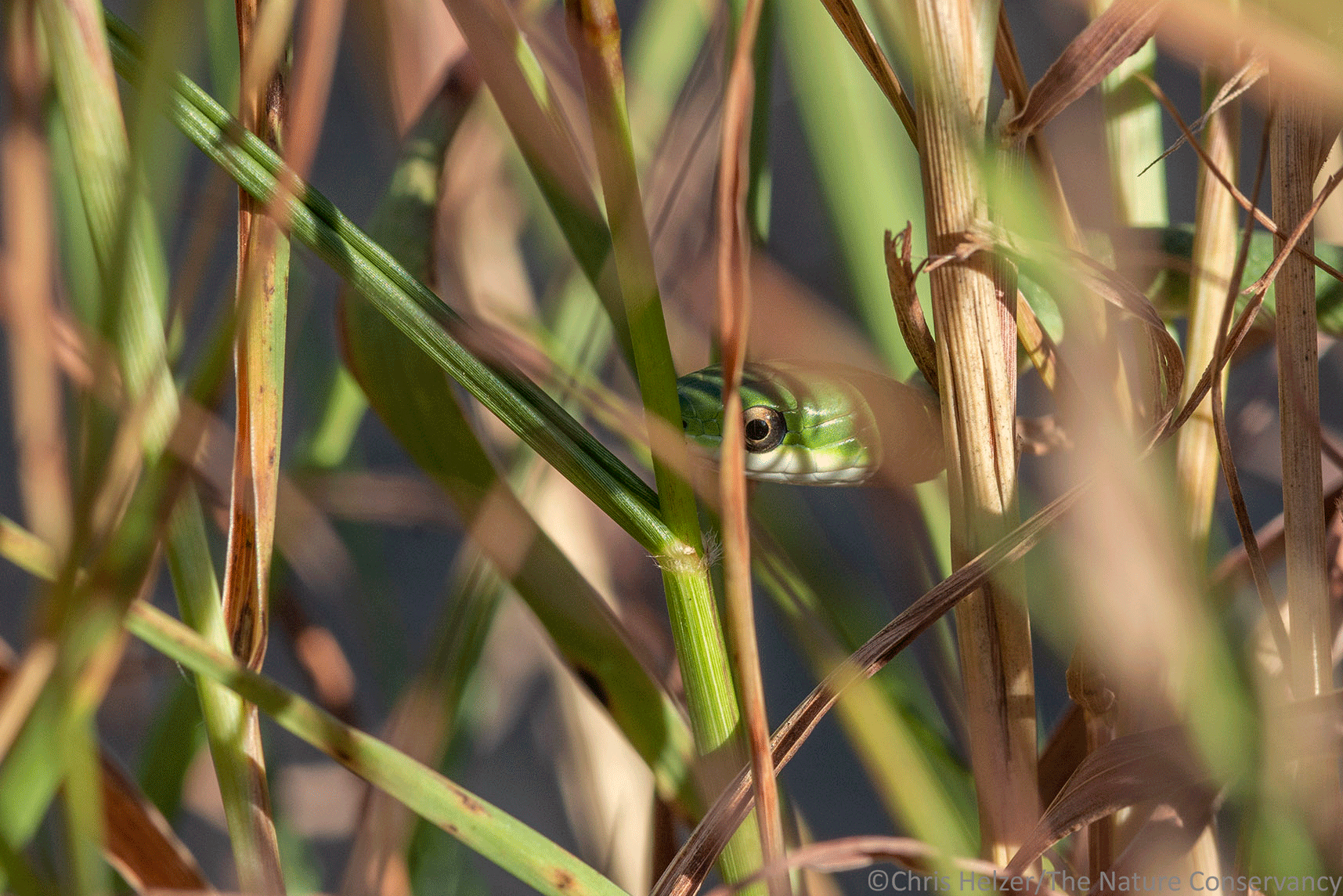
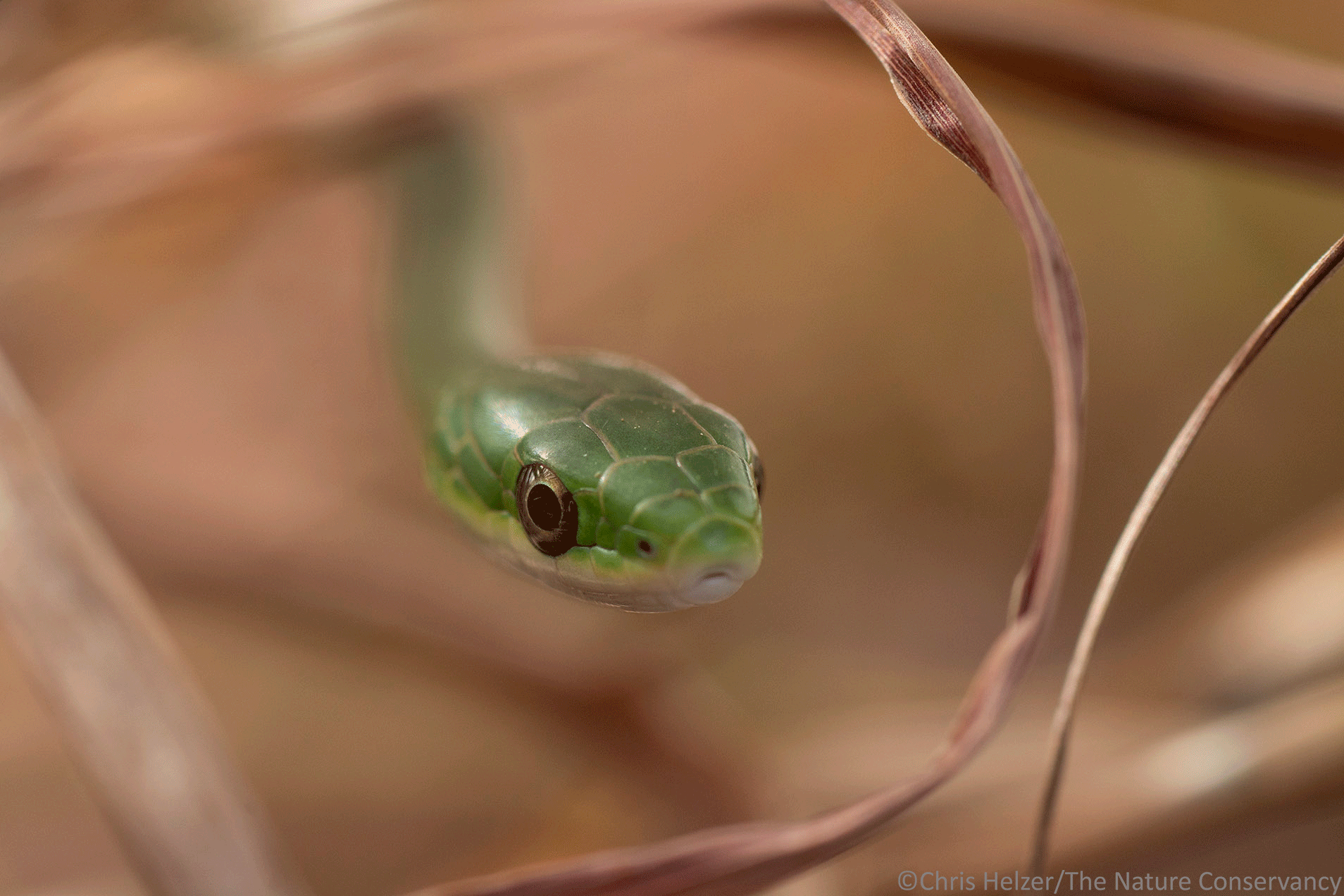
The patch of grass was surrounded by mostly open ground, so I was able to keep the snake corralled in the grass and photograph it as it peered out at me. The photo above was taken in dappled sunlight, but the shadows were difficult to work with, so I popped a collapsible diffuser out of my bag to cut the light intensity. The snake was pretty cooperative, but it was still a challenge to manage all the moving parts of the scene. In the end, I was really happy to get a few good portraits of the adorable little creature.

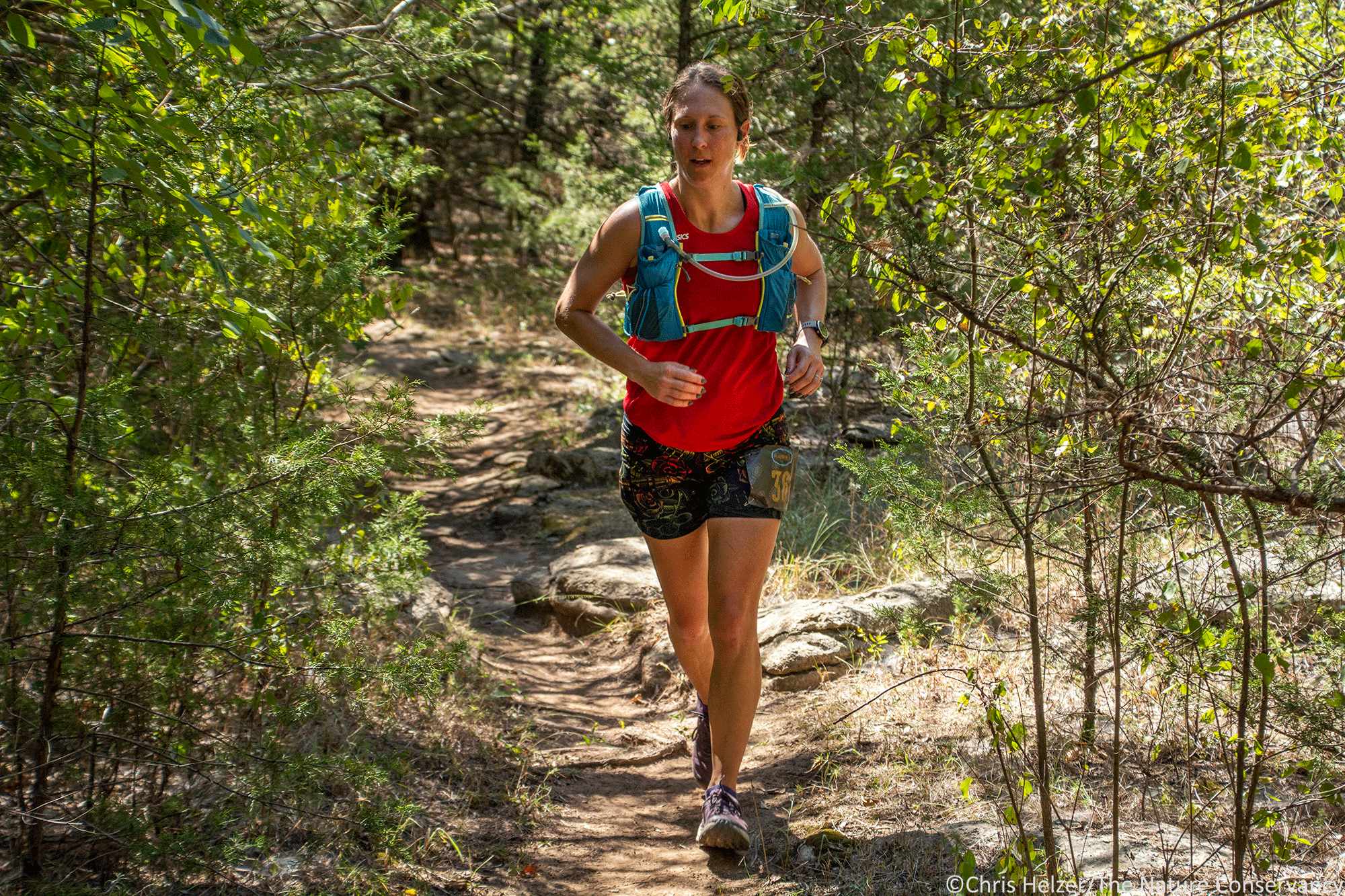
And, of course, while this was happening, Kim was running. And running. And running. She was amazing. After the snake photos, I spent the remainder of the day tracking Kim and working through the morning’s photos on my laptop during my breaks. It was pretty rough, let me tell you… Finally, at about 3:45pm, Kim emerged from the trail and crossed the finish line of her first-ever ultramarathon.
What can I say? Some of us photograph grasshoppers and little snakes and some of us are obscenely disciplined and talented athletes. Fortunately, I guess, the trails are big enough for both of us!
_____________________________________________________
HEY! Did you hear I’m conducting a survey of blog readers?? Please help by taking the survey HERE! Thanks.