Chris Helzer is Director of Science and Stewardship for The Nature Conservancy in Nebraska, where he conducts research and supervises the Conservancy’s preserve stewardship program. He also helps develop, test, and share prairie management and restoration strategies.
Chris is also dedicated to raising awareness about the value of prairies through his photography, writing and presentations. He is the author of The Prairie Ecologist blog, and two books: The Ecology and Management of Prairies and Hidden Prairie: Photographing Life in One Square Meter. He is also a frequent contributor to NEBRASKAland magazine and other publications. Chris and his family live in Aurora, Nebraska.
Please help spread the word that we are currently accepting applications for the Claire M. Hubbard Young Leaders in Conservation Fellowship (due Oct 1, 2021). Getting to supervise the Hubbard Fellows each year is a major highlight in my career and I’m excited to meet another batch of highly motivated and qualified applicants this fall.
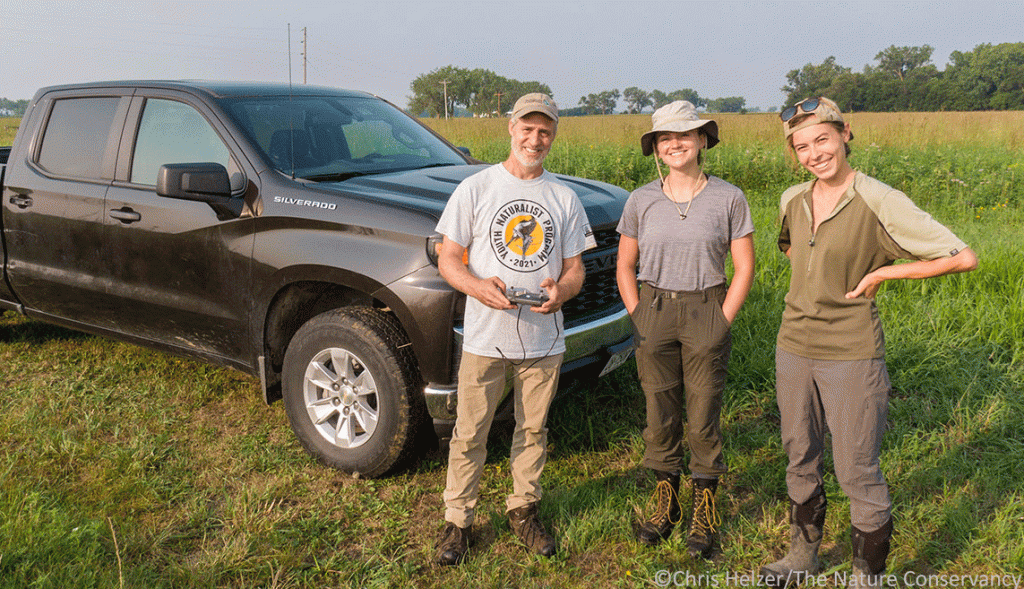
A portrait of me, Sarah and Kate (current Hubbard Fellows) taken by drone
The Hubbard Fellowship is designed for recent college graduates (graduated before January 1, 2022) who are looking for a broad range of experiences to boost their conservation career. They spend a lot of time helping with prairie management and restoration work, but also a wide range of other activities, including research, outreach, fundraising, and more. Each Fellow also gets to design their own independent project, which allows them to explore a topic of interest to them and produce a product that builds toward the mission of The Nature Conservancy.
Much more information on the Fellowship can be found in the following places:
Here is a video created by Sarah Lueder, one of our current Hubbard Fellows, with help from her fellow Fellow, Kate Nootenboom.
Here are some photos of previous Hubbard Fellows:
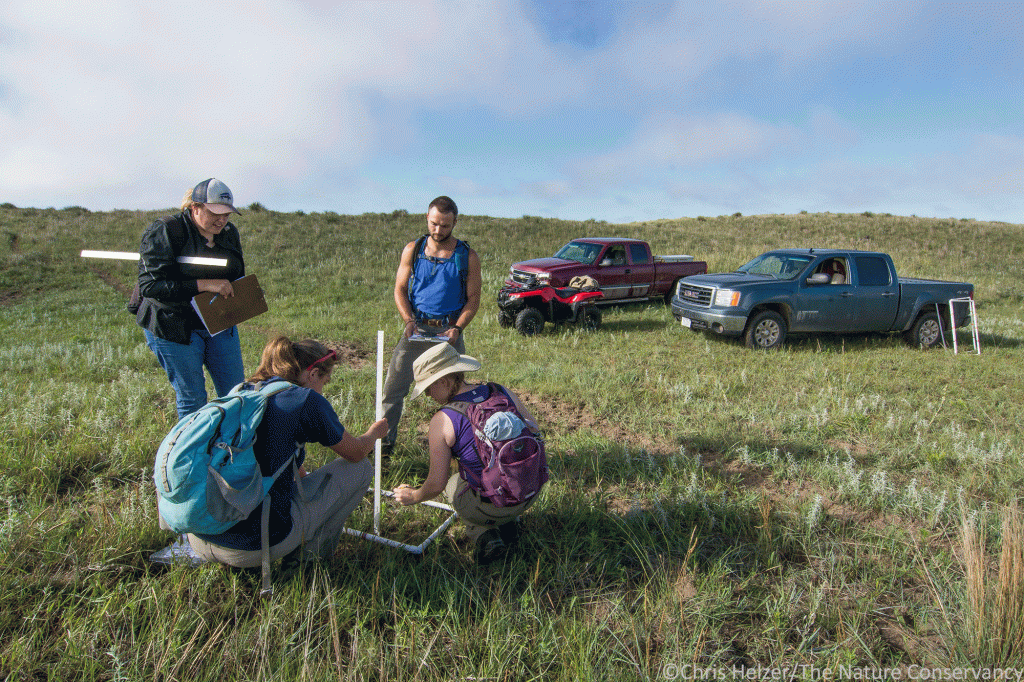
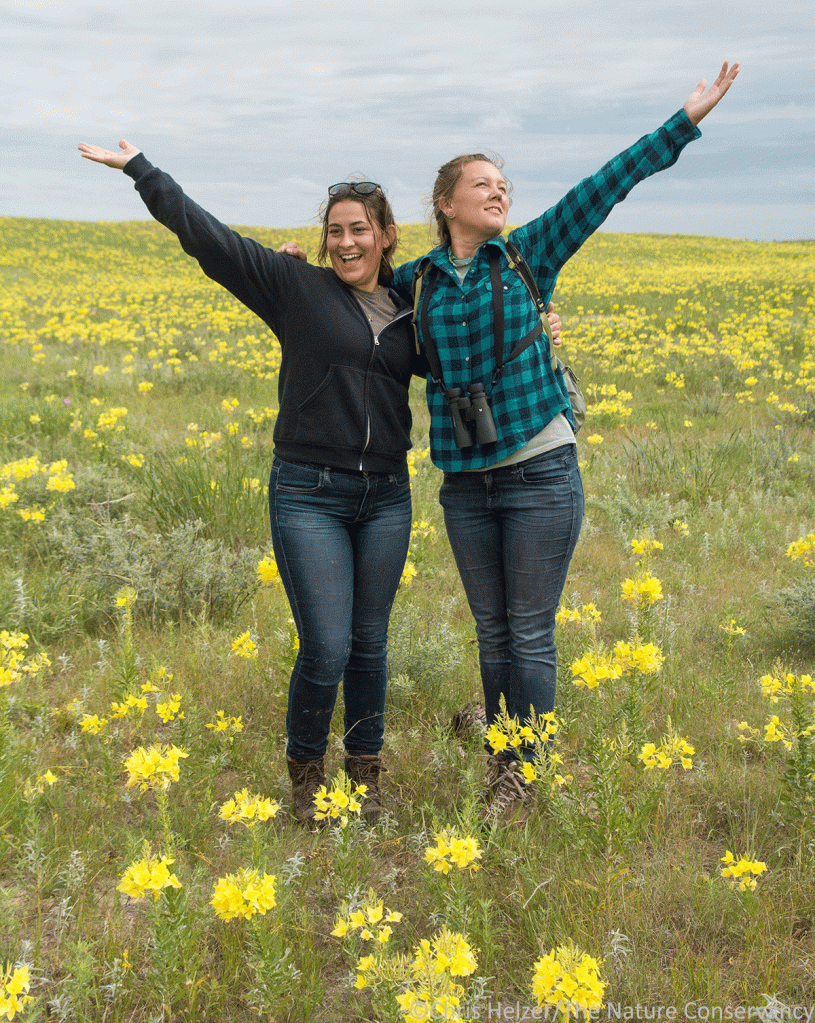
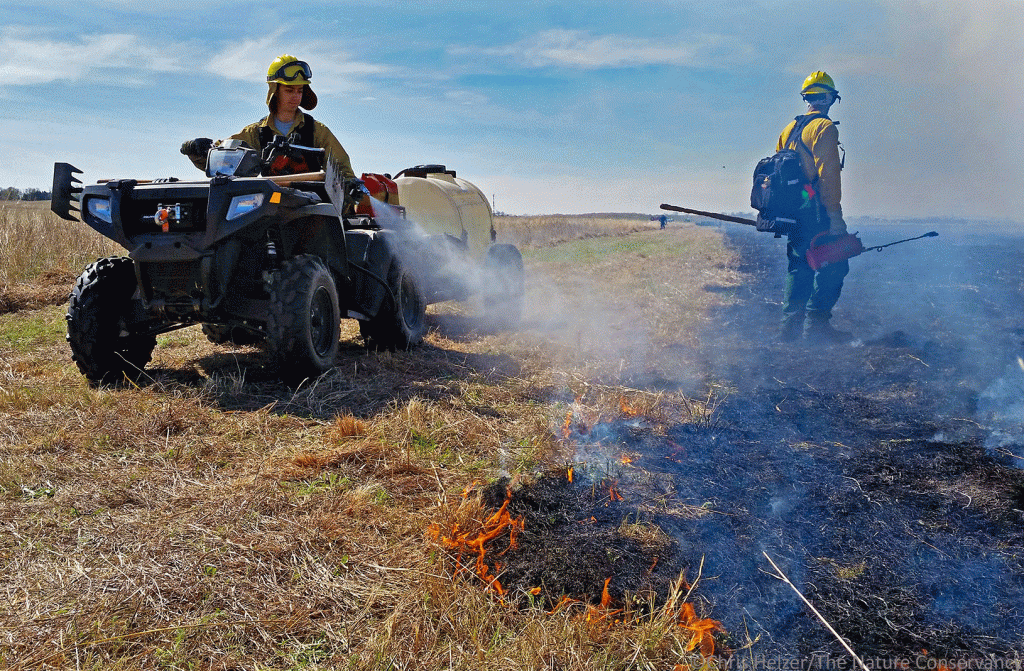
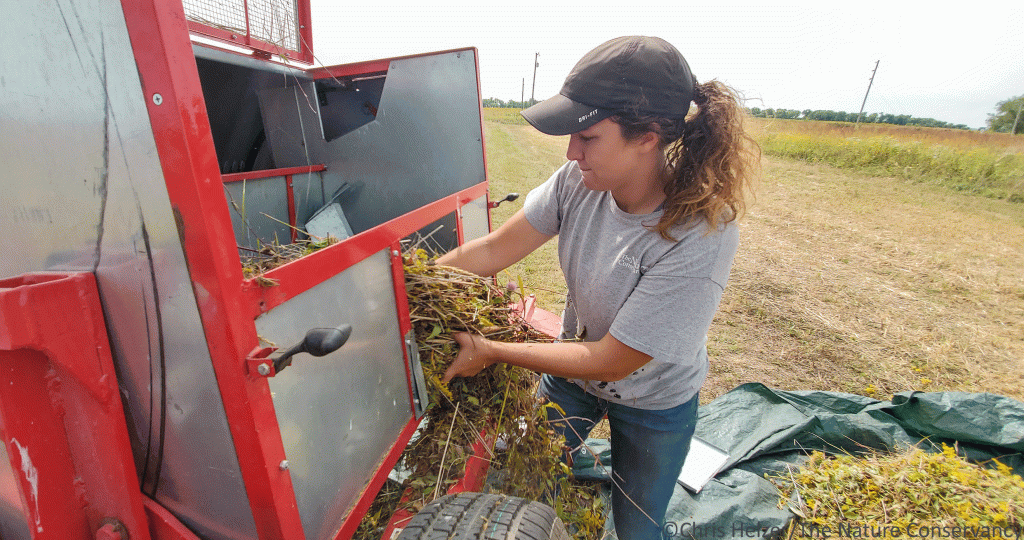
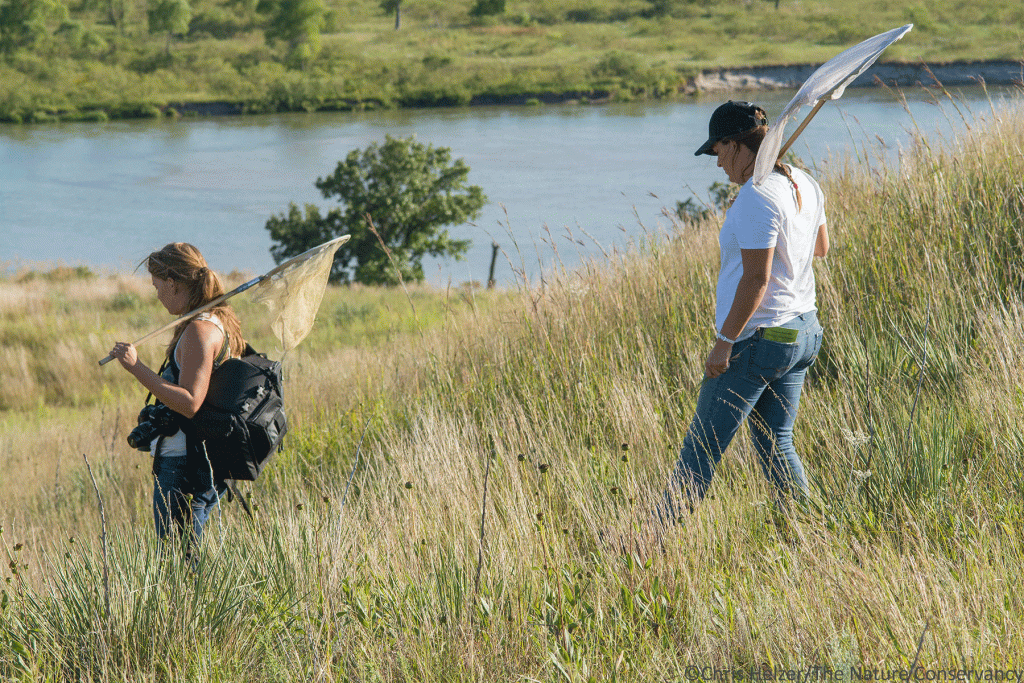
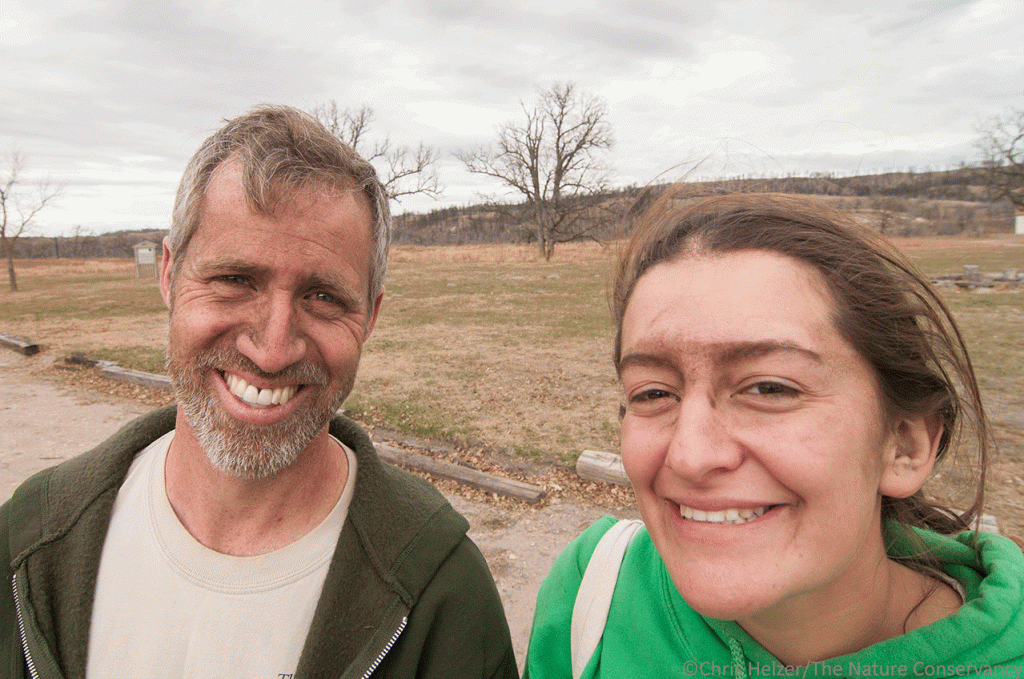
Hubbard Fellows helping with data collection at the Niobrara Valley PreserveOutreach and communication are big parts of the Fellowship and Fellows are provided with camera gear and training as part of their experienceThis sums up the Fellowship experience very well.Prescribed fire training and experience are also a big part of the FellowshipAshley (2020 Hubbard Fellow) removes seed from a mechanical seed harvester as part of a prairie restoration projectFellows Chelsea and Mary search for butterflies as part of a long-term research program at the Niobrara Valley PreserveJasmine (2013-14 Fellow) made me pose for this selfie after a very dusty bison roundup
Please forward this to anyone you think might be interested in the Fellowship. Remember – applications are due by October 1!
I’ve spent most of my career trying to convince people that prairies are interesting and important. Just for fun, here is an imagined conversation – inspired by many years of prairie evangelism efforts, some more successful than others:
Me: Hi friend, have you heard the good news about prairies?
Person: Huh?
Me: Prairies!
Person: What’s a prairie?
Me: Oh, um, it’s like a forest without the trees!
Person: Nice sales pitch.
Me: Ok. It doesn’t have trees – well, actually, some DO have trees and we’re trying to fix that – but it has lots of other things. Lots of grass, of course, but tons of wildflowers, birds, insects, and other cool creatures!
Person: I think maybe I drove past some prairie on the way to the mountains.
Me: Yes! There’s some amazing prairie in eastern Wyoming and eastern Colorado!
Person: All I saw was brown grass. It was hard to stay awake.
Me: Well. I mean, yes, from the highway, but if you’d gotten out to walk around, you would have seen lots of color and diversity of life.
Person: Why would I want to walk around in brown grass?
Me: Hm. Ok, think of it like a coral reef; if you just look out from the shore, or from a boat, you just see water. But if you dive into the water and start exploring, you find an astonishing array of life.
Person: Prairies are boring unless I crawl around in them?
Me: Yes! Wait, no! They’re not boring, they just have a subtle beauty.
Person: Subtle, huh? Sounds like another word for boring.
Me: Ok, but when you’re driving through those prairies on the way to the mountains, isn’t it amazing how far you can see?
Person: Yeah. And eventually, I can see the mountains and then it takes me, like, three more hours before I finally get to them.
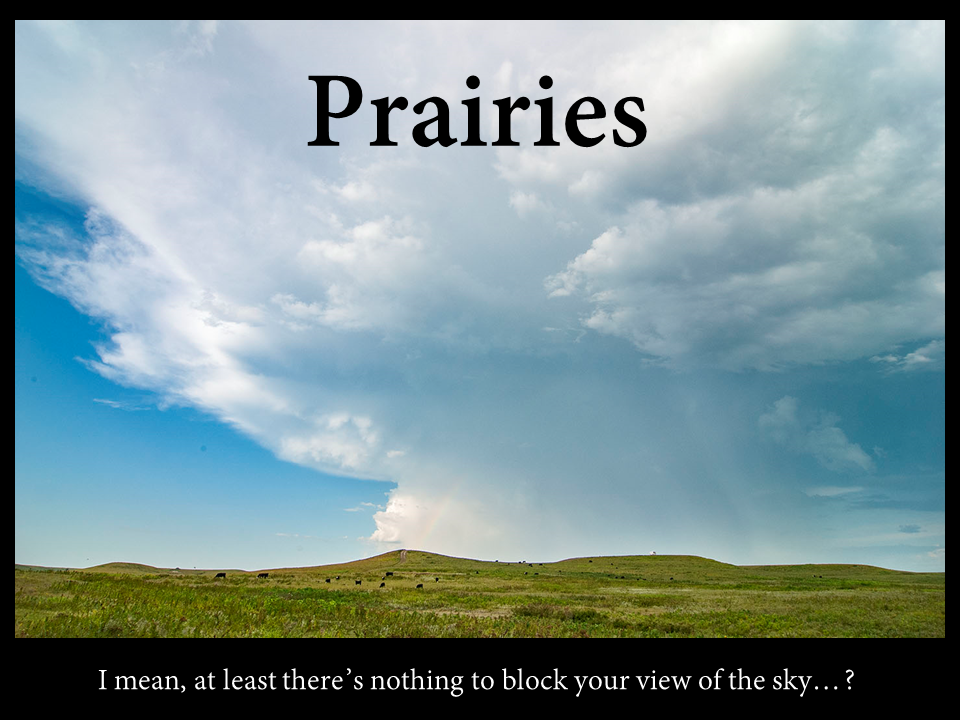
Me: This isn’t going as I hoped. Hm. Oh – what about the sky! You can see SO MUCH sky when you’re in the prairie!
Person: (looking up) I can see the sky right now.
Me: Yeah, but in the prairie, you can see so much MORE of it!
Person: So, your selling point for prairies is that they don’t get in the way of my view of the sky?
Me: Well, I mean, that’s just one selling point!
Person: Right, the other one is that if I crawl around in them, I might see something interesting.
Me: Ok, look, I feel like you’re being deliberately obtuse about this.
Person: Fine. Let me ask you this – what can you do for fun in prairies?
Me: Oh boy, there’s so much. I mean, you can look at birds, wildflowers, butterflies, bees, snakes…
Person: I don’t like snakes.
Me: Oh. Well, there aren’t THAT man snakes. Really, just a normal amount of snakes…
Person: Ok, sorry to interrupt you. Keep telling me all the fun things I can do in prairies.
Me: Let’s see… you can look at lots of plants and animals. Did I say butterflies? Um…
Person: Yes. Look, can I go backpacking or camping in prairies?
Me: Oh, absolutely! They’re wonderful for camping.
Person: But there’s no trees?
Me: Well, sometimes along the edges you can find trees.
Person: So, if I want shade or firewood, I should just stay on the edge of prairies. Or, say, go camping in a forest?
Me: I mean, I guess that’s true. Prairies aren’t really known for their shade.
Person: Right. What are they known for again?
Me: Well, like I said, there’s a tremendous diversity… Oh, do you like bison?
Person: Wait, prairies have bison? I love bison! Why didn’t you say that? So, if I go to a prairie, I can see bison?
Me: Sure! Well, I mean, not in MOST prairies, but there are a few places that have them. Sometimes it’s hard to see them, though, because they’re out roaming. You know, like bison do.
Person: So if I go to a prairie, I probably won’t see bison?
Me: No, I guess not. Not in most prairies, anyway.
Person: Question for you… Earlier you said something about trees. Why don’t you want trees in prairies?
Me: Because then they wouldn’t be prairies anymore.
Person: Right, they’d be a place I could go camping and find shade and firewood.
Me: I guess, yes, but they wouldn’t have most of the same birds, wildflowers, bees, butterflies or sn – – I mean, um, toads…
Person: That I have to crawl around to see…
Me: Sigh.
Person: But at least prairies don’t block your view of the sky. Maybe you should just focus on that.
Me: Right. Thanks for the advice. Good talk…
Person: Thanks for telling me about prairies!
Me: Uh huh.
.
.
Maybe we need a new marketing strategy. How’s this?