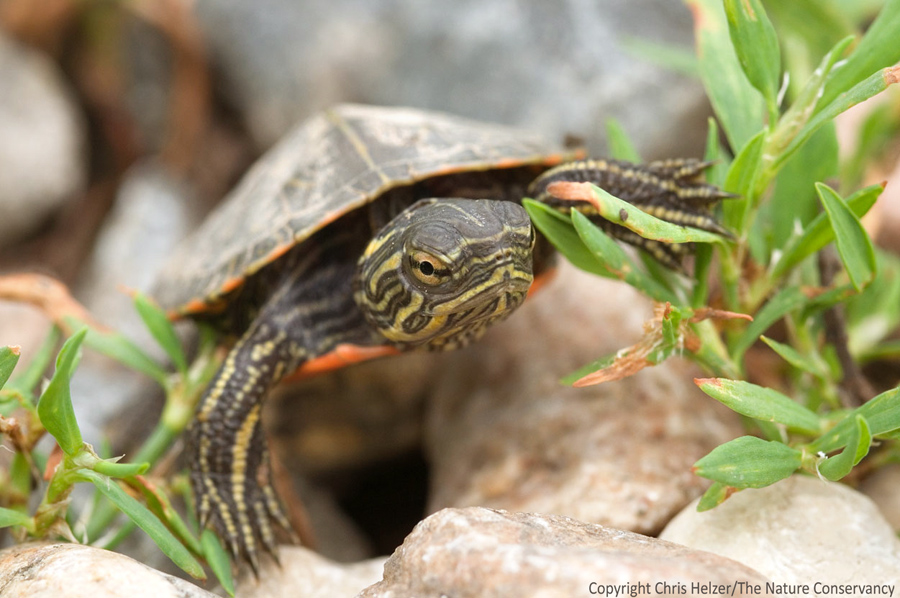
Below are photos taken a week or so ago from a prairie here in Aurora, Nebraska. It’s the time of year when everything is preparing for winter. Most plants are done blooming and entering dormancy. A few are squeezing a couple last flowers out while they still can. Meanwhile, insects are scrambling around trying to find something to eat before they either die or find a way to survive the winter. Any still-blooming flower is literally crawling with insects trying to eat the pollen, nectar, seeds, and any other part of the flower that’s available. Makes you wonder if it’s really worth it to the plant to make the effort…
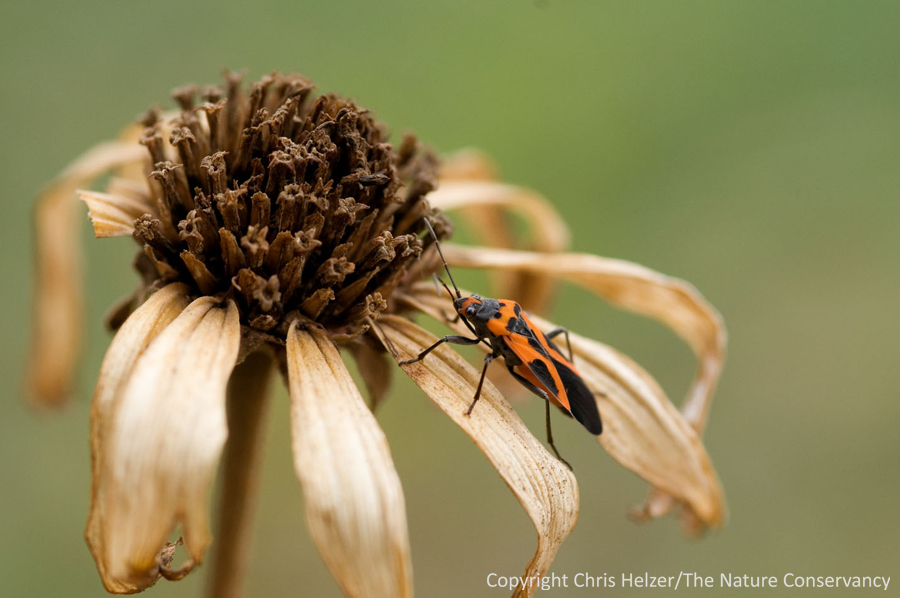
A false milkweed bug on a false sunflower. (The photo, however, is real)
.

Butterfly milkweed seeds ready to fly.
.

Crab spider (Tibellus sp) on grass.
.

The same crab spider as above. If I nudged the grass stem it was sitting on, the spider would quickly jump to nearby stem or leaf, crawl to the top of it, turn around, and freeze in this tight position - often making it nearly impossible to see.
.
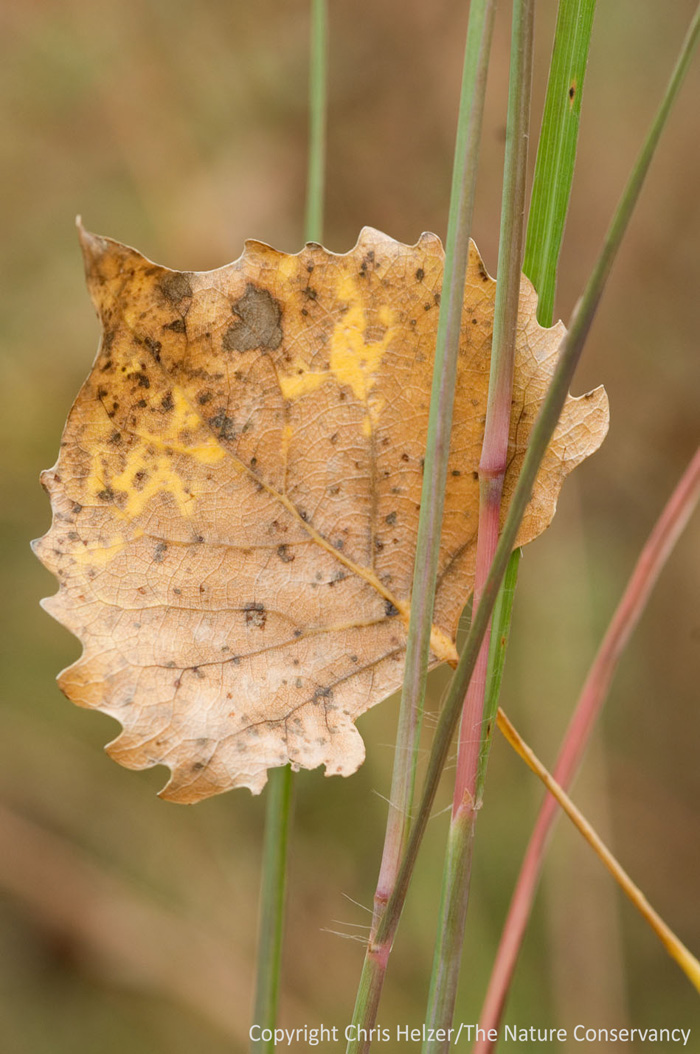
I actually saw this cottonwood leaf fall and lodge in the grass. I took the photo about 10 seconds later.
.

Pitcher sage (Salvia azurea) was one of the plant species that still had a few flowers.
.
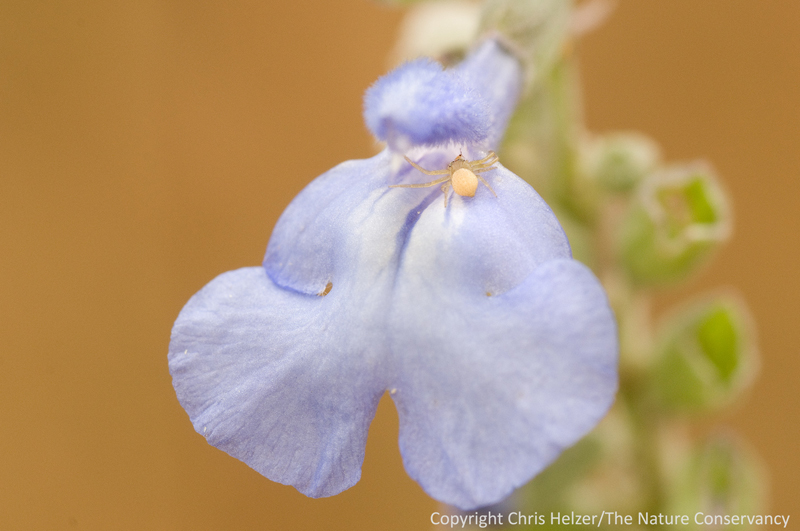
This tiny crab spider is dwarfed by a pitcher sage bloom. I'm not sure if the spider was waiting for prey or just resting.
.
We haven’t had a hard freeze here yet, but it probably won’t be long. That first freeze brings the end of life for many living things, but just signals the beginning of a long wait till spring for many others. In the meantime, it’s work work work, tying up loose ends before the winter comes. That applies to prairie species and prairie ecologists alike!