
This post was written and illustrated by Olivia Schouten, one of our Hubbard Fellows. Olivia is an excellent scientist and land manager, as well as a great writer. In this post, she shares a recent experience with, and some interesting trivia about, a cute furry animal.
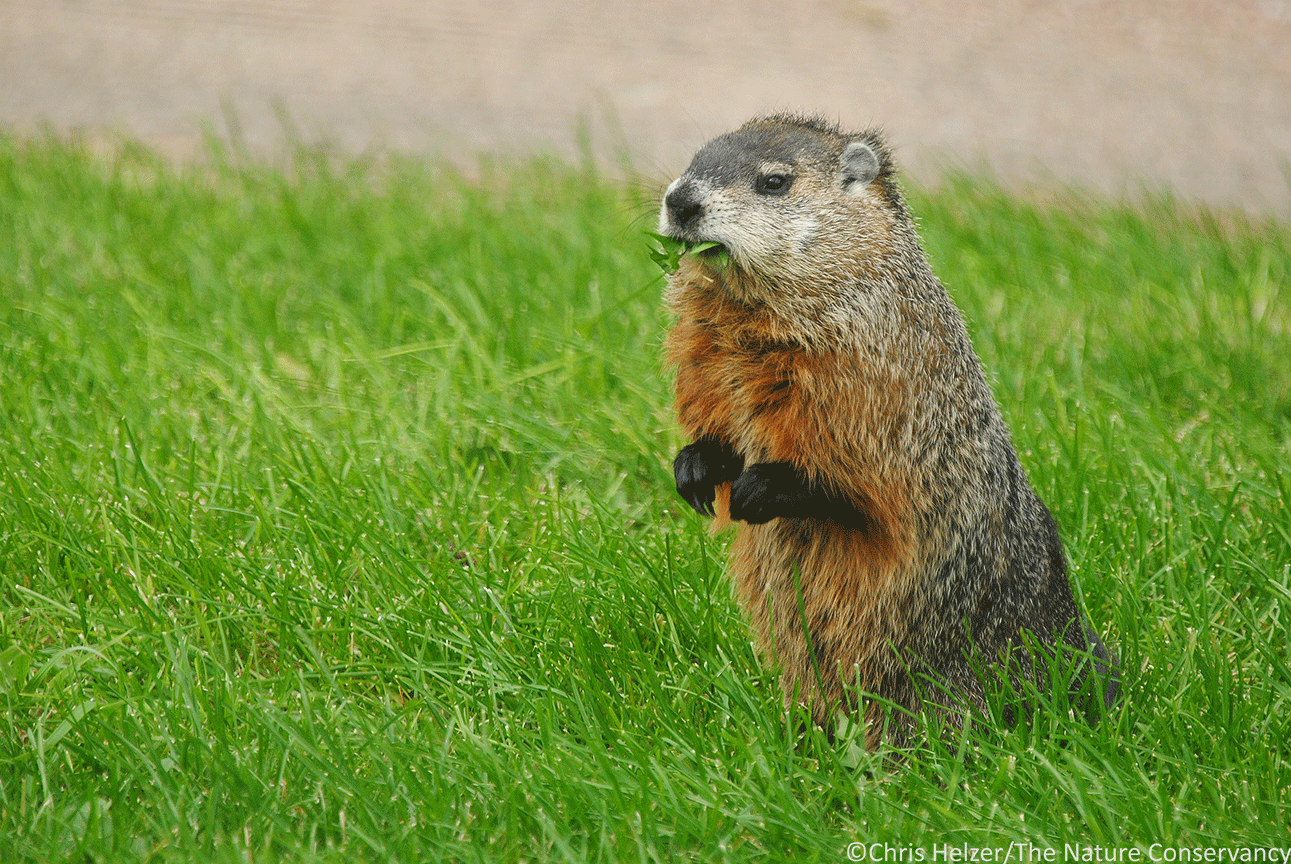
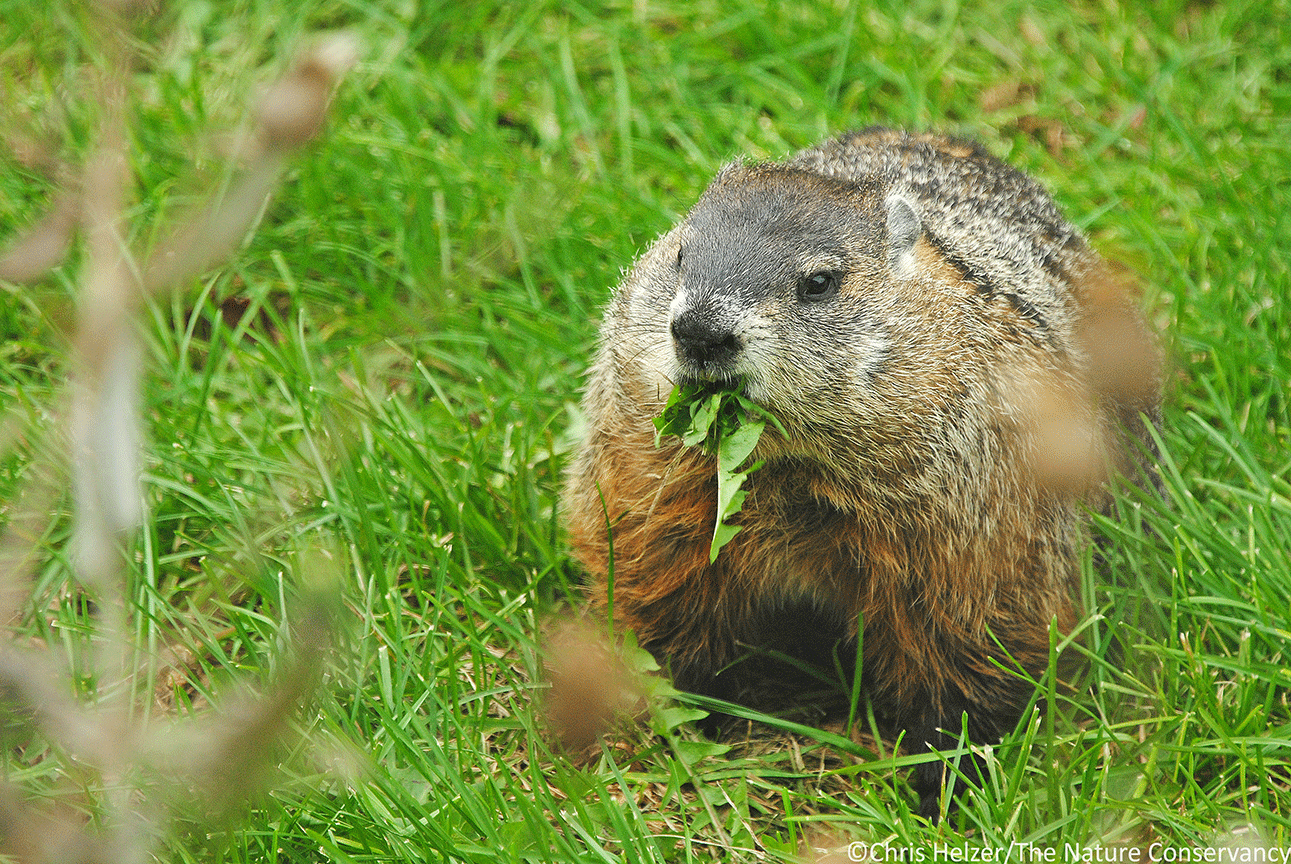
We had a visitor in the front yard the other day, which gave me a great opportunity to take some pictures of a mammal I don’t often get to see. This woodchuck (Marmota monax) has been spotted around our crew quarters here on the Platte River Prairies for a few weeks now, and appears to have taken up residence in our wood pile. I finally managed to spend some time watching it from the safety of the living room while it foraged in the yard for dandelion leaves.
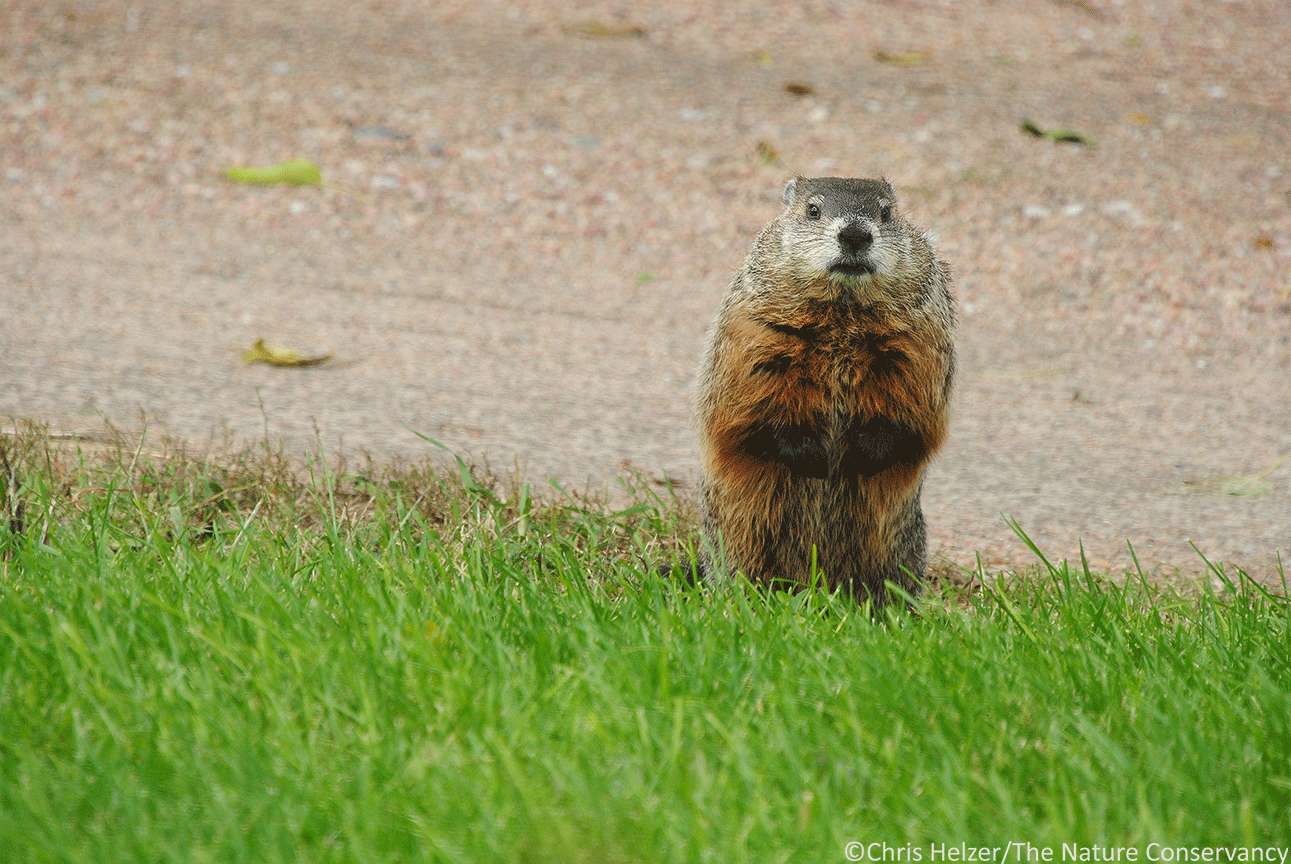
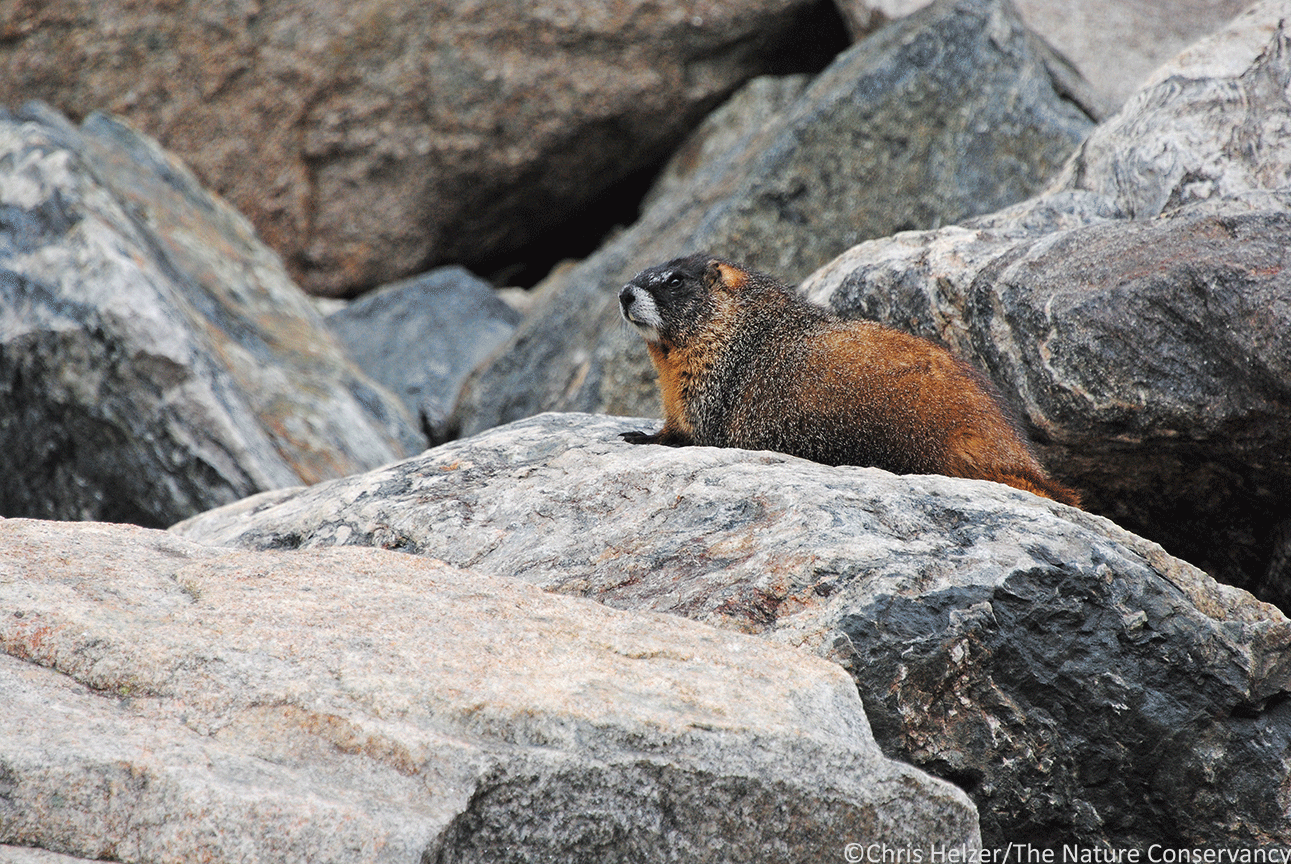
I haven’t had many experiences with woodchucks, also called groundhogs and whistle-pigs. (As an aside, I didn’t realize they were one in the same until I was in college. I have a friend Jessica, who’s probably reading this, who was there when I made the connection and exclaimed “Wait? You’re saying how much wood would a woodchuck chuck and Groundhog Day are the same thing?!”, and likes to bring it up whenever she can.) In fact, I’ve probably seen more yellow-bellied marmots (Marmota flaviventris), a close cousin to woodchucks, while travelling in the Rocky Mountains than our local woodchucks. I remember hearing a few whistling while walking in the woods around my hometown in Iowa, but other than that, this may be the first one I’ve ever seen, especially this close!
Unfortunately, the other experience I have with these mammals, and one that I’m sure many readers also share, is of their digging habits. My parents recently had one removed from their backyard because it was busy burrowing under their garage. Apparently they are also pests in gardens, which doesn’t surprise me since I watched the one in our yard munching happily away on dandelions for several minutes. I’m inclined to find ways to cohabitate peacefully with native animals that sometimes cause problems or destruction to human structures, and a quick Google search turned up a lot of advice on how to discourage woodchucks from taking up residence around your home or eating your gardens. But I’m not going to talk any more about that (though like many perceived “pest” species, the destruction they cause is likely inflated), because I think this woodchuck is adorable, and I was inspired to look up more information about them!
So here’s an informal list of some fun facts I dug up:
- The name does not actually refer to woodchucks chucking wood, but comes from a Native American word, wuchak, which means “digger”
- Baby woodchucks are called chucklings!
- They are really big squirrels! (Family Sciuridae)
- Their incisors grow 1/16” per week
- They can climb trees and swim
- They enter true hibernate over winter, surviving on stored fat instead of making food caches
- Their dens often provide homes for other animals like small rodents, reptiles, skunks, red foxes, and cottontails
- Woodchuck burrows have “bathroom” chambers
- The origins of Groundhog Day began in 1886, when an editor of the Punxsutawney Spirit newspaper wrote that the local groundhogs hadn’t seen their shadows, and therefore spring would be early
- Their bodies drop to 37 degrees during hibernation!
- And their heartbeats slow to 5 beats per minute!
- They have a top speed of 8 mph
- They are for the most part solitary, with males only hanging out with females during the breeding season and females taking care of their young
- They can eat a pound of food per sitting (a lot for a creature that weighs at most 15 lbs)
 The Prairie Ecologist