Square Meter Photo Project – September

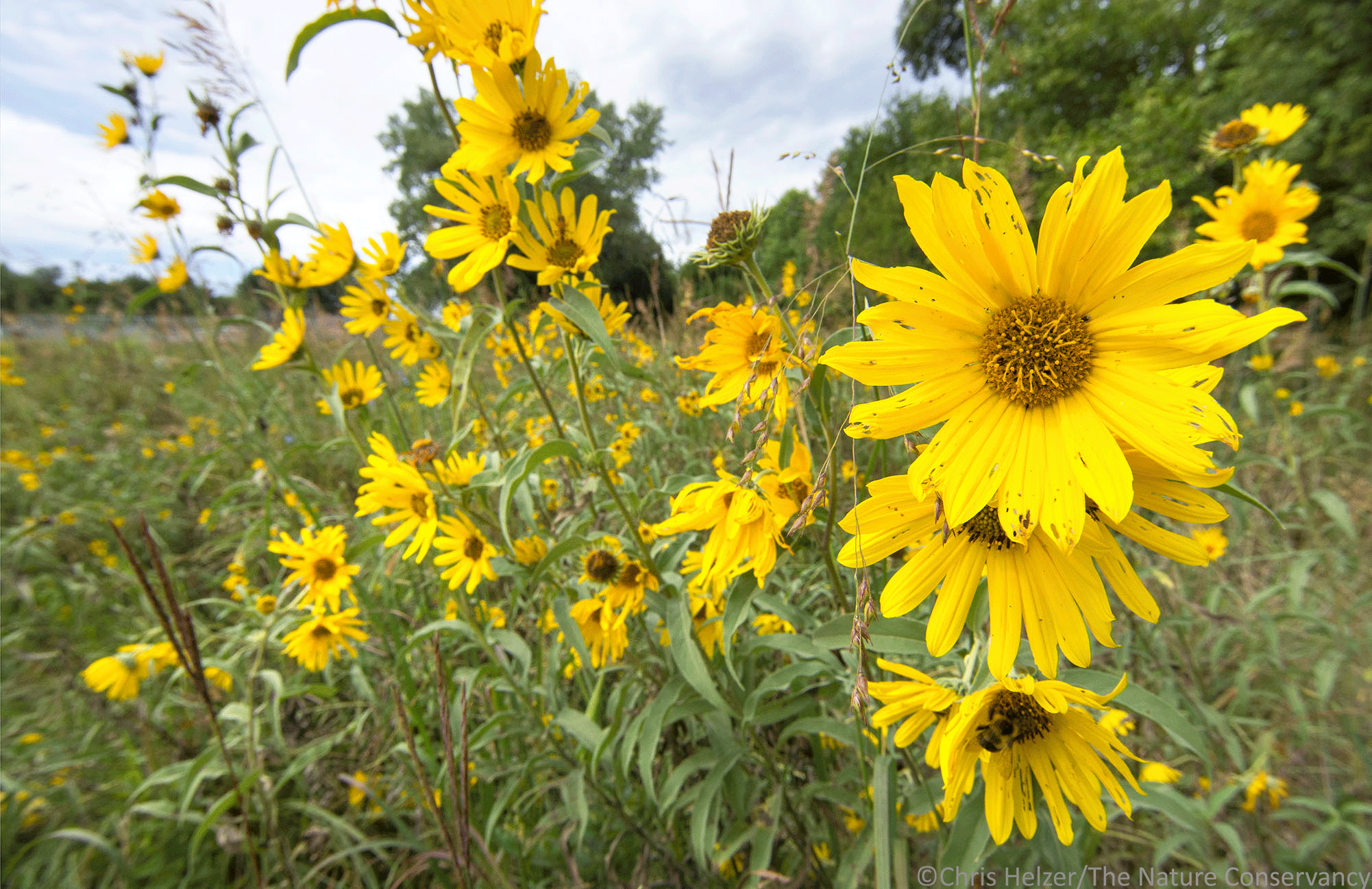
Maximilian sunflower dominated the plot at the beginning of September.

September was another phenomenal month for my square meter photography project.  There were lots of new species to add to my running total, but I also continue to be inspired by the simple process of trying to find beauty within a tiny space.  The month started with a continuation of the Maximilian sunflower flush from August and the myriad insects visiting those blooms.  However, as the sunflowers wilted, I continued to find plenty to photograph, including a few species I’d been hoping for and one (a vertebrate – see below) I’d never expected.

Bumble bee (Bombus impatiens) on Maximilian sunflower.
Indiangrass in full bloom.
This damselfly was curling its long abdomen up above its head.  I caught it half way into its curling motion.
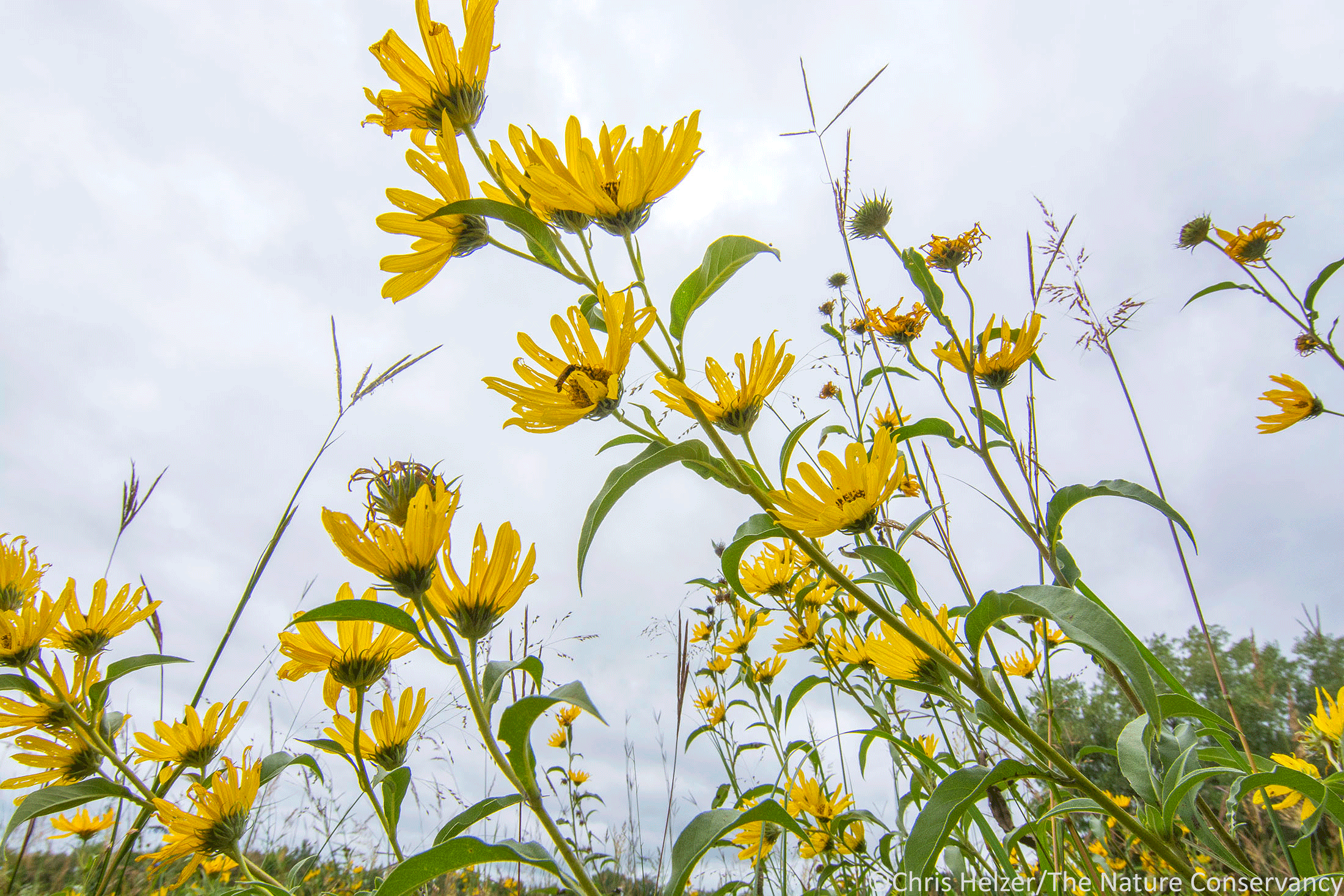
Maximilian sunflower against a cloudy sky.
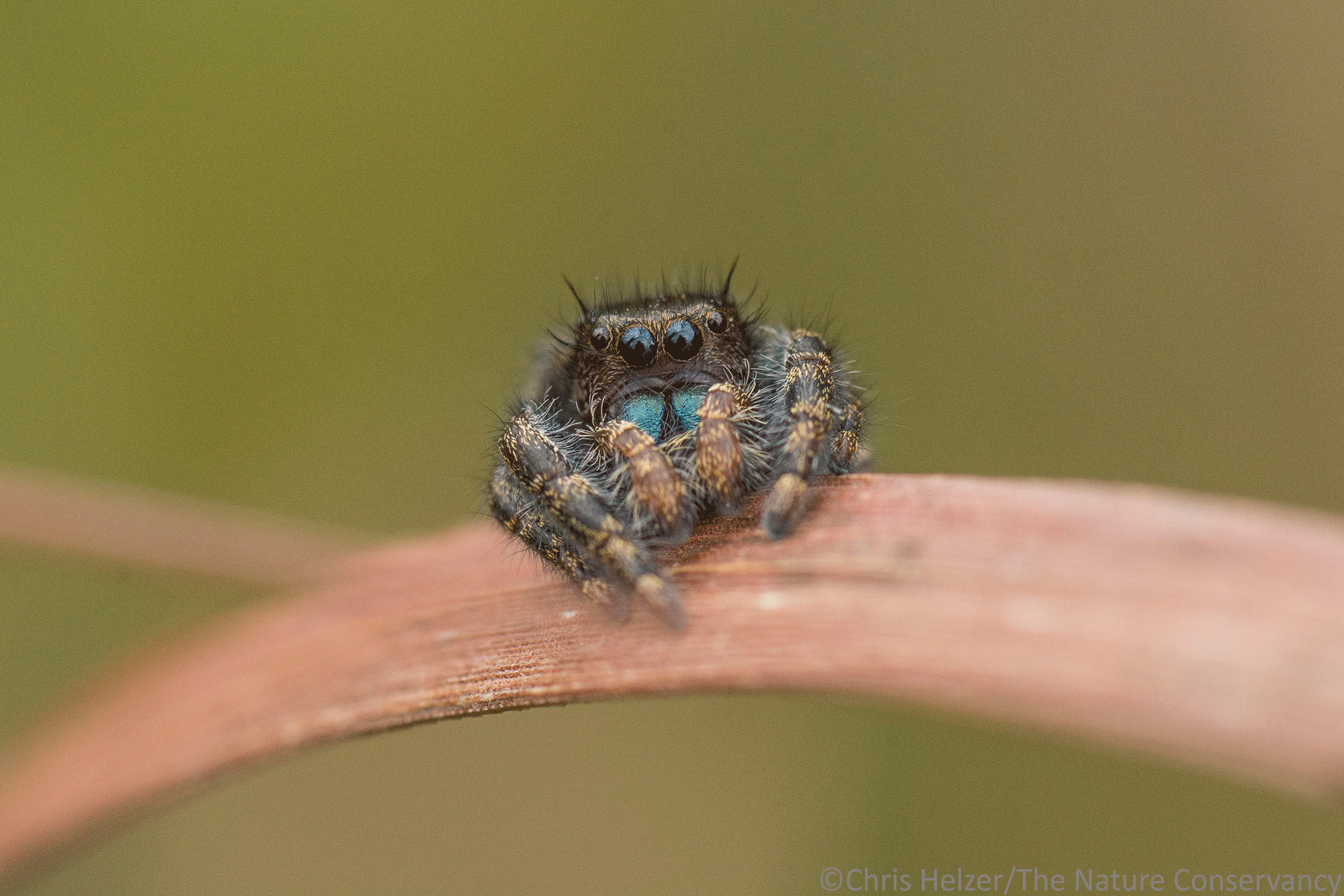
A bold jumper (jumping spider) stops to look at me for a moment.
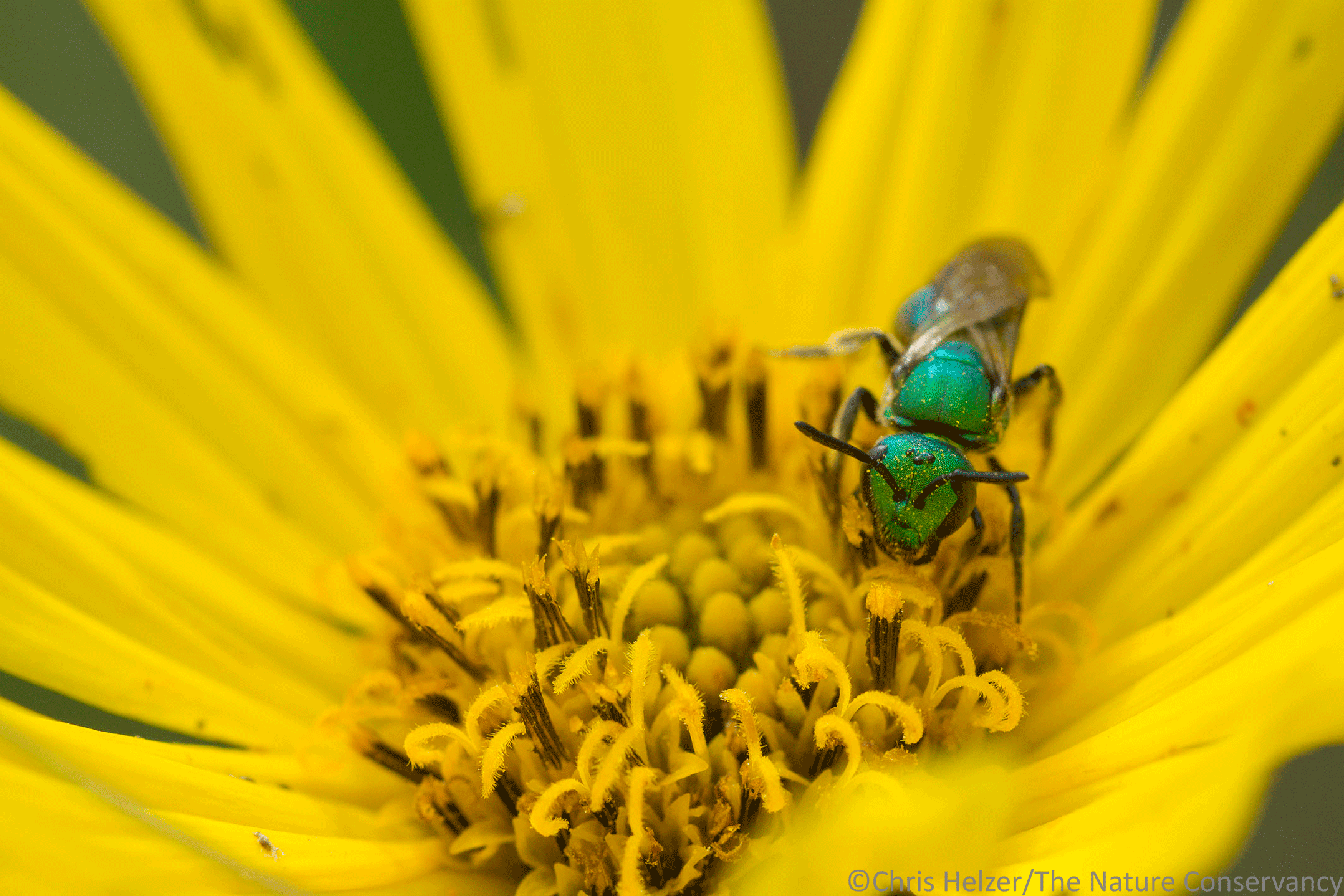
A metallic sweat bee (Augochloropsis fulgida) on Maximilian sunflower.
This Cope’s gray tree frog was the only vertebrate I managed to photograph all year (in my little plot).  It really made my day when I spotted it!

The growing season is quickly winding down now, and most of the plants in my little plot are well on their way toward winter dormancy.  Cold wet weather has greatly reduced the number of insects moving around, and even on warm days, the numbers are pretty low.  I’m going to keep photographing through the end of the year, but I’m guessing my species totals aren’t going to change much.  Right now, I’m enjoying photographing fall colors, and waiting for the first frosts and snows to bring some highlights to the browning leaves and stems.

With the tremendous help of several smart people, I’ve put together a reasonably good summary of the species I’ve found within the plot so far.  Counting a few from October as well, I have now photographed 98 different species of plants and animals in that square meter of prairie – all in 2018!  And yes, I’m really really hoping I can find at least two more…

That species list includes 12 plant species, 21 flies, 15 beetles, and 14 bees, along with butterflies, moths, mantids, spiders, ants, bugs, hoppers, aphids, barklice, grasshoppers, mites, and katydids.  Many thanks to Julie Peterson, James Trager, Mike Arduser, and Jim Kalisch for their identification help.

I spooked this milkweed bug off the butterfly milkweed plant in my plot and then spotted it a few minutes later crawling up a sunflower.
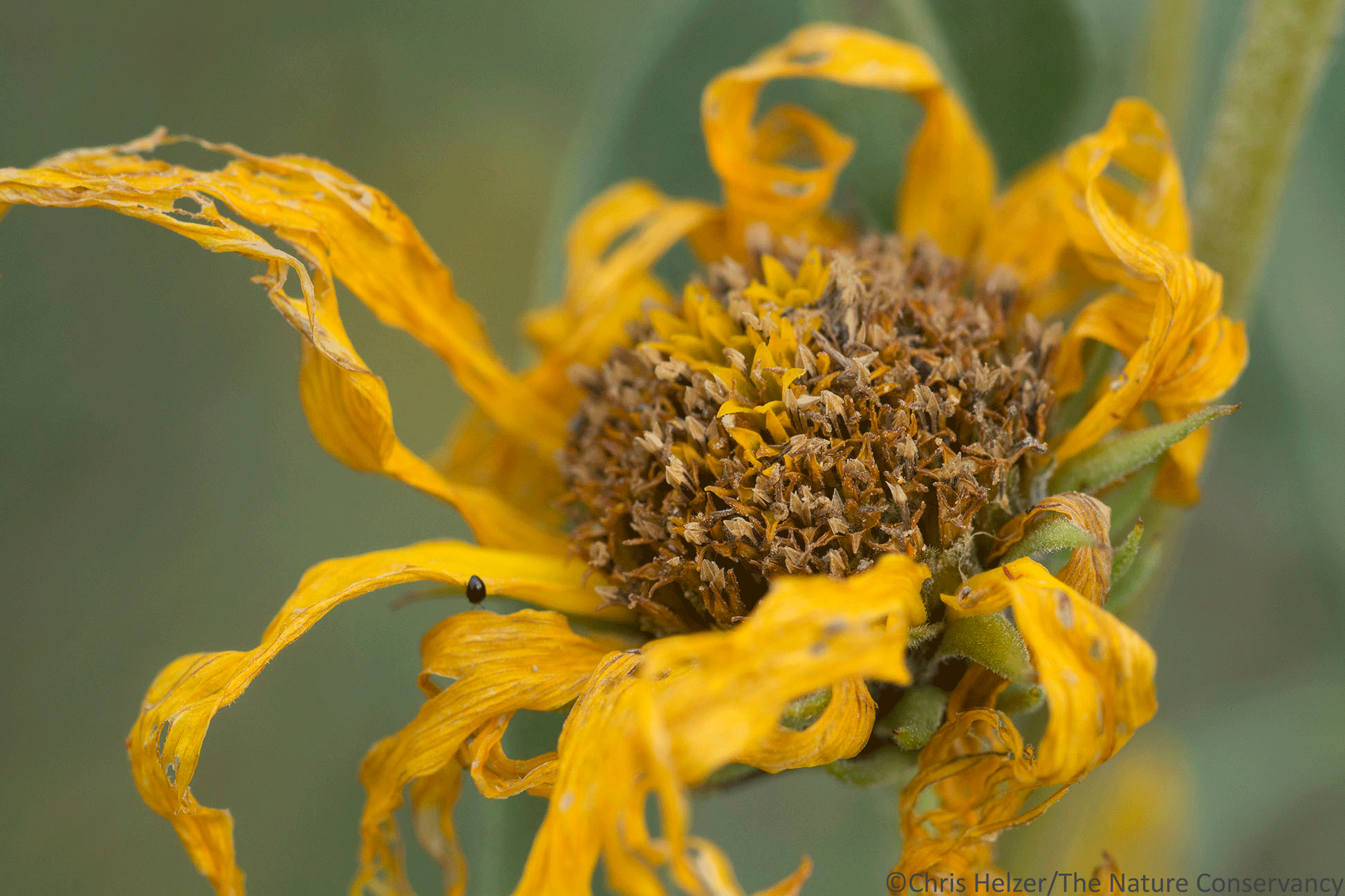
Wilting Maximilian sunflower blossoms.
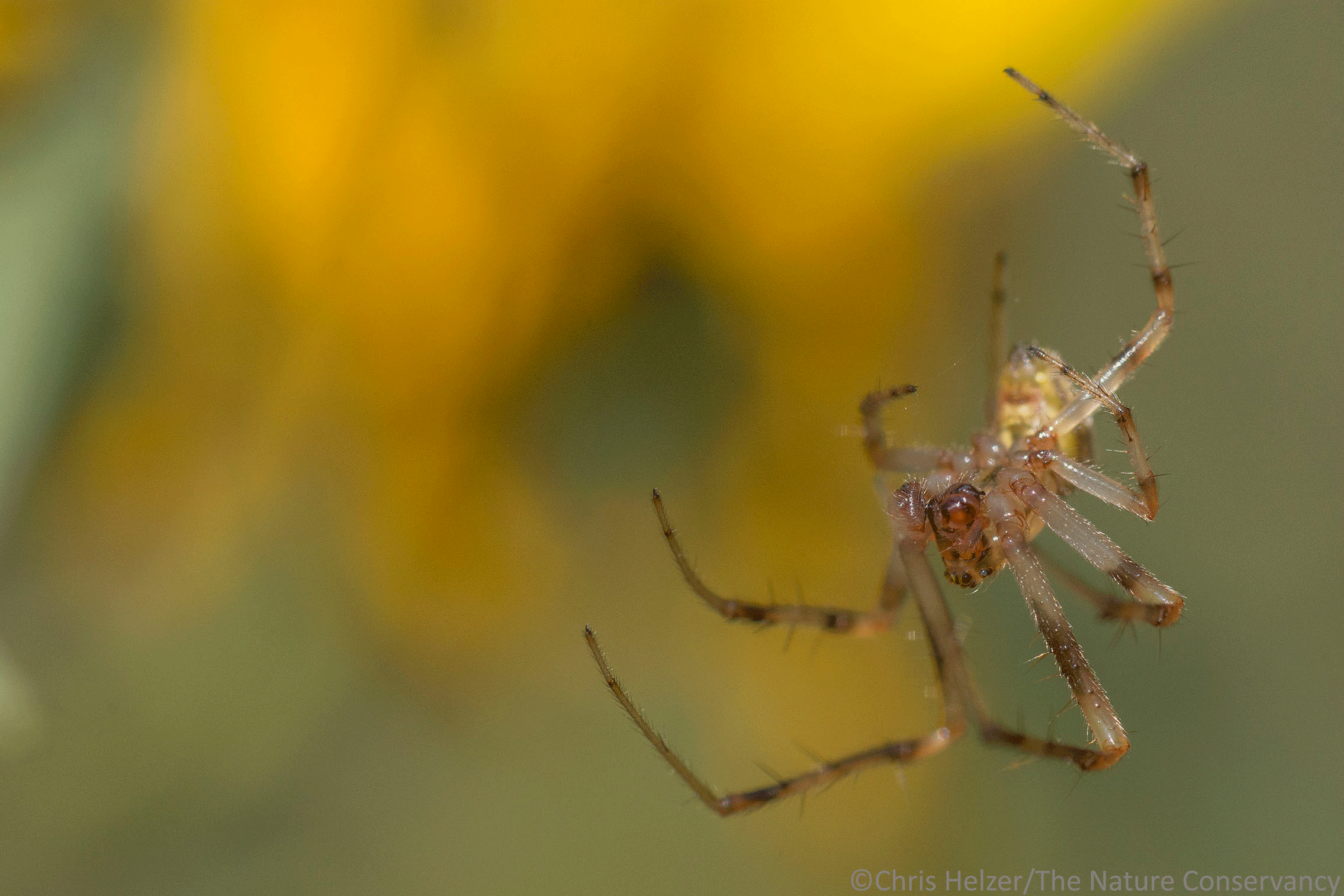
An Arabesque orbweaver dangles on a silk thread.
Can you spot the tiny black beetle?
A syrphid fly on a dried Maximilian sunflower leaf.
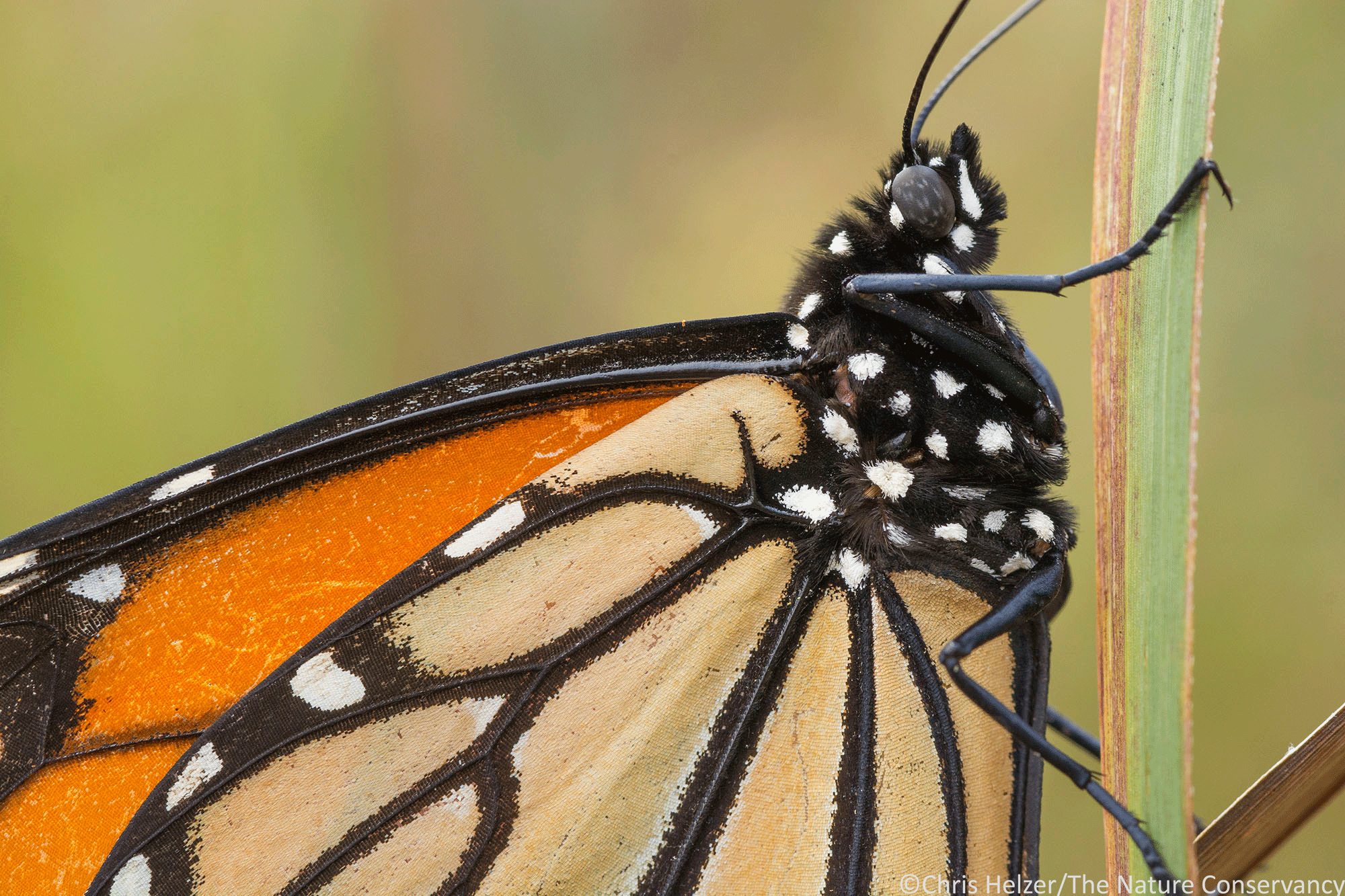
This monarch was warming up and drying off when I arrived at my plot one morning.
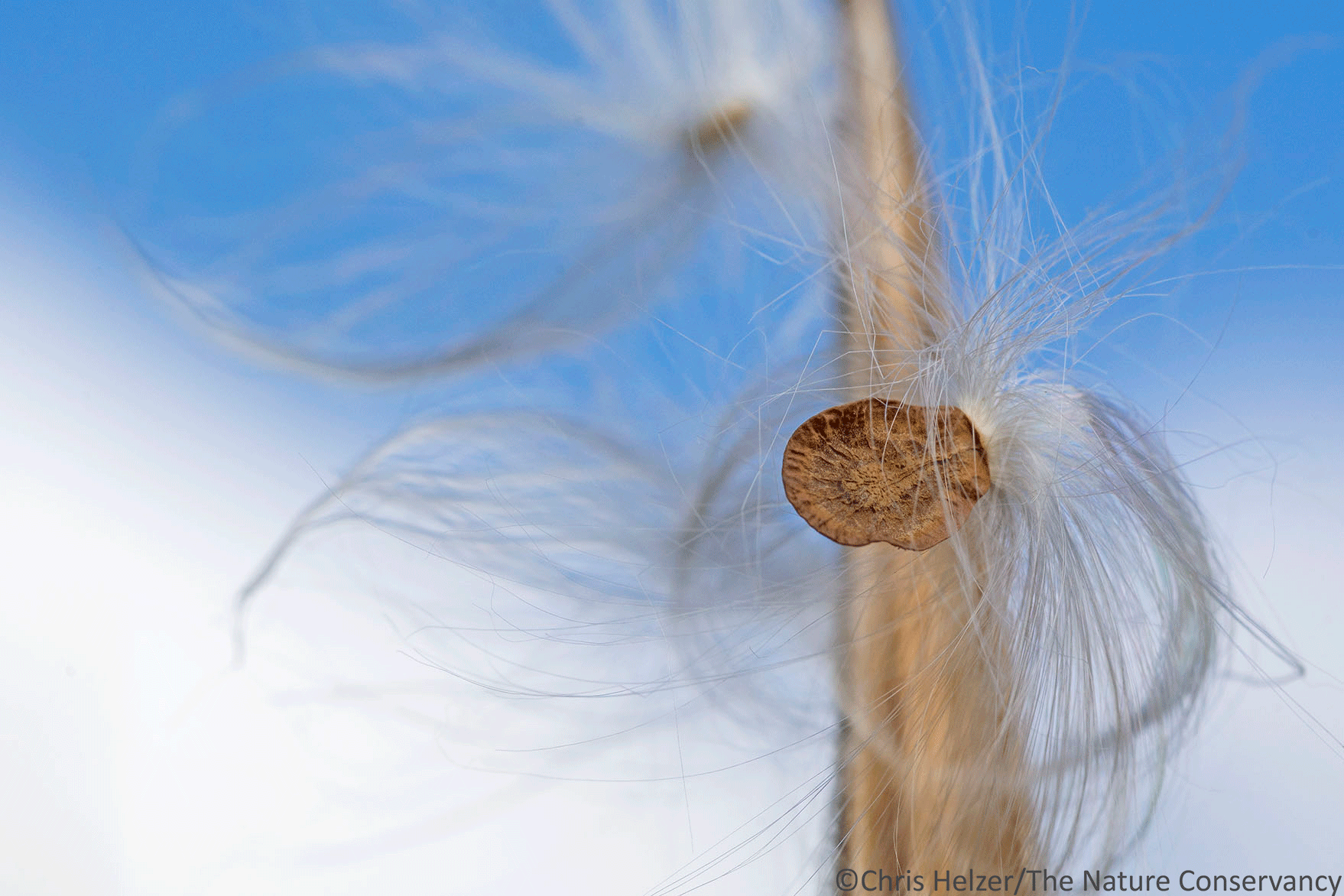
This is a photo I showed earlier this month, but it was worth an encore.  Butterfly milkweed seed hanging on its pod.
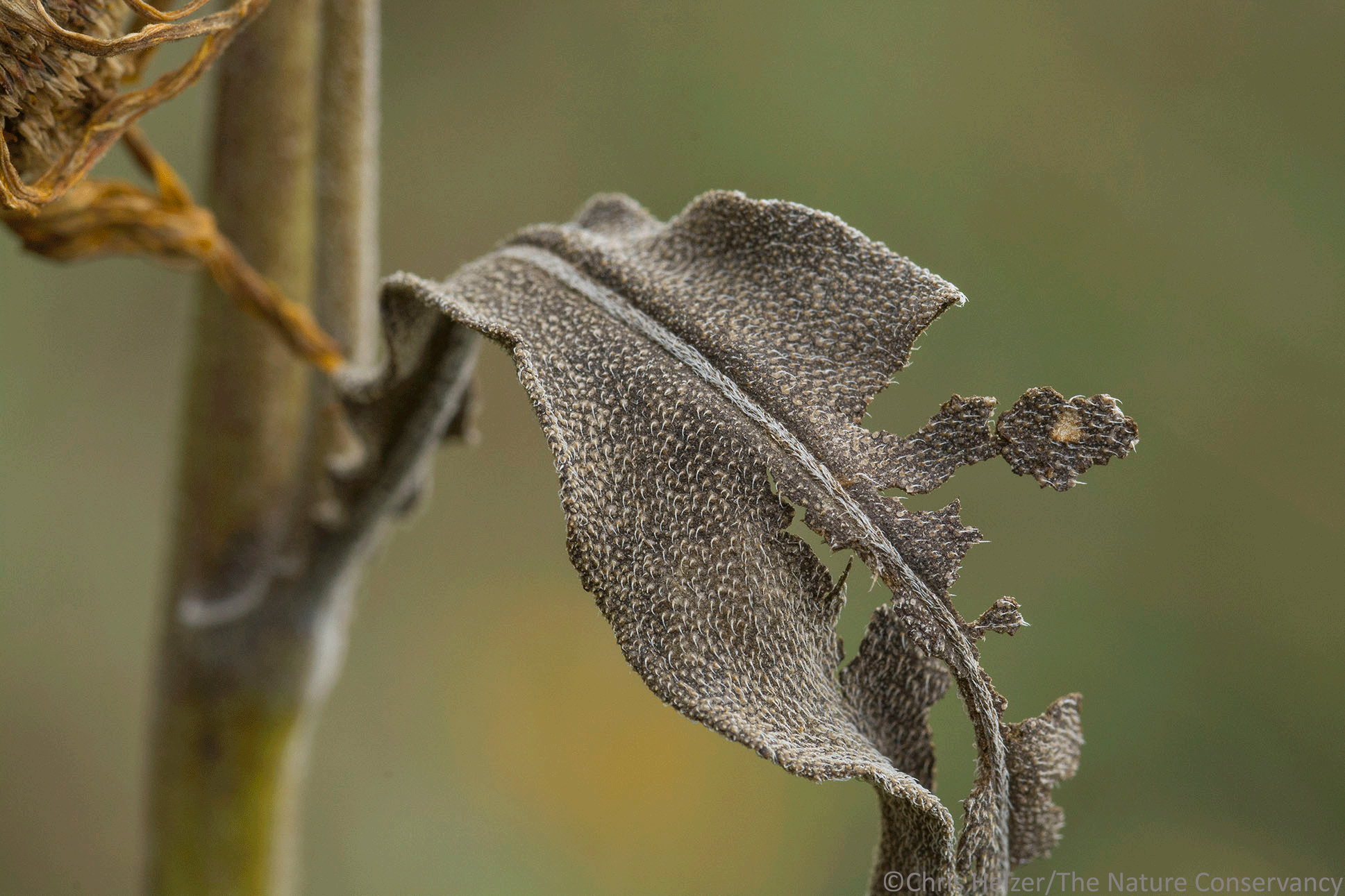
A Maximilian sunflower leaf drying out as Autumn nears.

I’m really hoping this project will help raise awareness of and interest in prairies among people who might not otherwise think twice about an ecosystem they assume is just a bunch of grass.  Additionally, I’m hoping people will see how accessible the diversity and beauty of prairies can be.  I didn’t go looking for the best quality prairie in central Nebraska for this project – I chose the closest example of a restored (planted) prairie to my house.  Once I chose the spot, I just sat down and started paying attention.  Anyone can do the same thing in any prairie anywhere.  

If you think this project might be helpful to your own efforts to convince your friends or neighbors that prairies are interesting, feel free to send them to the web page I’ve created for the project.  I’m exploring several other ways to expand the reach of this effort, so stay tuned for more information on those, but for now, I’ve tried to synthesize the project within a single web page.
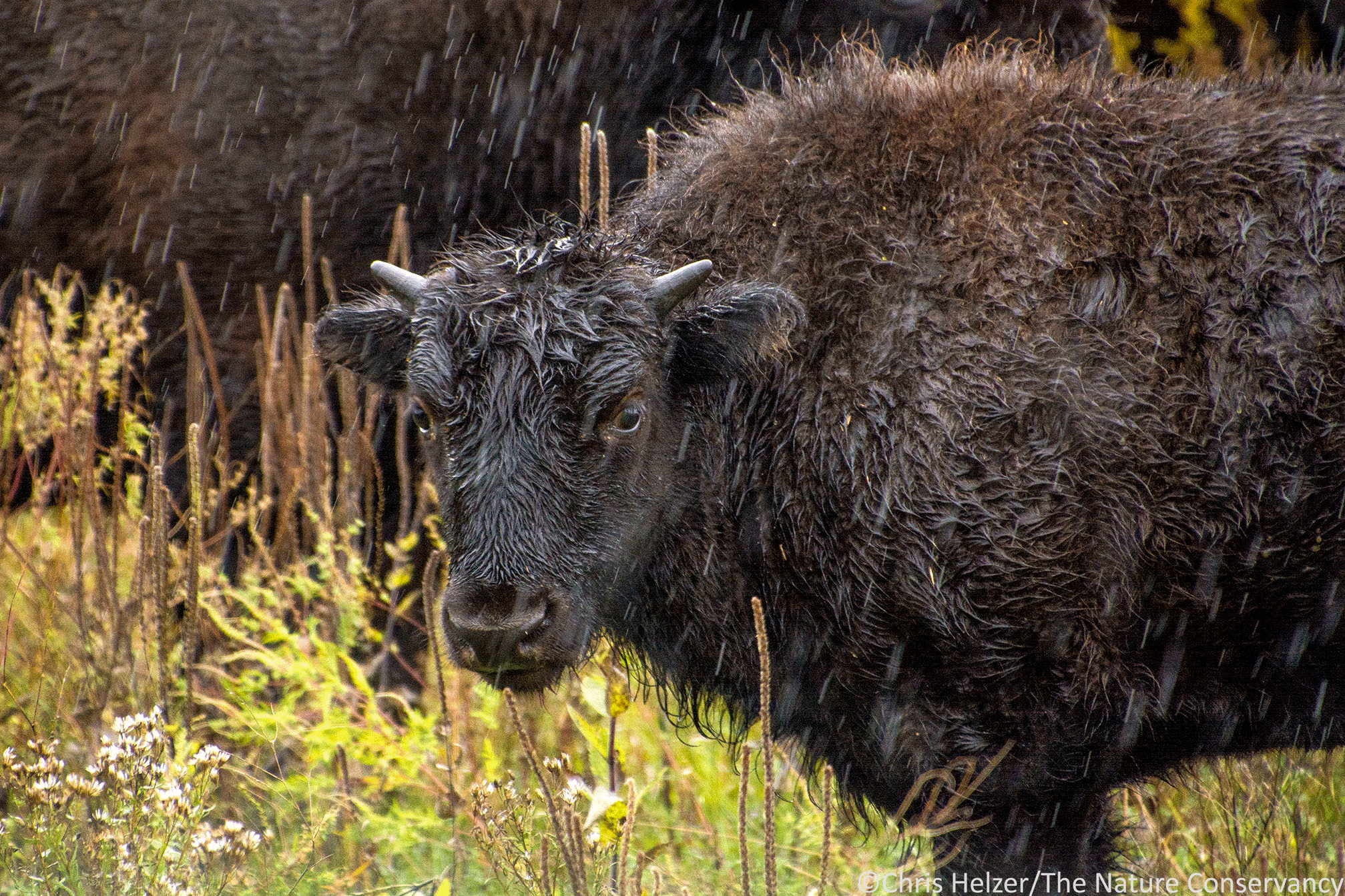
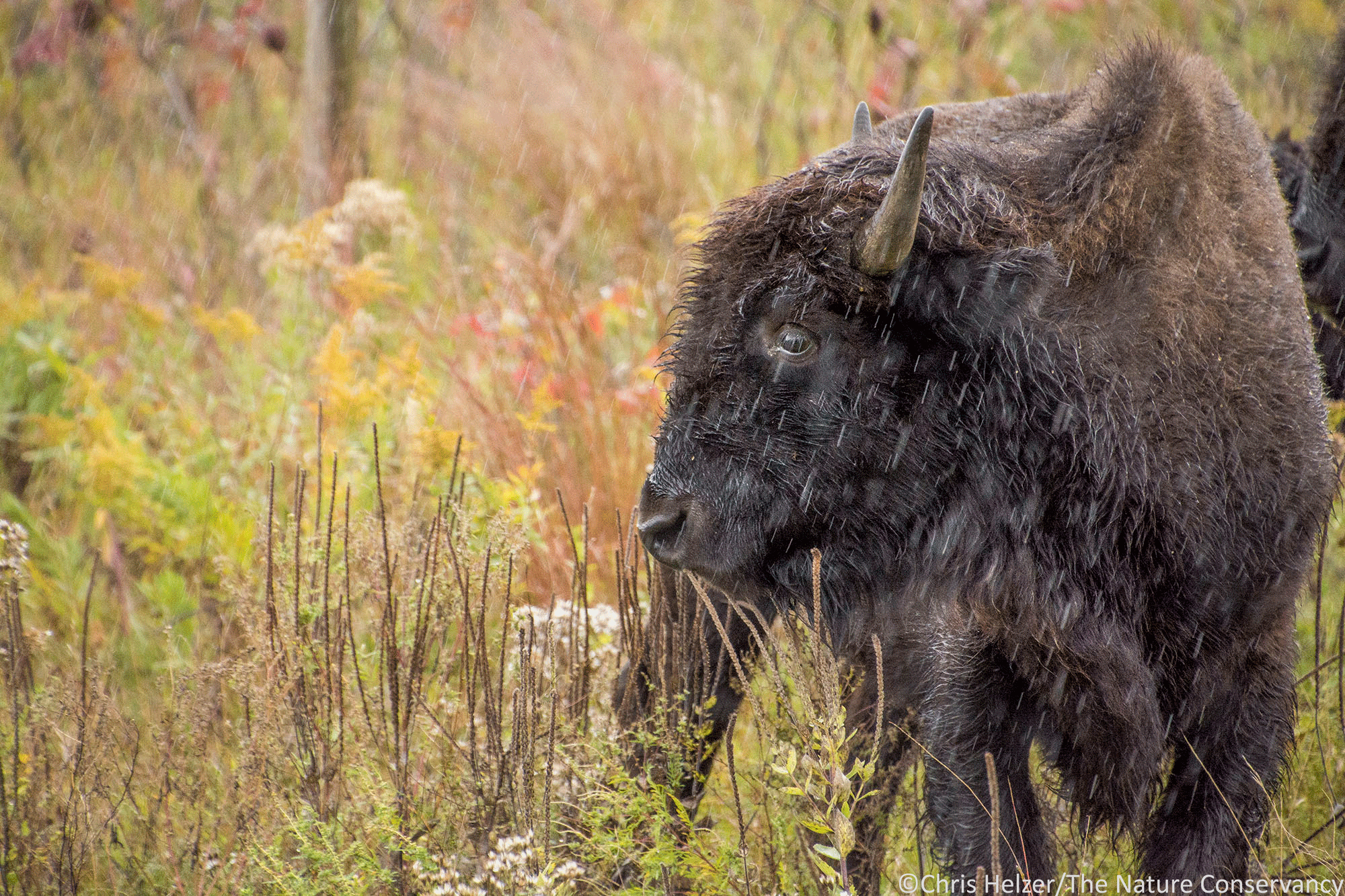
Photo of the Week – October 5, 2018

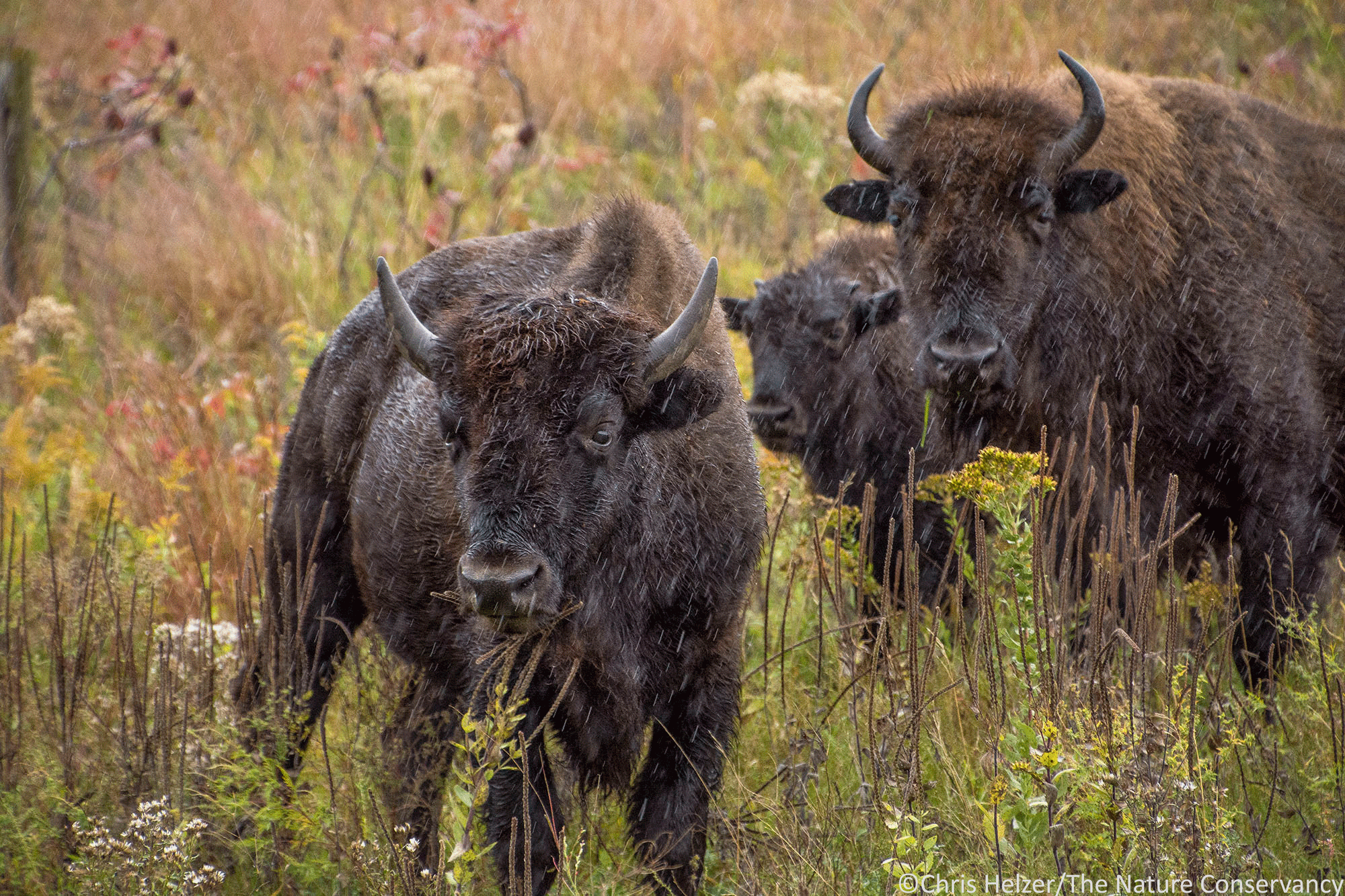
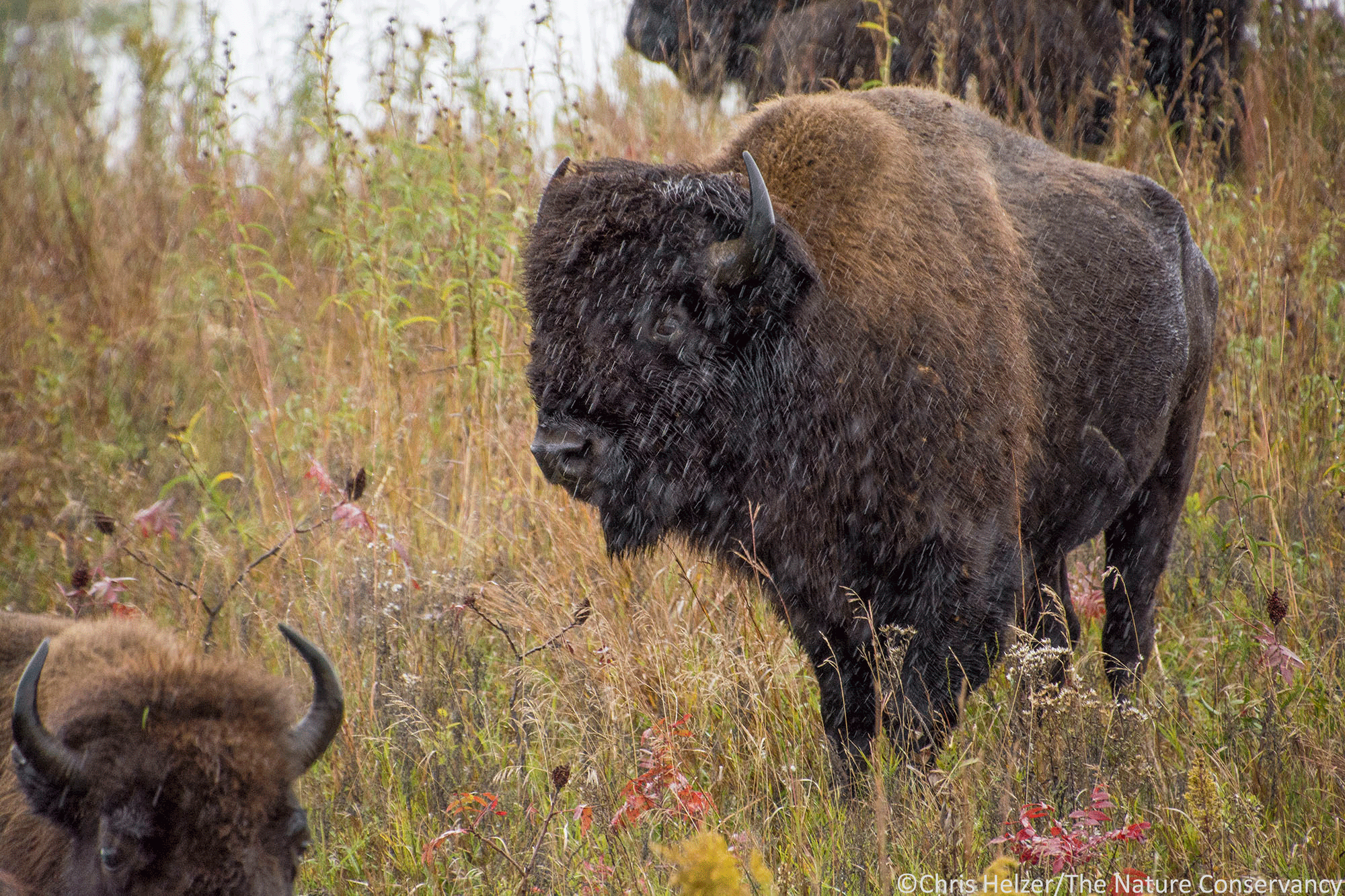
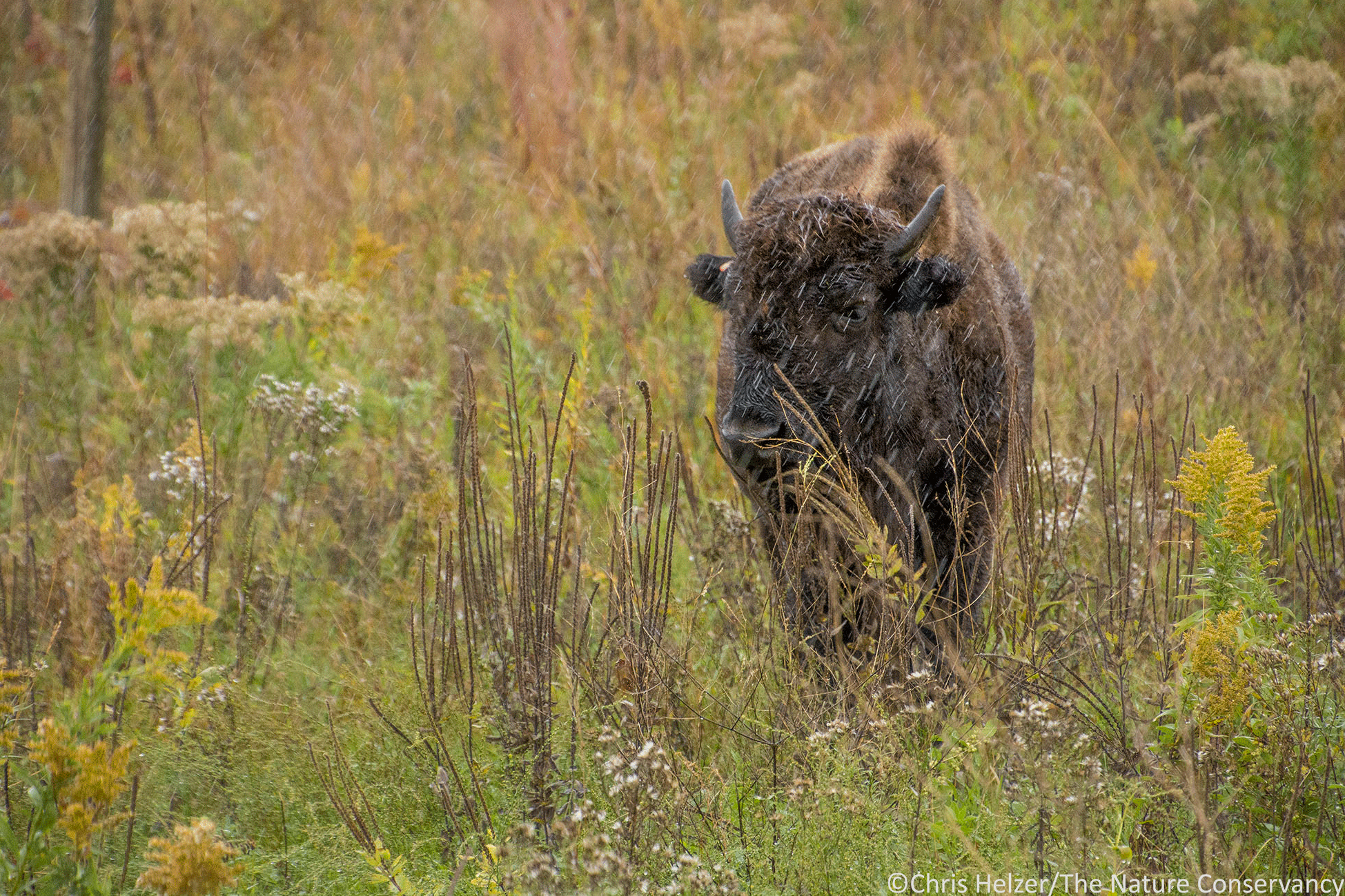
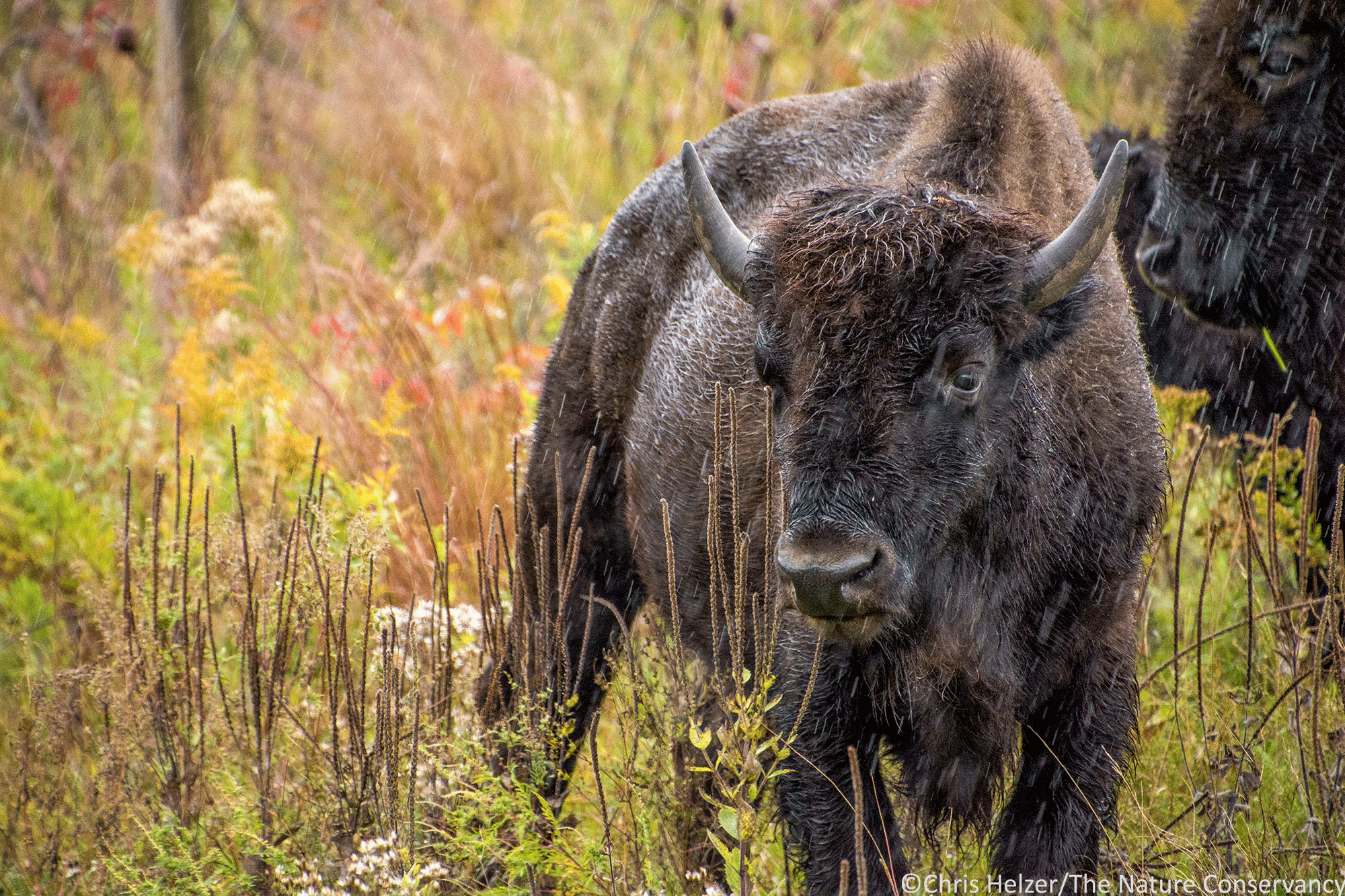
Bison are pretty tough.  At our Niobrara Valley Preserve, and at many other sites in the upper Great Plains, bison make it through the winter without any supplementary feed. They just eat cured grasses, grow a thick coat, and plow through snow and ice as needed.  Bison don’t need humans to help with calving, and they protect their babies very effectively from predators.  It shouldn’t be surprising, then, that animals like that would be completely unfazed by a little rain.

Yesterday, some of our Nebraska staff took a trip up to The Nature Conservancy’s Broken Kettle Grasslands in the northern Loess Hills of Iowa.  Land steward James Baker led us on a very scenic hike before a band of cold rainy weather moved in.  We then piled into some trucks with James and Director of Stewardship Scott Moats and went to visit the resident bison herd.  The bison were peacefully grazing as we drove up, despite the pouring rain.  When we stopped, a small group came over to check us out. Here are a few photos of those rugged bison, who didn’t need to huddle in dry and heated pickups to stay comfortable.

P.S. In case you had any doubt about my nerd qualifications, here’s one more piece of evidence.  As I was working up these photos (in the backseat of a truck heading back to Nebraska) yesterday, I was looking closely at the streaks of rain captured by my camera.  Based on the size of a bison calf’s eye and the length of the rain streaks closest to those eyes, I estimated that my camera captured about an inch of raindrop fall during the 1/250 of a second the camera’s shutter was open.  Now, I’d want to do some actual measuring of bison calves’ eyes to check this, but based on that rough estimation, those raindrops were falling about 250 inches per second.  Now, if I convert that number to miles per hour, I get 14.2 mph.  A quick online search found that raindrops are estimated to fall at about 20 mph.  I was pretty close!!  I mean, given that I don’t really know how big a bison eye is or how close those raindrop streaks were to that eye…  (NERD)