Don’t forget to contact us if you’re planning to attend one of the two events we’re hosting at the Platte River Prairies in July. Our public field day on July 9 is free and doesn’t require any registration other than to email Mardell (mjasnowski@tnc.org) so we know how many people are coming and can contact you if plans change. The Conserving Fragmented Prairies workshop (July 25-26) we’re co-hosting with Prairie Plains Resource Institute does require a simple registration, but is also free of charge. Registration deadline is July 1. You can see information about both those events HERE.
Today’s post is a dump of miscellaneous photos from the last couple weeks. I’ve been really busy with data collection and outreach projects, as well as stewardship of our family prairie. Still, I’ve tried to get to the field a little early, or stay a little late, to take advantage of photo-friendly light when it comes around. Most of these images were taken during those periods, which make my days longer, but also more inspiring. If you want a closer look at any of the images, just click on them.
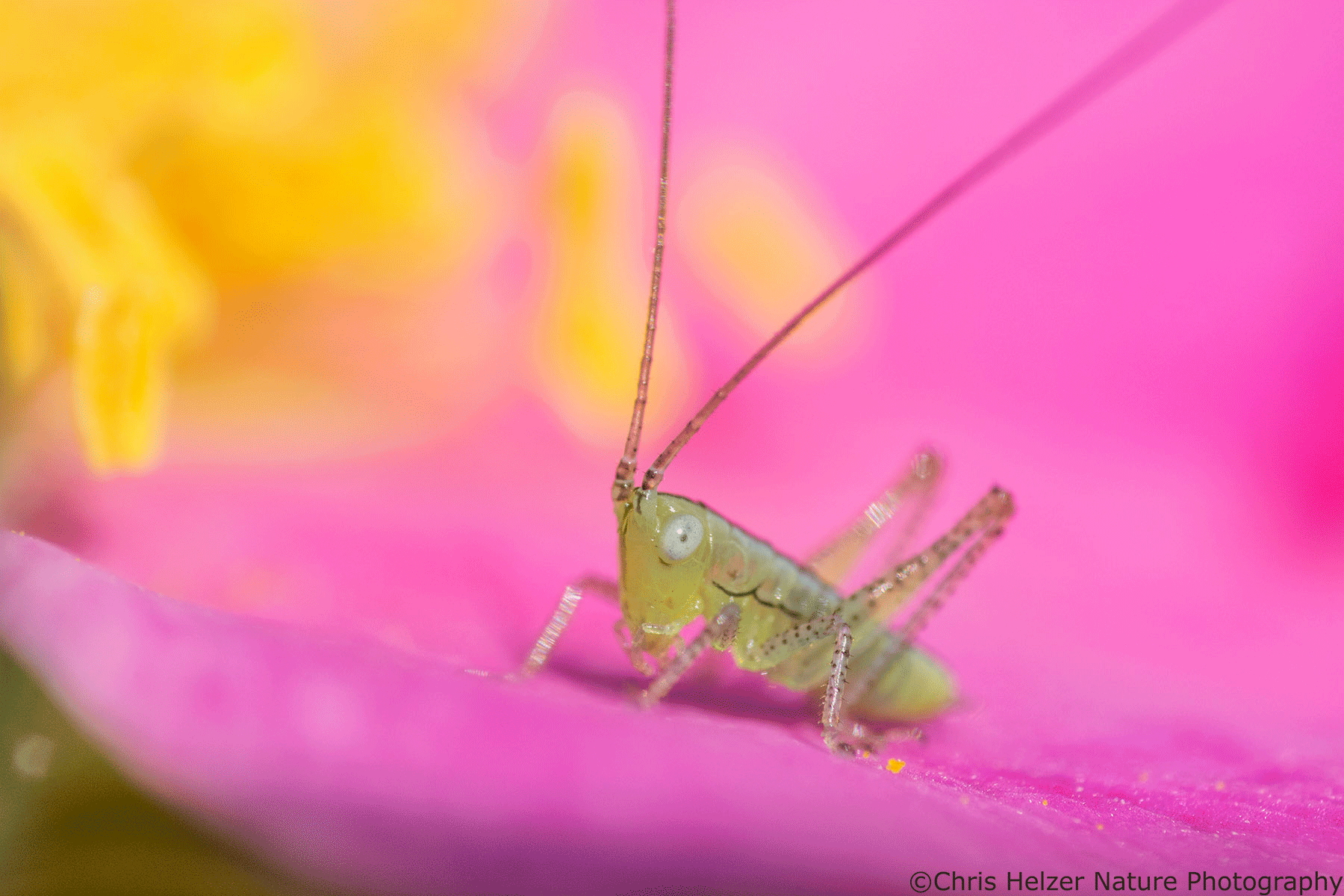
Assassin bug with captured fly on yarrow at the Helzer Family Prairie. Nikon 105mm macro lens. ISO 500, f/16, 1/200 sec.A tiny katydid nymph with antennae that stretched far beyond the frame of this image. Prairie Plains Resource Institute’s Gjerloff Prairie. Nikon 105mm macro lens. ISO 500, f/18, 1/320 sec.Spider milkweed, aka antelope horn milkweed, aka green milkweed (Asclepias viridis) at our family prairie. Nikon 105mm macro lens. ISO 500, f/11, 1/500 sec.
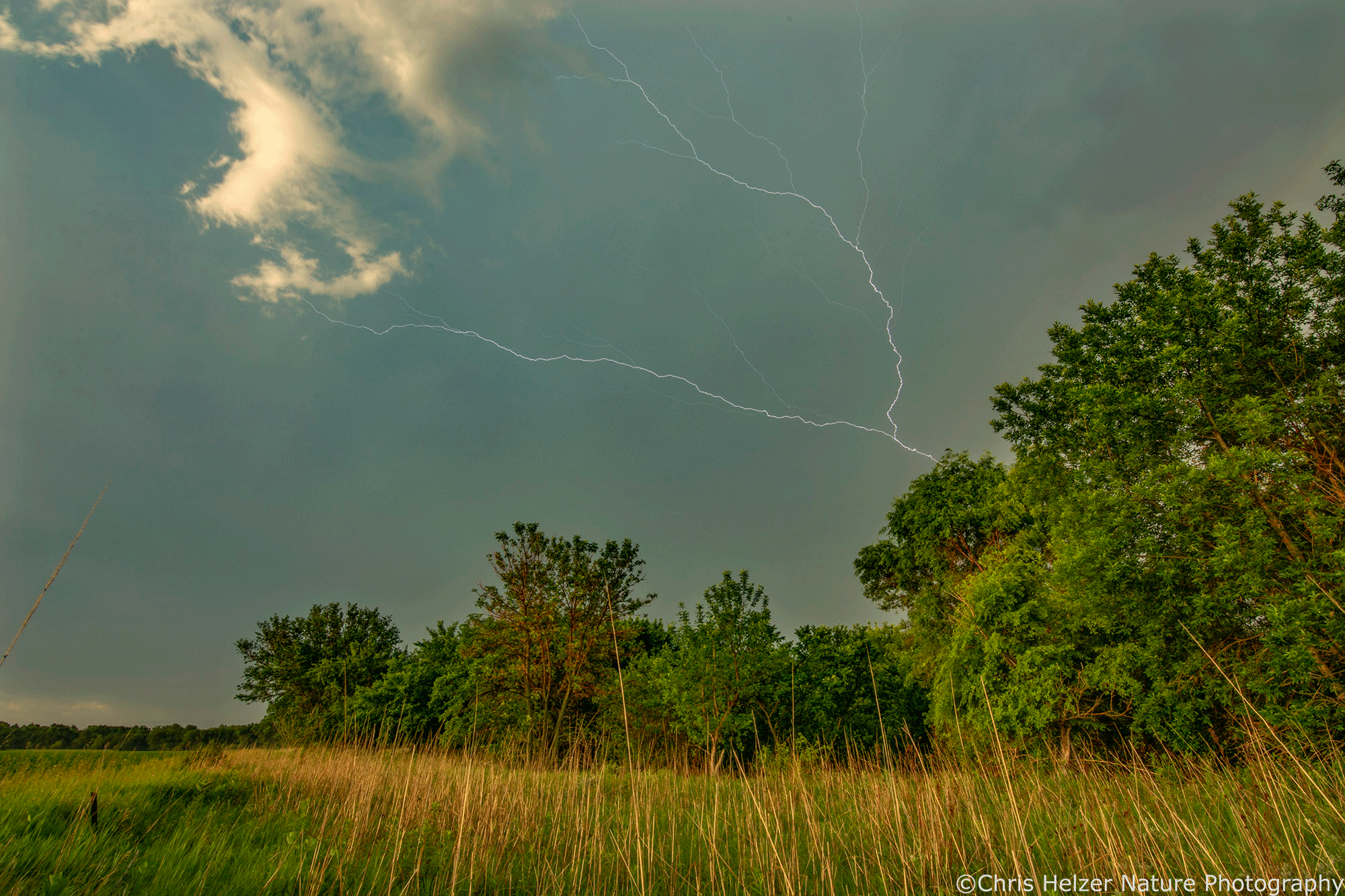
It’s been a stormy May and June around here, with some very damaging hail and winds. A couple weeks ago, a storm rolled through in the morning and I scooted out to Lincoln Creek Prairie to catch its backside as it moved to the southeast. This storm was pretty mild but had great lightning.
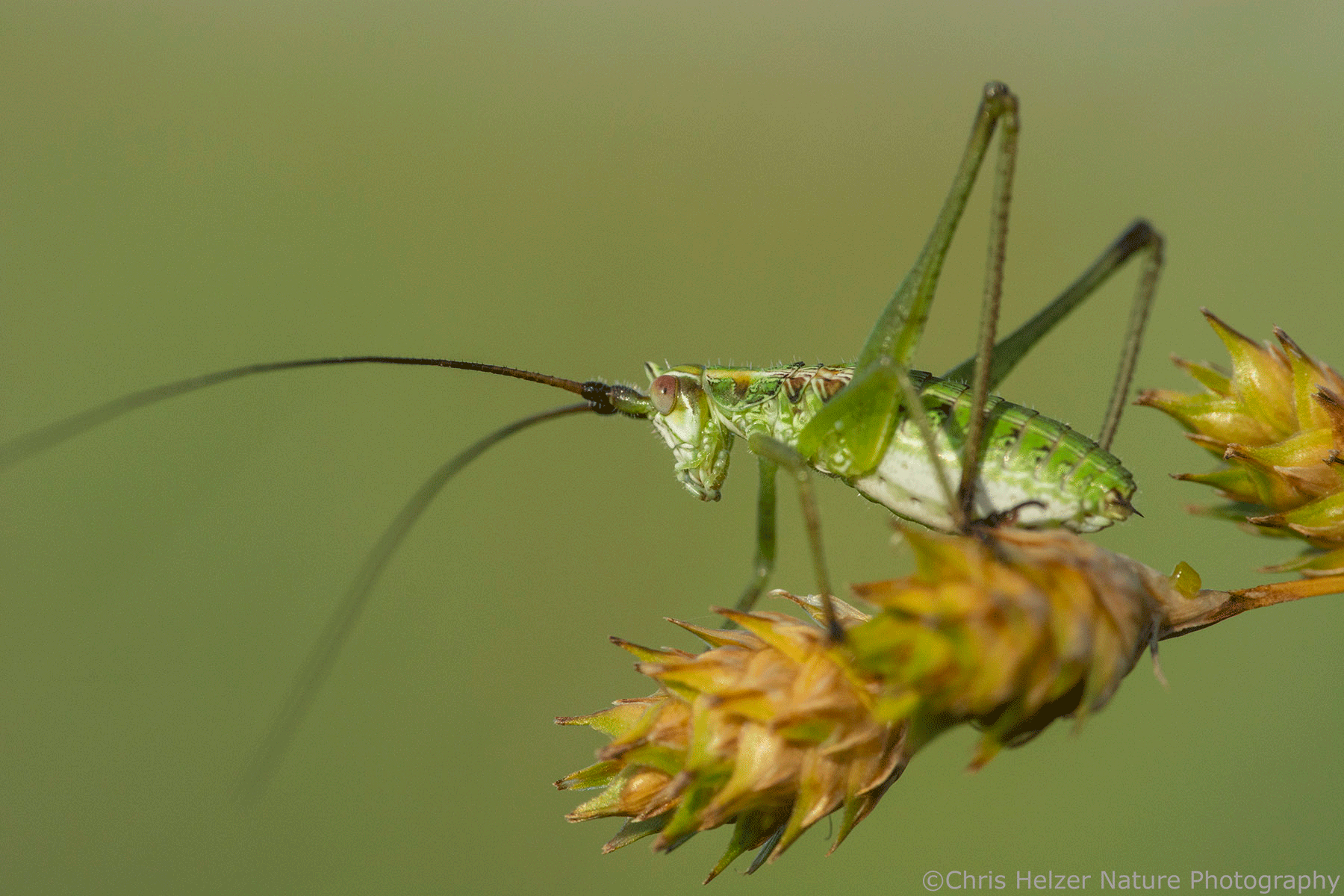
Lightning from a receding storm. Lincoln Creek Prairie. Tokina 11-20mm lens @11mm. ISO 100, f/22, 3 sec.Katydid nymph on short-beak sedge. Helzer family prairie. Nikon 105mm macro lens. ISO 500, f/14, 1/500 sec.Grasshopper nymph. Helzer Family Prairie. Nikon 105mm macro lens. ISO 500, f/14, 1/80 sec.
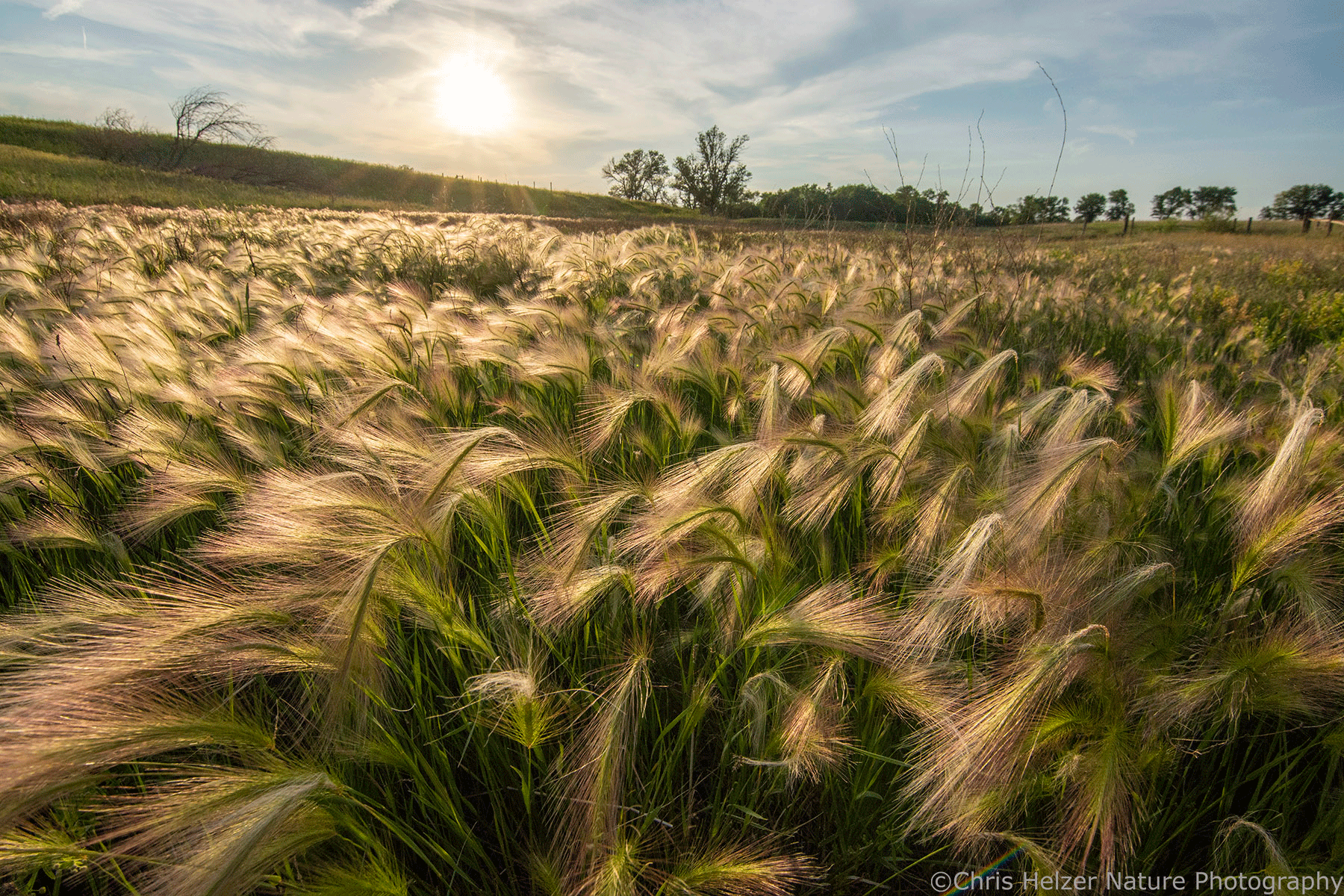
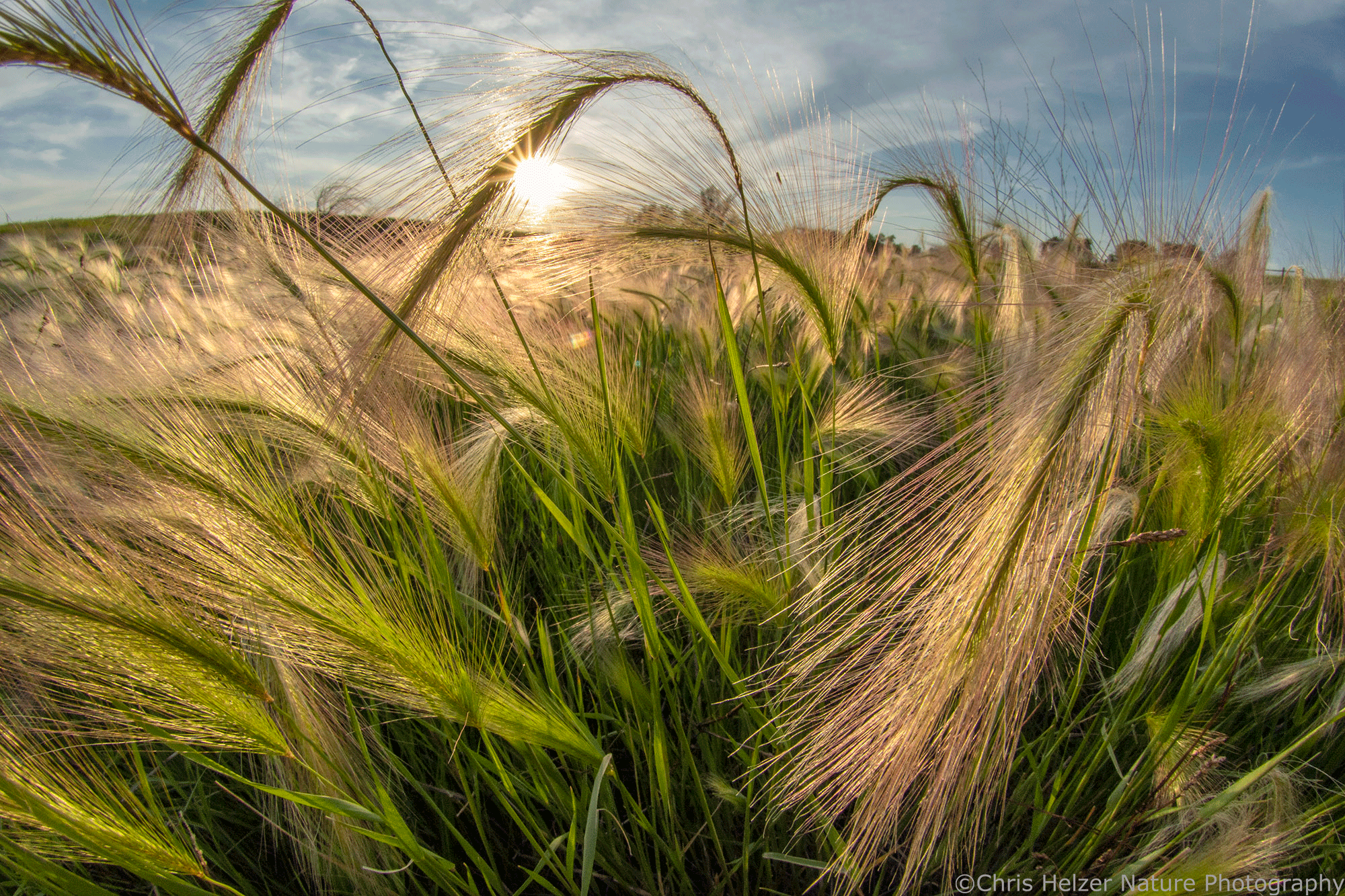
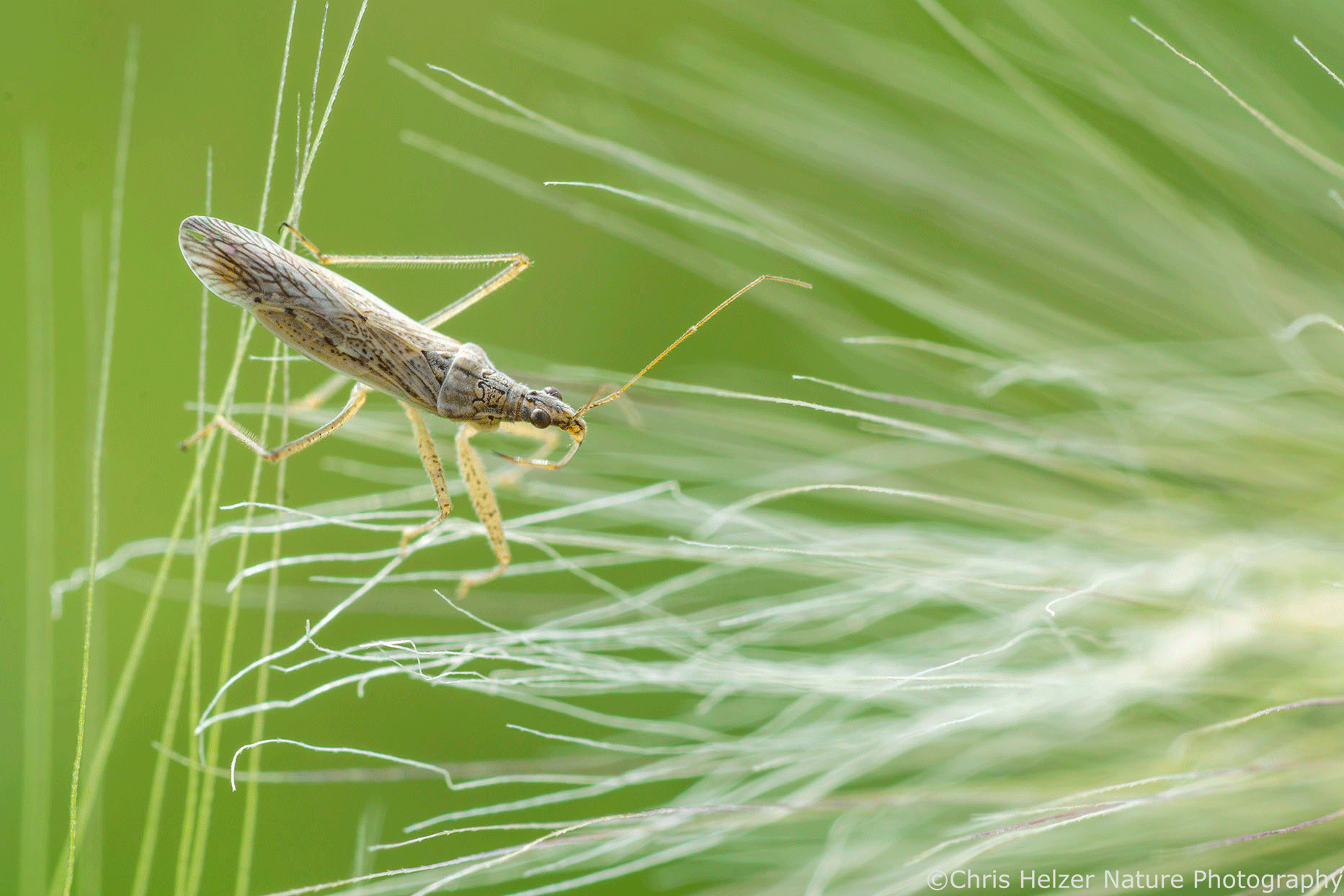
I keep being drawn to patches of foxtail barley this summer. The texture is just so gorgeous, especially with a low angle sun. As I’ve been photographing the patches, I’m also noticing all the insects that are feeding on the pollen of this grass – and the spiders and predatory insects hunting those pollen-feeders. It’s been a fun community to explore.
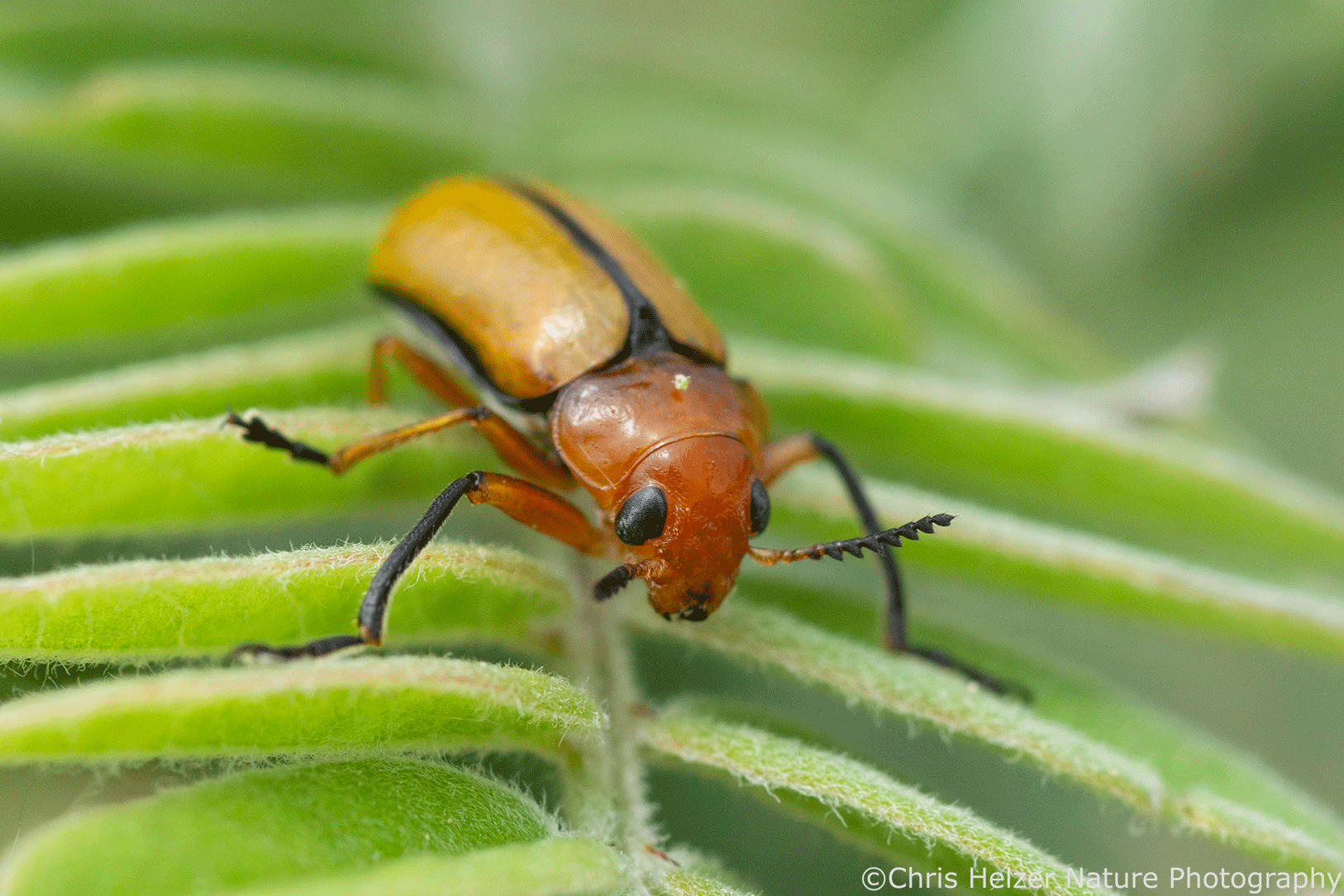
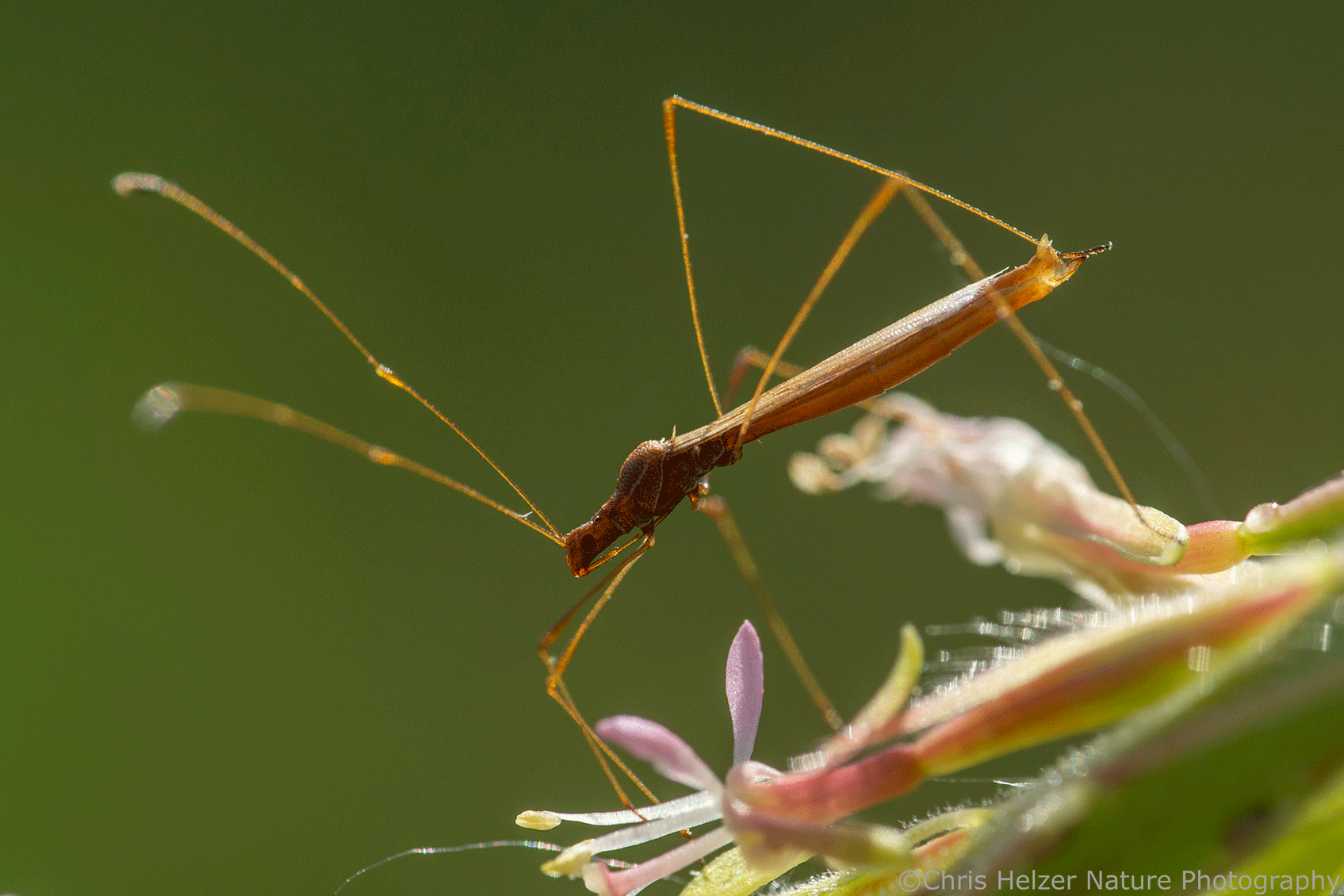
Foxtail barley and late day sun. Helzer family prairie. Tokina 11-20mm lens @11mm. ISO 500, f/13, 1/1000 sec.Foxtail barley and late day sun. Helzer family prairie. Nikon 10.5 fisheye lens. ISO 500, f/22, 1/160 sec.Damsel bugs are predatory and this one was hunting in a patch of foxtail barley. The Nature Conservancy’s Platte River Prairies. Nikon 105mm macro lens. ISO 250, f/16, 1/80 sec.Lynx spider. Lincoln Creek Prairie. Nikon 105mm macro lens. ISO 800, f/18, 1/80 sec.Clay-colored leaf beetle on lead plant. Lincoln Creek Prairie. Nikon 105mm macro lens. ISO 800, f/14, 1/320 sec.Stilt bug (Berytidae) on velvety gaura (Gaura parviflora). The Nature Conservancy’s Platte River Prairies. Nikon 105mm macro lens. ISO 400, f/16, 1/400 sec.
I had a nice and unexpected walk in our family prairie over the weekend. I’d planned to head out there Saturday morning before it got too windy and do a bumble bee survey as part of the Nebraska Bumble Bee Atlas project. However, I woke up even earlier than planned, so I took off and ended up out there just as the sun was rising above a few diffuse clouds near the horizon. The windspeed was also less than forecast, so I grabbed my camera and took advantage of the situation.
A damselfly on purple prairie clover, with the rising sun behind it.
As I’ve written many times in the blog, our family prairie is a continuing restoration project. Most of the site was farmed through the 1950s, but there are a few little bits of remnant prairie scattered within the 100 acre grassland. The formerly farmed areas were planted to grass in 1962 and between the expansion of populations from the remnants and seed we toss out in recently grazed sites, plant diversity has been slowly increasing.
Combine that history with the fact that our prairie is an island in a sea of row crops, and every insect or other prairie animal found is like a gift.
“Oh wow, how did YOU find your way here??” “Hey, you’re still around, huh? That’s great!”
The prairie specialist regal fritillary butterfly (Speyeria idalia) is an example of a species I’m always gratified to see, along with the American bumble bee (Bombus pensylvanicus), which is declining to the east of us. Now and then, I’ll see a greater prairie chicken during June and wonder if it’s nesting. There are many others, both large (badgers and coyotes) and small (tiger beetles, leaf hoppers, and spiders). Most have surely made their way into the prairie during the period between 1962 and now, but I wonder if some might have been hanging on in those tiny unplowed patches and continue to persist today.
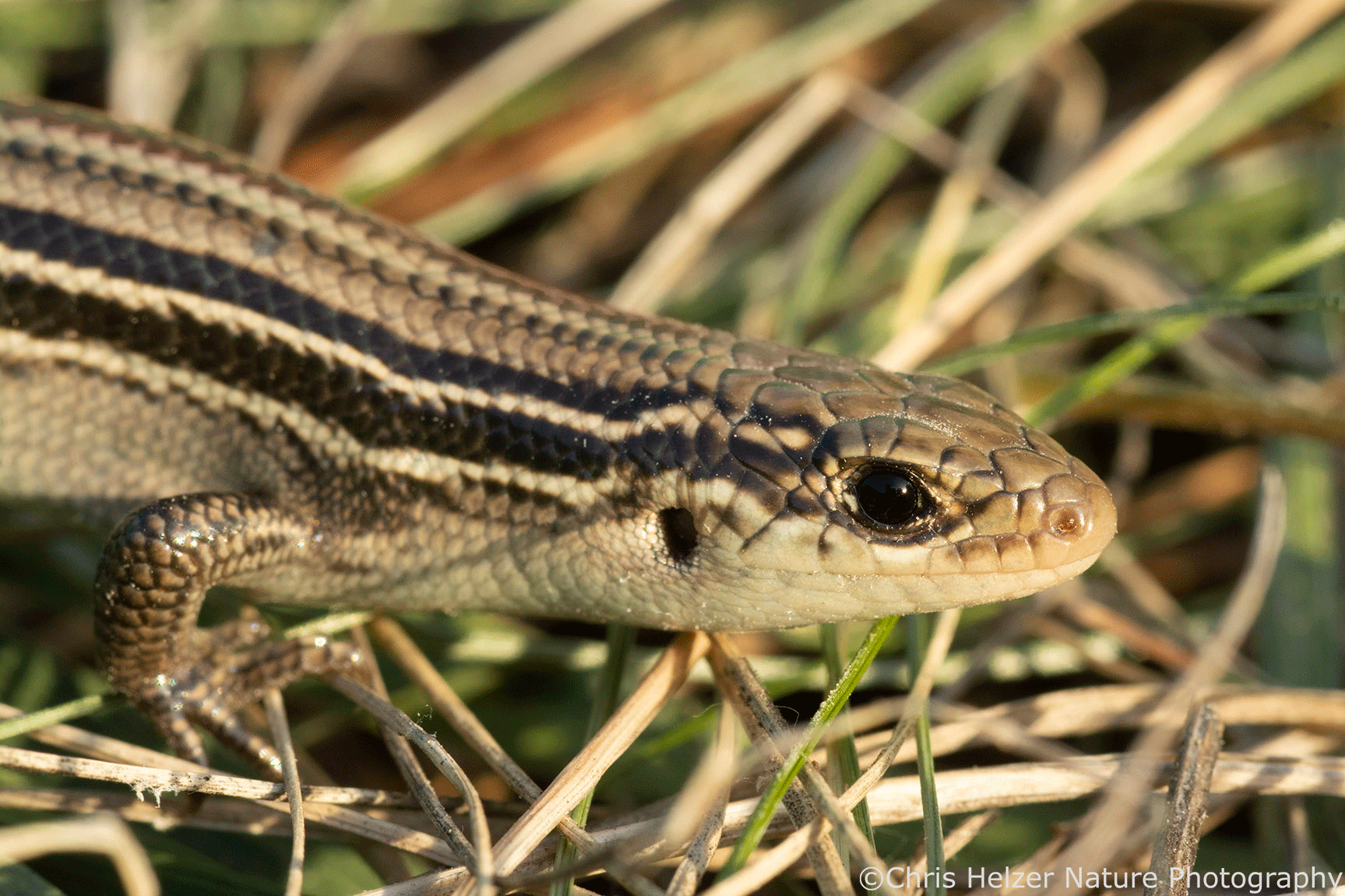
An early instar monarch caterpillar on common milkweed.A lynx spider soaking in the sun on an ironweed leaf.A different lynx spider on a different ironweed leaf from a different angle.A prairie skink. I can’t remember if I’ve seen one at our family prairie before and was excited to see it.
Similarly, it’s always a pleasure to see wildflowers, sedges, or even grasses I know weren’t part of the six species seed mix most of the site was planted with. The diversity is getting pretty good in places, but there’s still a long way to go. Fortunately, the trend is going in the right direction, and while I’ve got plenty of invasive trees, grasses, and forbs to deal with, I feel like the site is getting better every year.
Sensitive briar was starting to bloom on south-facing slopes. I’ve seen more this year than ever before, which is gratifying, but it’s still fairly uncommon.A small katydid nymph on sensitive briar.
I was a little disappointed with the abundance of blooming wildflowers this weekend. Yarrow (Achillea millefolium) was fairly abundant, and yellow sweetclover (Melilotus officinalis) is an unfortunate constant in the replanted areas, but apart from those two, other flowering species were only found here and there. Sensitive briar (Mimosa quadrivalvus) and prairie larkspur (Delphinium virescens) are becoming more common over time, but are still found in only a few patches. Spider milkweed (Asclepias viridis) occurs as scattered flowering plants and upright prairie coneflower (Ratibida columnifera) and lead plant (Amorpha canescens) are just beginning to bloom.
Most of the spring flowers are done and the more abundant summer flowers aren’t quite ready yet, so it feels like the prairie is in a bit of a lull. I’ve gotten better over time at looking at prairies through the eyes of various animals. This weekend, our prairie felt a little wanting from the perspective of bees and other pollinators. I’ll try to keep that in mind as I think about what species to harvest for our next rounds of overseeding.
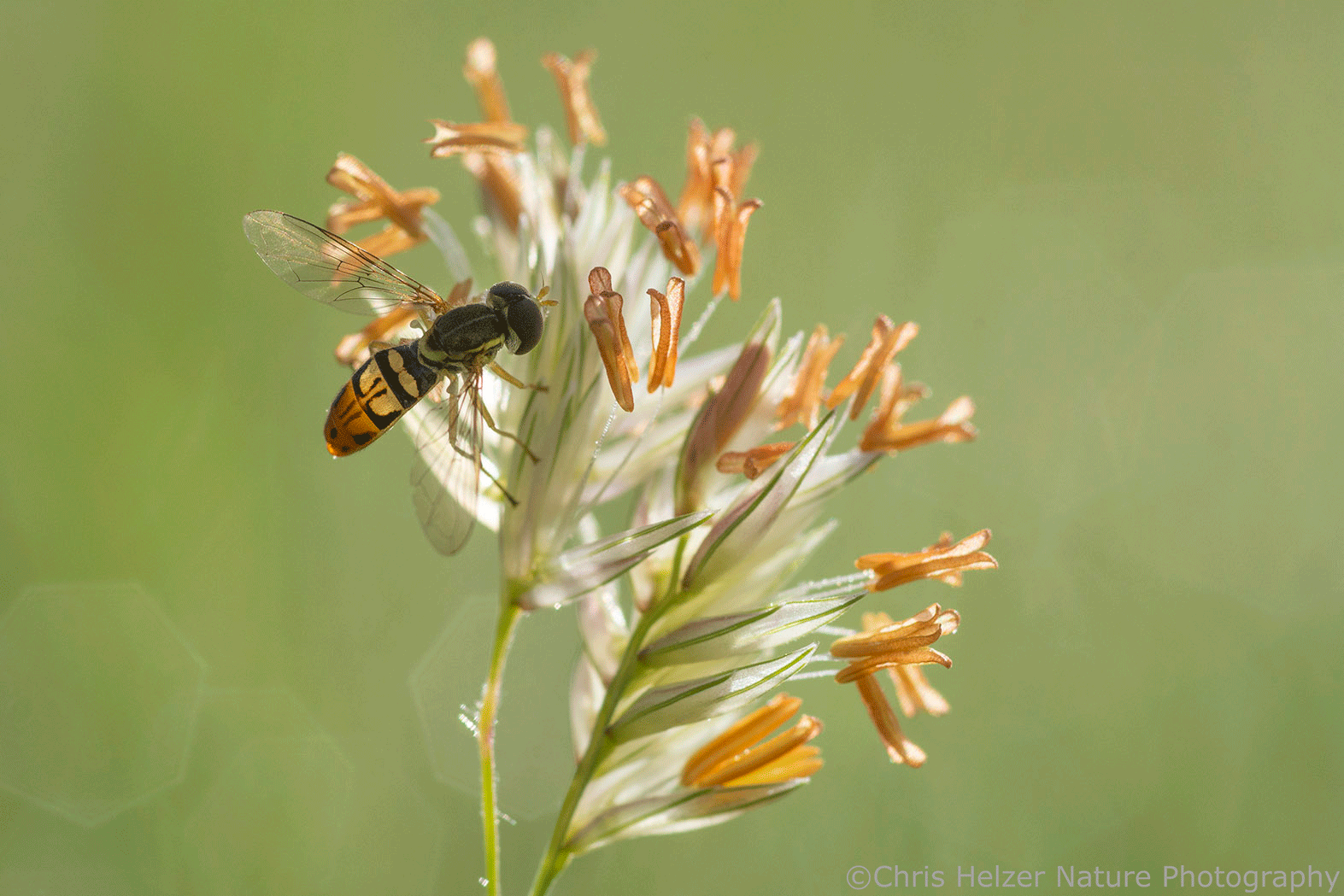
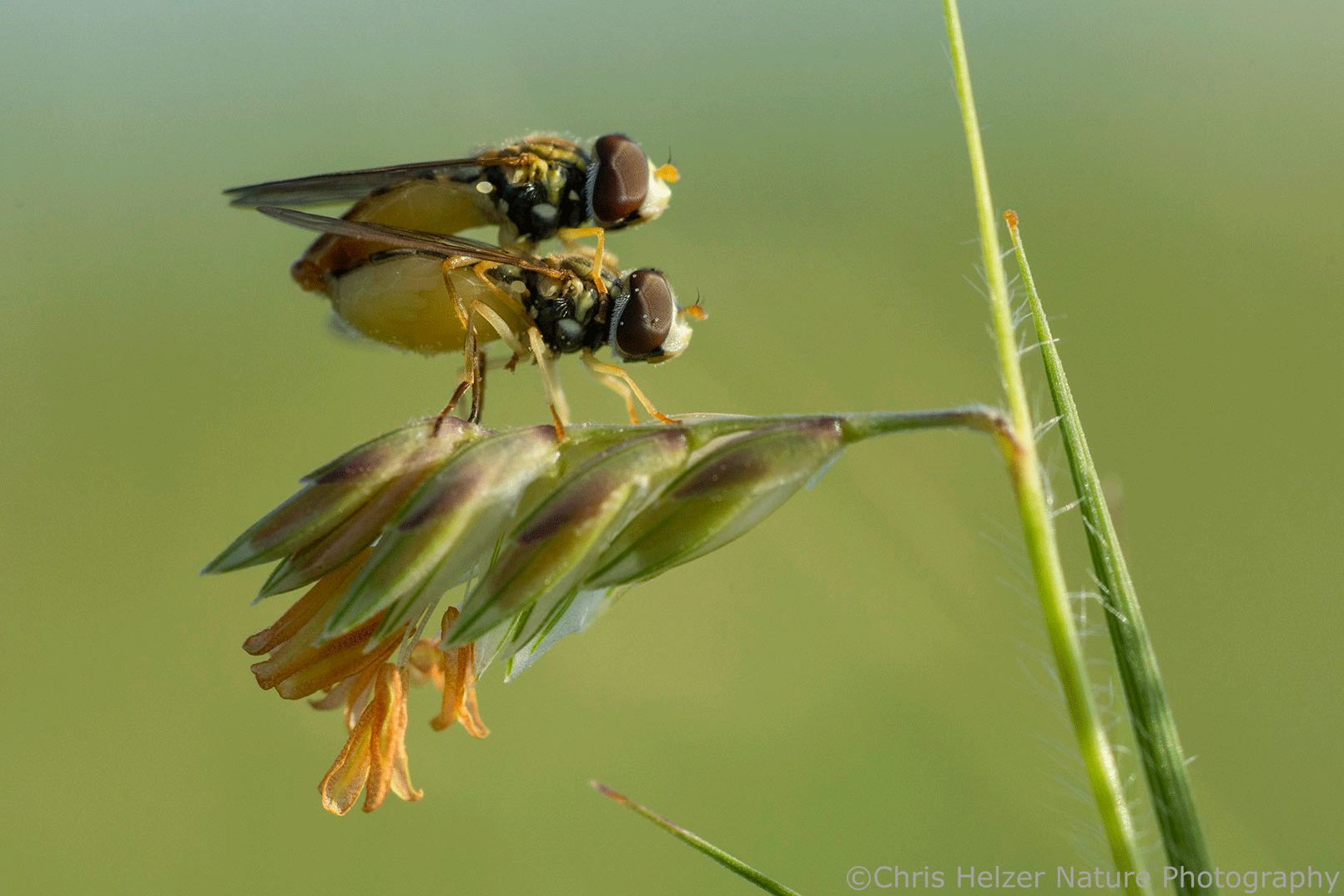
I’m not sure if it was related to the relative scarcity of wildflower blossoms, but I enjoyed a pleasant quarter of an hour lying in a patch of buffalo grass (not one of the 6 planted species!) watching flies and bees feed on grass pollen. I’d love to know how the nutritional quality of buffalo grass (Buchloe dactyloides) pollen compares to other options for those insects. I see the same kinds of little syrphid flies feeding on grass pollen later in the season too, even when there is an abundance of big wildflowers, which makes me think they might be visiting buffalo grass by choice rather than out of necessity. I’m not sure if the same was true for the little bees I saw.
Syrphid fly on buffalo grassTwo syrphid flies mating on buffalo grass.A small bee feeding on buffalo grass pollen.
As I wandered through the main four sections of our prairie, I was also paying attention to the habitat and plant community responses to our grazing treatments. Habitat heterogeneity looked good (tall and thick in the more rested paddocks and short, sparse, or patchy in the grazed or recently-grazed ones), but that’s the easy part. I was happier to see that smooth brome, while widespread, wasn’t looking dominant in any of the four pastures.
The paddock grazed hardest last year and beginning its two year recovery had the most brome flowering, but the plants were mostly small and spindly. In the other three, the cows were taking care of the brome in the currently-grazed paddock and the other two paddocks had very little evidence of brome unless I went digging through the vegetation to find it. Excellent.
I won’t bore you with all my other specific observations, but I was pleased to see lots of new plants germinating in areas that were grazed last year and recovering now. The seven acres of cropland we planted to prairie this year is starting to show signs of success too, though it’s way too early to be looking at it too closely. Just seeing a few native plants here and there is enough to see that the process is working.
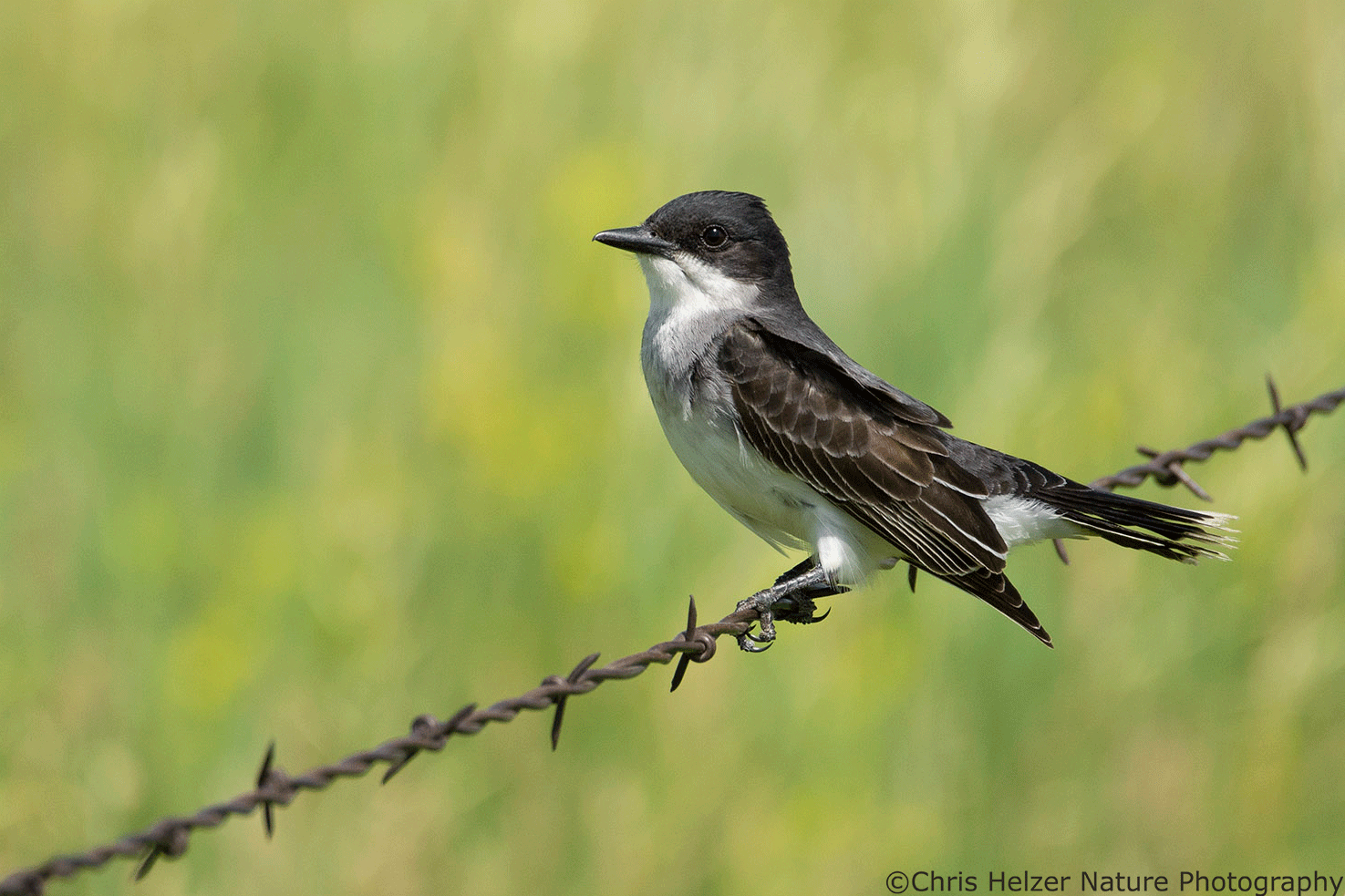
Eastern kingbird hawking insects from a fence.
Once the vegetation dried out, I completed my bumble bee survey. Then I chopped a few musk thistles and poison hemlock plants I’d missed last week and prepared to head home. Just as I was ready to hop in the truck, I spotted an eastern kingbird ‘hawking’ insects from the barbed wire fence. It was sitting on the wire and scanning the area and then periodically zipping out to catch something flying by. I wondered if it was distracted enough to let me get a photo of it. I managed to get close enough for a couple decent shots before it took off after a moth (I think?) that led it about 100 yards away. I let it go and drove home feeling good about life.
If you want to see our family prairie in person, it’s one of the two optional field trips being offered as part of our Conserving Fragmented Prairies workshop coming up on July 25-26. You can read about that and our public field day at the Platte River Prairies on July 9 in my earlier post.










 The Prairie Ecologist