Photos of the Week – June 5, 2022

Foxtail barley (Hordeum jubatum) is a great little perennial native grass here in Nebraska, but many people view it as a weed. While it’s a perennial, it acts like an annual in that it often grows in heavily disturbed sites – especially places where other vegetation has been recently flooded out. It’s not a strong competitor, so it only sticks around the same place if that place is repeatedly flooded or otherwise disturbed in a way that prevents other plants from doing well.
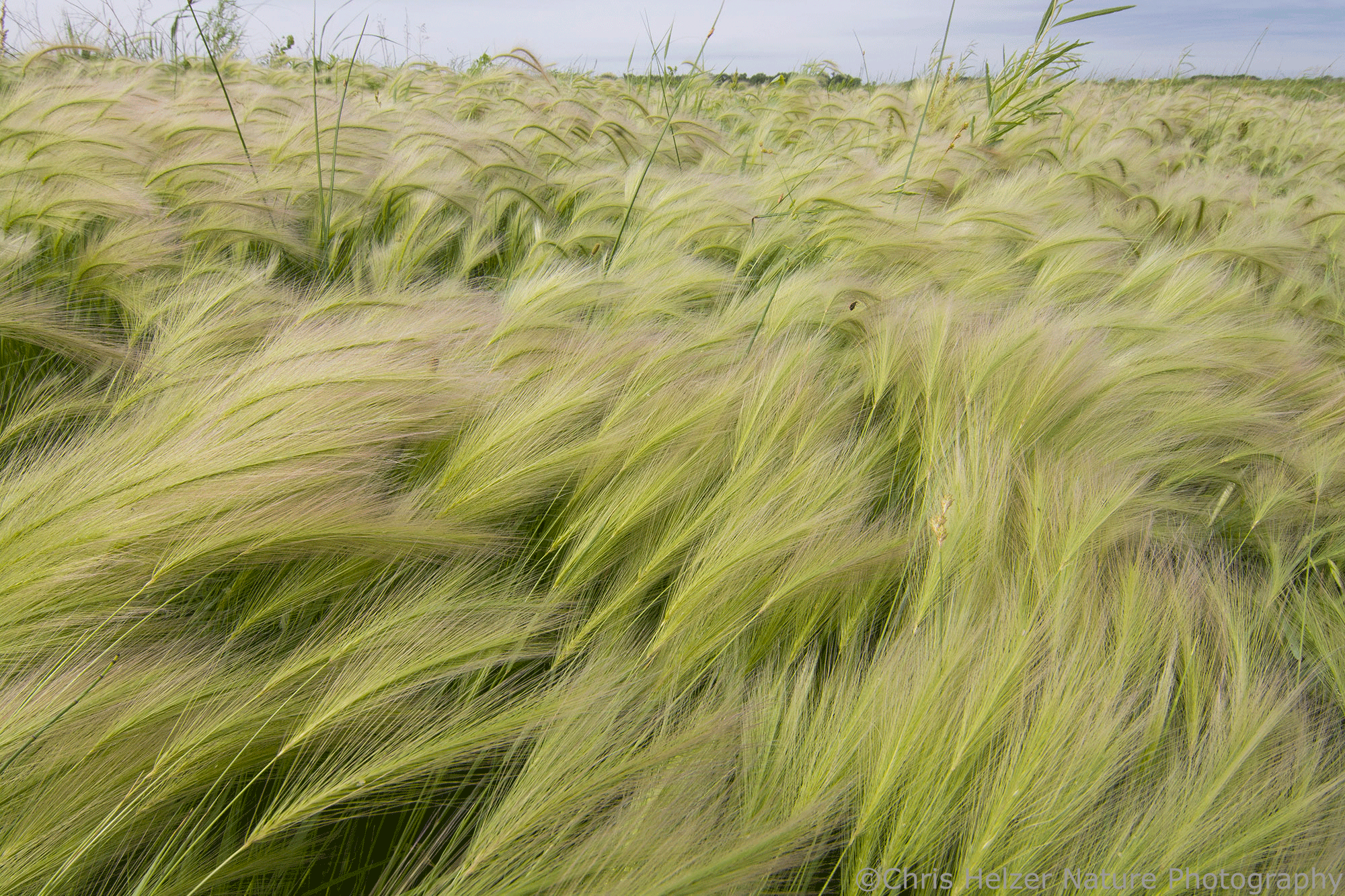
Here’s a 2018 photo of foxtail barley in a recently-restored wetland slough in our Platte River Prairies.
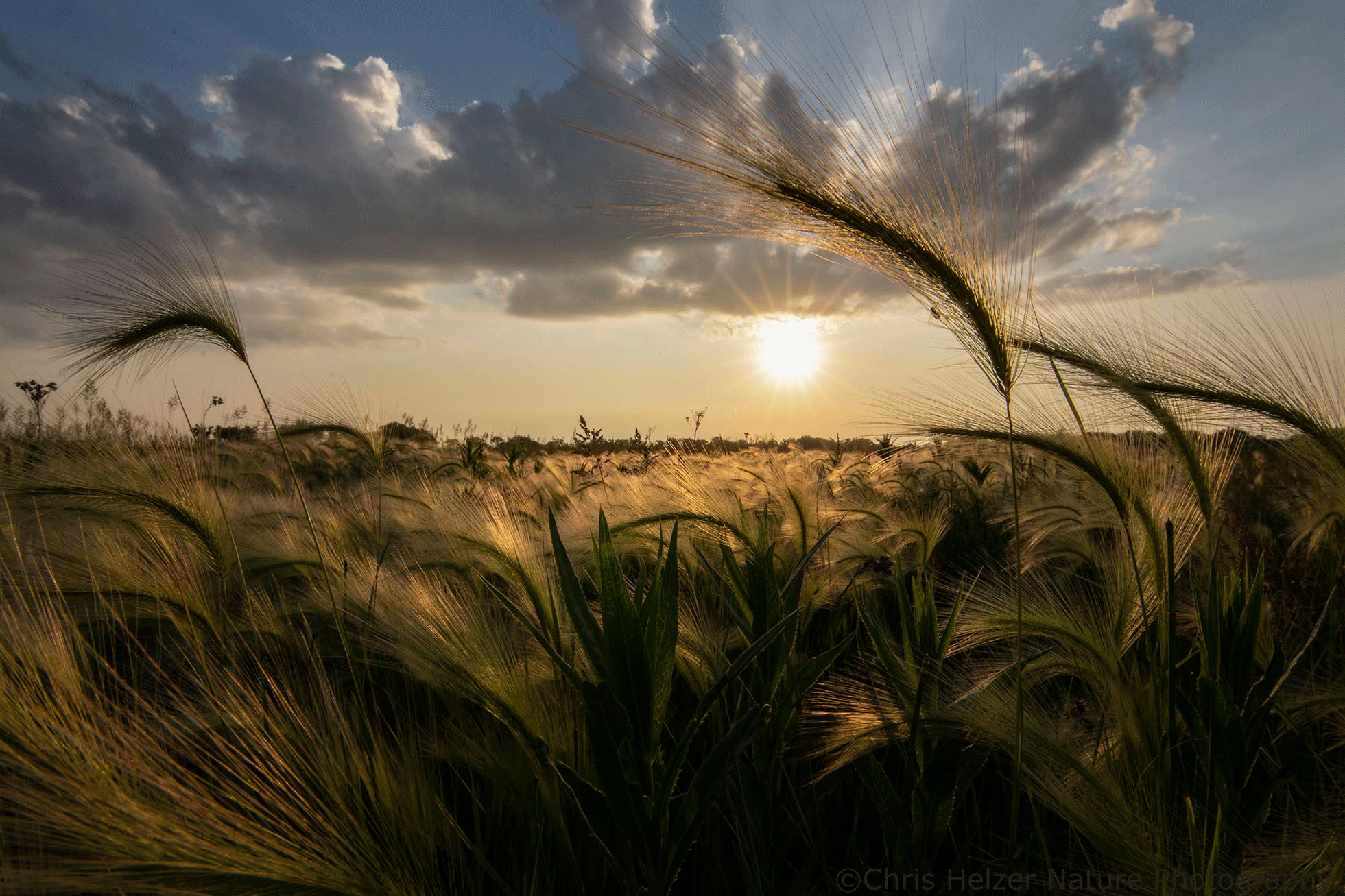
I took this photo of a patch of foxtail barley last summer (2021) at sunrise in a different Platte River Prairies site.

One of the characteristic traits of foxtail barley is its long awns, which look like lengthy hairs on its flowering heads. The awns often have a kind of pastel pink or salmon hue to them, especially in the right light. A large patch of foxtail barley can be a gorgeous scene as the colors and textures blend together – especially as they wave and ripple in the breeze.
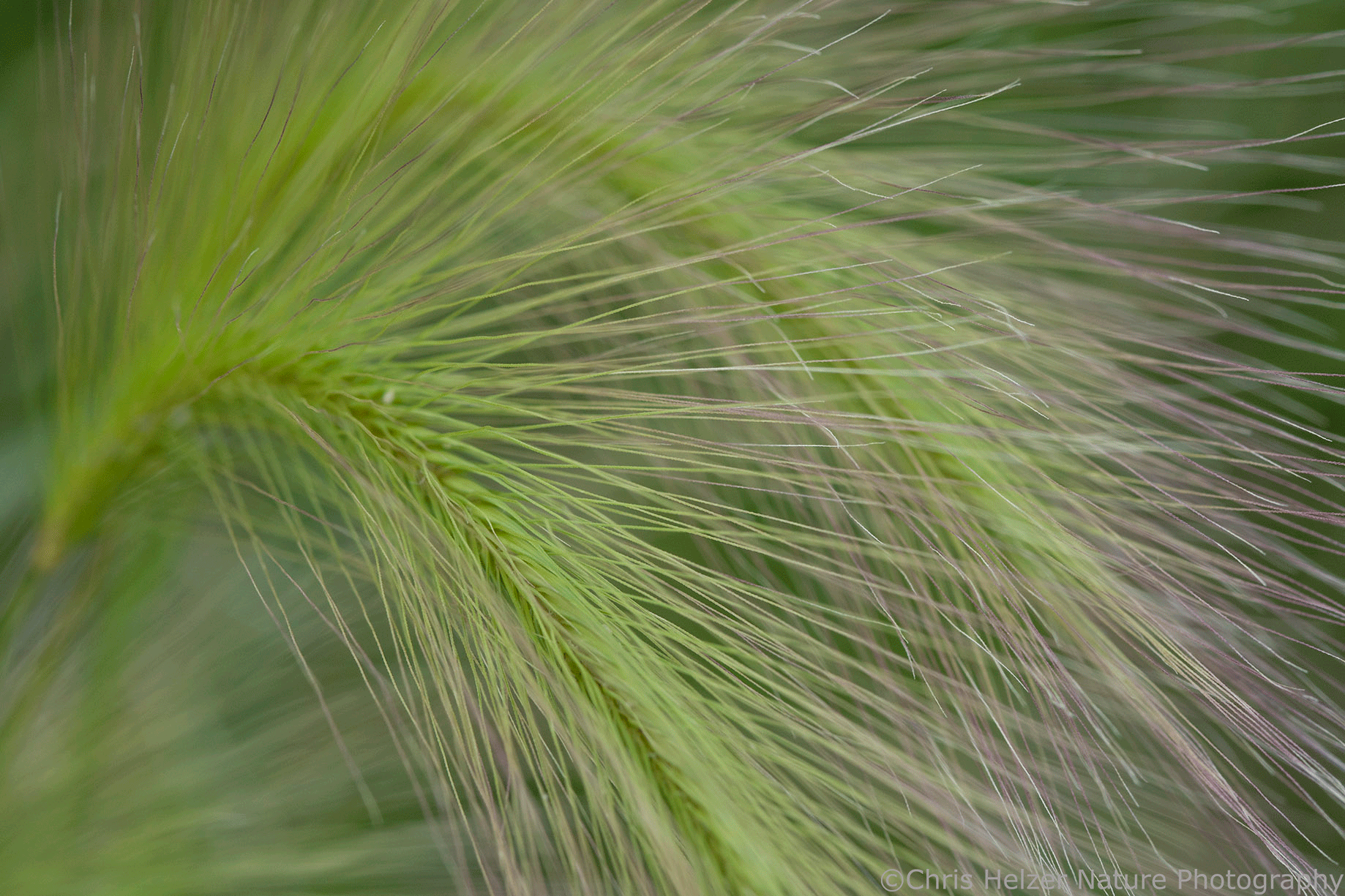
Foxtail barley, showing off its long awns (the hairlike projections on its flowering heads).

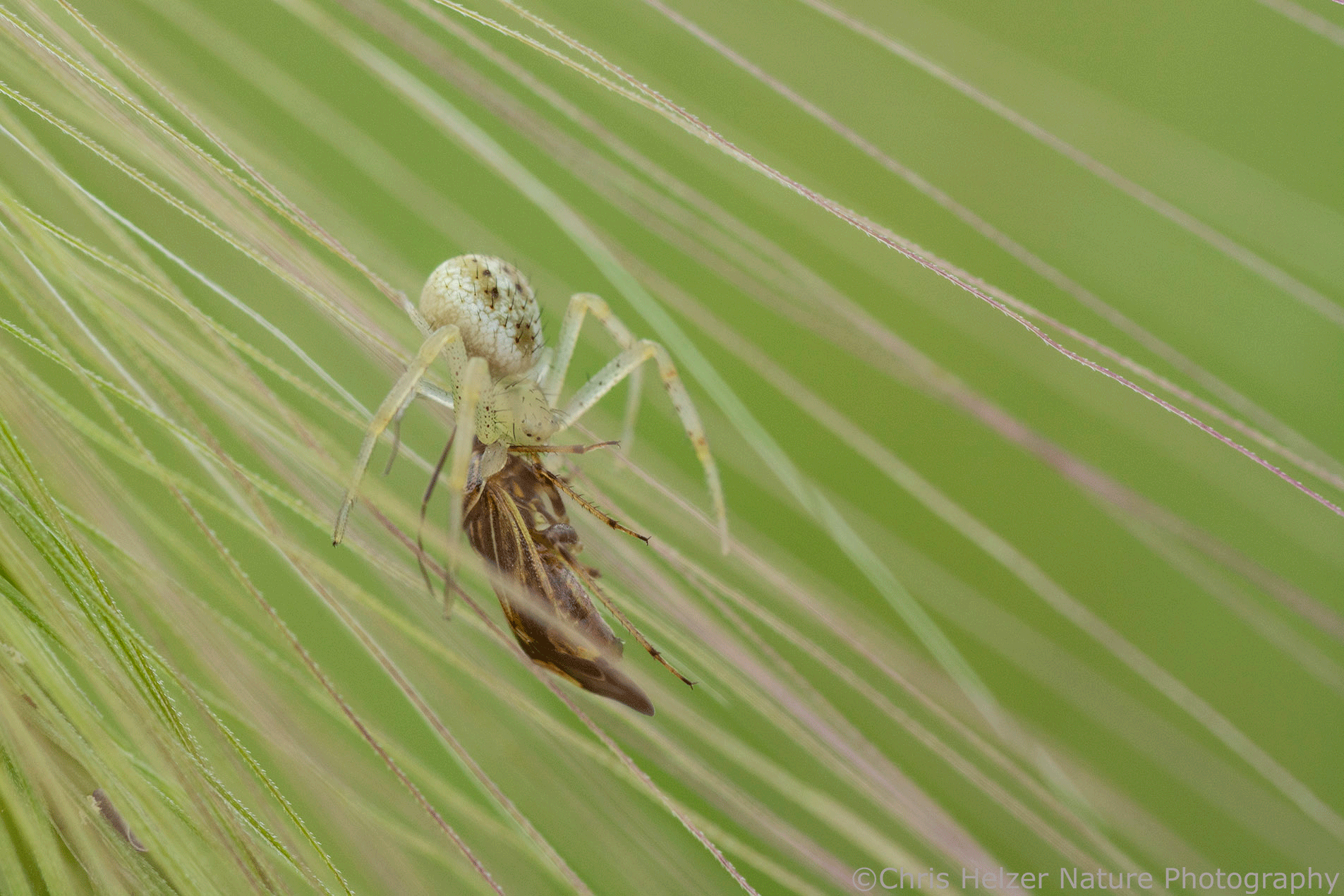
Like any other grass, foxtail barley produces pollen when it flowers. That pollen, in turn, attracts tiny insects to feed on it. Flies seem particularly interested, but they’re far from the only ones. Not surprisingly, congregations of flies and other small insects also attract predators – especially tiny crab spiders, which nestle themselves between the long awns and wait for unsuspecting prey to show up. I noticed both the flies and spiders at one of our wet prairies along the Platte River last week. Then I saw more of them at Prairie Plains Resource Institute’s Gjerloff Prairie yesterday.
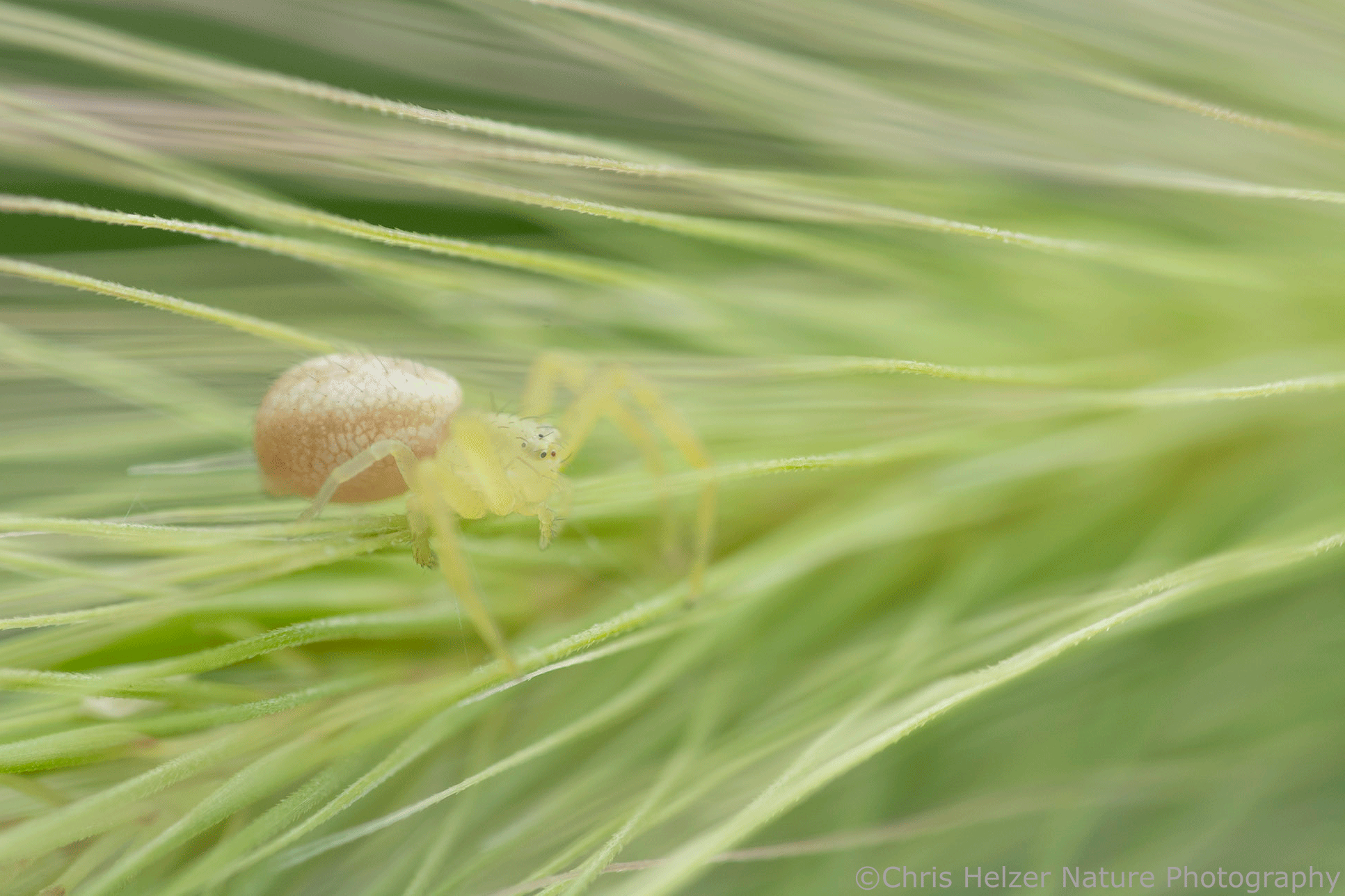
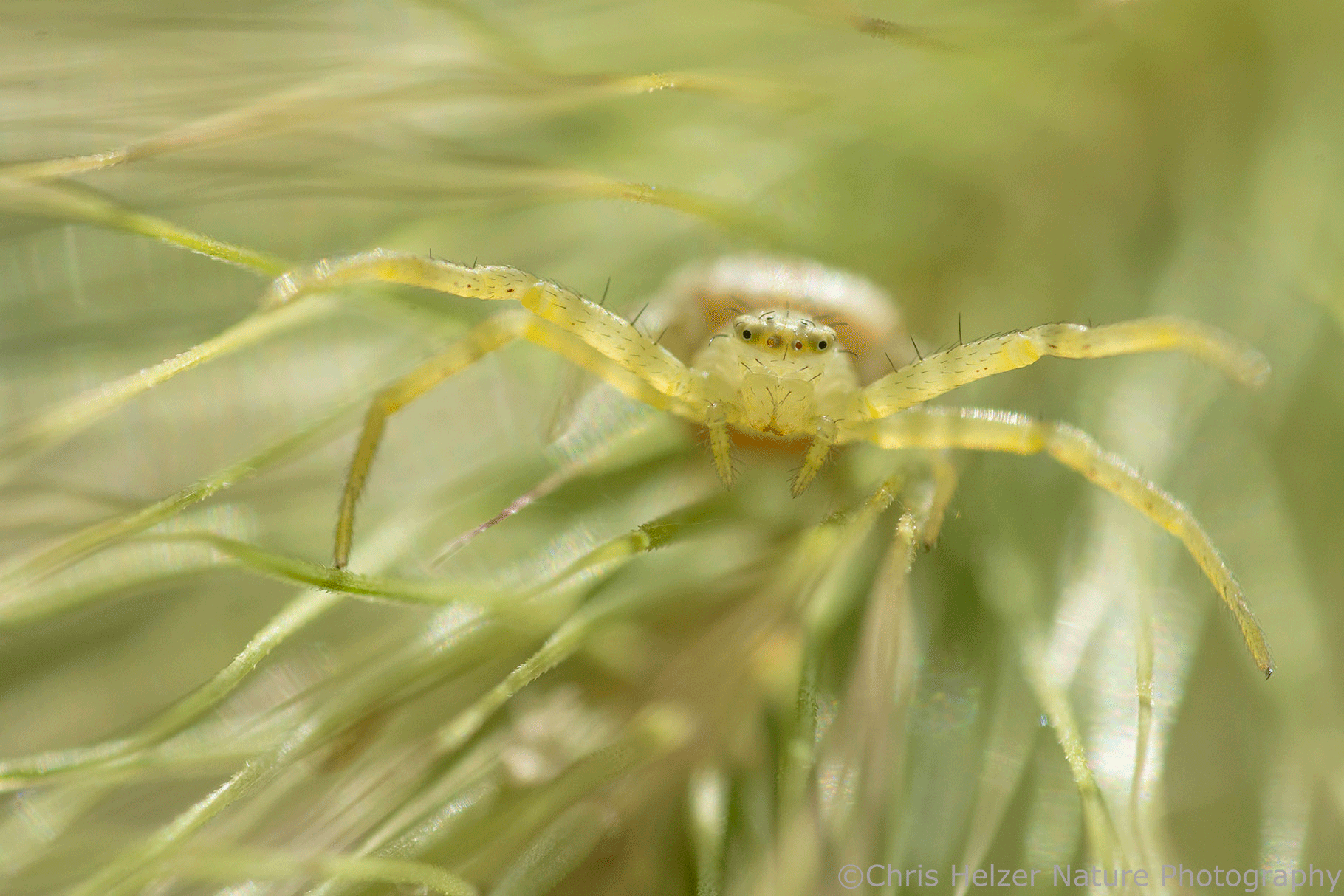
The little crab spiders blend well with the awns of foxtail barley.
The spiders’ legs are both similar in color and translucence to the awns.
This tiny spider was feeding on a little bug it had caught at Gjerloff Prairie yesterday.

Photographing the spiders and their prospective prey is very tricky. First, of course, insects are wary of big hulking photographers, so they don’t stick around very well when I approach. Second, though, foxtail barley’s big awns catch even the slightest breeze and seem constantly on the move.

As I tried to photograph the little creatures within those awns last week, I often ended up trying to hold the tips of the awns while shoving my camera (on a tripod) close enough to get the photo I wanted. Most of the time, this ended up in the spider or other creature leaving way before I could compose a shot, but persistence eventually paid off and I managed to find a few more tolerant individuals (including those shown above).
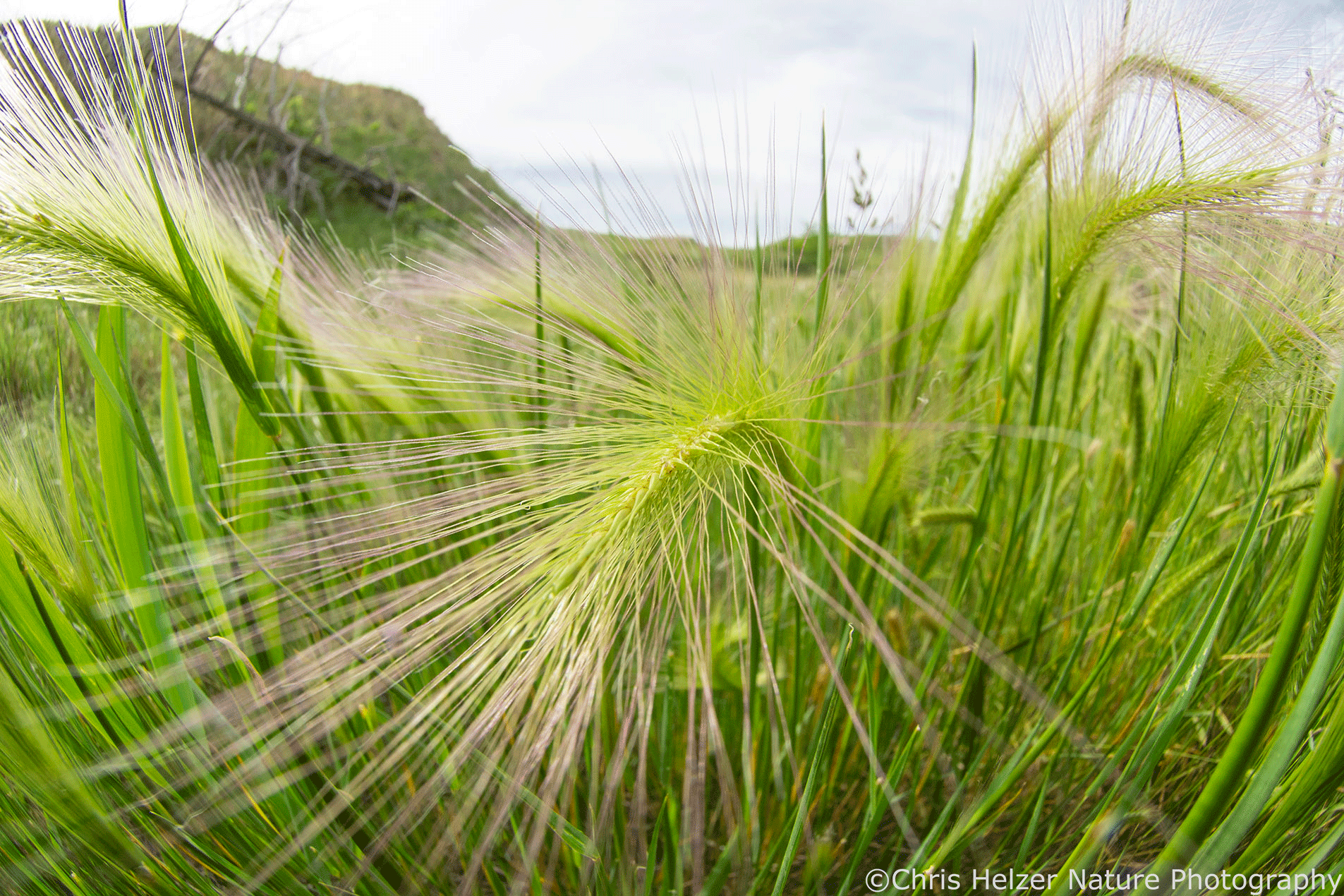
Foxtail barley yesterday morning at Gjerloff Prairie.

I’ve long been a fan of this plucky little grass that can handle conditions most other plants can’t. Its gorgeous ‘head of hair’ is certainly part of the appeal too, of course. Now that I’ve started to pay attention to the interactions going on between its pollen-consuming visitors and the spiders waiting in ambush for those visitors, I love foxtail barley even more.
Join Us for Two Events in July!

We will be hosting two events at The Nature Conservancy’s Platte River Prairies next month. One is the workshop I mentioned last week, which is taking the place of the cancelled North American Prairie Conference (July 25-26), and is co-hosted by TNC and Prairie Plains Resource Institute. The second is a public field day on Saturday July 9, which I mentioned in an earlier post.

Read below for details on both events and links to even more information. Both events are free, but we’re asking people to contact us if you’re planning to attend. Please help us spread the word on both of these events – thank you!

  1. Conserving Fragmented Prairies Workshop. July 25-26, 2022 – Marquette and Wood River, Nebraska.

This field-based workshop will focus on a range of topics related to restoration and management of prairies in fragmented landscapes and is designed for prairie land stewards and landowners.  We will visit sites that illustrate both successes and challenges as a way to foster conversation and sharing of experiences between participants. Discussion highlights will be captured and shared out with participants and a broader audience following the conclusion of the workshop.

Topics will include prairie restoration/reconstruction, fire and grazing management, woody plant and other invasive species management, and more. See the full agenda and other details HERE.

The vast majority of the workshop will be held outdoors, so plan accordingly.  All food and lodging will be the responsibility of participants.  Restaurants and hotels can be found in the nearby towns of Aurora and Grand Island, which sit between Day 1 and Day 2 field sites.

There is no cost for this workshop, but space is limited, so register early (use this registration form) to ensure you get a spot.  Masks may be required for indoor sessions.  We hope to host the workshop rain or shine but may have to adjust or cancel portions if we get severe weather.

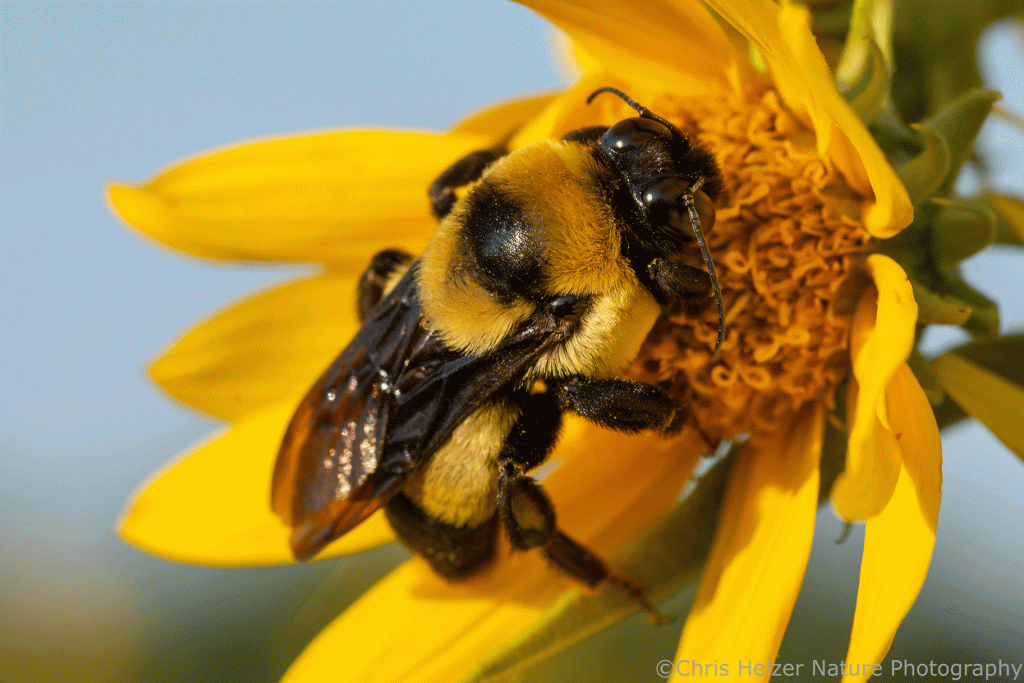
Conserving uncommon prairie species like the southern plains bumblebee is even more difficult in fragmented landscapes. We will discuss lots of strategies aimed at helping this and all the other species that depend upon prairies.

.

2. Platte River Prairies Field Day. July 9, 2022 – The Nature Conservancy’s Platte River Prairies

On Saturday July 9, The Nature Conservancy will host a public field day at its Platte River Prairies with events running from 7am to about 2:15pm. This event is open to people of all ages and will be family-friendly. A variety of educational hikes will take place throughout the day, led by scientists and conservation professionals from multiple organizations. You can attend the whole event or just pop in and out for the topics you’re most interested in.

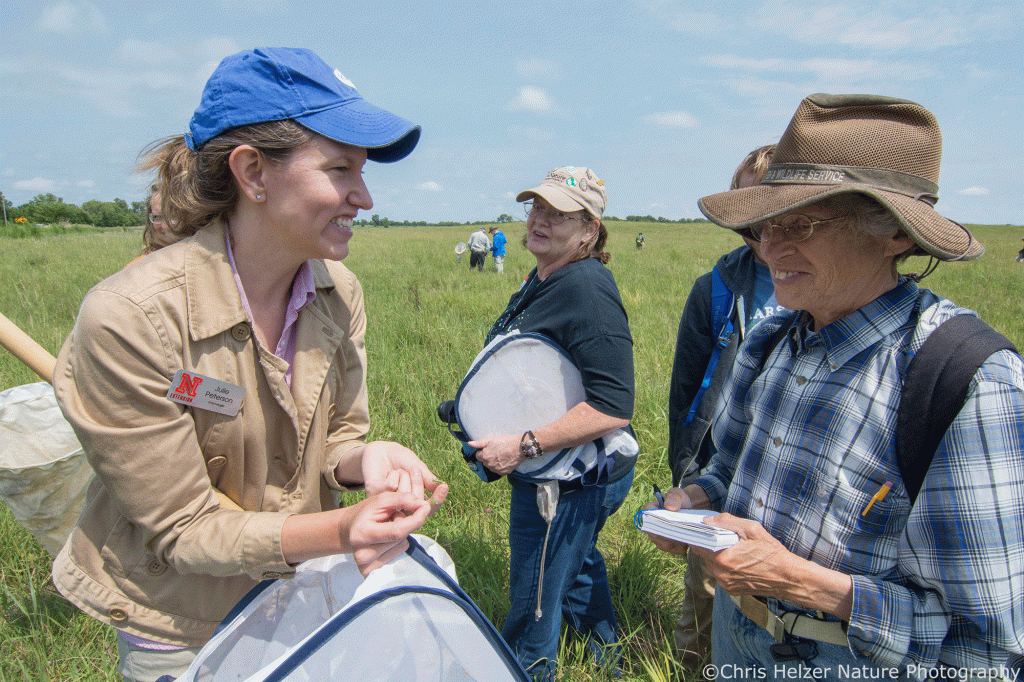
Come learn how to identify prairie birds, grasses, and wildflowers! Catch and learn about insects and their amazing life stories. Tag along with a scientist as he studies the mice and other small mammals that live beneath the grasses. Learn about prairie wetlands and the abundant life that inhabits them. If you’re in the mood to work (a little) you even can help harvest prairie seed for a restoration project.

This will be a fully-outdoors event (with bathrooms available). Please dress for a day outside and bring plenty of food and water to get you through the day, along with sunscreen and insect repellant. The site is located about 2 miles south of the Wood River Exit off of Interstate 80. See this link for more location details.

Click HERE to see a full detailed agenda for the day. If you plan to attend, please email Mardell Jasnowski at mjasnowski@tnc.org. We will contact you with more details or any changes to the schedule.

Back by popular demand, Julie Peterson (left) from the University of Nebraska-Lincoln Entomology will return to share her extensive knowledge and enthusiasm about prairie invertebrates.