Late July Miscellany

I’m going to be on the road early this week. As a result, today’s post is a quick overview of some recent photos and a few natural history stories to accompany them.

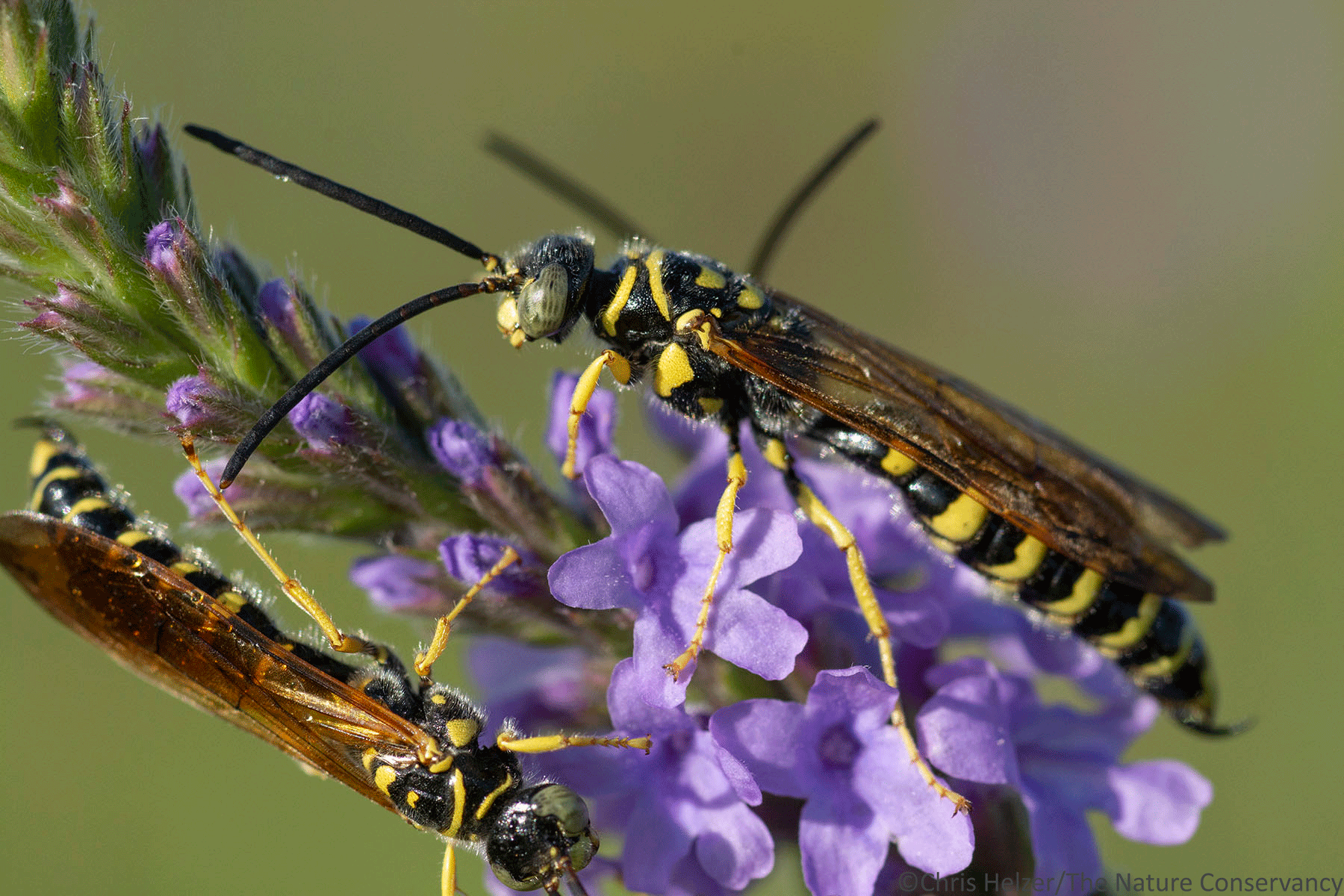
This is a cluster of male five-banded Thynnid wasps (Myzinum quinquecinctum) photographed one early morning last week. Males of this species tend to group together overnight and it’s not uncommon to come across those groups before they break apart as the day warms up.
The five-banded Thynnid wasps and others in the same genus are not aggressive toward people and males don’t even have stingers. What looks like a stinger on these males is just a curved spine that is apparently just there for looks.
Here’s another male from the above group of wasps. While males spend a lot of time hanging around and feeding on flowers, females do the same but are also hunting scarab beetle larvae, on which they lay eggs that hatch out and burrow into the larvae – eventually killing them from the inside.
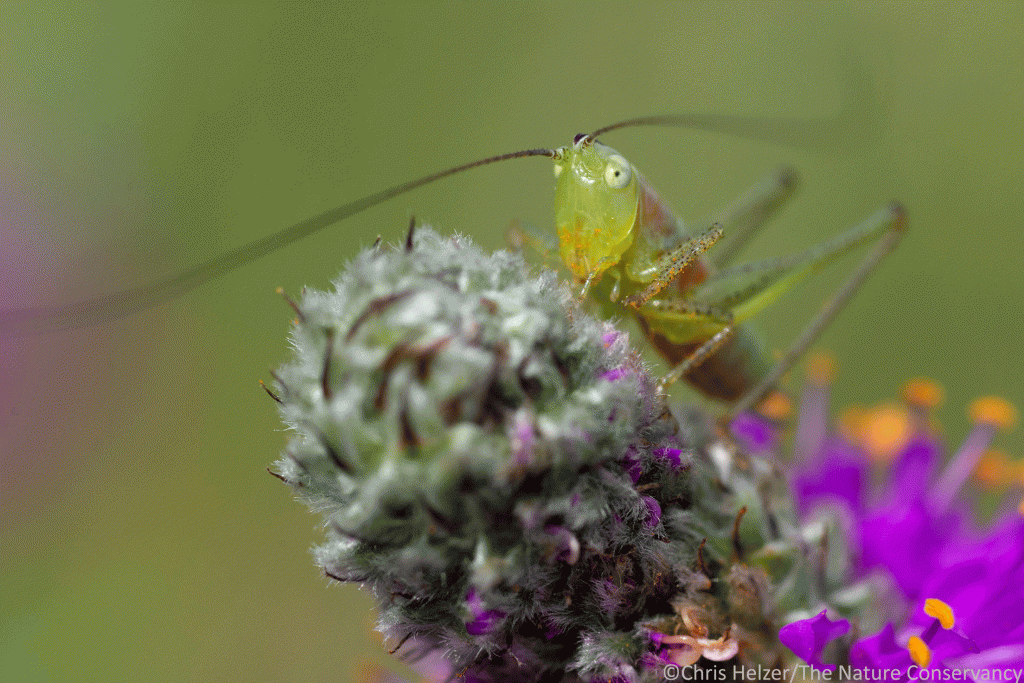
This is just a charming grasshopper I found this weekend at our family prairie. Grasshoppers are cool too, but I’ve written plenty about them in the past. Did you know, though, that grasshoppers have 5 eyes? At least 4 are visible in this photo. (Click to see larger version)
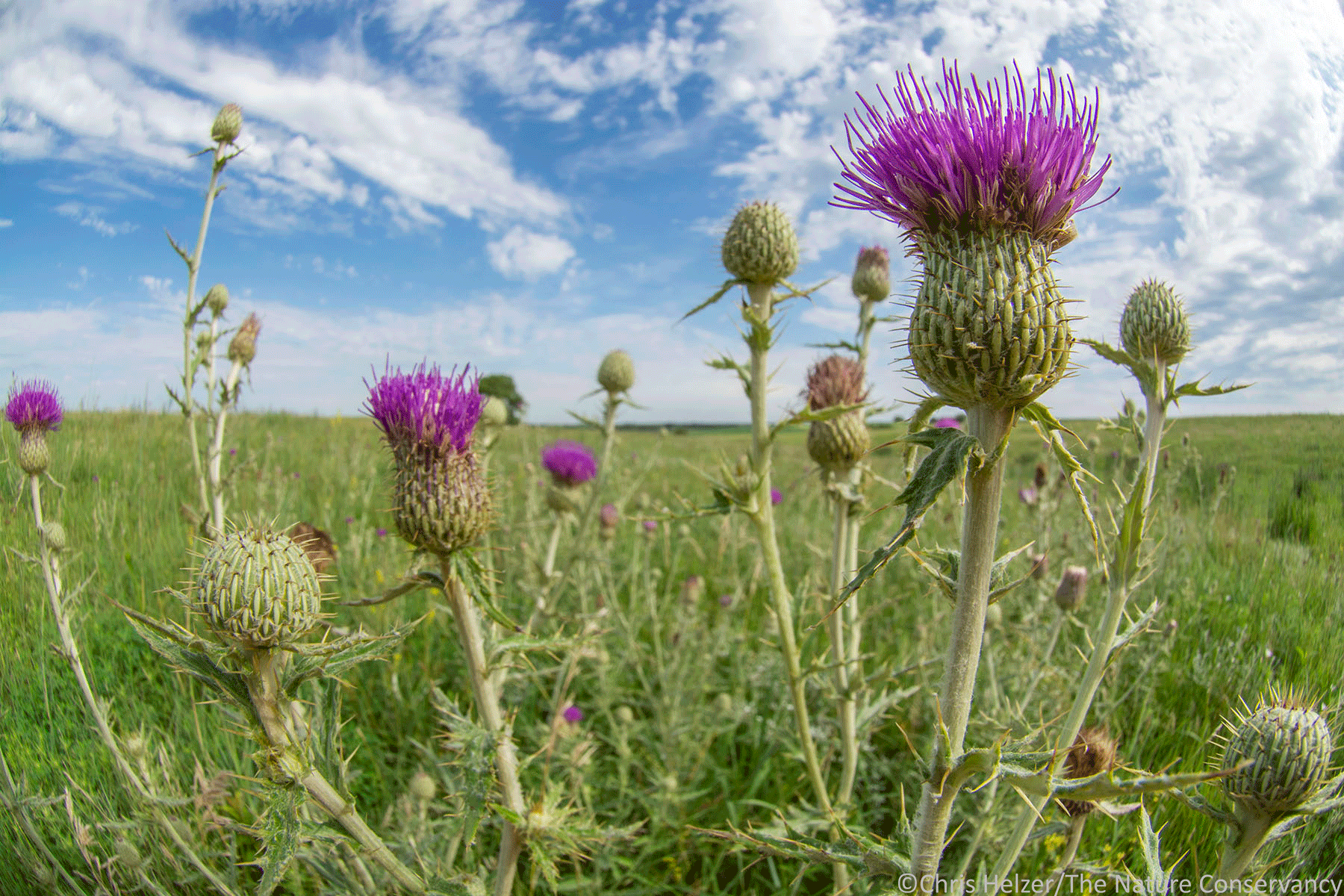
This is Flodman’s thistle (Cirsium flodmanii) at our family prairie this weekend. It is one of five native thistle species in Nebraska that provide valuable nectar, pollen, seeds, and nesting material to numerous animal species.
I believe this is a ‘sharpshooter leafhopper’, characterized its the sharp pointed head. This group of leafhoppers feeds (mostly?) on grasses and sedges but this one was resting on a Flodman’s thistle stem when I snuck up on it.
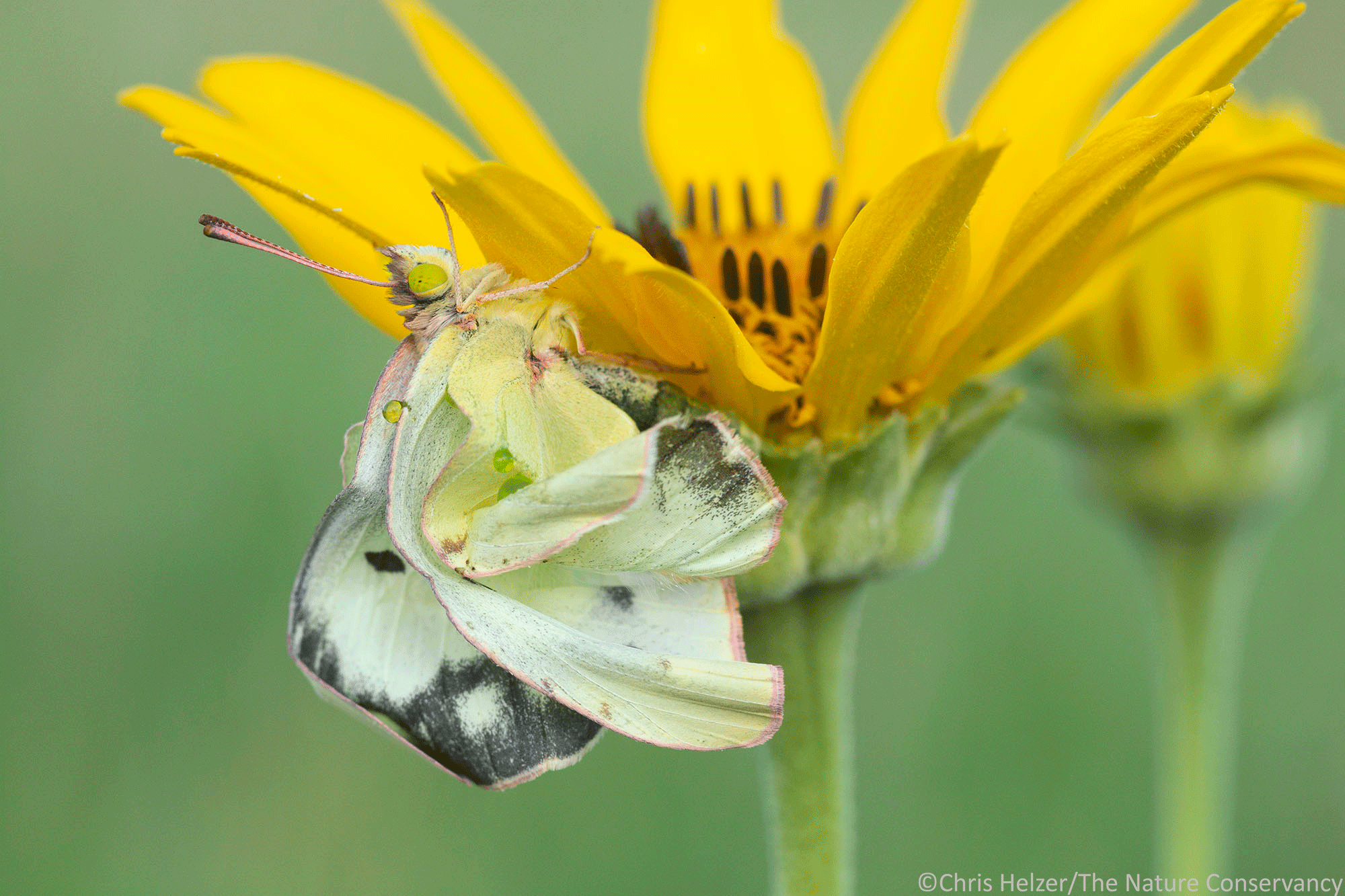
I’m guessing this orange sulphur butterfly at our family prairie might have a protozoan infection similar to the one that can cause problems for monarch butterflies. With monarchs, caterpillars ingest protozoan spores as caterpillars and then when they emerge from their chrysalis they have deformed wings that prevent them from flying and – obviously – greatly shorten their lives. On the other hand, maybe this butterfly’s wings just didn’t dry out/expand correctly.
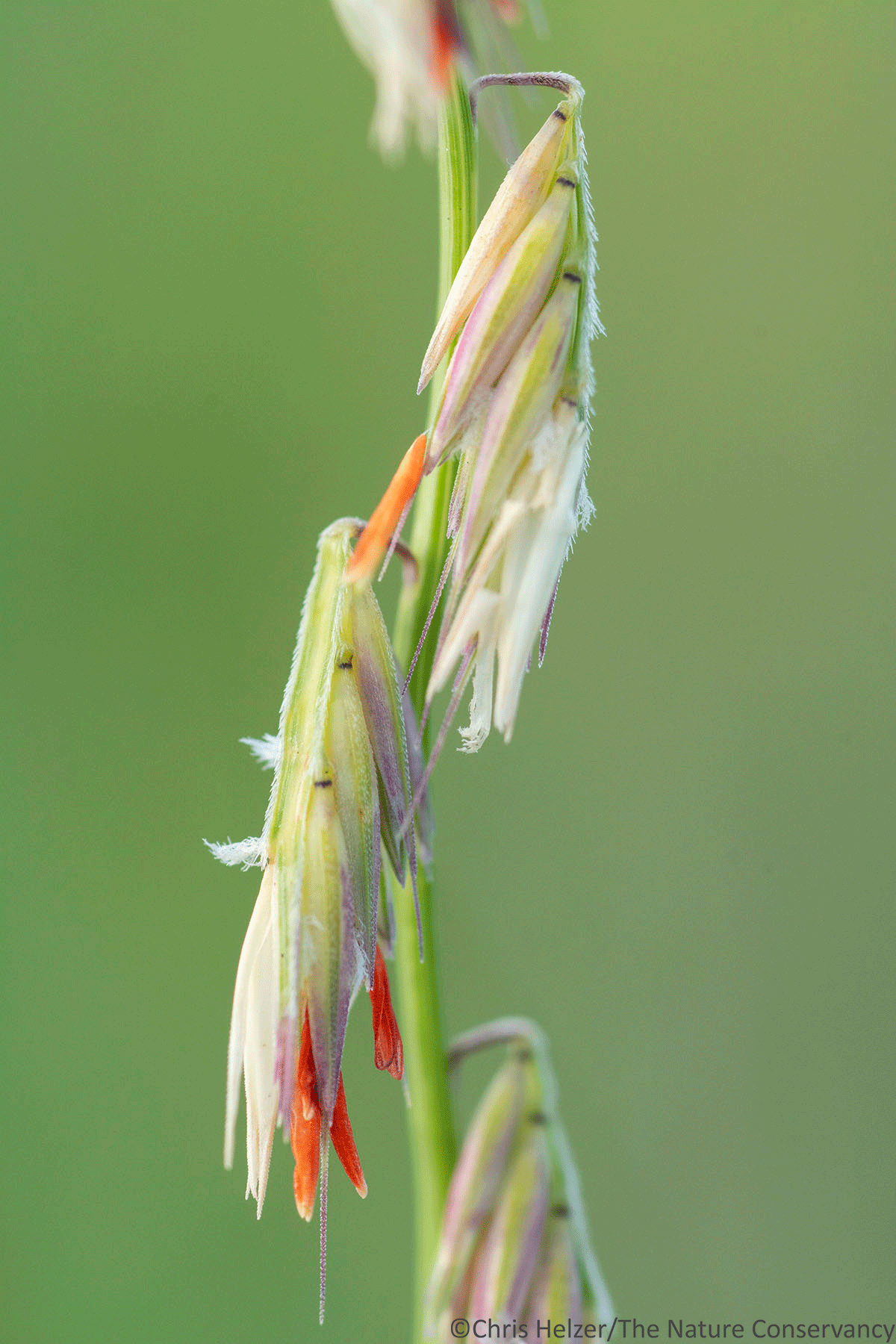
Sideoats grama (Bouteloua curtipendula) was blooming this weekend at our family prairie.
Here’s a fish-eye lens photo of wild bergamot (Monarda fistulosa) and its many neighbors at our family prairie. Bergamot is in the mint family, characterized by stems that are square in cross section.

Photos of the Week – July 25, 2020

This week was a fun week for natural history observations at the Platte River Prairies. Mike Schrad, Master Naturalist, led a crew of small mammal trappers and confirmed the continued presence of plains pocket mice (and other species) in both the restored and remnant portions of our small area of sandhill prairie. Mike and I are hoping to learn how the pocket mouse (including an at-risk subspecies, Perognathus flavescens perniger) responds to our fire and grazing management over a decade or more. This is the seventh year Mike has been tracking populations, and it certainly appears the population is stable, though variance in trapping numbers makes it hard to say much more to date.

In addition, the Fellows and I conducted a bumble bee survey as part of the Nebraska Bumble Bee Atlas project and caught 44 bumble bees in 45 minutes of sampling time (15 minutes per person). That list of bees included three species – the brown-belted bumble bee (Bombus griseocollis), the American bumble bee (Bombus pensylvanicus), and the southern plains bumble bee (Bombus fraternus). The first of those is very common, the second seems to have strong populations here but is declining to the east of us, and the third is considered endangered by several conservation groups, including the Xerces Society.

In addition to those more formal investigations, I saw a wide diversity of other species – some of which I captured photos of. A selection of those is included here for your enjoyment.
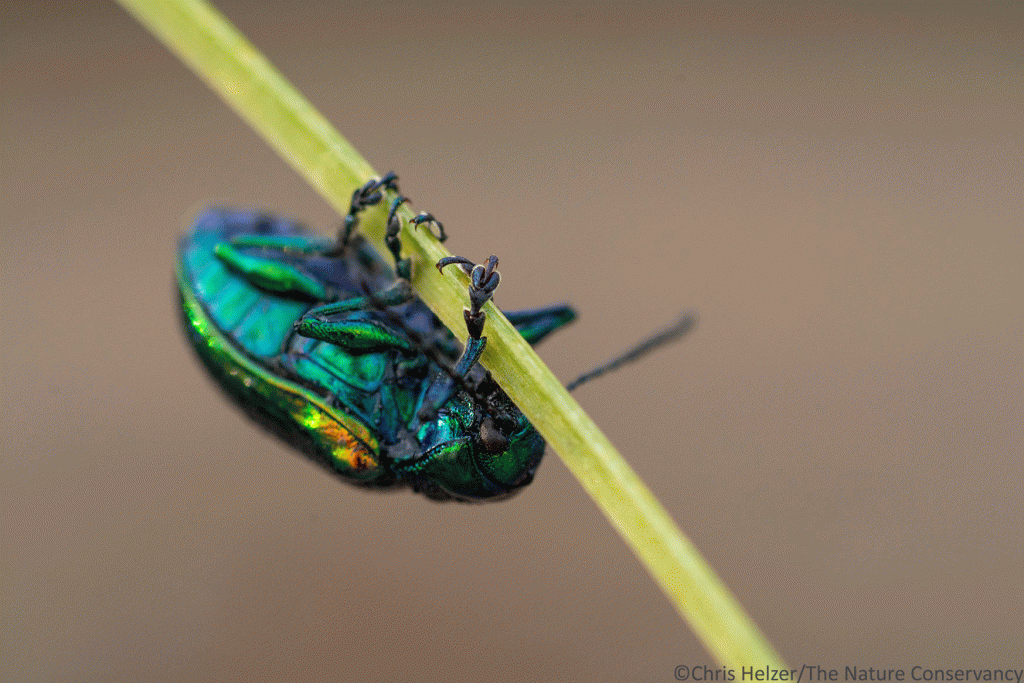
Dogbane beetle. Nikon 105mm macro lens. ISO 640, 1/100 sec, f11.
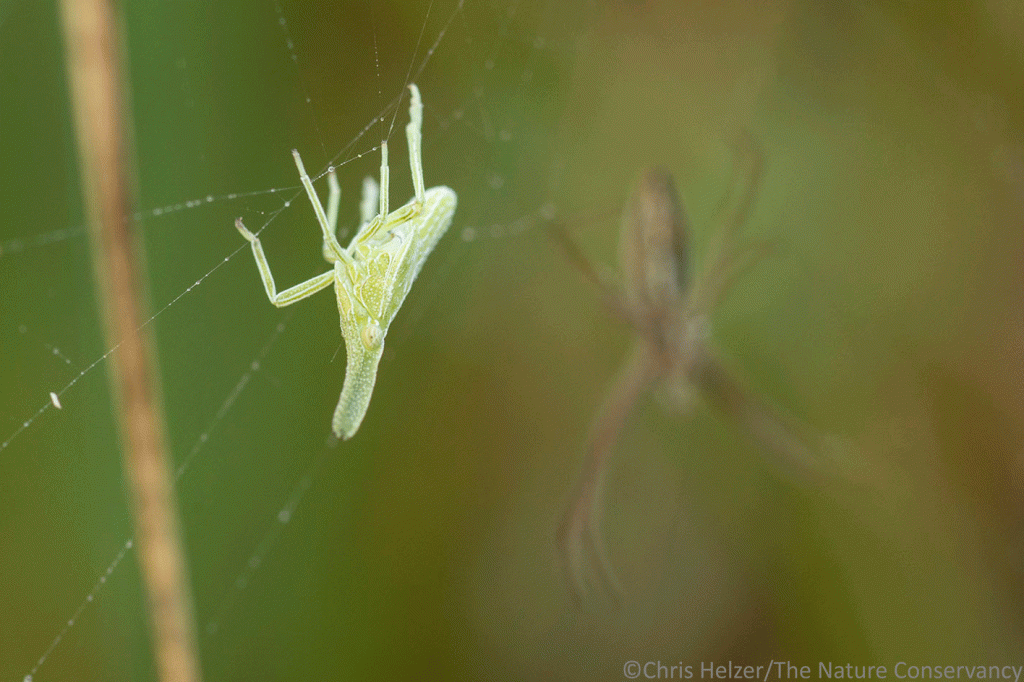
Planthopper in peril. Nikon 105mm macro lens. ISO 640, 1/60 sec, f/13.
Metallic green bee on purple prairie clover. Nikon 105mm macro lens. ISO 400, 1/500 sec, f/14.
Damselfly. Nikon 105mm macro lens. ISO 400, 1/250 sec, f/18.
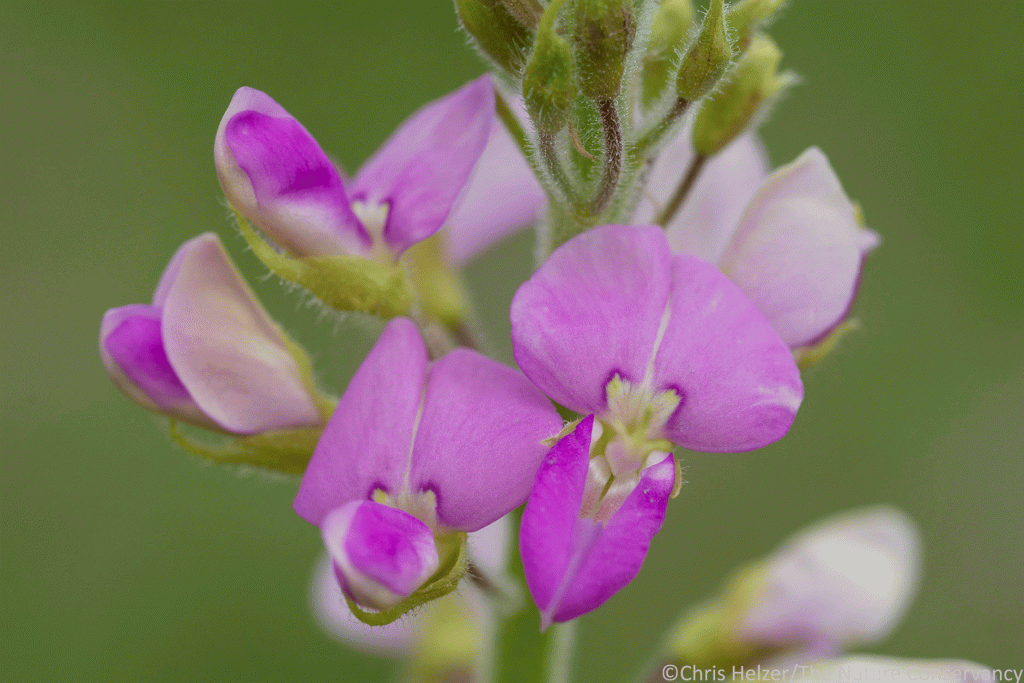
Illinois tickclover blossoms (Desmodium illinoense). Nikon 105mm macro lens, ISO 400, 1/500 sec, f/14.
Katydid nymph on purple prairie clover. Nikon 105mm macro lens. ISO 400, 1/500 sec, f14.