
Hi everyone. I hope you’re all well. I’m sorry about the scarcity of new posts lately. I’m still having a hard time deciding what I can contribute toward the current national focus on racial injustice and police brutality – all of which is occurring within a continuing global pandemic. Discussing the results of a project to evaluate the impact of a grazing management approach on pollinator resources seems out of place right now. So does posting pretty photos of what I’ve seen in our prairies lately. I’ll get back to those and other topics, but neither seems to add much to the bigger current issues in our society.
My last post was an attempt to share how I’m personally trying to deal with all the emotions and thoughts running through my head right now. A number of you responded positively to that. I’m glad the post resonated. However, I wanted to highlight a comment on that post made by former Hubbard Fellow Jasmine Cutter. Rather than trying to summarize or paraphrase her thoughts, I encourage you to go back to that post and read her comment yourself, as well as the short back-and-forth discussion we had afterward.
Jasmine questioned whether I was using my platform as effectively as I could to support the Black Lives Matter campaign and the protests about police brutality – particularly to Black people and other people of color. I’m grateful to her for pushing me on the issue and proud to call her a friend.
In response to Jasmine’s challenge, let me state a few things unequivocally. First, the murder of George Floyd by a police officer was horrendous and only one of countless racially-motivated crimes by police officers throughout the history of our country. In addition, while my last post focused on the approach of trying to listen and understand the perspectives of others – and I still believe that to be a sound approach – that doesn’t mean people shouldn’t also be angry about racial injustice. Anger and outrage are very appropriate responses. Anger and outrage are needed now to help shock the system we’ve been living under and hopefully spur substantive change.
I support those who are protesting the racially-motivated and unjust murders of Black people across the United States. Those protests have profoundly affected me and forced me to look at myself and our society in ways that are uncomfortable. I think that’s productive, and I’ve been trying to lean into that discomfort by reading, listening to, and trying to absorb the perspectives of those who have suffered and are suffering in ways I can’t comprehend.
I’m deeply ashamed that I sometimes find myself making unfair snap judgments about people based mainly on their apparent race, gender, and/or other traits. My initial reaction is usually quickly overruled by the more rational part of my brain, which points out to the (apparently) racist part of my brain that it’s an idiot. I try to take advantage of those occasions to have a conversation with myself about what just happened and why. I also profoundly hope that my brief lapses in (judgment? reason? humanity?) have not affected anyone in a negative way.
The current protests and attention to racism have amplified my motivation to keep working on my own flaws and failings and to be the best ally I can for people who face obstacles I don’t face. I pledge to continue looking for ways to help. I hope all of you reading this have also been affected by the protests (and/or have been part of them) and are responding in your own way to enable positive change.
As I’ve been listening and absorbing over the last couple weeks, there are a few voices/stories I’ve found to be particularly inspiring and/or helpful to me. If you’re not familiar with them, here they are:
Drew Lanham (@1blackbirder on Twitter)
There are myriad stories by black naturalists, birders and biologists posted with the hashtags #BlackInNature and #BlackBirdersWeek. Reading those stories and looking at the pictures helps, among other things, change the visual image of what naturalists, birders, and scientists look like.
There are lots of prominent historical figures and story lines I either didn’t know about or had terribly wrong impressions of. One great example of the former is the story of Fred Hampton.
_________________________________________________
(Record Scratch)
_________________________________________________
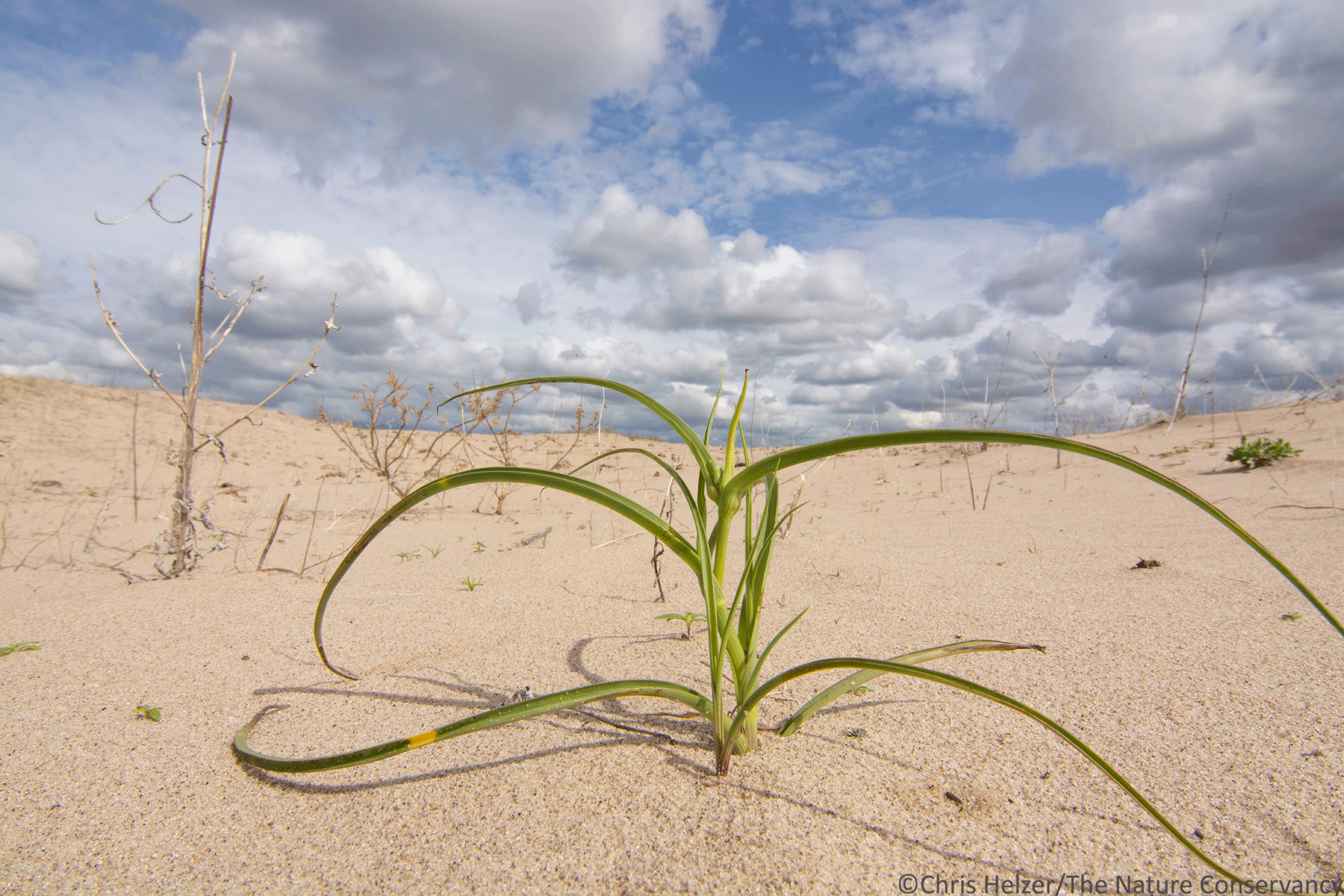
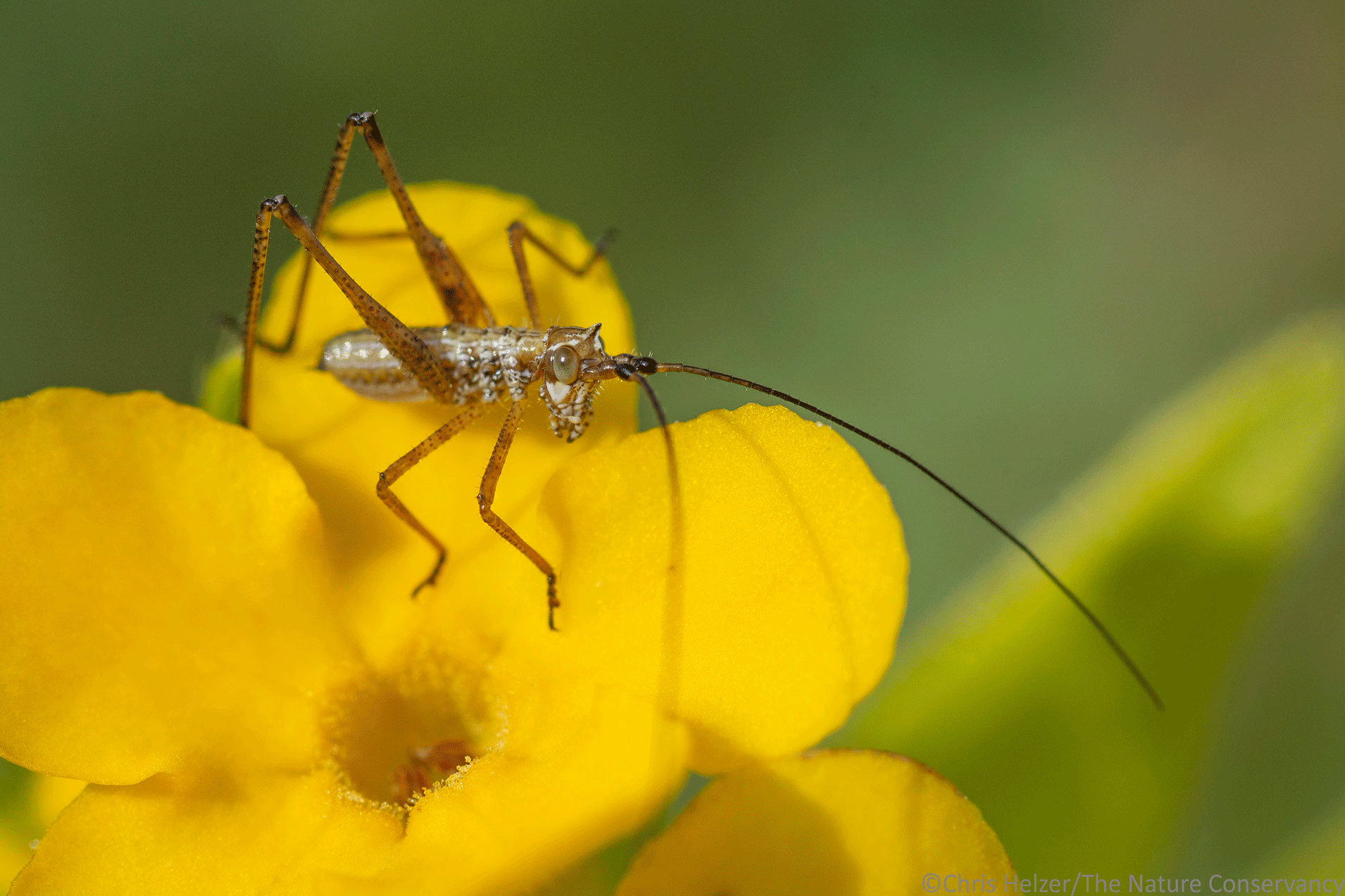
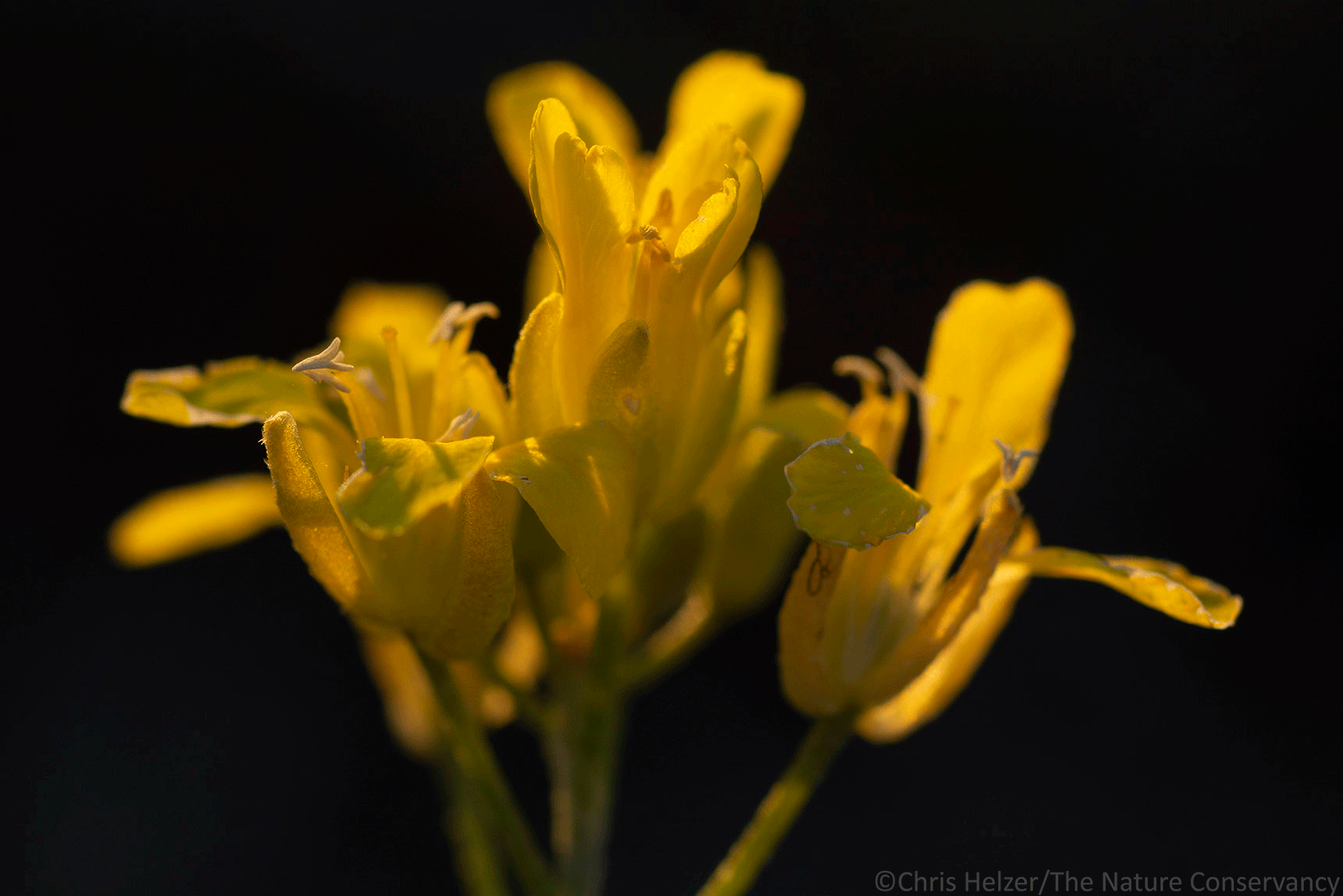
Thanks for listening, and please pardon this incongruous switch in tone and topic. While prairie photos may not add directly to the solving of the massive societal issues we’re grappling with, they are still why most of you come to this blog. So – here are a few photos from a recent visit to our family prairie.
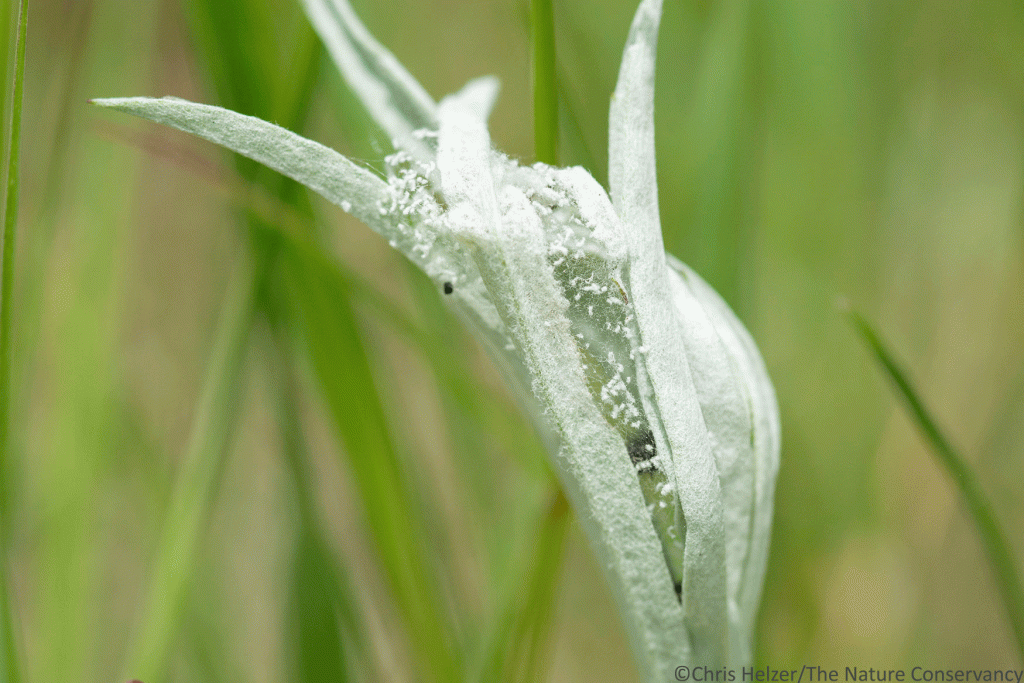
Many caterpillars use their ability to produce silk and ‘sew’ leaves or flower petals together as a shelter for themselves. This allows them to feed out of sight of most larger predators. When I come across one of these, I always struggle with whether or not to disturb it. I want to know what it is – caterpillar? spider? something else? But I also don’t want to harm the subject of my interest. Usually, I break down and peek, but try to do so in a way that allows the inhabitant of the shelter to repair any damage I do.
Last week, while looking for musk thistles at our prairie, I came across two different species of leaf-sewing caterpillars on three different plants – all within about 2 square meters of prairie. Here are some photos.




Be well and be safe, but also feel free to be angry and introspective. Let’s get through this together and try to come out on the other side as better people and a better society.




 The Prairie Ecologist