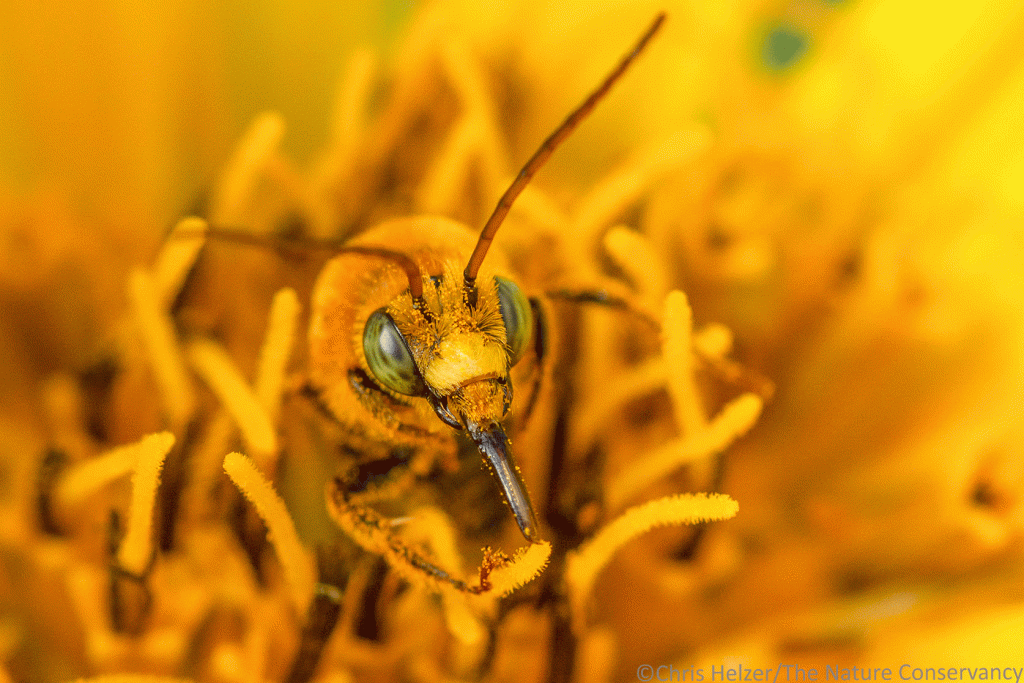
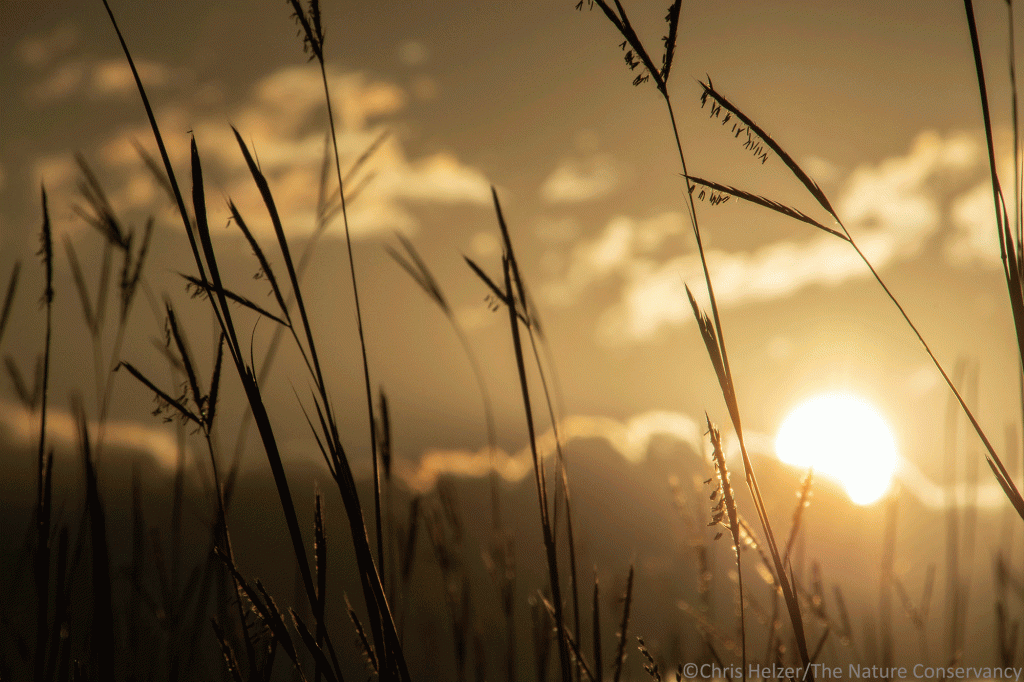
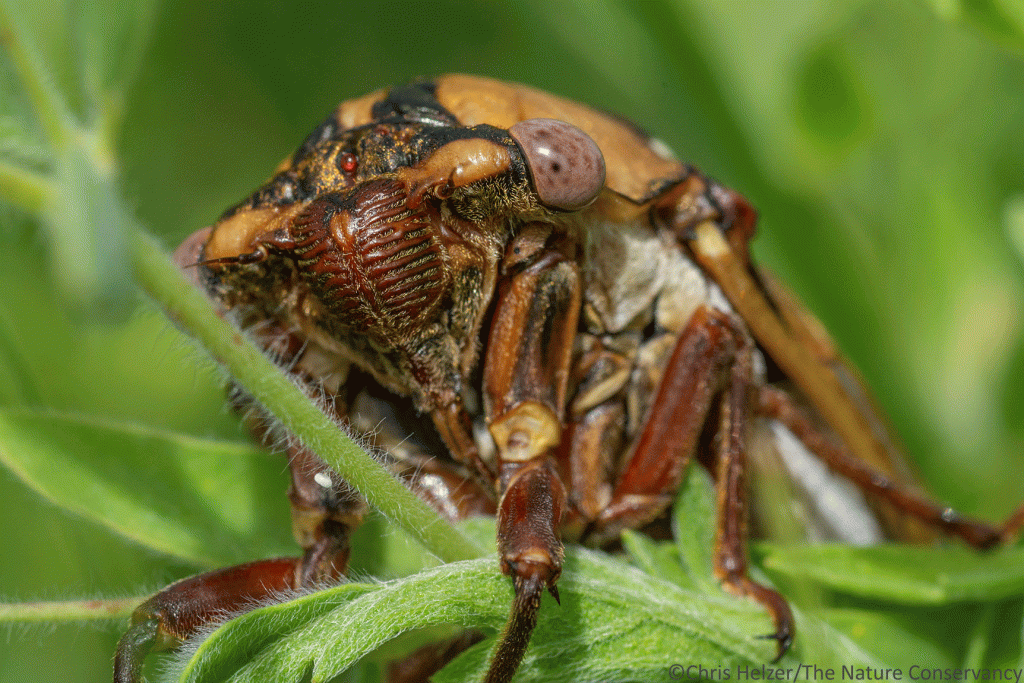
When you think about insects feeding on pollen in prairies, your mind probably goes first to a bee on a colorful wildflower. If so, and you’re a frequent reader of this blog, I hope that bee in your visual image is not a honey bee (also see this). While a bee on a wildflower is a perfectly legitimate mental picture to draw, wildflowers are not the only source of pollen in a prairie. Grasses (along with sedges and rushes) have flowers too, and produce copious amounts of pollen. While grasses rely on wind to disperse that pollen and don’t create colorful and/or scented flower structures to attract pollinating insects, their pollen is still available for any enterprising insect that seeks it out.

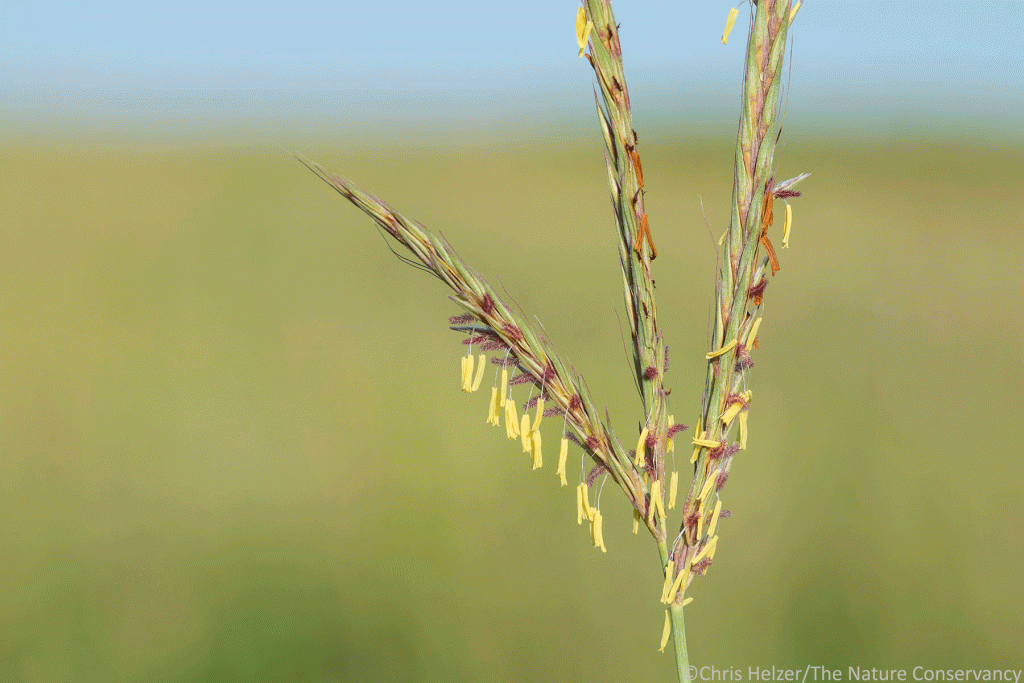
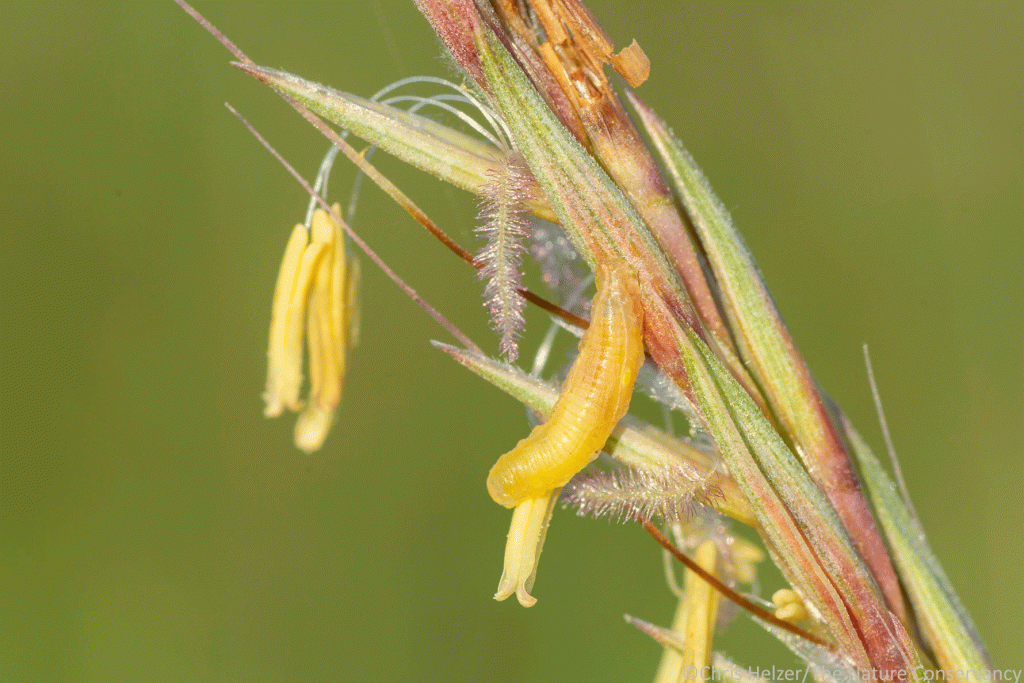
As someone who pays an inordinate amount of time staring at flowers and insects, I’ve noticed that there are a fair number of insects feeding on grass pollen. And why not? It’s packed with nutrition and it’s just hanging there, ready to eat. Among the insects I’ve seen feeding on grass pollen are bees, flies, tree crickets, and beetles.
Researchers around the world have noticed this too, of course, but the use of grass pollen by insects is still a fairly poorly understood phenomenon. If you’re interested in catching up on the current state of academic knowledge of the subject, Manu Saunders wrote an excellent review of the literature in a 2018 article in Insect Conservation and Diversity. My take home point from the article is that not paying more attention to insects feeding on grass pollen might mean that we’re missing some important ecological interactions that would help us better understand and conserve natural areas.

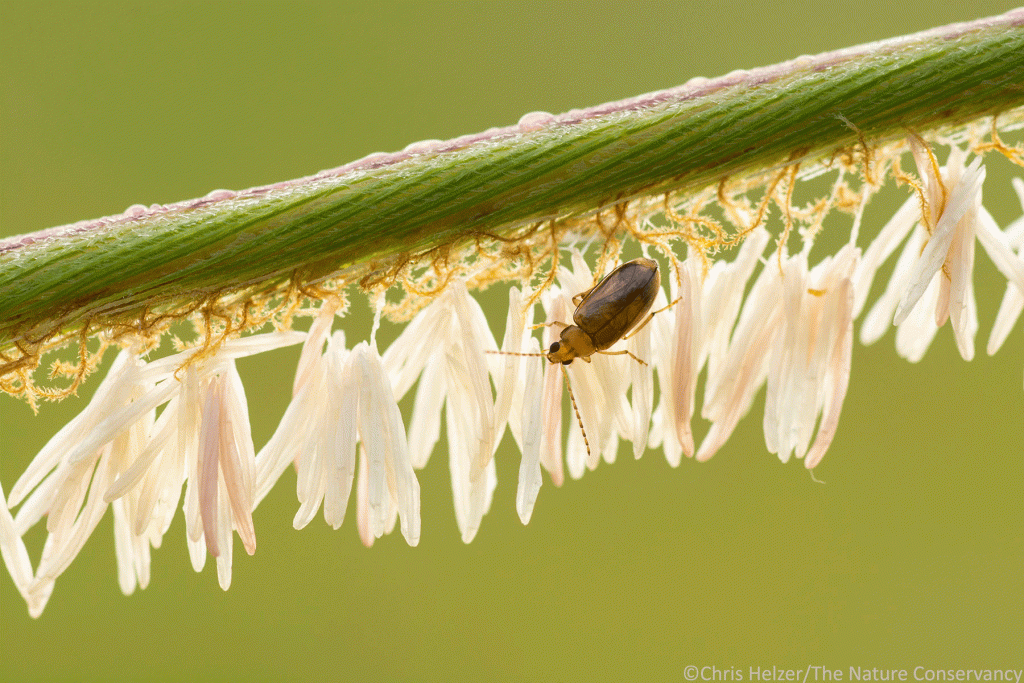
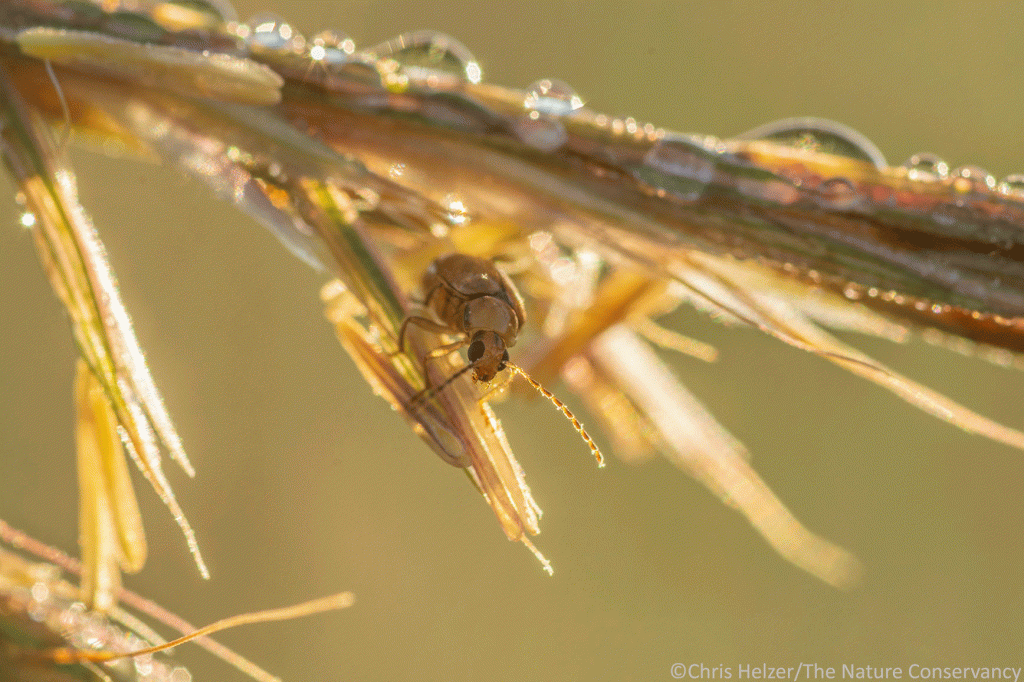
Insects such as tree crickets and beetles that feed on grass pollen benefit from the food source, but probably do little to help the grasses themselves. Bees and flies, however, might provide at least some pollination benefit by transporting pollen from one grass plant to another. In fact, there is growing evidence that insect pollination can at least somewhat increase seed set for many wind-pollinated plants.
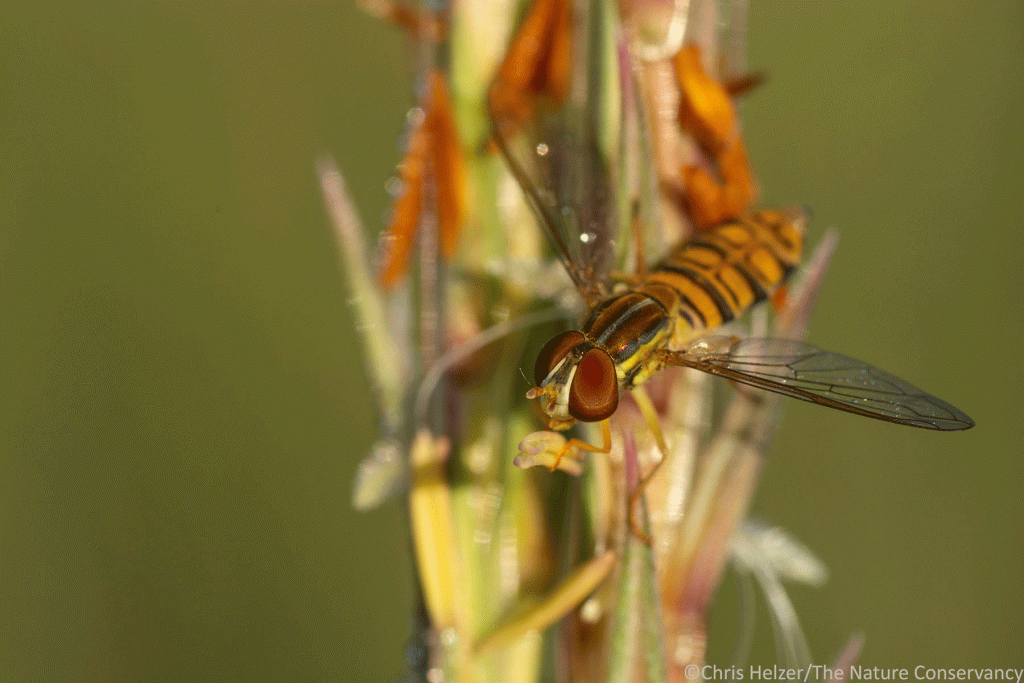
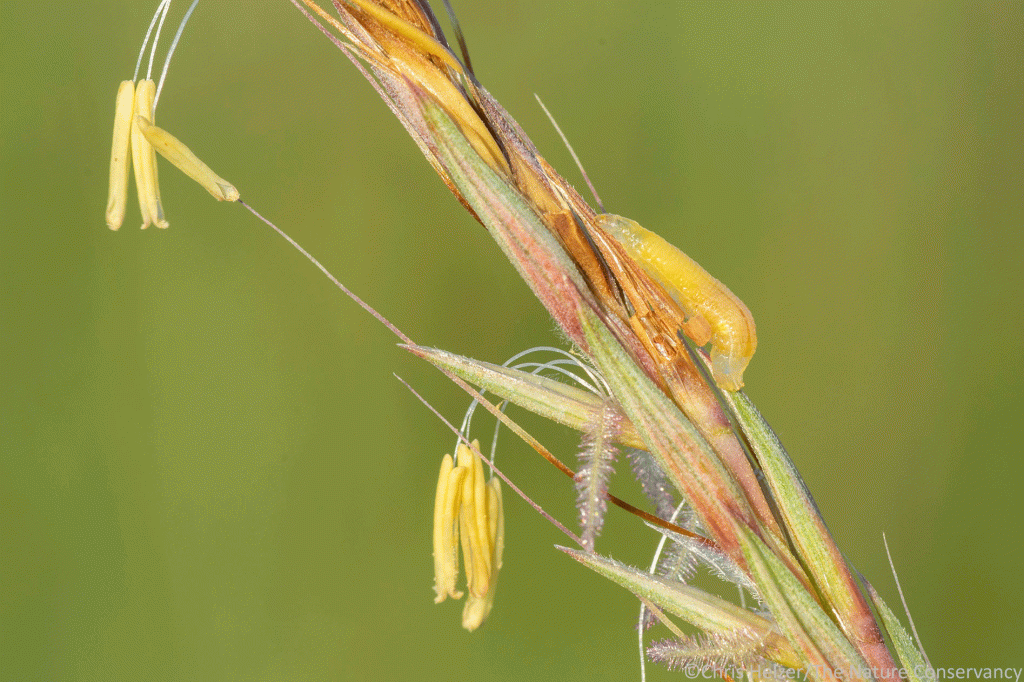
At the same time, those bees and flies may benefit from an additional – and very abundant – source of food that allows them to supplement what they’re getting from wildflowers. What we need to know, though, is whether a fly or bee feeding on grass pollen is a sign that the wildflower community nearby is not sufficiently meeting its nutritional needs. In other words, are bees and flies feeding on grass pollen because they want to or because they’re desperate? I think we can all agree that’s an important distinction? And, of course, it would be helpful to know how important insects might be to the successful seed production of grasses, sedges, rushes, and other wind-pollinated plants.
I’ve been paying a little extra attention to insects on grass pollen this year as the late summer grass flowering season gets underway. Big bluestem (Andropogon gerardii) and prairie cordgrass (Spartina pectinata) have been the big draws so far this month, but other grasses are yet to bloom. Indiangrass (Sorghastrum nutans), for example, is definitely one that I’ve seen numerous syrphid flies feeding on in past years but hasn’t started opening up yet this season.

If you’re someone who visits prairies fairly often (or who has prairie plants in your yard) insect use of grass pollen could be an interesting phenomenon to track. What species of insects are feeding on grass pollen? What other options are available at the time? Alternatively, if you’re a current or prospective graduate student looking for a project, here you go! Let’s see what we can learn about the ecological ramifications of insects feeding on grass pollen. It might not solve systemic racism or a global health crisis, but it’s something positive we can do while we’re trying to survive those other issues…