
What if I told you tallgrass prairie is a human construct?
Would you think it’s less important? Less natural? Less real?
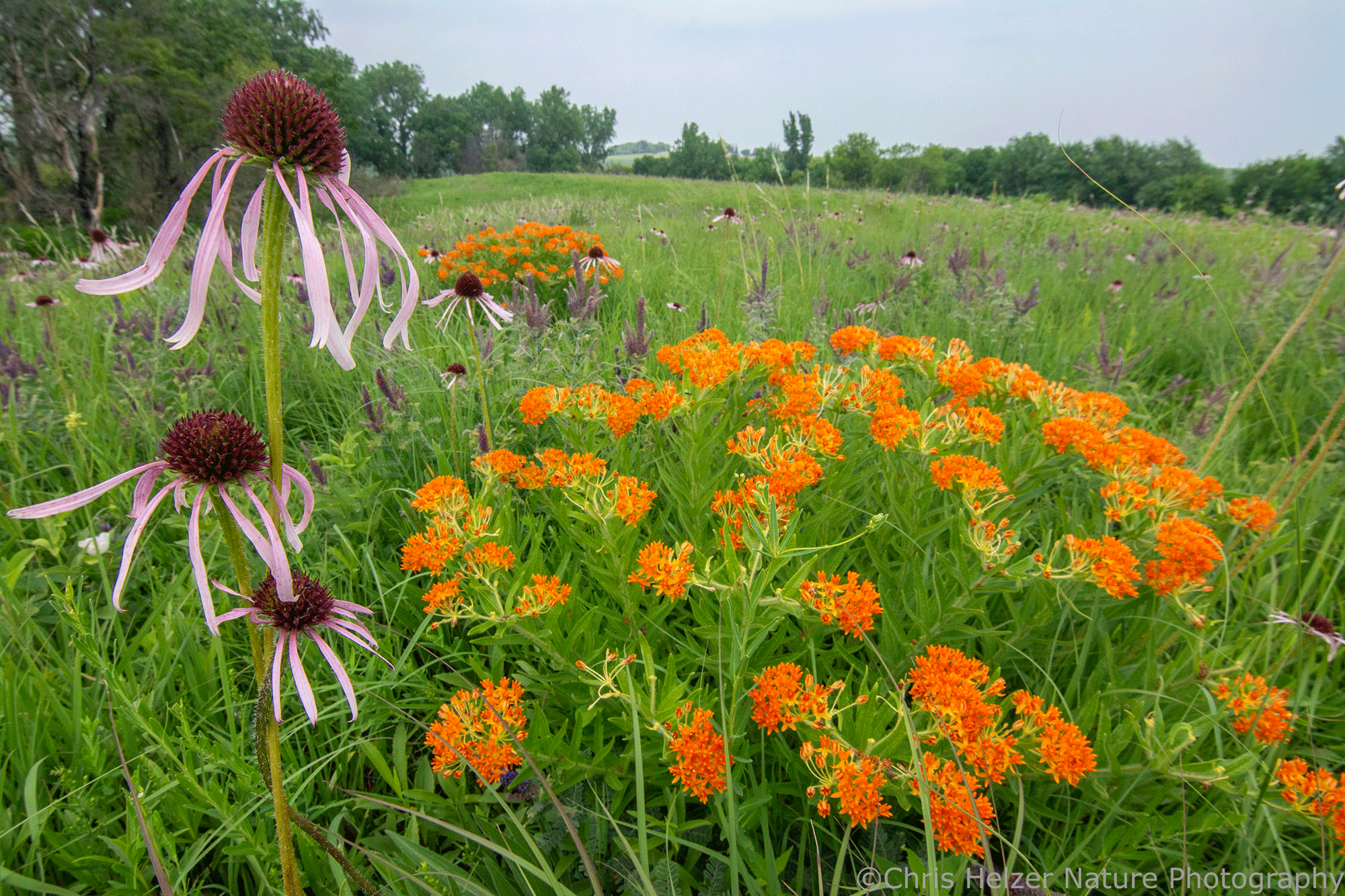
I don’t know if “human construct” is a totally fair description, but it’s certainly true that tallgrass prairie in the central United States exists because of people. In many places, it formed because of people, and throughout its range, it relies on human stewardship for its continued persistence.
Let’s step back in time a little.
While the actual timing of human arrival in North America is still being debated, there is consensus that people were here well before the ice sheets receded from the center of the continent (between 8,000 and 12,000 years ago). Those humans played pivotal roles in the ecosystems they lived in. They hunted, cultivated and transported plants, and, perhaps most influentially, actively used fire in many different ways.
As the continent warmed and bloomed after the ice age, human stewardship shaped plant and animal communities. In particular, people burned the landscape around them enough to create grasslands in what otherwise would surely have been wooded landscapes. That was particularly important in the eastern portions of the tallgrass prairie. Lightning fires were part of that story, too, but they were much less significant than the frequent, intentional use of fire by people.
In other words, if it hadn’t been for people and their stewardship of the land, tallgrass prairies would not have existed across much of what is now the Midwestern United States. Throughout subsequent millennia, people have continued their stewardship, allowing prairies to persist in places where trees would otherwise have moved in.
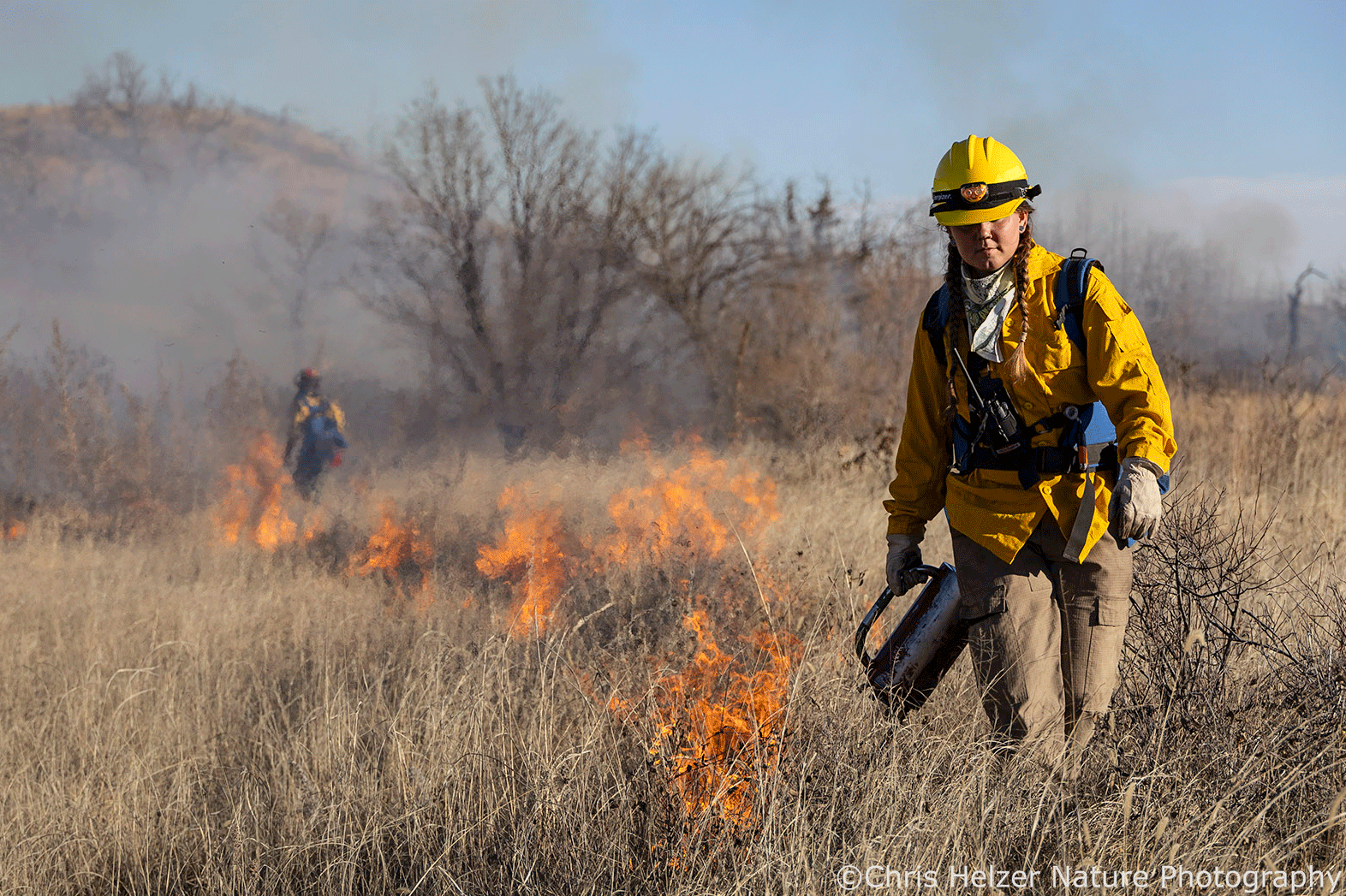
Today, the majority of tallgrass prairie has been lost, of course – mostly through conversion to row crops. The prairie that remains still relies on continuous, thoughtful stewardship by people. Without active management with prescribed fire, haying, grazing, and/or targeted invasive species suppression, tallgrass prairie transitions to something else – shrubland, woodland, or a low-diversity herbaceous community that no longer qualifies as “prairie”.
Does that reliance on people make tallgrass prairies unnatural? Does it mean we should “let nature take its course” and allow tallgrass prairie to become what it’s supposed to become?
You’re welcome to form your own opinion, of course, but I feel strongly that the answer to both questions is no. Most ecosystems on earth are strongly tied to human stewardship and have been for tens of thousands of years. It’s not that those ecosystems or the species that depend upon them would all be destroyed in the absence of people, but they’d change dramatically – and many species would suffer as a result. We humans have certainly not always done the best job at land management but that doesn’t mean we can or should abdicate our responsibility as stewards.
Speaking more locally, prairie is amazing, beautiful, and complex. The incredible, diverse ecological communities that live in tallgrass prairie rely upon our continued attention and stewardship. Losing those would be an immense tragedy.
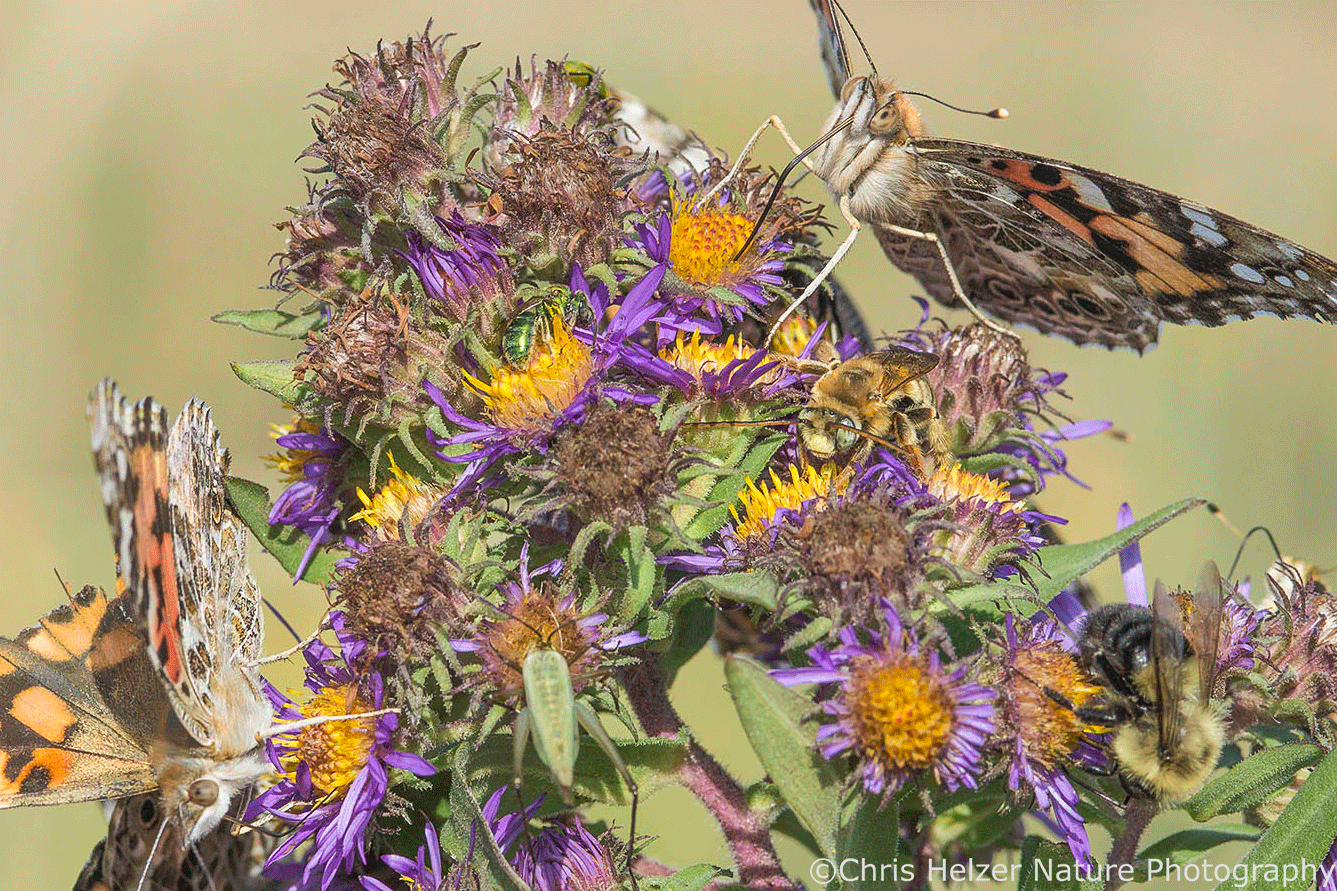
Tallgrass prairie isn’t less important, natural, or real because it relies upon humans. Instead, our long-standing, interconnected, and interdependent relationship with the prairie should increase its relevance and value to us.
Just as with any other worthwhile relationship, though, we can’t just ignore the prairie and hope for the best. Only thoughtful, adaptable care will ensure we can keep this good thing going for a very long time.
Additional Reading. If you want to learn more about the long relationship between humans and nature (prairies and otherwise), here are a few recent journal articles you might enjoy. They’ll get you started and provide many other references you can dig into if you want to keep going:
Impacts of indigenous burning in the Great Plains
Presence of people after the North American ice sheets receded
The shaping of global ecosystems by people for more than 12,000 years




 The Prairie Ecologist