This post was written by Chelsea Forehead, one of our Hubbard Fellows this year. Chelsea and Mary had a busy spring, including quite a few prescribed fires around the state. In this post, Chelsea writes about helping a Sandhills rancher with a successful burn to kill eastern red cedar trees.
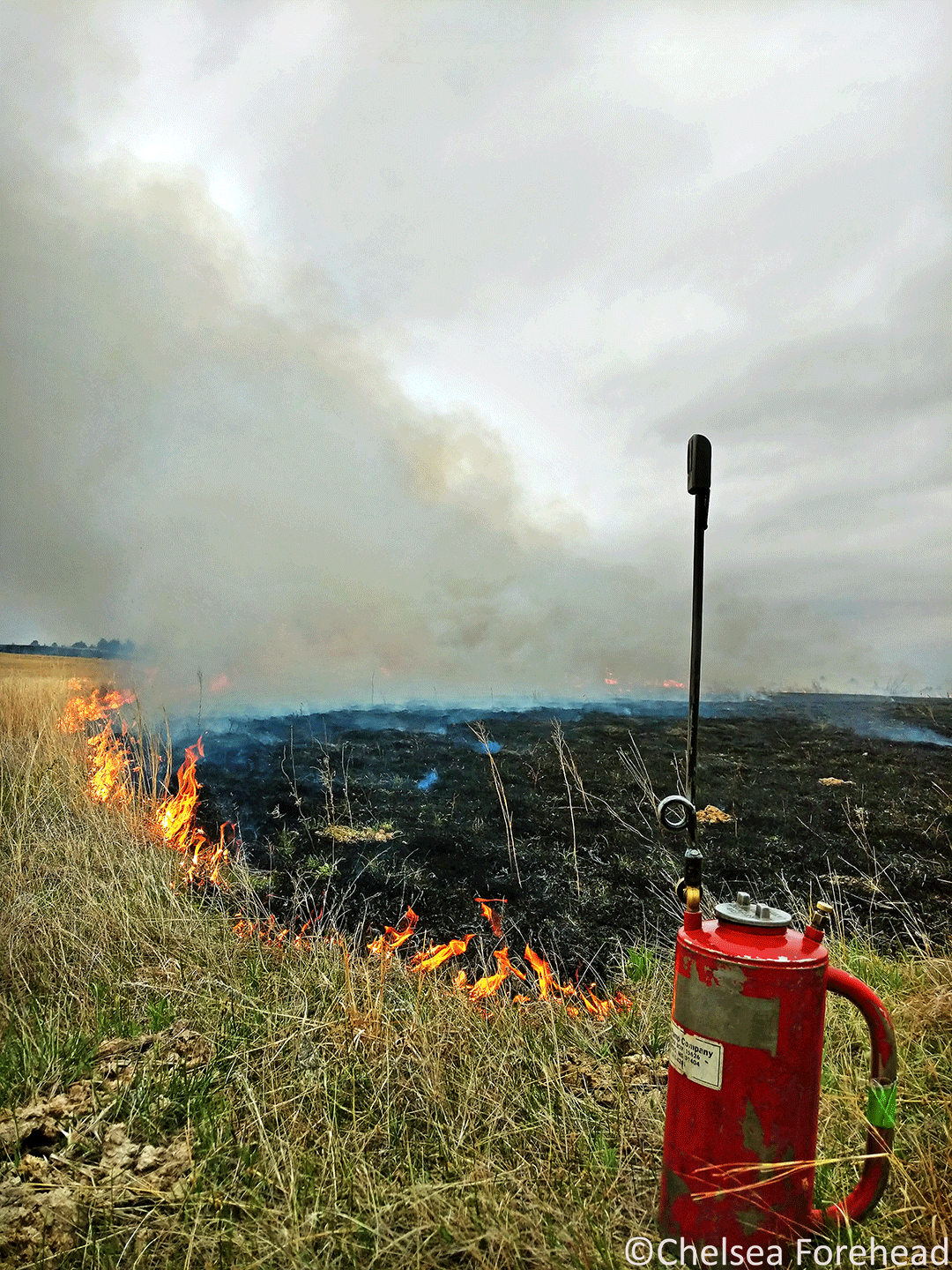
Sore legs and blistered feet brought the satisfaction of another mission completed. The dust from over 400 miles of travel and the smell of burnt grass and cedar that had settled on our protective gear was lifted into the air as I hung each set – helmet, radio harness, fire shelter pack – back on its hooks in the shed. The scent of prescribed fire – a mix of sweat, ash and fuel – brought back the excitement I felt during our most recent burn. Despite the still-lingering exhaustion from working hard in hot smoke I ached for another chance to help fill the prairie’s next prescription. I smiled and sighed as I put the drip torches back where they would await their next call to action, standing at attention all the while. The red canisters of fuel once seemed heavy and intimidating, even dangerous. After seven burns I felt an admiration for them, the kind one feels for the tool most trusted to assist with hard work.
The adventure that would spark my romance with prescribed fire began one Wednesday as Mary, Olivia, Nelson and I packed our things into Bubba, our trusty diesel truck. As we headed north, things tucked strategically around the water pump in the bed of the pickup, I was filled with gratitude and excitement. While I have had many such moments thus far in my fellowship, this one was especially invigorating. My coworkers and I were a squad of prairie guardians on the move, called to assist other such units in preserving breathtaking bits of habitat nearly three hours away.

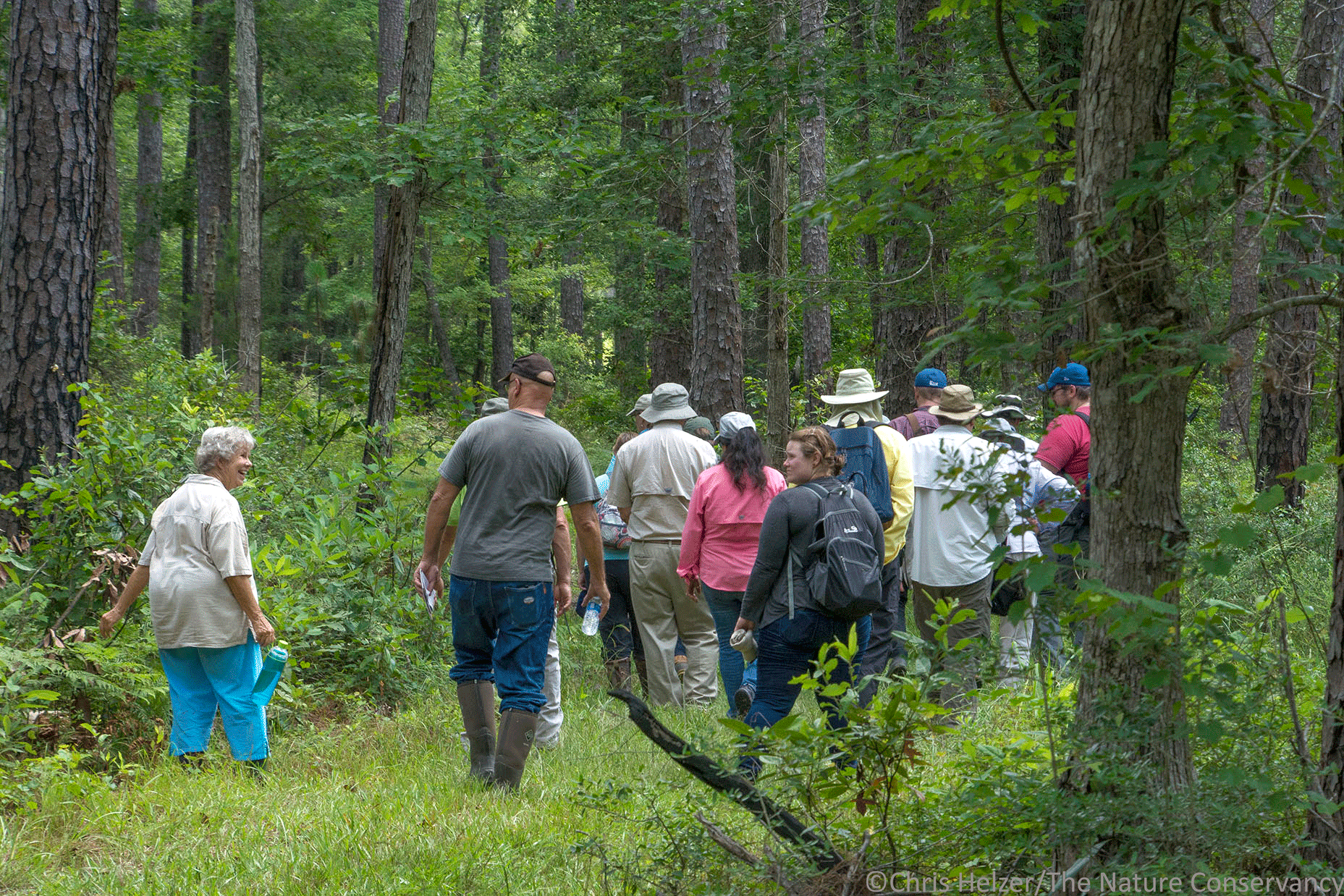
Our journey brought us to the home of a rancher near Thedford, Nebraska. This prescribed burn would cover an area similar to previous burns, around 416 acres, but held a slightly different significance. Since the land was privately owned, we would complete the mission with the help of local ranchers. They were keepers of Sandhills prairie for whom prescribed fire was a treatment still in the clinical trial phase. The encroachment of cedars threatened the suitability of their lands for grazing, but using fire was a method of tree removal they weren’t very familiar with. The confidence and excited energy of participants in yellow Nomex mingled with the curiosity and uncertainty of those in plaid shirts and baseball caps. Together we ate from pizza boxes piled on the hoods of pickup trucks. With all our bellies and water bottles filled, our newly formed team headed out in a caravan of UTVs and rancher rigs to the staging area of the burn unit.

After some discussion about the fickle nature of the light winds that evening and a subsequent change in location for the burn’s ignition, the trucks and UTVs lined up in their respective positions. Each member of my squad from the Platte River, a land with much less variable topography, would be lighting the fire. Carrying drip torches on foot through hills steep enough to challenge the engines of diesel trucks seemed daunting, but I was excited to work up a sweat in the name of prairie conservation. Even more exciting was the potential to show the local ranchers that prescribed fire was a feasible and effective way to conserve their land for grazing while also maintaining a high-quality habitat for the wildlife of the Sandhills prairie.
As Mary and I climbed the steep hills of the parcel, dragging lines of hot flames behind us, the ranchers laying the wet line ahead of us were learning on-the-fly about how much water is needed to contain such a blaze. They were eager to learn and open to suggestion – “How are we doing? How’s this pace for you?” My experience with previous prescribed burns made me confident in my ability to give them some pointers. The fact that they were asking me for such advice was endearing and profound. A few hours earlier we had been total strangers. Now we were united to address a common concern, however different our reasons for that concern may have been.

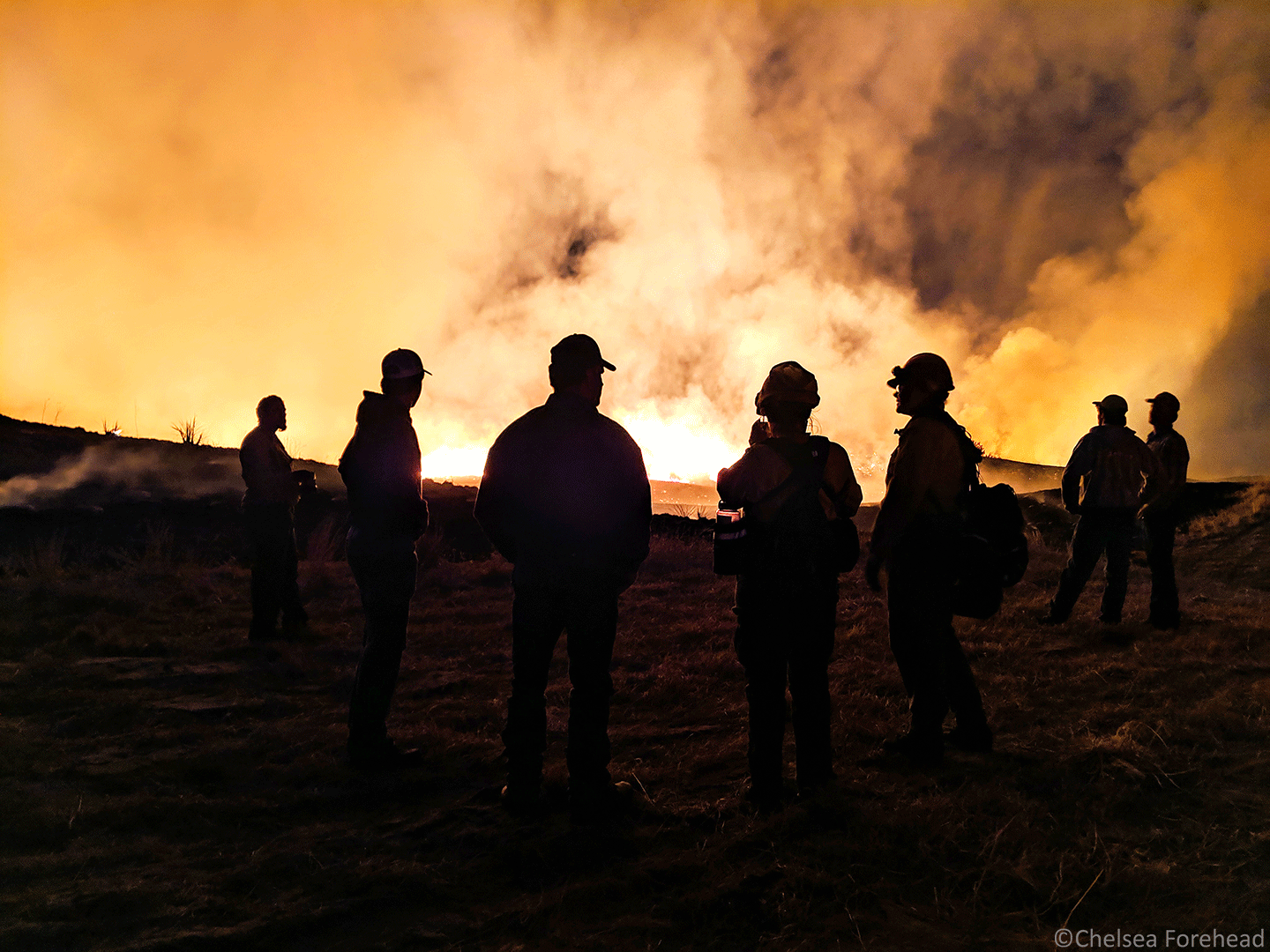
Night had fallen by the time Mary and I brought our lines of fire to meet those of Nelson and Olivia. By completing the ignition of the perimeter from both sides we were able to shift our efforts to monitoring the fire’s behavior as flames closed in around the hilly pasture. Keeping an eye on the parcel was hard to avoid. Its peaks and valleys were striped with glowing flames and dotted with torching cedars. While there had been stressful moments during the four-hour execution of the burn, the apprehension of the ranchers had evolved into enthusiasm for prescribed burning. It was clear that they felt right at home with work that was difficult, demanding, and a bit dangerous. As we discussed our experiences that night, the energy was one of a team who had just won the big game. Exhausted but exhilarated, we chatted for a while, smiling through our soot-smudged faces.
While I learned so much about the efforts that go into conserving high-quality prairies during each burn this spring, the connection with private landowners created during that Sandhills experience taught me the most. Though the ranchers admitted that burning that night was the most fun they’d had in a while, their willingness to use prescribed fire on their own land would depend on the results. I knew a reduction in cedar density in the burn unit was likely and felt proud knowing I played a part, however small, in sharing conservation-friendly management techniques with a wider audience. In a state where most of the land is privately owned, having such an audience was a profound opportunity.







 The Prairie Ecologist