Photo of the Week – October 30, 2014

I’ve always had a difficult time taking pleasing landscape photos in heavy fog.  I love the way prairies and wetlands look on foggy days, but I rarely come away with a scenic photo I’m happy with.  Fortunately, I can (and usually do) fall back on close-up photos…

Water droplets, gerardia and spider silk on a very foggy morning at a Platte River Prairies wetland last week.

Water droplets, false foxglove and spider silk on a very foggy morning.

One foggy morning last week, I waded into the shallow water of a wetland at our Platte River Prairies.  Everything was dripping wet because of the dense fog.  There was a light breeze, but not quite enough to blow the droplets off the plants or spider silk strands.
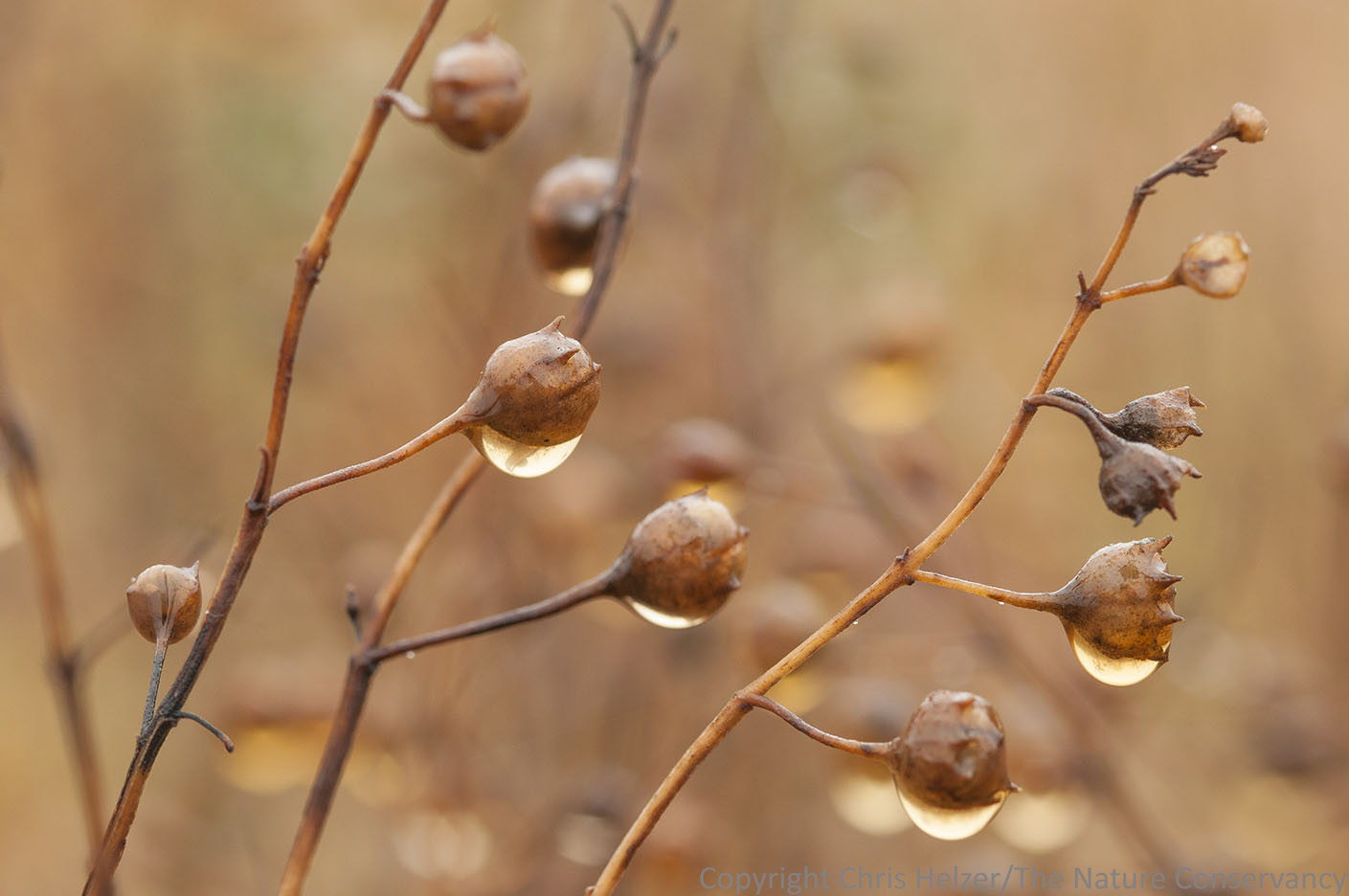
More gerardia in the fog.

More false foxglove in the fog.

Fog creates a “flat” light.  Flat light can be used for scenic photos, but it’s difficult to portray depth and texture because of the lack of any shadows.  However, that same light can work pretty well for close-ups, especially as the fog thins a little and the ambient light becomes a little brighter.
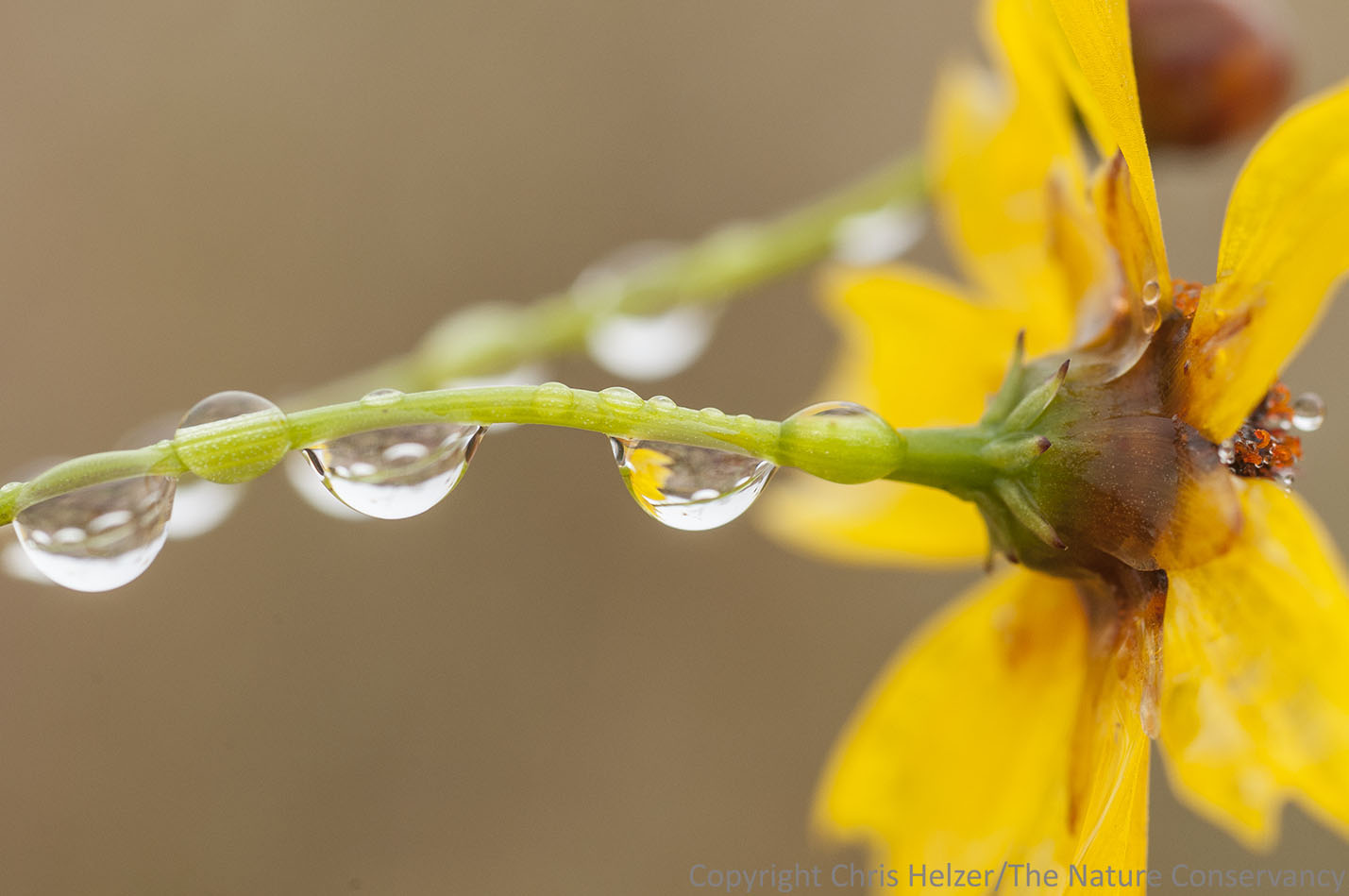
Droplets on a late-blooming plains coreopsis.

Droplets on a late-blooming plains coreopsis.

There were several patches of sand lovegrass along the sandy edge of the wetland last week.  The plants were bent almost to the ground under the weight of water drops.  Hidden among the sparkles was a cold wet grasshopper…

A grasshopper on a water-bejeweled sand lovegrass flower.

A grasshopper on a water-bejeweled sand lovegrass flower.

.
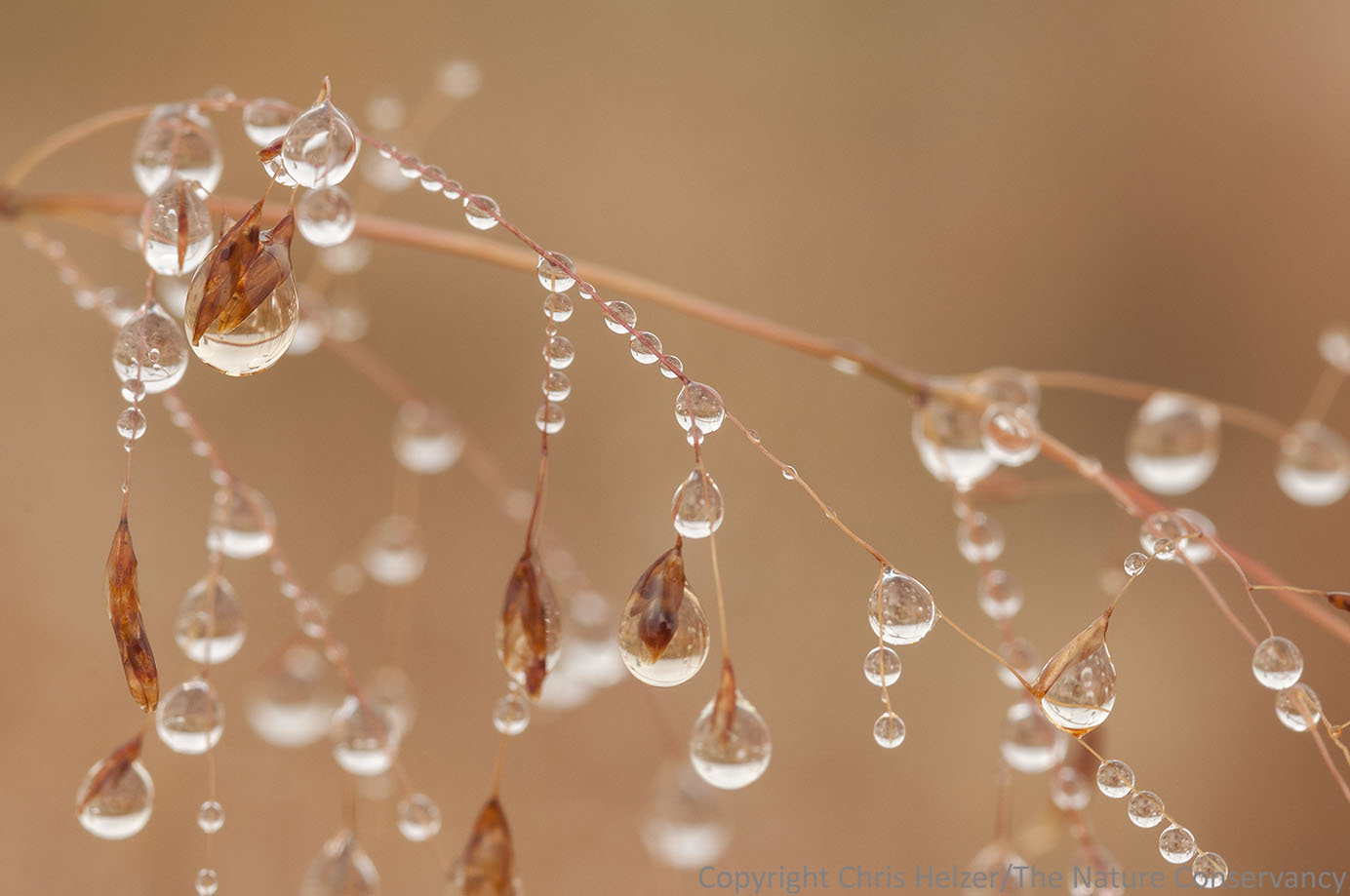
Sand lovegrass close-up.

Sand lovegrass close-up.

.

Sand lovegrass closer up.

Sand lovegrass closer up.

As the fog started to dissipate, the sun popped out periodically, providing a few opportunities for some landscape photos, but by then I was too intent on the little drops of water to pay much attention to the bigger picture.  I did take a few photos of the wetland, but quickly put the wide angle lens back away in favor of my macro lens.
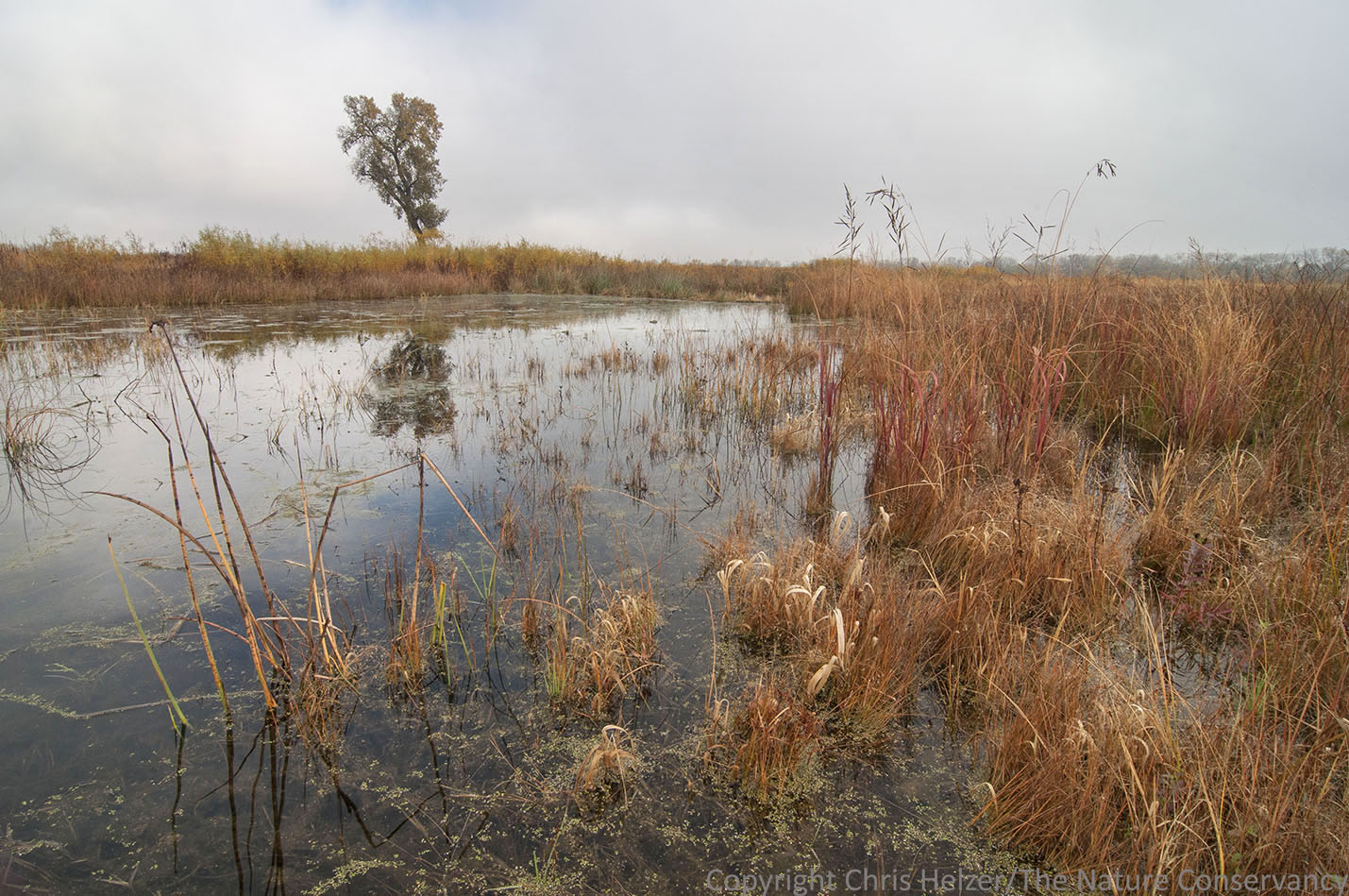
Here's what the wetland looked like as the fog started to lift.

Here’s what the wetland looked like as the fog started to lift…

.

Water droplets on spider silk.

…but it was the close-ups that continued to catch my eye.  Water droplets on the tip of a grass leaf and spider silk.


Photo of the Week – October 17, 2014

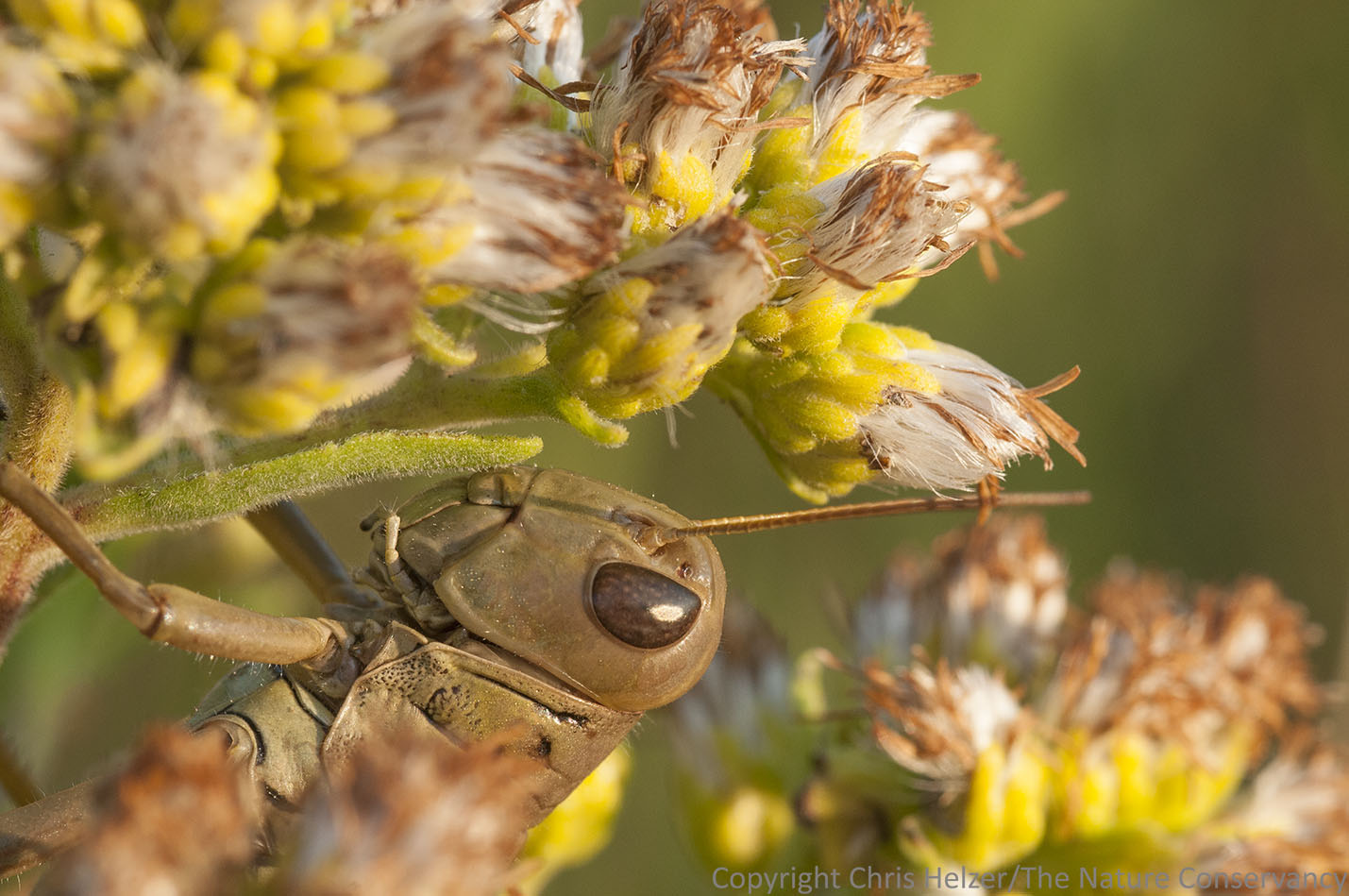
Who could be mad at these big beautiful brown eyes?

A differential grasshopper (that's its name, not its demeanor) on stiff goldenrod.

A differential grasshopper (that’s its name, not its demeanor) on stiff goldenrod.

As it turns out, lots of people can.

The differential grasshopper is one of a long list of native North American species, headlined by white-tailed deer and raccoons, that have adapted very well to today’s agricultural landscapes.  Whether you call these species adaptable generalists or pests probably depends upon whether or not they’re eating your sweet corn.  Regardless, you have to admire (or at least recognize) the traits that allowed them to thrive under changing habitat conditions that have pushed many other native species to the brink of extinction.

The olive-greenish color and the strong herringbone pattern on its back leg helps distinguish the differential grasshopper from other species.

The olive-greenish color and the strong herringbone pattern on its back leg helps distinguish the adult differential grasshopper from other species.

Peek-a-boo!

Peek-a-boo!  Isn’t she cute?

Before Europeans took over the continent, differential grasshoppers lived mainly in low grasslands, feeding on a wide variety of grasses and wildflowers – but, purportedly, with a particular affinity for giant ragweed.  When the landscape began changing to one dominated by rowcrops, alfalfa, and short-grazed grasslands, it basically created heaven on earth for differential grasshoppers.  Today, they are abundant enough that they can be found almost anywhere across the landscape (at least in Nebraska).  Apparently, they can move as much as 10 miles a day to find food.

One of 108 grasshopper species recognized as native to Nebraska, the differential grasshopper is one of only a small handful that actually cause any economic damage to crops.  All of those grasshopper species – pests or not – are important food sources for birds and many other wildlife species.  In years when differential grasshopper populations are particularly high, they can cause more problems for farmers and gardeners, but also provide even more food for wildlife.

"Don't hate me because I'm beautiful."

“Don’t hate me because I’m beautiful.”

It’s ironic that many traits we admire in people (resilient, adaptable, successful) become indicators of pest-ness when we’re talking about wildlife.  Really, we should give differential grasshoppers some kind of award for their ability to take lemons and make lemonade (that’s just a metaphor, kids).  Hooray for differential grasshoppers!

Unless, of course, they’re eating your sweet corn.