
Well, August was an awesome month for my square meter photography project. An unbelievable number of insects visited my little plot of prairie during the month, many of them drawn by the abundant and very charismatic Maximilian sunflowers. After a lot of sorting and decision-making, I ended up with well over 150 high quality photos from the month. I’m sharing 18 of those with you here.
I started this project with the hope of inspiring people about the beauty and diversity of prairies. What I didn’t expect was the degree to which I, myself, have been inspired and affected by the project. The diversity of life I’ve recorded has been amazing, but the process of slowing down, focusing in, and appreciating what I find in a tiny space has become a powerful experience for me. Rather than feeling like I’m missing other photographic opportunities by returning over and over to the same little spot, I actually find myself wishing I was there when I’m not.
Anyway, I hope you’re enjoying these updates along the way. I’m working on some ideas for how to share the entire project after the year is over. If you have suggestions along those lines, please feel free to share them!
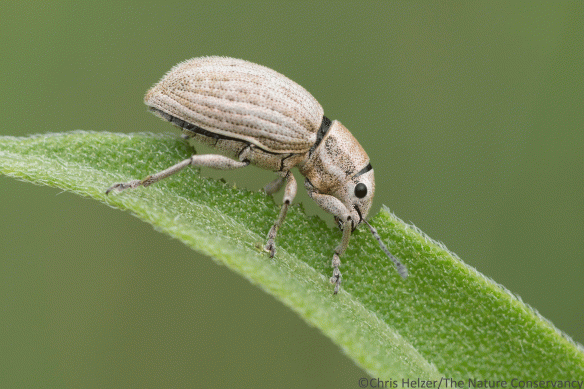
This beetle is feeding on the leaf of a Maximilian sunflower plant.
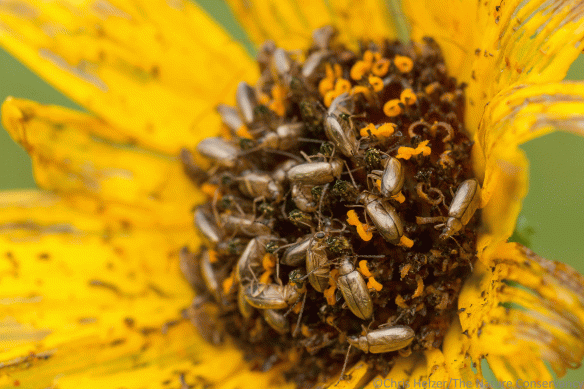
There was only one stiff sunflower plant in my little plot, surrounded by many more Maximilian sunflower plants. I tracked the progress of that stiff sunflower plant, anticipating the diversity of insects I would find on its flowers. However, as soon as that sunflower bloomed, it was attacked by a horde of little beetles. I will admit being emotionally affected by that attack…
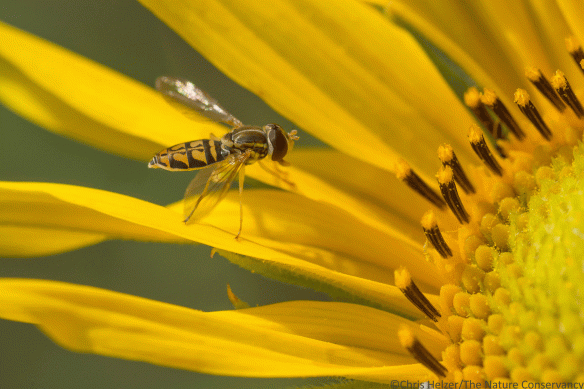
Once Maximilian sunflowers started to bloom, they drew insects like huge magnets, including lots of these little hover flies (aka flower flies and syrphid flies)
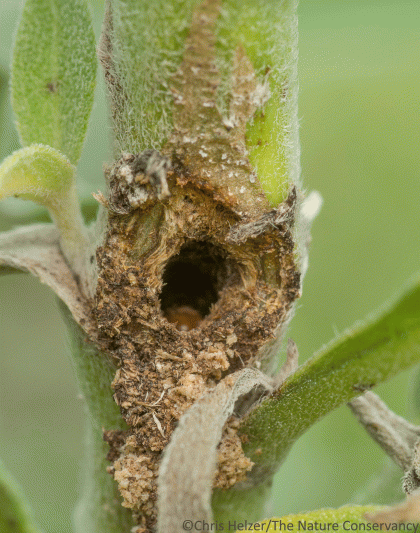
It wasn’t just the flowers that attracted insects. Early in the month, I found this cavity with something shiny and brown inside it. I never figured out what was in there, and didn’t want to bother it since it was inside my plot.

A few weeks after the previous photo, I found another cavity in another Maximilian sunflower stem. Same kind of insect? I have no idea.
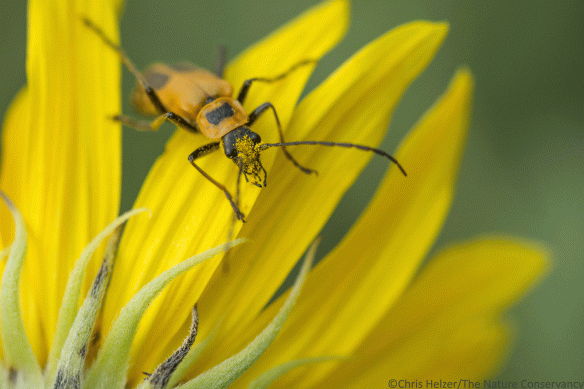
Soldier beetles were astonishingly abundant this month, both on sunflowers and elsewhere.
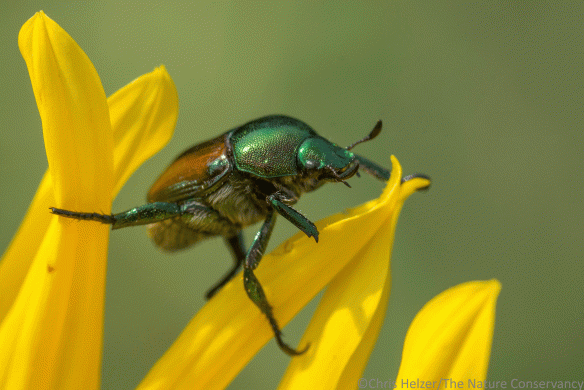
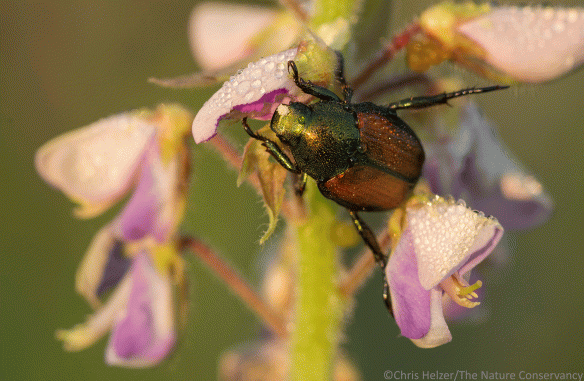
While soldier beetle abundance was on the upswing, Japanese beetle abundance was declining. I haven’t seen one in a couple weeks now.
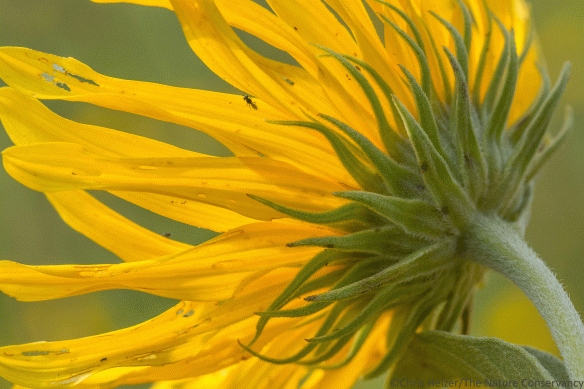
Many of the insects I’m finding are really really tiny, including what I’m pretty sure are itsy bitsy wasps. If you look very closely, you can see one silhouetted against this flower.
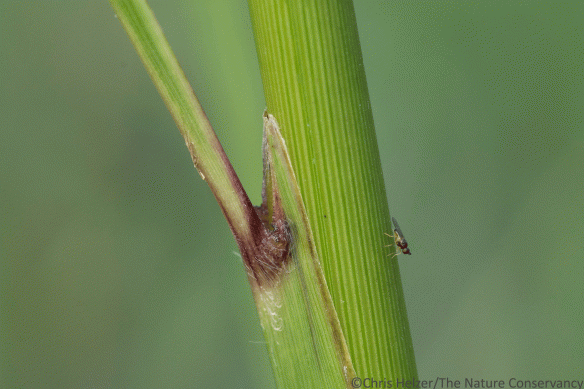
Another example of tiny insects – I only saw this little fly because I was photographing the leaf axil of Indiangrass and the fly entered the frame.
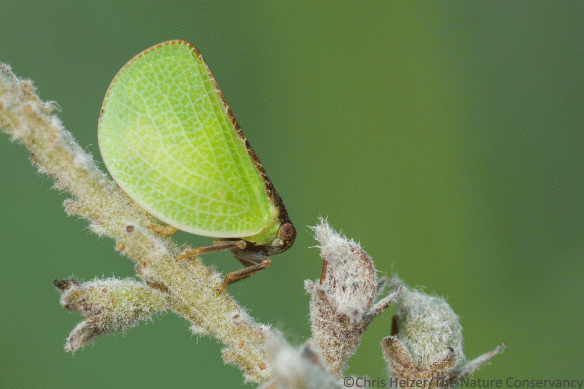
I had seen this plant hopper species elsewhere in Lincoln Creek Prairie, and was thrilled to finally catch one in my plot.

This aphid was feeding on a Maximilian sunflower before it flowered.
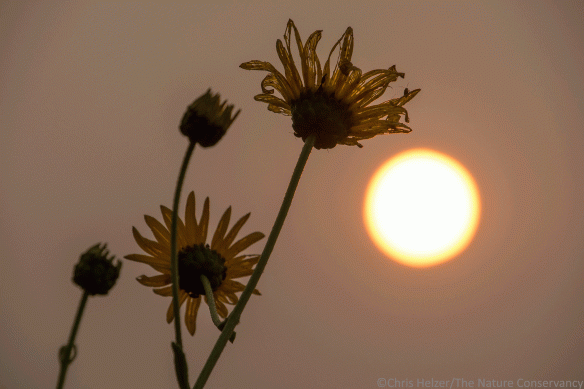
The smoke from western wildfires created hazy skies last month, but that haze made for some nice photo light, including a photo of the sun itself.

I thought this plant hopper (?) was just an empty exoskeleton until it started moving while I photographed it. Astonishingly cool.
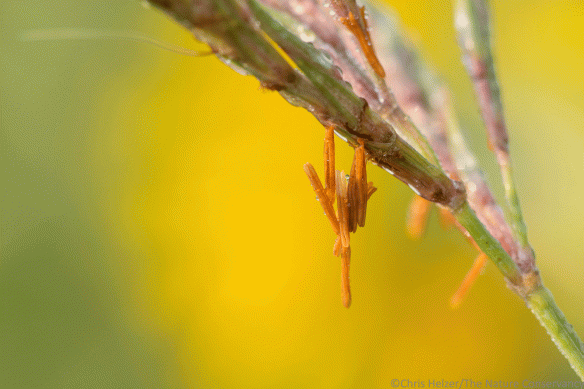
Sunflowers weren’t the only bloomers in August. Grasses were also in full bloom, including this big bluestem plant.

Indiangrass started blooming right at the end of the month, and this hover fly took advantage of the easy access pollen.
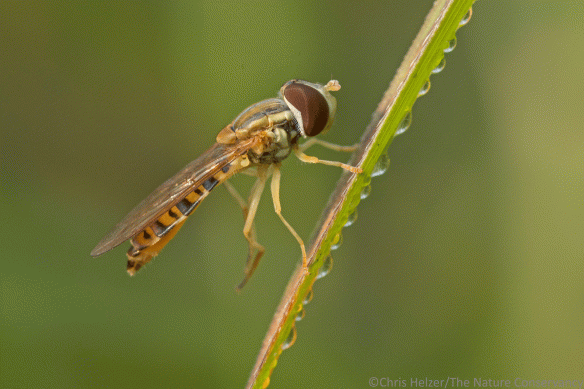
This hover fly was resting between flowers on a dewy morning.
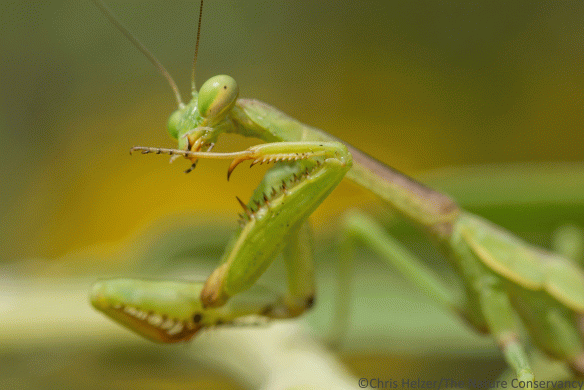
After seeing them all over the prairie around me, I finally found a mantis inside my plot. This one is the European mantis.

While I was following the above European mantis around the plot with my camera, I came across this Chinese mantis, also in the plot. Two mantis species in the same day!


 The Prairie Ecologist