
Kim and I just got back from a week in the mountains of Colorado. As part of the trip, we camped several nights in the Lost Creek Wilderness. A year ago, we learned some lessons about how best to vacation together in the outdoors, and I think we applied those lessons well this year. We set up a base camp from which Kim had access to running trails and I could quickly access photographic opportunities when the light was good. It was a great week.
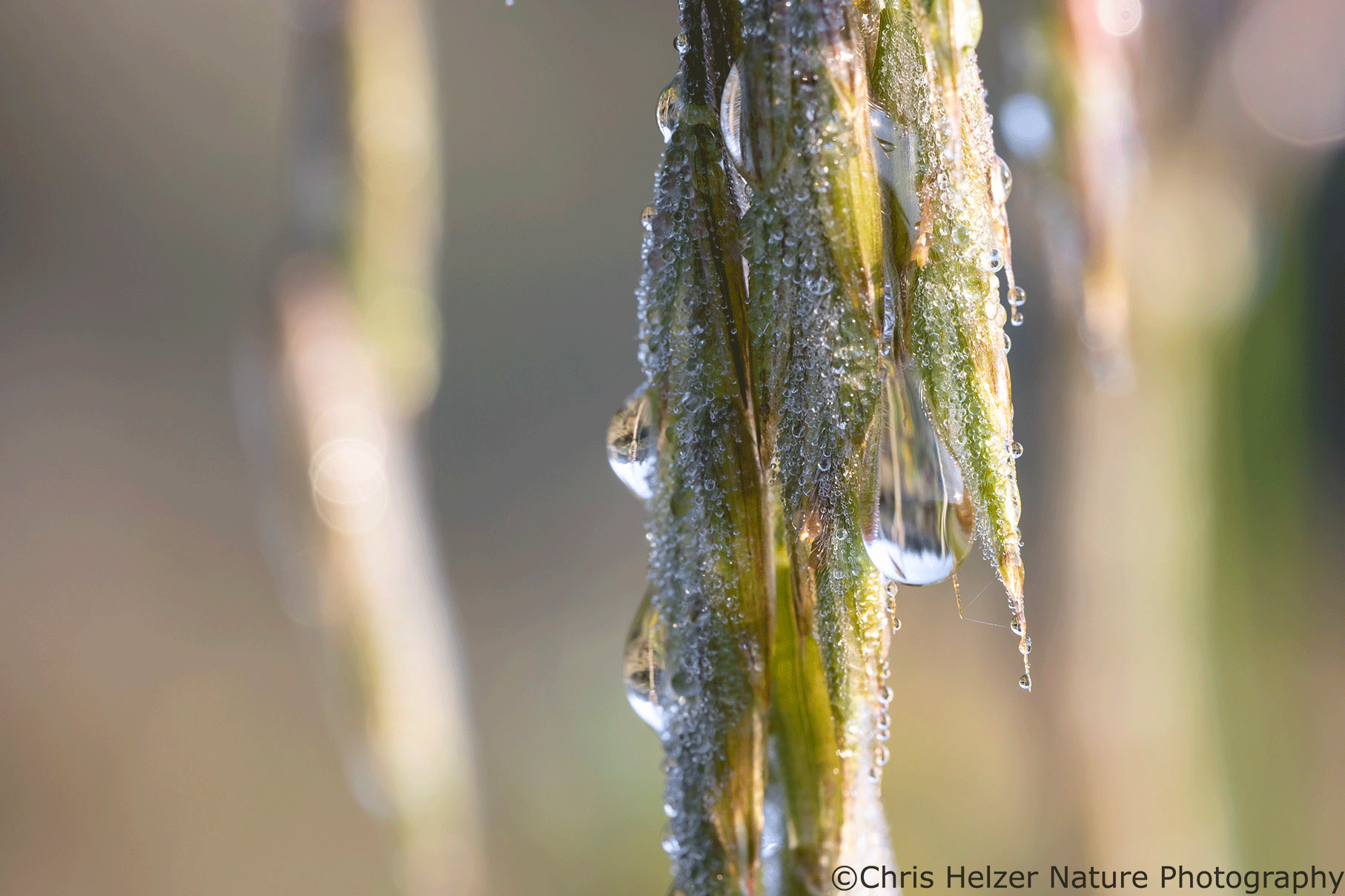
On the last morning of our trip, we awoke surrounded by frost. We were just under 10,000 feet in elevation, so I was surprised to see frost in July, but I also know enough about mountain weather that I probably should have been prepared for it. Regardless of my surprise, I was really happy to have the chance to photograph frosty flowers in the summer! I’d emerged from the tent in time to hike a little more than a mile to a spot I’d scouted the day before, and I arrived just as the sunlight did.
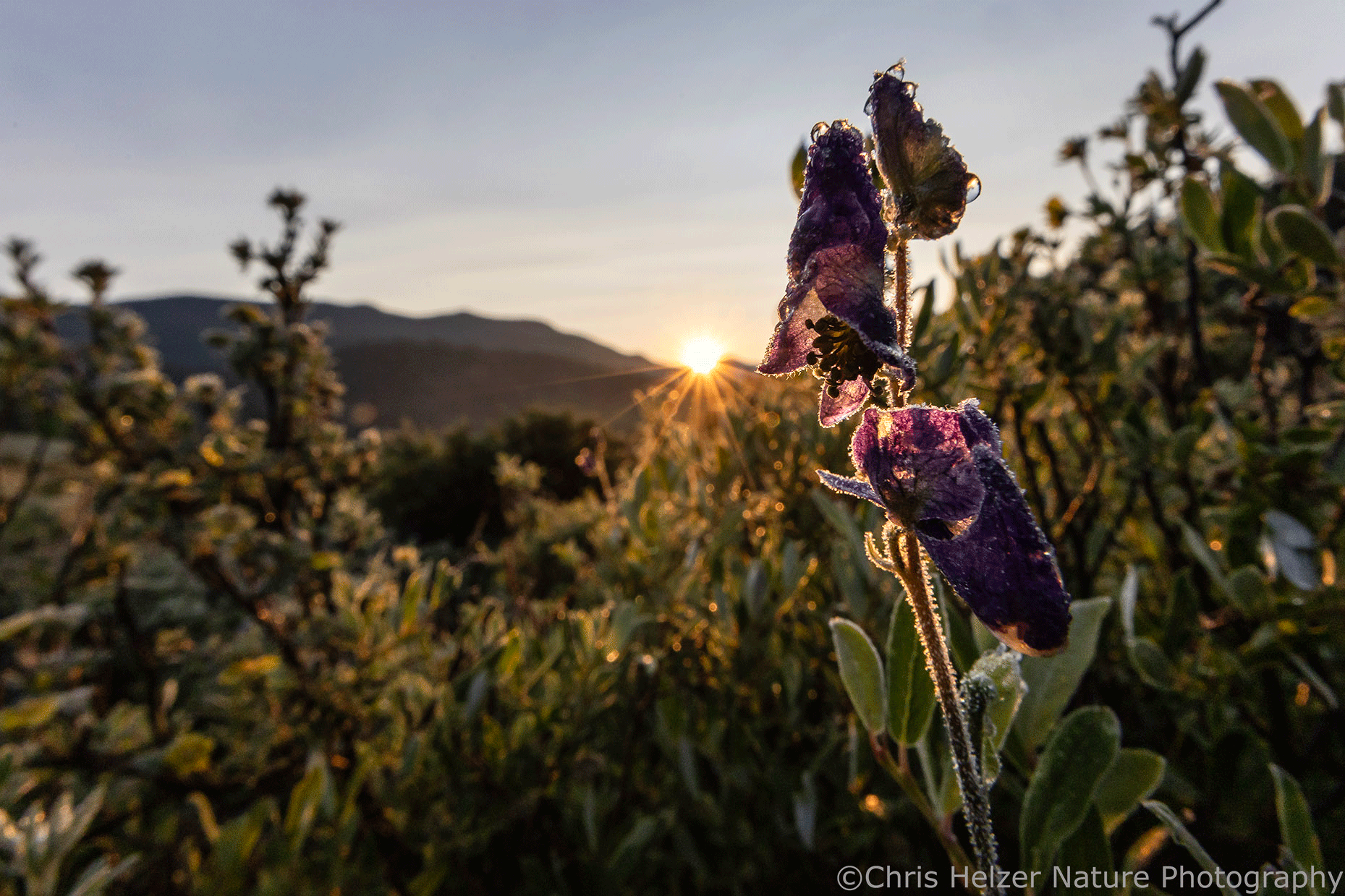

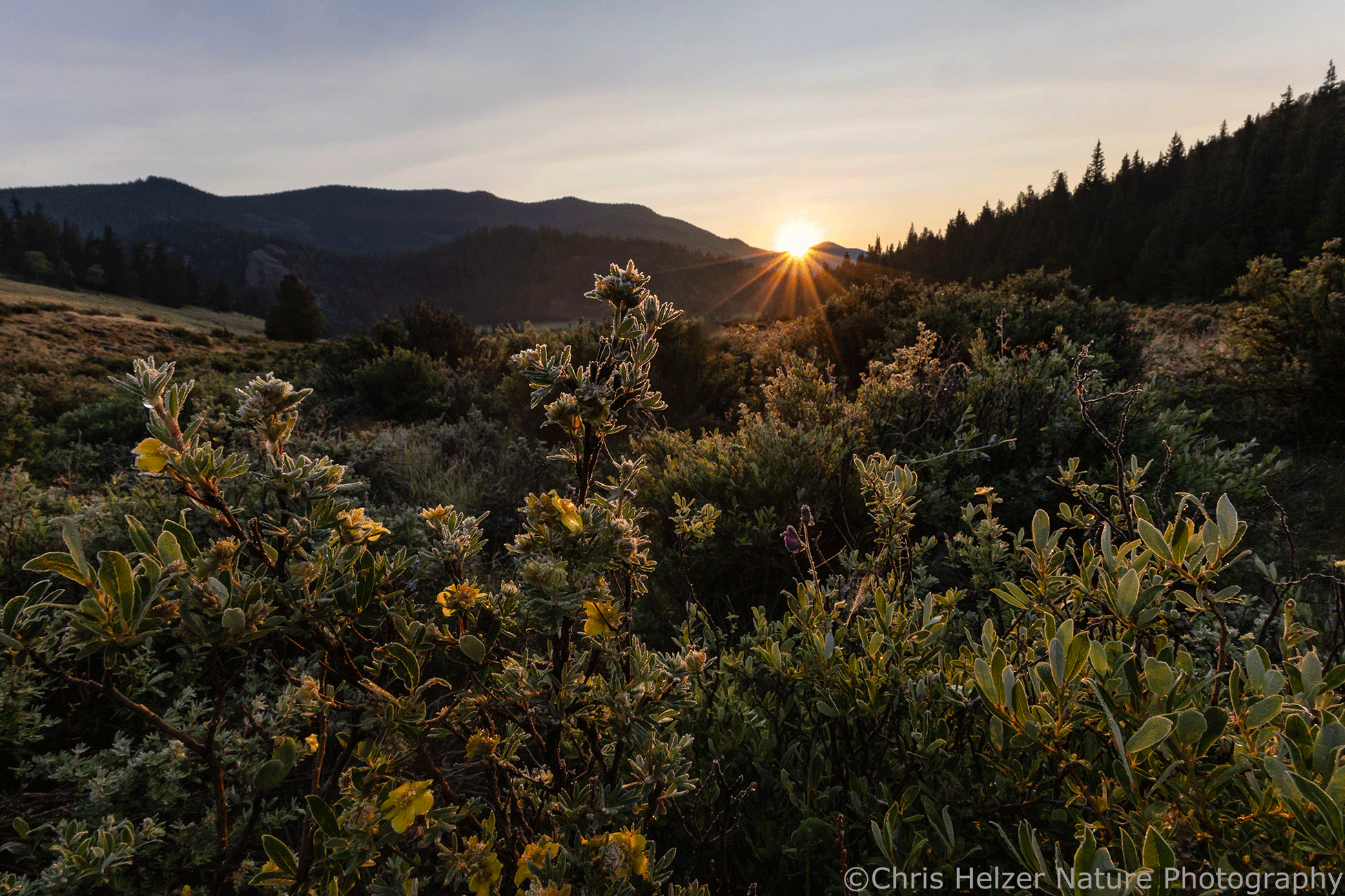
I spent the next couple hours scrambling around and trying to photograph the frost before it melted. Once the sun was above the distant ridge, the frost melted pretty quickly upon contact with sunlight, so I spent a lot of time following the edge of shade and sun – photographing flowers just after the sun hit them.
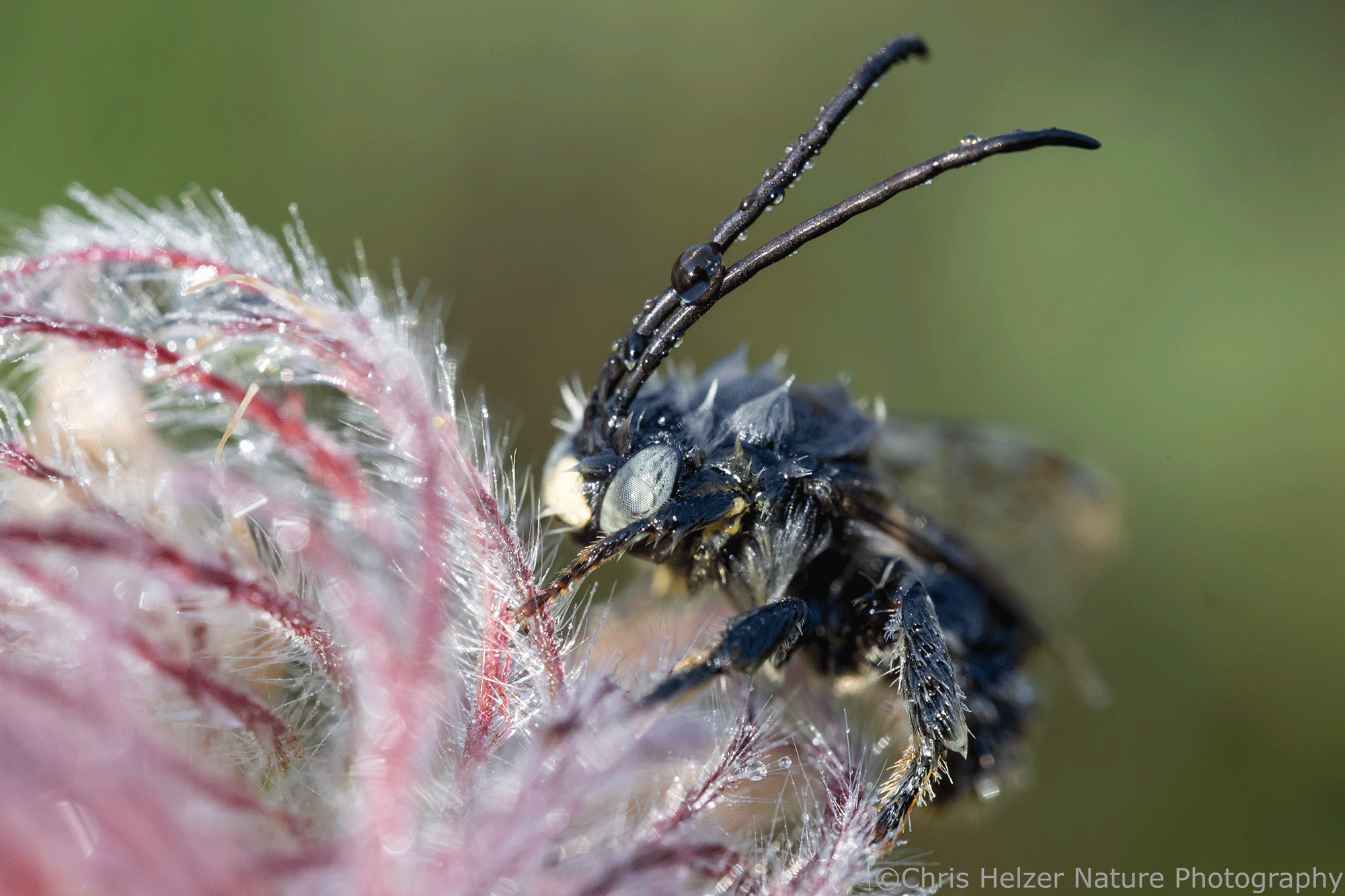
In my captions below, I’m guessing on identifications, so I’m staying fairly vague. Even then, I’m not guaranteeing accuracy. This is not my (geographic) area of expertise.
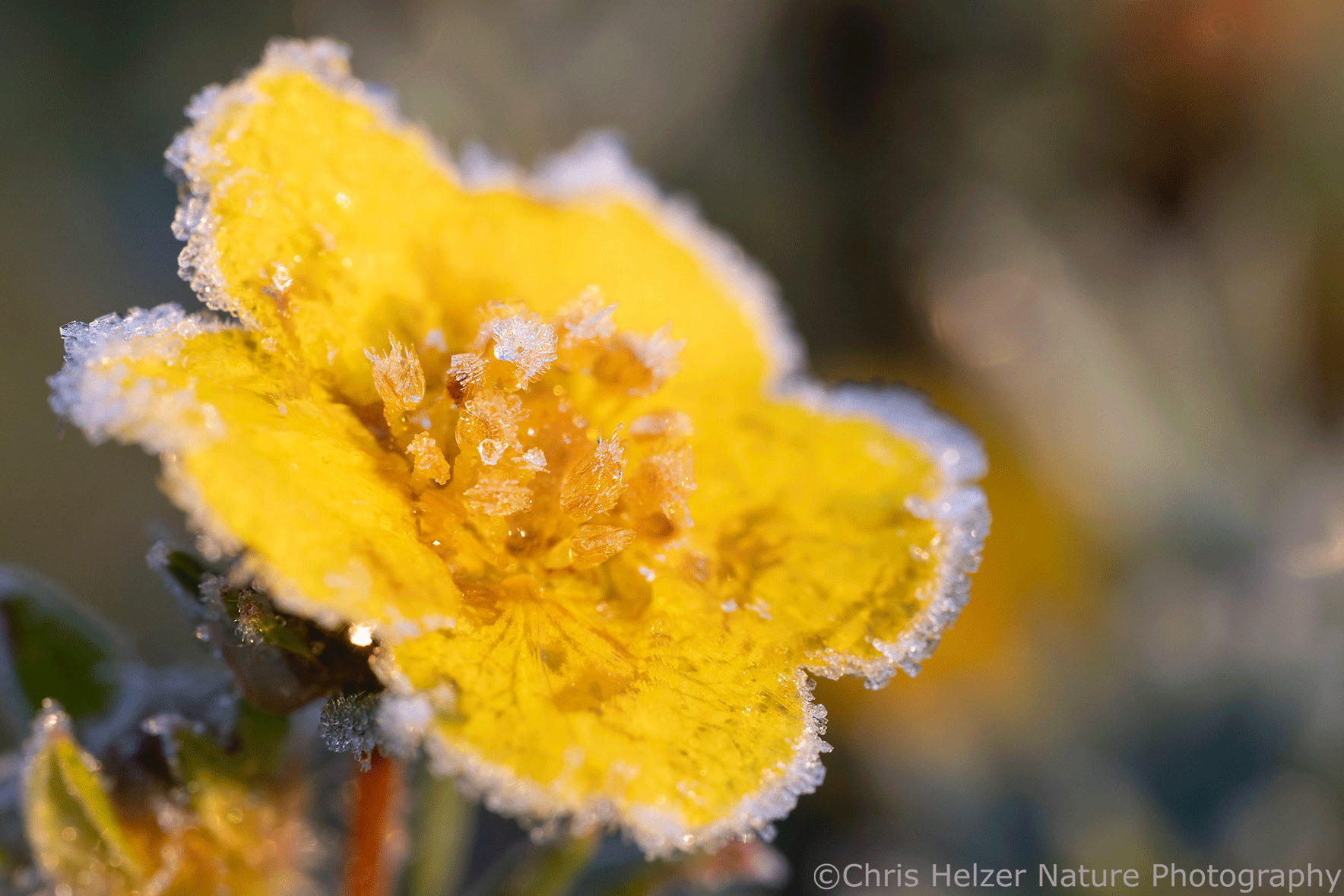

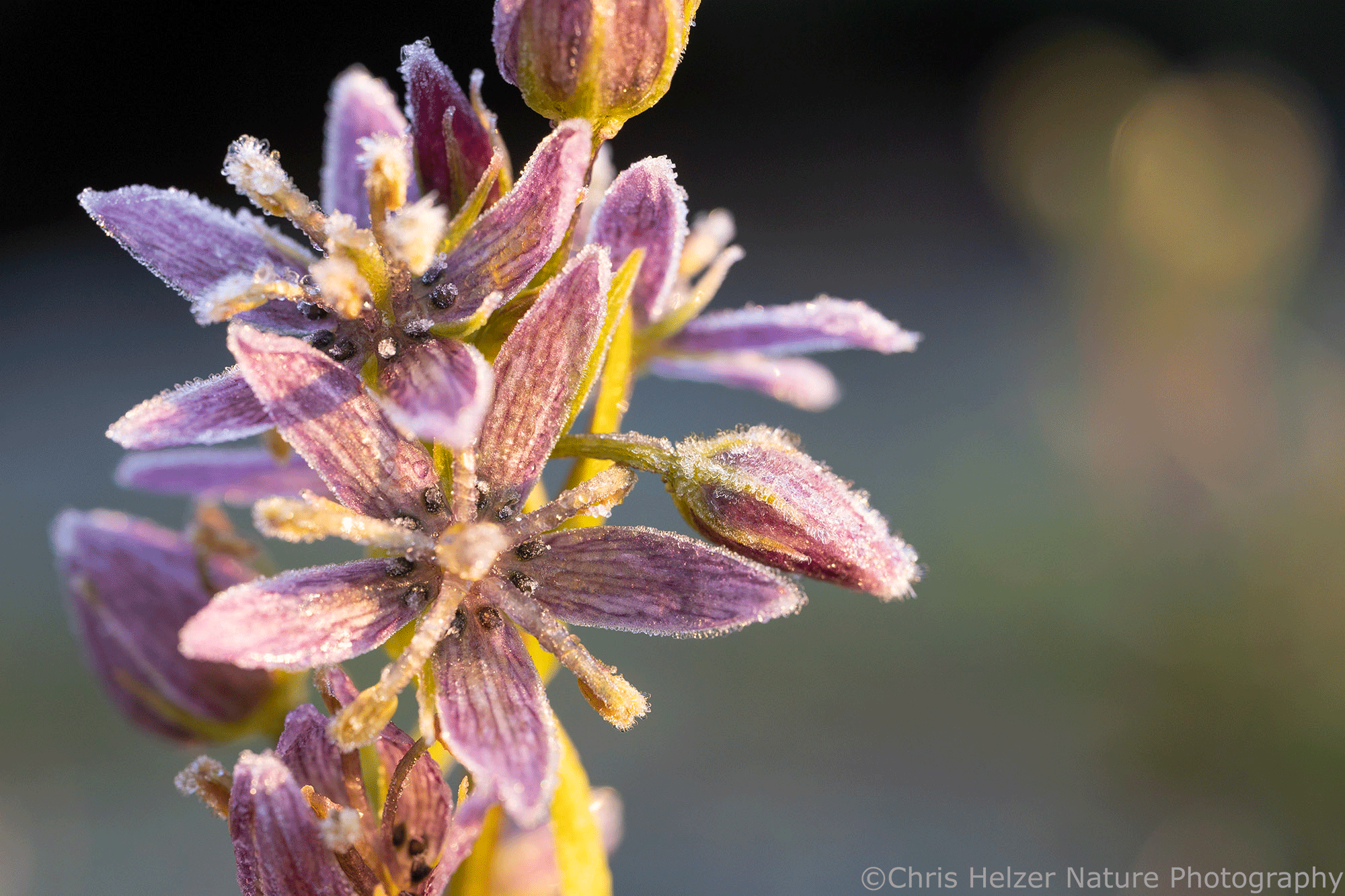
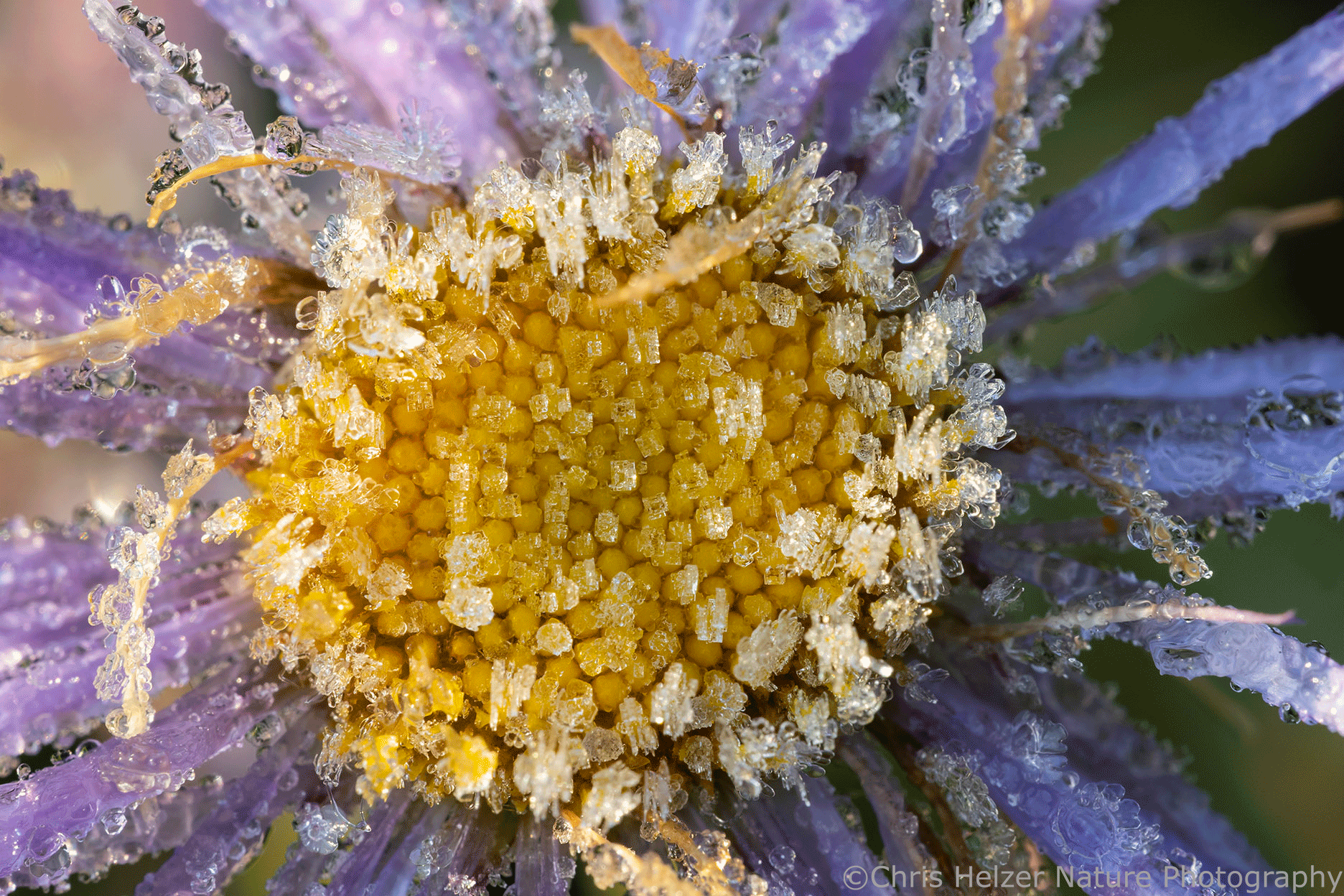
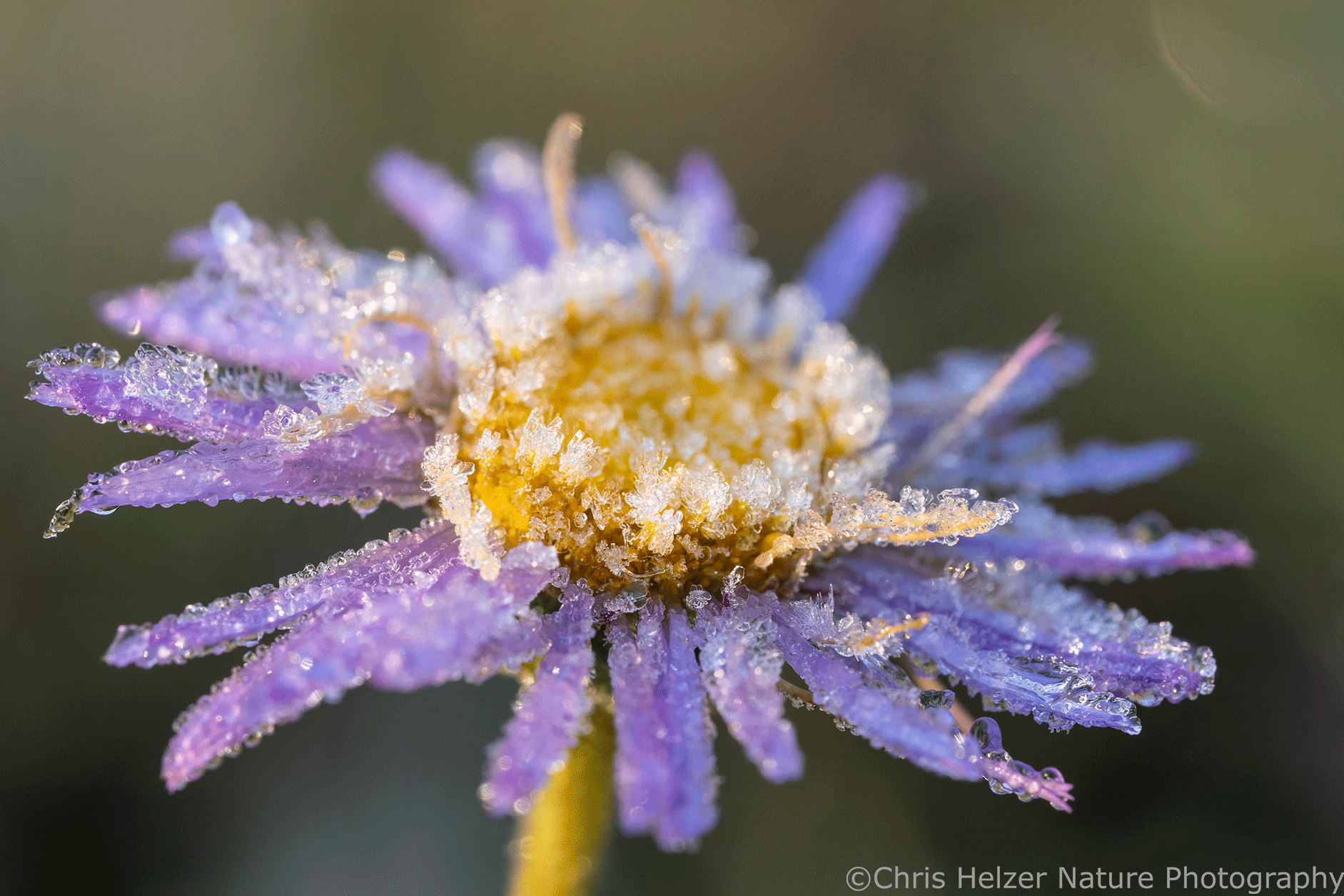
One of the great things about our chosen campsite and the surrounding area was that there wasn’t a lot of climbing to do when I wanted to explore and look for photo opportunities. Kim also appreciated that for her trail running. Both of us are used to the 1,800 foot elevation of east-central Nebraska. Even after several days of acclimating (not enough time), we weren’t really mountain-ready. Kim is in much better cardio shape than me, but even she wasn’t sprinting up any steep inclines.
That relative flatness meant that it didn’t take an excessive amount of time for me to fast-walk the trail to my intended destination before the sun appeared. Of course, because it was the mountains, sunrise doesn’t happen at sunrise, if you understand me. Official sunrise was at about 6am, but it took at least 30 minutes before the sun got high enough to clear the rocky ridges and trees all around me. The reason I went to this particular spot was that it was one of the first places in the valley the sun hit when it finally rose above the topography. (This is why I only visit the mountains and live in open prairie country where I can actually see the sun set and rise. Where there are actual stinking horizons.)
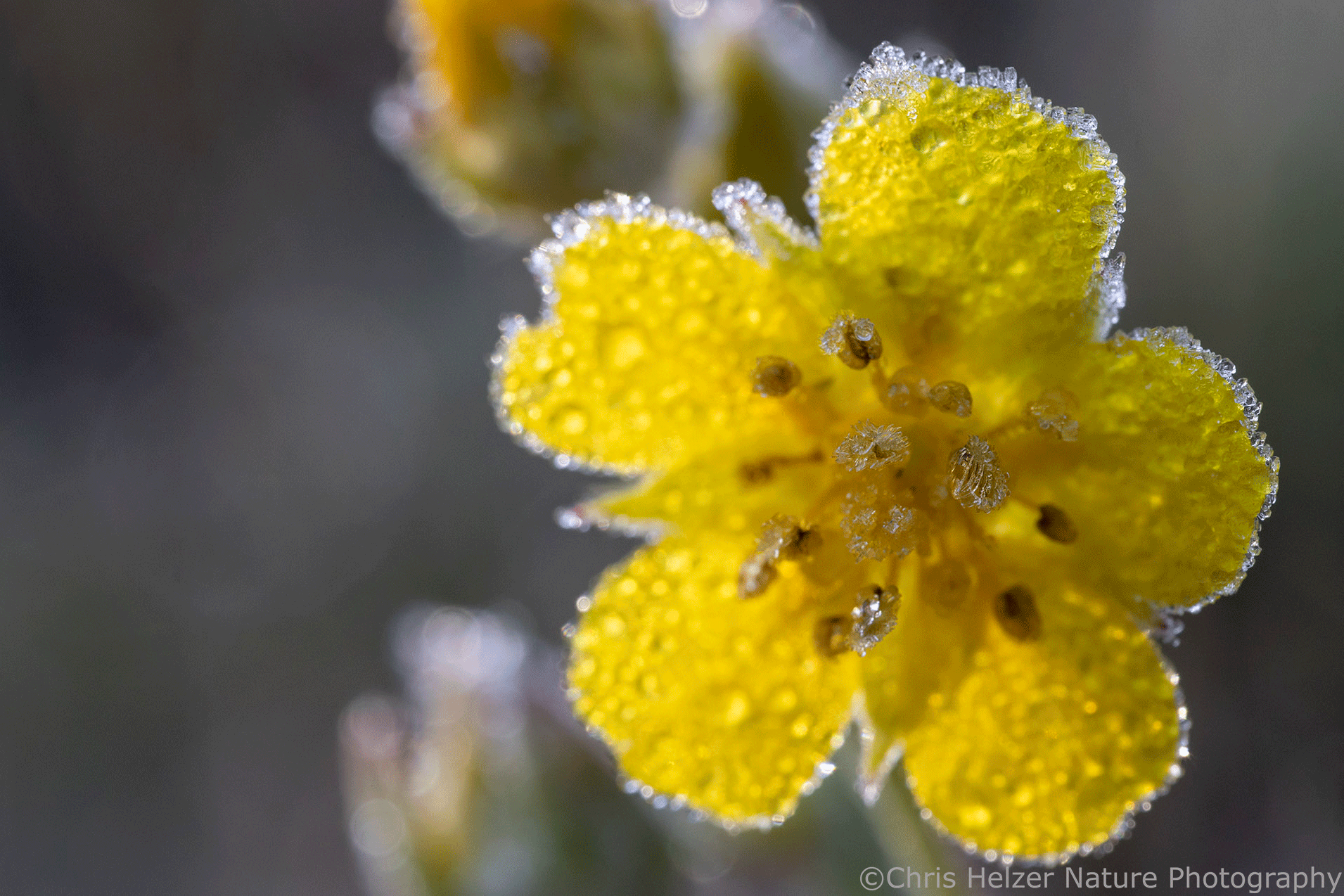
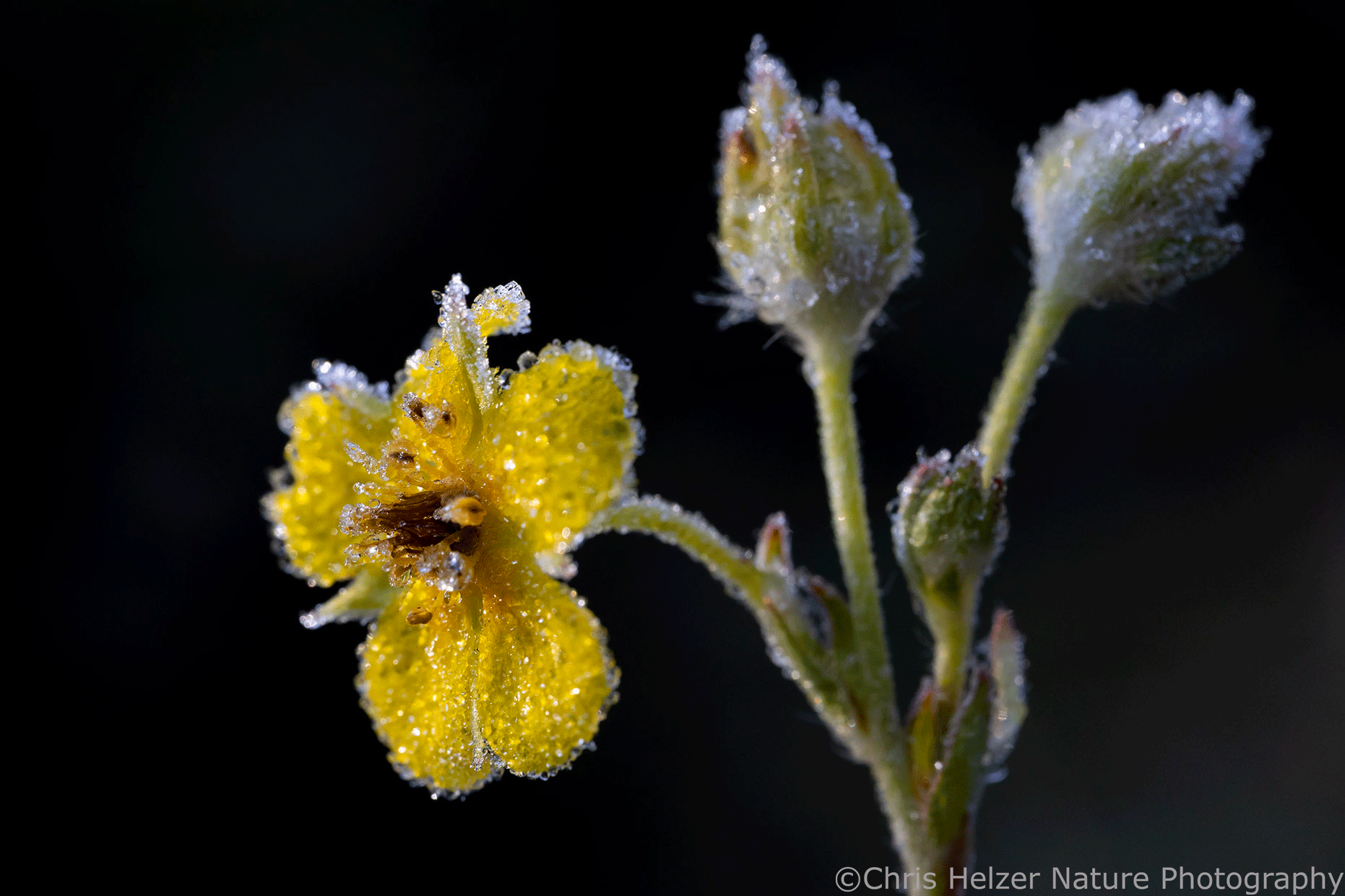
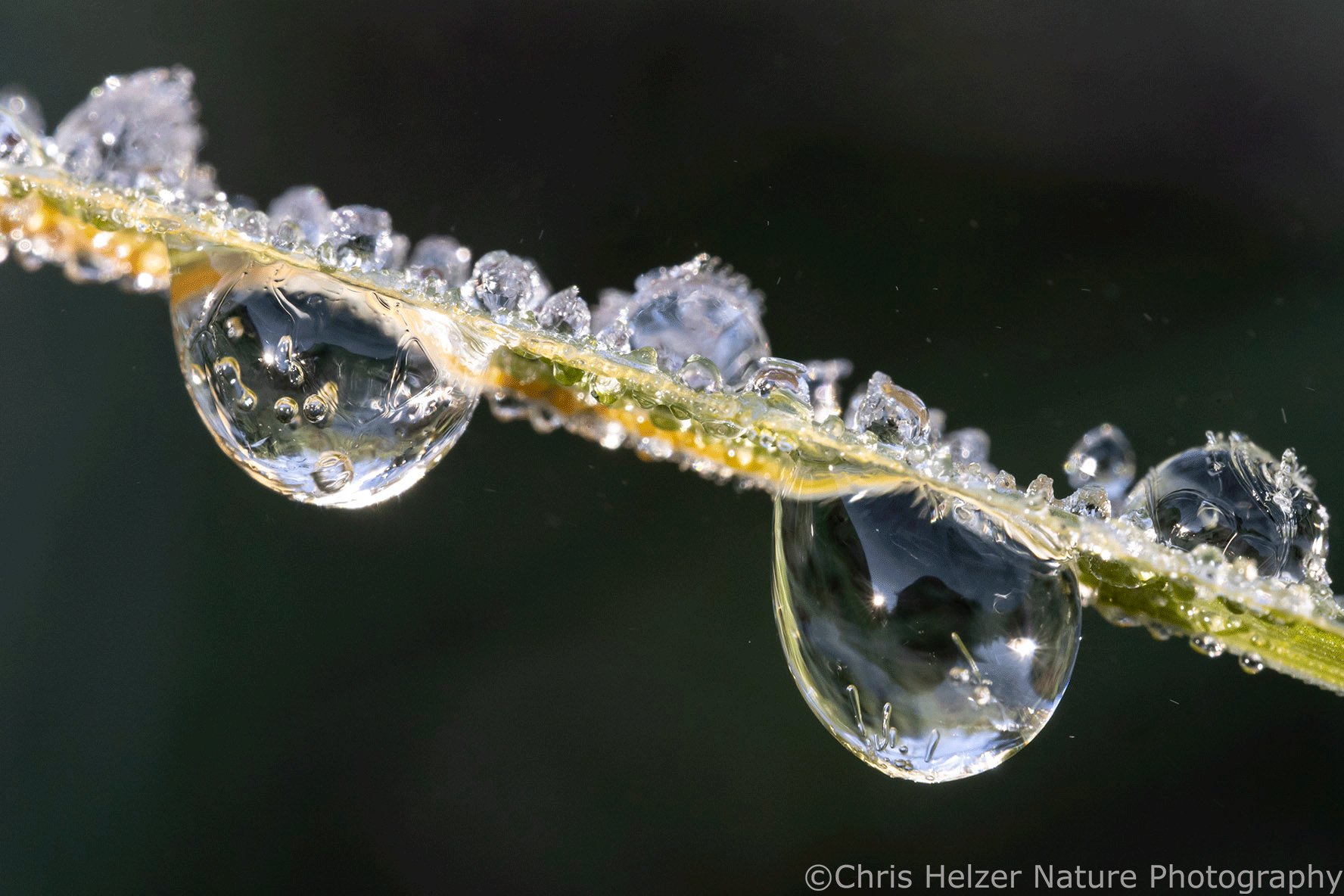
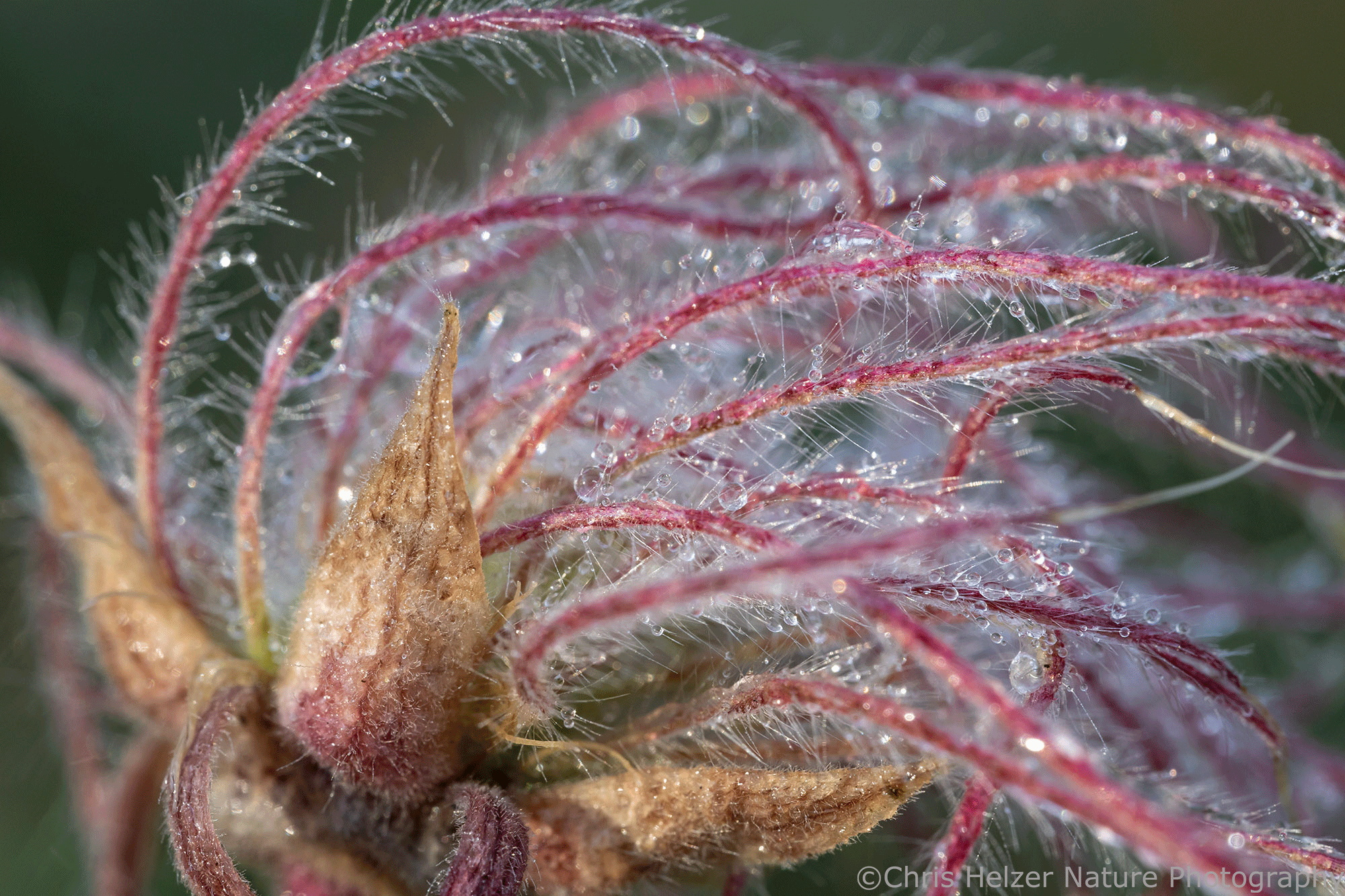
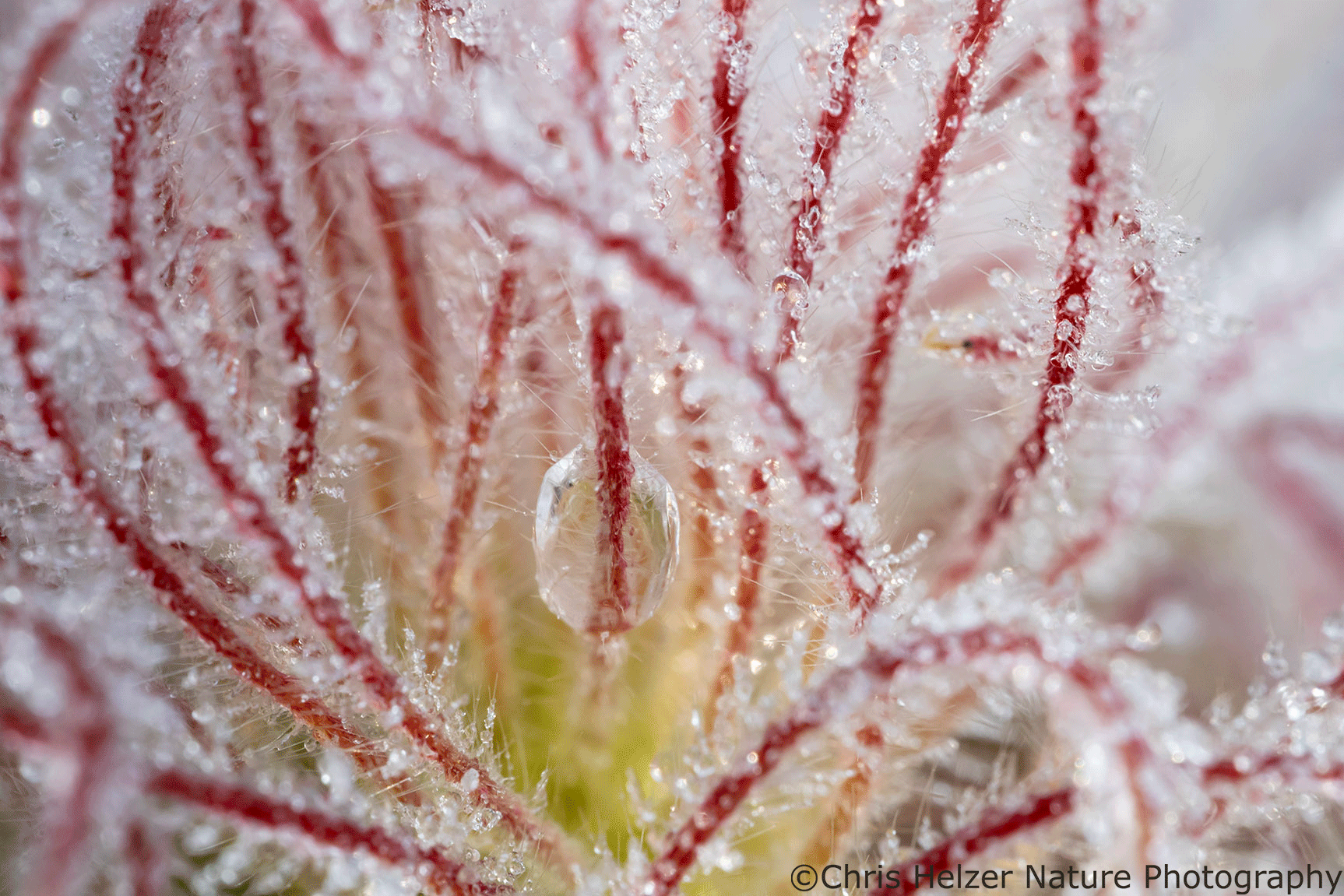
Prairie smoke is a wildflower that doesn’t show up in the prairies I frequent, so I’m always glad to visit sites where it lives. It’s one of my favorite plants to photograph, especially when the hairy seed head strands are covered with frost and dew.

As the sun rose higher and the frost started to melt and sublimate (a great term to look up if you don’t know it), fog started to rise from the ground and drift along the valley. I stood up and photographed the landscape for a while. It was nice to stretch my back a little after crouching and lying on the ground to get photos of frosty flowers.

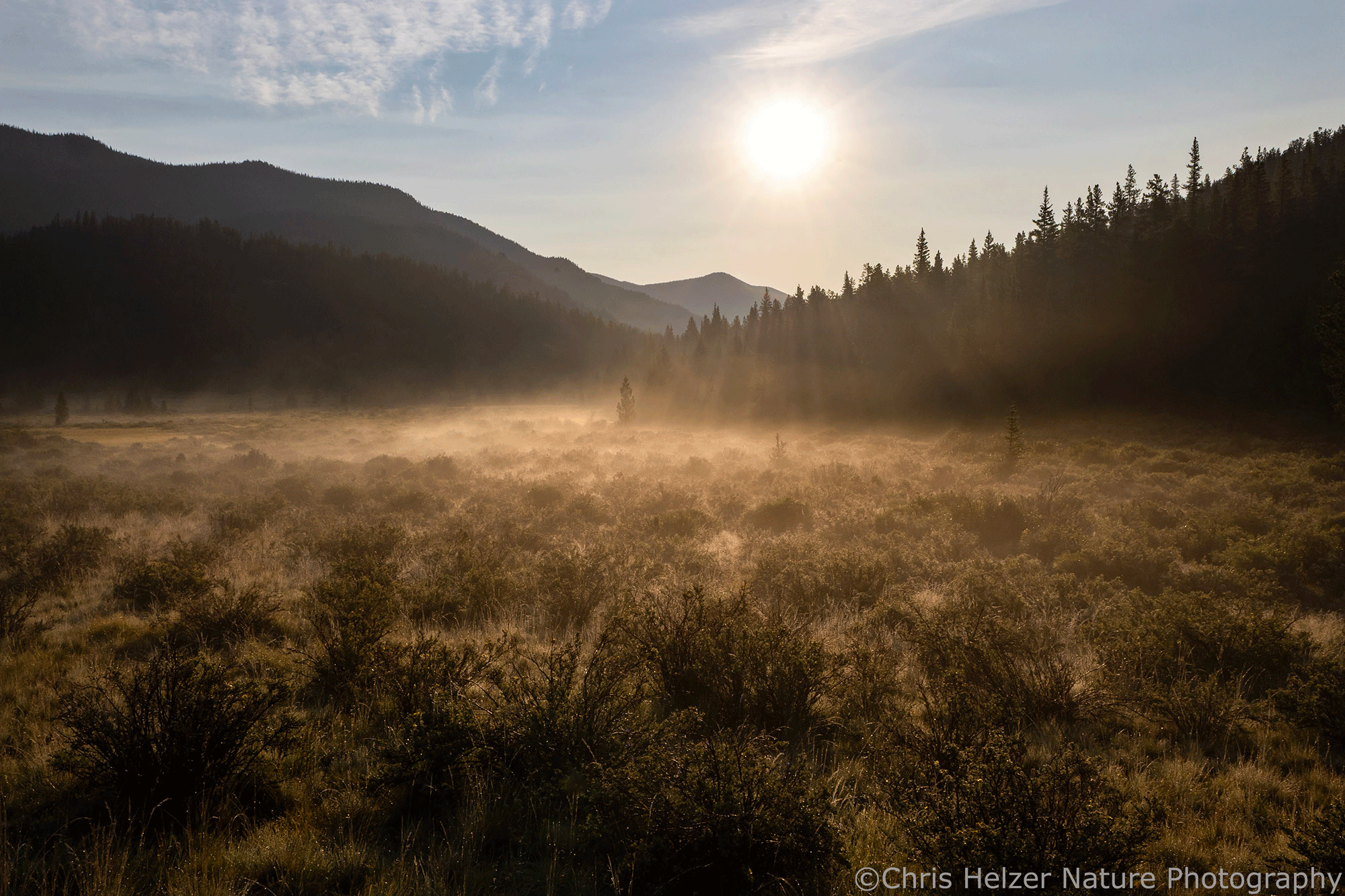
By the time the fog dissipated, the sun was bright enough that photography was getting difficult, so I trekked back to camp. My feet were sodden but my spirits were high. I was ready to head back home to the prairie, but glad we’d come.
 The Prairie Ecologist