Kim and I took our annual trip to the mountains last week. We’ve been refining our vacation strategy over the last several years, having recognized that we want somewhat different things from our trips. Kim wants to do some hiking and trail running, combining exercise and exploration. I want to camp where I can get decent morning and evening light for photography, and enough open area that it feels like I’m in a prairie – not closed in by steep mountains and dense forest.
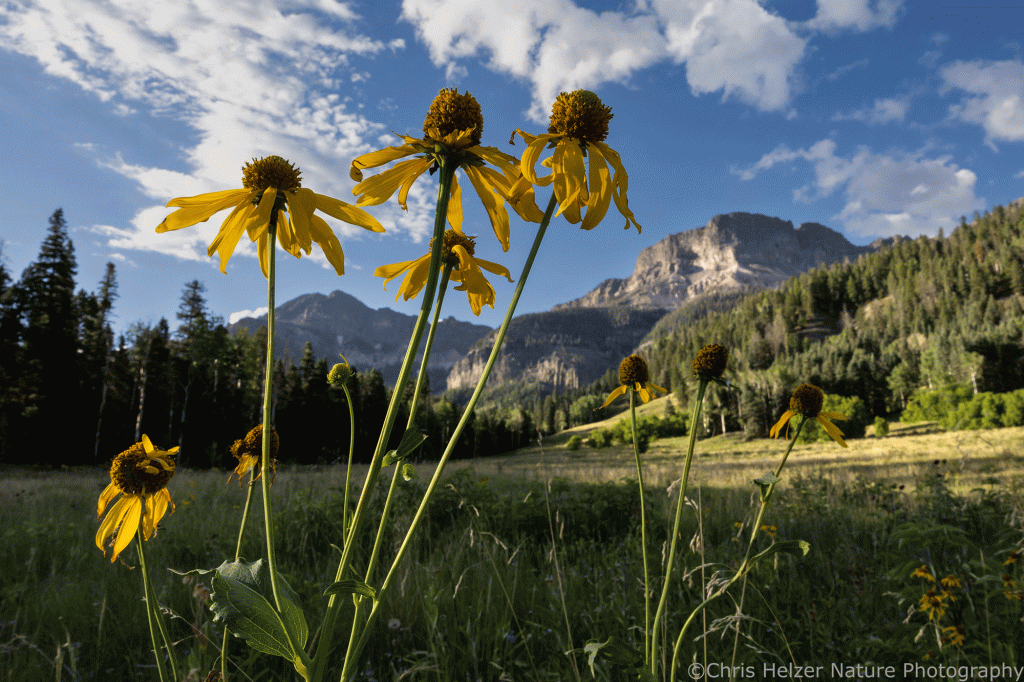
Both of us enjoy solitude (except for each other’s company), so backpacking is a good way to get away and find some peace and quiet. However, I don’t really enjoy long-distance backpacking because I’d rather spend my time wandering slowly around with a camera. The compromise we reached this year is that we’d do a short backpacking trip and find a good spot to set up a base camp, from which we could both spend our time doing what we wanted for a few days.
I spent an inordinate amount of time scouting for potential sites. I finally narrowed it down to a part of the Weminuche Wilderness in the San Juan Mountains of Colorado. It was near a couple streams where we could get drinking water, there were multiple nearby trails Kim could run/hike, and there was a large open meadow surrounded by attractive peaks. Perfect. Also, it was only about three miles from a trailhead, so it was a short, easy backpacking trip to get there.


During our trip west, I suddenly realized that the drought (and lack of winter snowfall) in the mountains this year might mean the streams in our selected camping area might not be running. I sent an email to someone with a trails organization in the area, hoping against hope to get a local report. Surprisingly, I got a quick response, which provided an optimistic guess that we’d be ok, especially because of recent rains. We decided to plow ahead.
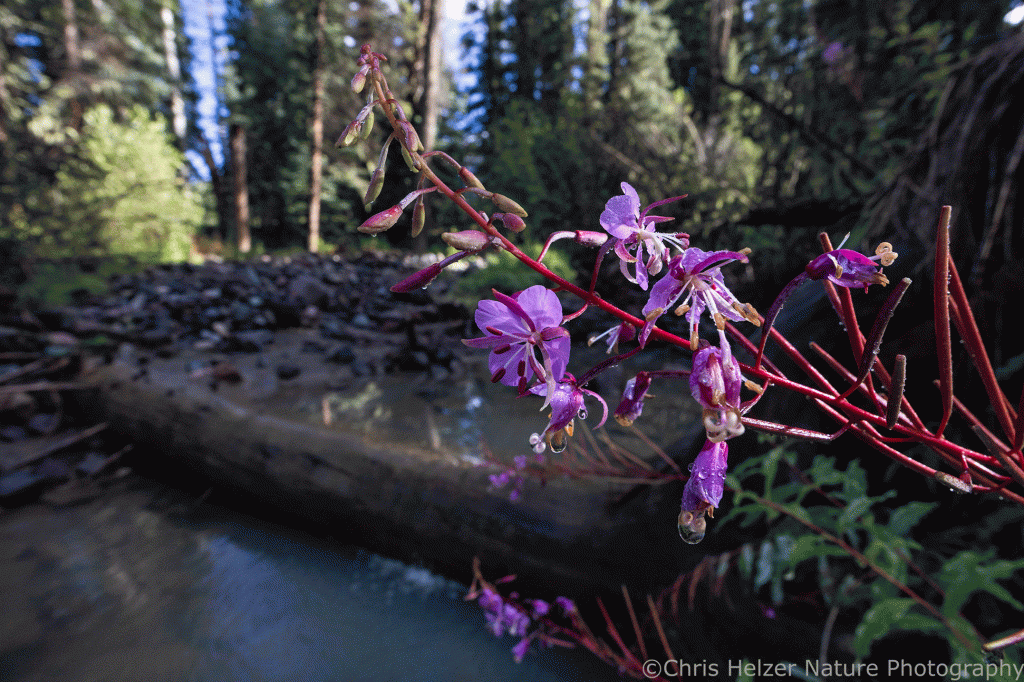
We both breathed a big sigh of relief when we reached the creek we’d planned to camp near and there was water running aross the rocks (see below). We were even happier when we found a campsite next to a couple spring-fed seems with fresh clear water coming out of them. Though we didn’t know it at the time, the campsite also featured an entertaining long-tailed weasel who showed up a couple times during our stay and ran back and forth on some downed logs.

In case you’re intereseted, we started at the Poison Park trailhead north of the Williams Creek Reservoir and hiked the Weminuche Trail to a meadow labeled “Miner Park”, where we camped near Hossick Creek.
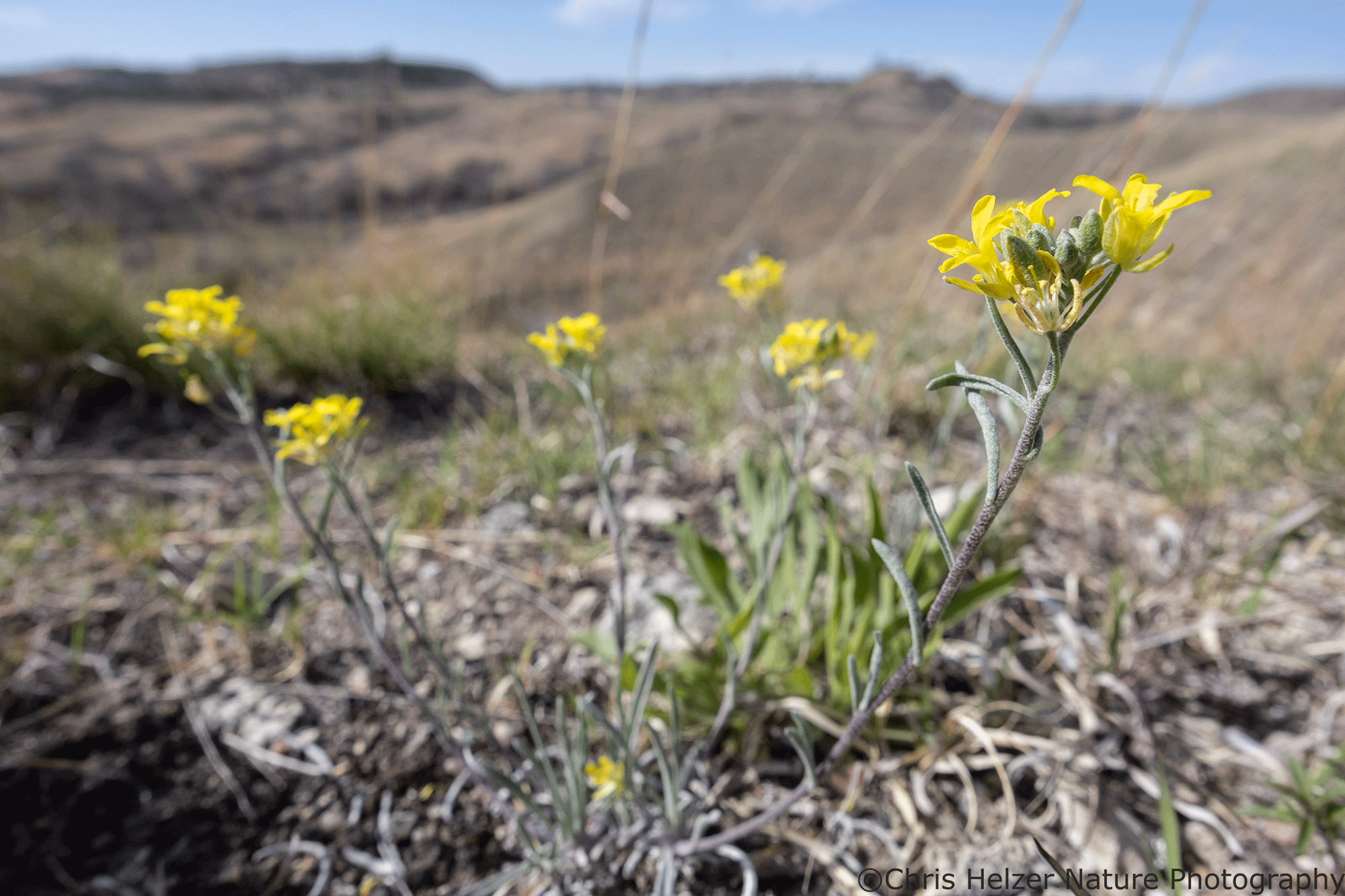
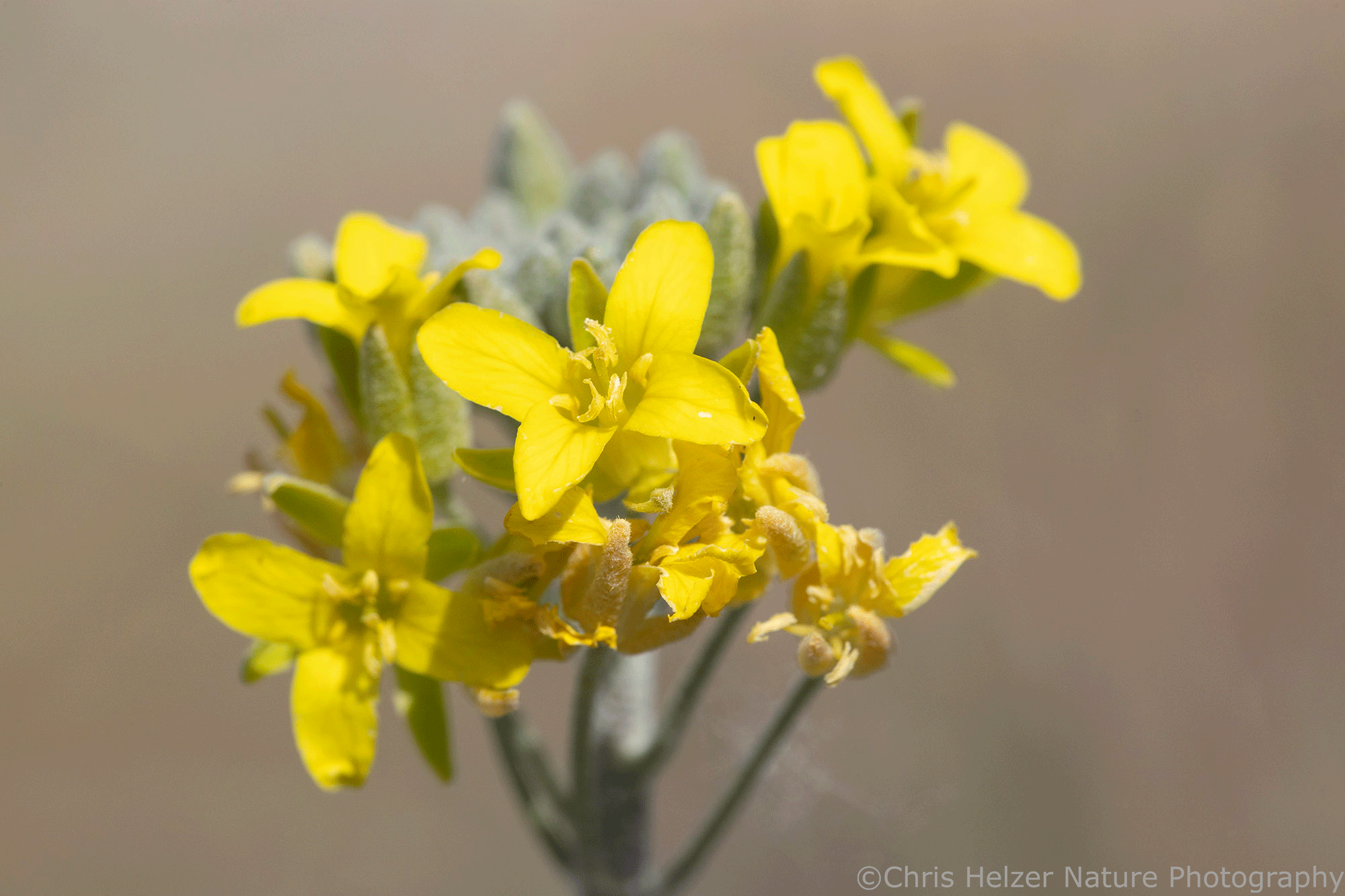
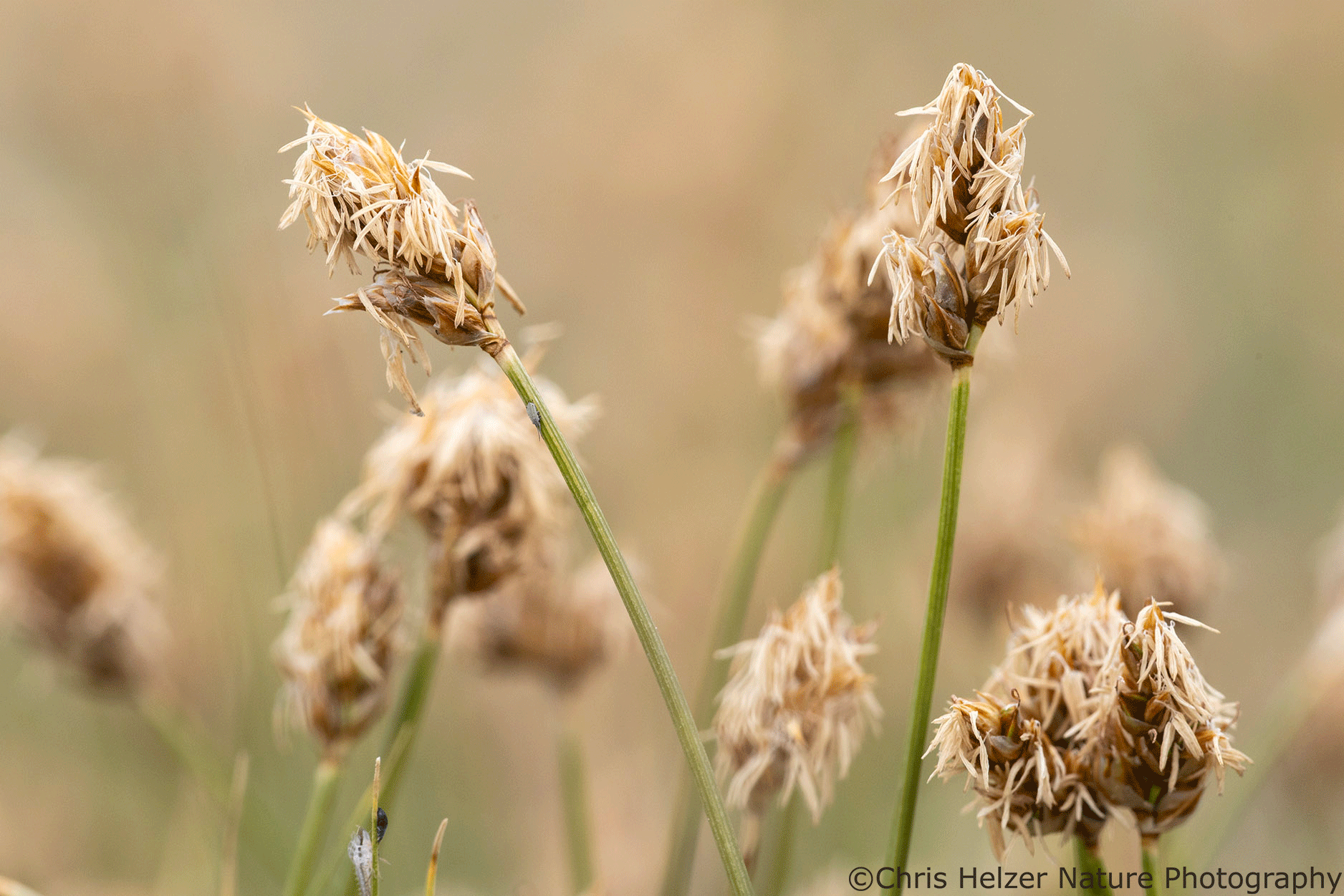
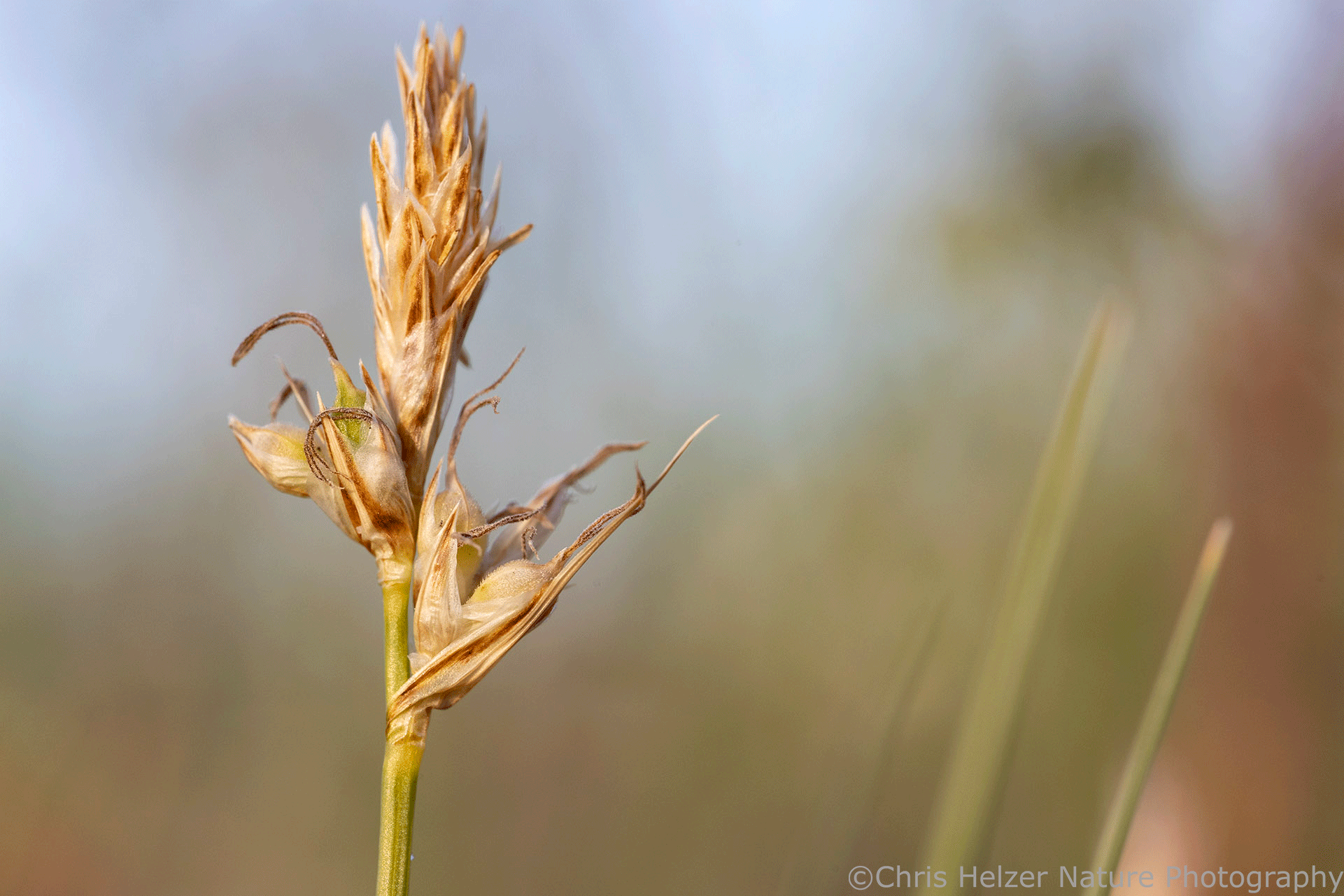
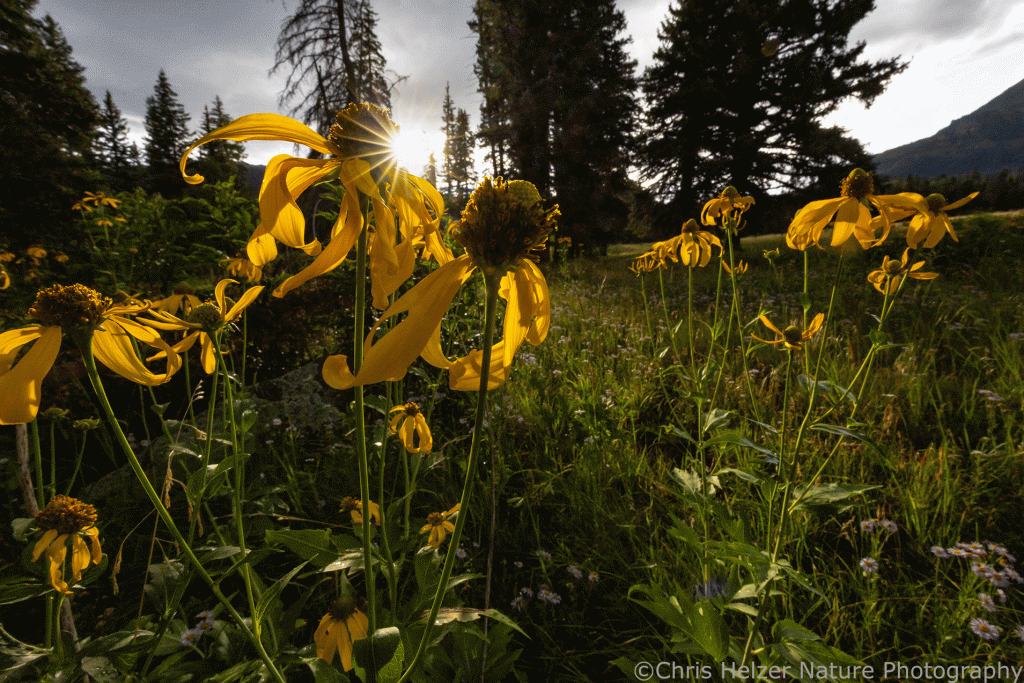
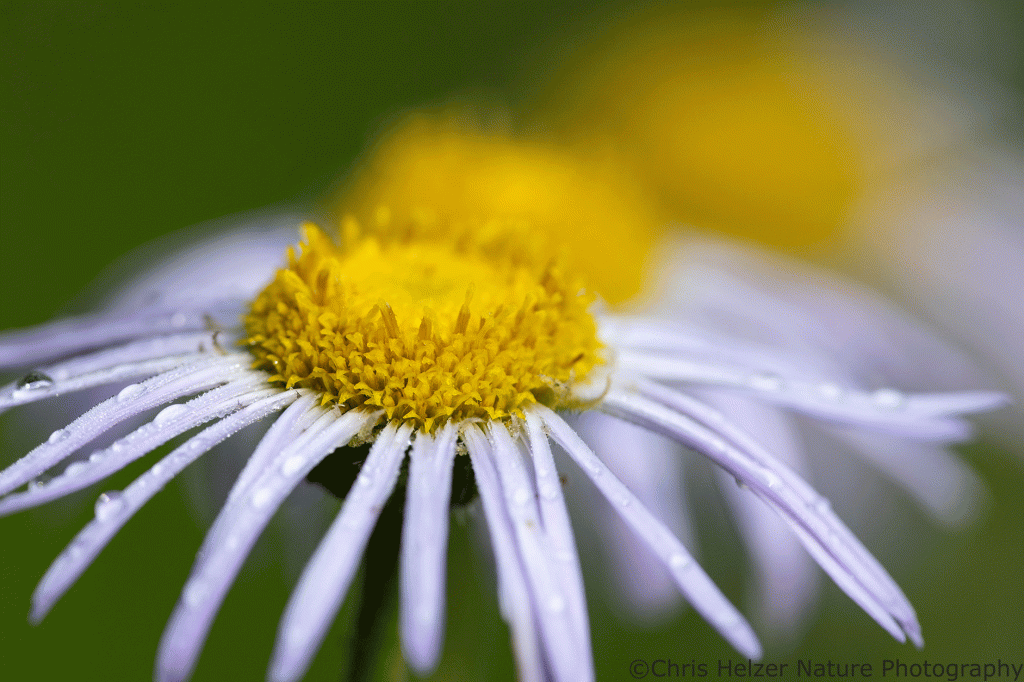
While the campsite was really nice, the meadow I’d seen from aerial photos was beautiful in some ways but was also full of invasive plants and pretty low on native wildflowers and plant diversity There was a lot of musk thistle, Canada thistle, burdock, houndstongue, Timothy, etc. – probably as a result of some long years of overgrazing, either historically, recently, or both. Fortunately, there was still a lot of beauty to photograph and after an initial period of disappointment, I readjusted my expectations and ended up having a great couple of days. I photographed fewer plant species than I’d planned, but that pushed me to spend more time with each of them, which wasn’t a bad thing.



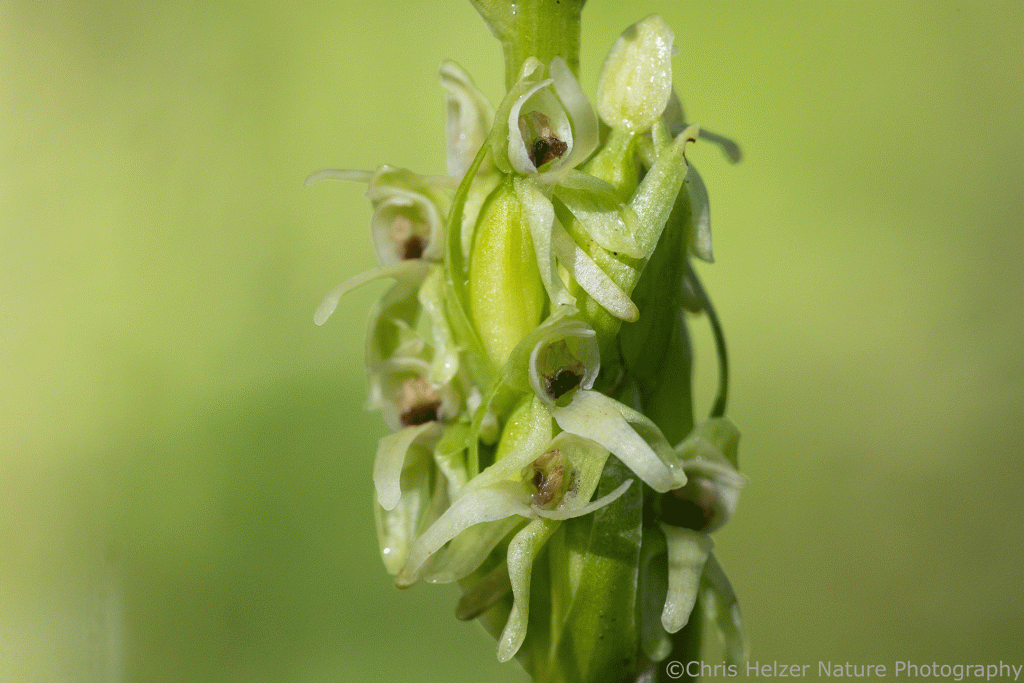
I was really pleased to find a big population of northern green orchid along the little seep near our campsite. There are few of these plants at the Niobrara Valley Preserve, hanging on in the cool, damp, wooded environments along the spring-fed streams leading from the Sandhills into the Niobrara River. Stumbling across one or two is always a pleasant surprise at NVP, but there were dozens of the little gems in a small area near our camp. Awesome.

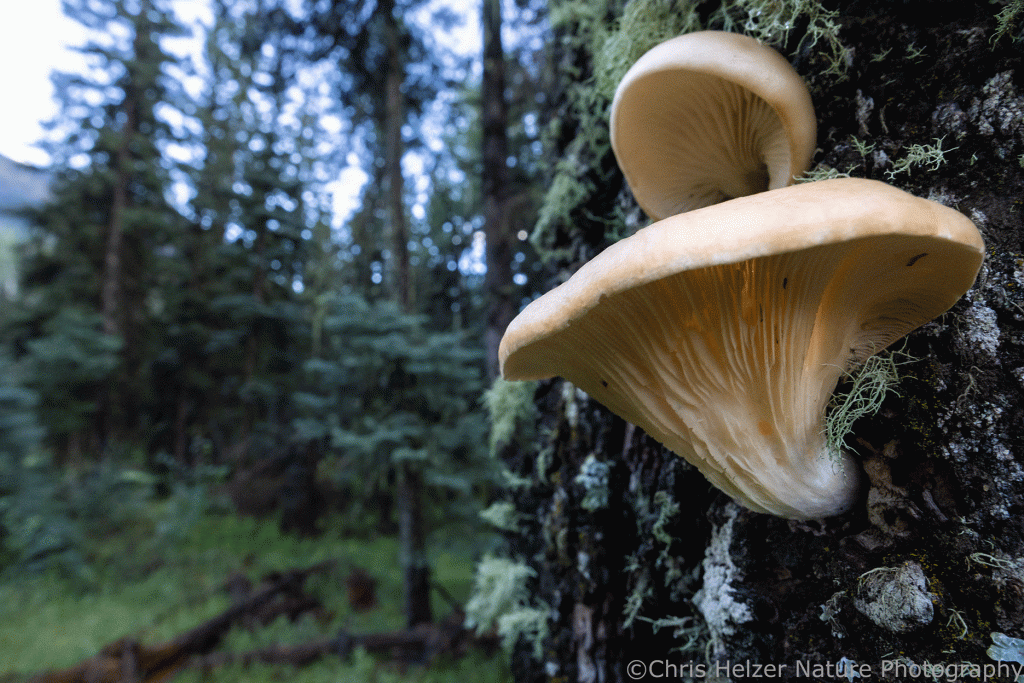


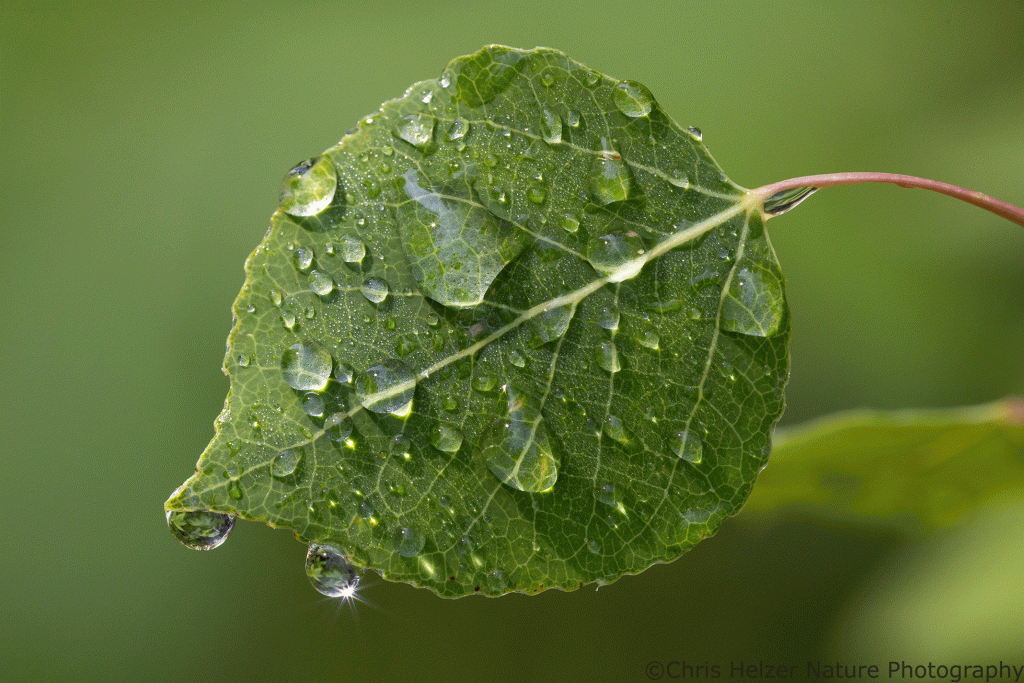
We experienced the typical wide range of weather conditions while we camped including bright sun, thunderstorms, dark overcast skies, and starlit/moonlit nights. I worked with the light provided and happily explored the area within about a mile of our campsite. Kim went on long jaunts up and down nearby trails and also had a great time. Because she explored further, she got to see a moose that I didn’t. On her return trip down one trail, she also found bear tracks on the trail that weren’t there when she’d gone past the first time. That, along with some recent claw marks on aspens near our camp, reinforced the need for our bear-aware practices to keep us and our food safe.
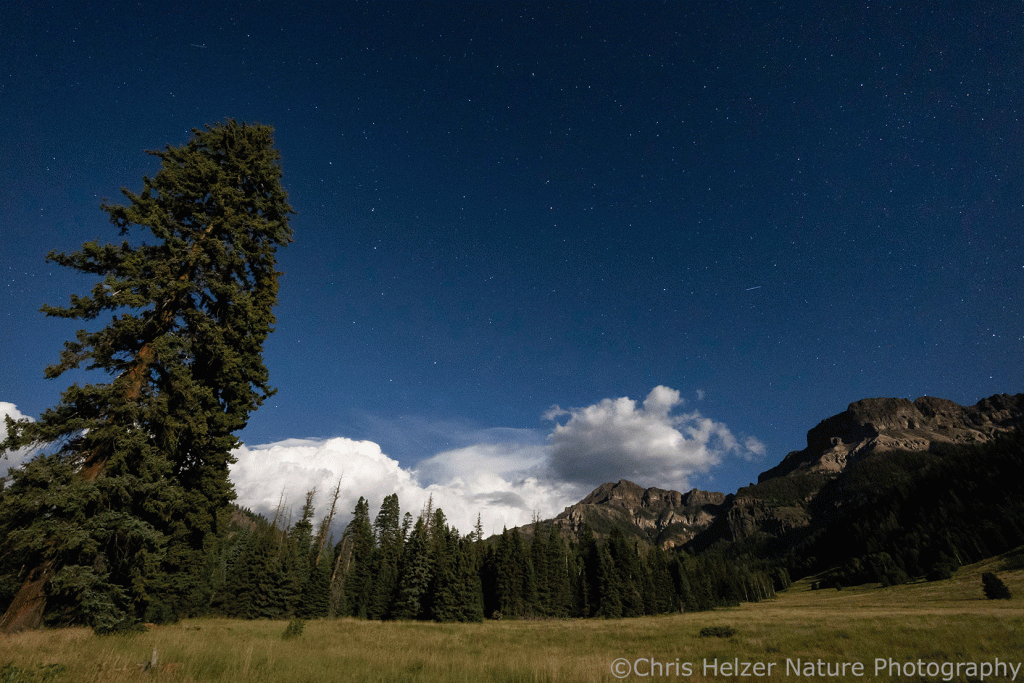
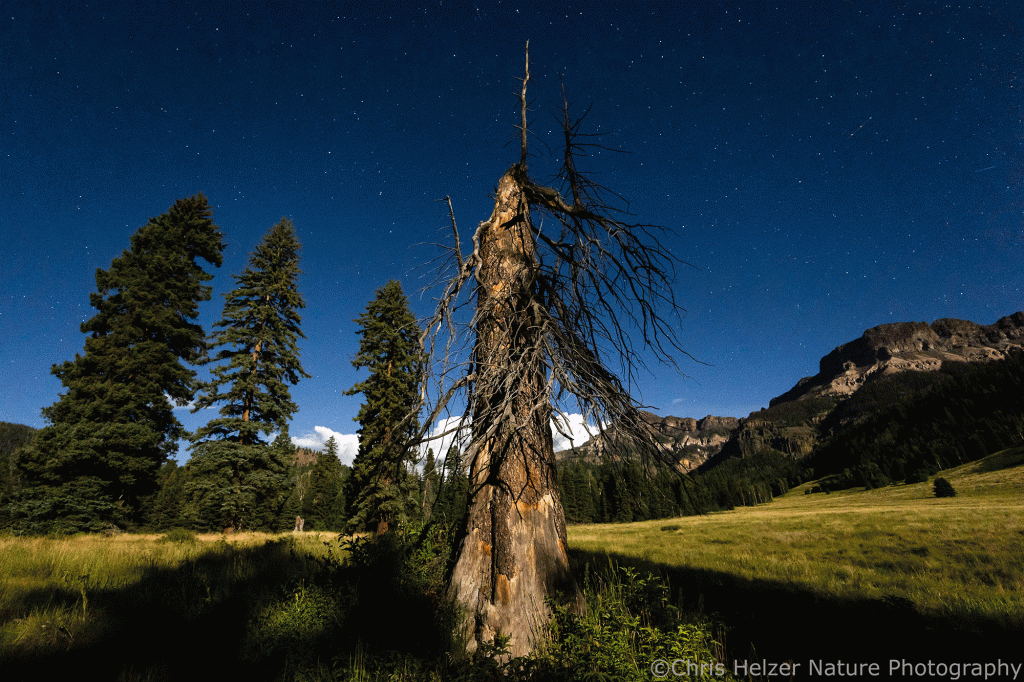
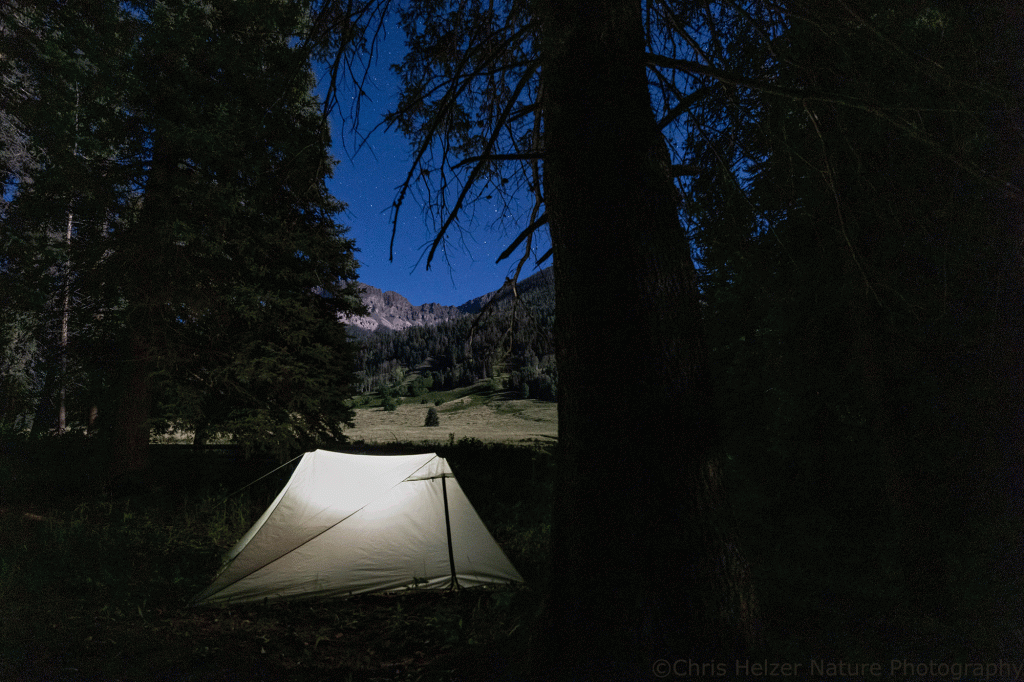
On our last night at camp, the moon rose and lit up the landscape shortly after sunset, illuminating nearby mountain ridges and a thunderstorm passing to our north. I stayed up way too late photographing the scenes, walking around without the need for a flashlight (and trying not to imagine every dark shadow as a bear).
After three nights of camping, we traveled back east a ways and stayed in a motel near one last trail we’d decided to explore. The Rosalie Trail starts at the same trailhead used by people climbing Mount Bierstadt – a popular and relatively accessible 14,000-foot peak. We arrived early in the morning to assure ourselves a parking spot at the trailhead, but didn’t follow the horde of headlamp-wearing mountaineers up the Mt. Bierstadt trail. Instead, we forked off to the west and were gratified that we’d correctly predicted we’d have the Rosalie Trail to ourselves. We hiked together for about a half mile before I started taking photos and Kim took off on her 13-mile hike/run.
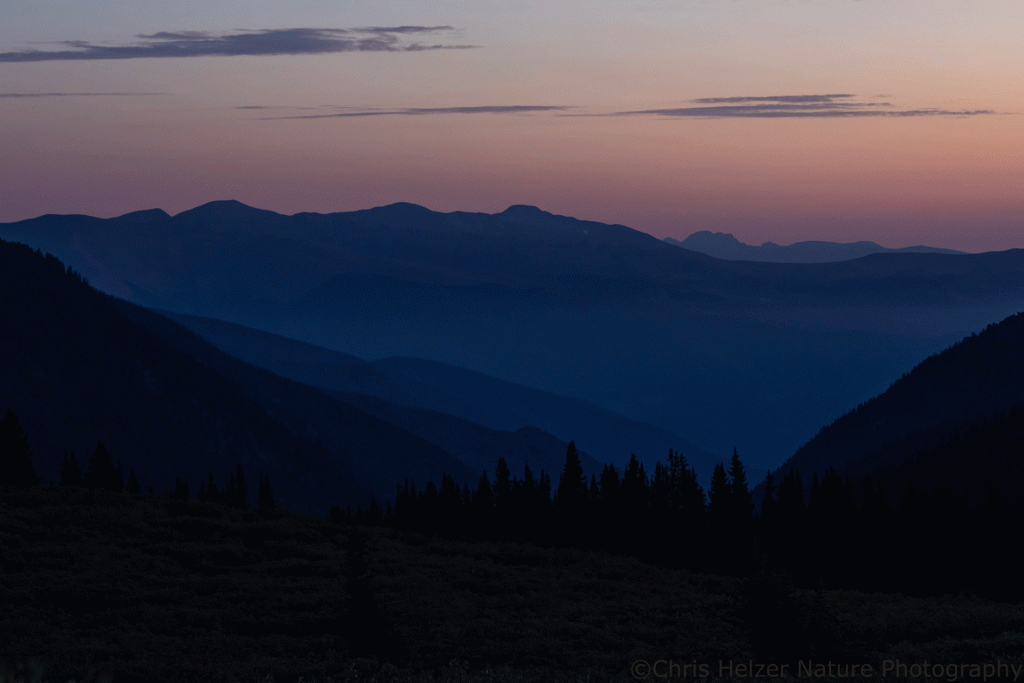
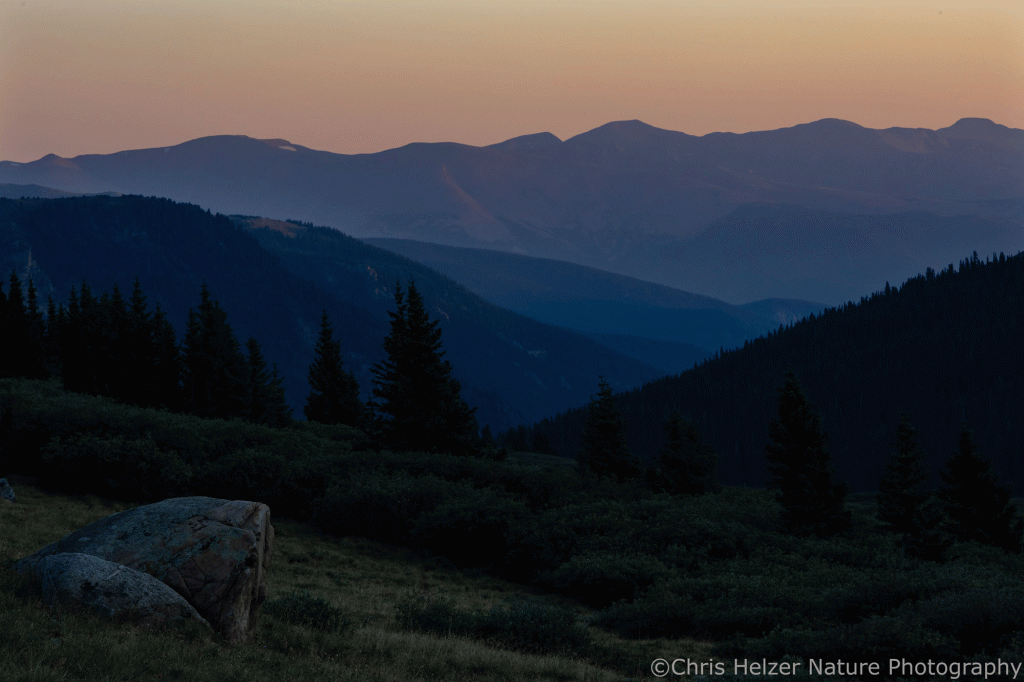

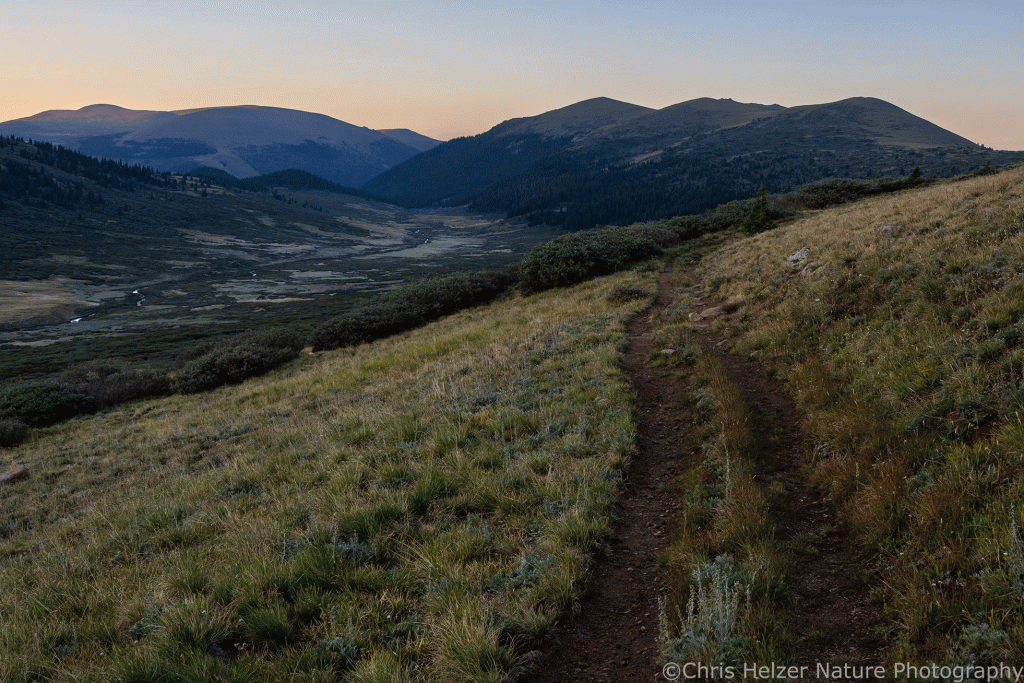

I wandered around the alpine within about a mile or two of the trailhead before heading back to the car mid-morning. I then drove down to the far end of the trail to pick Kim up at the end of her run. We both agreed it had been a fun week but that it was time to head home.
So we did.
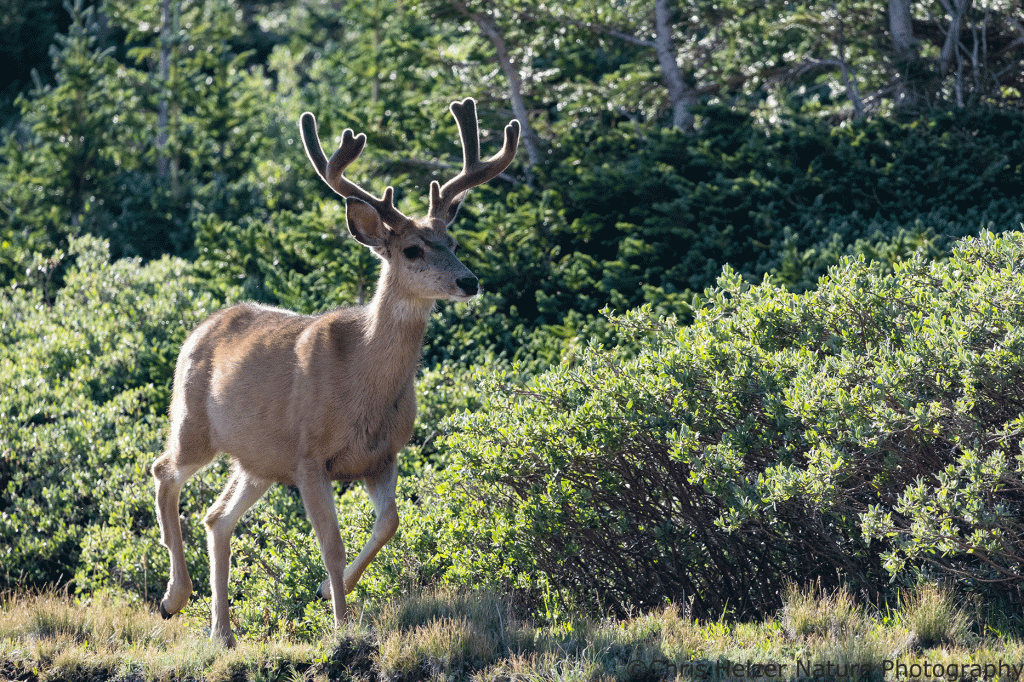
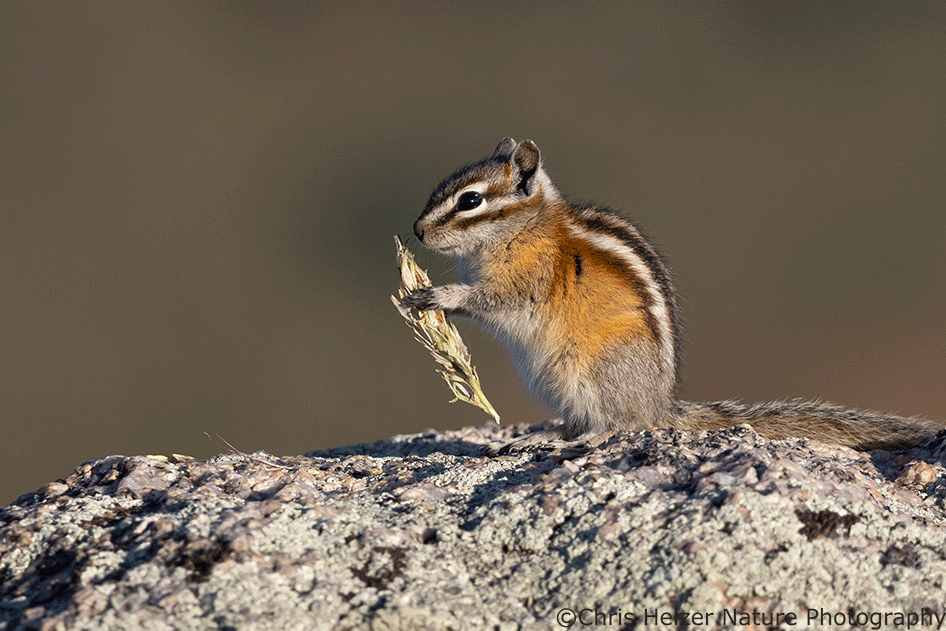
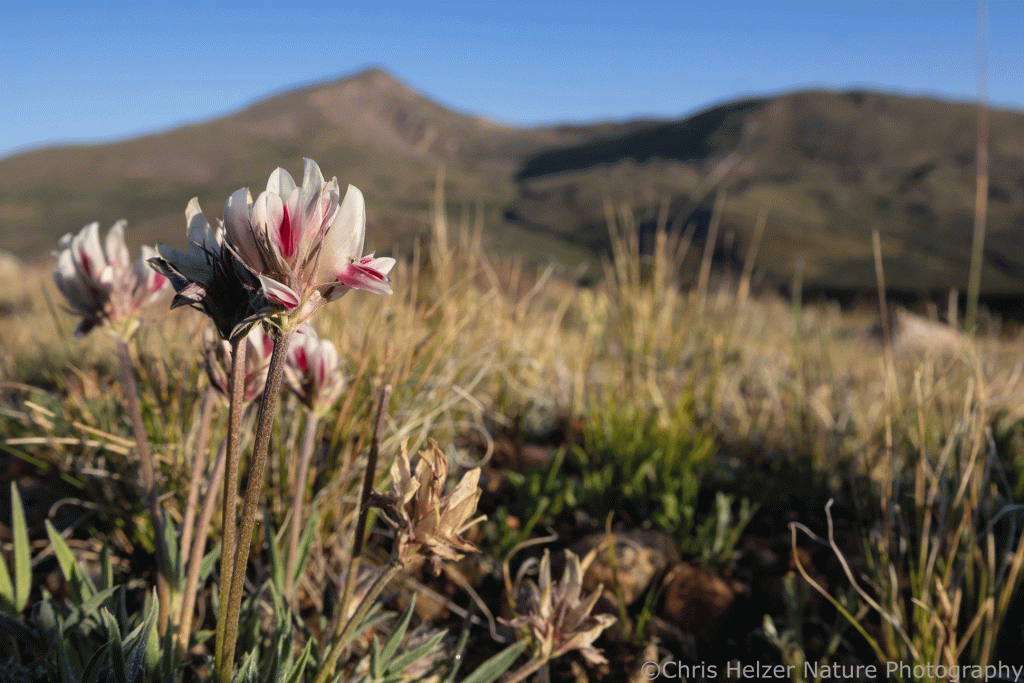

Now we’re on the hunt for a similar experience in a different place next summer. If you happen to have suggestions, we’d be wide open to them. Again, our main criteria are: access to multiple nearby trails – ideally between 9,000 and 10,000 feet elevation and not so steep Kim can’t run at least sections of them; open areas of grasses/wildflowers and good morning/evening light for me and my photography, and access to streams or lakes for water. We enjoy being able to pack in a little ways and set up a campsite where we can have some solitude for a few days while we each pursue our favorite activies.