Photo of the Week- June 10, 2016

I’ve written many times about the 2012 wildfire that impacted our Niobrara Valley Preserve, and the continuing recovery of the plant and animal communities there.  When I was up at the Preserve a few weeks ago, it was really interesting to explore the north side of the river where the fire wiped out the pine and eastern redcedar trees.  I know I’ve posted a number of times about the way that area is recovering.  If you feel like you’ve seen plenty of photographs of vibrant green vegetation beneath stark blackened tree trunks, this is your chance to click to another site and catch up on the box score of a recent baseball game or catch up on celebrity gossip.

(Are they gone?  Ok, good.  The rest of you can enjoy these photos.)

Grasses

The vegetation beneath the tree skeletons still has a lot of annual plants, but perennial grasses, sedges, and forbs are becoming more abundant.

shrubs

Shrub patches are also increasing in size (there is a big one on the right side of the photo).

Wooly locoweed

I’m pretty sure this is loco weed (Oxytropis lambertii).  It is one of many wildflowers that have begun to reassert themselves in the plant community and fill in the bare patches.

puccoon

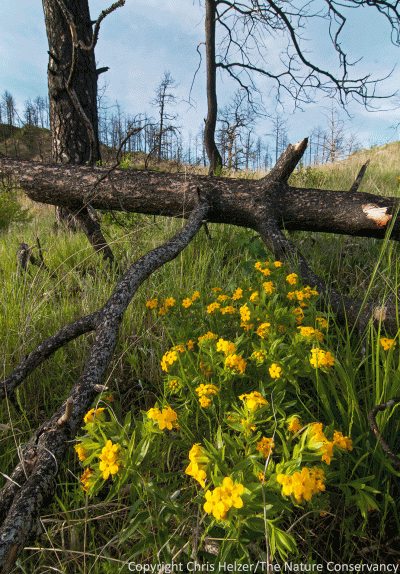
Hairy puccoon (Lithospermum caroliniense) might be the showiest of the flowers I saw on my last trip.  Its yellow-orange blossoms contrasted wonderfully with the green vegetation and black trees.

Photo of the Week – May 27, 201

We just returned home from our family trip to The Nature Conservancy’s Niobrara Valley Preserve.  I posted some photos from the first half of the trip earlier this week.  Here are a few more, but they don’t begin to cover all the experiences we had.  I’ll share more photos and stories in the coming weeks (after I unpack and get my life organized again!)
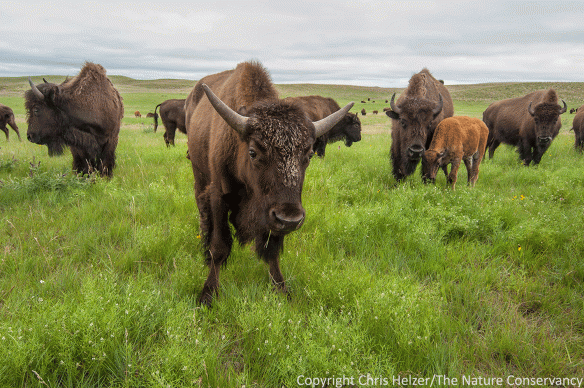
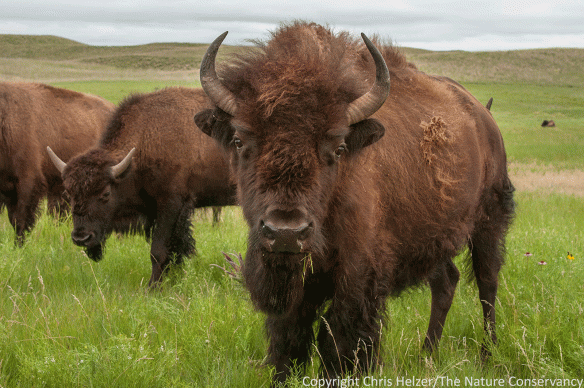
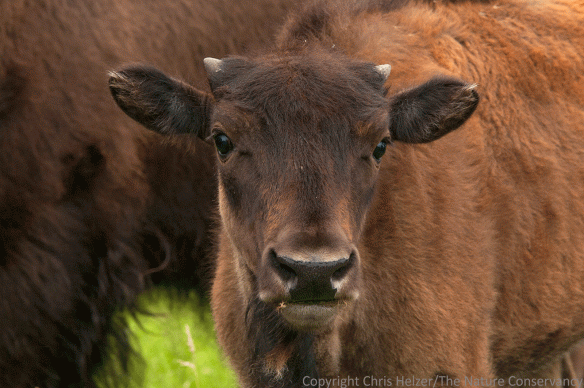
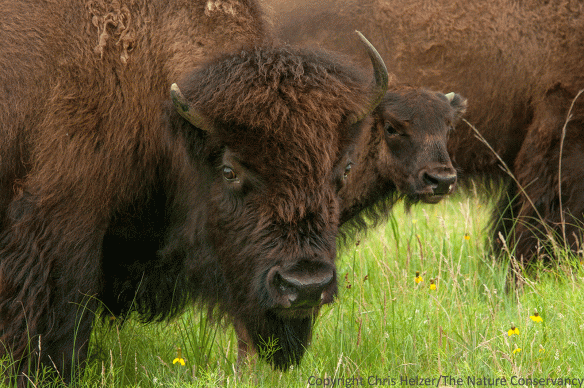
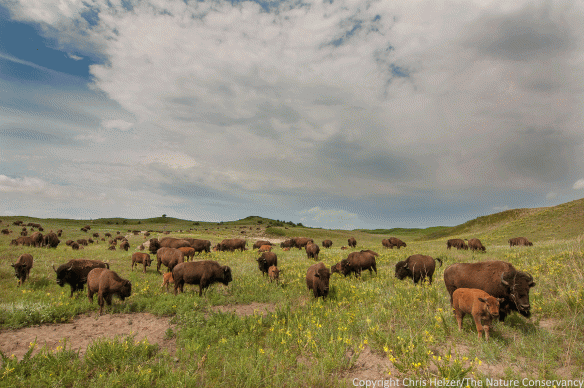
I revisited the same group of bison we'd seen earlier in the week, and the second time I found them, the cows, calves, and yearling bulls had been joined by three mature bulls.  I'm not sure why the bulls weren't with them the first time, or why they joined them the next day.

I revisited the same group of bison we’d seen earlier in the week, and the second time I found them, the cows, calves, and yearlings had been joined by three mature bulls. I’m not sure why the bulls weren’t with them the first time, or why they joined them the next day.

The former pine woodland north of the river continues to progress in its revegetation (unaided by humans).  Shrubs such as coralberry, smooth and skunkbush sumac, chokecherry, and currant are starting to become more prevalent, as are many grasses, sedges and wildflowers.

The former pine woodland north of the river continues to progress in its revegetation (unaided by us). Shrubs such as coralberry, smooth and skunkbush sumac, chokecherry and currant are starting to become more prevalent, as are many grasses, sedges and wildflowers.

After a wet May, the Niobrara river was running fast, making our canoe trip fly by.  We didn't have to pull the canoe over sandbars (or really even steer around obstacles of any kind other than a few islands).  On the other hand, the current made pulling over to the bank to hike up creeks to see waterfalls a little more challenging than it often is.  Regardless, the National Scenic River lived up to its name.

After a wet May, the Niobrara river was running high and fast, making our canoe trip fly by. We didn’t have to pull the canoe over sandbars (or steer around obstacles of any kind, other than a few islands). On the other hand, the current made pulling over to the bank to hike up creeks to see waterfalls a little more challenging than it often is. Regardless, the National Scenic River lived up to its name.