Photos of the Week – January 24, 2026

Well, I was out sliding around on the ice again this week. I made two trips up to the tiny reservoir north of Aurora to search for photo compositions on its frozen surface. I was not disappointed.
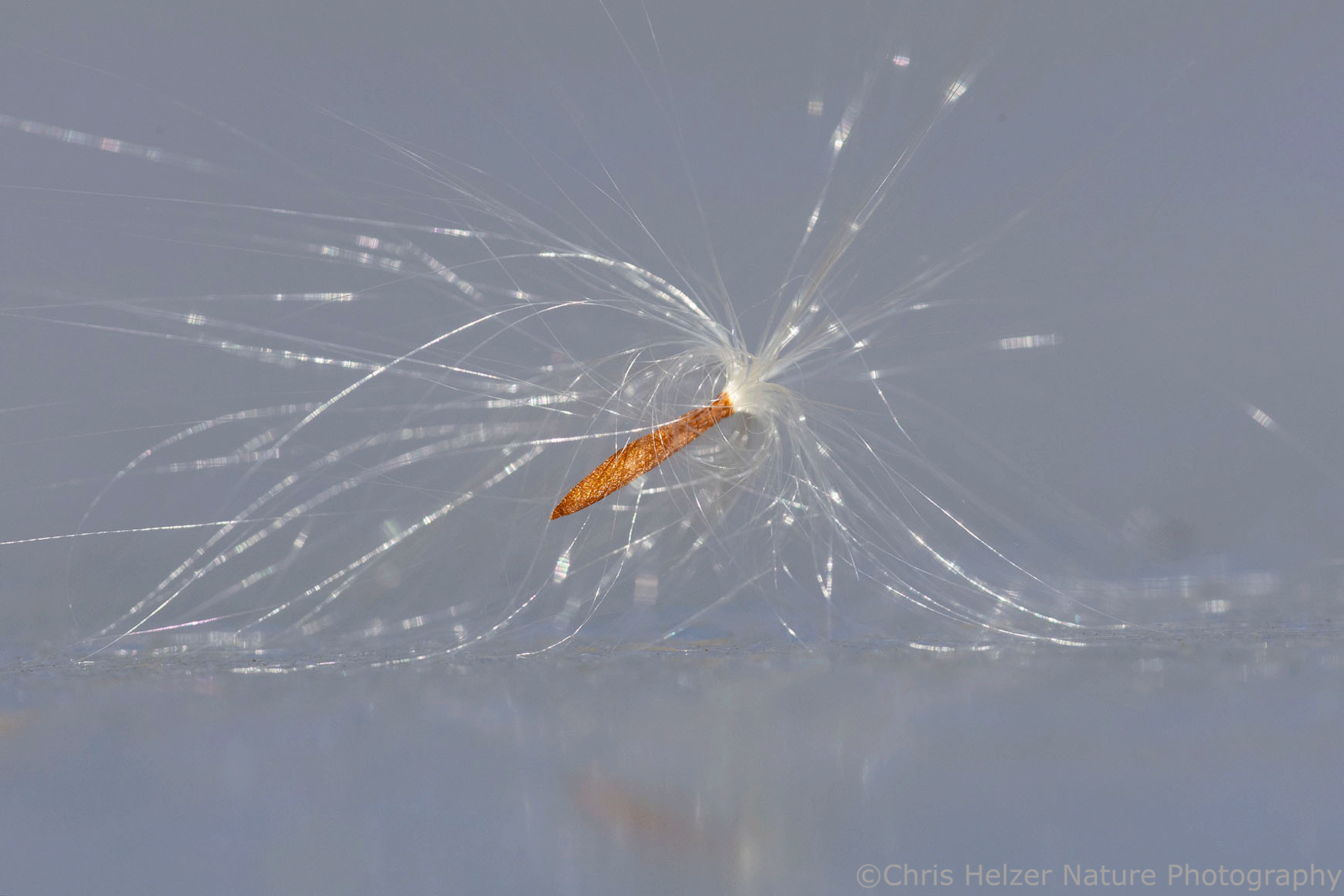
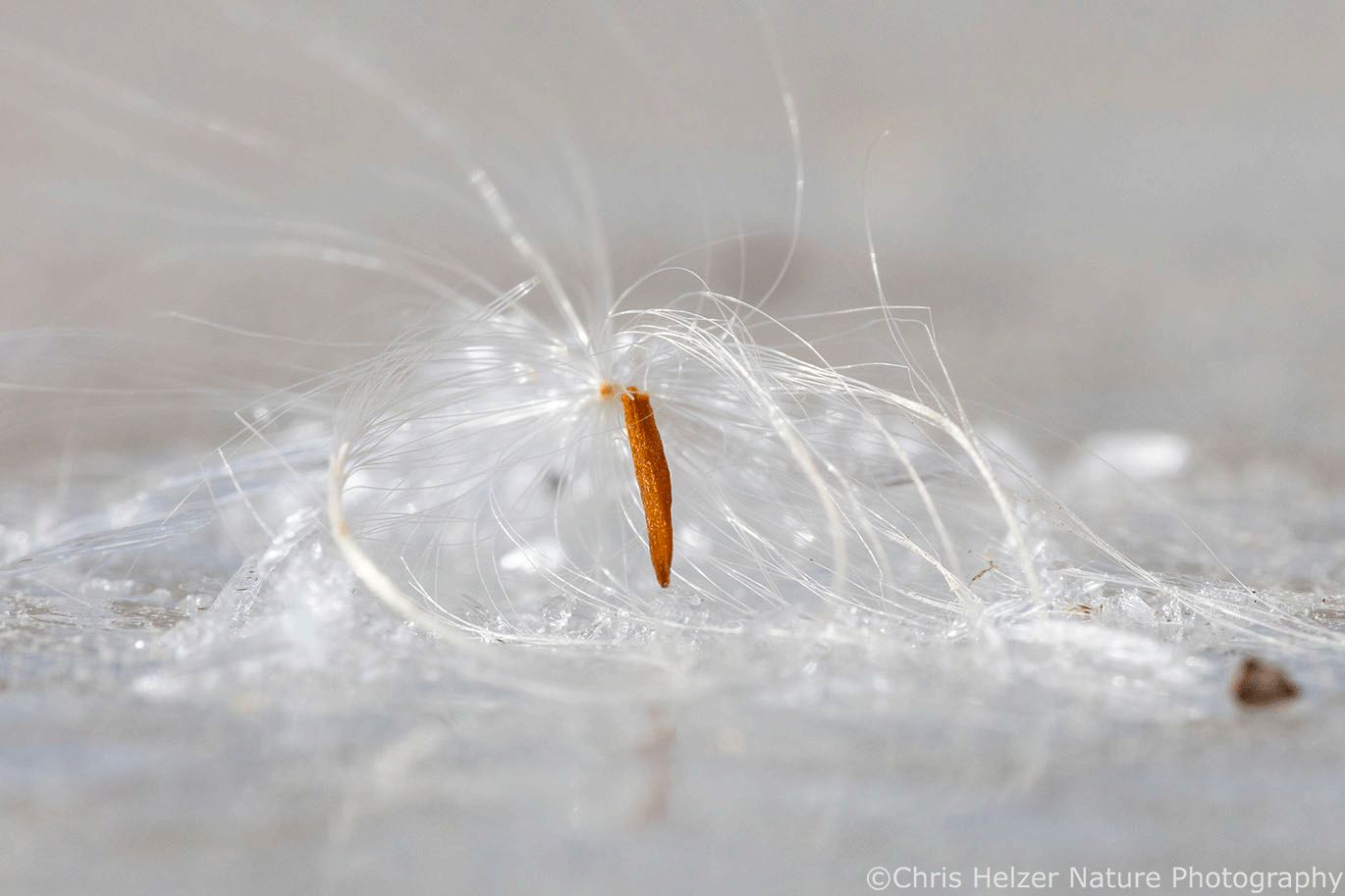
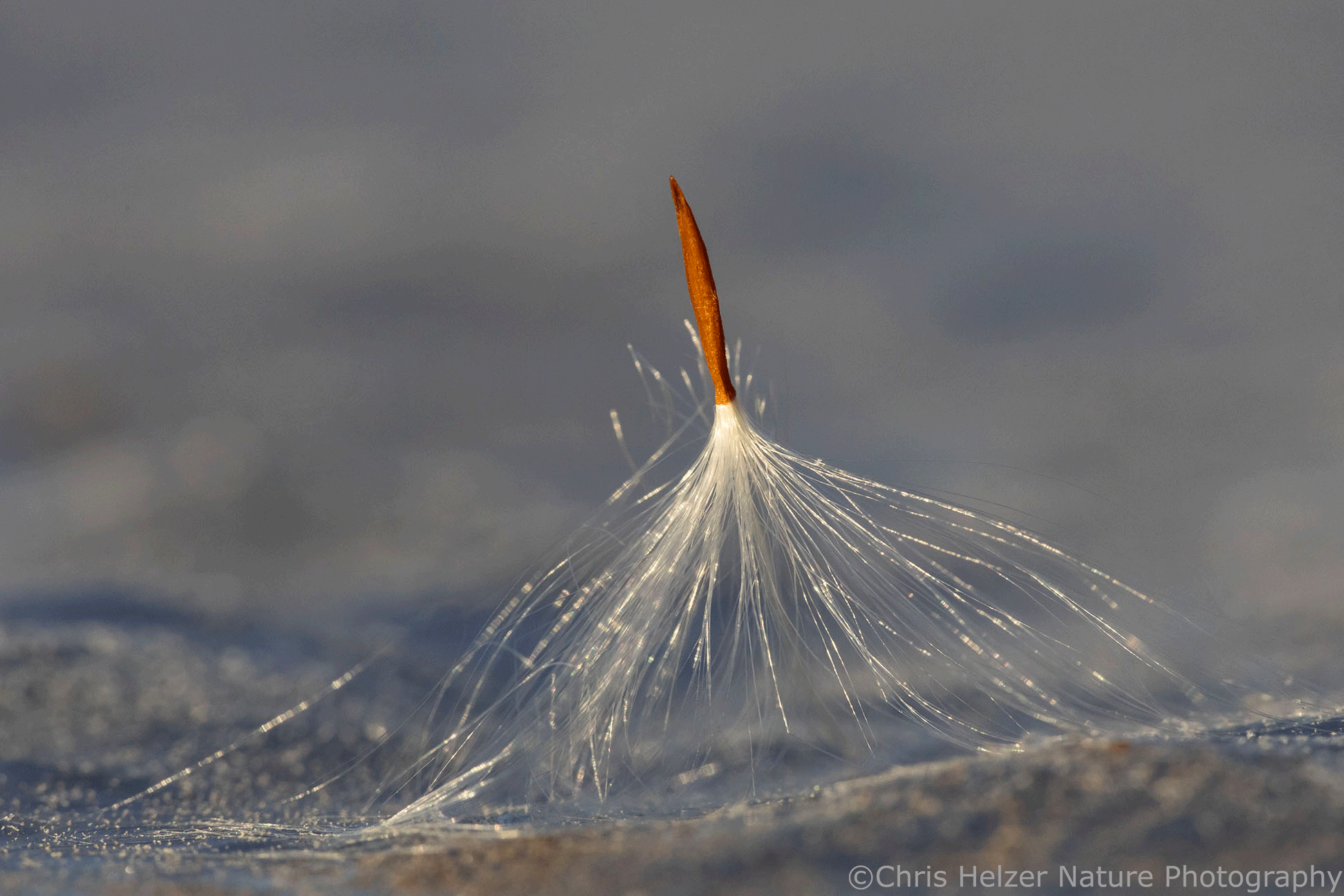
Hemp dogbane seed (Apocynum cannibinum)
Dogbane seed.
Dogbane seed.

Some recent windy days had blown seeds of both dogbane and milkweed on to the ice, where they’d ended up perched on their comae (their fluffy parts). Wasn’t that fortuitous! They look really pretty when they do that.
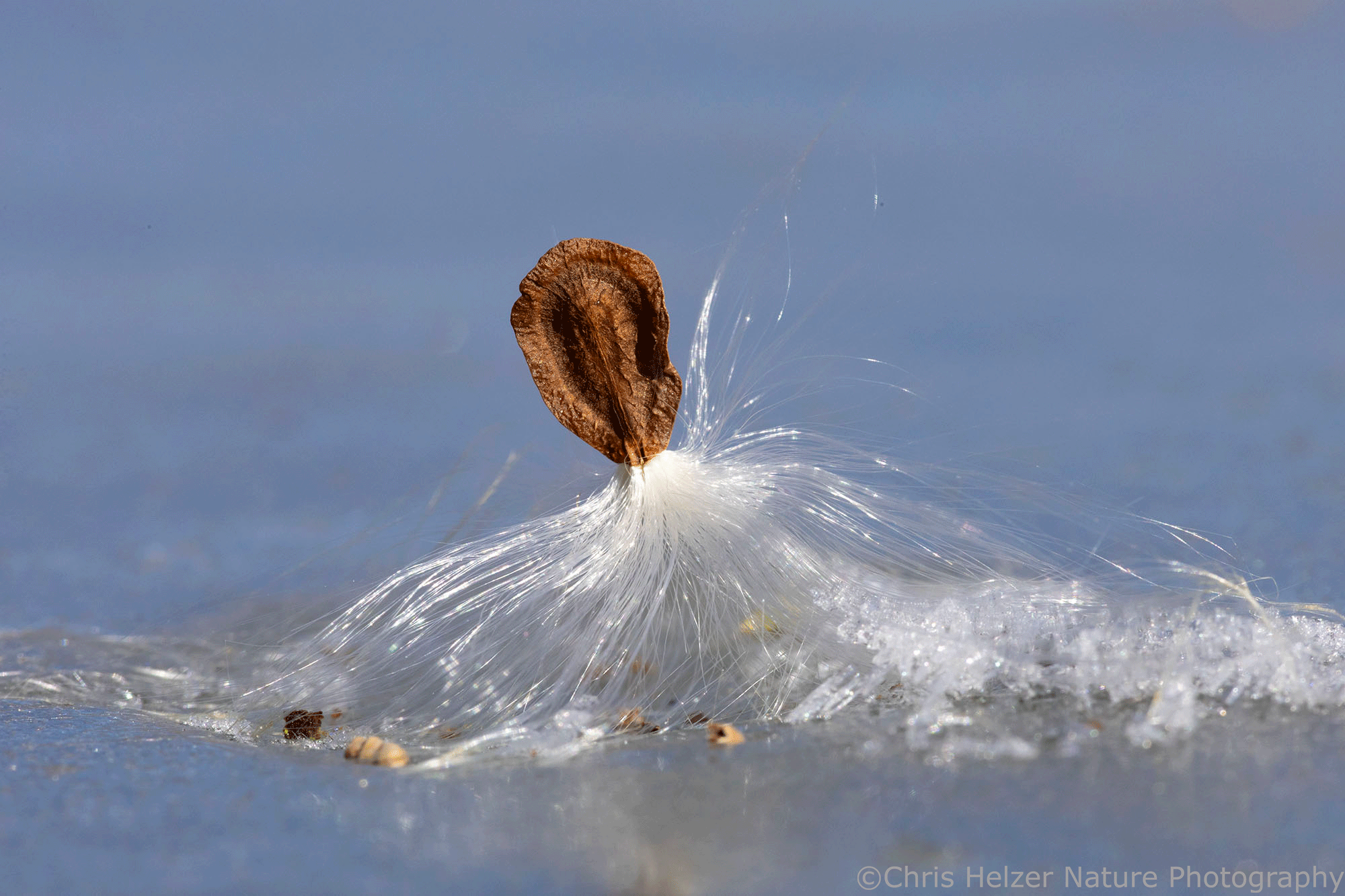
Common milkweed seed (Asclepias syriaca).

Both times I visited, there was a small duck hanging out on the ice. I approached carefully and it seemed amenable to being photographed. I’m pretty sure it was my soft, comforting voice and non-threatening hat.
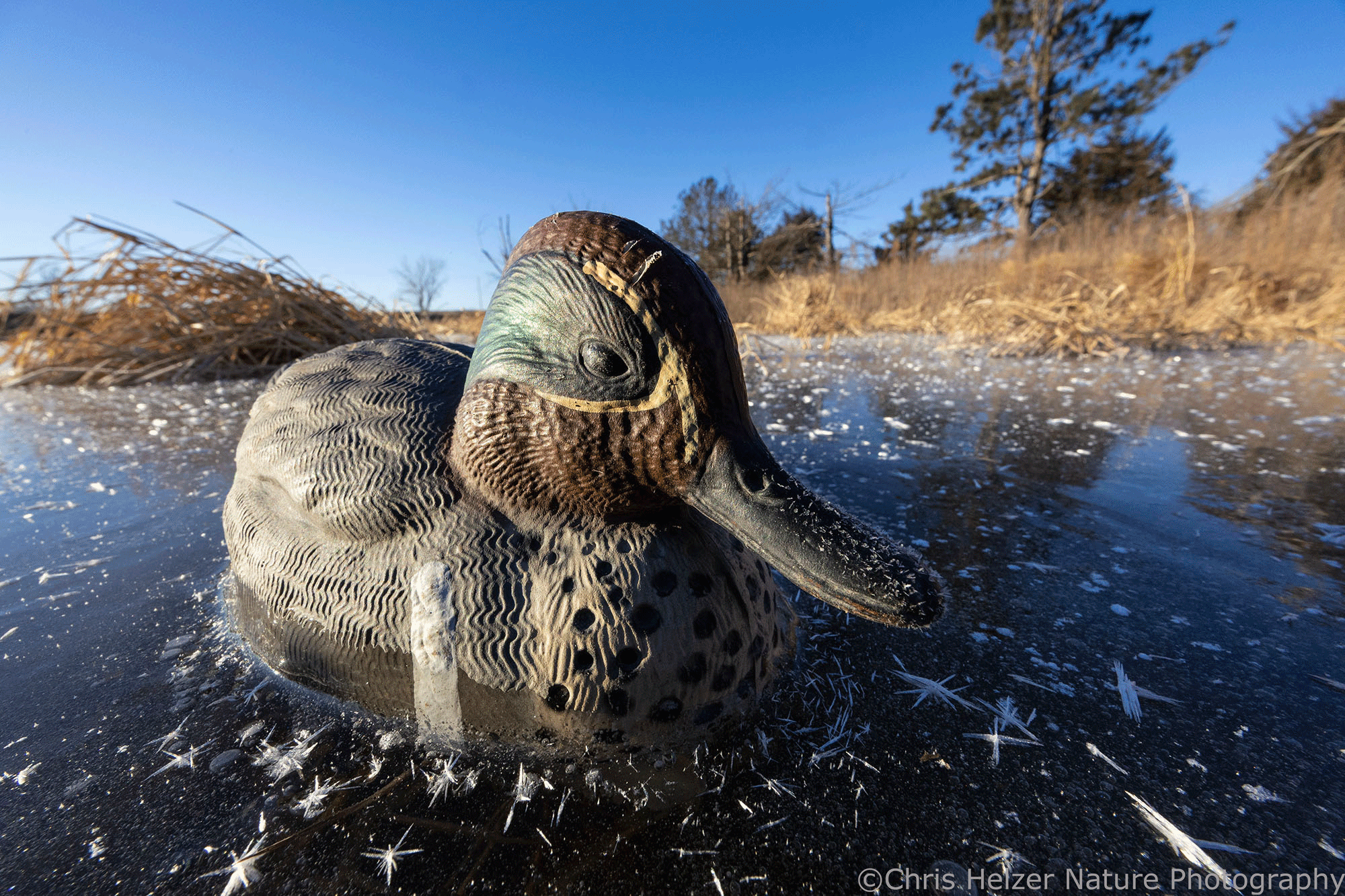
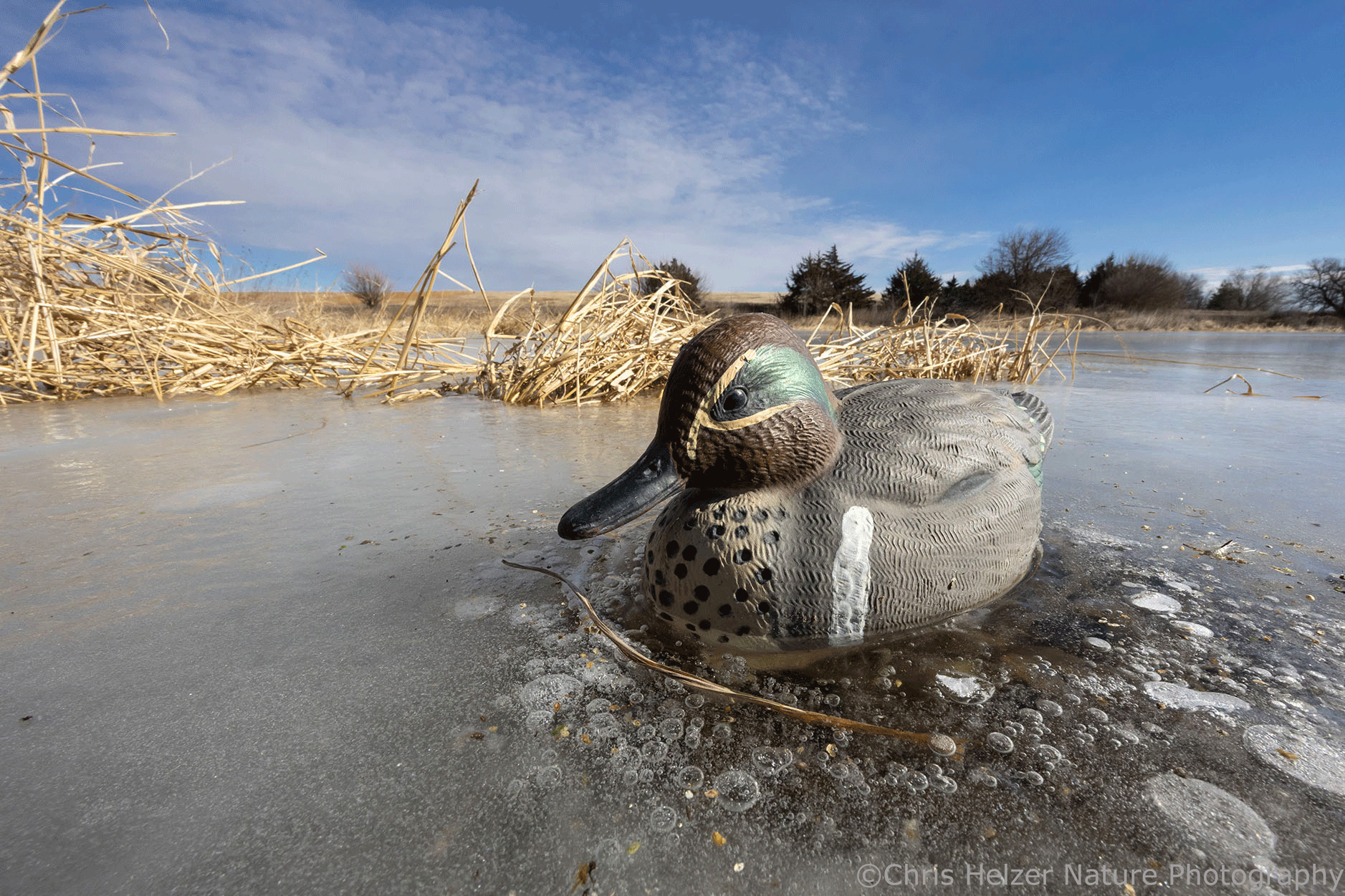
Ice duck (Anas carolinensis var. polyethylene).
The same ice duck (I assume) a couple days later.

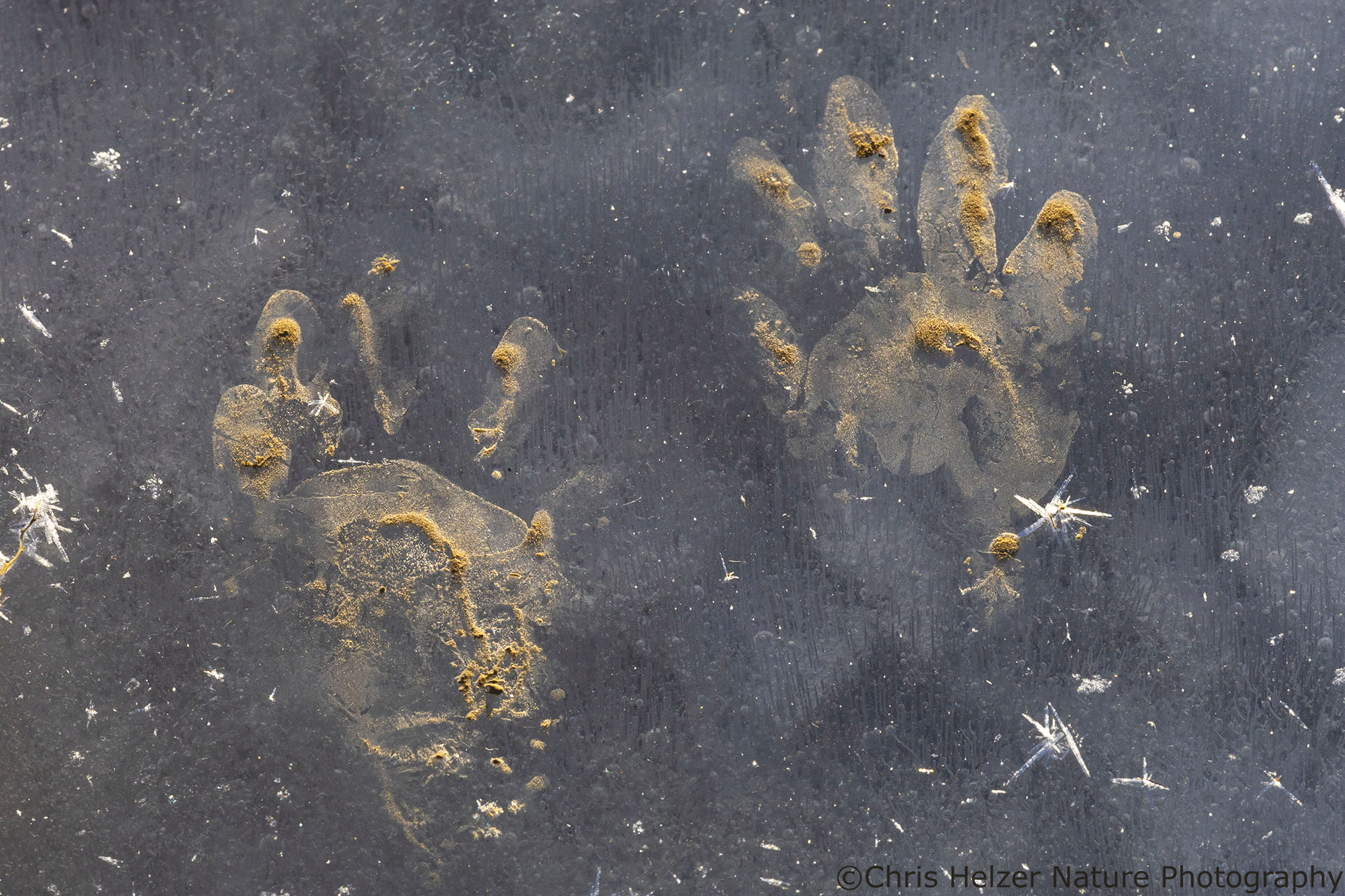
It was good to see I wasn’t the only lunatic walking around on the ice. Several raccoons had also been around, based on the numerous tracks I found.
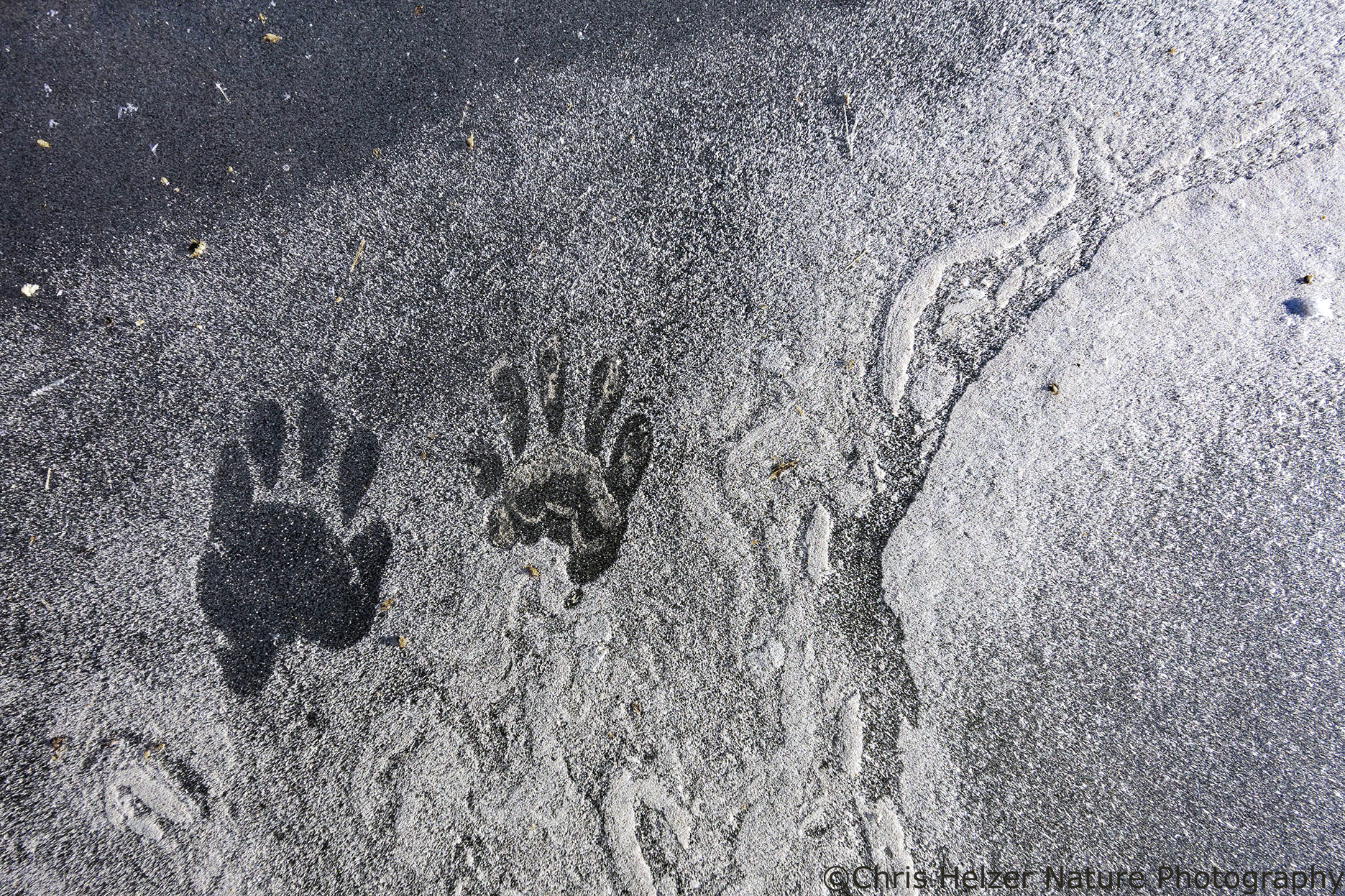
Raccoon track in a skiff of snow.
A raccoon that didn’t wipe its feet.
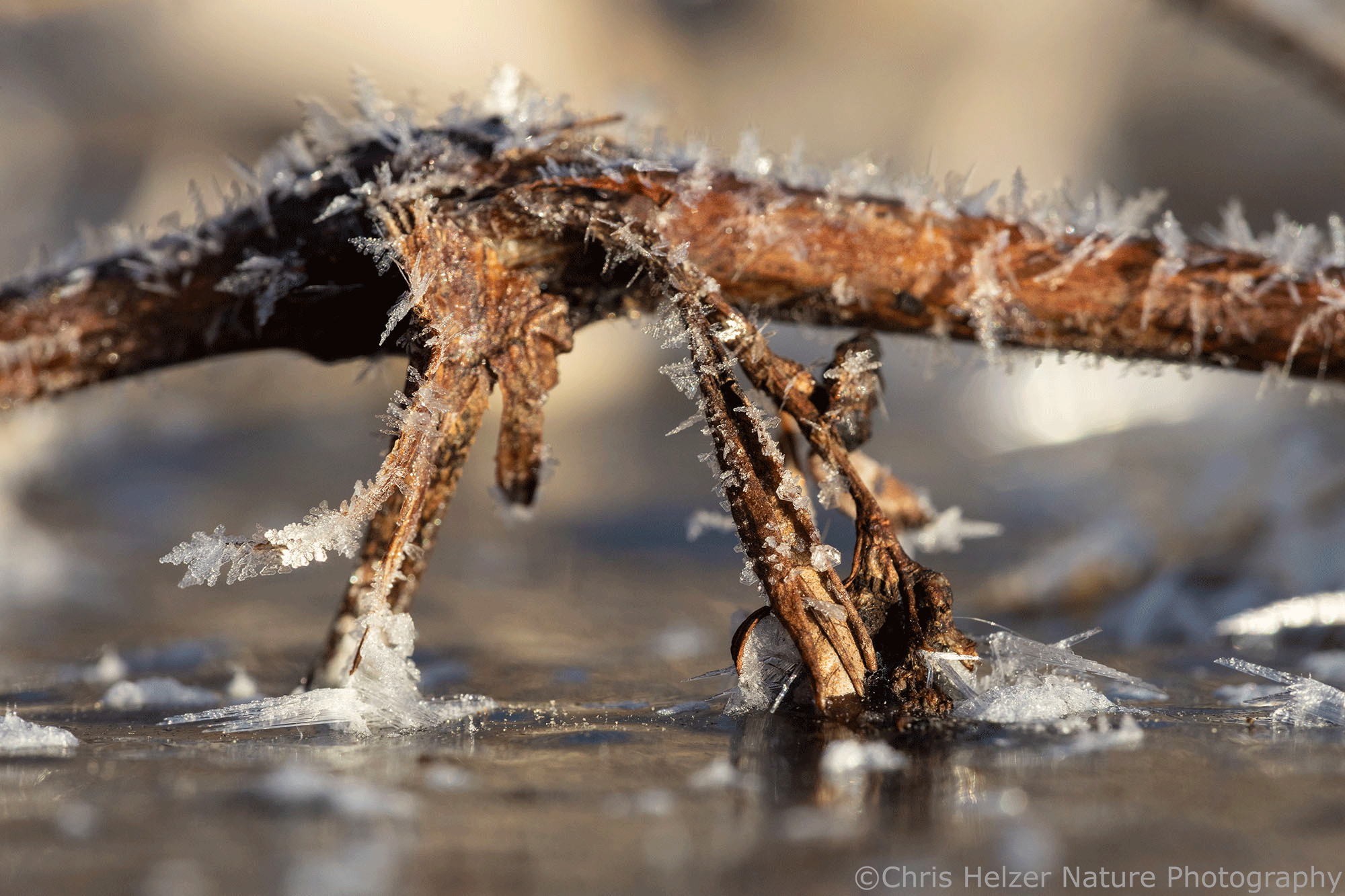
Frosty smartweed (Polygonum sp.)
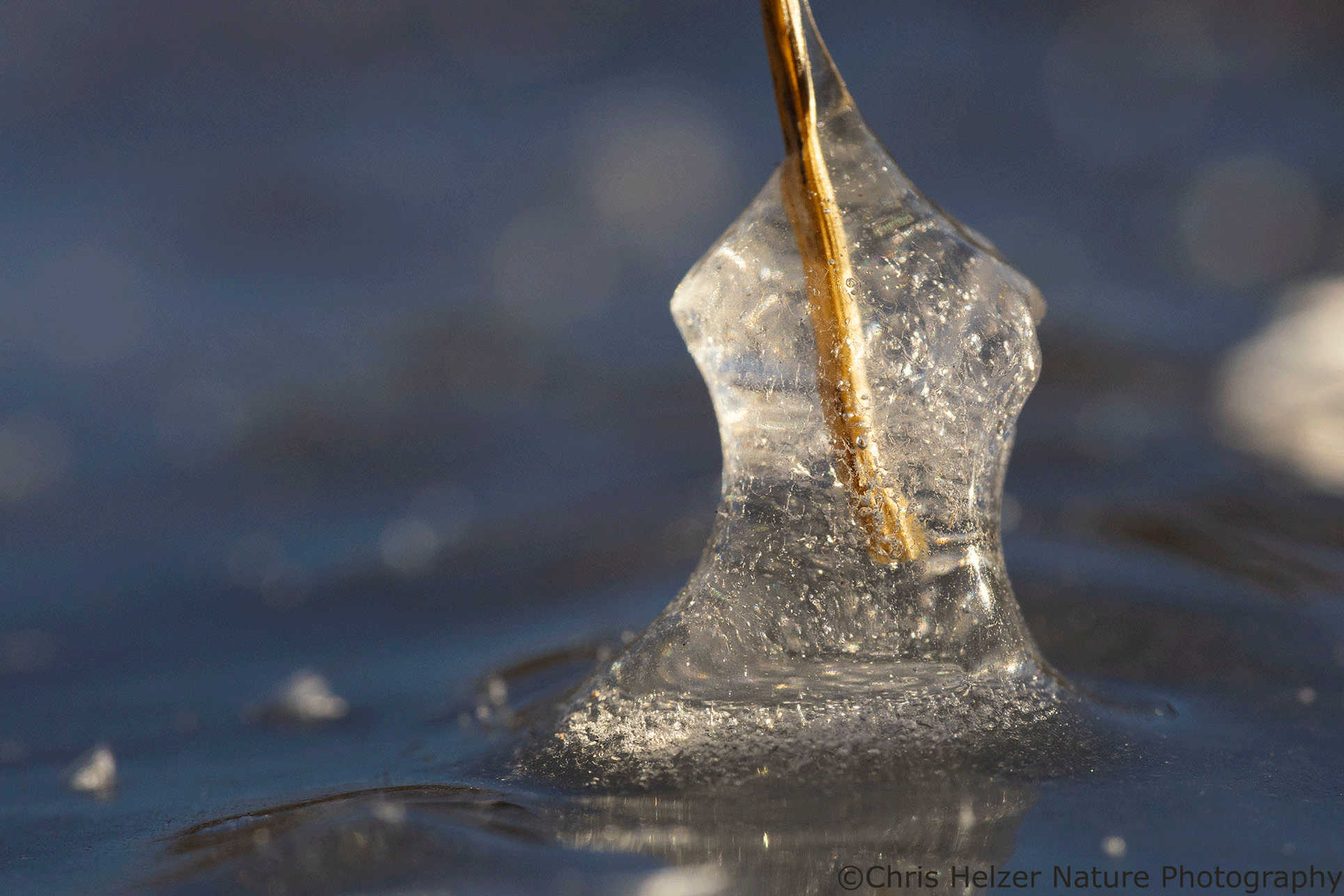
Ice on the tip of a grass leaf dangling near the ice’s surface.
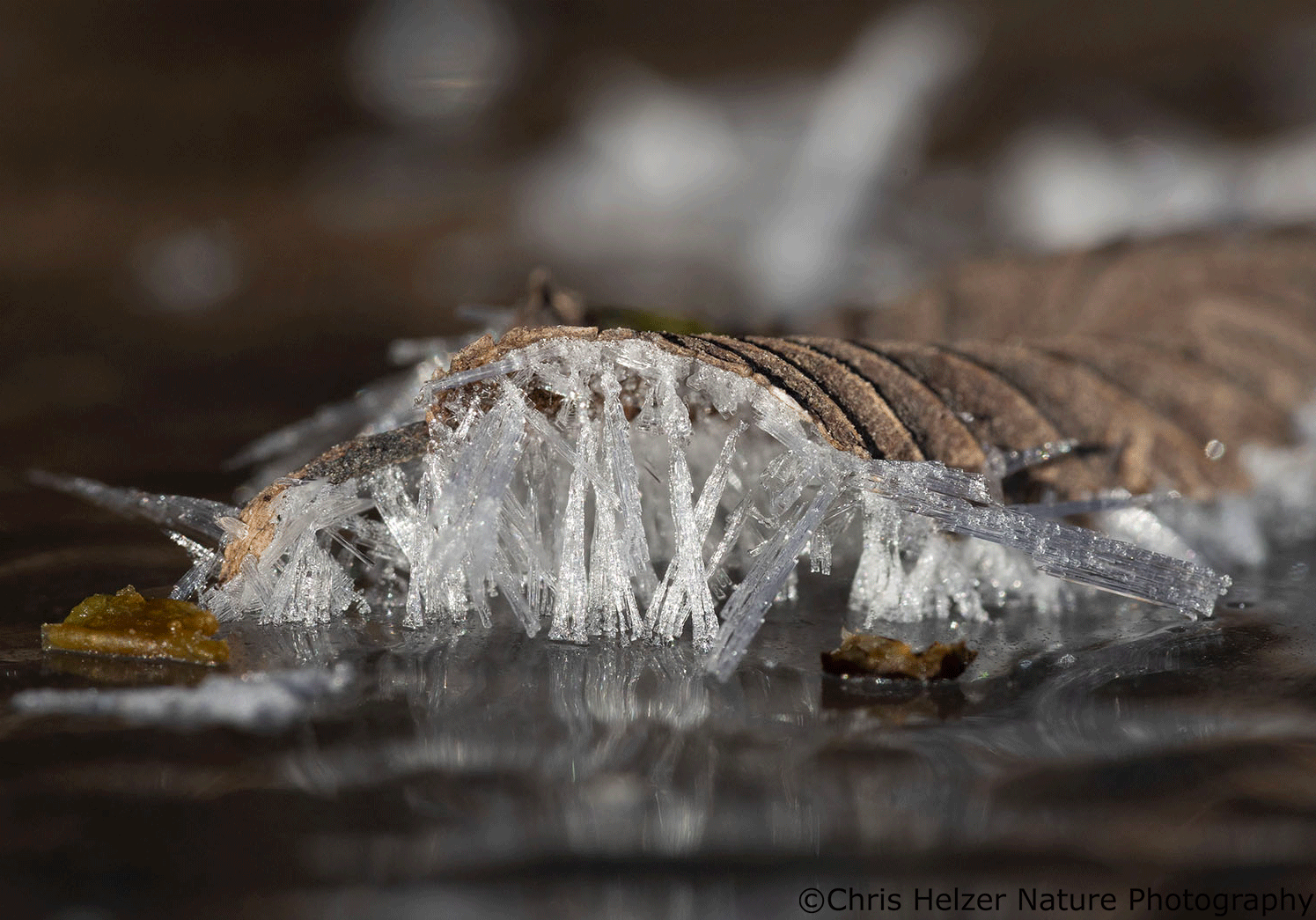
Frost at the entrance of a tunnel made of an elm leaf on the ice.
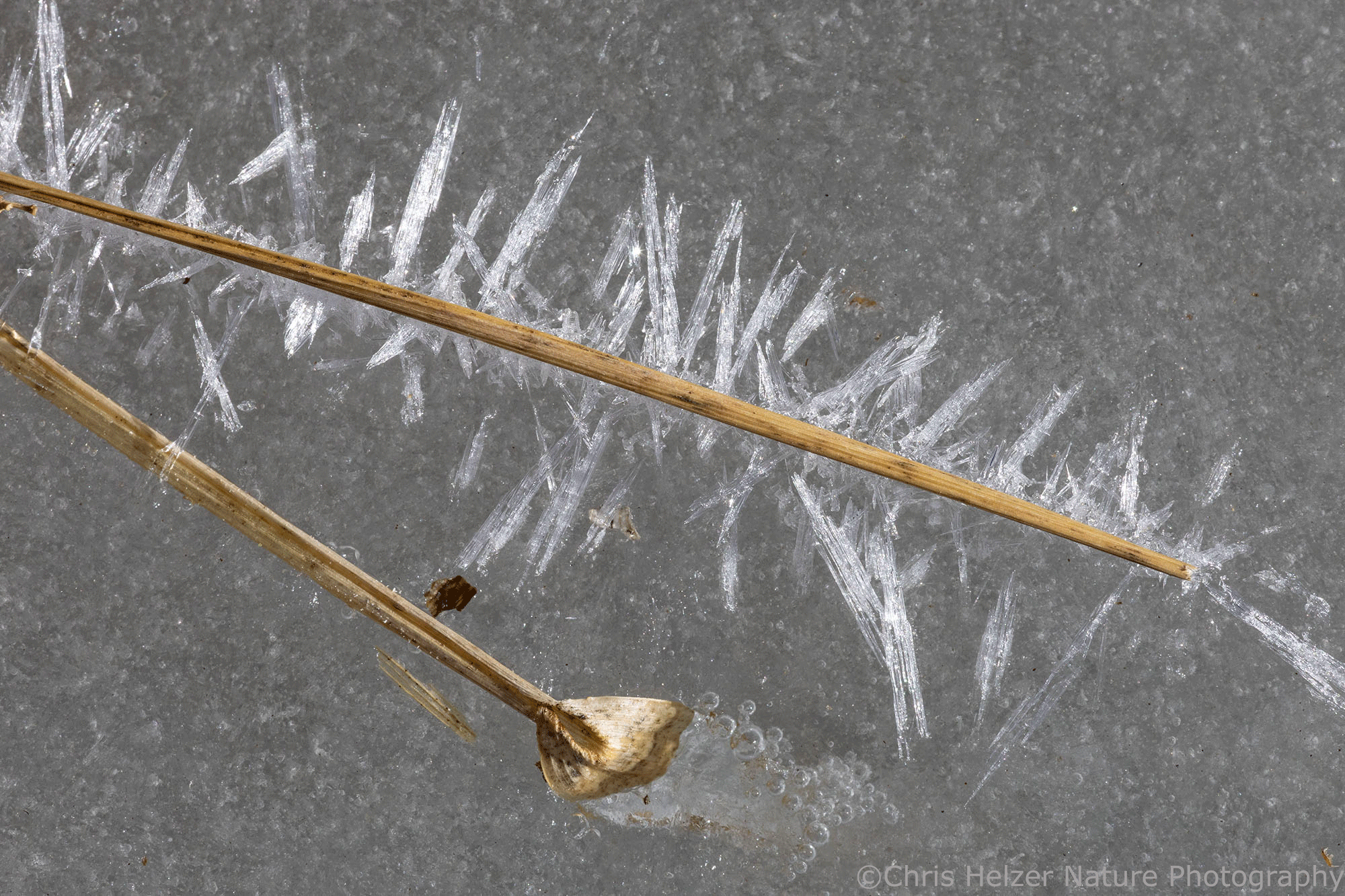
A frosty grass stem.

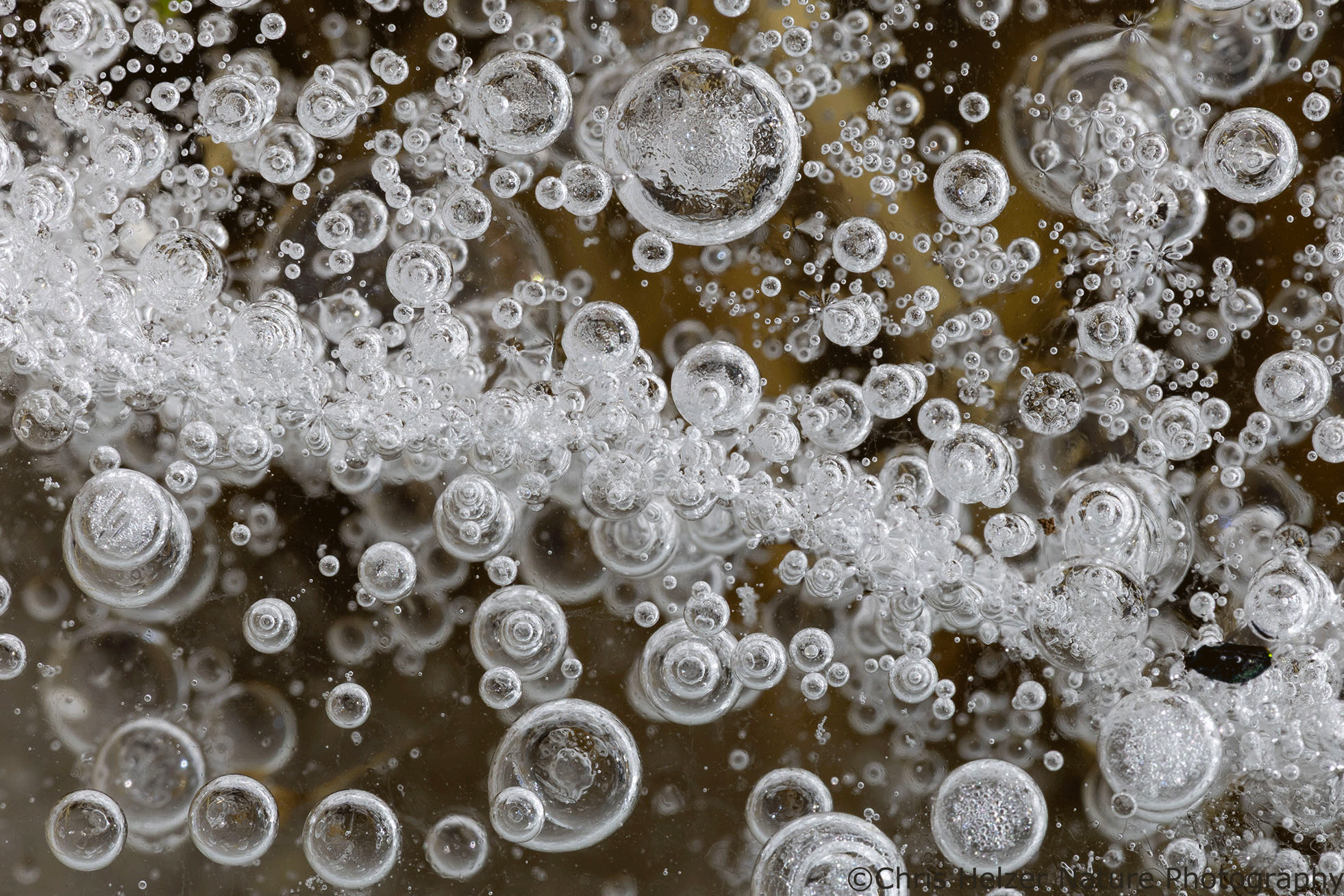
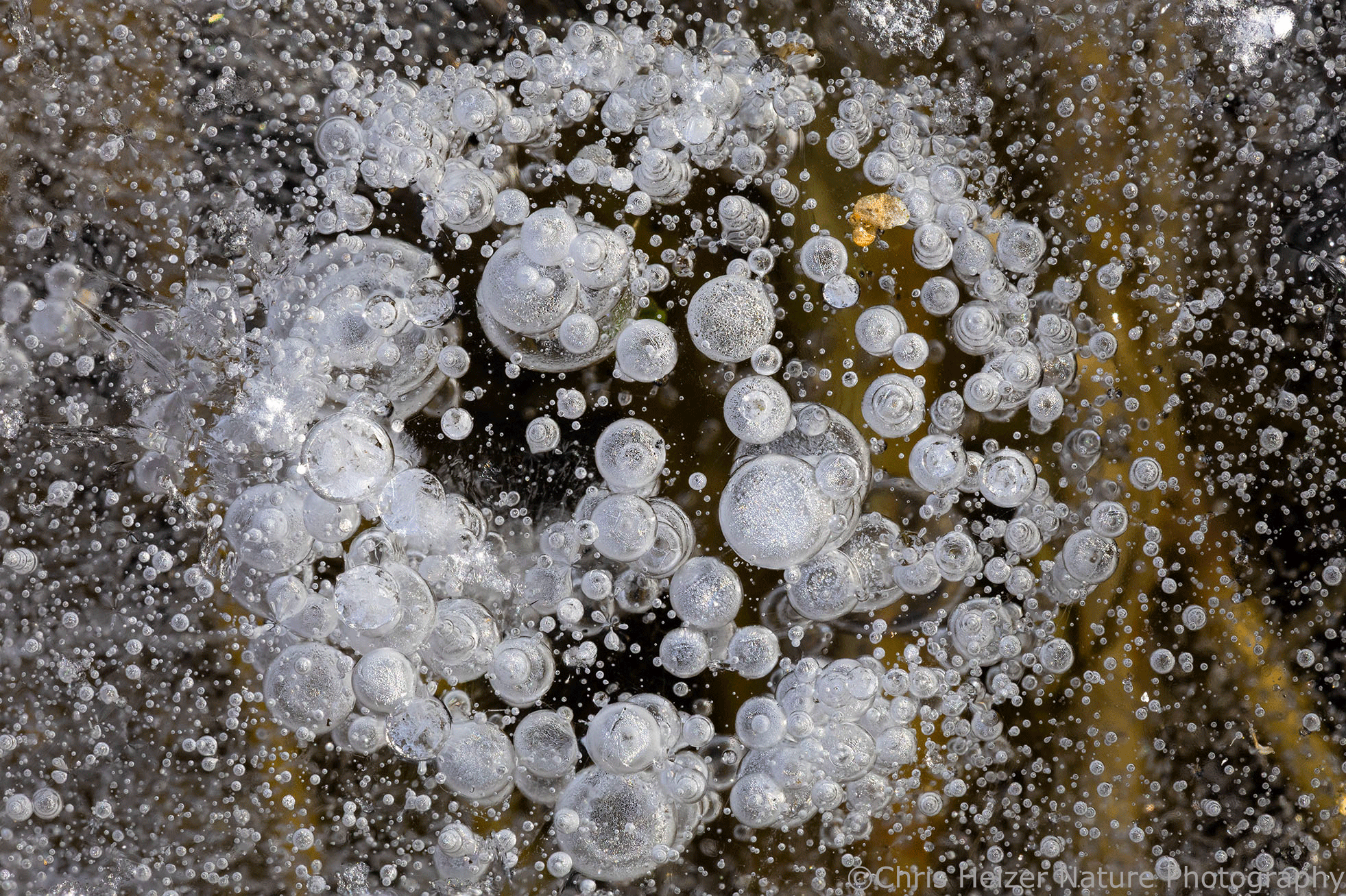
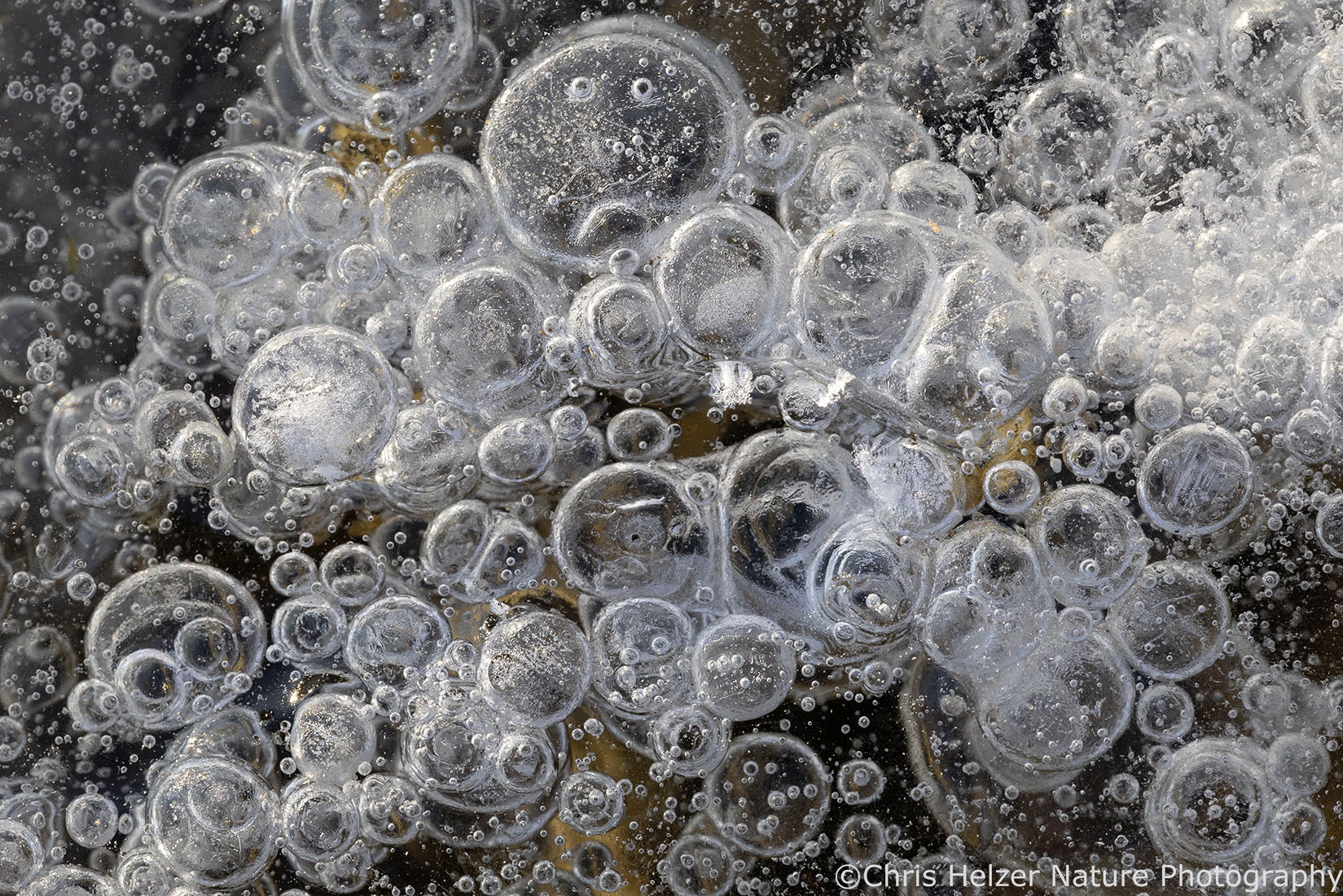
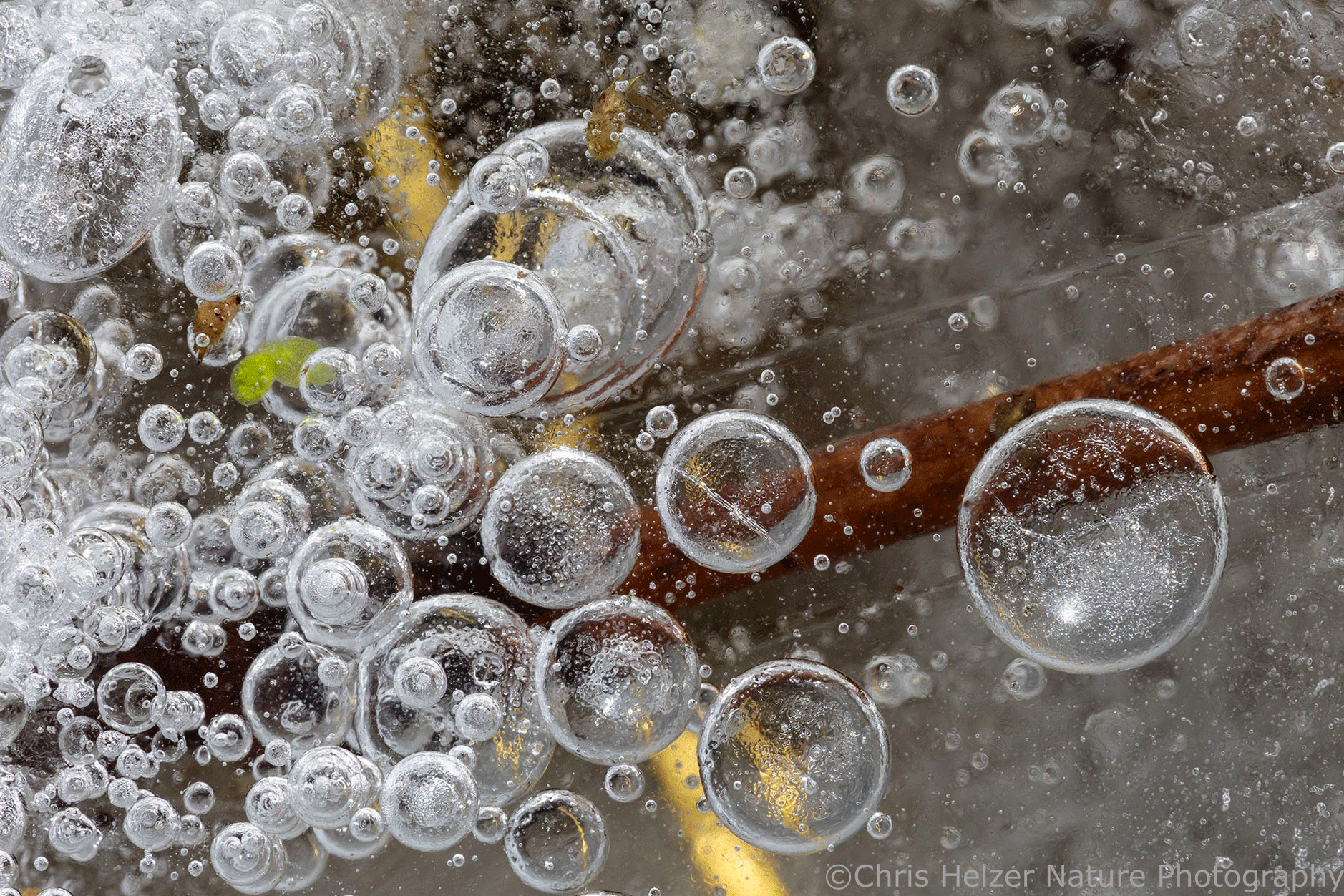
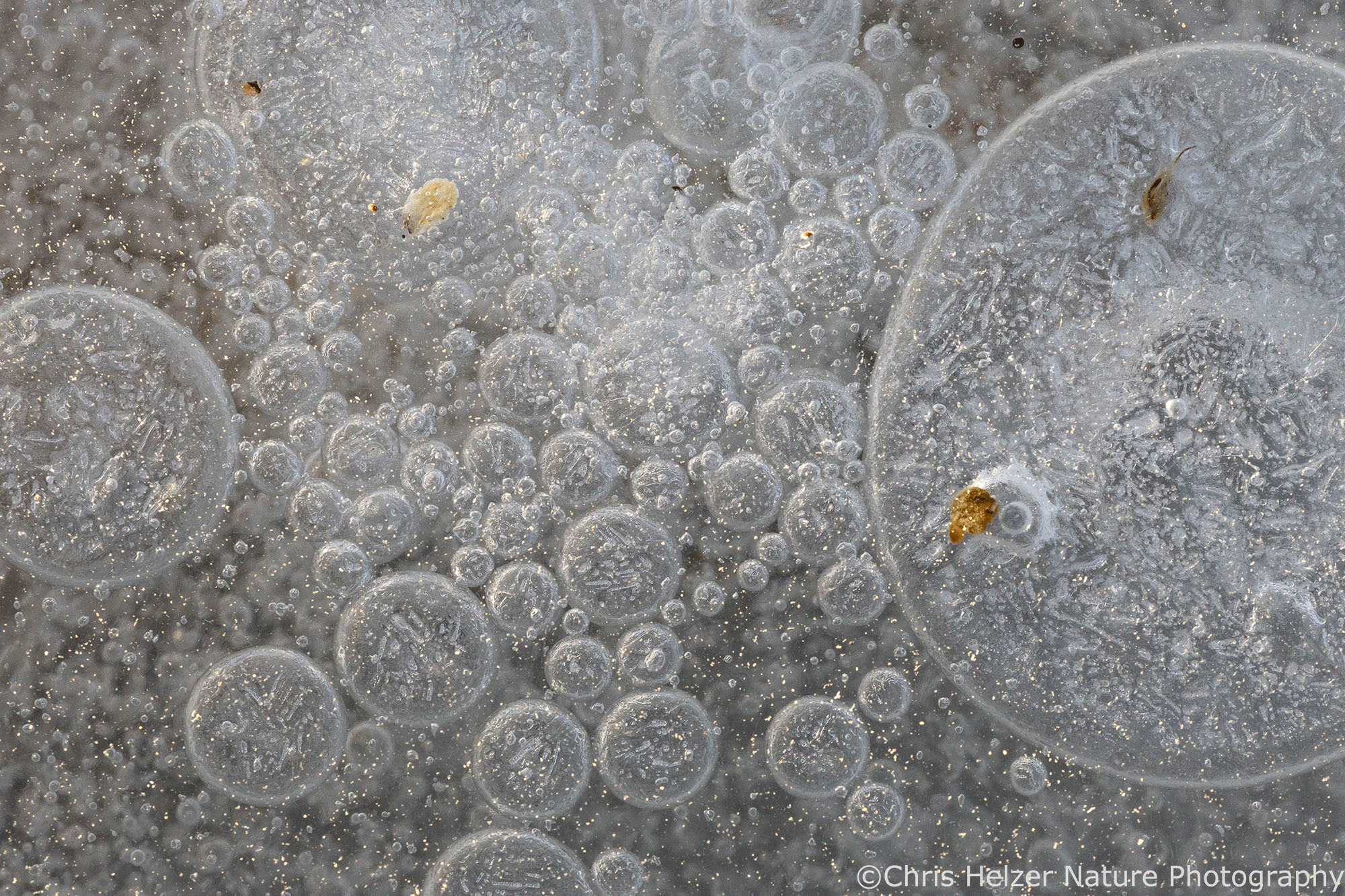
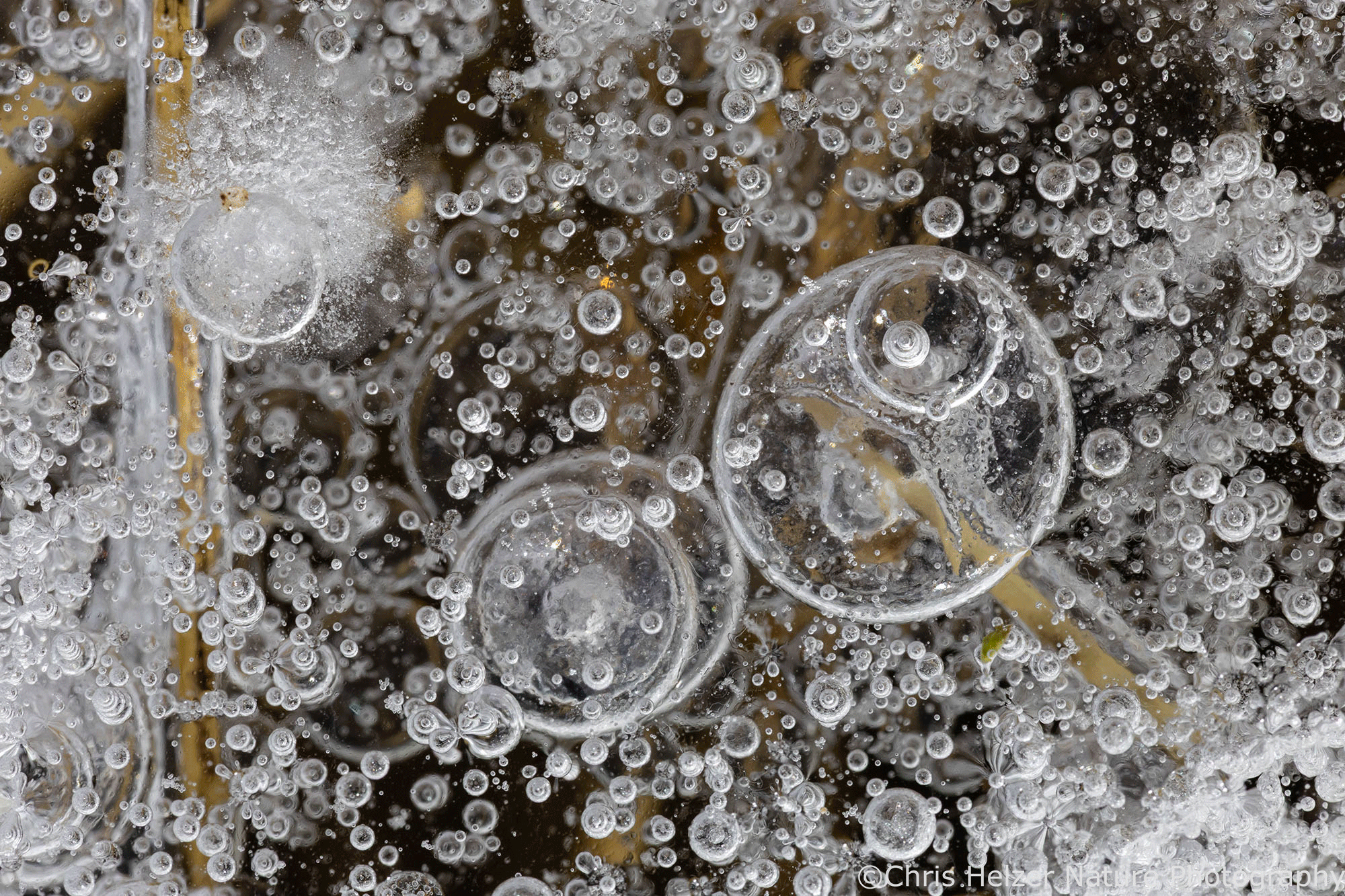
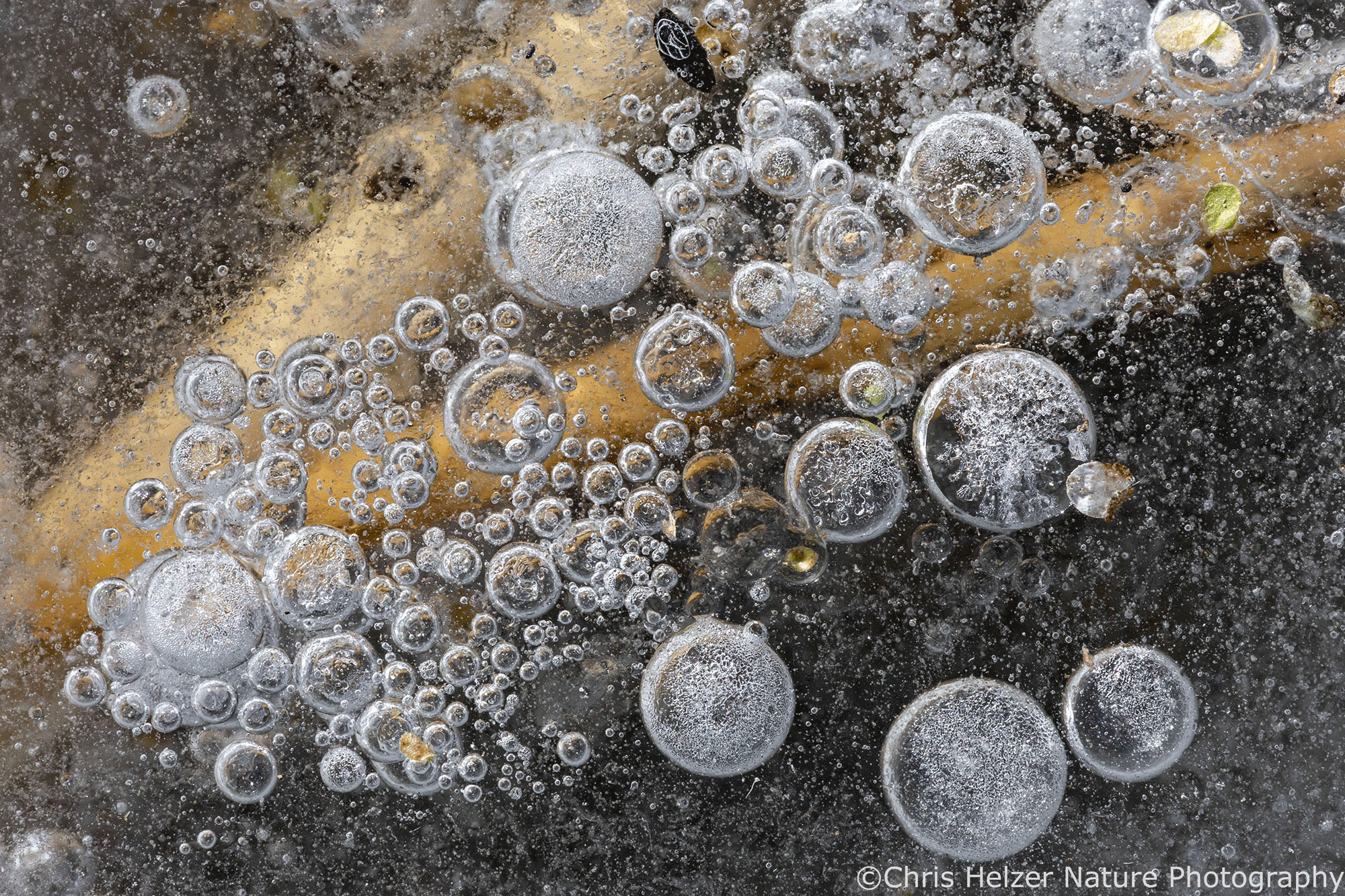
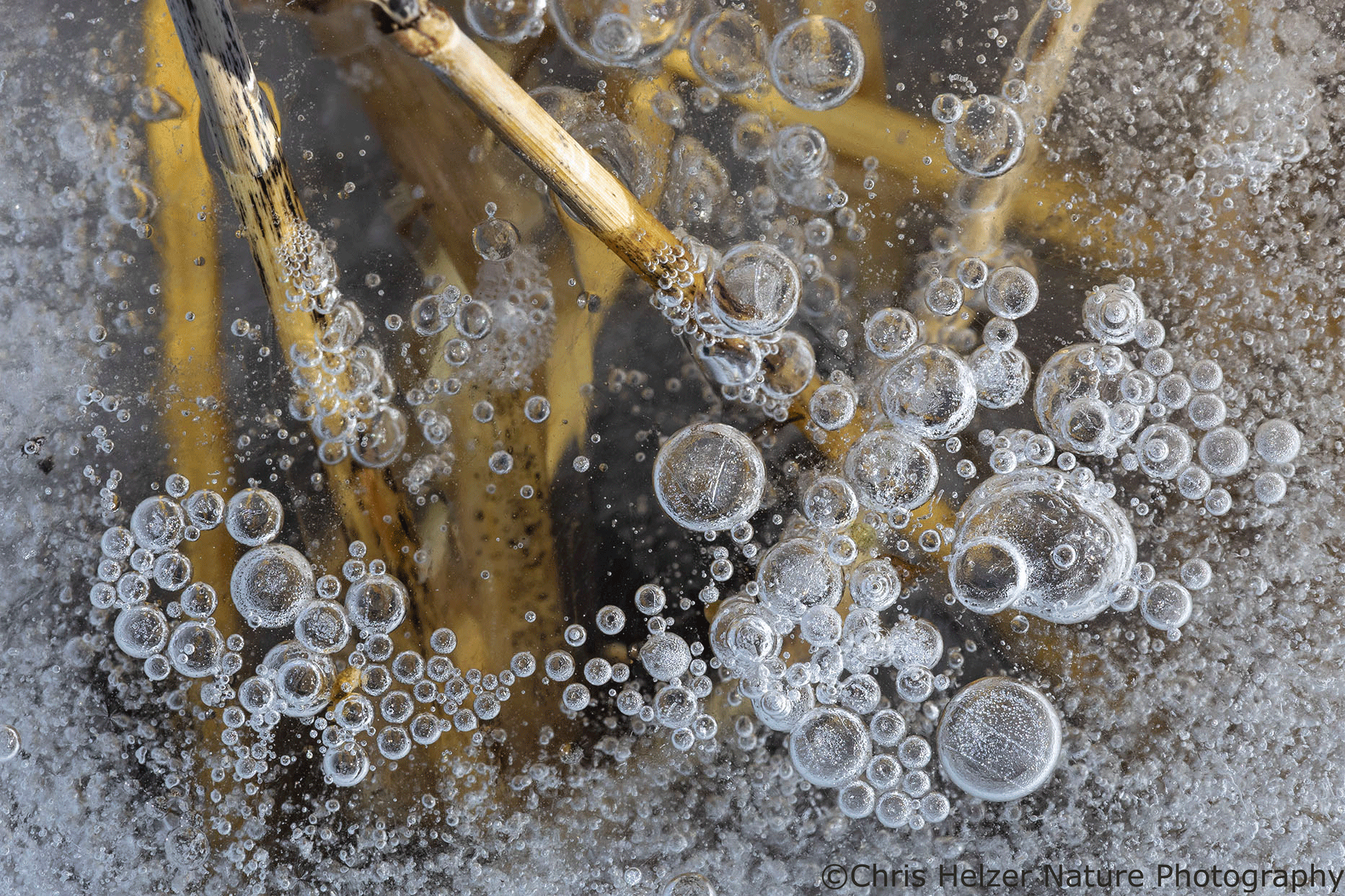
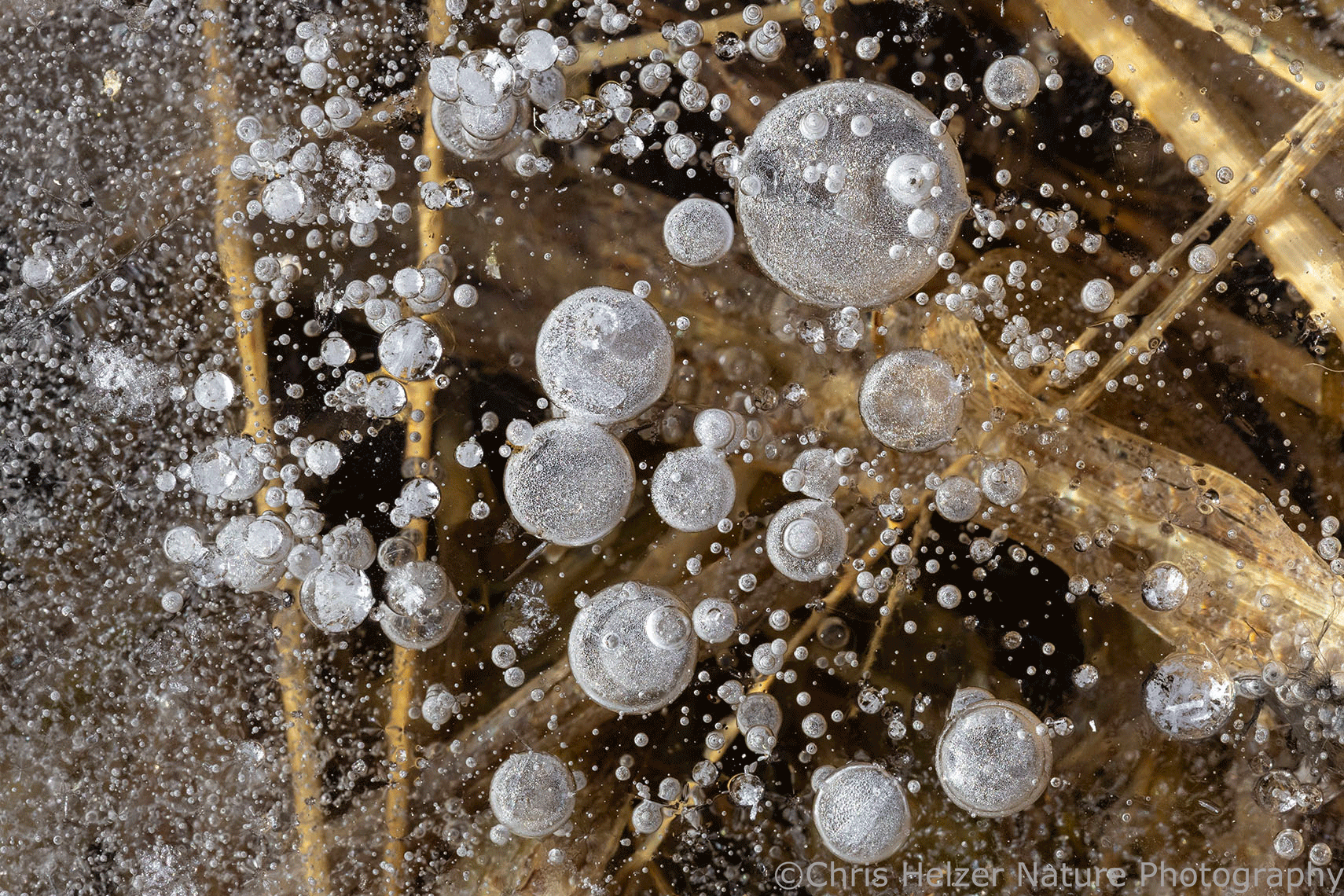
The highlight of my two trips, of course, were the ice bubbles. Most of the ice looked like frosted glass and wasn’t transparent enough to show the ice bubbles that were surely trapped within it. Around the base of some plants, though, it looked like the ice had melted and refrozen, and that’s where the bubbles were. The rest of the photos here are just a few examples of the many, many bubbles I enjoyed photographing. I find them mesmerizing to stare at – like little galaxies of bubbles.
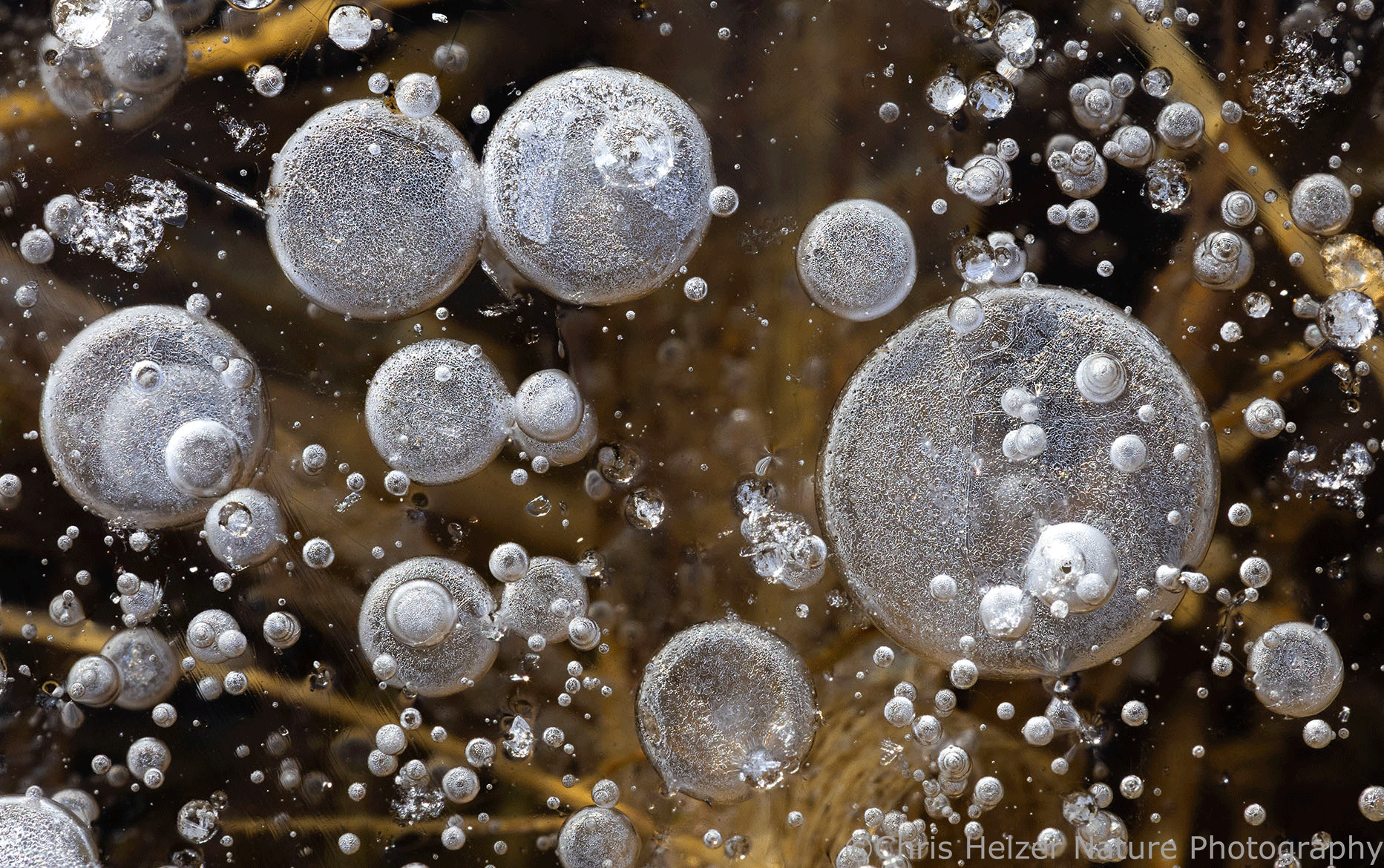
We’re in the middle of a big cold snap as I write this. I’m hopeful that I’ll get some more chances to photograph ice bubbles, seed comae, frost, and other winter wonders soon. Stay tuned!
Photos of the Week – January 16, 2026

I spent several days at the Niobrara Valley Preserve this week engaged in long brainstorming discussions about conservation and land management. It was invigorating, but we basically worked from dawn until dusk, so I didn’t have much time to wander with my camera during daylight hours. Working from dawn until dusk, of course, isn’t that hard this time of year, since the days are so short.

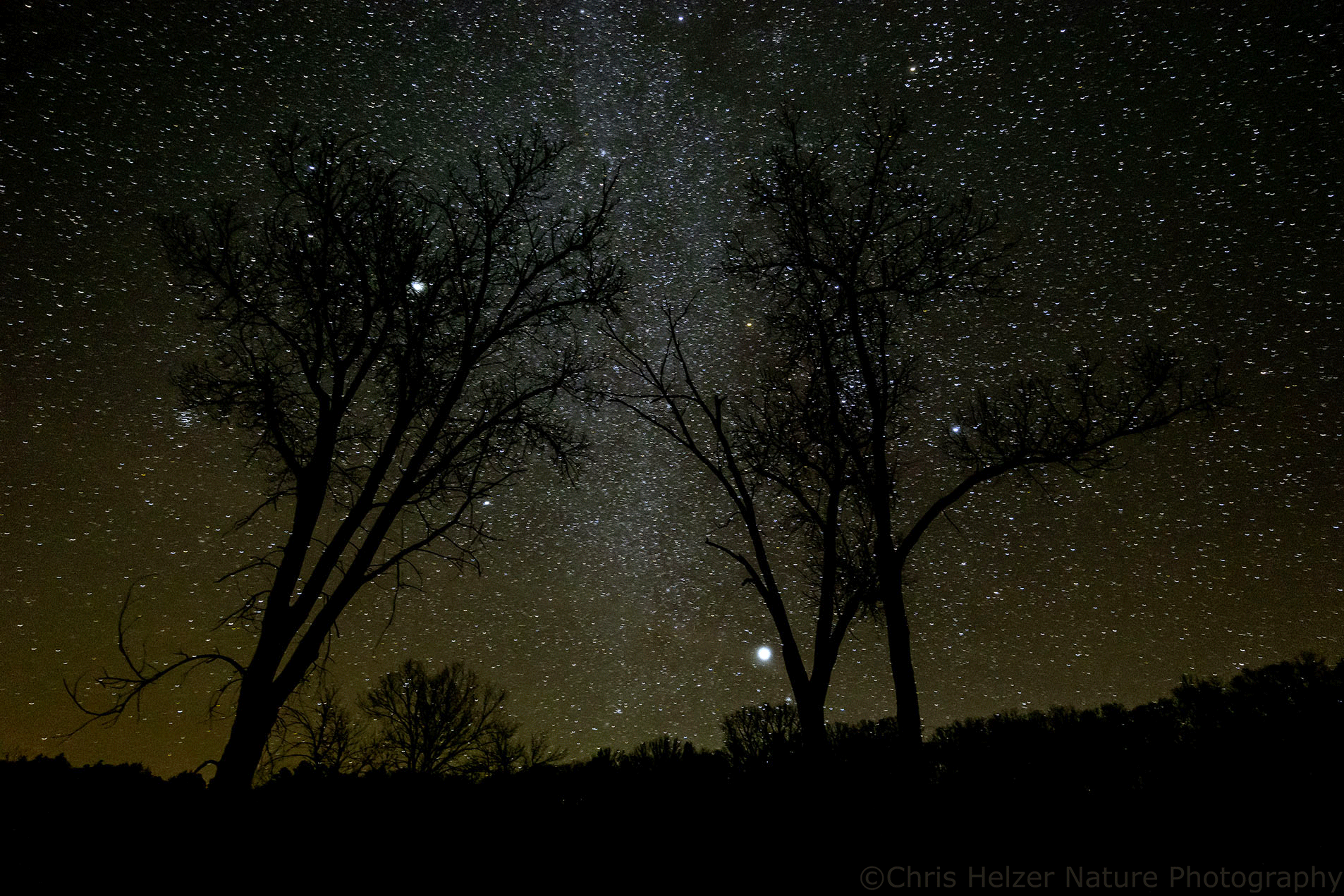
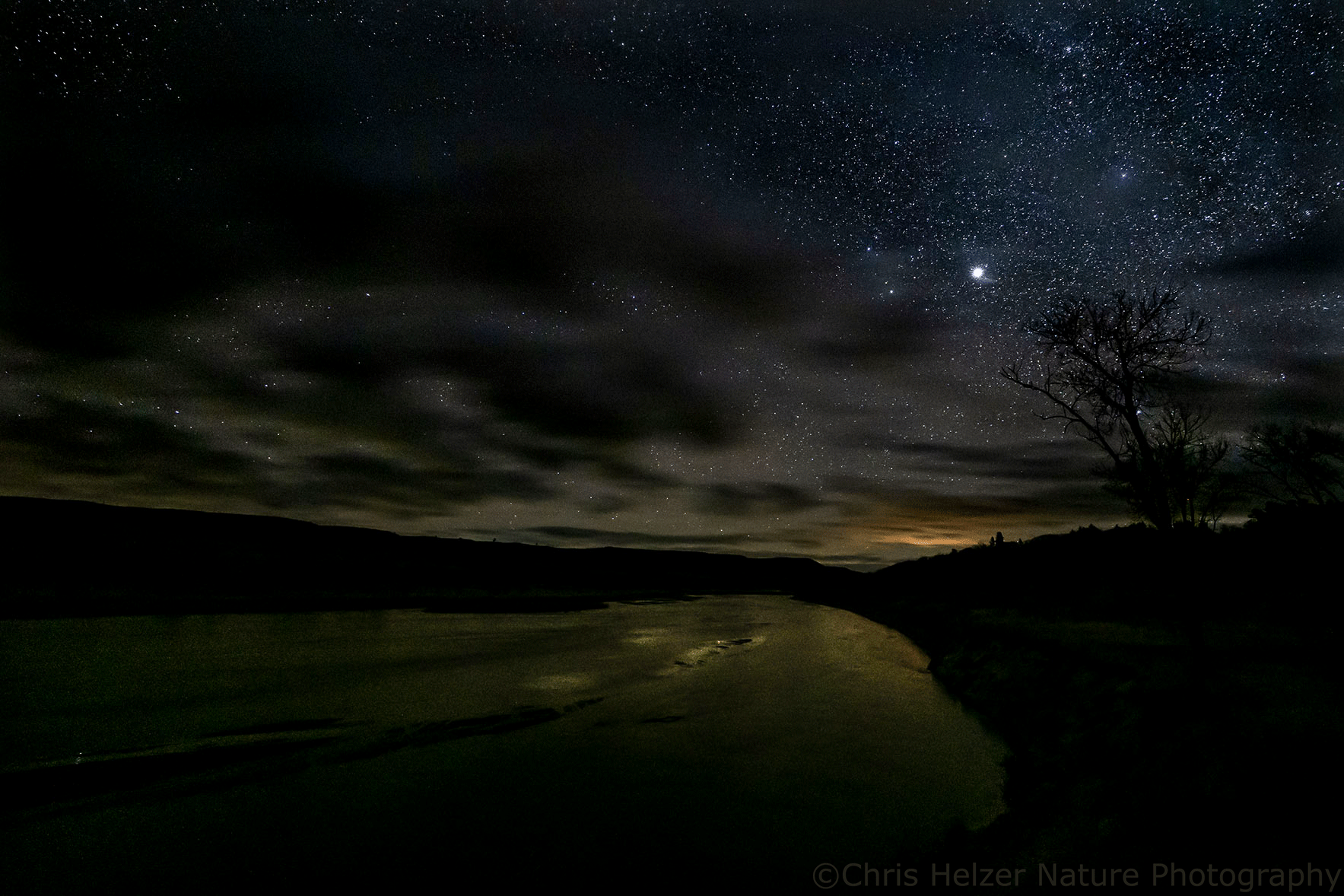
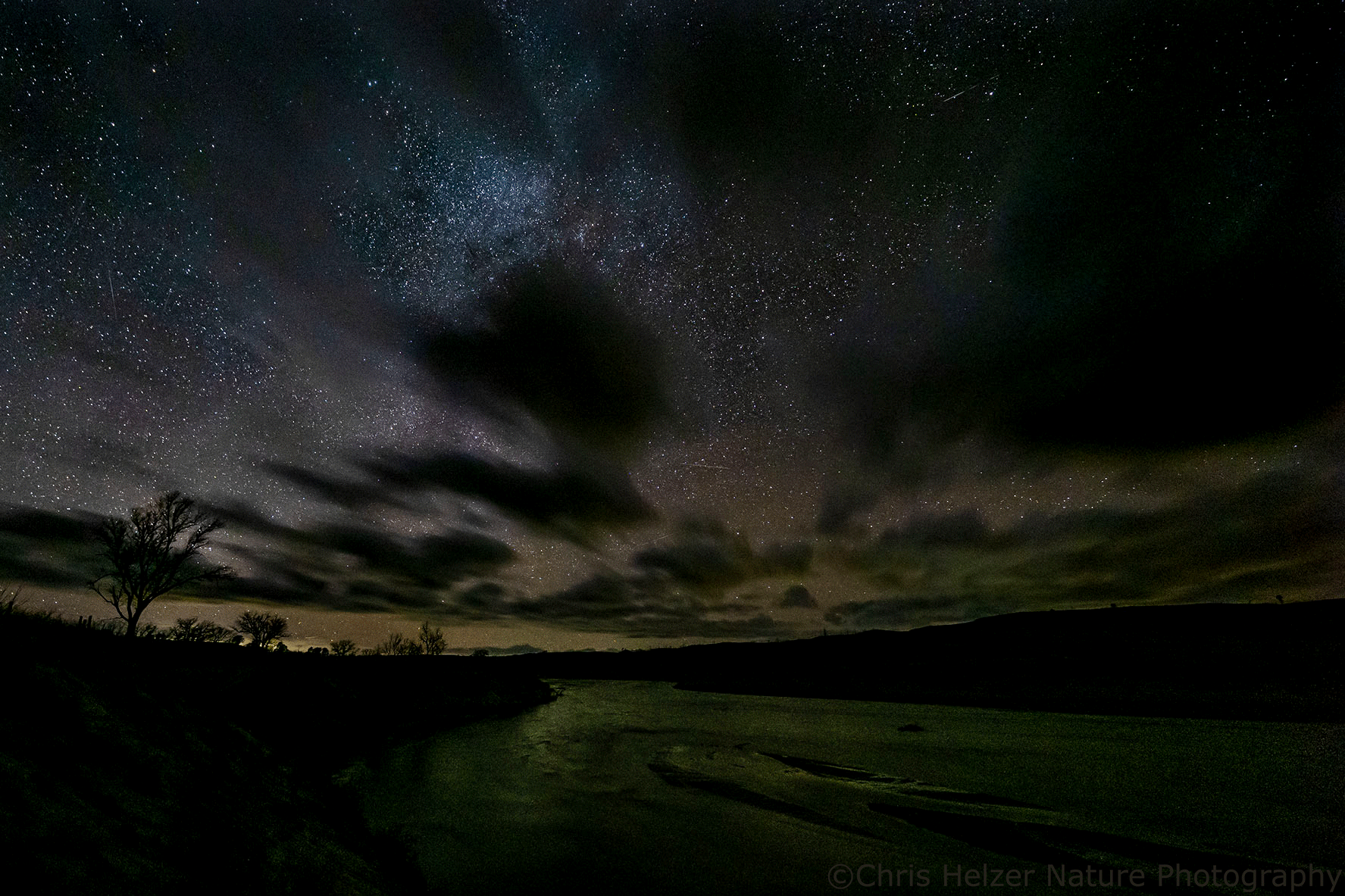
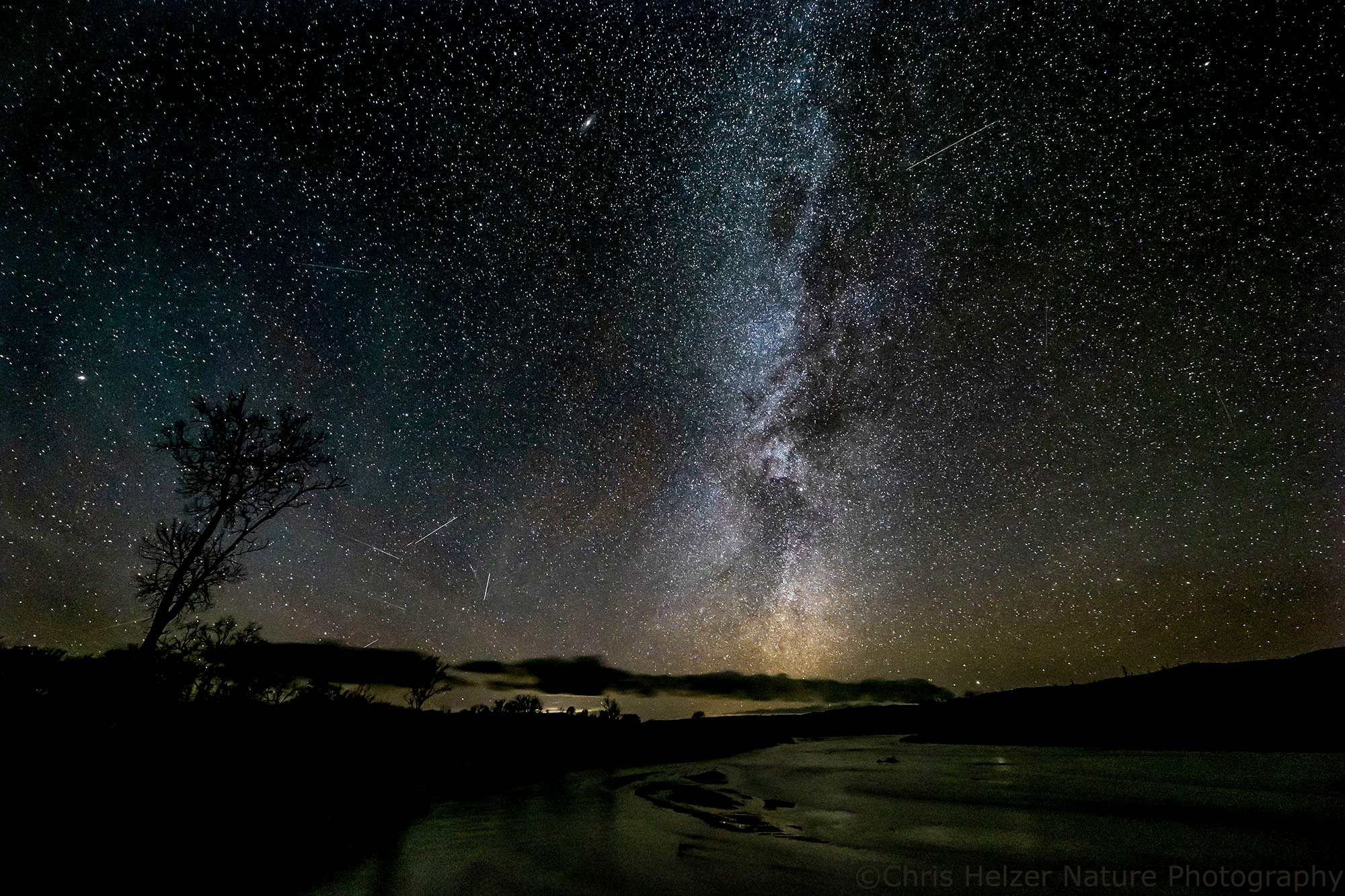
The Milky Way and stars over the Niobrara River.

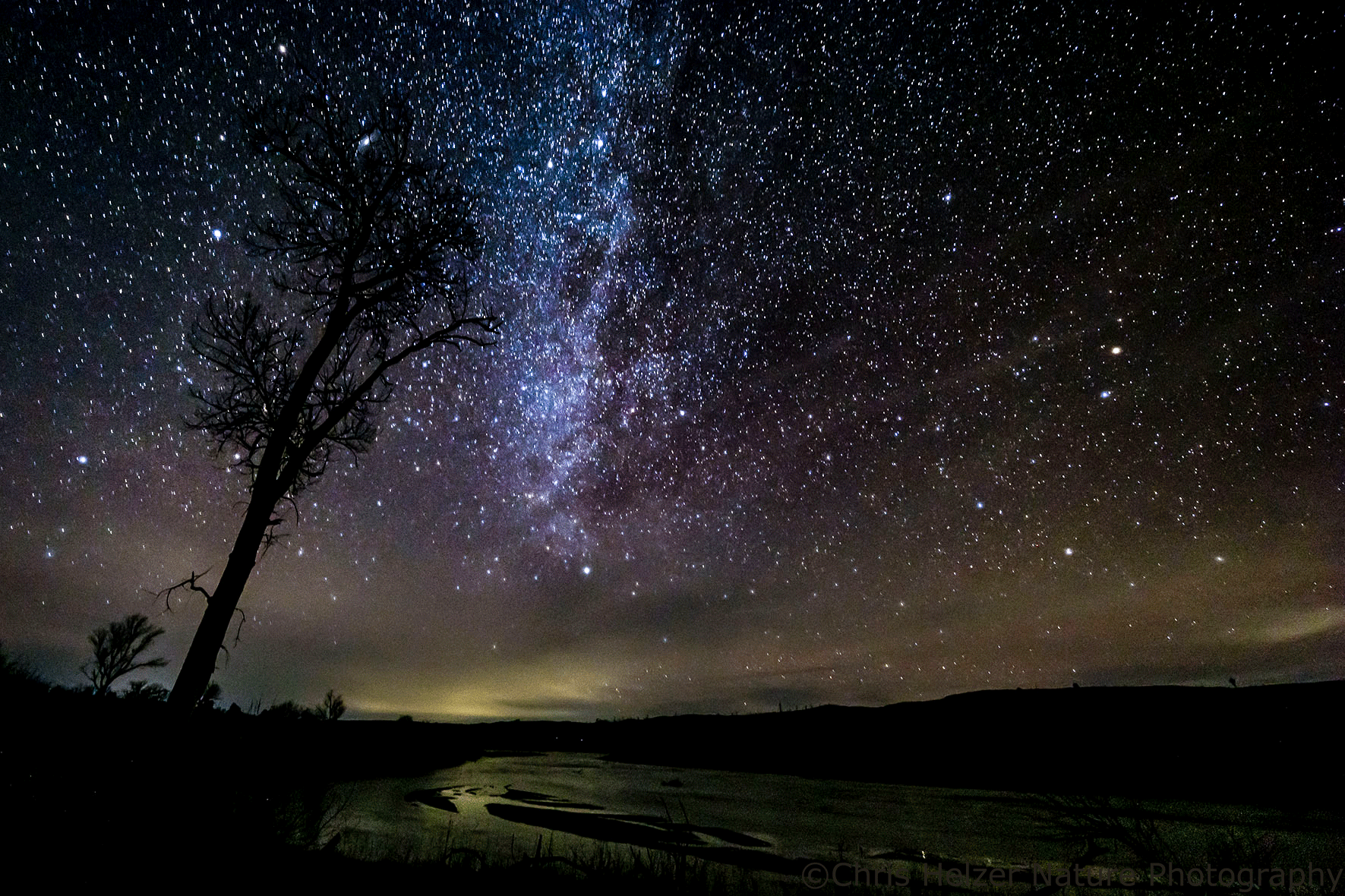
After dark, the stars came out and I jumped at the opportunity to get outside and photograph them. That happened all three nights I was there, though one night I had to wait for the clouds to break up before the stars showed themselves. The Niobrara Valley Preserve is far from towns or other sources of light, so it’s a great place to see the Milky Way. It’s always nice to be there when skies are clear and the moon isn’t around.

It was fun to practice my star photography, but it was even better to have some quiet time to just stare at the sky and think about the universe. The sound of the river gooshing past me, a lone screech owl, and periodic conversations among distant Canada geese were all that broke the silence of the night. The time went by quickly.

I don’t photograph stars often enough to feel confident in my process and I was also trying out a new lens (Canon 14-35 f/4 L). Having three nights in a row to practice was helpful. The first photo in this post is my favorite and was taken on the last night. Even that one makes me wish I’d played around a little more with exposure time. Oh well. The stars will come out again and I’ll get some more practice then. Hopefully, the screech owl will be around, too.

I hope you enjoy these. If you want to look at them with more clarity and light, click on the photo to see a bigger, better version. If you’re reading this in your email, you’ll have to click on the title of the post to open it online before you can click on photos.