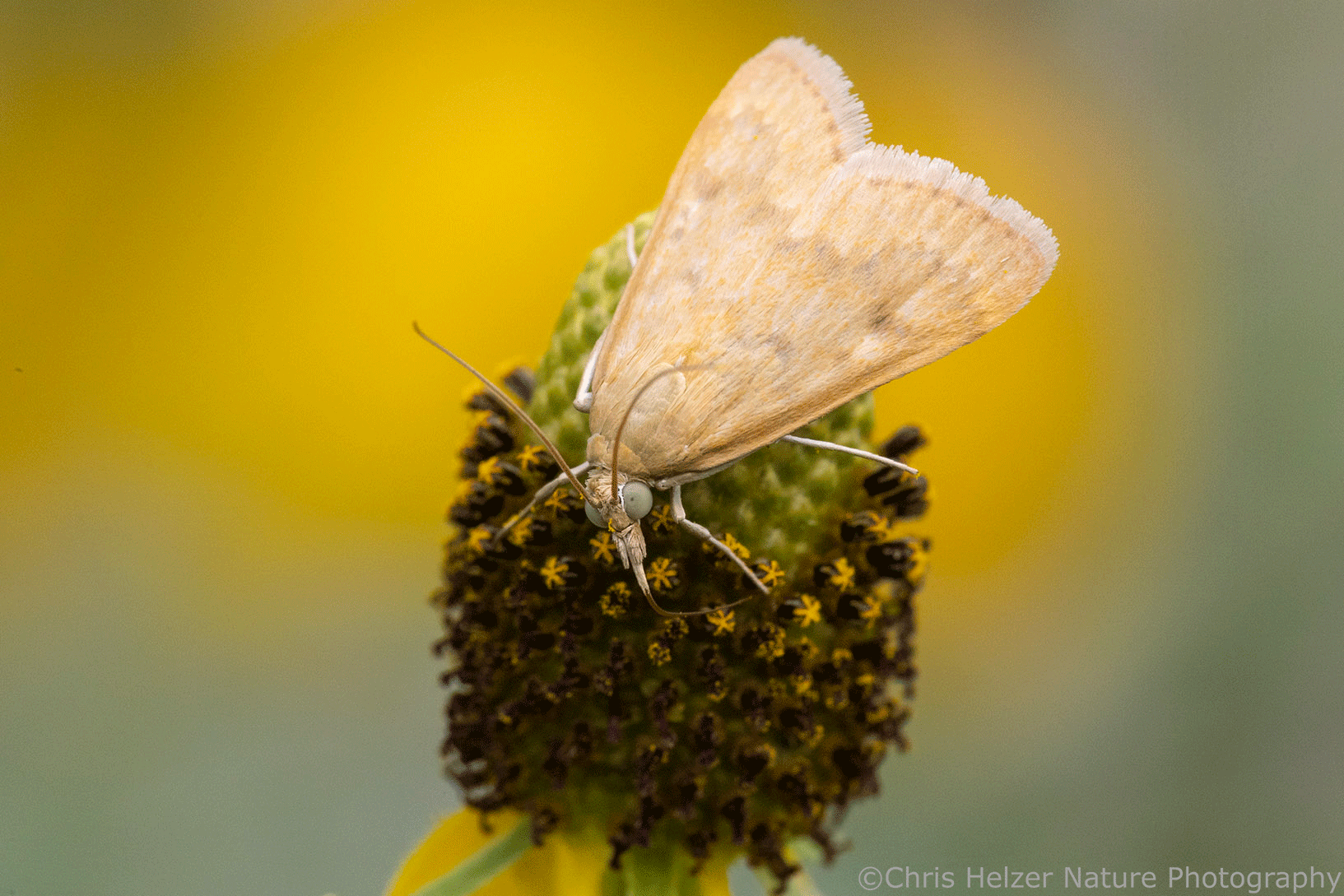
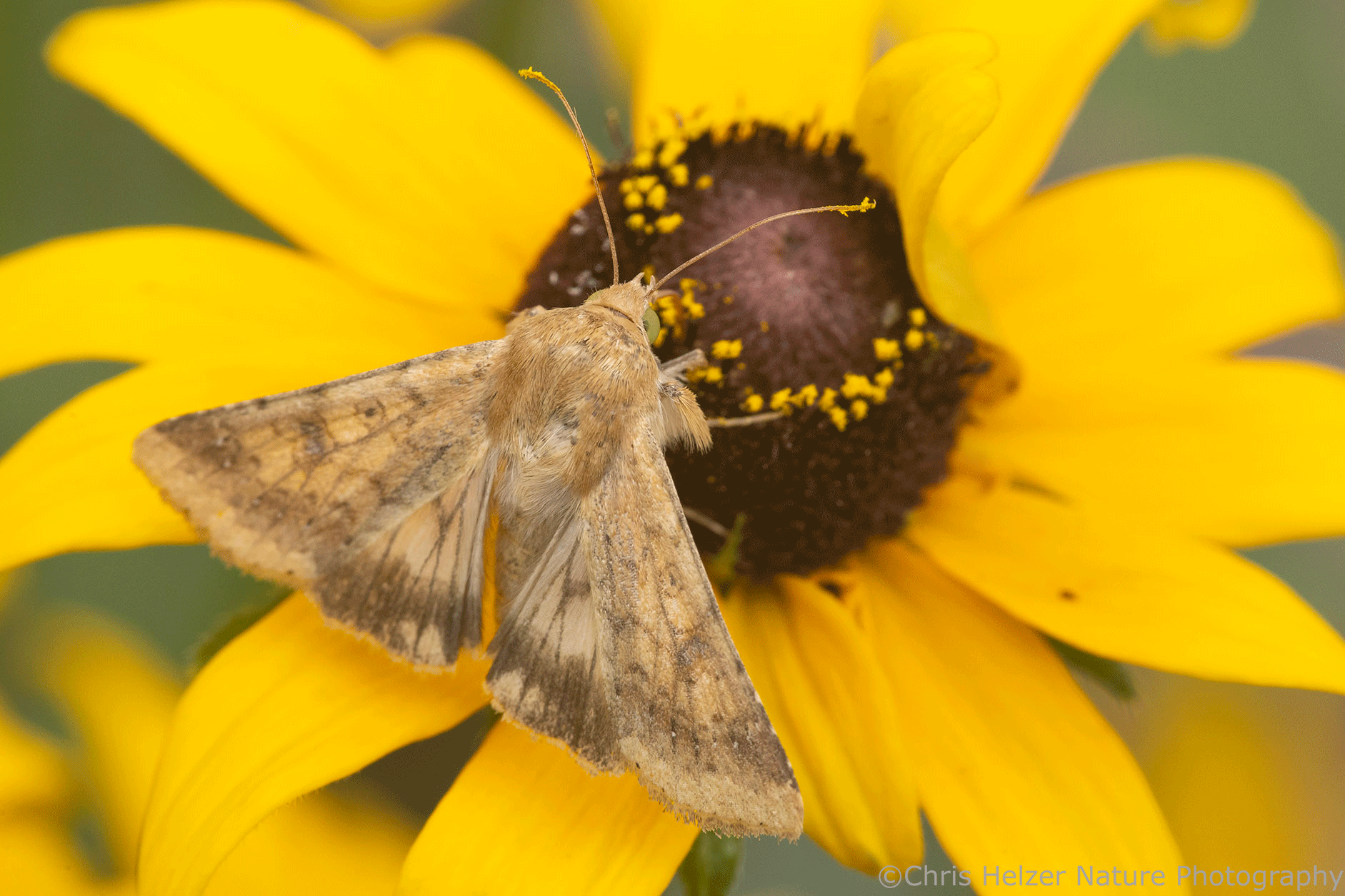
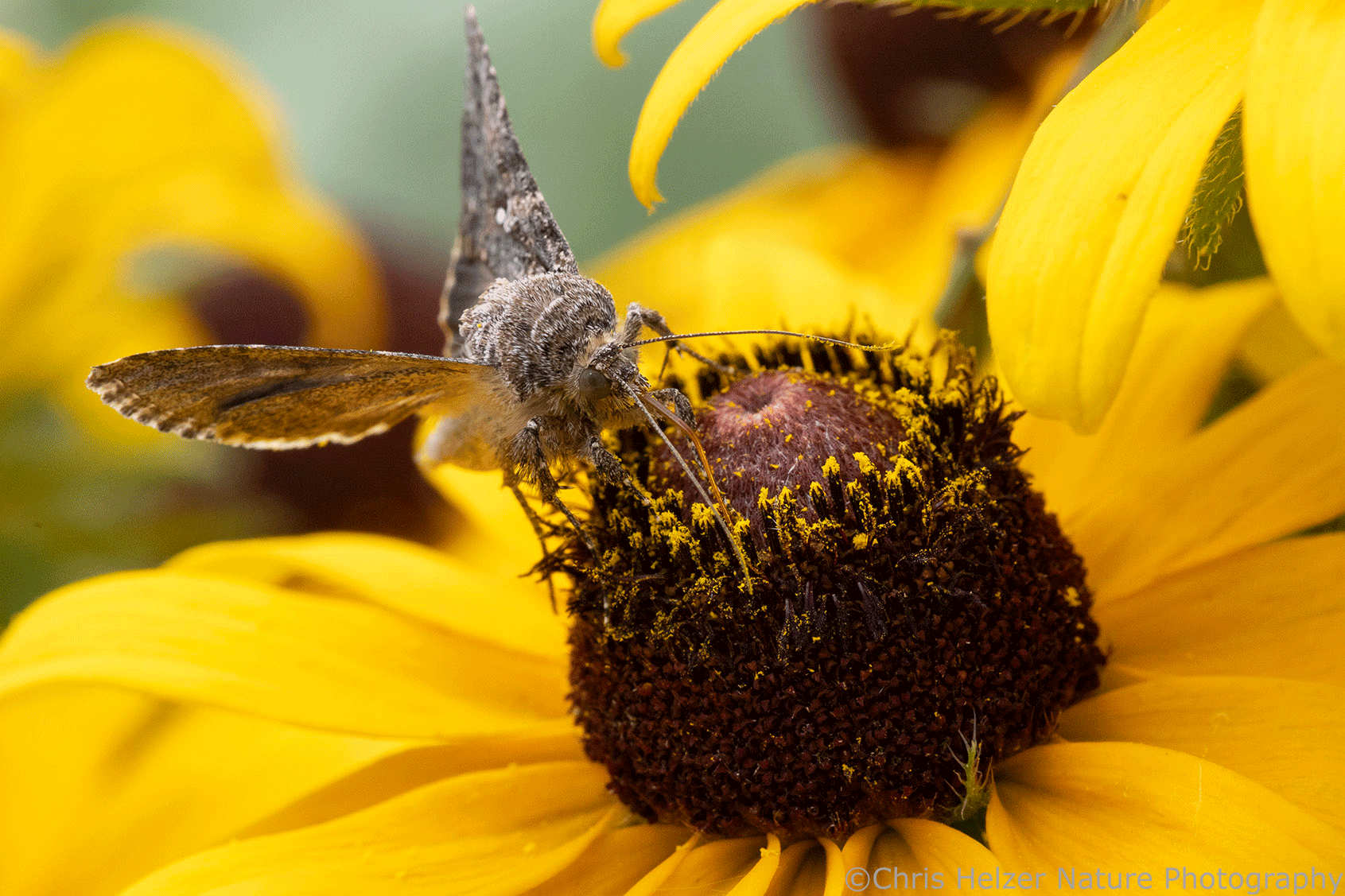
I’ve been very lucky so far this month to have a lot of time to wander through prairies with my camera, both during and outside of work hours. Here is a selection of images from the first 10 days of September.


The Niobrara Valley Preserve continues to be accented by huge patches of annual buckwheat (Eriogonum annuum). Last week, I stopped briefly to admire some dotted gayfeather plants, which contrasted beautifully with the buckwheat. While I was lying down with the gayfeather (being very careful not to lie on top of any cacti) a bumble bee stopped by to visit the flowers, which was a pleasant surprise.


Not long after I photographed the gayfeather, I came across an old bison bull hanging out by himself. The rut has ended, so he might have just been resting after a month of chasing cows and fighting off other bulls. My guess, though, is that he was an older bull who skipped all that excitement and has been hanging out by himself all summer. As I watched the bull, I also watched the thunderstorm building behind him and moving off to the east. As always, I photographed the bison from the safety of my vehicle.


Later that night, I was about to crawl into my tent (we were hosting a workshop and housing was scarce – plus it was a beautiful night for camping) when I noticed lightning in the distance. The storm that had built behind the bison was still in sight as it moved eastward. I walked the short distance between my tent and the Niobrara River and photographed the storm, the stars, and the river for a while.

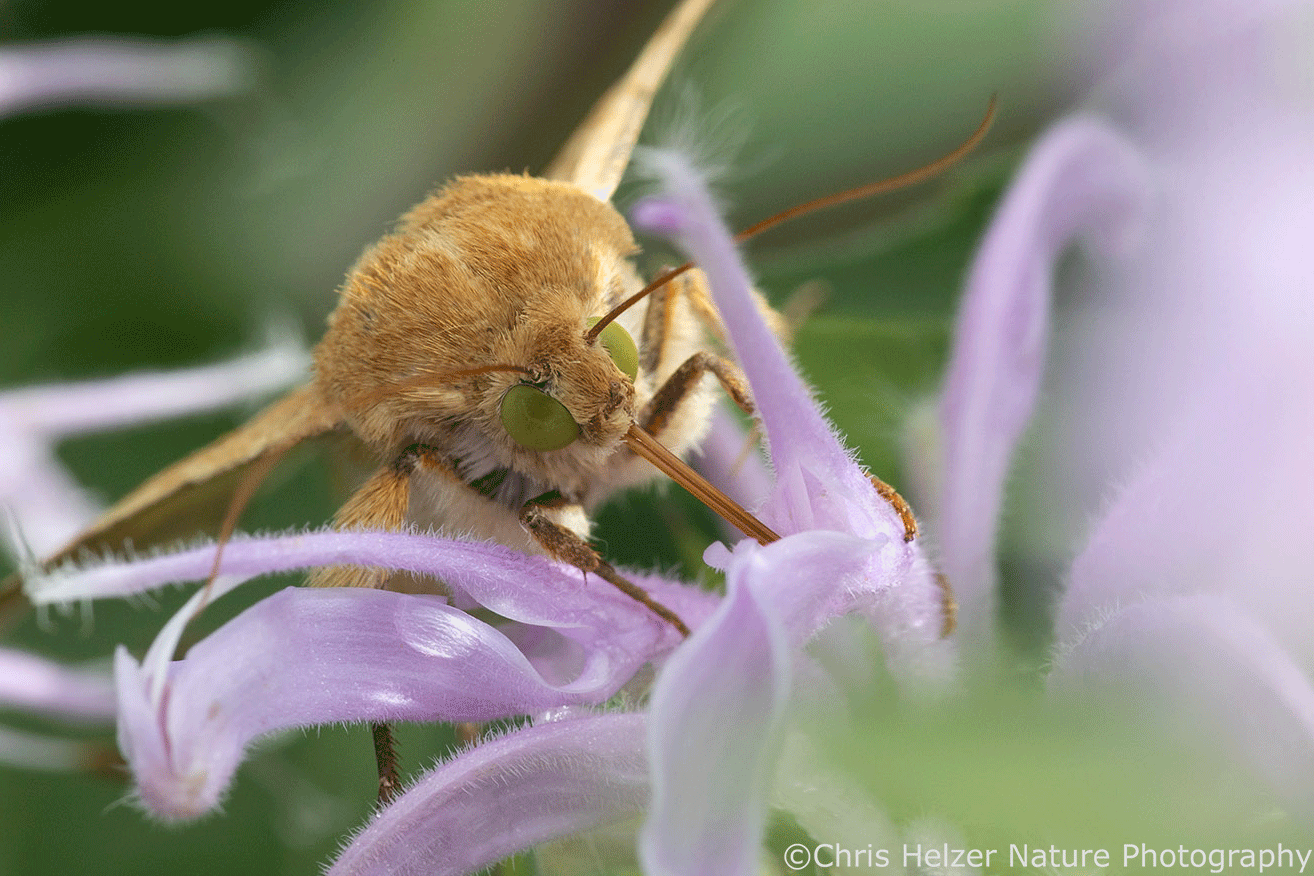
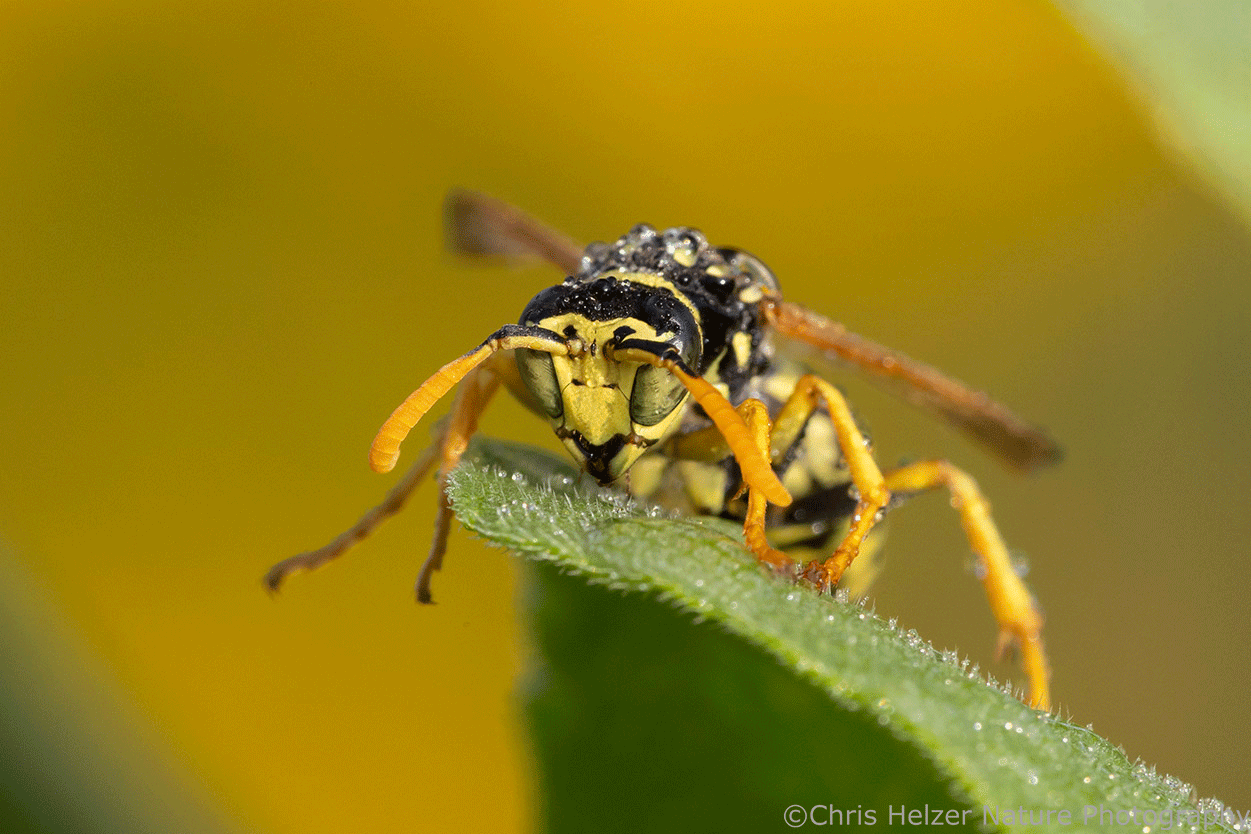
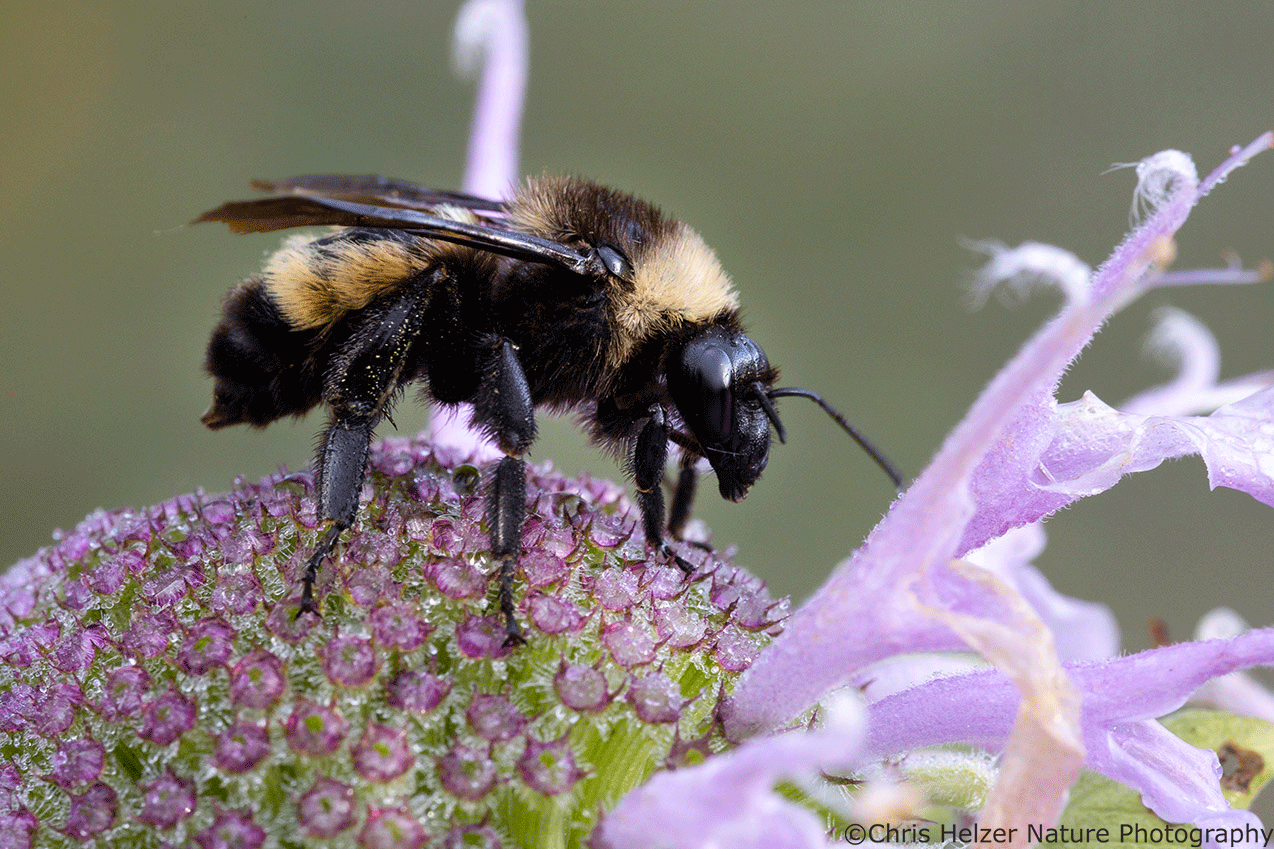
Our new backyard prairie garden is finally starting to come into its own and it’s been fun to see what animals have been drawn in. Yesterday, I saw both a cricket frog and leopard frog, which was surprising, given the distance between us and any water bodies or streams. I didn’t photograph either of them because the lighting was bad, but I did capture a fun portrait of a gorgeous wasp visiting some wild bergamot.

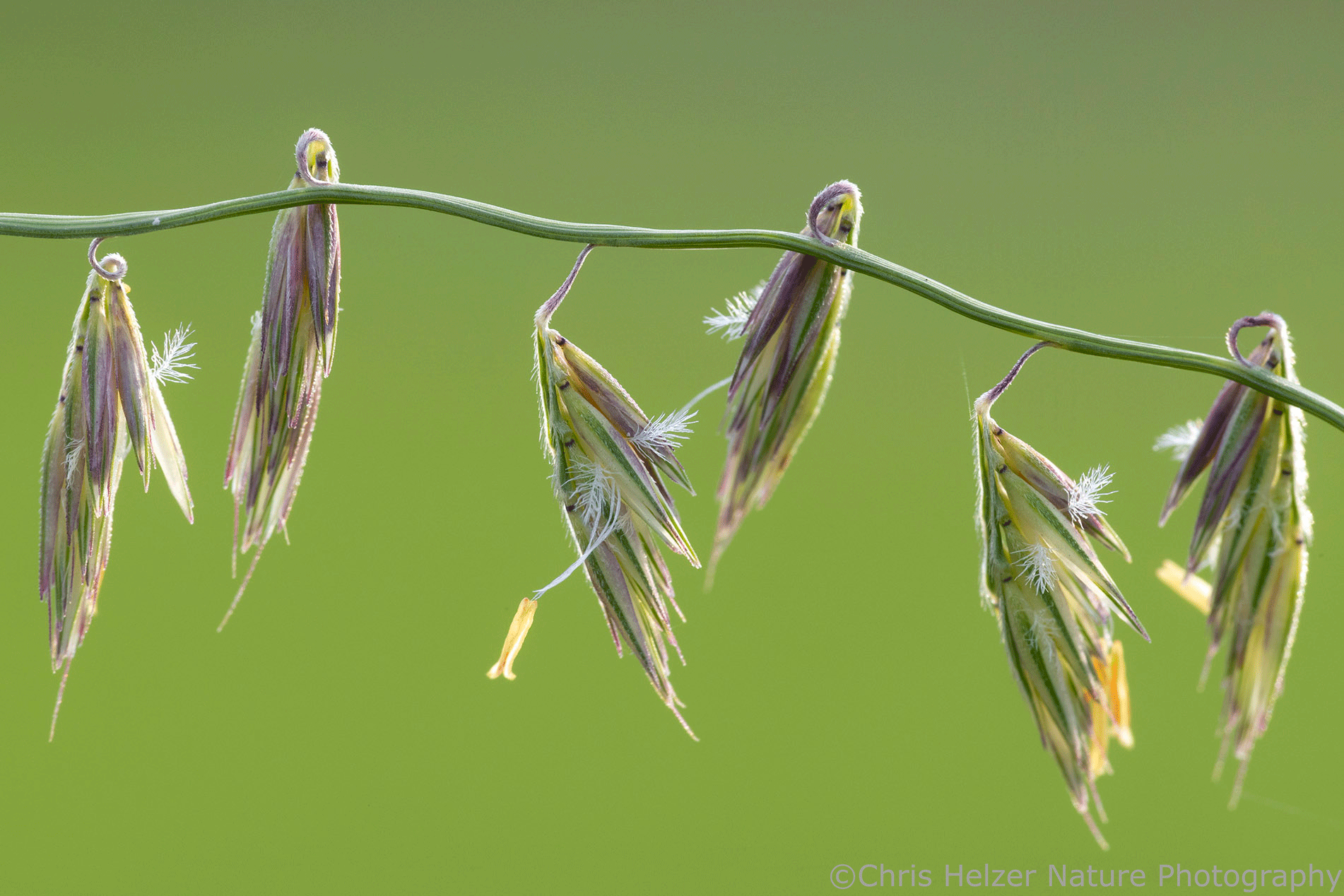
Lincoln Creek Prairie, my local go-to spot for quick in-town photography jaunts, is getting tall and harder to walk through. Tall prairie plants, though, are fun to silhouette against early and late sunlight.

Garden spiders continue to be abundant and visually apparent at a lot of the prairies I’m visiting right now. I picked one up the other day, just to show someone that they’re harmless. It ran around on my hands but clearly wasn’t happy about it so I let it go back to its web. I say they’re harmless… I mean they’re harmless to us, of course, not to the many smaller invertebrates whose lives end shortly after they encounter the big webs.


I was leaving one of our Platte River Prairies sites the other day, having finished up some data collection, when I saw a garden spider web with thistle seeds stuck to it. The seeds framed the spider itself really nicely and I couldn’t resist stopping to try some photography. Without going into needless details, having to do with topography, vegetation, lens selection, apertures, etc., I couldn’t figure out an angle and composition that matched what I had envisioned in my head. I did eventually get a shot that at least showed what was going on. It’s fine.

Speaking of thistles, a lot of native thistles are producing seeds right now, which is making a lot of birds very happy. Some of the thistles (especially tall thistle – Cirsium altissimum) are still blooming, which is making a lot of monarchs, bumble bees, and other pollinators very happy. I’m always a sucker for floating seeds, both before and after they launch.


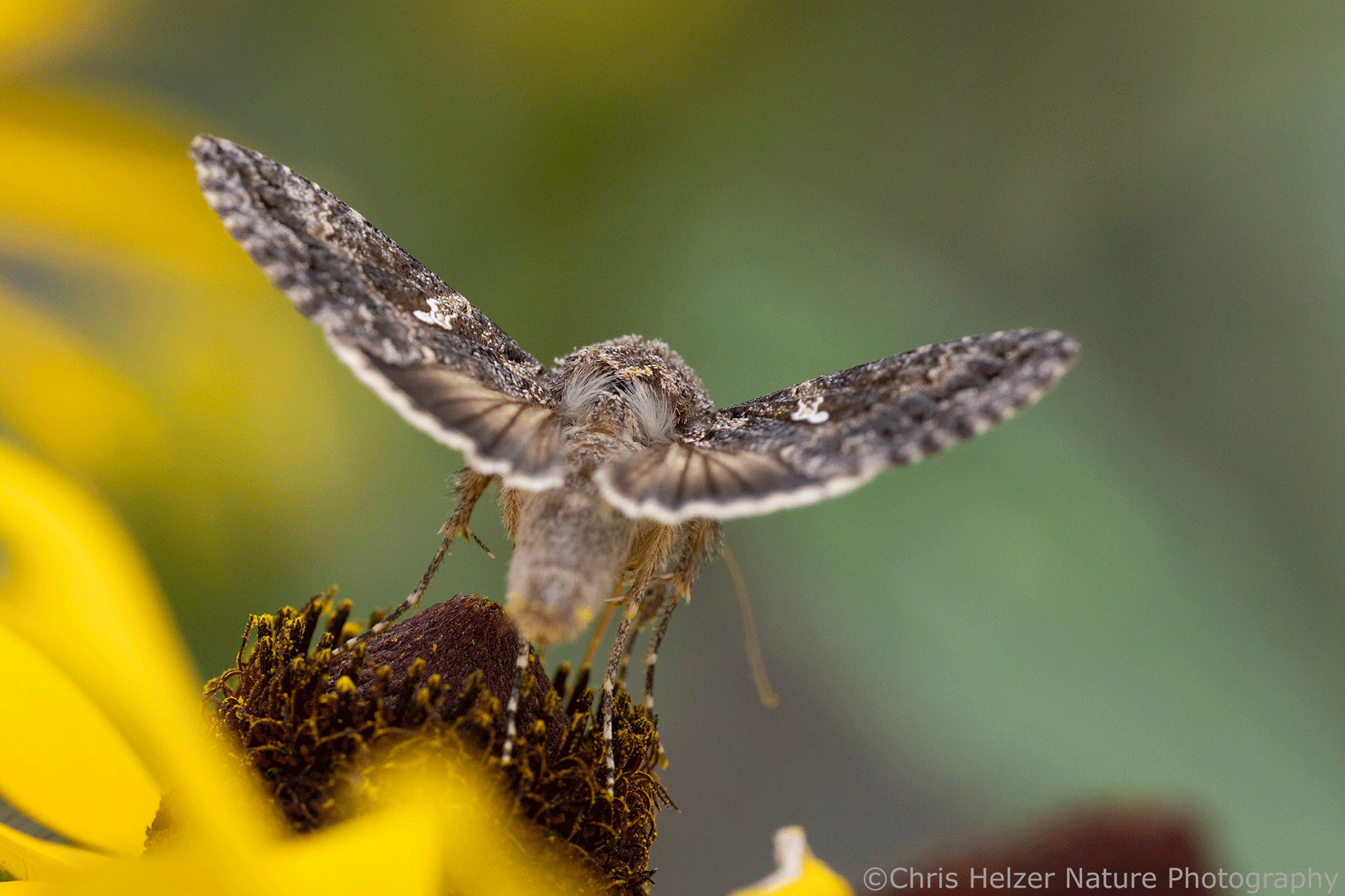
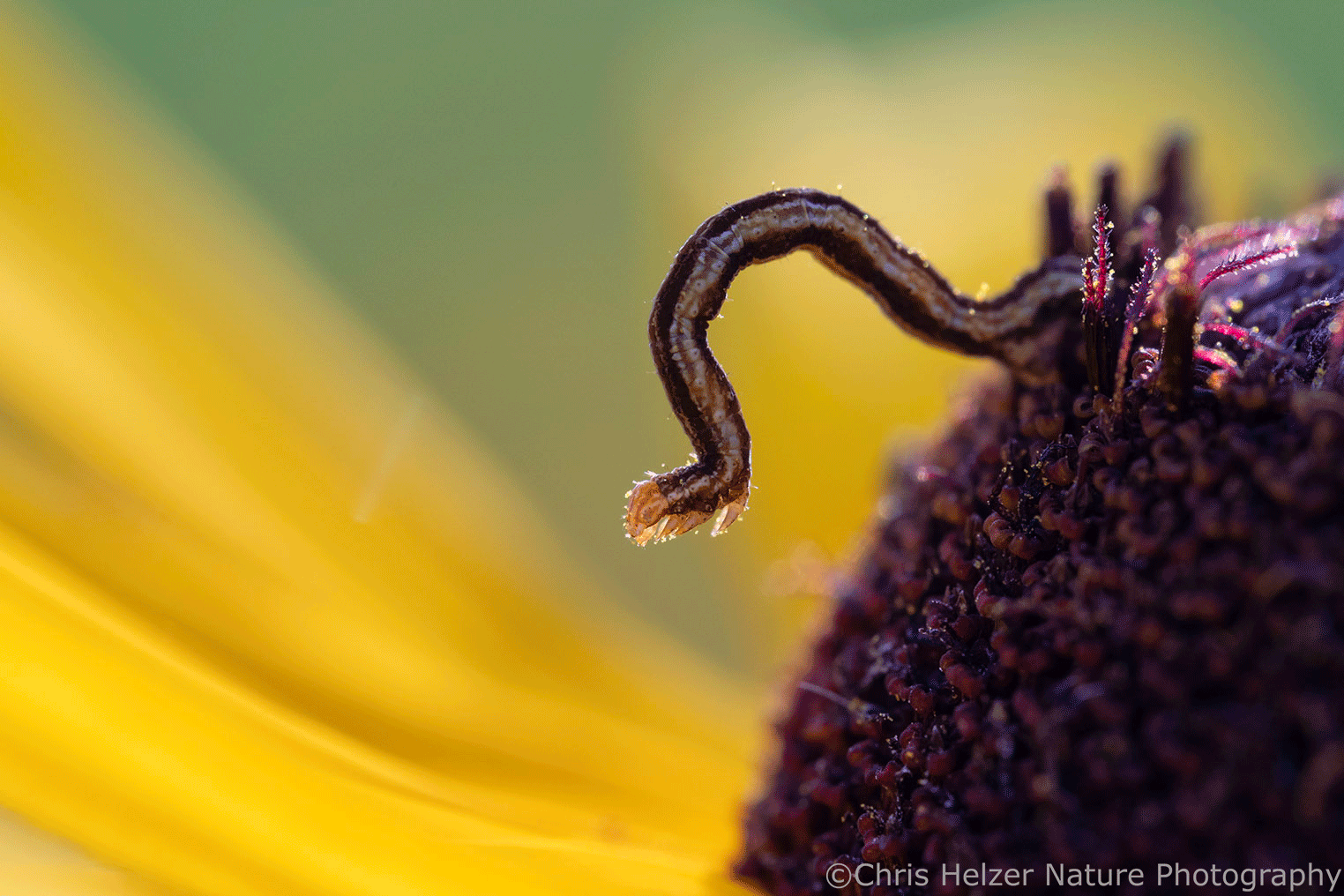
I also like playing around with different lighting angles when a photo subject gives me the time for that. The thistle seed above wasn’t going anywhere, so I shot it from multiple directions. The tiny moth below was too cold and wet to complain about my lying down on multiple sides of it, trying out various angles and compositions.


I’m still hearing cicadas in both the prairie and our yard, but I think they’re starting to wane. Grasshoppers, crickets, and katydids, though, are still going strong, making the late summer prairies nice and noisy. The high-pitched whines and buzzes of those insects is sometimes punctured by the machine gun song of sedge wrens, too. Sometimes I like to enjoy an audiobook as I wander the prairie, but it can be hard to focus on the plot when the prairie music is so loud. That’s not a complaint, by the way, just an observation.

I’m seeing a lot of praying mantises right now. I’ve photographed all three of our biggest species over the last month or so. This last week, I found both the native Carolina mantis and the non-native European mantis in situations where they were willing to pose for photos. I’ve seen some Chinese mantises as well, but not recently during times of good light or when I’ve had time to stop and visit.


Jumping spiders are always adorable, but when they’re hiding in their little silken shelters high up in the vegetation, they’re gosh darned irresistible. Why is irresistible spelled with “ible” at the end instead of “able”? If we’re not able to resist something, shouldn’t it be “able”? Language is so confusing. Don’t bother commenting on this, by the way. I know there are rules for when to use each suffix. I just can’t be bothered to care about those rules.
Anyway, it’s usually hard to photograph spiders in their shelters because they’re hiding. Which is the point, of course. I was able to gently encourage this one to come out and say hello, briefly. I took a couple quick photos before it crawled back into hiding and I left it alone.


Nebraska has 10 species of goldenrod, not counting two Euthamia species which are often called “grassleaf goldenrods”. That count comes from the Flora of Nebraska, which keeps Solidago altissimum as a variety of Canada goldenrod, not a separate species. Those 10 species, though, do include stiff goldenrod, even though botanists have changed its genus from Solidago to Oligoneuron. Ah, taxonomy. More rules.
The point is, there are a lot of goldenrod-ish plants in our prairies, all of which are really pretty. I don’t know that I have a favorite, but it’s really hard to resist the charms of soft, or velvet goldenrod (Solidago mollis). It’s a terrific mixed grass prairie plant – tough, stocky (staulky?), and able to withstand the dynamic and sometimes harsh conditions of central Nebraska grasslands. There are some big patches of the plant at our family prairie, as well as up in the Sandhills prairie at the Niobrara Valley Preserve, so I’ve seen it a lot lately.
If you look closely at goldenrod flowers this time of year, you’ll see a lot of insect visitors, including bees, butterflies, and other pollinators. You’ll also see a fair number of beetles, including a lot of goldenrod soldier beetles. The one I notice most, though, is the black blister beetle (Epicauta pensylvanica), And, no, there’s not a double N in pensylvanica. Don’t blame me – I’m not in charge of words or rules about words.

Blister beetles can excrete a yellow substance that does indeed cause blisters, but I’ve never had that happen to me. I’ve let some crawl on my hands and have photographed a lot of them. I just don’t squeeze them or otherwise make them feel threatened.
The black blister beetle’s larvae start out very mobile after hatching and will find and feed on the eggs of grasshoppers. I haven’t found any reports that they hitchhike on adult grasshoppers to find those eggs, but I wouldn’t be shocked if they do. After all, their cousins the oil beetles hitchhike on bees to get to bee nests. Either way, it’s fun to see black blister beetles every year, and while they feed on lots of plants, I always associate them with late summer goldenrods.

My last photo might be my favorite of the month so far, but it’s also one of the most recent, which exposes a big bias of mine. I saw a lot of katydids at Gjerloff Prairie yesterday morning before I had to run back to town to give a presentation to a college class (virtually). This one was one of the last I saw and I spent quite a bit of time photographing it. The sun had finally started to break through some horizon-hugging clouds and was making the dew drops all around me sparkle. I tried a lot of camera angles before I finally got what I wanted – partial sky blurred in the background, along with some sparkly drops to help frame the image.

I also spotted the first migratory (I assume) variegated meadowhawk dragonfly of the fall yesterday morning, roosting in the tall grass at Gjerloff. That’s usually my best signal for the change of seasons. I didn’t get a chance to photograph that particular dragonfly because I came across it well before it was light enough for a good photo. That’s ok, it still counts as my autumn indicator (along with the fact I had to wear layers to stay warm during my pre-sunrise walk), so happy autumn everyone!