The End of the Square Meter Photography Project

Well, it’s all over. Yesterday (May 4, 2025) marked the conclusion of my square meter photography project. I spent an hour or so at Lincoln Creek Prairie last evening trying to capture some final images before the sun literally set on this amazing journey.

Between May 5, 2024 and May 4, 2025, I visited my little plot 131 times. If you do the math, that averages out to a little more often than once every three days across the year. That seems like a lot, doesn’t it? Of course, the average doesn’t tell the whole story. There were 14 days when I was there twice and two days when I visited three times. What can I tell you? There was a lot happening and I didn’t want to miss it.
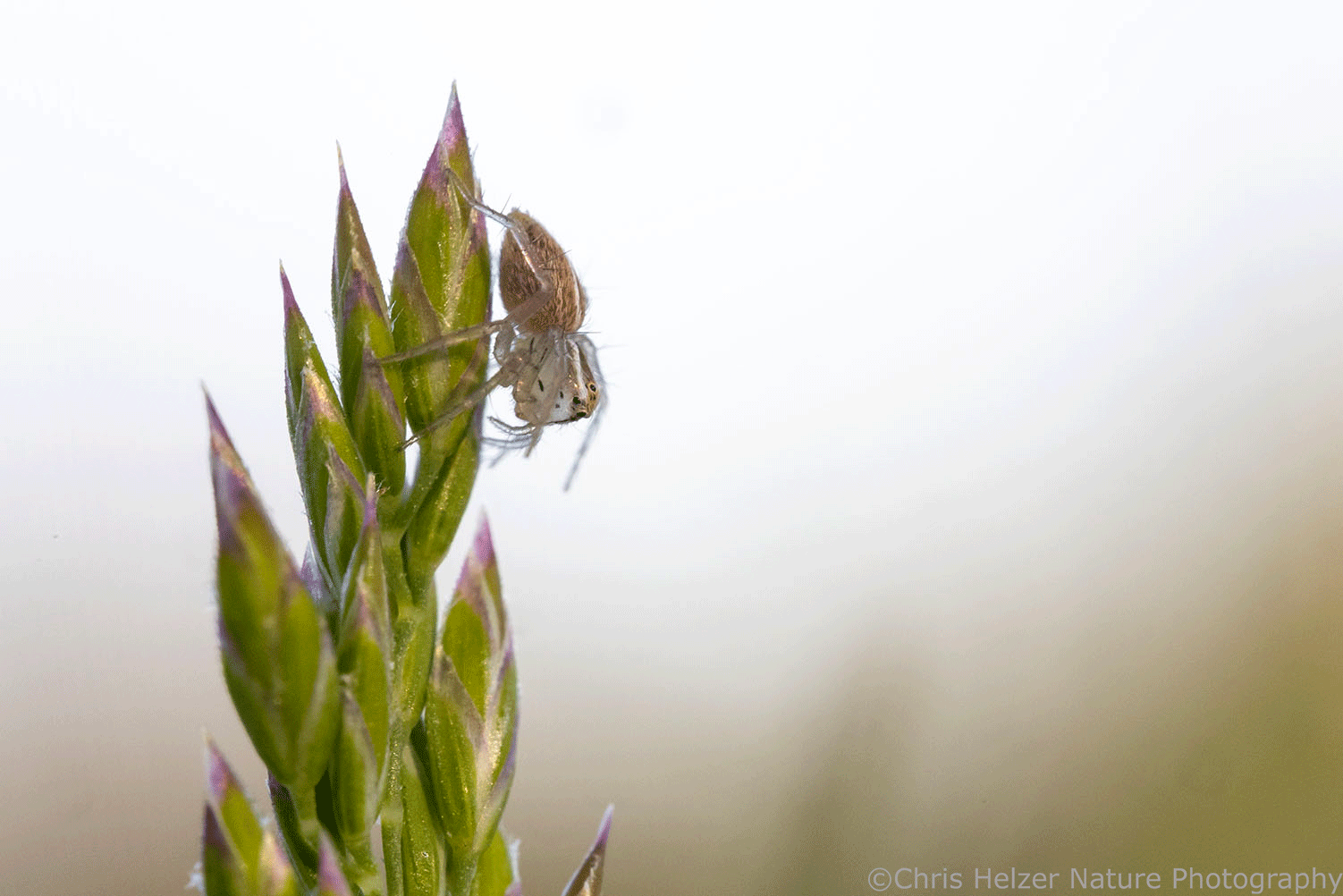
A tiny lynx spider posing for me on my final night of the project.

On my final night, some of my last photos were of a tiny lynx spiderling. That felt very appropriate, since lynx spiders felt like near constant companions through most of this last year. I saw them hunting, guarding eggs, and ballooning through the air. I’d like to think the little spiderling I saw last night was one that hatched out from within my plot, but there’s obviously no way to know for sure.

The same spiderling from a different angle.
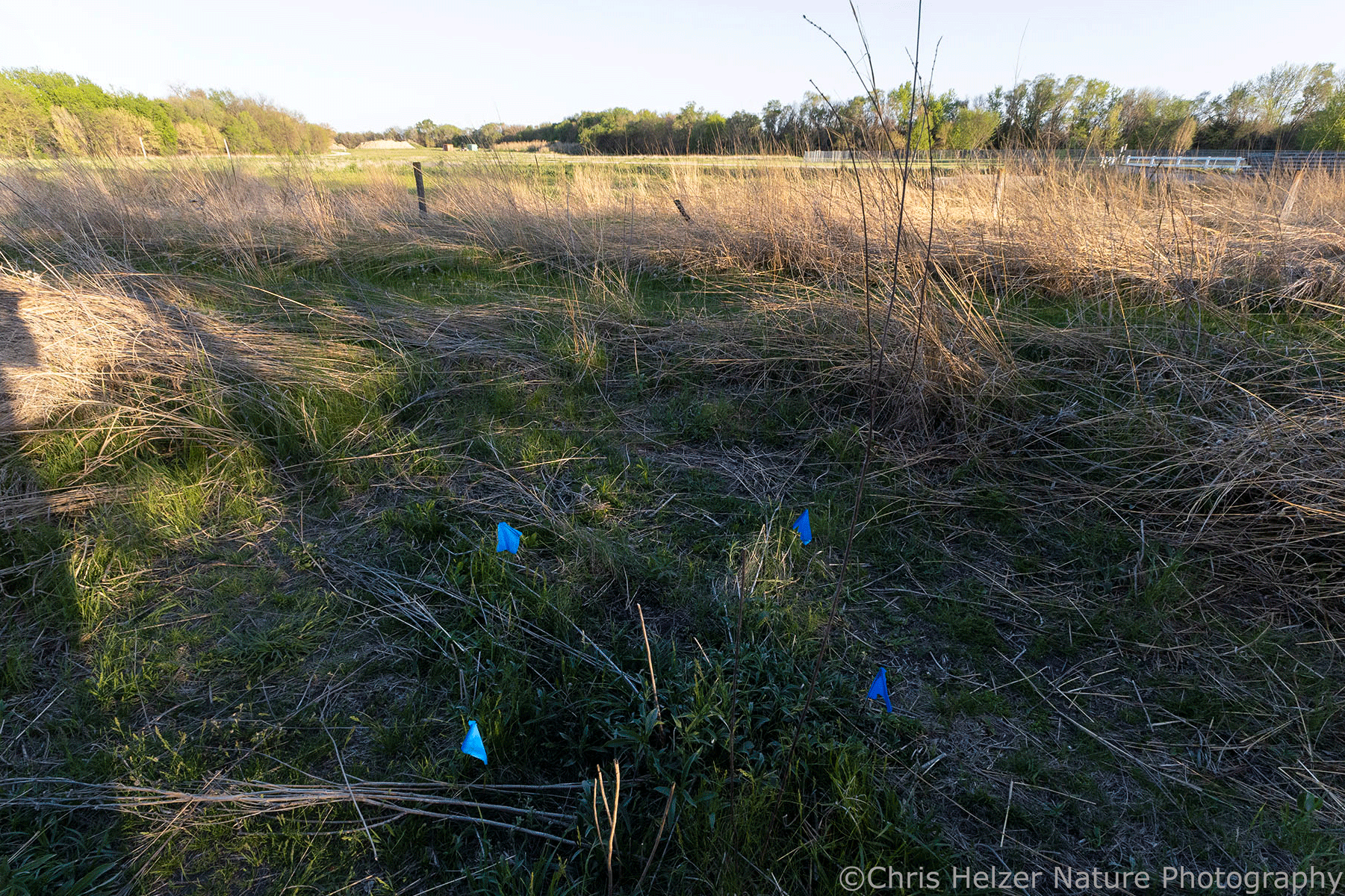
Here’s the last photo of the plot itself as the sun was nearing the horizon.

I visited the plot throughout the winter, though not as often as I had during the 2024 growing season. As this spring came on and the prairie started to green up again, I ramped up my visits again. I was anxious to grab everything I could from the final weeks. Here are some of the photos I took during (roughly) the final month of the project.
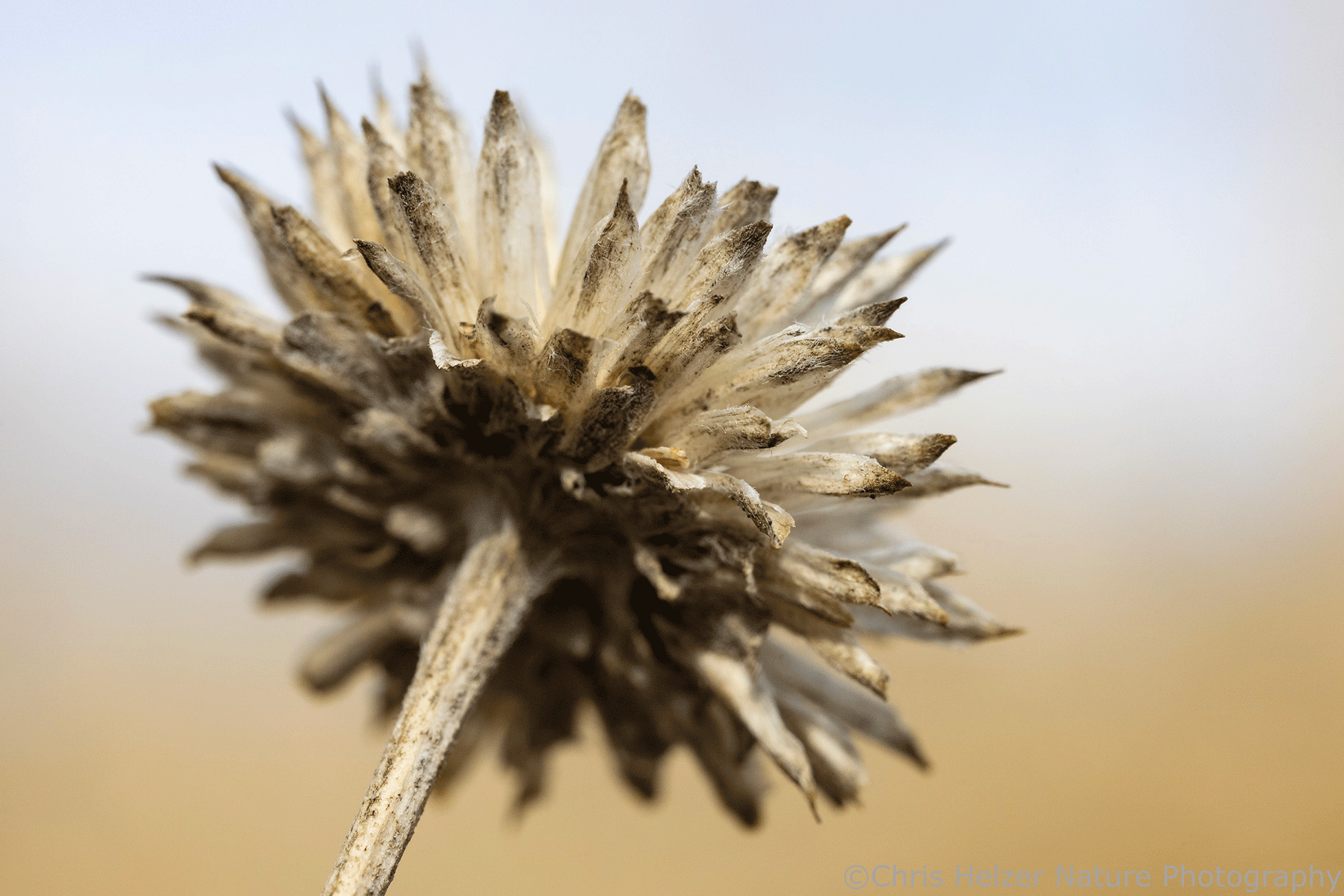
Maximilian sunflower seed head.
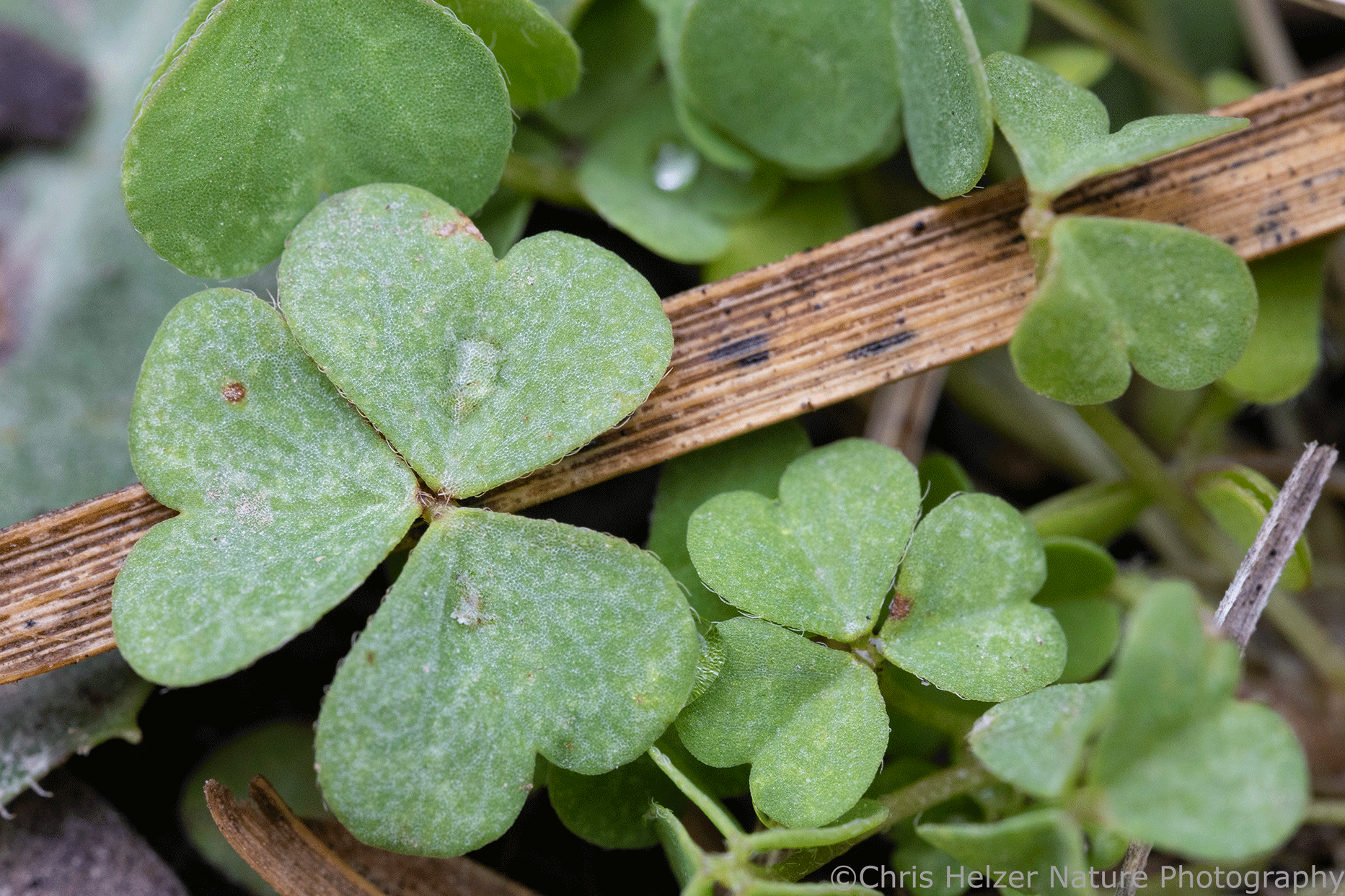
Yellow woodsorrel (Oxalis stricta)
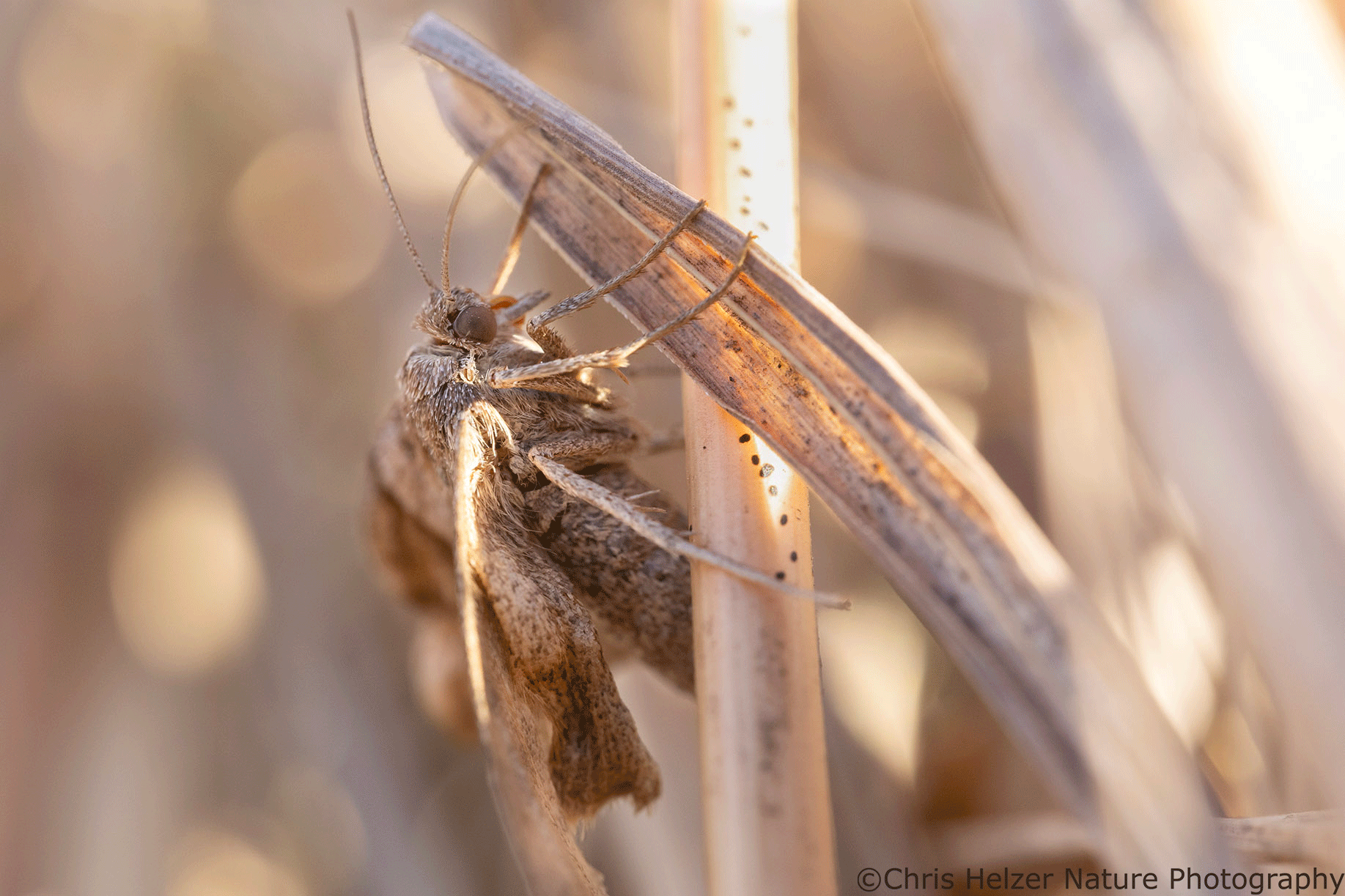
A clover looper moth in late March
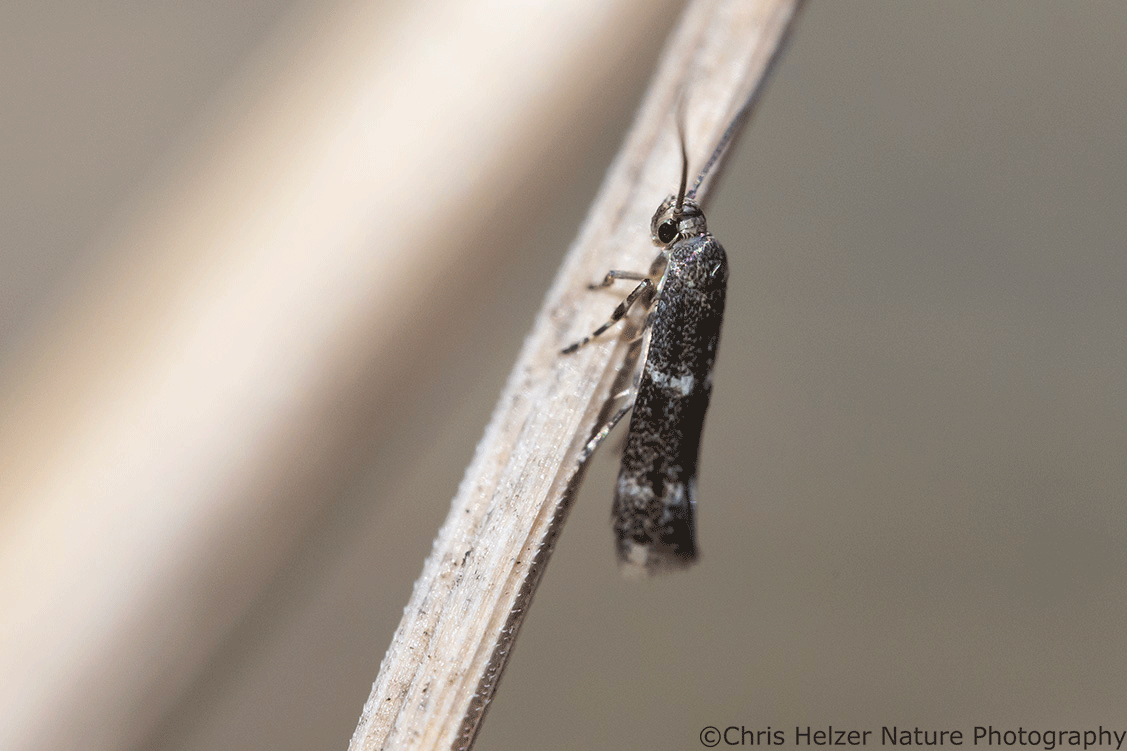
Another, smaller moth – a grass miner moth of some kind, according to bugguide.net
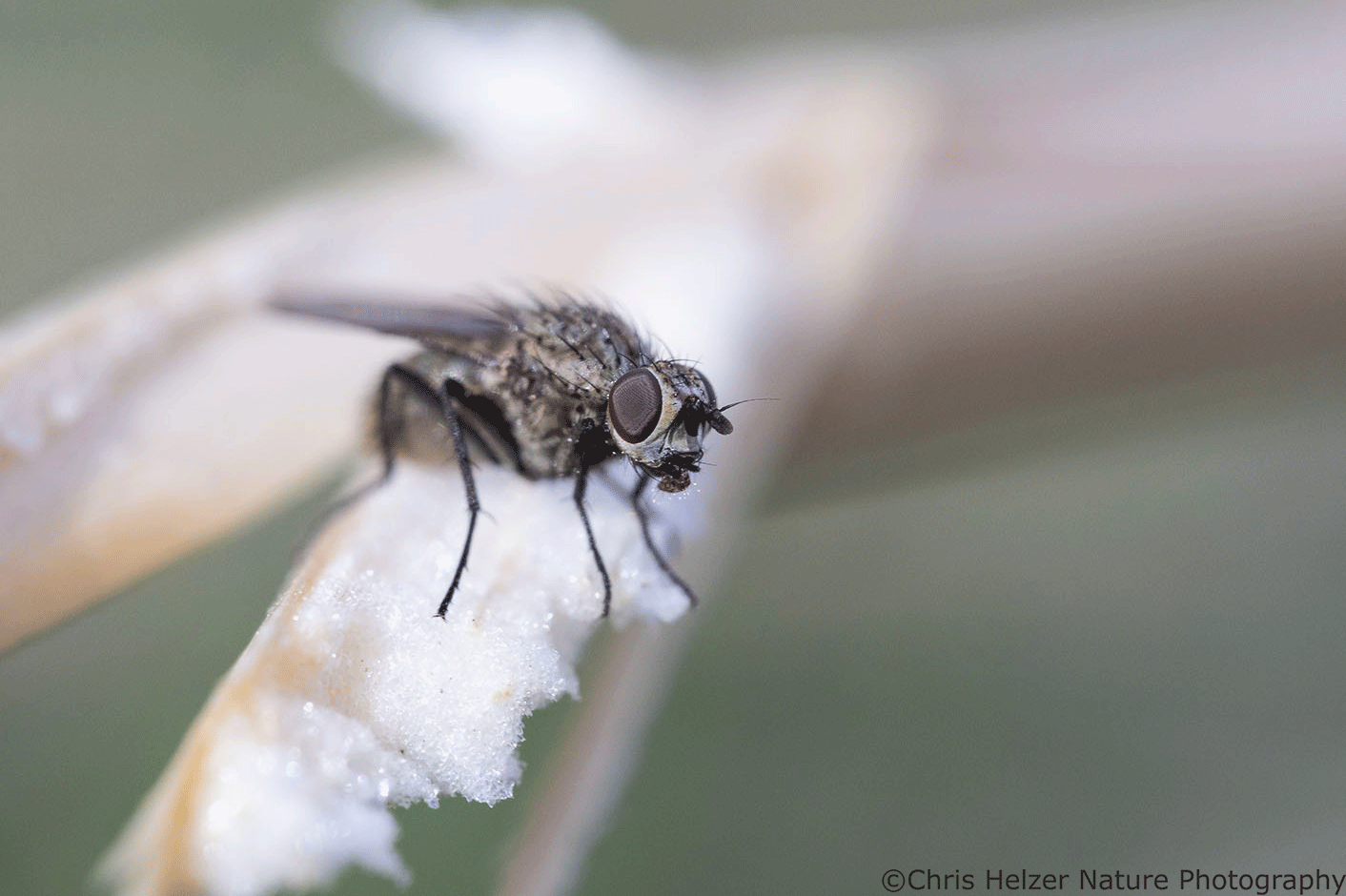
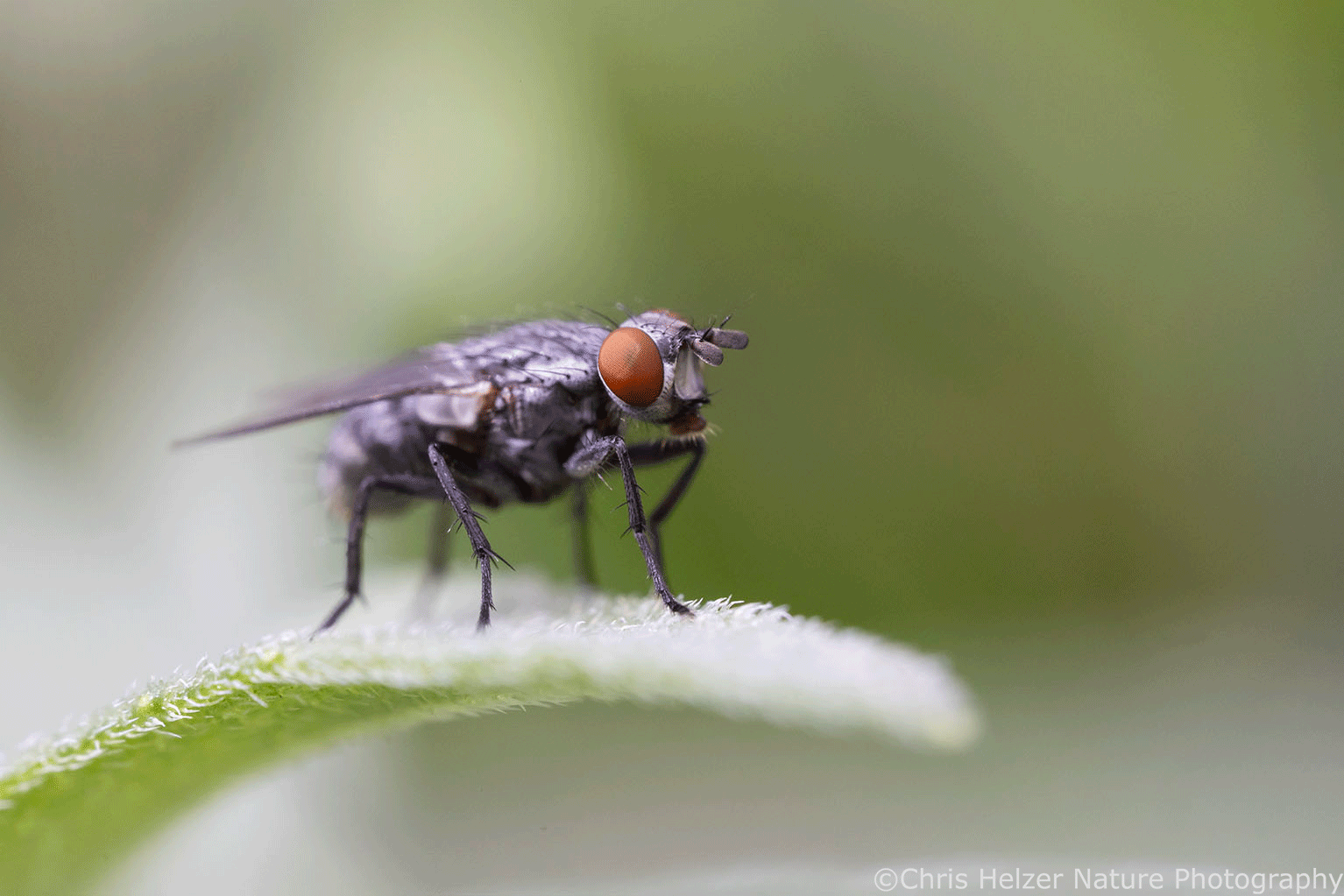
Flies were almost always present in the plot. Telling one species from another was (and is) a huge challenge.
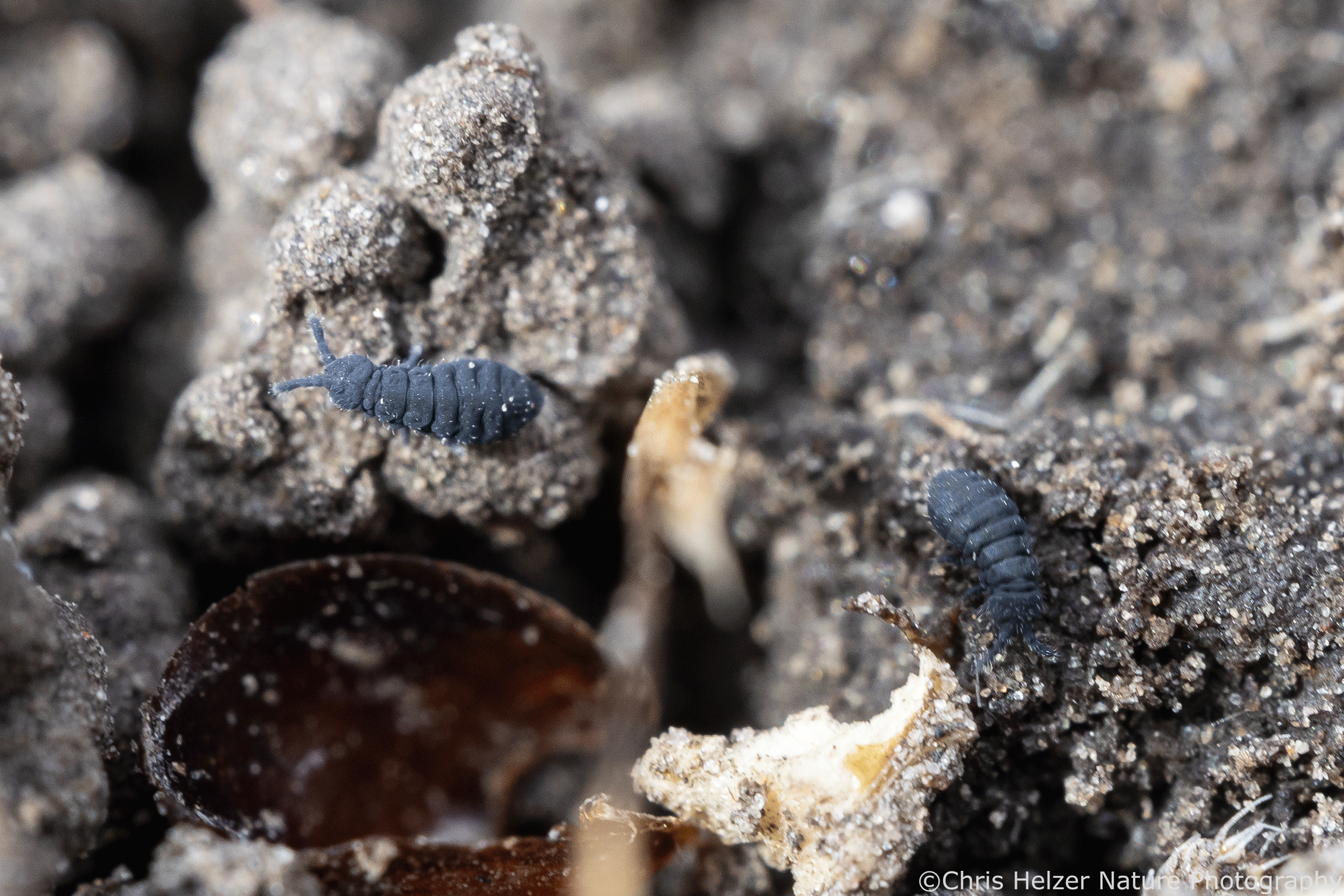
These springtails (Collembola) were only a millimeter or two long.
This was one of several itsy bitsy caterpillars I’ve seen this spring.
This is (unfairly) called a false milkweed bug. Naming injustices aside, it was a welcome burst of color this spring!
I photographed these lead plant buds many times as they began opening.
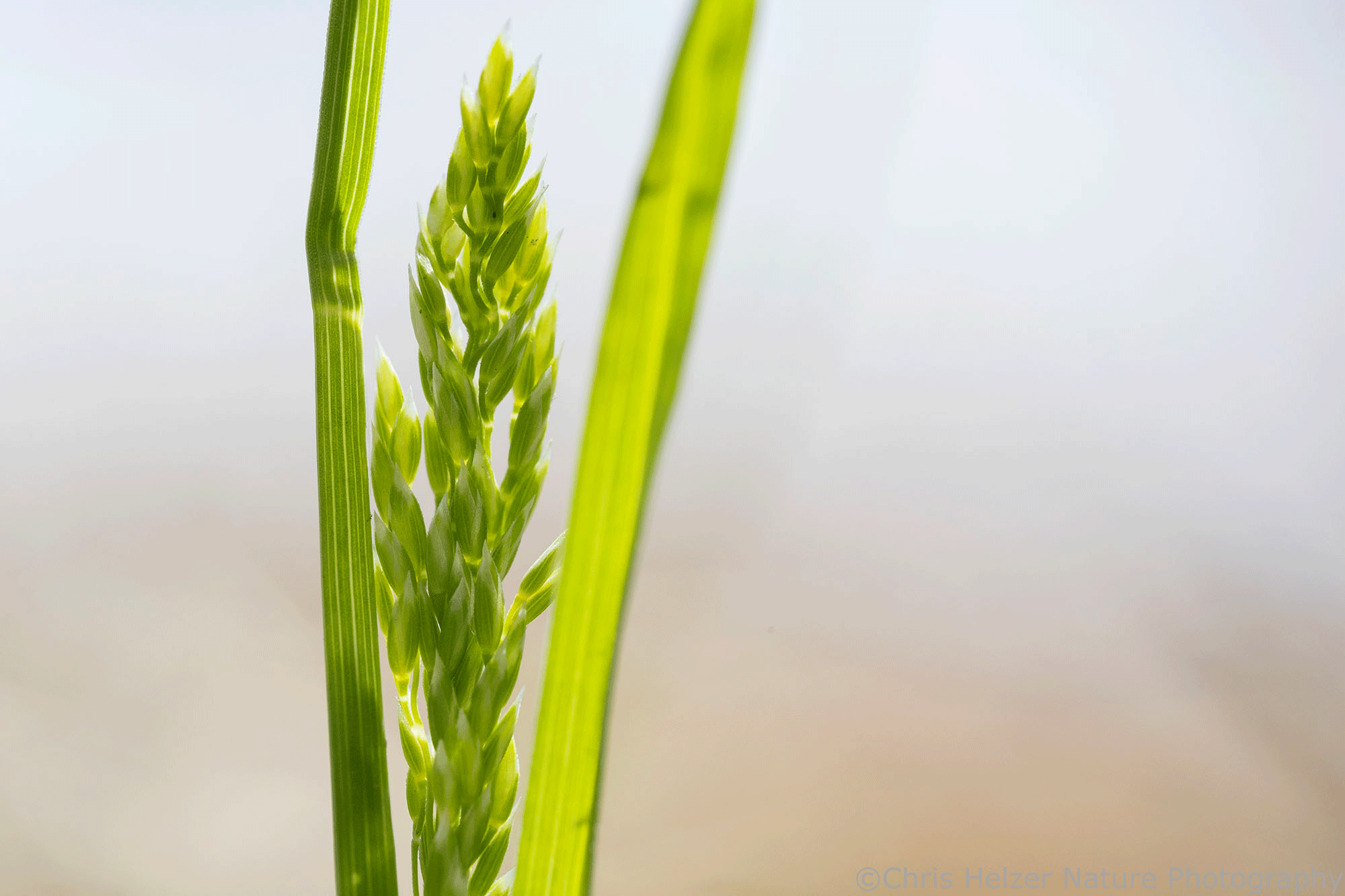
Kentucky bluegrass
Another fly. This one has red eyes. What species is it? I have no idea.
A ground beetle.
A four-spotted sap beetle (Librodor quadrisignatus)
Earthworm
This turkey vulture flew directly overhead. I counted it.
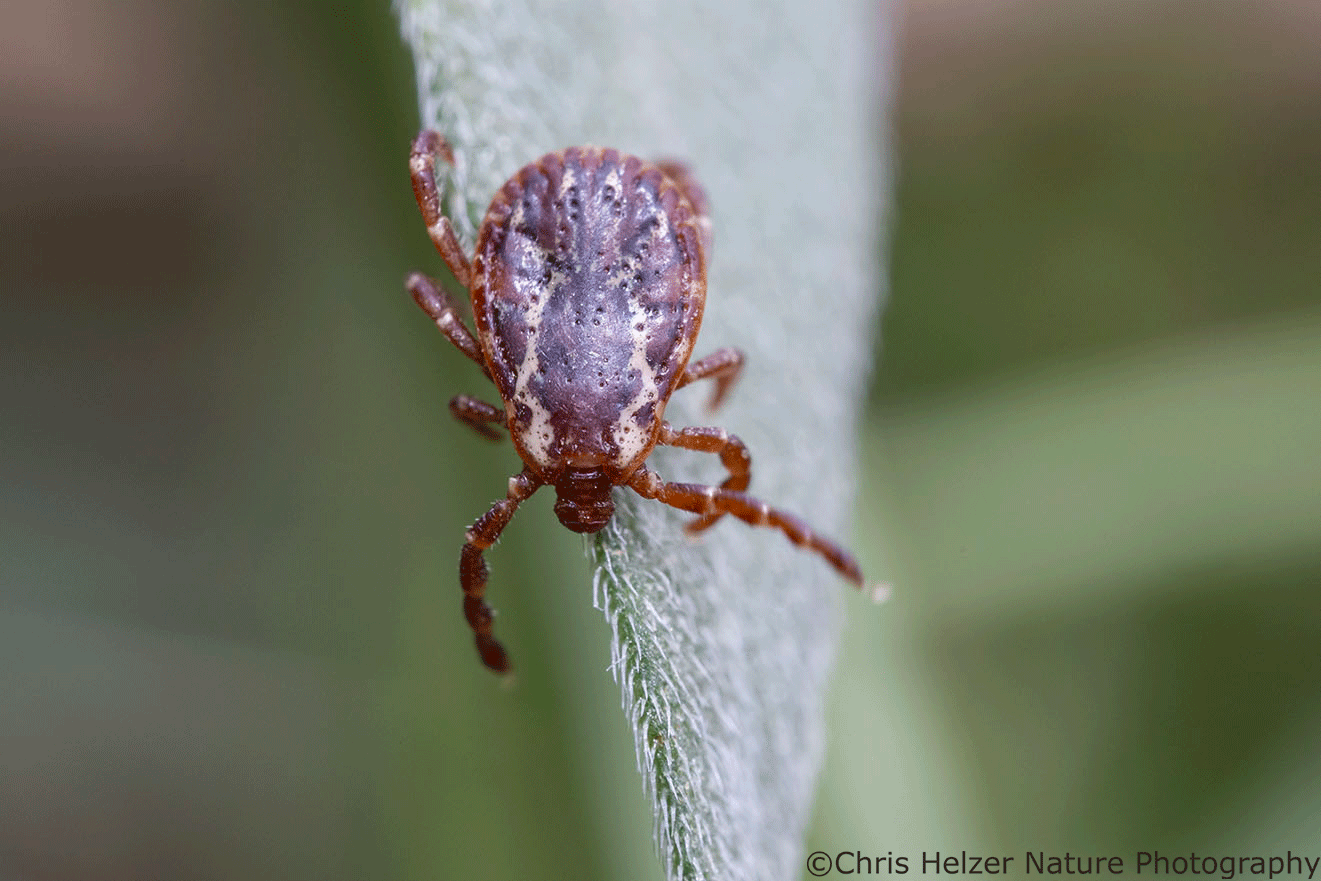
Ah, ticks. A wonderful sign of spring.
As soon as Maximilian sunflower started growing, ants started harvesting extrafloral nectar from it.
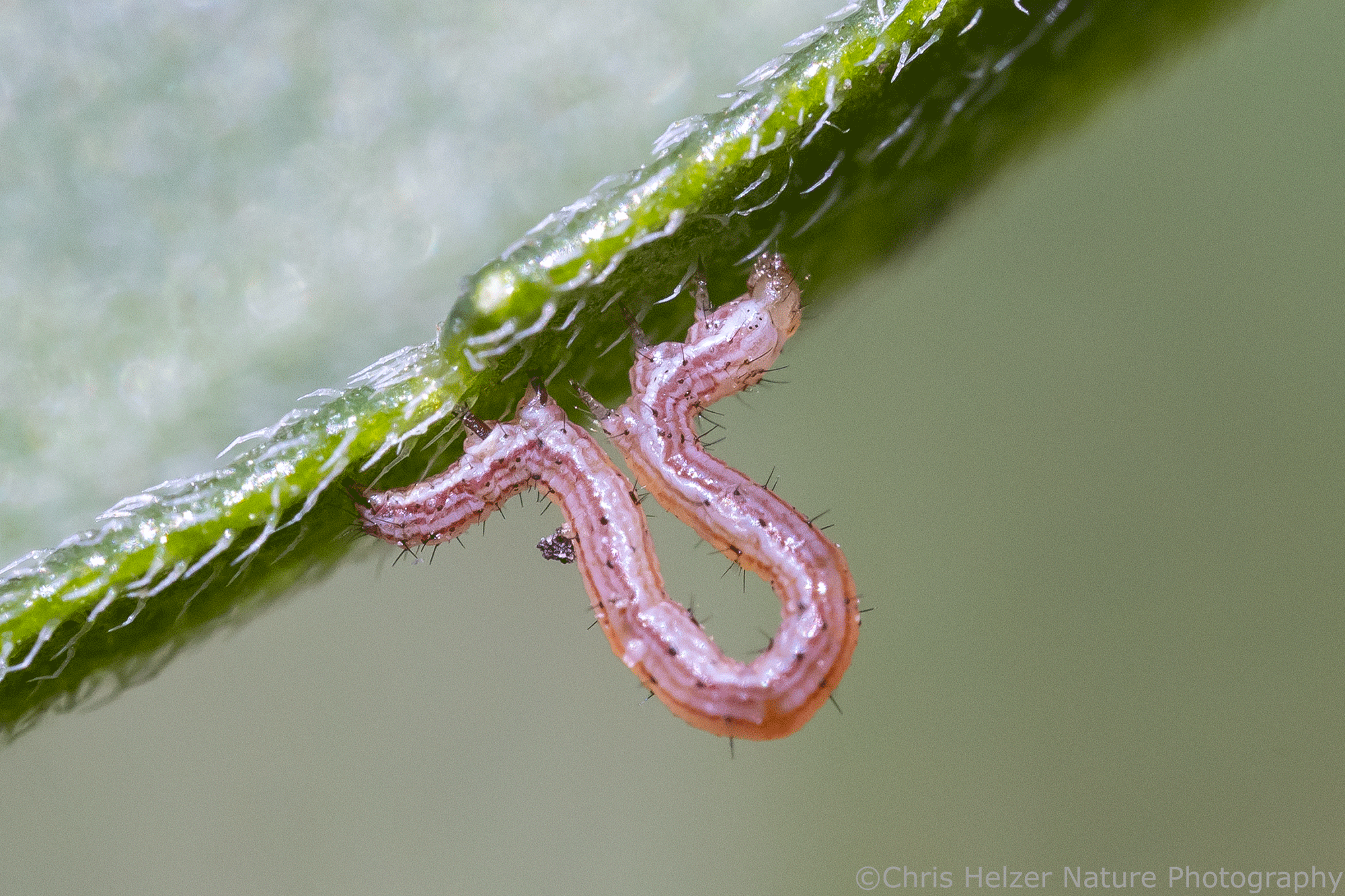
This little inchworm (geometer moth larva) was only about 4-5 mm long. I chased it around a long time before I finally got a few decent photos of it.
Short-beaked sedge (Carex brevior) on the final night (May 4, 2025).

Even though I’m now finished with the photography part of the project, I still have a lot of work to do. I’ve been very fortunate that a number of generous experts have helped me with species identification but that process is not yet complete. Currently, I think I photographed about 330 species over the year, which is a staggering number, but that number could still go up or down a fair amount as experts continue to weigh in. Regardless, it’s a lot bigger number than the 113 species I photographed (and felt proud of) when I first tried this project in 2018.

This second edition of the project came about because the managers of Lincoln Creek Prairie (Prairie Plains Resource Institute) burned the prairie last spring. That allowed me to find what was left of my flags from the 2018 project. I decided to re-mark the same plot with fresh flags while I had the chance – just in case I decided to come look at it again sometime. That pretty quickly led to a second full-fledged version of the photography project.

I loved every minute of it.

As I work through images and have time to absorb and synthesize this whole effort a little more, I’ll probably share more images and stories in various forms. I’m working with the amazing folks at Platte Basin Timelapse Project to create some kind of short film, and who knows what else will come out of all this. Stay tuned.

Meanwhile, here are a couple short video clips from my final night at the plot. The first is the tail end of my last hike into the plot. The second is a brief reflection on the whole effort as the sun disappeared behind the trees and marked the final moments of the 12-month period. (If the videos don’t work for you, click on the title of the post to open it online and activate the links.)

Thanks for tagging along with me on this. I hope you felt even a small fraction of the joy and wonder I got out of that tiny plot of grassland. Remember, if you’re impressed by how much beauty and diversity I was able to find in a single square meter of prairie, imagine how much exists at the scale of a whole prairie, including one that may be located close to where you live. For that matter, think about what you might be able to find by just looking more closely at your backyard, a local park, or even the potted plant on your apartment balcony.
Square Meter of Prairie Project – June 2018

Another month has passed, and I’ve managed to carve out some more time staring at the little square meter of prairie I’m photographing this year.  In June, activity really picked up as lead plant (Amorpha canescens) and butterfly milkweed (Asclepias tuberosa) started blooming within the plot.  However, there was plenty to photograph besides just those species and the many insects they attracted.  I continue to be inspired by the diversity of life I’m finding in a very small plot of land.  Hopefully, I can pass along some of that inspiration, both during these periodic updates and when I somehow assemble all of this at the end of the project.  Here are just a few of the photos taken during June within one single square meter of Lincoln Creek Prairie in Aurora, Nebraska.

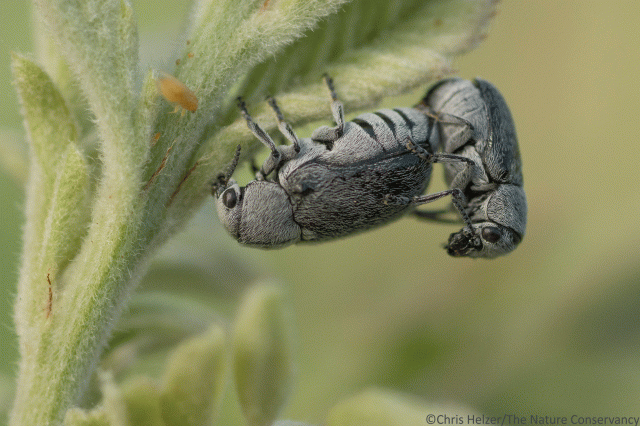
I’ve seen quite a few beetles in the plot, including several different species during June. Thanks to Bugguide.net, this one has been identified as Coleothorpa dominicana, in case you’re interested.

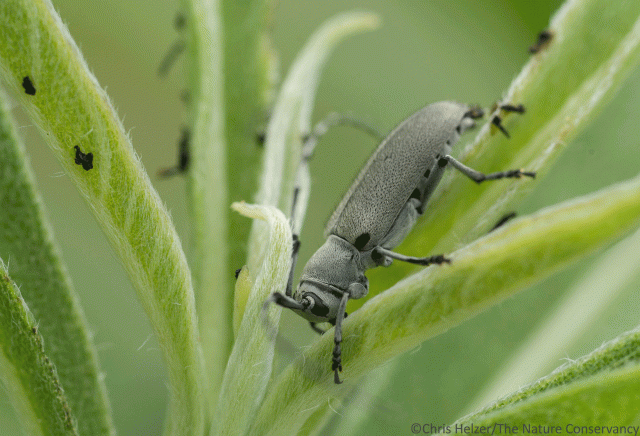
This is a completely different gray beetle, and I don’t know what it is, but there were several in the plot late in June.

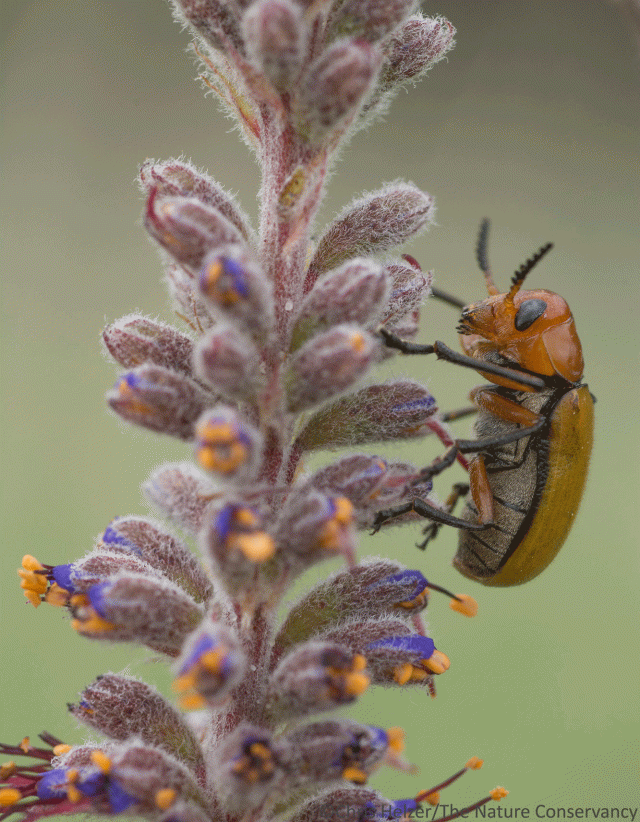
This beautiful orange beetle (Anomoea sp.) was on a lead plant flower, just as it was starting to bloom.

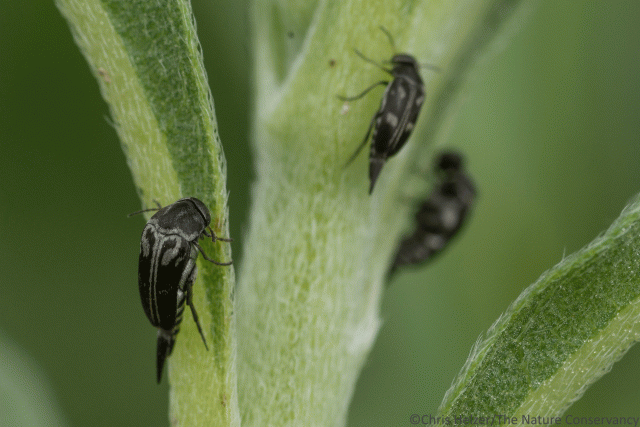
I don’t know what these little beetles are, but they’ve been in the plot every time I’ve visited during the last month or so. They were usually (maybe always?) on Maximilian sunflower.

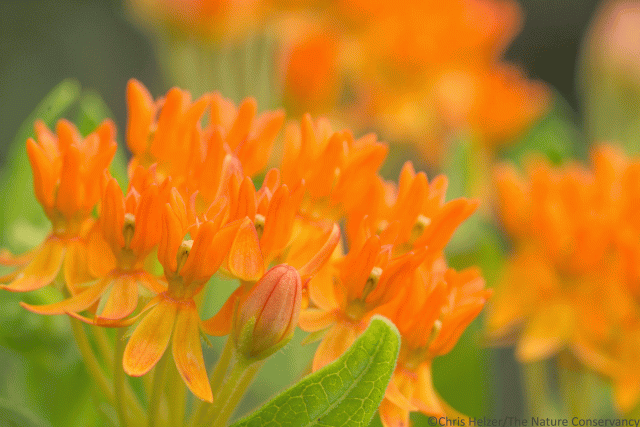
I was really glad to see butterfly milkweed blooming. I assumed it would attract quite a few insects, both pollinators and insects that feed on the foliage. So far, I’ve actually seen very few insects on butterfly milkweed. Maybe that’ll change soon, but it’ll have to be quick because the flowering period is wrapping up.

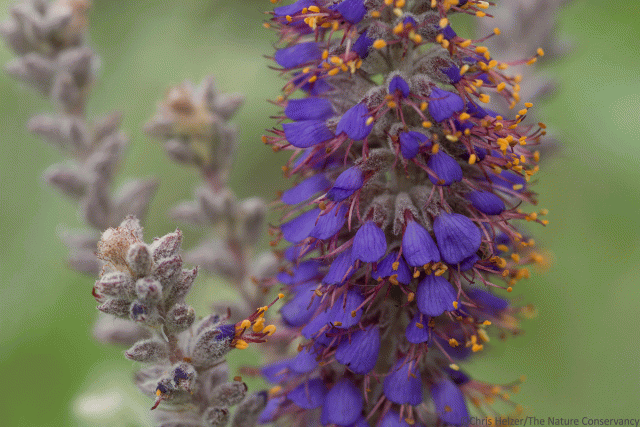
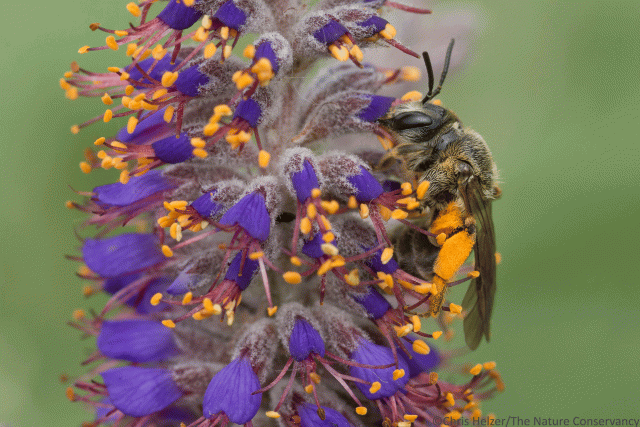
The tiny blossoms of lead plant are especially beautiful when seen up close.

Mike Arduser informs me that this bee species is Andrena quintilus, a specialist feeder on lead plant.

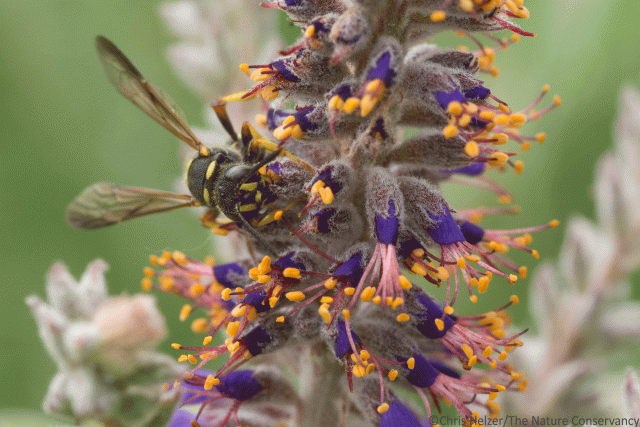
This wasp was only a brief visitor to the plot, but it stuck around long enough to be photographed.

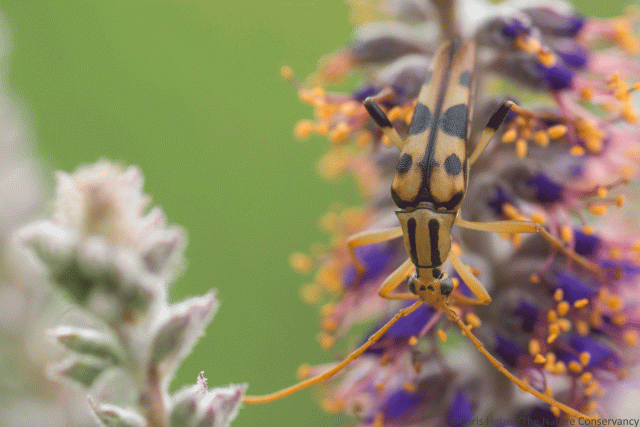
This long-horned beetle was eating the pollen, and probably other parts of the lead plant flowers.  While beetles like this can help pollinate flowers, they also damage them, so they’re probably not the intended audience from the flower’s standpoint.

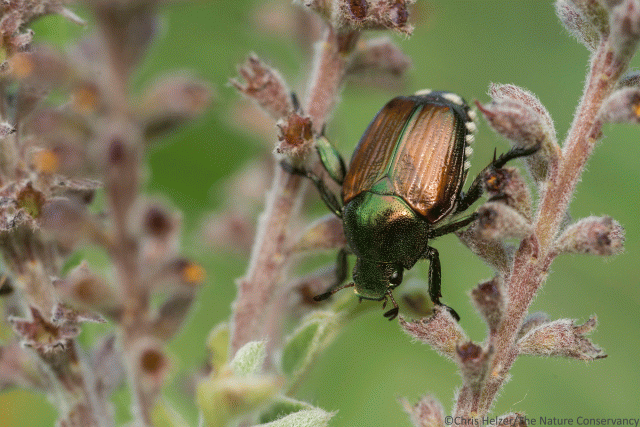
During the last couple weeks, invasive Japanese beetles have invaded the prairie, including my little plot. This one was denuding a lead plant flower stalk.

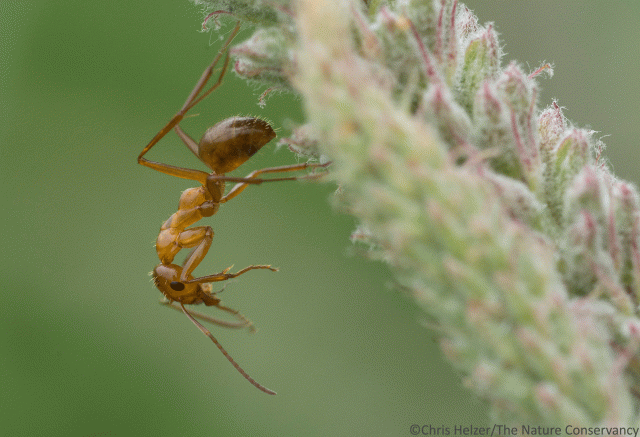
At any one time, there must be close to 100 ants in my little plot, and there are several different species. This is one of the bigger ones.

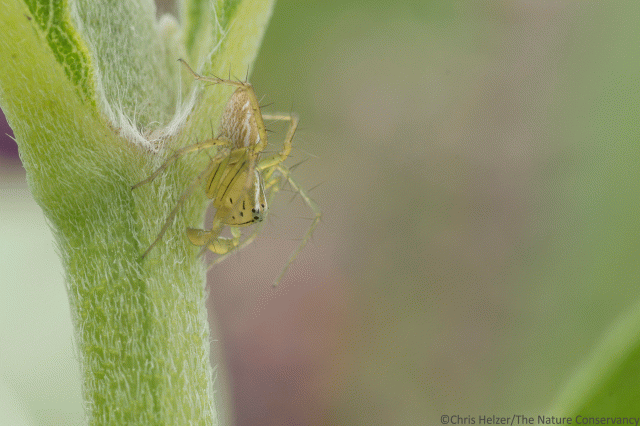
About a week after I got my first ever photos of a lynx spider (not inside my plot, but nearby) I found this one INSIDE my plot, and it sat nicely for me.

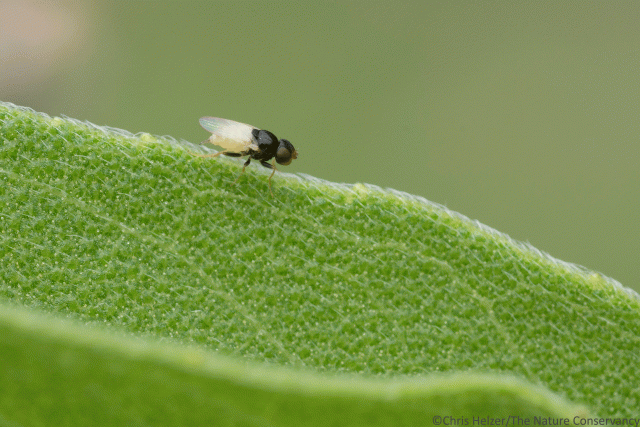
There are lots of different fly species that hang around the plot, but this is one of the smallest.

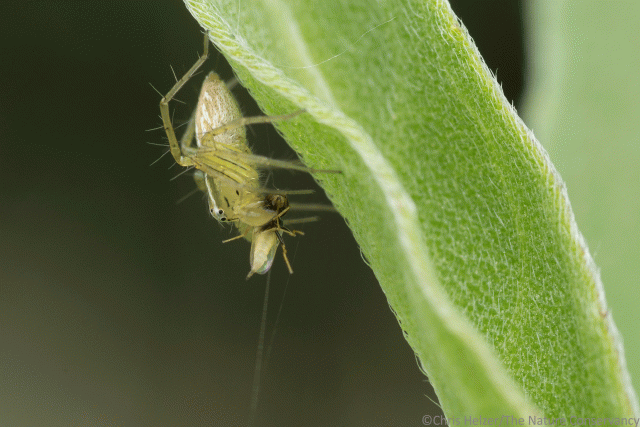
Just a few minutes after I photographed the lynx spider, I spotted it again (or another just like it), this time with one of those tiny flies in tow.

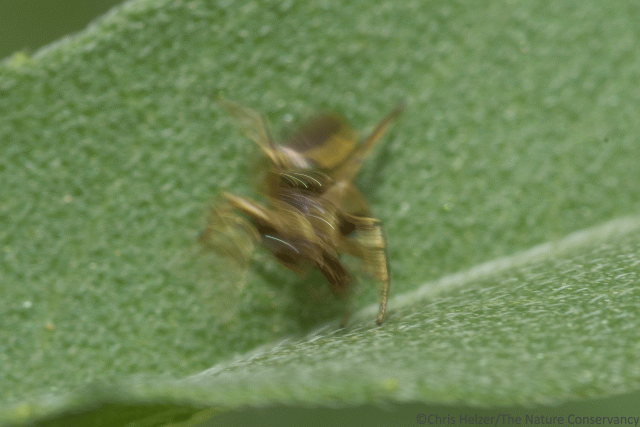
This metallic-looking jumping spider ALMOST stayed in the same place long enough for a photo. Even at 1/125 second shutterpeed, I wasn’t able to freeze the movement of this quick little bugger.

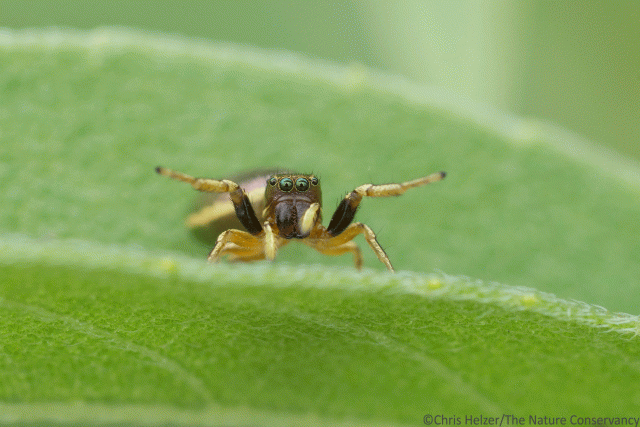
About a week after missing the first jumping spider photo, I finally got the same (?) spider to sit still long enough to capture this image.

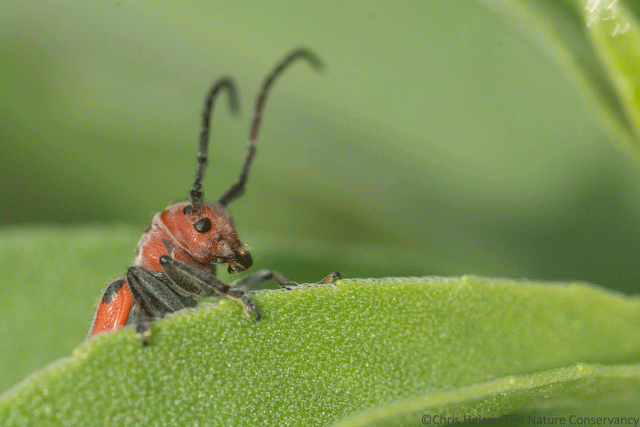
There are two milkweed plants in my plot -butterfly milkweed and common milkweed – but this long-horned milkweed beetle wasn’t on either of them. It was on Maximilian sunflower, at least when I saw it.

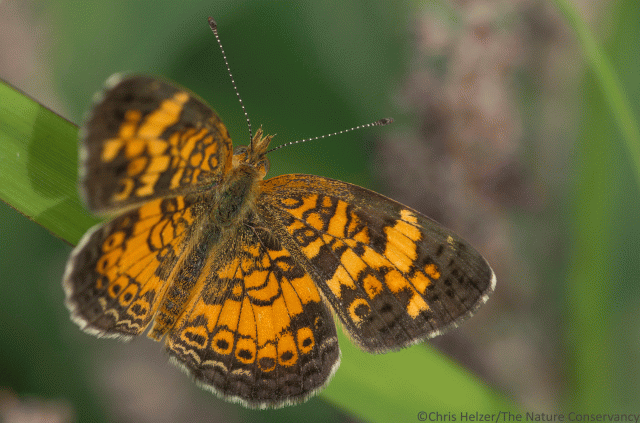
This might be my proudest capture of this project to date, but only because I’ve seen lots of pearl crescent butterflies come into and through my plot, but most of them took off well before I got within photo range. For this photo, I had to stalk very carefully (and get really lucky).