Nebraska announced its new tourism slogan last week (“Honestly, it’s not for everyone”), which is a self-deprecating approach many people appreciate and many others don’t. Personally, I like it. If it works, it’ll be a win for humor and gentle self-mockery. If it doesn’t, it’ll be a win for those of us who don’t want a lot more people crawling around here anyway. I mean, what if some of them decide they want to MOVE here? Good grief.
The new Nebraska slogan made me think that prairies probably need a better advertising campaign too. If you ask most people to envision beautiful natural areas, they’re likely going to think about forests, mountains, oceans, etc. Prairies are going to be pretty far down that list, if not absent altogether. As a result of this, we prairie advocates often feel a little insecure and defensive when trying to explain why prairies might be worth some consideration.
I tried to come up with a promotional approach that captured all of that angst and emotion in one neat little package. For better or worse, here’s my proposed new slogan for prairies:
Prairies: Forests without all the pesky trees.
My slogan, of course, builds upon the famous saying, “Can’t see the forest for all the pesky trees.” It’s a profound and thought-provoking saying, though it doesn’t go far enough. It should really say, “Can’t see a dang thing for all the pesky trees.”
I suppose if you grew up in forests, you’d get used to not seeing sunsets, approaching storms, horizons, or anything else more than a stone’s throw away. Maybe forest people develop a sense of direction that doesn’t rely on seeing the sun? They probably take a lot of Vitamin D supplements too.
To those of us in prairie country, forests can feel incredibly confining, and claustrophobic. There must be some advantages of hanging out where you can’t see past the next tree. I just can’t think what they might be.
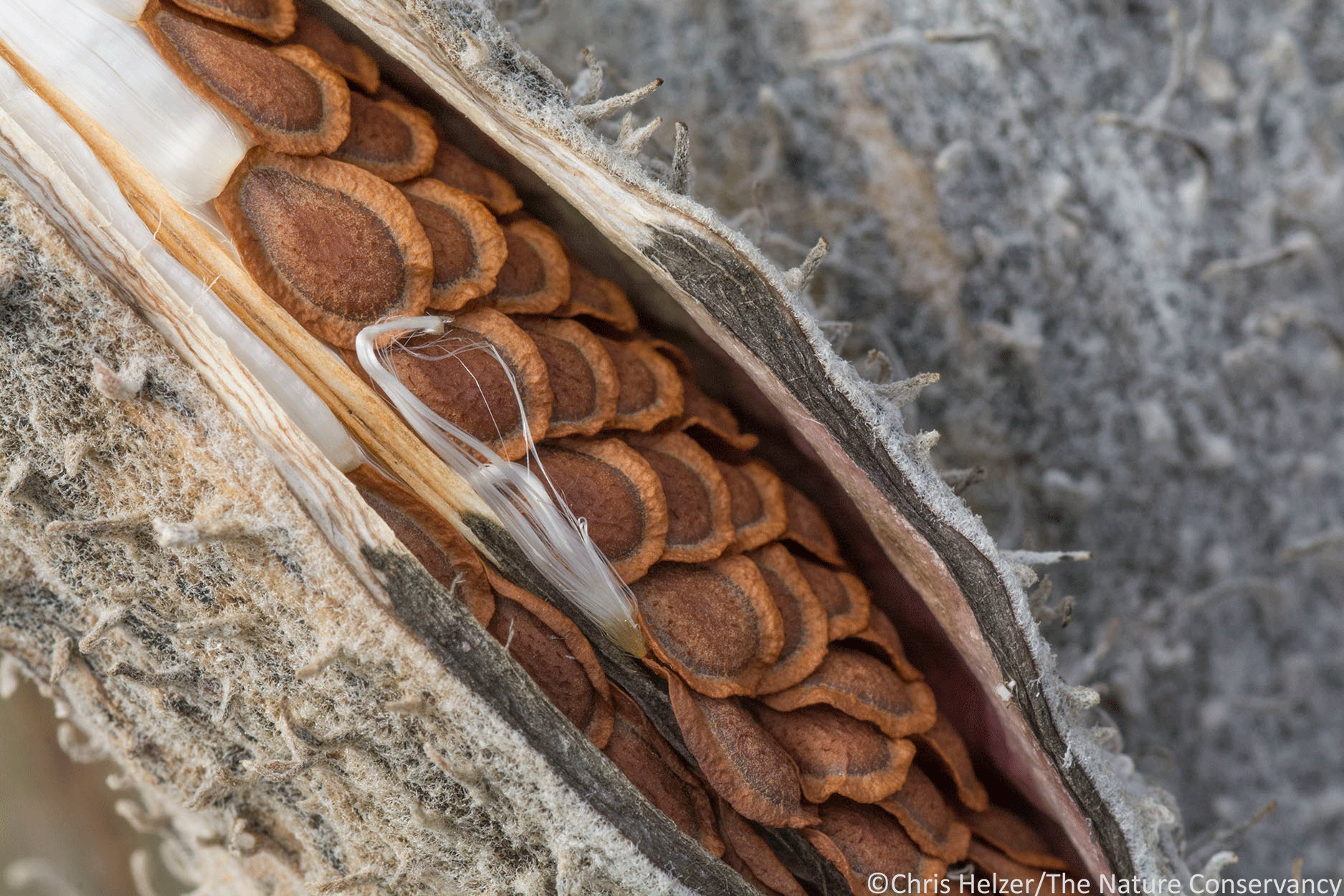
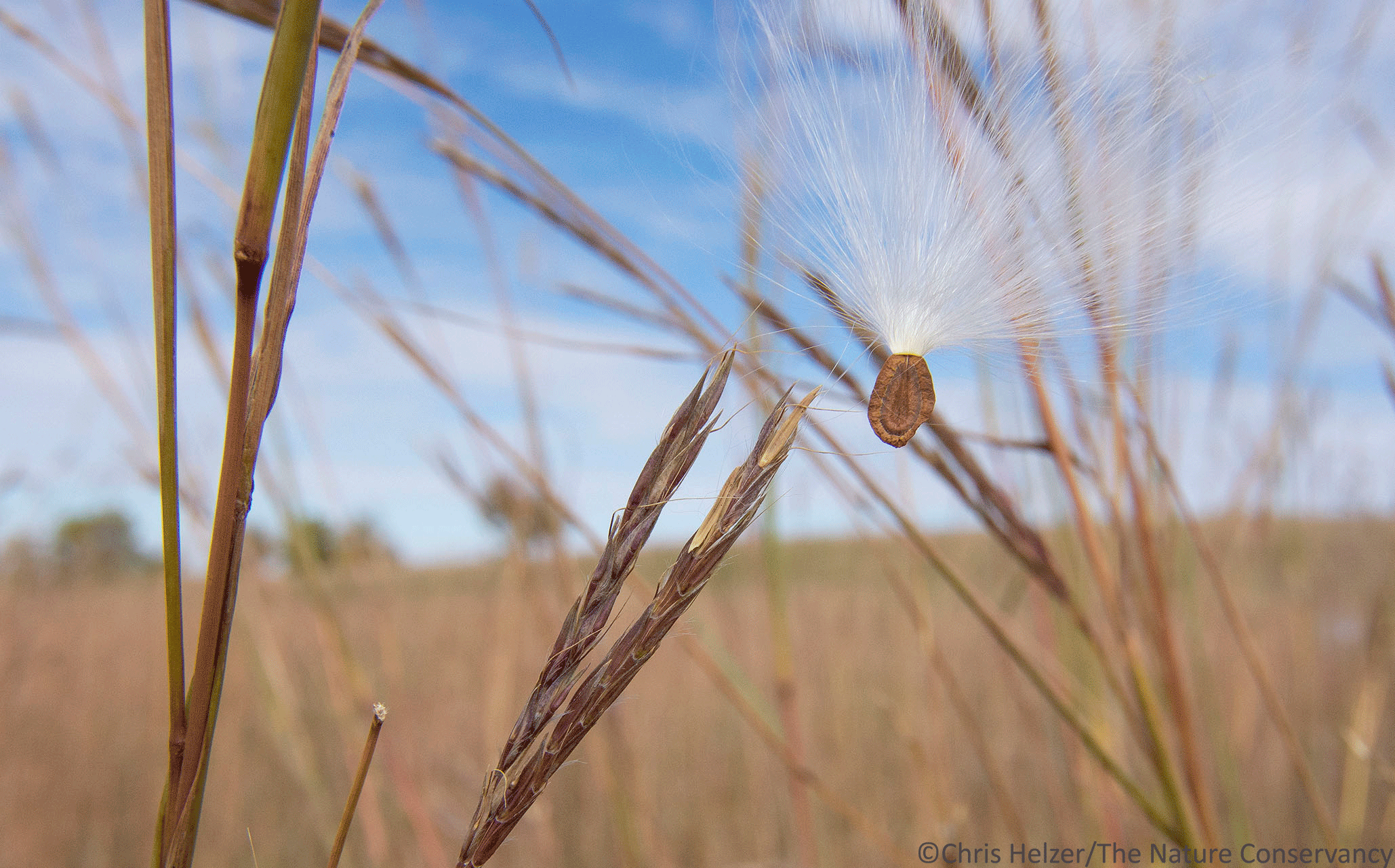
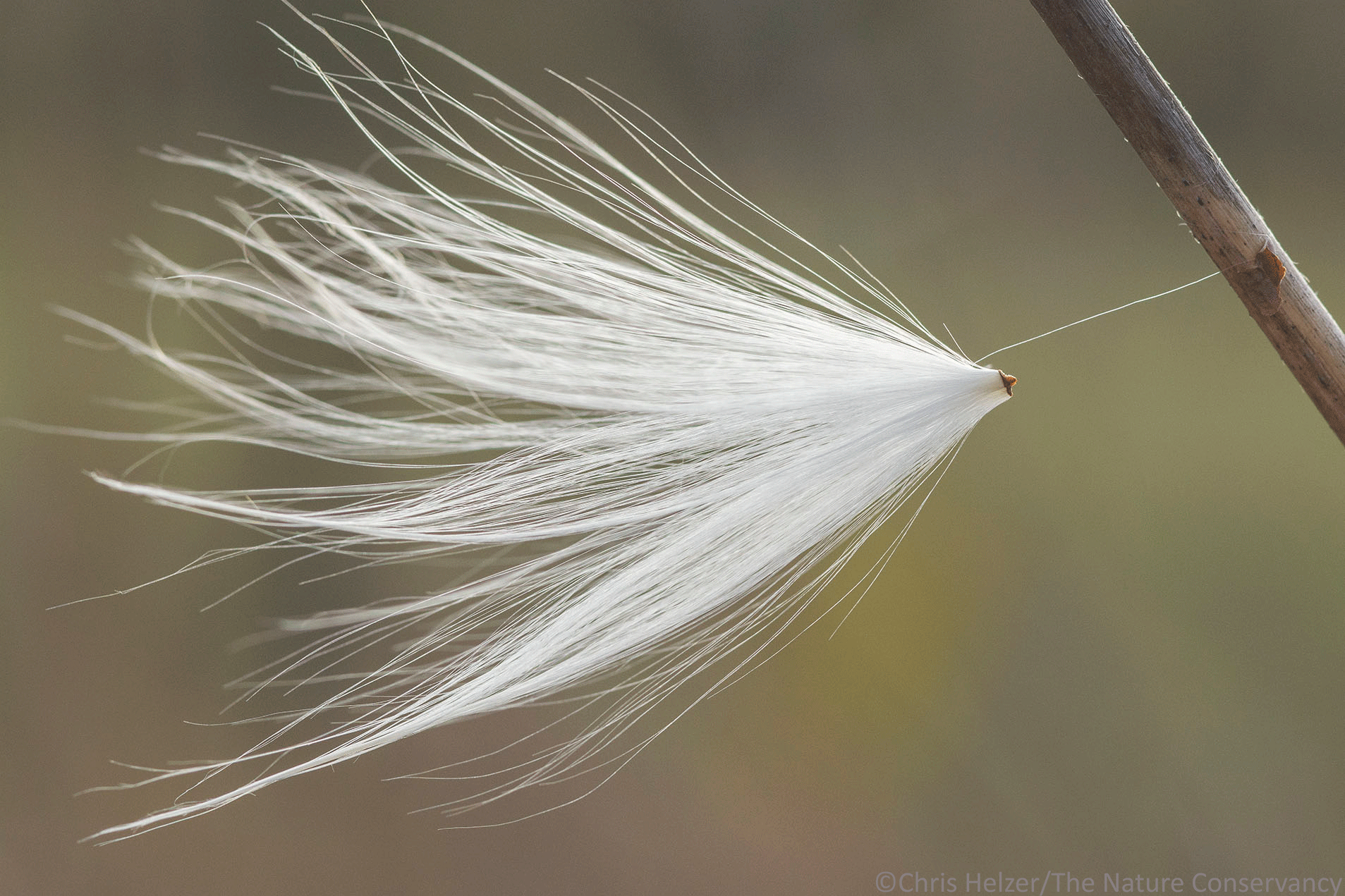
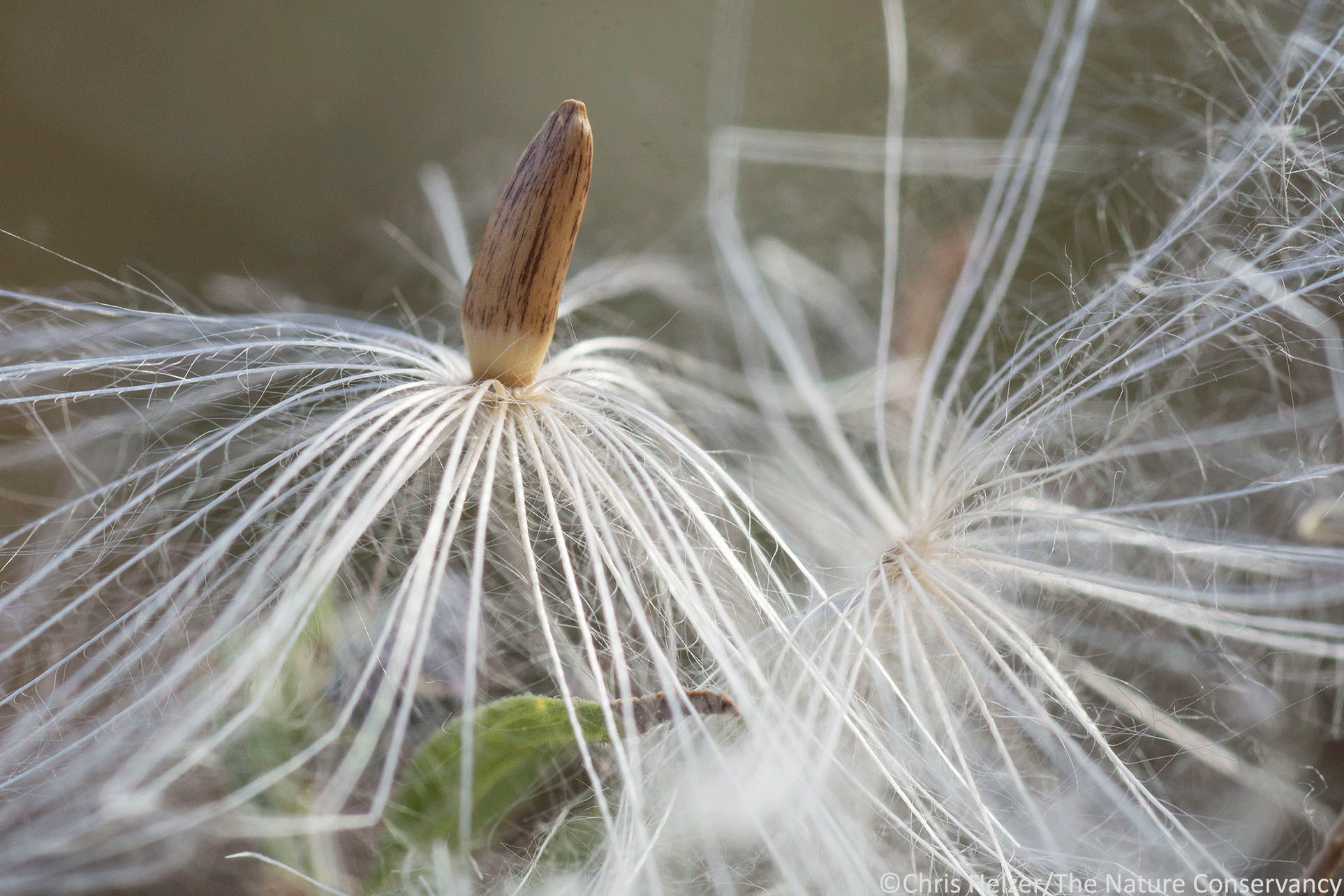
ANYWAY…here are a few examples of the kinds of advertisements we could distribute with my proposed new slogan…

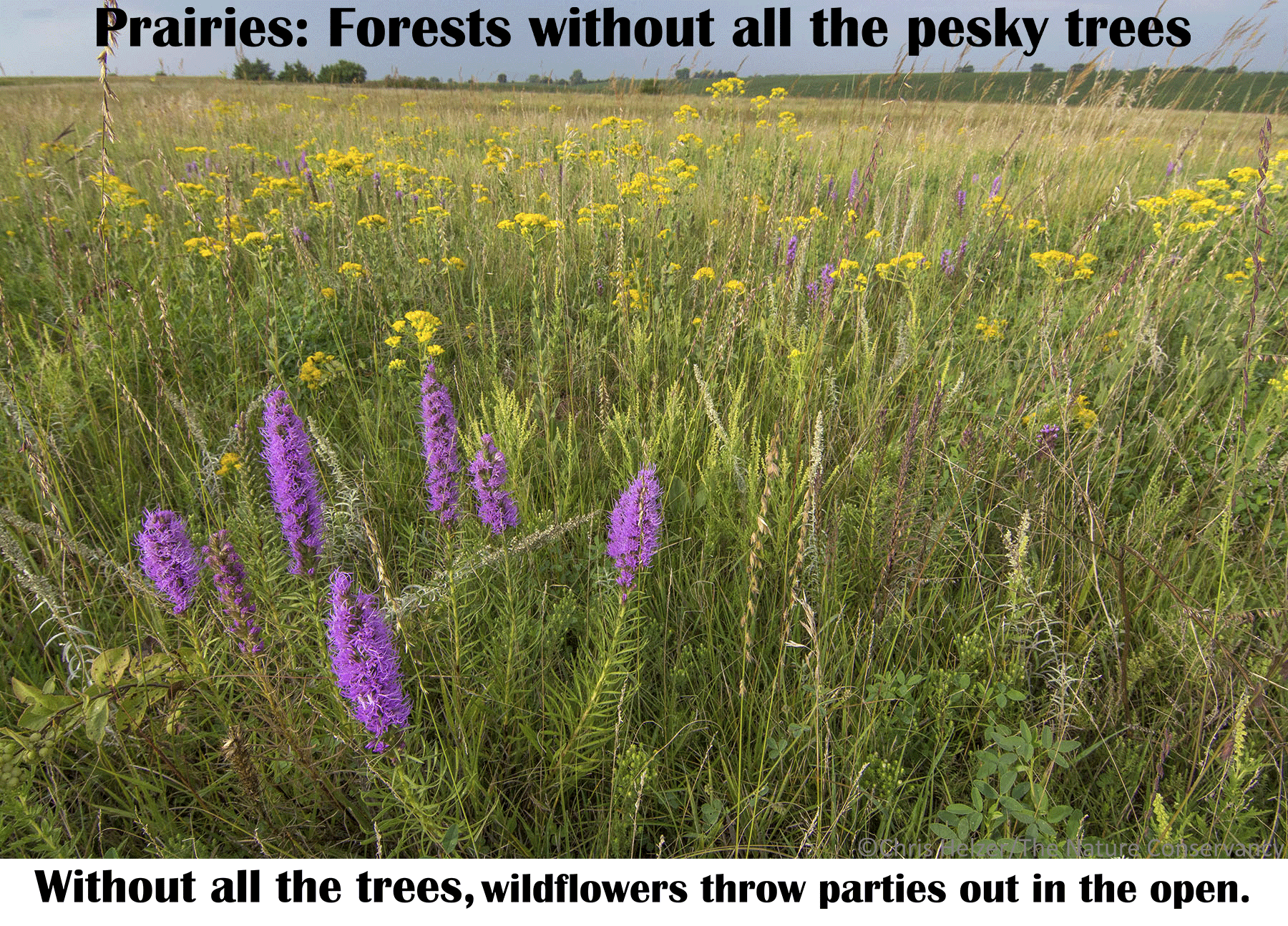
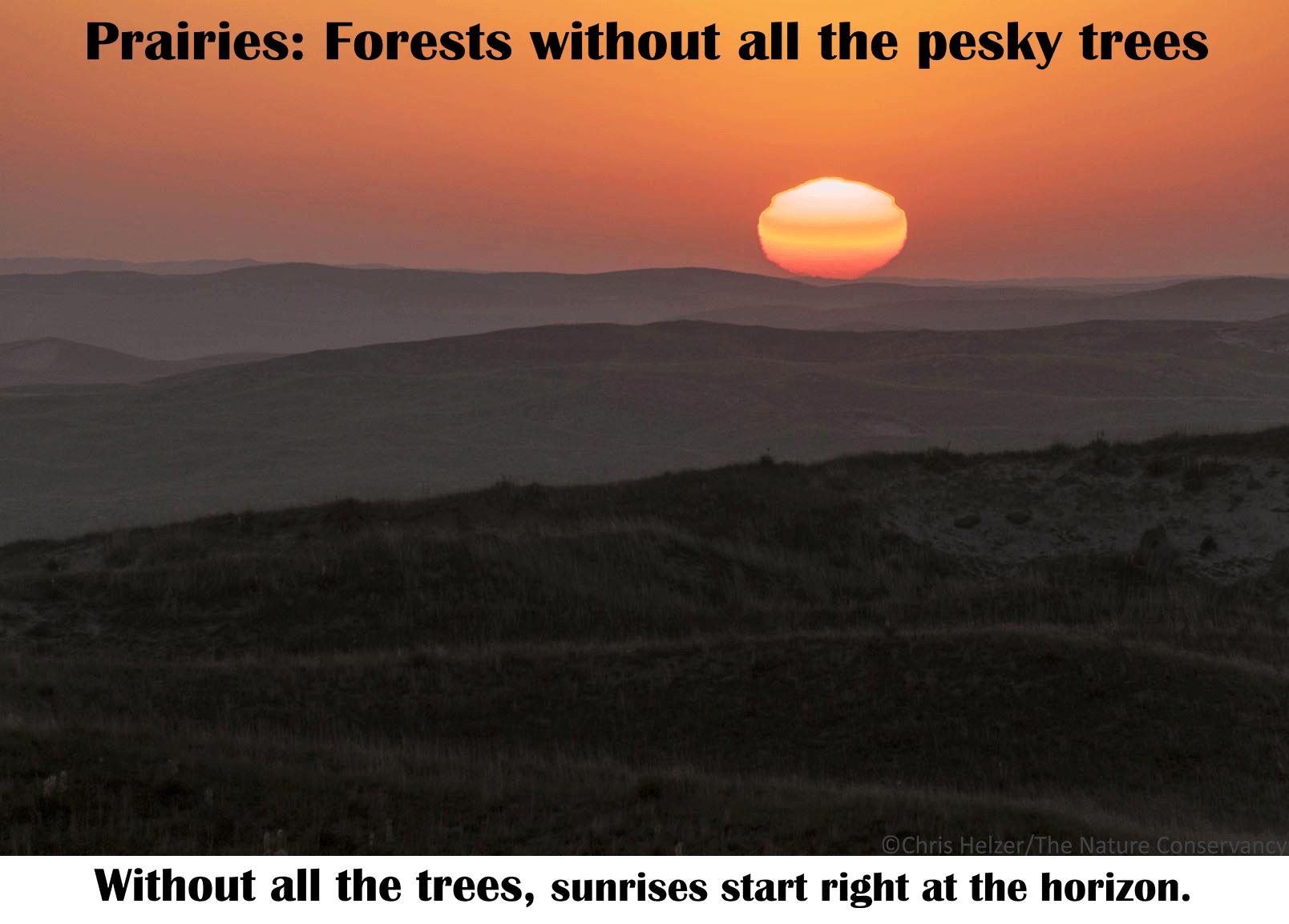
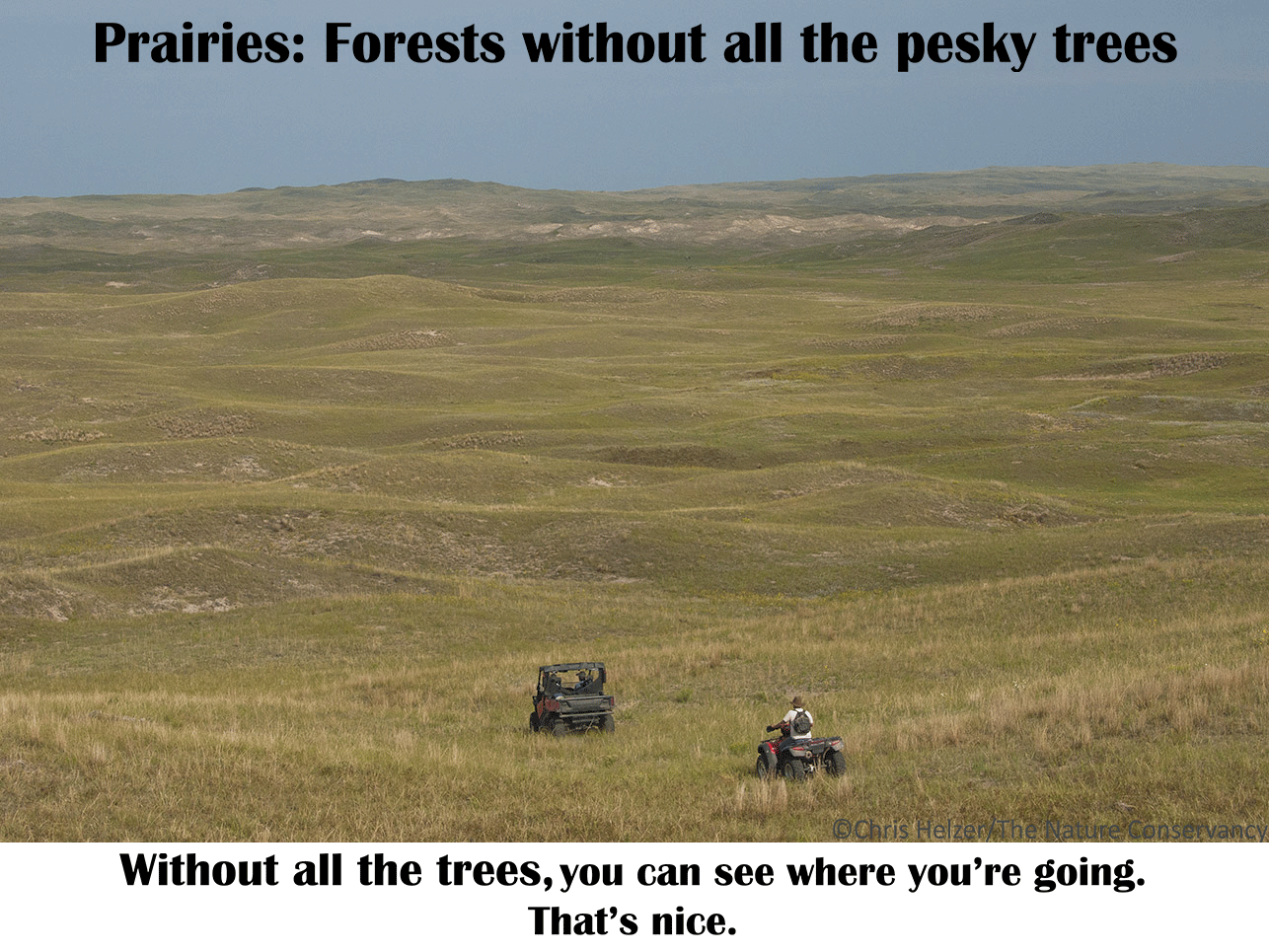

I recognize that this slogan might not appeal to everyone. On the other hand, I’m providing it for no cost, which is a lot cheaper than Nebraska’s new slogan. If you don’t like it, you’re free to ignore it. If you do like it, you’re free to steal it and use it yourself. Or just share either this post, or individual images from it, with people you think might find it appealing. Maybe don’t send it to any foresters…
(Regular readers of this blog will recognize that this post is written with tongue-firmly-in-cheek, but for the rest of you (especially my forester friends), please be assured I’m not a tree hater. I’m actually a big fan of trees; just not when they’re in my prairies. I even enjoy walking through forests – for brief periods – especially when there’s a clear trail to follow so I don’t get lost…)

 The Prairie Ecologist