
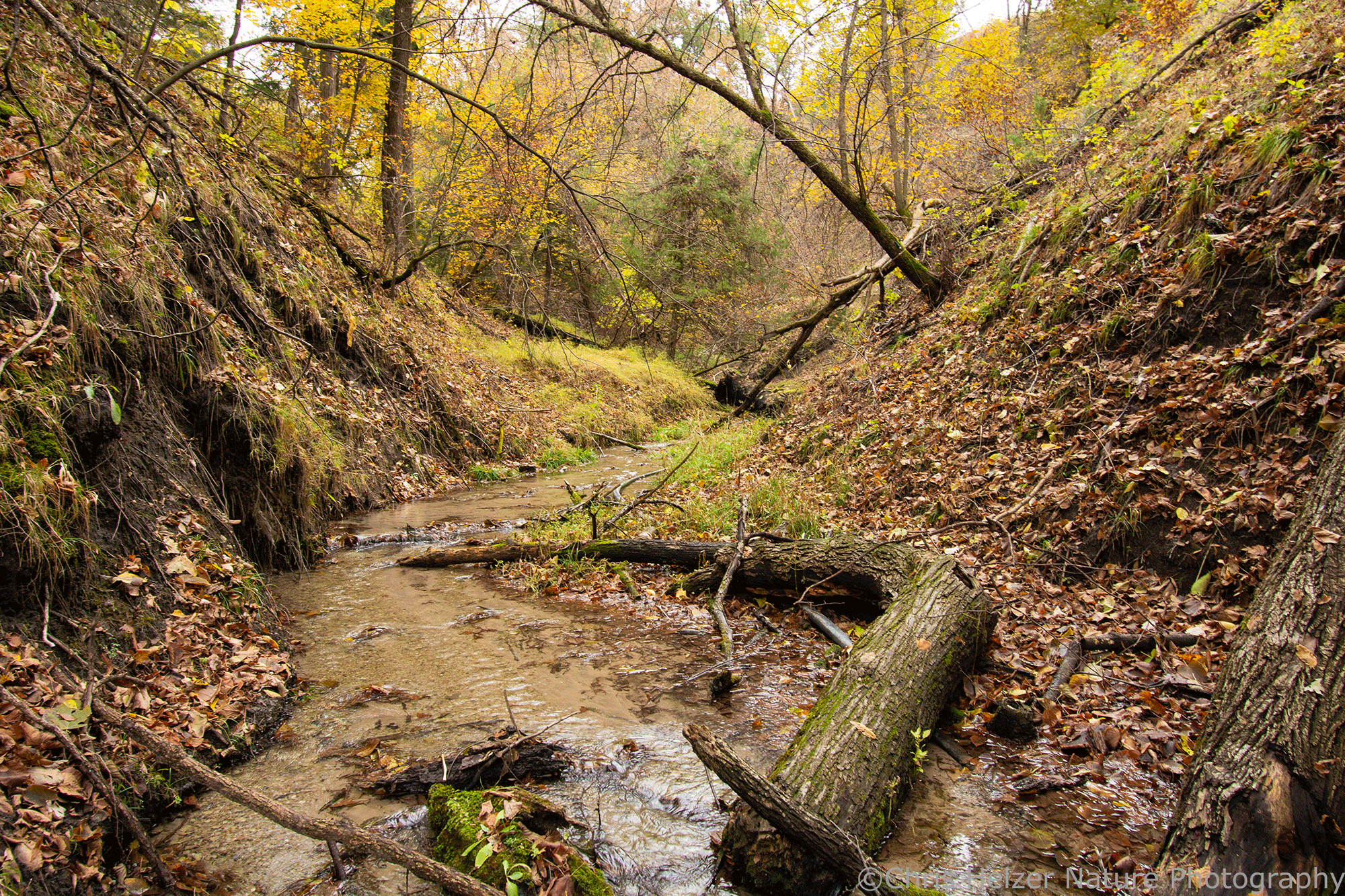
I spent much of last week at the Niobrara Valley Preserve. One afternoon, I found myself with a couple hours of free time. It was cloudy, but bright enough that I thought I’d explore one of the many creeks that flow from underneath the Sandhills into the Niobrara River. Those creeks emerge from springs and flow downward through deciduous woodland in what are locally called ‘springbranch canyons’.

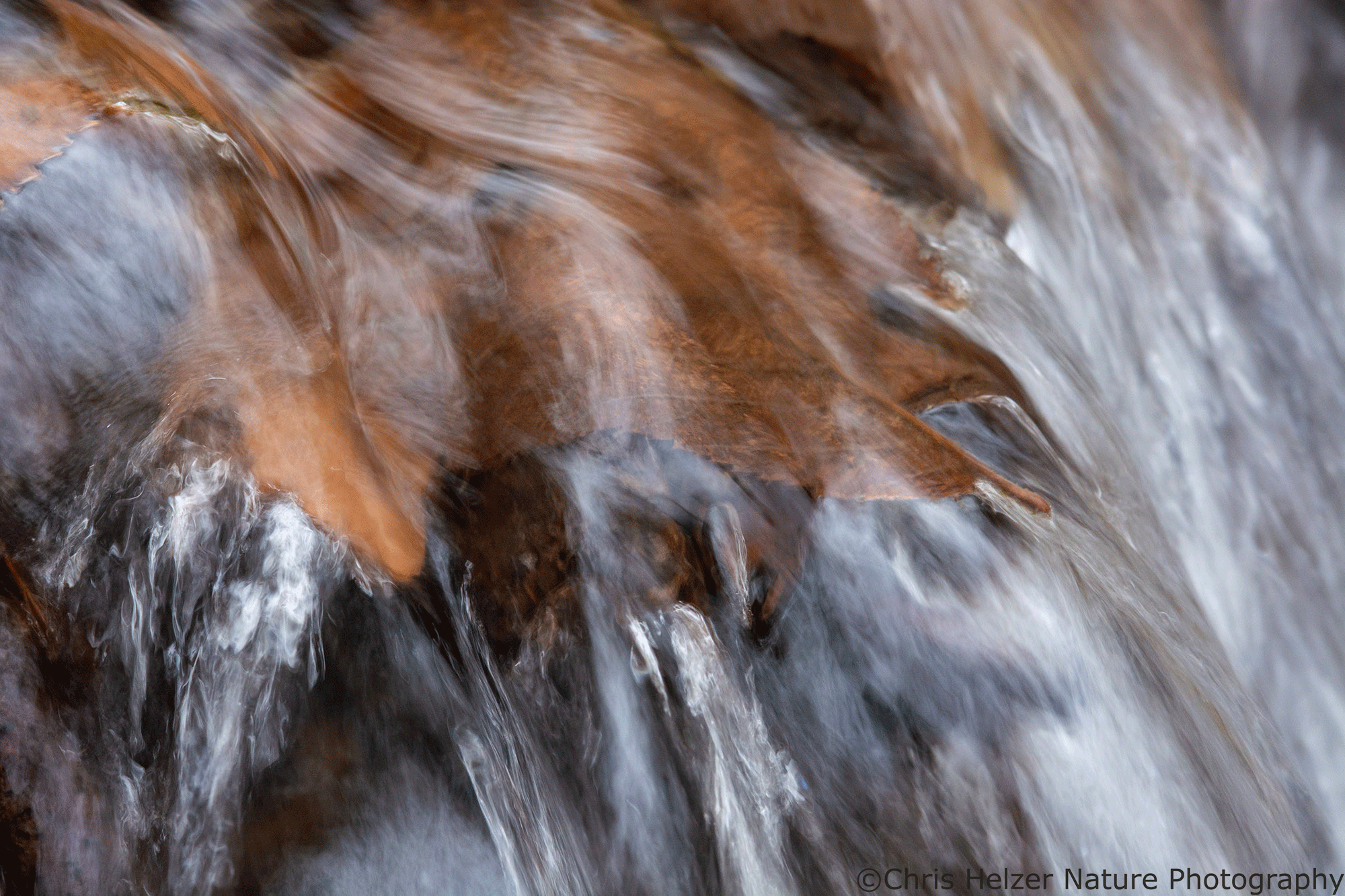
Because the streams come from groundwater and then flow through sandy channels, the water is very clear – an unusual situation in Nebraska. The combination of clear water and autumn leaves always makes these creeks fun to explore in October. Photography along their banks is tricky, though, because they’re shaded by both trees and topography.
To an open-country photographer like me, who is used to using early and late day light, that presents a real challenge. During prime post-sunrise and pre-sunset light periods, everything is in shadow. If I wait until the sun is high enough to hit the stream and its banks directly, the light is usually too intense, and the contrast between light and shadow overwhelms a camera’s sensor. The best opportunities I’ve found for photographing these creeks is on cloudy days.
That was a really long explanation for why I decided to hike up a couple creeks. There’s really no need to justify anything. It’s never a bad idea to hike along a creek!
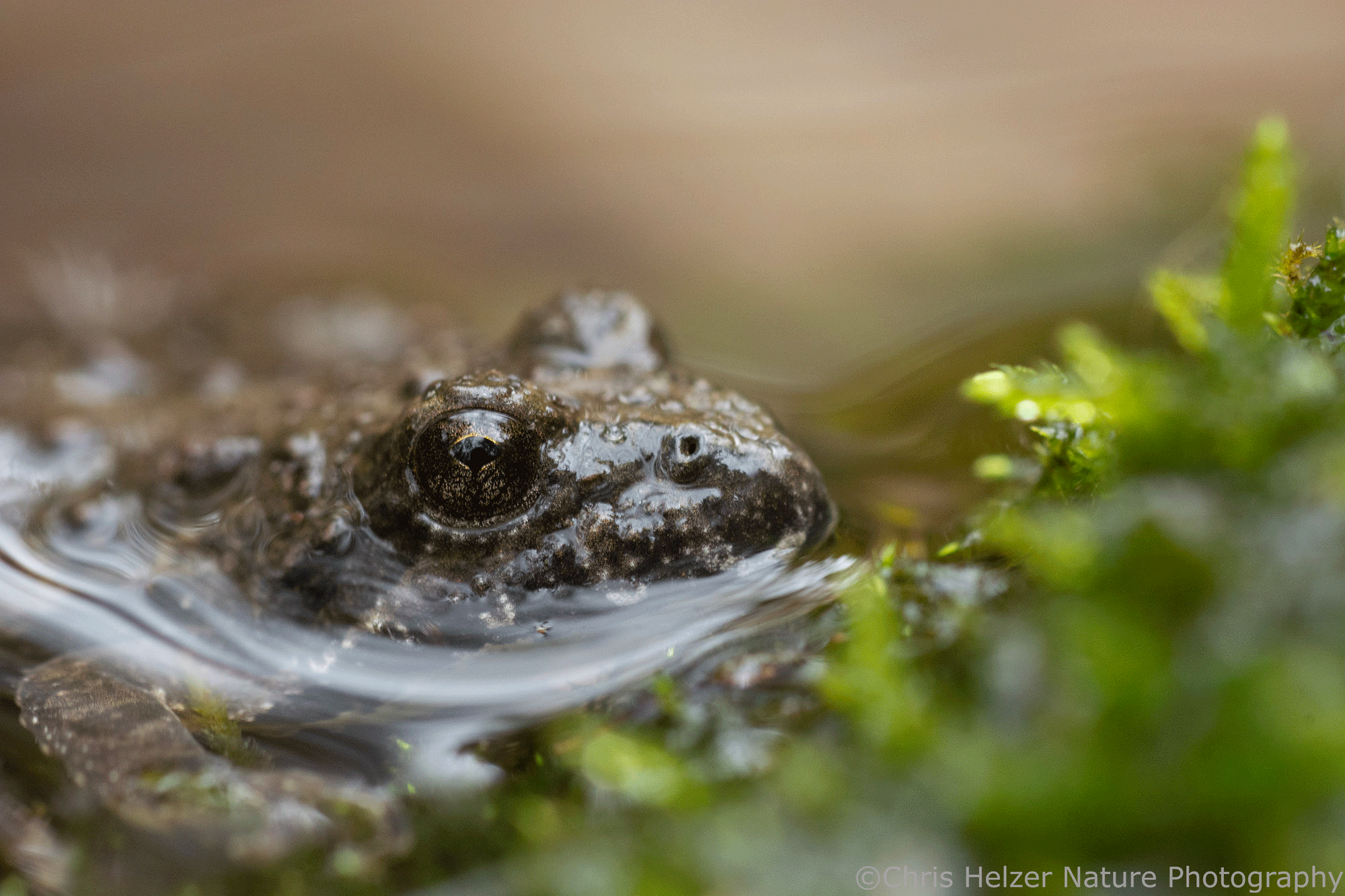
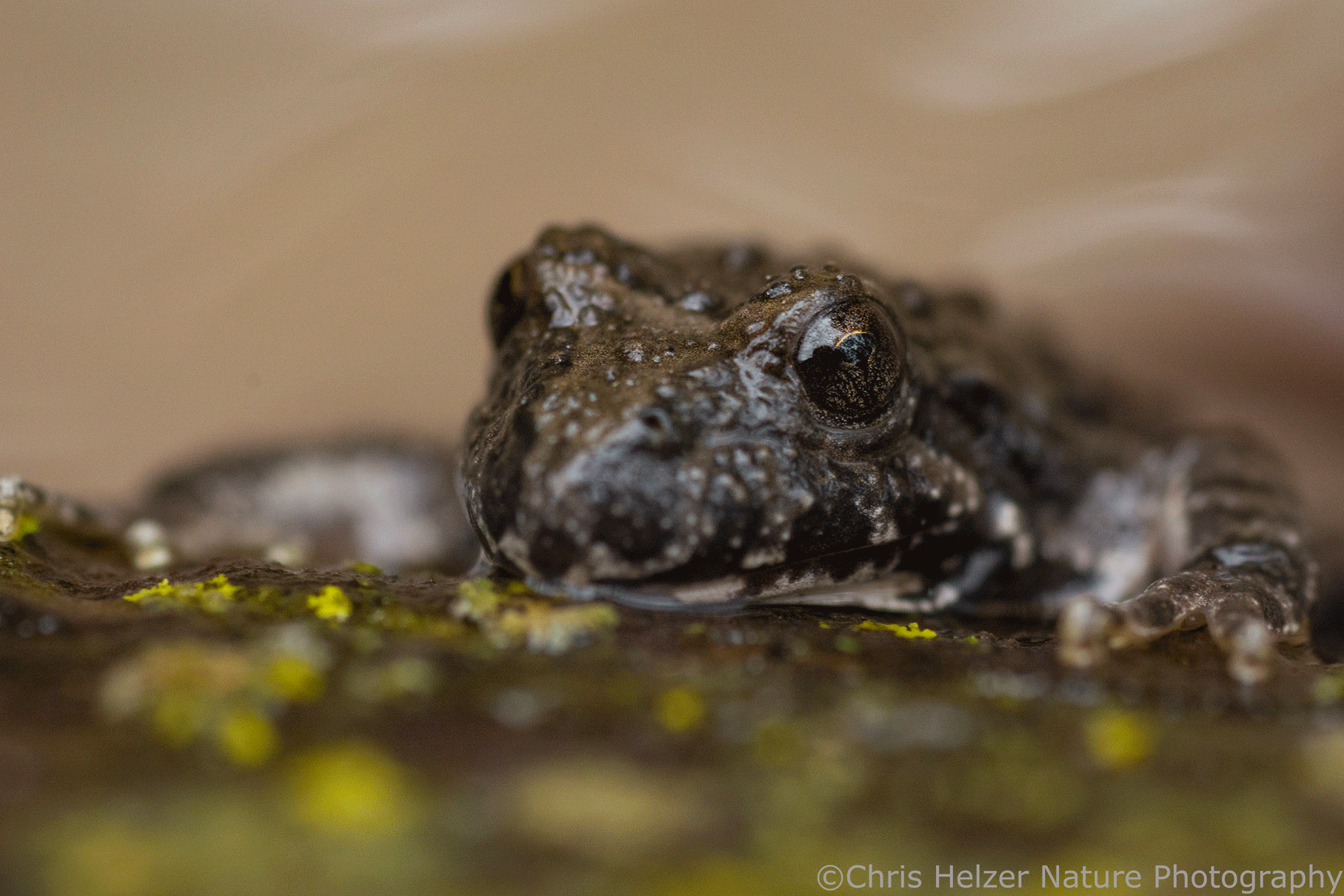

It had been a frosty morning, so I was curious to see what kinds of small animals were moving around. I saw several cricket frogs (and managed to photograph a couple), but also a fair number of small invertebrates. There were lots of flies, of course, but also a mayfly and various other insects I wasn’t sure would still be active. I spent a few minutes trying to track a little red velvet mite on a rotting log that didn’t feel like sitting still for a photo. Eventually, I managed to capture a couple sharp photos of it.

My boots and lower legs got muddy very quickly. The steep topography along much of the creeks meant that I often walked through the water, or along the soft banks, where I frequently sank a foot down into muck. I didn’t mind a bit. Climbing around on steep and soft ground was a nice, but pleasant, workout. I also wore rain pants so I could easily kneel or lie prone on the ground to photograph things like frogs or mushrooms.


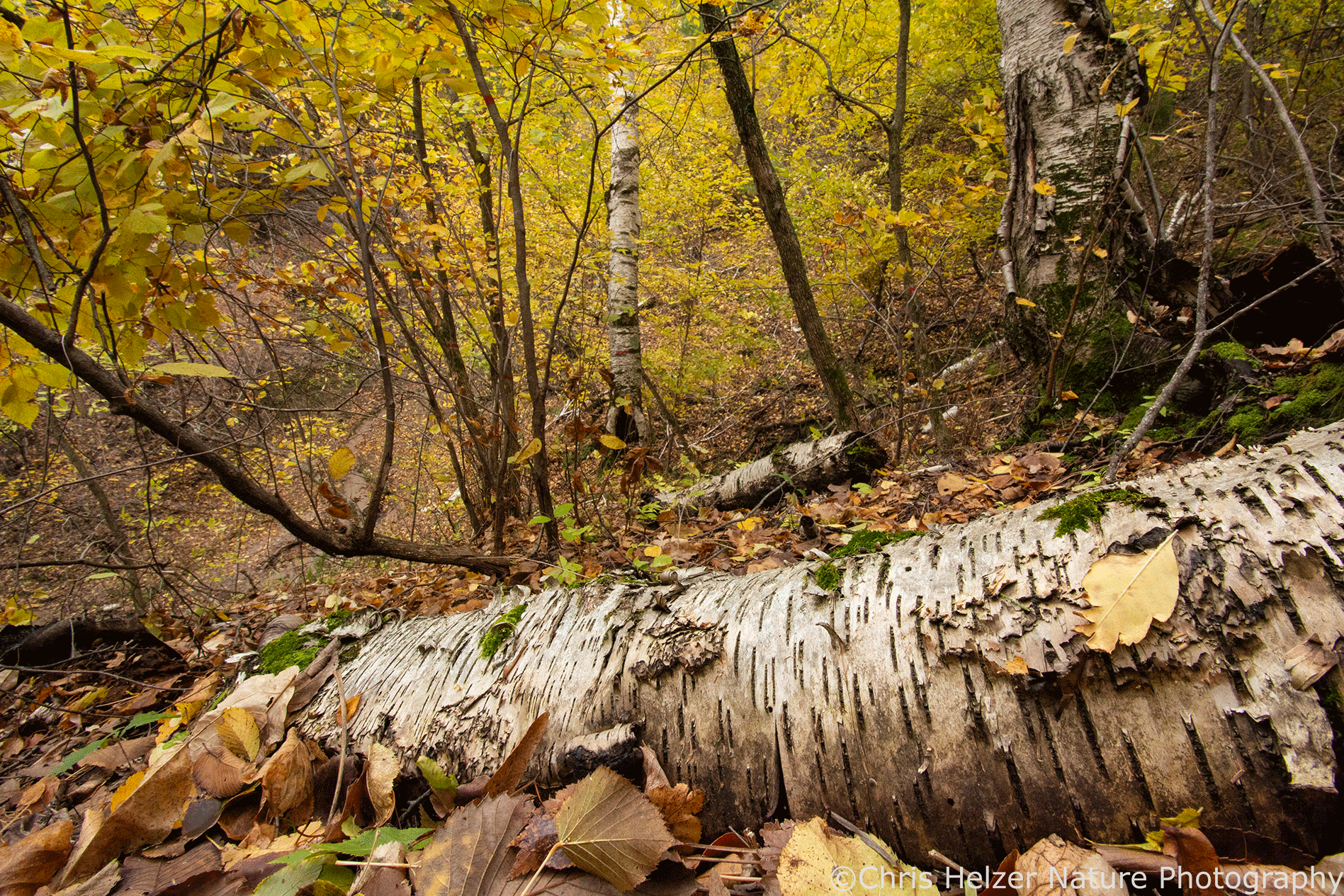
One of the springbranch canyons I hiked hosts a population of paper birch trees, a species that really shouldn’t be in Nebraska anymore. It’s a boreal species that still survives in the cool, moist environments of the Middle Niobrara River Valley. Well, I say it survives, but that survival seems awfully tenuous these days. The future of these populations is probably not bright in this particular location, given climbing global temperatures, but we’ll enjoy them while we can.

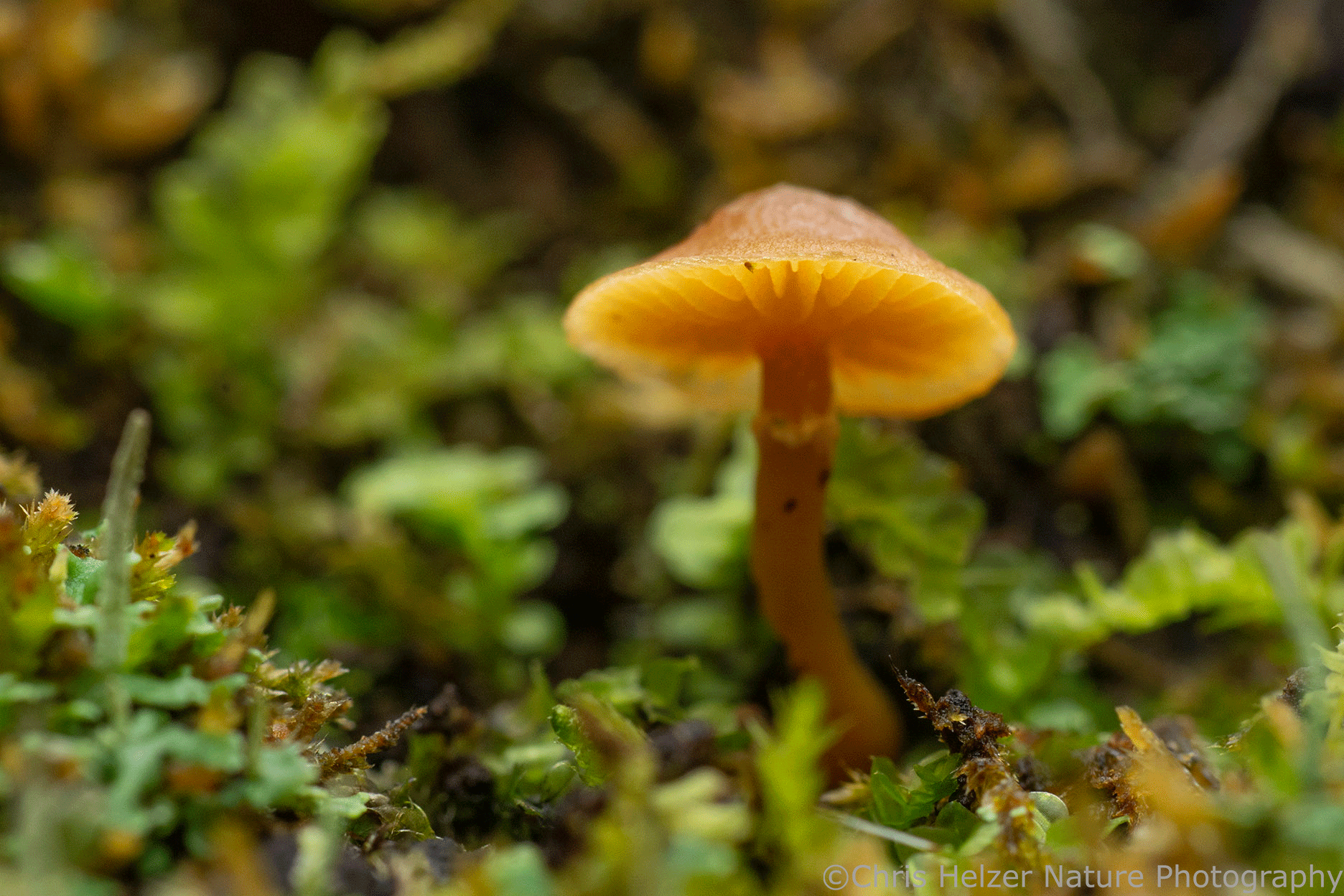
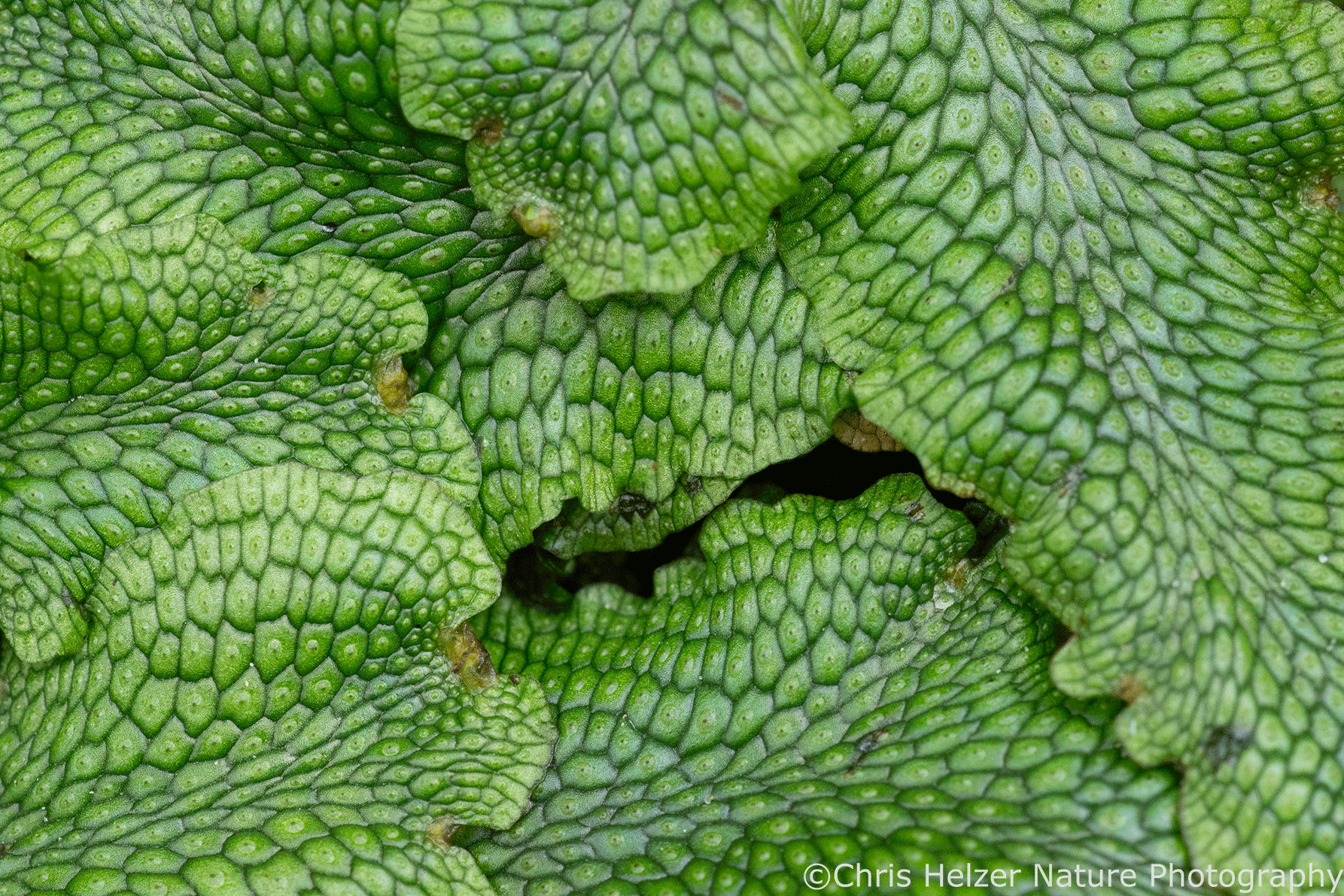
There are a lot of plants and other organisms along these creeks that I don’t see in prairies, so I didn’t know a lot of their names. I get so used to recognizing the identity of species around me (almost unconsciously) that it was a little jarring to be just a few hundred yards from familiar prairie species but unable to name much of what I saw right next to me. I’ve explored these creeks enough that I’d seen the species before, but haven’t had time or opportunity to really get to know them. Besides mystery plants, I came across a lot of mosses and fungi, along with (I think) slime molds, liverworts, and other exotic-seeming organisms.

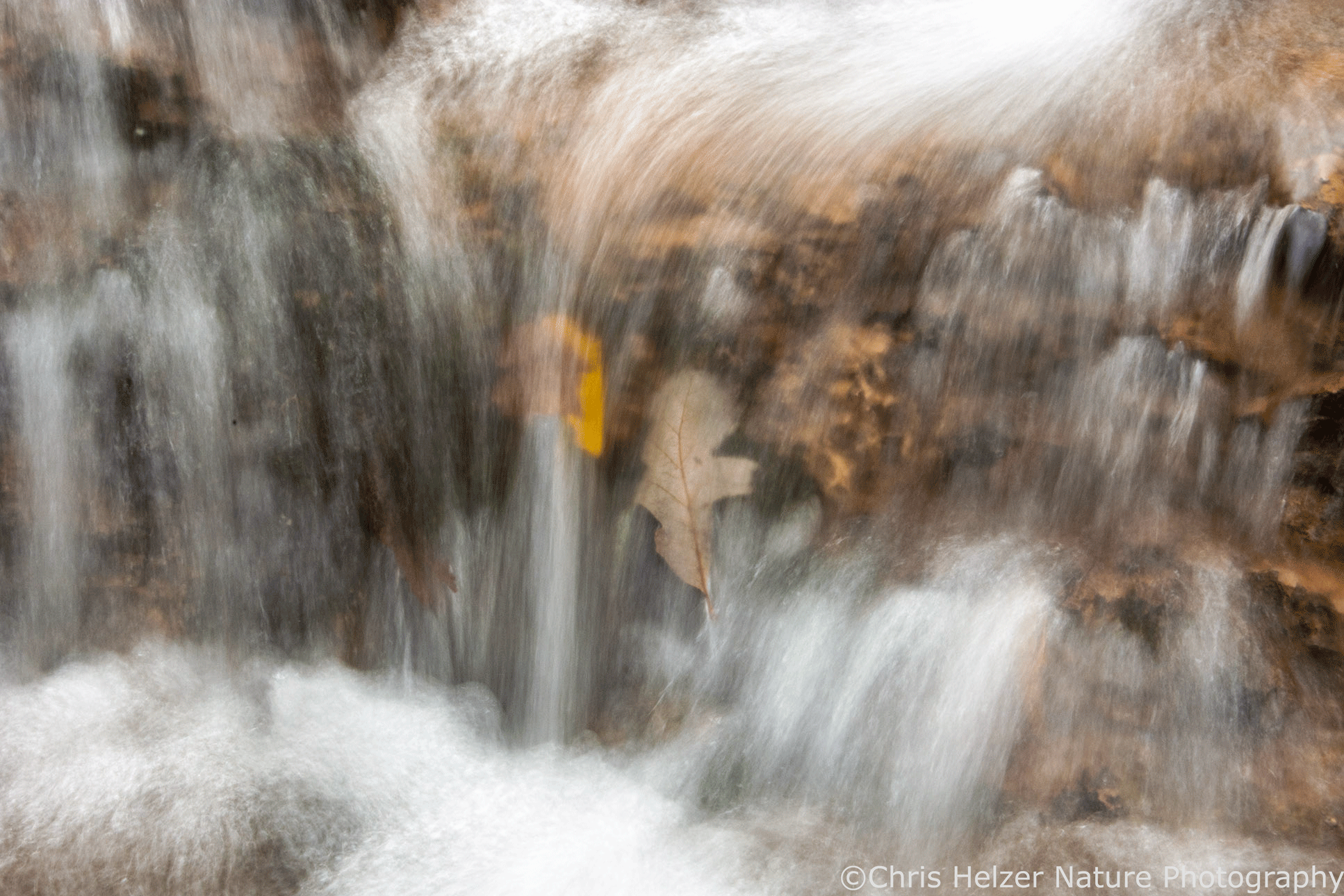
I ended my hike at a small waterfall at the bottom of the second creek I explored. I liked the juxtaposition of golden leaves and rocks in the stream with the falls behind them. Since I was going to walk back to headquarters to change clothes, I took a few extra chances. I laid on the ground with my hips right on the edge of the creek and my torso hanging over the water. I stuck one elbow on a rock and tried to make all of that stable enough to facilitate taking a couple photos. I didn’t come away completely dry, but I was a lot less wet than I could have been.

I still prefer to wander and photograph prairies, but it’s fun to mix things up, too. An autumn walk through a springbranch canyon was a pretty great way to spend an afternoon. Especially because I was back in the prairie for sunset that evening. I don’t know how people manage to live where sunsets always happen behind trees or ridges. I guess those people probably wonder how people live where there’s nothing to block the wind… Each to their own, I guess.
 The Prairie Ecologist
My favorite place…great photos, as usual!
Beautiful.
Love the liverwort photo!
These are especially gorgeous! You inspire me to get out and work on my macro skills…
Moss and fungi – both are simply amazing and beautiful.
The cow parsnip seeds and liverwort photos are especially nice!
Beautiful photos of some of my favorite things in nature! Thank you! Donna Hughes Iowa
Magnificent photos!!
Thank you. Your wonderful photos of nature’s myriad little masterpieces always make me smile and fill me with wonder.
I enjoyed your springbranch photos.
Two questions:
What “wet pants” were you using?
There seems to be some pattern to the pixellation in your posted
photos. Were you reducing some images’ compression to protect them? If
so, how?
Blaine Hebert
I’m not sure what brand of rain pants I’m using, but they are not the heavy rubbery kind – more of a lightweight waterproof fabric. They’re really handy for early mornings in dewy prairies (as well as during rainstorms) but once the sun gets up very high, my legs get so warm the sweat is worse than the dew if I keep the pants on too long. (I’m putting them on over my field pants, so the double layering doesn’t help.)
Any pixellation you’re seeing is not by my design. My guess is that you’re reading the post via email? If you click on the title of the post at the top, it should open the post in a web browser and all the photos will look better. Once you’ve done that, you can also click on an image to see a larger, more clear version of it.
Love the cricket frogs the best this week! Thank you
FYI, the resolution of the photos was much better on your website than it was when I simply opened them from the email
Correction on my comment just now, the resolution on the website was better than the resolution ‘in’ the email. Makes sense, but I now know to go to the website when I get the emails alerting me to your posts.
Pingback: Photos of the Year – 2023 (3) | The Prairie Ecologist