I’ve been working with prairies a long time, and there are some individual sites I’ve been studying, managing, or visiting for 30 years or more. Even so, I keep finding new species I didn’t know about and stories I can’t believe I’d not heard before.
I made a quick trip to our family prairie last week to check on grazing progress and to enjoy a quiet evening. As always, there was a lot to see and I’m glad I went. In particular, though, I got to meet and learn about a new prairie friend.
As I was walking through part of the prairie that was grazed last year, I paused and did a little double take at some sideoats grama plants. There was something just a little “off” about the arrangement of flowers up the stem. First of all, it was on a dry slope, and the sideoats was obviously not going to produce seed – the flowers hadn’t gotten rain at the right time, and dried up before they filled. That’s not what I noticed, though. What I noticed was a little extra bump in the row of flowers.
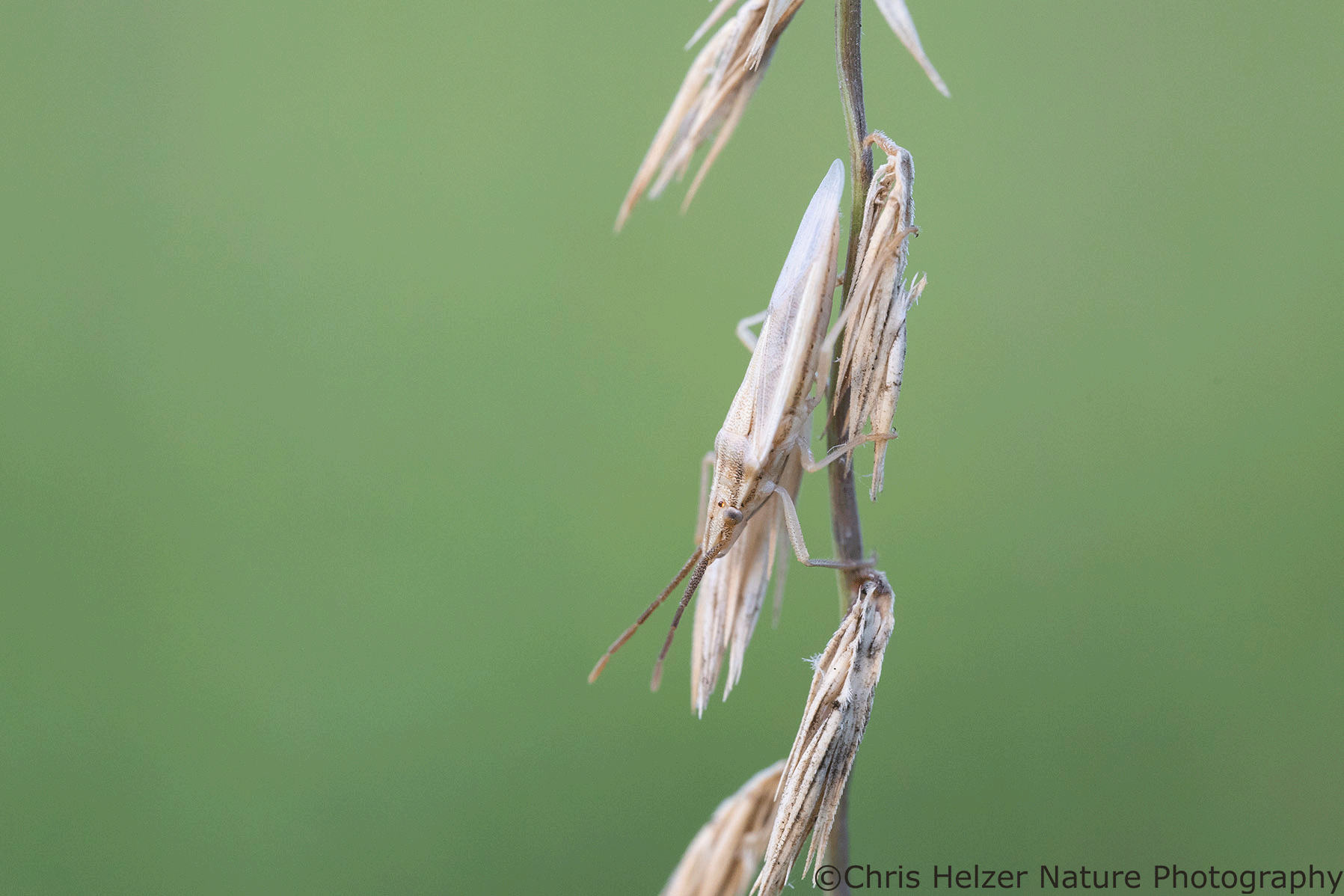
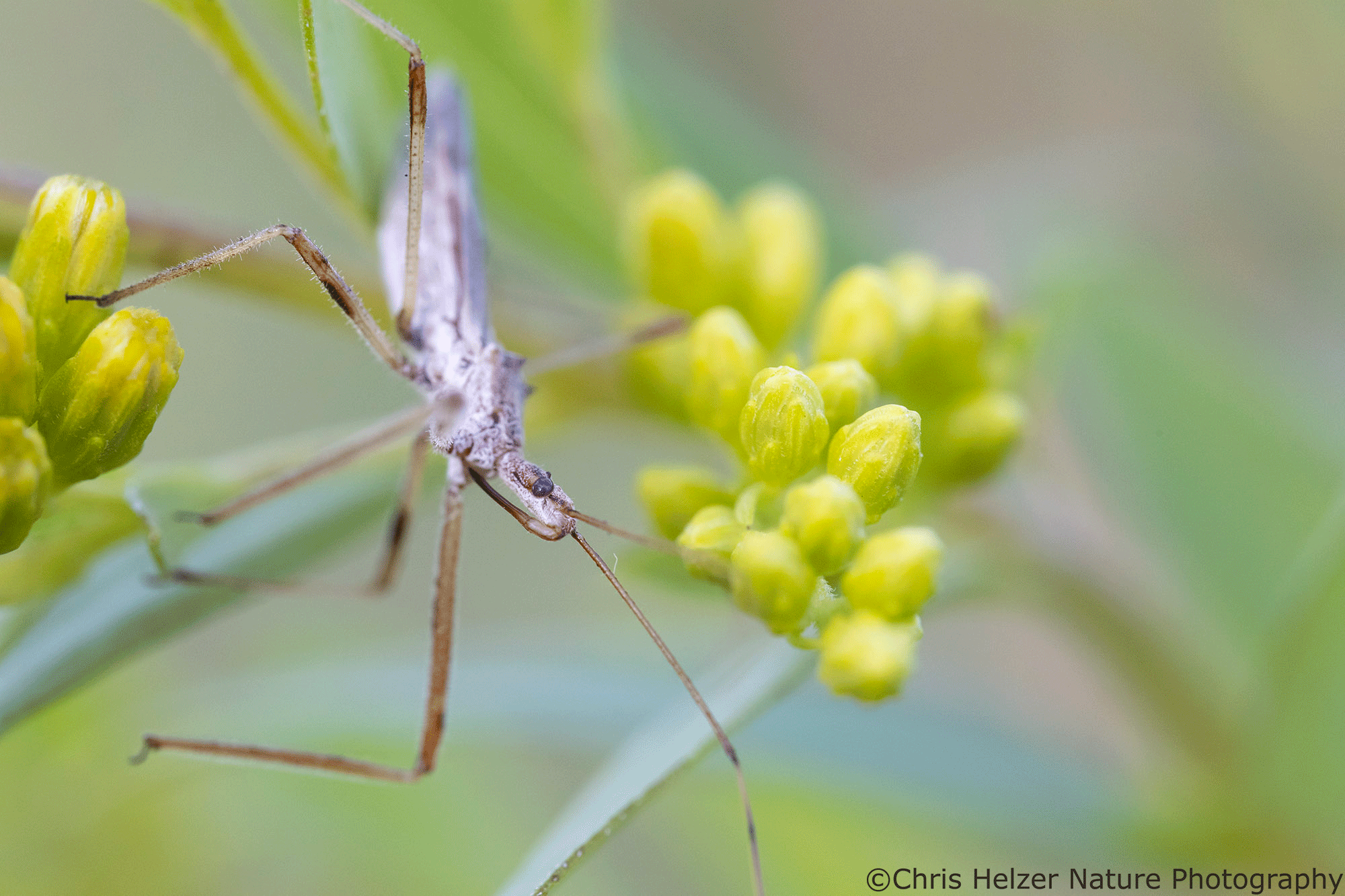
I knelt down and looked closer. Sure enough, there was something there – it was a skinny little bug that looked almost exactly like one of the dried grass flowers. Both the color and shape were near perfect matches. Well, I thought, that might be a coincidence but I bet it’s not.
I looked a few feet to my right at the next nearest sideoats flower stem and, boy howdy, if I didn’t see another bug just like the first! The chances that this was coincidental were dropping fast.
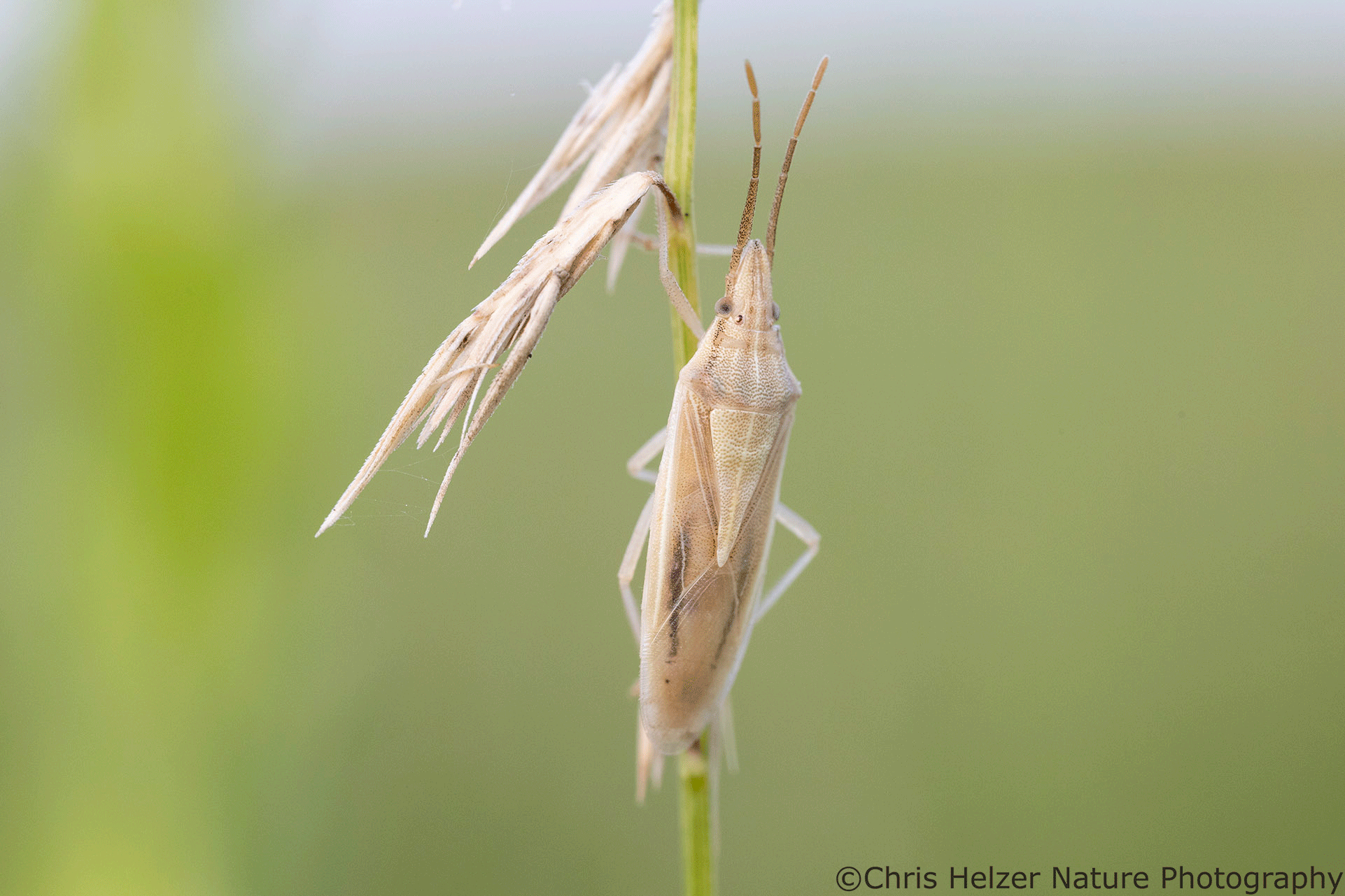
After that, of course, I looked at more nearby sideoats plants, but didn’t see any more bugs. That didn’t necessarily mean much but I still noted it. Shortly afterward, I did, though, find a couple more of the bugs – hanging out on some Indiangrass. Hm. Did the exception prove the rule or was I reading too much into a chance color/shape match between two species?
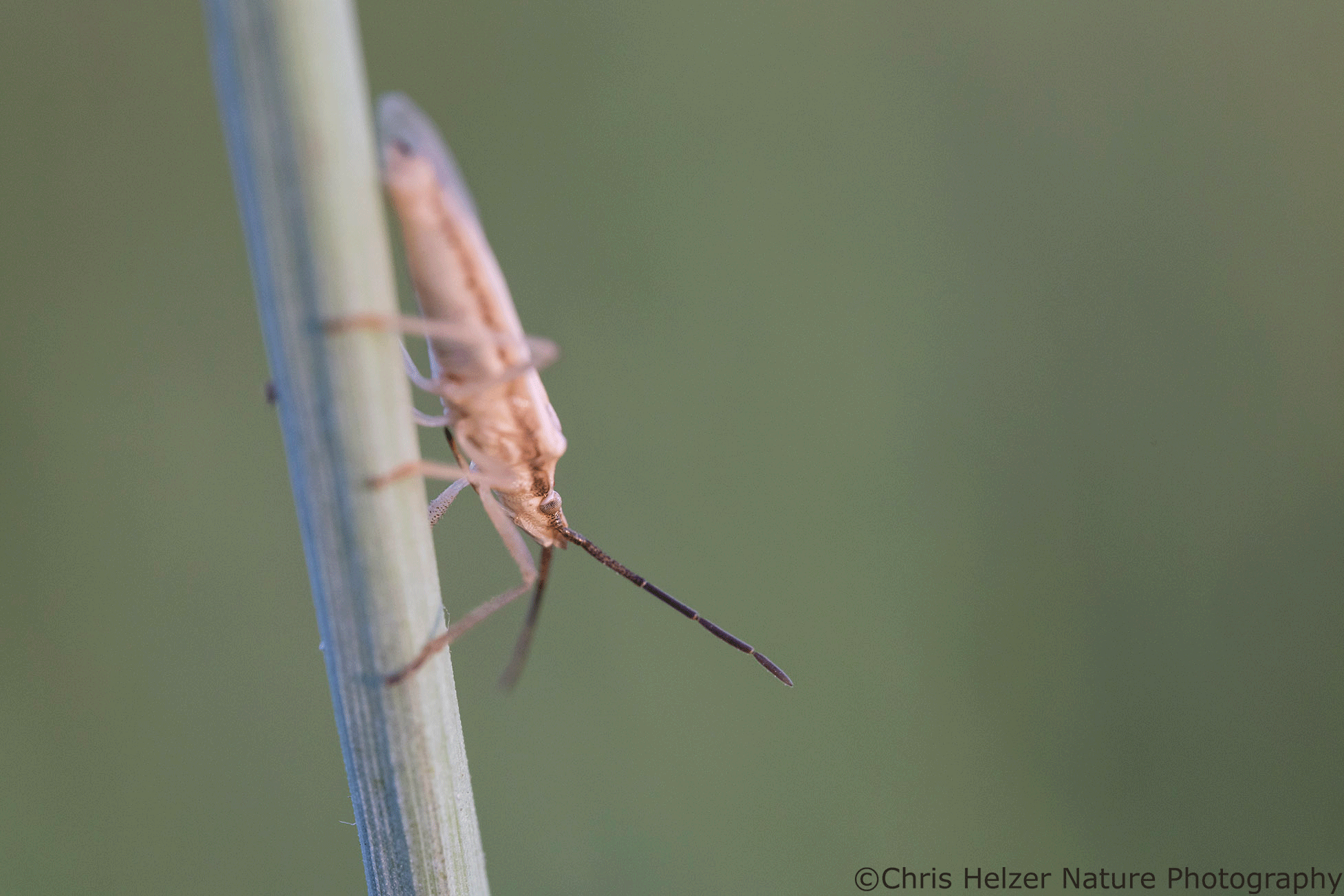
Later that evening, I submitted one of my photos of the bug to Bugguide.net and by the next morning I had my answer. The bug was identified as a narrow stink bug (Mecidae), which is a group of insects that feed on grasses. Sideoats grama was specifically noted as the grass species they are most often observed on. How about that?
Our family prairie is a site I know very well. It’s only a quarter section of land (160 acres) and I’ve been visiting it frequently for many years – usually with my camera – and looking closely at everything I can find. Even after all that time, I’d just discovered a new “kinship” between species I hadn’t known about. And, that’s not unusual. Making new discoveries is still a regular occurrence. This is just the latest one.
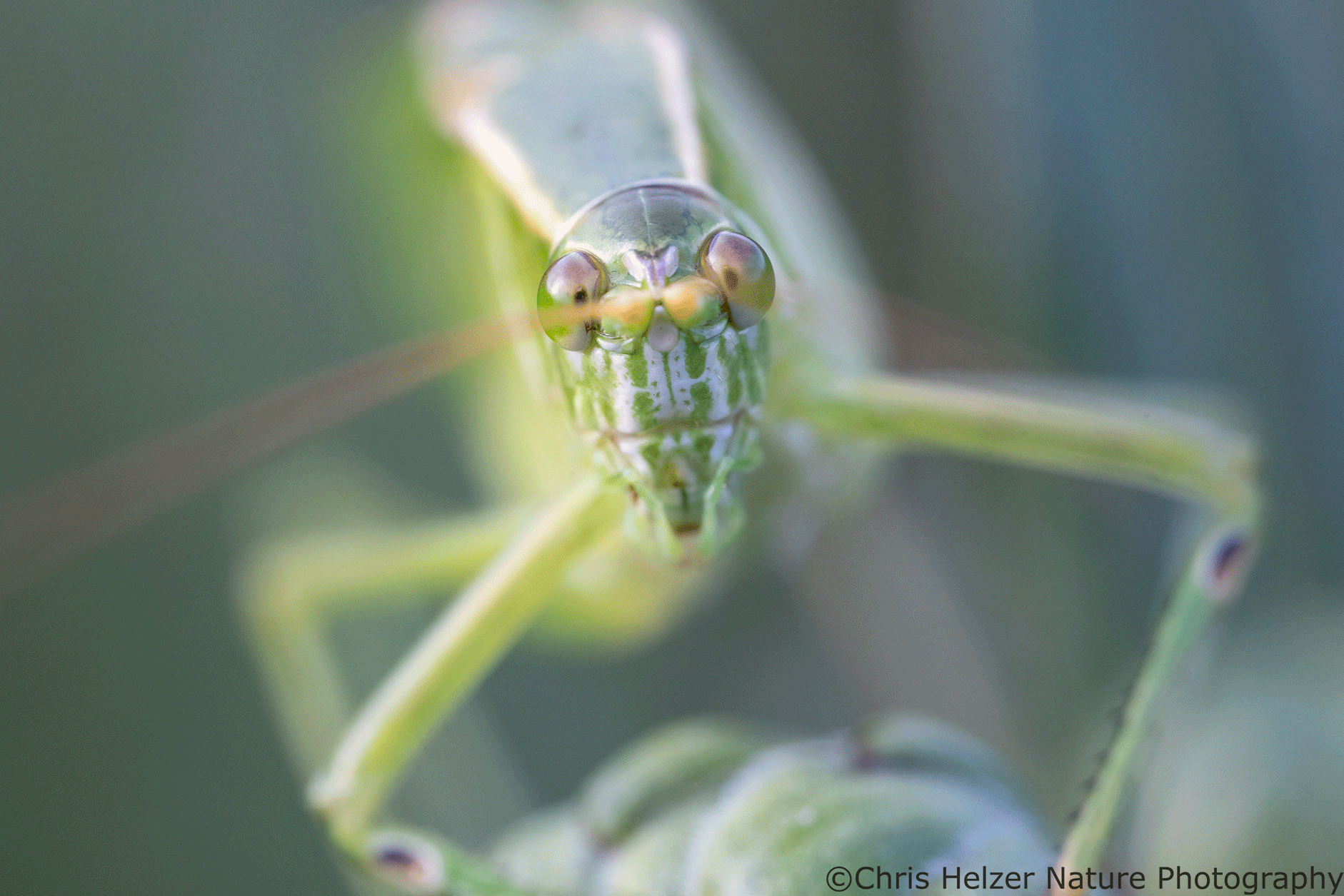
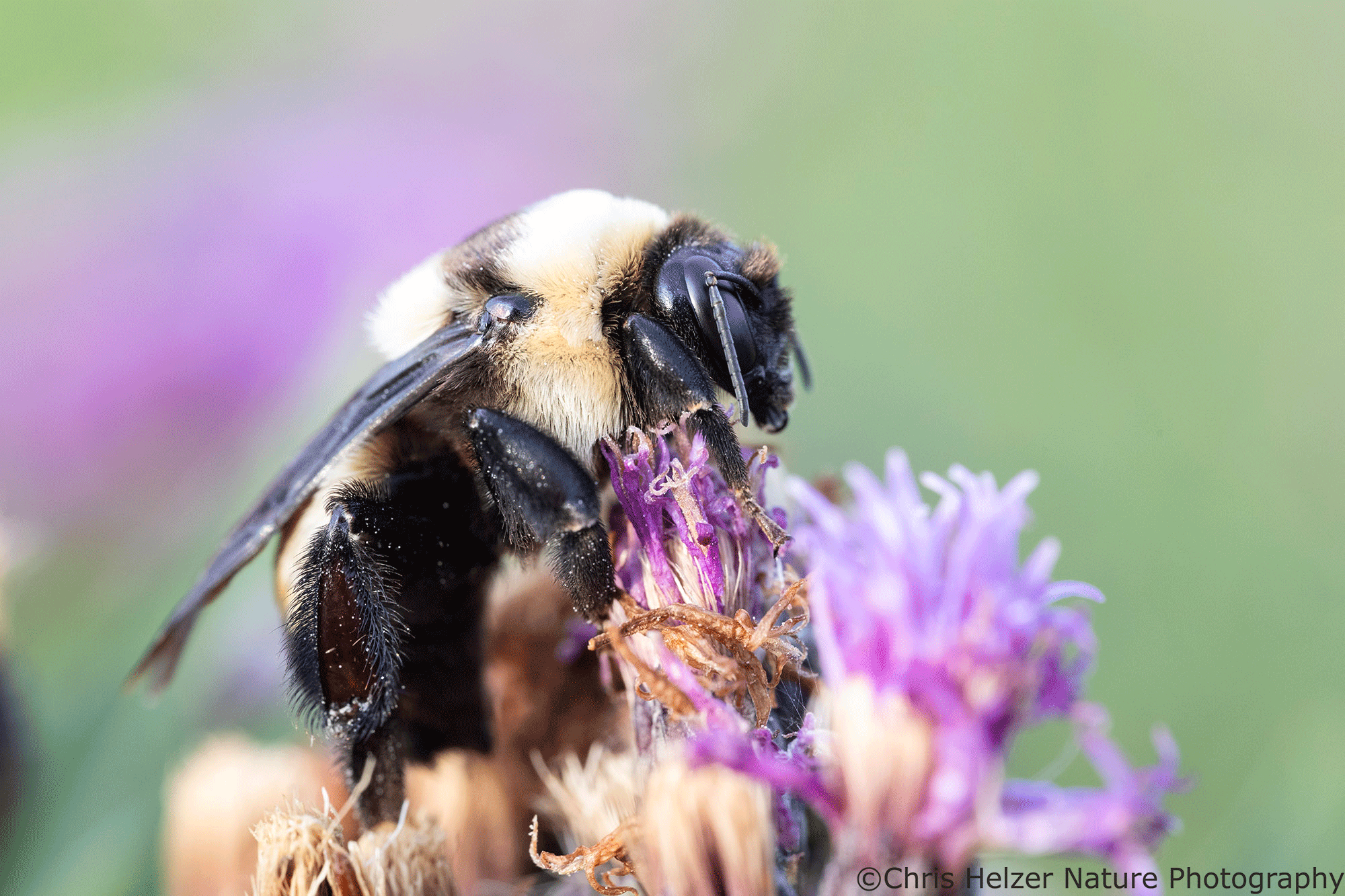
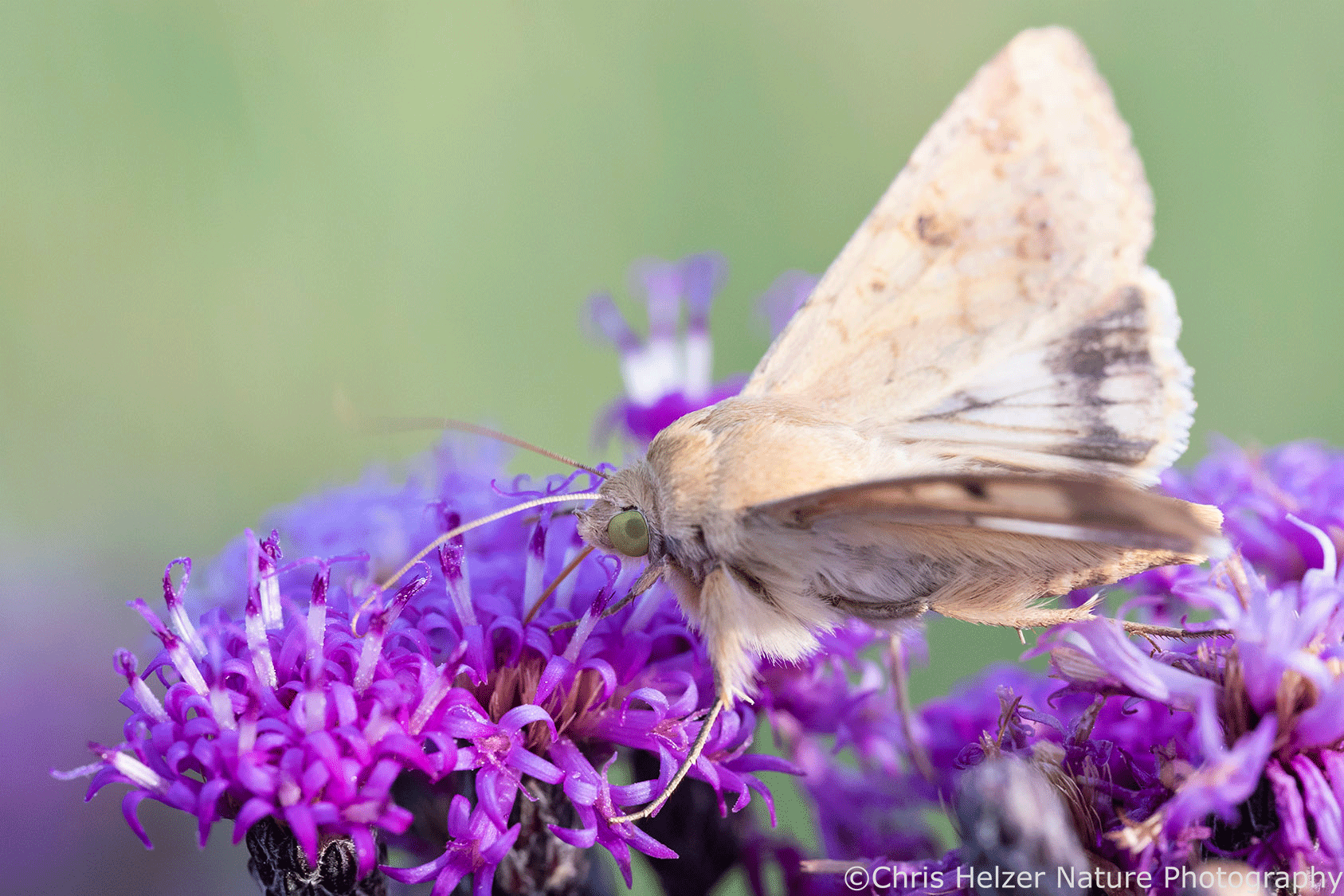
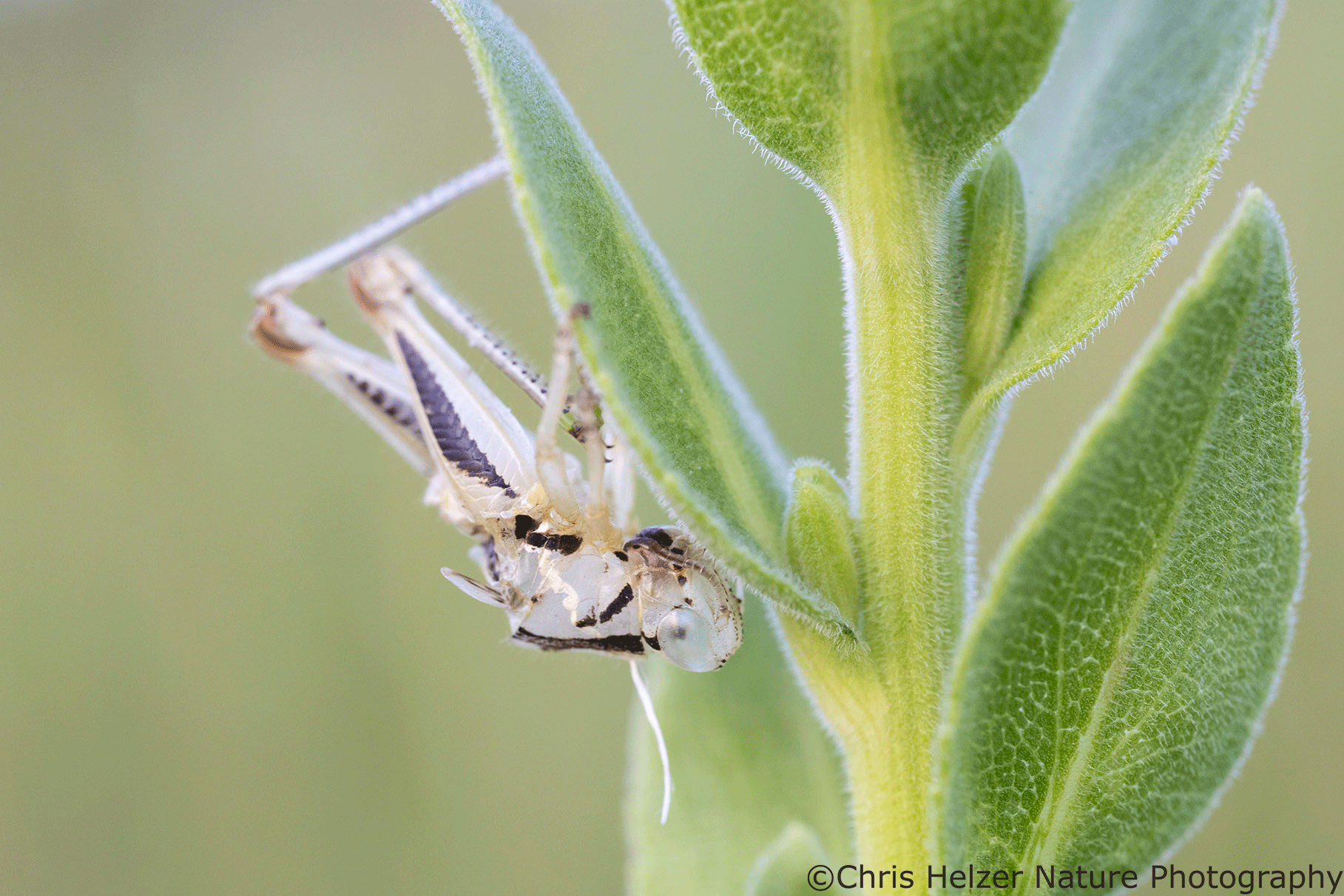
Anyway, I saw other things at the prairie, too. Here are some of them:

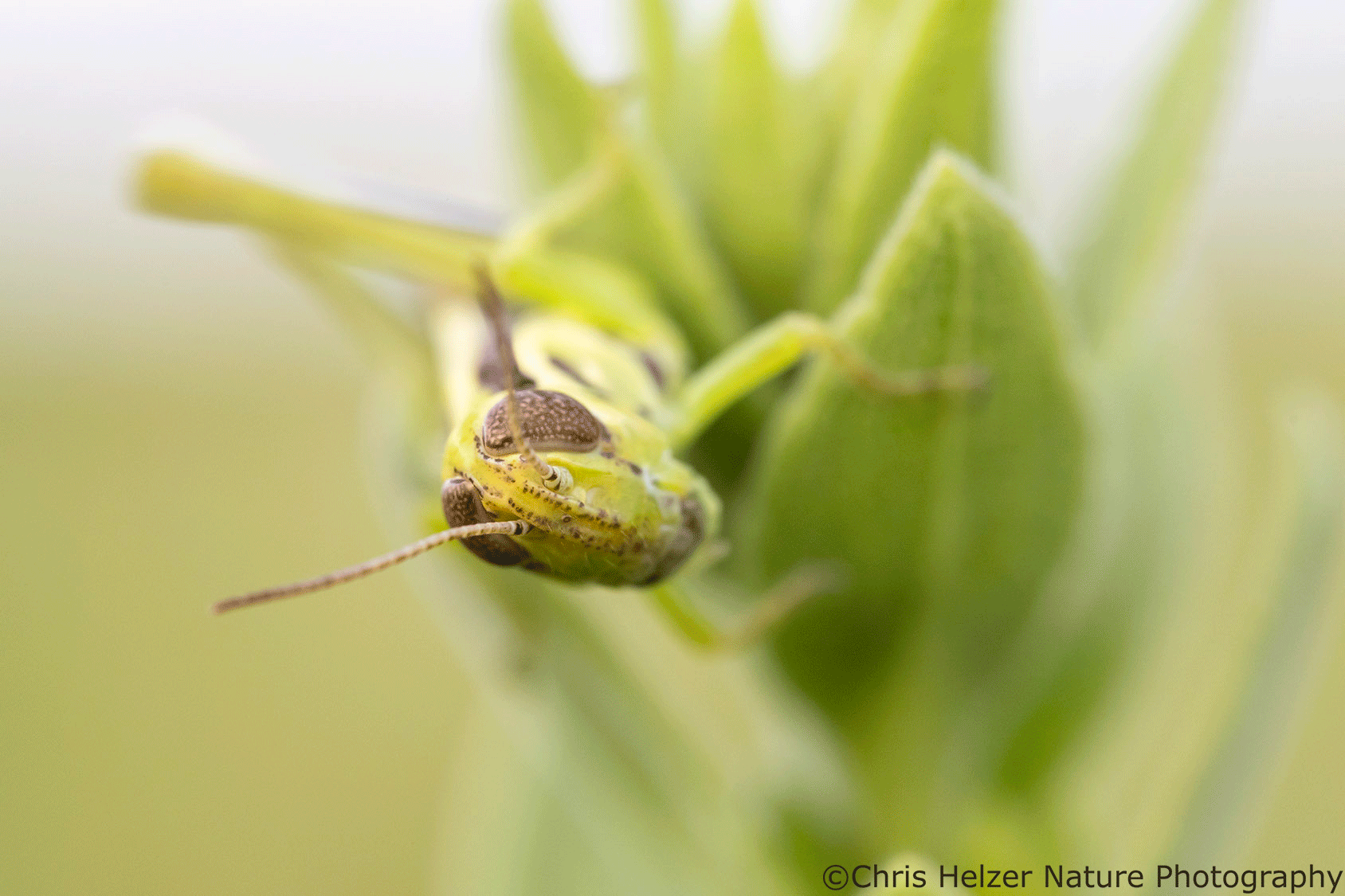
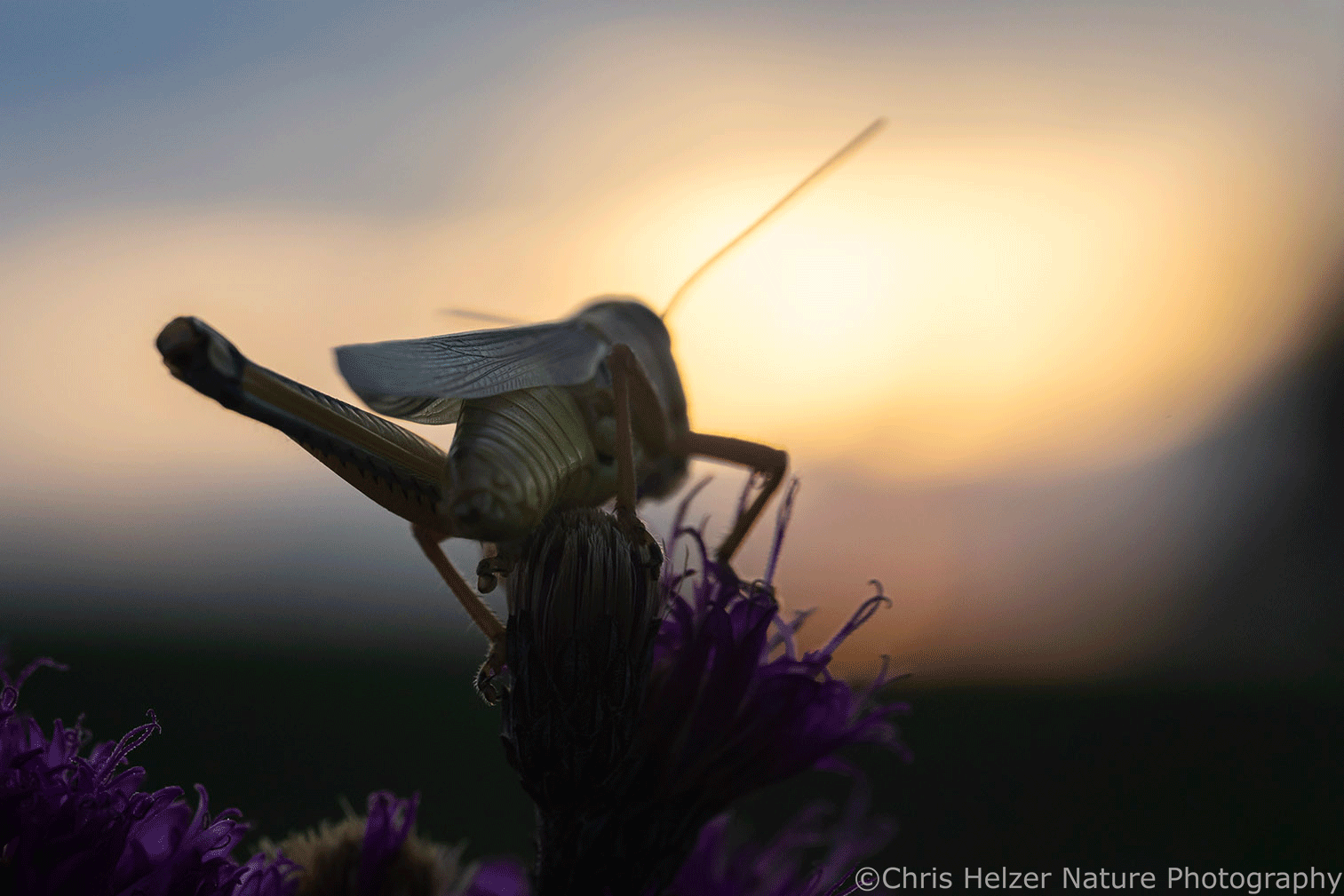
After the sun went down, I was driving out past the pond/wetland, which has water in it for the first time in several years. I wasn’t on a particular schedule, so I figured I’d stop and see if anything interesting was happening down by the water before it got too dark to see anything. The first thing I noticed as I approached was the squeaks of several bullfrogs jumping into the water. That wouldn’t be noteworthy except that the pond has been dry for four or five years. Where did those frogs come from? How did they get here so quickly?
The second thing I noticed was the cloud of dragonflies skimming back and forth above the surface of the water. It looked like they were all green darners, feeding on mosquitoes (I assume) and other flying insects. I think there were maybe 50 of them, though it was pretty hard to get an accurate count. It could have been as few as 20 – who knows?
Anyway, every once in a while, one of the dragonflies would drop down and land on a partially-submerged plant. It would then curl its tail downward – clearly laying an egg (or several) – before rising again to join its colleagues in the sky. I couldn’t tell if it was just one female doing this over and over or several different individuals.
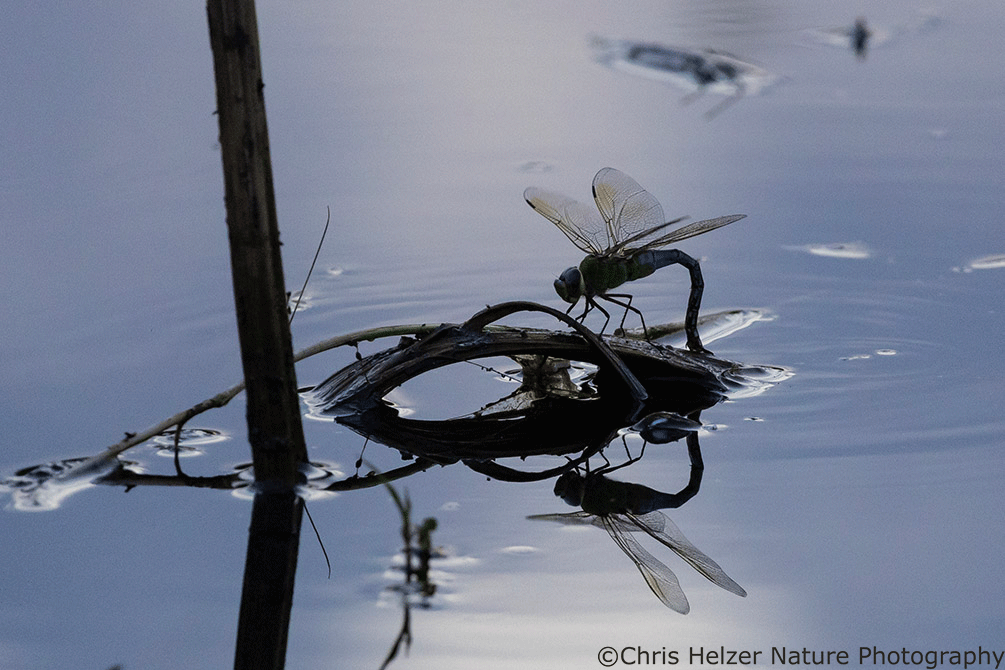
I was surprised that the egg-laying dragonflies were solo. Often, when I see dragonflies laying eggs, there is a male attached to the female. I was pretty sure I’d seen that with this same species, in fact. I looked it up when I got home and apparently it happens both ways. There you go – one more thing I’ve learned!
The light was getting pretty dim as I watched the dragonflies but I couldn’t resist trying for some photos. The clouds to the west were still slightly glowing from the recently-set sun, so I set up my tripod and camera so that the reflected glow gave me enough light to work with (barely). Even so, I was using a pretty slow shutter speed and a remote trigger to avoid jiggling my camera. It took a while, but I managed to a get a few shots that looked like they’d work.
Happy and full of both new discoveries and questions for Google, I headed home.
 The Prairie Ecologist
Amazing. There’s a green grasshopper that’s taken up residence on my heliotrope in the Concrete Jungle. I’ve named him/her “Legs”.
I really look forward to your posts. I’ve now started forwarding them to friends. In the midst of the crazy circumstances of our world your posts give me relief and encourage me to take a breath. Nature has always been my therapy. Thank you so much AB
Thank you, again, for sharing your great photos and exciting new info and discoveries. It’s a good life, when one can learn something new that they never even imagined or thought about before!! You are appreciated!!
Hi Chris:
I seem to be unable to comment of the delightful blog about a bug completely new to me.I just want to thank you for feeding my entomological soul.
James C. Trager, Ph.D. Ants of Missouri Project (BOOK MS. SUBMITTED, YAY!0
Pingback: The Post-Grazing Year | The Prairie Ecologist