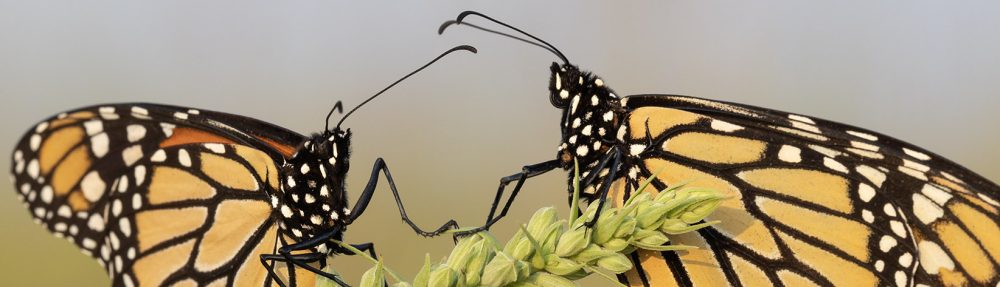
Photography is all about light, and quality outdoor light often comes in short spurts. Now and then, though, a long window opens up and it sure feels good when I have time to take advantage of it.
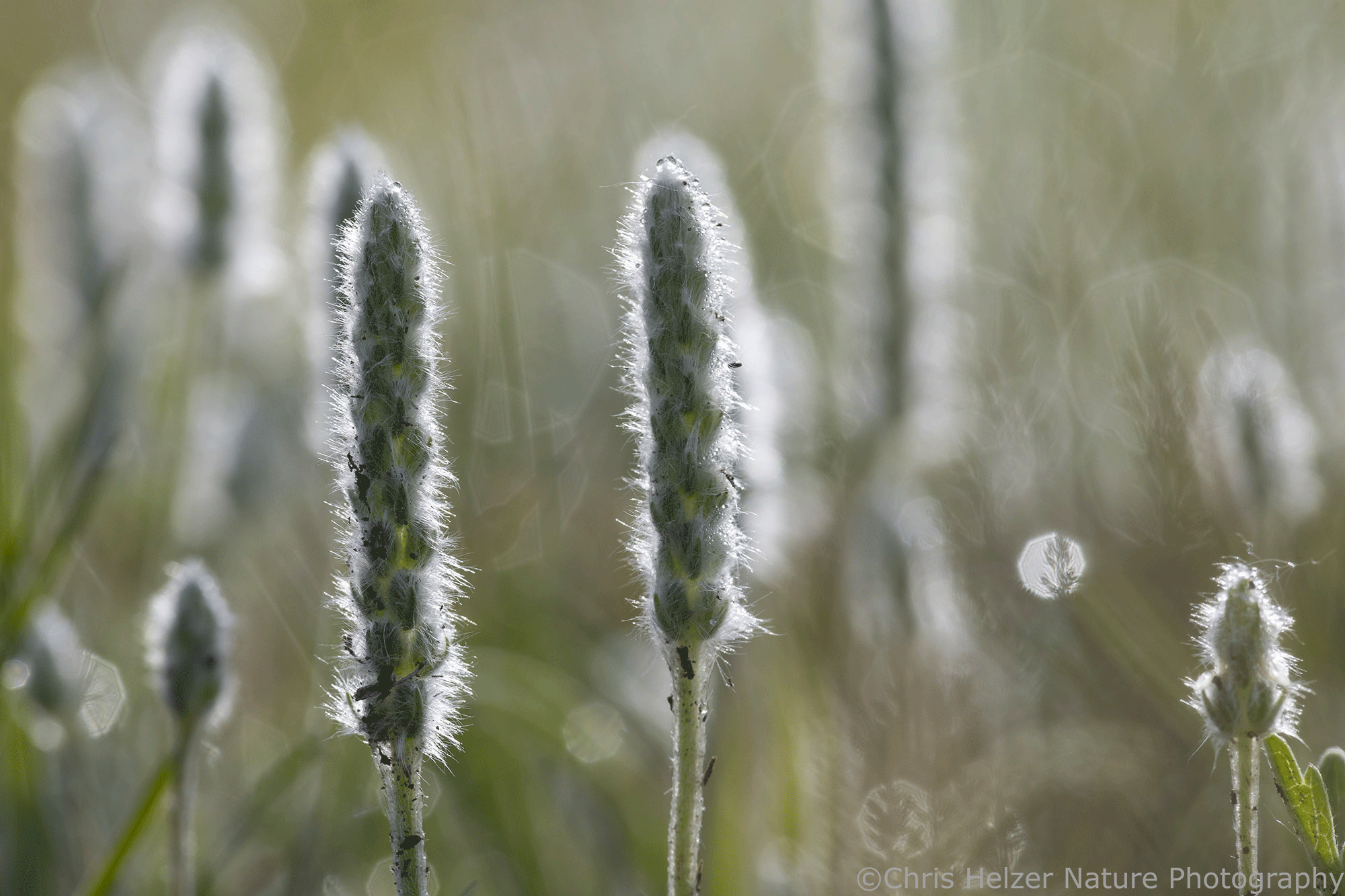
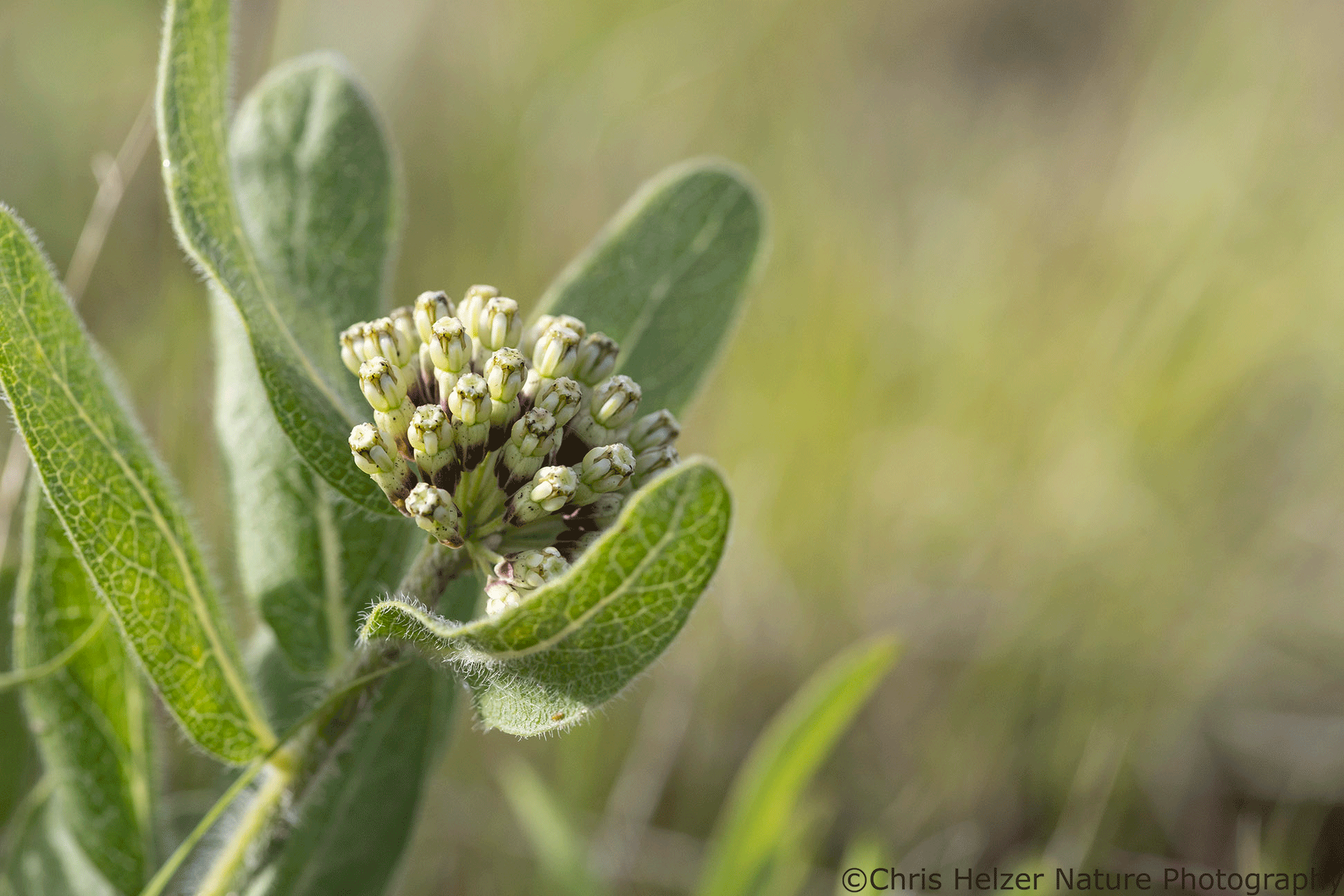
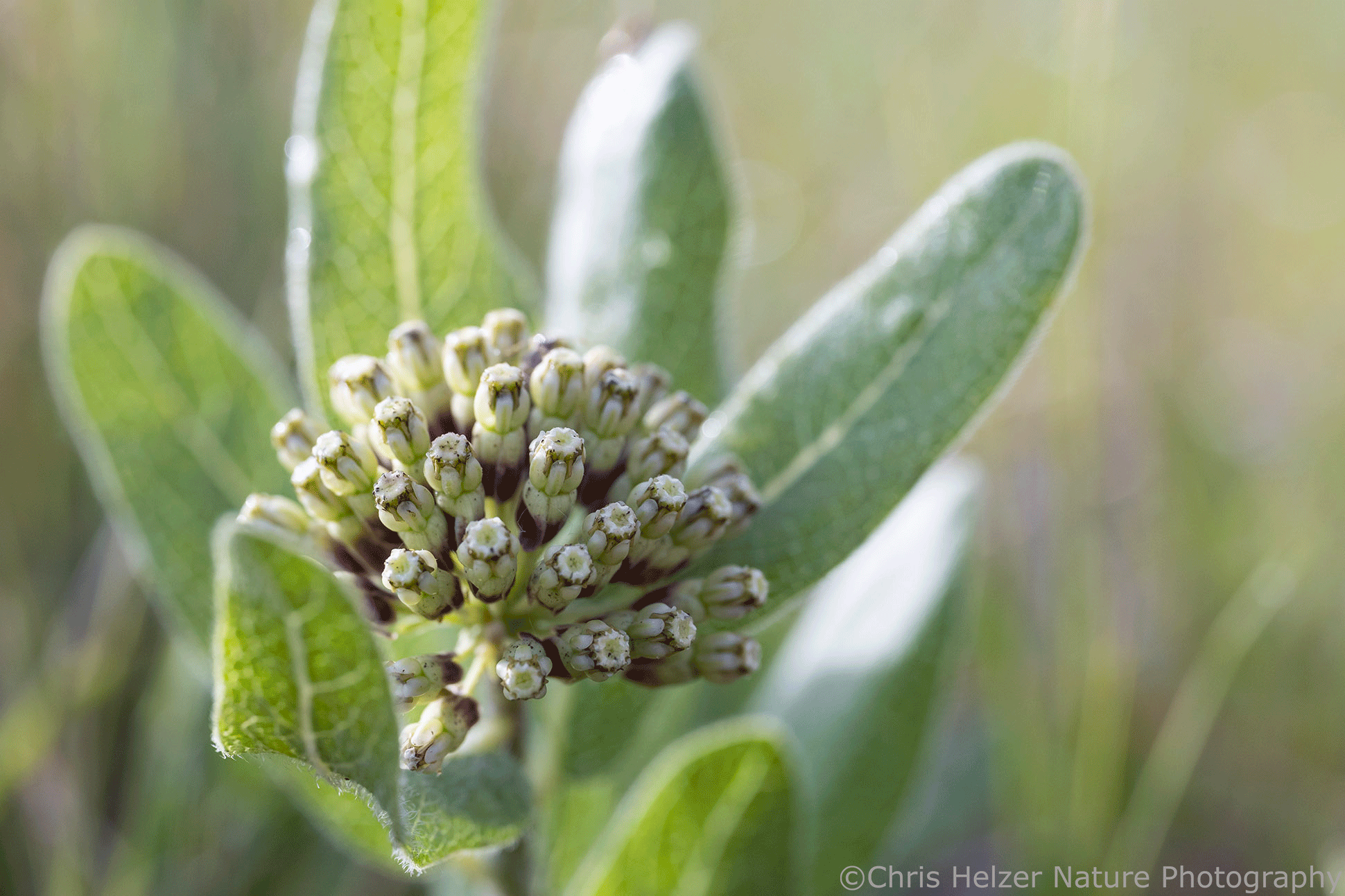
Last Saturday morning was cloudy, which meant sunrise light wasn’t anything worth rushing out the door for. On the other hand, the clouds were thin and it looked like they might hang around for a while, so I took time to eat some breakfast and then headed north to Gjerloff Prairie. As it turned out, the clouds gave me tremendous light for about three hours and, combined with a very light breeze, that made for a fantastic morning for close-up photography.
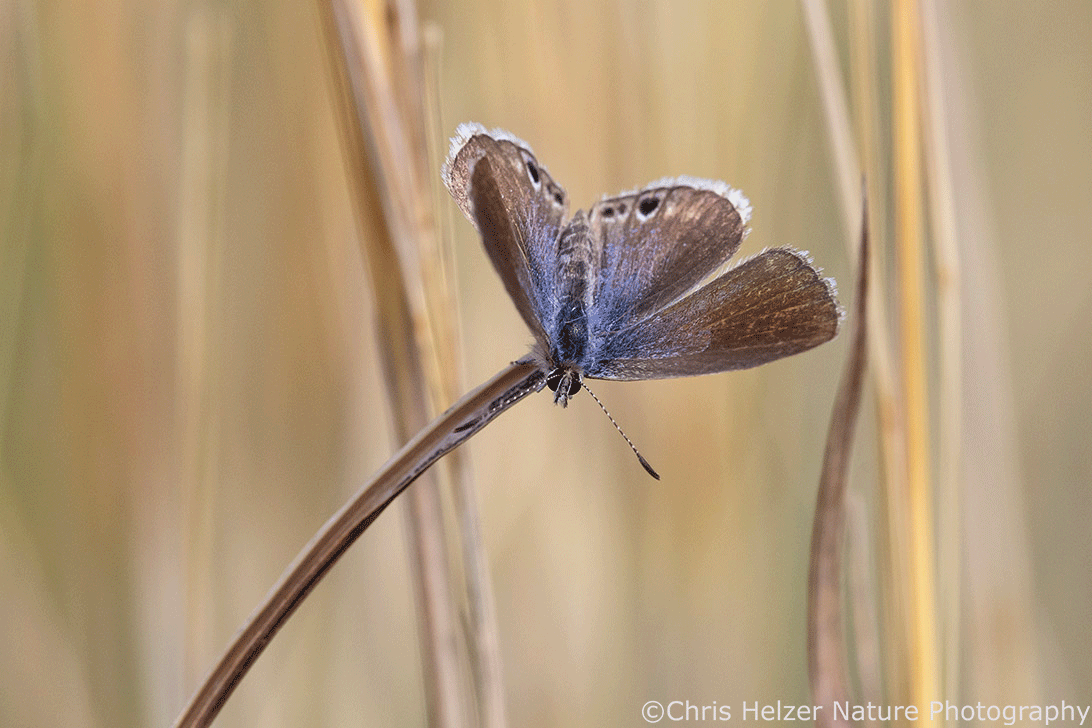
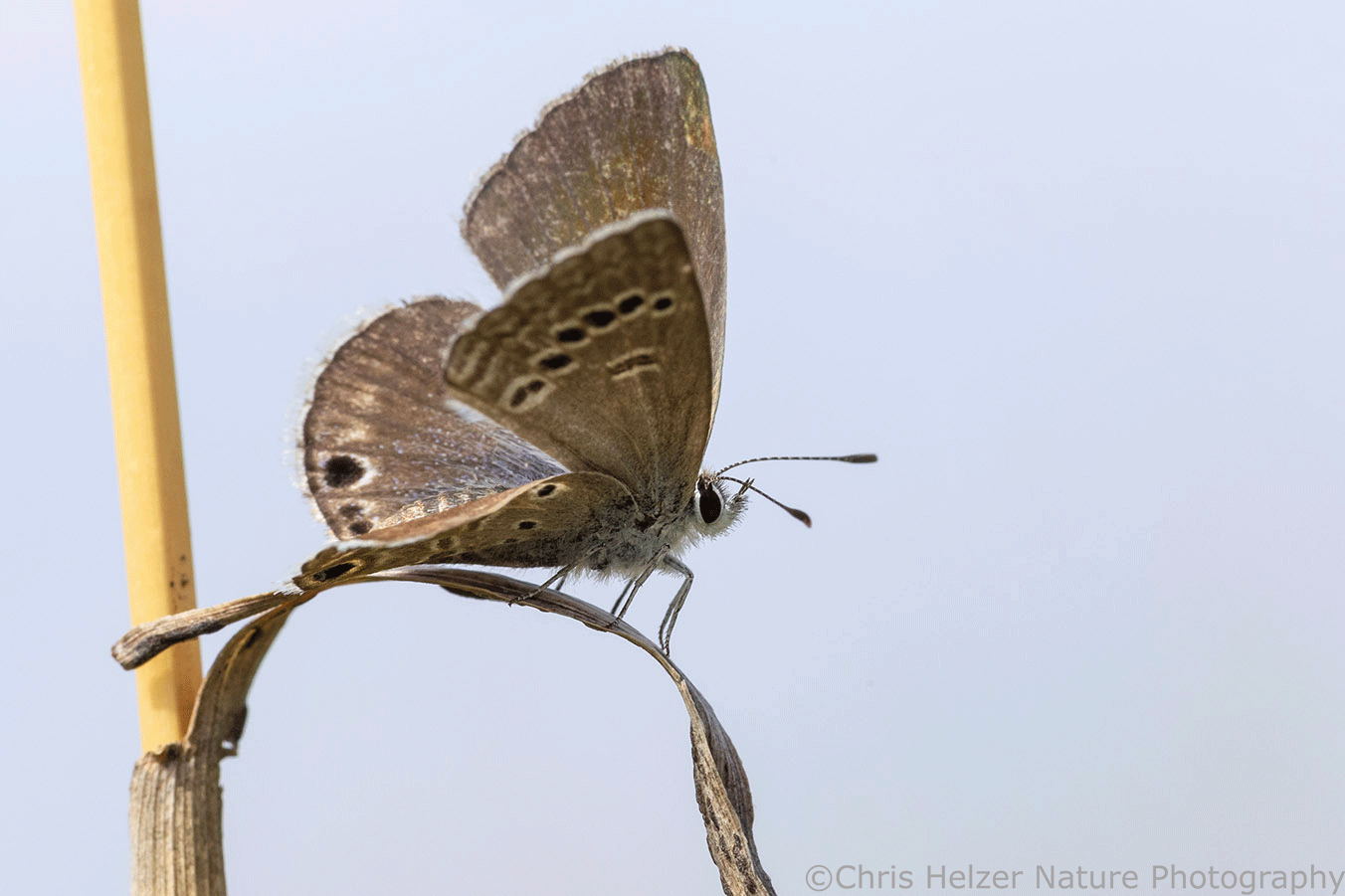
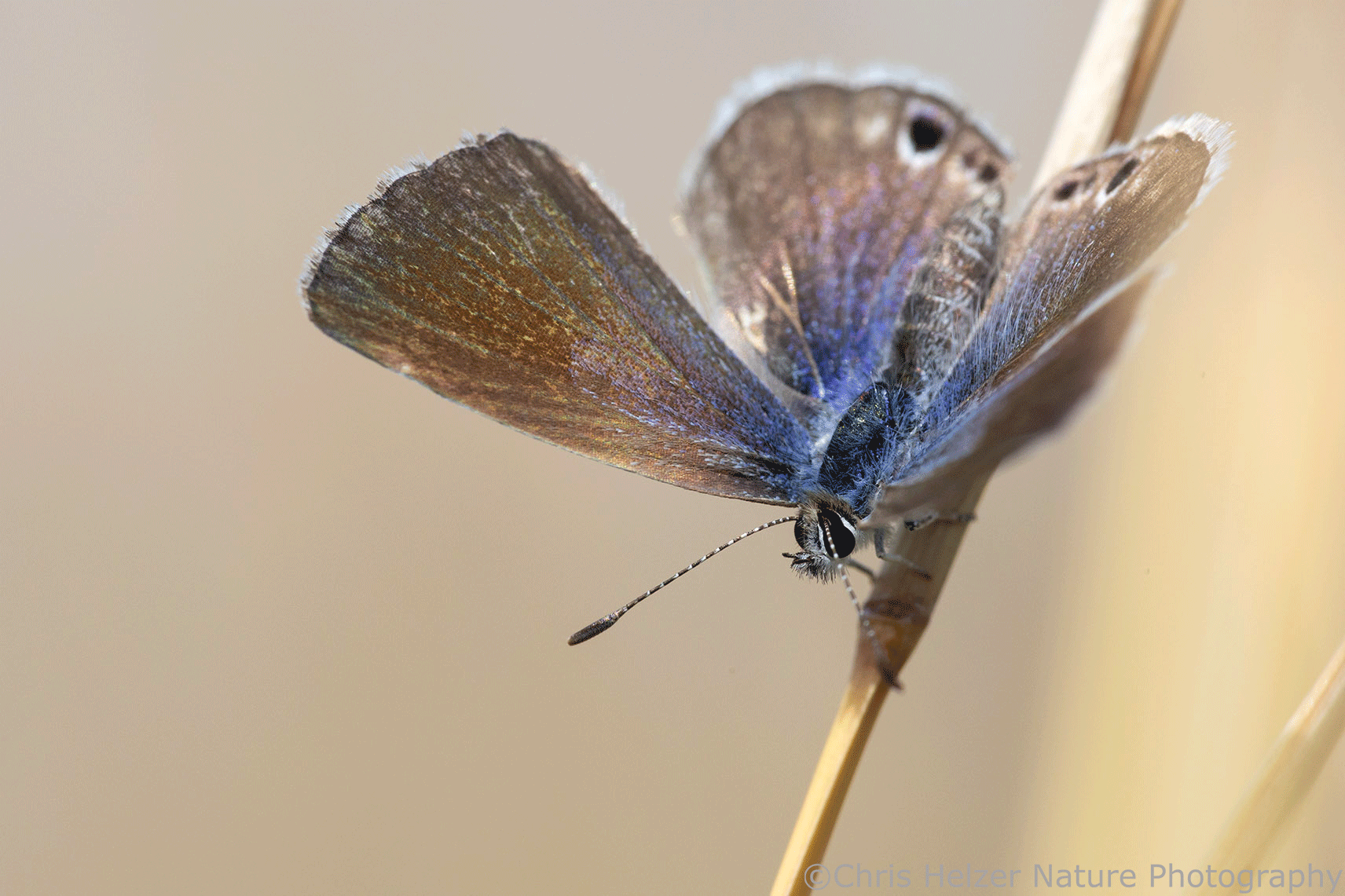
Some recent rains have slightly eased the drought conditions around here, though it’s going to take a lot more to prevent dry, brown mid-summer prairie plants. The prairie will survive that just fine, but it could be a really tough summer for livestock and the people who rely on those livestock for a living. For now, though, the prairies are green and starting to fill with wildflowers.
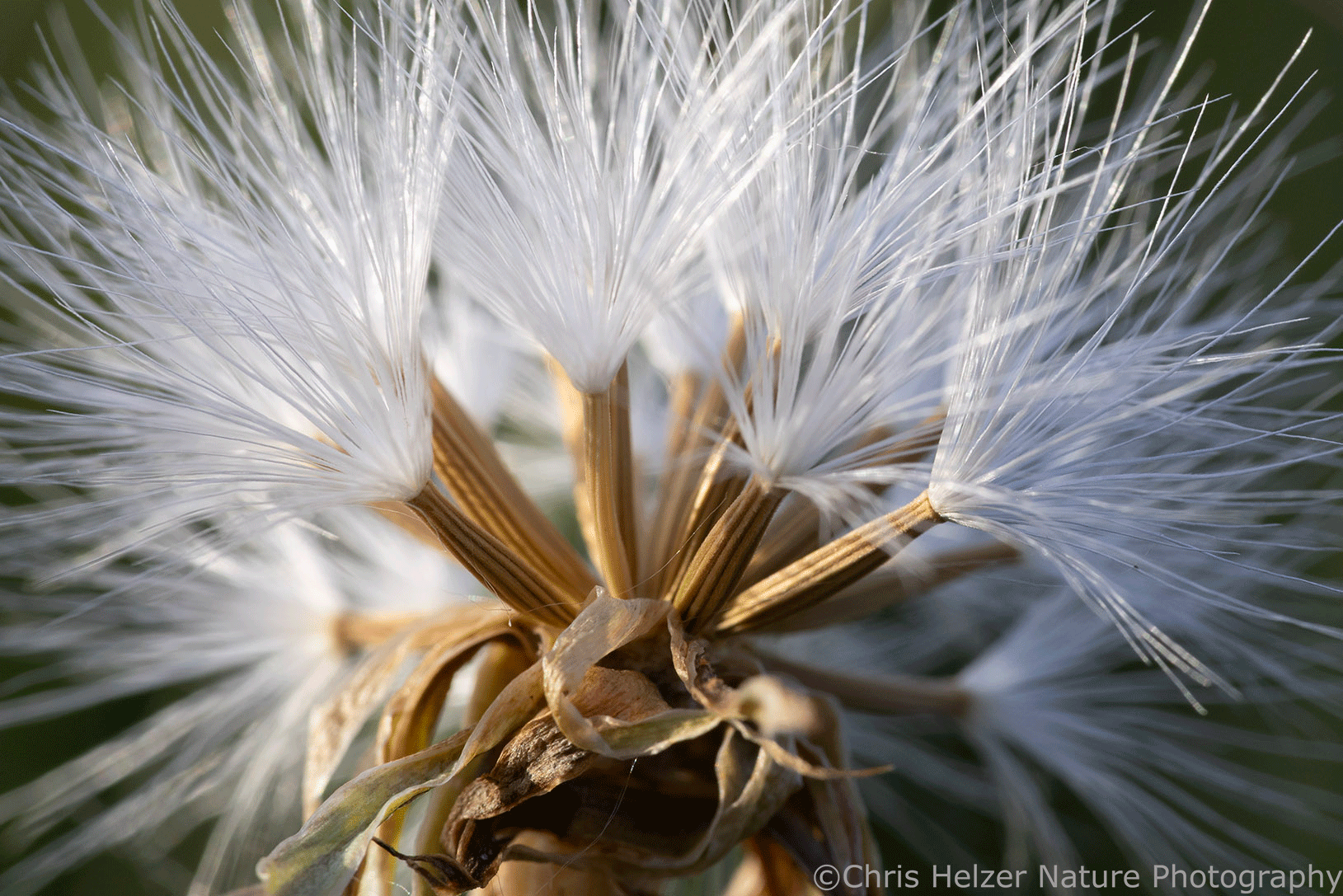
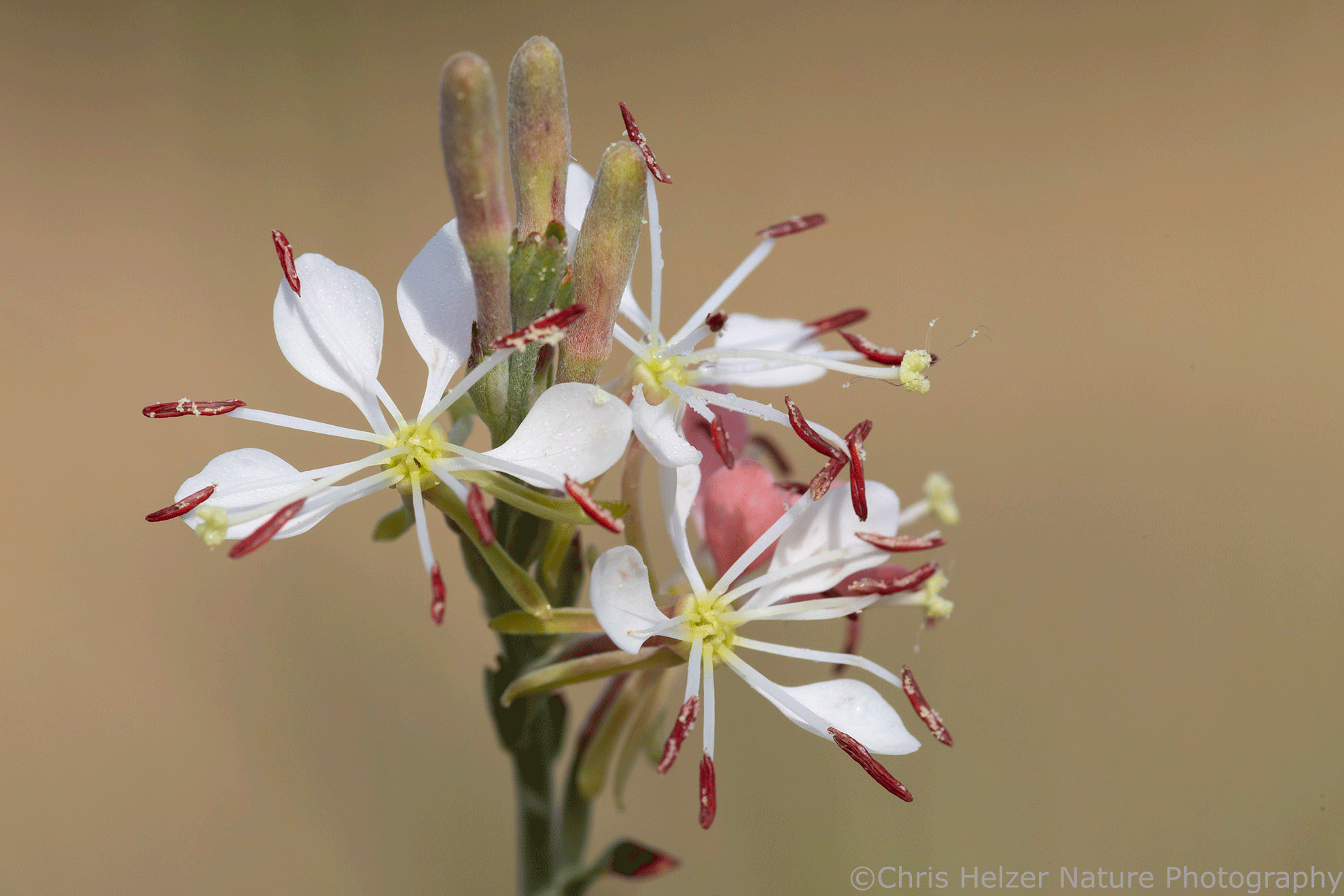
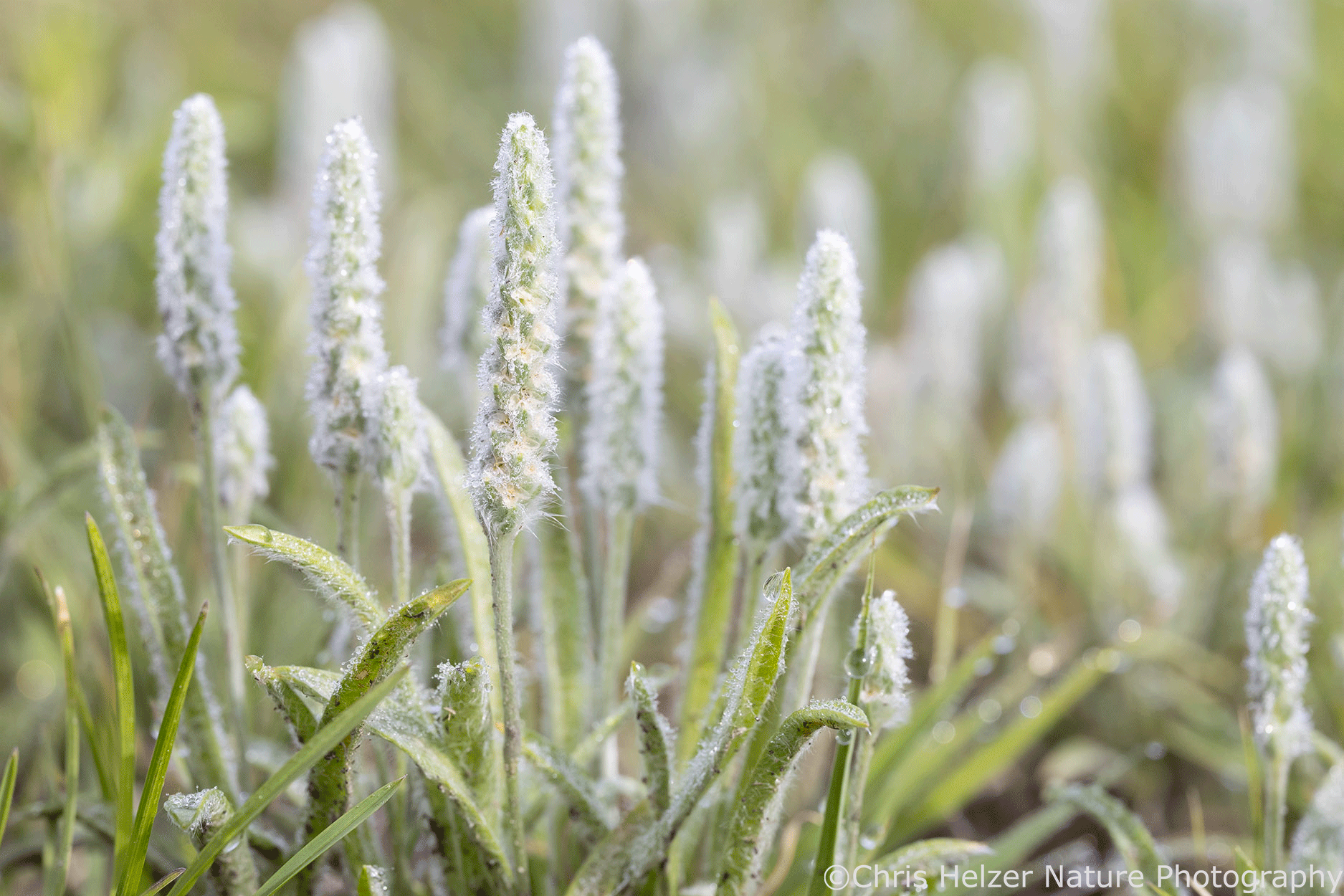
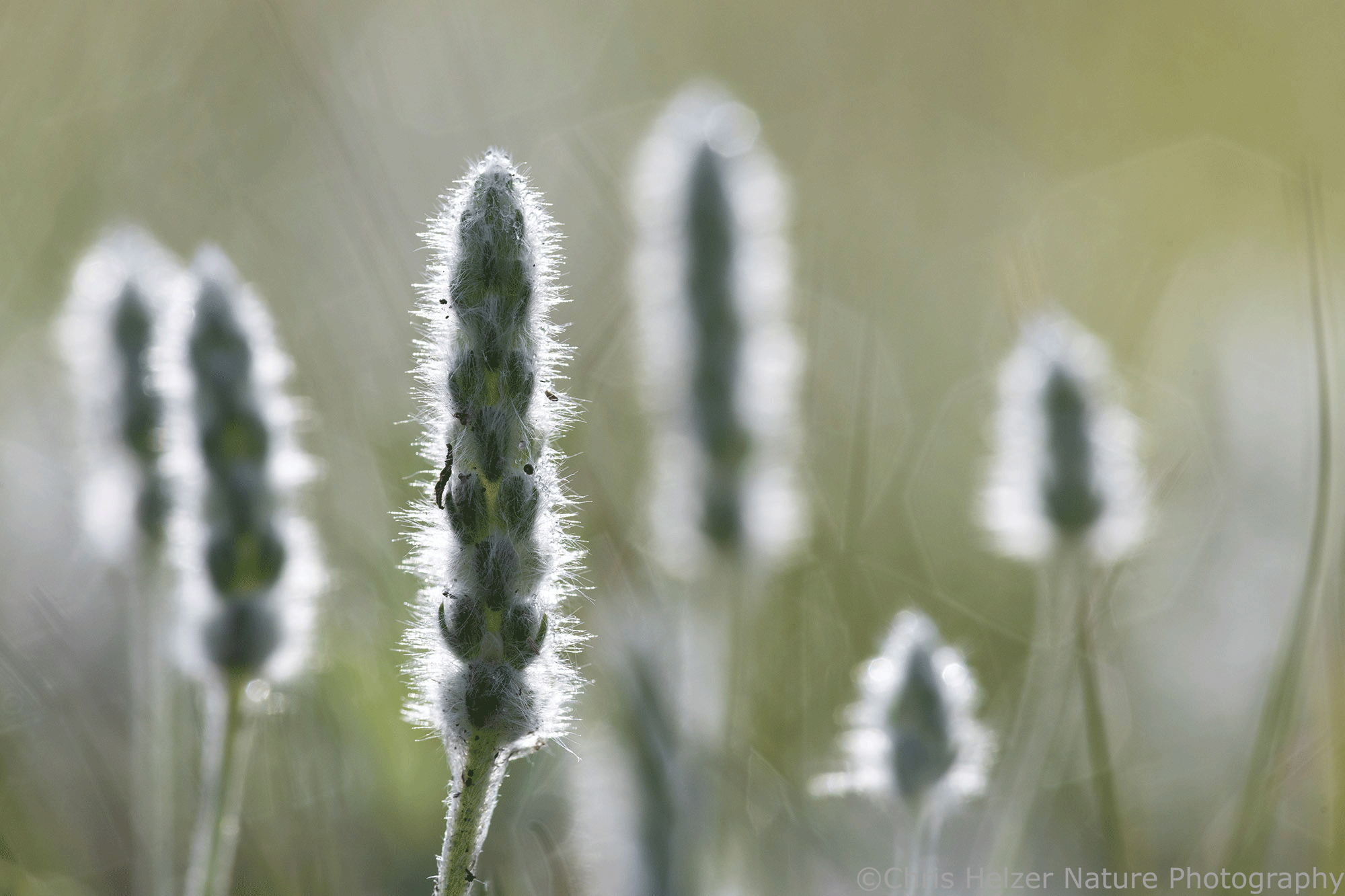
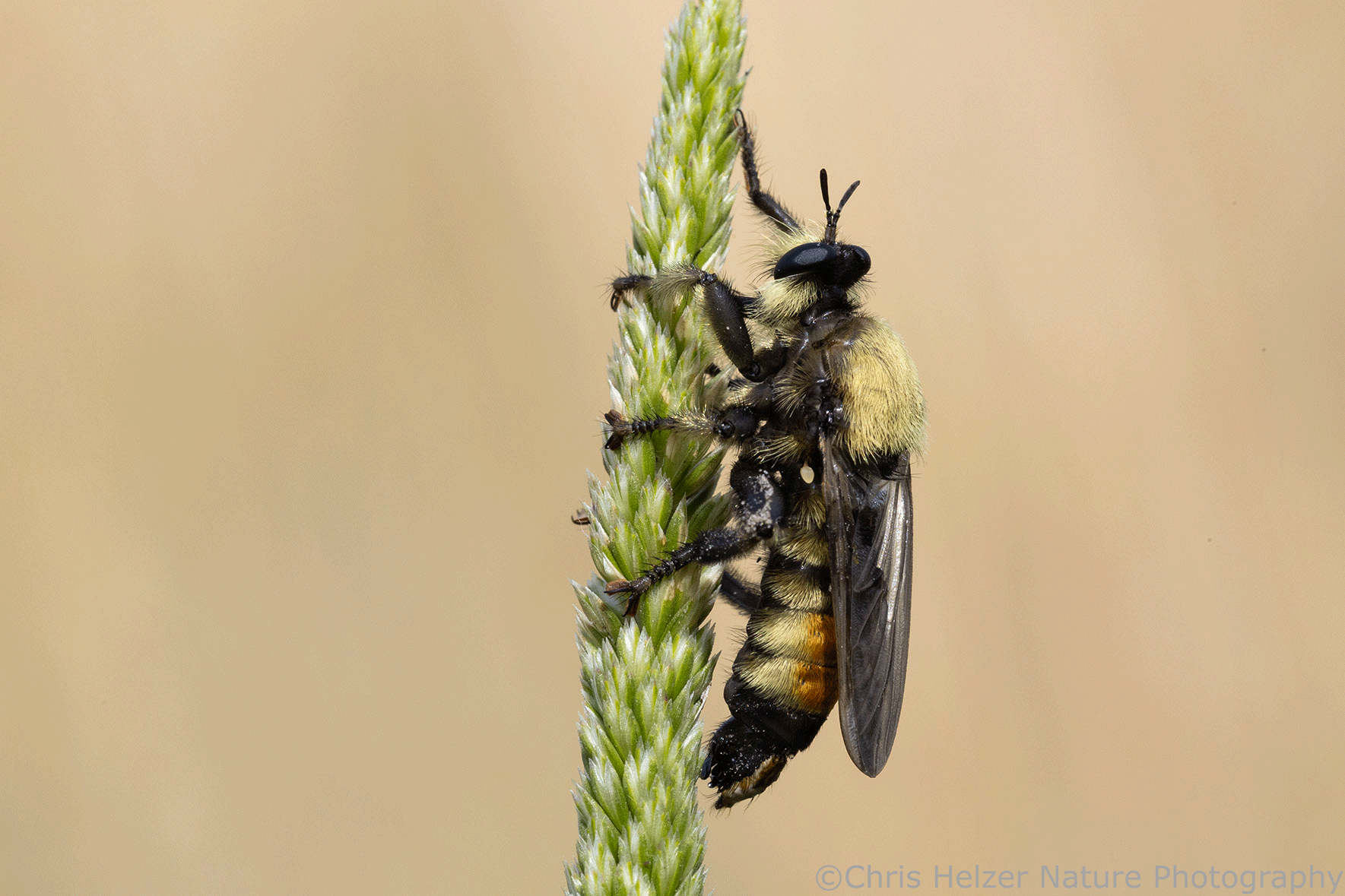
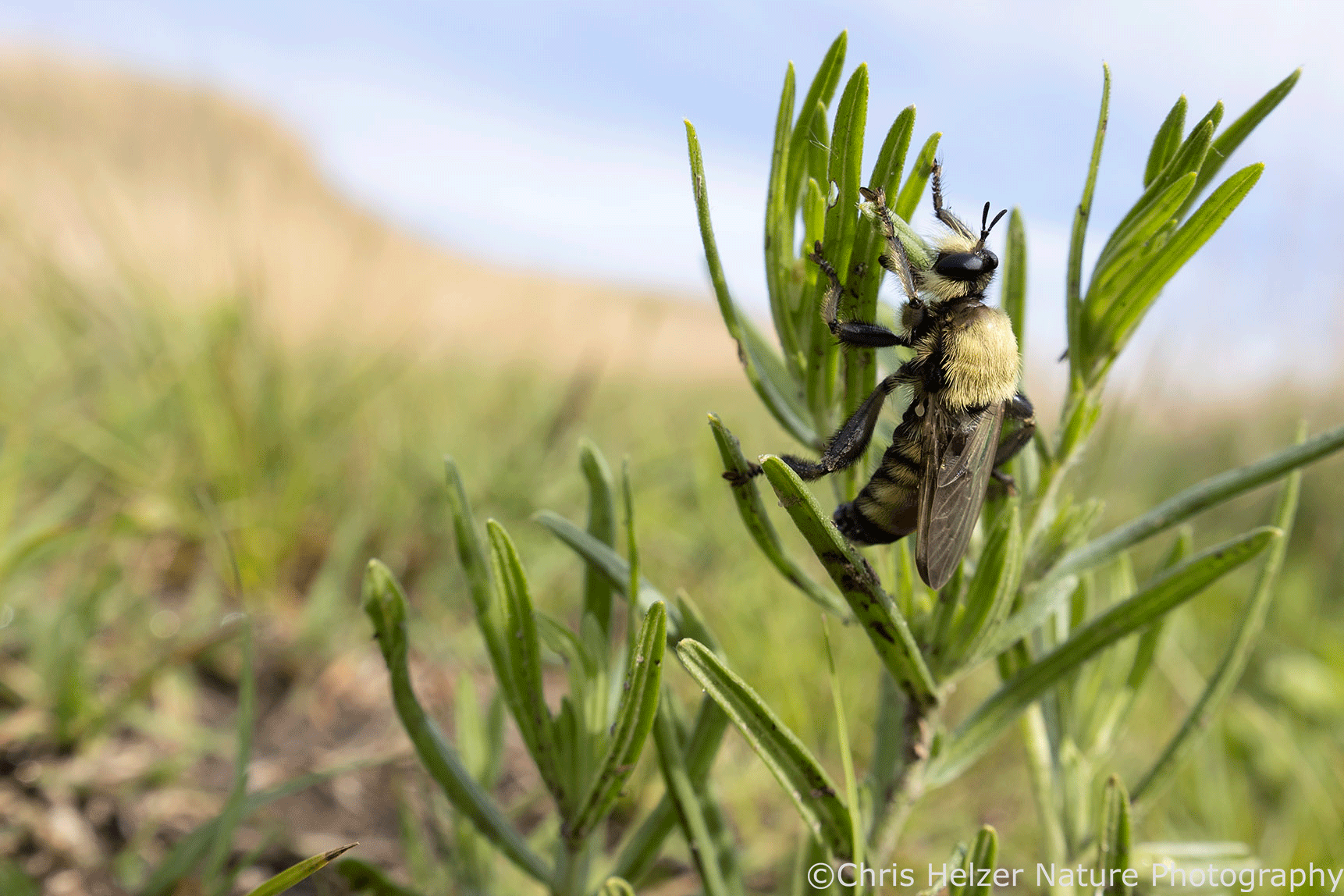
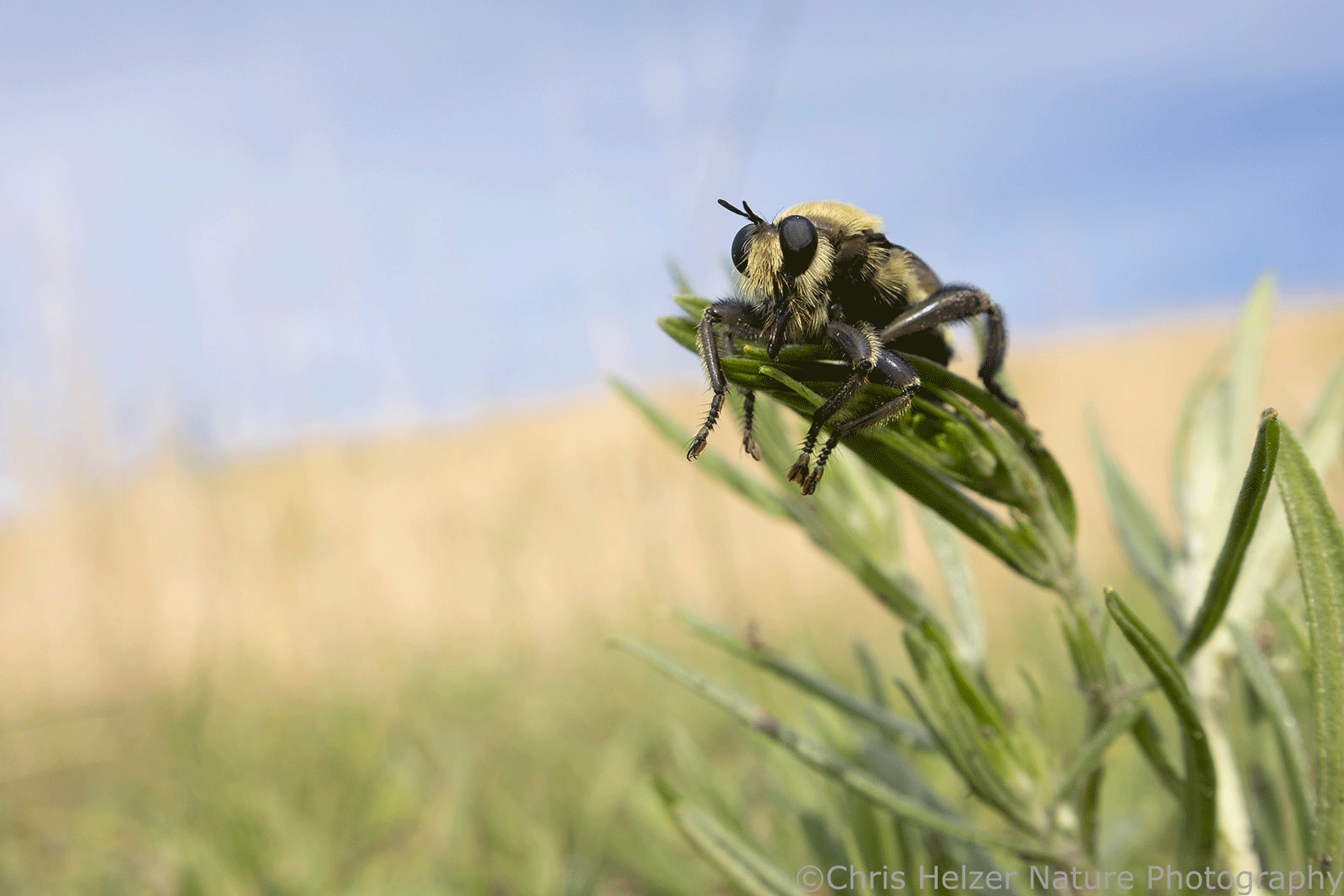
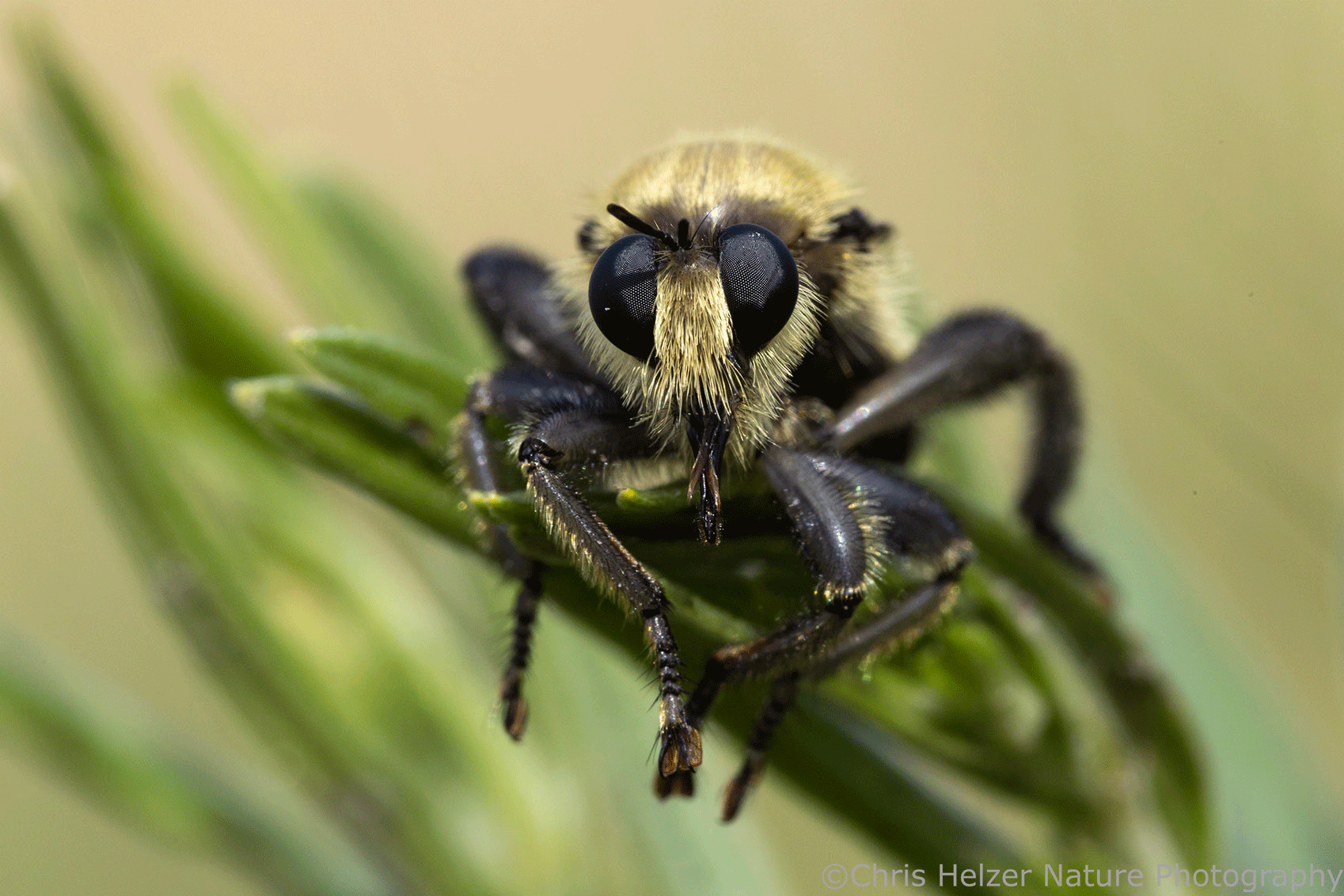
I came across a bumble bee mimic robber fly. It was still cool and dewy enough that it wasn’t quite ready to fly off, so I got to hang out with it for a little while and try out a few different lenses and compositions. Robber flies are incredible predators that launch themselves into the air to snag flying prey. Their flying prowess seems sufficient for success, but some of them have the added advantage of looking like a bumble bee. Bumble bees might scare some people, but they don’t really scare most insects because they’re not predators. Except the ones that are really robber flies.
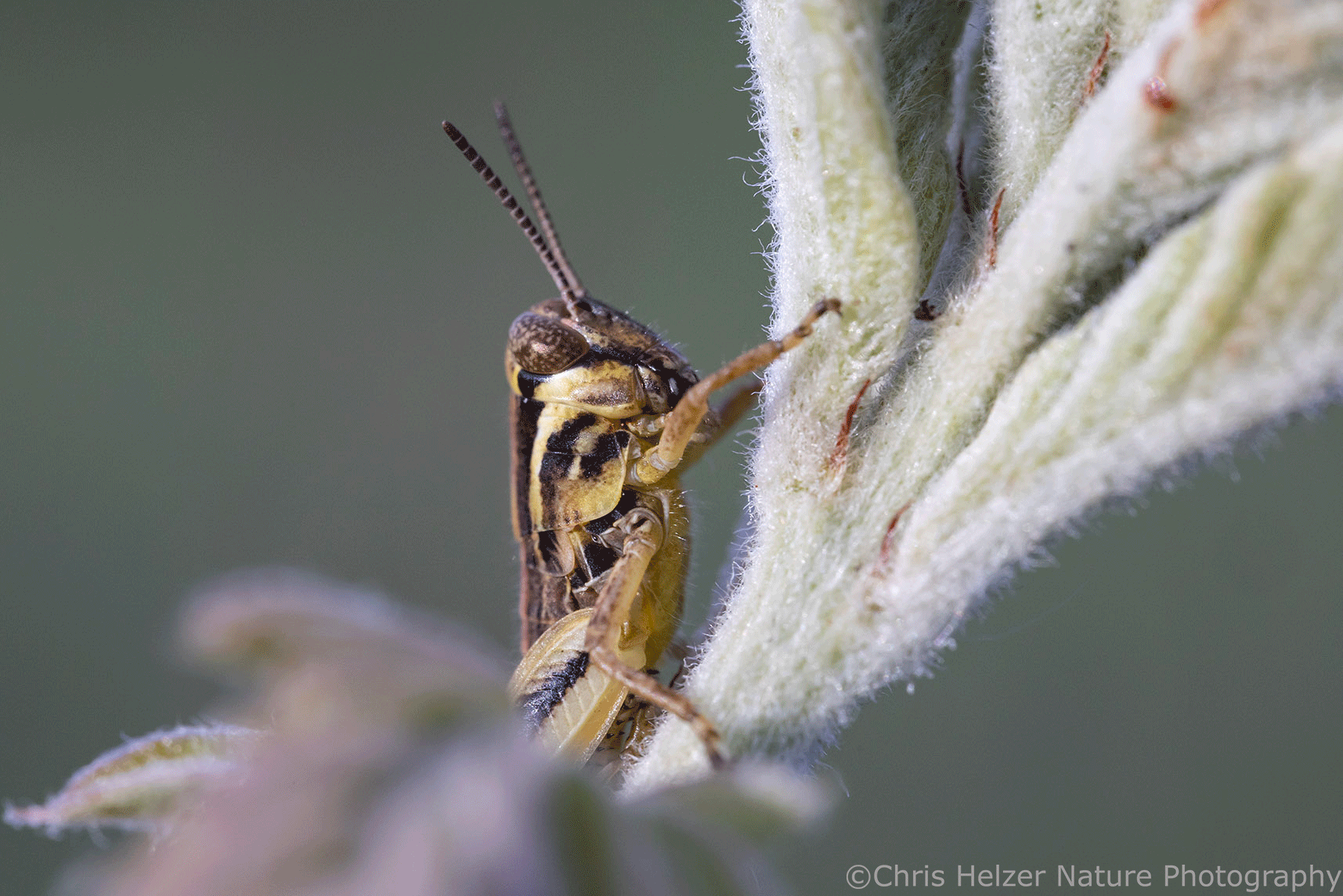
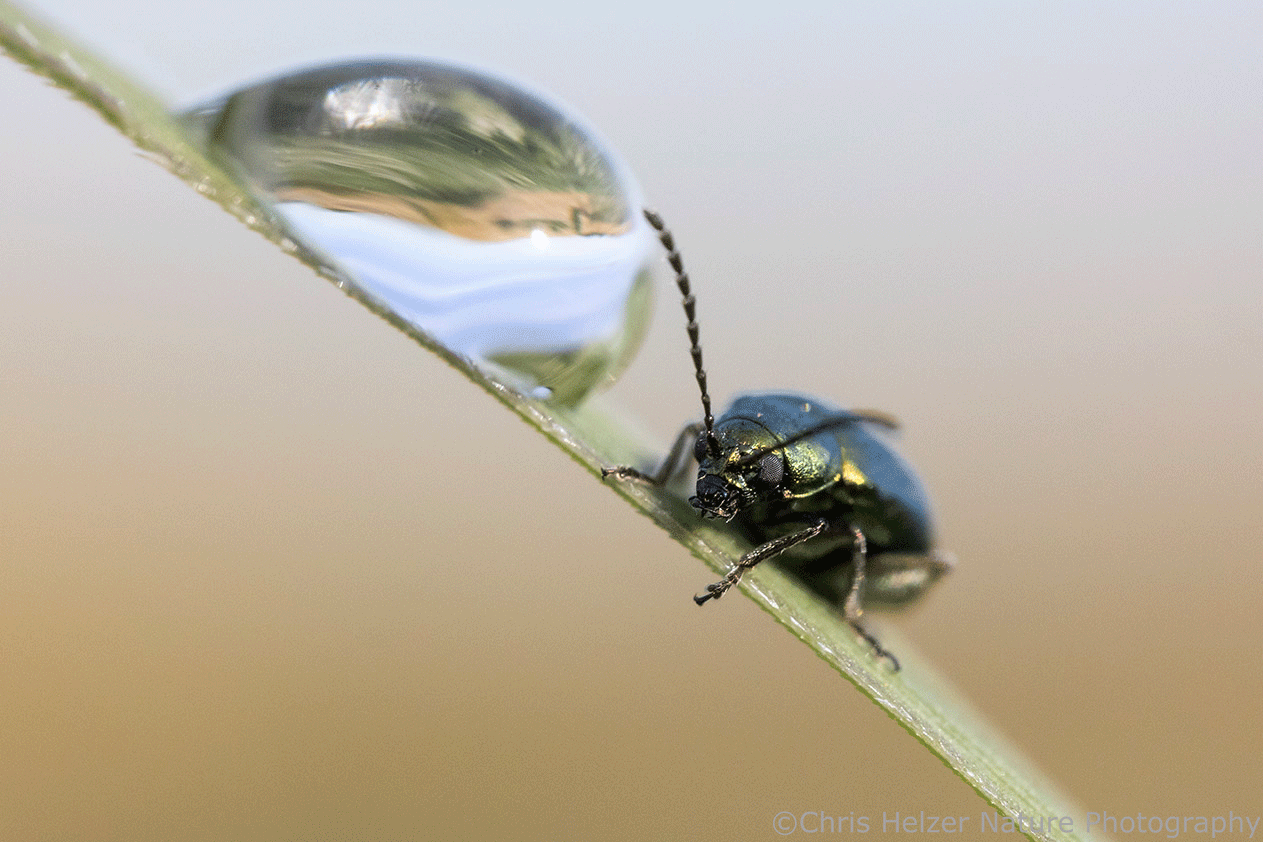
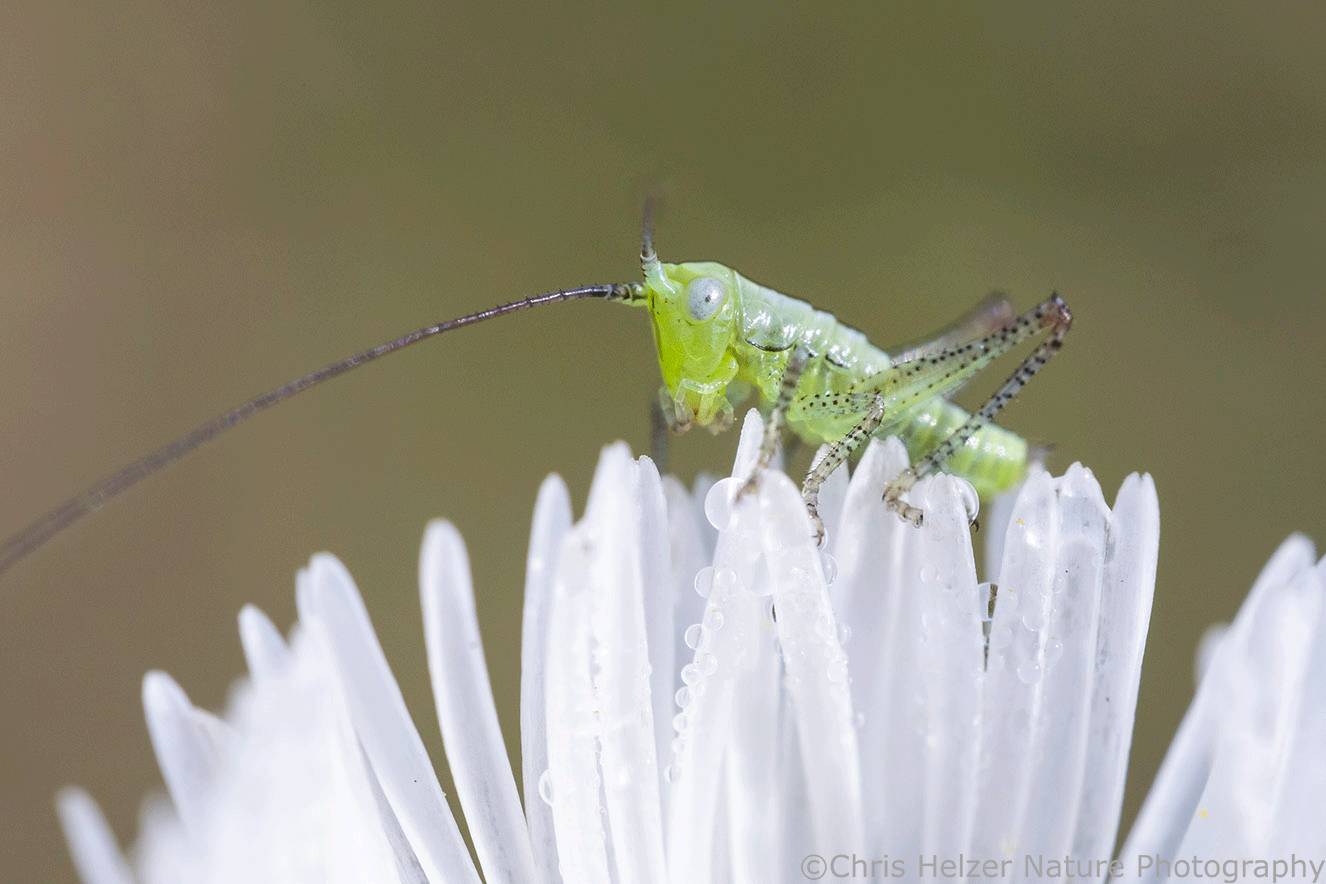
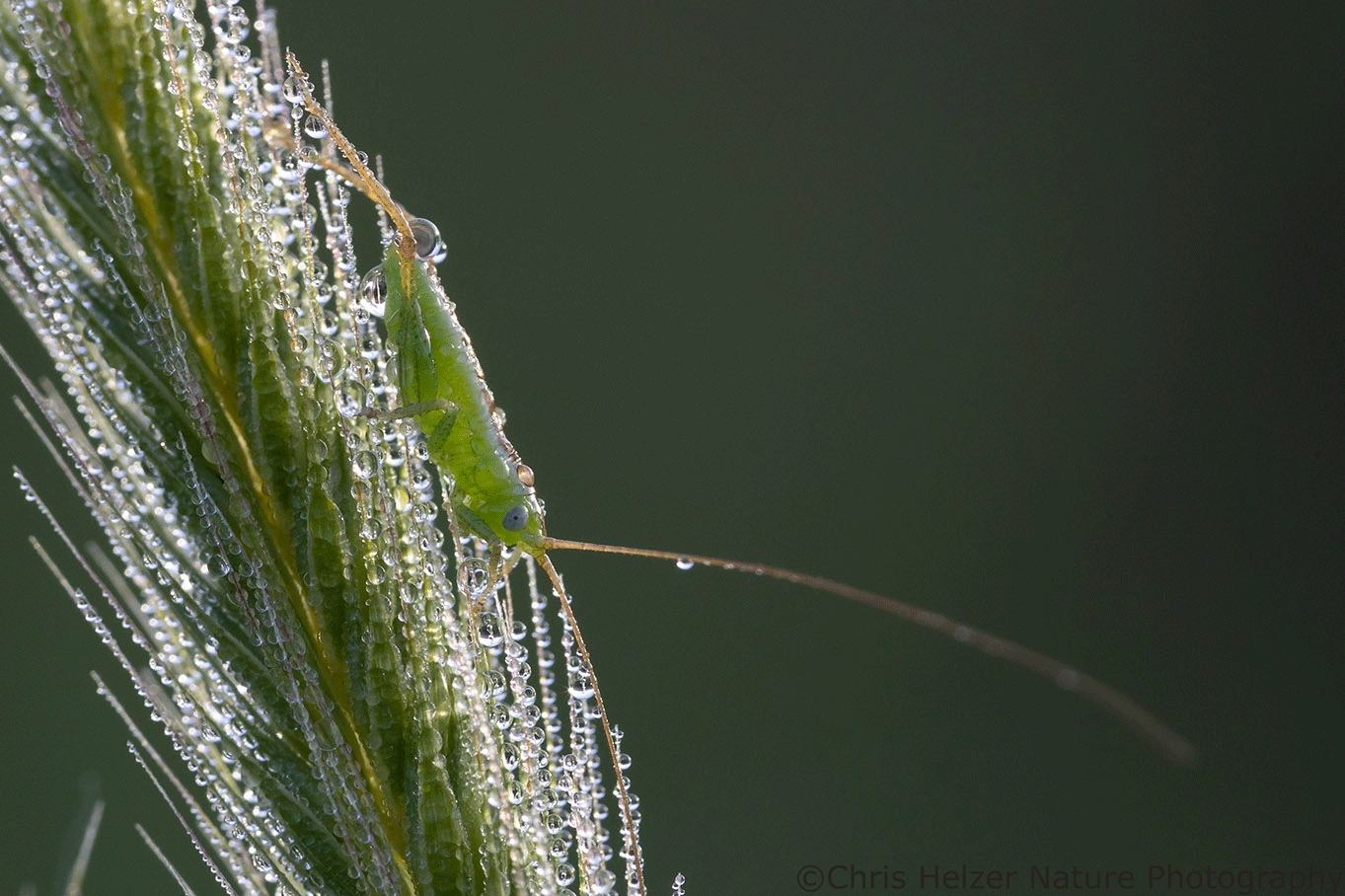
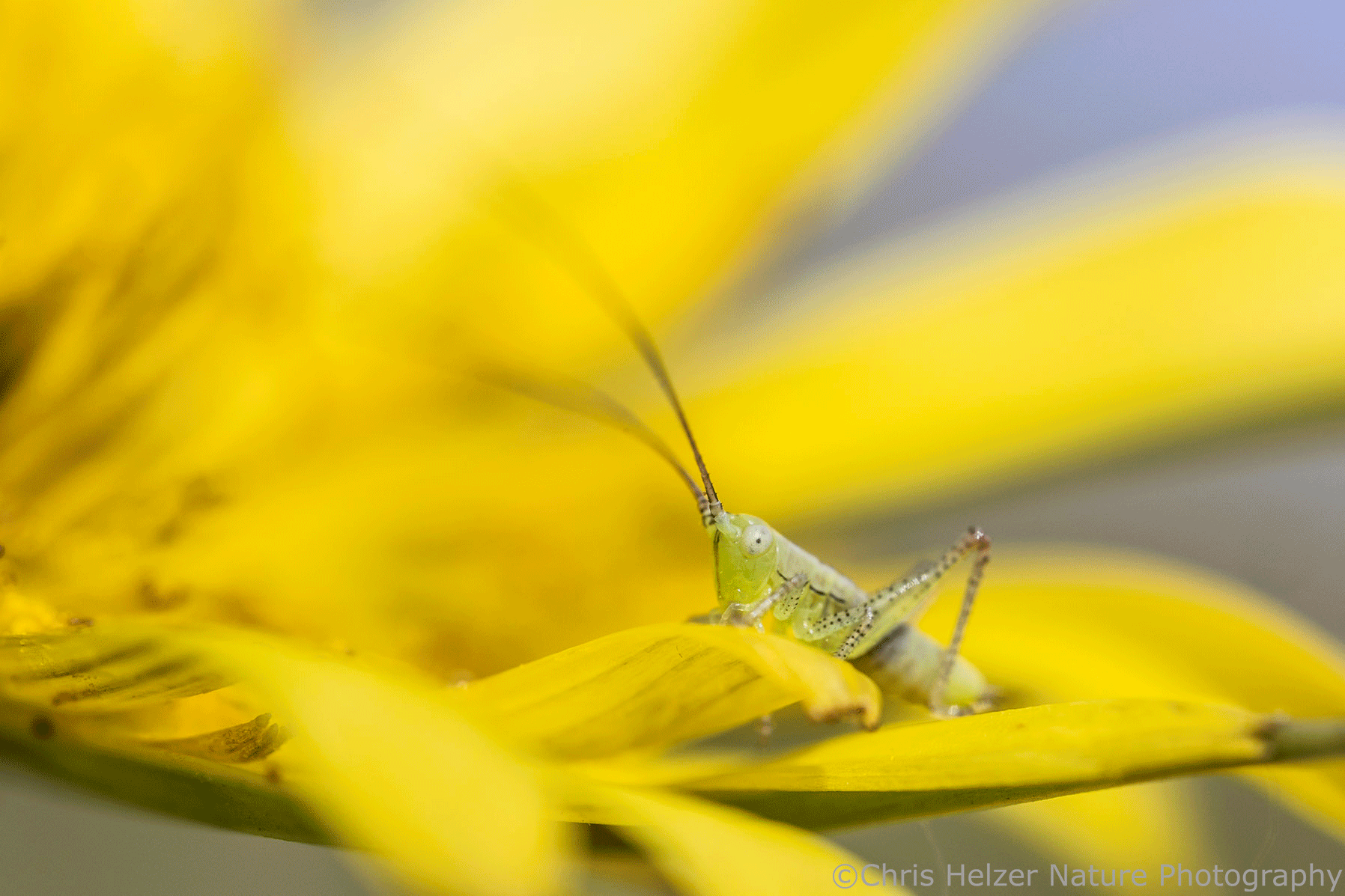
Tiny katydid nymphs were all over the place, though they were hard to see because of their diminutive size. The easiest way to find them was to look for their long antennae waving around. Those long antennae are an easy way for humans to distinguish katydids from grasshoppers but they look difficult to walk around with.
I’m finishing this post from a hotel in Missouri where I’m attending the annual workshop for the Grassland Restoration Network. This year, we’re at the Shaw Nature Reserve, which is a beautiful place that features some spectacular restoration projects. More on that later.
Besides the opportunity to mingle with and learn from SNR’s staff and the roughly 100 workshop participants, it’s also fun to see a lot of prairie plants that are blooming several weeks earlier than they will be back home. It’s like seeing a trailer for the Nebraska summer prairie – if the Nebraska summer prairie was a movie.
Of course, while there’s a lot of overlap between eastern Missouri and central Nebraska prairie species, there are also a lot of big differences. In light of that, I guess it’s not really like seeing a trailer for the Nebraska Summer Prairie. But it’s still fun to see a lot of plants that are flowing here but are not yet flowering at home.
Anyway, I hope you enjoyed seeing some of what’s happening at Gjerloff Prairie, which – to be clear – is in Nebraska and not Missouri.


That bee mimic robberfly is fabulous! Thank you for sharing.