
I don’t have a favorite plant. I don’t even even have a favorite milkweed. Having said that, spider milkweed, aka green milkweed (Asclepias viridis) is right up there. It has gorgeous flowers, but they aren’t particularly flashy. Their yellow-green color doesn’t stand out from a distance like the orange of butterfly milkweed or the pinks/purples displayed by many taller milkweeds. Speaking of height, spider milkweed has large flowers and a lot of biomass, but it keeps itself relatively close to the ground. It comes across as quietly self-confident. No reason to show off when you know you’re spectacular and have nothing to prove.
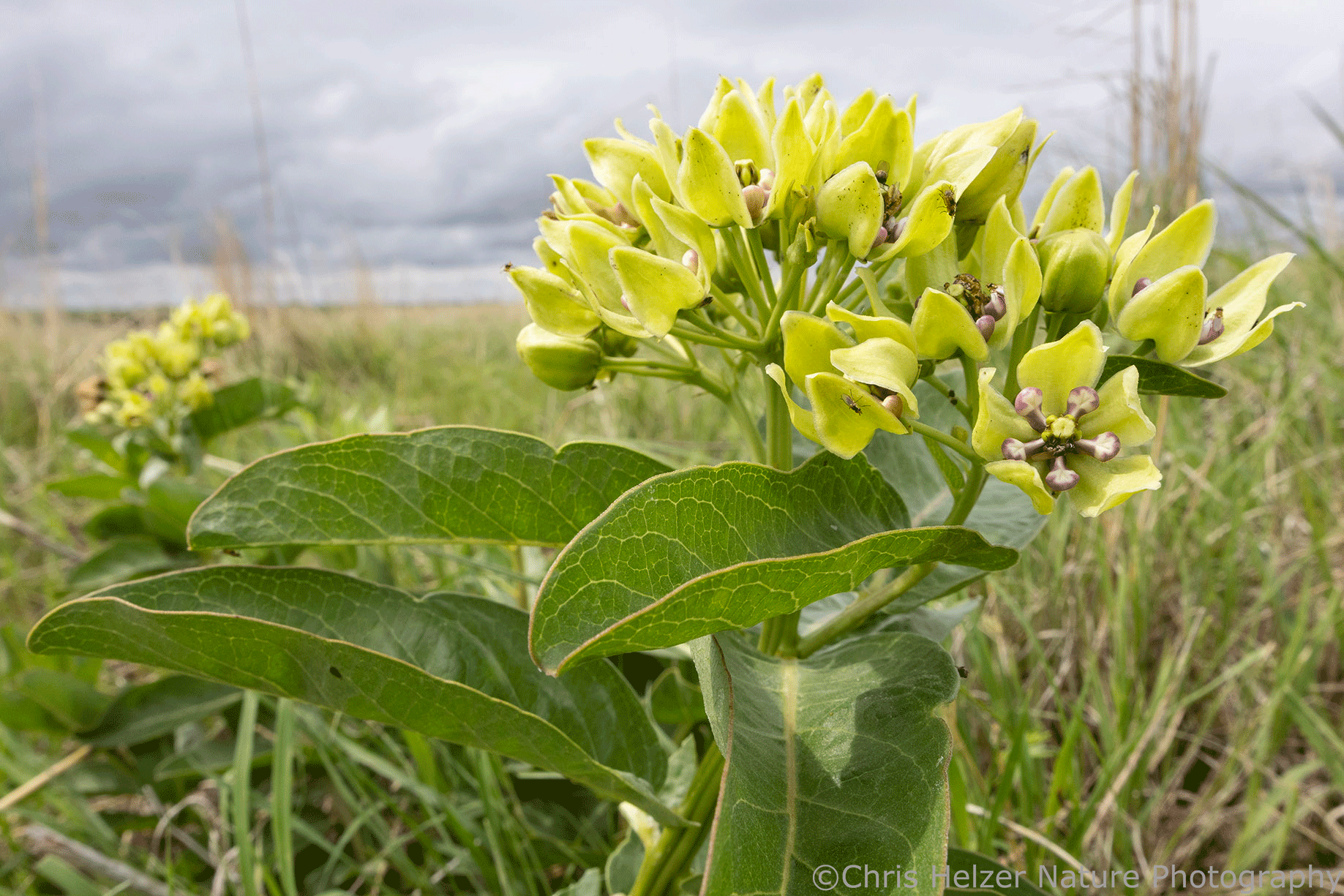
Spider milkweed is also a tough plant. It resists grazing from cattle, as opposed to species like common and showy milkweed, which cattle gobble like cherry pie (bison like them too). To clarify, I mean cattle eat common milkweed like I eat cherry pie. I don’t know if cattle like cherry pie (I don’t know if bison do either).
At our family prairie, where I took all the photos for this post, spider milkweed is blooming just as prolifically where last year’s grazing was intense (and season-long) as where there was no grazing at all. It doesn’t seem to be more abundant or florific after grazing like some opportunistic plants (hoary vervain, yarrow, etc.). However, it also doesn’t seem suppressed by the competition from ungrazed plants like vervain and yarrow are. And no, florific isn’t a real word. Floriferous is, though. Weird.
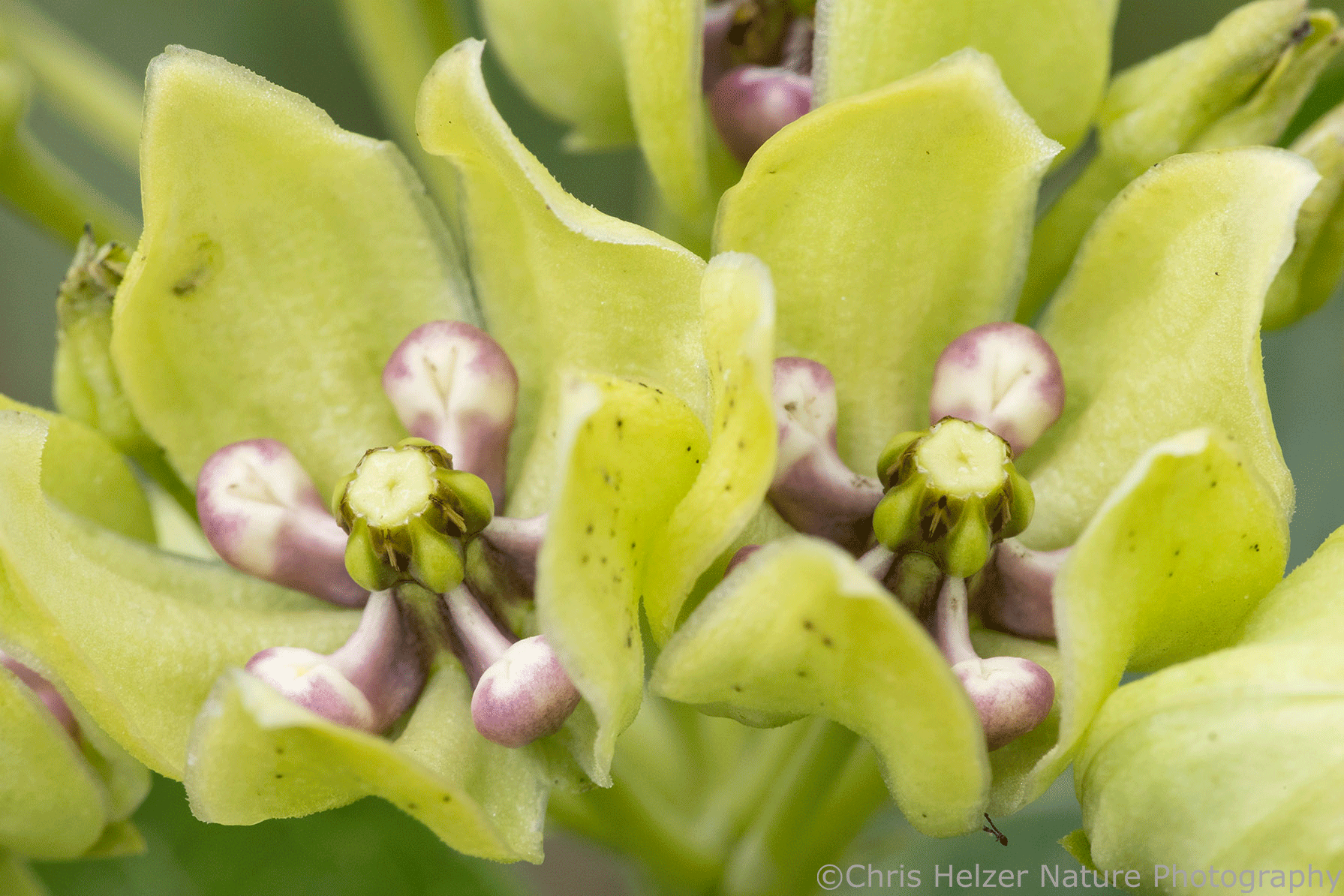
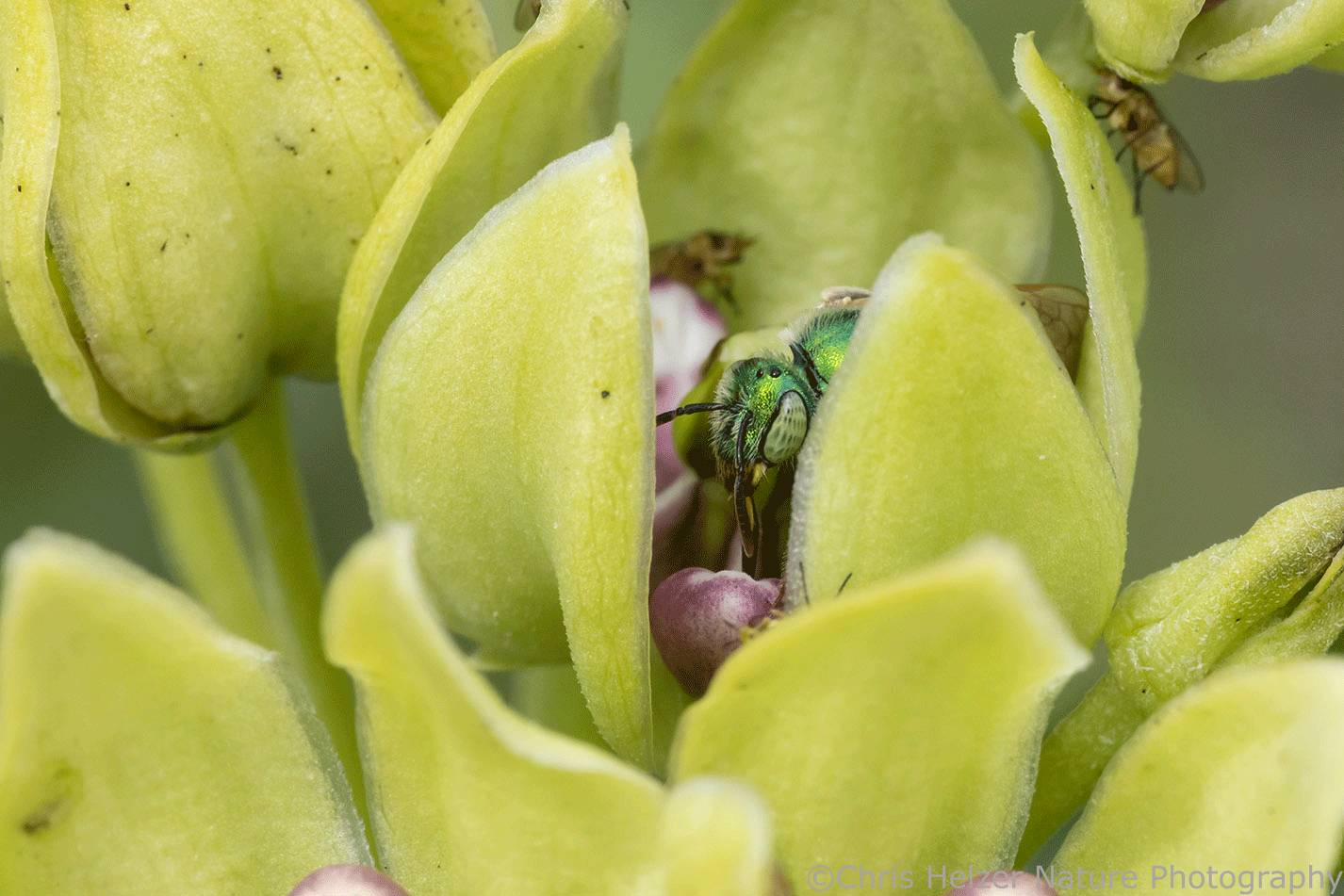
I saw lots of pollinators feeding on the nectar of spider milkweed last week, especially bees and flies. I didn’t manage to get a photo of any of the many bumble bees I saw, but I did track down a metallic green sweat bee, though I had to be particularly stealthy to make it happen. Much easier to photograph were the hundreds of tiny flies clustered on the blossoms. Wow, there were a lot of flies.
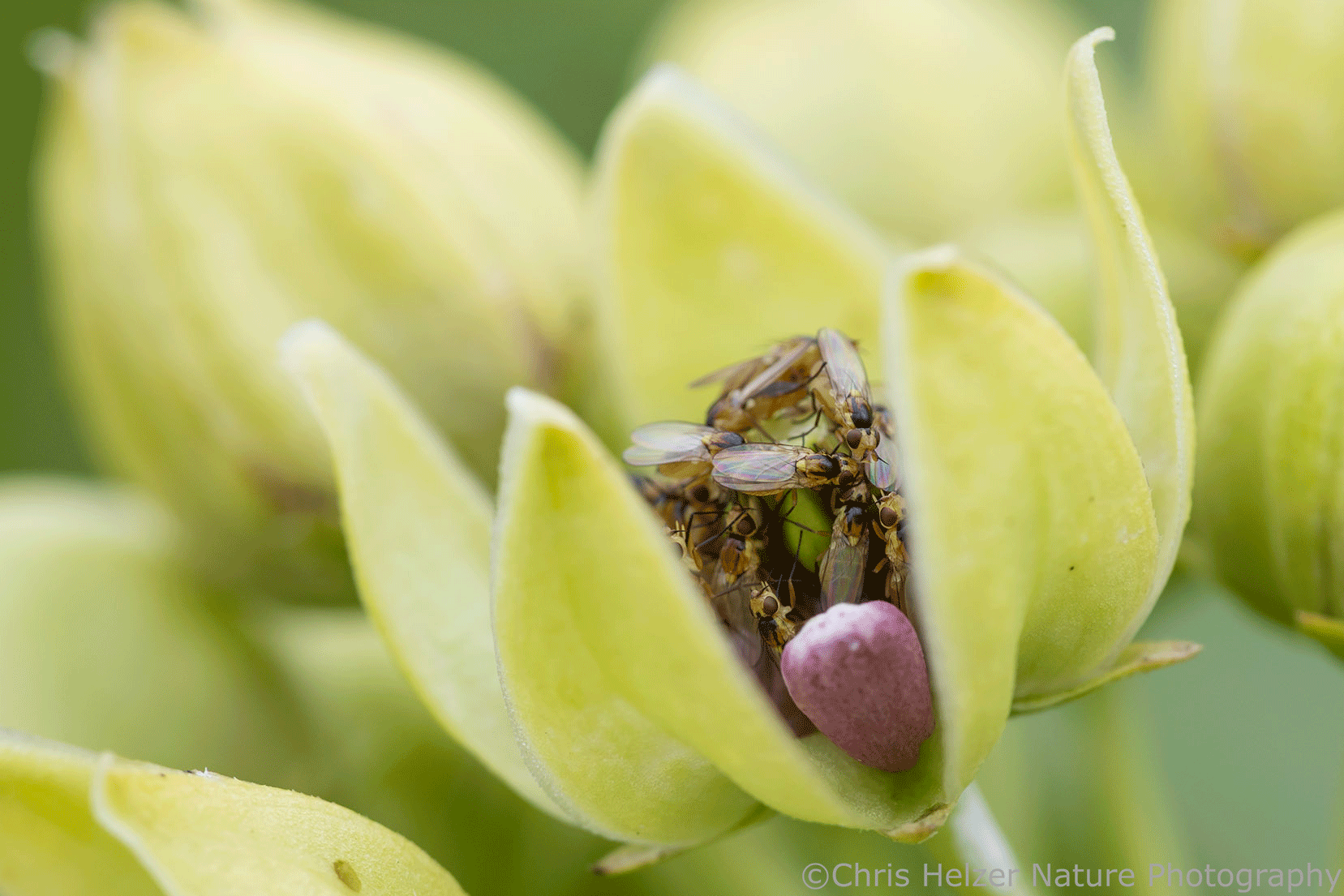
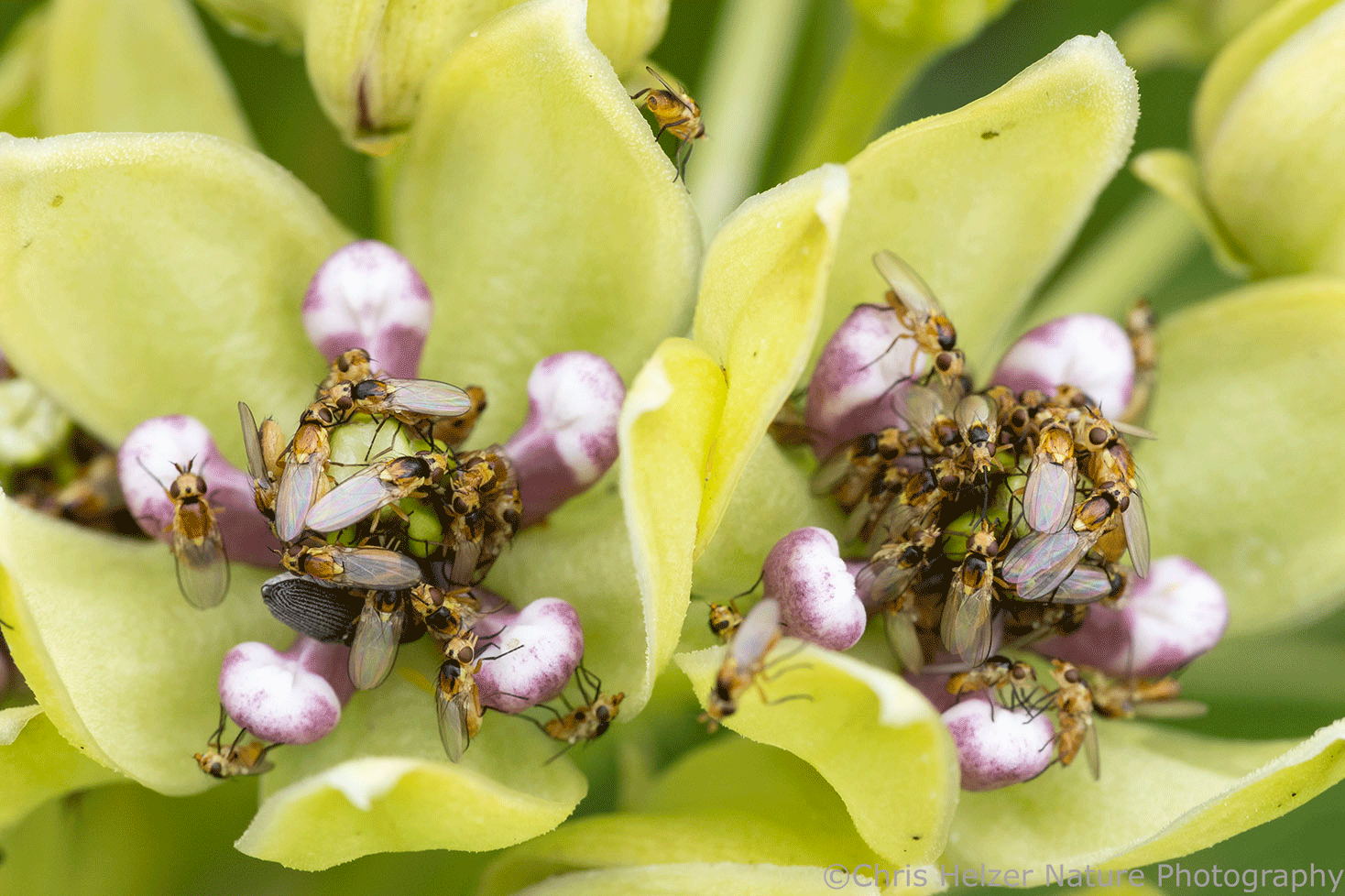
I’m not kidding about the flies. They were swarming over a lot of the flowers like the flowers were made of cherry pie (I’m just assuming all flies like cherry pie – who doesn’t like cherry pie??)
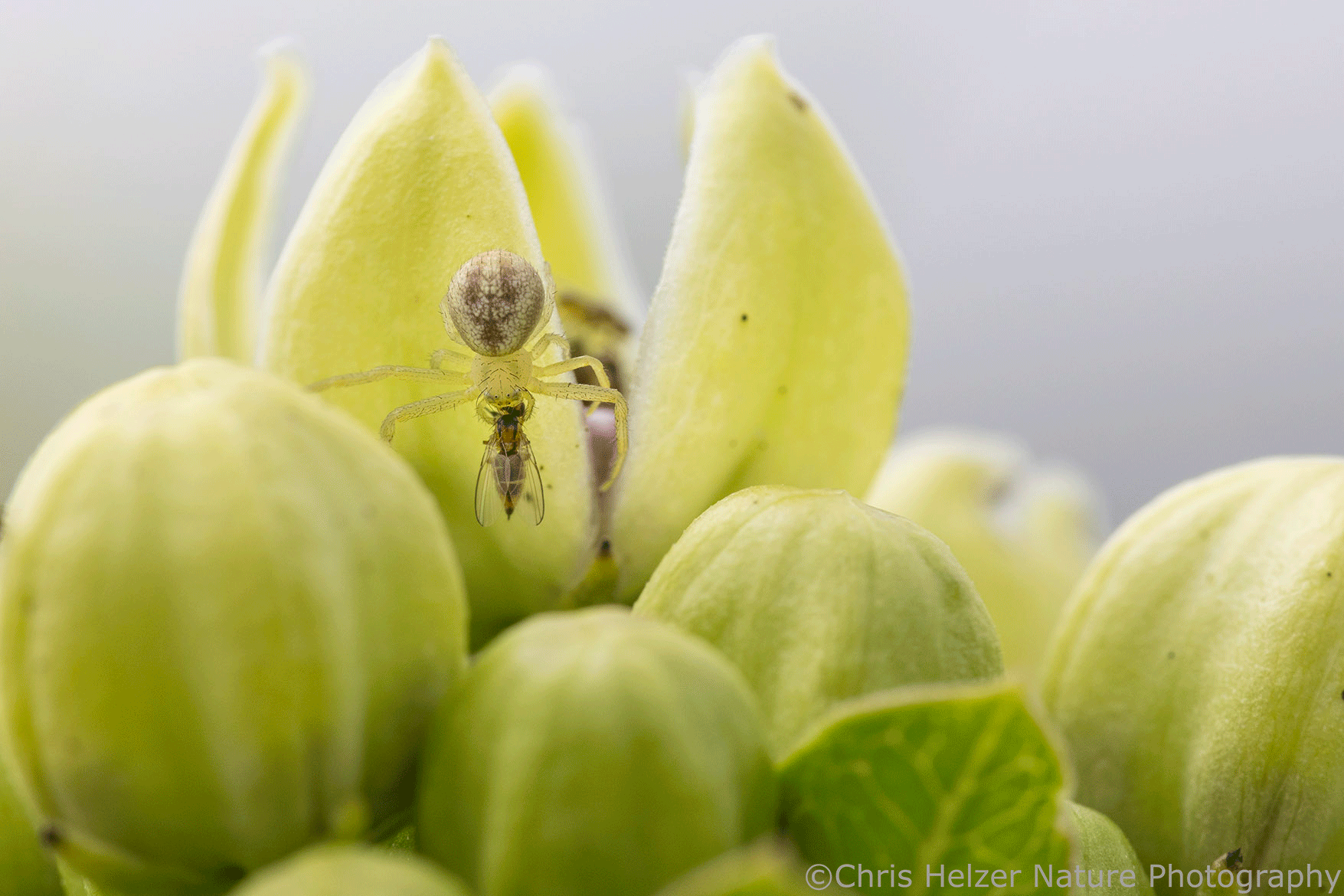
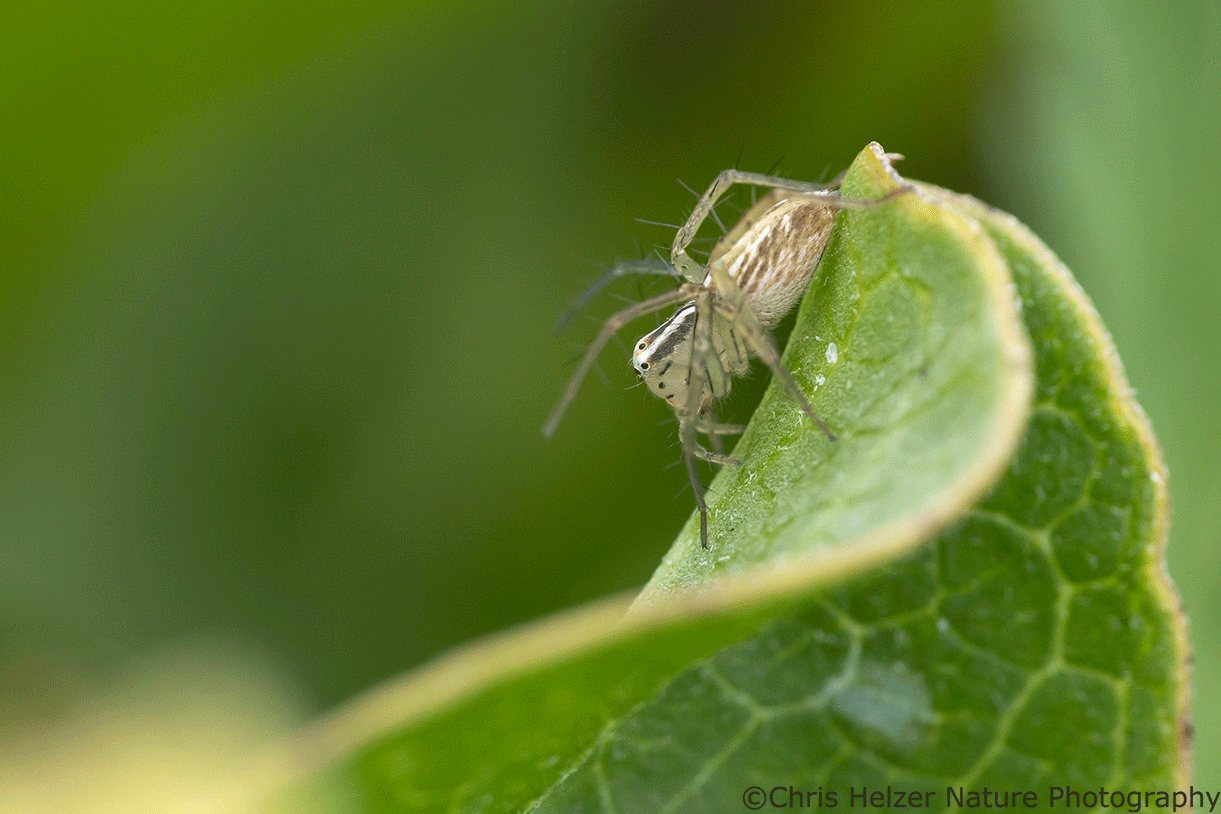
And, of course, because there were lots of flies, there were spiders to catch them. As the old saying goes, you can catch a lot of flies with honey, but spiders don’t make honey. I don’t think spider milkweed is named for the abundance of arachnids it attracts but I’m not saying it wasn’t.
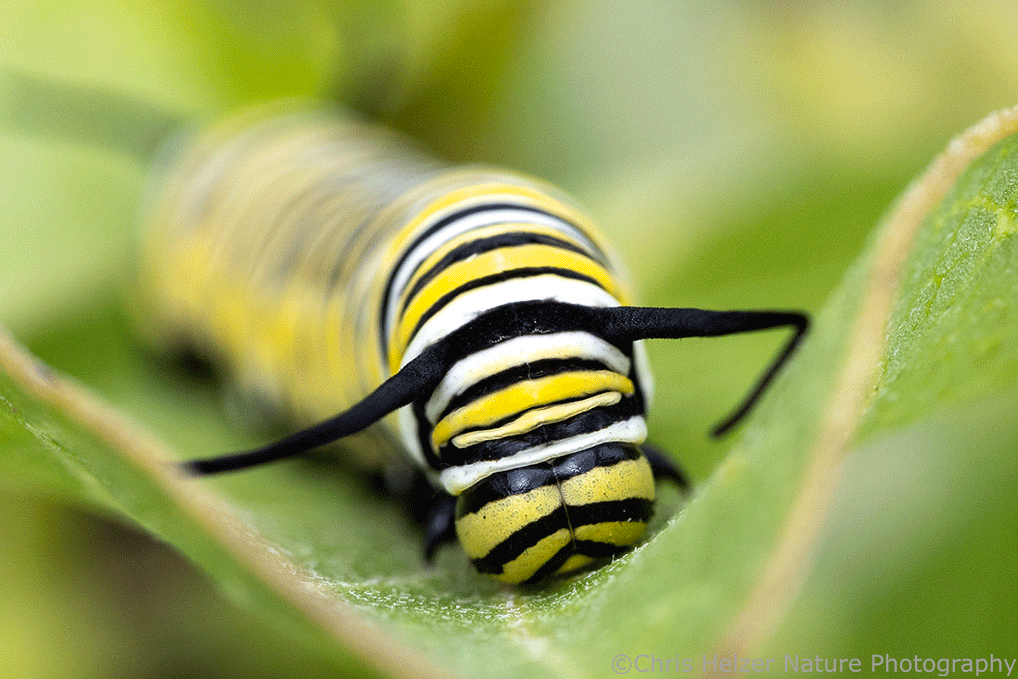
I only found one monarch caterpillar on the 10-12 spider milkweed plants I examined, but there could have been more. I wasn’t looking at the underside of all the leaves. The one caterpillar I did see was sitting right on top of a leaf and may very well have been the victim of a parasitoid. I don’t want to speak badly of anyone, but this caterpillar just didn’t quite look right. It was moving around, but its antennae were droopy and it didn’t seem to be eating. Did that make it easier to photograph? Yes, of course. Is it annoying when someone asks and answers their own questions? Who’s to say?
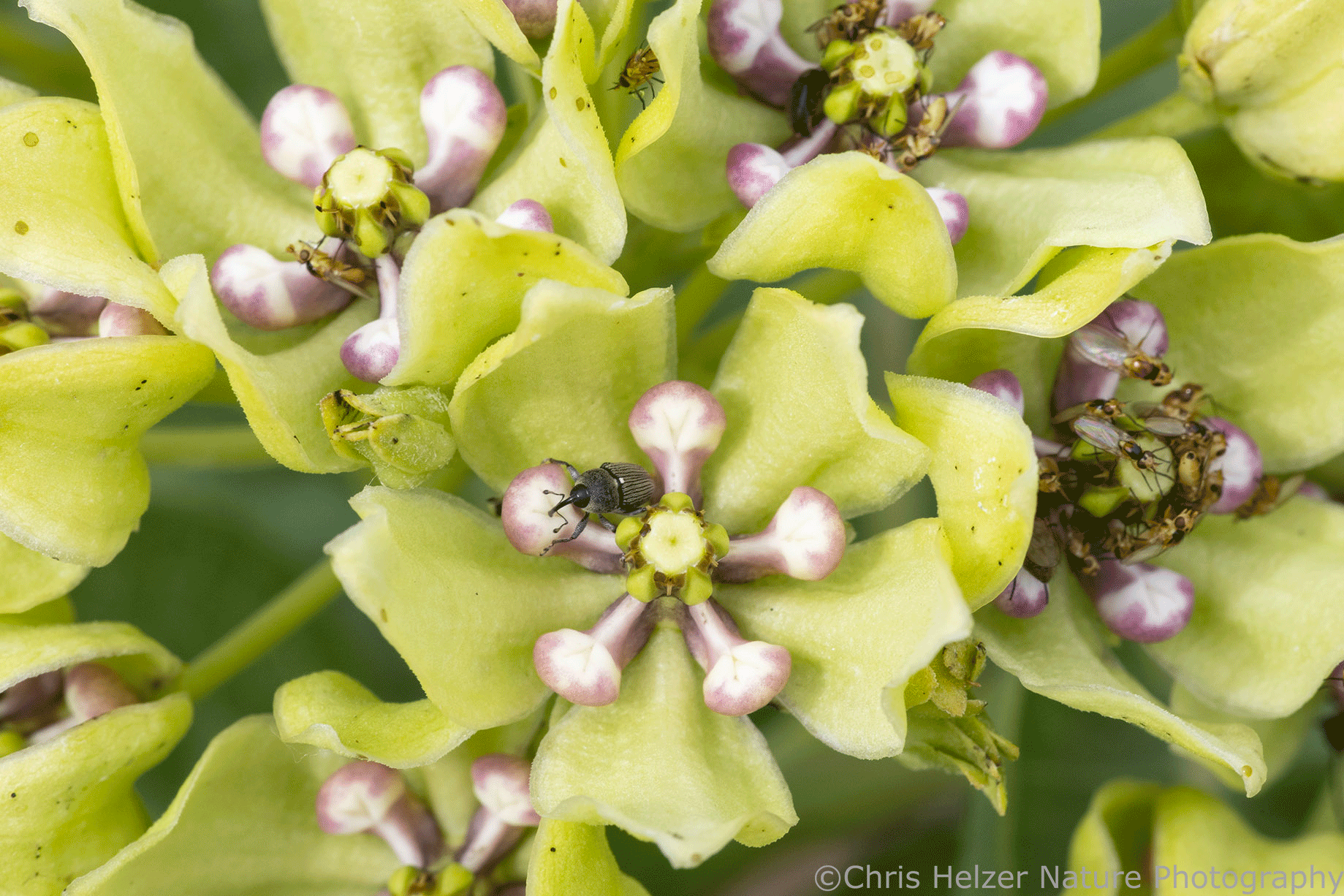
Spider milkweed is only one of 17 milkweed species we have in Nebraska. Over the course of the couple hours I was at our family prairie last week, I came across seven species, which was gratifying. Those included spider, green (aka, green comet), narrowleaf, common, whorled, butterfly, and wooly milkweeds. The wooly milkweed was a particular highlight because it’s the first time I’ve seen it at our prairie. None of the three plants I saw were blooming this year, but now that I know where they are, I’ll keep a closer eye on them in the future.
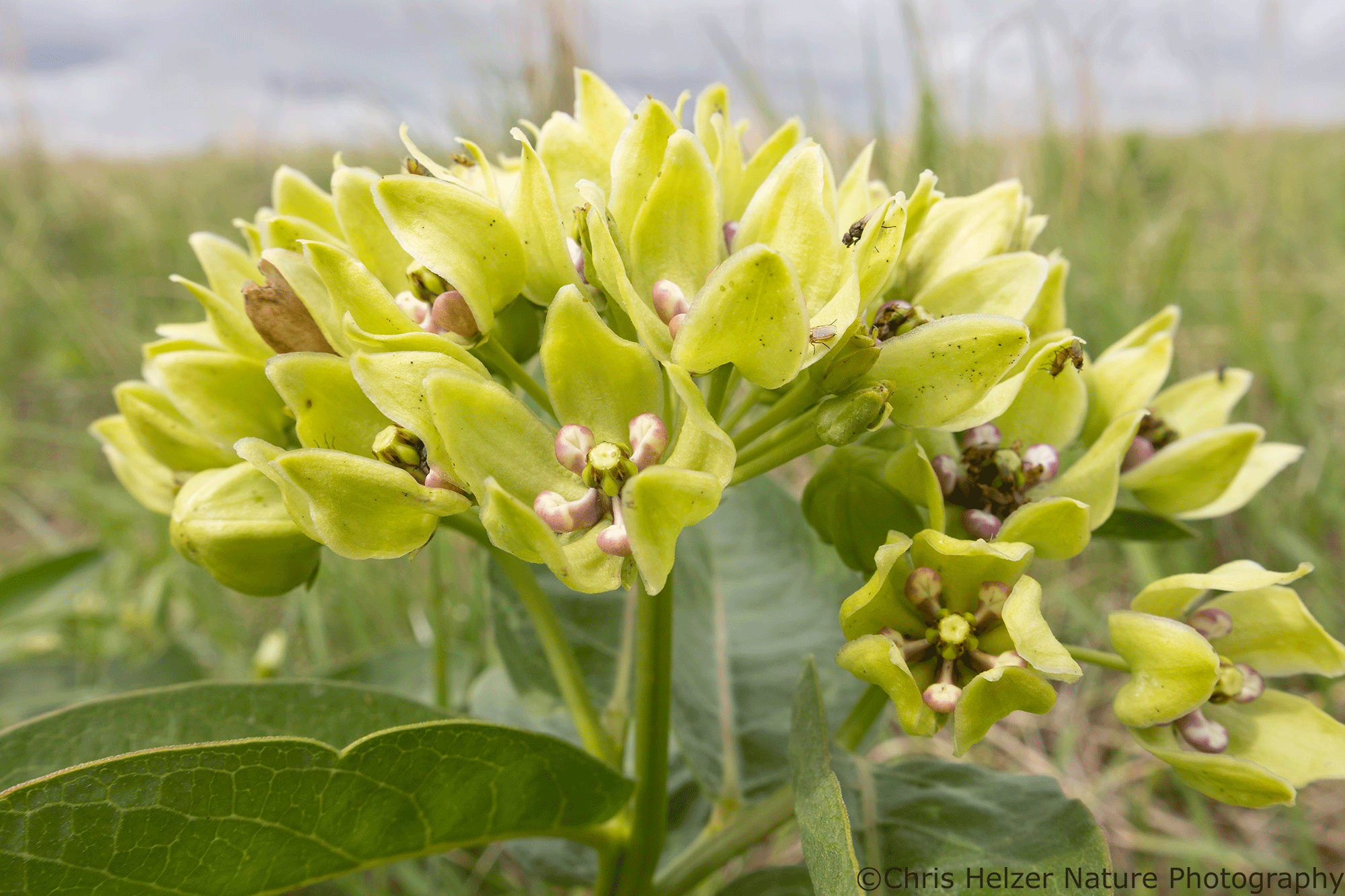
The plant community at our family prairie is still a work in progress and the diversity and abundance of flowers is not what I’d like. I see progress each year, but it’s hard to be patient with the speed of change. When it comes to spider milkweed, though, I feel very fortunate to see a lot of it and that it seems to be growing even more abundant over time.
I could sure eat some cherry pie right now.


I do love the way you write when you’re on a roll! Also, I had no idea there were so many different kinds of milkweeds. And, yes, through your lens they are stunning. Thank you!
You sure do write well when on a roll! And I appreciate learning that there are so many different kinds of milkweed. Also, your photography does indeed show us that they are stunners. Thank you.
Hi! Just FYI, I repost your blog posts on Mastodon and Bluesky, with hashtags and a small commentary. I see you’re on Bluesky! I hope my reposts are OK with you. They do get picked up by Mastodon science channels
I liked your humor in the milkweed essay.
My husband wanted to know why I was laughing so hard when I was reading your post with the mentions of cherry pie. But I didn’t dare mention to him the source of the laughter, because he loves cherry pie as much as you do and we don’t have any to serve him right now!
This was a really fun post, Chris! I always love your posts, but especially when they’re about milkweed. I love A. viridis as well (although I do have a favorite, A. exaltata, both for its name and the fact that it grows in shade so always provides a happy surprise when you find it.
I did want to note that the monarch you saw (a 5th instalr) looks pretty healthy to me. I’d say that it might have looked a bit lethargic because it was getting ready to molt.
Karen Oberhauser
The sweat bee looks to be an Agapostemon of some species – the eyes don’t have the indentation common in Augochlora or Augochlorella. Cool plant, I can’t get any milkweed beyond common to grow at home so I’m jealous.
I think everything likes cherry pie. I hope I get enough tart cherries to make pie this year!
Obviously you’ve been pastry-deprived lately, but good observations and photos nonetheless. :)
I have to agree with Karen. I think the caterpillar is ready to molt! Love your words as always Chris 🐛
U were on your A game for sure! I have only seen a few monarchs here in east central Illinois