
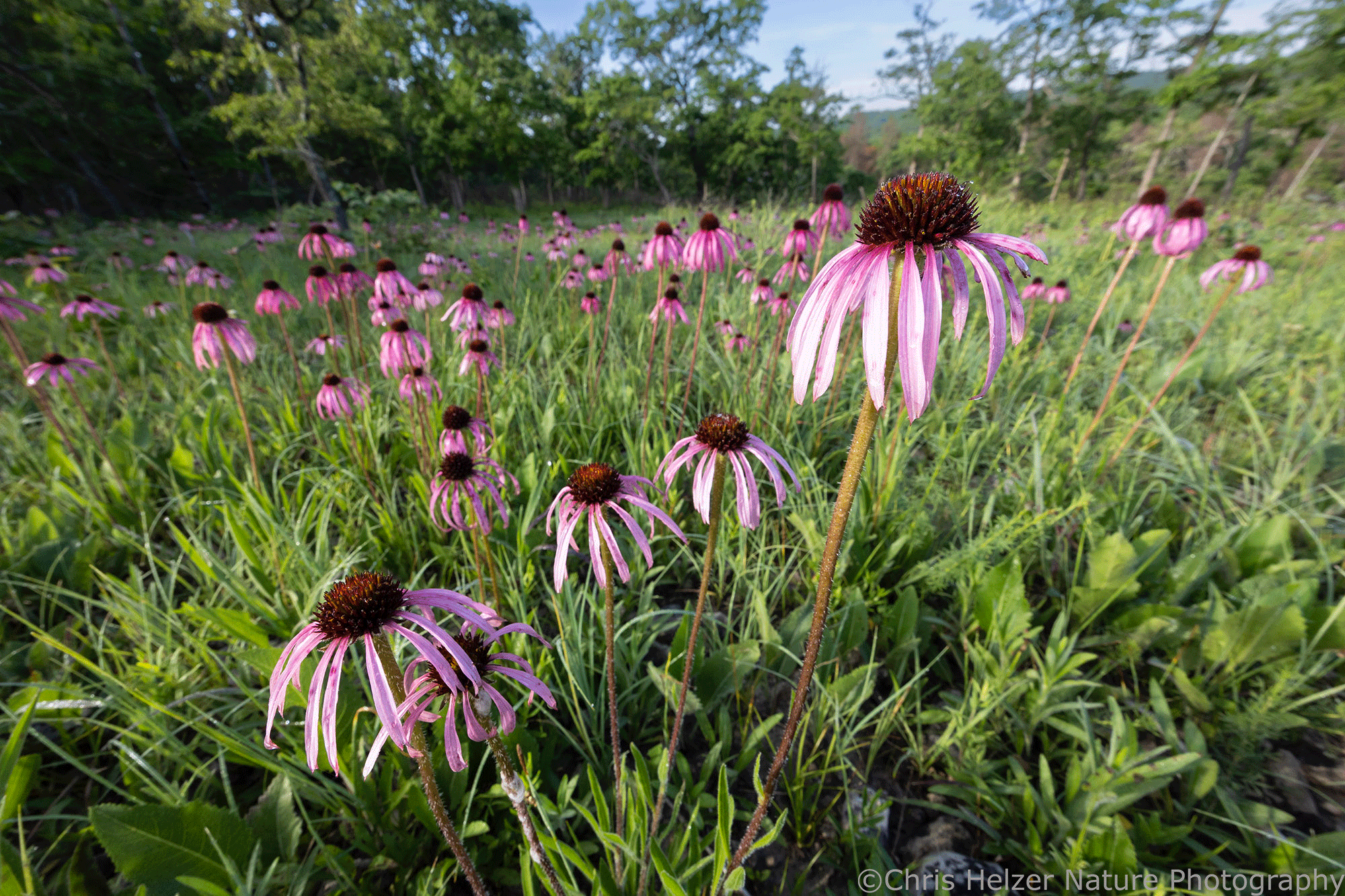
Here’s one of the top lessons I brought back from the Grassland Restoration Network workshop, hosted this year at the Shaw Nature Reserve in Missouri: There is a convoluted confusion of coneflowers in that part of the world. The prairies I work with in Nebraska have one species of purple coneflower – narrow-leaved purple coneflower (Echinacea angustifolia). It is a wonderful wildflower and more than sufficient for our needs.
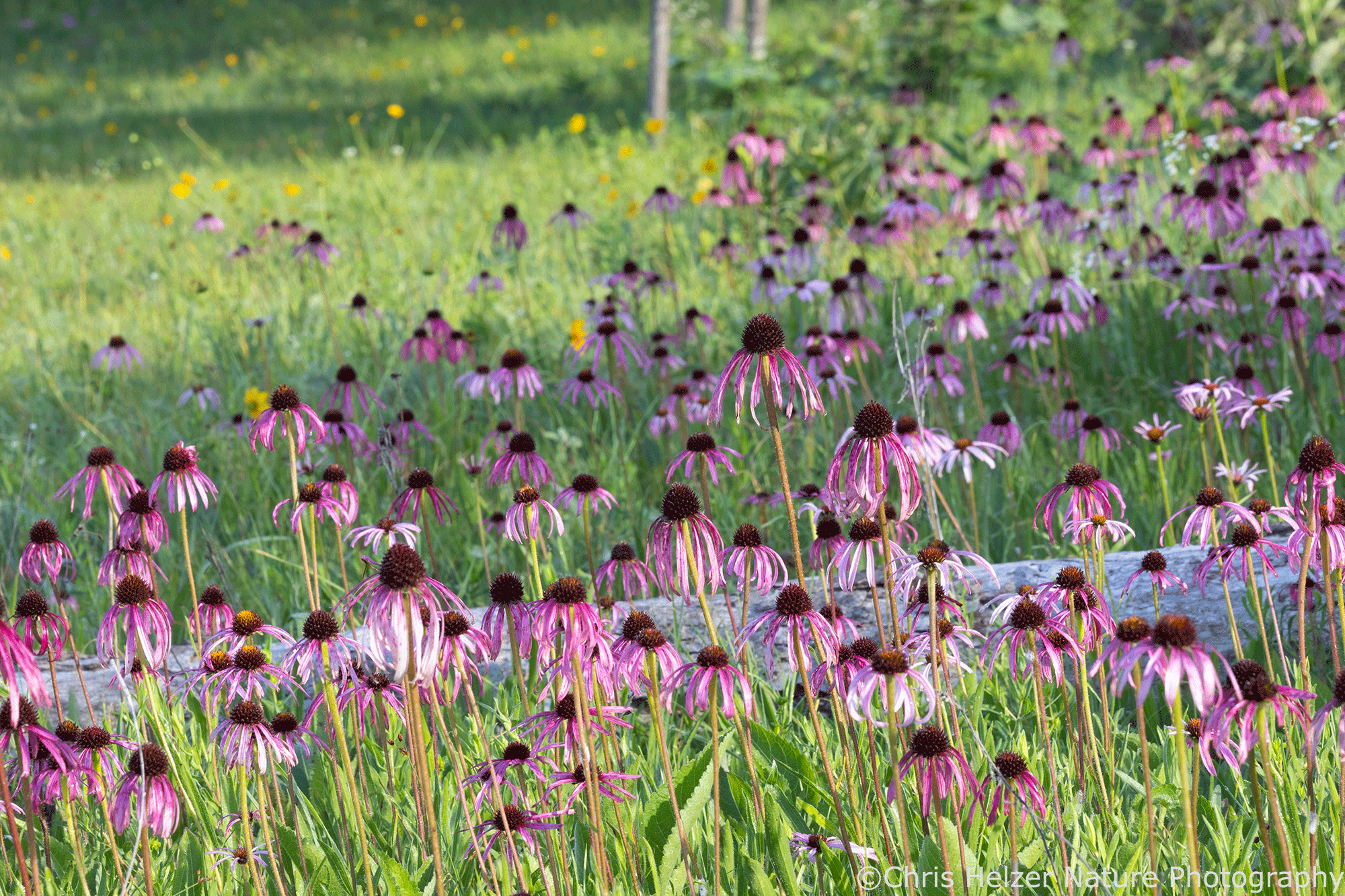
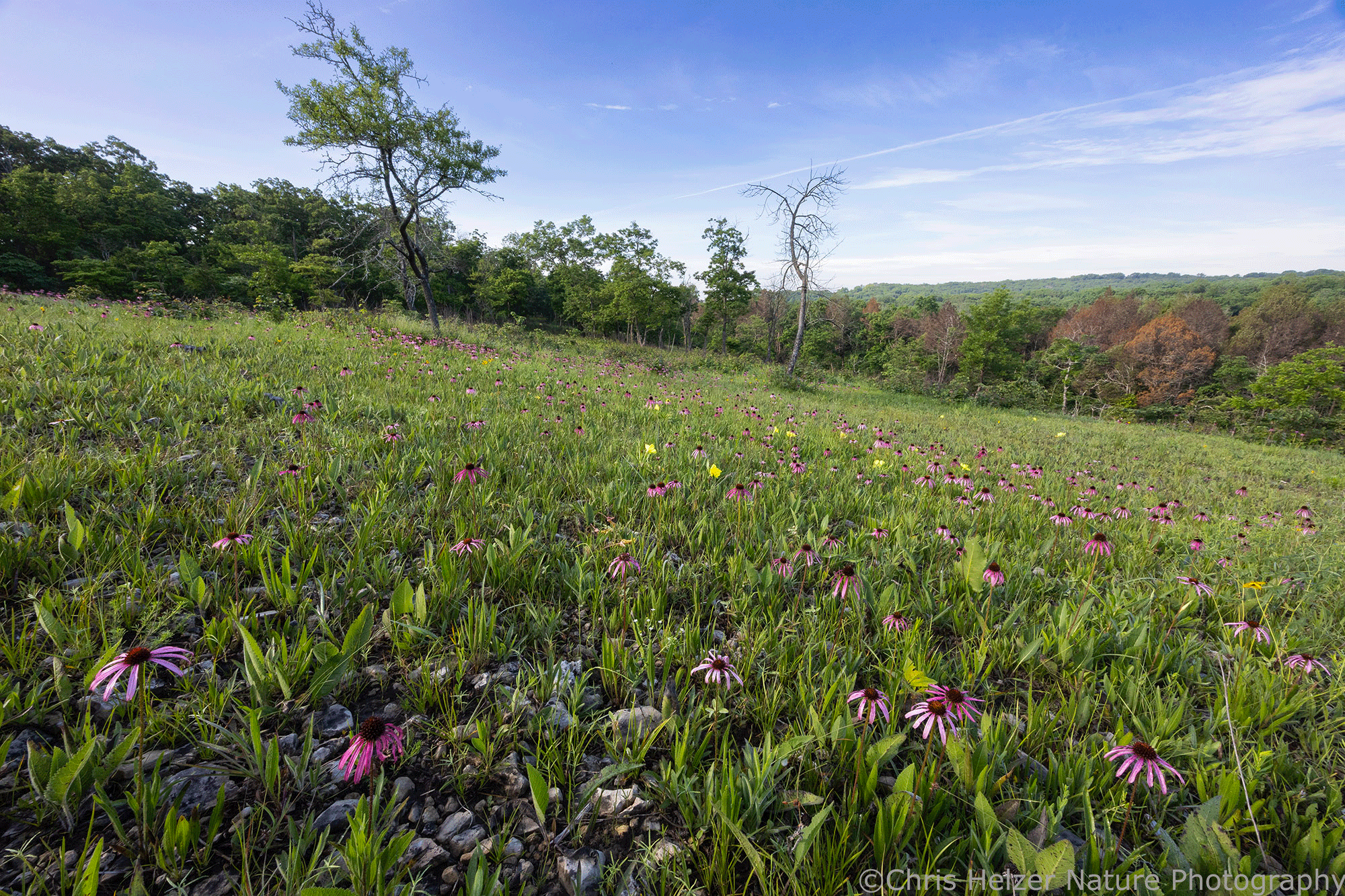
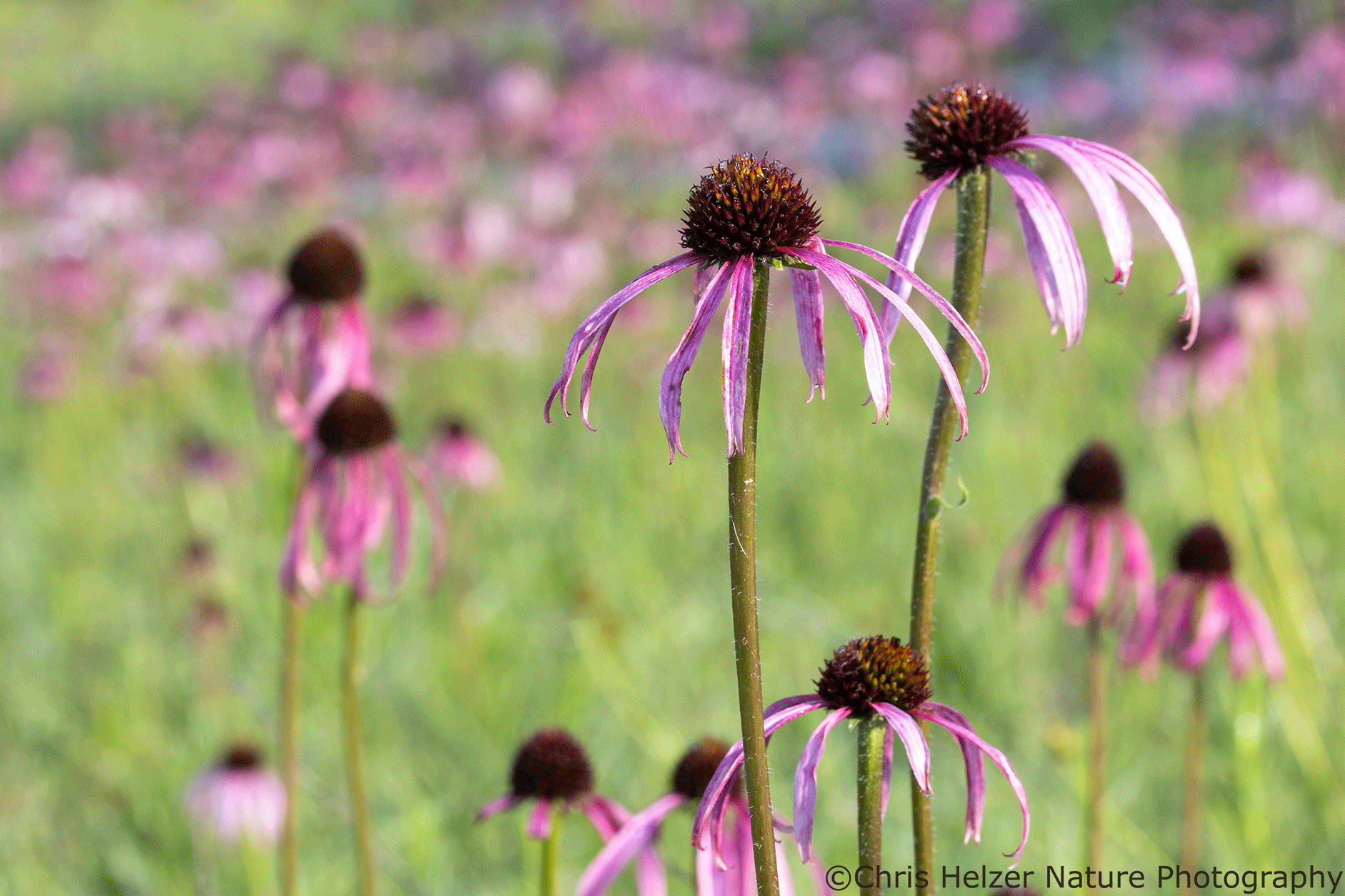
At the Shaw Nature Reserve outside of St. Louis, the story is considerably more complicated. They have pale purple coneflower (Echinacea pallida), of course, which is no surprise in that landscape. However, to add a little whimsy (I assume), sometimes the pale purple flowers can be white instead of pale purple.
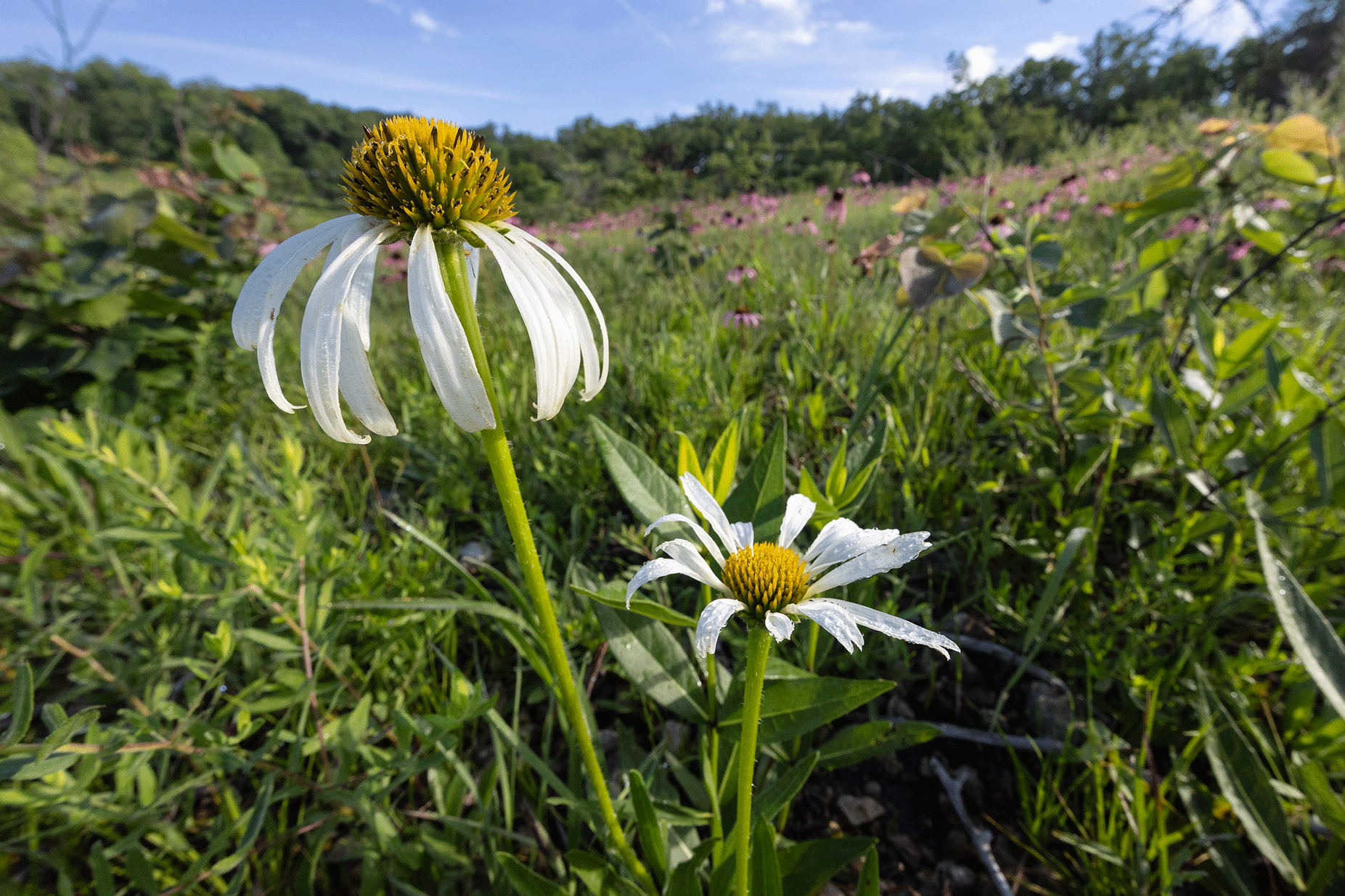
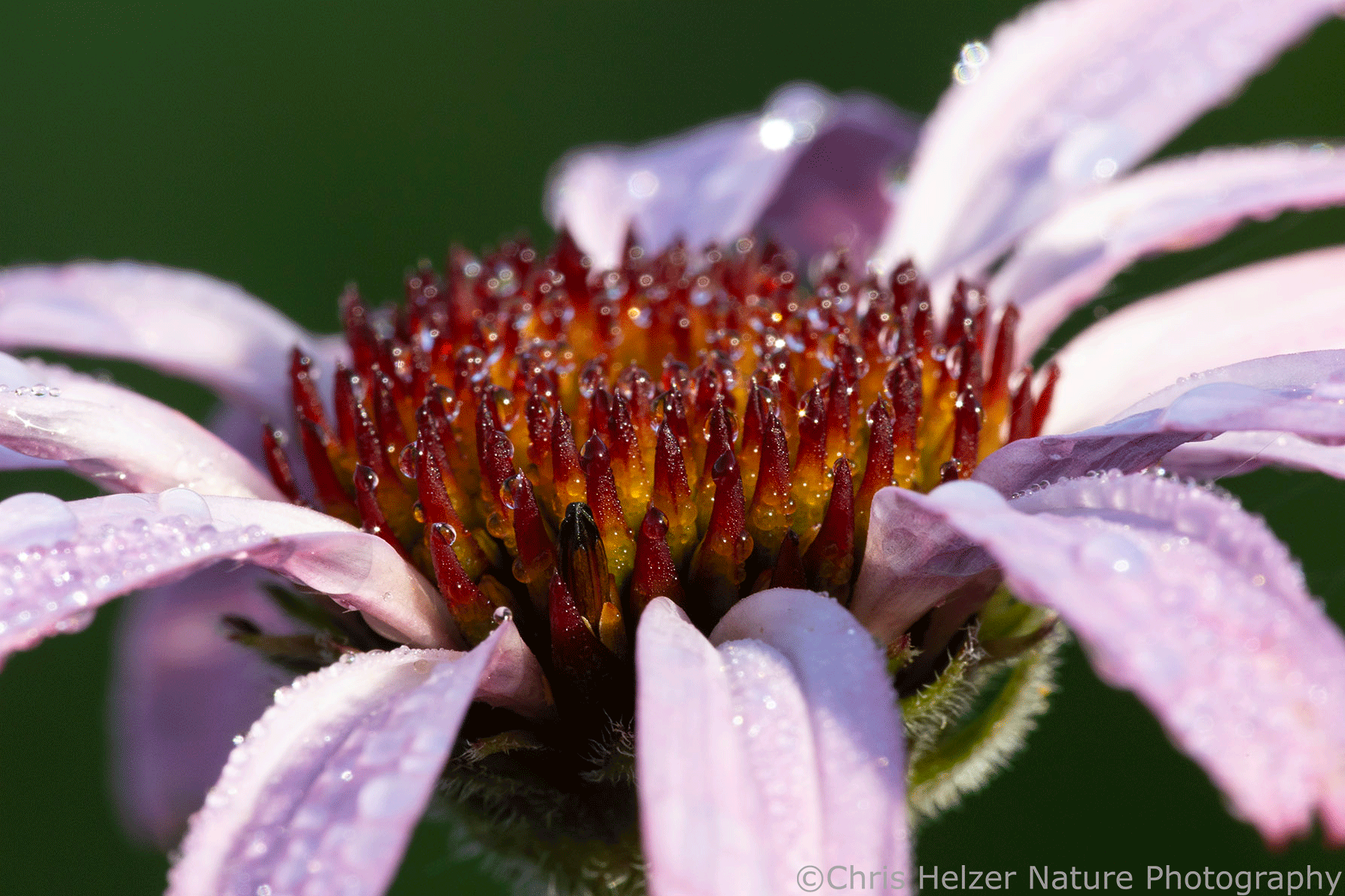
You have to be careful assuming you’re seeing pale purple coneflower, though, because there’s a very similar-looking species found in the many glades at Shaw Nature Reserve. Don’t fret, though – that species, called the glade coneflower (Echinacea simulata) can be easily separated from pale purple coneflower. All you have to do is look at the color of the pollen. If the pollen is white, it’s pale coneflower. If it’s yellow, it’s glade coneflower.
What if there’s no pollen visible? No problem, just say “wow, look at that gorgeous coneflower!”
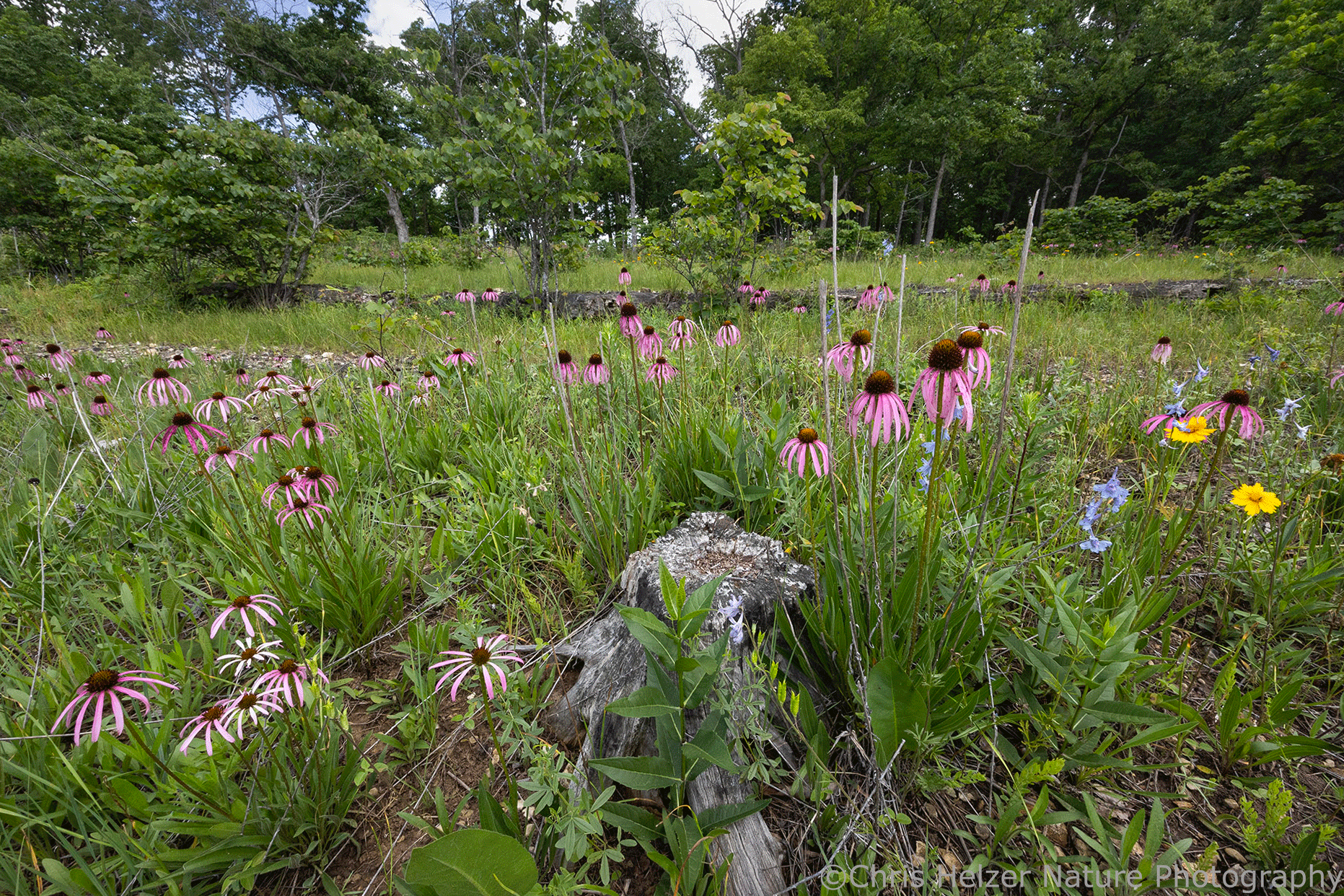
To recap, then, they’ve got pale purple coneflower and glade coneflower, and at least one of those can have either pink or white flowers. In addition the pollen of those flowers can be either white or yellow, depending upon the species.
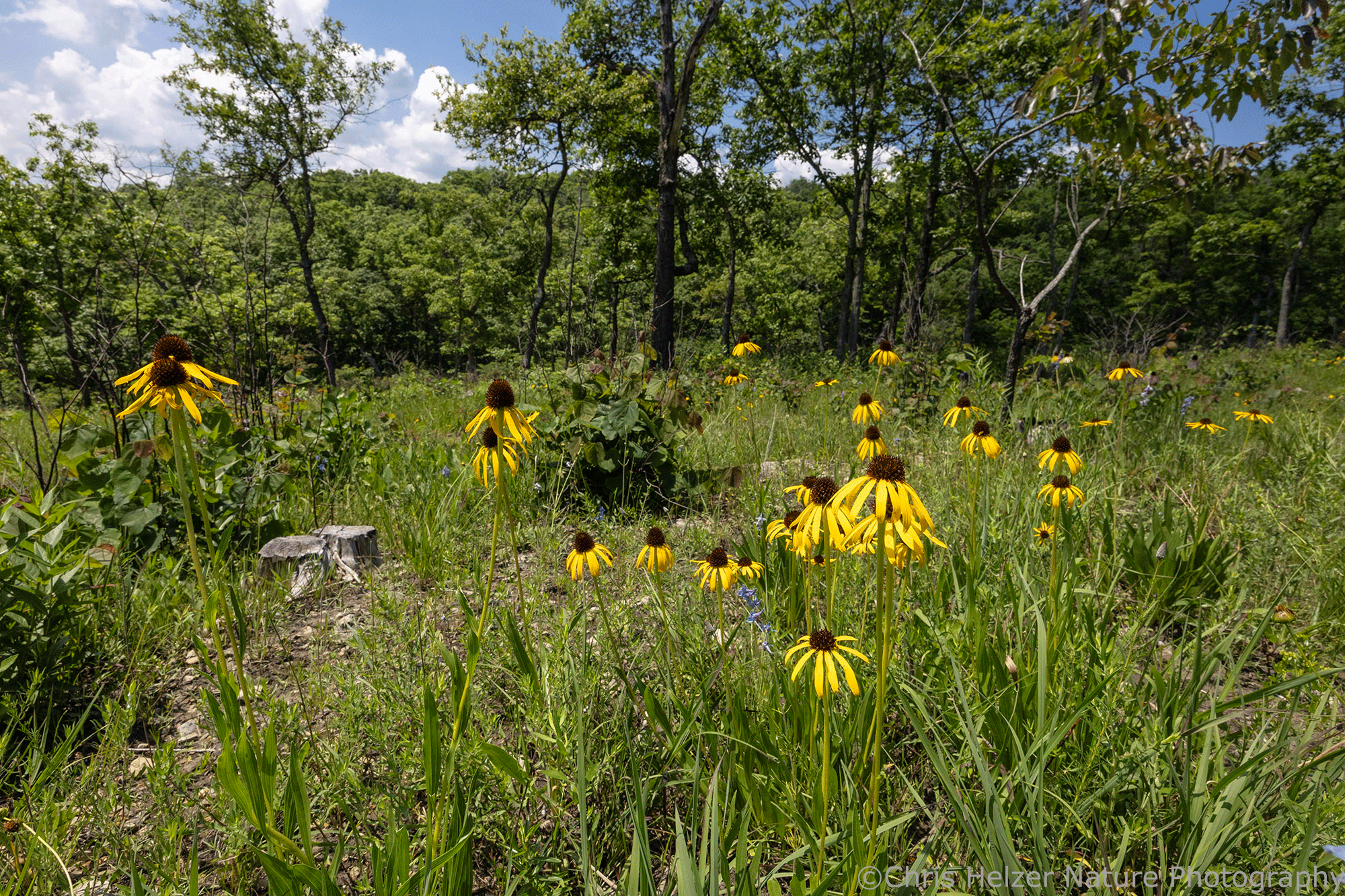
You’d think that would be plenty. Nope. There’s another Echinacea species at Shaw Nature Reserve and this one’s not purple or white. This one’s yellow. A yellow purple coneflower?. That doesn’t seem possible, which is probably why it’s Latin name is Echinacea paradoxa. My wife, Kim, asked me to bring one home with me. I didn’t, but I wanted to.
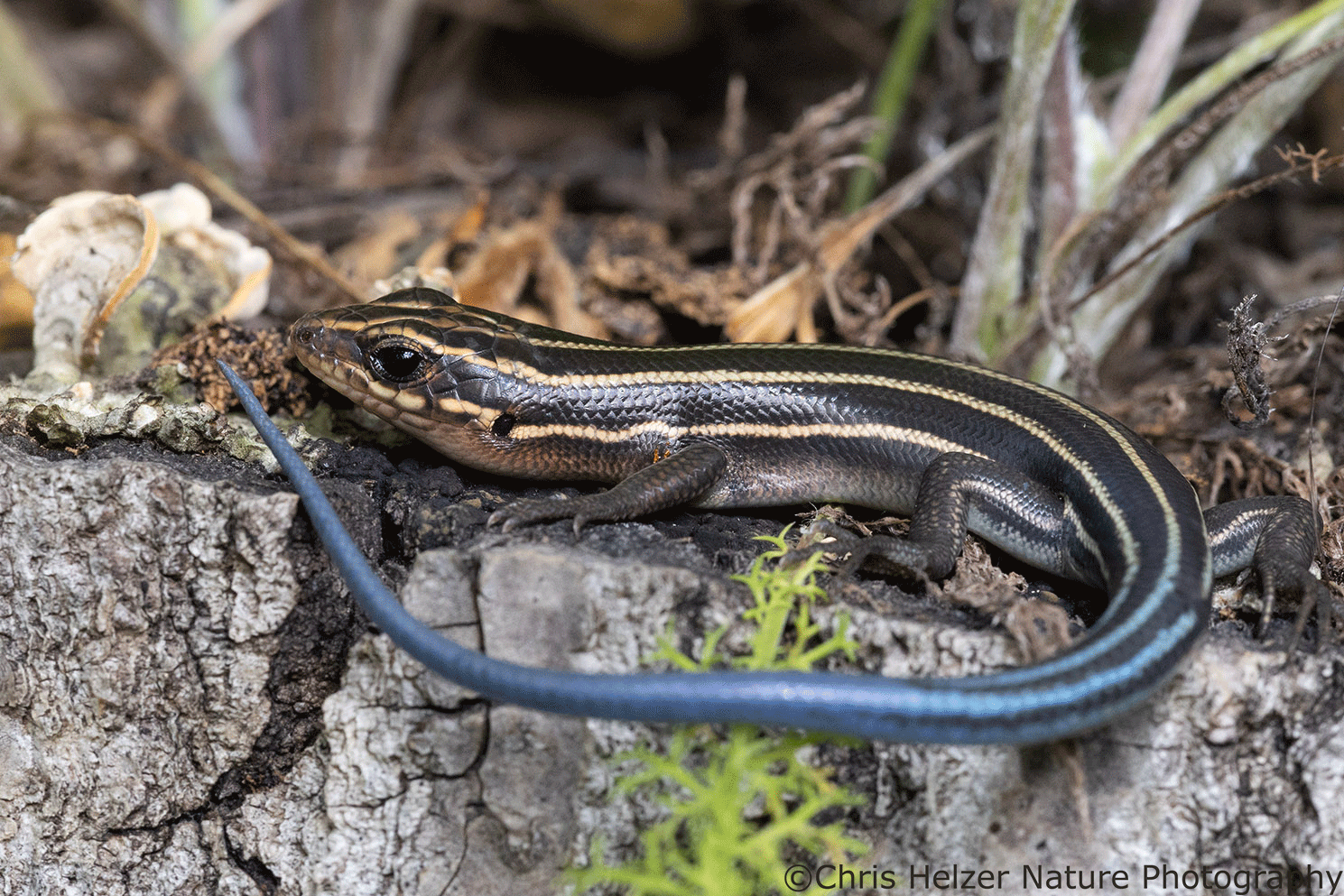
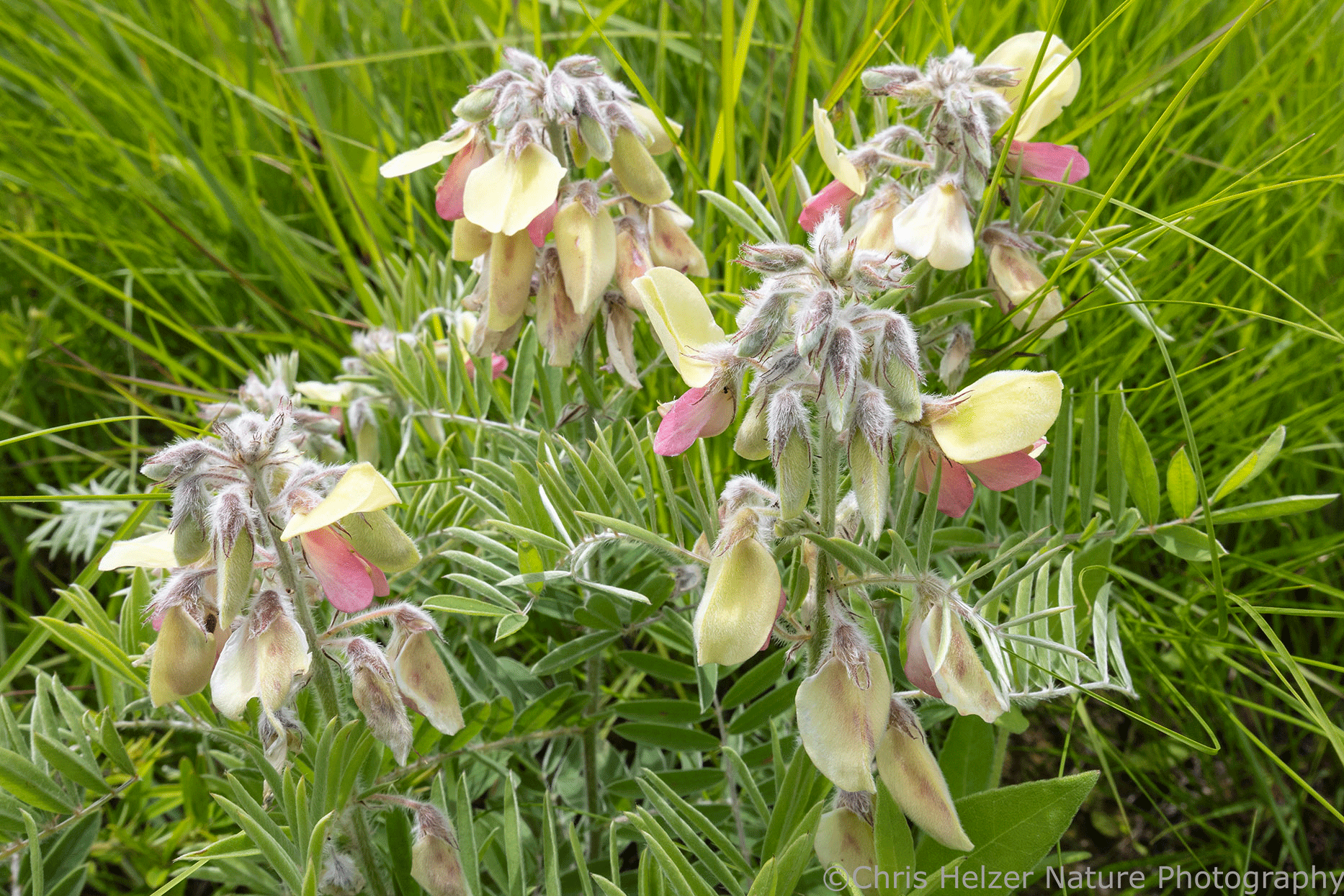
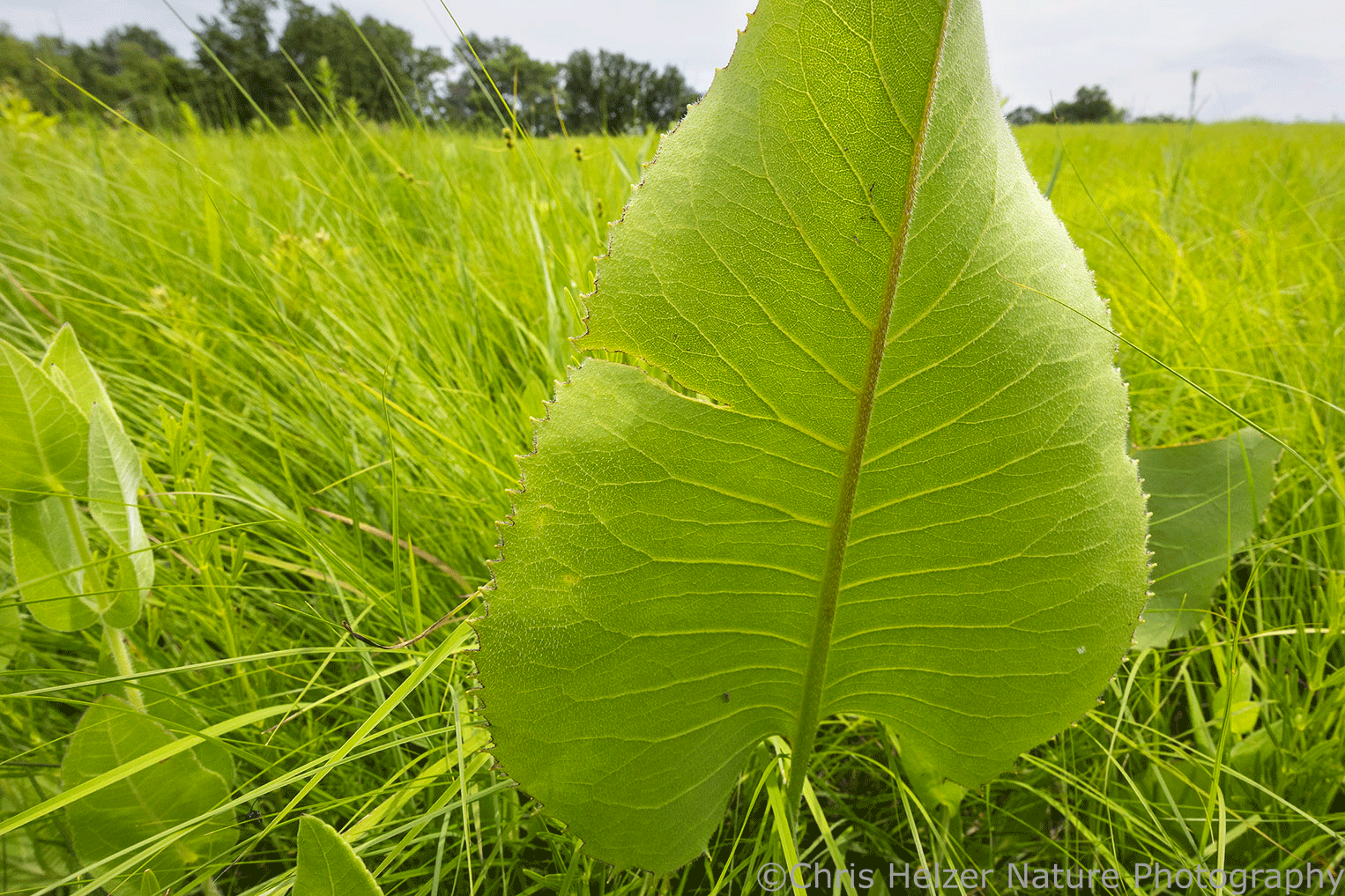
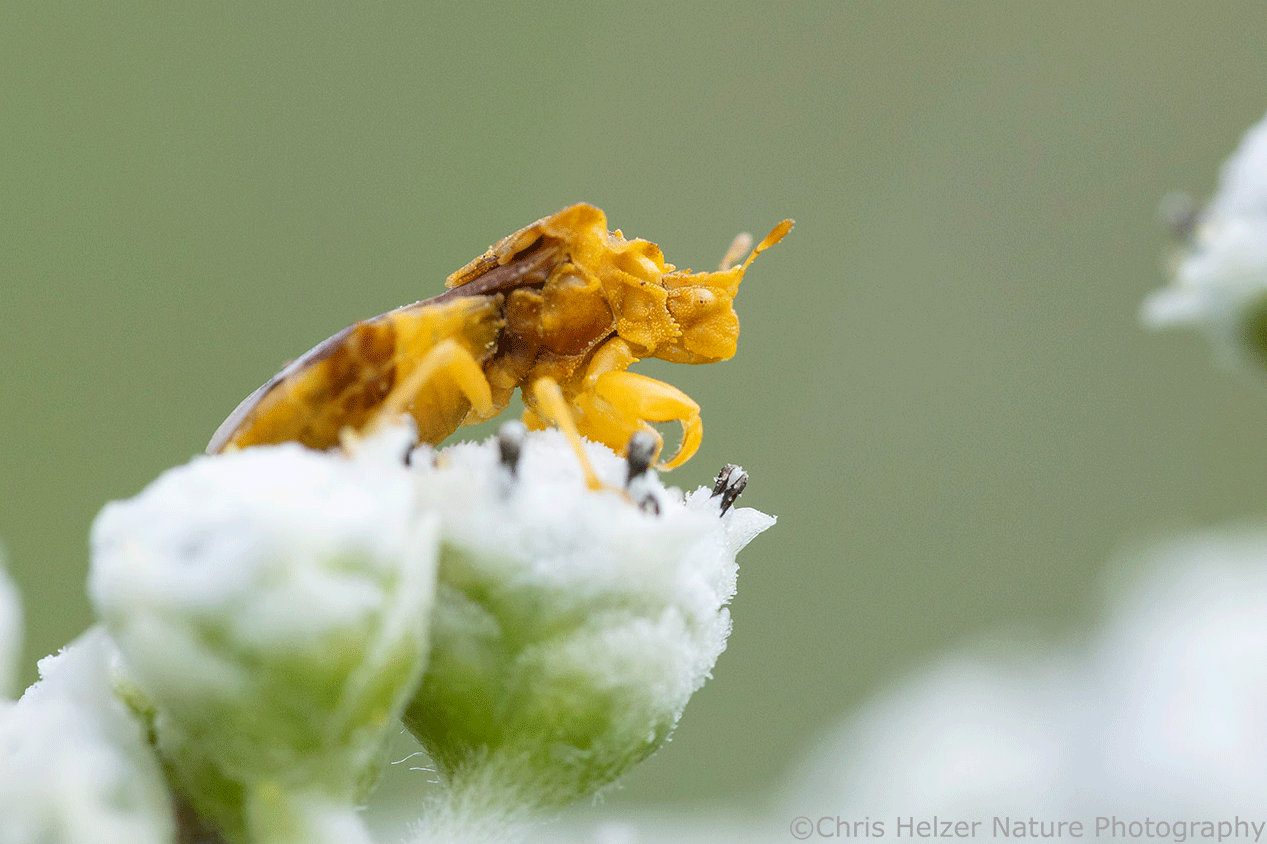
There were, of course, other species at Shaw Nature Reserve besides coneflowers. Lots of them, in fact. It’s a terrific site with lots of woodland, savanna, and prairie habitat types to explore. We spent a couple days doing just that, along with about 100 prairie restoration practitioners from around the country.
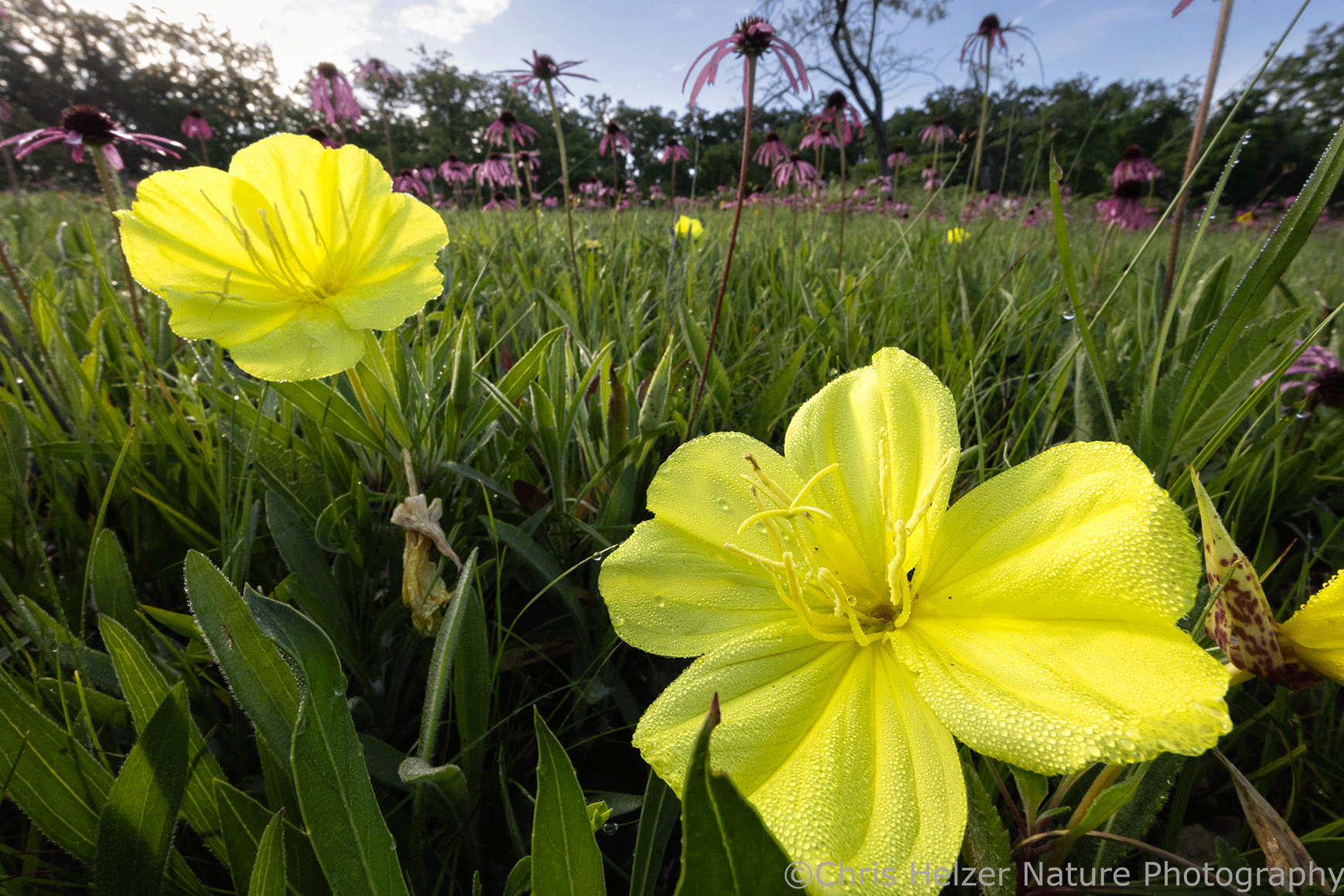
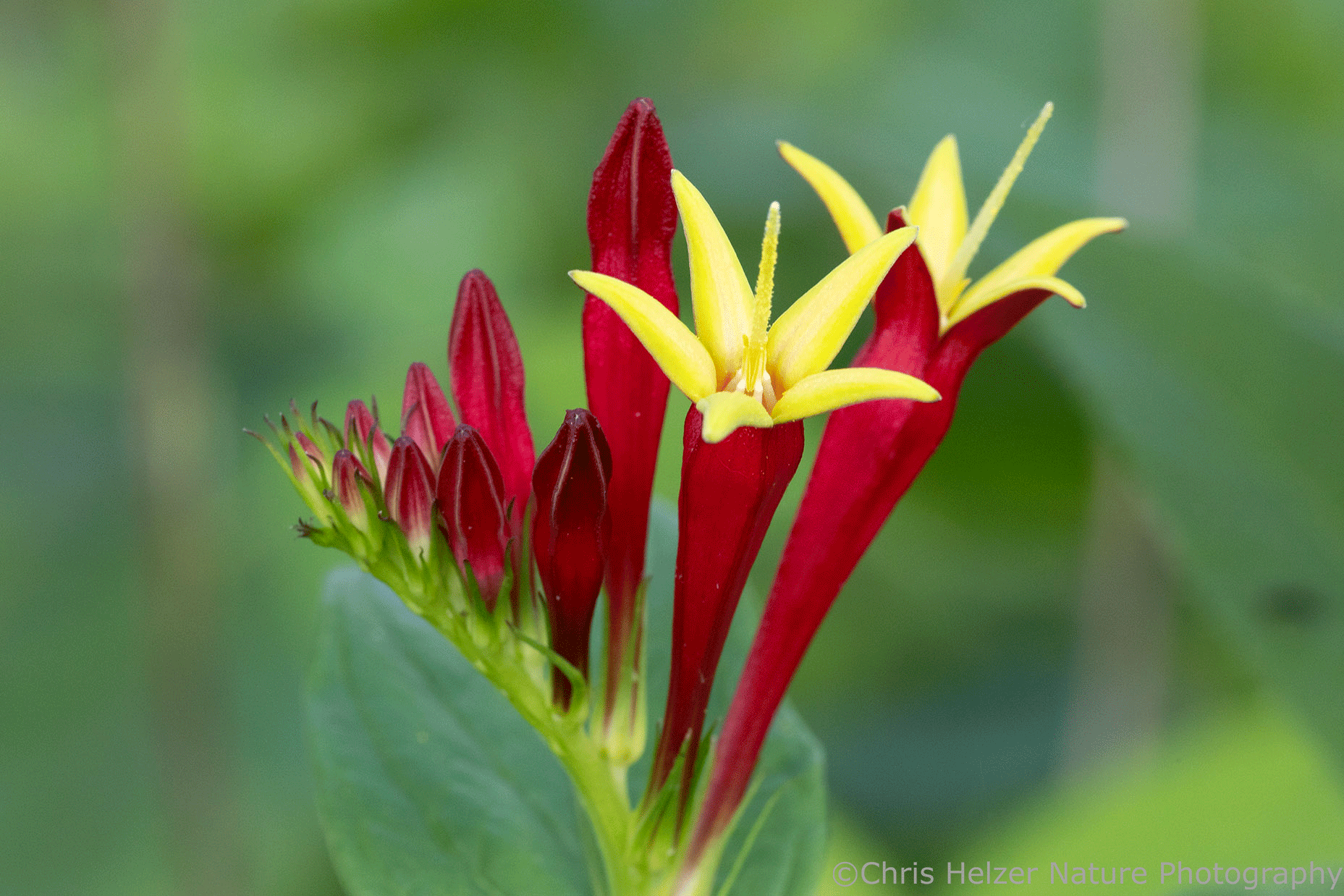
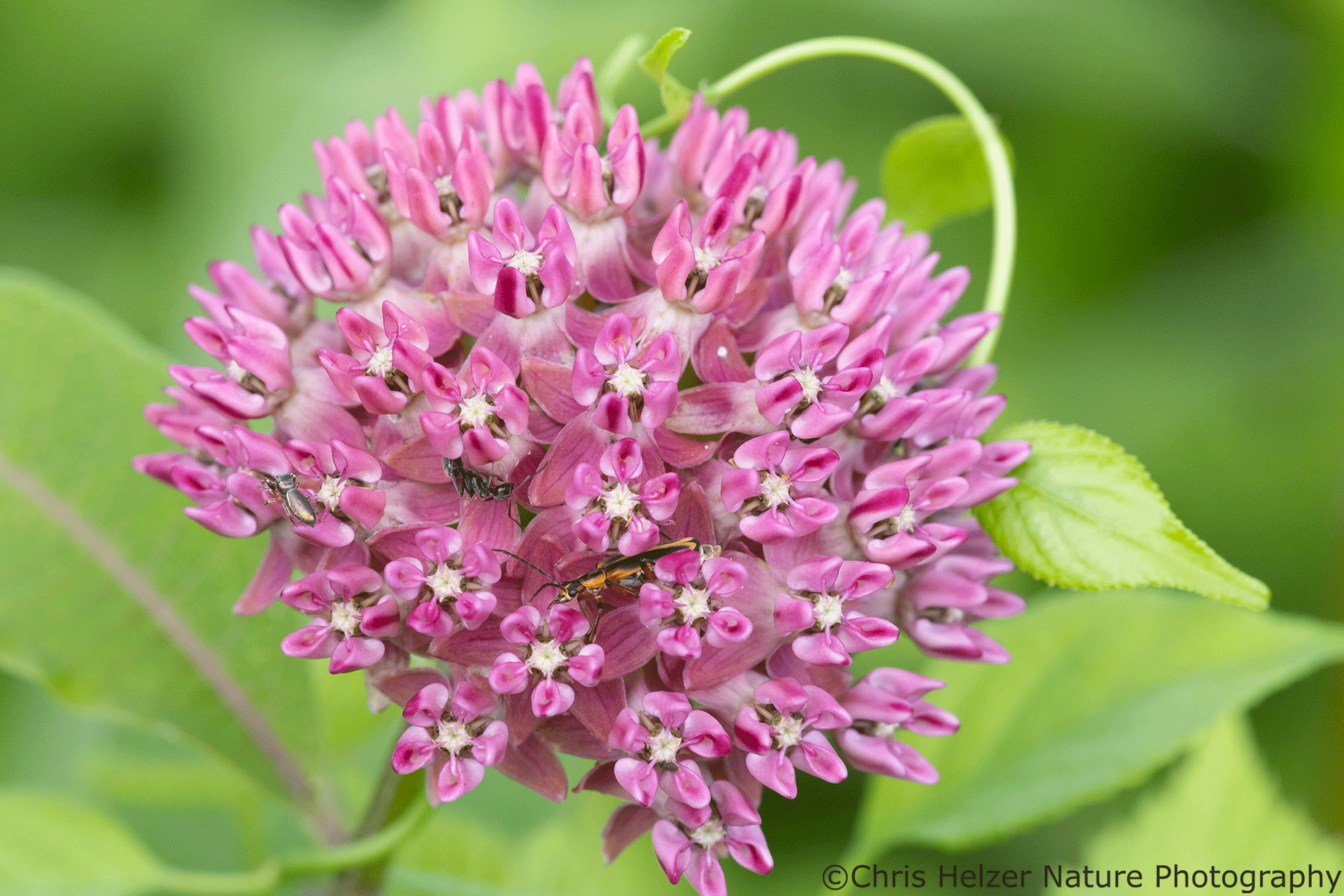
Apart from seeing some new/different plant and animal species, the workshop was also really thought-provoking and inspirational. The staff and volunteers at the Shaw Nature Reserve are doing impressive work to restore and manage prairies, glades, savannas, wetlands, and woodlands (and maybe other communities I’m forgetting). They also do amazing interpretive and educational work with the public. I strongly encourage you to visit the site.
We talked about some specific land stewardship/restoration tactics, including the use of grass-specific herbicides to suppress grass dominance, especially when paired with overseeding of forbs. SNR staff also showed us a lot of tree thinning/clearing projects and talked about what appear to be successful strategies. In addition, there were lots of side conversations about other invasive species and restoration lessons. Many of the stories we talked about can be found at the Grassland Restoration Network blog site, which, if you’re not following it, you should: https://grasslandrestorationnetwork.org/
I also encourage you to check out this storymap, which showcases a big project SNR staff have recently worked on. It’s coming along really nicely. Not only is the project impressive, it’s one of the best applications of the storymap format I’ve ever seen.
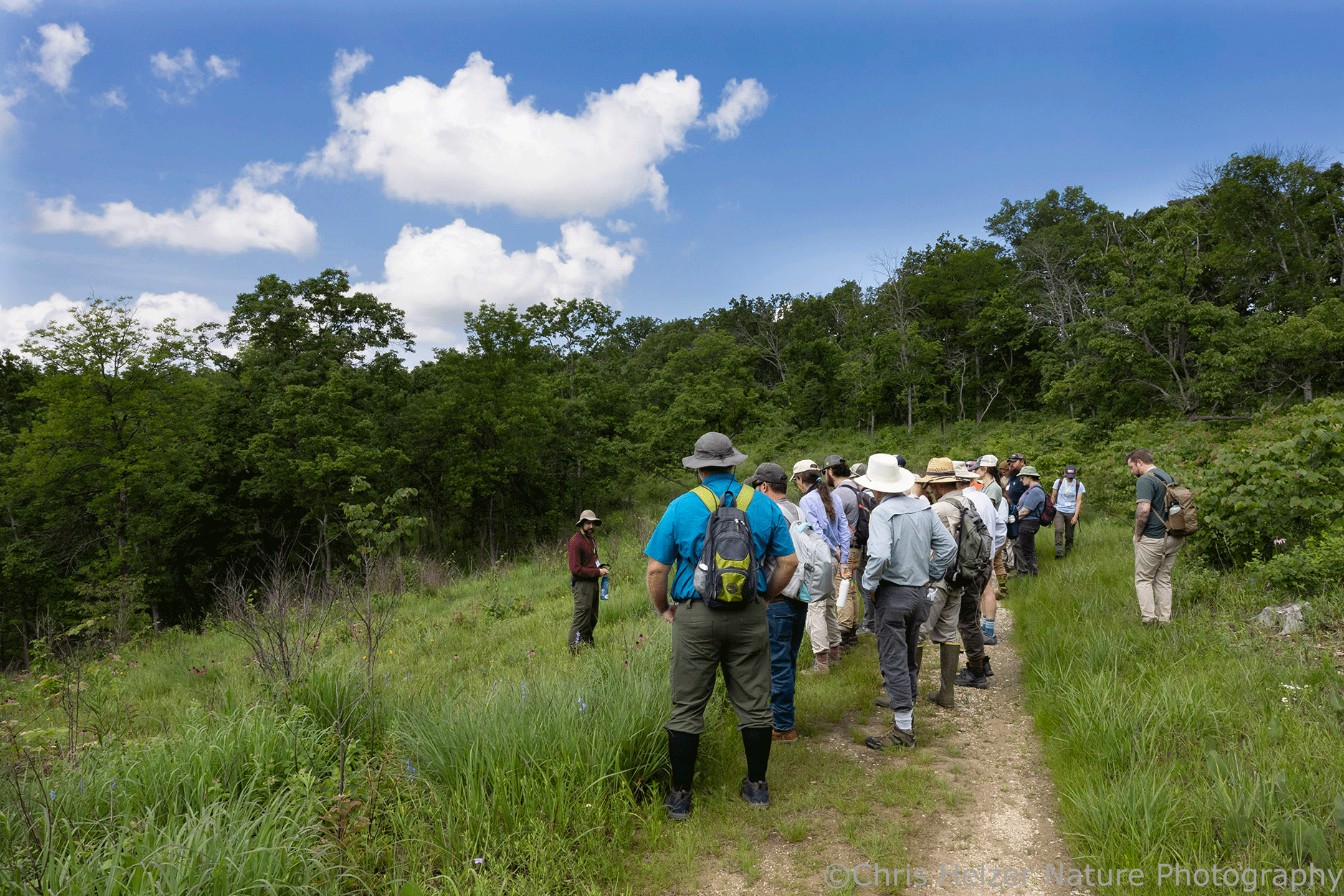
Huge thanks to the Shaw Nature Reserve staff and volunteers for their incredible work and for hosting a terrific workshop for us. Next year’s workshop will be in Nebraska – co-hosted by Prairie Plains Resource Institute and The Nature Conservancy. Stay tuned for more details.


Excellent as always, also that is a nice storymaps implementation