
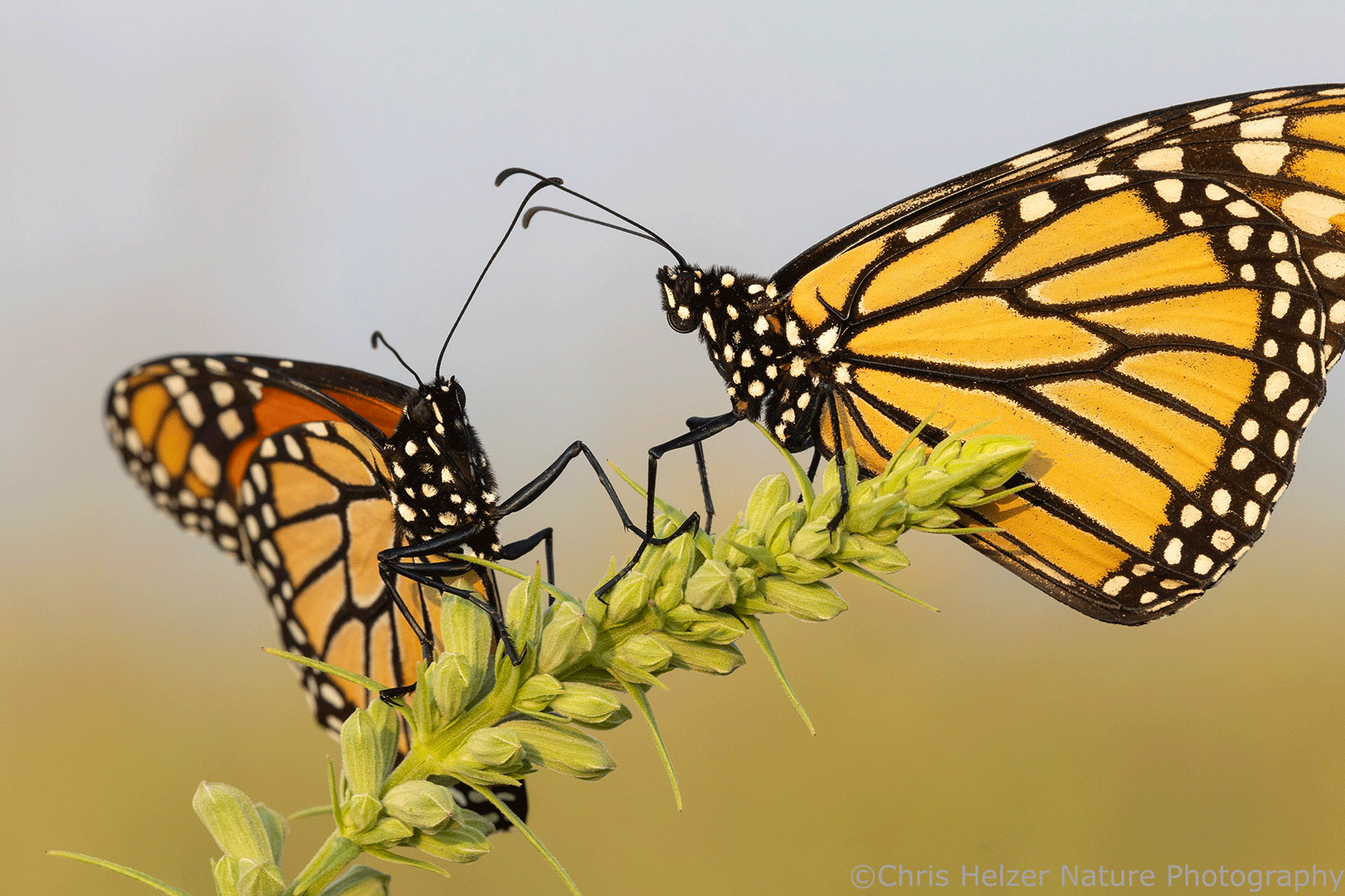
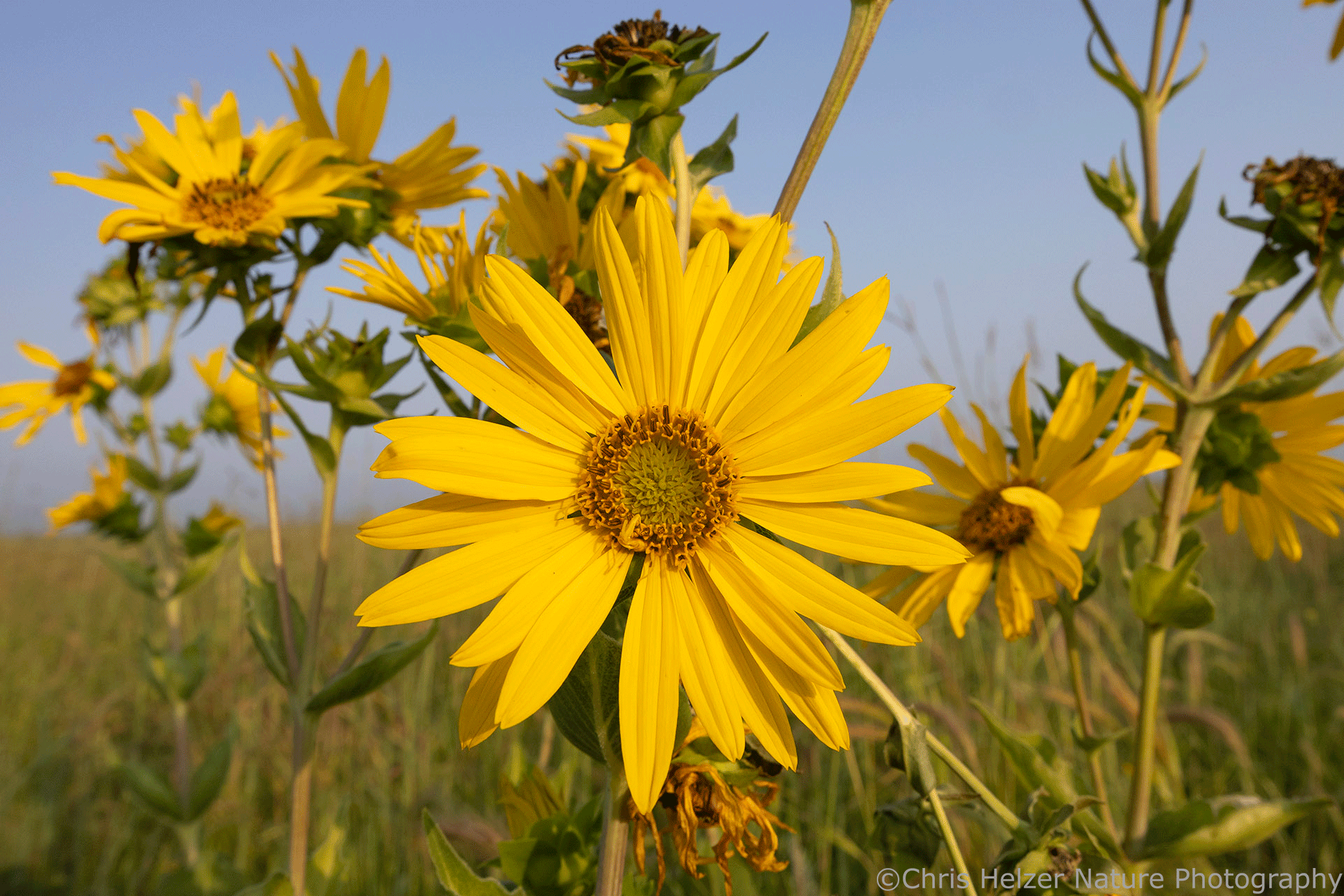
This is a great time to visit local prairies here in east-central Nebraska. A lot of the bigger showy wildflowers are in bloom and there’s a lot of insect activity, including a nice boost in monarch butterfly numbers and a lot of sound coming from mature grasshoppers, crickets, and katydids.
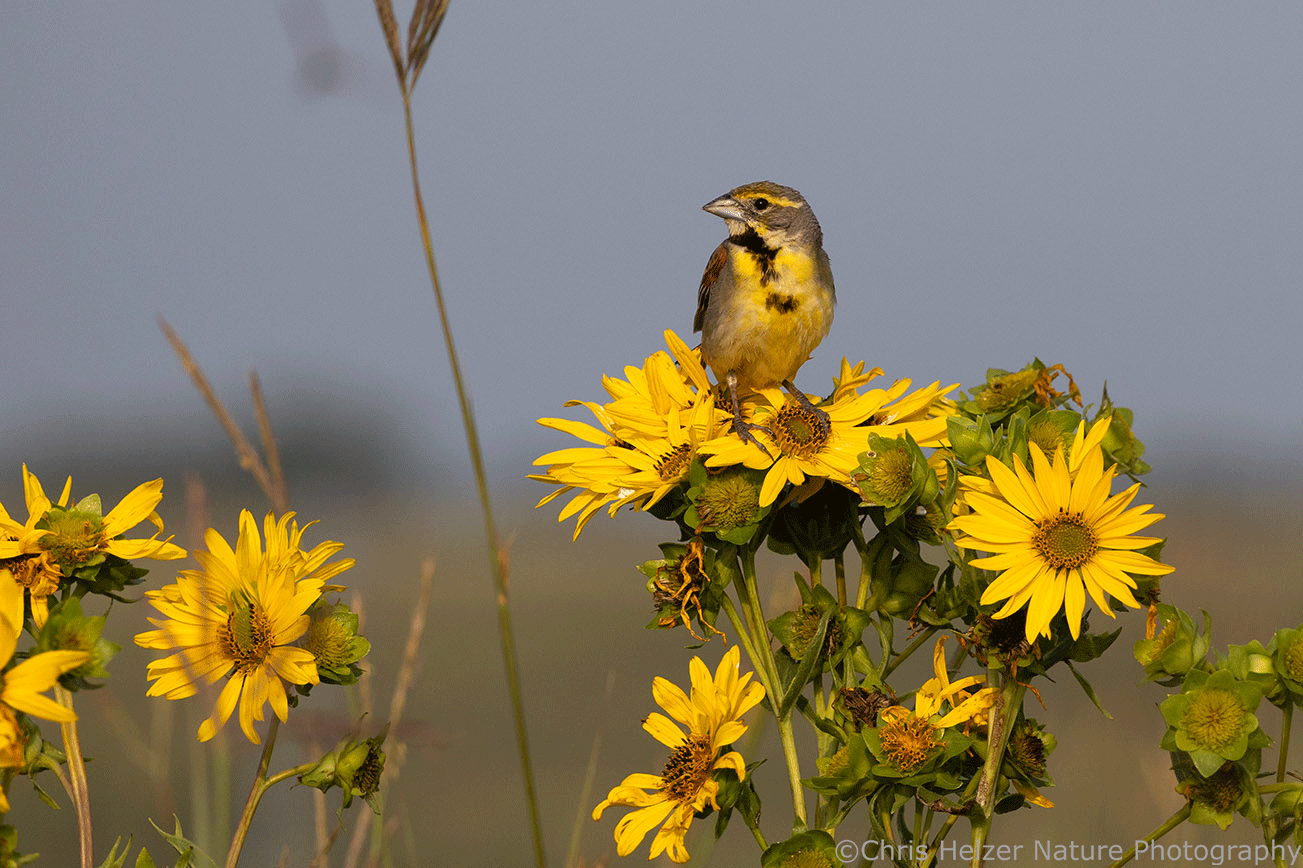
Most grassland nesting birds are done for the season and/or have headed south. The exception is the sedge wren, which is commonly a late nester in this part of the world. We don’t hear them until late July or August, most years. They set up territories and nest in the more tall/dense portions of our prairies here, including both the Platte River Prairies and my family prairie. Last week, though, I found a dickcissel nest with very-recently hatched chicks, which was a real surprise. The parents were apparently very dedicated to getting something out of this season. I wonder how many failed attempts have led them to this point. I wish them good luck!
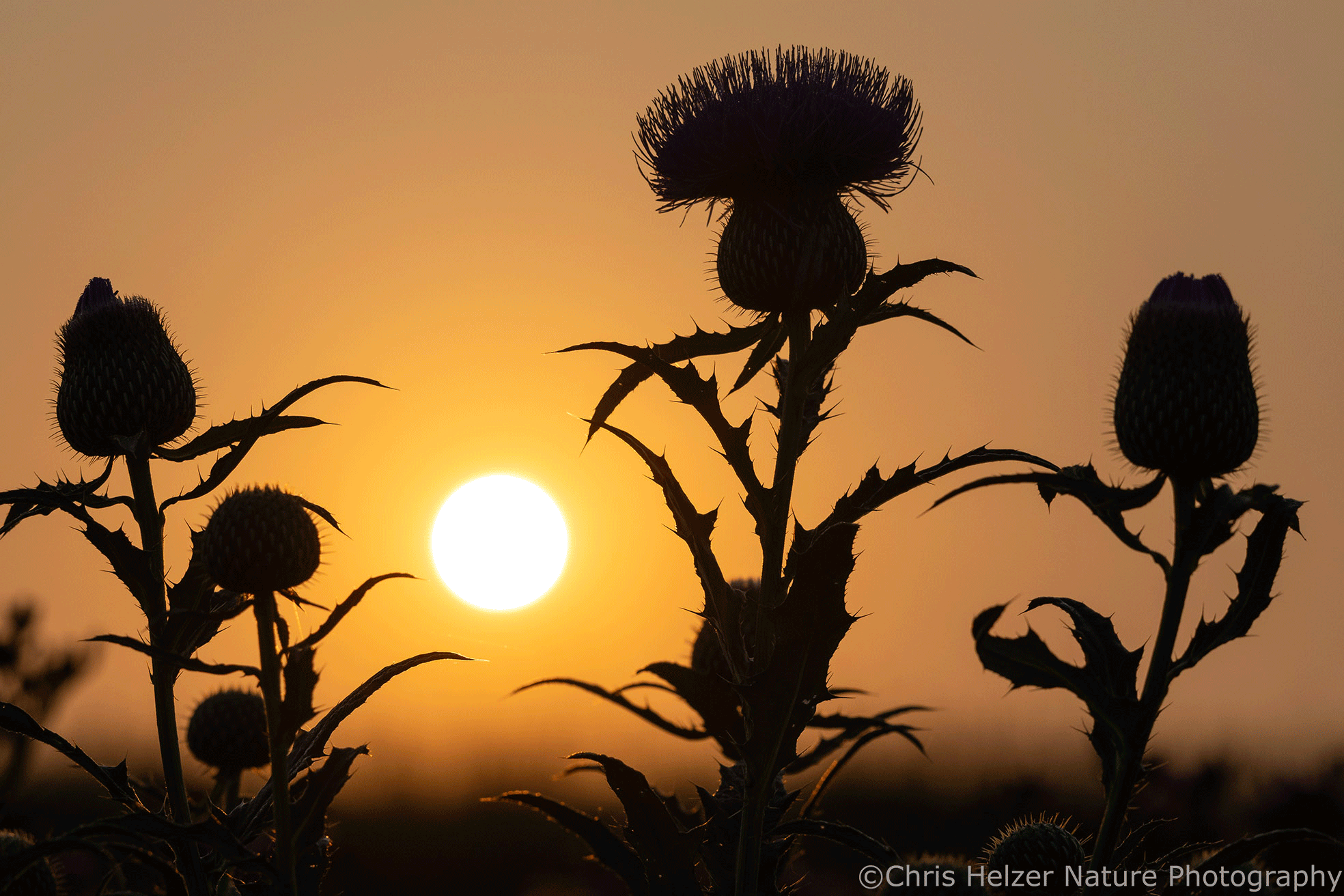
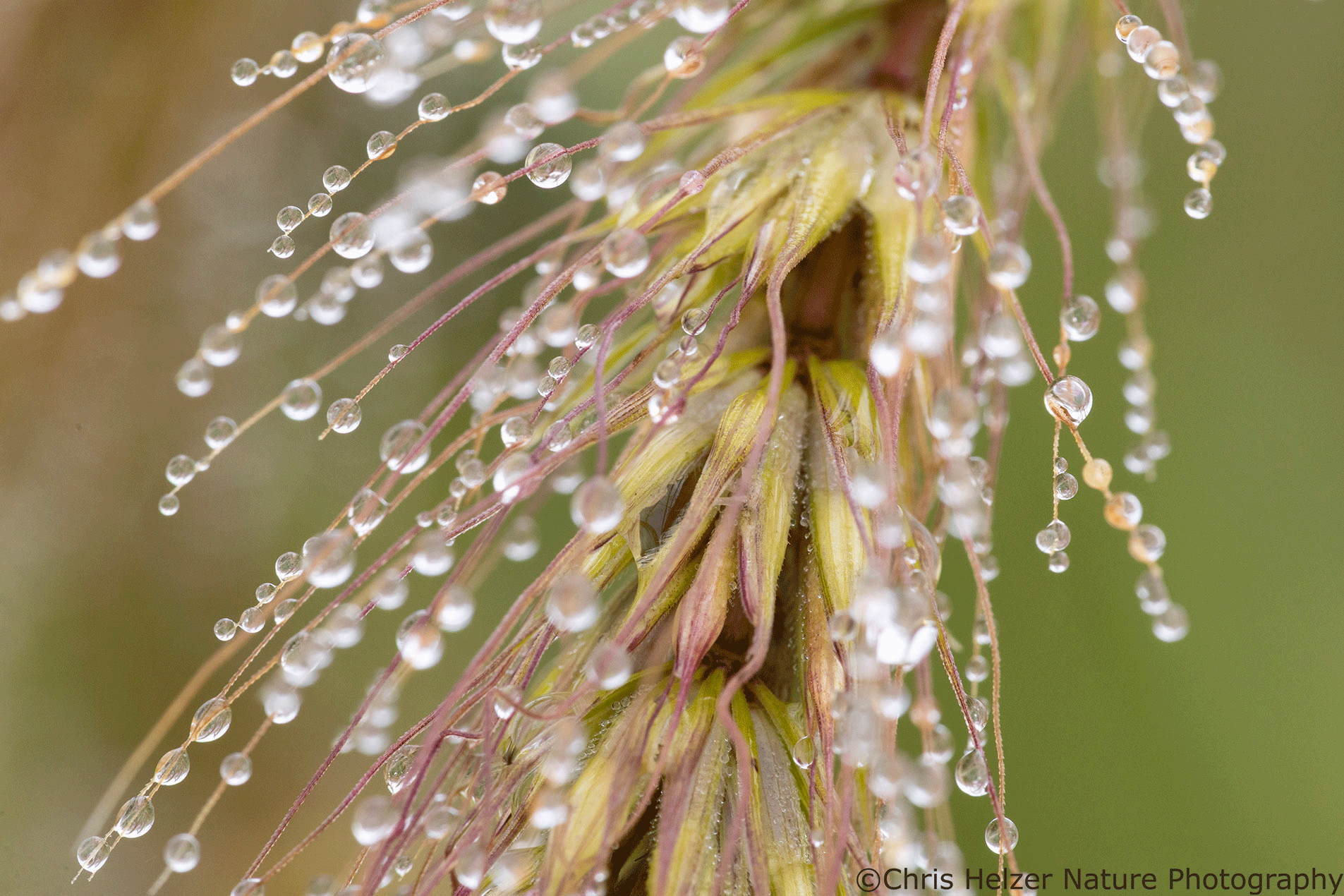
On foggy, dewy mornings, my most convenient local photo destination is Lincoln Creek Prairie, right here in town. There have been a lot of those foggy mornings lately, and a lot of photo opportunities. The farm just to the east of my favorite spot is growing soybeans instead of corn this year, which is much nicer in terms of allowing sunrise light to hit the prairie right away.
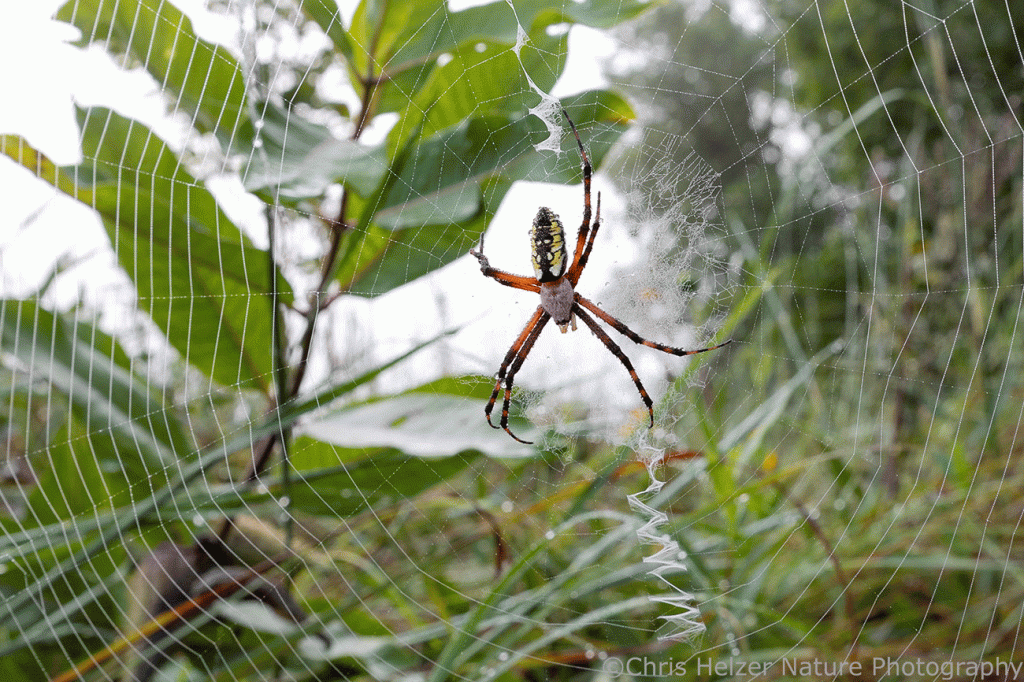
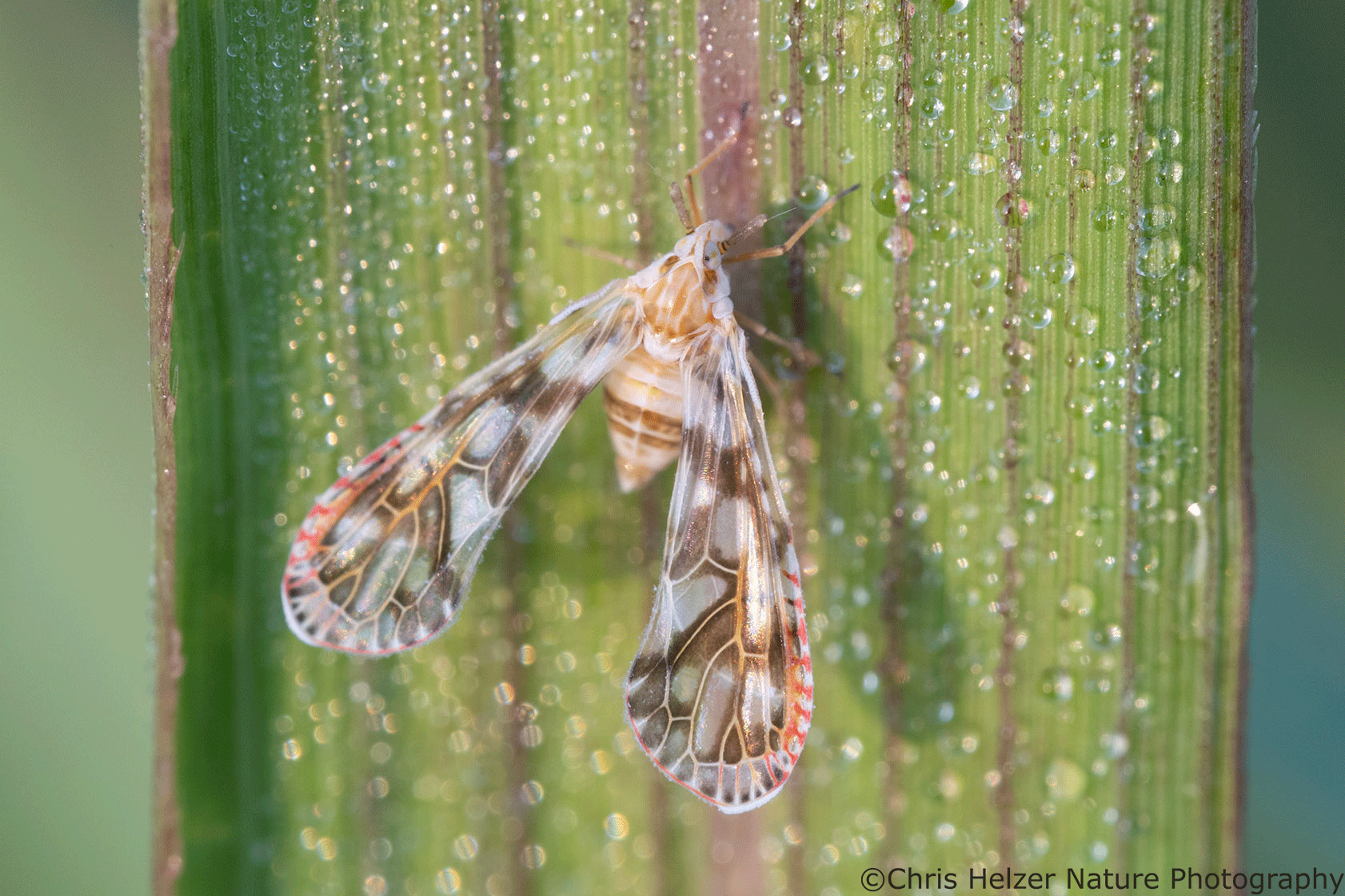
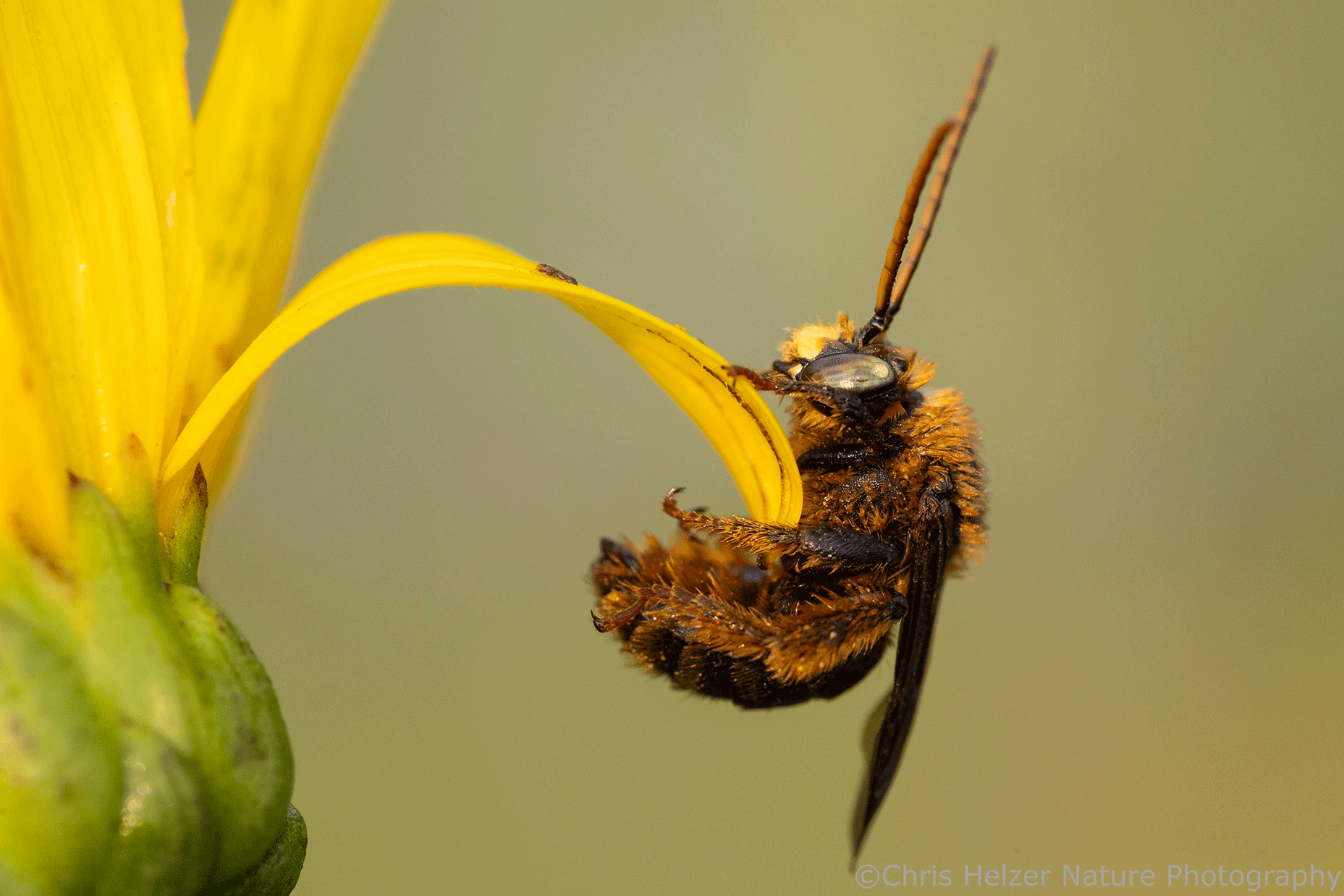
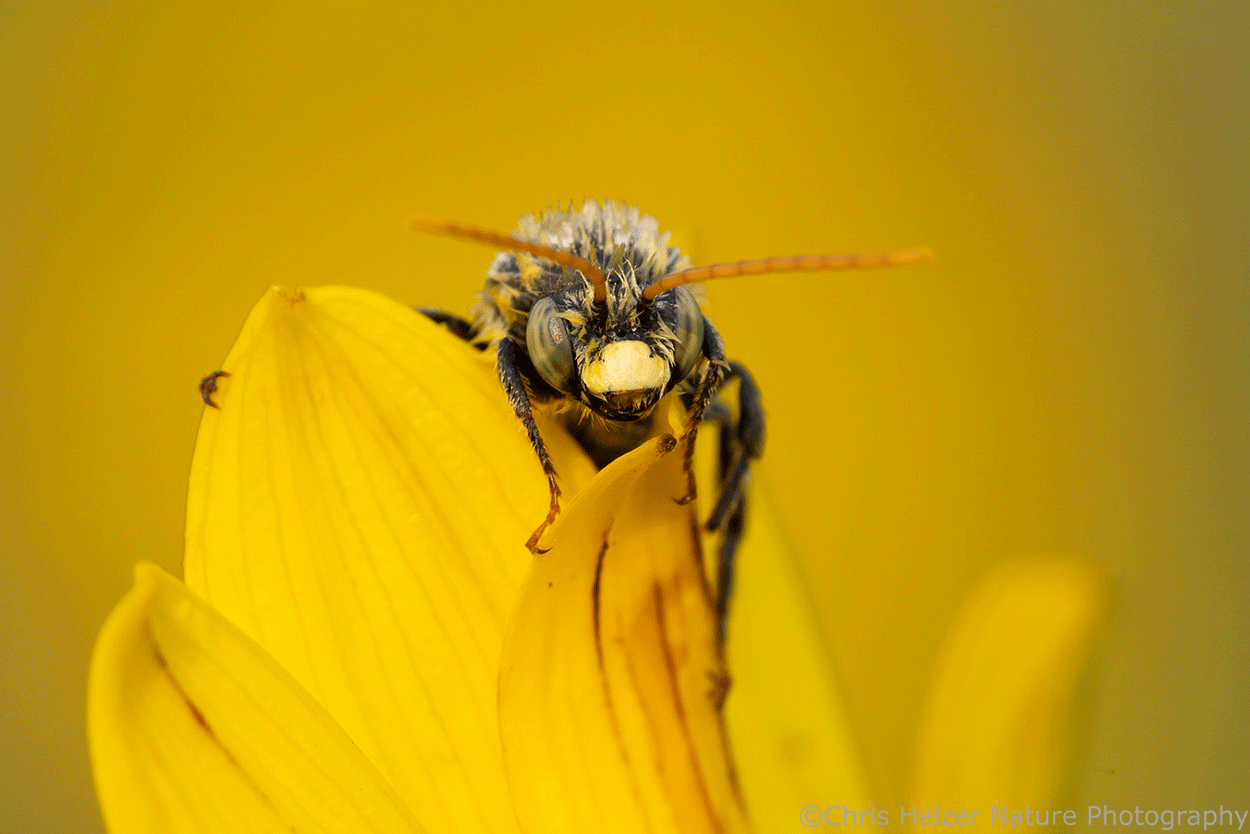
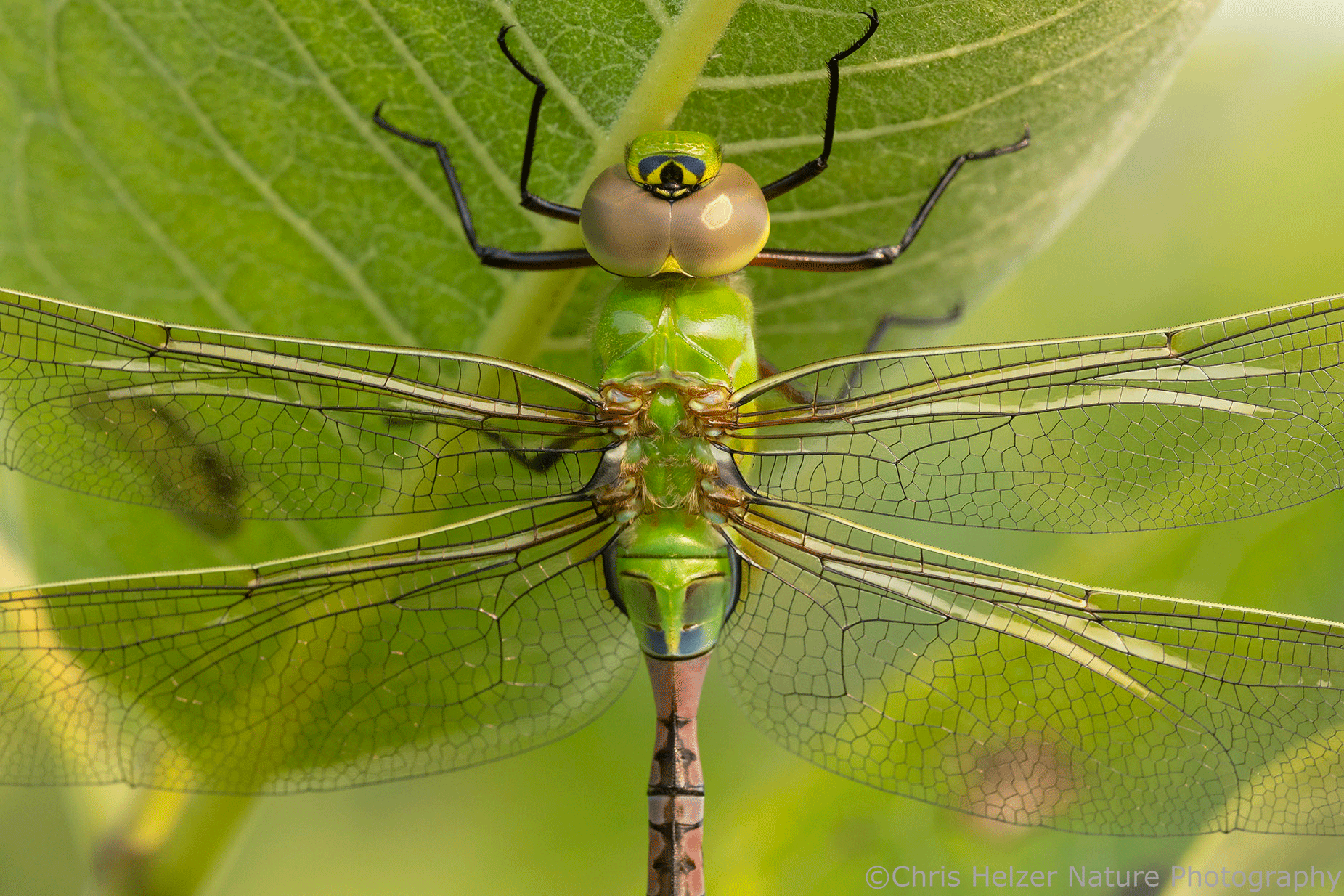
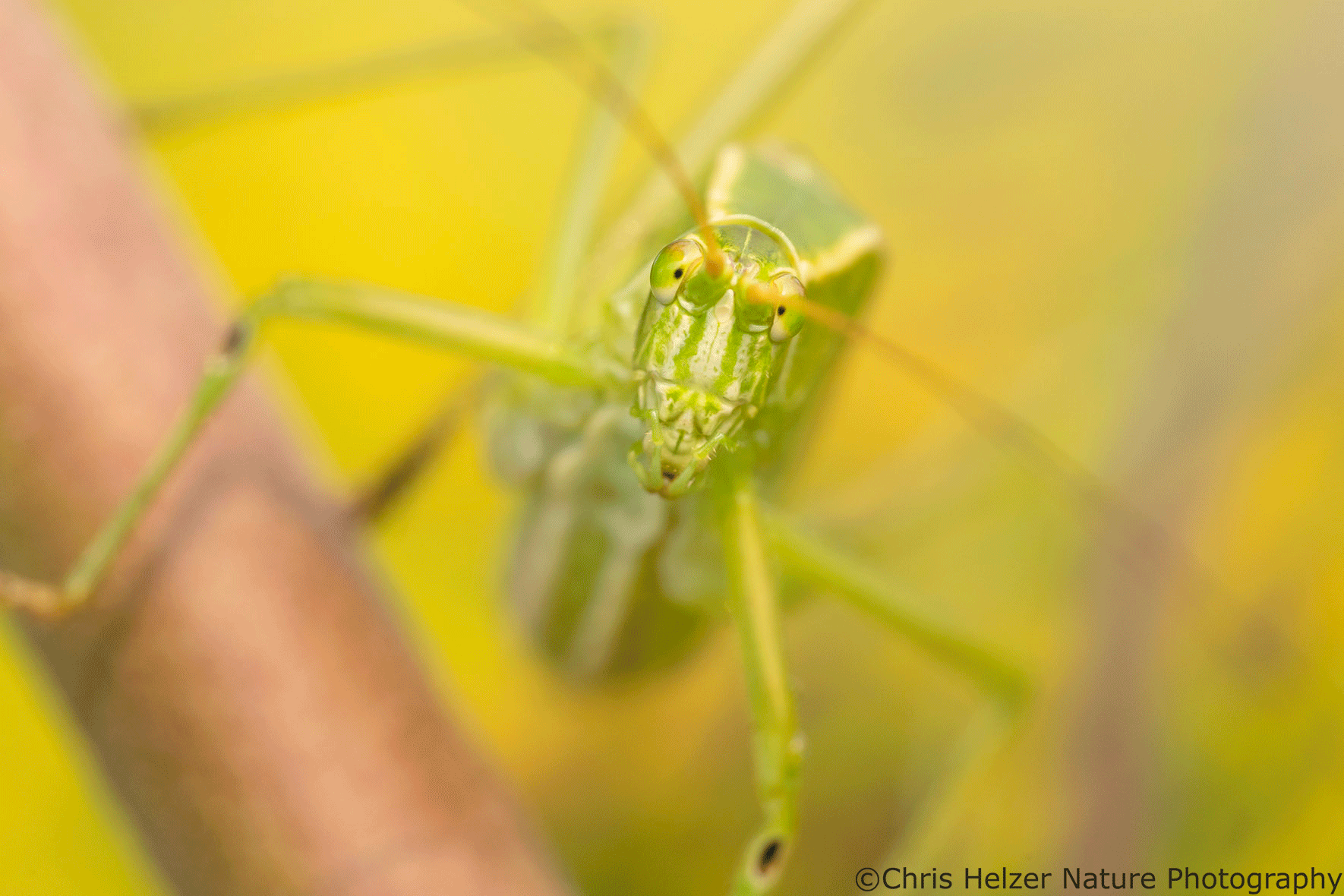
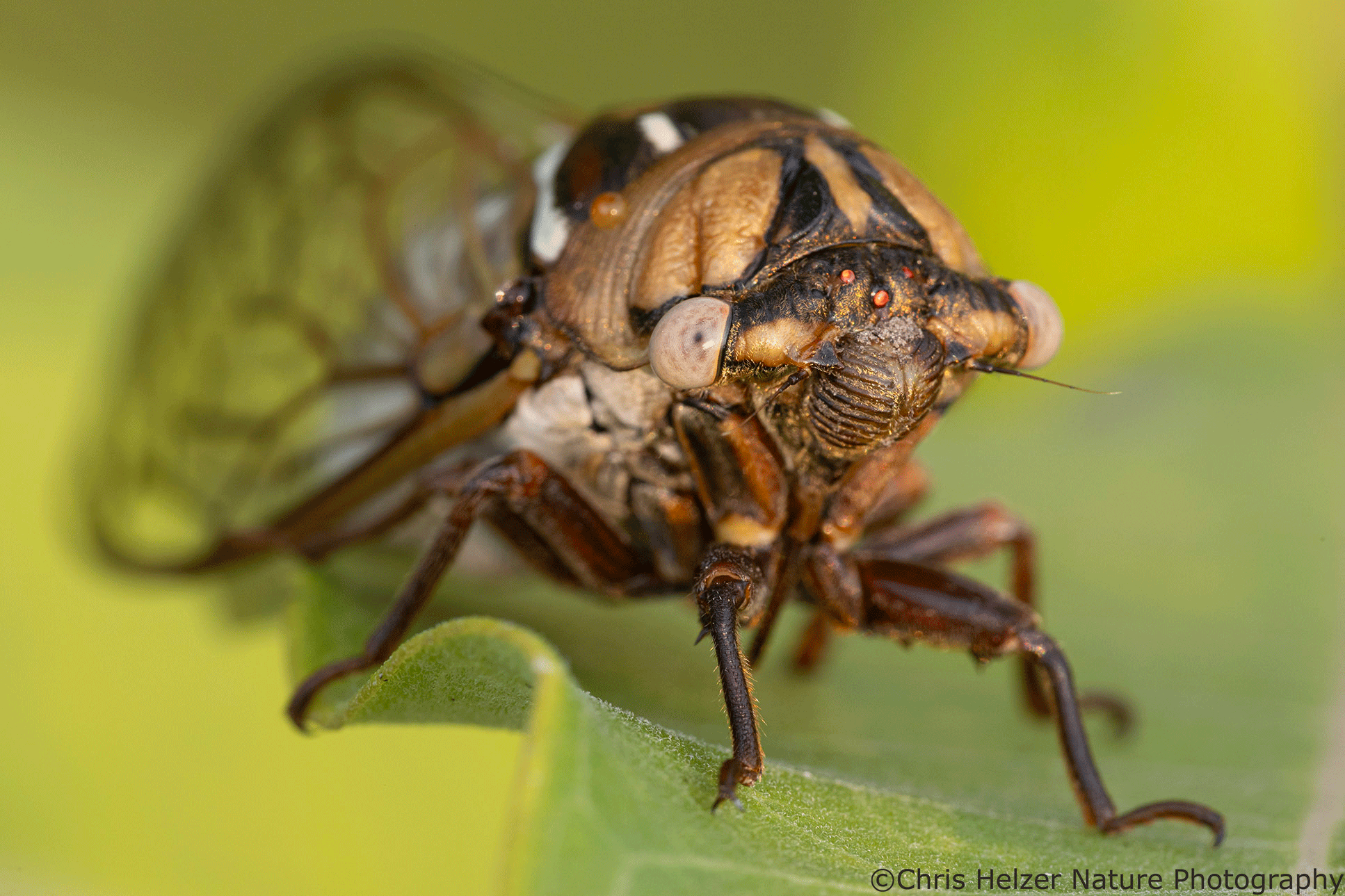

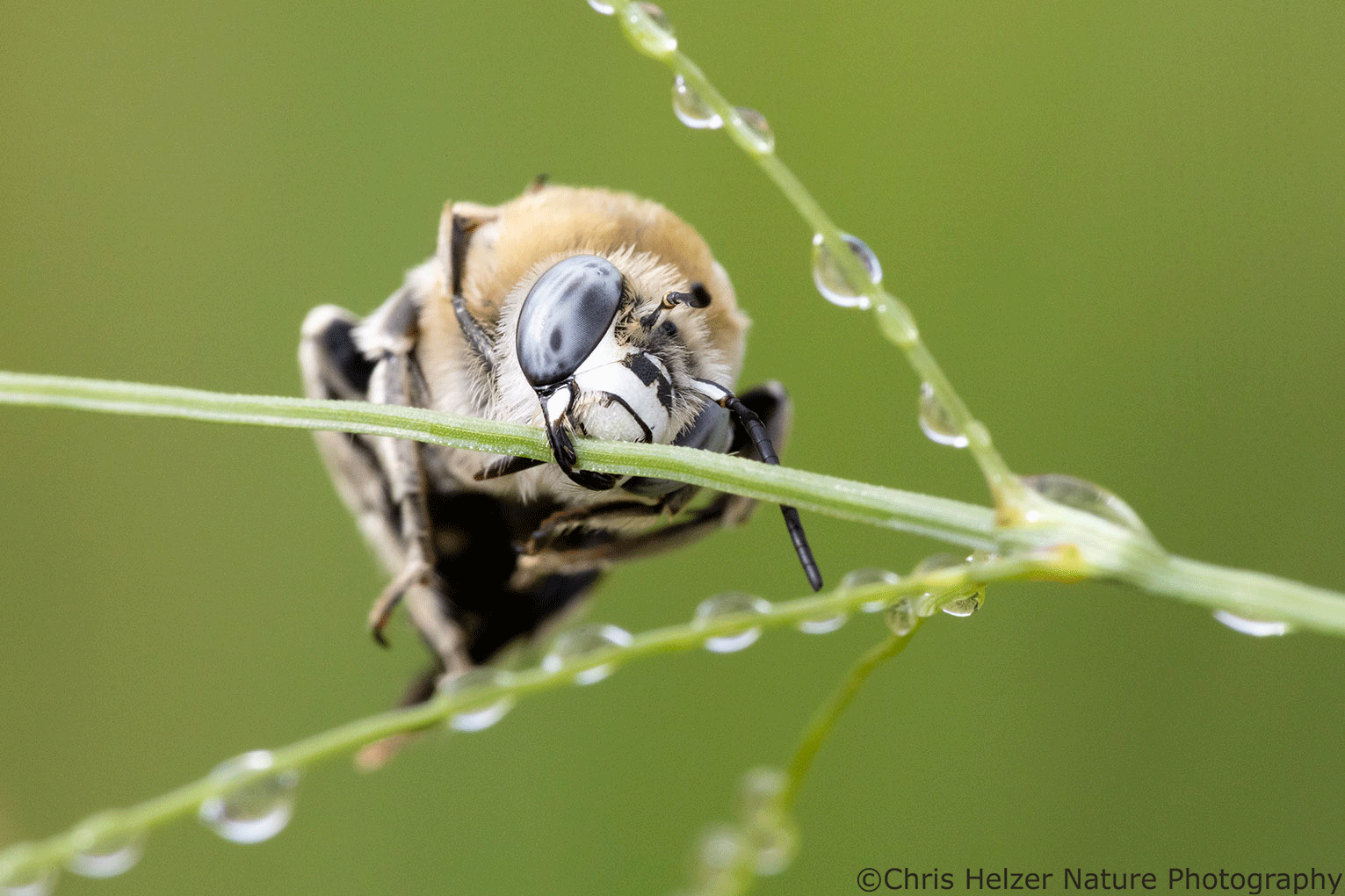
One recent morning at Lincoln Creek, I found a little digger bee that looked like it had spent the night hanging from a switchgrass flower by its mouth. This isn’t unusual for some native bee species – especially males, who don’t have a nest to retreat to. As I started photographing it, it began using its legs to wipe dew from its body, preparing to fly off. I’ve been trying to take better advantage of the video function on my camera, so after taking some good still photos, I switched to video mode (see the clip below).
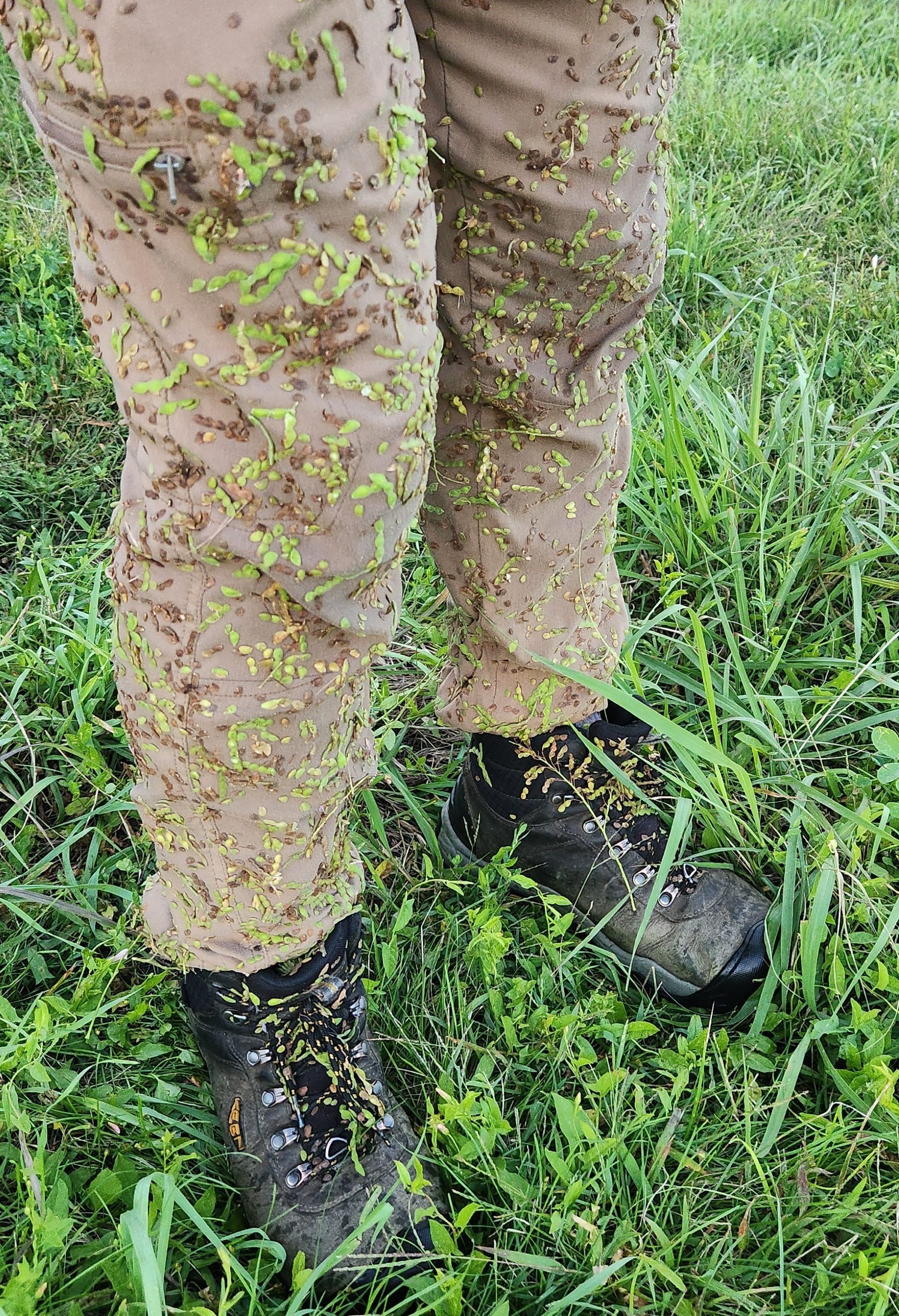
Last Saturday evening, the wind was calm and there was a little haze near the horizon, so I headed out to a prairie I hadn’t visited for a while at the Deep Well Wildlife Management Area about 15 minutes west of town. It was nice to get out, but I’m guessing most people would not have enjoyed my eventual experience. Showy tick trefoil, aka tickclover (Desmodium canadense) is very abundant at this restored prairie (thanks Bill Whitney), which I knew, but had kind of forgotten about until I started walking. For a while, I tried to avoid it, but eventually gave up because there weren’t any clear paths through the prairie without intercepting it. (see photo below)
In addition to the tickclover plants grabbing me as I walked through the tall, dense vegetation, it was also a humid night with no breeze. That lack of breeze was helpful for photography, and there was a lot to photograph, but it also meant there was no help in keeping the clouds of mosquitos at bay. My head net and long-sleeved shirt helped, but weren’t entirely sufficient. It’s weird that I didn’t see anyone else out there…
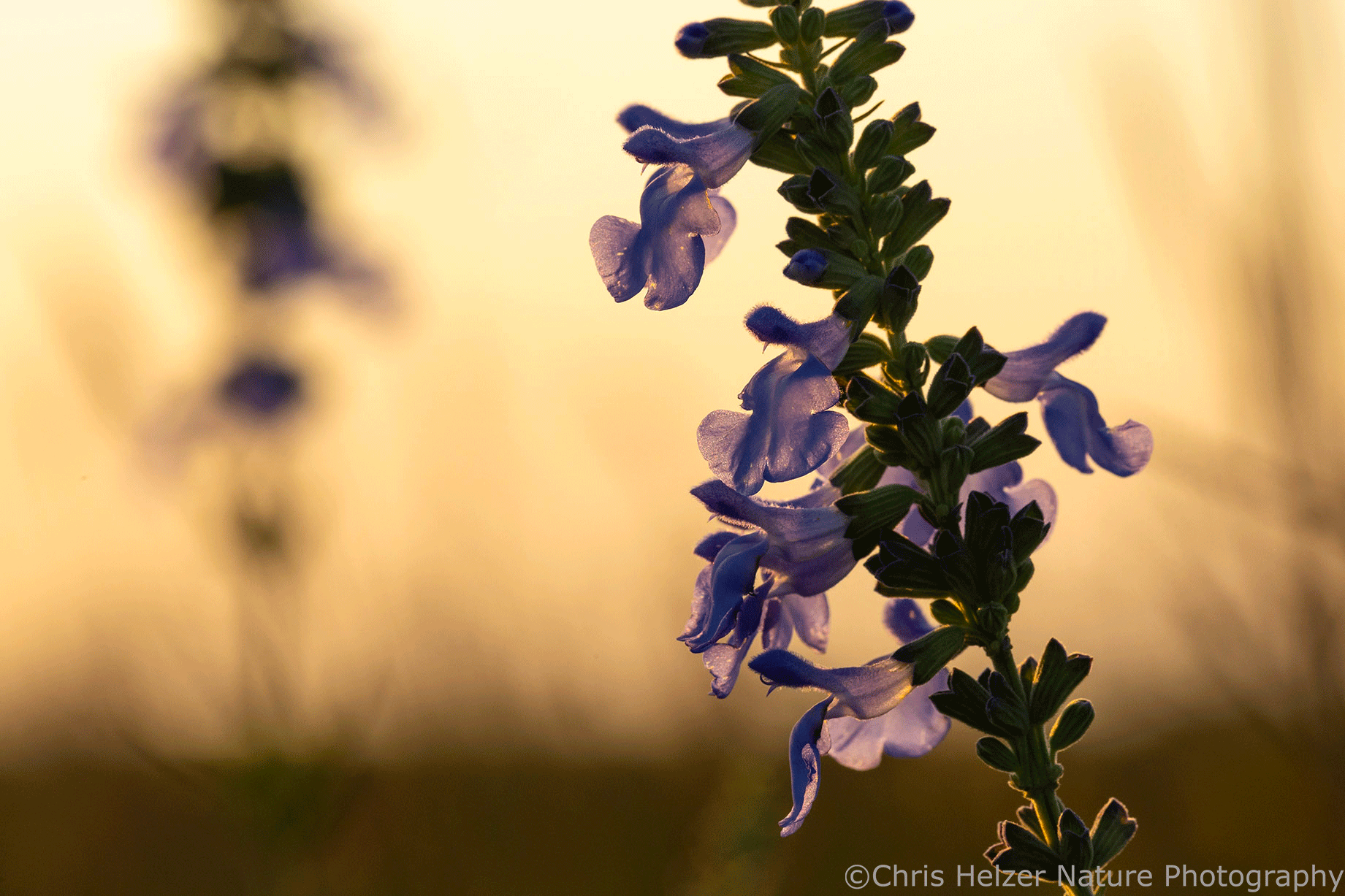
In addition, the little blue butterflies, damselflies, and drone flies that were all over the place didn’t want to sit still, so I ended up with mostly plant photos. That’s fine, of course, but I was hoping for at least a FEW insect shots. Maybe they were trying to stay away from the mosquitos and tickclover, too.
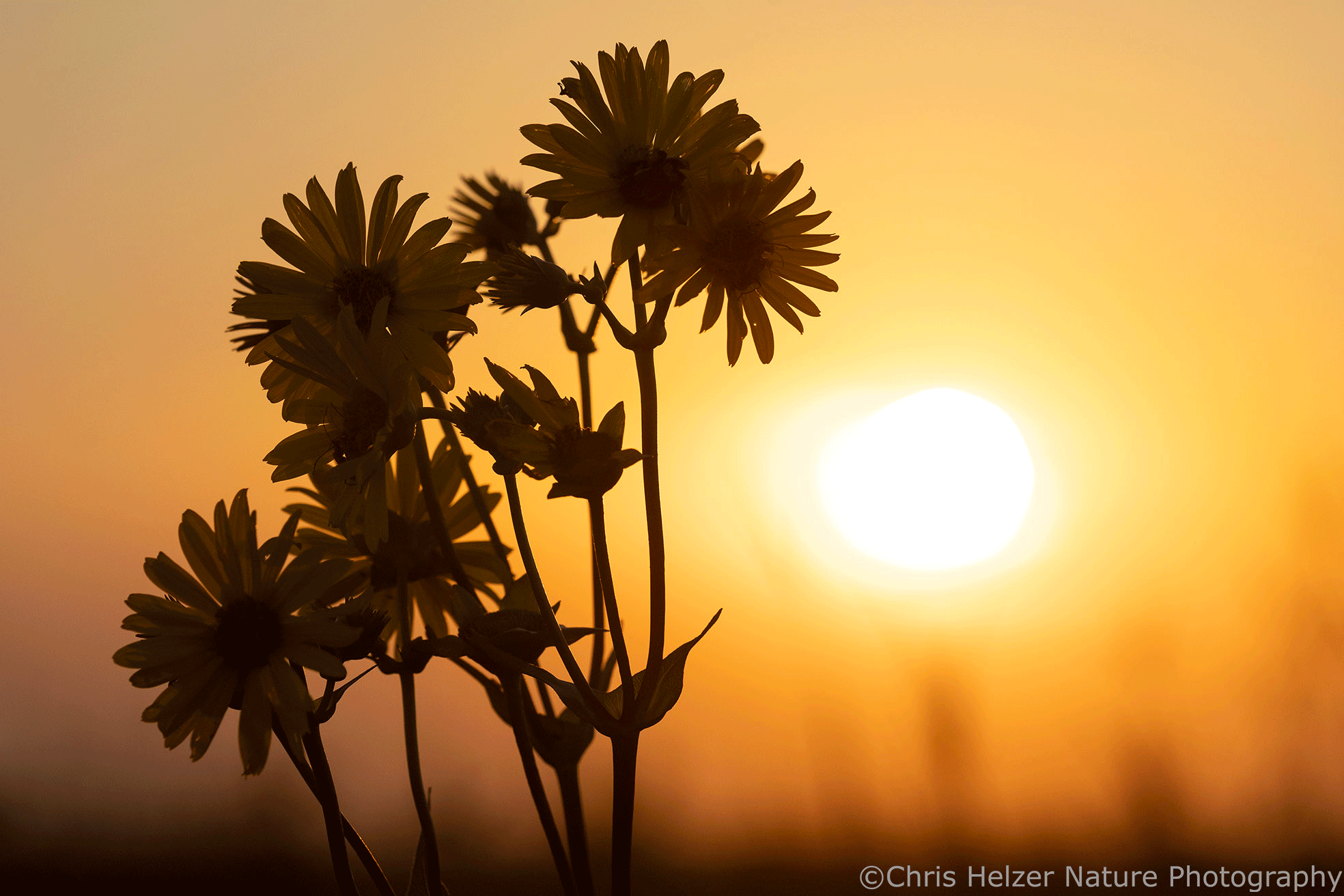
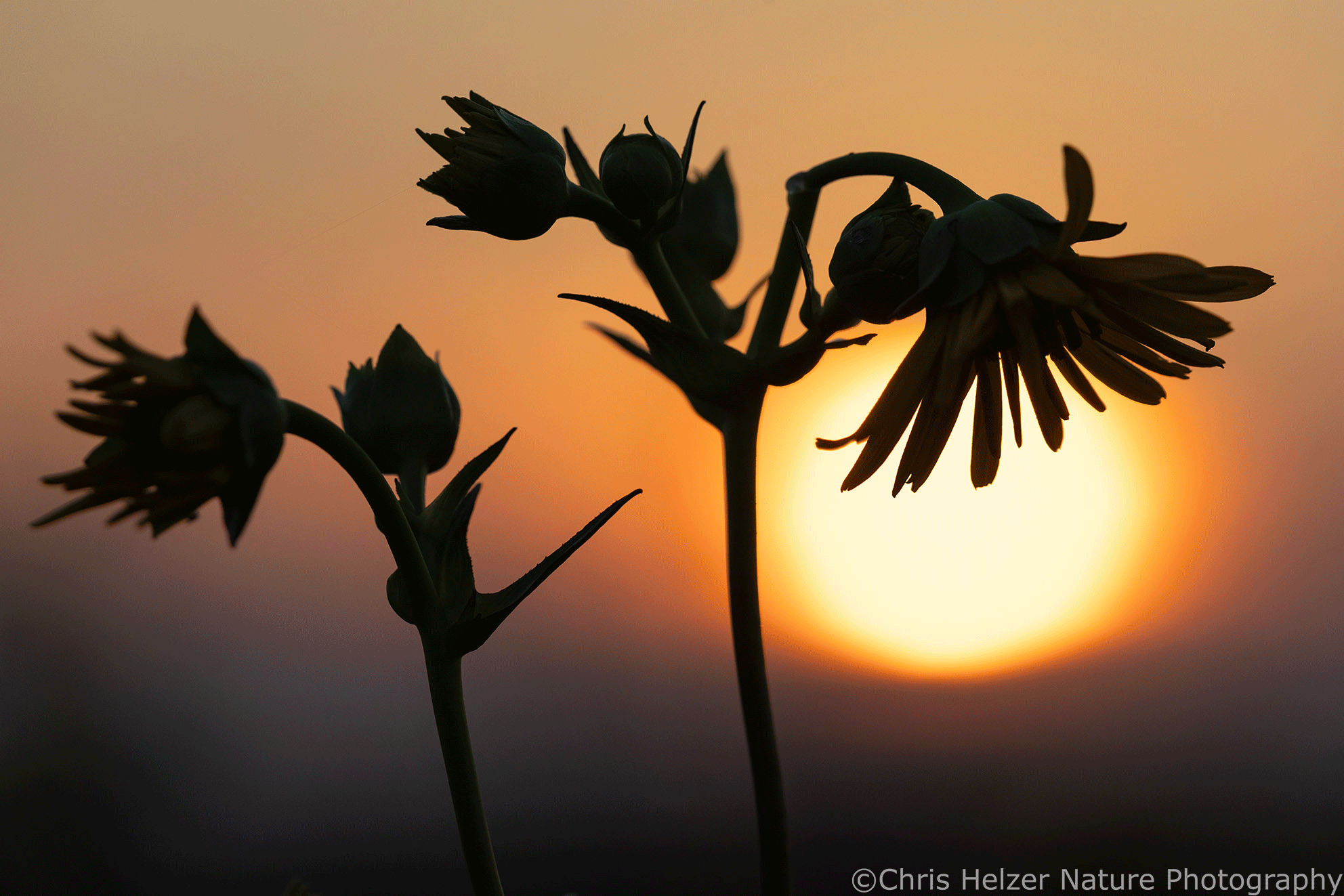
Just prior to writing this post, I spent at least half an hour with a paint scraper getting the seeds off my shirt, pants, socks, and boots, all of which I’d left in the garage after getting home from the Deep Well prairie trip. I think I got most of them. Apologies to the Nebraska Game and Parks Commission for the unintended seed harvest without permission.
I did, though, keep those tickclover seeds, and will add them to pile of the other seeds I’ve been harvesting to overseed portions of our family prairie this winter. Sure, I know it’s setting me up for more post-prairie paint scraper time in the future, but the flowers are SO PRETTY!
I’m trying to take full advantage of this terrific time of year for prairie walks. I hope you’re getting similar opportunities.


Your insect photos here are perfectly gorgeous! You honor the creatures very well.
I’ve never seen any seeds that cling at such a height. I should be glad when I only pick them up to about calf height.
Really loved and enjoyed your photos!! Thank-you for sharing. Great shots!!
Pingback: LINK FEST: 25 AUGUST 2026 – A Moveable Garden
have you ever seen a circus aerialist spinning by her teeth? that’s what that bee looked like to me! incredible!