Photos of the Week – August 24, 2026

This is a great time to visit local prairies here in east-central Nebraska. A lot of the bigger showy wildflowers are in bloom and there’s a lot of insect activity, including a nice boost in monarch butterfly numbers and a lot of sound coming from mature grasshoppers, crickets, and katydids.
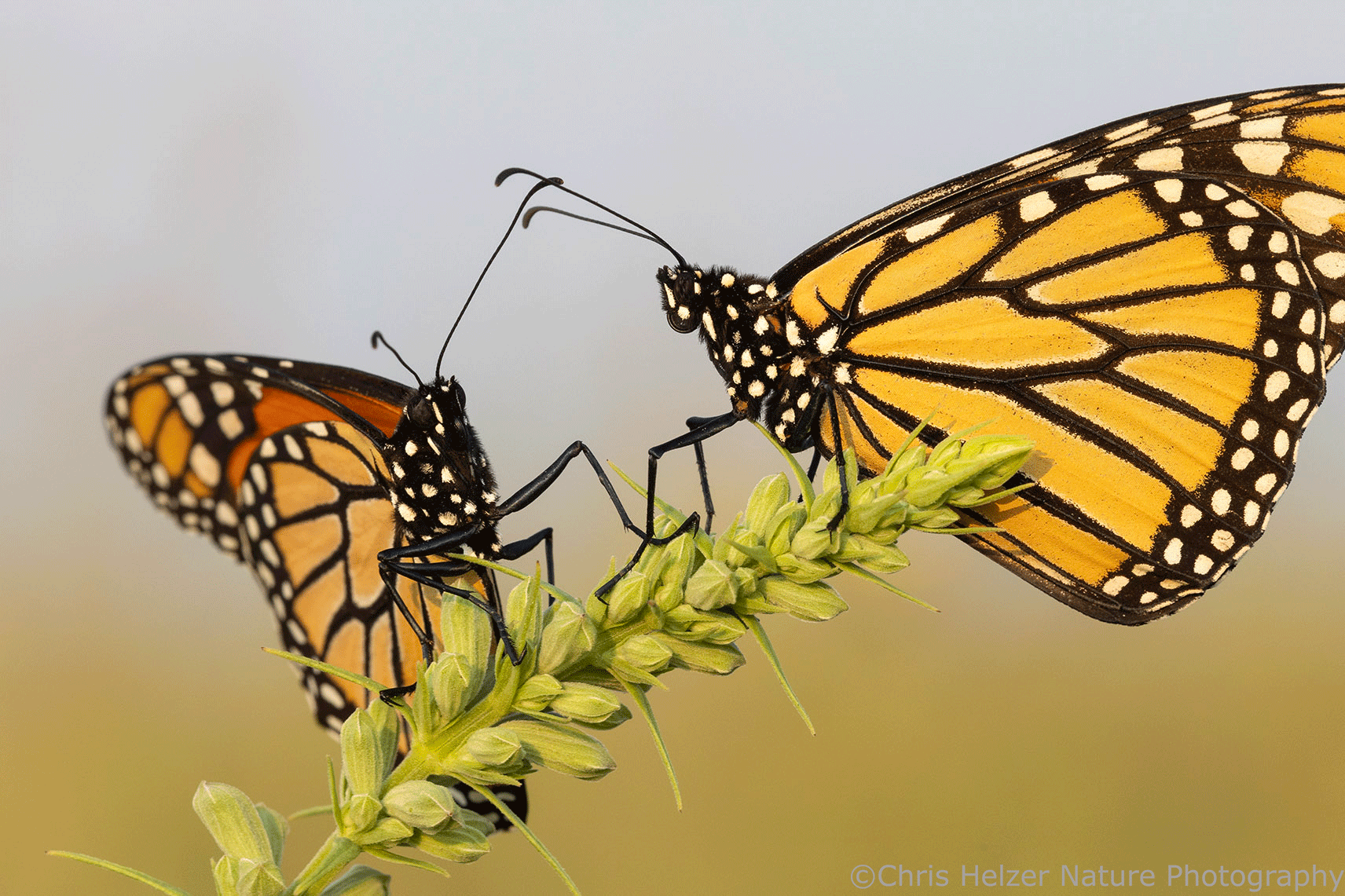
Monarch butterflies in recently-restored grassland at our family prairie.
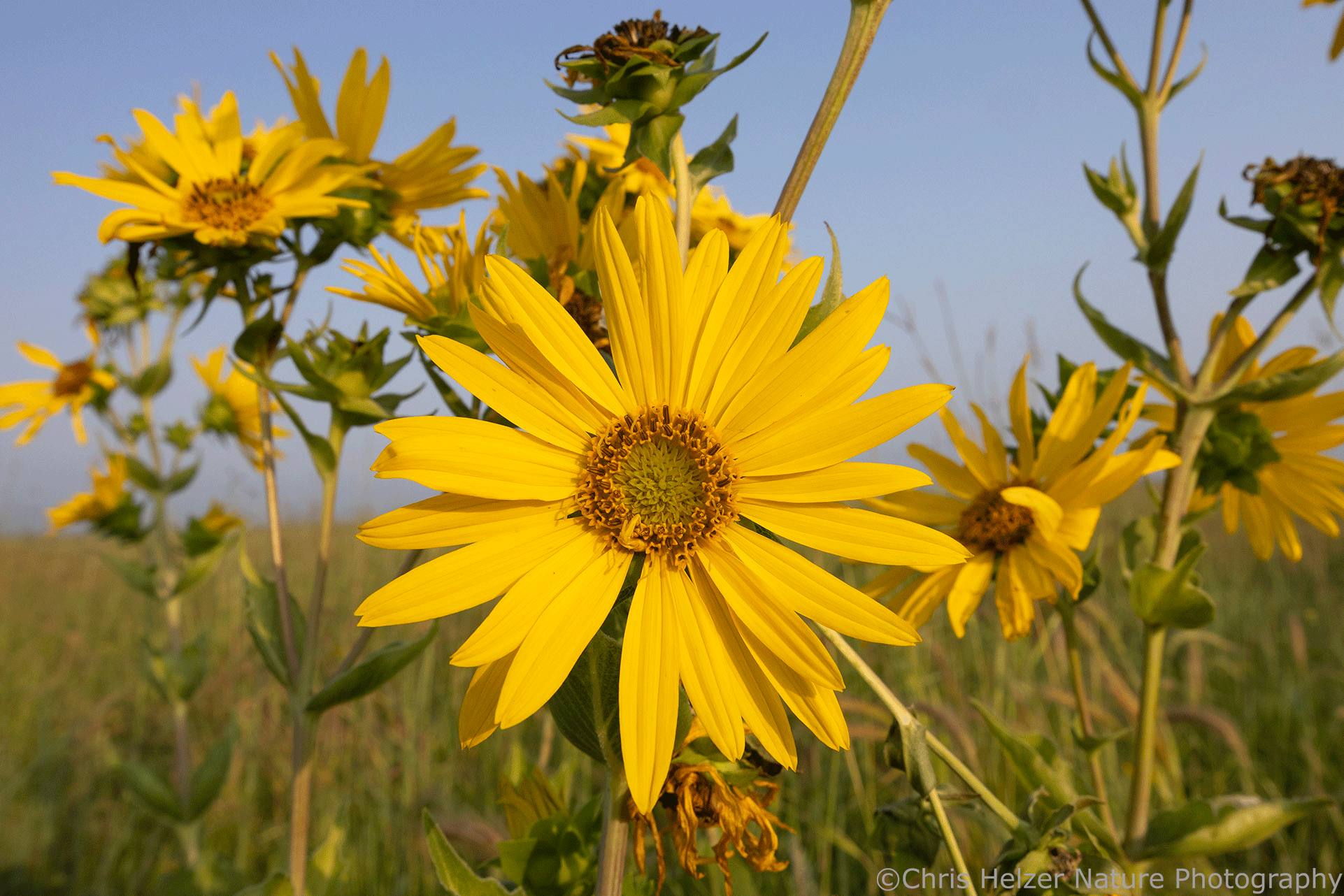
Rosinweed (Silphium integrifolium).

Most grassland nesting birds are done for the season and/or have headed south. The exception is the sedge wren, which is commonly a late nester in this part of the world. We don’t hear them until late July or August, most years. They set up territories and nest in the more tall/dense portions of our prairies here, including both the Platte River Prairies and my family prairie. Last week, though, I found a dickcissel nest with very-recently hatched chicks, which was a real surprise. The parents were apparently very dedicated to getting something out of this season. I wonder how many failed attempts have led them to this point. I wish them good luck!
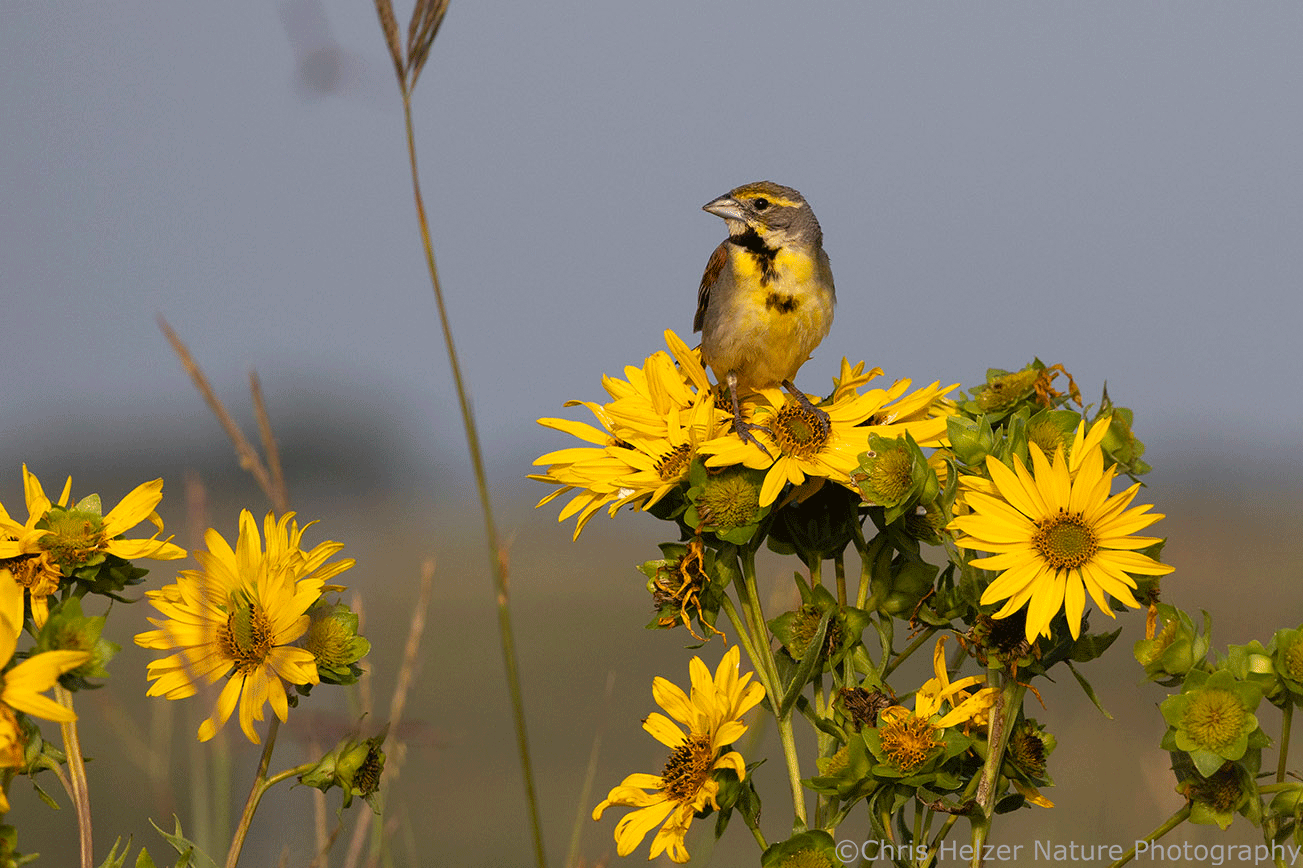
A dickcissels perching on rosinweed about 15 feet from his (late!) nest full of recently-hatched chicks.
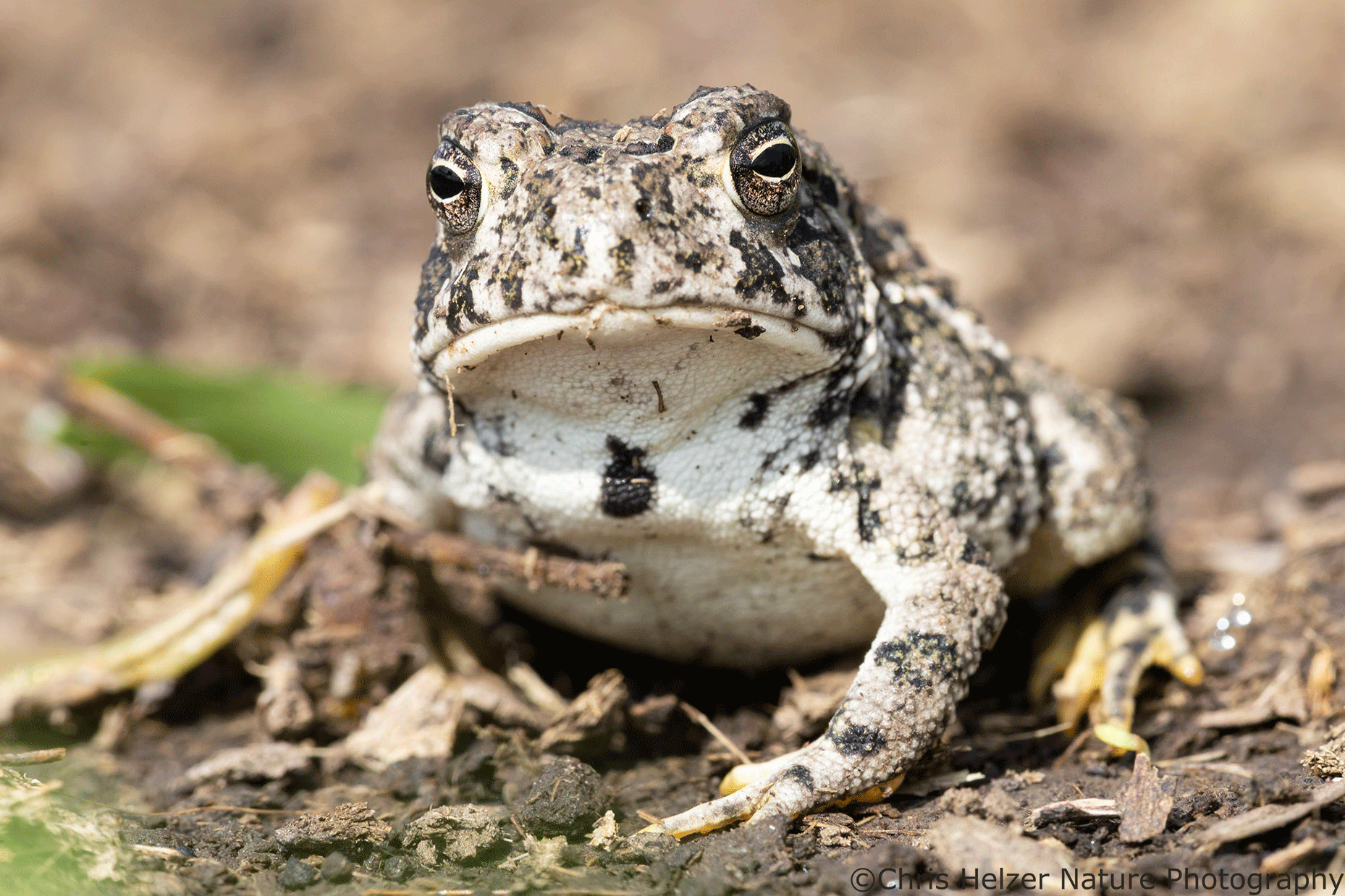
A Woodhouse’s toad at our family prairie.
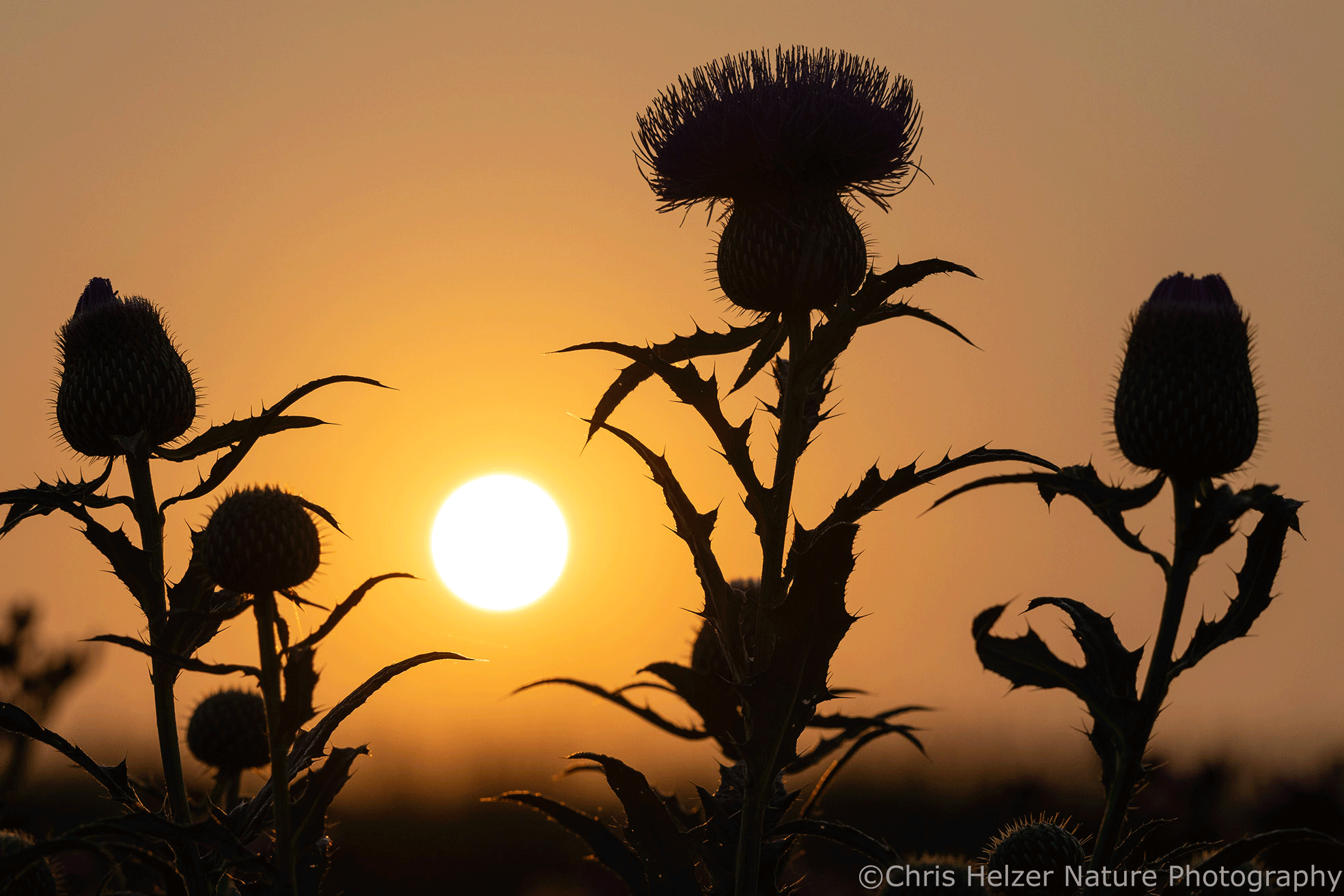
Sunrise and wavy-leaf thistle (Cirsium undulatum).

On foggy, dewy mornings, my most convenient local photo destination is Lincoln Creek Prairie, right here in town. There have been a lot of those foggy mornings lately, and a lot of photo opportunities. The farm just to the east of my favorite spot is growing soybeans instead of corn this year, which is much nicer in terms of allowing sunrise light to hit the prairie right away.
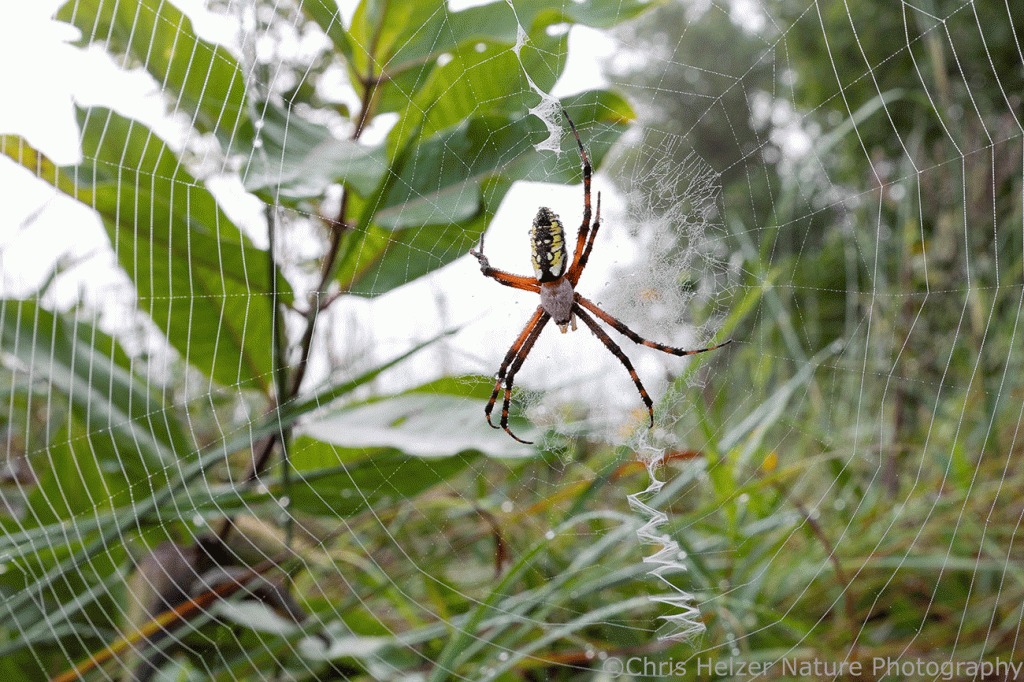
A yellow garden spider on a foggy morning at Lincoln Creek Prairie.
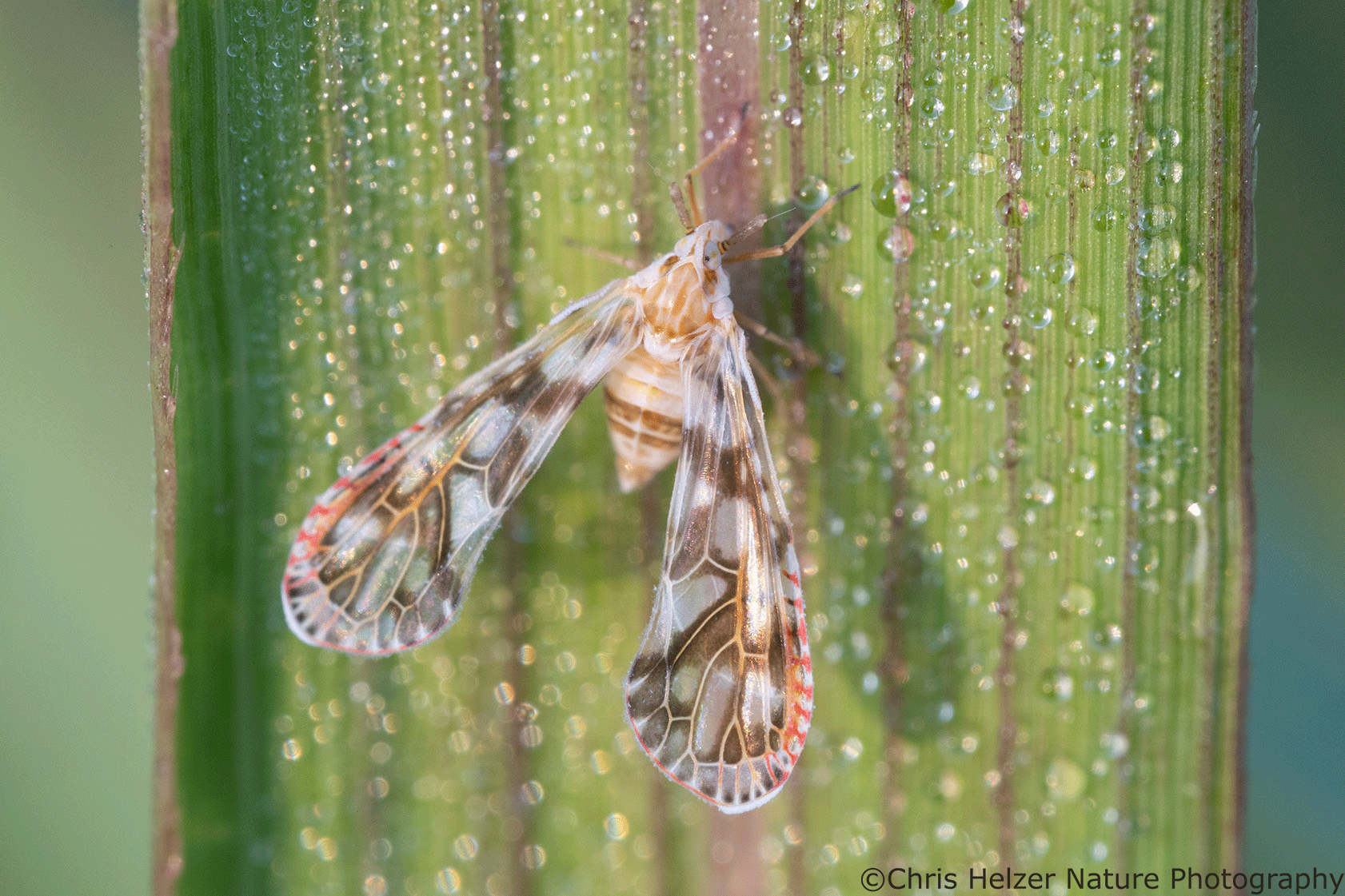
A derbid planthopper, a species I first learned about during my square meter photography project.
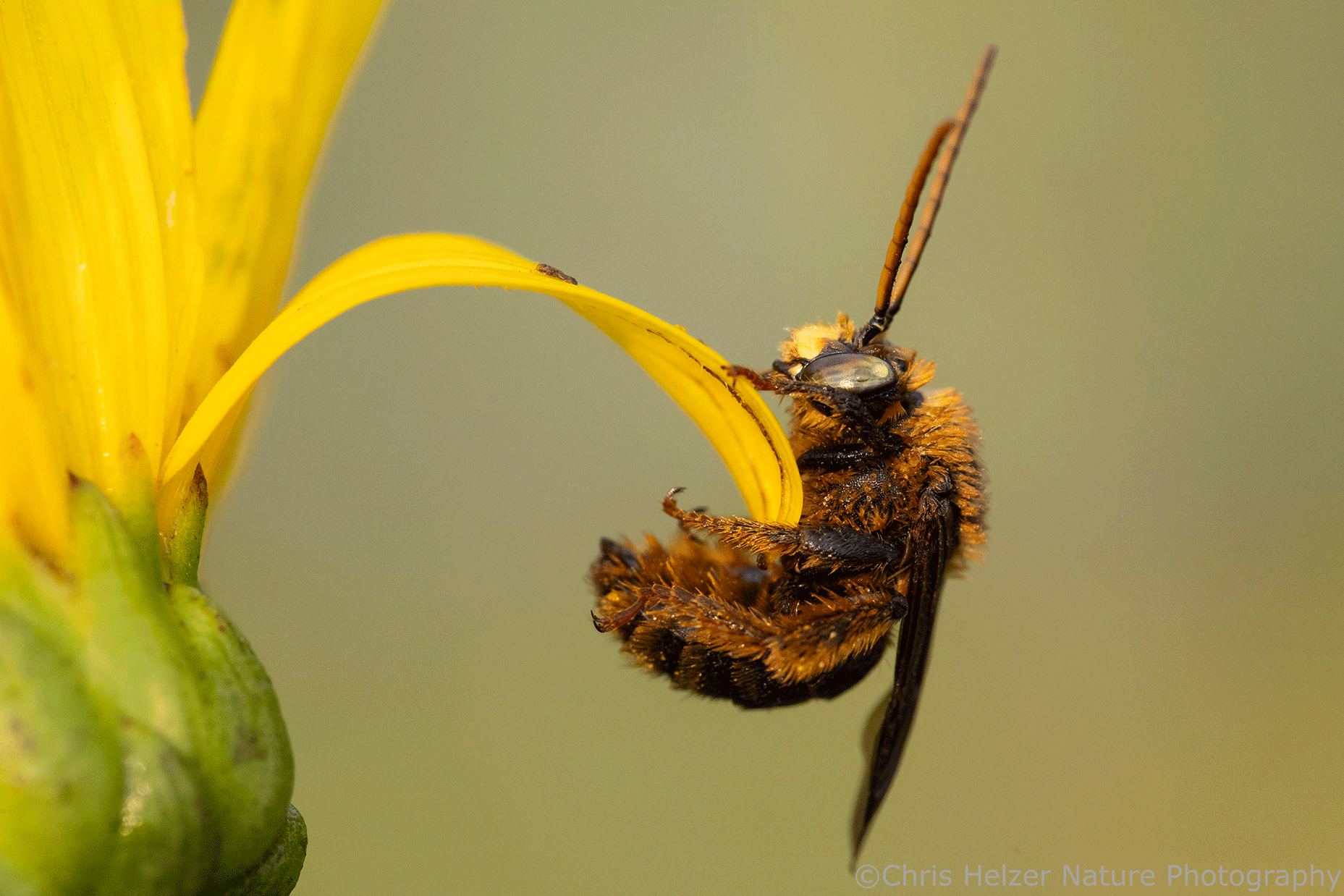
A longhorn bee roosting (comfortably?) on stiff sunflower (Helianthus pauciflorus) at Lincoln Creek.
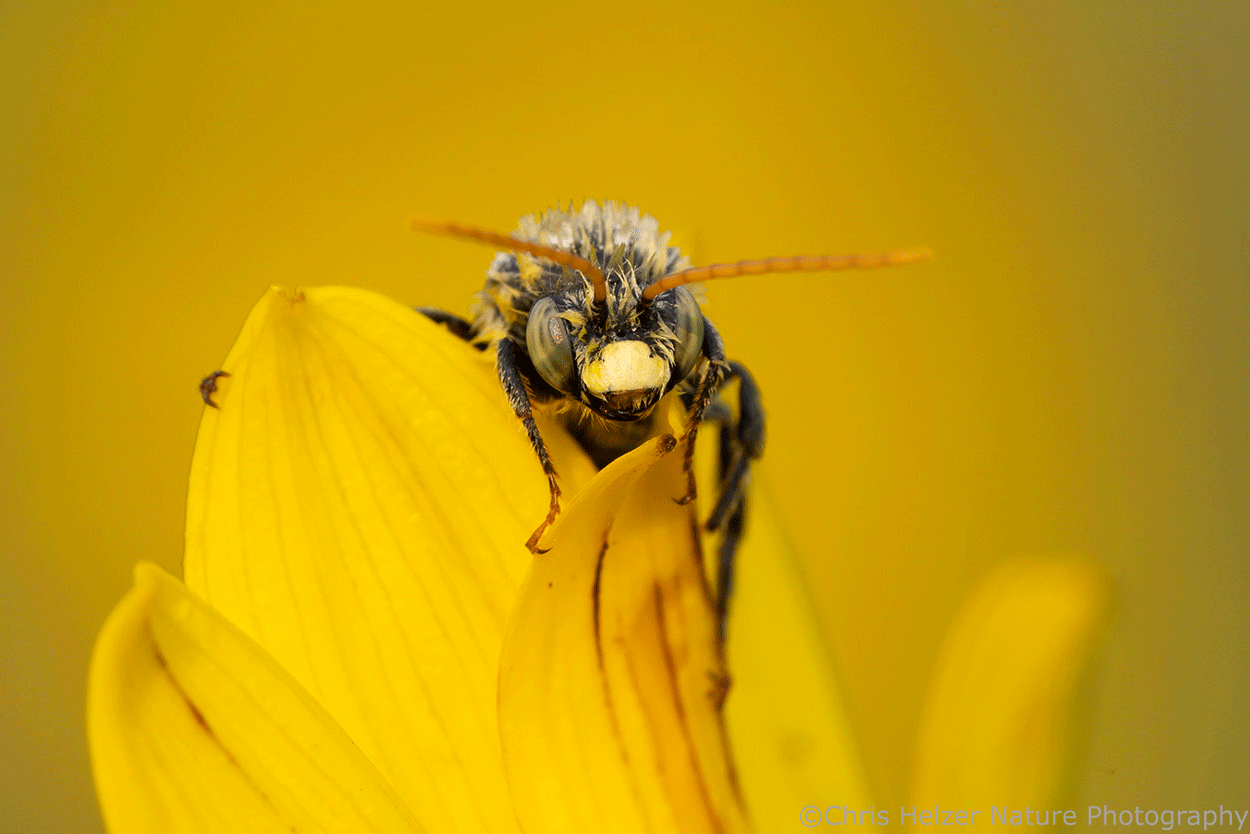
Another bee waking up from its overnight roost on the same sunflower as above.
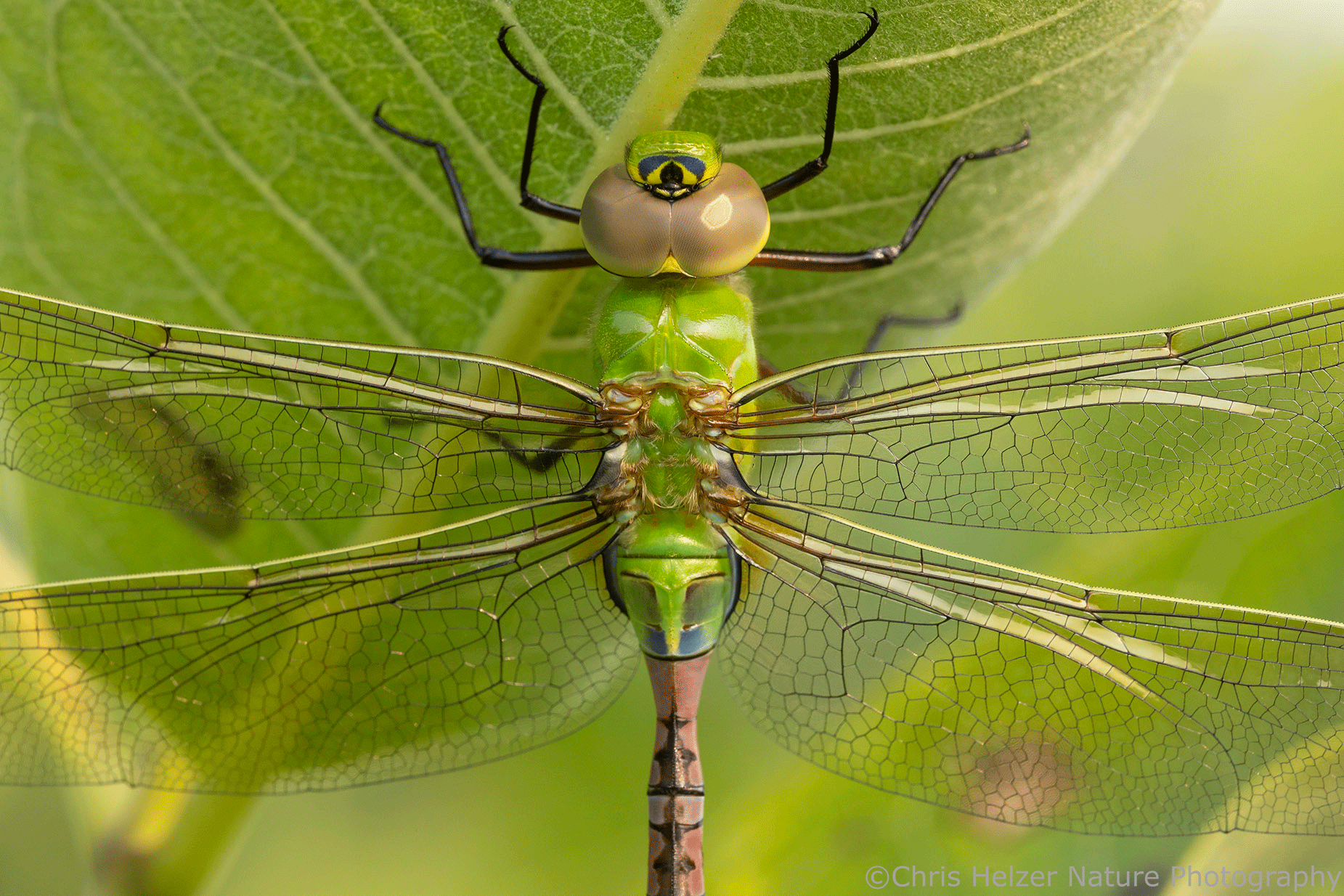
A green darner dragonfly on common milkweed at Lincoln Creek Prairie.
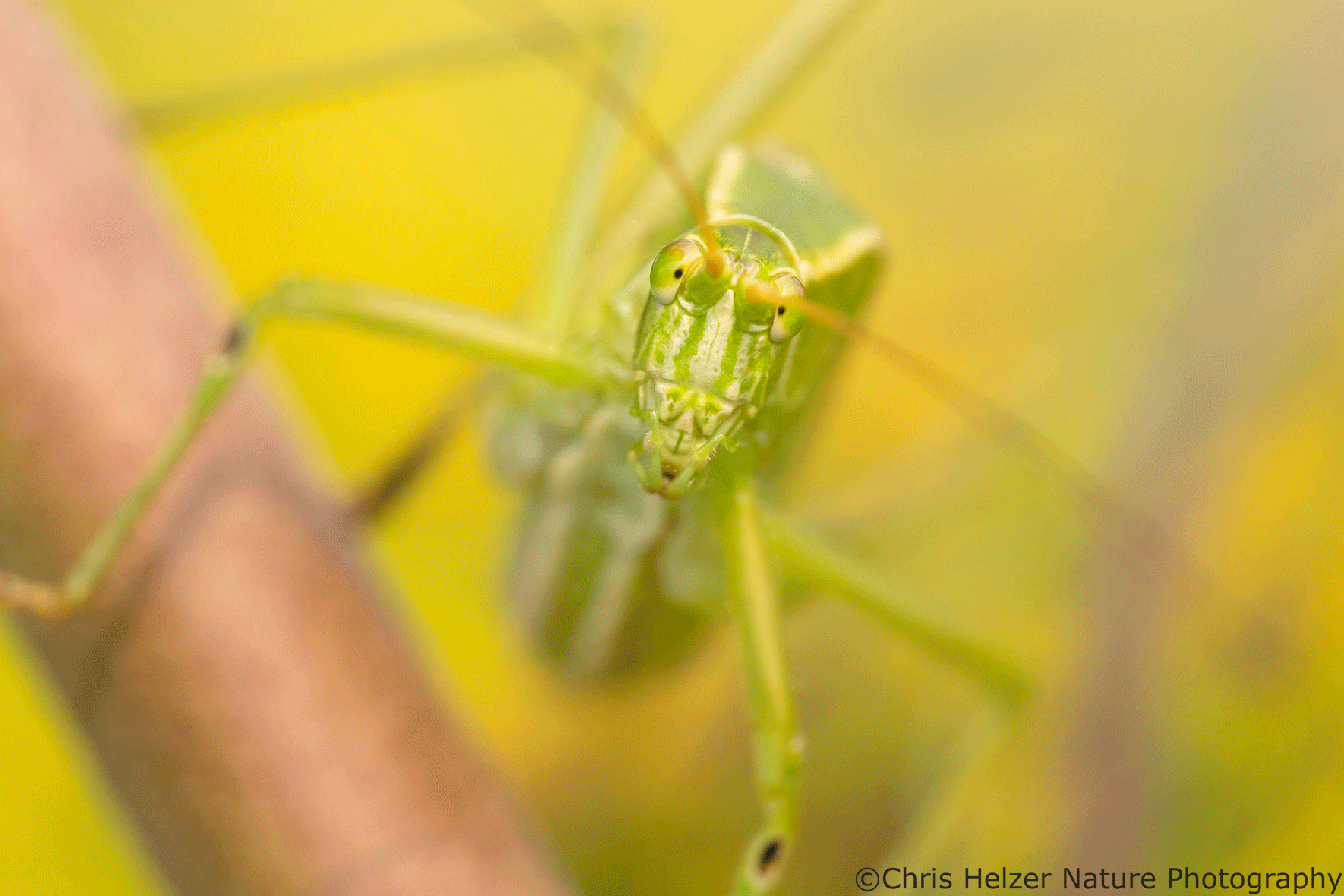
A big bush katydid of some kind on a yellowing milkweed plant.
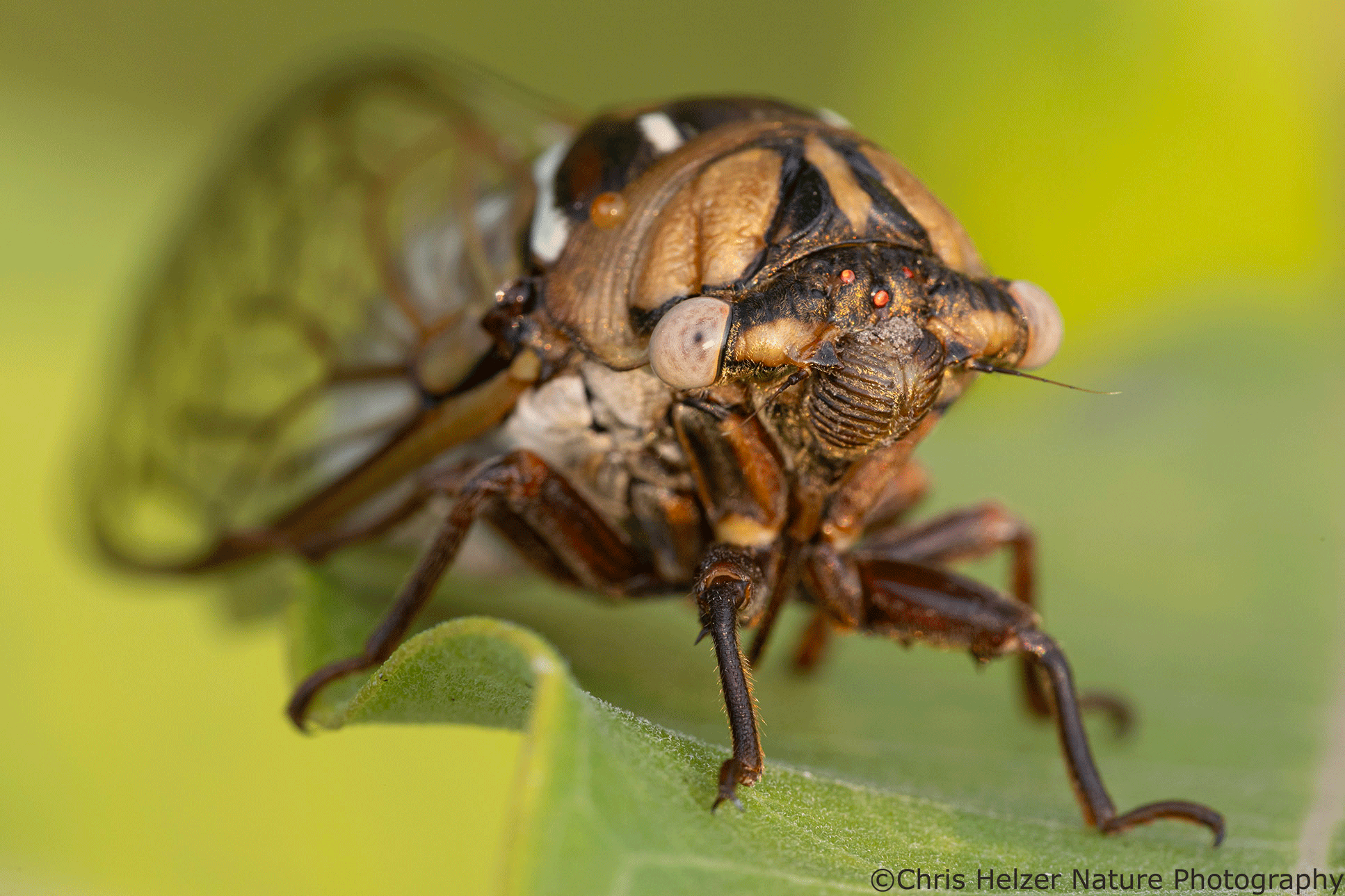
A bush cicada (Megatibicen dorsatus) at Lincoln Creek Prairie.
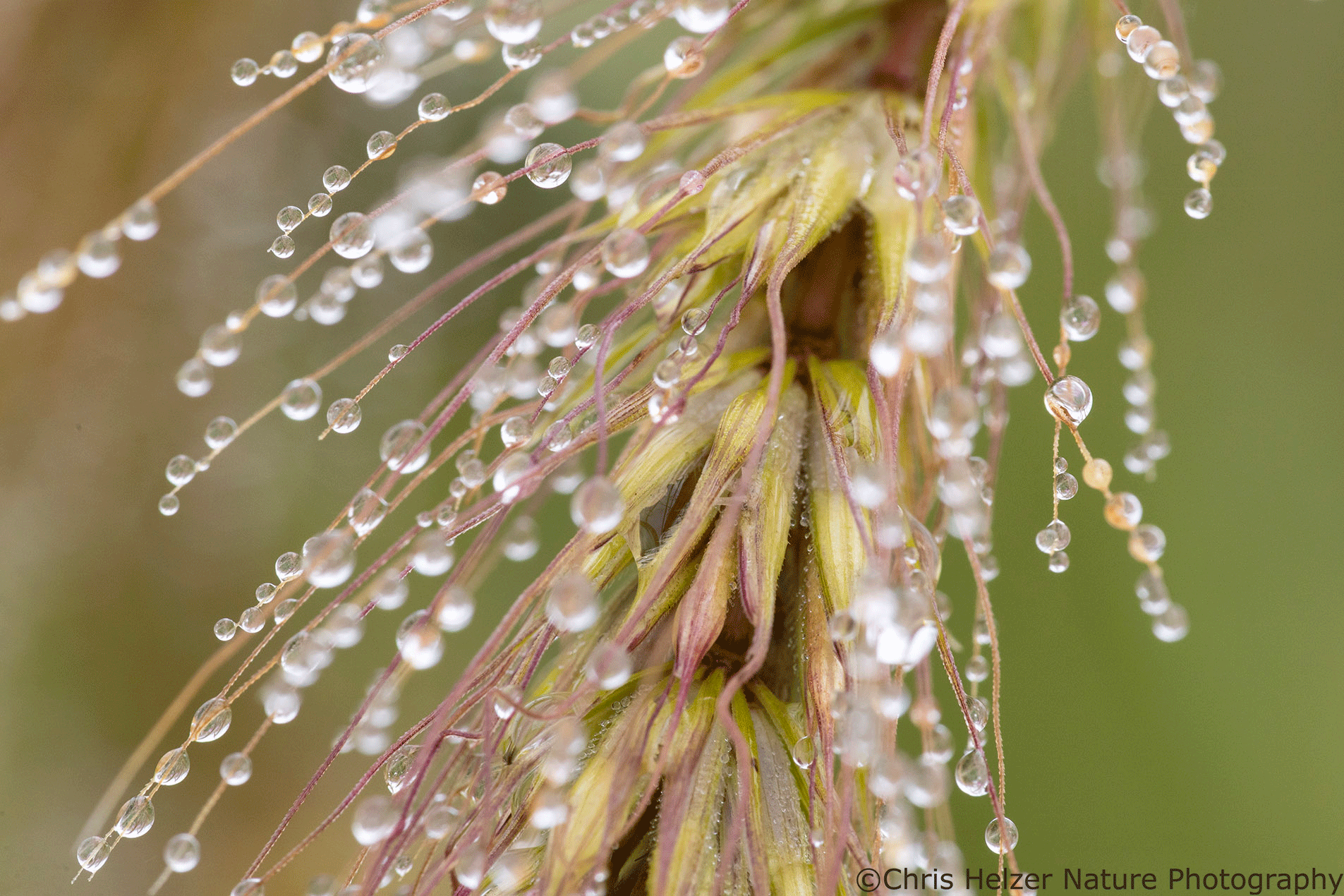
Dew drops on Canada wildrye (Elymus canadensis).
Cucumber beetle on pitcher sage (Salvia azurea) at Lincoln Creek Prairie.

One recent morning at Lincoln Creek, I found a little digger bee that looked like it had spent the night hanging from a switchgrass flower by its mouth. This isn’t unusual for some native bee species – especially males, who don’t have a nest to retreat to. As I started photographing it, it began using its legs to wipe dew from its body, preparing to fly off. I’ve been trying to take better advantage of the video function on my camera, so after taking some good still photos, I switched to video mode (see the clip below).
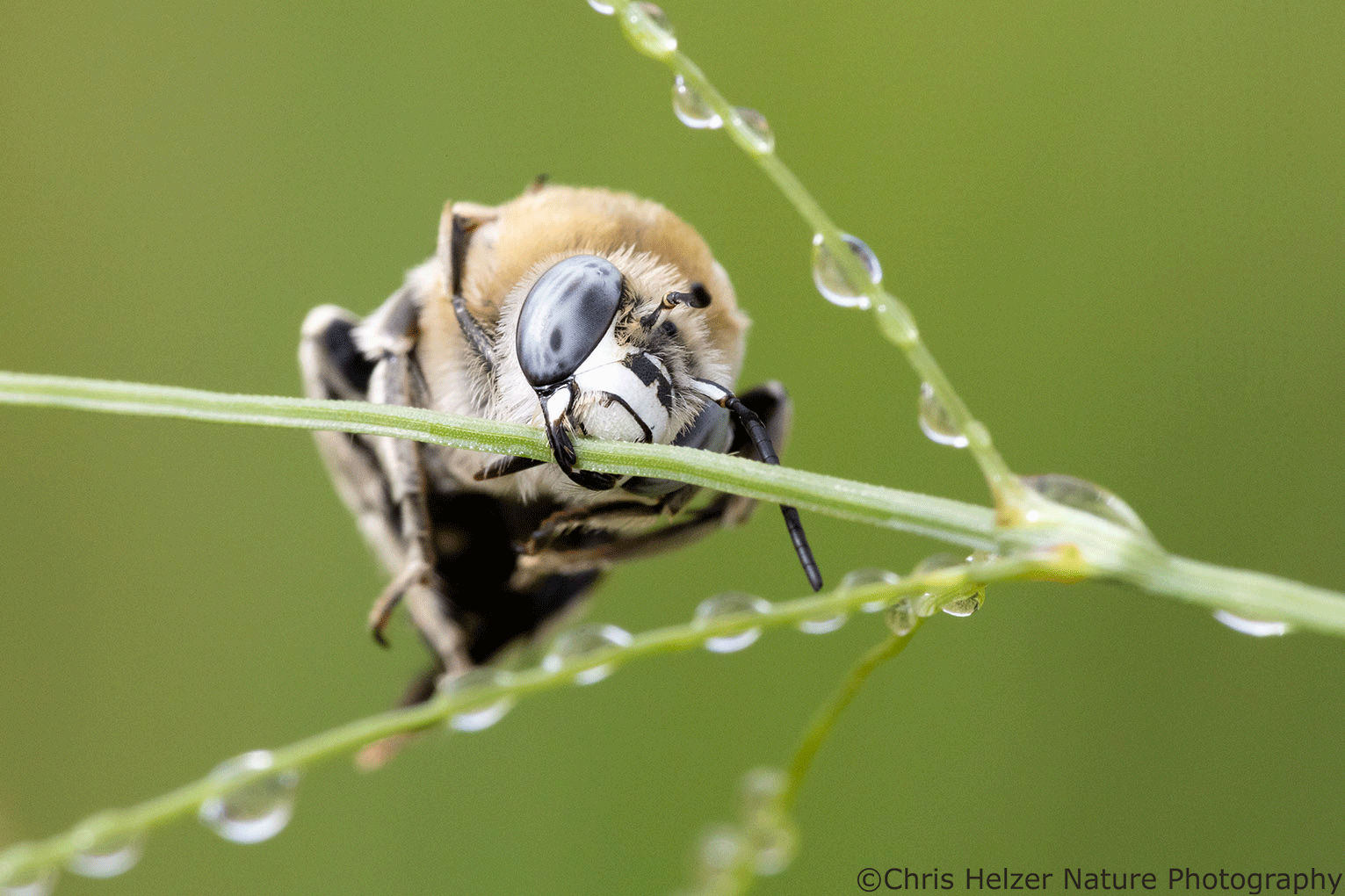
Digger bee cleaning dew from itself while clamped to switchgrass.

Last Saturday evening, the wind was calm and there was a little haze near the horizon, so I headed out to a prairie I hadn’t visited for a while at the Deep Well Wildlife Management Area about 15 minutes west of town. It was nice to get out, but I’m guessing most people would not have enjoyed my eventual experience. Showy tick trefoil, aka tickclover (Desmodium canadense) is very abundant at this restored prairie (thanks Bill Whitney), which I knew, but had kind of forgotten about until I started walking. For a while, I tried to avoid it, but eventually gave up because there weren’t any clear paths through the prairie without intercepting it. (see photo below)
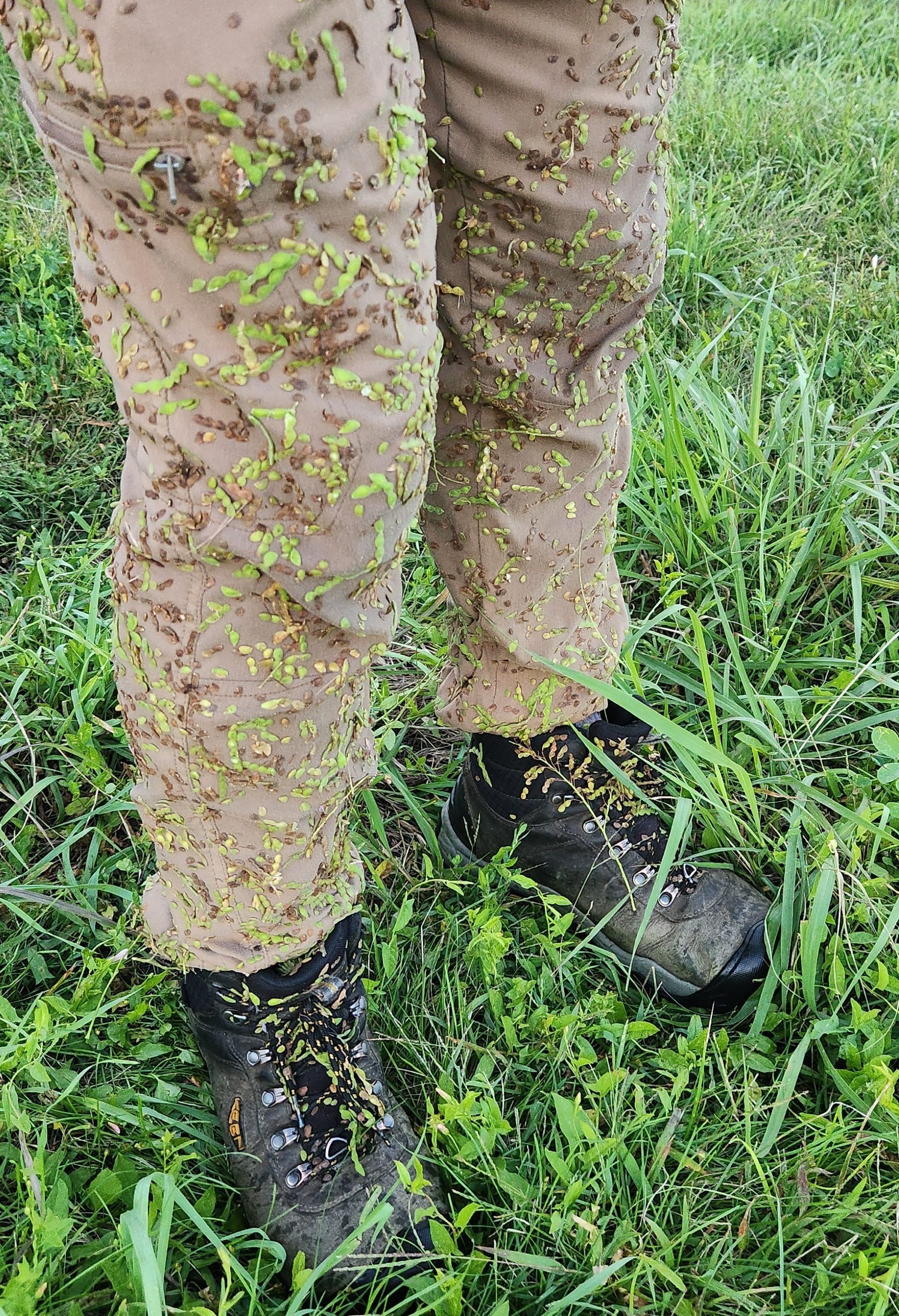
Showy tick trefoil (tickclover) seeds.

In addition to the tickclover plants grabbing me as I walked through the tall, dense vegetation, it was also a humid night with no breeze. That lack of breeze was helpful for photography, and there was a lot to photograph, but it also meant there was no help in keeping the clouds of mosquitos at bay. My head net and long-sleeved shirt helped, but weren’t entirely sufficient. It’s weird that I didn’t see anyone else out there…

In addition, the little blue butterflies, damselflies, and drone flies that were all over the place didn’t want to sit still, so I ended up with mostly plant photos. That’s fine, of course, but I was hoping for at least a FEW insect shots. Maybe they were trying to stay away from the mosquitos and tickclover, too.
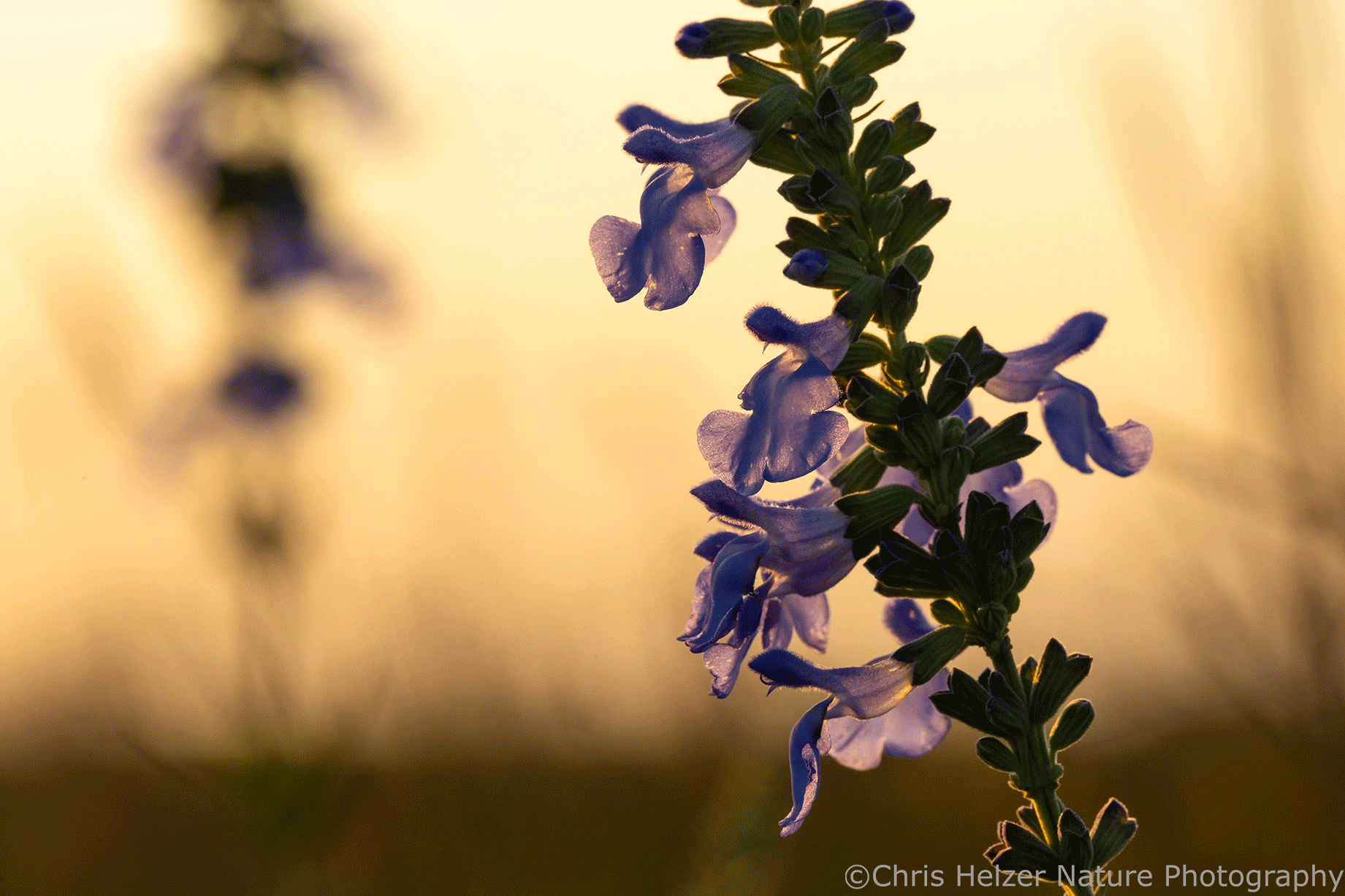
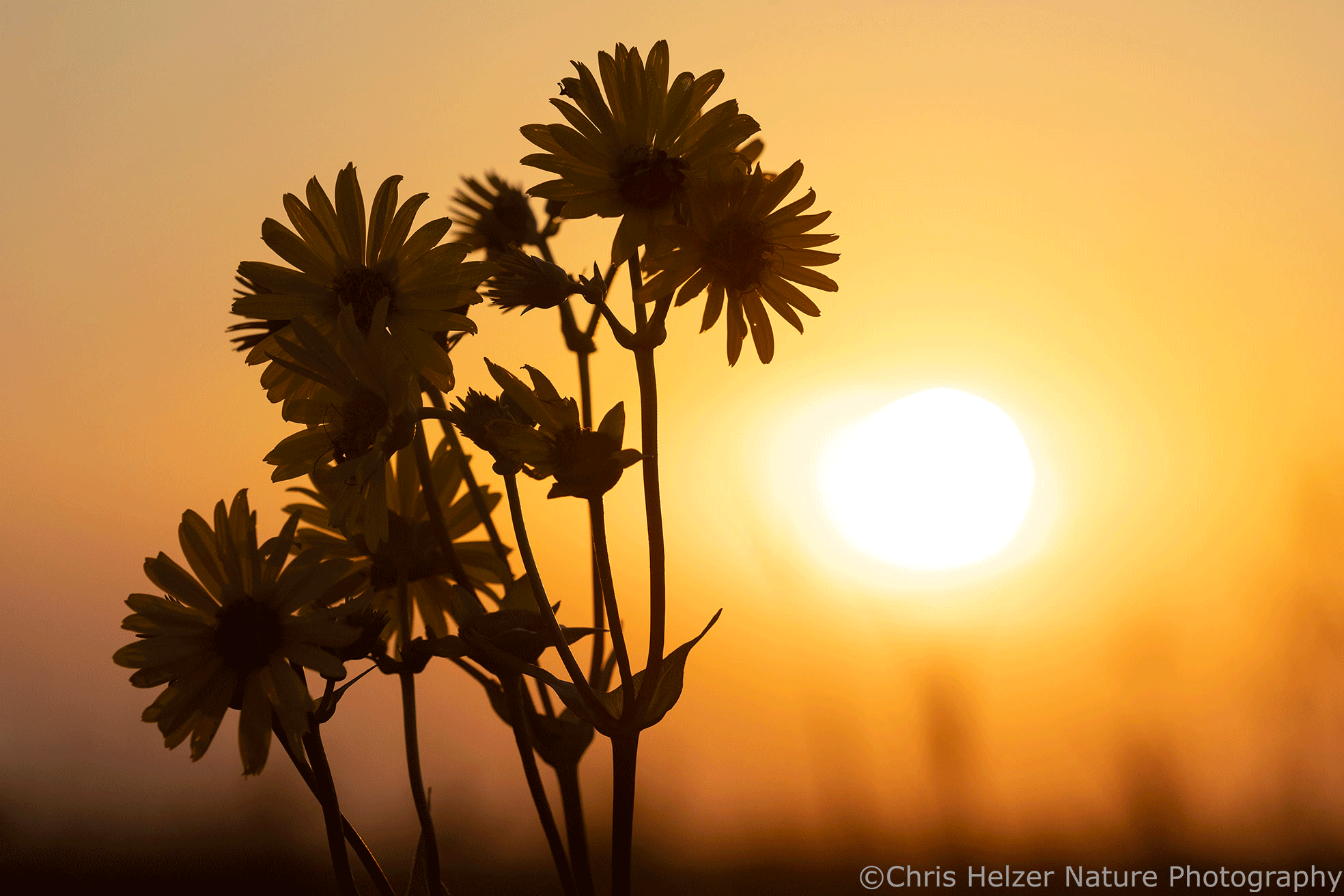
Pitcher sage in late day light.
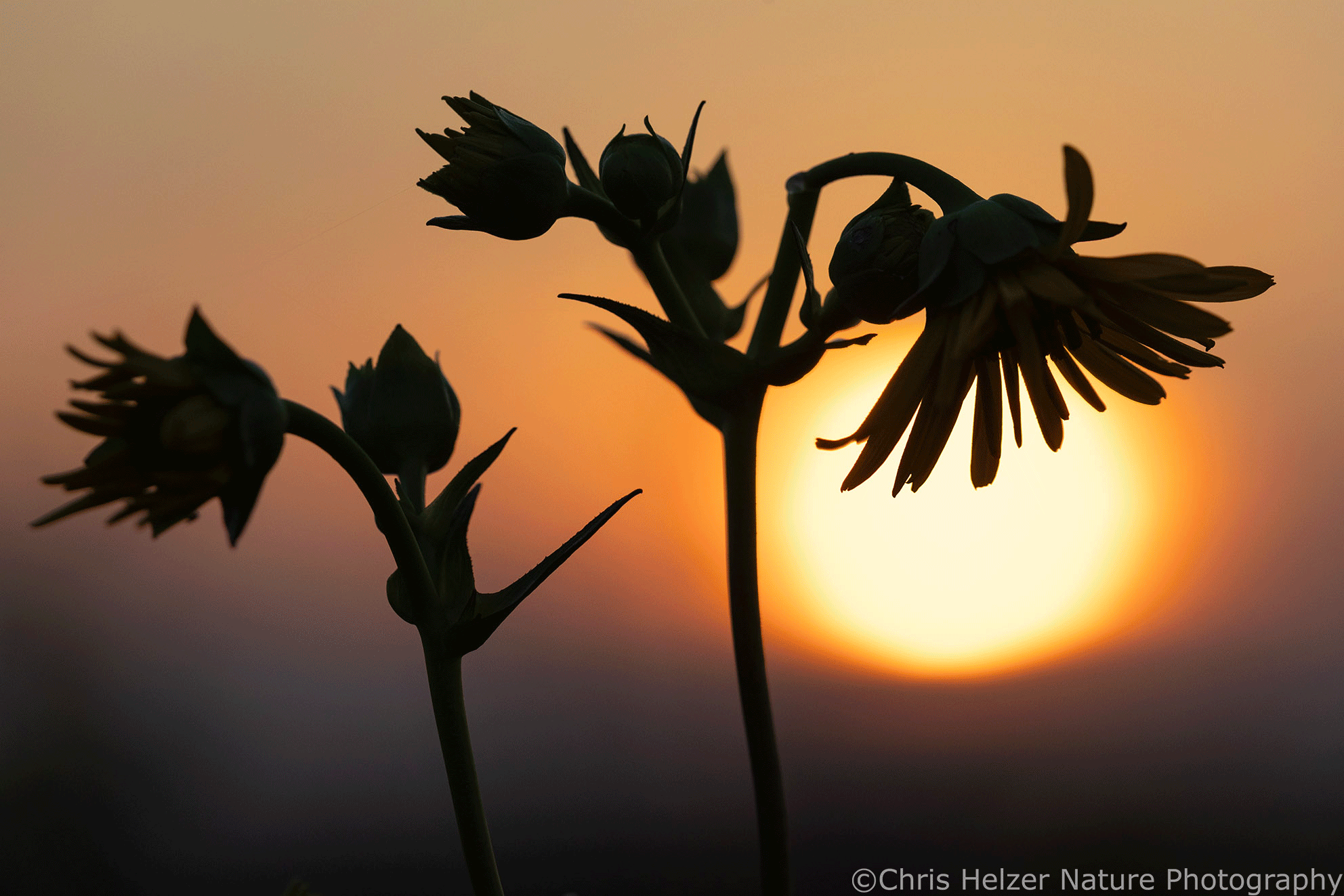
Cup plant (Silphium perfoliatum) and sunset.
Rosinweed and sunset.

Just prior to writing this post, I spent at least half an hour with a paint scraper getting the seeds off my shirt, pants, socks, and boots, all of which I’d left in the garage after getting home from the Deep Well prairie trip. I think I got most of them. Apologies to the Nebraska Game and Parks Commission for the unintended seed harvest without permission.

I did, though, keep those tickclover seeds, and will add them to pile of the other seeds I’ve been harvesting to overseed portions of our family prairie this winter. Sure, I know it’s setting me up for more post-prairie paint scraper time in the future, but the flowers are SO PRETTY!

I’m trying to take full advantage of this terrific time of year for prairie walks. I hope you’re getting similar opportunities.
Photos of the Week – October 10, 2025

The fall migration is in full swing through our prairies. Dragonflies, birds, butterflies, and more are moving southward. Going out on dewy mornings is a great way to check up on butterflies and dragonflies because I can find them immobile and covered in dew on their overnight roosts. This week was a big week for variegated meadowhawks (dragonflies), apparently. I found dozens of them at our family prairie one morning (more photos toward the end of this post).

Variegated meadowhawk at sunrise. Helzer family prairie.

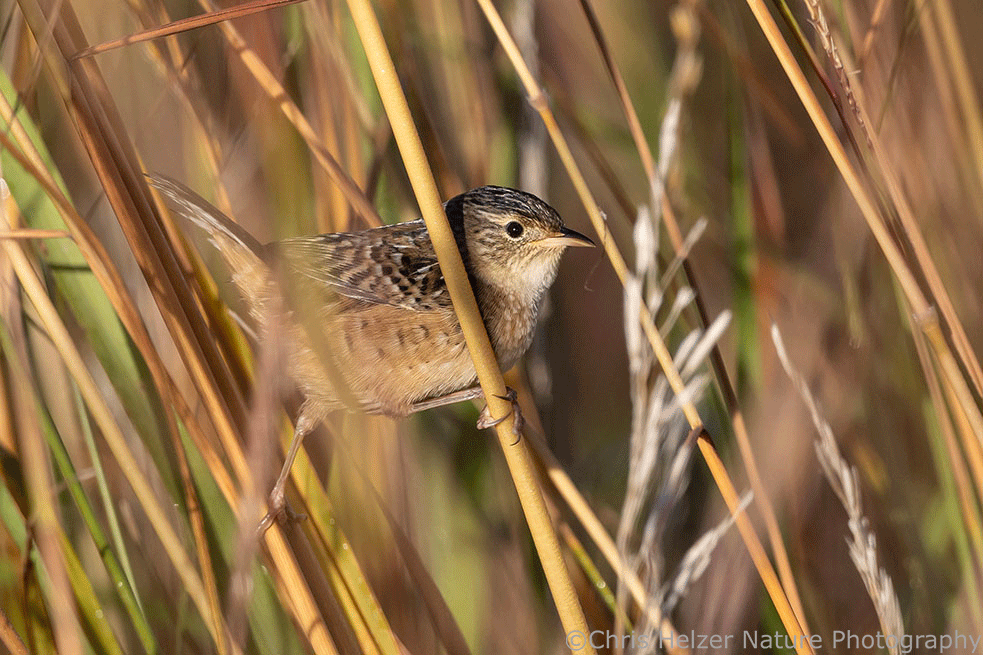
There are lots of little brown birds skulking in the vegetation this week. Many of them are grassland sparrows of various species, but there also were a bunch of sedge wrens at our family prairie. Most of those birds are hard to see unless you flush them while walking through the prairie, but just standing still is also a good way to hear them as they rustle around in patches of tall grass. The sedge wrens made it easy because they not only rustled, they also called to each other with their machine gun songs (“Dot Dot d-d-d-d-d-d-d-d-d-d!”).

One of many sedge wrens hiding in the grass this week.

Monarchs are far from the only migratory butterfly (not to mention moths) coming through. I’ve seen a lot of painted lady butterflies this week and found a few orange sulphurs that (probably?) were on the move. There was a cluster of pearl crescent butterflies in our yard this week, too, but as far as I know, those aren’t migratory. They looked like they’d all recently emerged as adults, so they’d better hurry if they’re going to lay eggs before freezing temperatures hit!

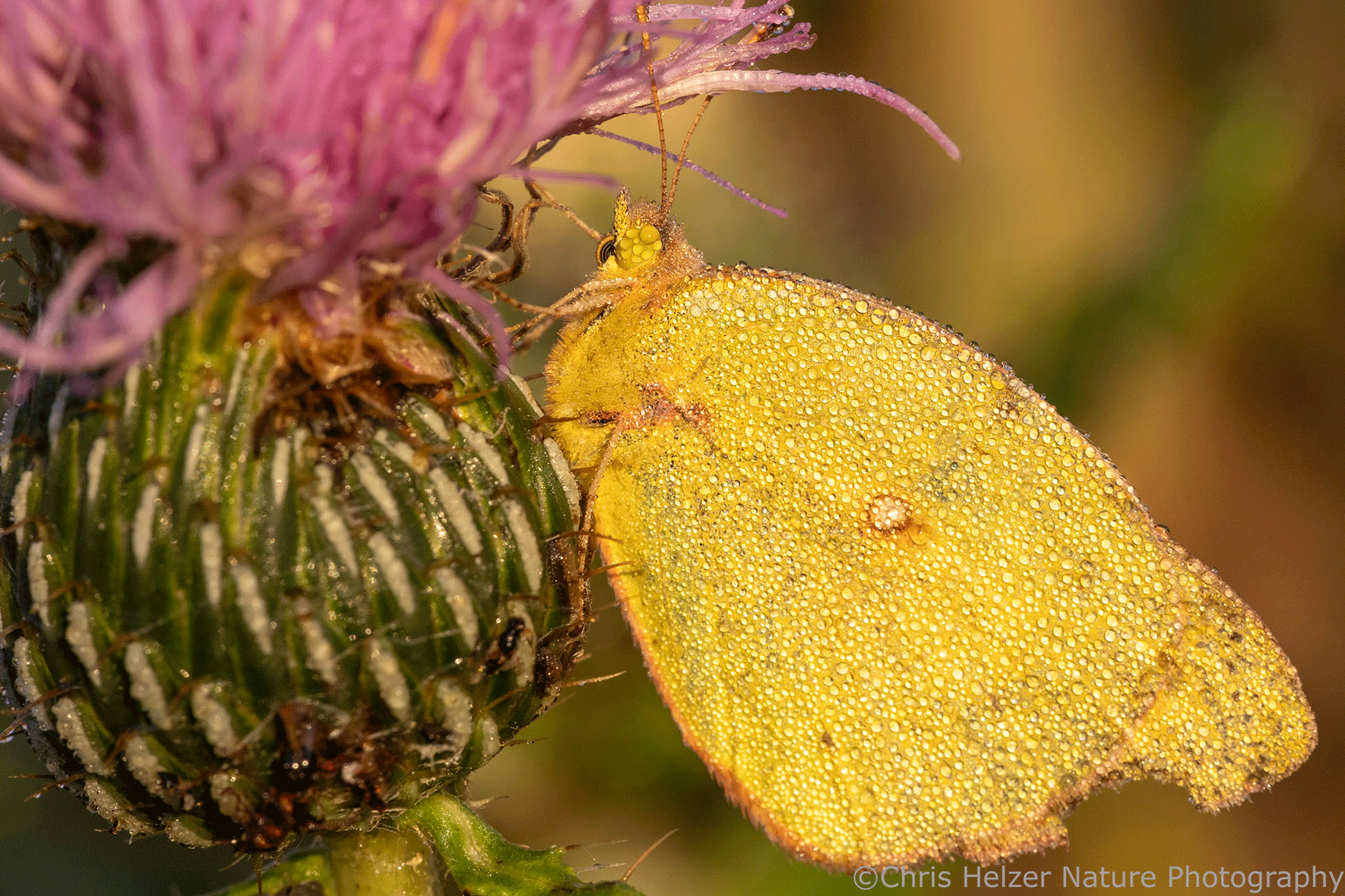
Orange sulphur in the morning dew.

As I see the abundance of flies still active at this time of year, I can’t help wondering how many of them are migrants. A year ago, I wrote a post complaining about the lack of North American research on migratory flies. I’m sure that spurred a flurry of activity among researchers (eye roll) and that we’ll soon know a lot more about the topic. In the meantime, I’m left to wonder, especially about all the different drone flies and hover flies I see. Are they just scrambling to eat (and lay eggs?) before frost? Or are they fueling up during a long southward journey?

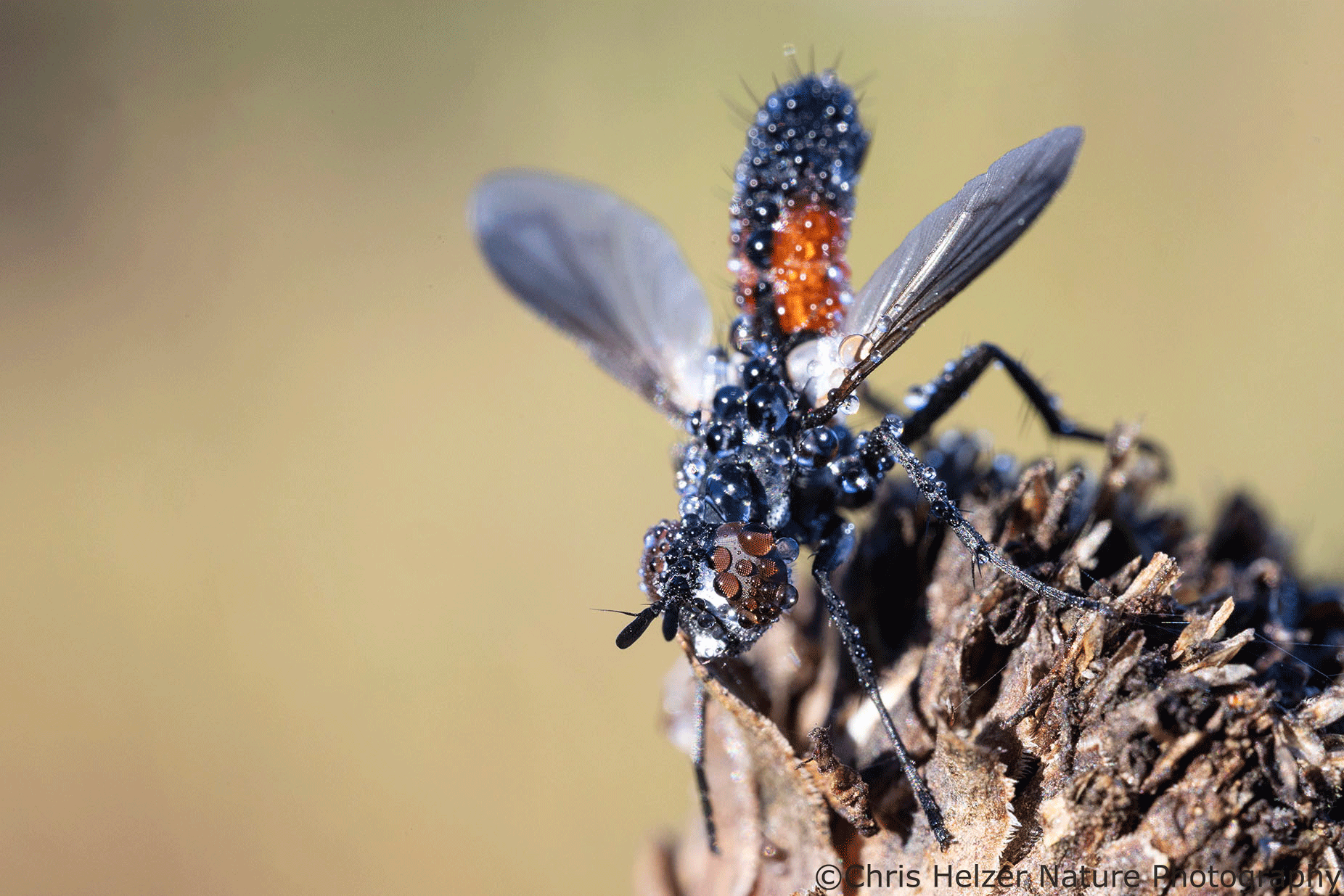
A gorgeous dew-covered fly. Is it a migrant or resident? I don’t have any idea. Lincoln Creek Prairie.

Most insects, of course, don’t migrate, so they have to survive Nebraska winters however they can. That usually involves finding a sheltered place to hide and then just withstanding freezing conditions. Species vary in terms of whether they go through winter as adults, eggs, or larvae/nymphs. All of those options seem to work ok.

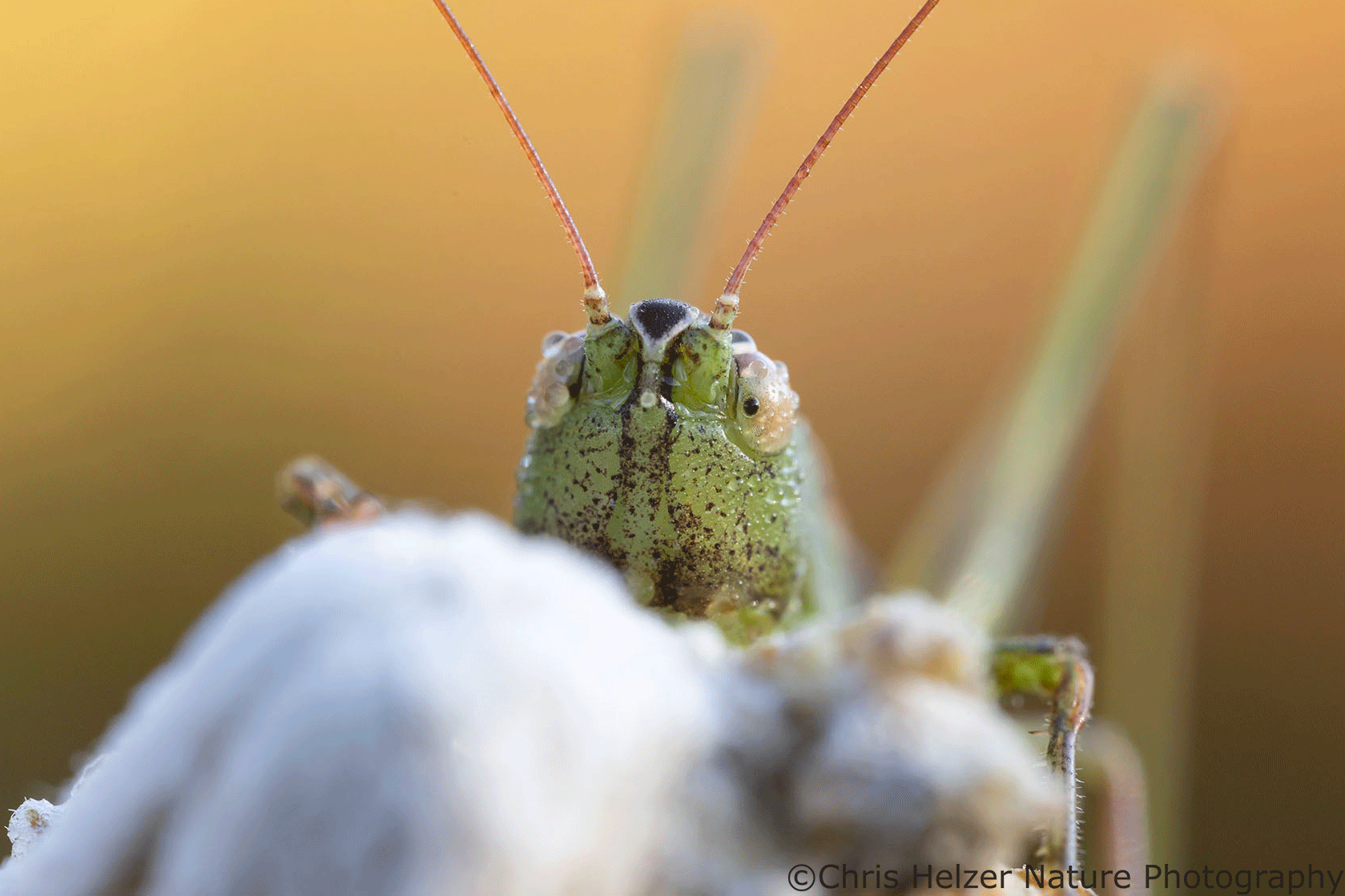
This katydid thought it was hiding from me on an early morning this week. I’m not sure whether this species lives through the winter as adults or eggs.
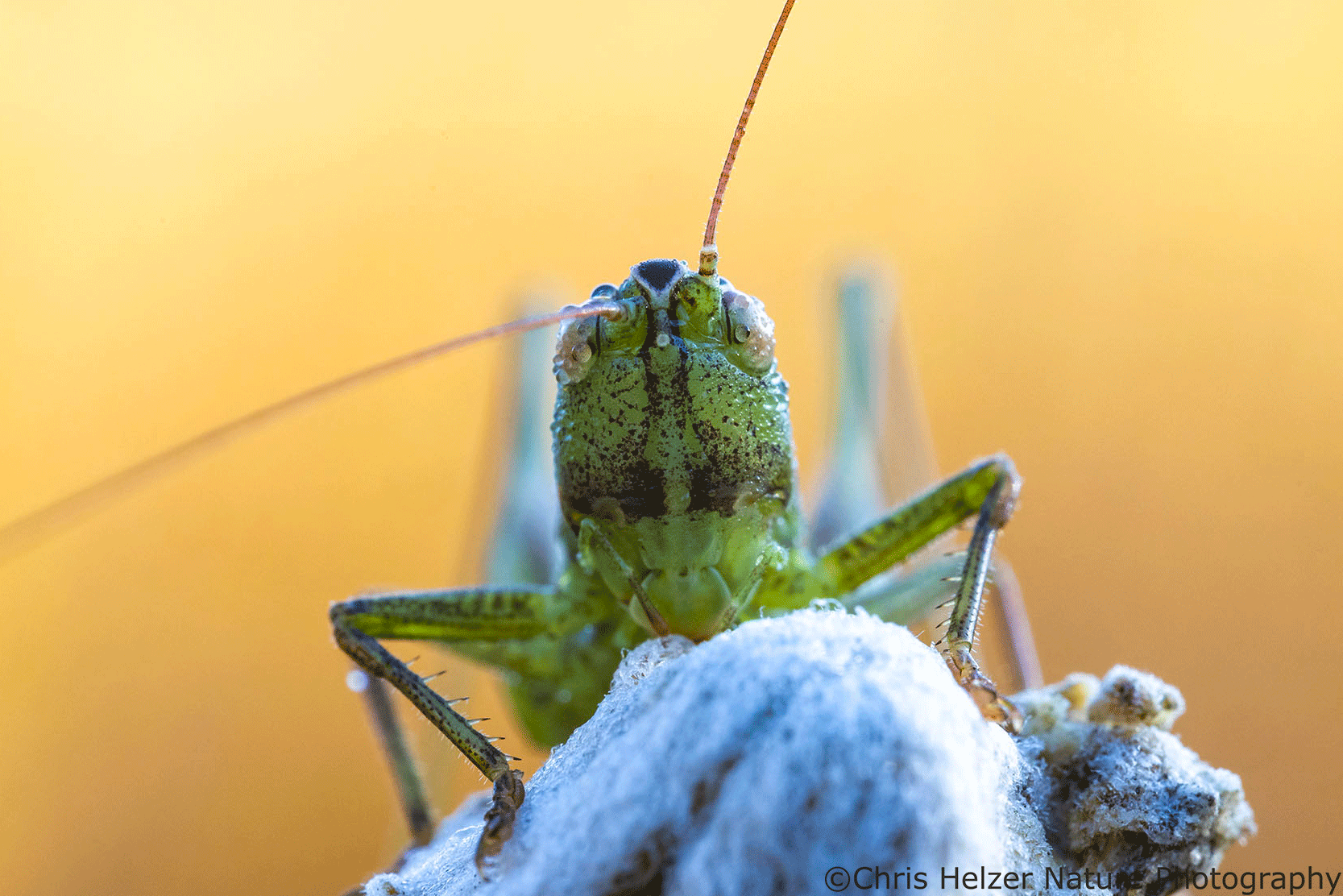
Another shot of the same katydid.
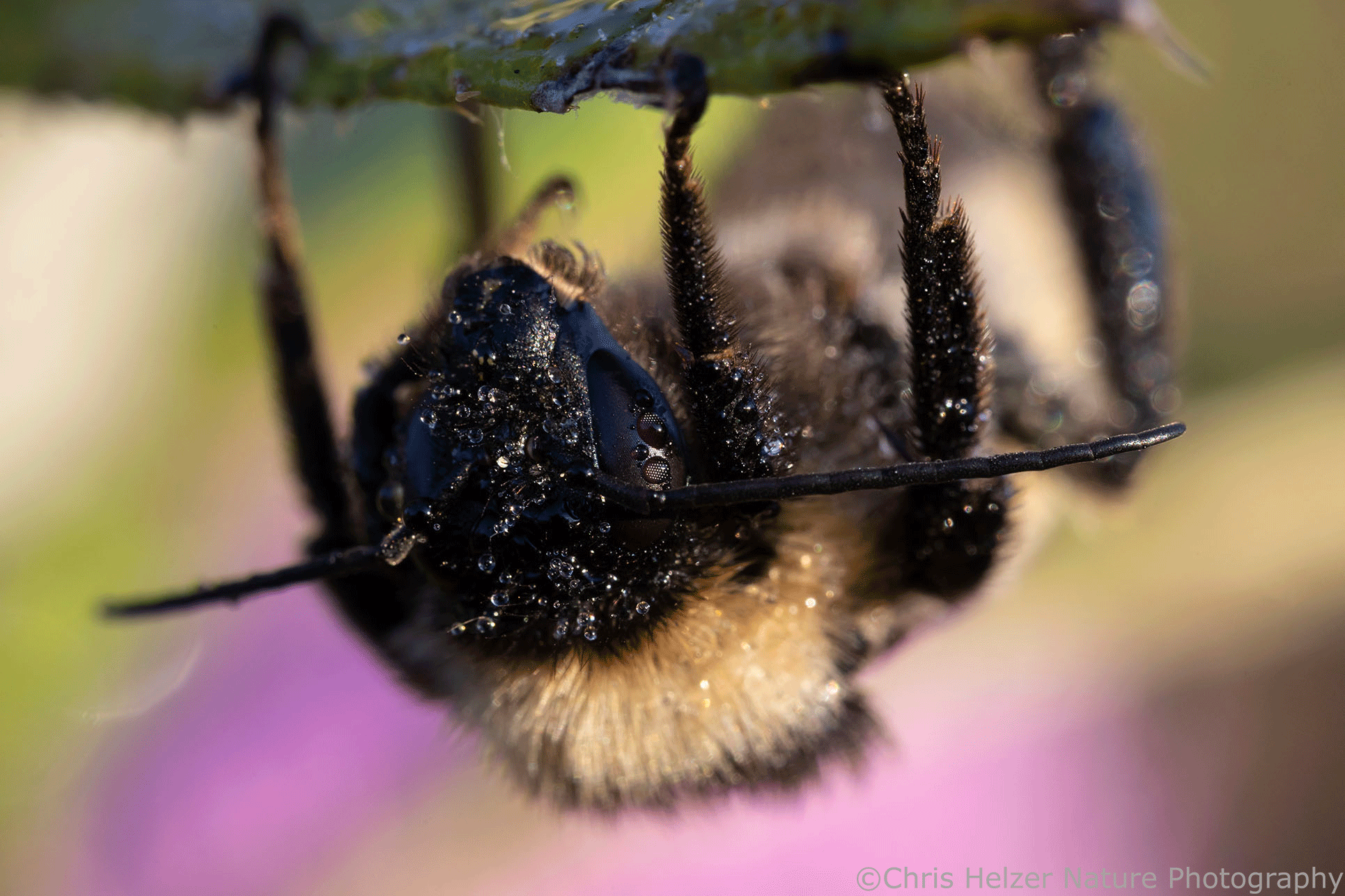
Male American bumblebee (Bombus pensylvanicus) roosting on the underside of a tall thistle leaf.

A lot of the individual insects out and around now will simply die as winter hits. The only bumblebees, for example, that survive the winter are the fertilized females that will be next year’s queens. Everyone else in the colony will perish at the end of this season. Other insects that lay eggs before winter will also die after completing that task. I imagine that abundance of dead insects provides a big bonanza of food for any animals out poking around after the first big freeze or two. If not, bacteria, fungi, and other microorganisms will clean up the rest.

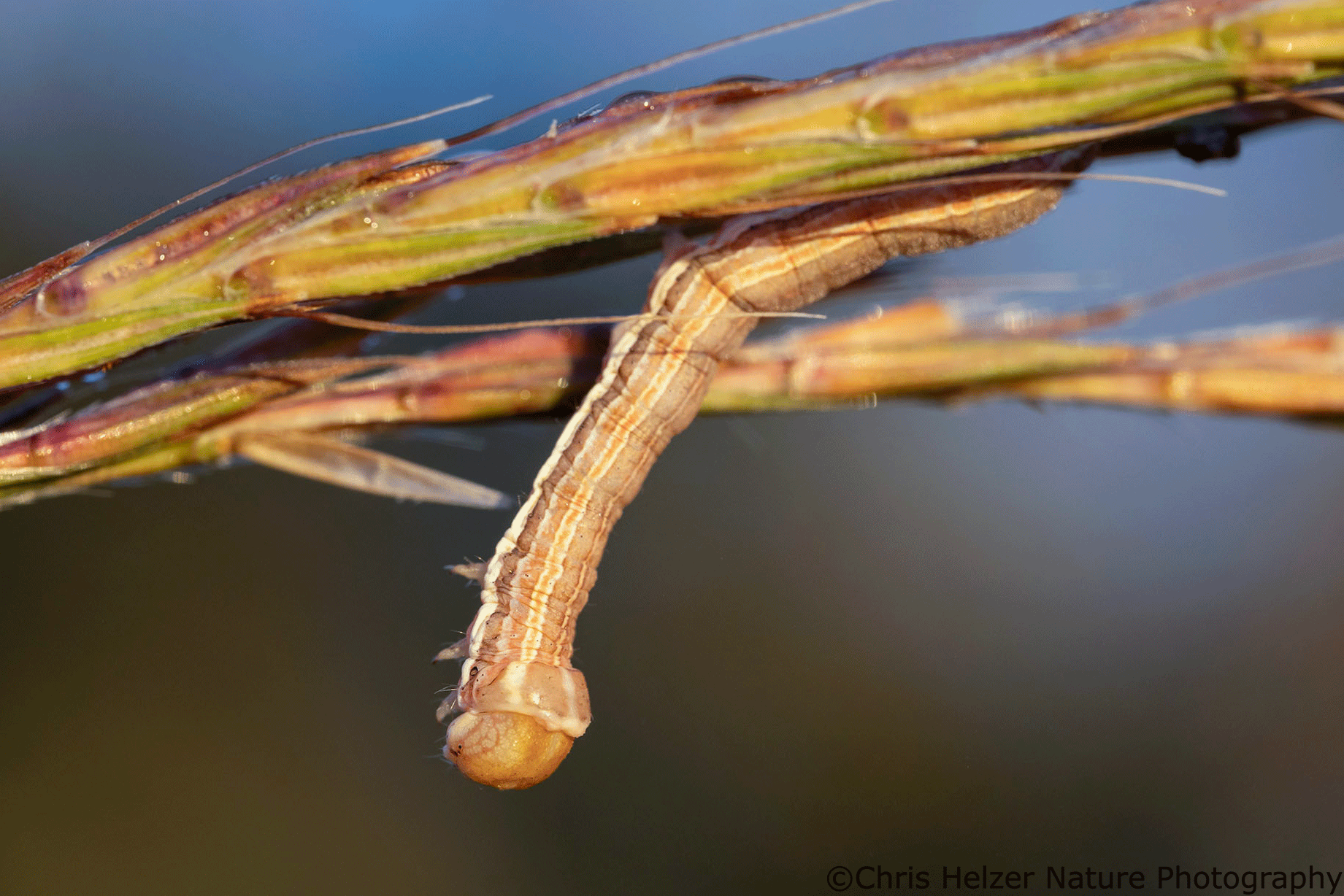
This caterpillar was literally hanging around on some big bluestem (remarkably camouflaged!) this week. I imagine it’ll spend much of the winter frozen solid, either as a caterpillar or pupa.
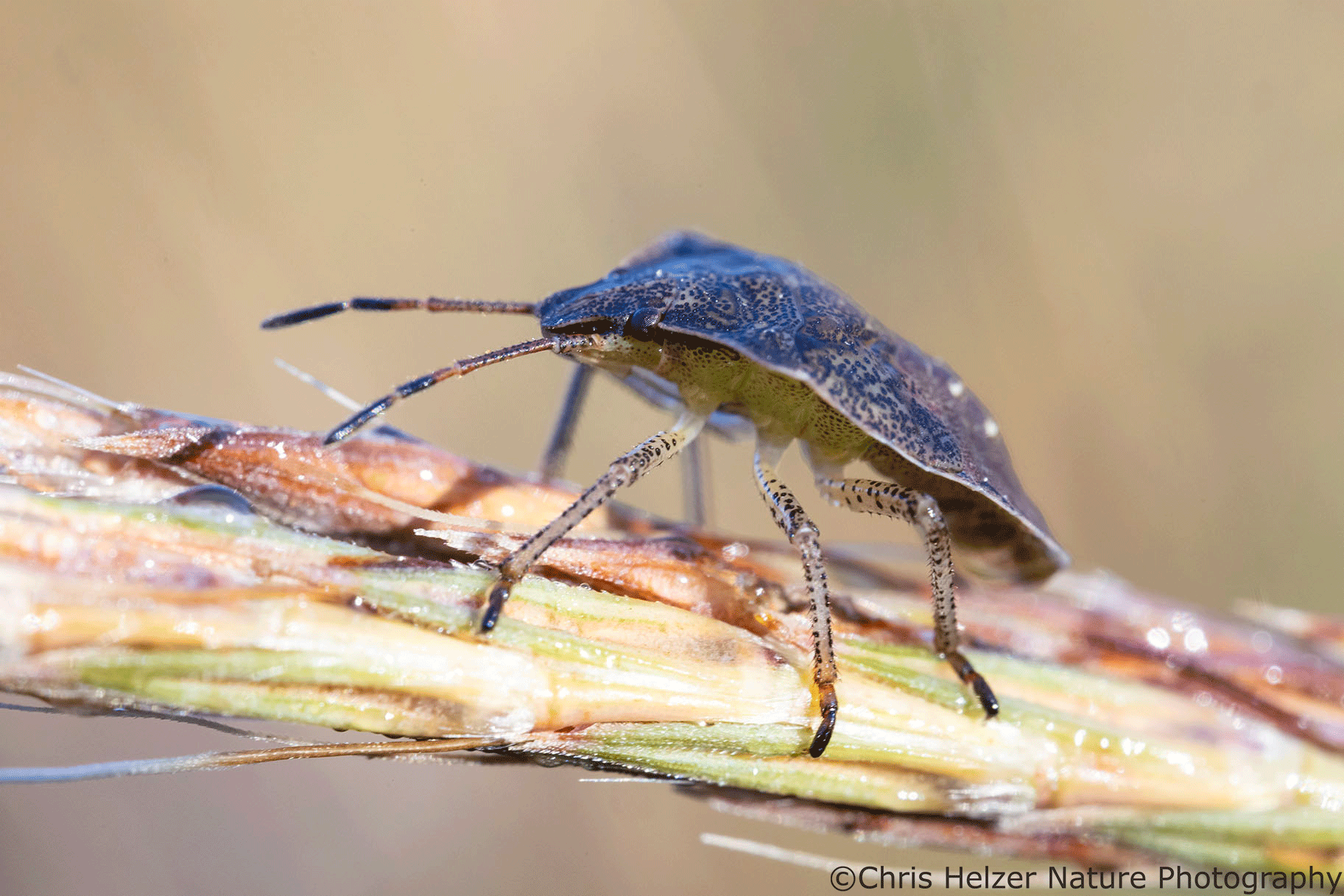
Stink bug on big bluestem.

Plants are also shutting down for the year. Most wildflowers and grasses are finished blooming and have produced seeds if they can. Perennial prairie plants are also making buds. Woody plants make buds aboveground where new leaves or stems will emerge next year so the plants can continue to grow larger (assuming they don’t get burned, chewed, or cut down). Herbaceous plants, though, including grasses, wildflowers, and sedges, create buds at their bases, usually right below the surface of the soil.

Over the winter, the entire aboveground portion of perennial herbaceous plants dies back. In the spring, though, those plants will start a new season of growth from their basal buds. Seeds are still important for those perennials, though, both because it allows them to combine DNA with others of their species (cross-pollination) and because it lets them spread progeny into new places. Seed dispersal strategies are fascinating and beautiful, and it’s a fun time of year to see a lot of them in action.

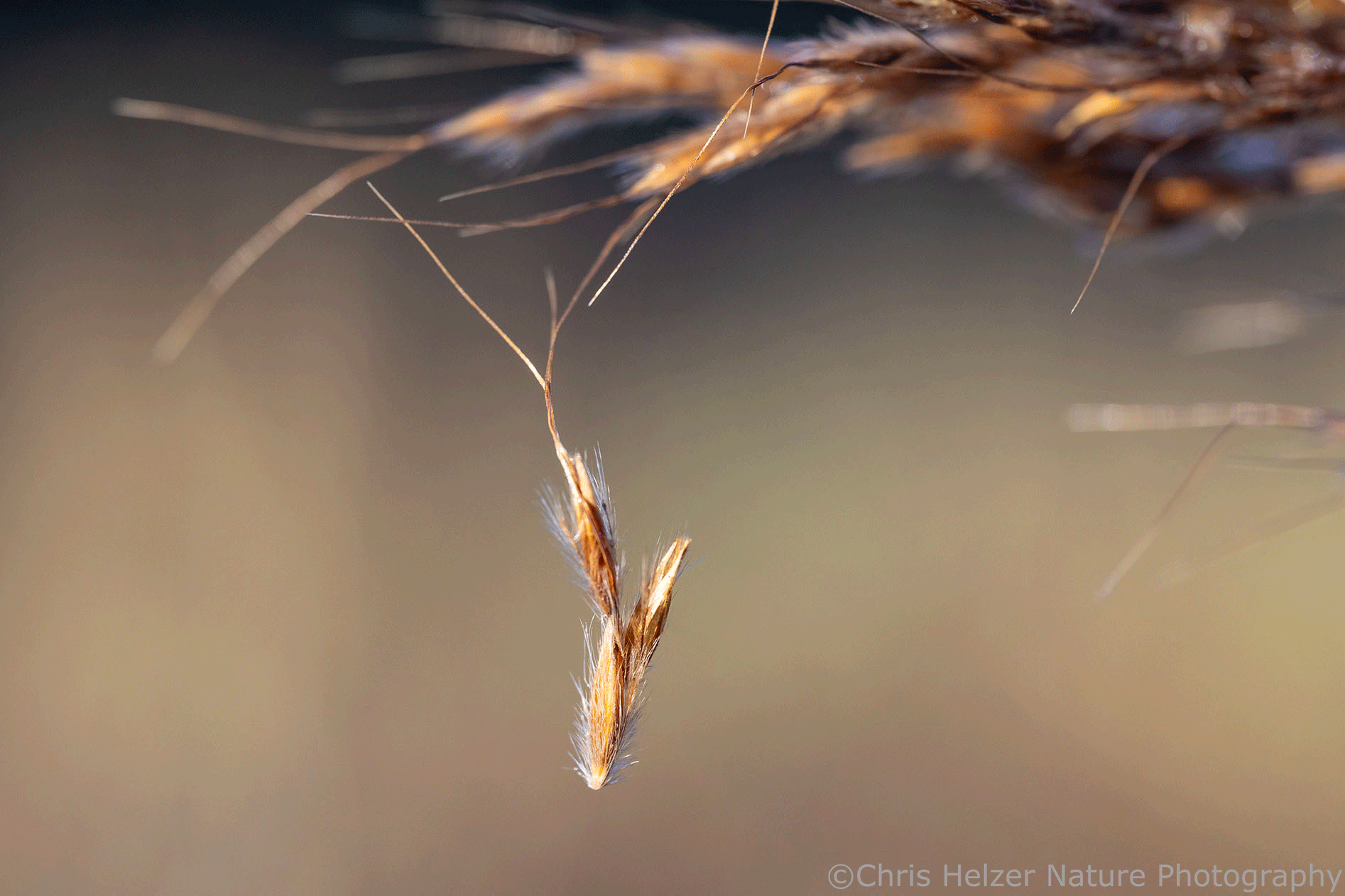
Indiangrass seeds dangling from a seed head, ready to be carried off by a breeze or passing animal.
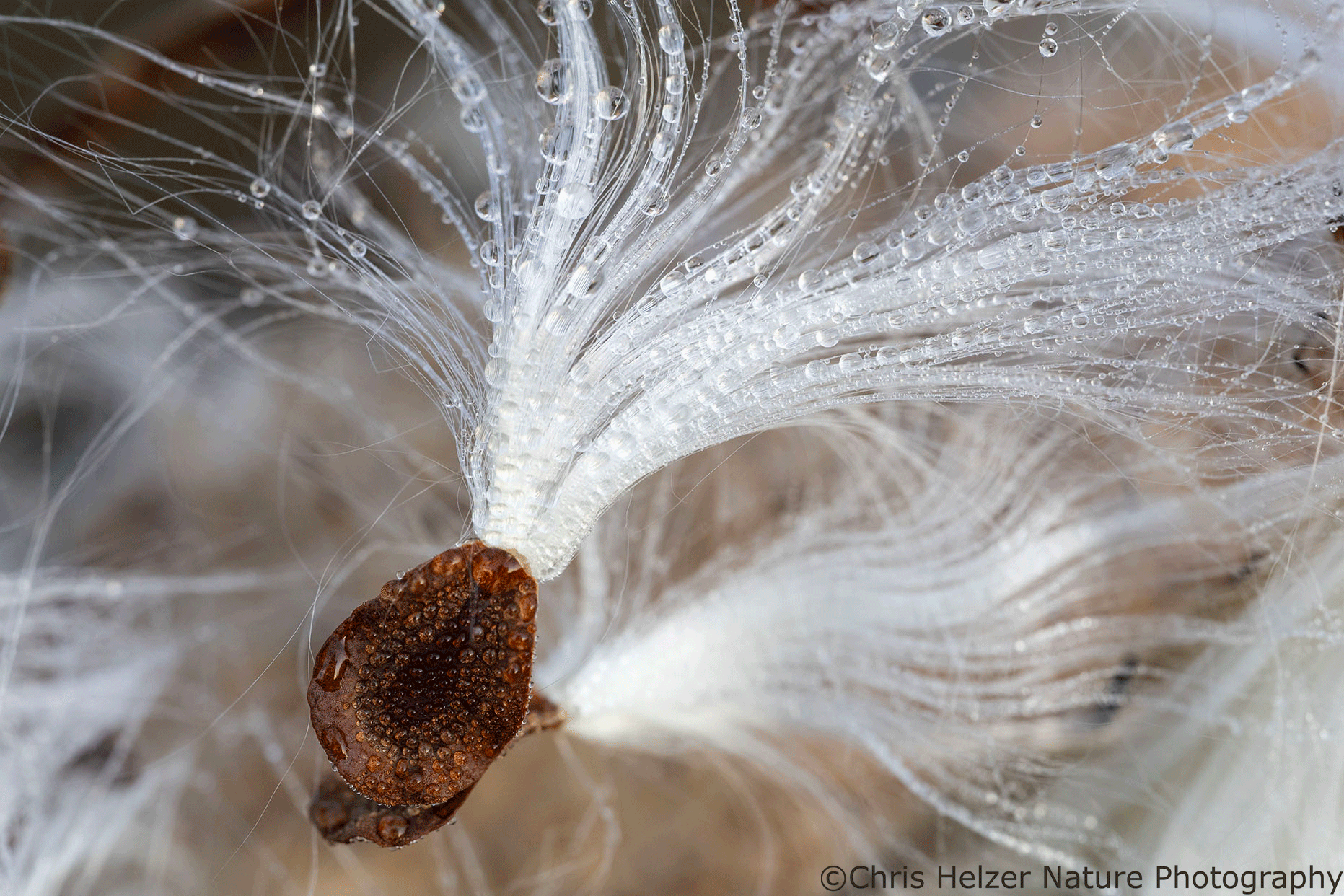
This milkweed seeds are poised to fly off in the wind once the sun dries the dew drops from them.

Late summer and early fall are great times for dewy mornings. Those water droplets are a boon for insect photographers, but they also make nice photo subjects on their own.

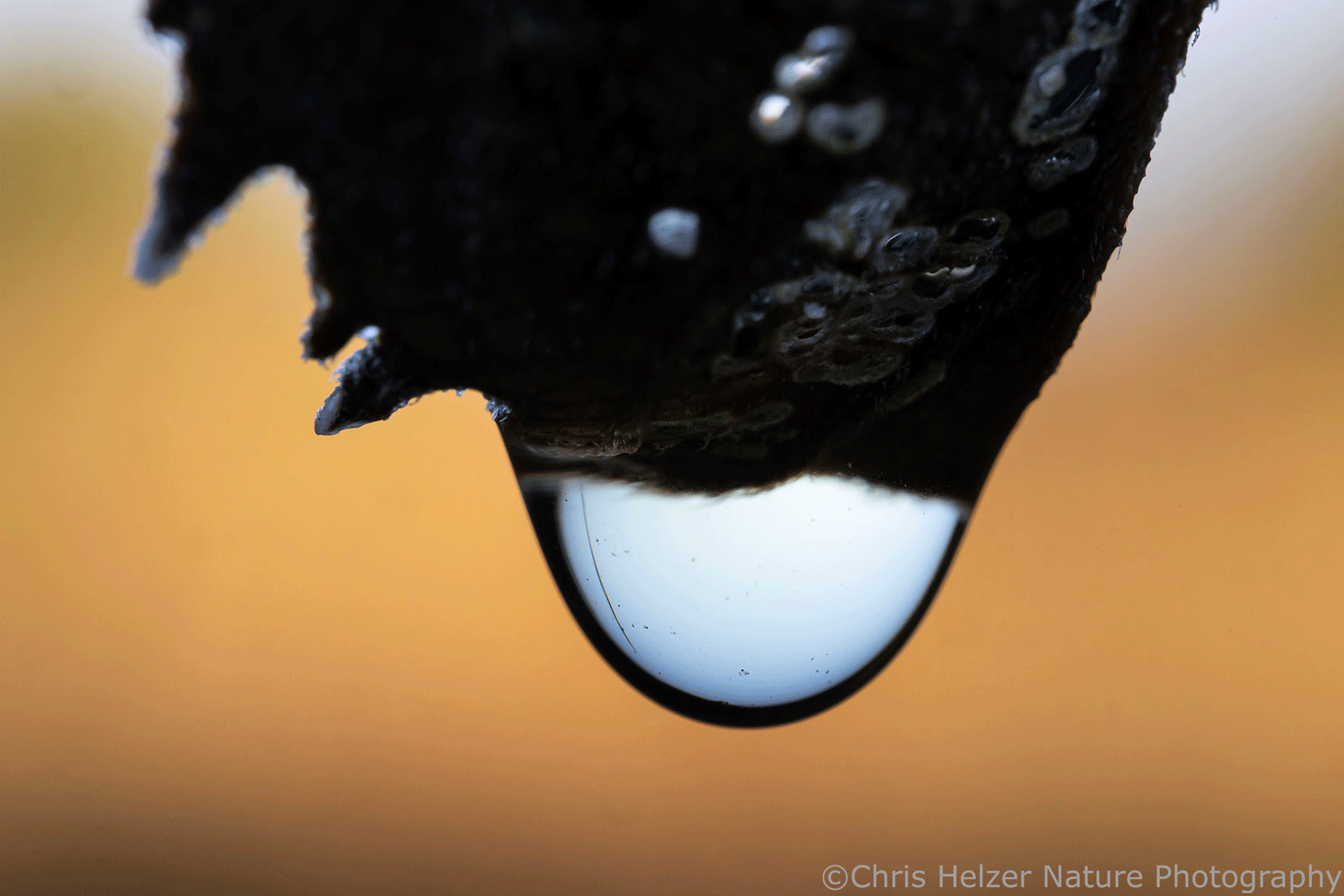
Dew drop hanging from a leaf after sunrise.
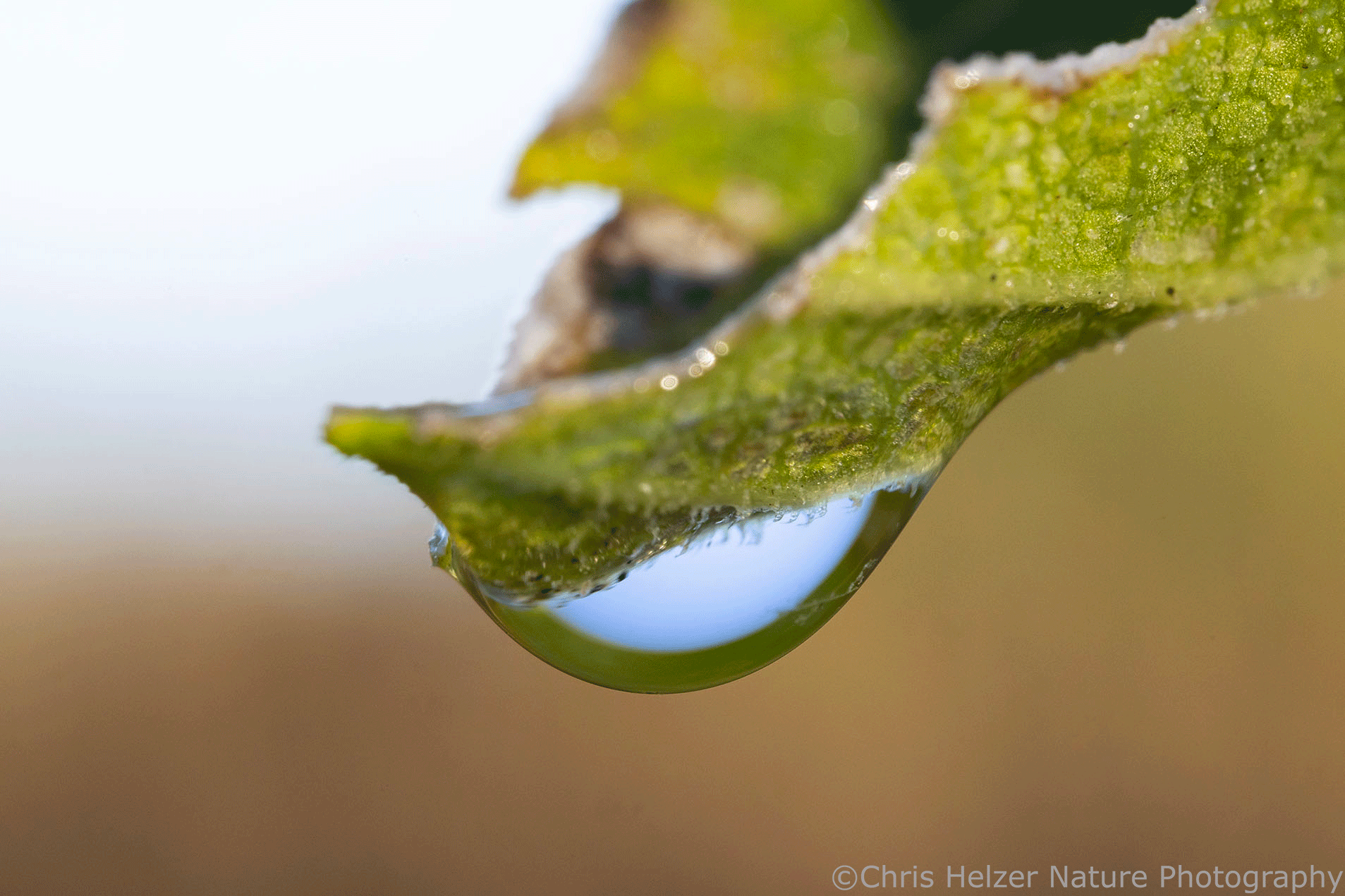
Another dew drop on a leaf.

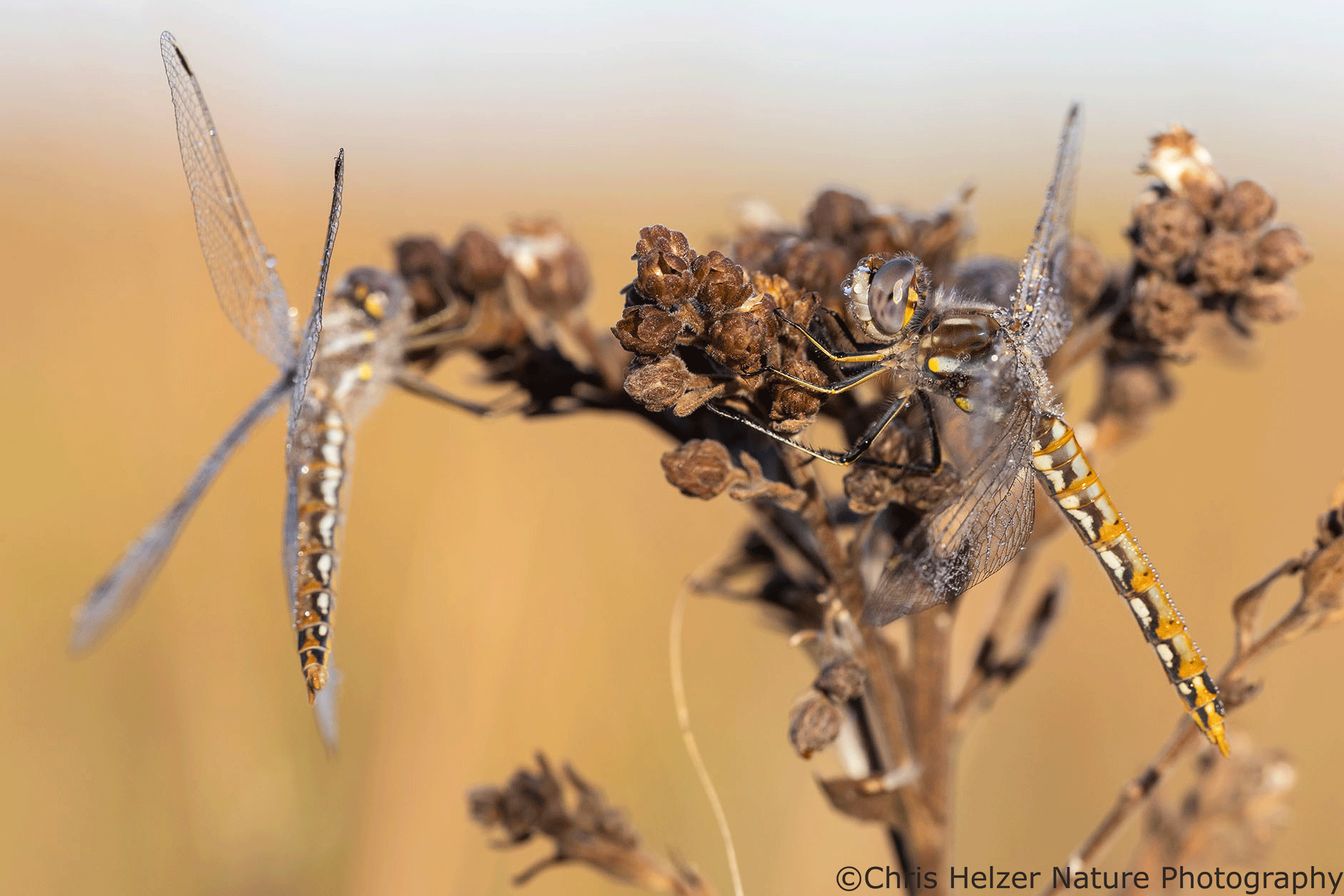
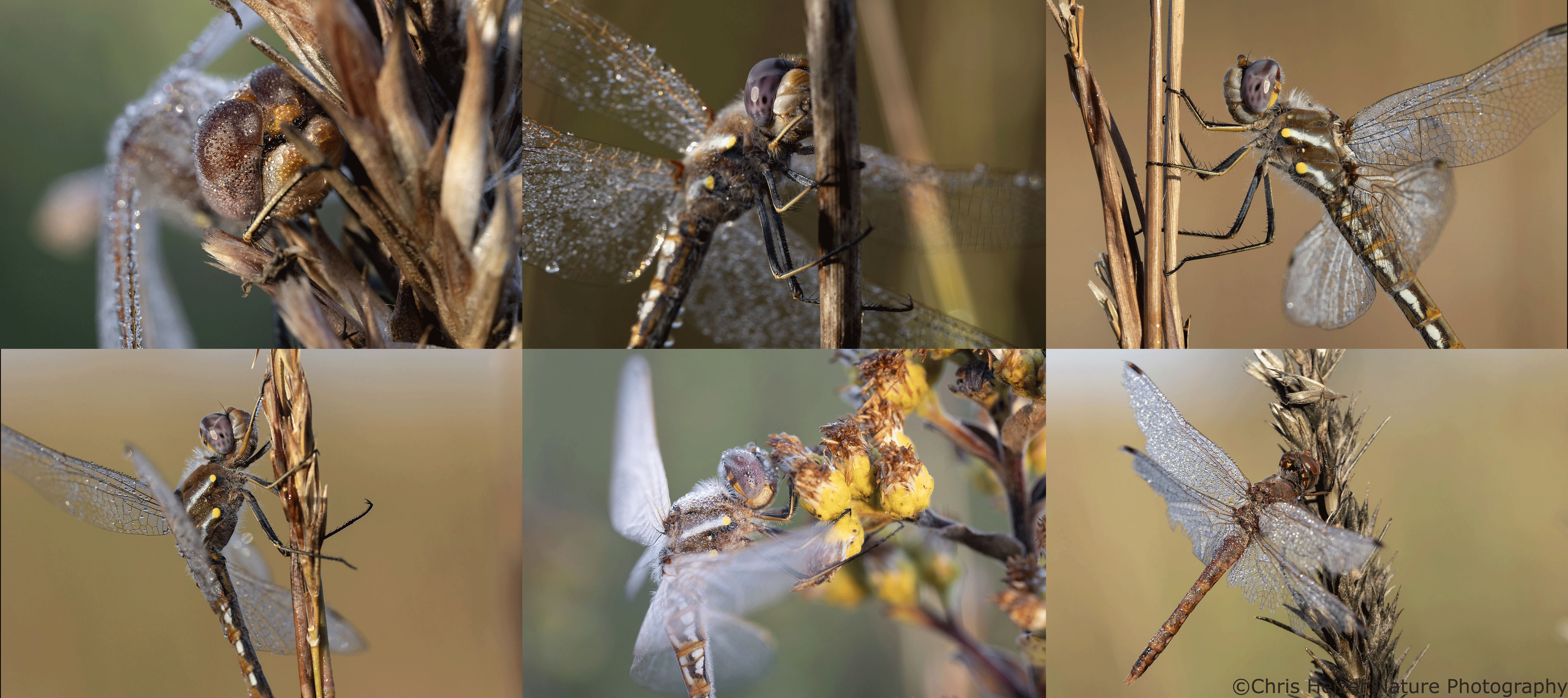
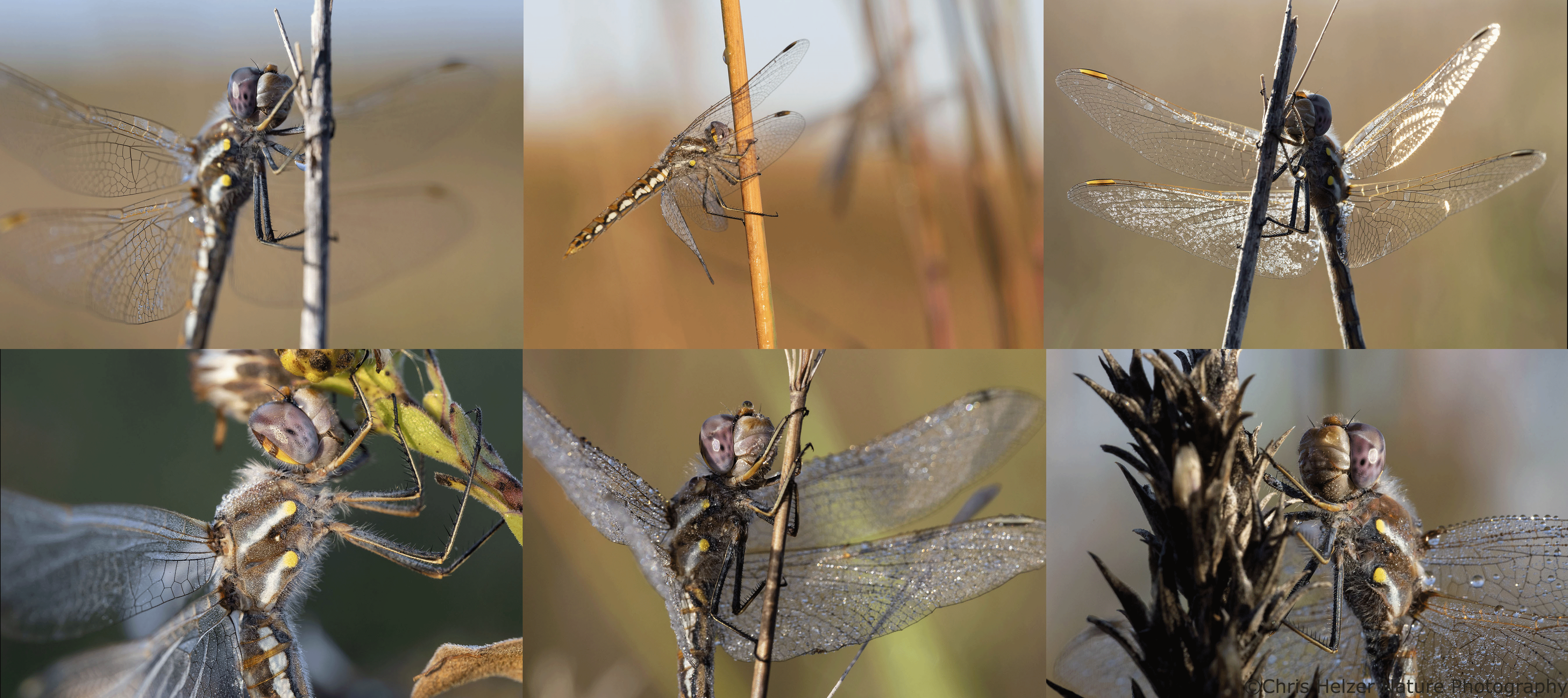
Back to the abundance of variegated meadowhawks this week… I can’t remember seeing so many at a time before, but that doesn’t mean much. I tried to quickly photograph a selection of those I found at our family prairie one morning, but I just kept finding more and more. Here are the ones I managed to photograph:

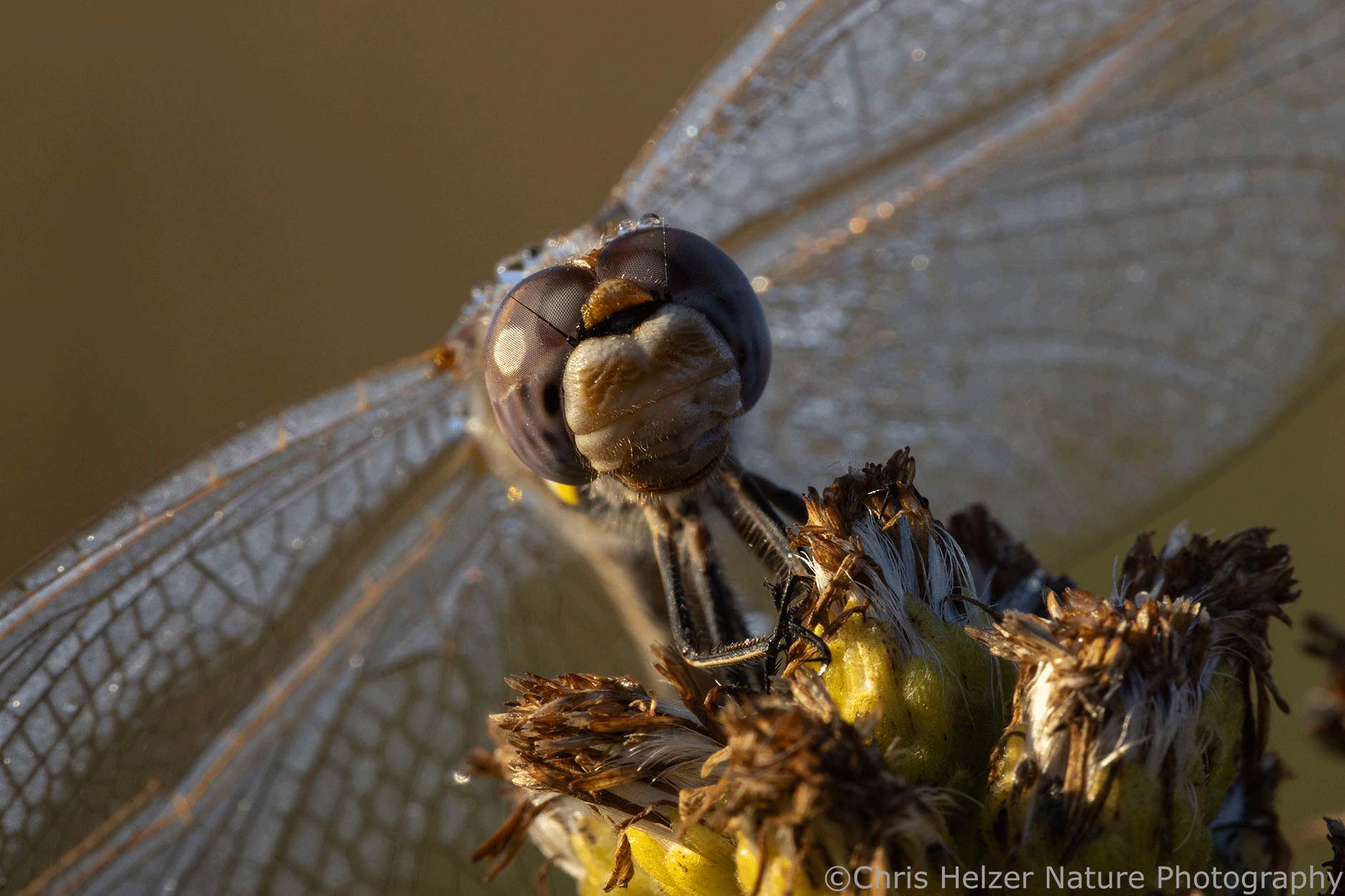
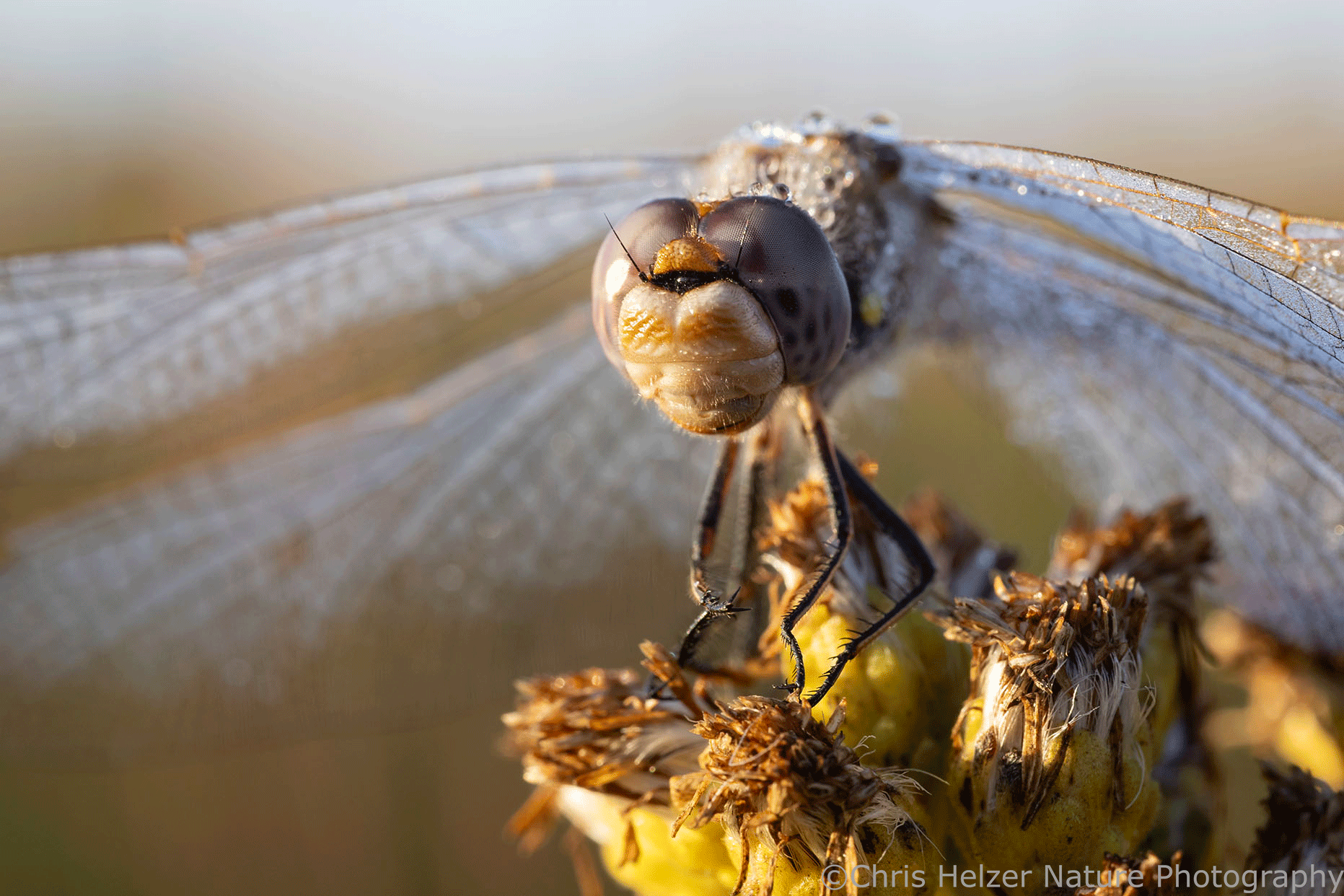
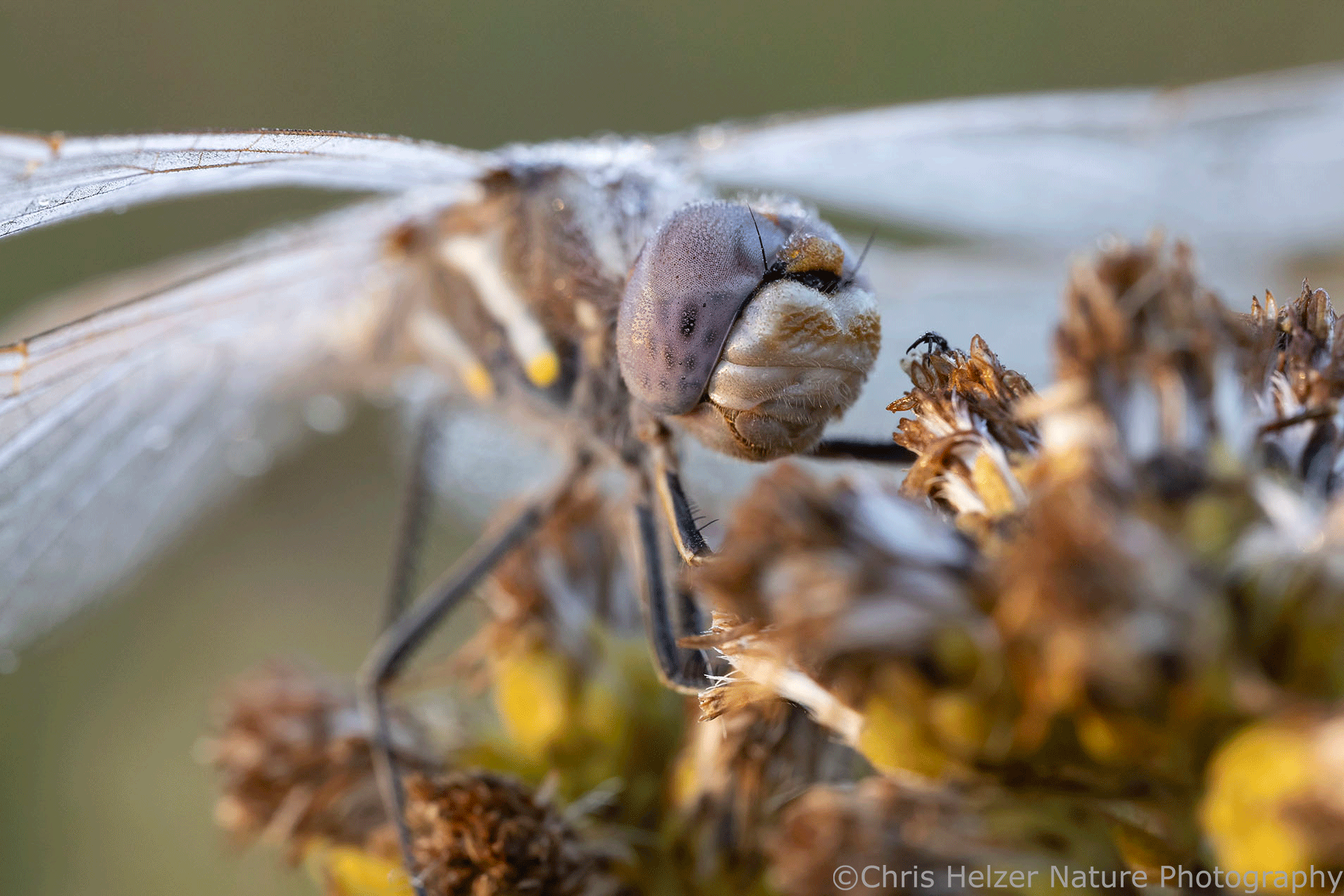
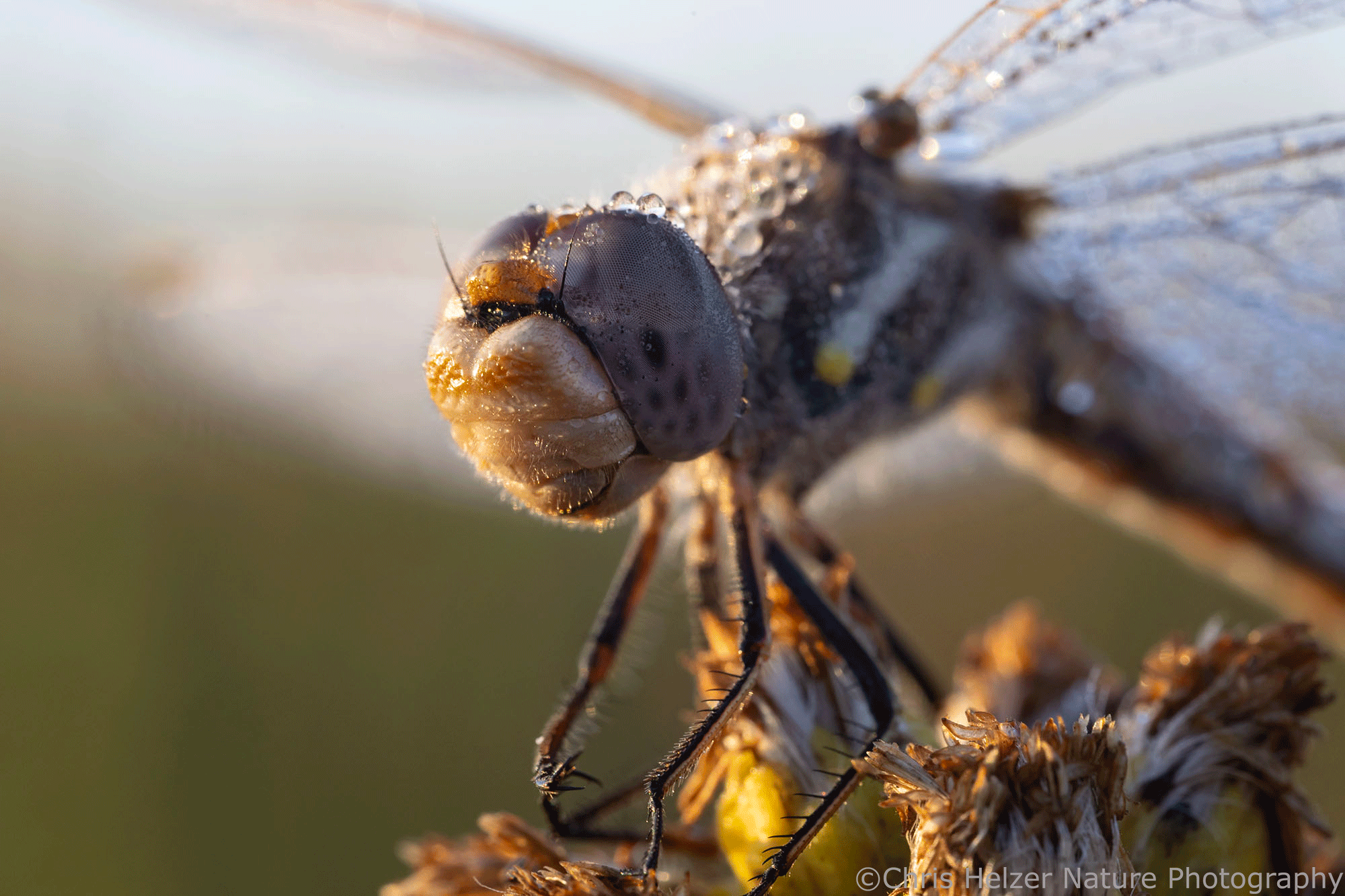
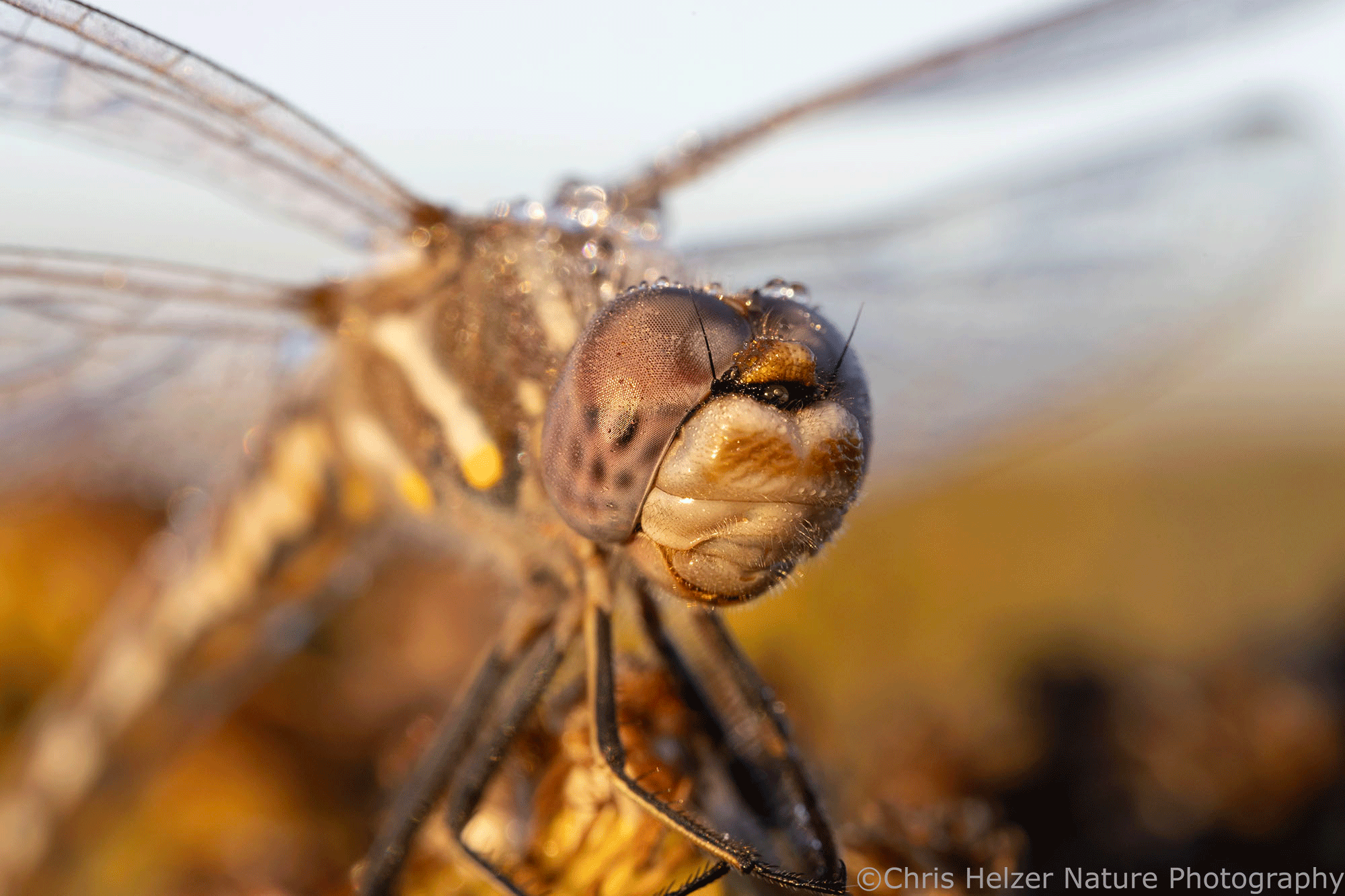
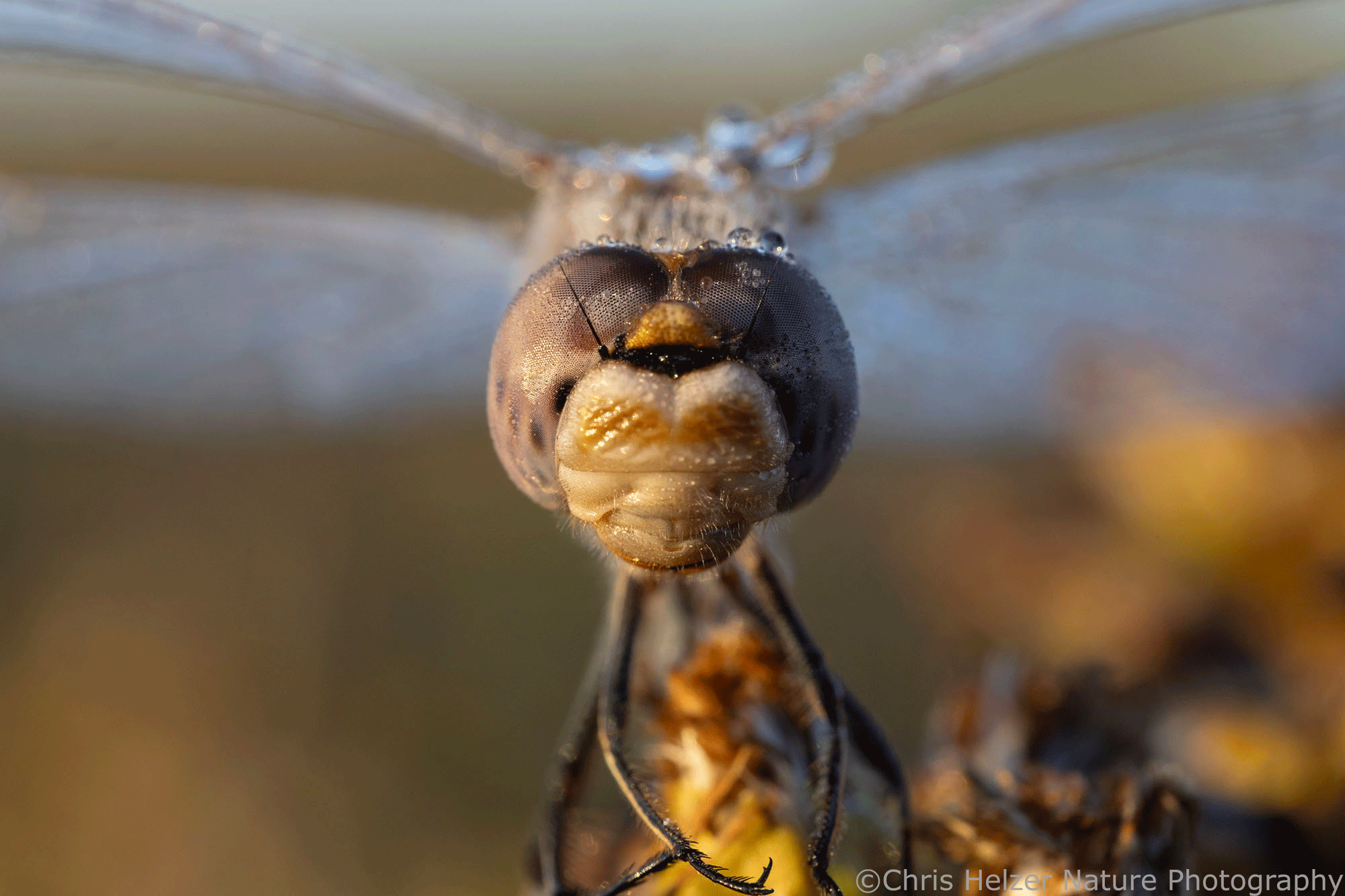
There was one dragonfly in particular that was perched attractively on top of some stiff goldenrod as the sun came up. I circled back to it a couple times as it started warming up and managed to photograph it from multiple angles while it was still too cold and wet to fly away. All the rest of the photos below are of that same individual.

I don’t know how much longer this late season flurry of activity will last, so I’m trying to catch as much of it as I can. I’ve gotten behind on some projects because I’m trying to see things before they’re gone, but I’ll have the whole winter to catch up, right?