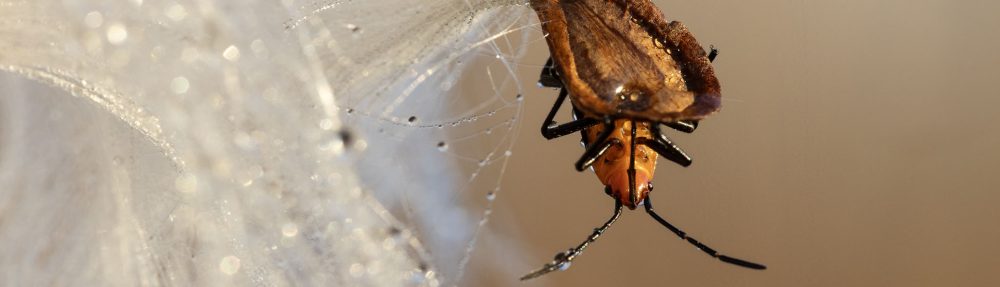
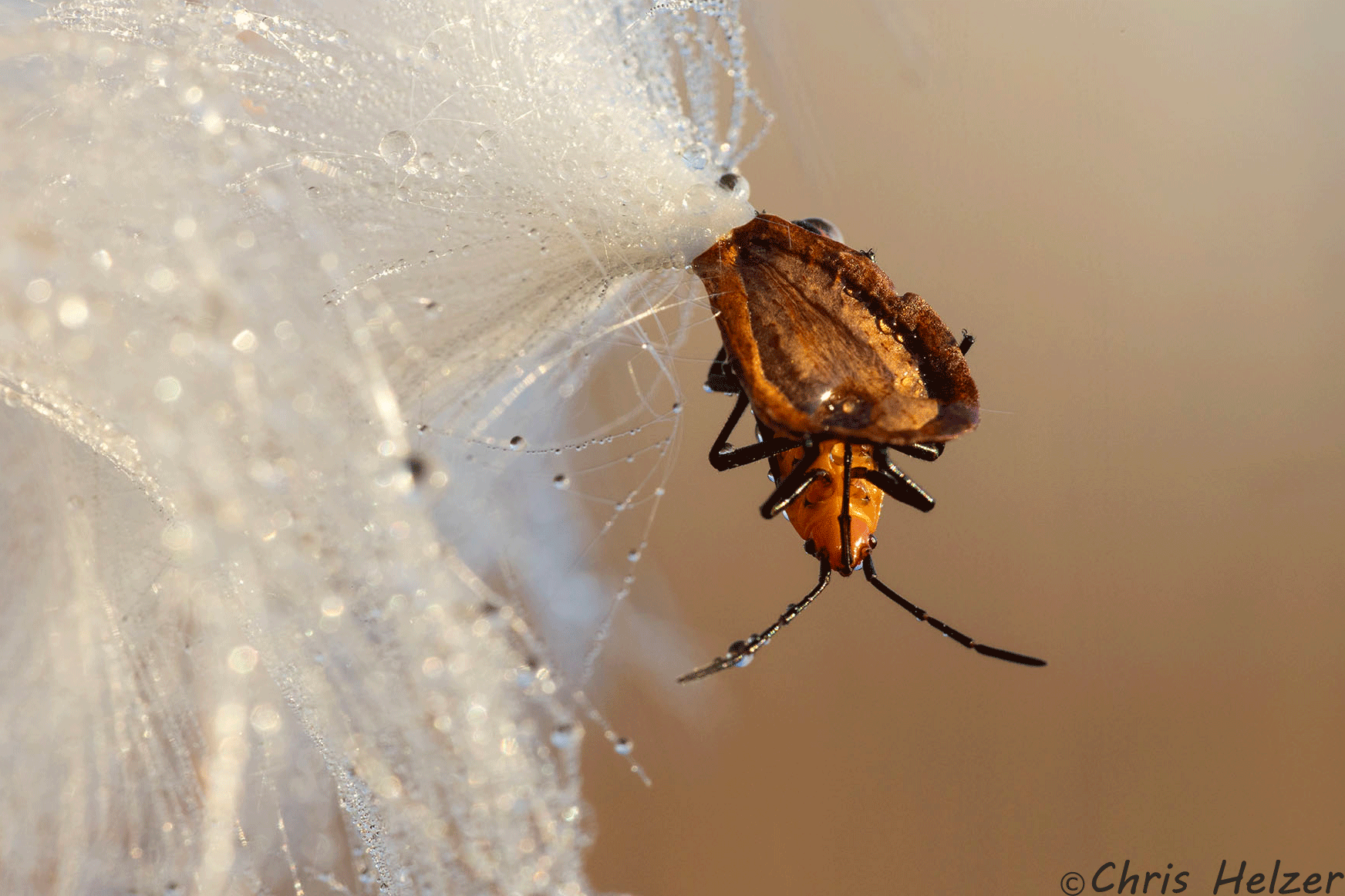
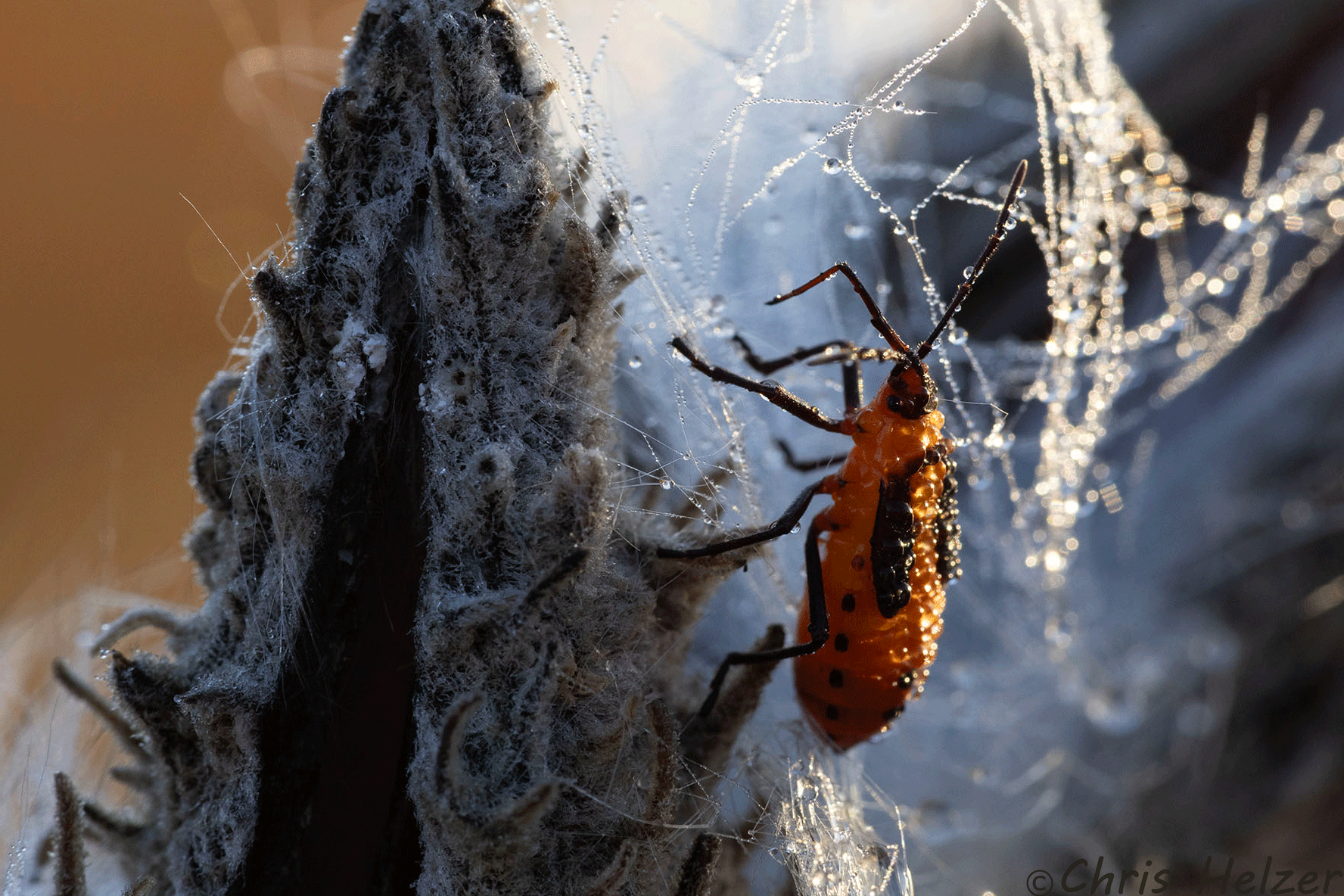
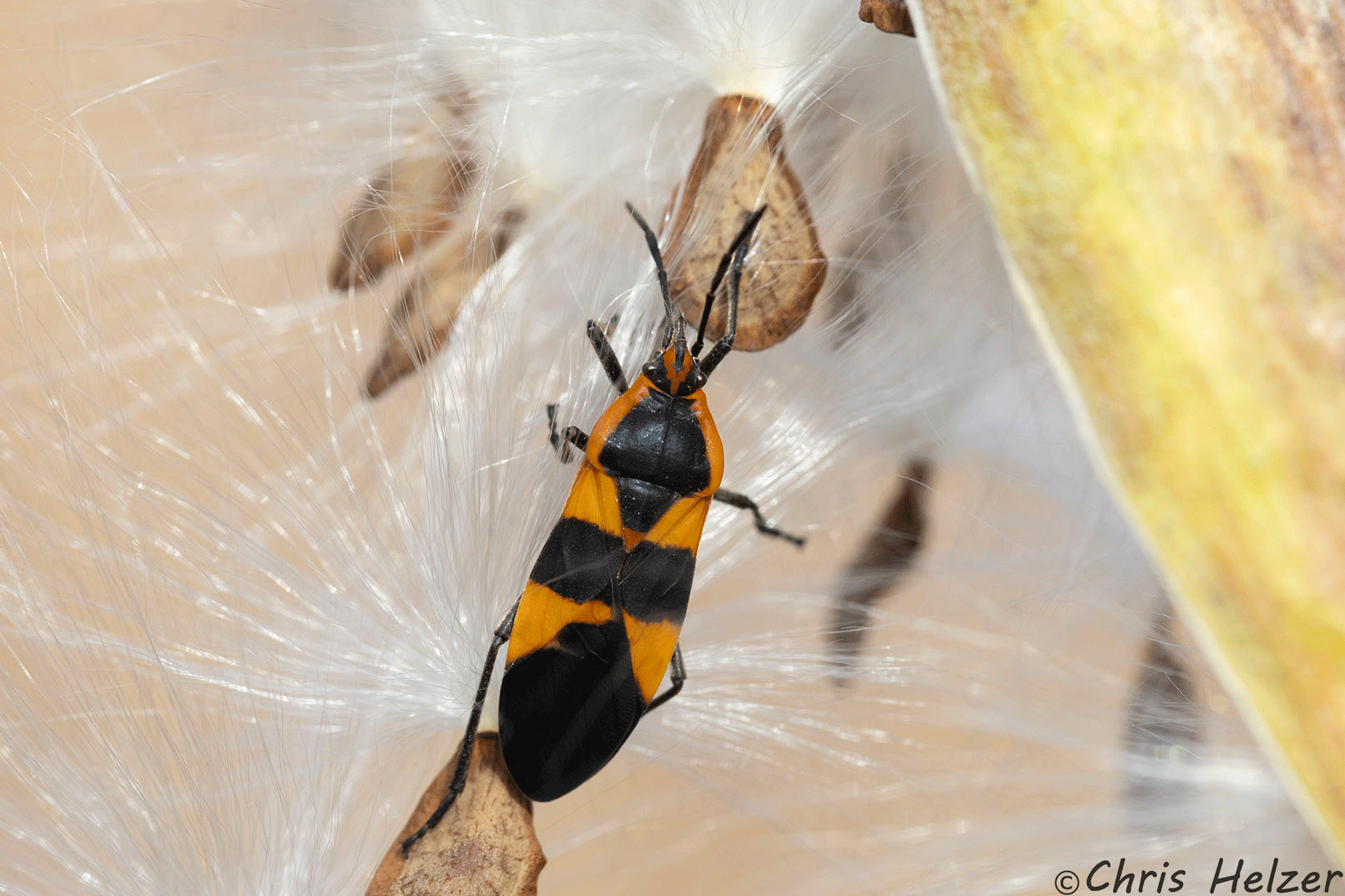
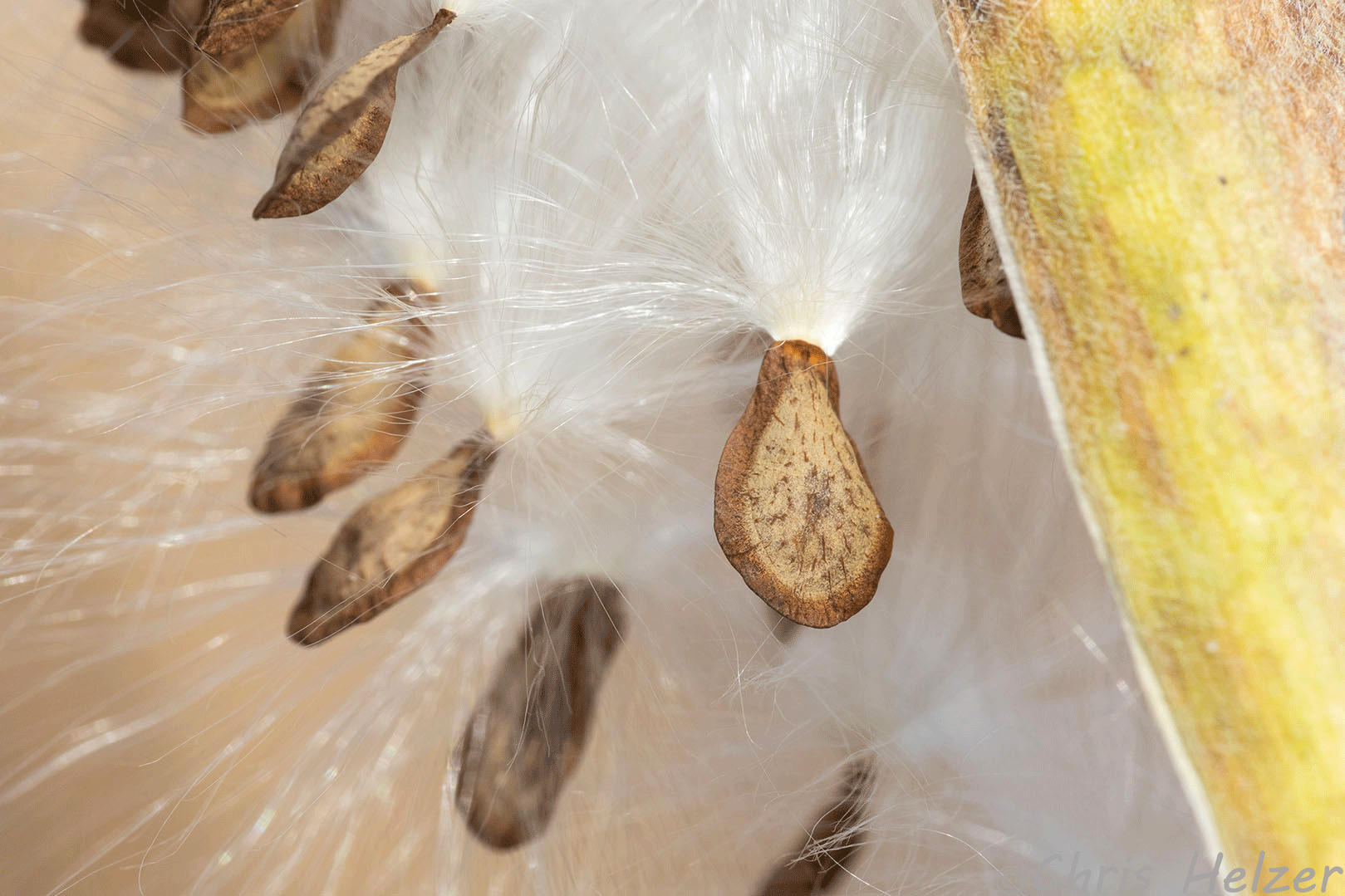
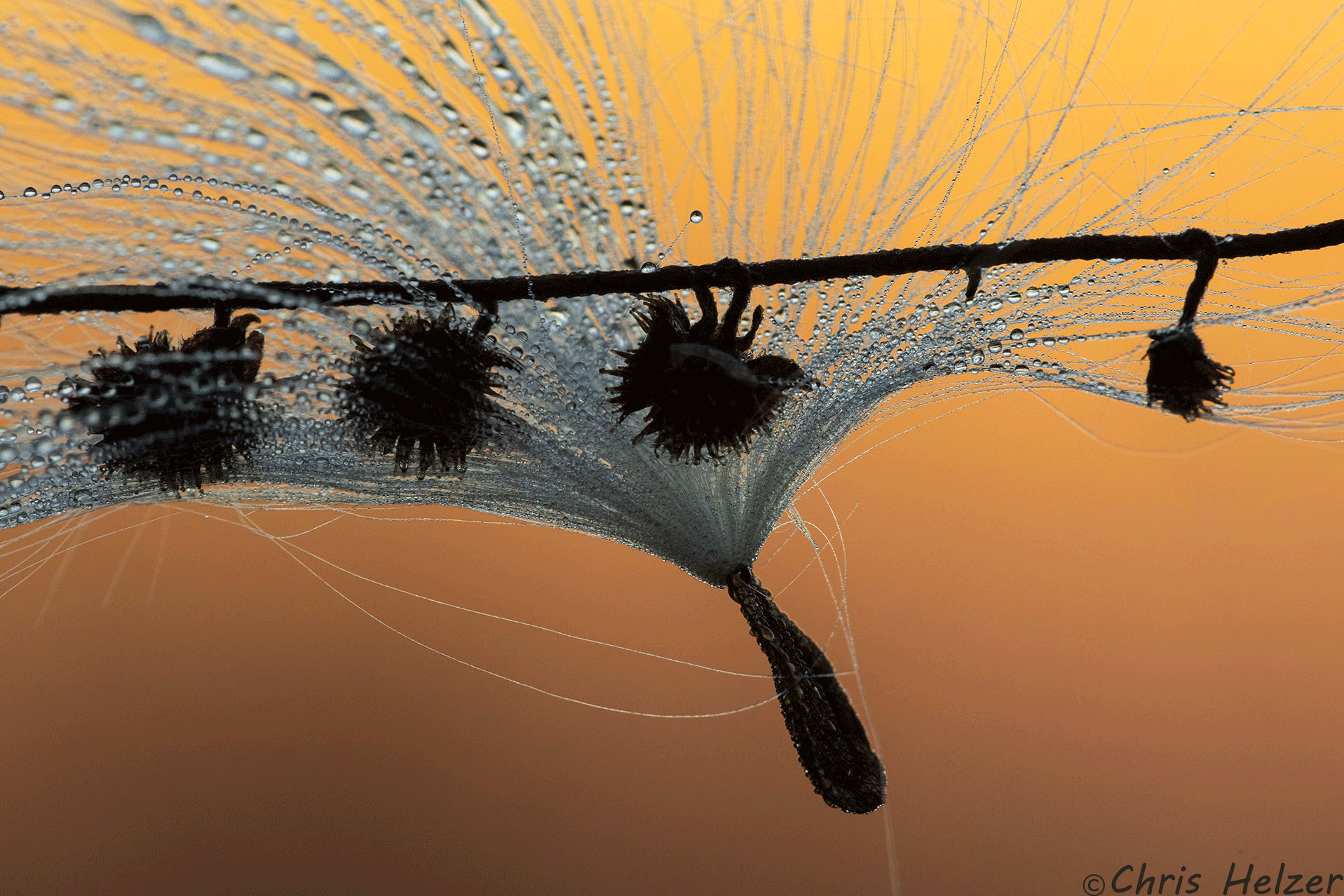
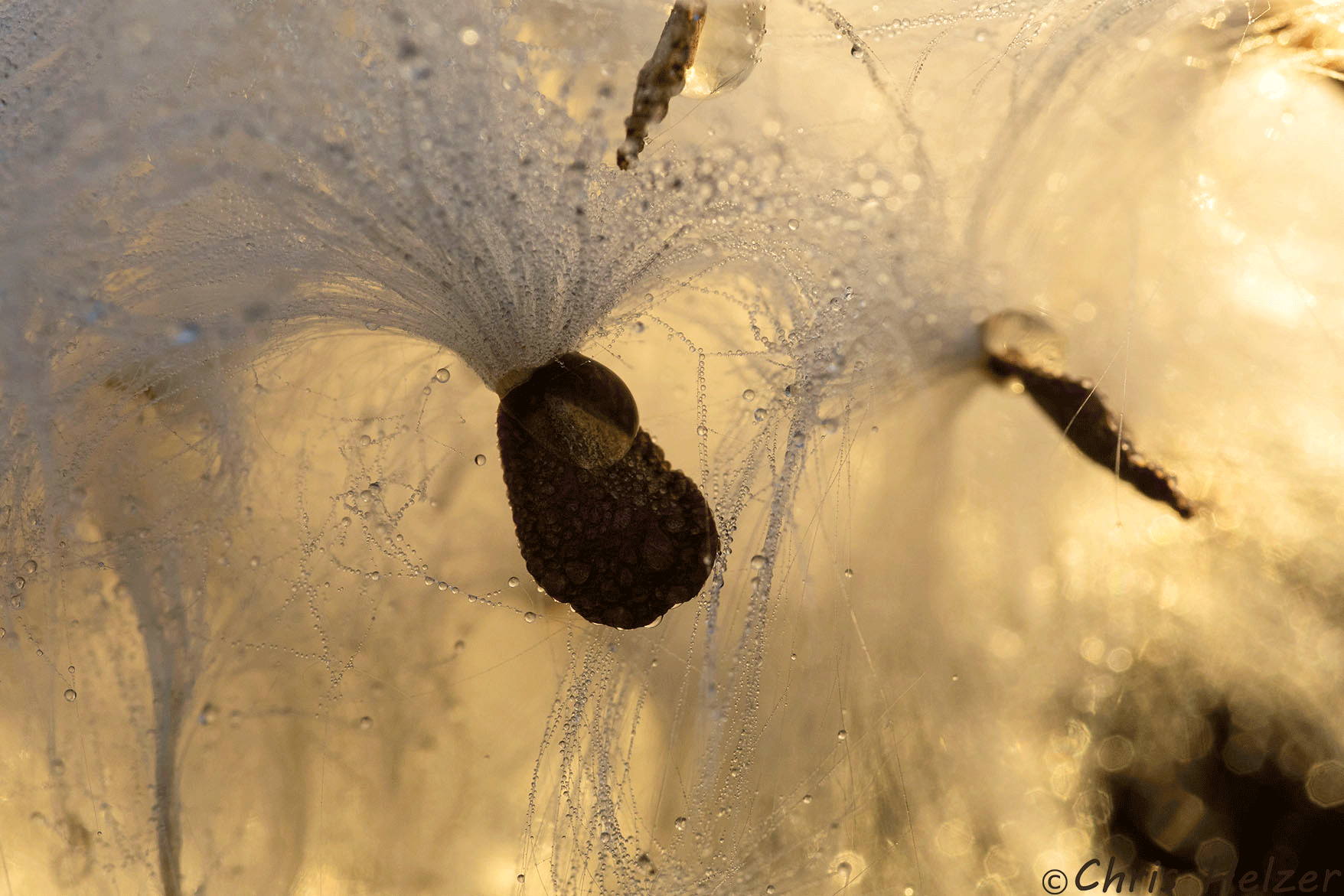
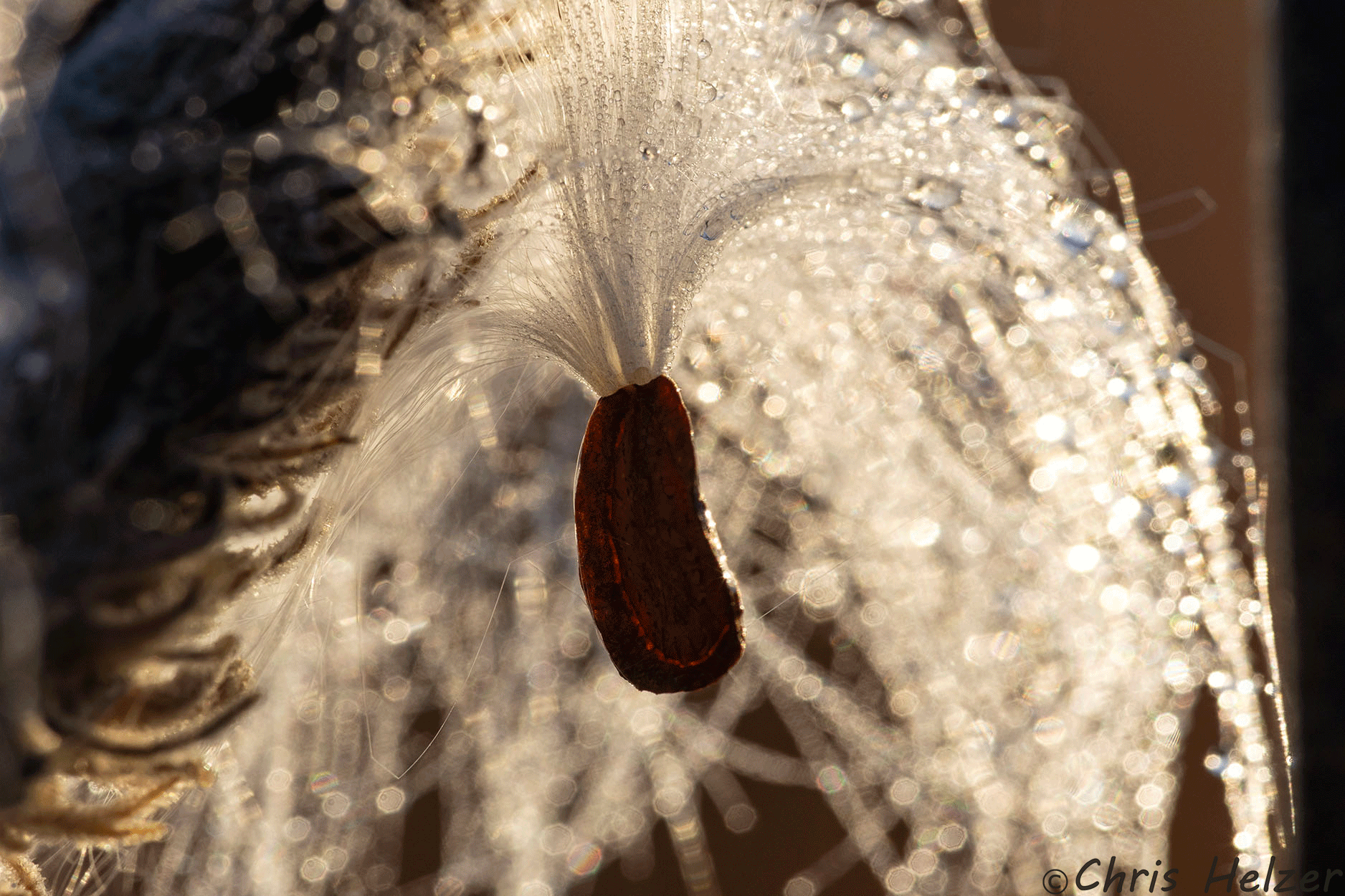
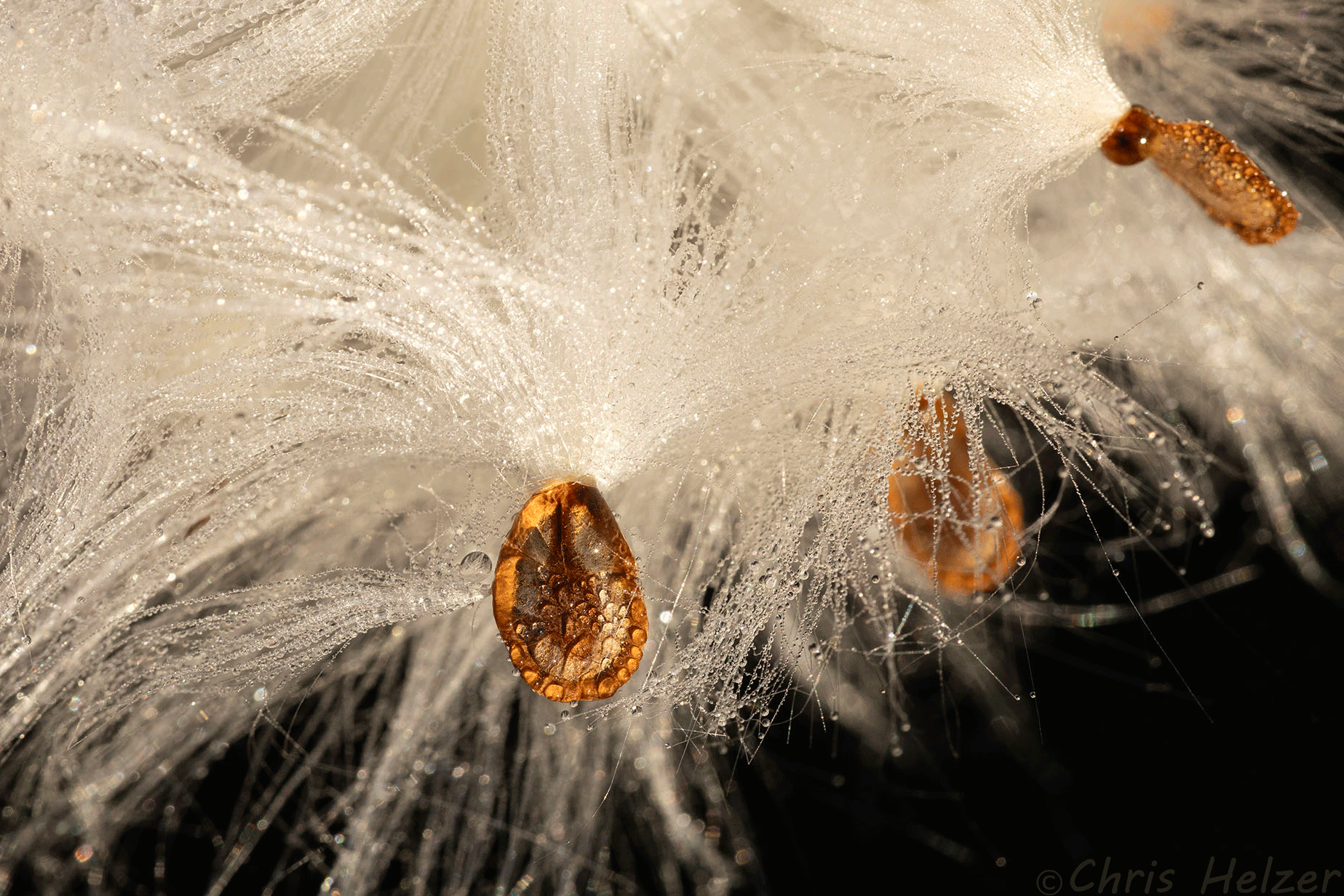
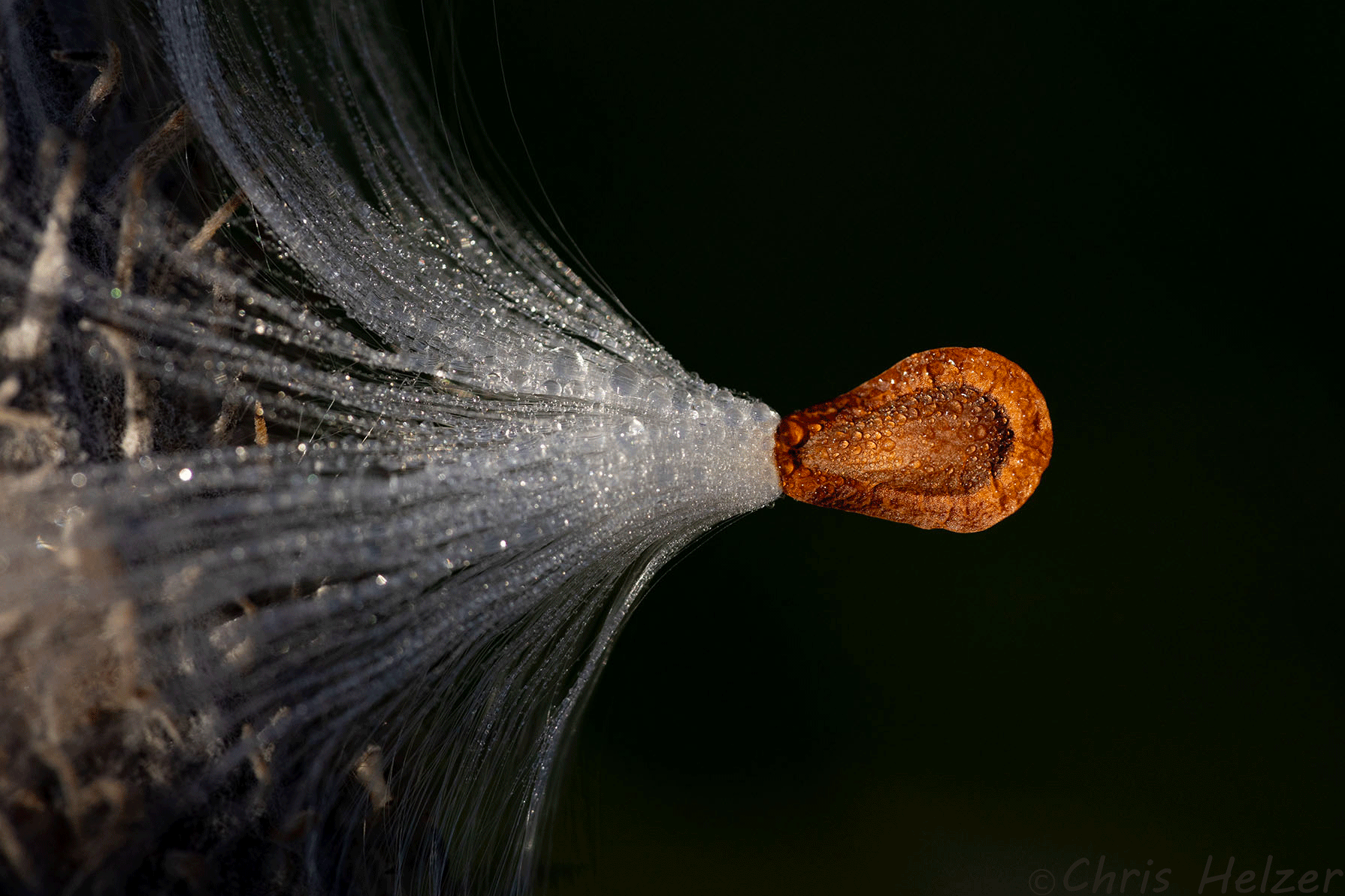
We’re still waiting for the first hard freeze of the season, so I’m still able to photograph insects. And milkweed seeds, of course, but that’s a given, and not related to temperature at all. I promise there’s more to see than that, though, both in the prairies and in this post.
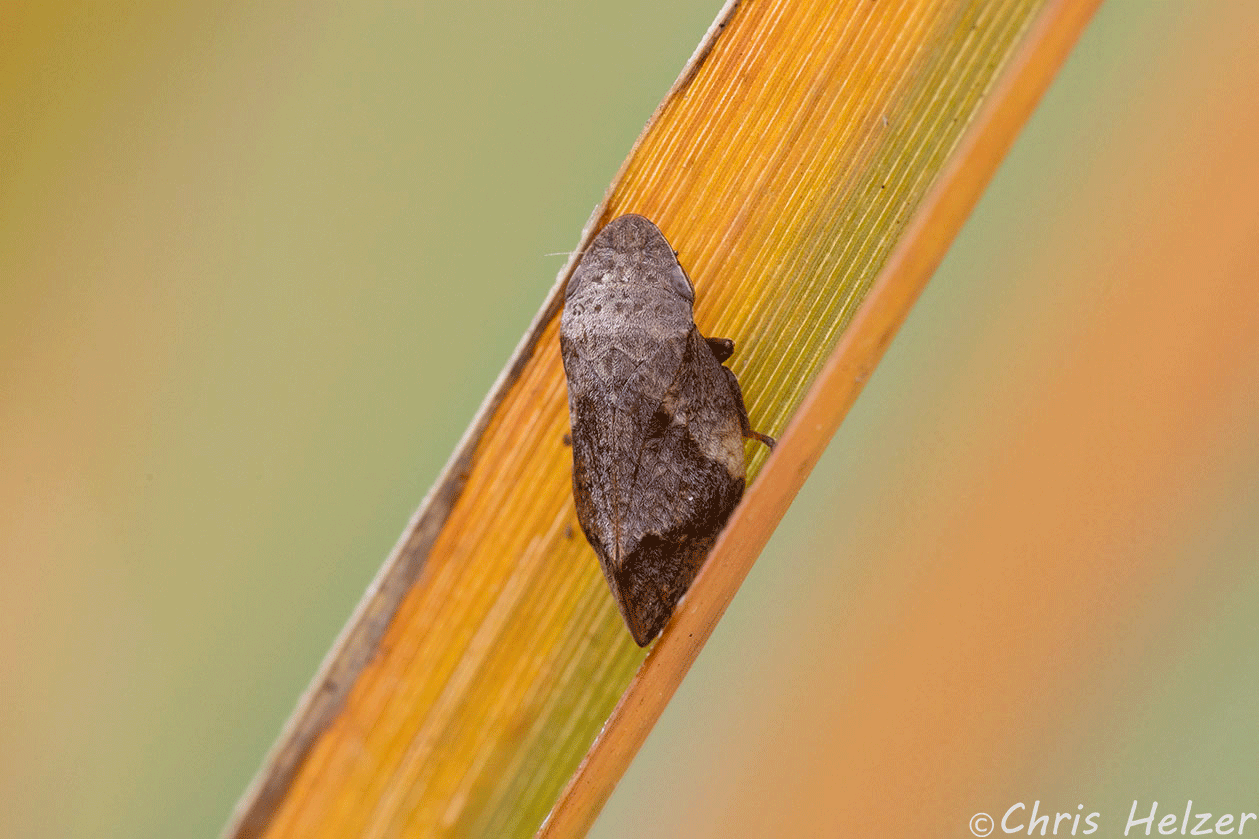
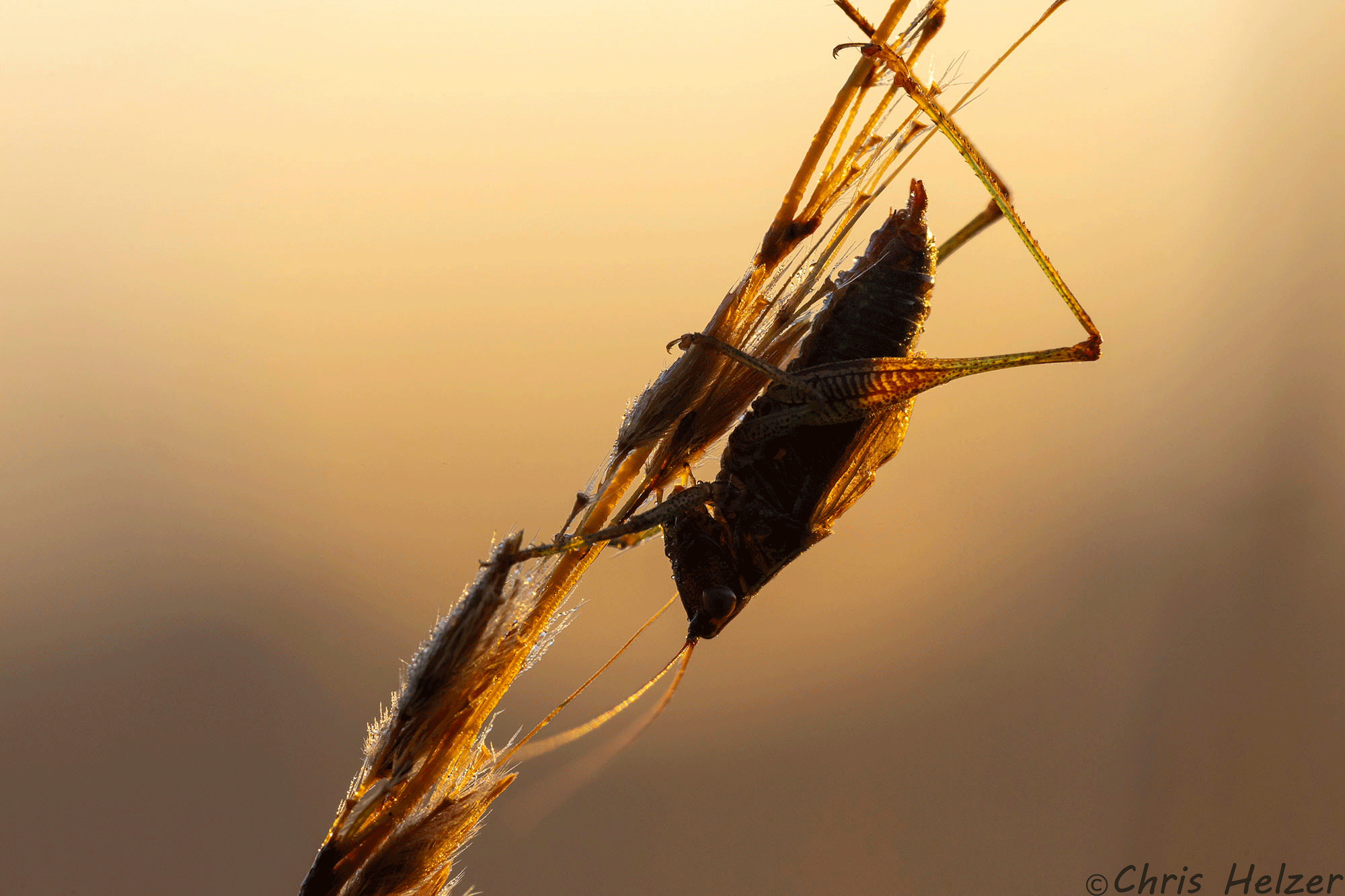
As I was walking through Lincoln Creek Prairie this weekend, I saw some Indiangrass that was turning pumpkin orange. There was a spot on one leaf that, upon closer inspection, turned out to be an adult spittlebug. I think this is a diamond spittlebug, which is one I’ve not photographed before. The larvae of spittlebugs are the ones that hide inside clusters of bubbles on plant stems. The adults look a lot like planthoppers or leafhoppers, which they’re related to.
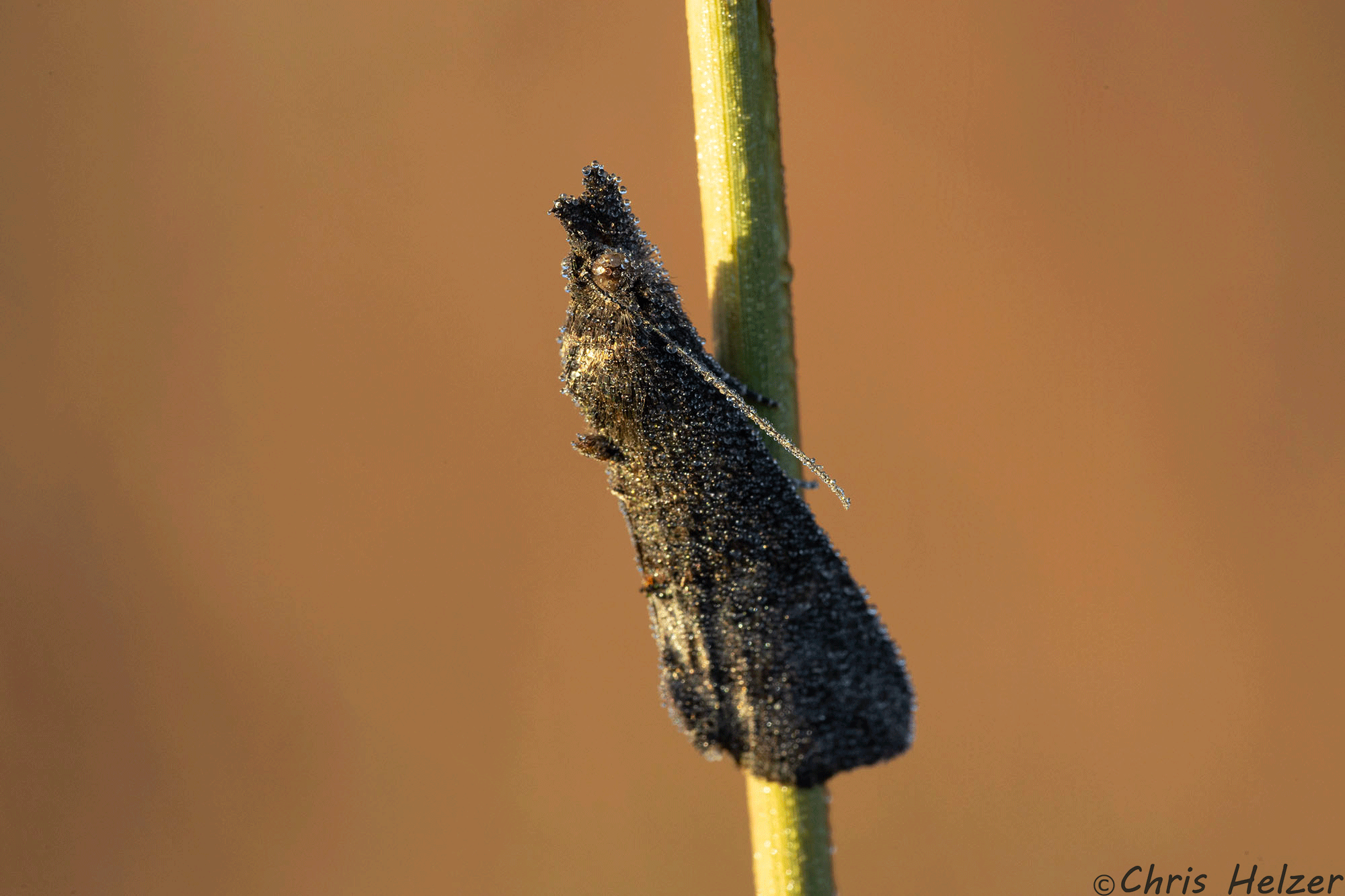
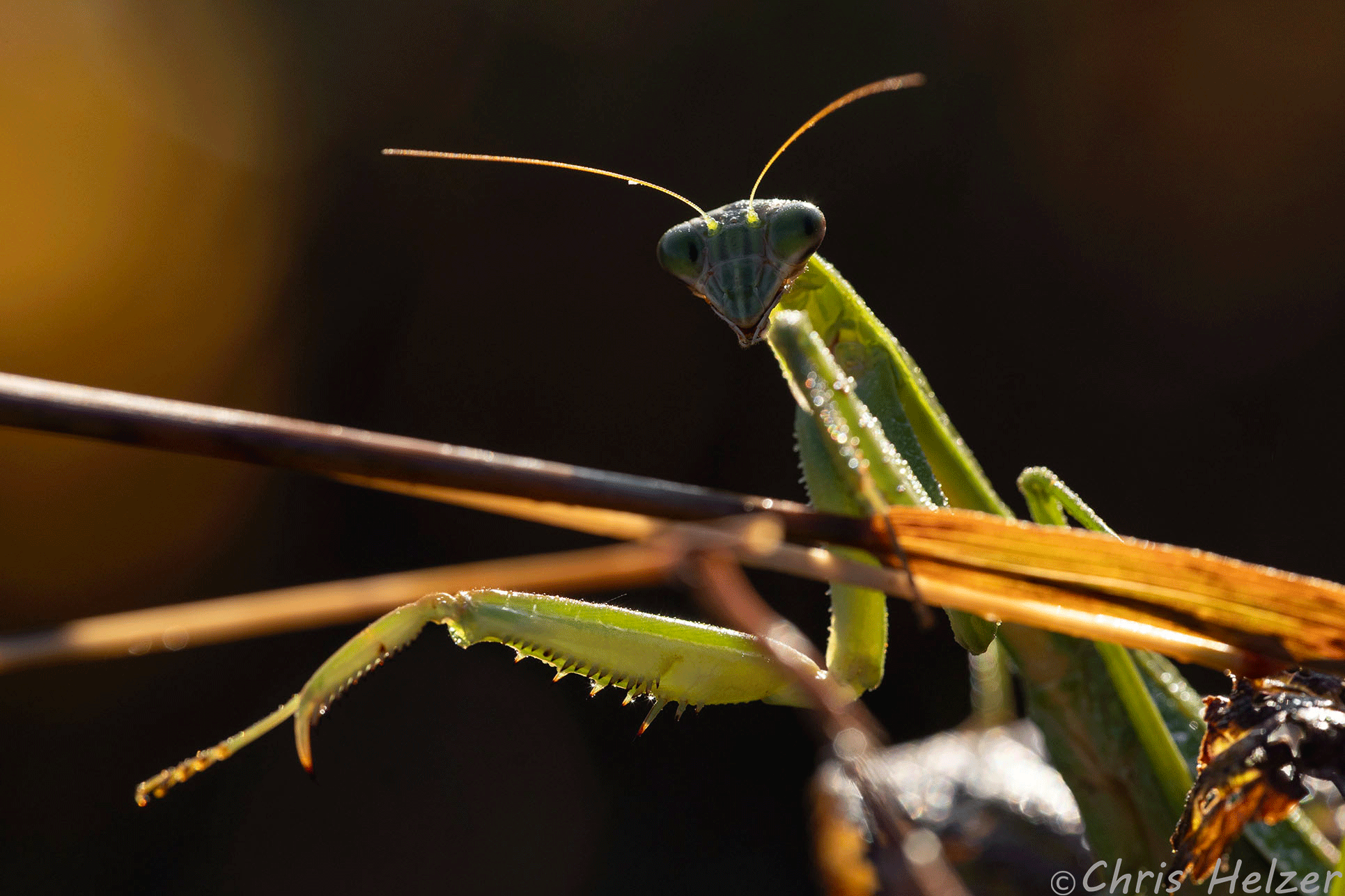
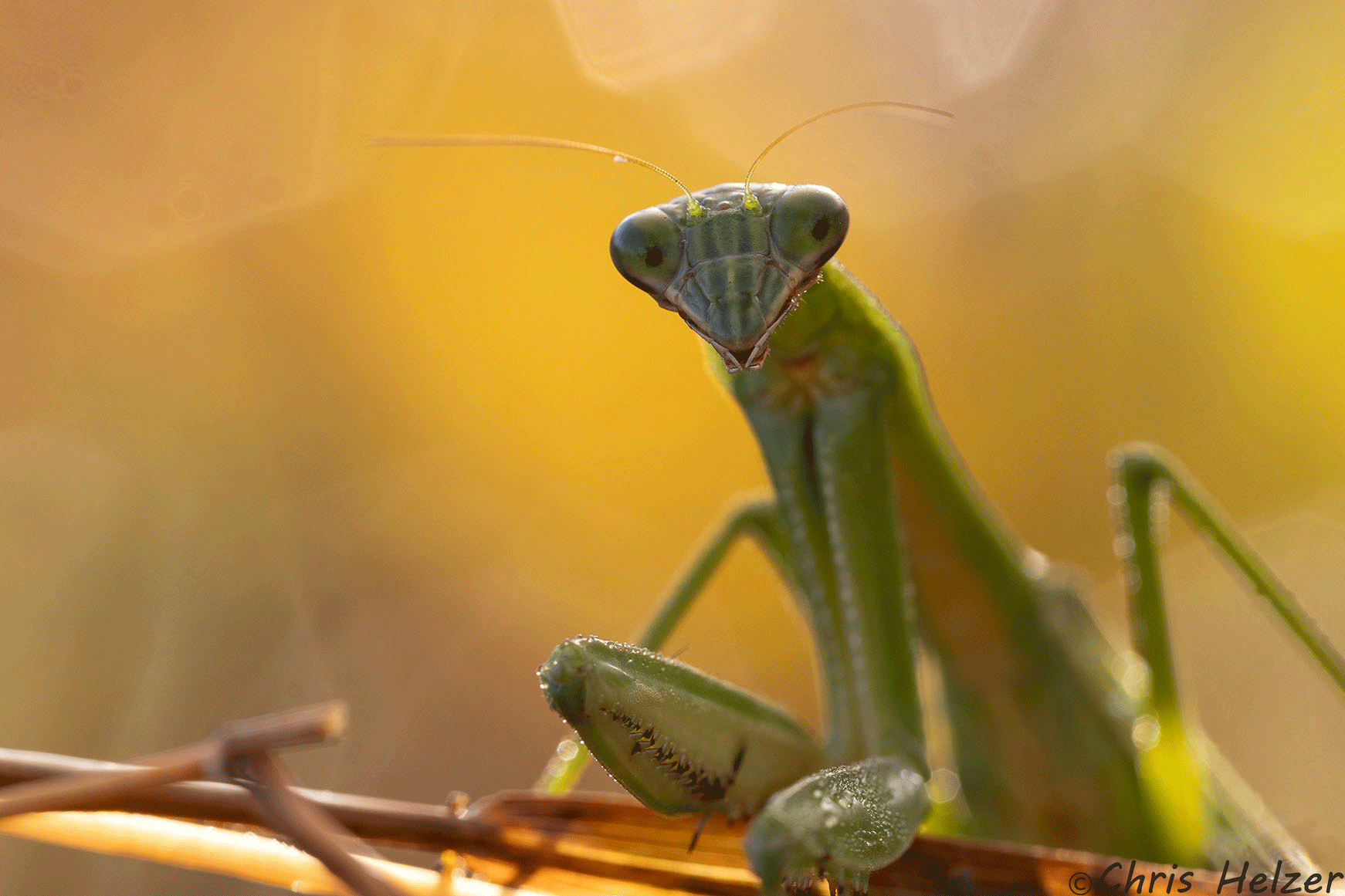
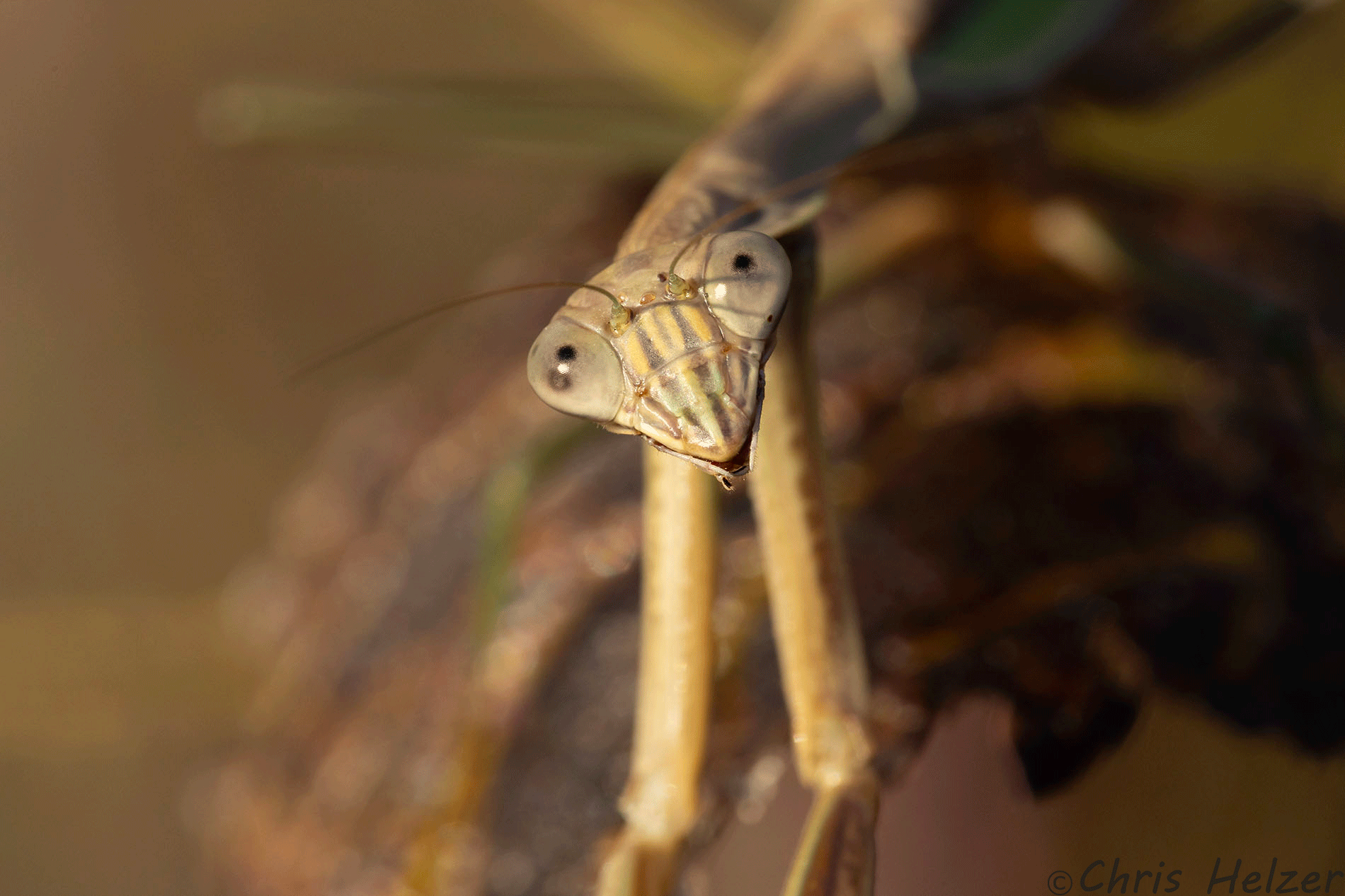
I’m still seeing Chinese mantises around, and have found a couple of their egg cases, too. I wonder what they’re eating this time of year. A lot of the larger insects, including butterflies and moths, are pretty rare in local prairies now (though still showing up on the zinnias in my yard). There are plenty of mosquitos around, but I’m guessing mantises don’t see them as worth catching. Too bad.
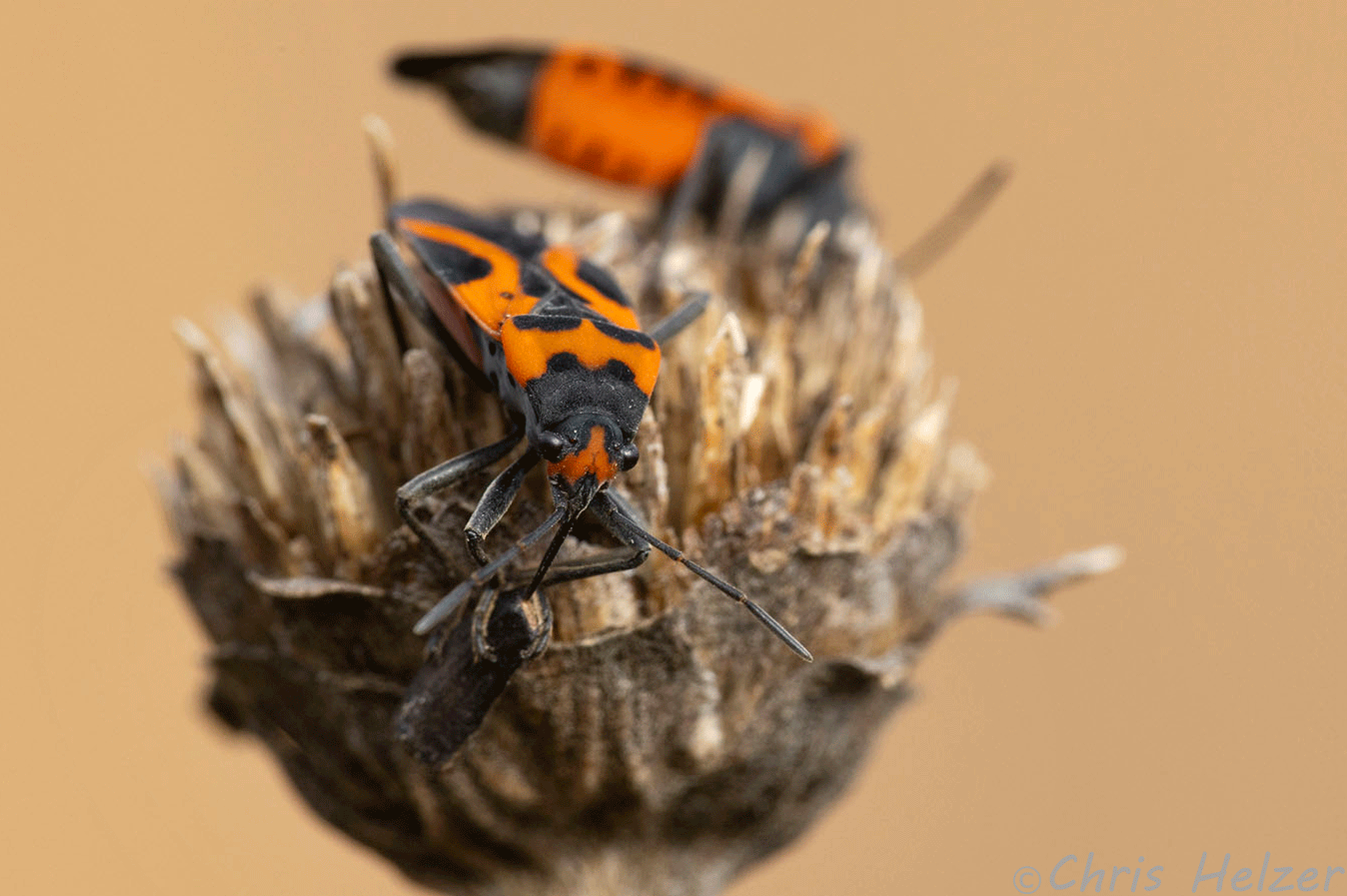
Some of you may remember a post from a few years ago where I complained about the unfairness of naming plants and animals “false something-or-other” just because they happened to resemble a species we’d already named. Specifically, I griped about false sunflowers (Heliopsis helianthoides) and false milkweed bugs (Lygaeus turcicus), and even proposed alternative names, none of which have stuck…
Anyway, despite my failed campaign, the insect and flower persist. The false milkweed bug’s favorite food items are false sunflower seeds, which is fun, and makes it easy to photograph the two species together. Similar to milkweed bugs, false milkweed bugs use their long mouthpart to inject chemicals into the seed that liquefy it and then they suck out that “pre-digested” slurry. It’s a cool approach to feeding on a seed when you don’t have teeth.
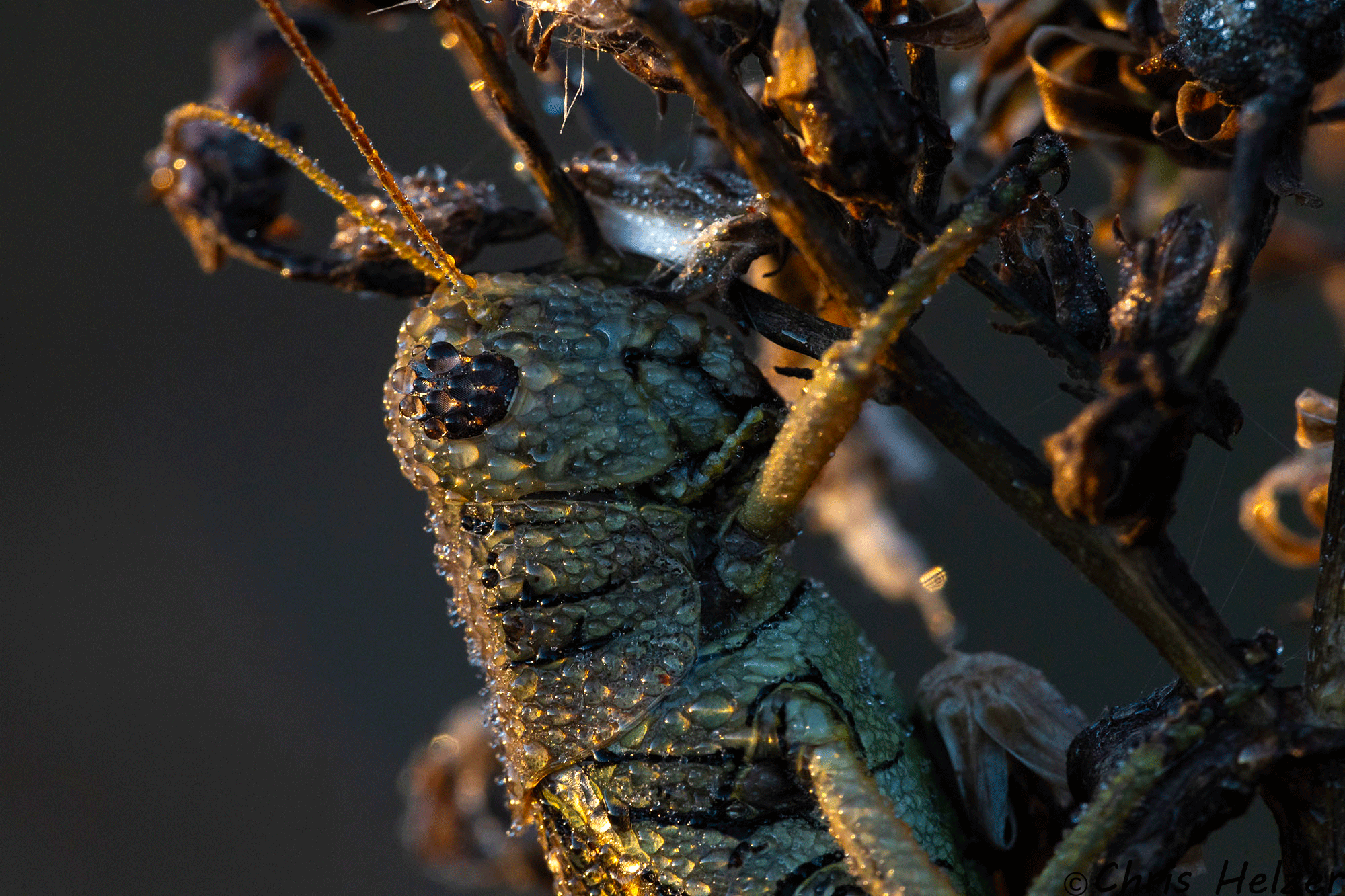
While most people think about woodlands and forests when they think about fall color, prairies are no slouches in this department. As is often the case with prairies, though, you often have to look at little closer to see it. Right now, for example, many wild bergamot (Monarda fistulosa) leaves have turned a gorgeous red color and lead plant leaves are golden colored. There are lots of other colors out there as well.
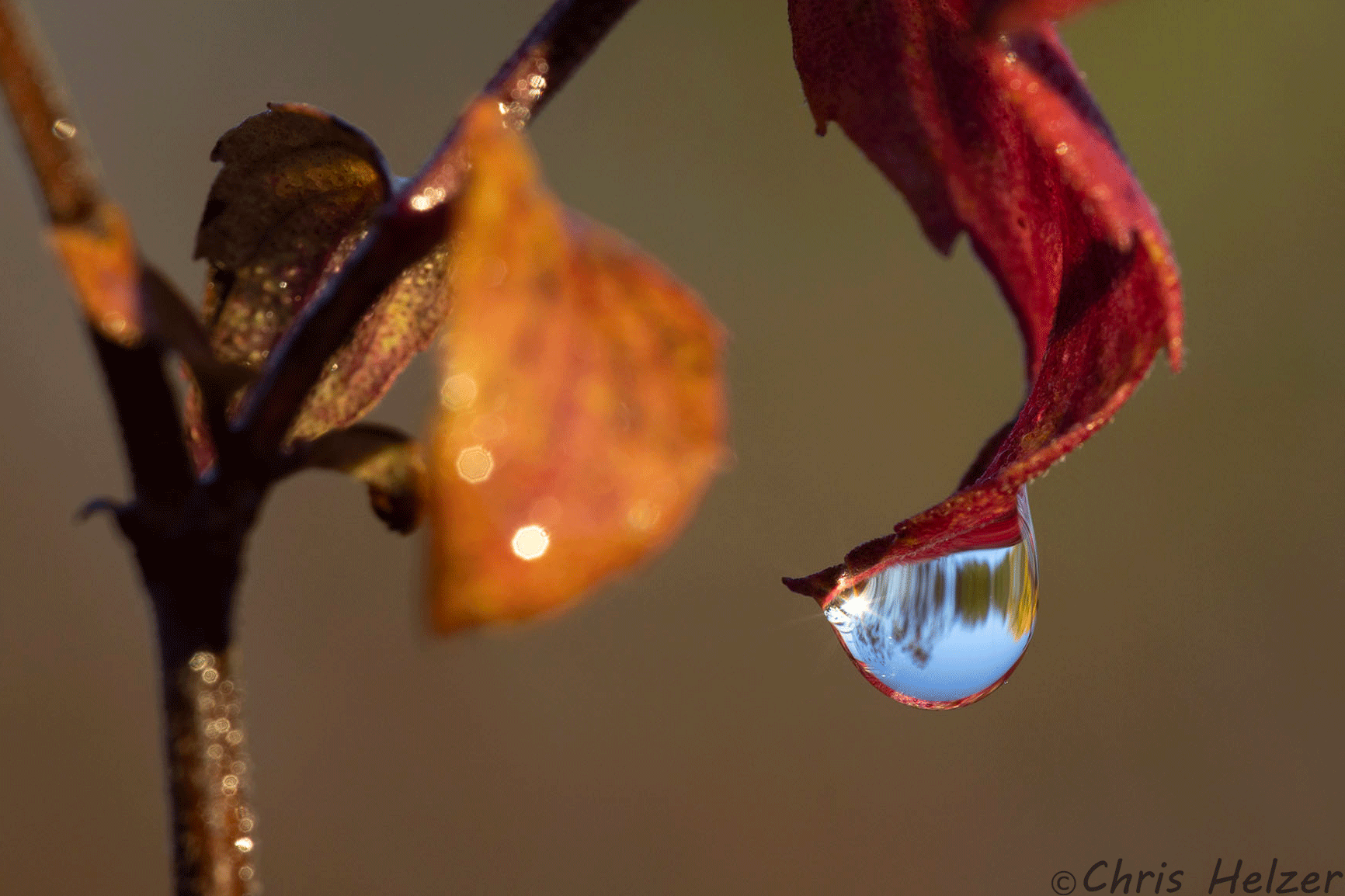
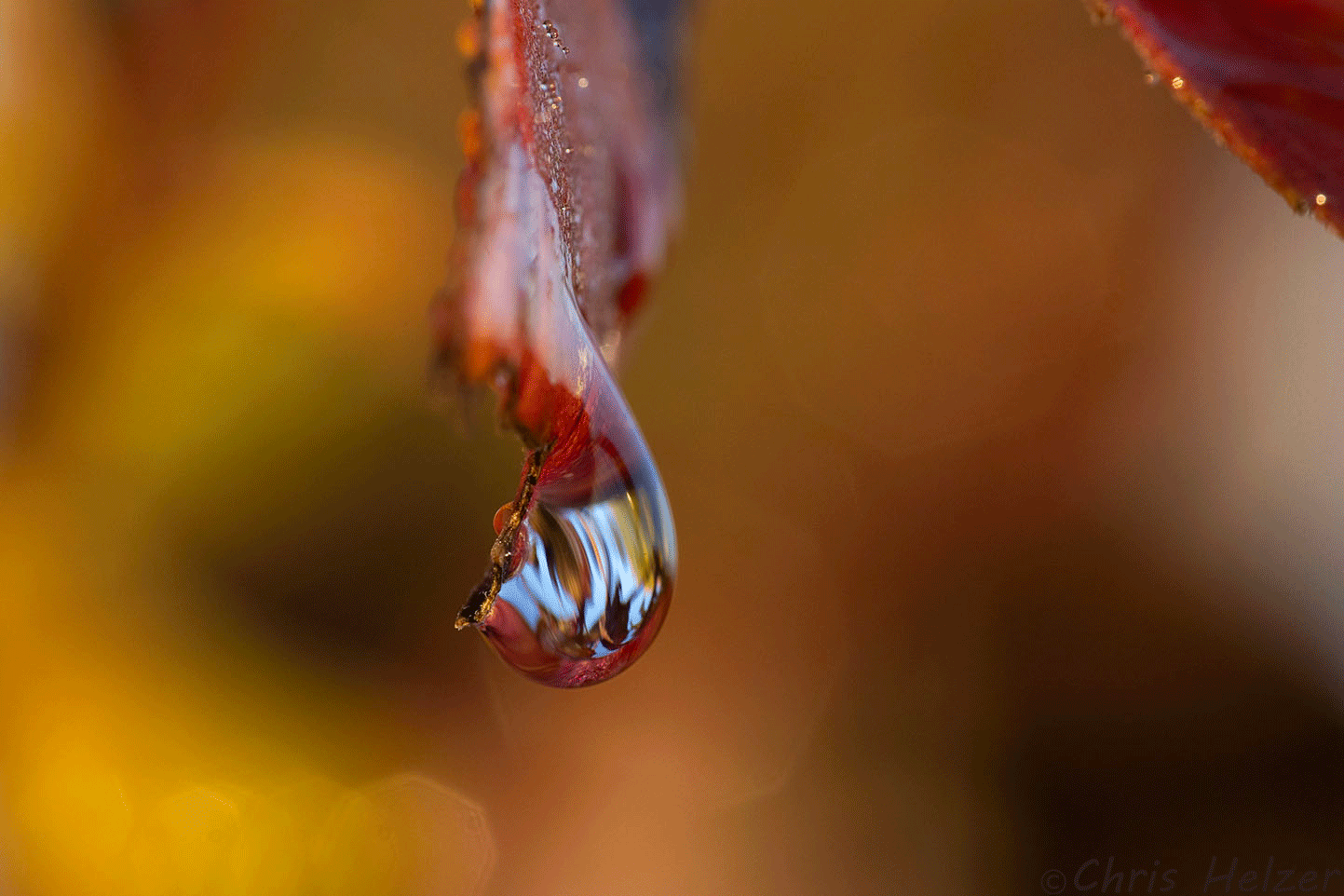
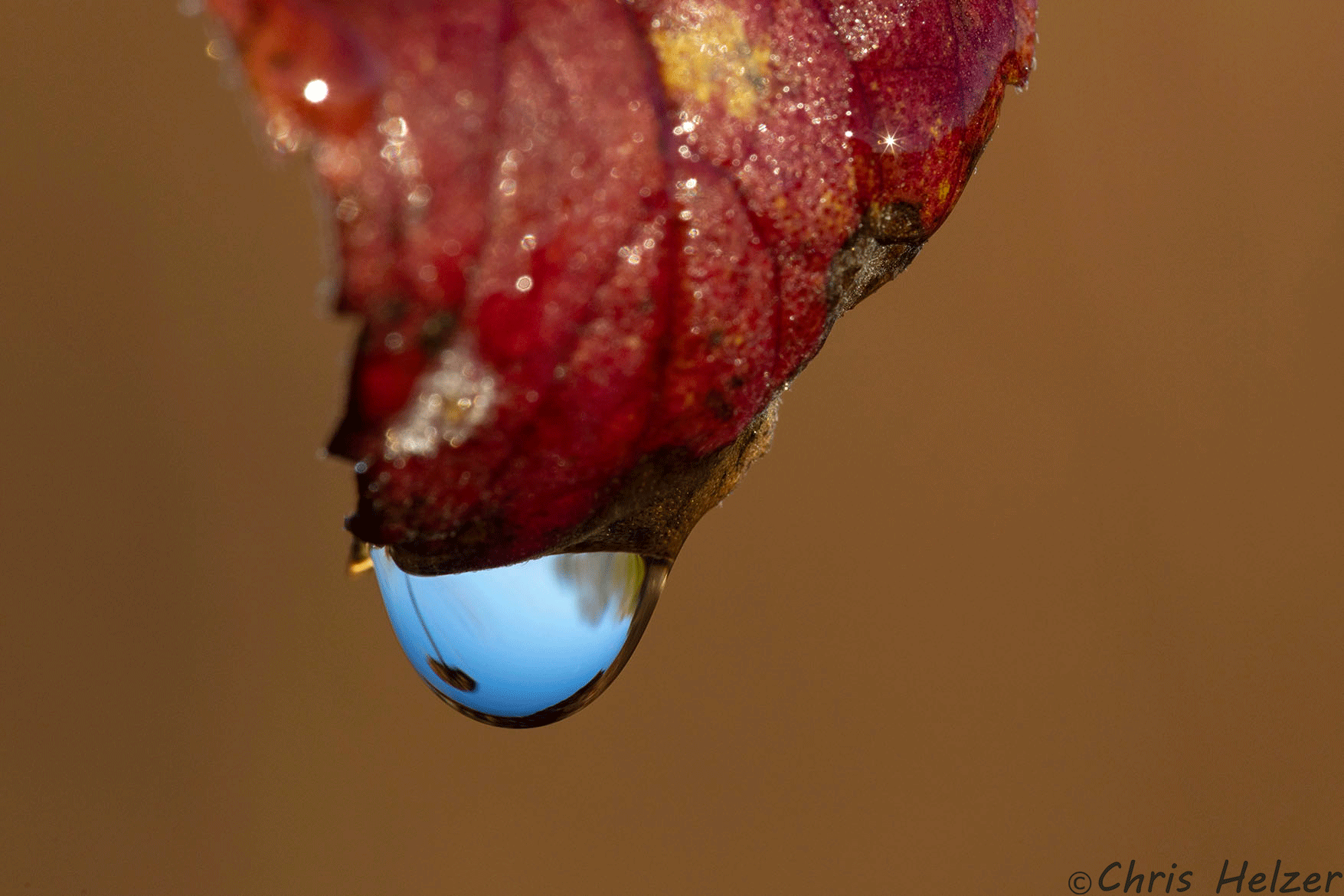
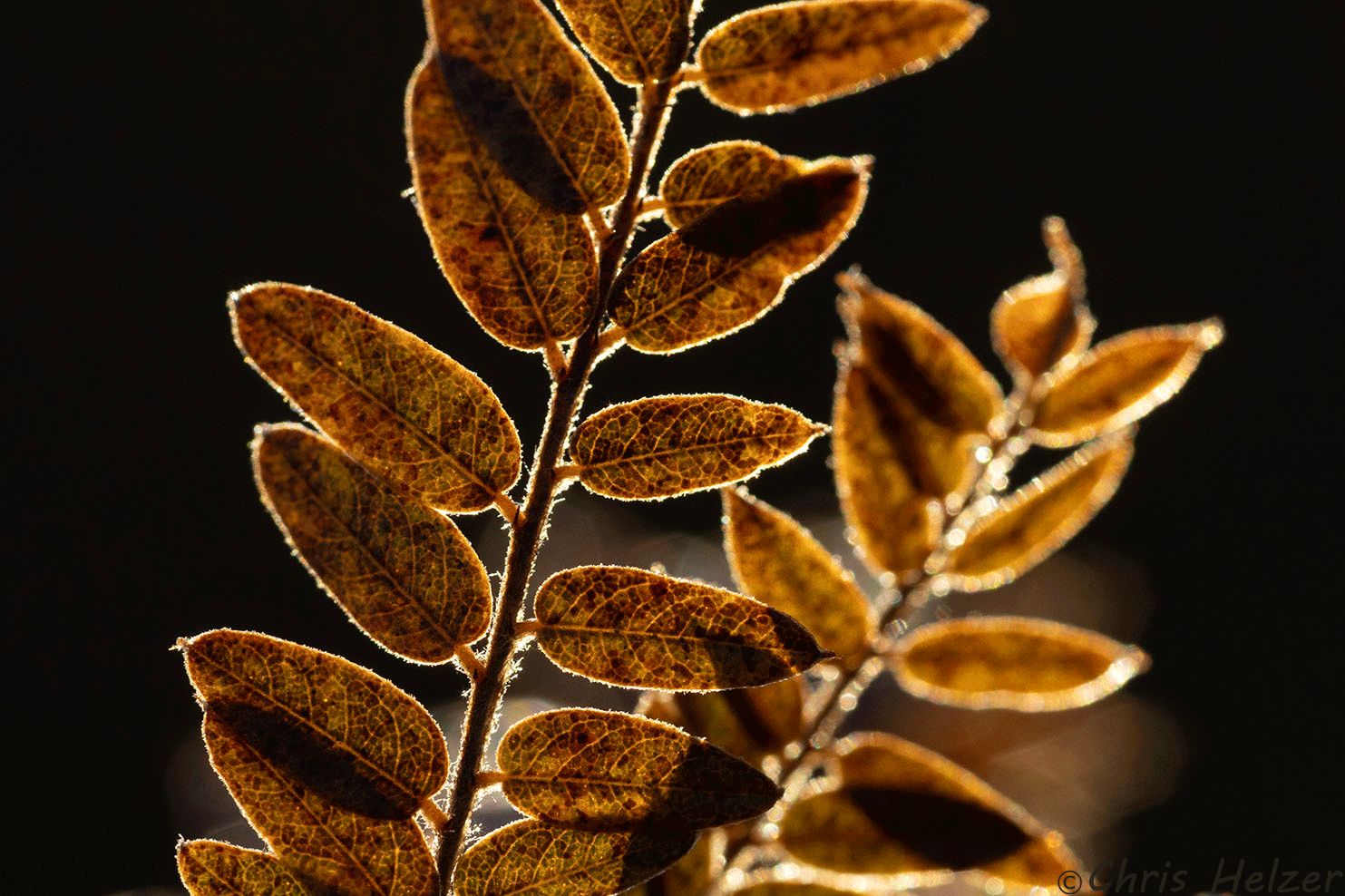
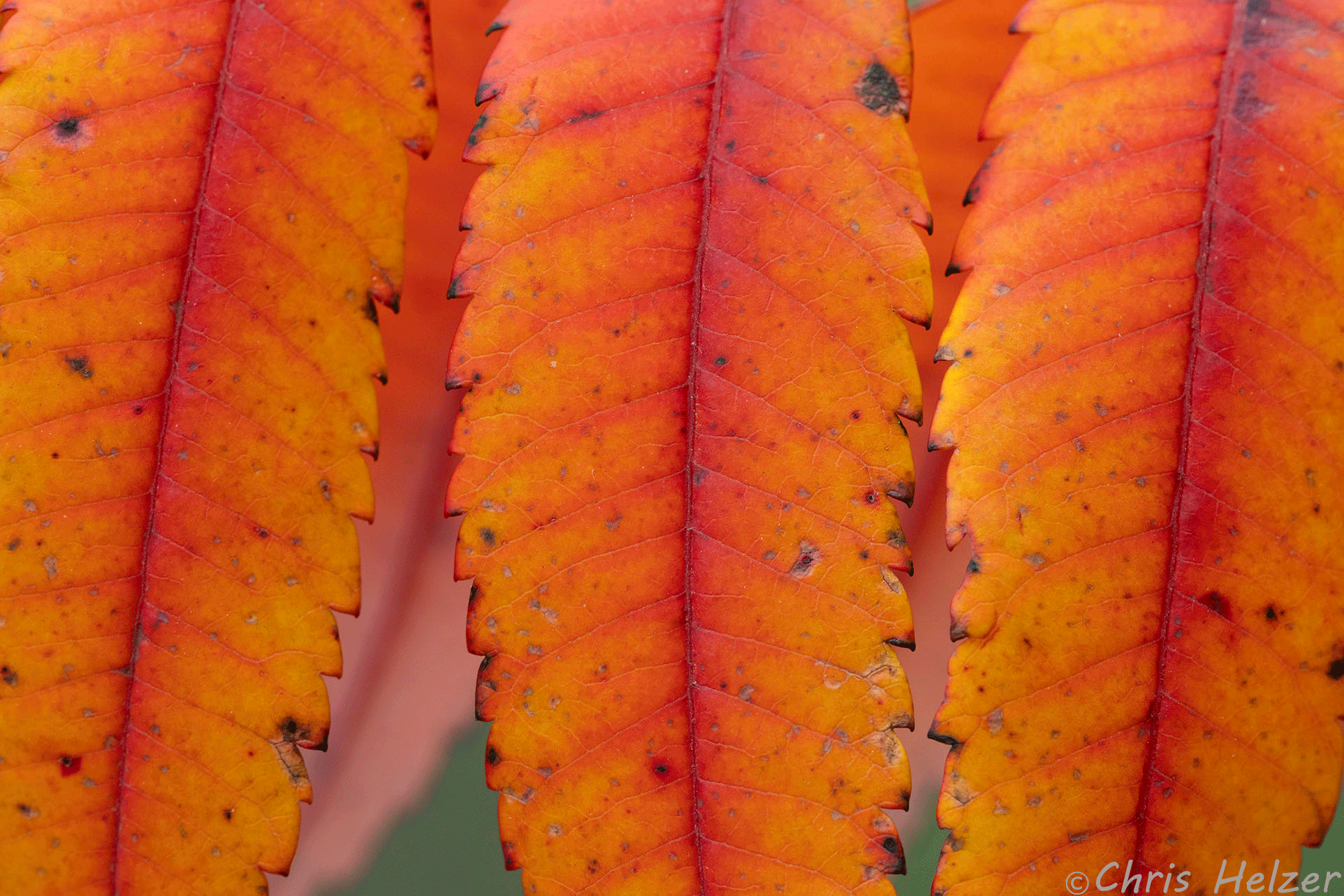
Over the last few years, I’ve started visiting a particular stretch of Lincoln Creek where a variety of colorful leaves fall onto the water and float around. It’s a great place to hang out on breezy overcast days when photography is difficult in other locations. I made a couple trips down there this weekend and had a great time getting muddy and finding beauty.
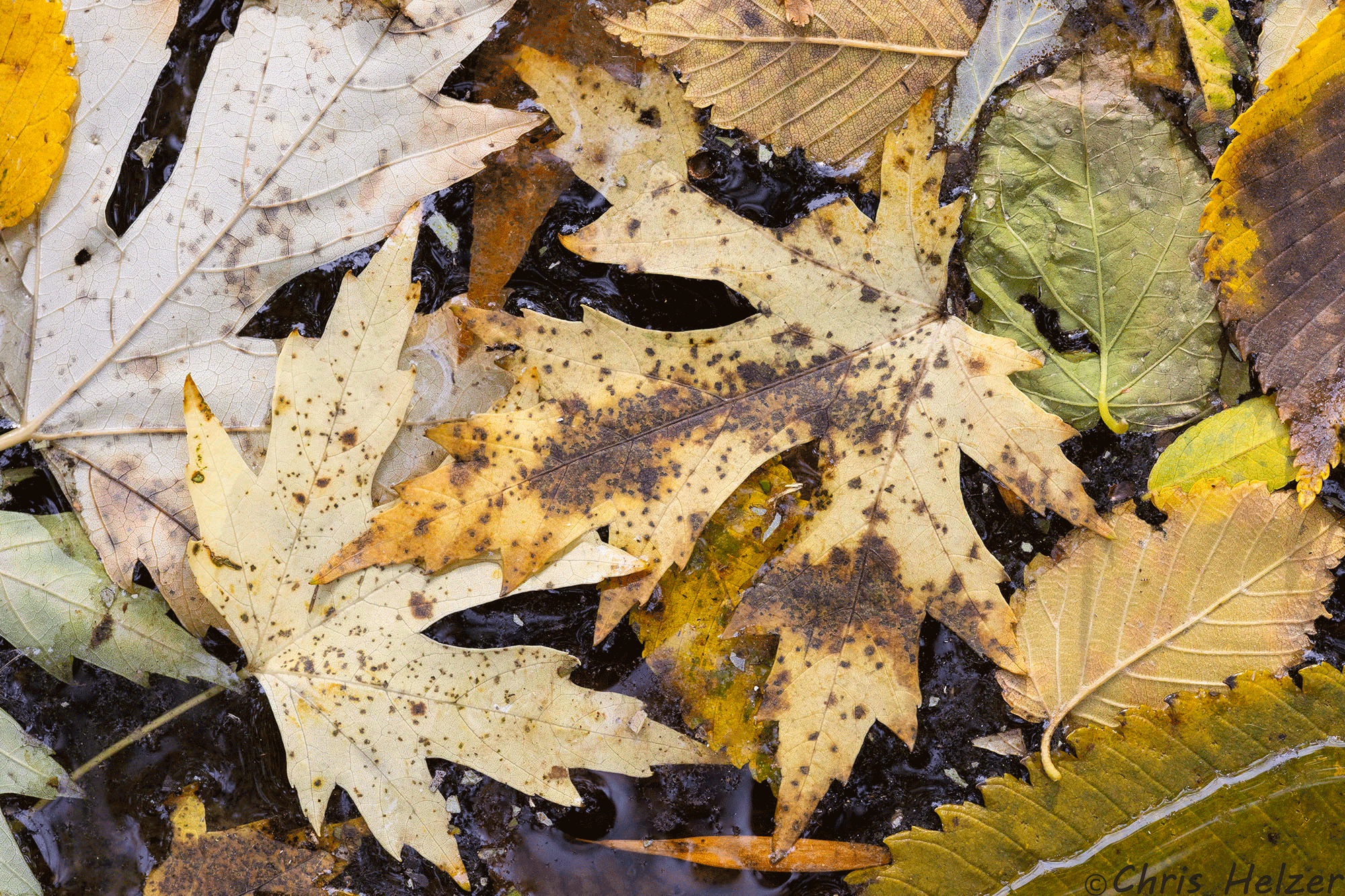
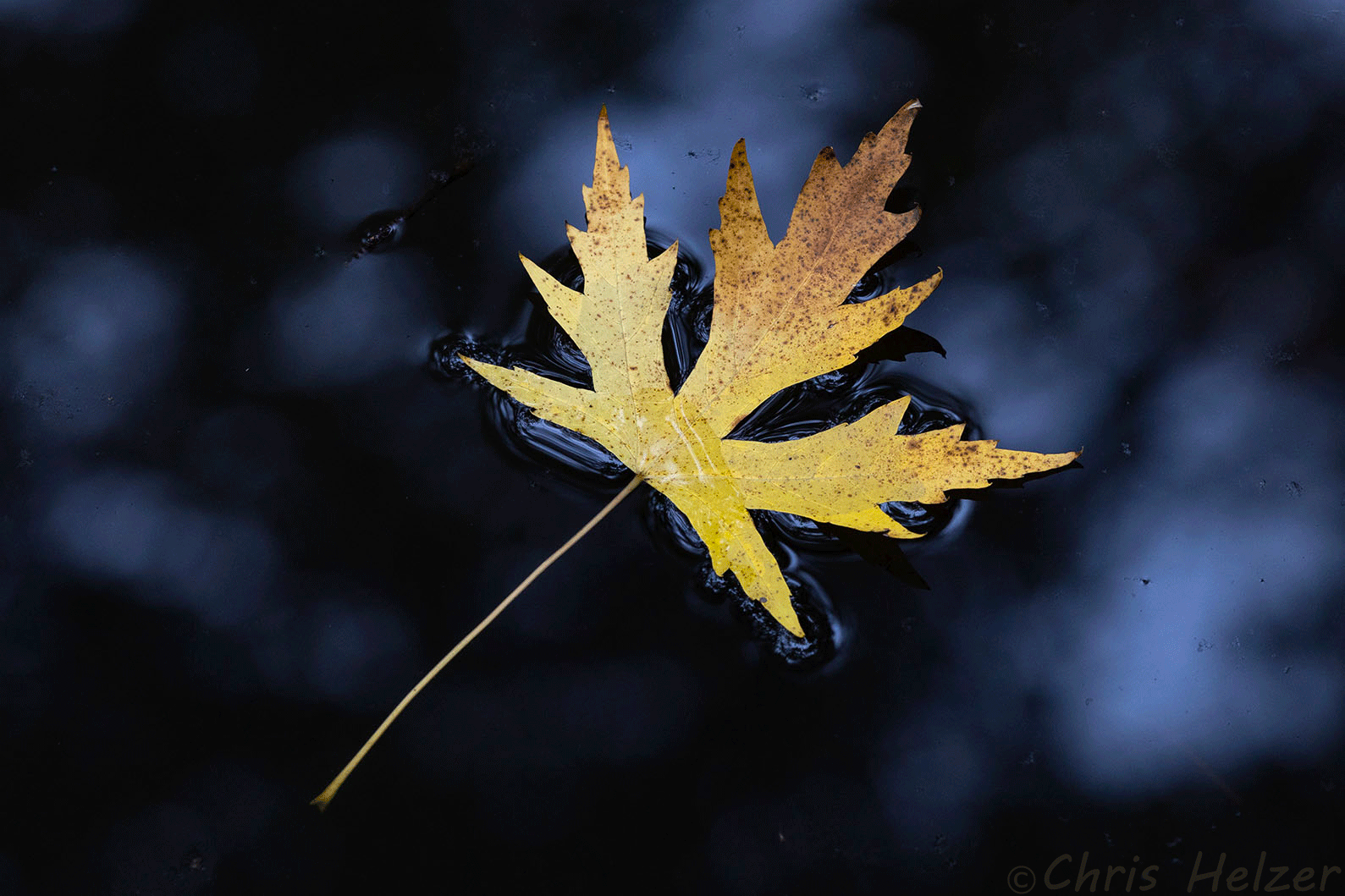
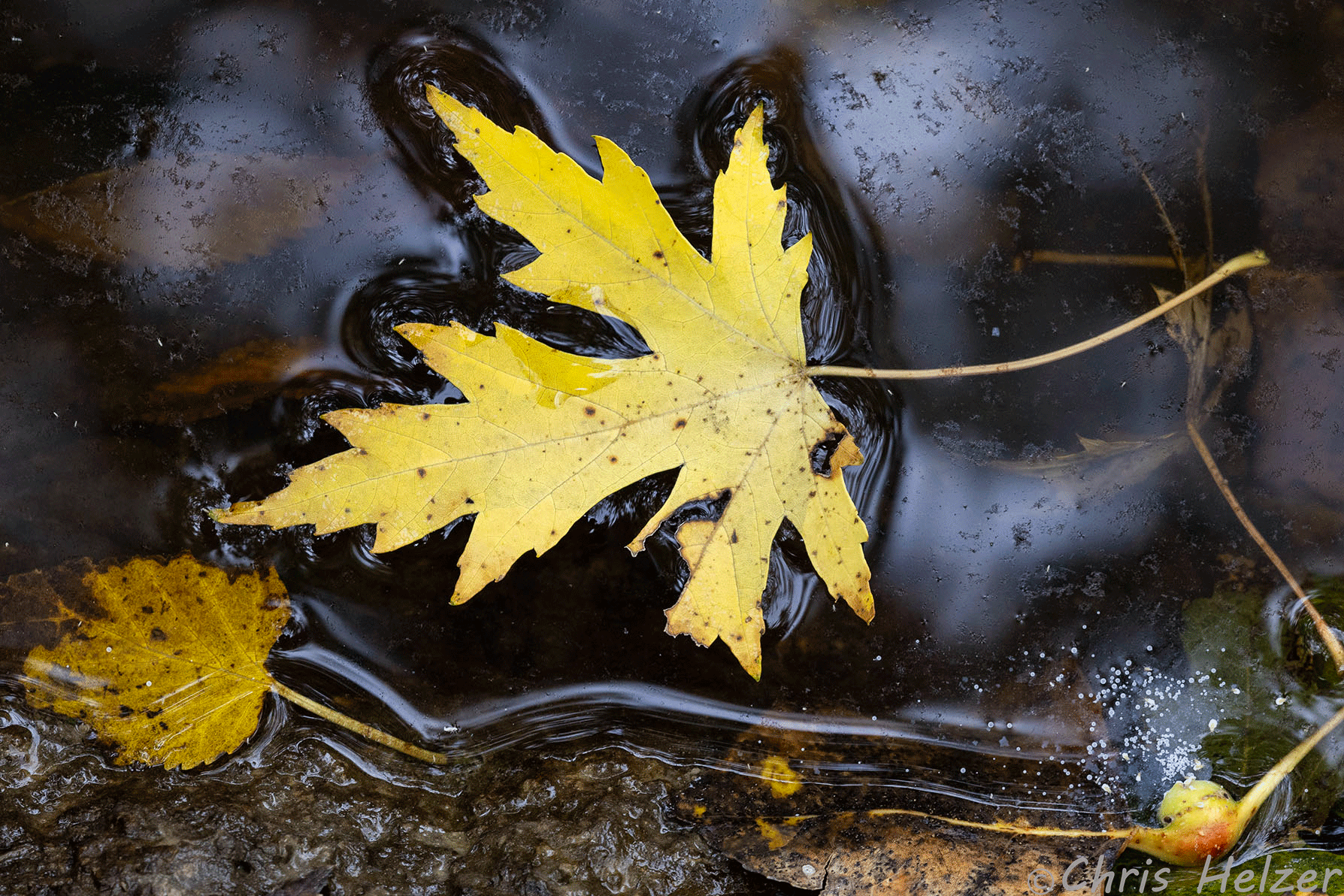
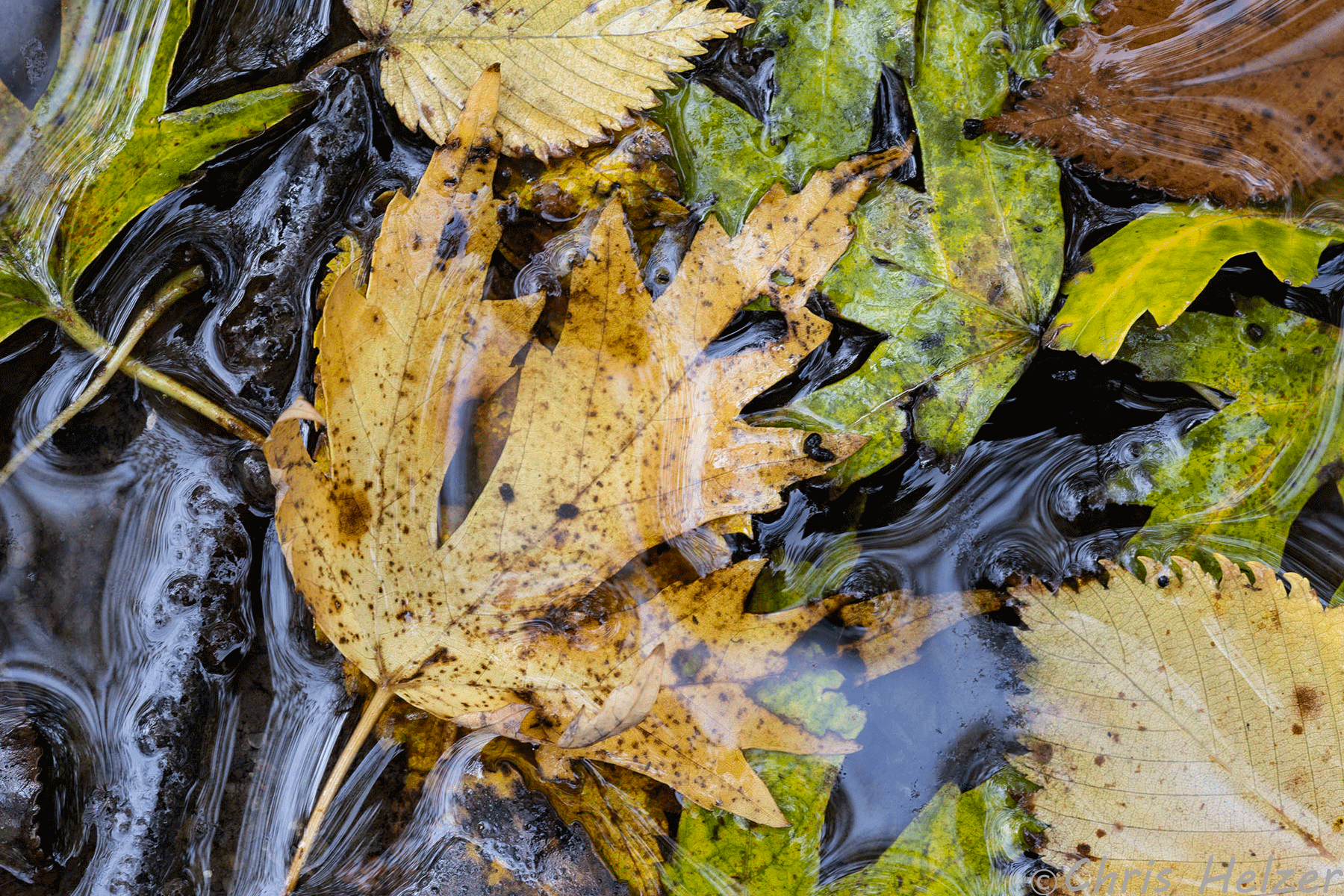
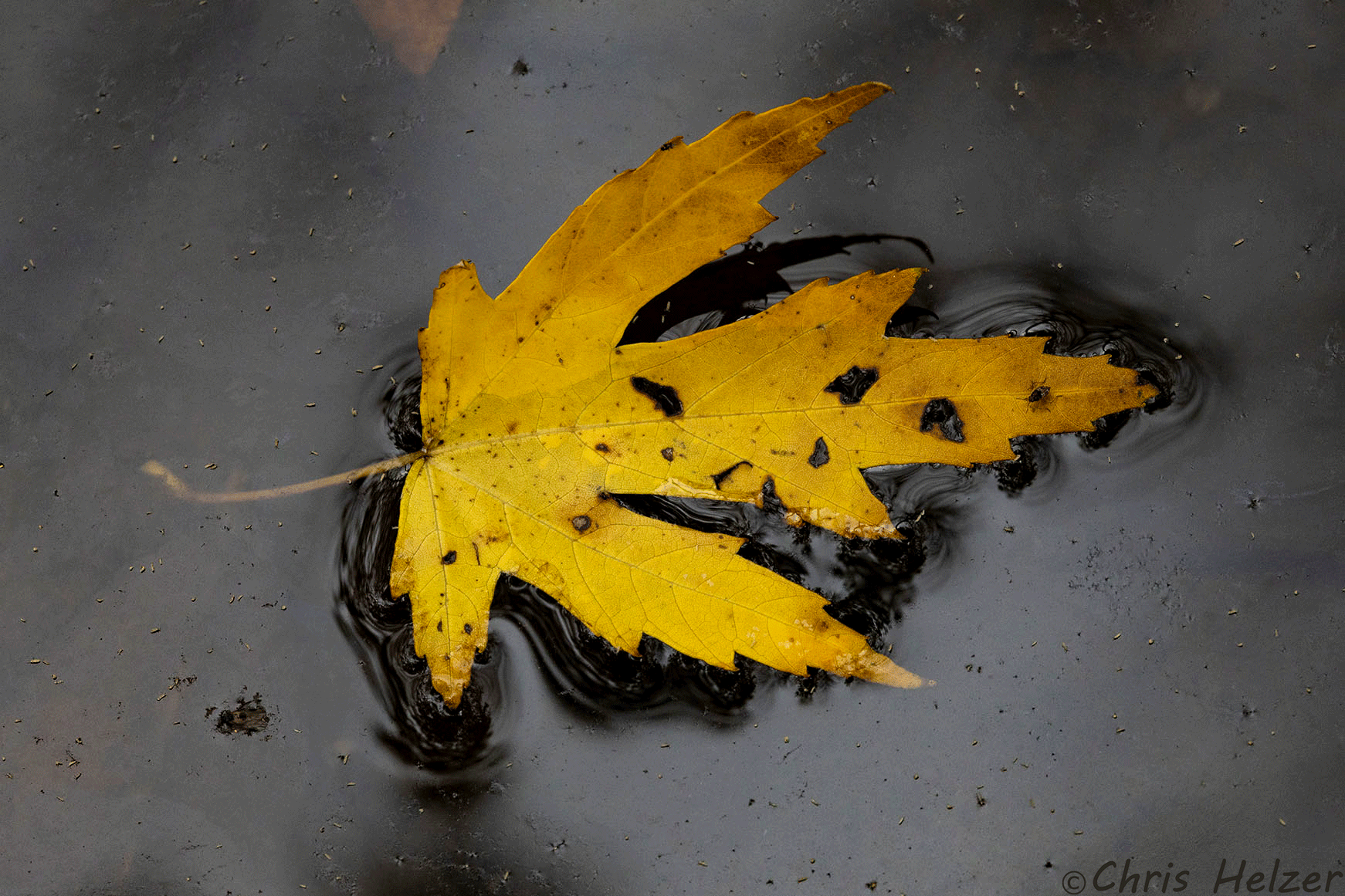
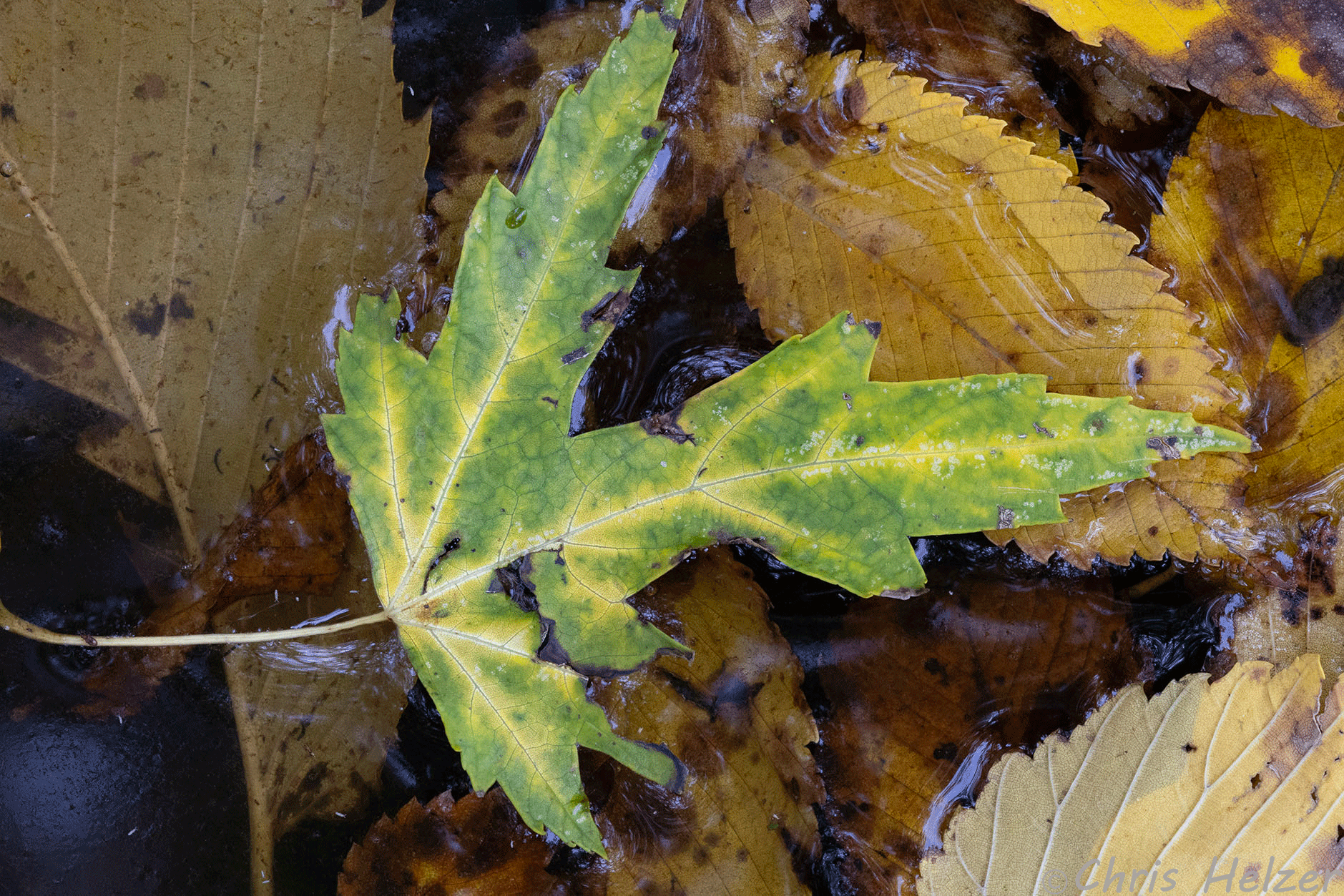
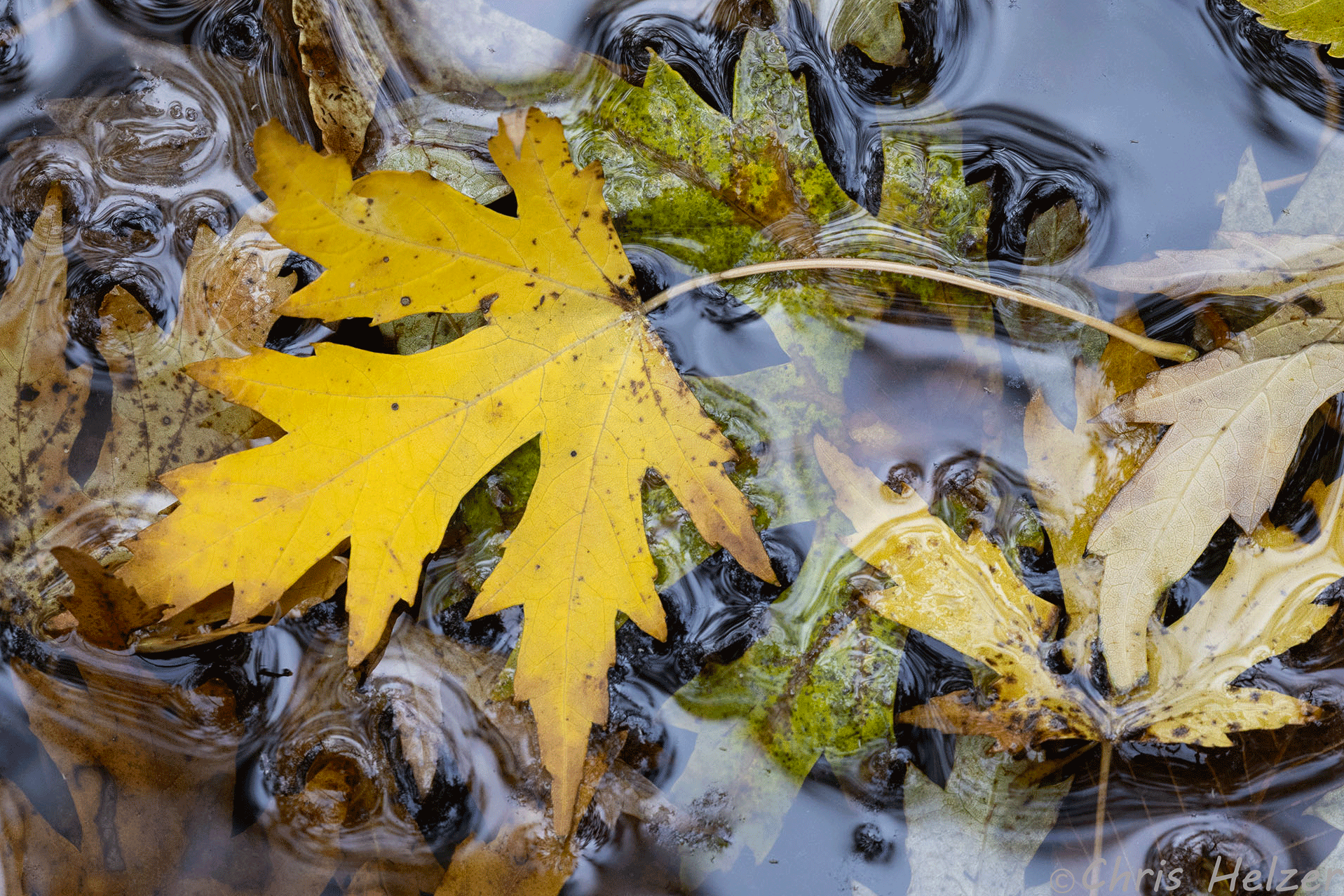
I think my favorite part of prairie (and stream) photography is that it’s mostly an exercise in searching for beauty. Because I don’t usually work on assignment like many professional photographers, I have the luxury of just following the light and looking for anything that strikes me. There are lots of ways to go looking for beauty, and no shortage of it out there to be found (and not just in prairies). There’s probably a lesson in that somewhere.


“…mostly an exercise in searching for beauty.” and well done I say.