Photos of the Week – October 21, 2026

It’s getting hard to find any wildflowers still in bloom. Insect diversity is way down. We had our first frost last week. I think it’s about time to say goodbye to the 2026 growing season.

That doesn’t mean prairies are finished showing off, though. I was in Kentucky and Tennessee most of last week for the Eastern Native Grasslands Symposium (great conference – thank you for inviting and inspiring me!) but I’ve still managed several recent trips out into local prairies. I’ve seen plenty of beauty during each prairie visit. The most recent of those visits was this morning when I helped Mike Schrad check his small mammal traps (we caught just one plains pocket mouse) at the Platte River Prairies.

I arrived early this morning and found a variegated meadowhawk on its overnight roost. The sun wasn’t up yet and there was a thin layer of fog across the prairie. I got low to the ground and managed a few photos of the dragonfly before Mike arrived and it was time to get to work. Surprisingly, this was my first photo of a meadowhawk during this fall migration. I normally run across quite a few of them in late September and October as they’re moving southward through Nebraska, but I’ve just not been in the right places at the right times until today, apparently.
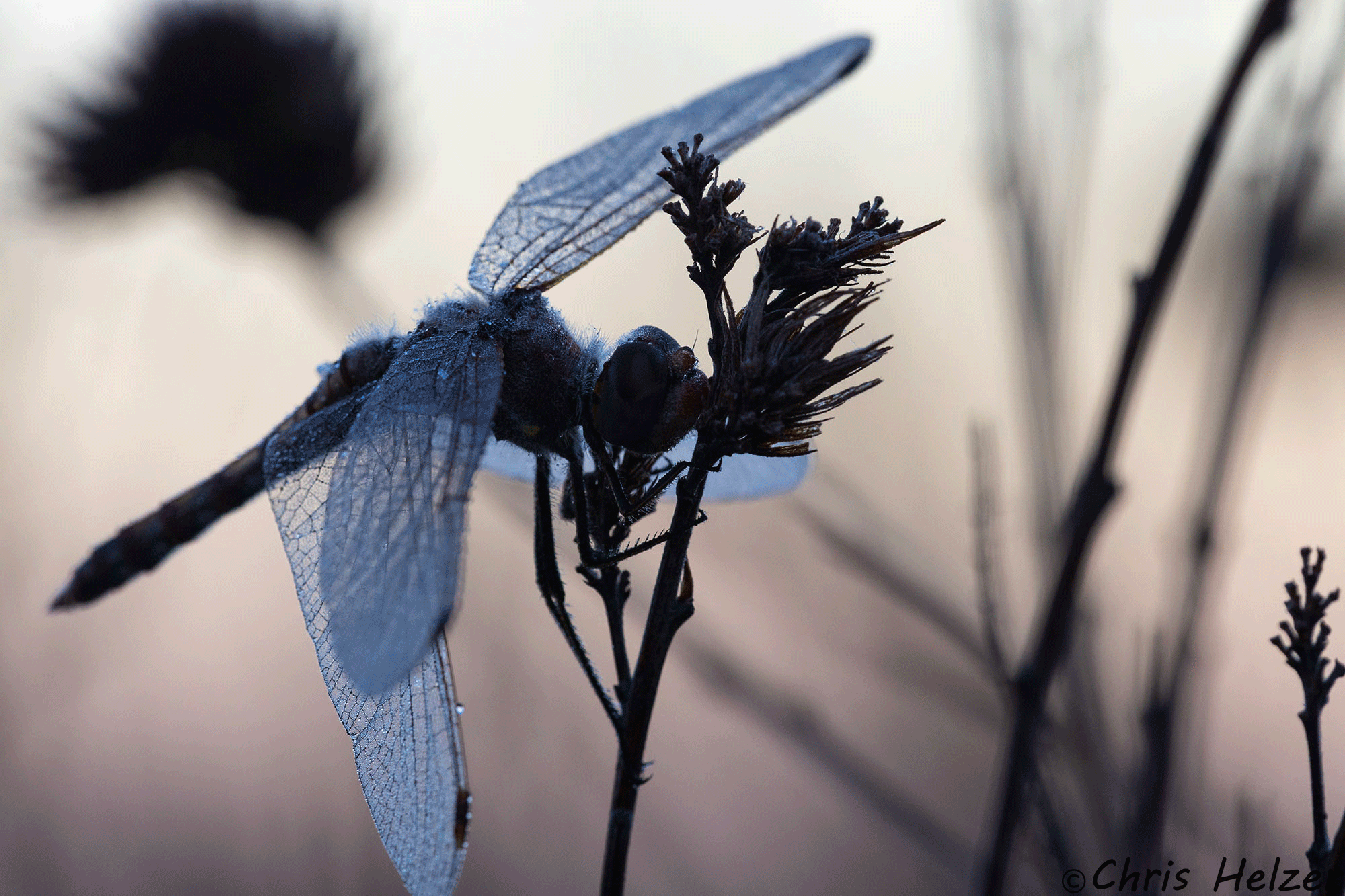
Variegated meadowhawk dragonfly in pre-dawn light
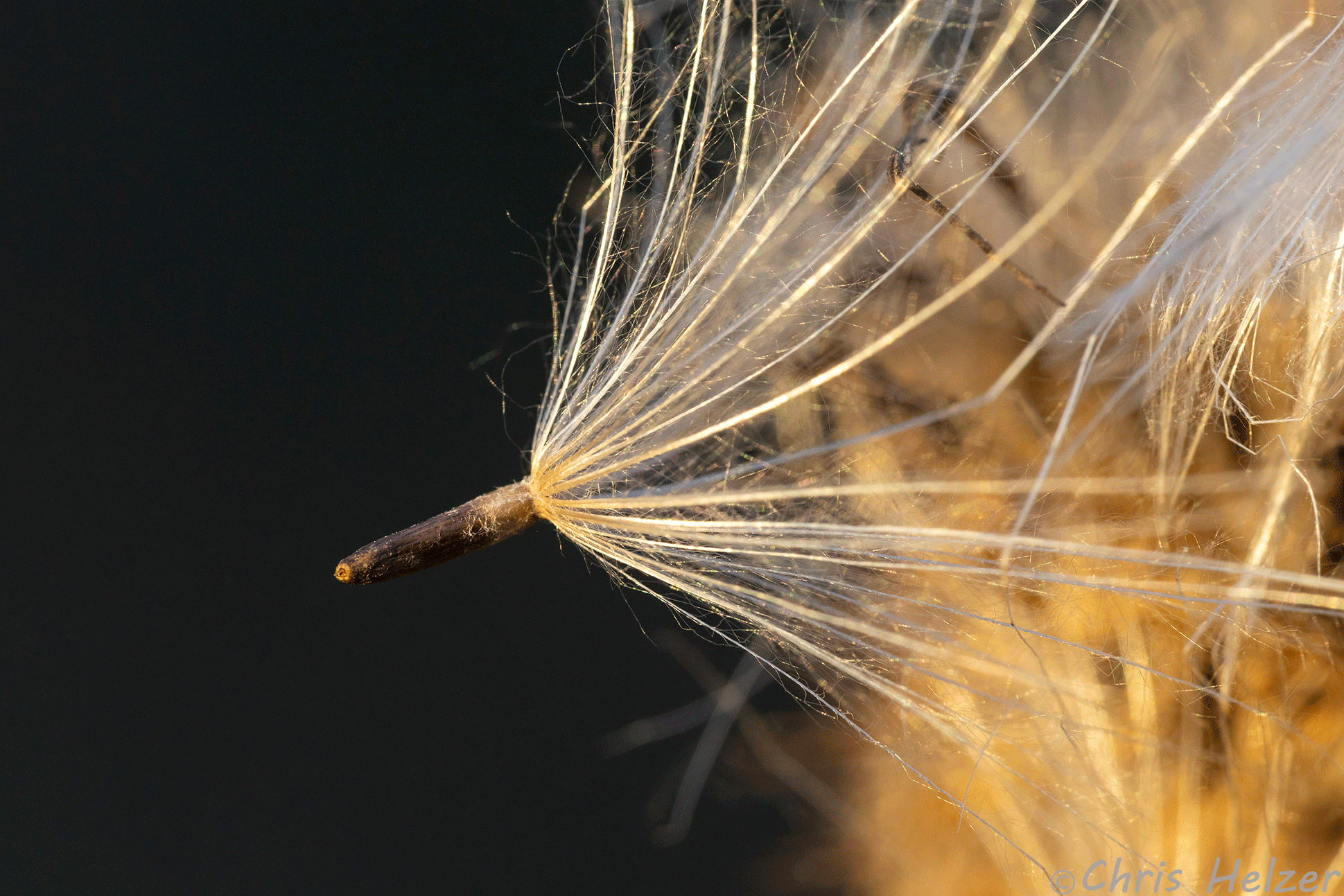
Tall thistle seed (Cirsium altissimum)
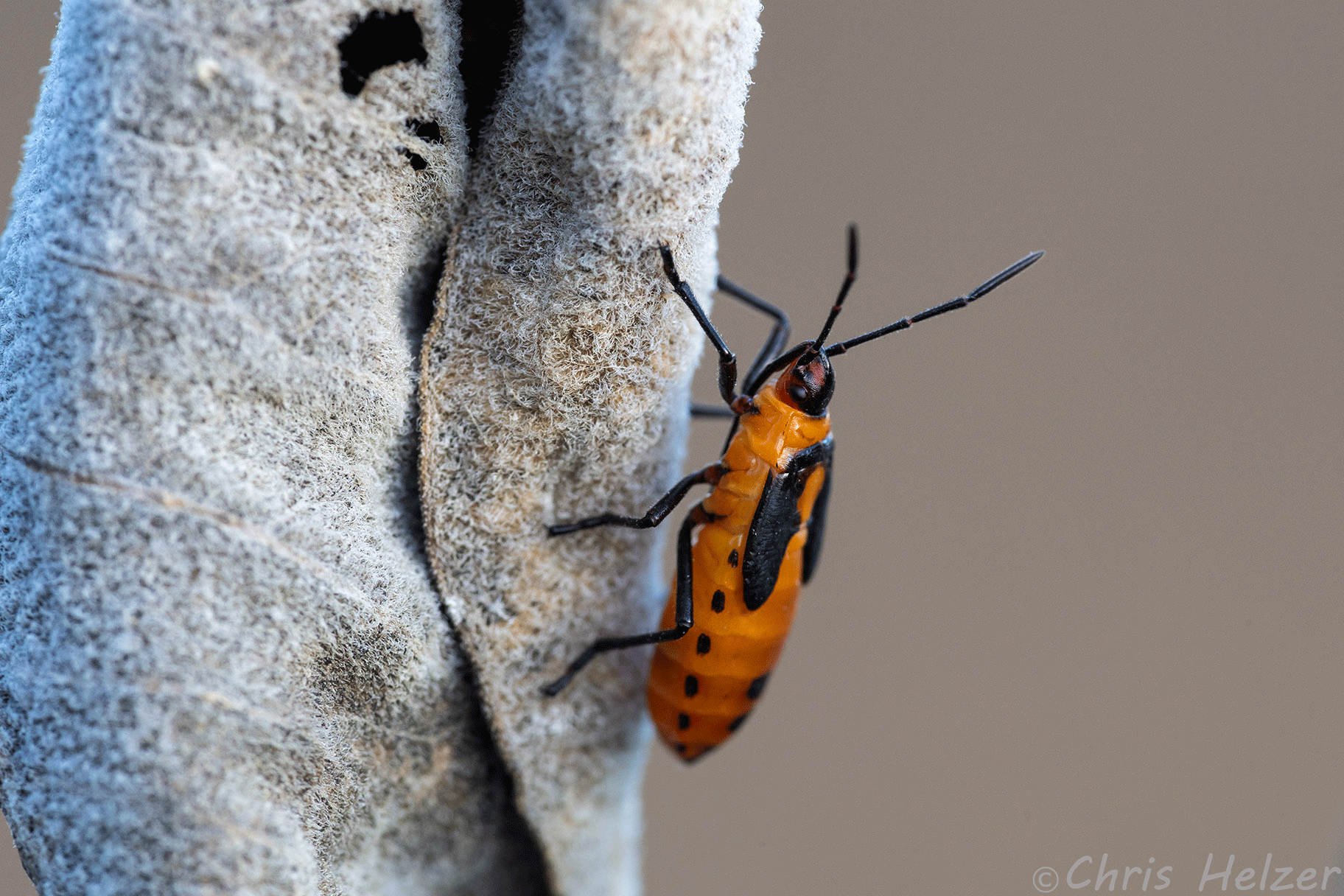
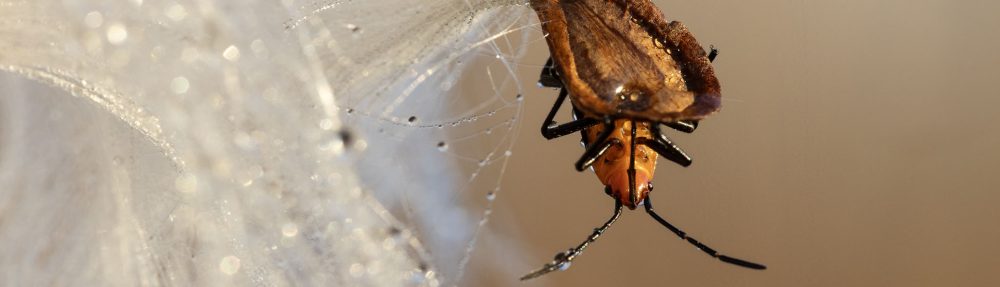
Milkweed bug nymph

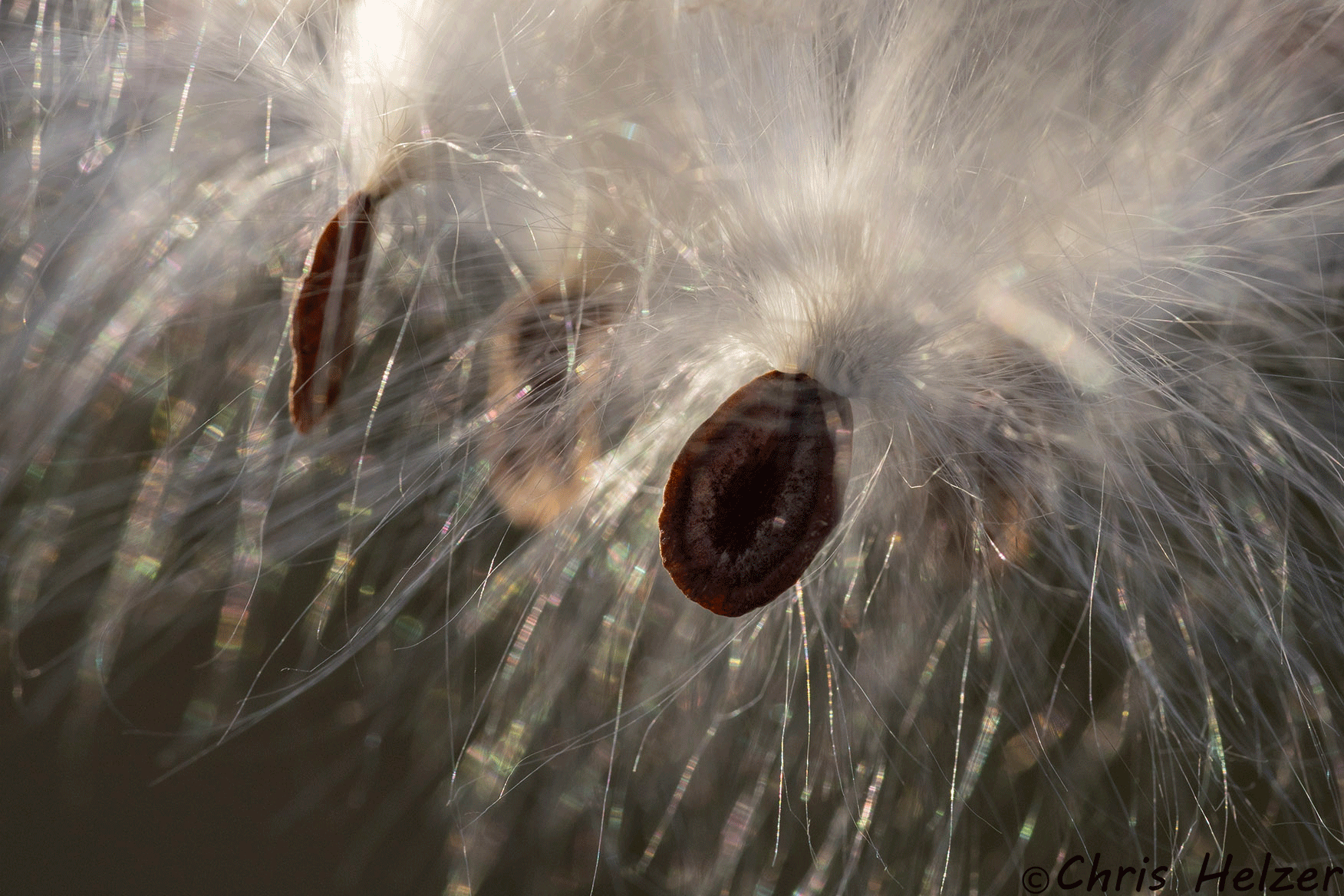
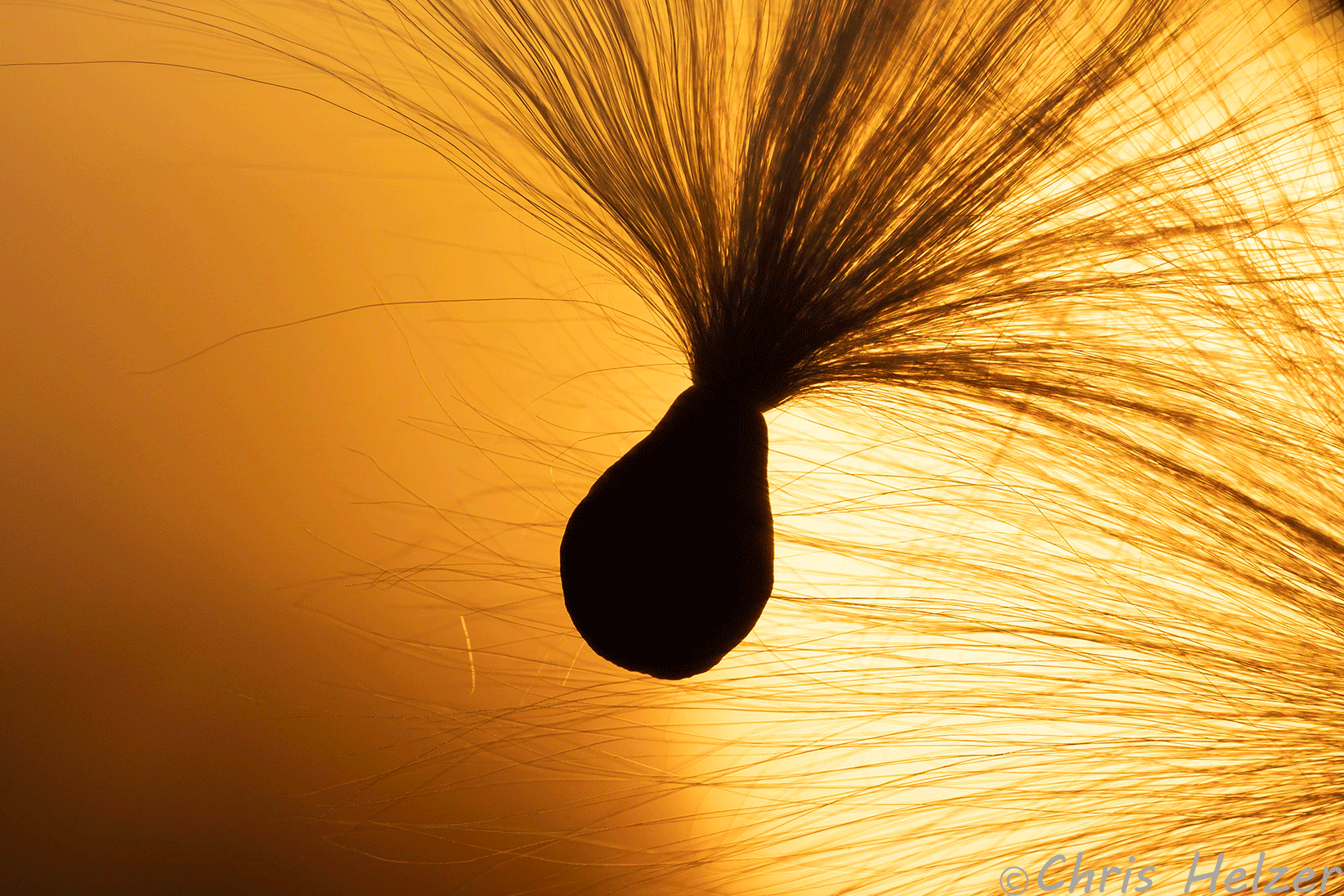
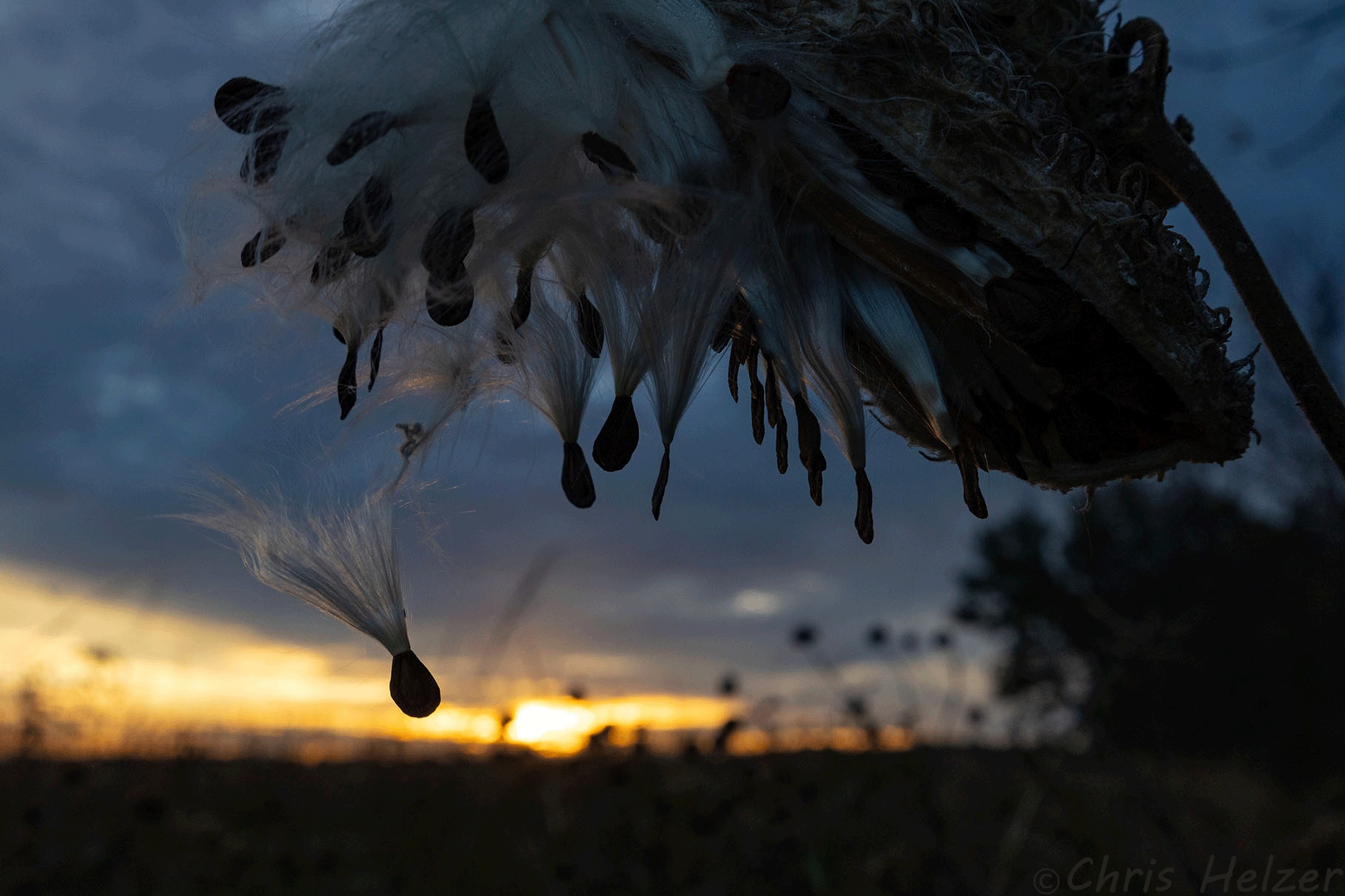
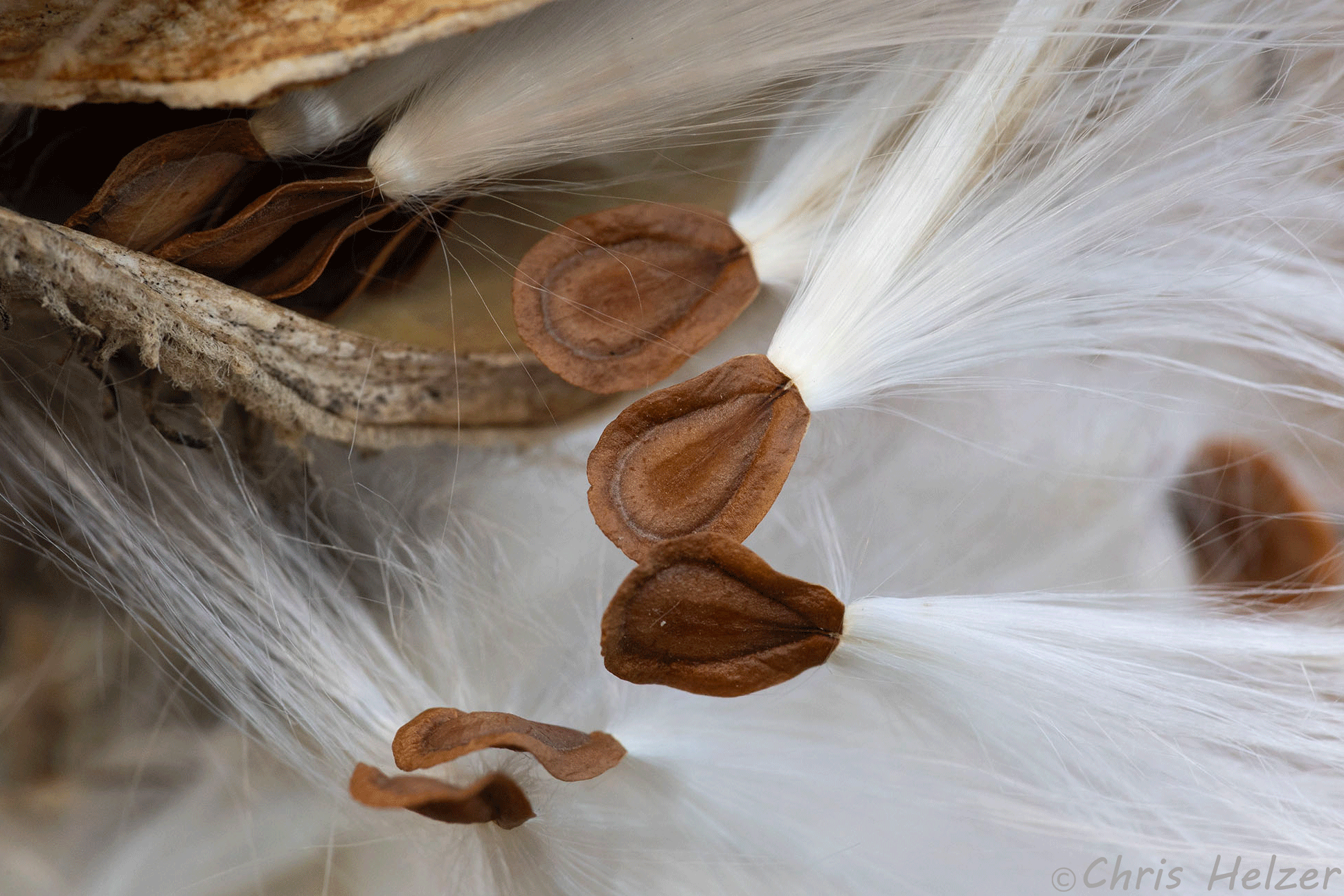
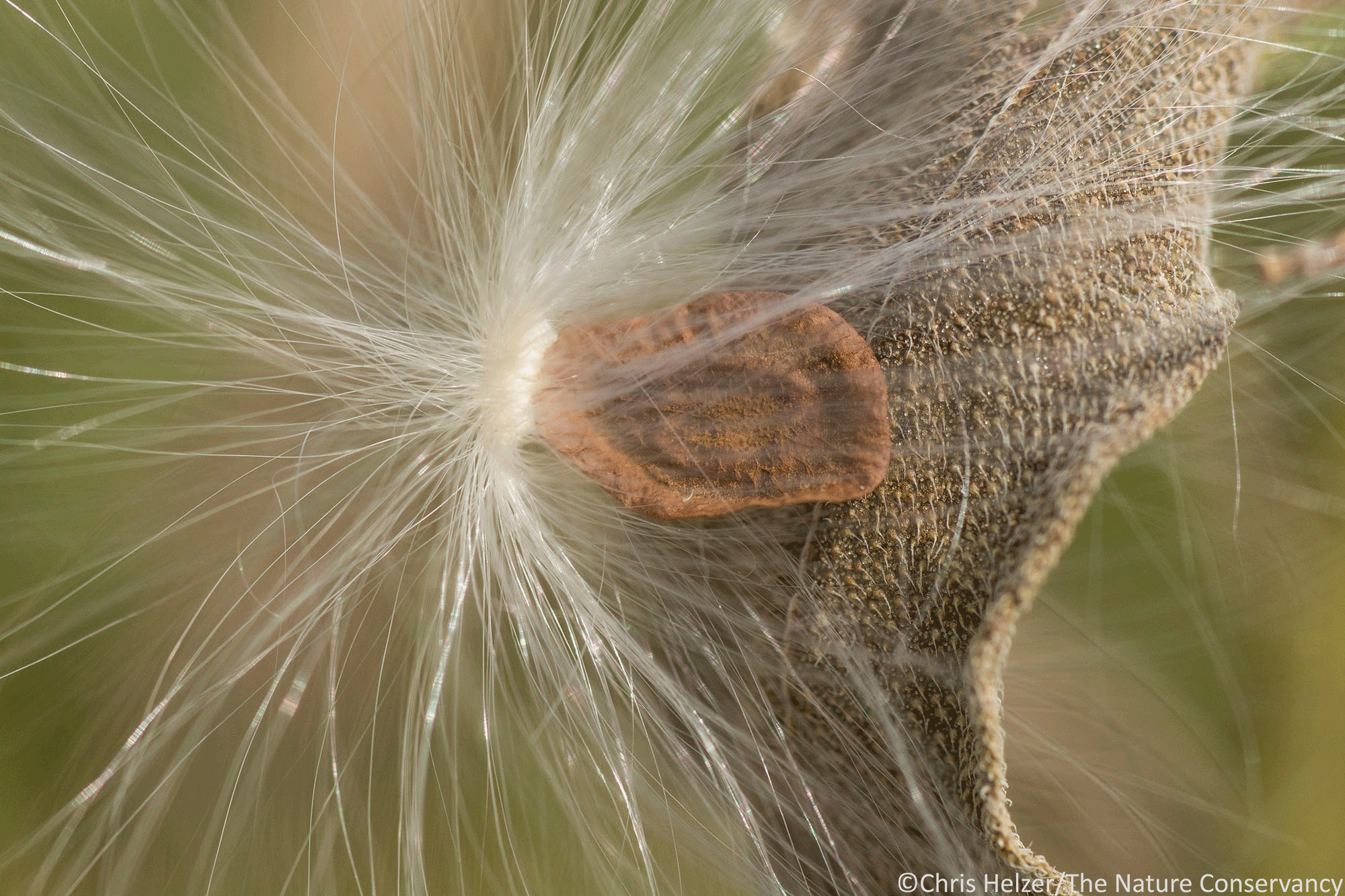
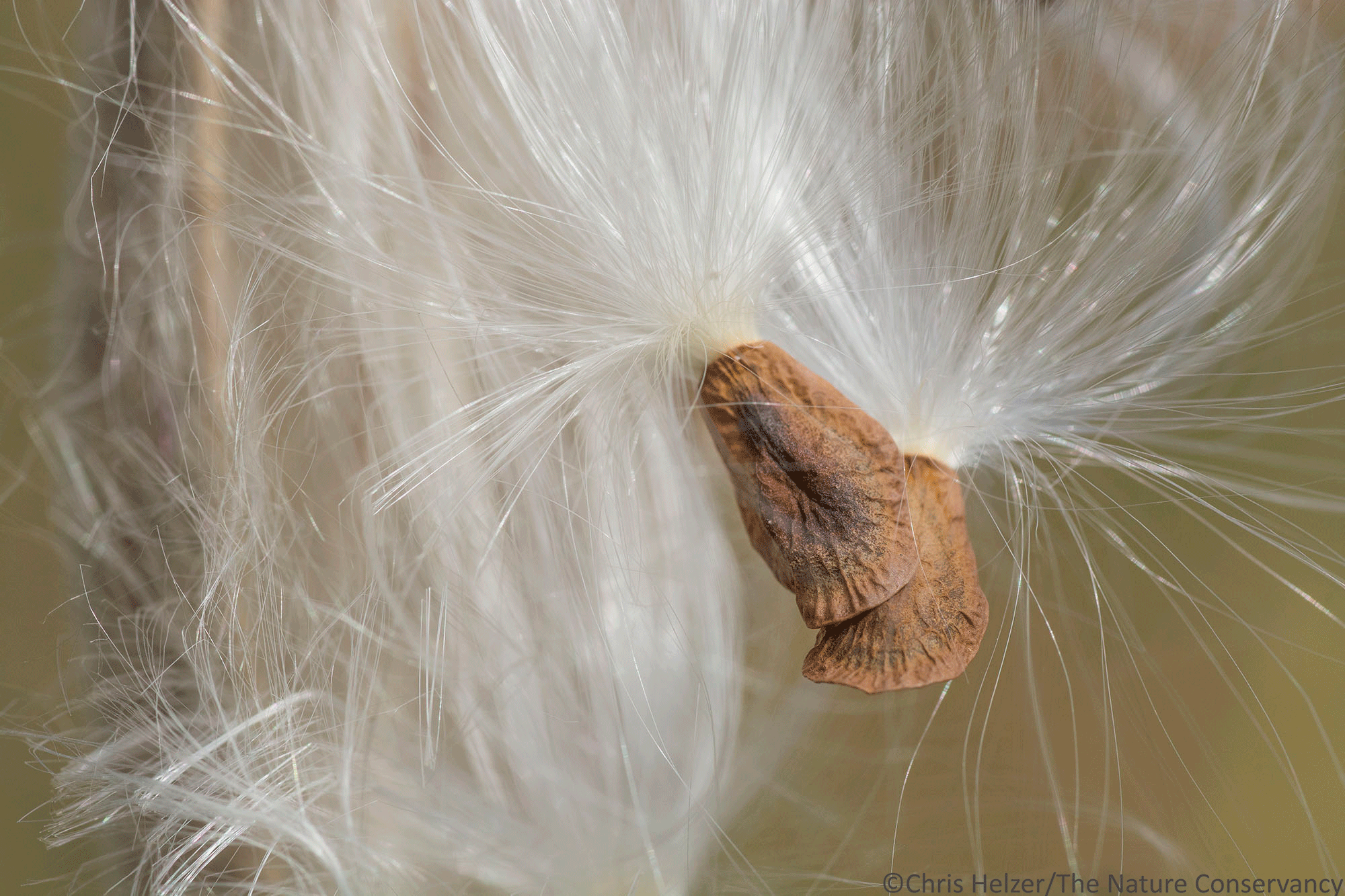
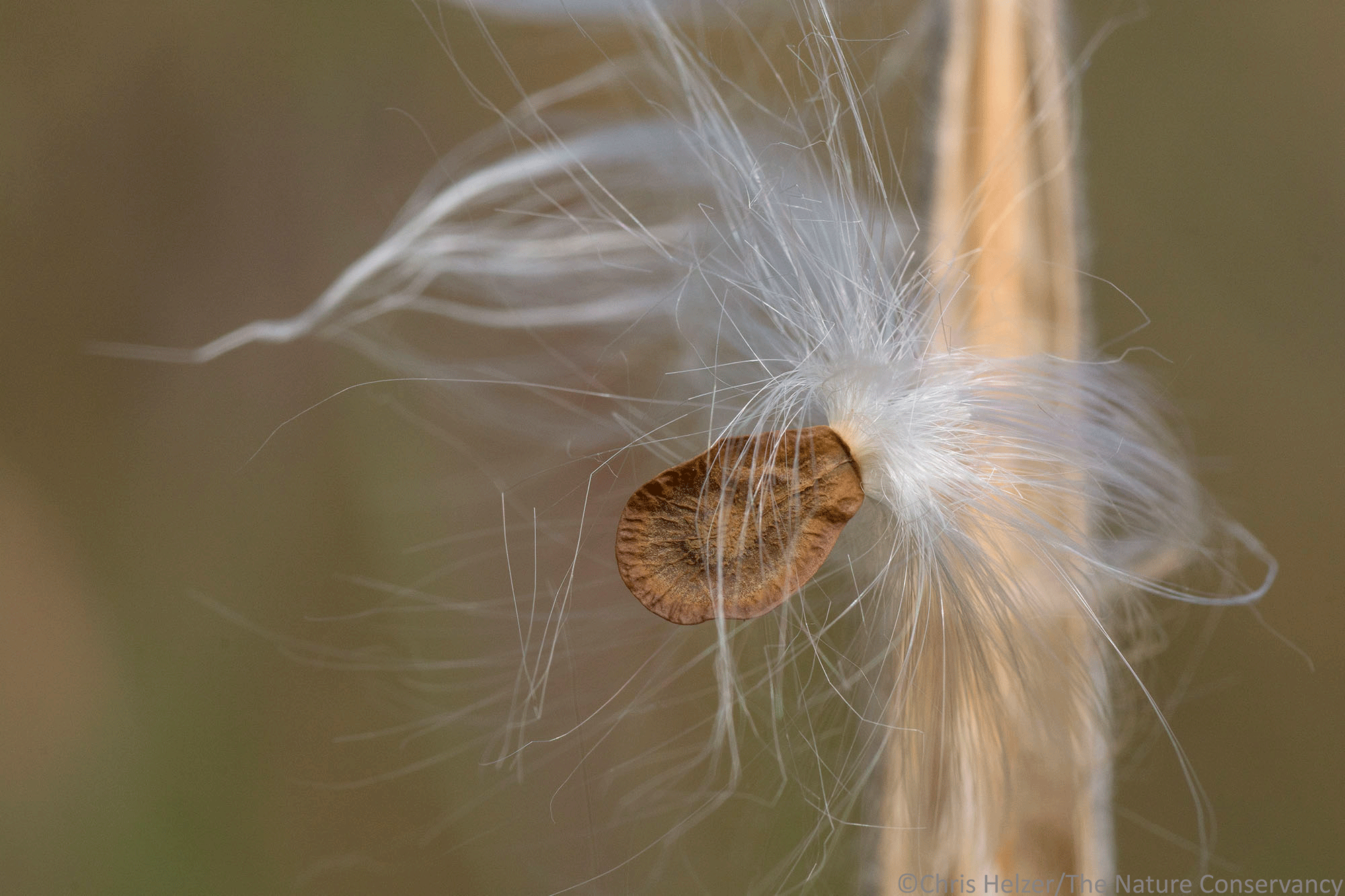
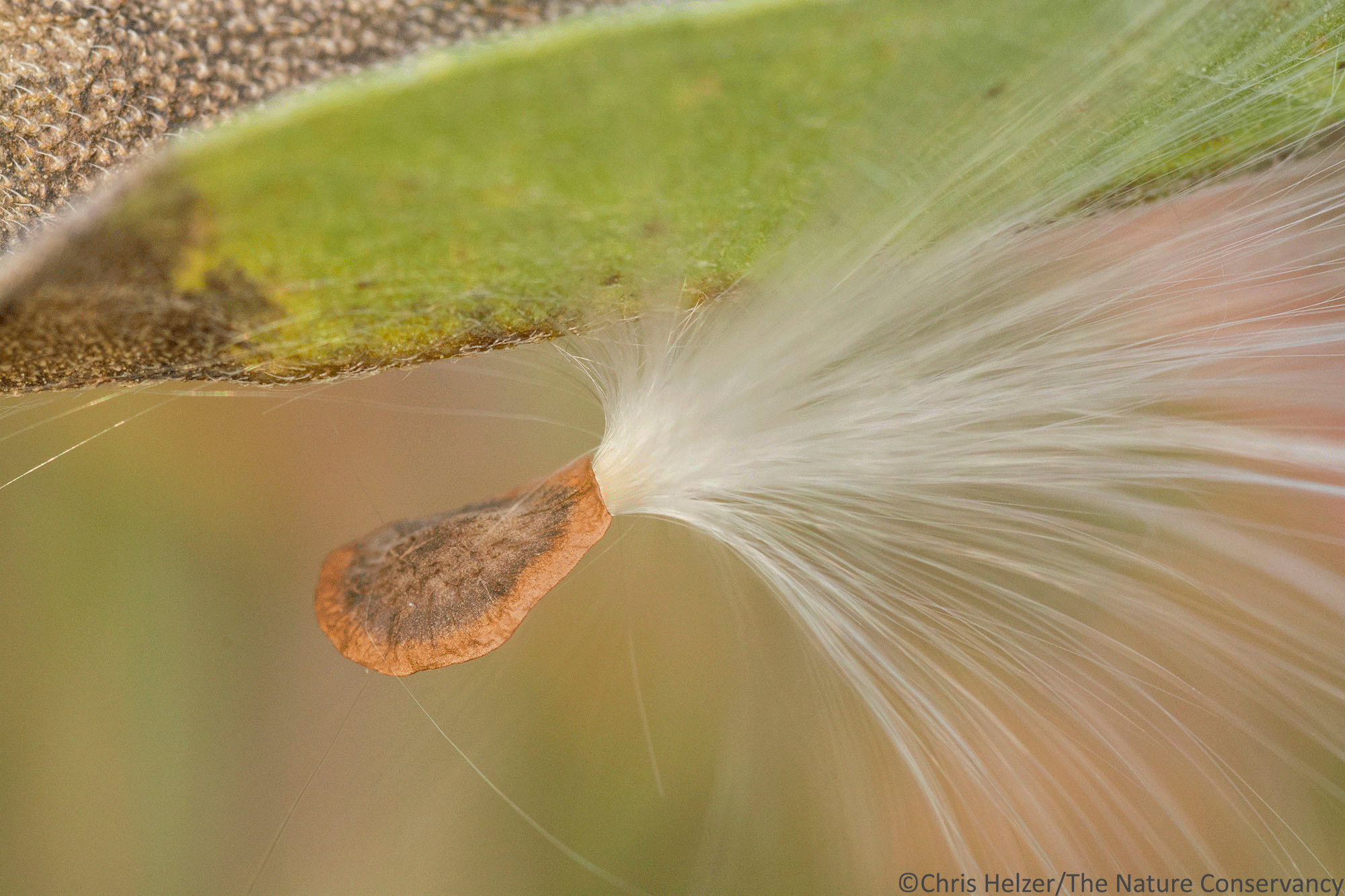
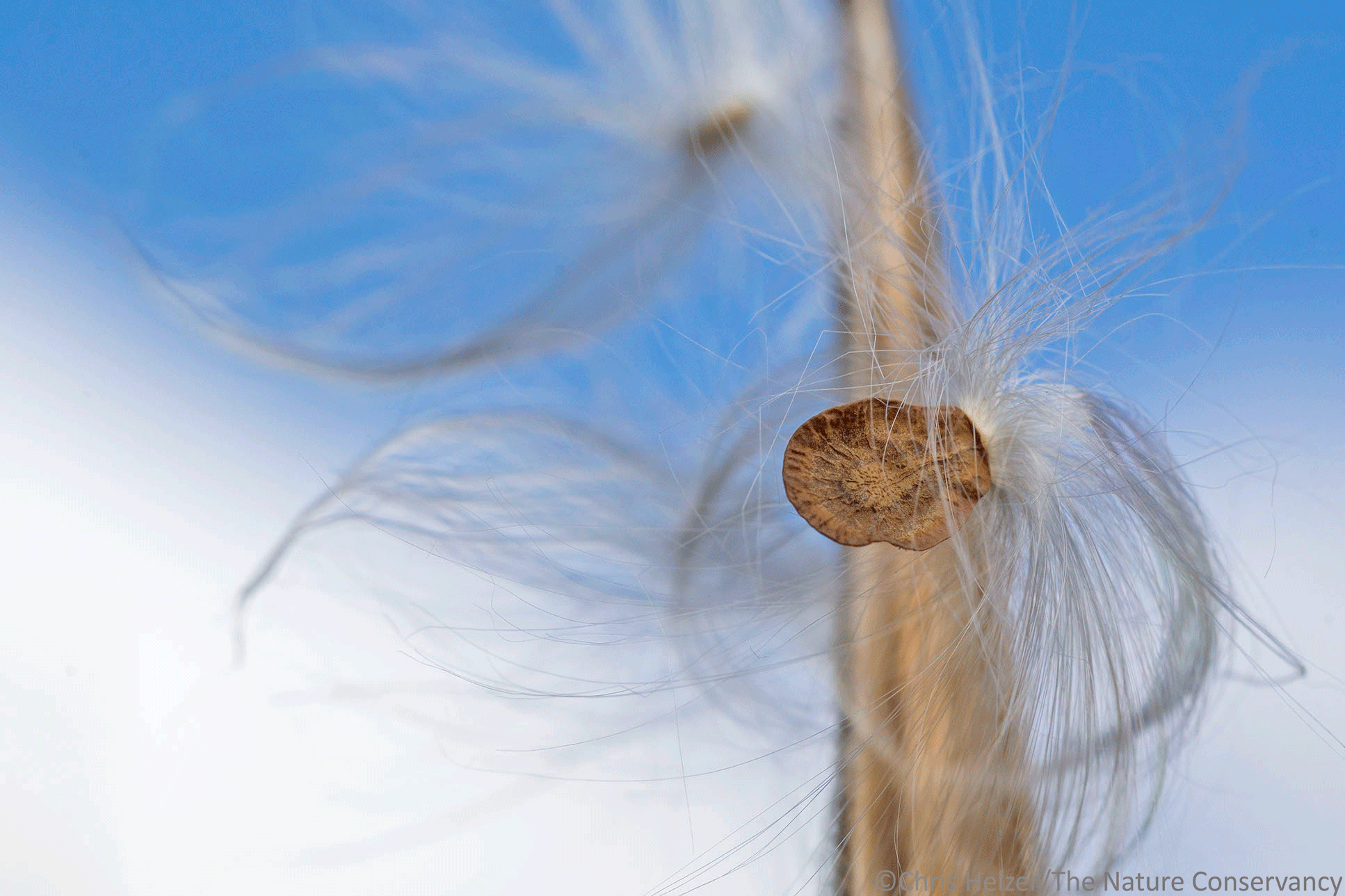
I have, of course, continued my photography of milkweed seeds. You might be getting tired of seeing them but I’m not. Feel free to skim past the photos but I’m going to keep putting them in front of you.
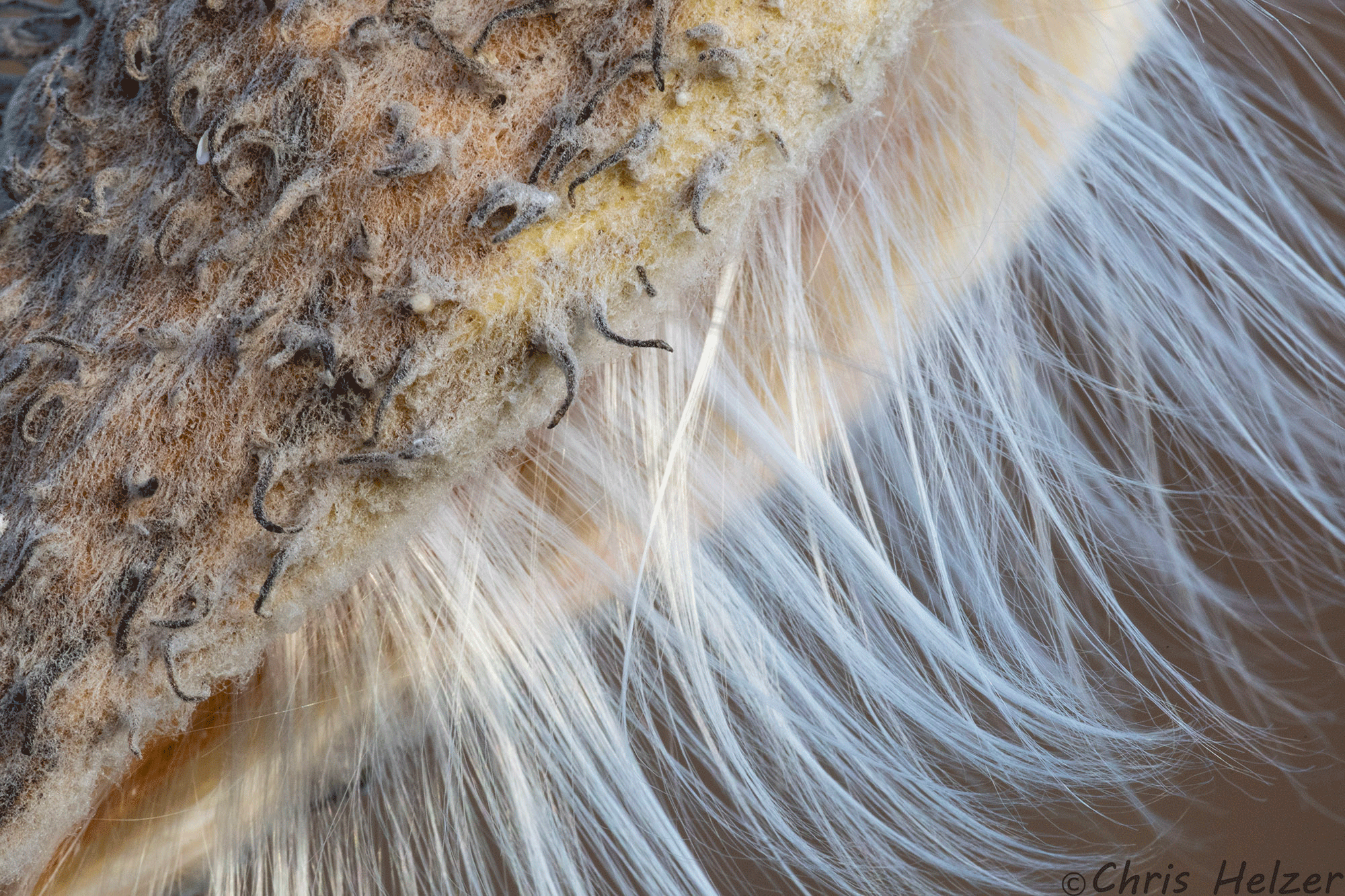
This photo reminded me of virga – the rain that falls from clouds but never hits the ground
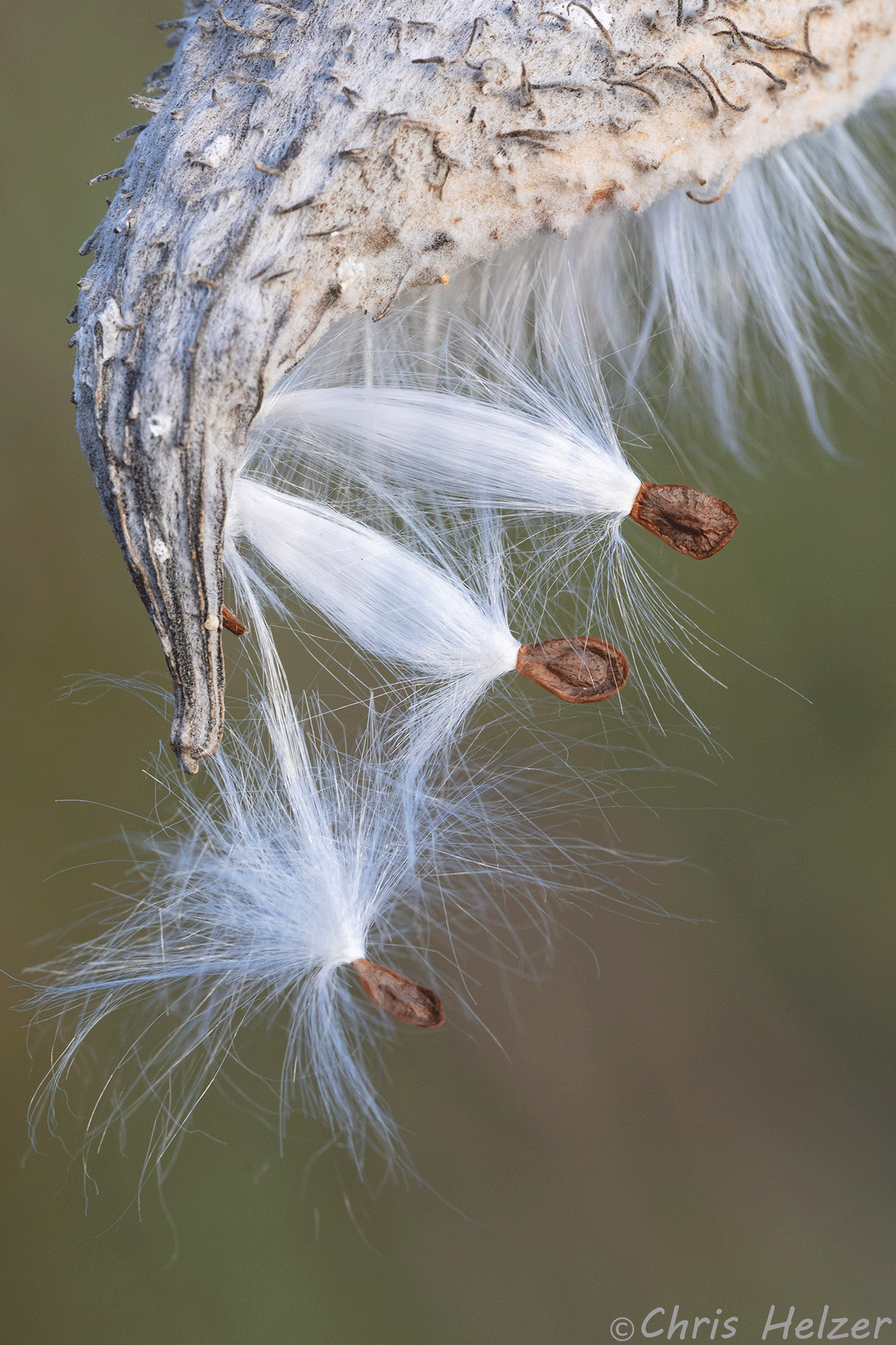
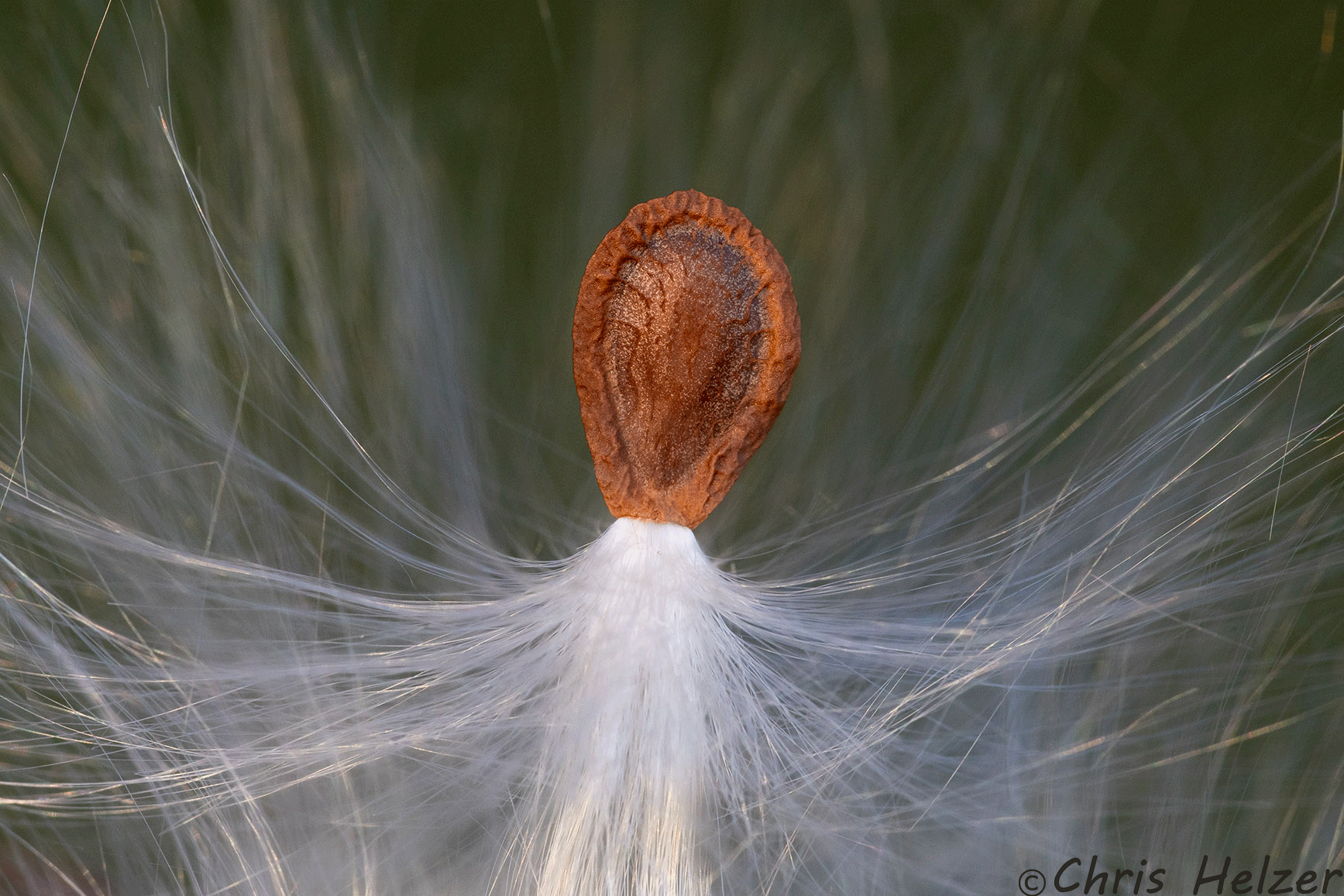
Common milkweed seed
Seeds coming out of a milkweed faucet?
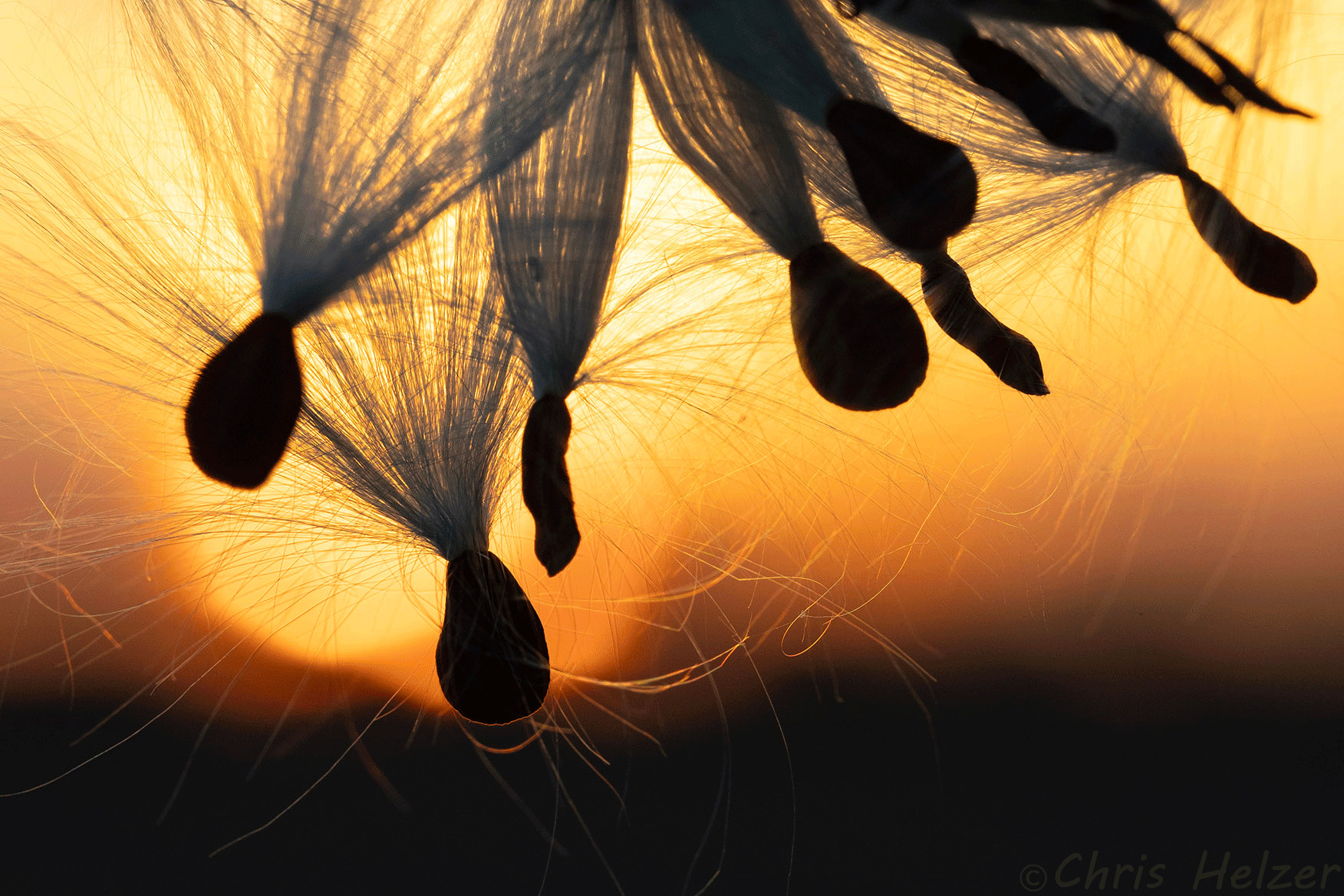
Backlit milkweed seeds

I’ve also been catching a lot of sunrises recently. It’s a lot easier to do that this time of year when the sun is coming up at almost 8am. It hardly feels like a challenge at all to get up before the sun these days. Now the challenge has switched to being able to get out to the prairie and then back to work before people expect me to be on calls or in meetings.
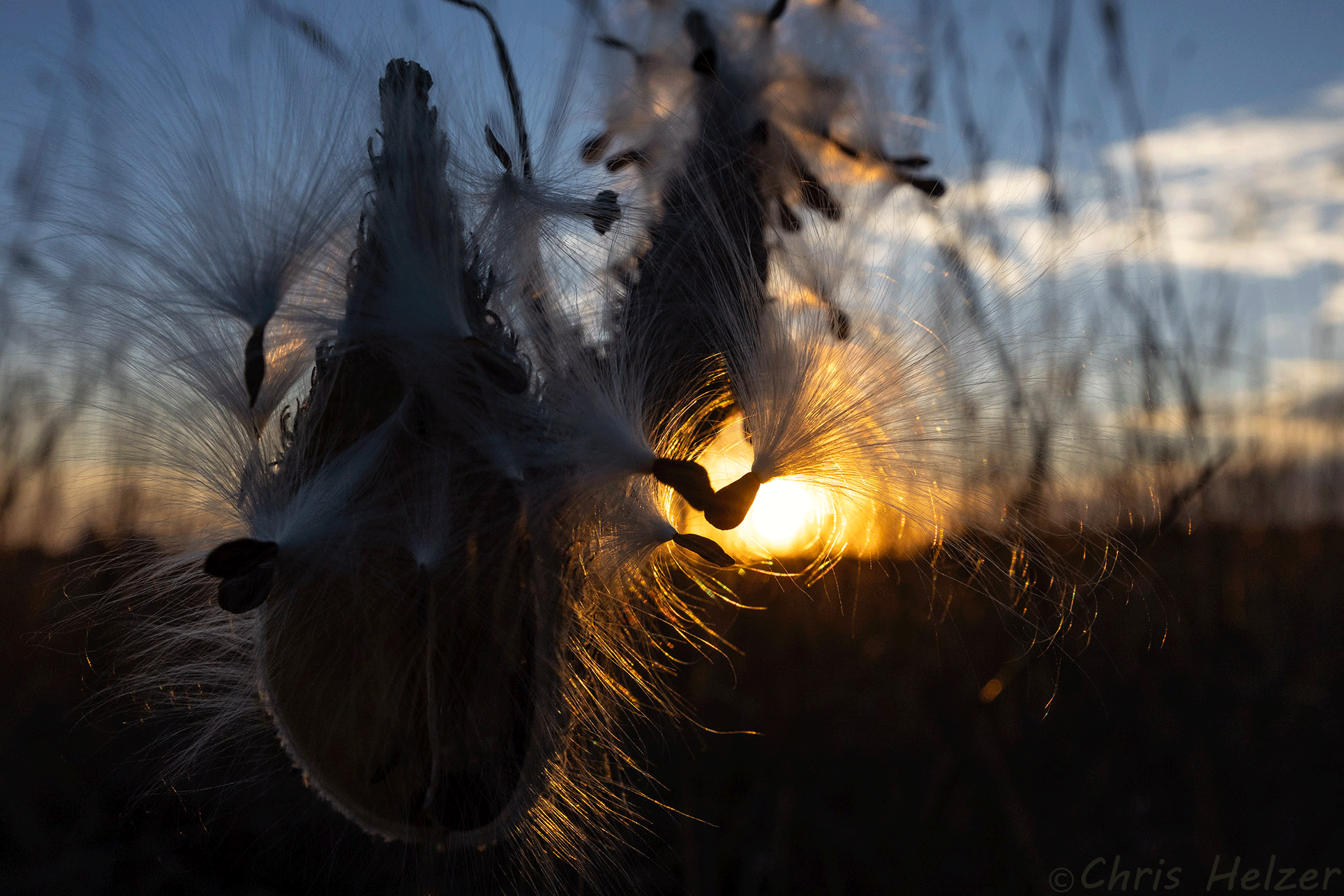
Sunrise and milkweed pod #1
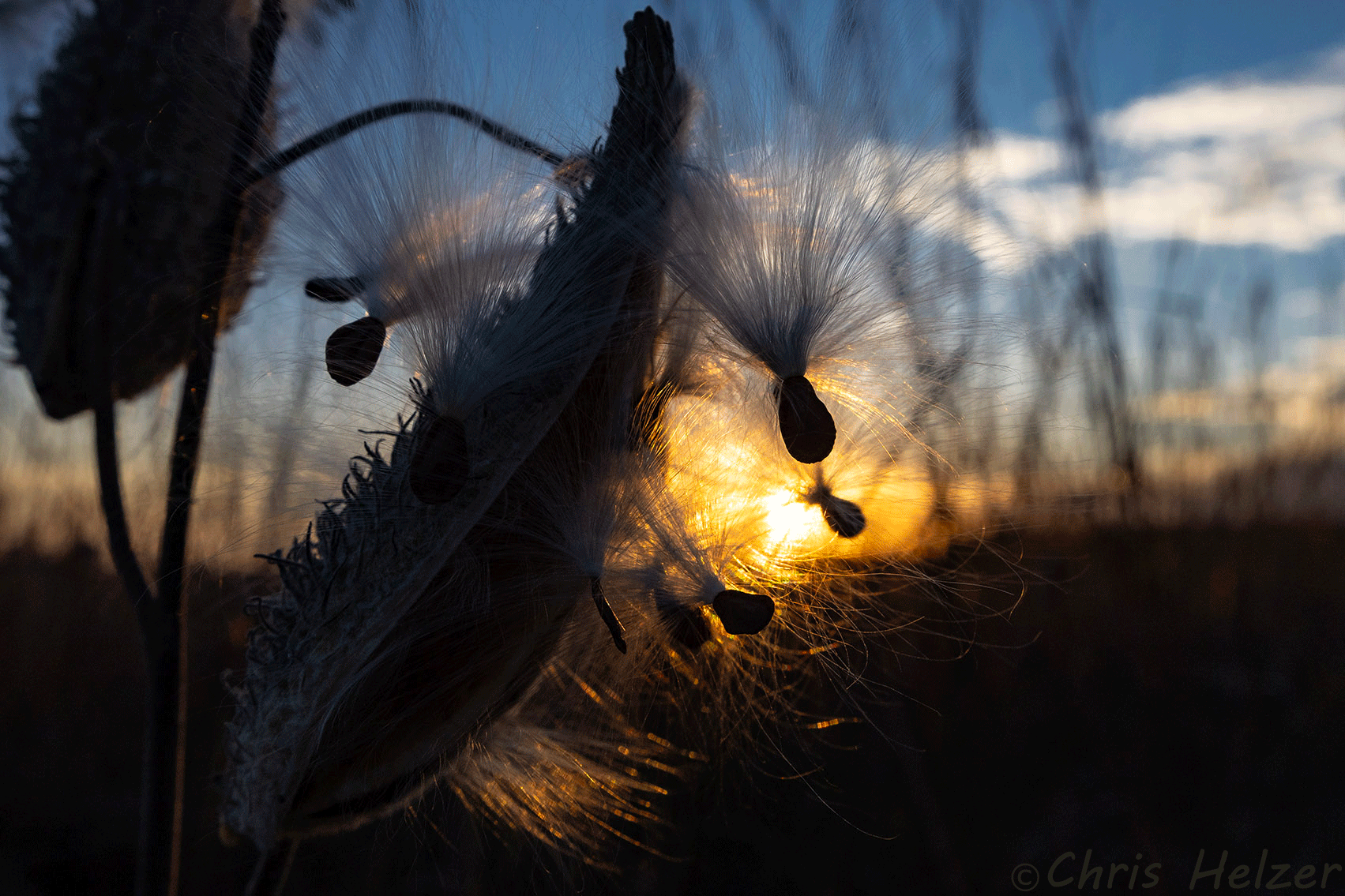
Sunrise and milkweed pod #2
More milkweed seeds at sunrise
Yet another milkweed seed at sunrise

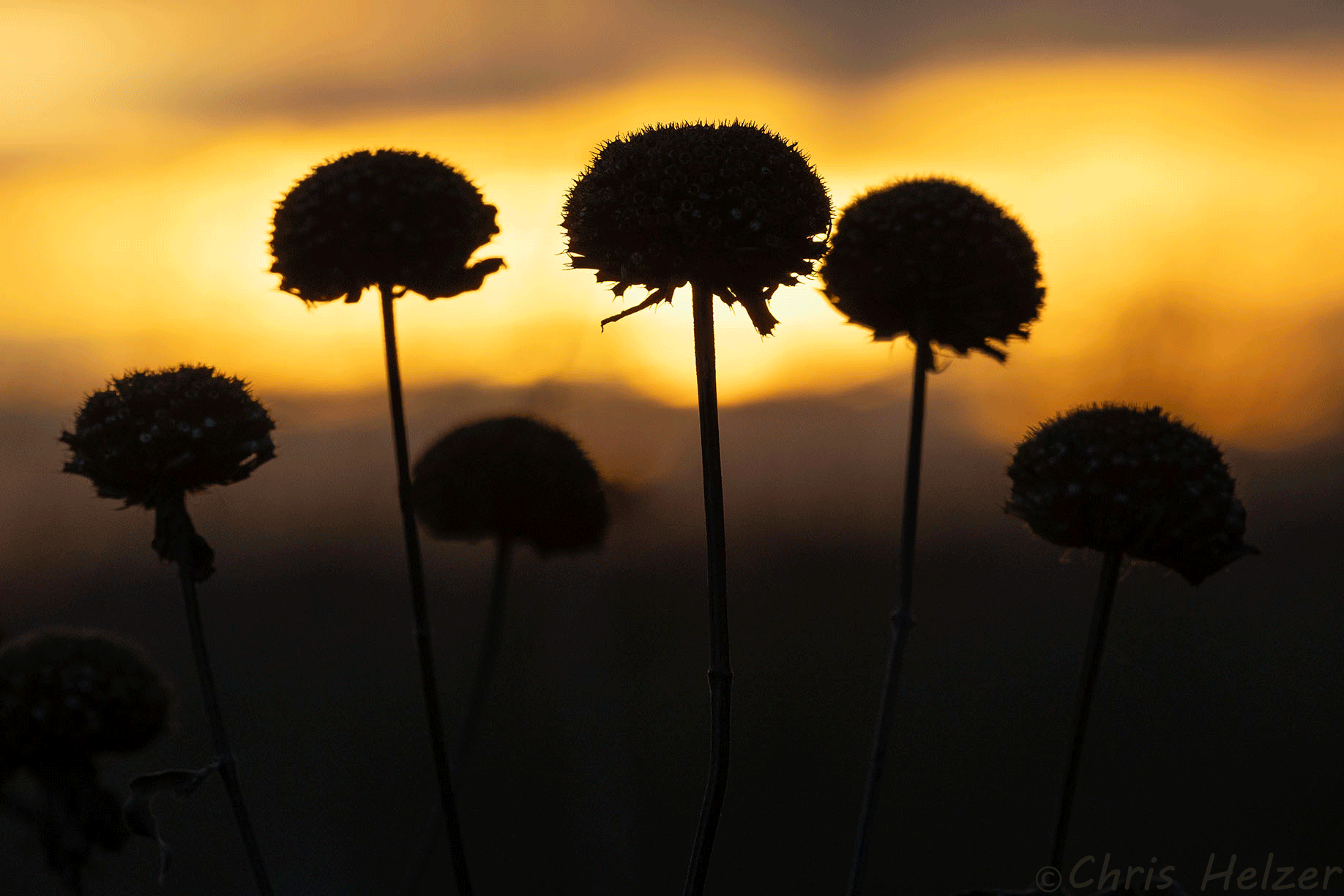
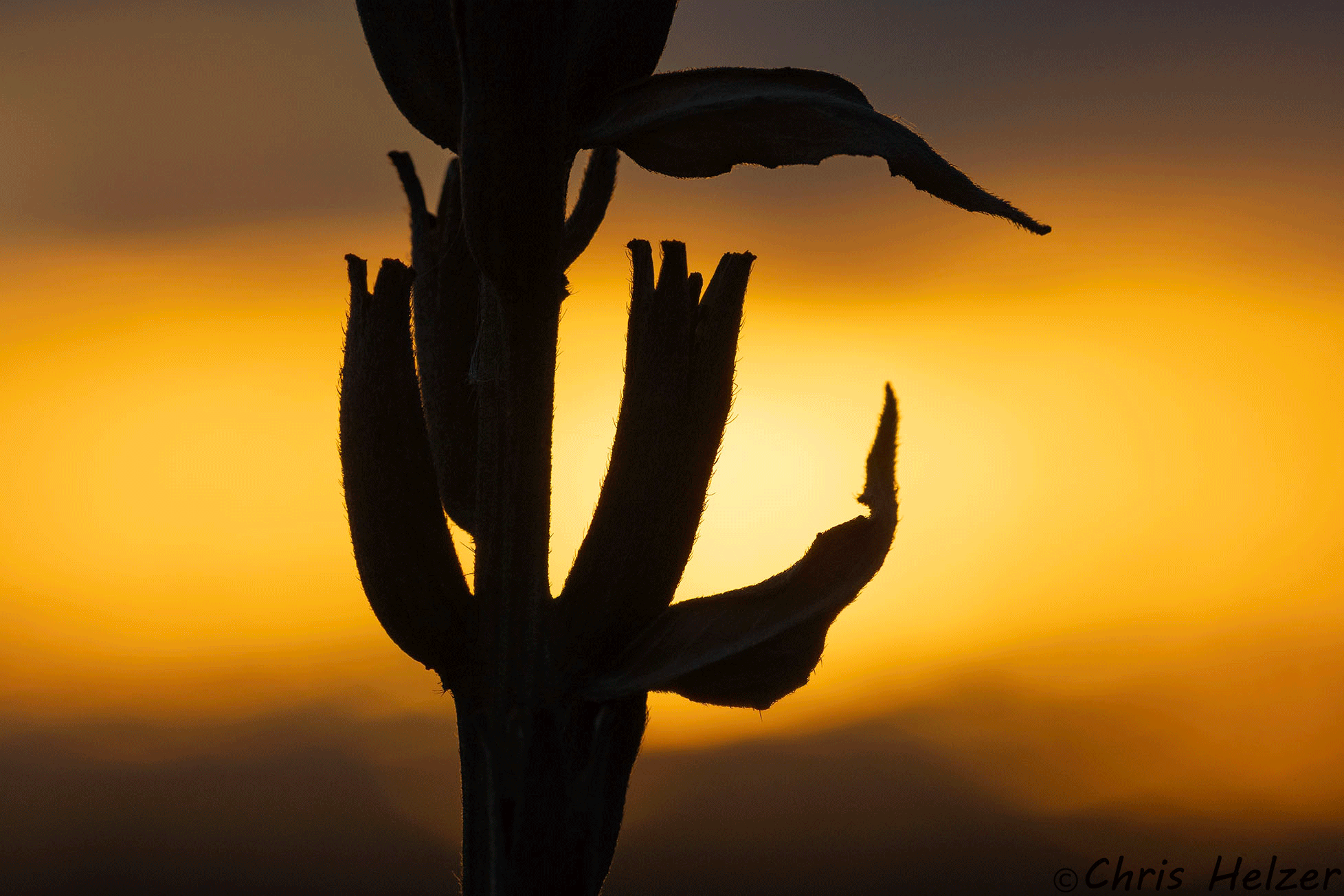
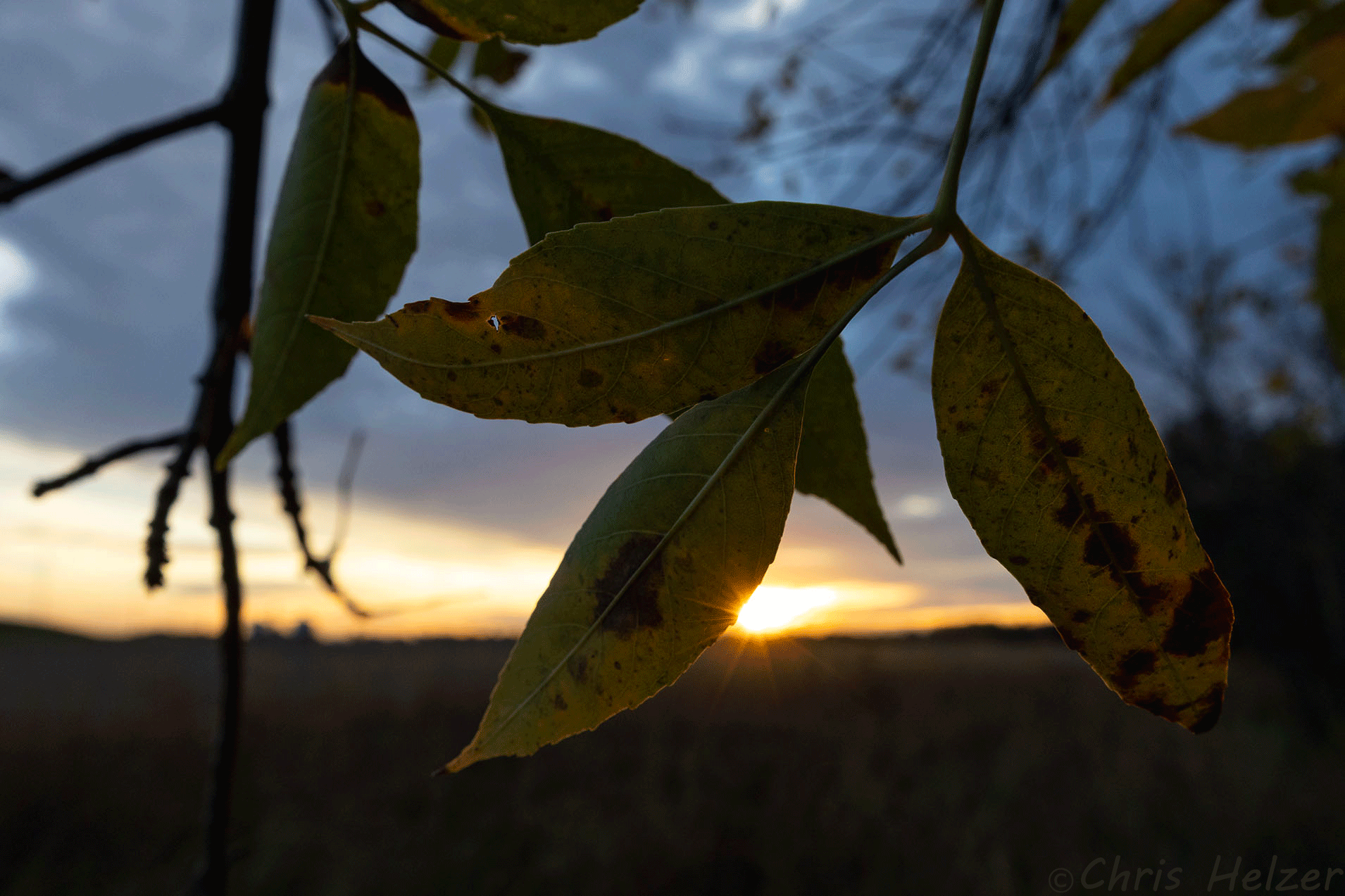
This week, I caught a sunrise at Lincoln Creek Prairie that provided some terrific color. Just as the color was starting to fade, a big bank of clouds slid slowly across the sky and gradually squeezed the light out. It was the unusual situation in which the intensity of light decreased as the sunrise progressed. Here’s a series of photos showing the photos I took as the clouds stole my light.
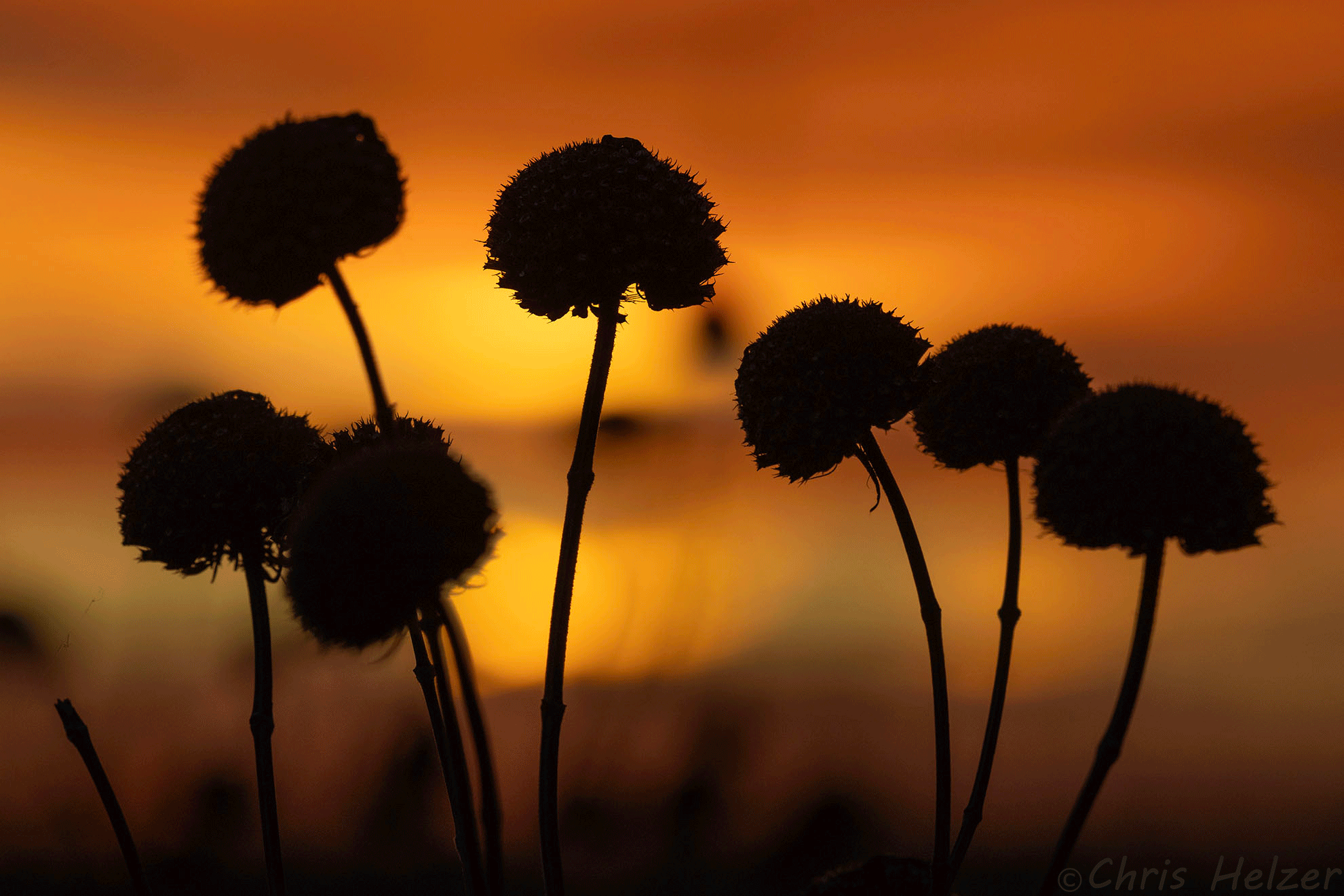
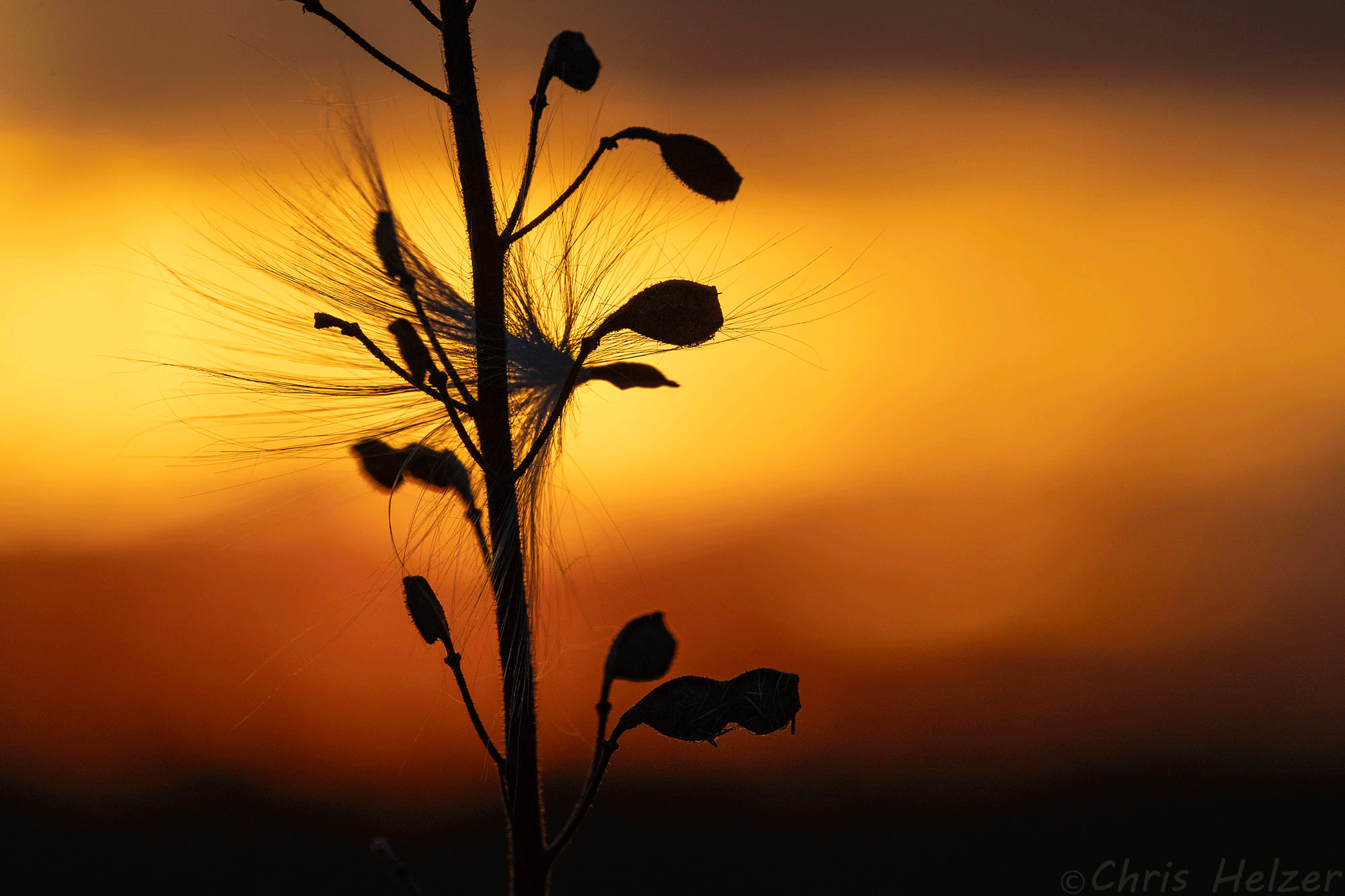
Peak sunrise light with wild bergamot (Monarda fistulosa)
Illinois tick trefoil and a milkweed seed
Bergamot in front of an ever-tightening band of color
Common evening primrose pods
Green ash leaves as the clouds swallowed the sun
Milkweed seeds just before the light disappeared
Milkweed seeds after the sun went behind the clouds
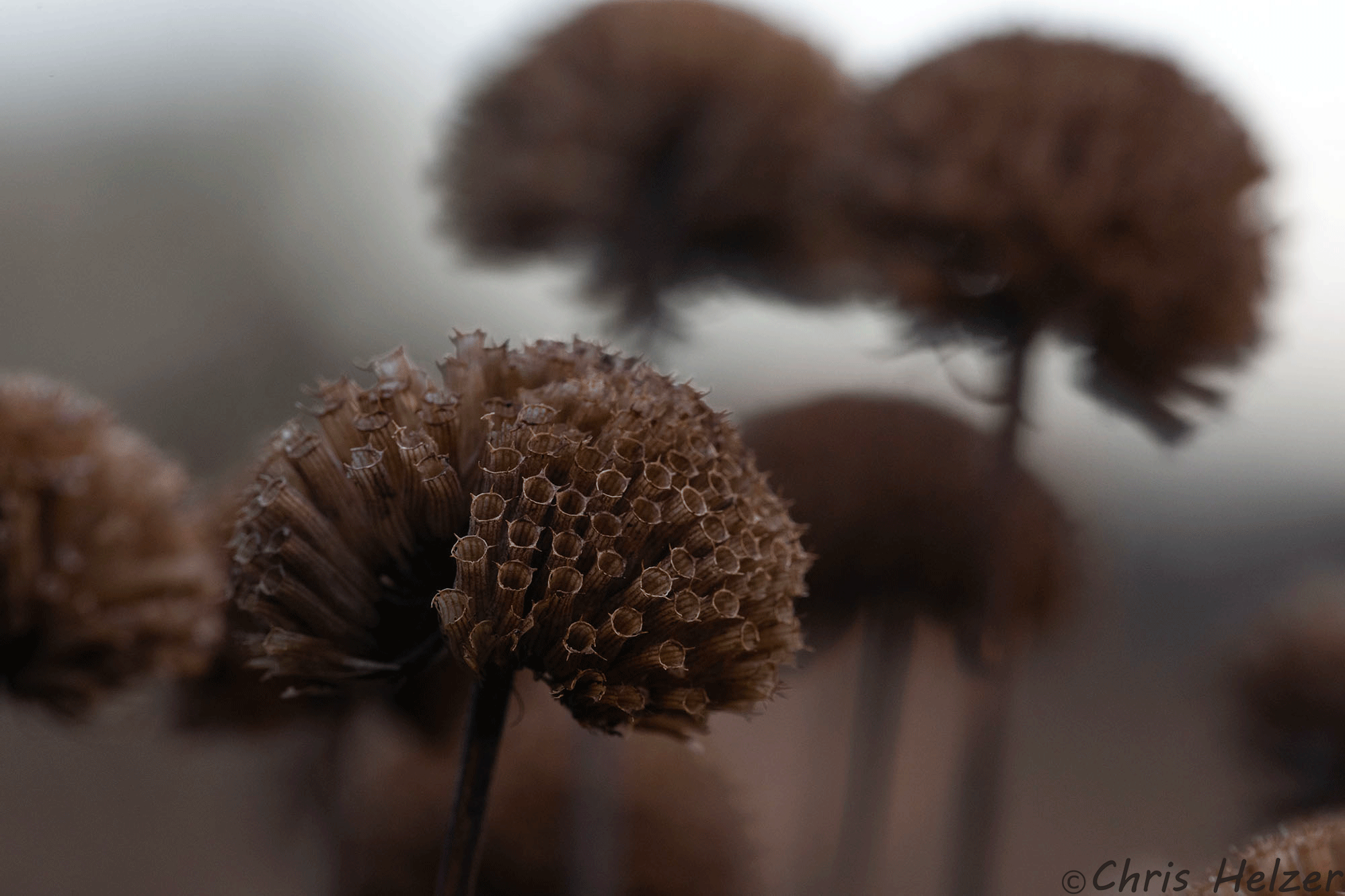
Last shot of the morning – wild bergamot

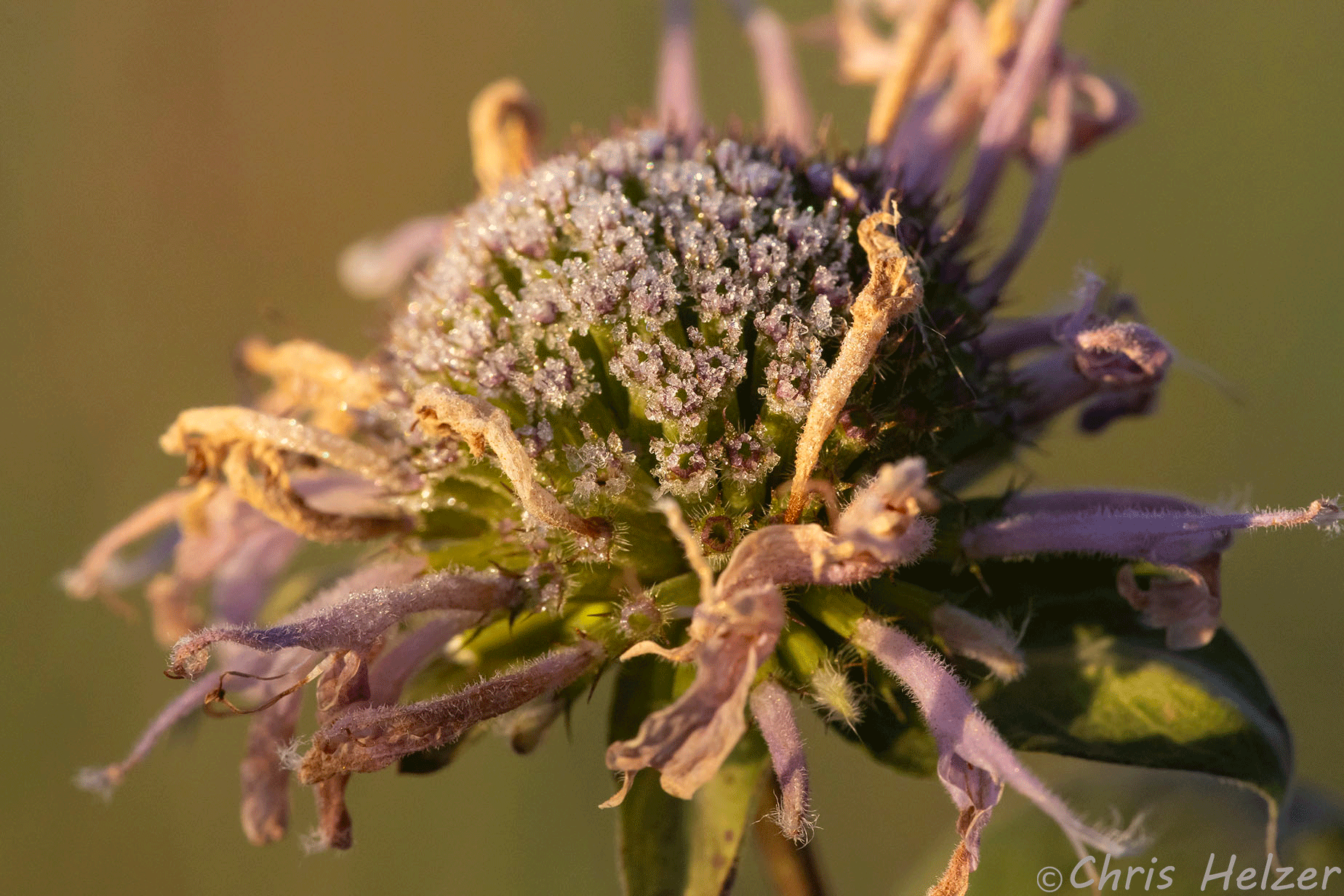
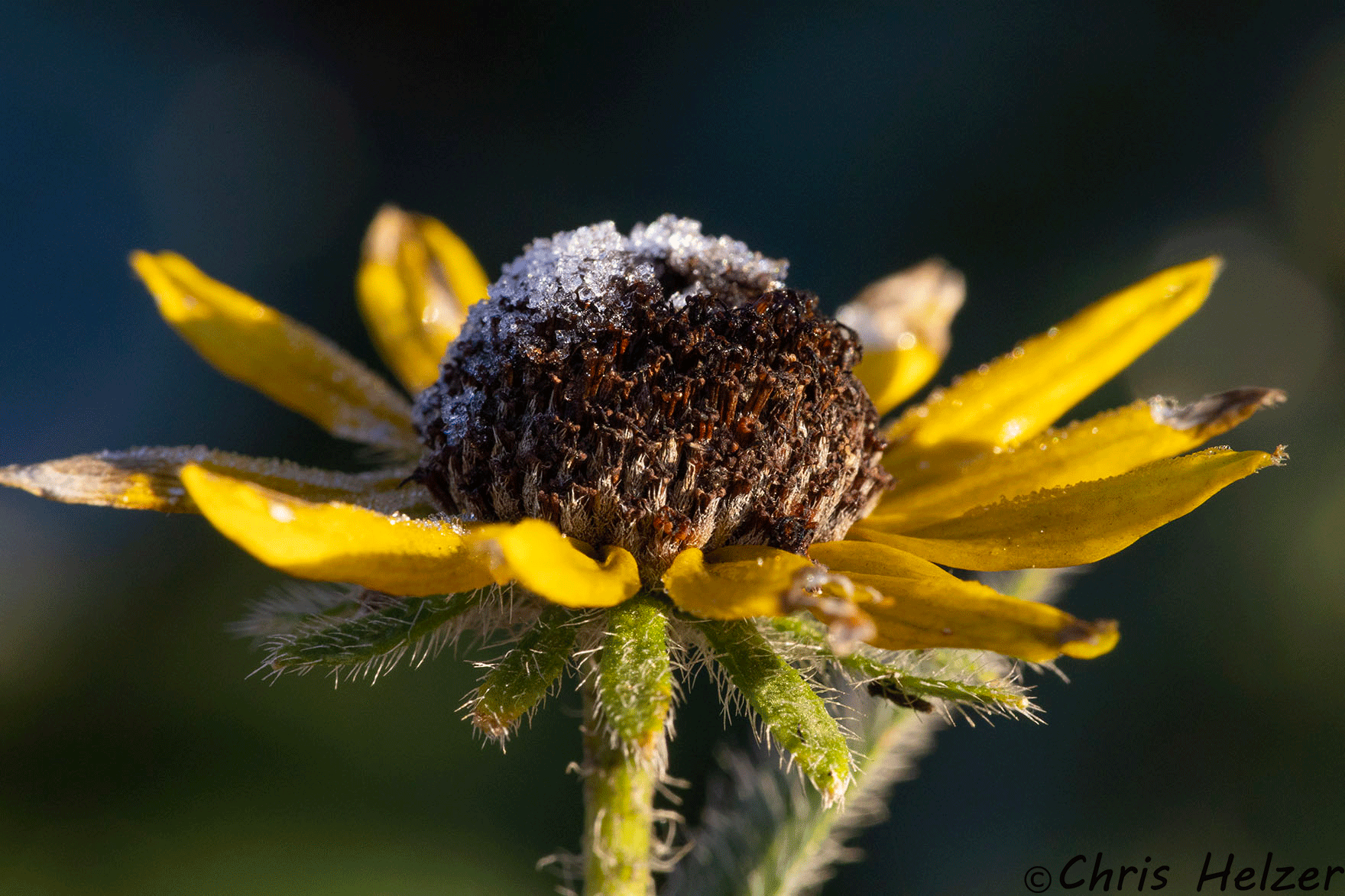
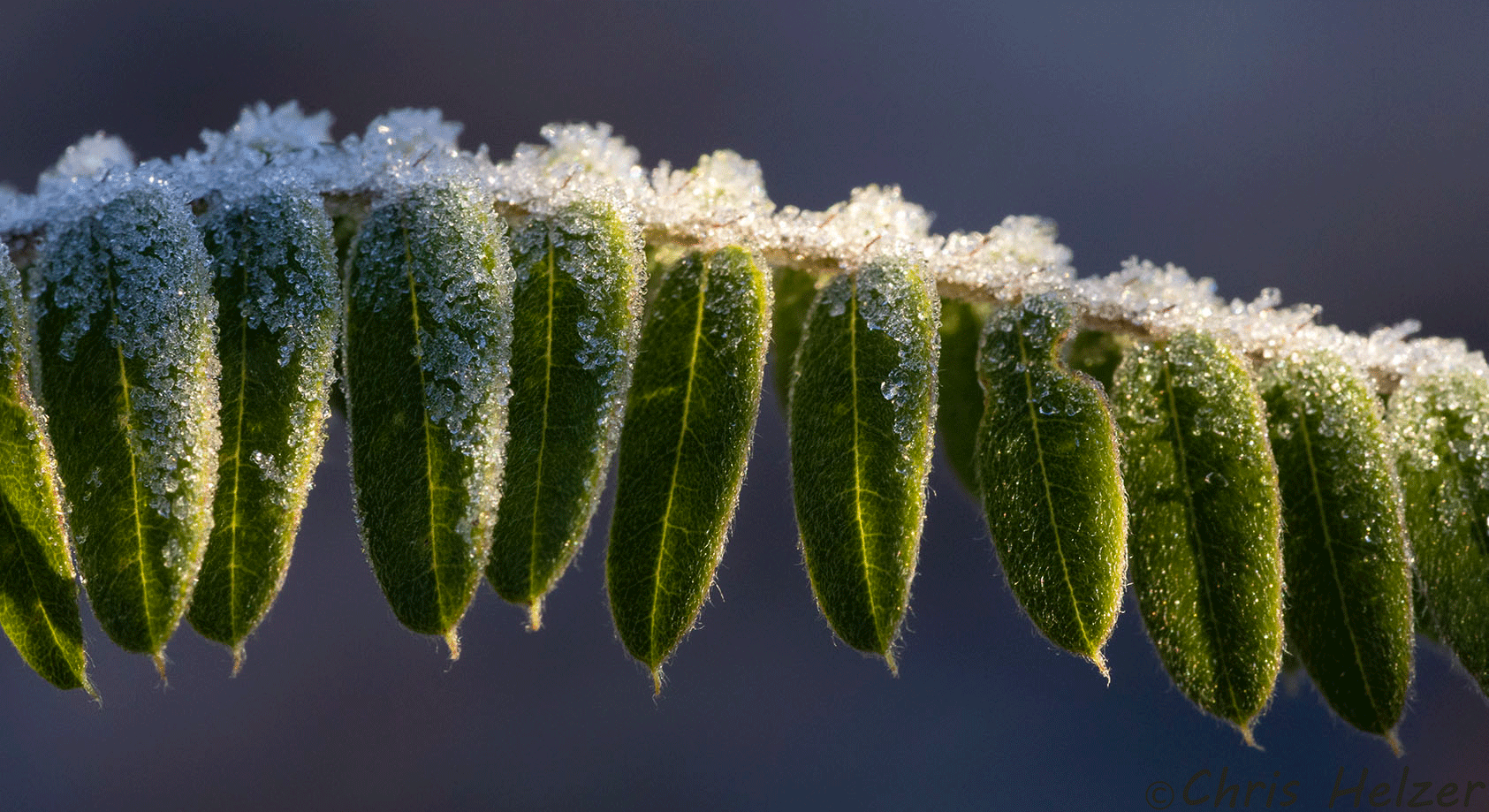
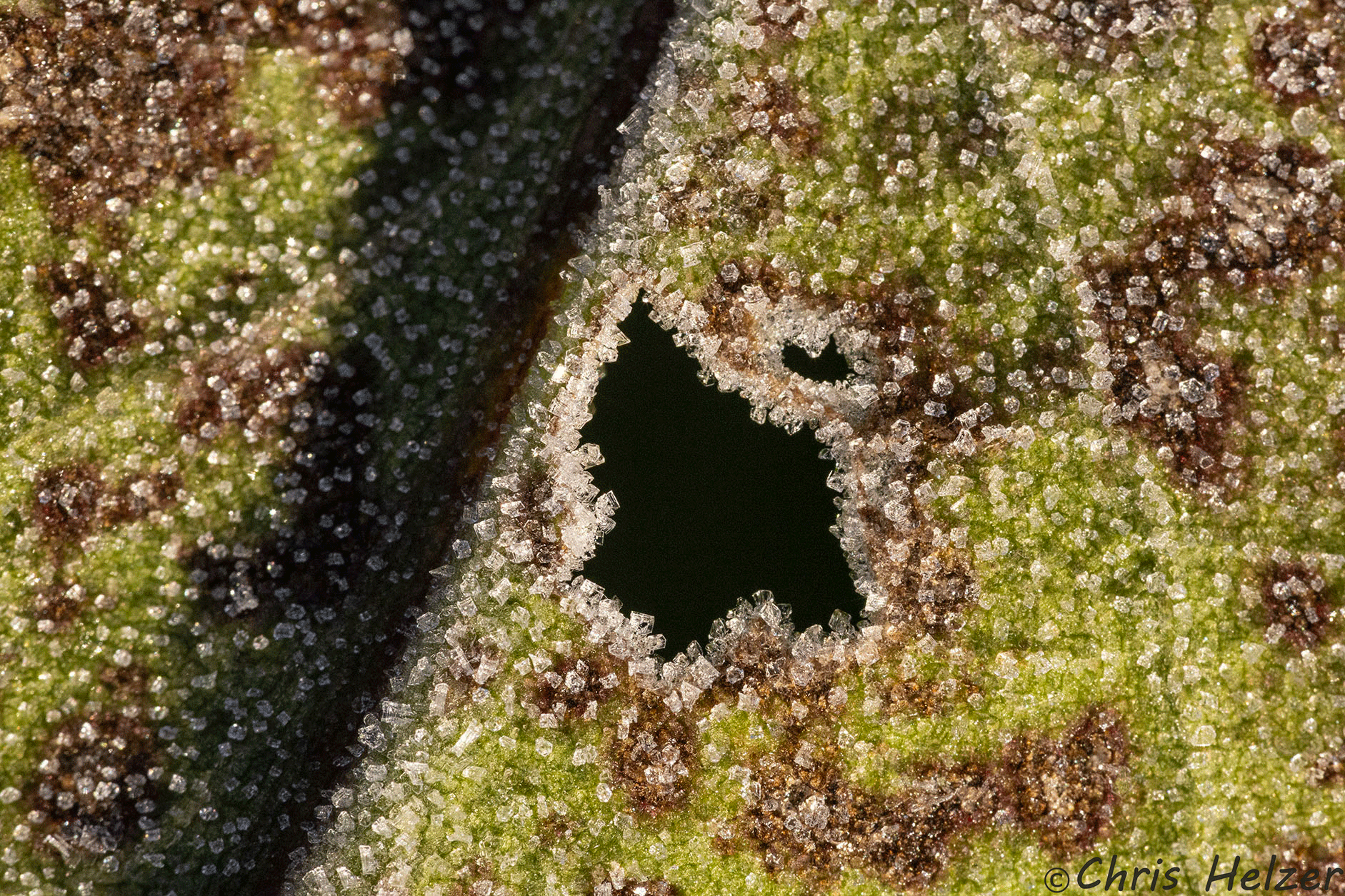
The morning after I returned from some warm sunny days in Kentucky, we had our first frost of the season here at home. I stole a few minutes in my backyard prairie garden and captured a few shots of the frost before the sun burned it off.
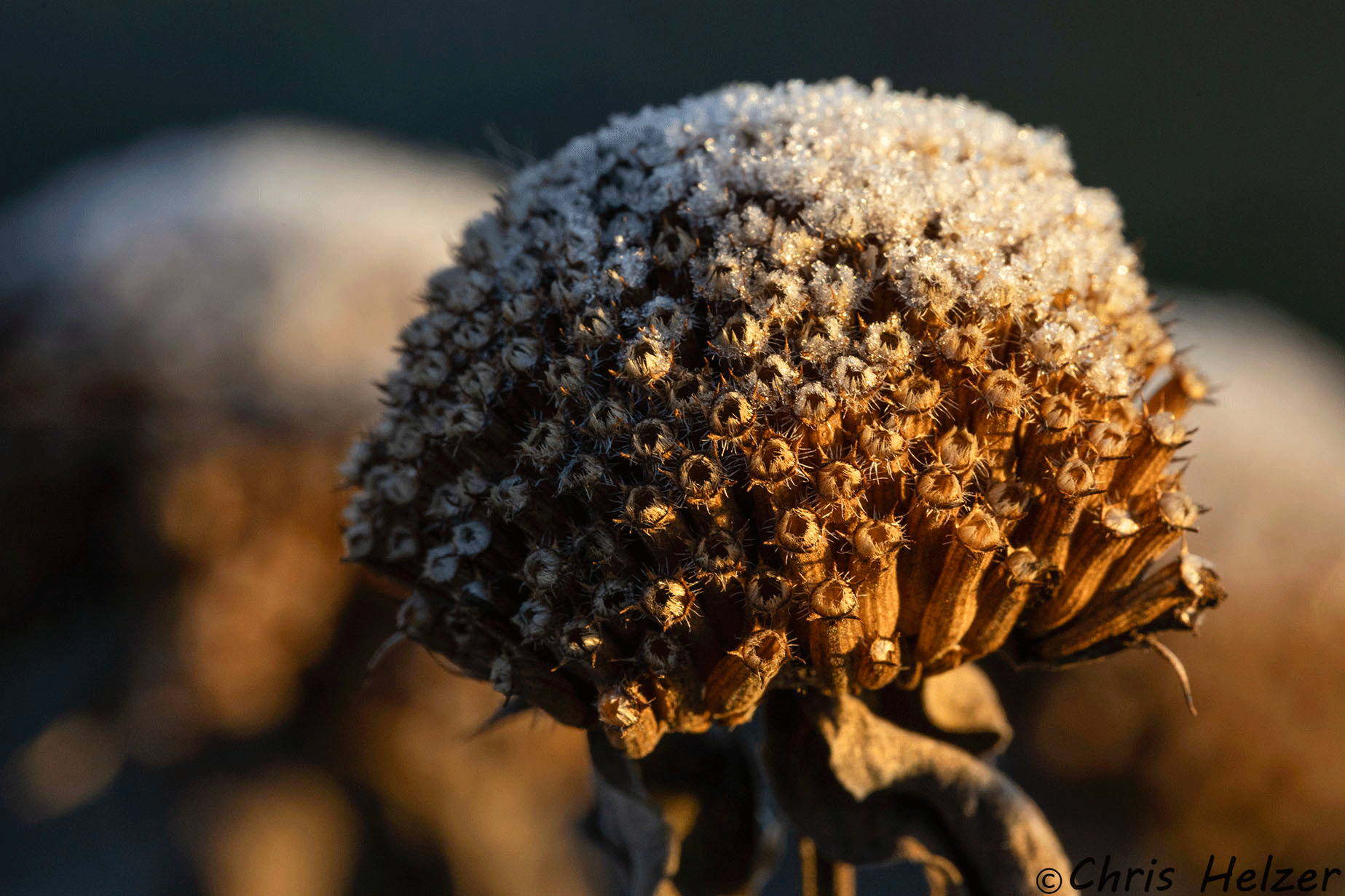
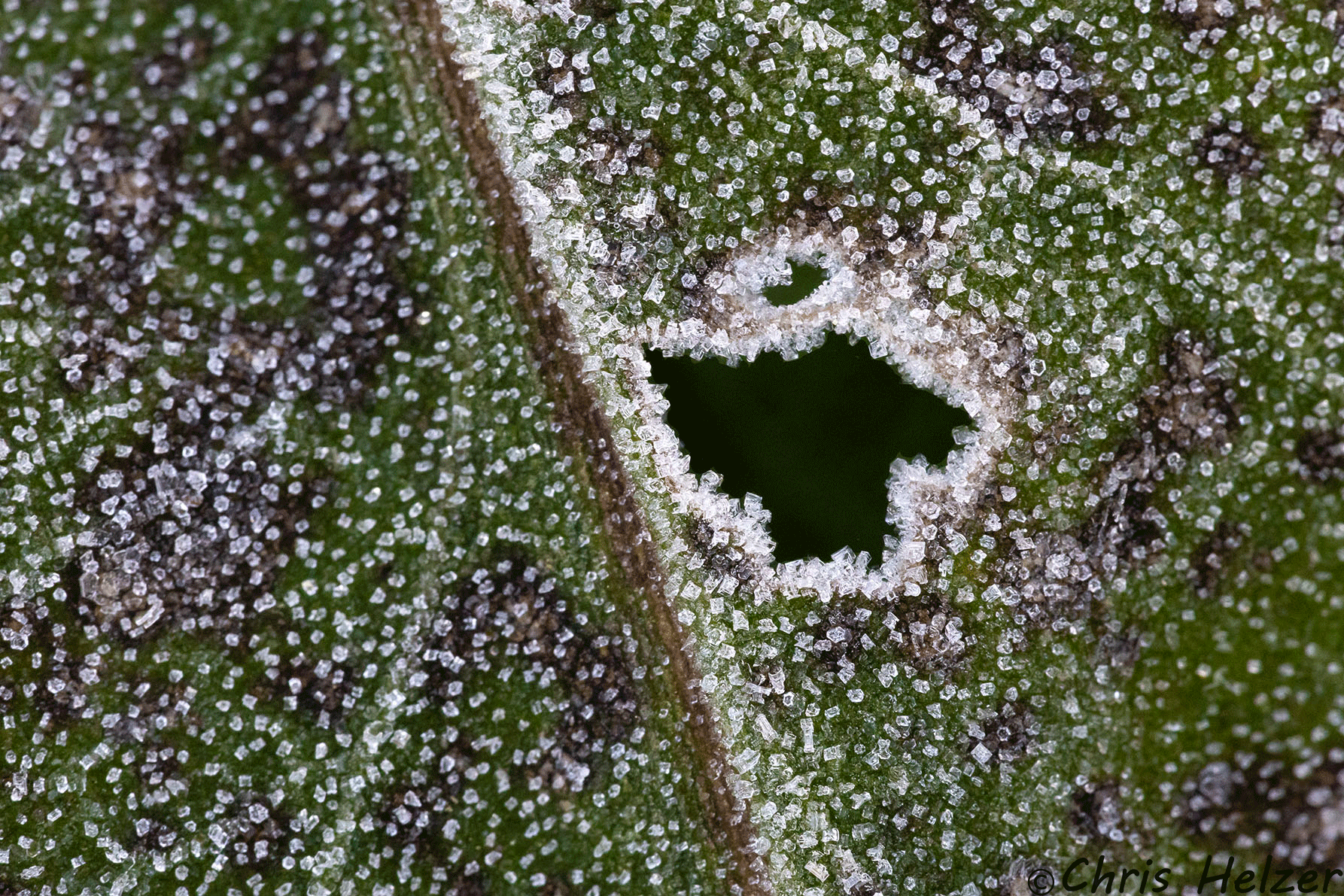
Bergamot and frost
Stiff goldenrod leaf
Wild bergamot flower
Black-eyed Susan
Leadplant leaf
The same stiff goldenrod leaf as above as the sunlight was getting almost too intense to work with

I hope you’re having a great October so far. There’s a lot happening in the world, but if you’re like me, a little time in the prairie can make it all a little easier to handle. Be well, friends.
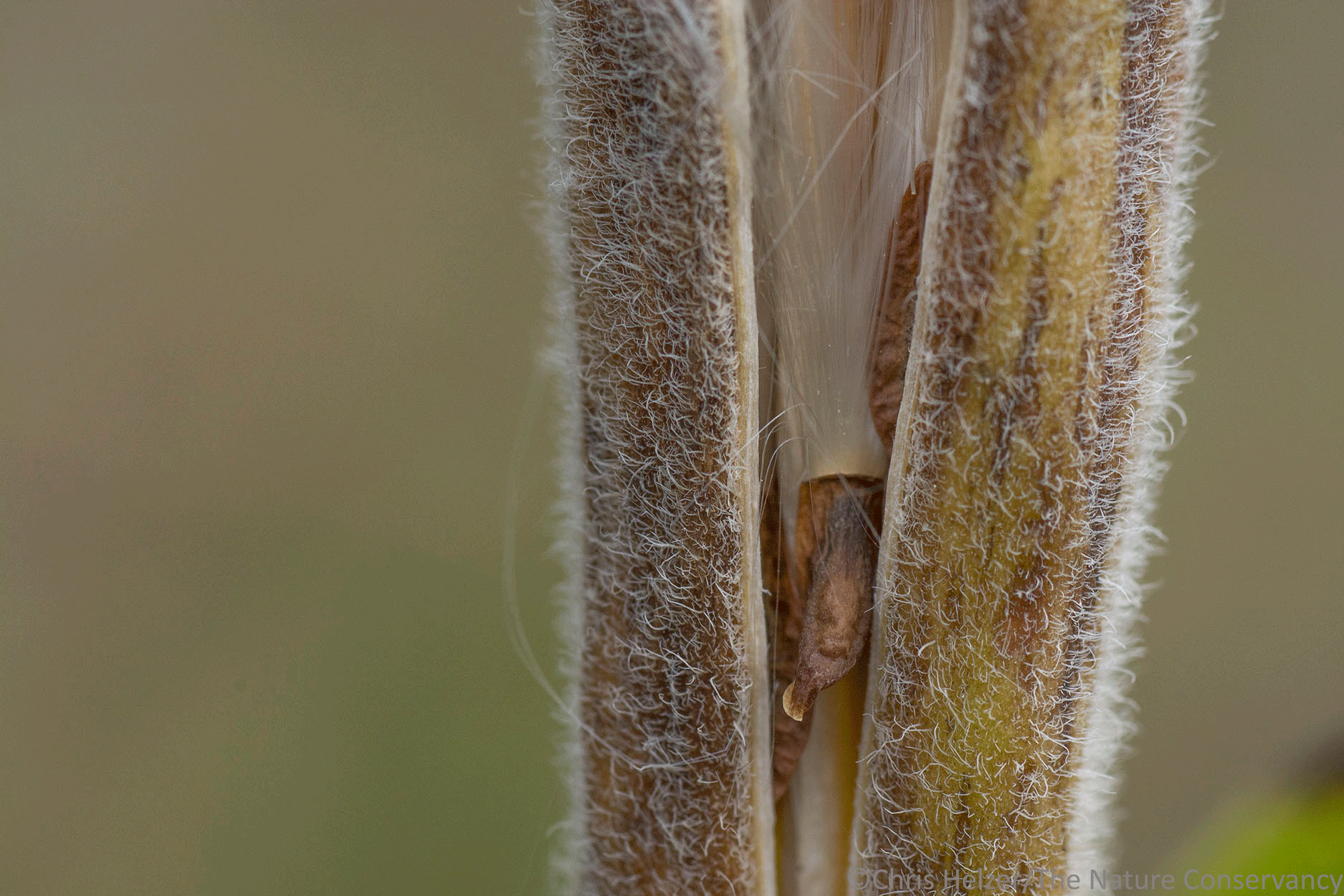
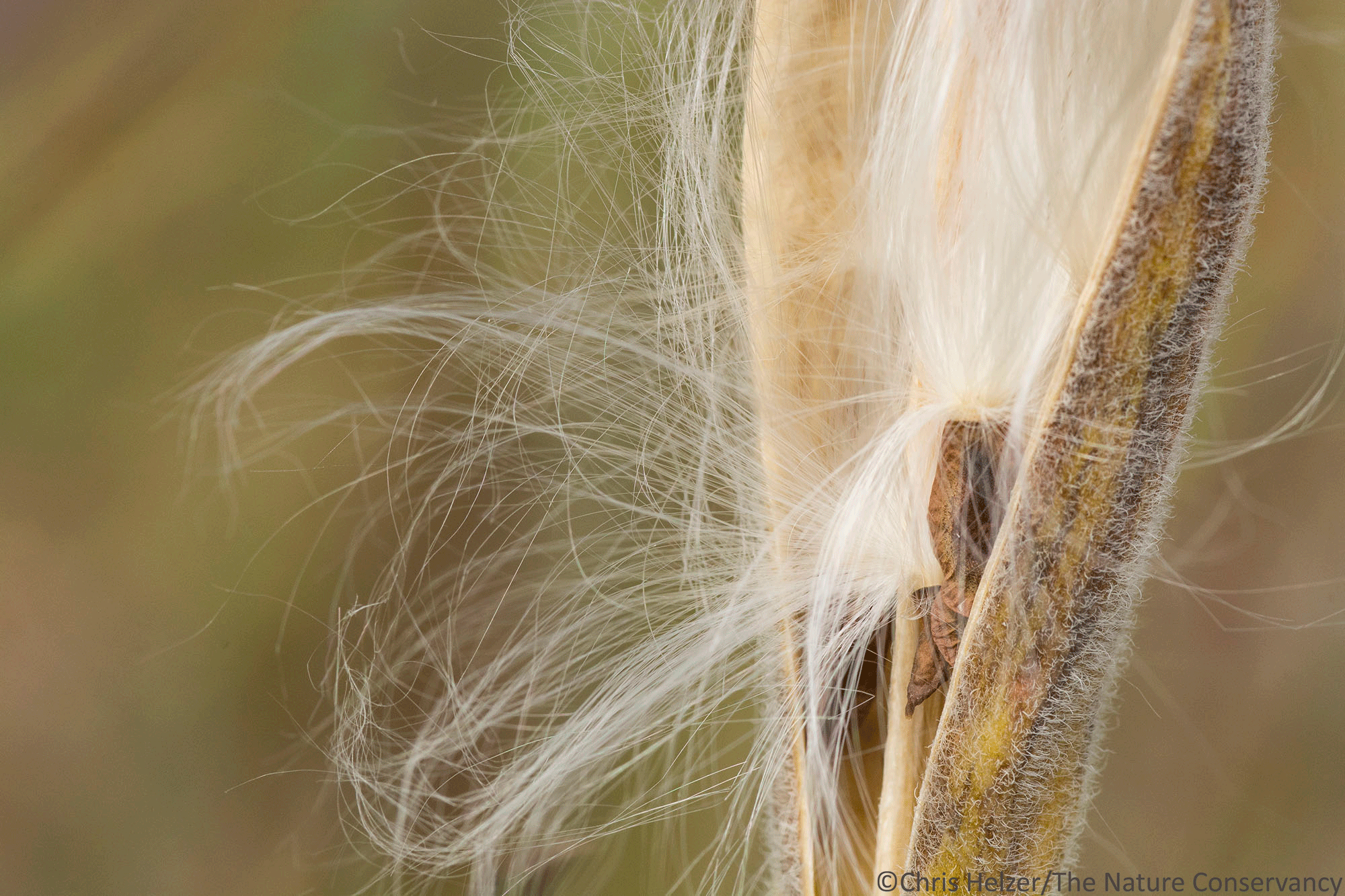
Photo of the Week – September 27, 2018

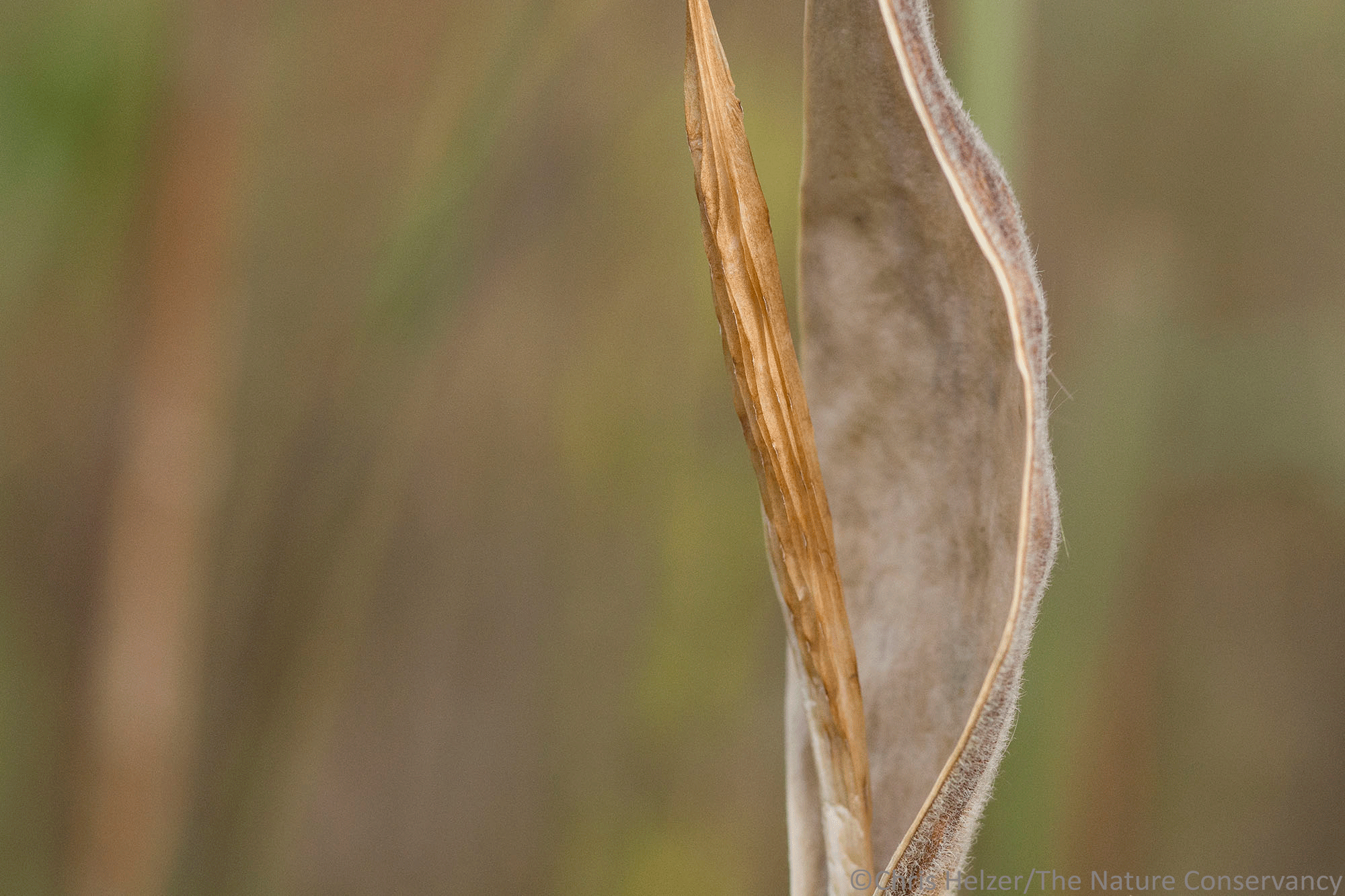
One of my favorite aspects of my square meter photography project has been the chance to closely follow the lives of individual organisms over time.  For example, I’ve closely followed the progress of the two butterfly milkweed (Asclepias tuberosa) plants within the boundaries of my square meter plot.  The plants bloomed beautifully back in late June, which was great, though fewer pollinators visited the flowers than I had hoped.  Perhaps correlated with that, only one seed pod was produced between those two plants.  Since then, I have been watching that one pod very very closely…

On the morning of September 24, the pod was just starting to open.

This week, that pod finally opened up, giving me the long-awaited chance to photograph some milkweed seeds within my plot.  As it turns out, it’s a good thing I was vigilant, because that pod opened up and emptied itself out out very quickly.  Within only a few days, the pod went from tightly closed to completely devoid of seeds.

By the afternoon of the same day (24th) the pod had opened up much more, exposing the seeds, which were beginning to dry out and fluff up.
The next day, September 25, the pod was wide open and seeds were beginning to fly out.
I was traveling on the 26th, so didn’t get to check in on my plot.  By the 27th, only three days after the pod opened, it was empty.  Some of the seeds landed close by, but others flew much further away.

While many of the seeds were blown well out of my little plot, a handful got stuck on adjacent plants, giving me the chance to photograph them.  Here are some photos of those seeds as they were coming out of the pod or after they got hung up within the borders of my plot.