It’s getting hard to find any wildflowers still in bloom. Insect diversity is way down. We had our first frost last week. I think it’s about time to say goodbye to the 2026 growing season.
That doesn’t mean prairies are finished showing off, though. I was in Kentucky and Tennessee most of last week for the Eastern Native Grasslands Symposium (great conference – thank you for inviting and inspiring me!) but I’ve still managed several recent trips out into local prairies. I’ve seen plenty of beauty during each prairie visit. The most recent of those visits was this morning when I helped Mike Schrad check his small mammal traps (we caught just one plains pocket mouse) at the Platte River Prairies.
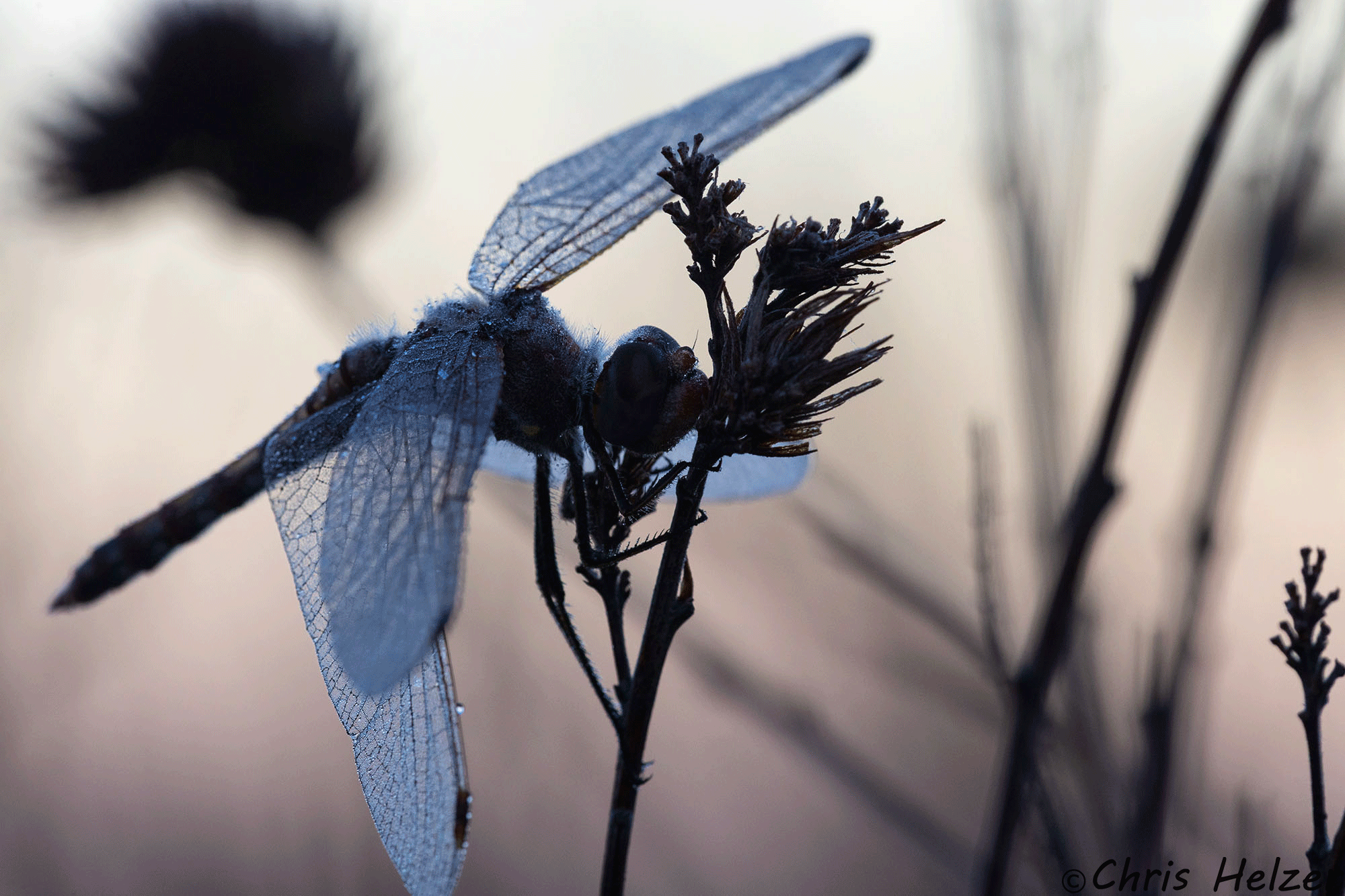
I arrived early this morning and found a variegated meadowhawk on its overnight roost. The sun wasn’t up yet and there was a thin layer of fog across the prairie. I got low to the ground and managed a few photos of the dragonfly before Mike arrived and it was time to get to work. Surprisingly, this was my first photo of a meadowhawk during this fall migration. I normally run across quite a few of them in late September and October as they’re moving southward through Nebraska, but I’ve just not been in the right places at the right times until today, apparently.
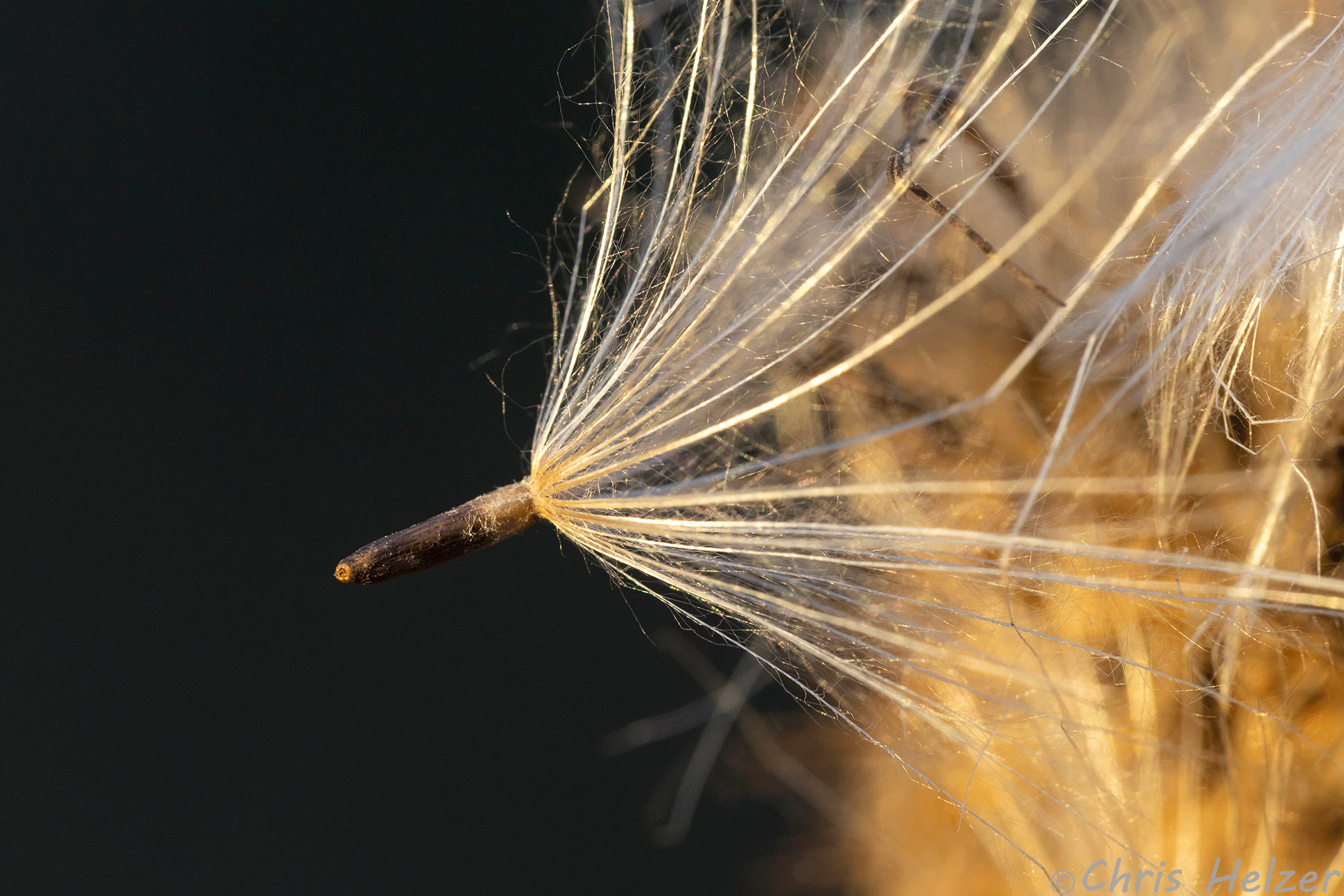
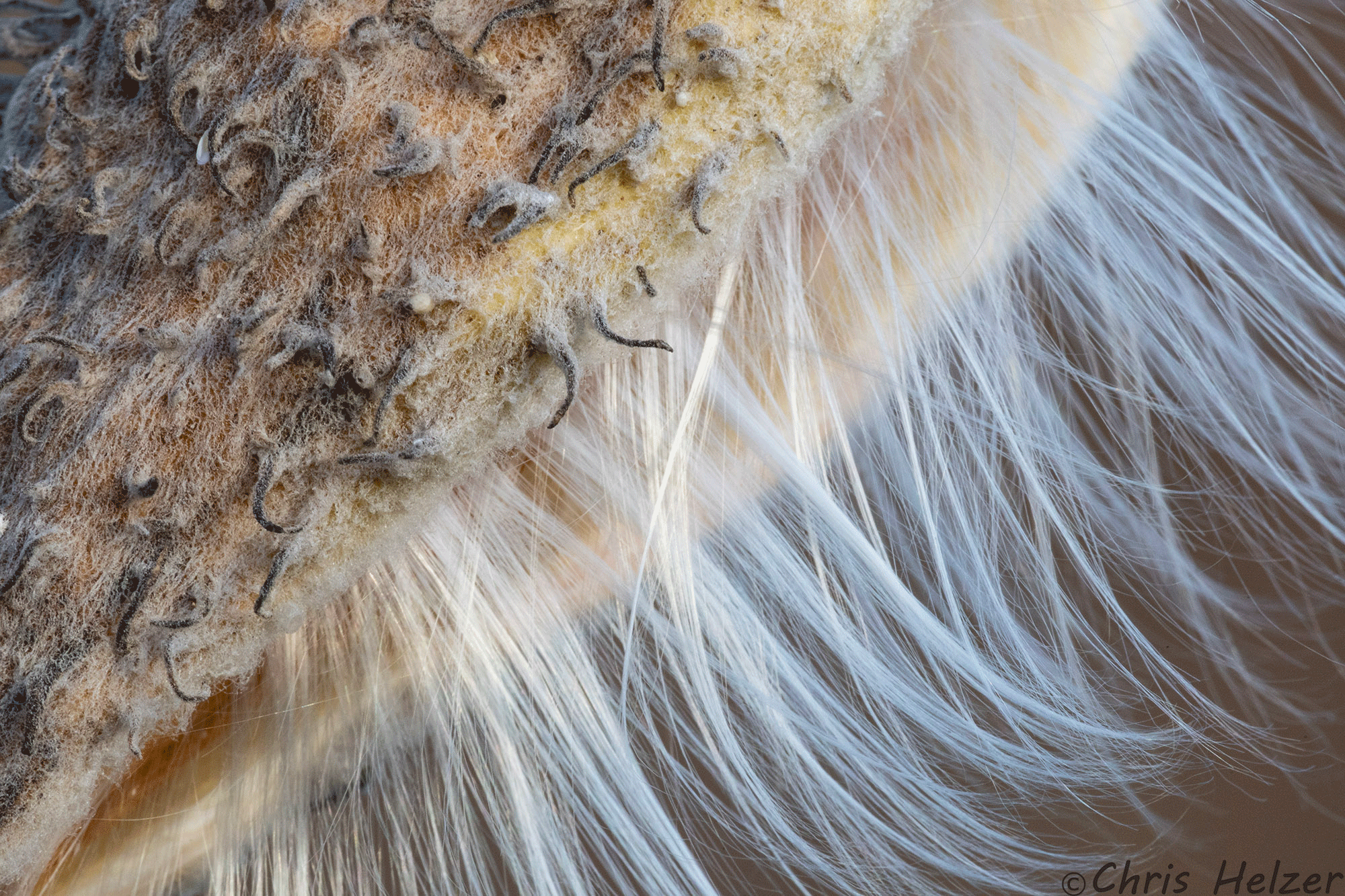
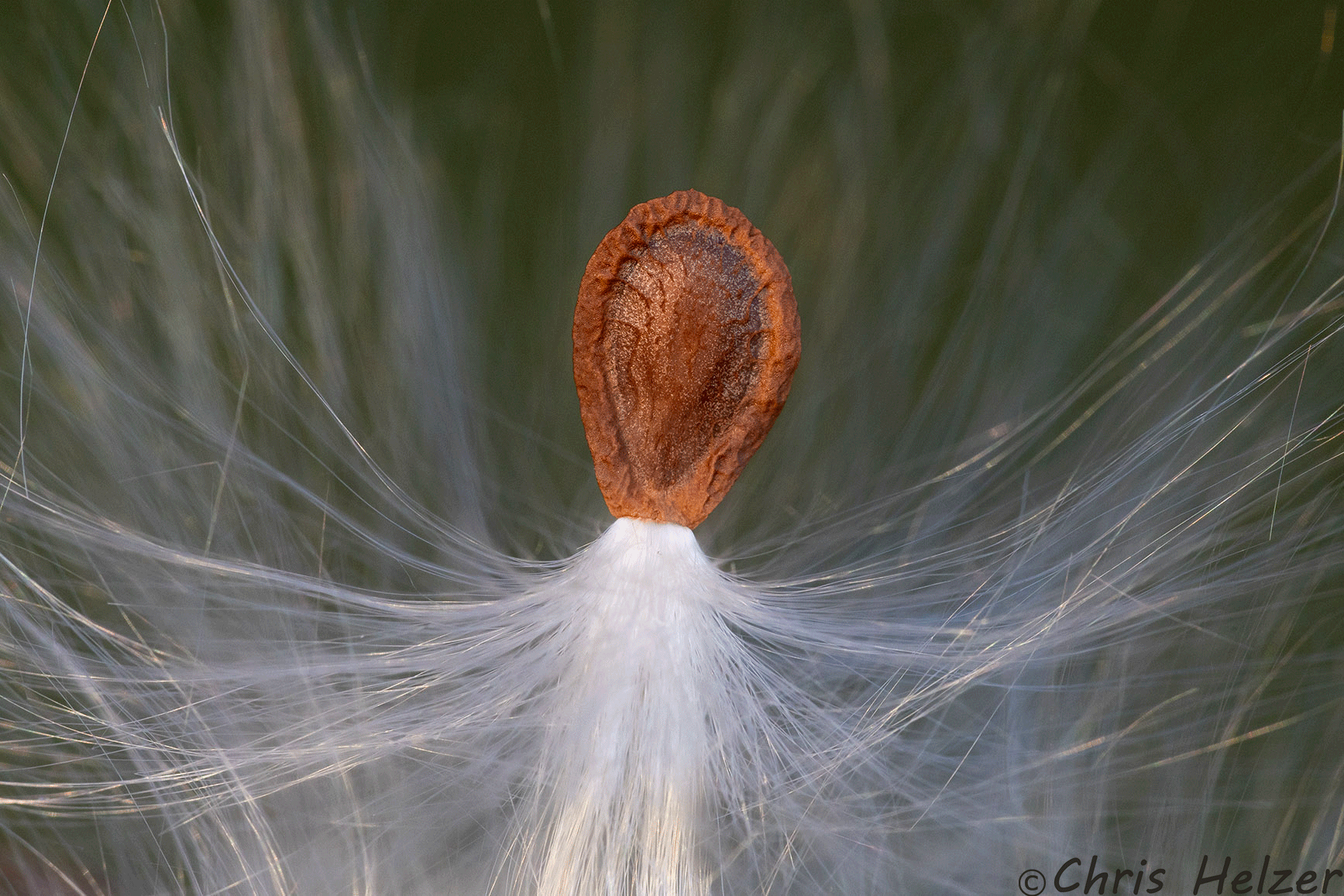
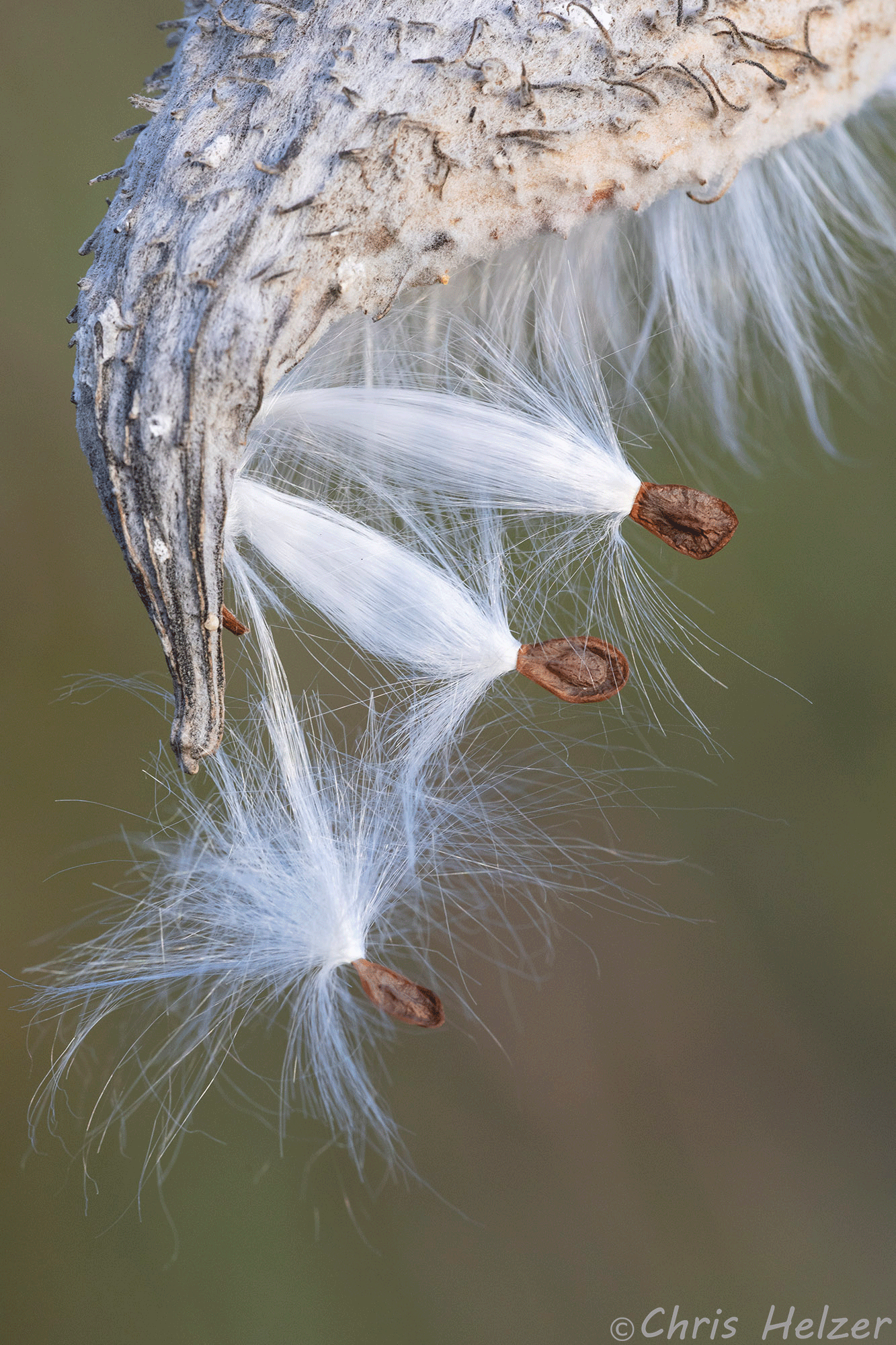
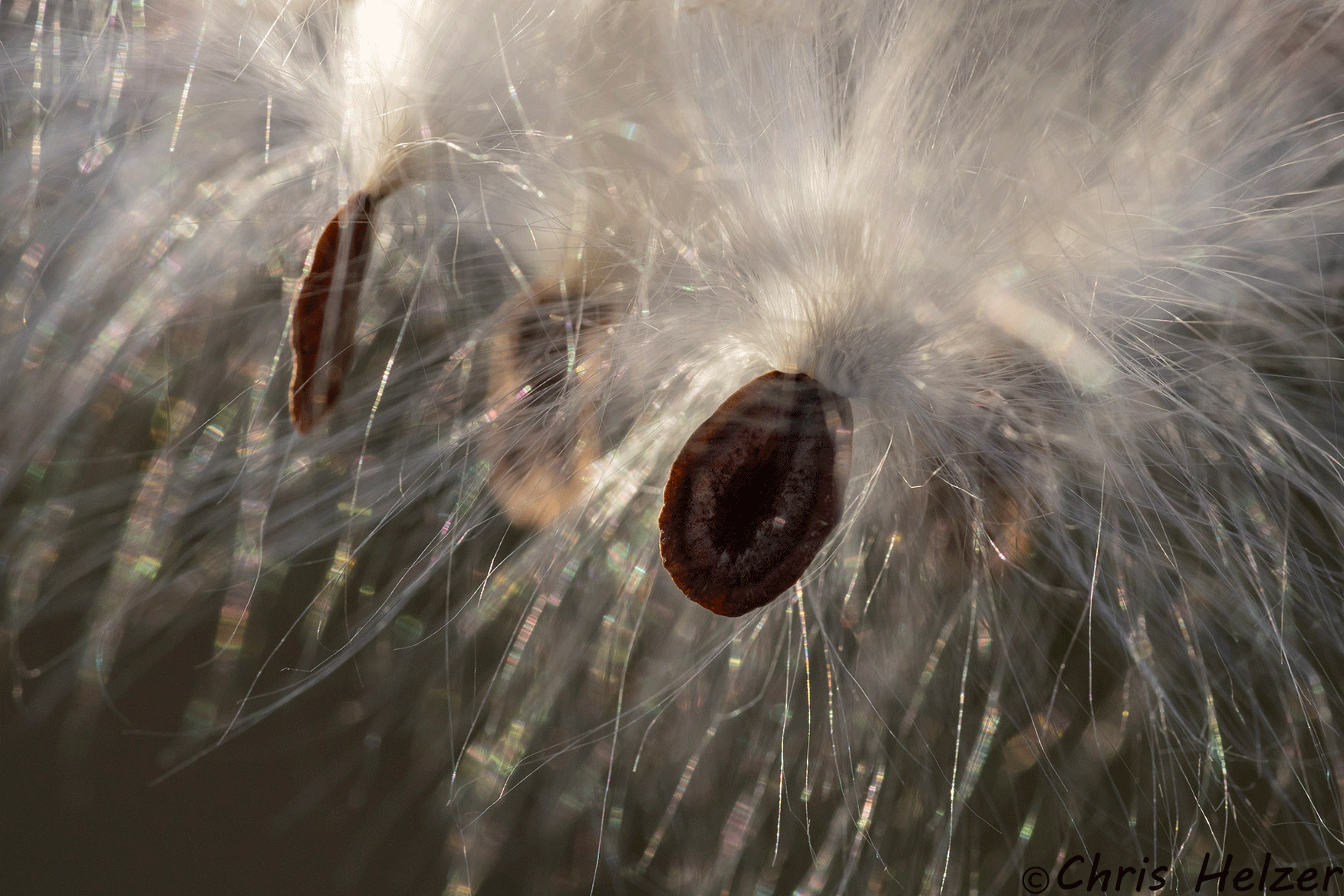
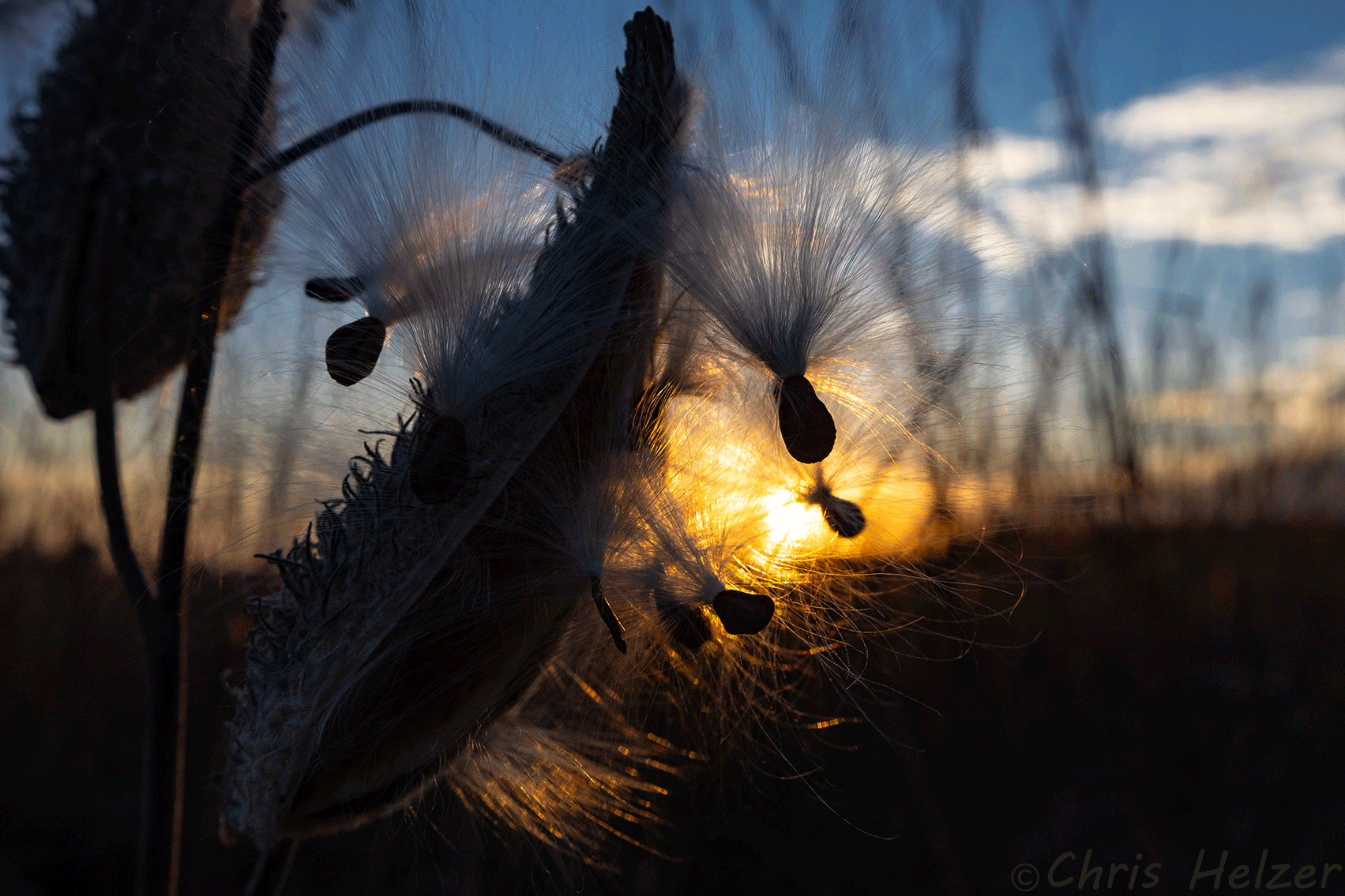
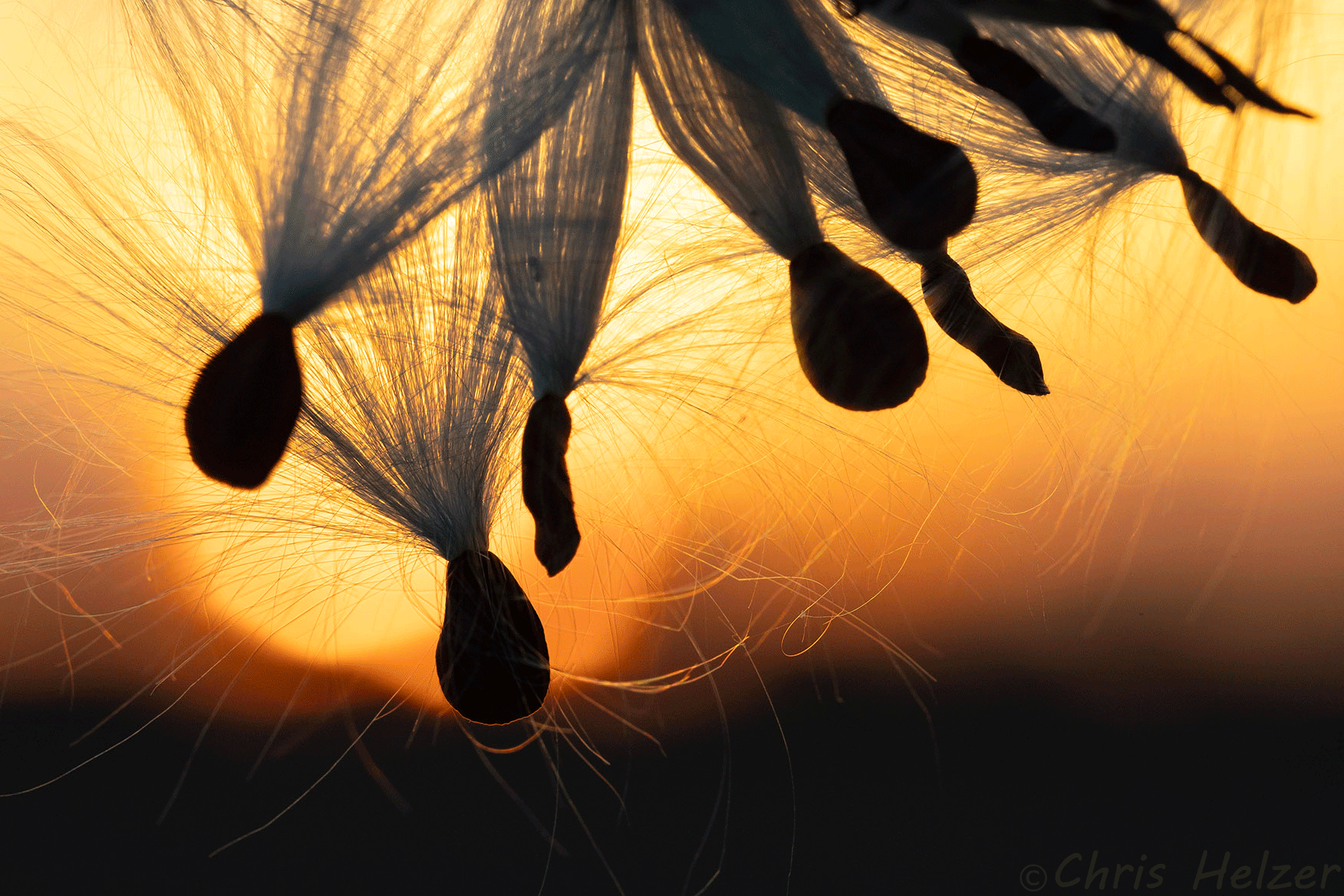
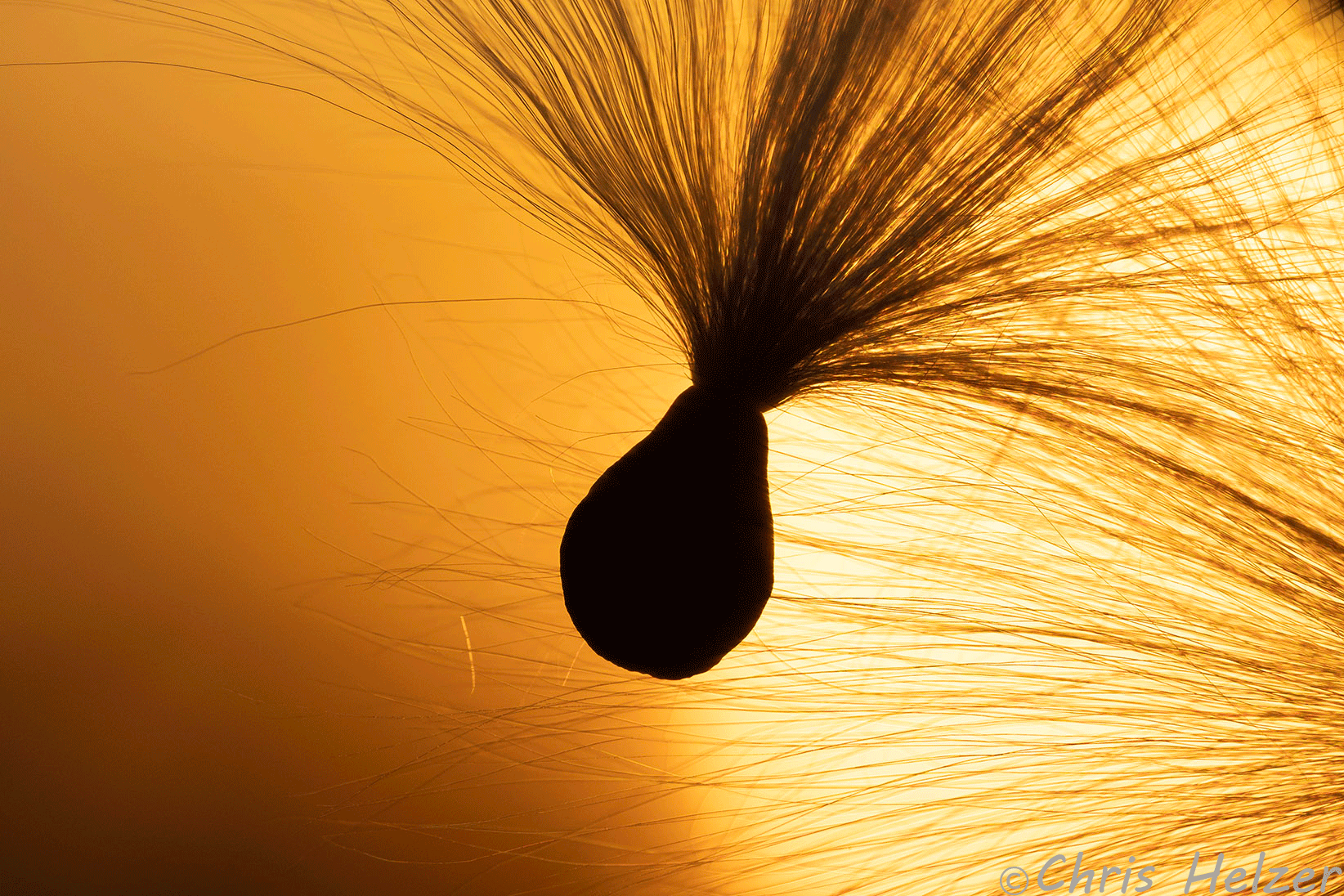
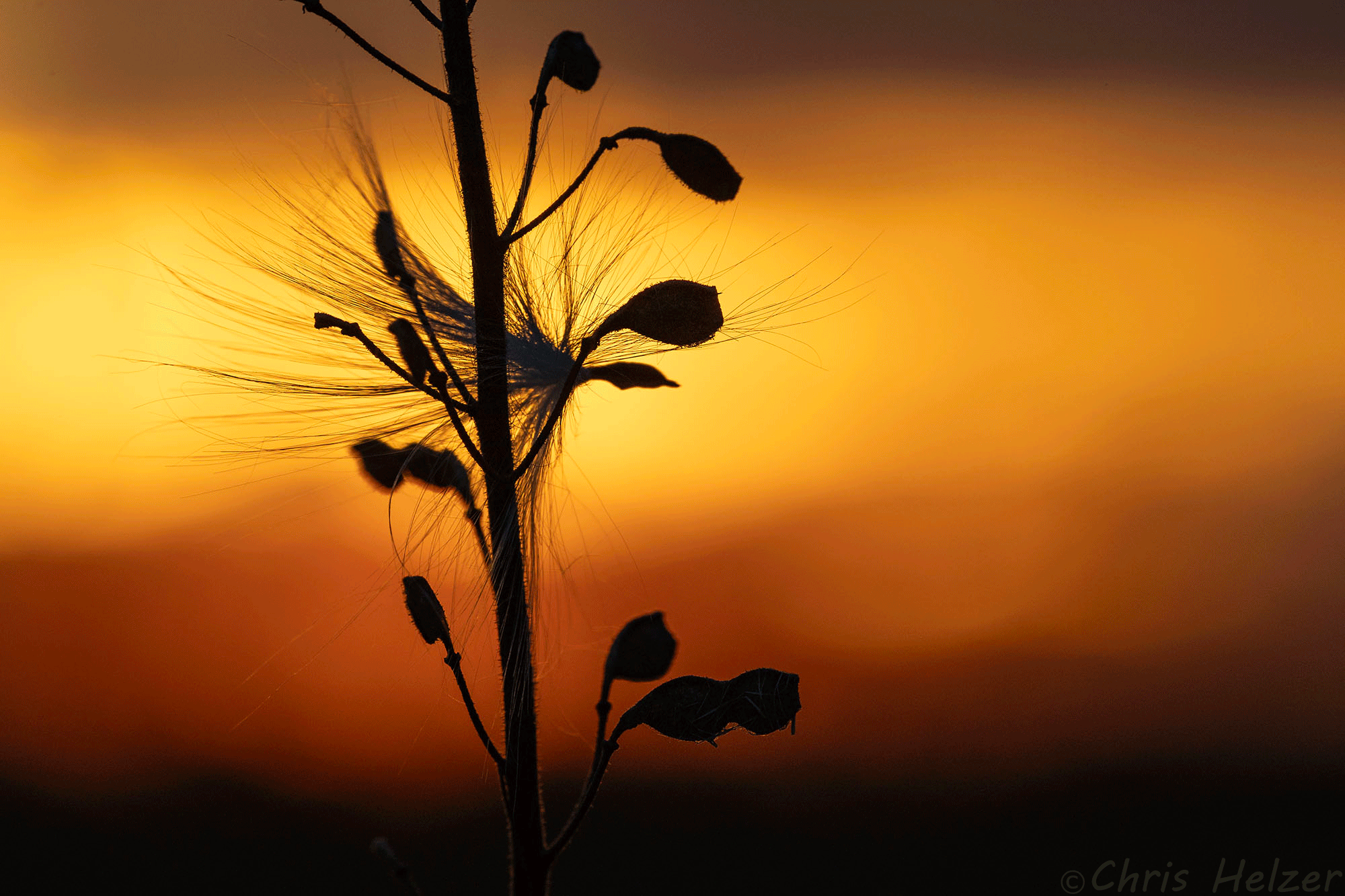
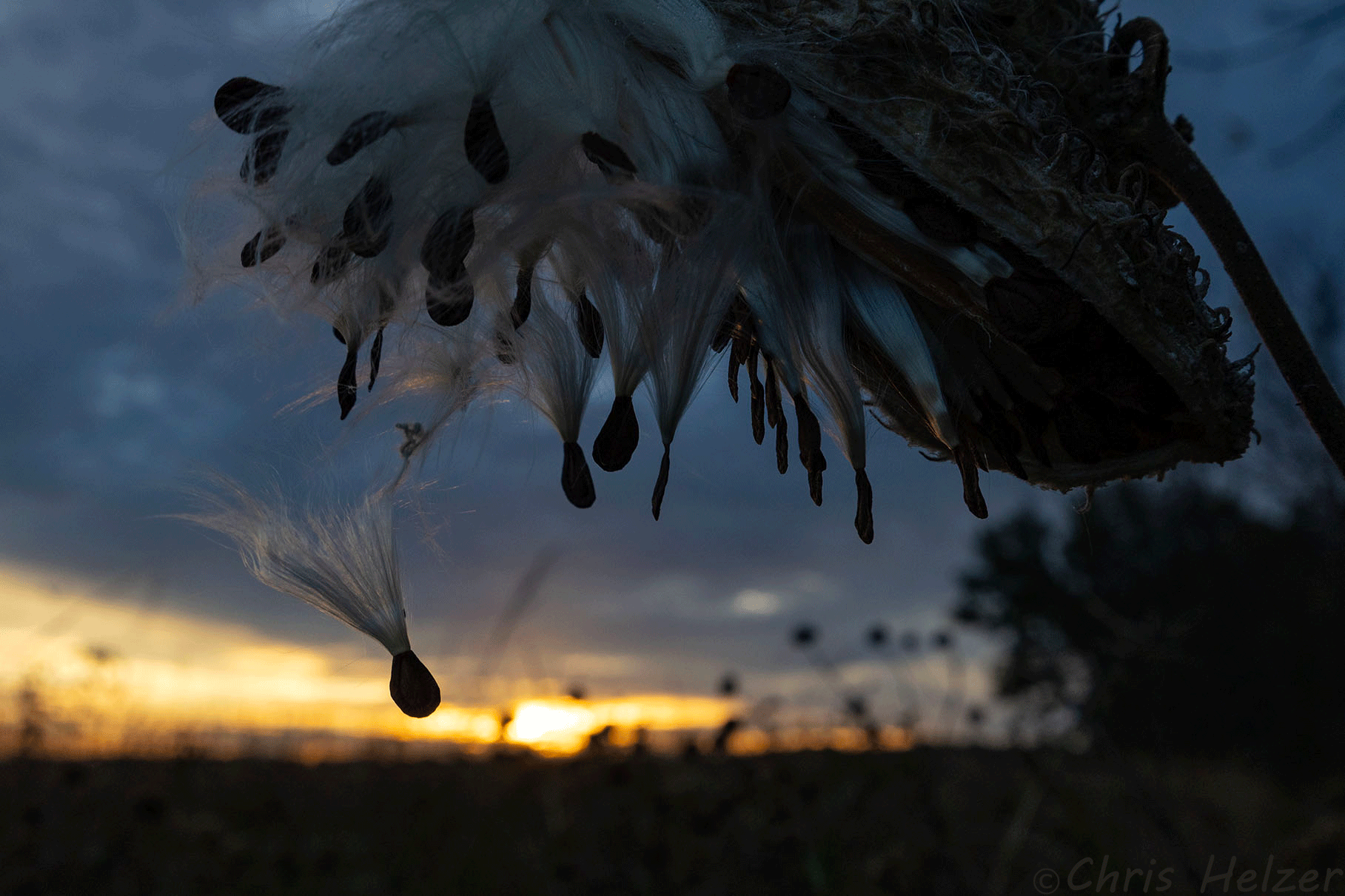
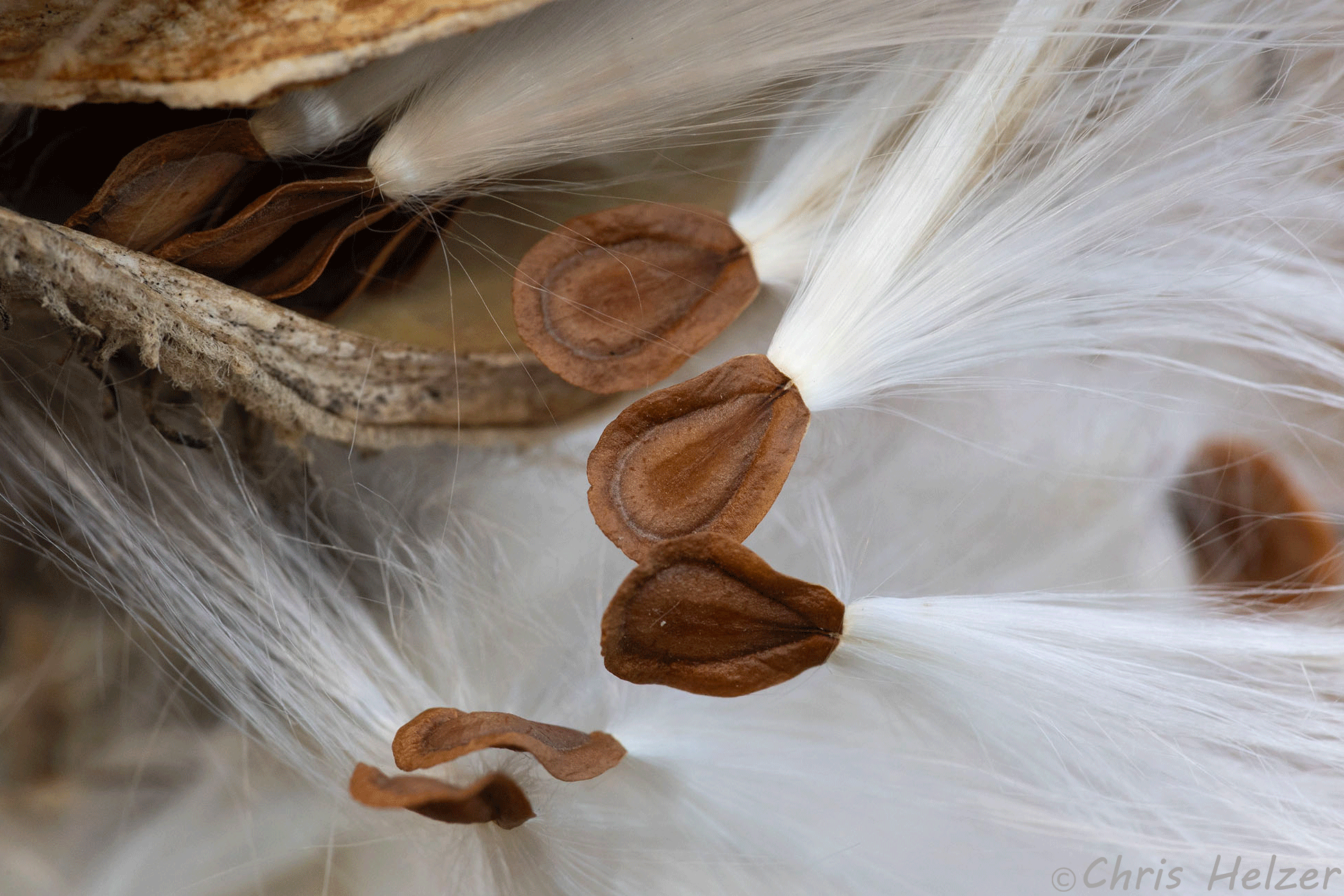
I have, of course, continued my photography of milkweed seeds. You might be getting tired of seeing them but I’m not. Feel free to skim past the photos but I’m going to keep putting them in front of you.
This photo reminded me of virga – the rain that falls from clouds but never hits the groundCommon milkweed seedSeeds coming out of a milkweed faucet?Backlit milkweed seeds
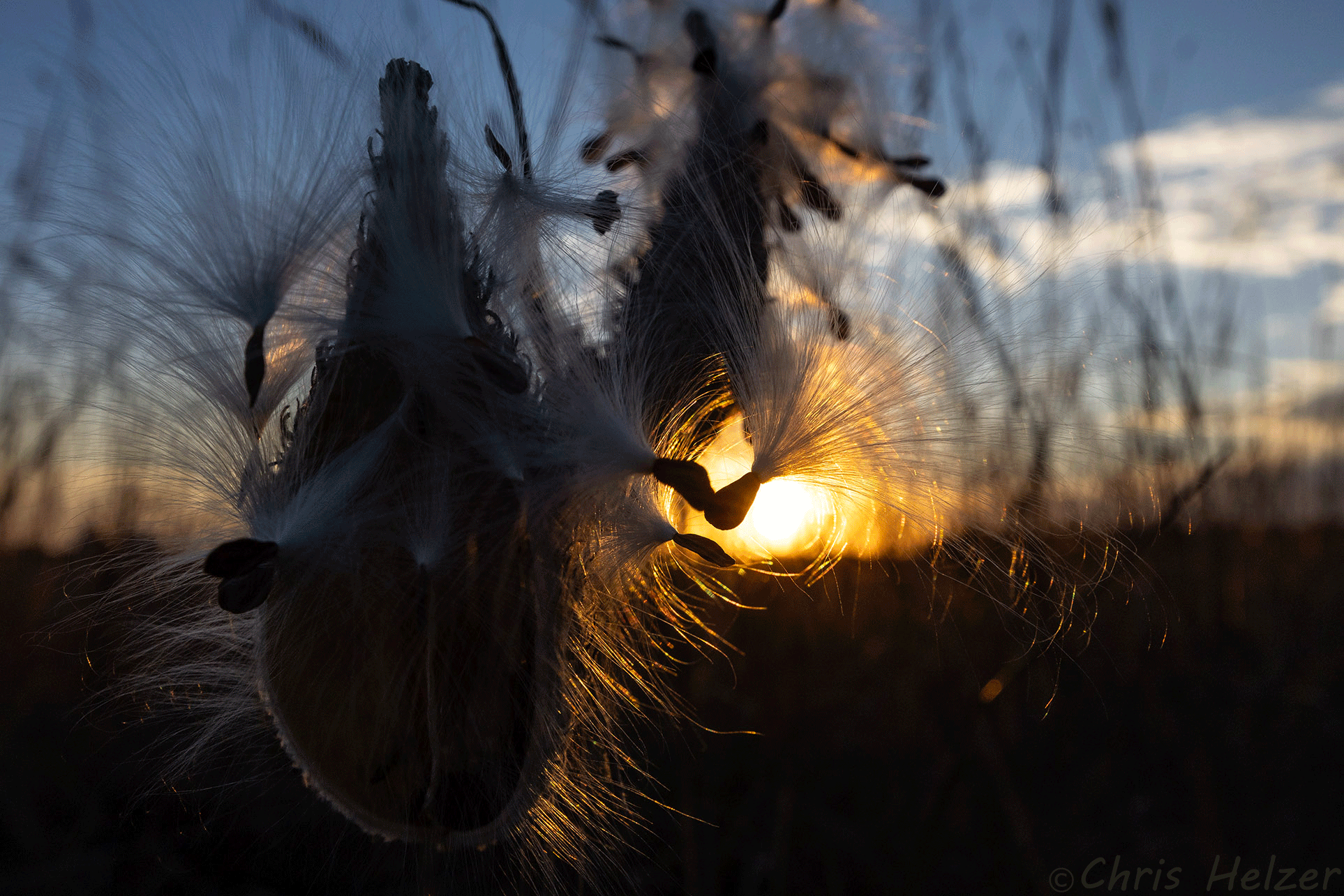
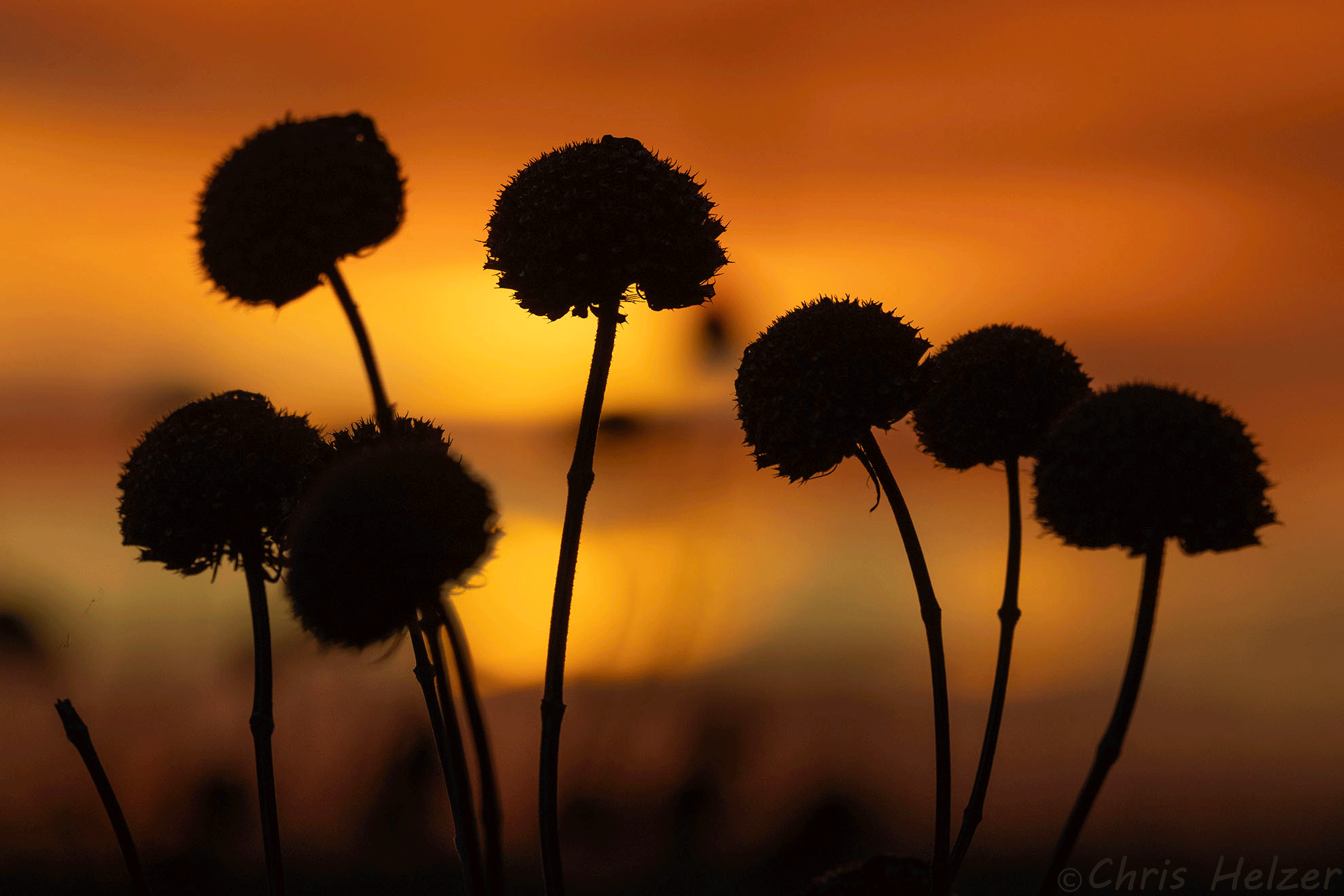
I’ve also been catching a lot of sunrises recently. It’s a lot easier to do that this time of year when the sun is coming up at almost 8am. It hardly feels like a challenge at all to get up before the sun these days. Now the challenge has switched to being able to get out to the prairie and then back to work before people expect me to be on calls or in meetings.
Sunrise and milkweed pod #1Sunrise and milkweed pod #2More milkweed seeds at sunriseYet another milkweed seed at sunrise
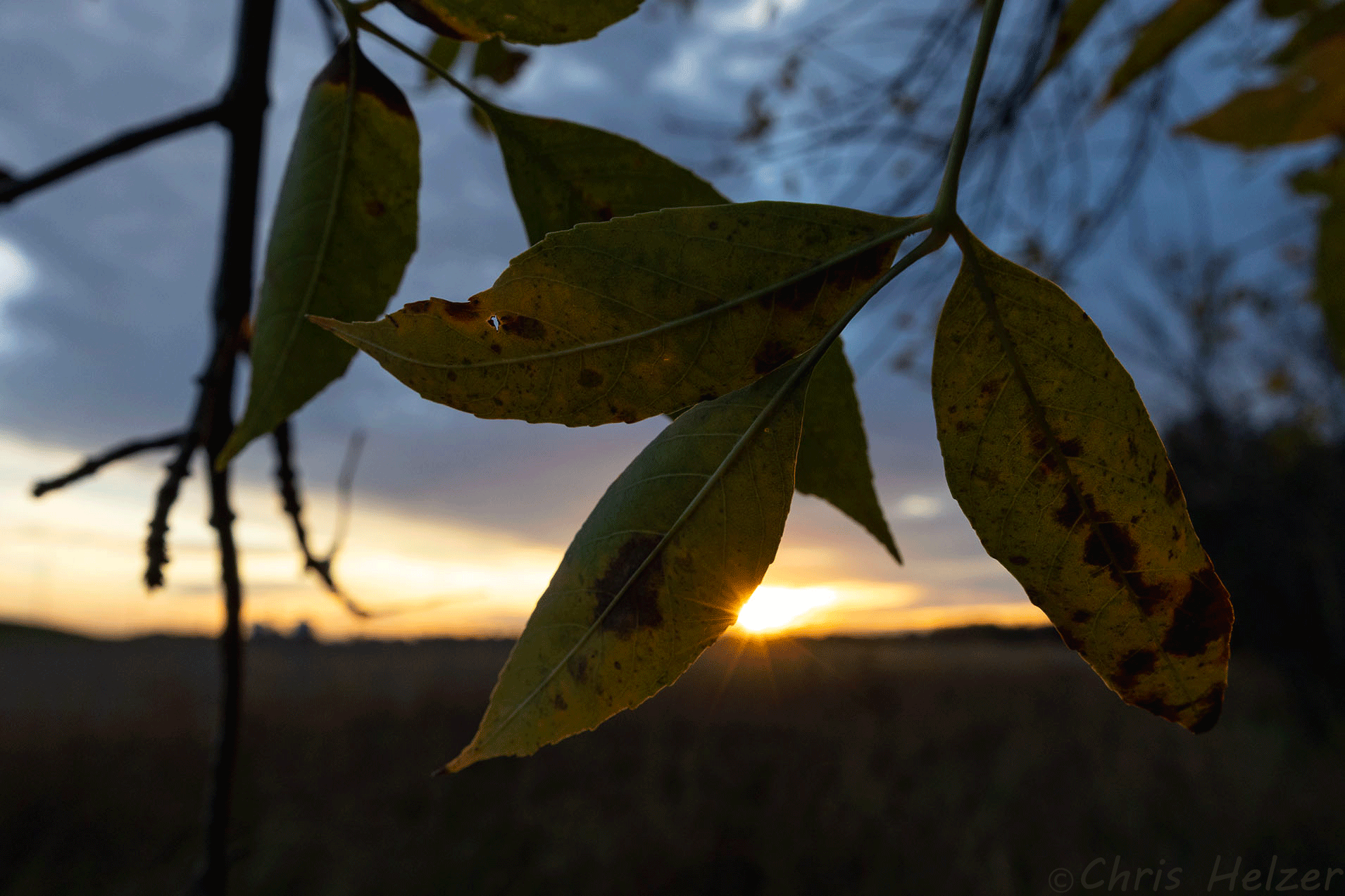
This week, I caught a sunrise at Lincoln Creek Prairie that provided some terrific color. Just as the color was starting to fade, a big bank of clouds slid slowly across the sky and gradually squeezed the light out. It was the unusual situation in which the intensity of light decreased as the sunrise progressed. Here’s a series of photos showing the photos I took as the clouds stole my light.
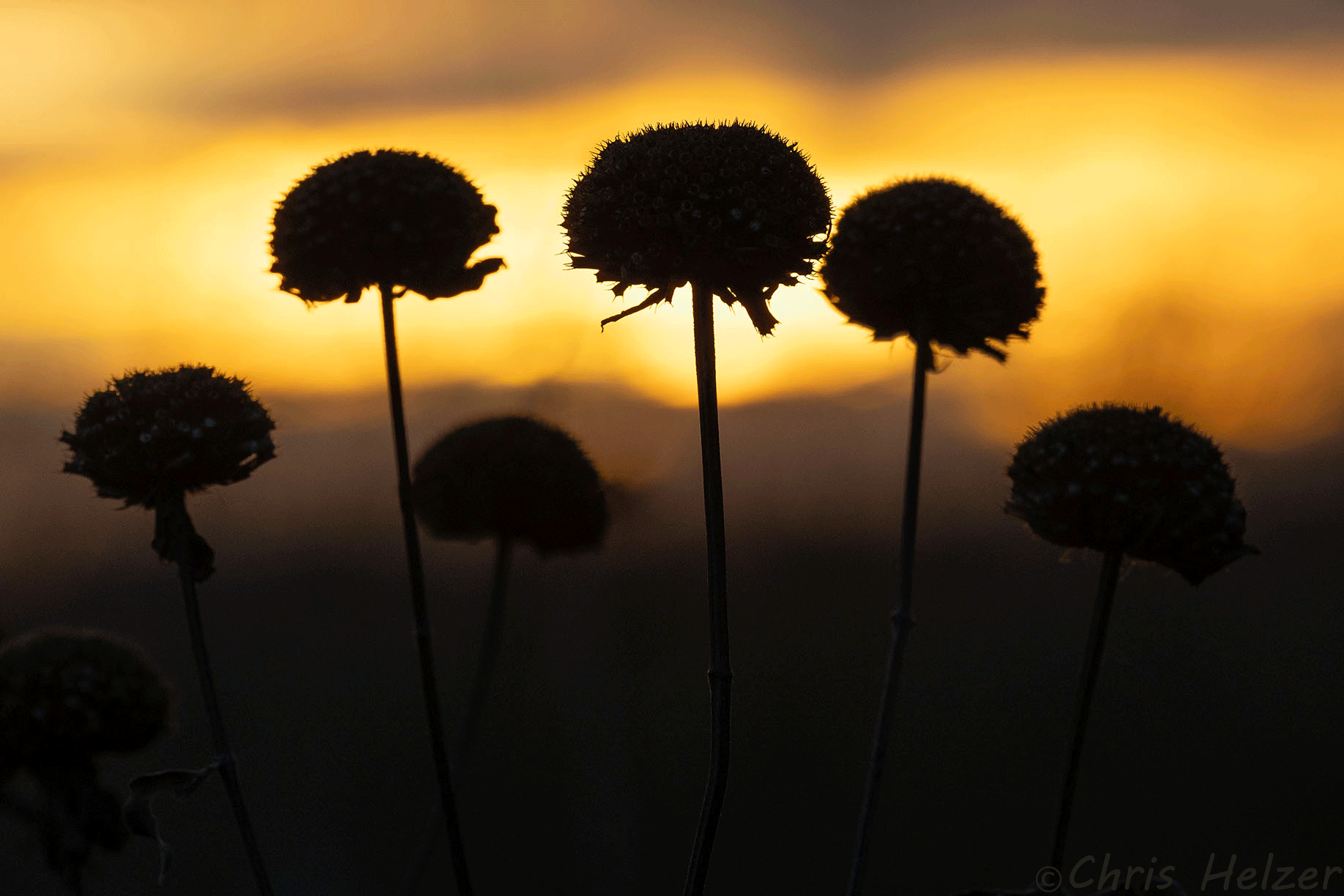
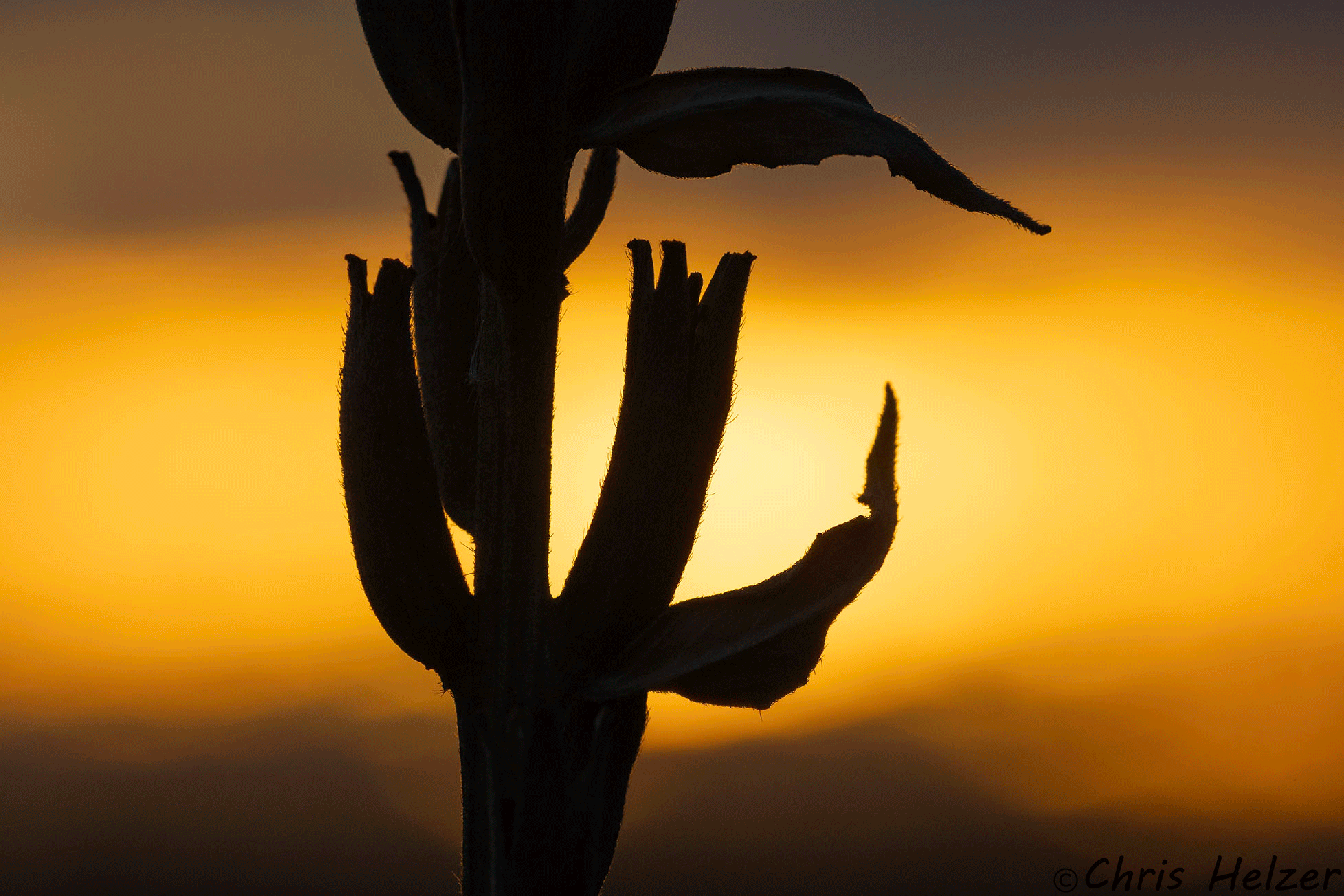
Peak sunrise light with wild bergamot (Monarda fistulosa)Illinois tick trefoil and a milkweed seedBergamot in front of an ever-tightening band of colorCommon evening primrose podsGreen ash leaves as the clouds swallowed the sunMilkweed seeds just before the light disappearedMilkweed seeds after the sun went behind the cloudsLast shot of the morning – wild bergamot
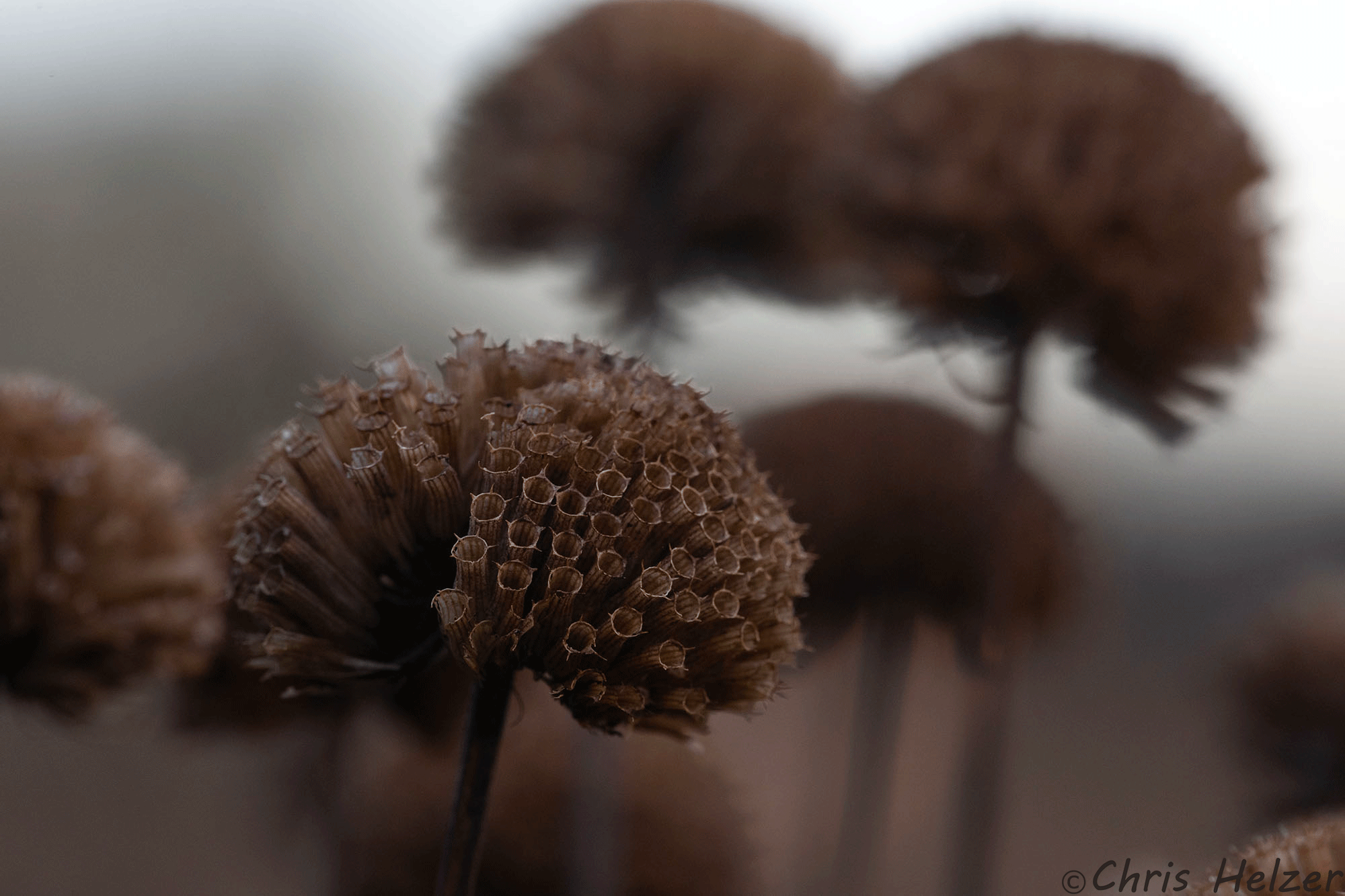
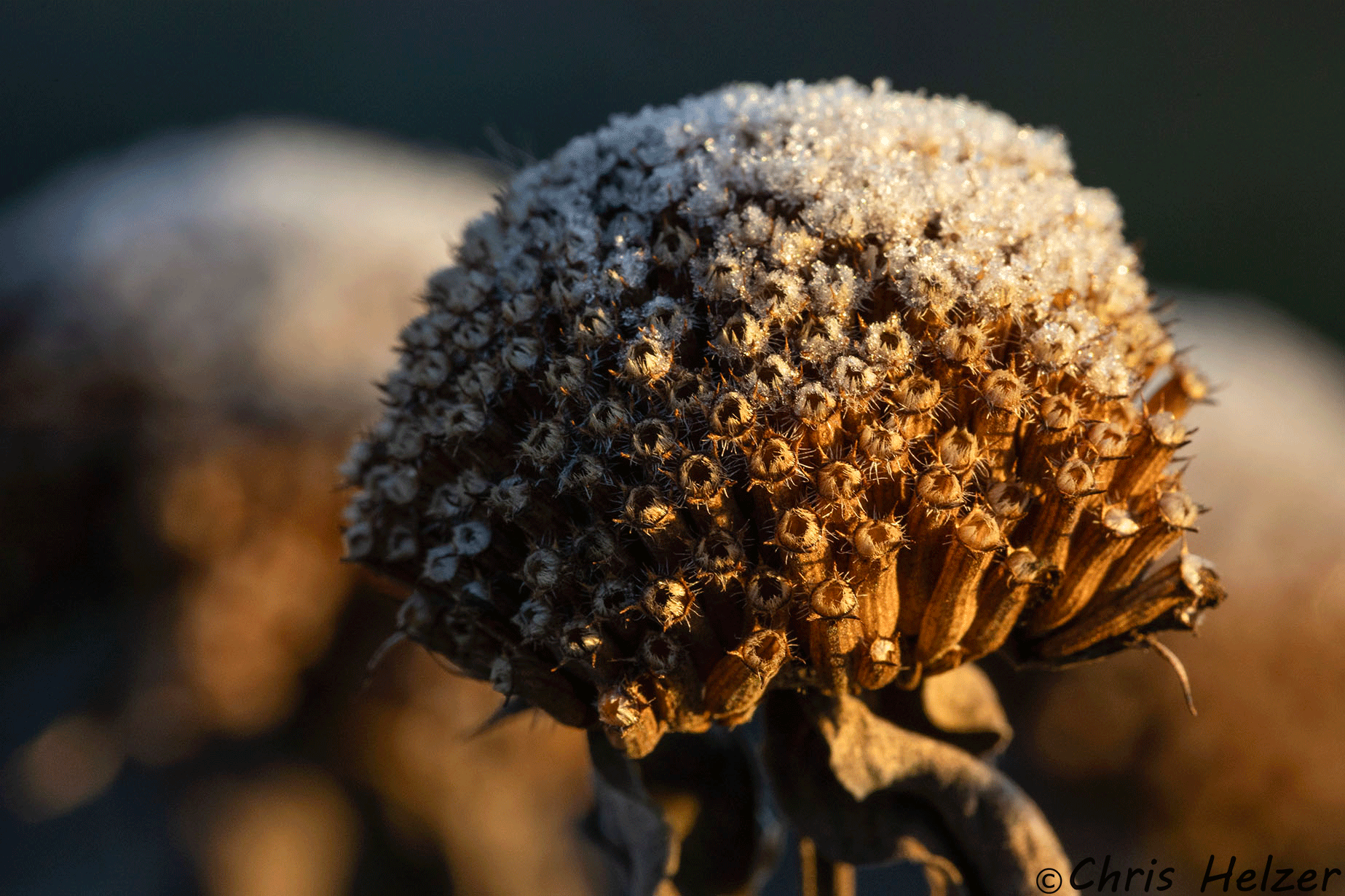
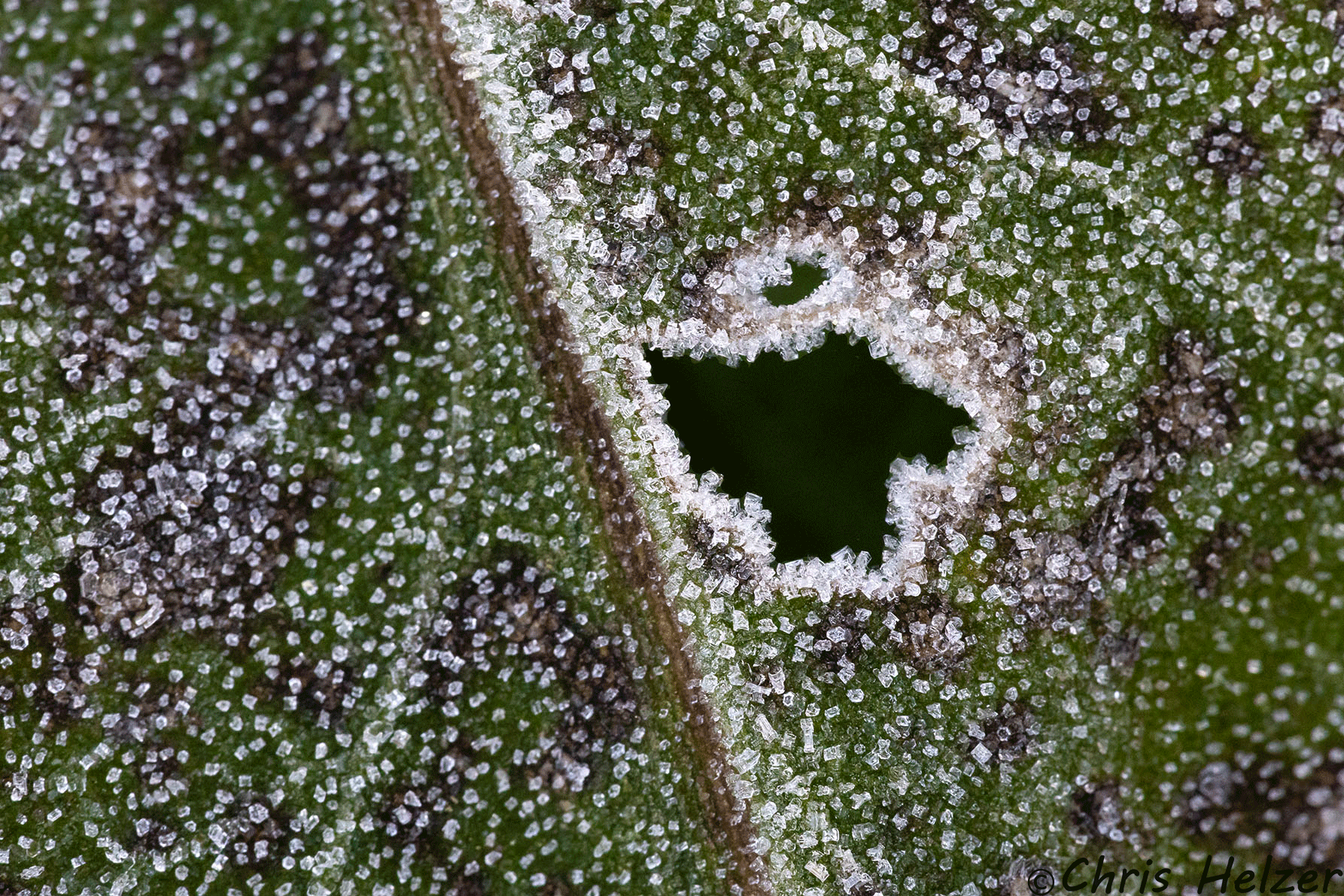
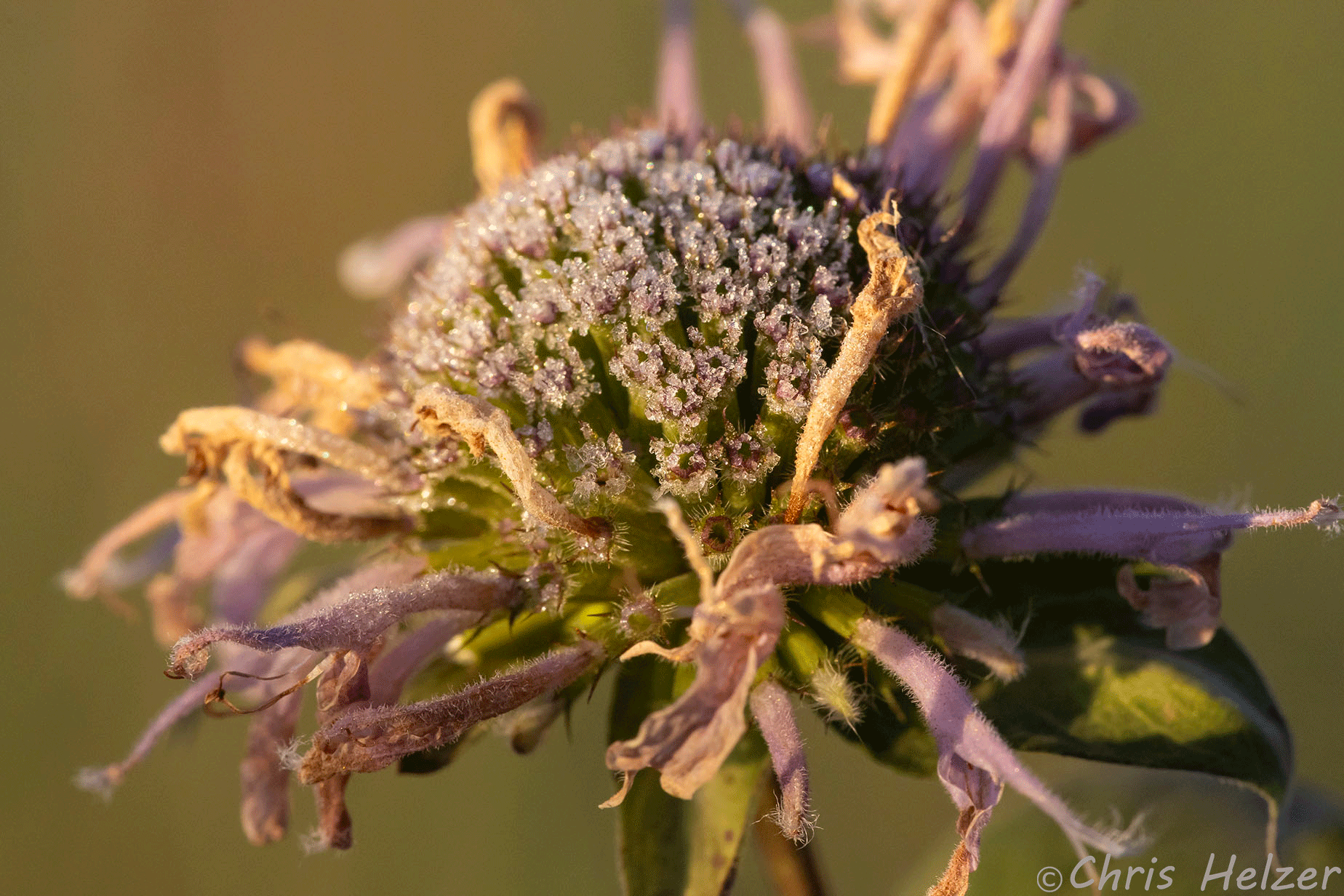
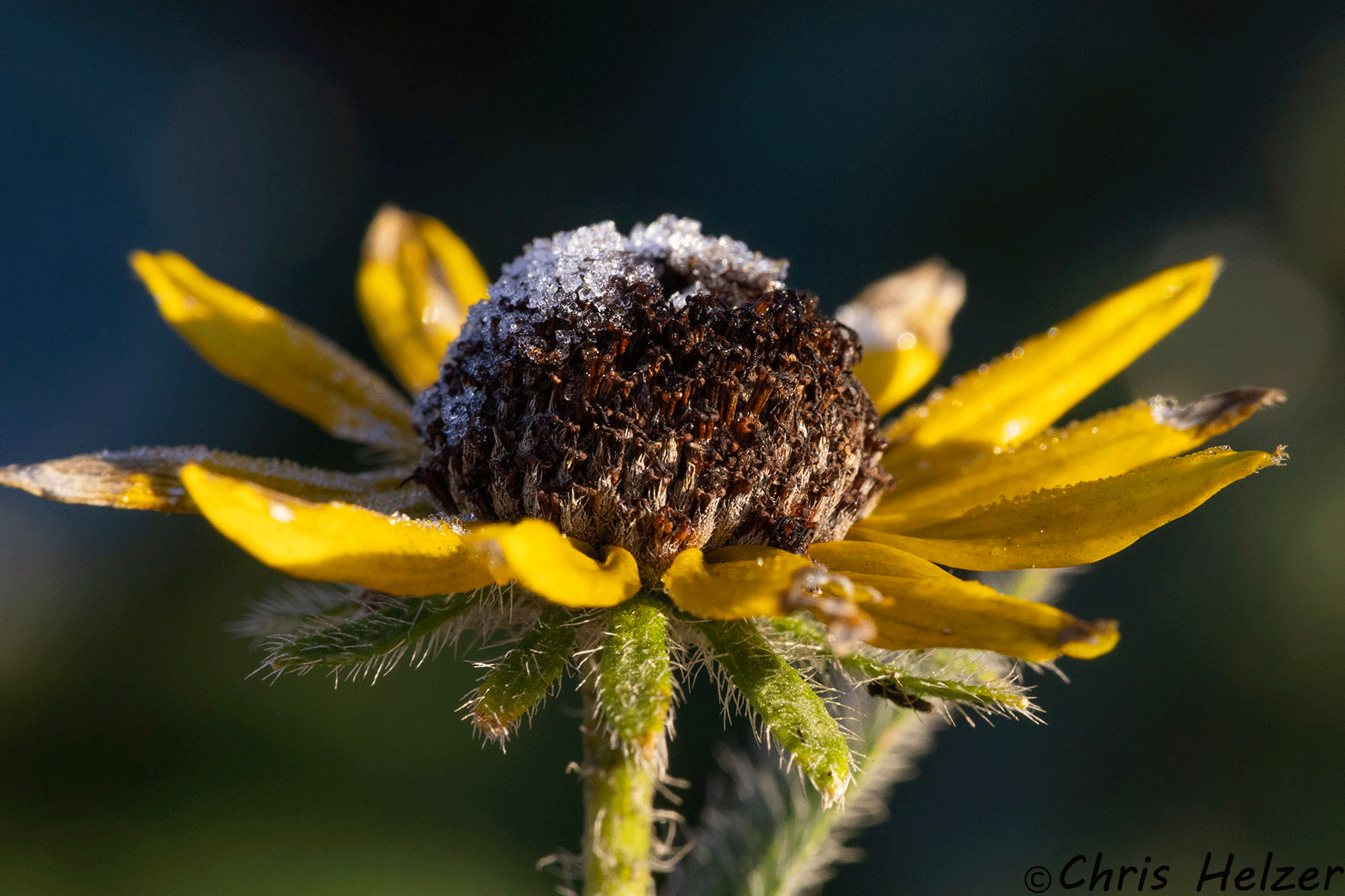
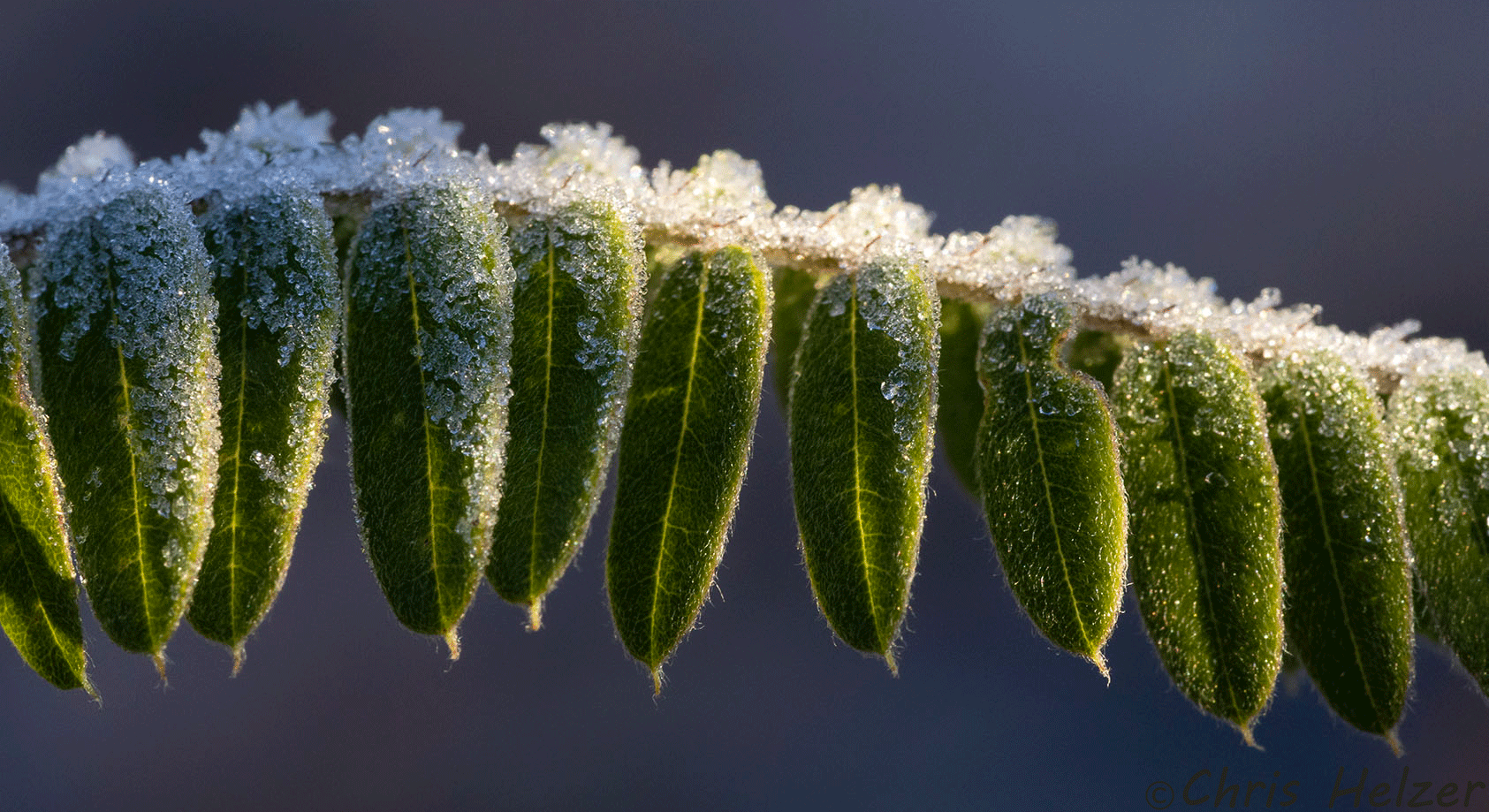
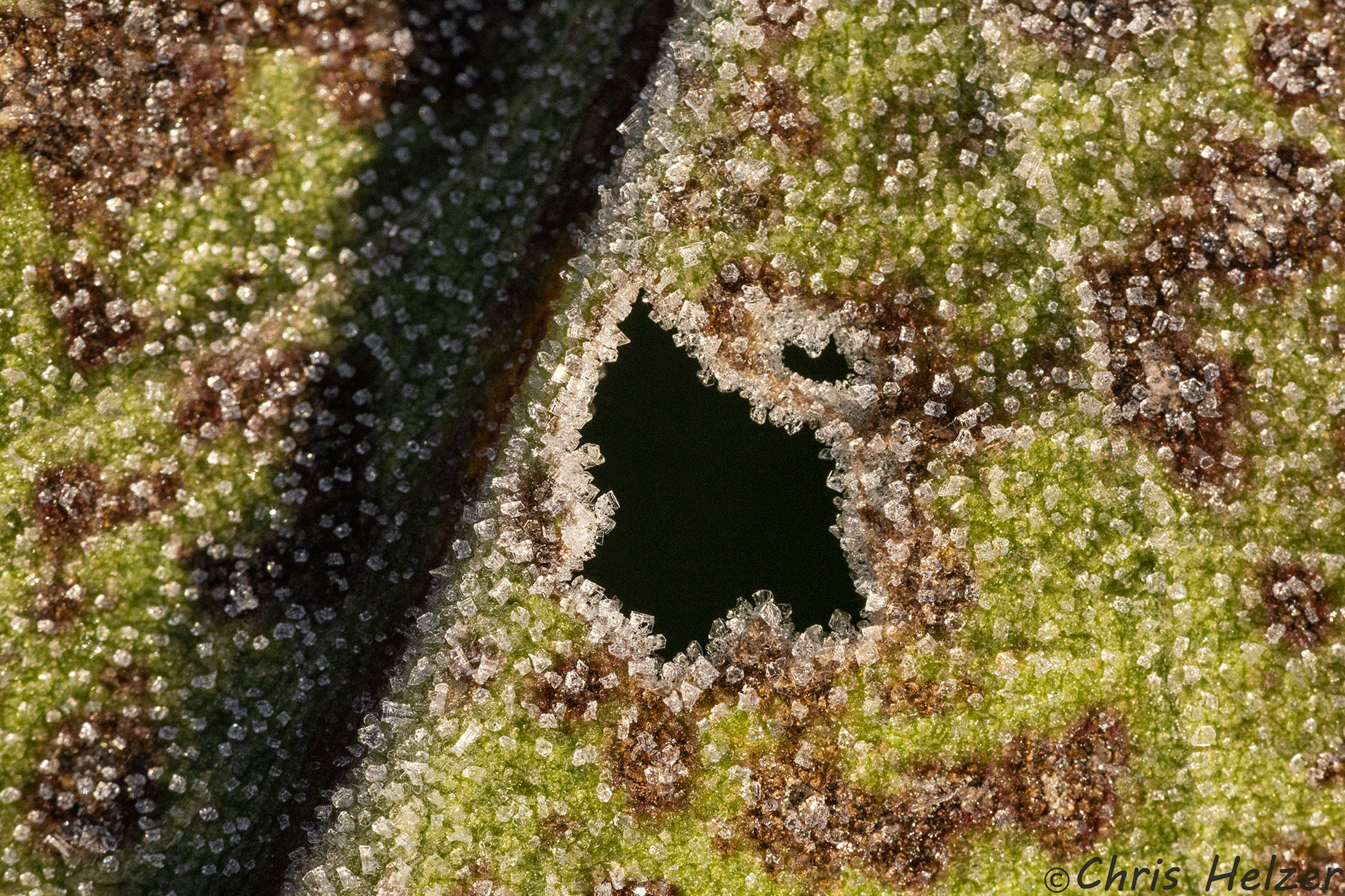
The morning after I returned from some warm sunny days in Kentucky, we had our first frost of the season here at home. I stole a few minutes in my backyard prairie garden and captured a few shots of the frost before the sun burned it off.
Bergamot and frostStiff goldenrod leafWild bergamot flowerBlack-eyed SusanLeadplant leafThe same stiff goldenrod leaf as above as the sunlight was getting almost too intense to work with
I hope you’re having a great October so far. There’s a lot happening in the world, but if you’re like me, a little time in the prairie can make it all a little easier to handle. Be well, friends.
Quick note: The Hubbard Fellowship application period has been extended through this coming weekend. Applications are now due at midnight on Sunday October 4. Click here to apply and please pass the word!
I was in north central Nebraska over the weekend because Kim was running the Cowboy 100 ultramarathon. She ran 100 miles in about 23 hours, getting third place among women and sixth place overall – a great race for her!
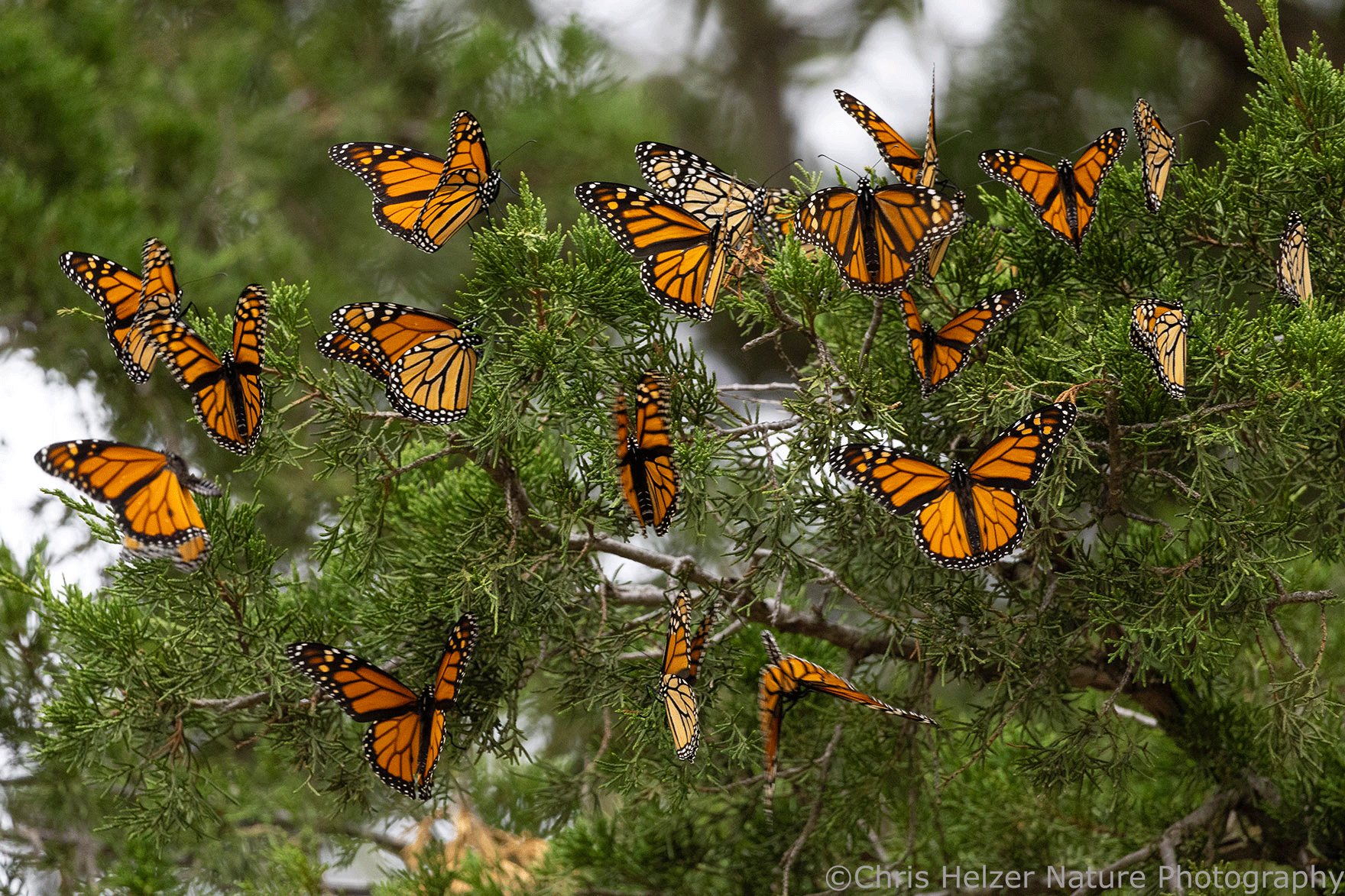
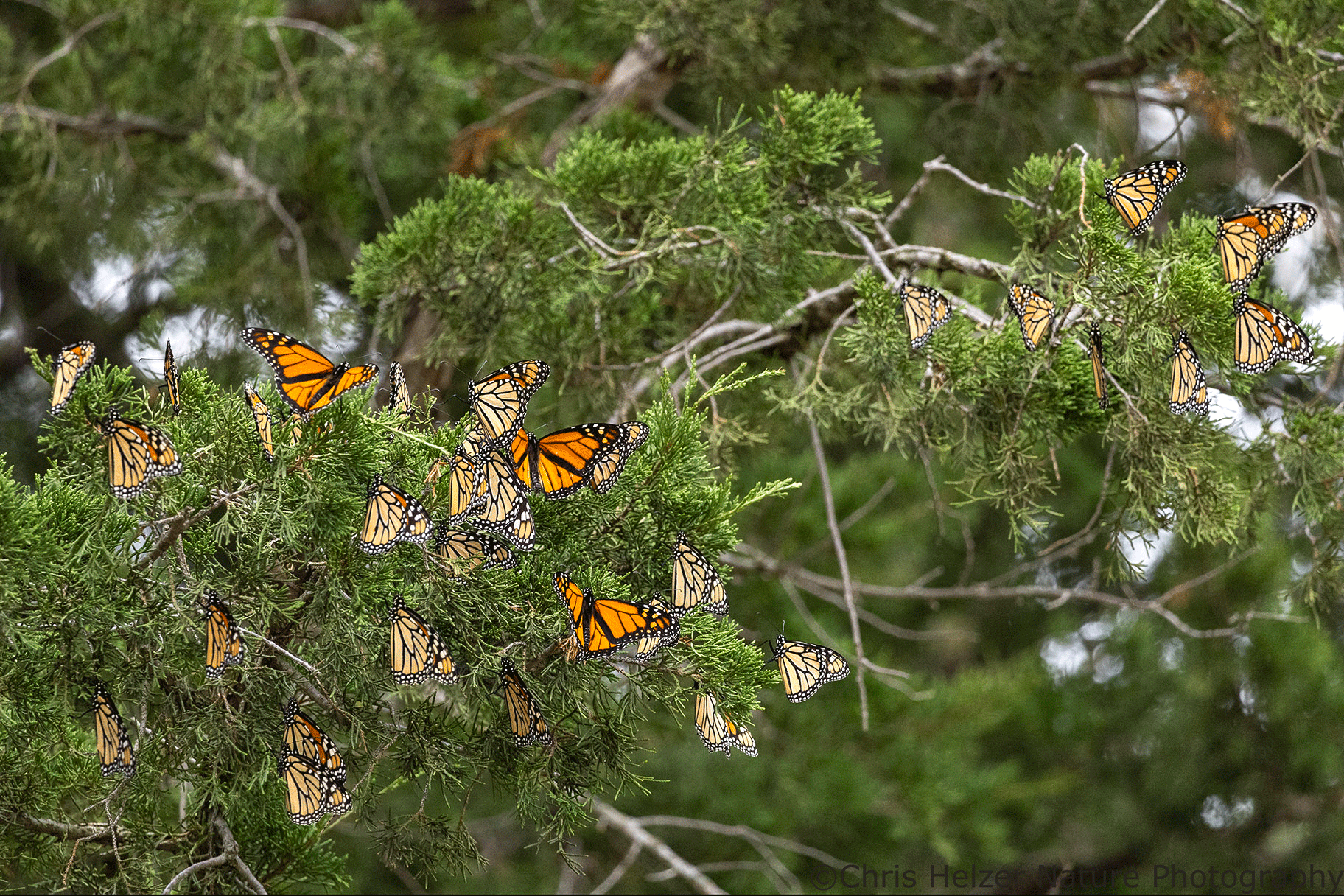
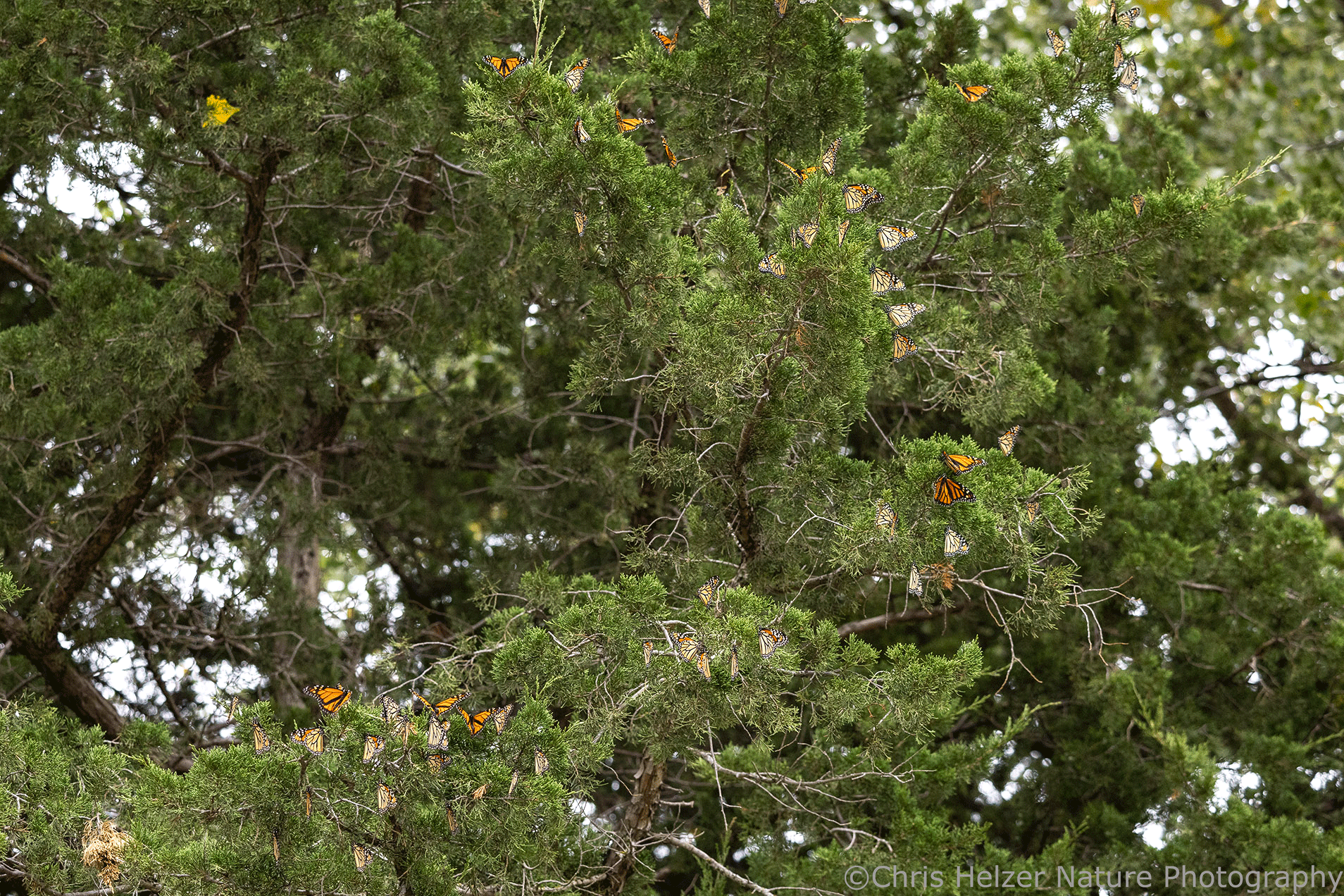
While she was running, I ended up finding an opportunity to photograph more monarch butterflies than the miles Kim ran. I stumbled upon a big roost just north of the town of Bassett, Nebraska. I was driving slowly down a dirt road and flushed a few butterflies from the tree line to my right. They flew up and then circled back to the tree they’d come from. Intriguing. When I stopped and looked more closely, I saw that there were hundreds of them in scattered groups along about 1/4 mile of trees. Most were high up in the branches, and the overcast skies made photography difficult, but I found a few groups I could capture images of during some brief periods of slightly brighter skies.
Monarchs fluttering their wings as one of their compatriots flew past.
I was particularly glad to find this roost because it’s more evidence of the value of this part of the world to monarchs. I feel like the Midwest and eastern U.S. gets most of the attention when it comes to monarch conservation efforts and funding. We should certainly spend money in that part of the country to improve habitat. However, further west in the Great Plains, there are tons of monarchs as well, both during breeding and migratory seasons. The numbers are underreported, largely because the human population is low and most of the landscape is privately-owned and not well-explored by people who count butterflies.
I made sure to report this roost and get another data point out there. As I shared the sighting with some local friends, I was told they were also seeing lots of monarchs coming through, both in their yards and on the ranches they work on. It shouldn’t be a surprise that the 12 million acres of Sandhills prairies (and the other 8 million acres of grassland in Nebraska) provide a lot of monarch butterfly habitat, but it’s apparently a story we need to keep telling people. So, here I am telling it.
A slightly wider view of that same group shown above.An even wider view of the same group. I count 54 monarchs in this photo.
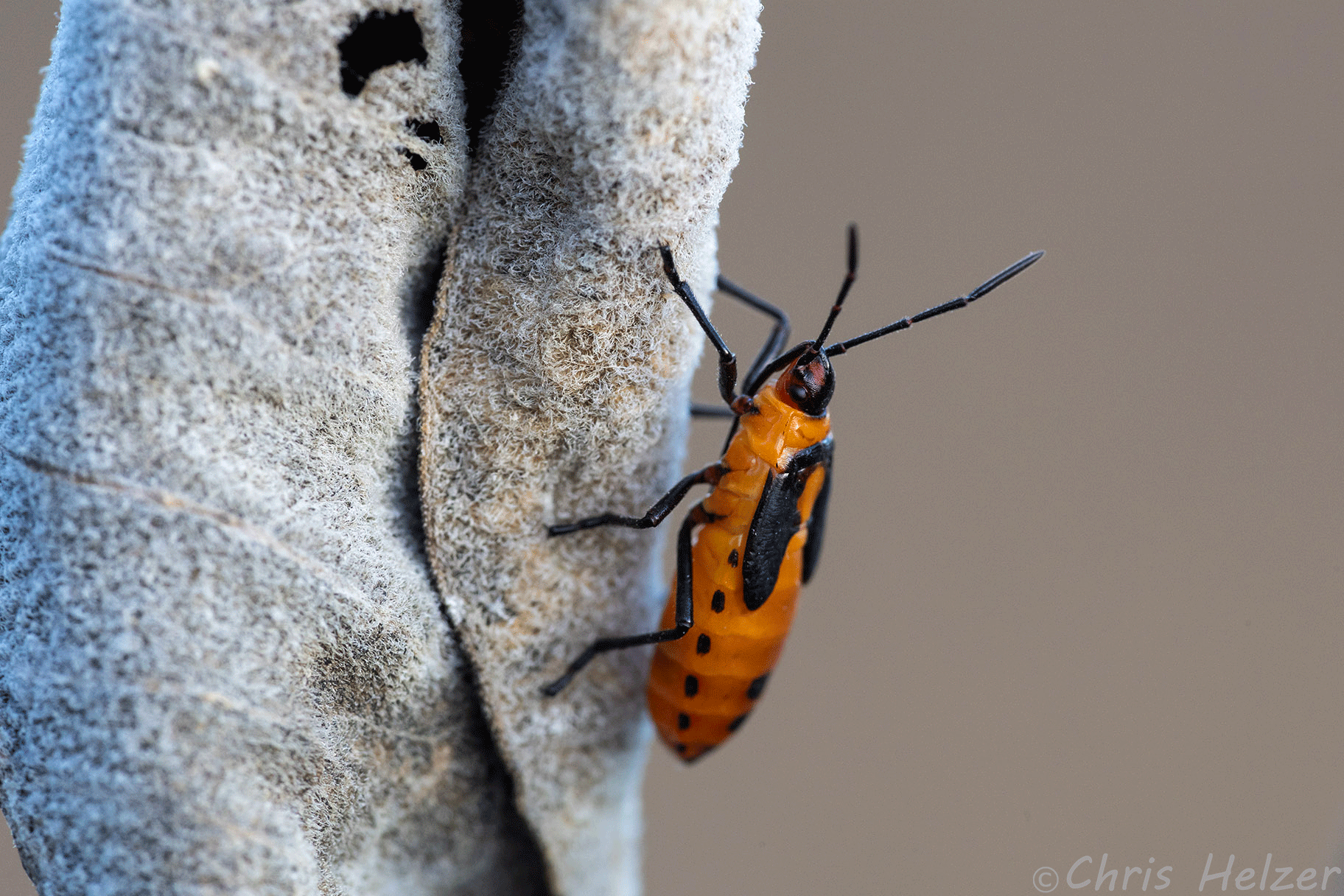
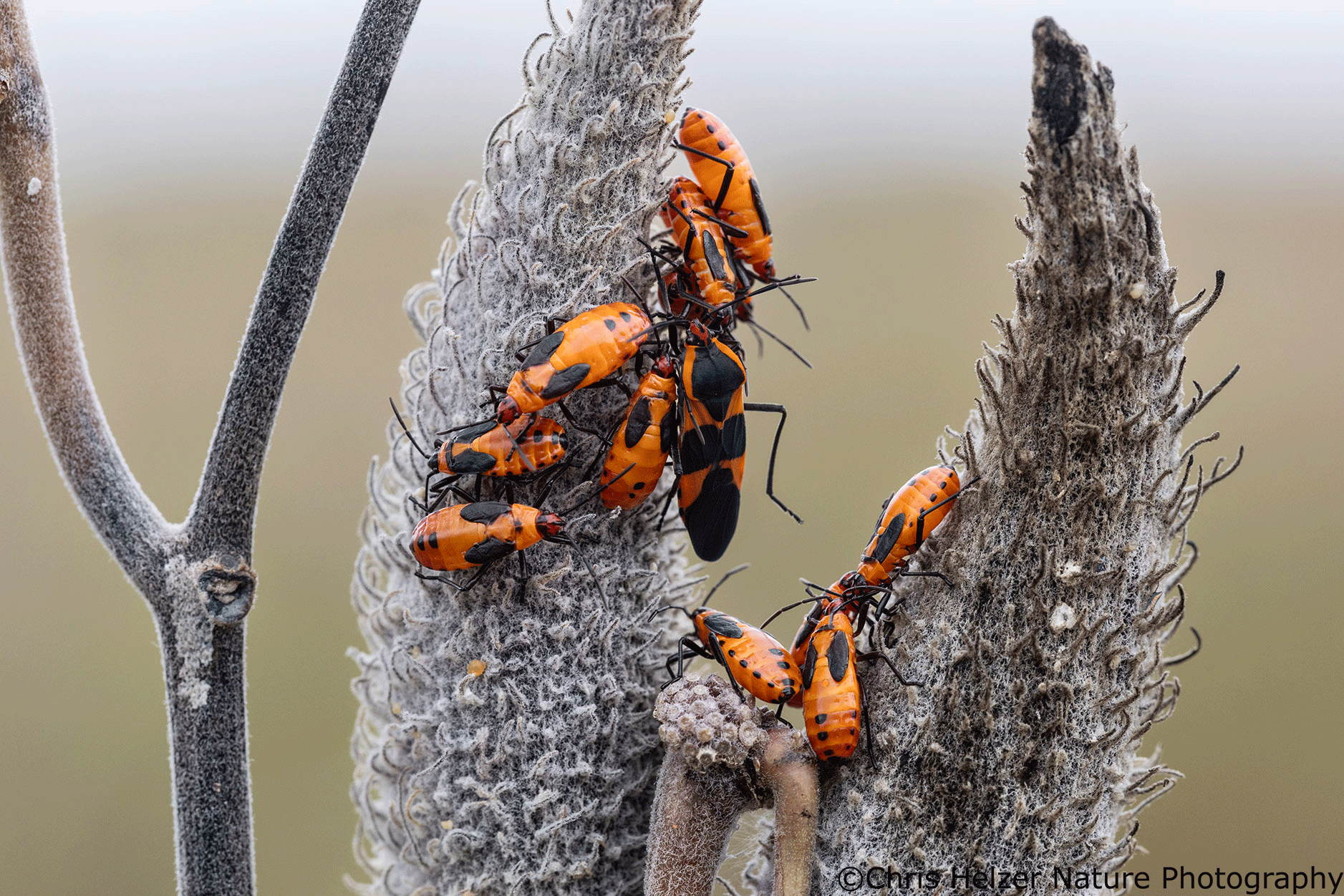
Apart from the monarch roost, I didn’t find many other photo opportunities during the day. It was dark and dreary and just breezy enough that things didn’t line up well for photography. Plus, of course, I had race obligations – I had to stay ahead of Kim and meet her at the various aid stations where I could fill her up on water and encouragement. I did stop and watch a little family of milkweed bugs feeding on some milkweed pods, though. I also wandered around and enjoyed seeing the sights without trying to photograph everything I saw.
Large milkweed bugs on common milkweed.
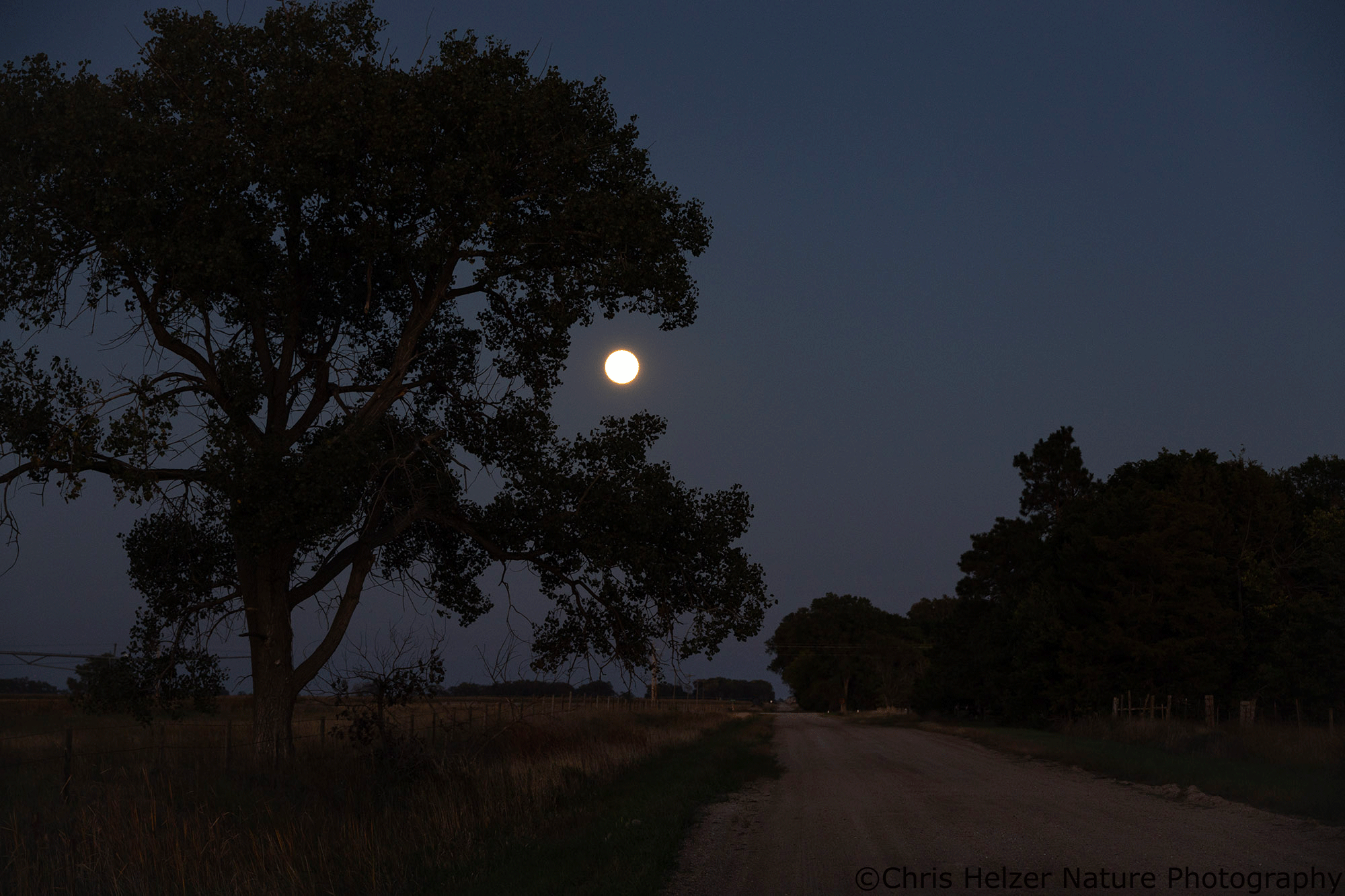
As the sun went down Saturday night, a large full (or close) moon rose from the opposite horizon. As it emerged, large and pink, I was helping Kim get back on the trail, but once she was on her way, I drove out of town and found a spot where I could take a few quick photos before it got too high.
Full moon, cottonwood tree, and a country road.
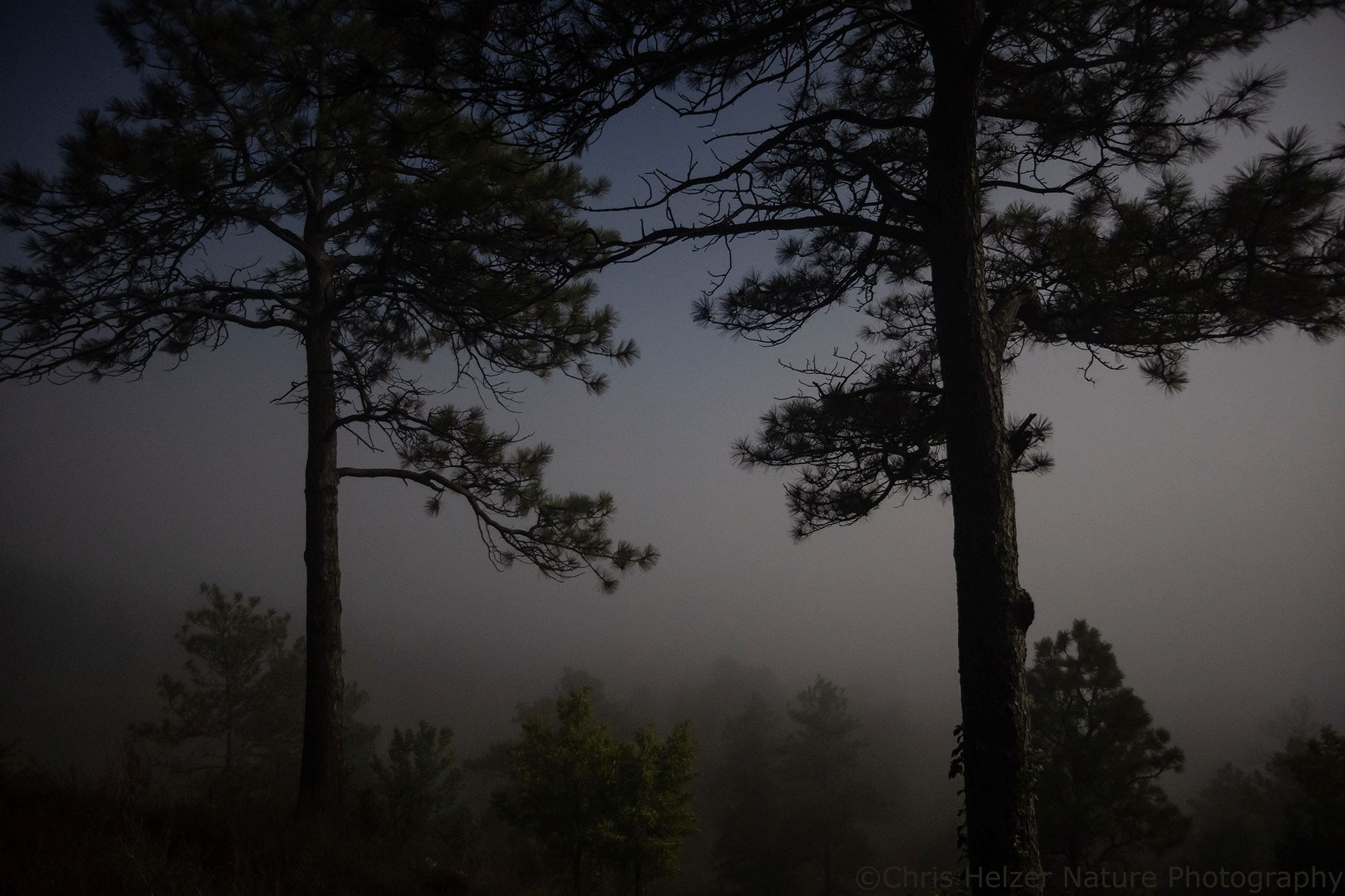
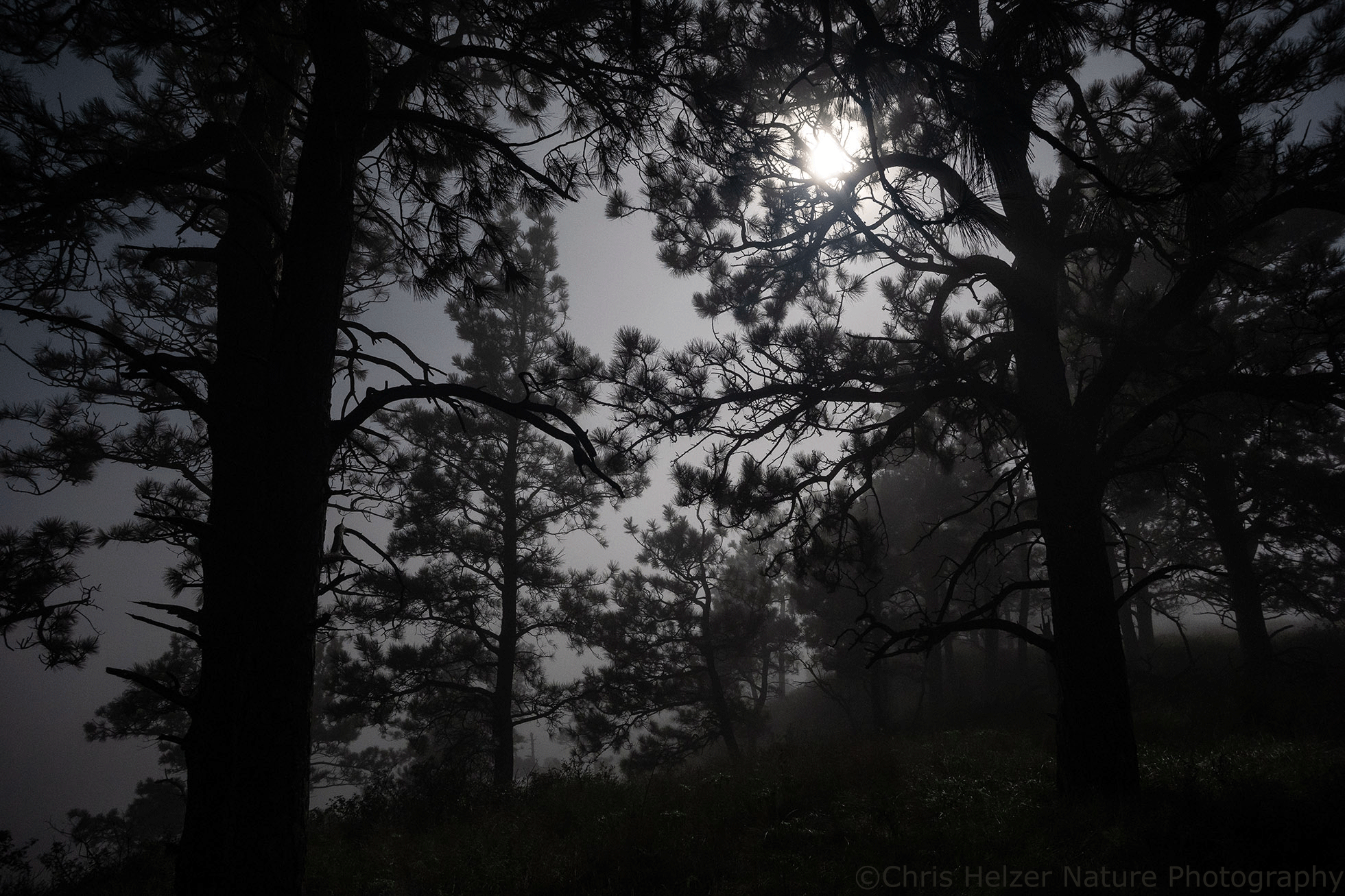
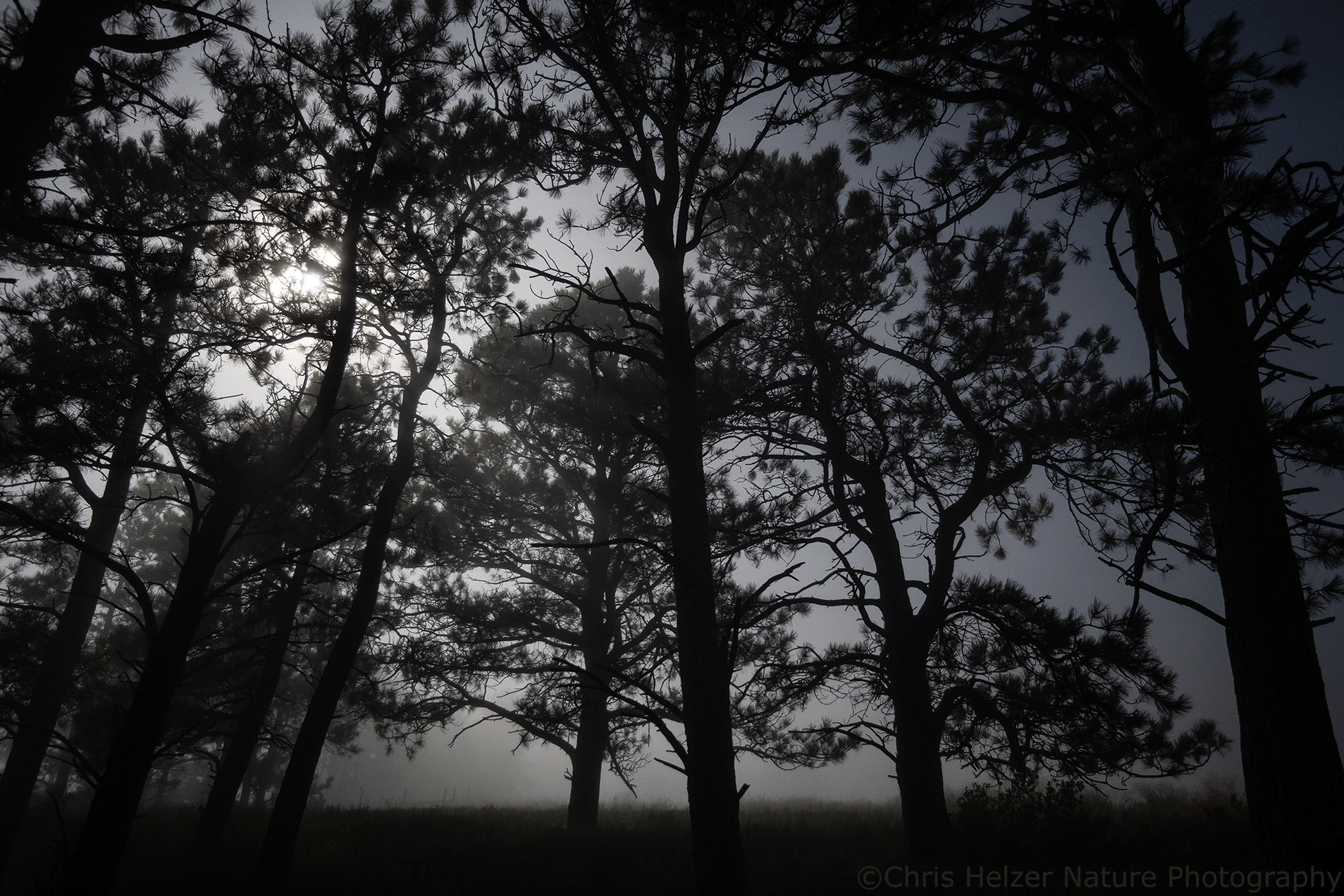
My next photo opportunity came at about 4 in the morning. I managed an hour or two of sleep (car camping) but kept waking up to check on Kim’s progress (online tracking tool). When it was clear I wasn’t going to sleep anymore, I stopped fighting it and drove up to a high point above the Niobrara River, where the full moon and rolling clouds of fog created some magical conditions for photography.
Ponderosa pines at the top of a ridge that dropped down to the Niobrara River (which was concealed by fog). The only light source was the moon.
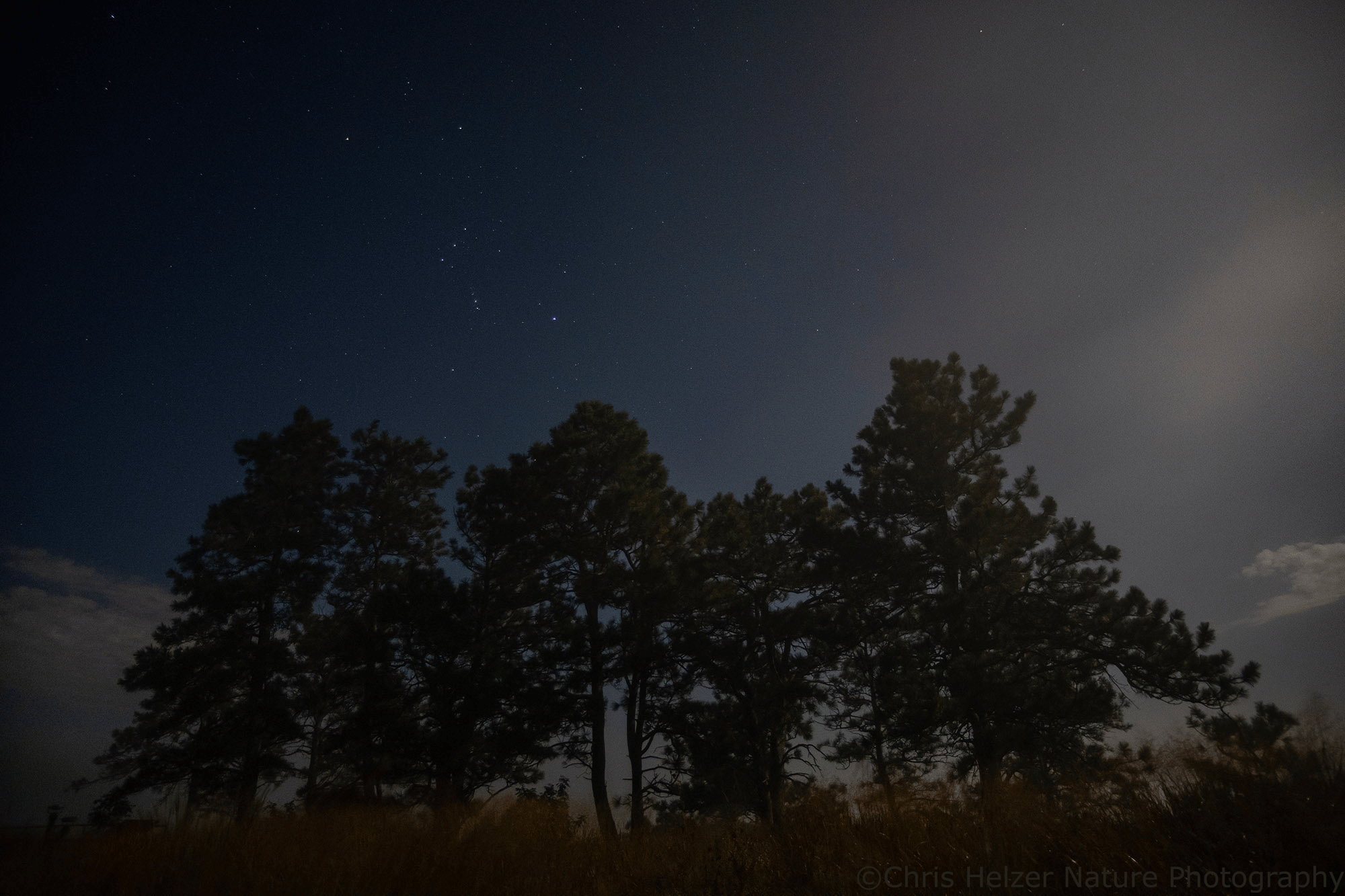
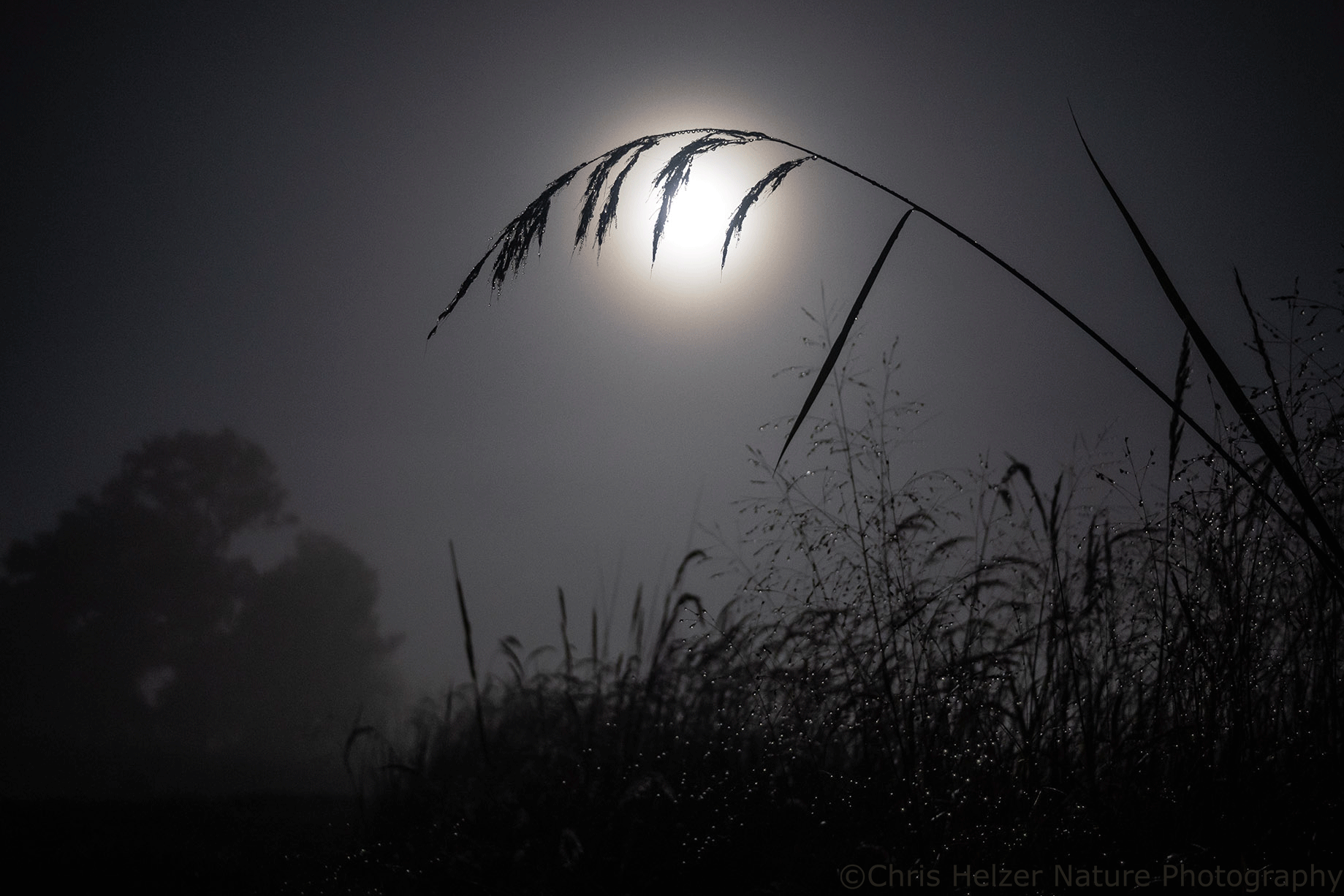
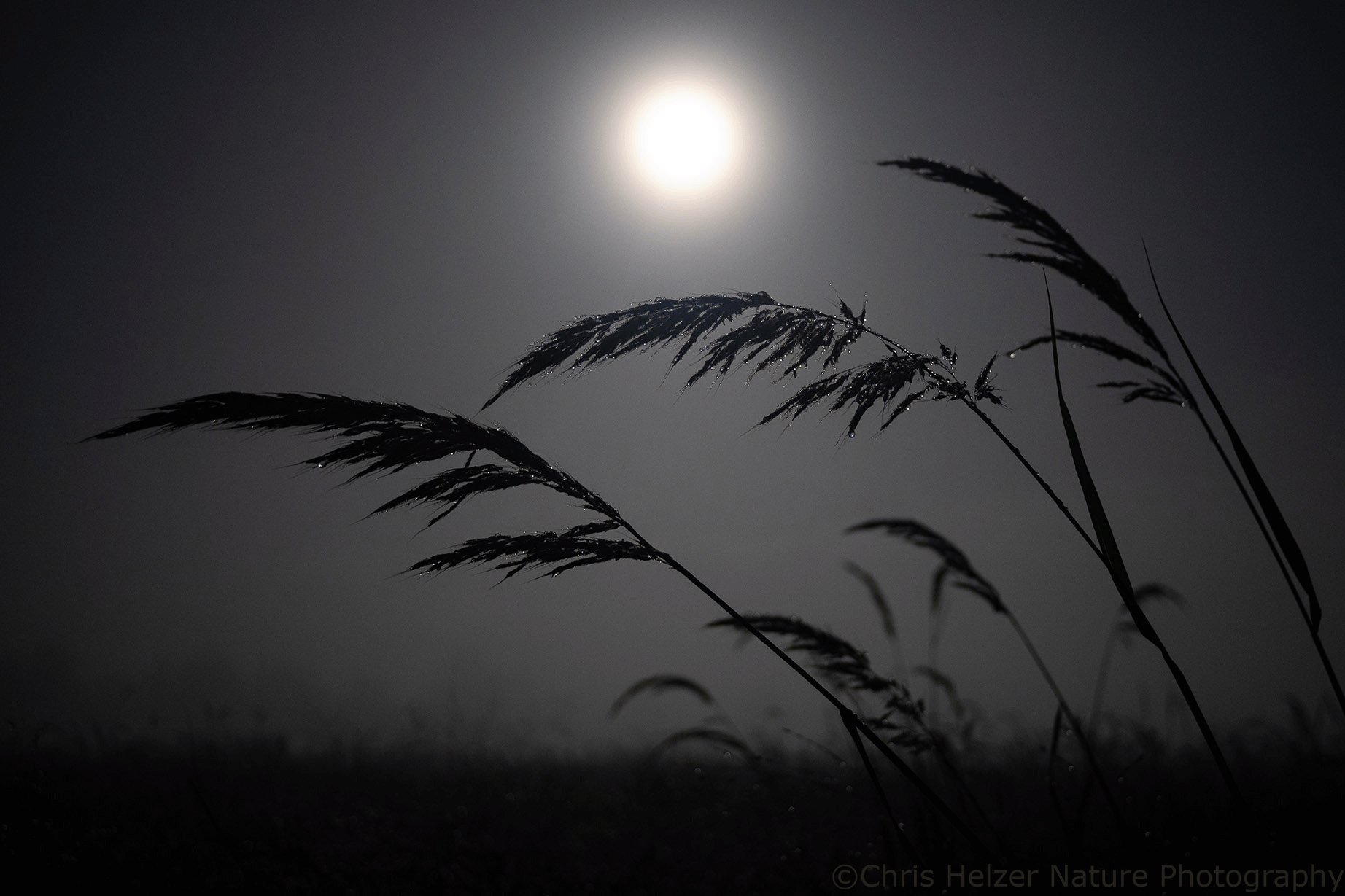
I spent time photographing ponderosa pines silhouetted against the moonlit fog and, periodically, glimpses of the stars above. I also went out into the dew-covered prairie and silhouetted some grasses against the sky as well. Despite being sleep deprived, I was no longer feeling tired. I was totally consumed by beauty all around me and tried my best to capture some of it.
A few stars are visible above these pines but the fog closed that gap soon after I took the photo.Pines, fog, and the moon.More of the same.Indiangrass and foggy moonlight.A different patch of grass.
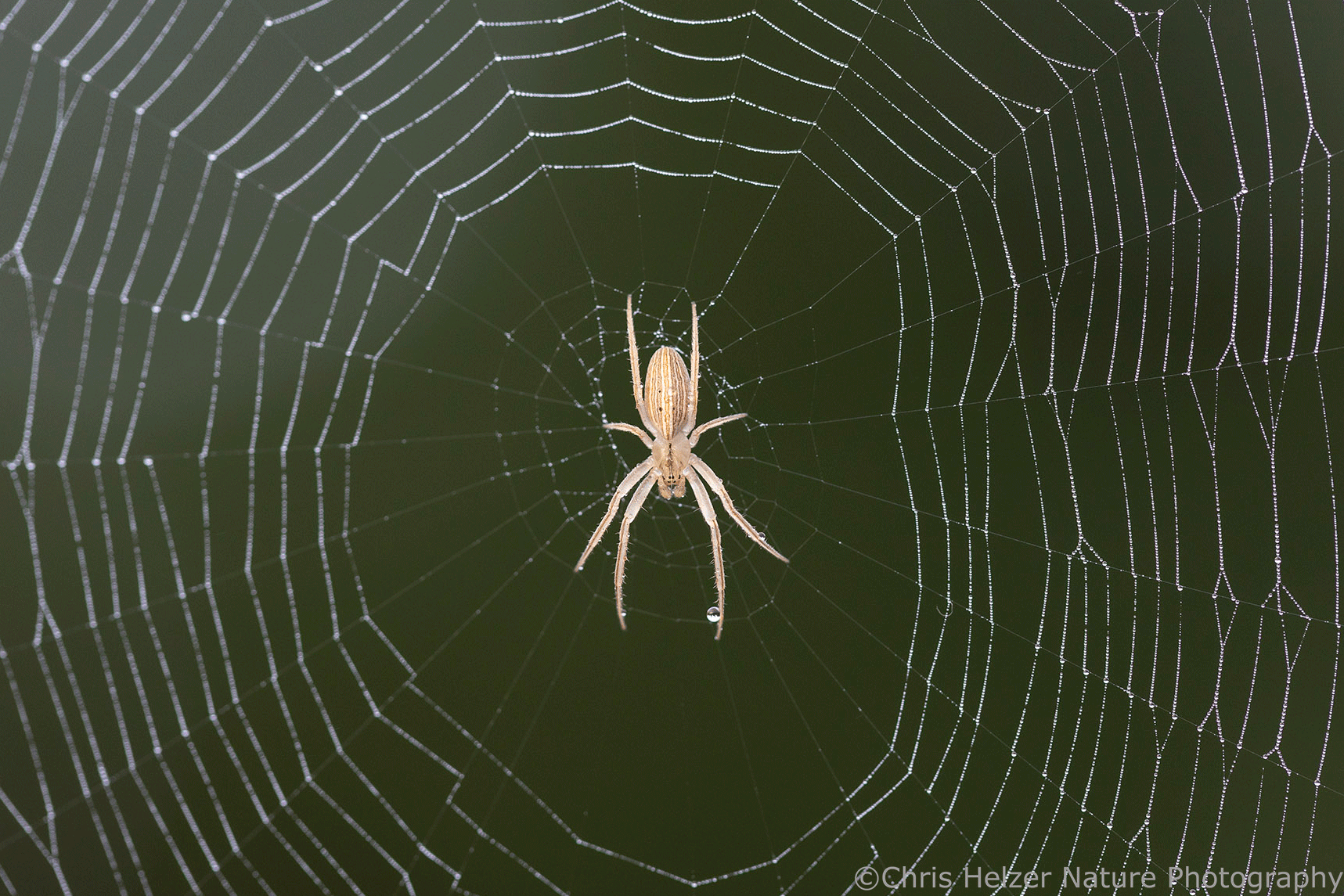
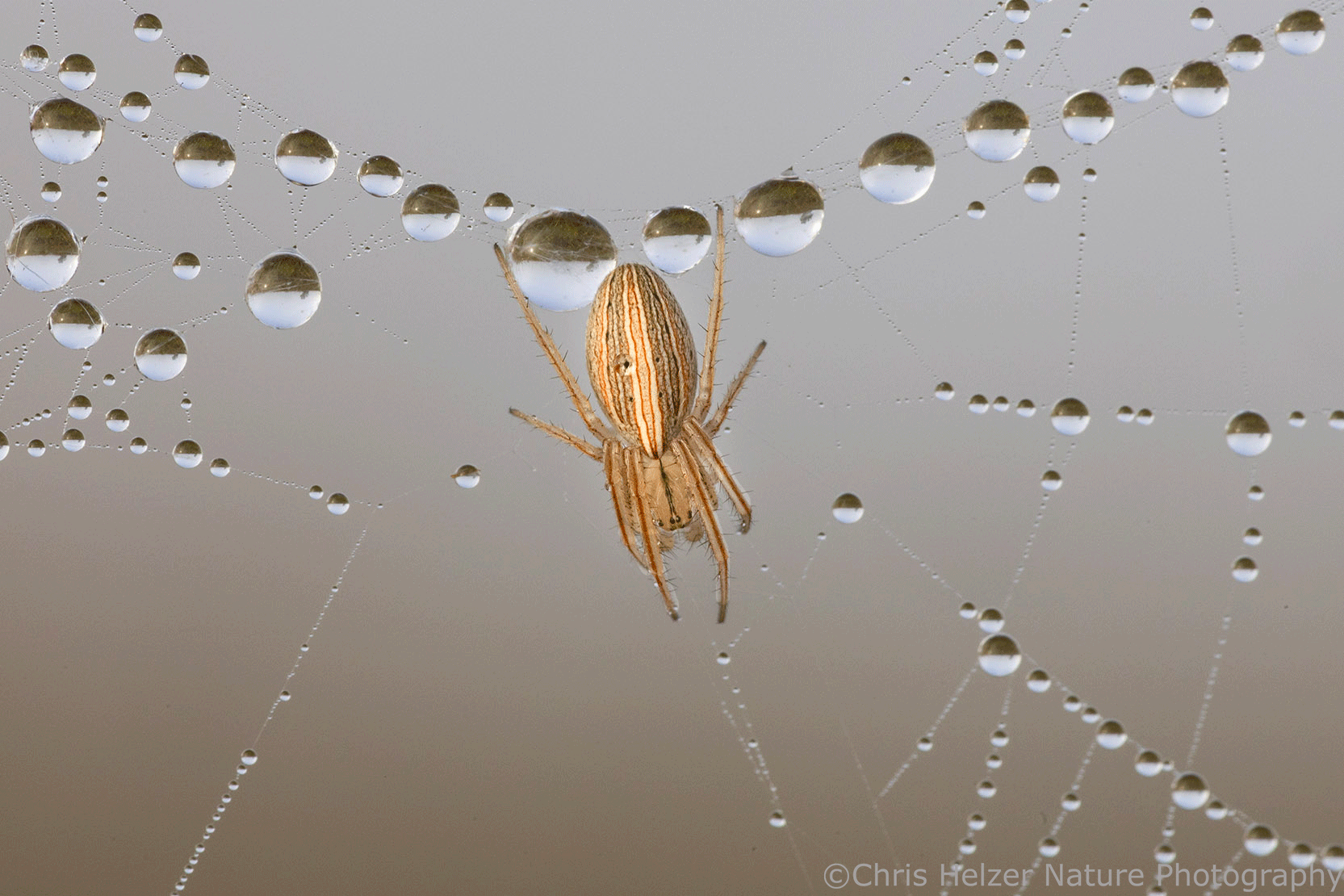
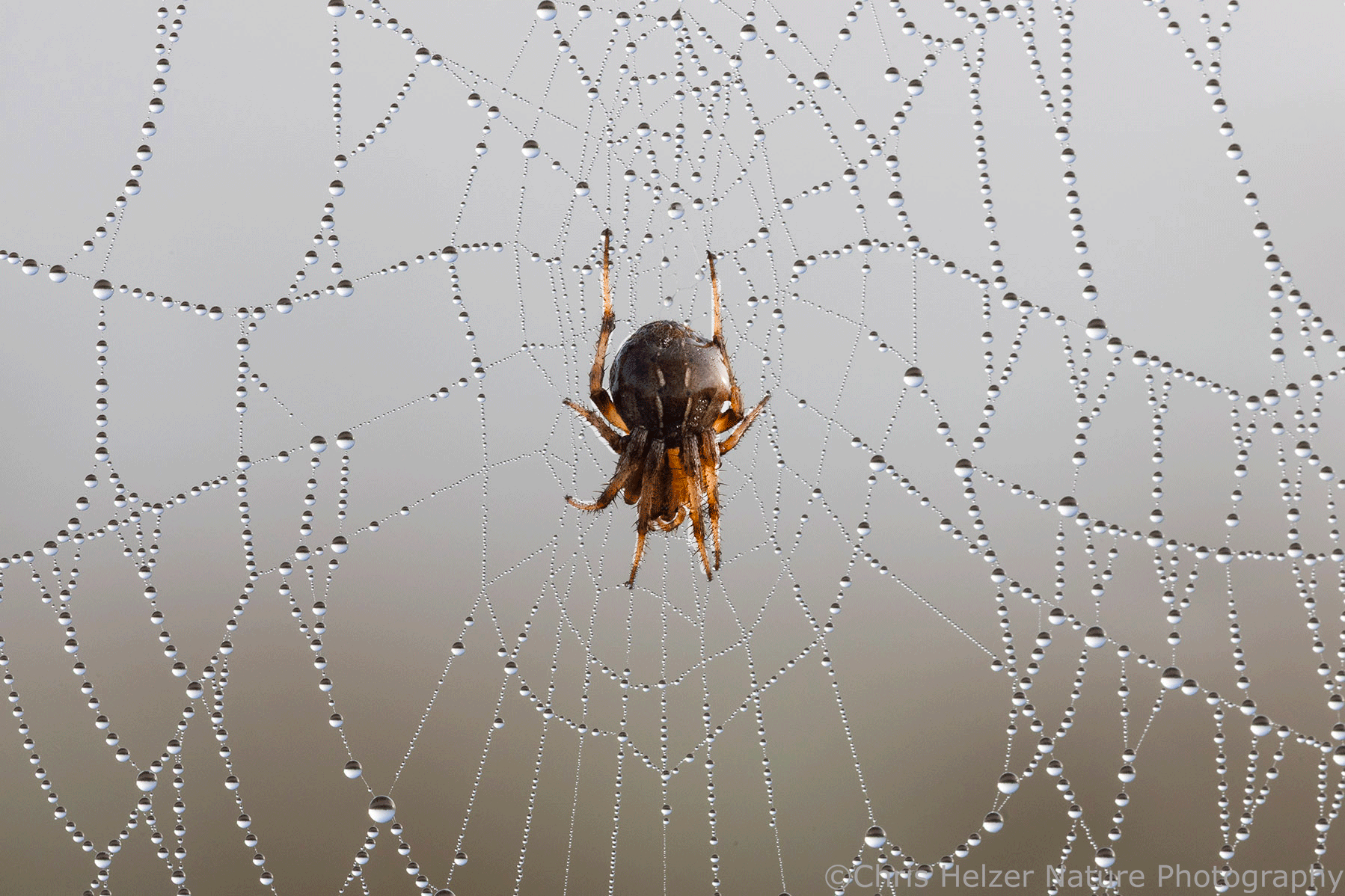
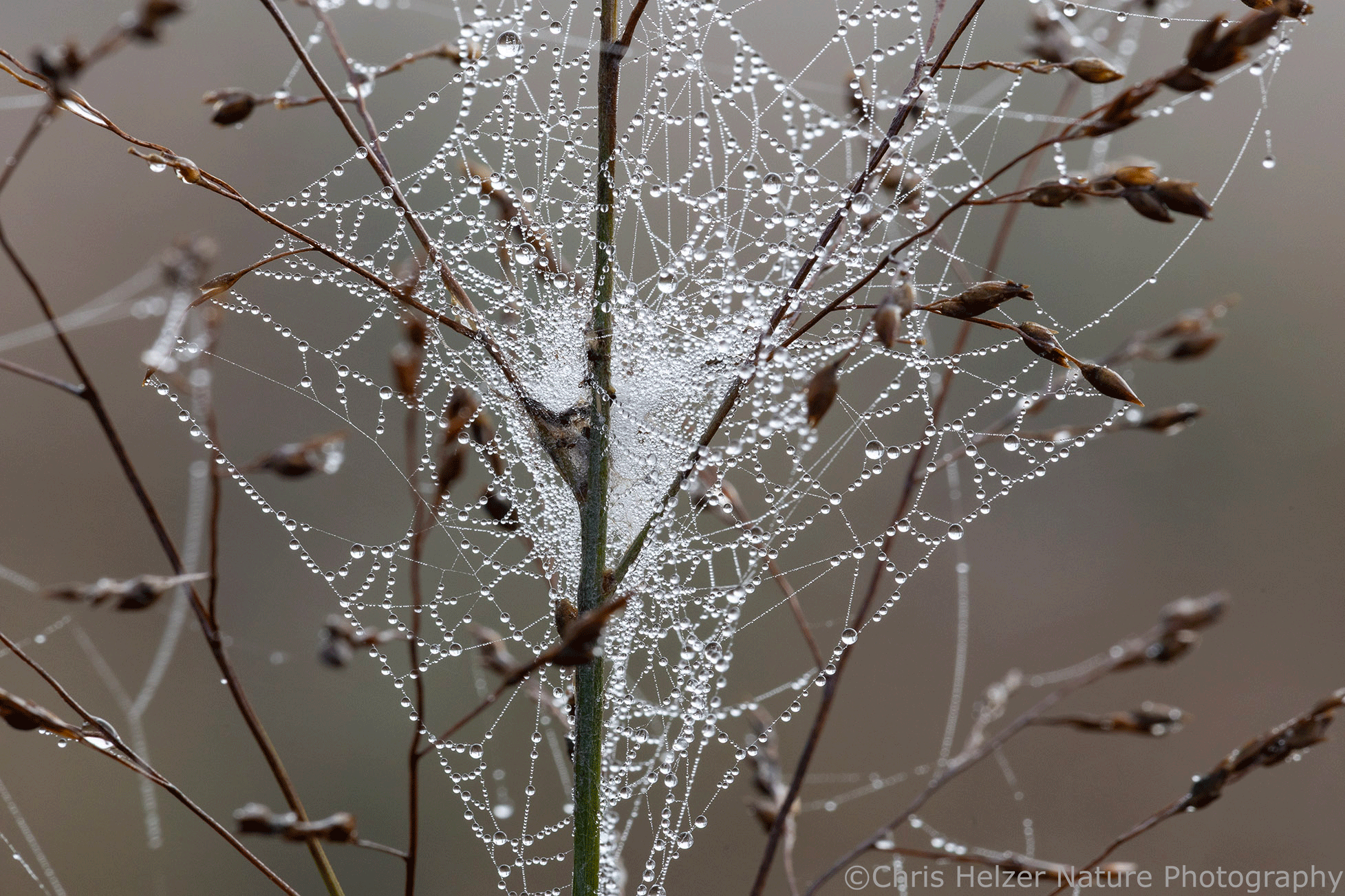
After Kim finished her race at about 7am, I had one more brief window of photography time and focused mostly on the thousands of dew-covered spiders and webs that were scattered along the Cowboy Trail.
Orb weaver (Larinia borealis)Orb weaver (Larinia borealis)A different species of orb weaver (Neoscona pratensis).Spider silk and switchgrass.
Then it was time to head home so both Kim and I could catch up on sleep. I drove and Kim tried to doze while icing her ankle and trying to get her stomach to settle enough to eat some food. Ultramarathoners do this for fun…
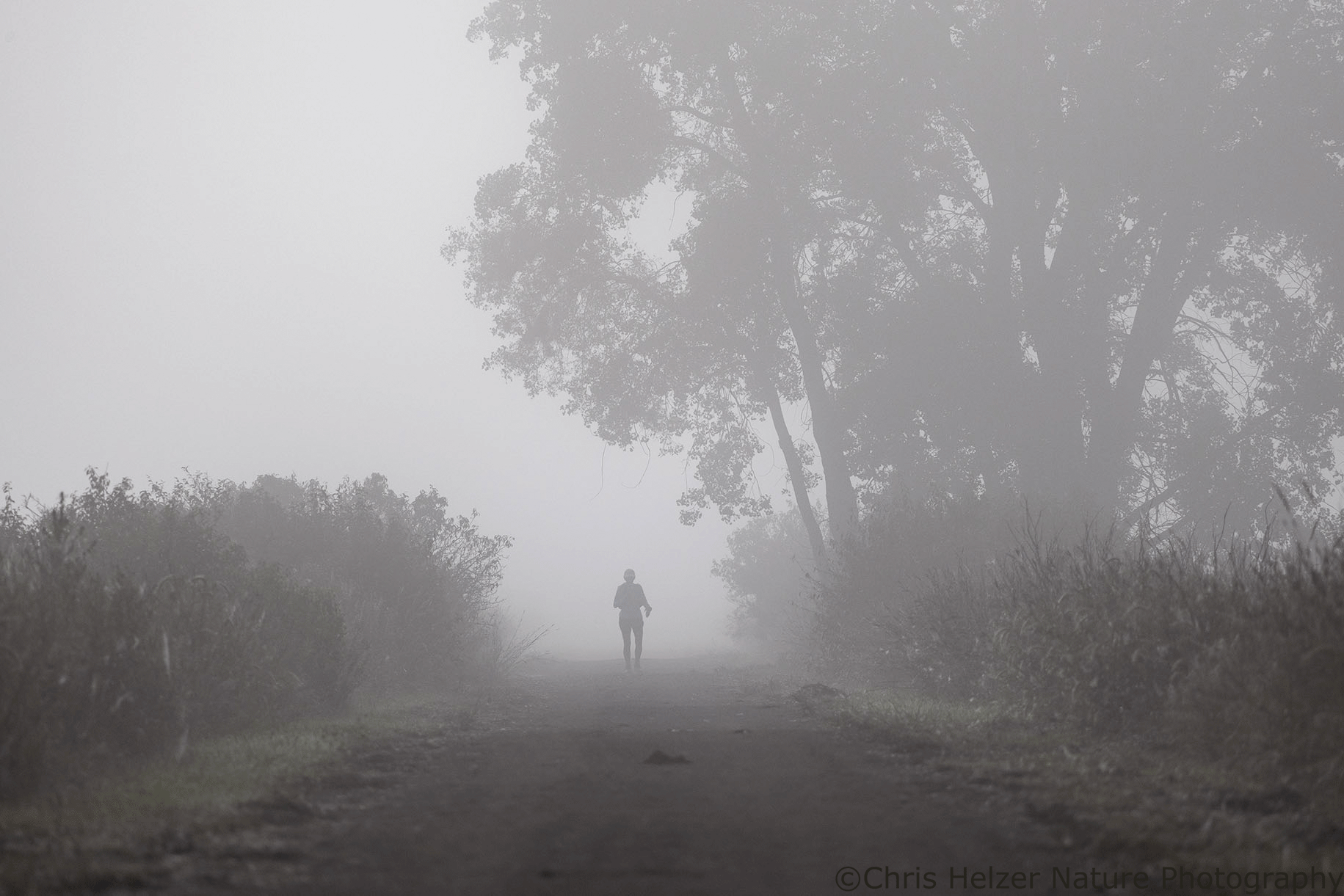
A runner coming through the fog on Sunday morning, heading toward the distant finish line.
I’m mostly caught up on sleep now and Kim is already dreaming about future races. Fine with me! I’m happy to hand out dry socks, nutrition, and encouraging words now and then if I also get time to kick around some beautiful places with my camera. It’s also fun to see Kim do something she’s really good at, even if I think it stretches the definition of “fun” a little.
If you want to see a little video of the race Kim ran, check out this link. It’s a local news story featuring the Cowboy 200/100 ultramarathon. There’s video of Kim crossing the finish line right at the beginning of the clip and brief interviews of a few of the top runners trying to explain why they do what they do.