Unknown's avatar

About Chris Helzer

Chris Helzer is the Director of Science for The Nature Conservancy in Nebraska. His main role is to evaluate and capture lessons from the Conservancy’s land management and restoration work and then share those lessons with other landowners – both private and public. In addition, Chris works to raise awareness about the importance of prairies and their conservation through his writing, photography, and presentations to various groups. Chris is also the author of "The Ecology and Management of Prairies in the Central United States", published by the University of Iowa Press. He lives in Aurora, Nebraska with his wife Kim and their children.

Photos of the Week – December 5, 2025

It has finally gotten cold enough for my favorite winter wetland to freeze over. Mostly.

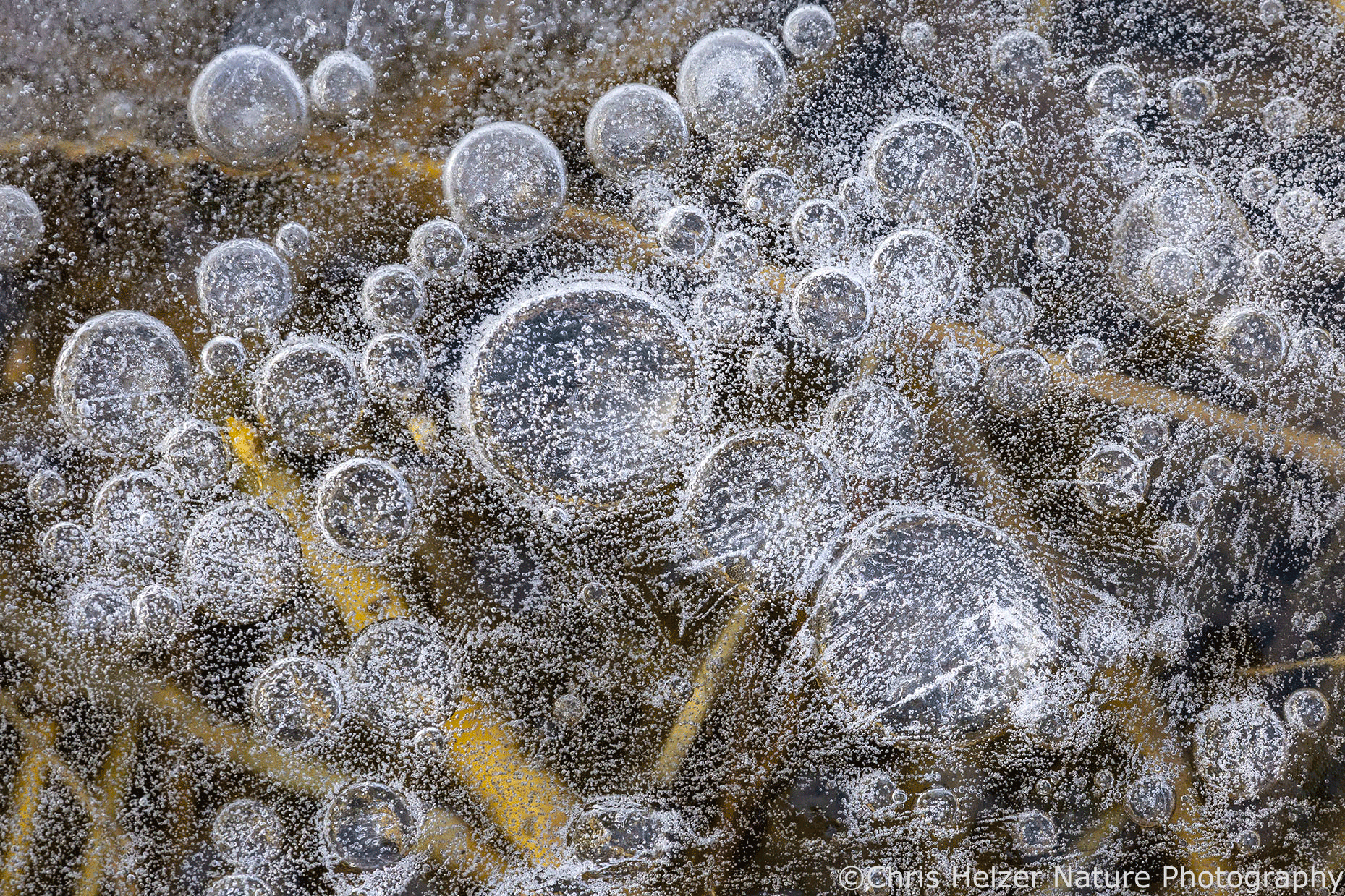
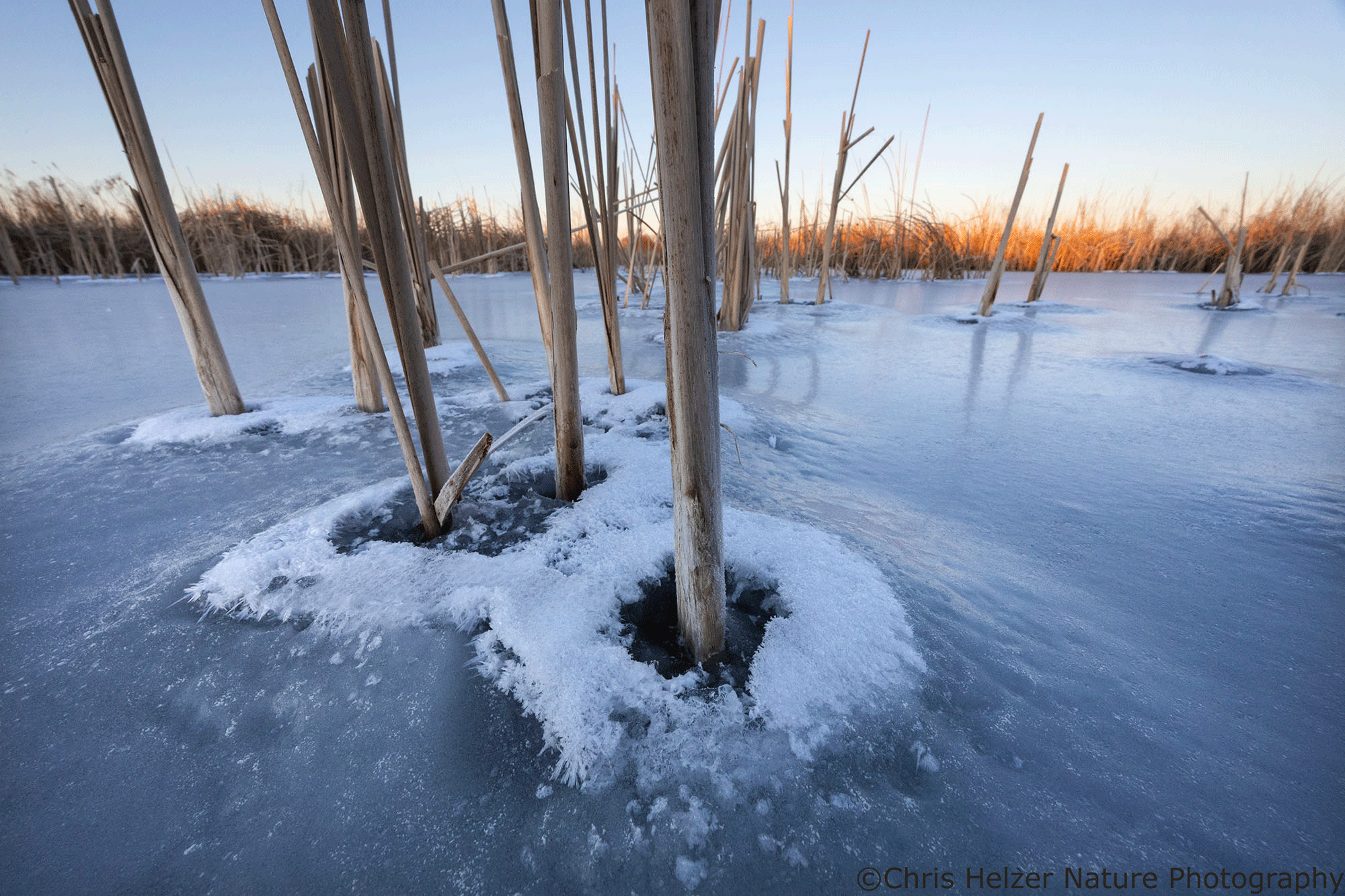
I made two quick trips this week to the restored wetland at the Platte River Prairies. It’s a former sand and gravel mining site and we converted it from a sandpit lake to a stream with side channel and backwater habitats about 15 years ago. It’s one of my favorite places to visit, especially in the winter, when I can slide around on the ice looking for frost and ice patterns – and, of course, ice bubbles. The ice conditions haven’t been ideal for ice bubbles so far this year, but the frost has been very nice.

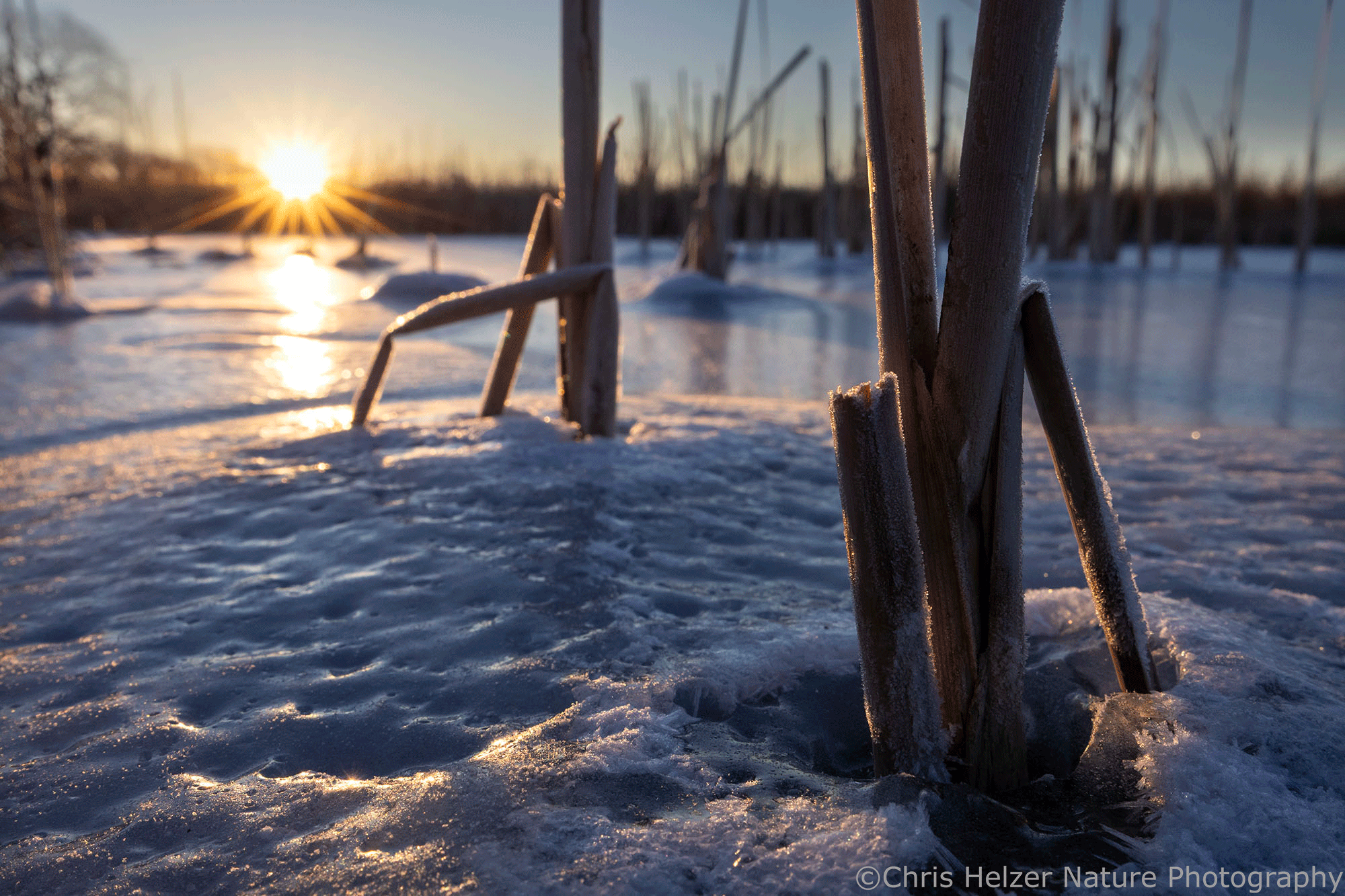
Sunrise, frost, and ice.

During my first trip, the ice was thick enough to support my weight across most of the wetland. Unfortunately, the exceptions were along the banks, making it difficult to make my way from shore onto the ice. Jumping over the thin ice and hoping the thicker ice would hold me didn’t seem like a smart move. Instead, I just patrolled the banks until I found a spot where the ice had frozen all the way to the edge of the water. Once on the ice, I spent more time army crawling than walking to help ensure I didn’t accidentally take a very cold bath.

The depth of the water was less than a foot, so the greatest risk was a very cold walk back to the truck, and maybe some wet camera gear, but still. By the second time I visited, the ice was thicker, but I still had to move carefully and backtrack when I heard cracking sounds. Who needs caffeine when you have cracking ice sounds to keep you alert?

The skies were clear when the sun first came up on my first trip, but some diffuse clouds moved in as the sun rose. That couldn’t have worked out much better – the early sun was soft and warm and then as the light intensity increased with the sun’s height, clouds helped soften it again. There were a few snipe hanging around patches of open water and schools of small fish in pools near beaver dams. A mouse scurried across my patch once, too. Otherwise, I seemed to have the quiet, cold wetland to myself.

A beaver dam on the stream as it enters the restored wetland area.

Beavers have found this wetland attractive since we finished the restoration work. We actually designed the wetland with beavers in mind, knowing that both they and floods would continue to mold the initial template we created. Because of that, I didn’t spend a lot of time on the finer details of topographic shaping. Instead, I made sure we created lots of potential paths for the stream entering the site to make its way through the restoration area, depending upon what beavers and flooding chose to do. As a result, the configuration of water and land changes quite a bit from year to year.

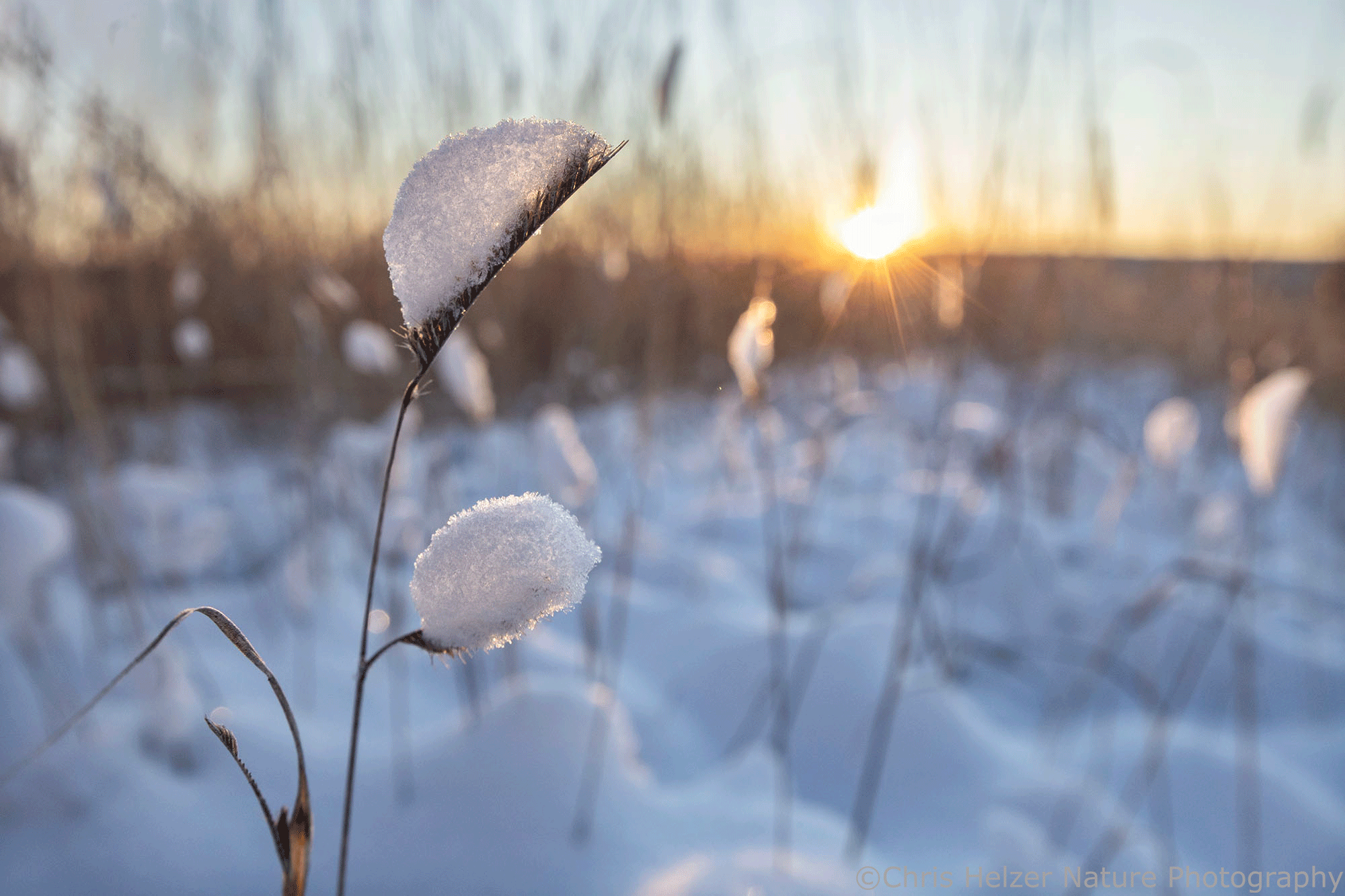
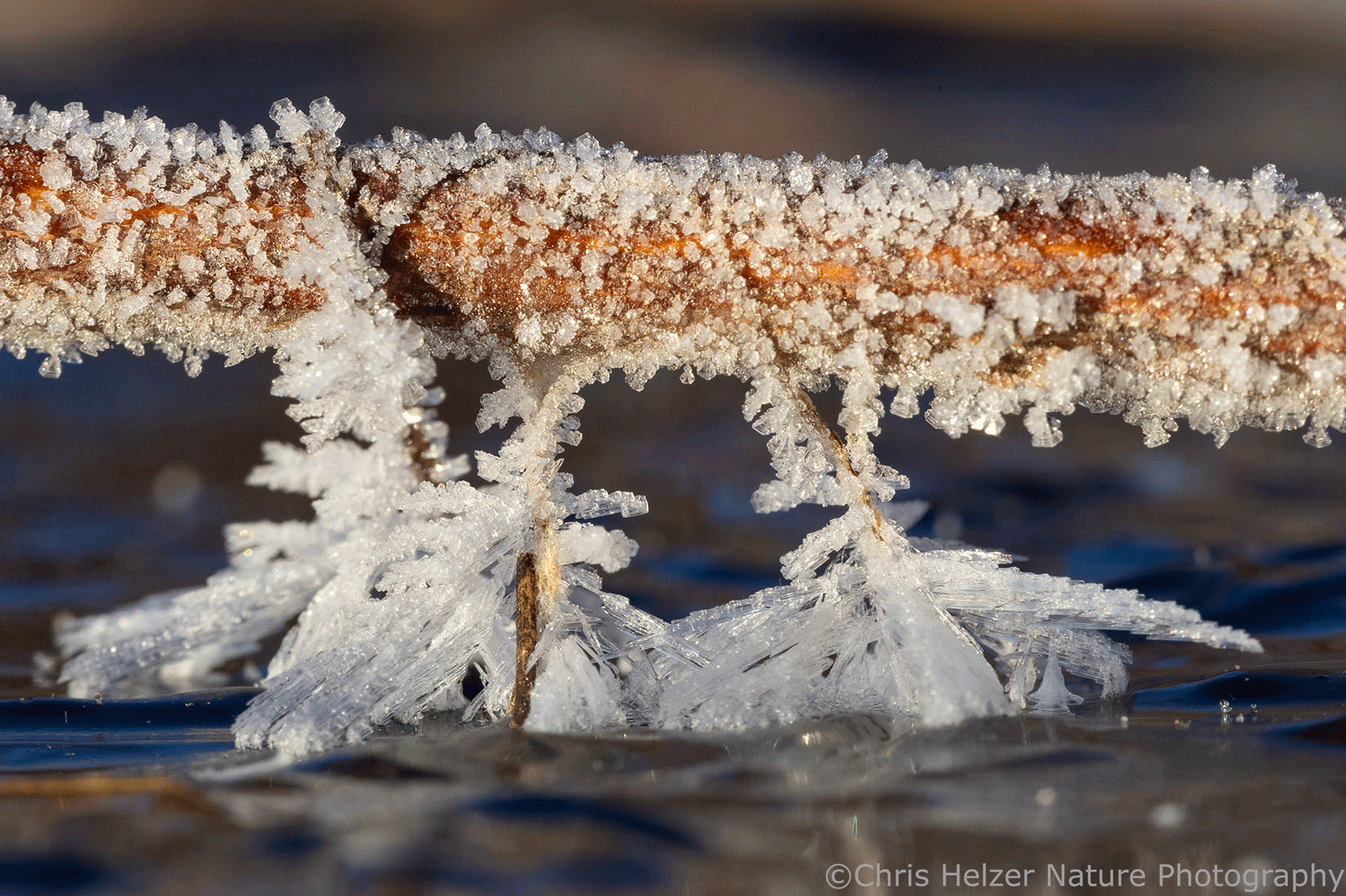
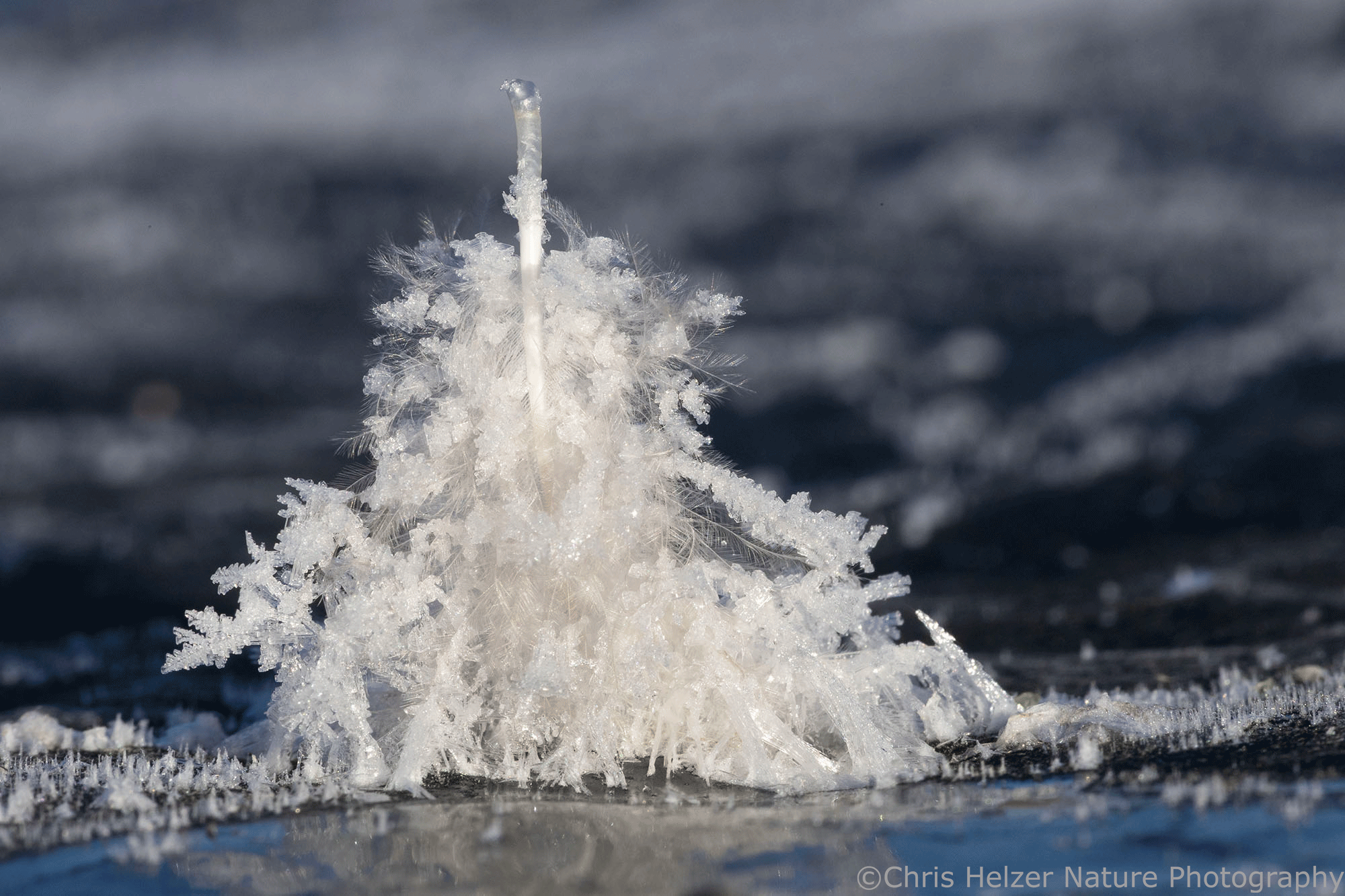
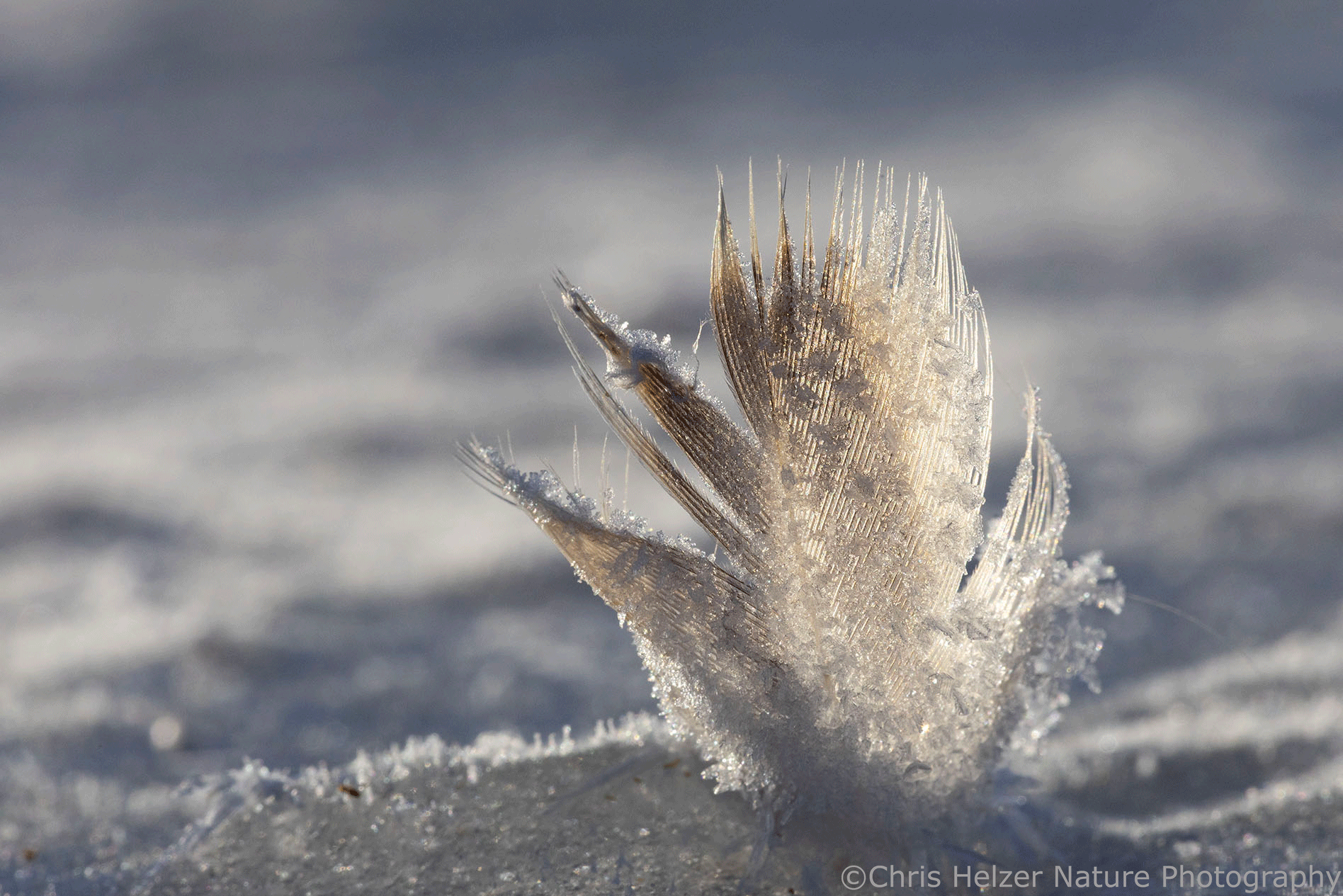
A little “frost tree”, made of frost accumulating on a little plant stem protruding from the ice.
Another of the many beaver dams on the property.

While the beavers are busily impounding water at the site, I also imagine they wished we hadn’t created quite so many potential paths for that water to flow. It takes a lot of dams to hold water back, and even then, there always seem to be little streams that find their way around those structures. If I was a beaver, that would feel pretty frustrating, I think. As an ecologist, though, I think that habitat variety is great!

A trickle of water circumventing a beaver dam (sorry, guys!).
Another look at the same little stream of water.
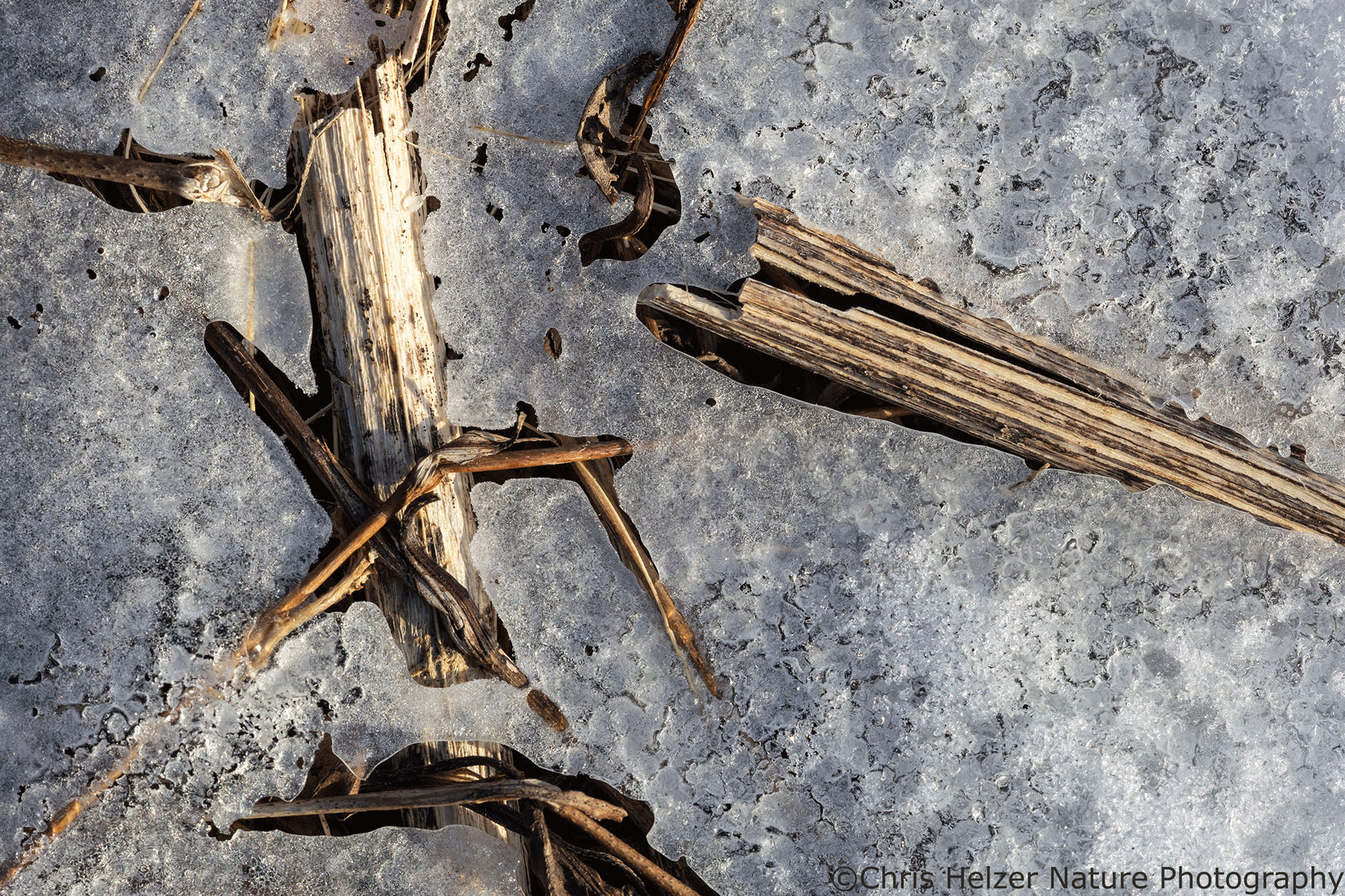
Cattail seeds on the ice. These any other invasive plants continually float into the wetland from upstream, making it a big challenge to maintain decent plant diversity in the restoration area.

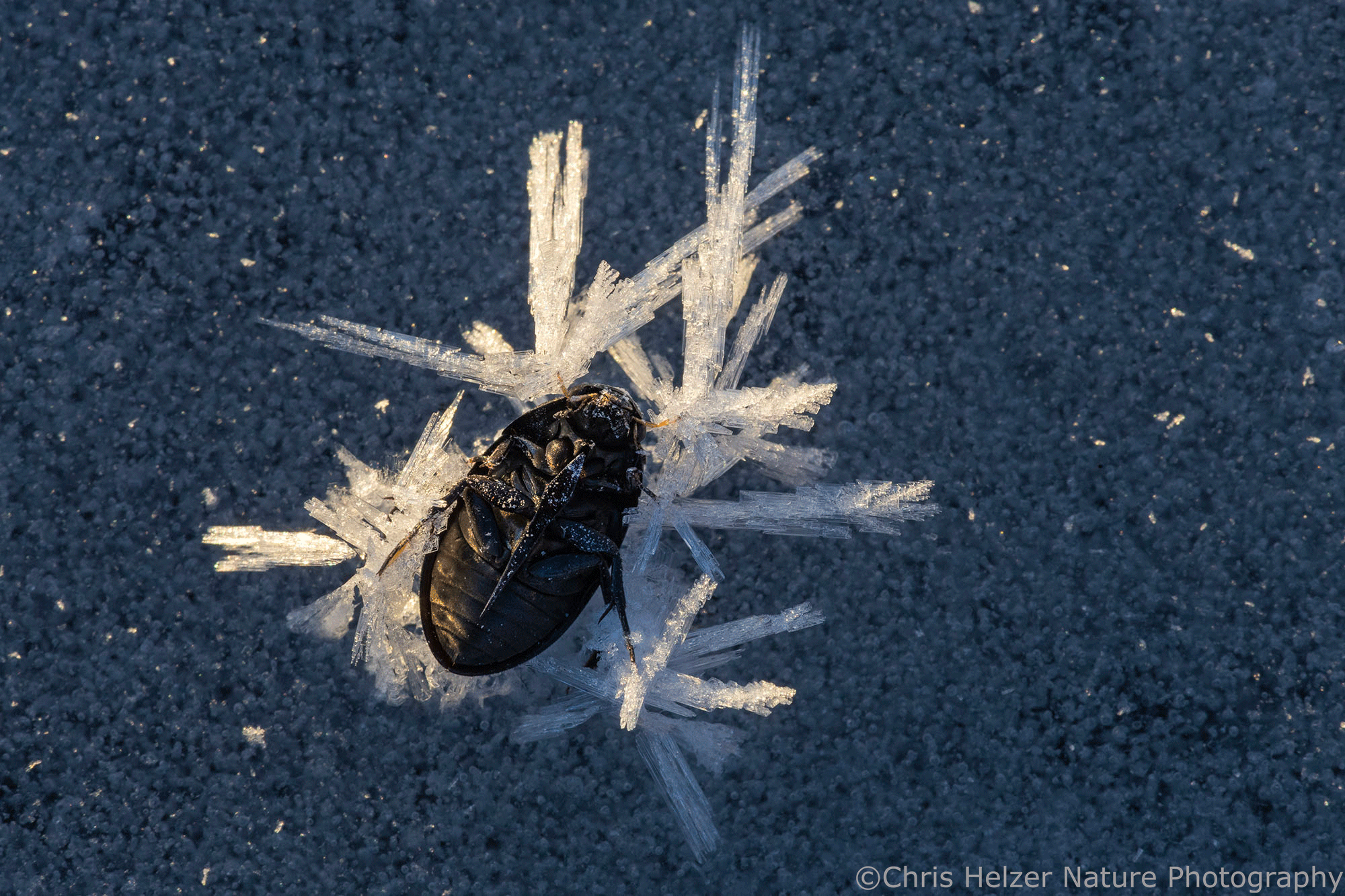
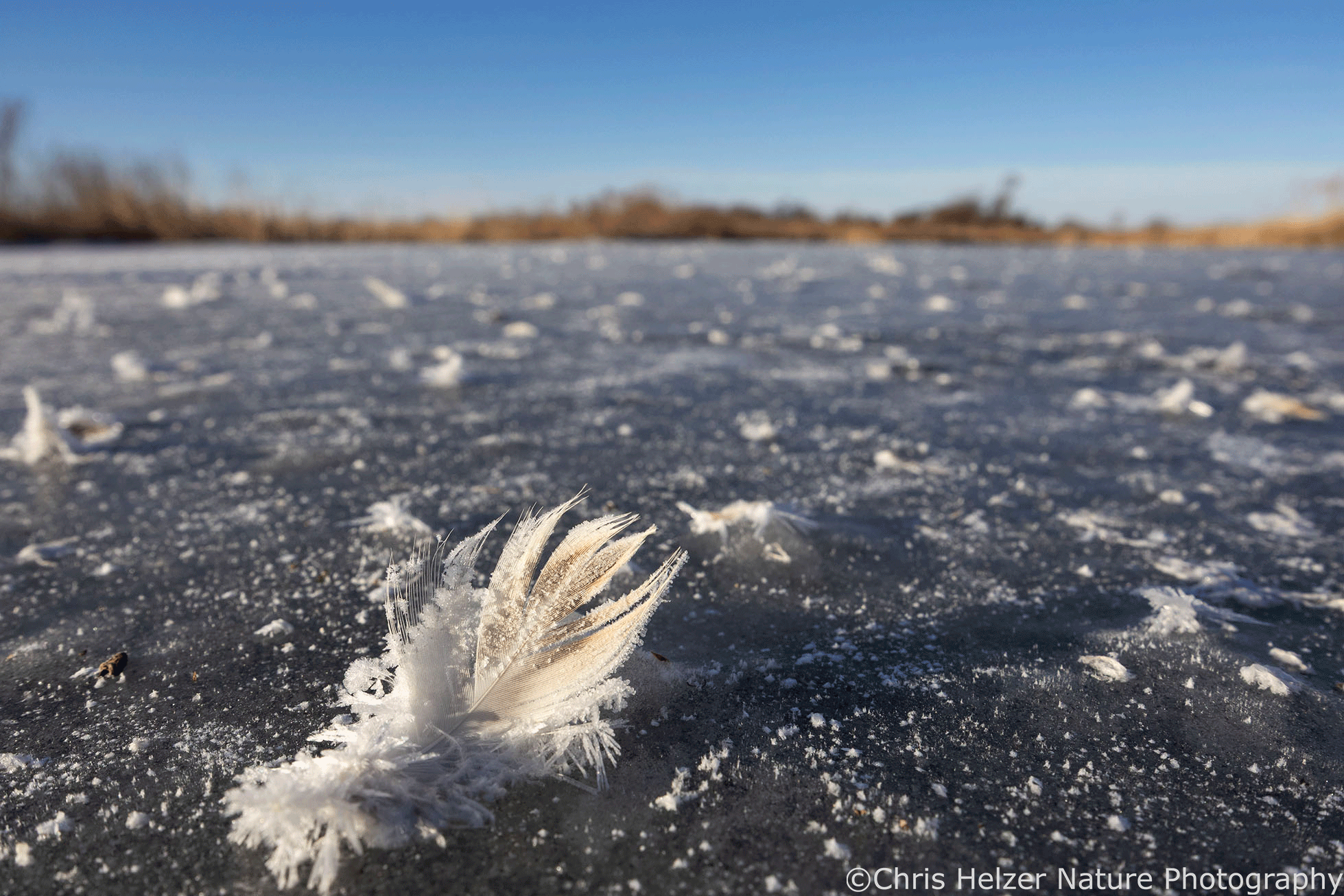
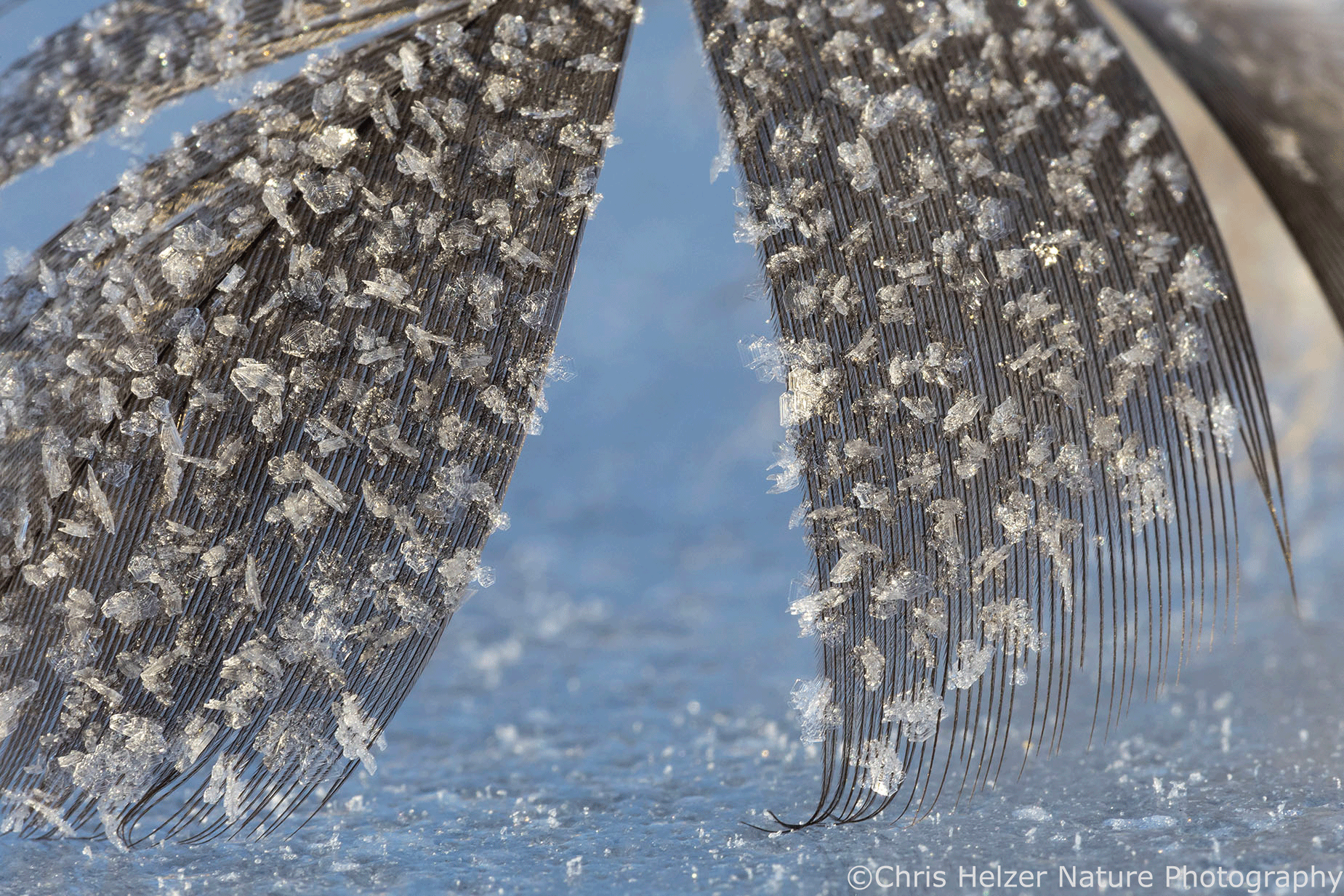
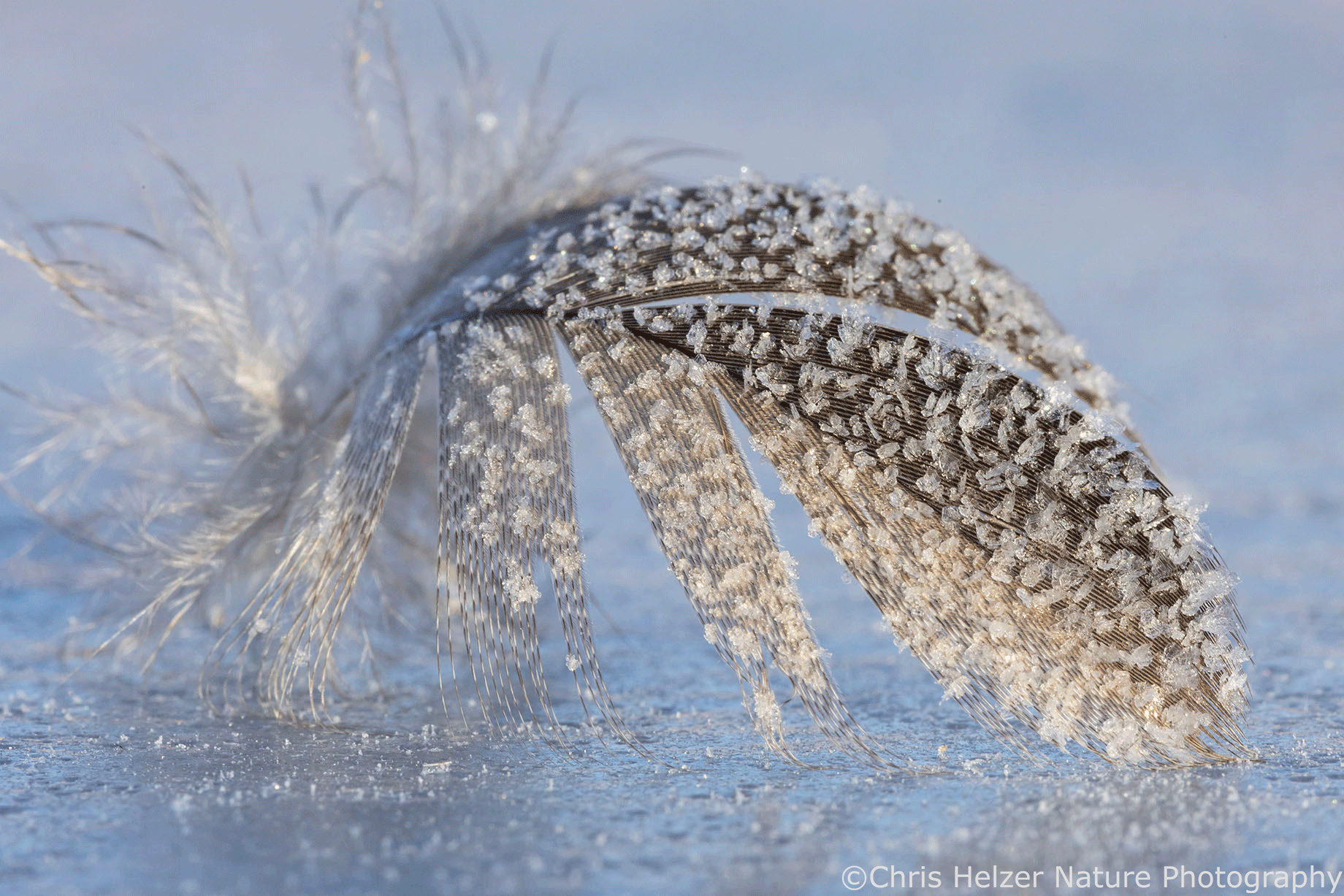
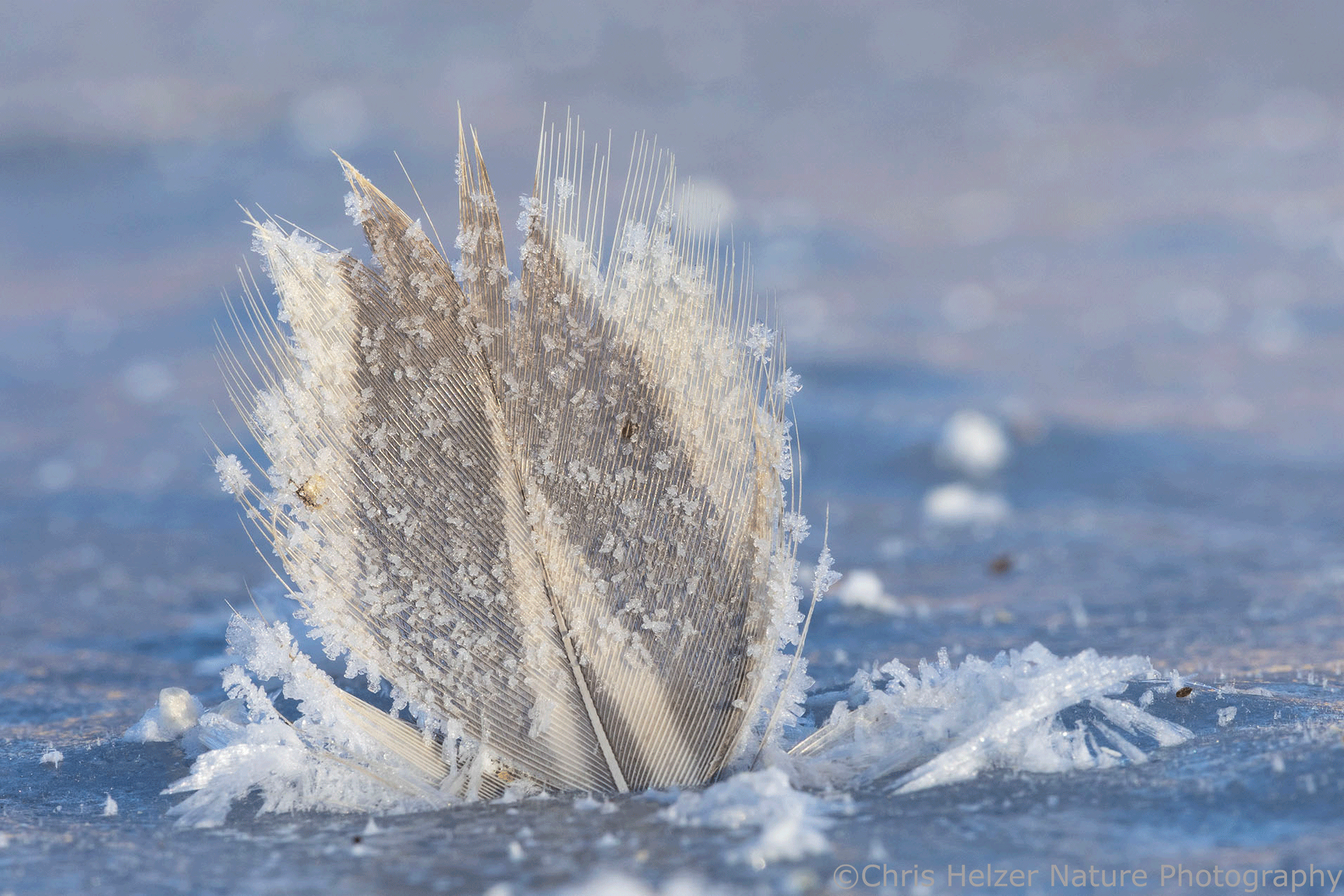
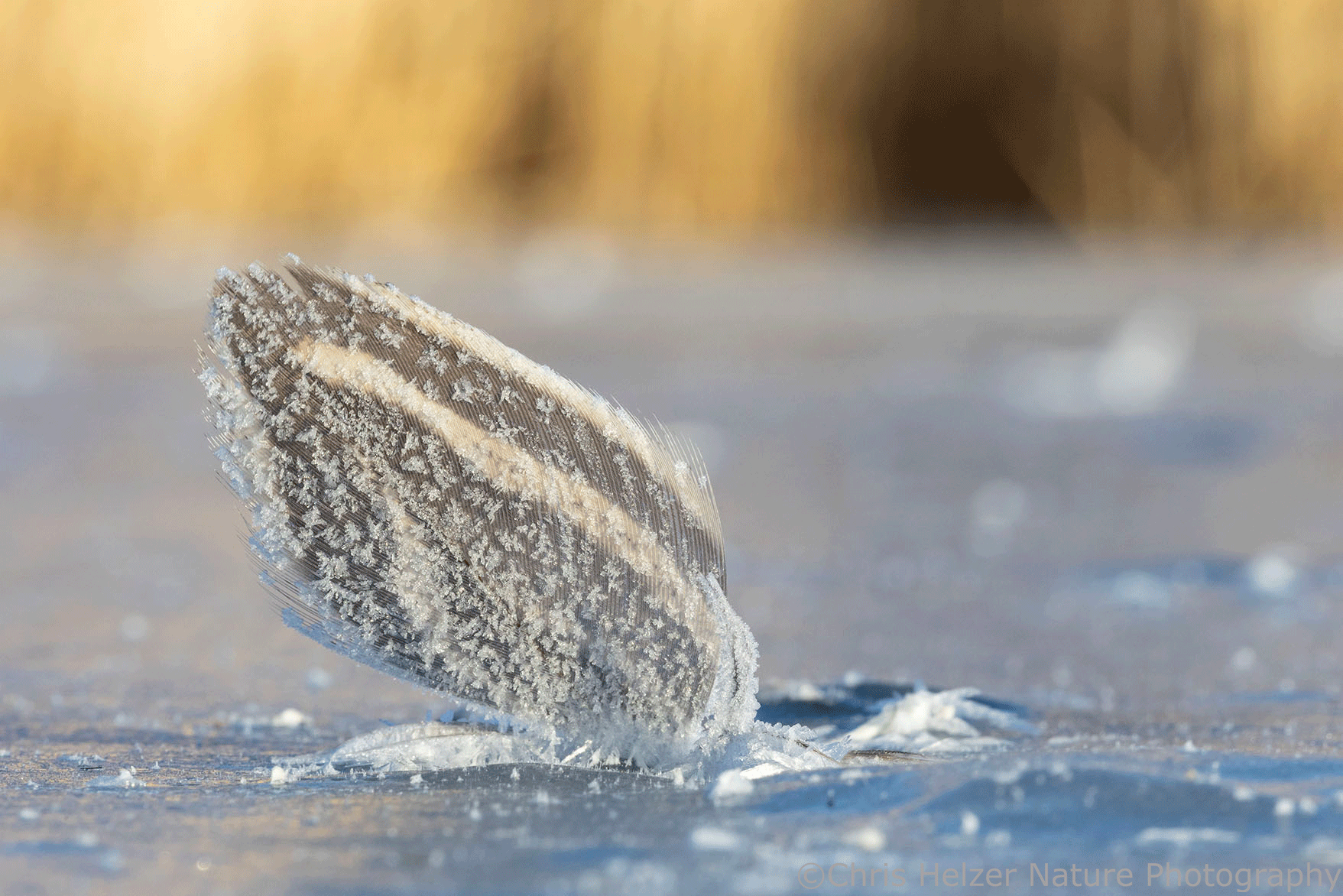
Much of my time on the ice, during both my morning visits, was spent photographing frost accumulated on plants near the surface of the ice. I’ve had days with much more frost than I saw this week, but after many months of no frost at all, I was perfectly happy. Winter is a tough time to find wildflowers and insects to photograph, so frost (and ice bubbles – coming soon, I hope!) help keep me entertained.

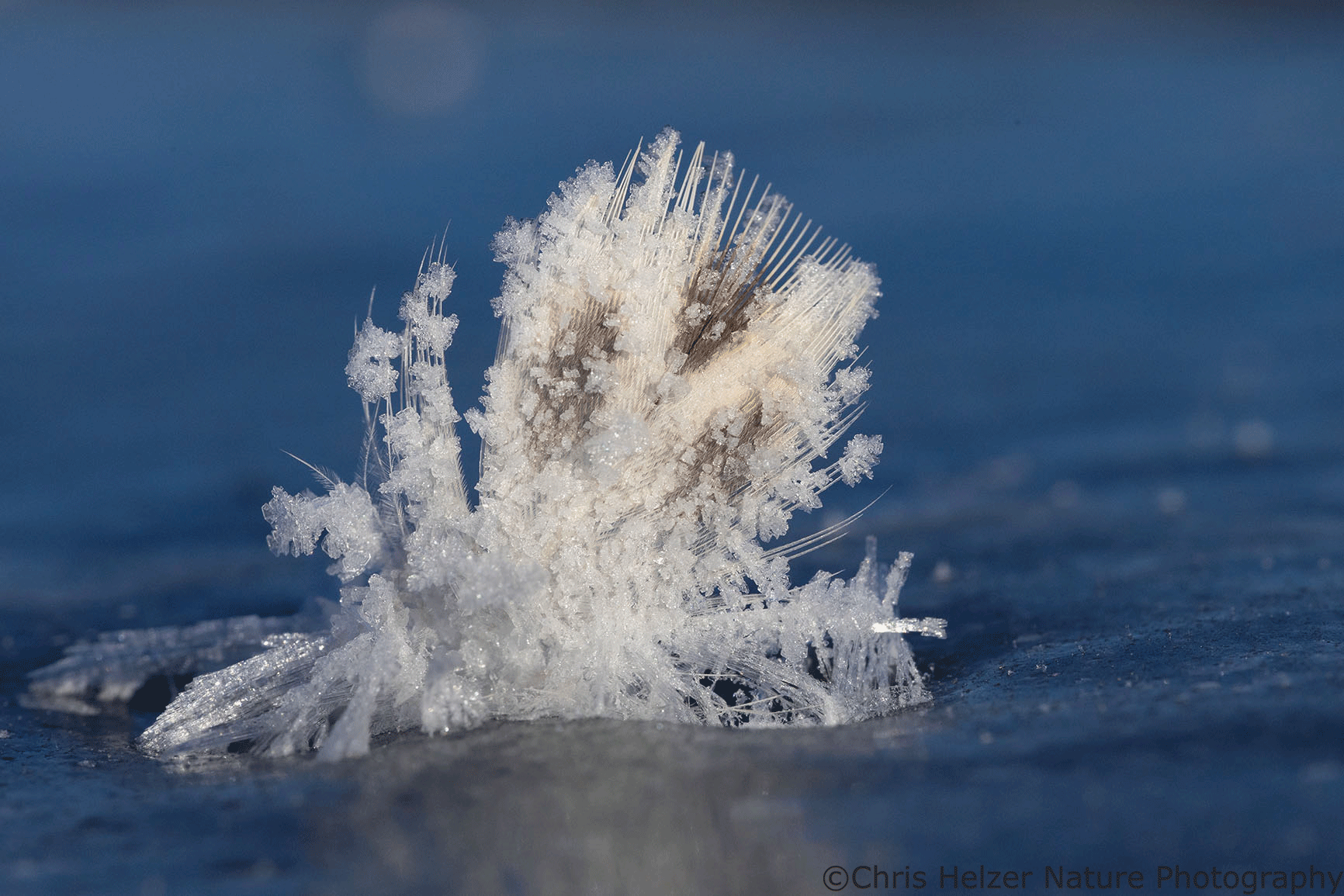
Another frost tree.
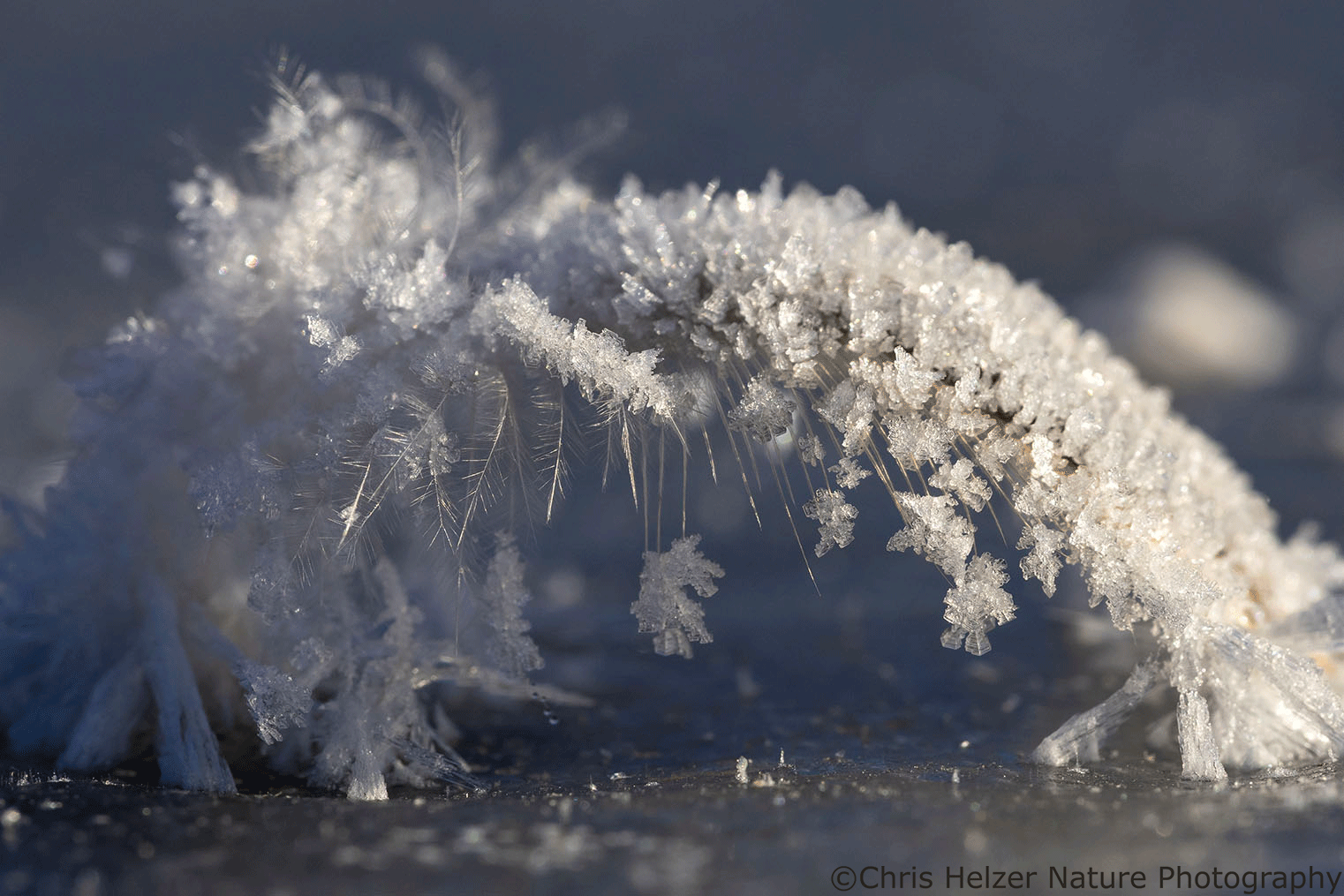
A small frost forest.

I recognize that not everyone enjoys getting up early on frigid days to go slide around the ice looking for interesting frost accumulations to photograph. My family members, for example, have never shown any interest in joining me. That’s fine. Too many people on the ice would probably be a bad idea anyway.

However, if you’re looking for a way to get some fresh air this winter and you live in a place with frozen wetlands, I do recommend them as a place to explore. There’s always something interesting to see if you look closely. Just keep your weight spread out and be kind to the beavers.

Yet Another Intentional and Valuable Post

People sometimes ask me if I have a certain number of posts I’m supposed to write in a year. A quota, if you will. I always tell them that if that were the case, you’d probably know because I’d occasionally post something that was clearly a space-filler. A post that didn’t really serve any purpose other than to be a post that counted toward a quota.

Instead, I hope you’ve noticed that all my posts have a clear purpose. Sometimes, I’m sharing a story of something I’ve seen or learned recently. Other times, I’m trying to synthesize information from my own experiences and/or those of others that I think might be helpful to the kind of people that read this blog. And, of course, sometimes I just share photos that I’ve taken recently with the hope that they’ll help inspire people to appreciate the prairies that I love.

If I was writing on deadline or to fulfill an obligation to produce a certain number of posts each year, I’d probably feel pressure to occasionally put out a post that didn’t really accomplish any of those purposes. A post that seemed thrown together without a coherent or logical flow. As intelligent readers, I think you’d know if that was happening.

Did you know robber flies will attack and feed on other robber flies?

Tangentially, I recently heard a comedian talking about writing sketches to entertain themselves, as opposed to writing content they thought would make other people laugh. I, personally, think that’s ludicrous. As an artist or entertainer, I think your first responsibility should be to the audience. Creating something just to make yourself laugh is fine, but you don’t have to share that with the world. I think my kids would agree with that. In fact, I know they would.

Back to the point, I’m always very intentional about the posts I write. I know I have an obligation to many people who follow this blog. I’ve been writing this blog for more than 15 years now (!!) and its continued growth is, at least in part, because I take my responsibility seriously.

By the way, did you know this is a blog? That’s weird, right? That makes me a blogger and you a blog reader. I’m not sure which is more embarrassing. I won’t tell if you won’t.

I think a lot of people have assumed that this is just a newsletter I send out via email. That’s definitely more respectable than a blog, so let’s just go with that. Thank you to everyone for reading my newsletter.

Wolf spider burrows are often about the diameter of a coin just smaller than a nickel but bigger than a dime. I wish there was a coin of that size…

Speaking of different forms of communication, social media continues to be an important way to share content. I have struggled to figure out how to use platforms like Instagram productively (@prairieecologist, if you’re interested). Having said that, I now have more followers on Instagram than I have readers of this, um, newsletter. Maybe it’s time I took social media as seriously as I take my responsibility to provide consistent, useful content here.

Well, I’ve probably given you enough helpful information for one post, so I’ll let you get back to your day now.  To be clear, I’m not ending this post just because I’ve just hit 500 words. No one is watching to make sure I hit any minimum word count, just as they’re not counting the number of posts I write in a year. I hope this helps quell any rumors to that effect.