Chris Helzer is Director of Science and Stewardship for The Nature Conservancy in Nebraska, where he conducts research and supervises the Conservancy’s preserve stewardship program. He also helps develop, test, and share prairie management and restoration strategies.
Chris is also dedicated to raising awareness about the value of prairies through his photography, writing and presentations. He is the author of The Prairie Ecologist blog, and two books: The Ecology and Management of Prairies and Hidden Prairie: Photographing Life in One Square Meter. He is also a frequent contributor to NEBRASKAland magazine and other publications. Chris and his family live in Aurora, Nebraska.
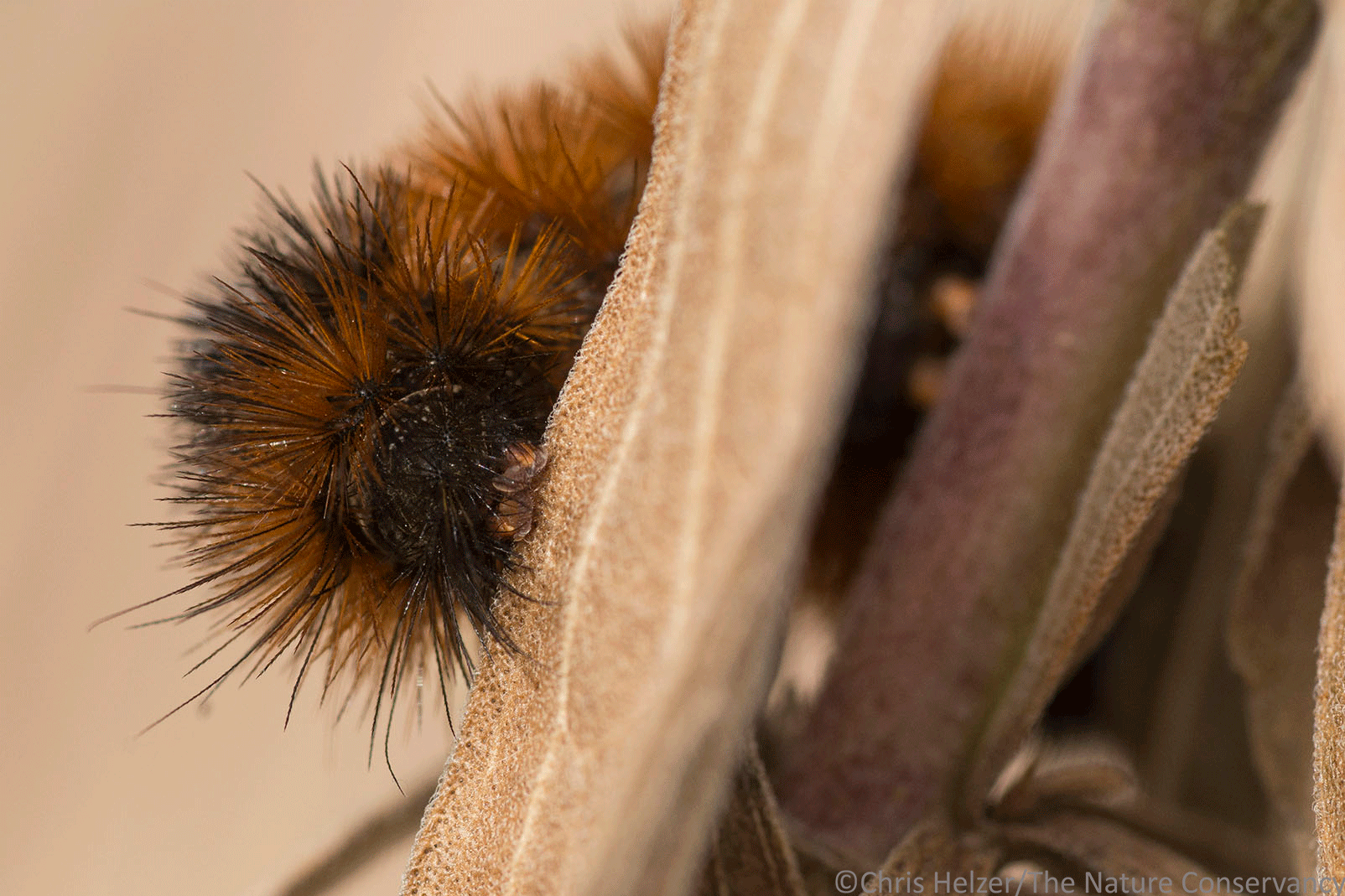
I can’t believe November is already here, but our prairies are certainly transitioning from fall colors to winter dormancy. There are still a few hearty insects hanging around, but it’s getting much harder to find them. Wildflower seeds are also disappearing – being blown off seed heads or consumed by birds, mice, or other animals. Here are four photos from the last week. No particular theme, just images that struck my fancy during a few quick prairie walks.
A fuzzy “woolly bear” caterpillar.Seeds of tall boneset (Eupatorium altissimum).Milkweed bug nymph on common milkweed seeds.
I’m curious to see if anyone can identify the subject of this photo. If you think you know, put your guess in the comments section below and I’ll try to keep an eye out and chime in when someone gets the right answer.
I’ll give you six clues.
It is neither animal nor mineral.
It is smaller than a bread box.
It poses no known danger to humans.
It will never call you to solicit money or votes.
It did not appear in any Star Wars movies.
It was photographed within my square meter photography plot.
Speaking of my square meter photography plot, I’ve just updated my web page for that project. You can click here (or on the Square Meter Photography Project tab in the menu at the top of this blog’s home page) to find out how many species I’ve photographed within that plot as of today. The number has gone up, both because I continue to find more species and because I’ve had more help identifying and separating species from each other.