Chris Helzer is Director of Science and Stewardship for The Nature Conservancy in Nebraska, where he conducts research and supervises the Conservancy’s preserve stewardship program. He also helps develop, test, and share prairie management and restoration strategies.
Chris is also dedicated to raising awareness about the value of prairies through his photography, writing and presentations. He is the author of The Prairie Ecologist blog, and two books: The Ecology and Management of Prairies and Hidden Prairie: Photographing Life in One Square Meter. He is also a frequent contributor to NEBRASKAland magazine and other publications. Chris and his family live in Aurora, Nebraska.
Well, I was out sliding around on the ice again this week. I made two trips up to the tiny reservoir north of Aurora to search for photo compositions on its frozen surface. I was not disappointed.
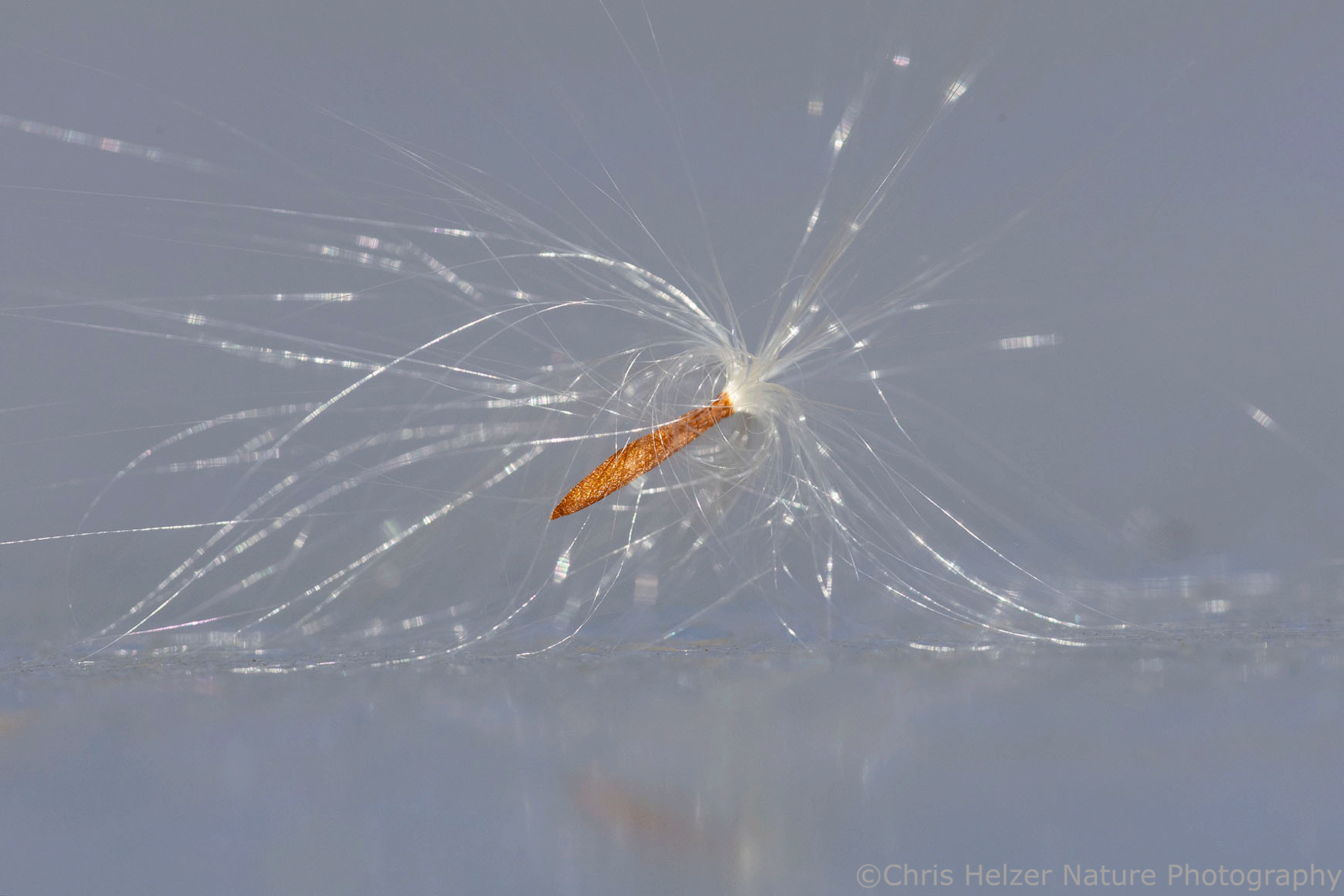
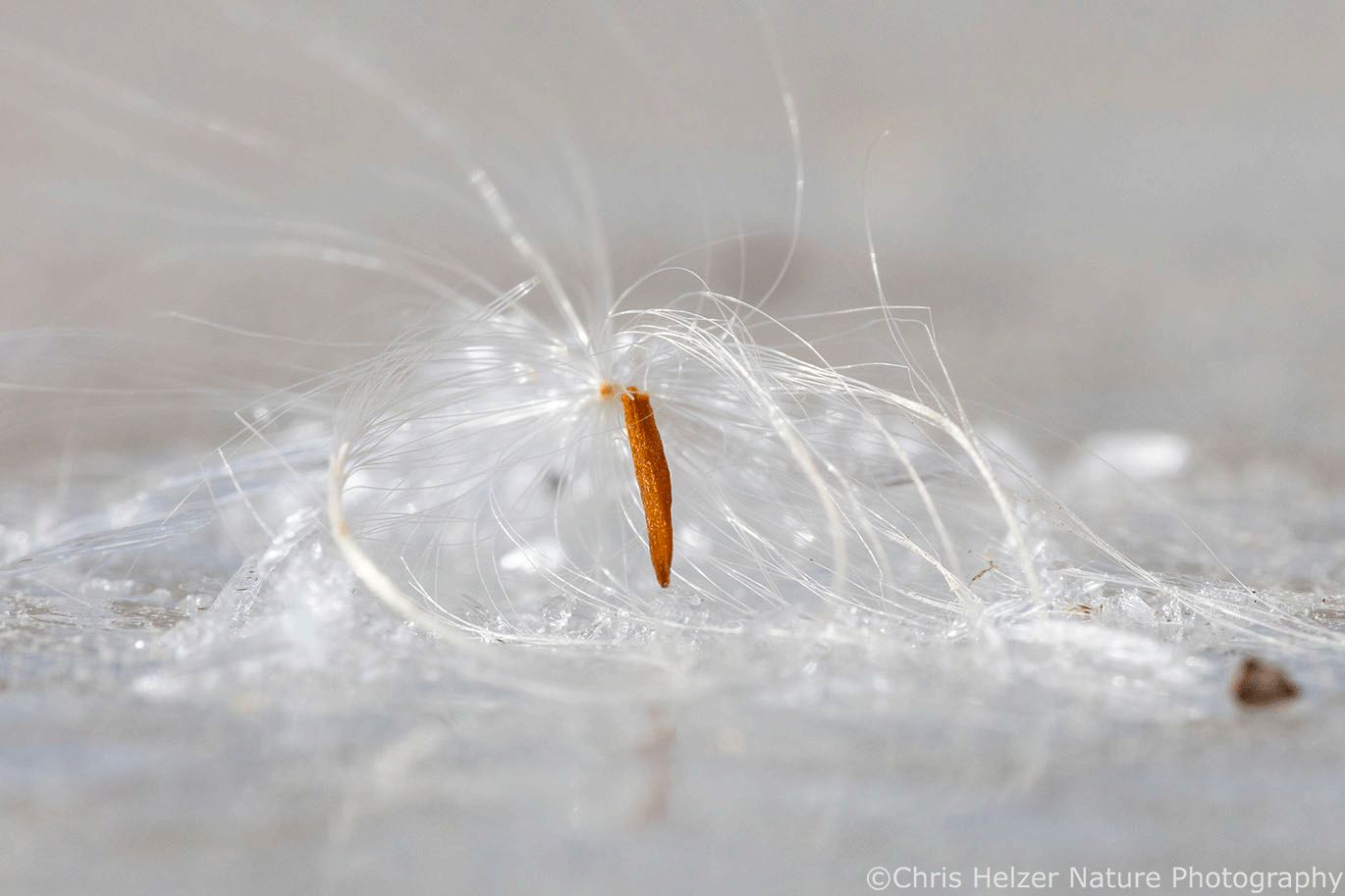
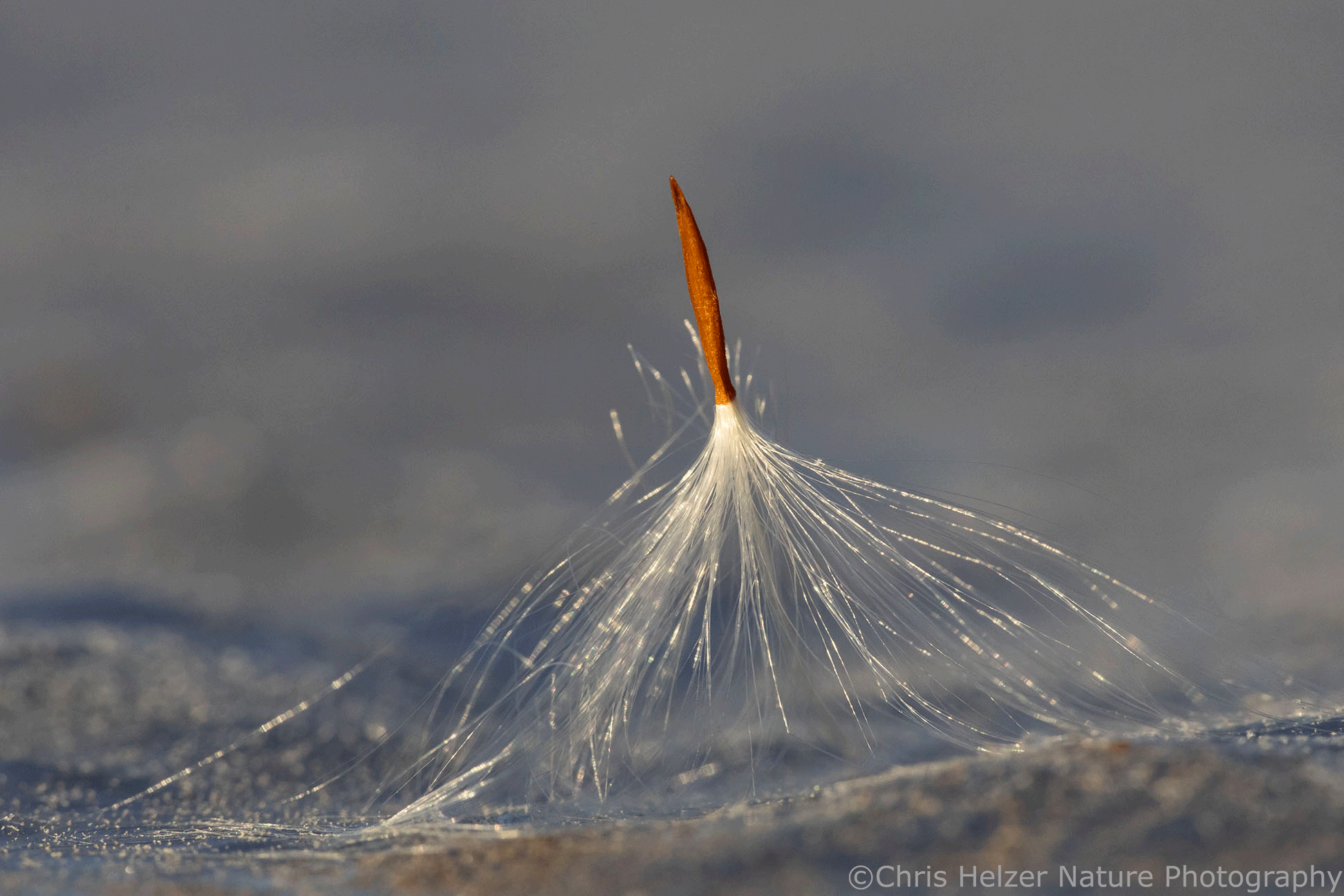
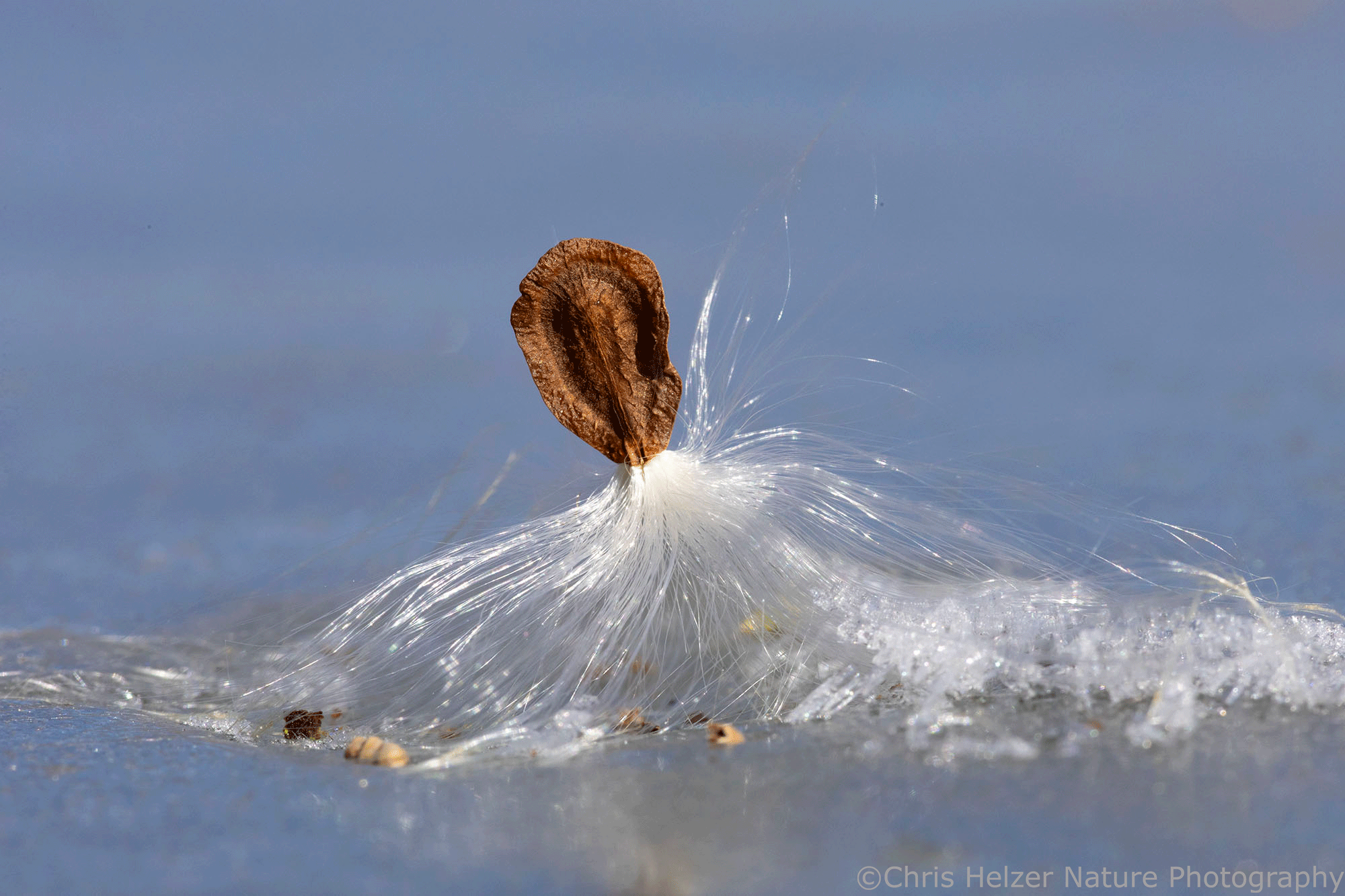
Some recent windy days had blown seeds of both dogbane and milkweed on to the ice, where they’d ended up perched on their comae (their fluffy parts). Wasn’t that fortuitous! They look really pretty when they do that.
Common milkweed seed (Asclepias syriaca).
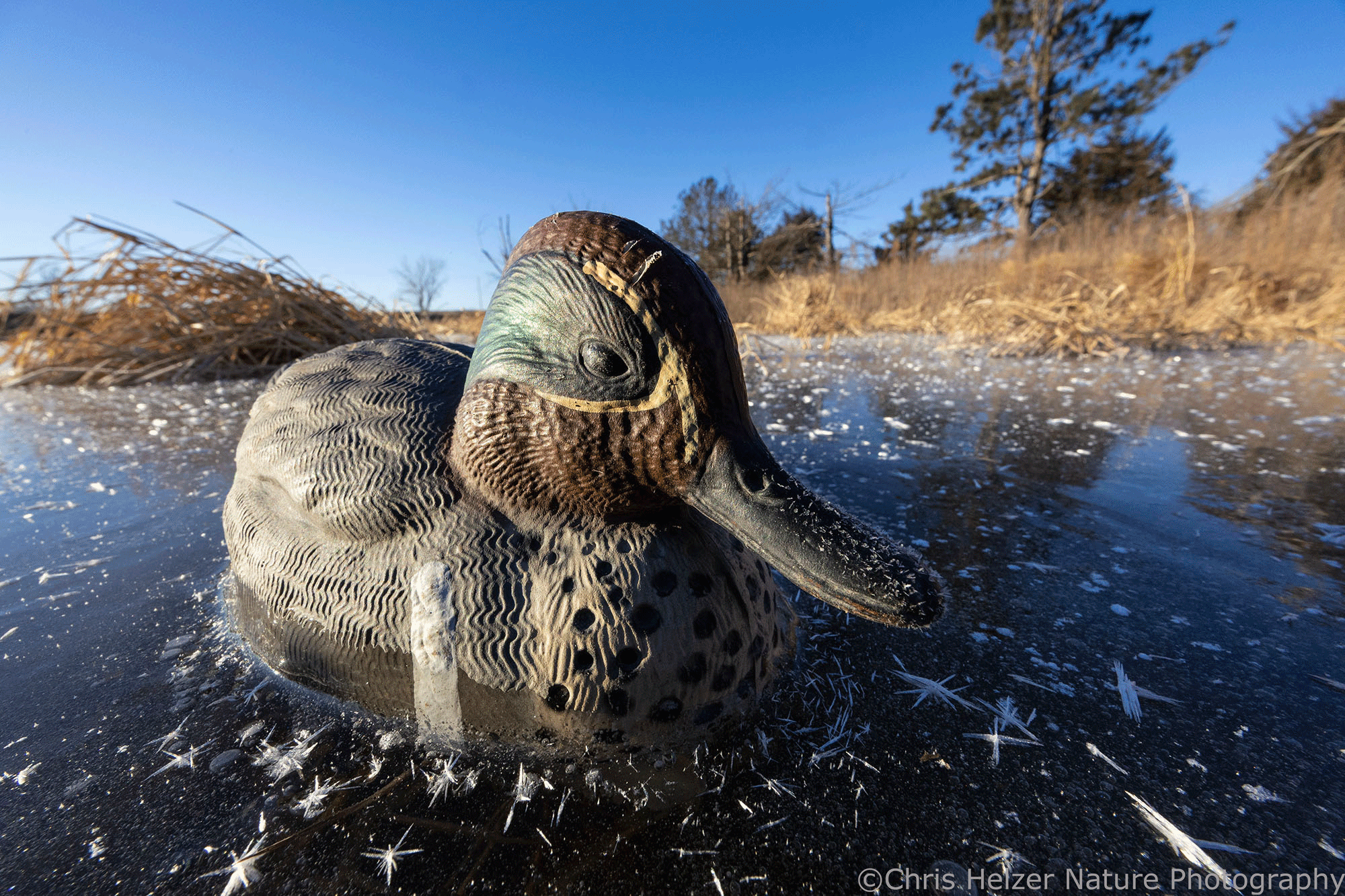
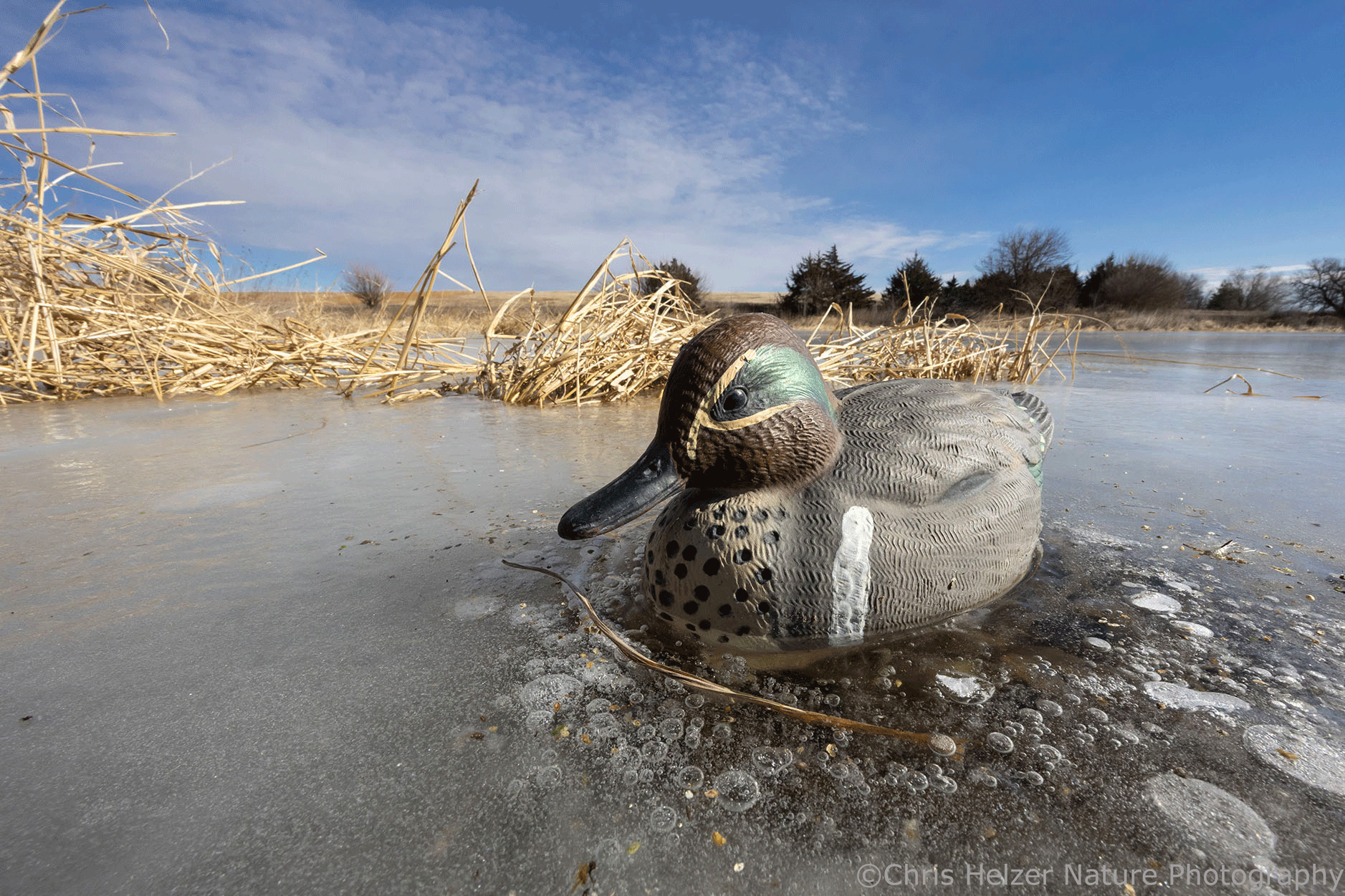
Both times I visited, there was a small duck hanging out on the ice. I approached carefully and it seemed amenable to being photographed. I’m pretty sure it was my soft, comforting voice and non-threatening hat.
Ice duck (Anas carolinensis var. polyethylene).The same ice duck (I assume) a couple days later.
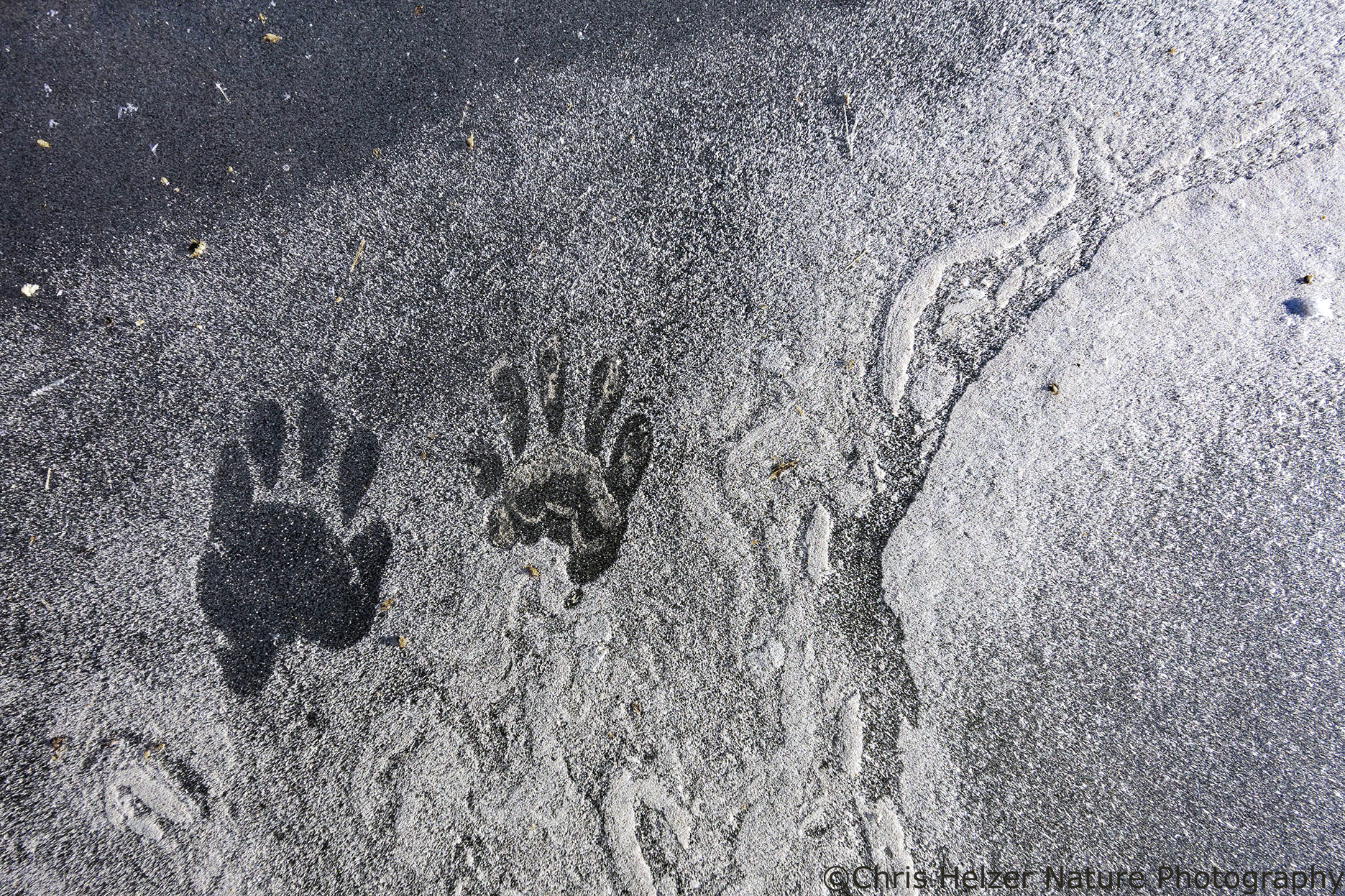
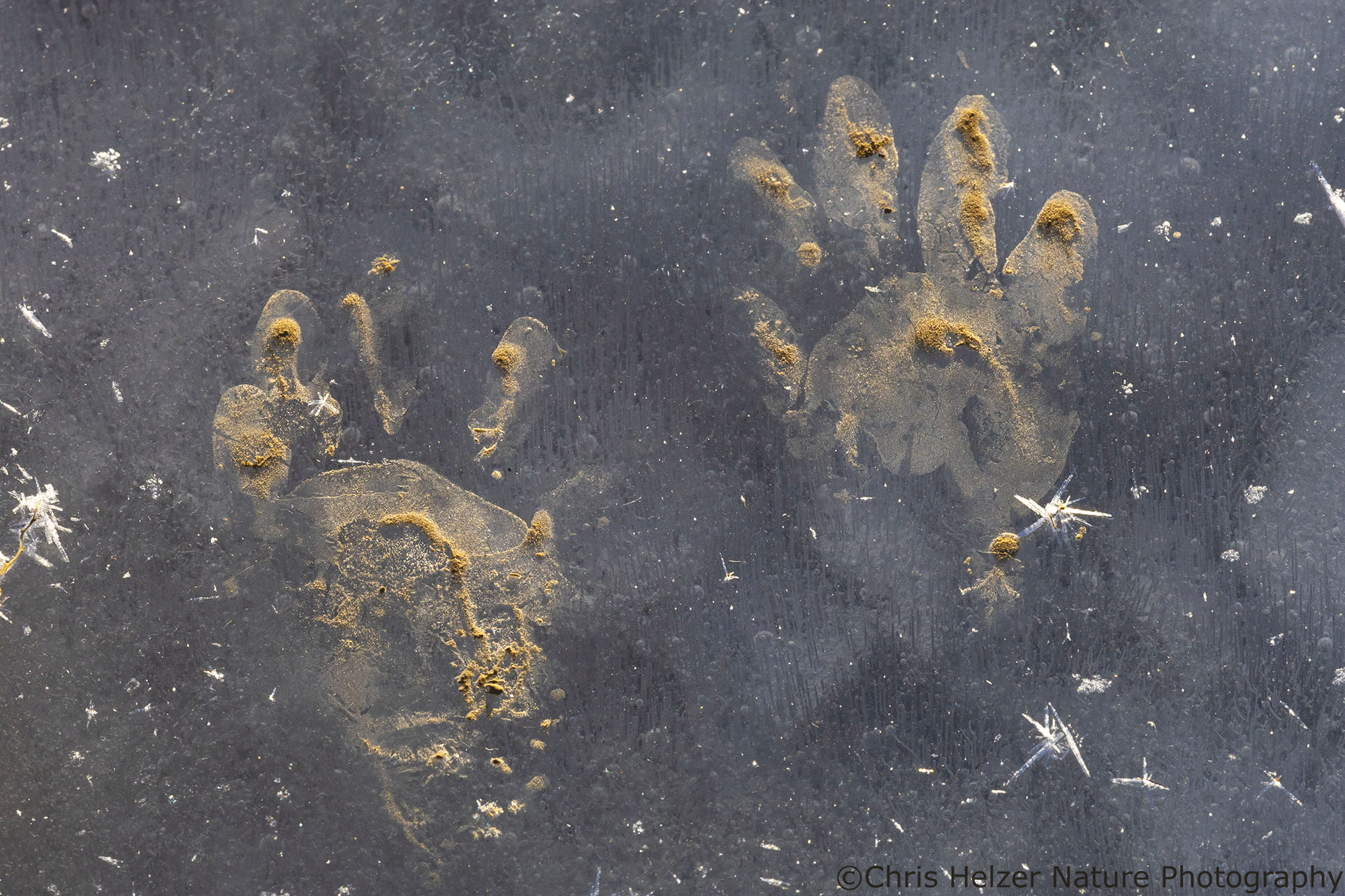
It was good to see I wasn’t the only lunatic walking around on the ice. Several raccoons had also been around, based on the numerous tracks I found.
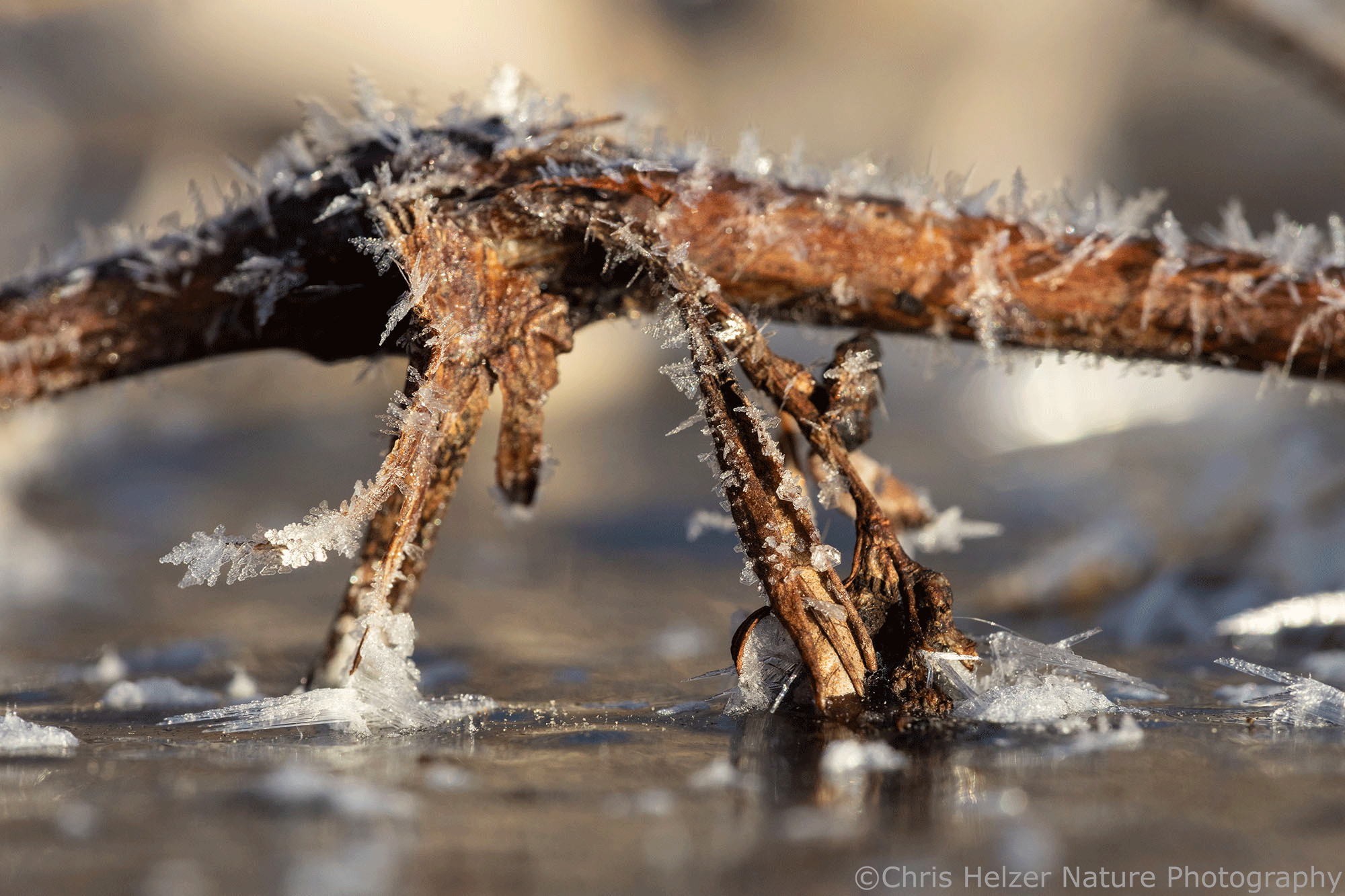
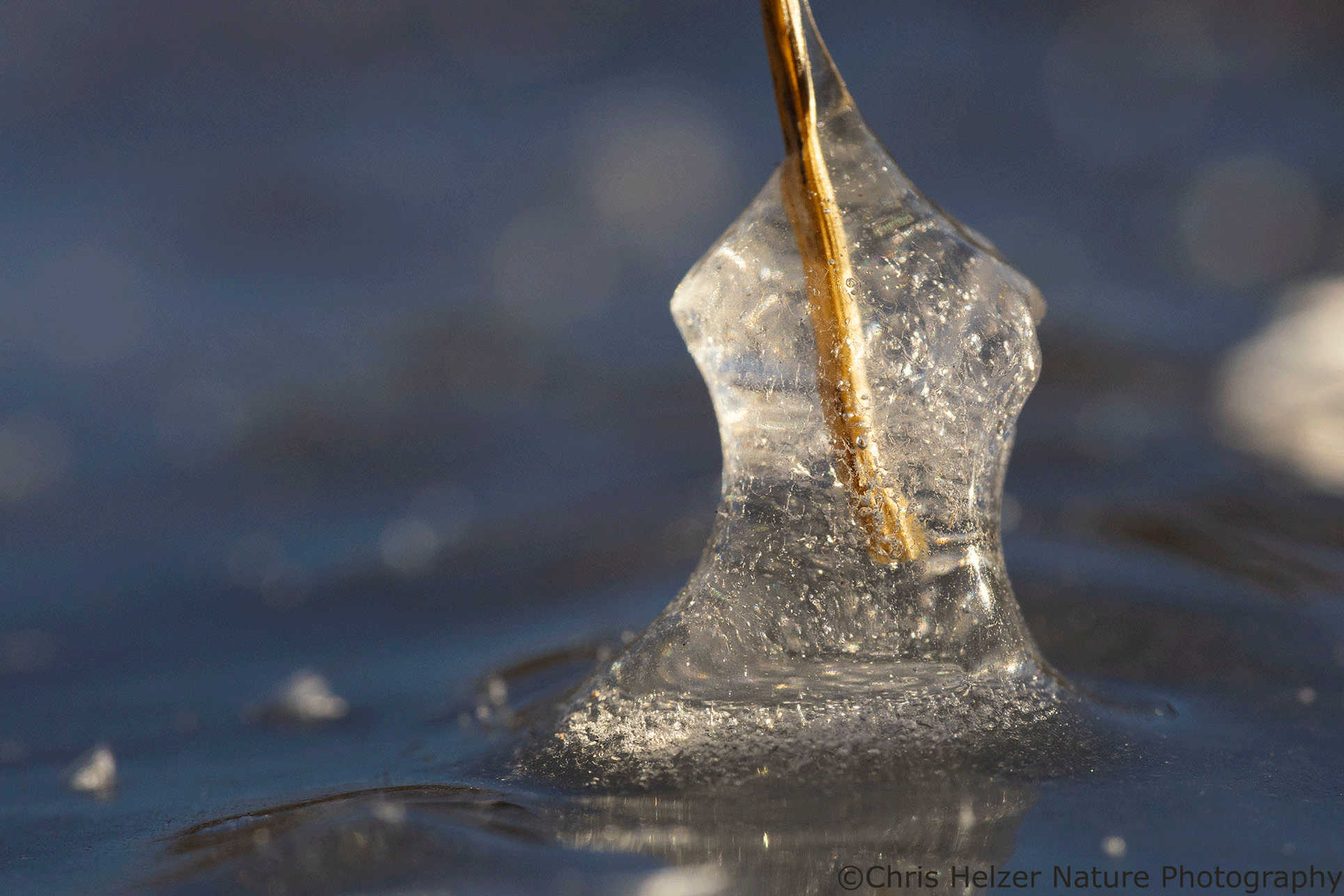
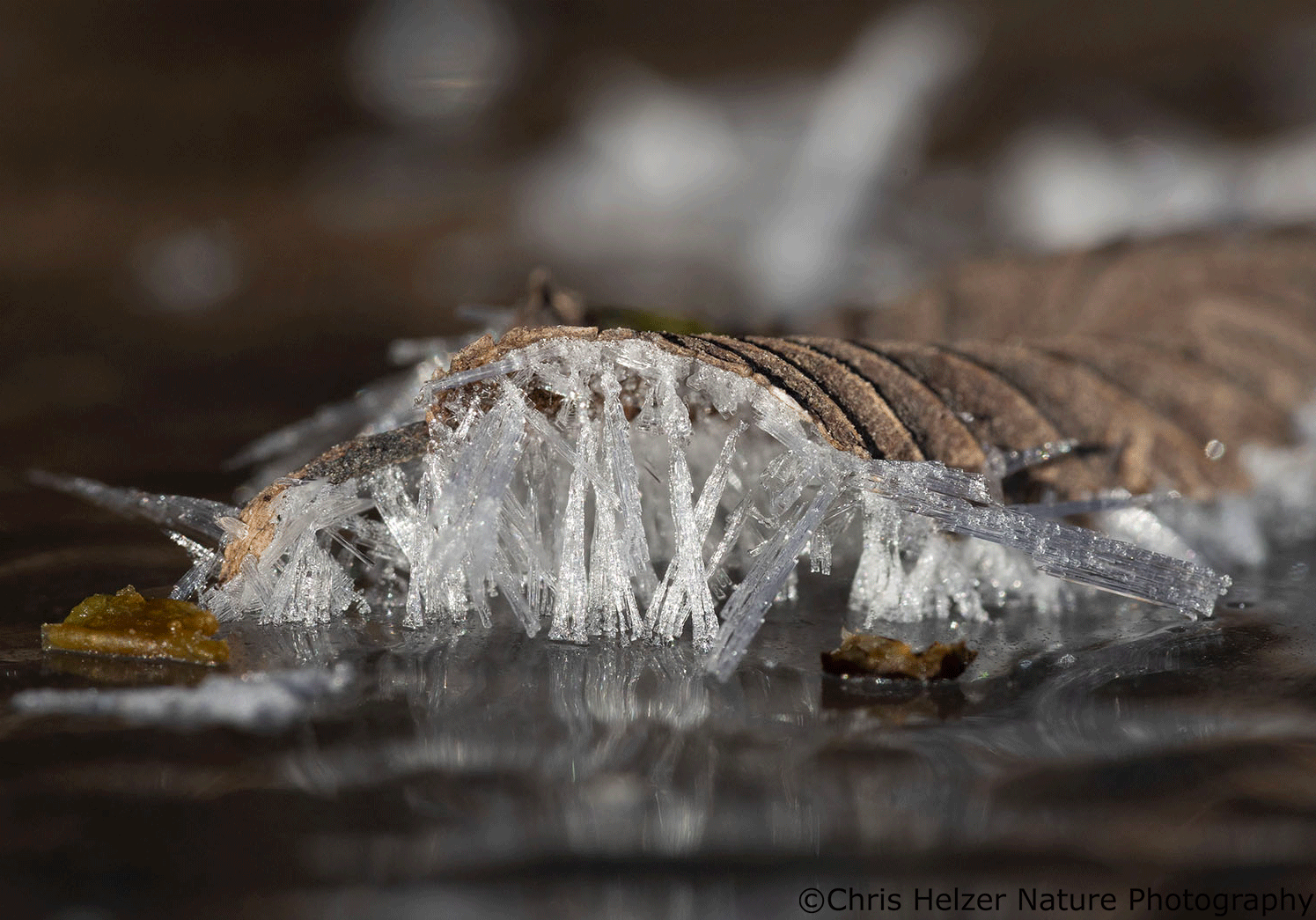
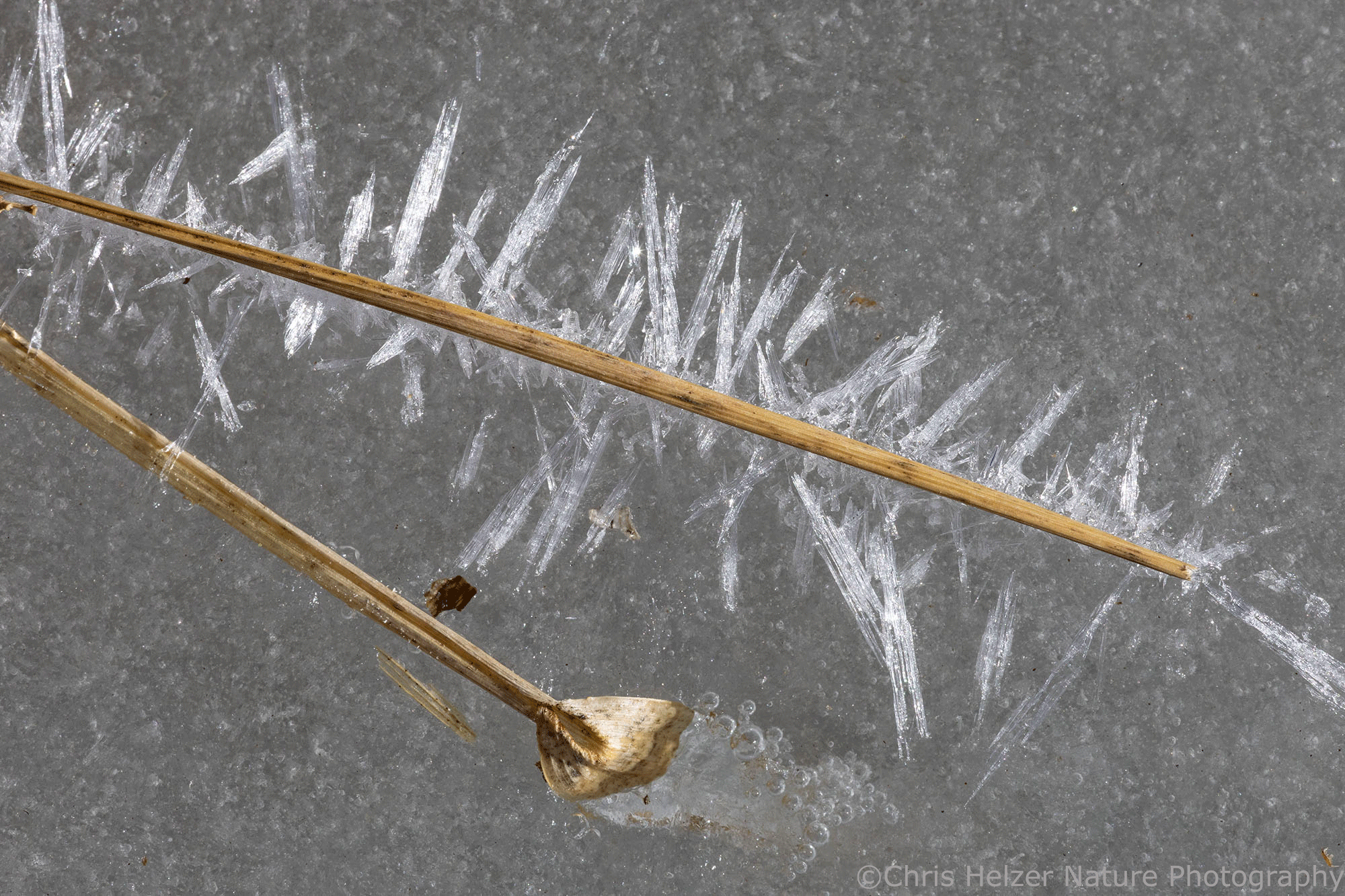
Raccoon track in a skiff of snow.A raccoon that didn’t wipe its feet.Frosty smartweed (Polygonum sp.)Ice on the tip of a grass leaf dangling near the ice’s surface.Frost at the entrance of a tunnel made of an elm leaf on the ice.A frosty grass stem.
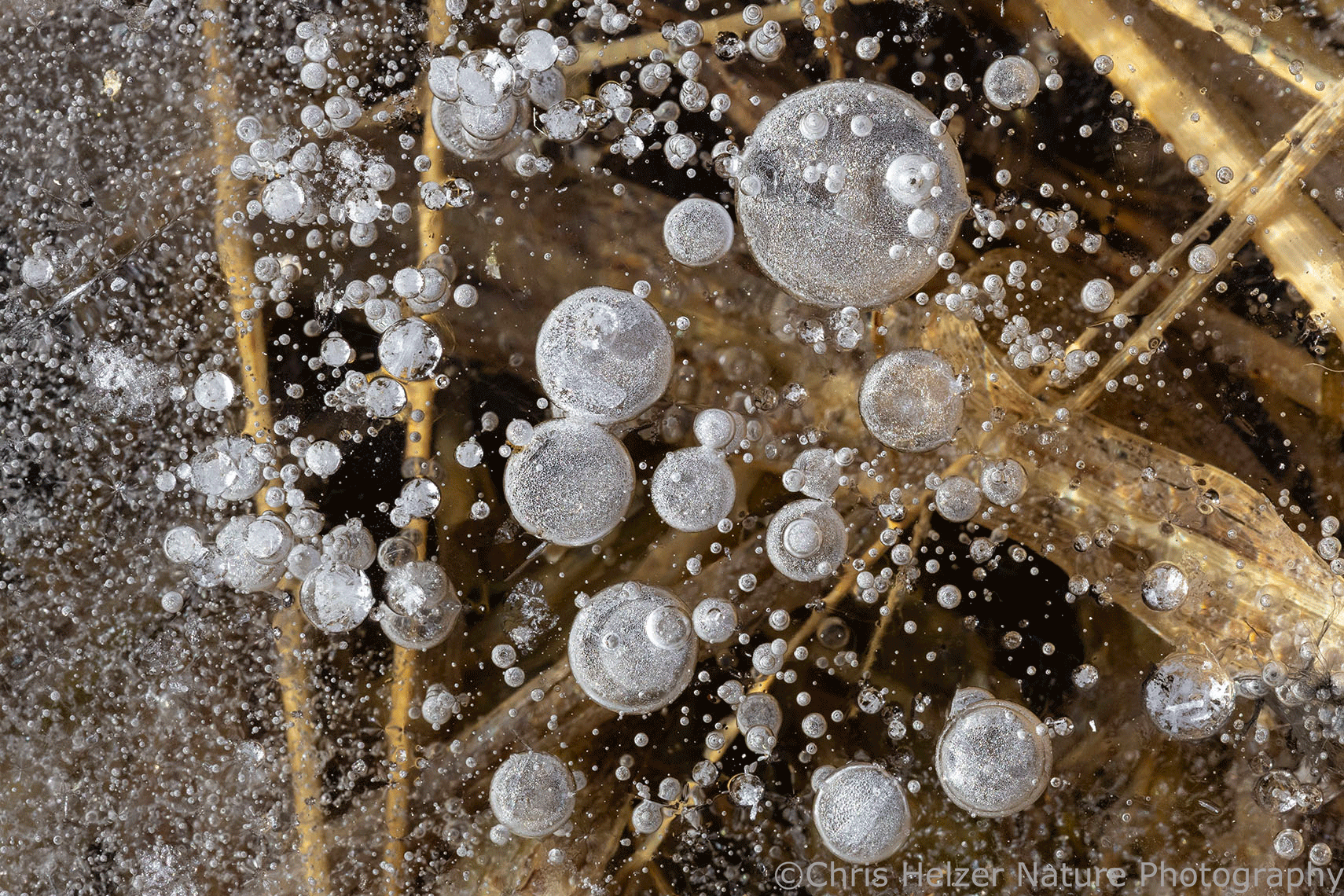
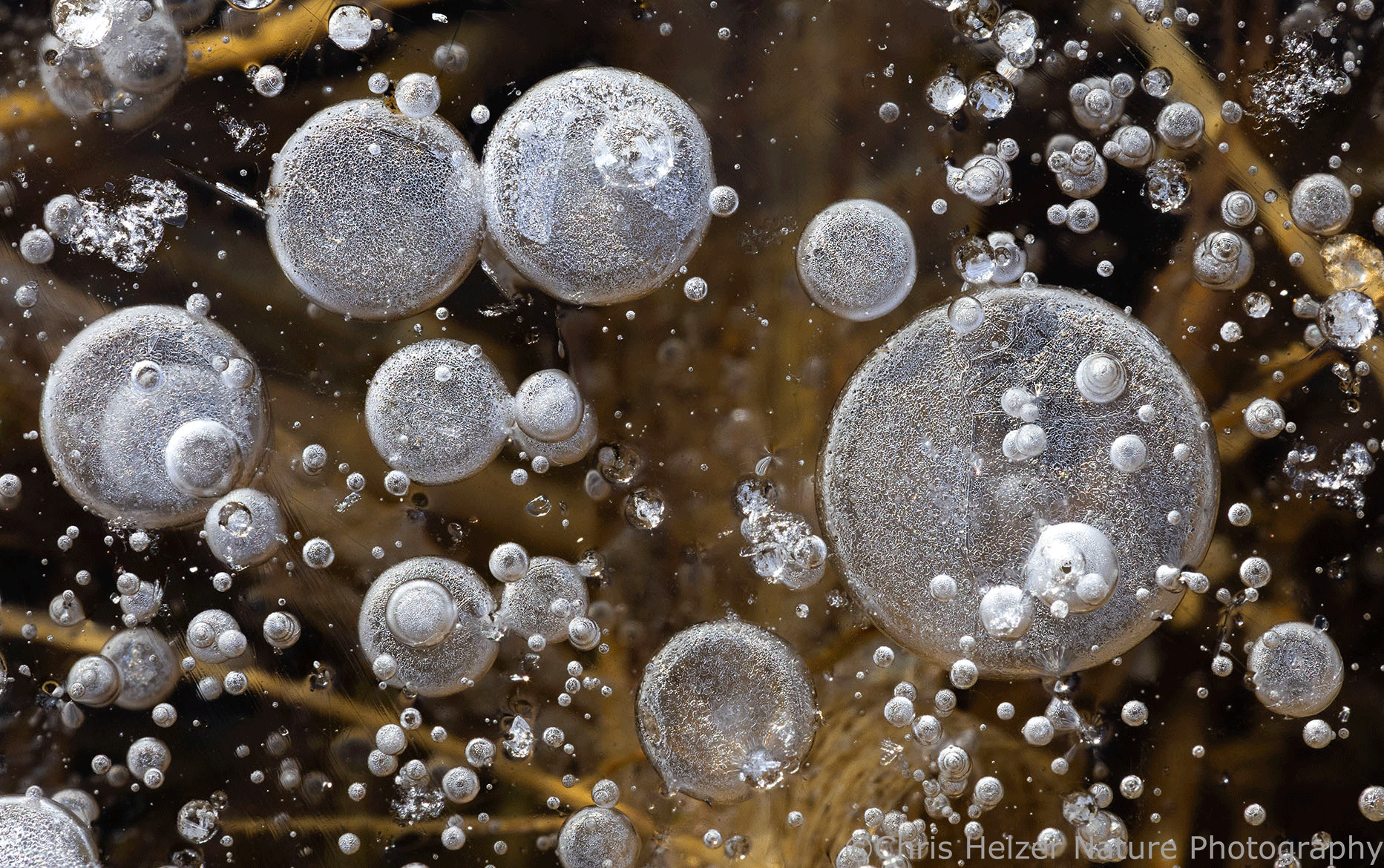
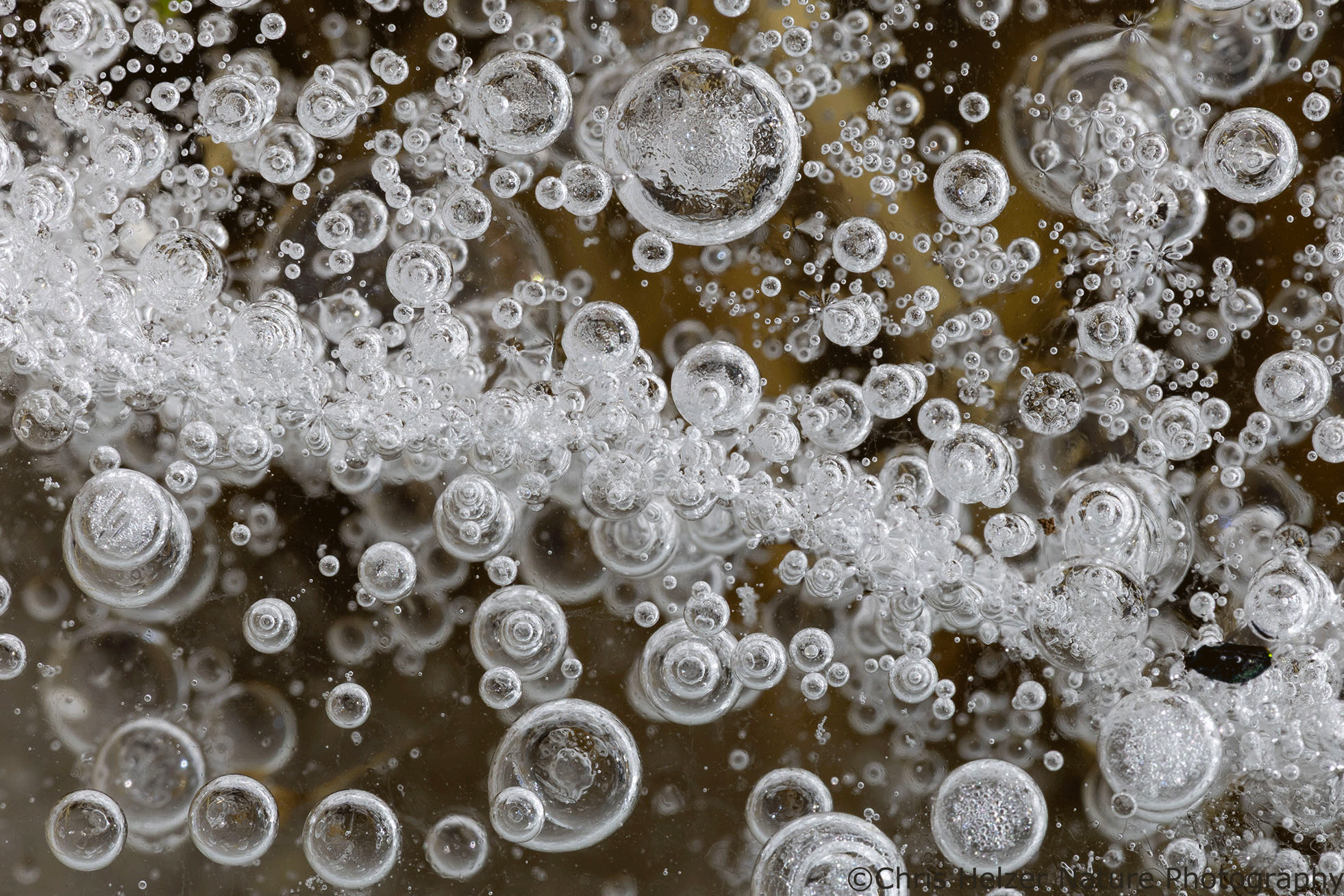
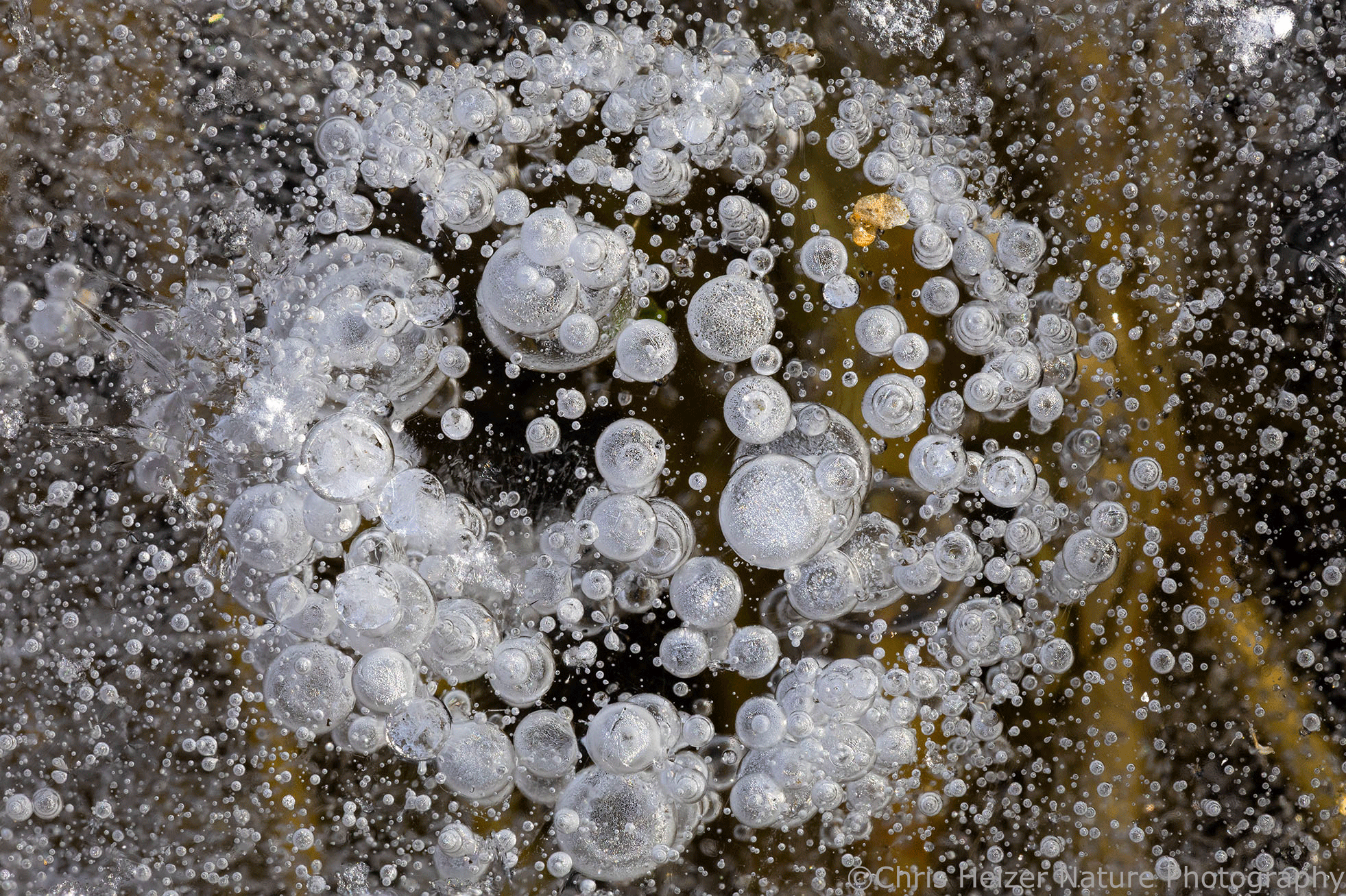
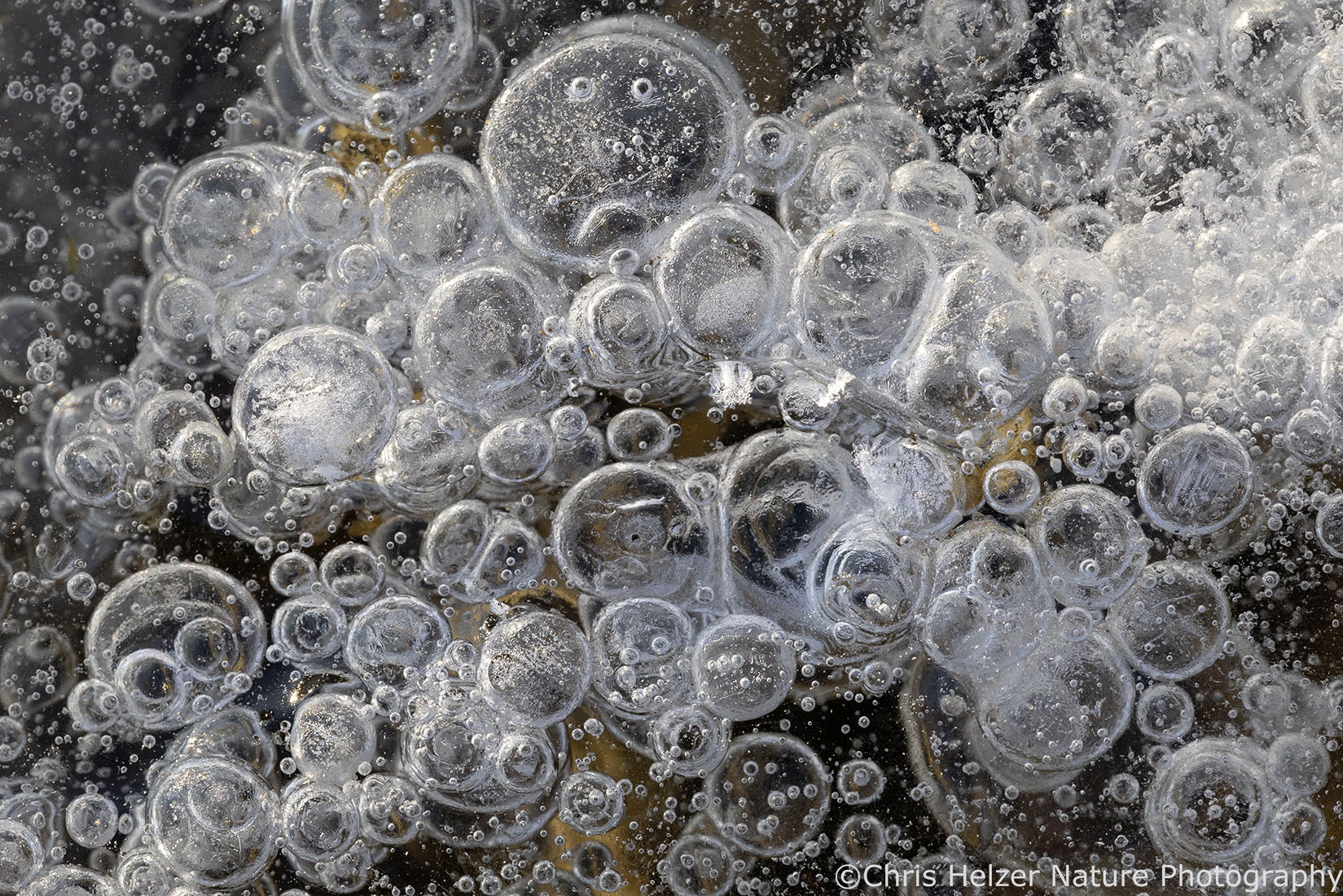
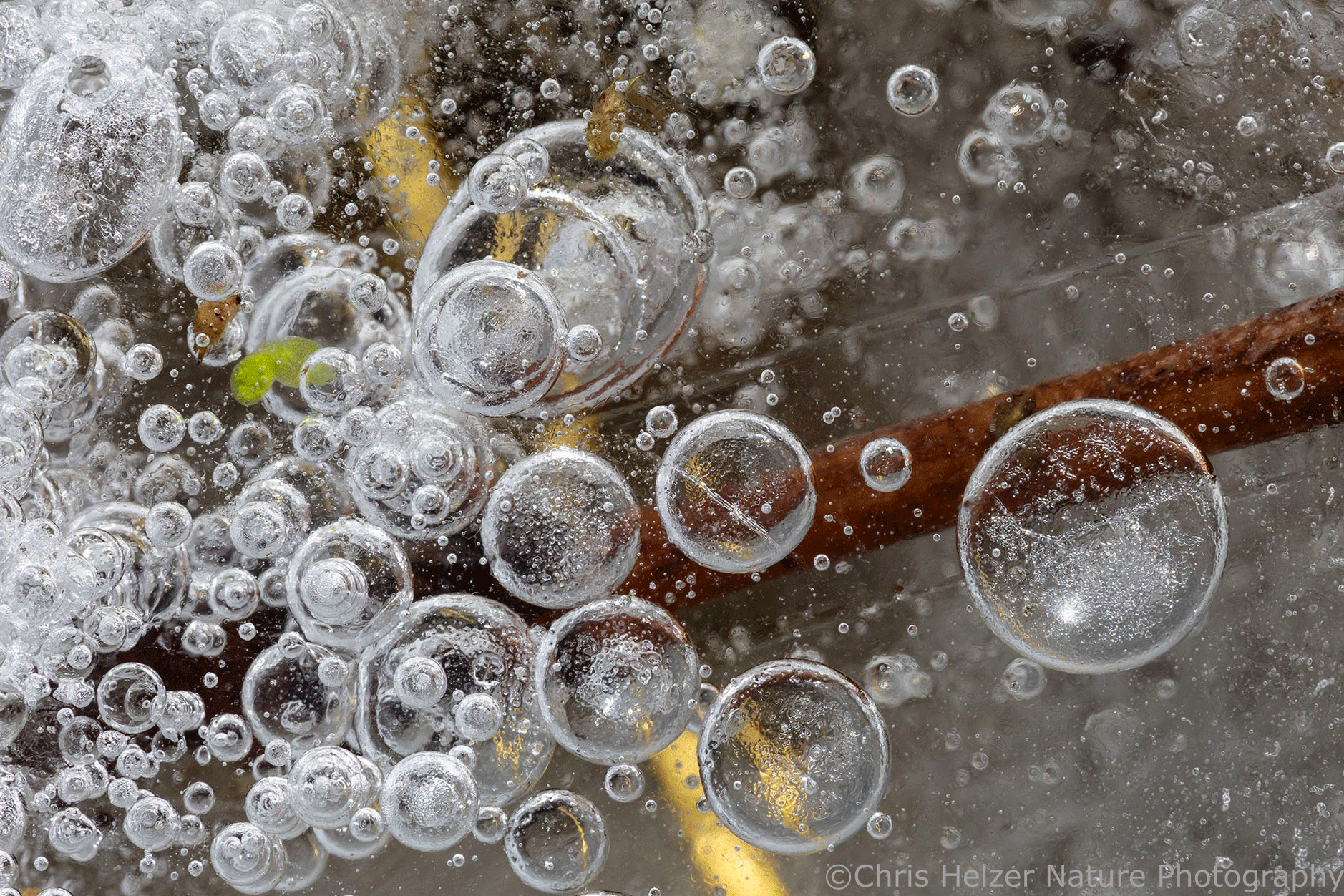
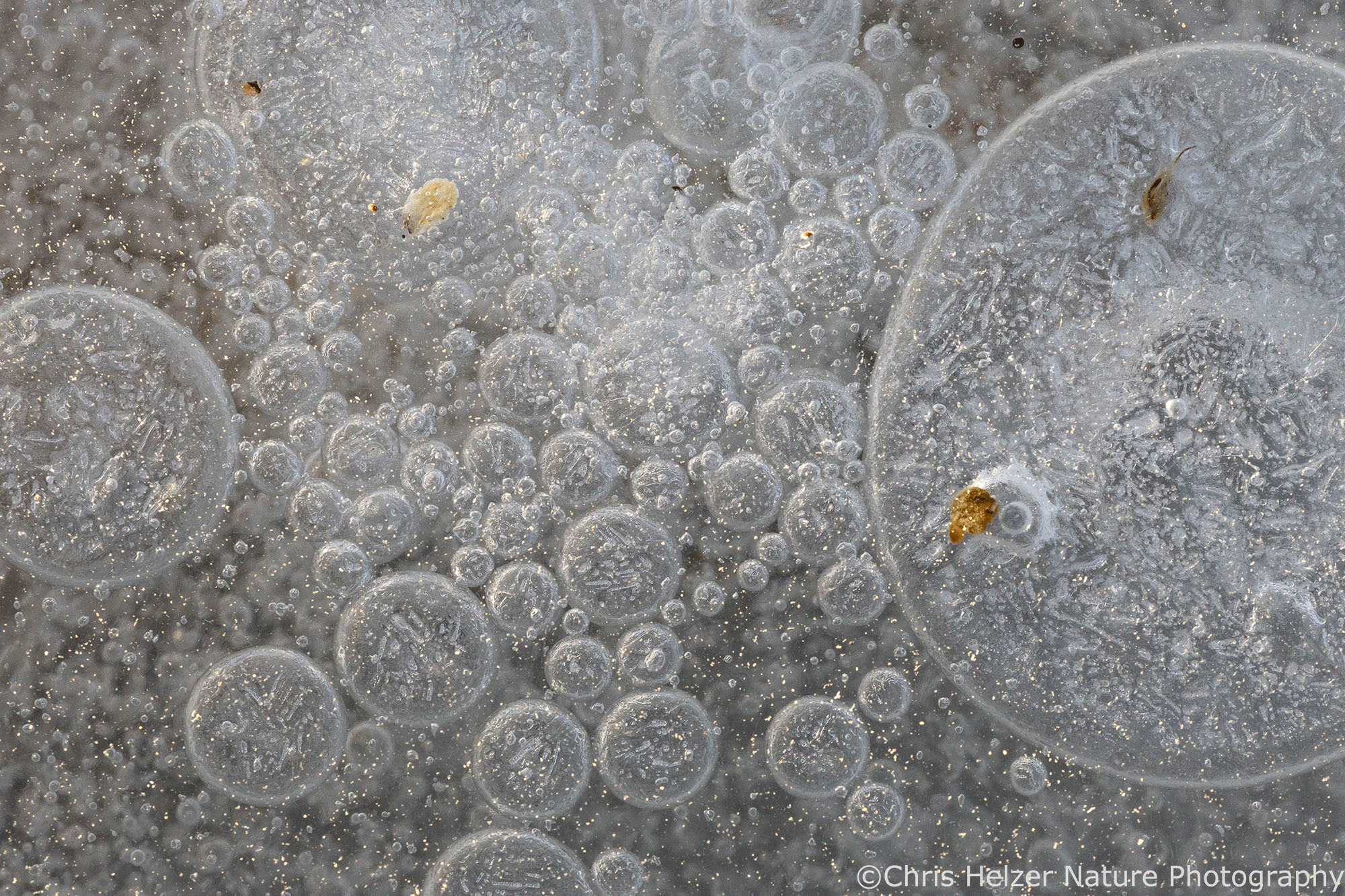
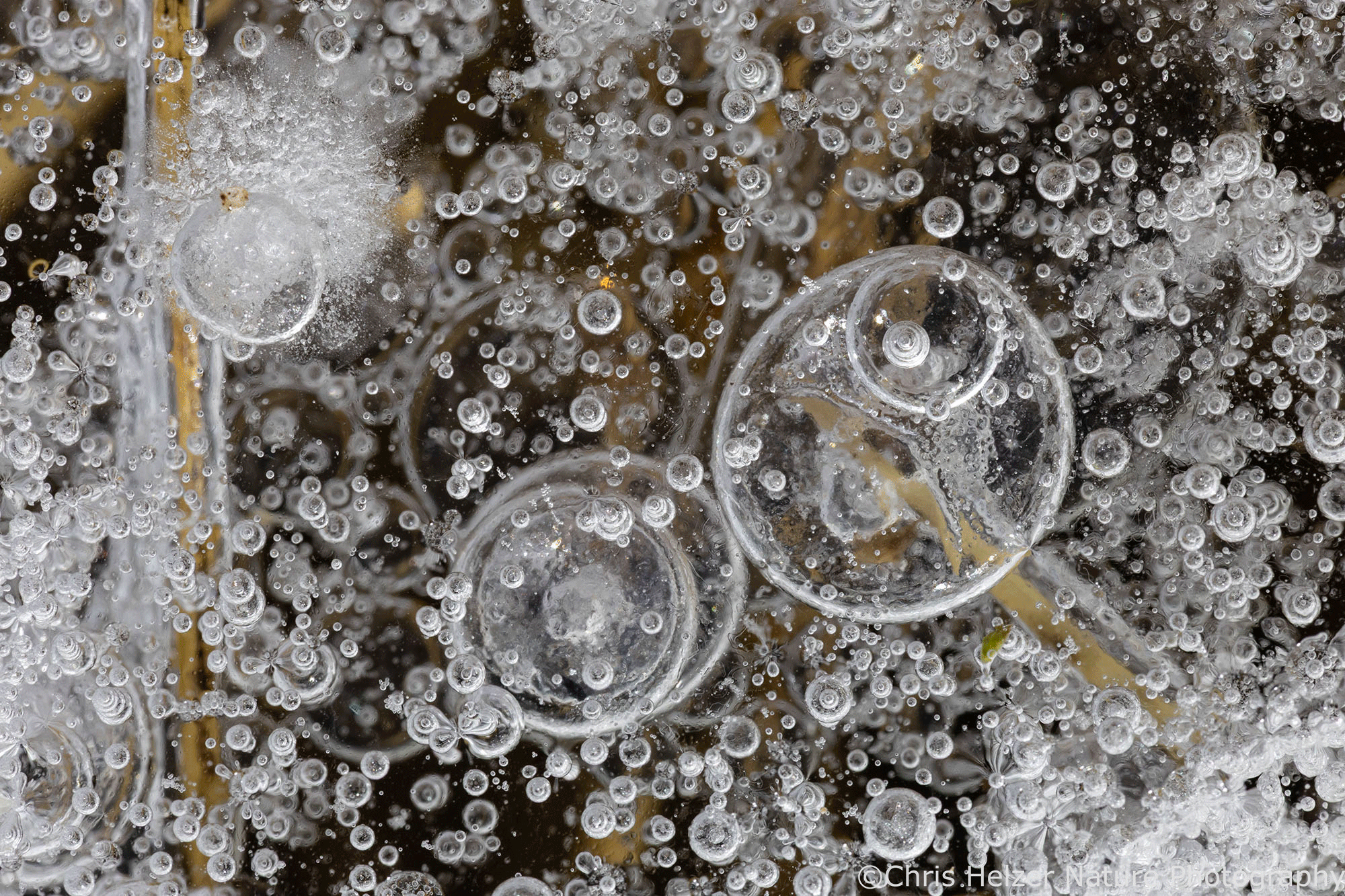
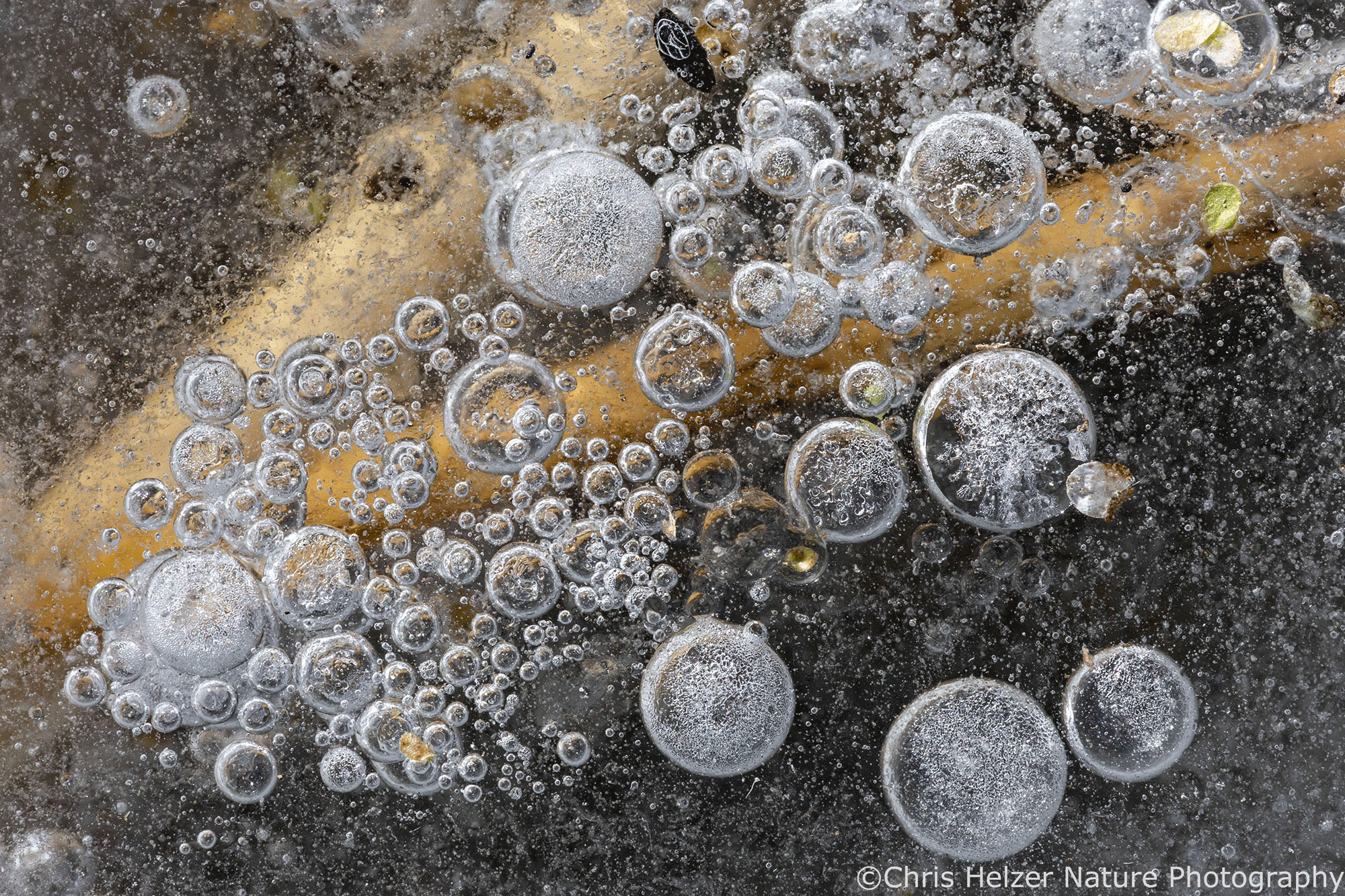
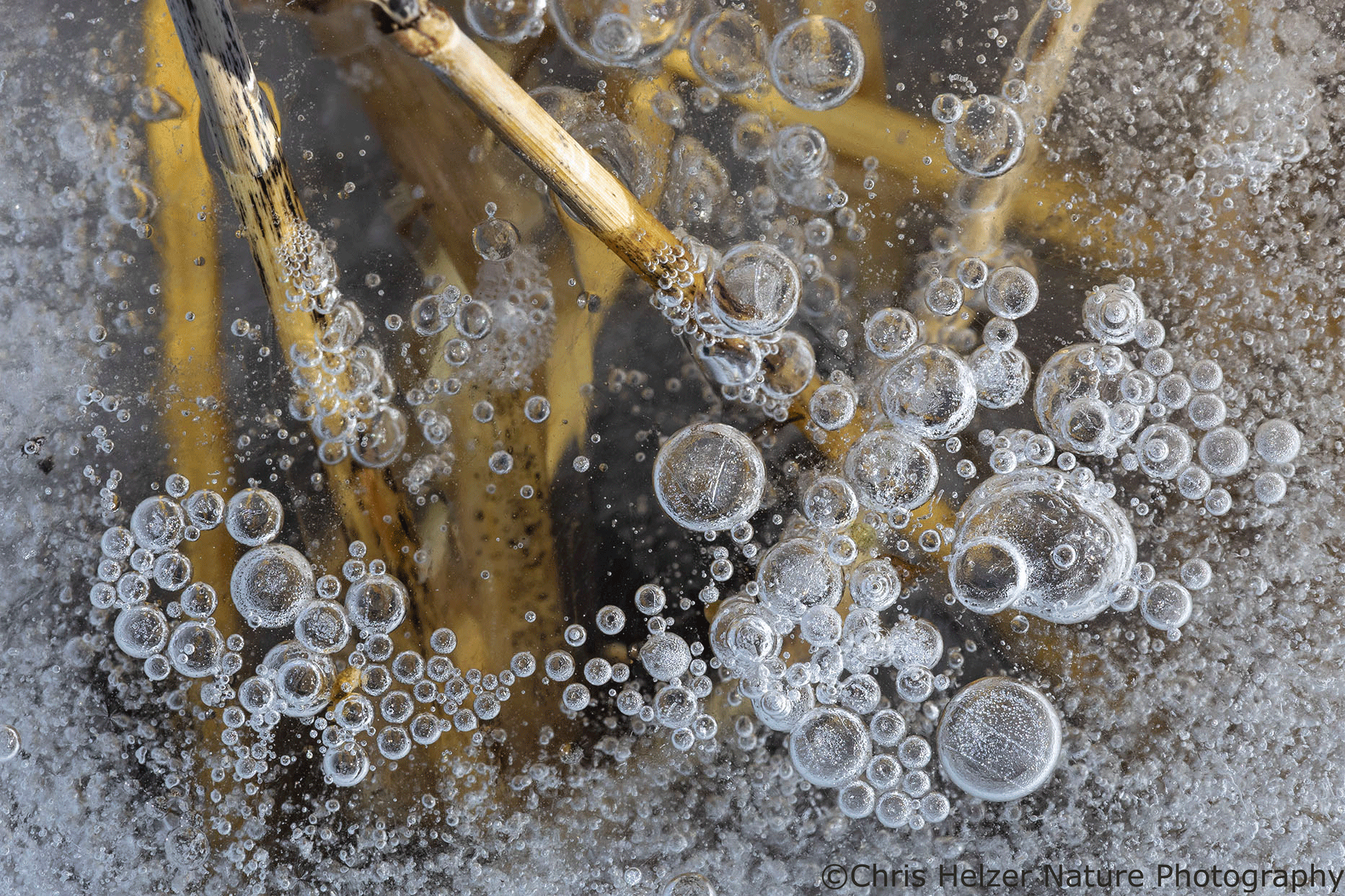
The highlight of my two trips, of course, were the ice bubbles. Most of the ice looked like frosted glass and wasn’t transparent enough to show the ice bubbles that were surely trapped within it. Around the base of some plants, though, it looked like the ice had melted and refrozen, and that’s where the bubbles were. The rest of the photos here are just a few examples of the many, many bubbles I enjoyed photographing. I find them mesmerizing to stare at – like little galaxies of bubbles.
We’re in the middle of a big cold snap as I write this. I’m hopeful that I’ll get some more chances to photograph ice bubbles, seed comae, frost, and other winter wonders soon. Stay tuned!
Well, Kim and I had another ultramarathon vacation last weekend. We were down in eastern Oklahoma for the Ouachita Switchbacks 50K race. While Kim and her fellow runners were performing insane feats of athleticism on very steep, rocky trails, I wandered around a little with my camera, looking for anything visually-interesting in the dormant forests of the Ouachita Mountains. No one cheered for me.
The race took place on the Ouachita Switchbacks Running Trail, though I think they tacked on a little extra mileage to get to a 50 kilometer total distance. (It feels wrong to say “mileage” in that context. Is there a word that does the same work but in metric? Kilometerage? Probably not. We’ll just go with “length”. They added a little length to the route.)
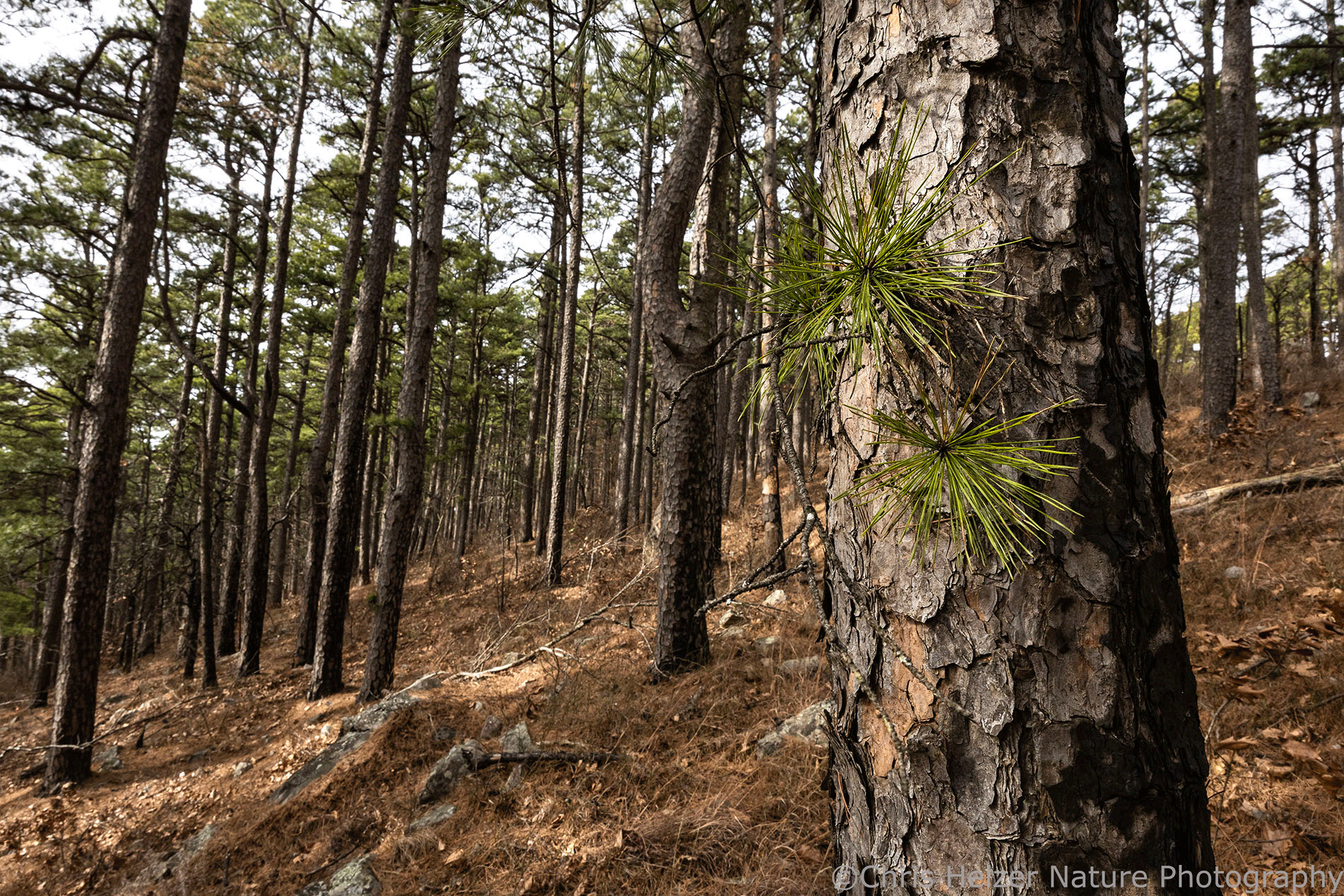
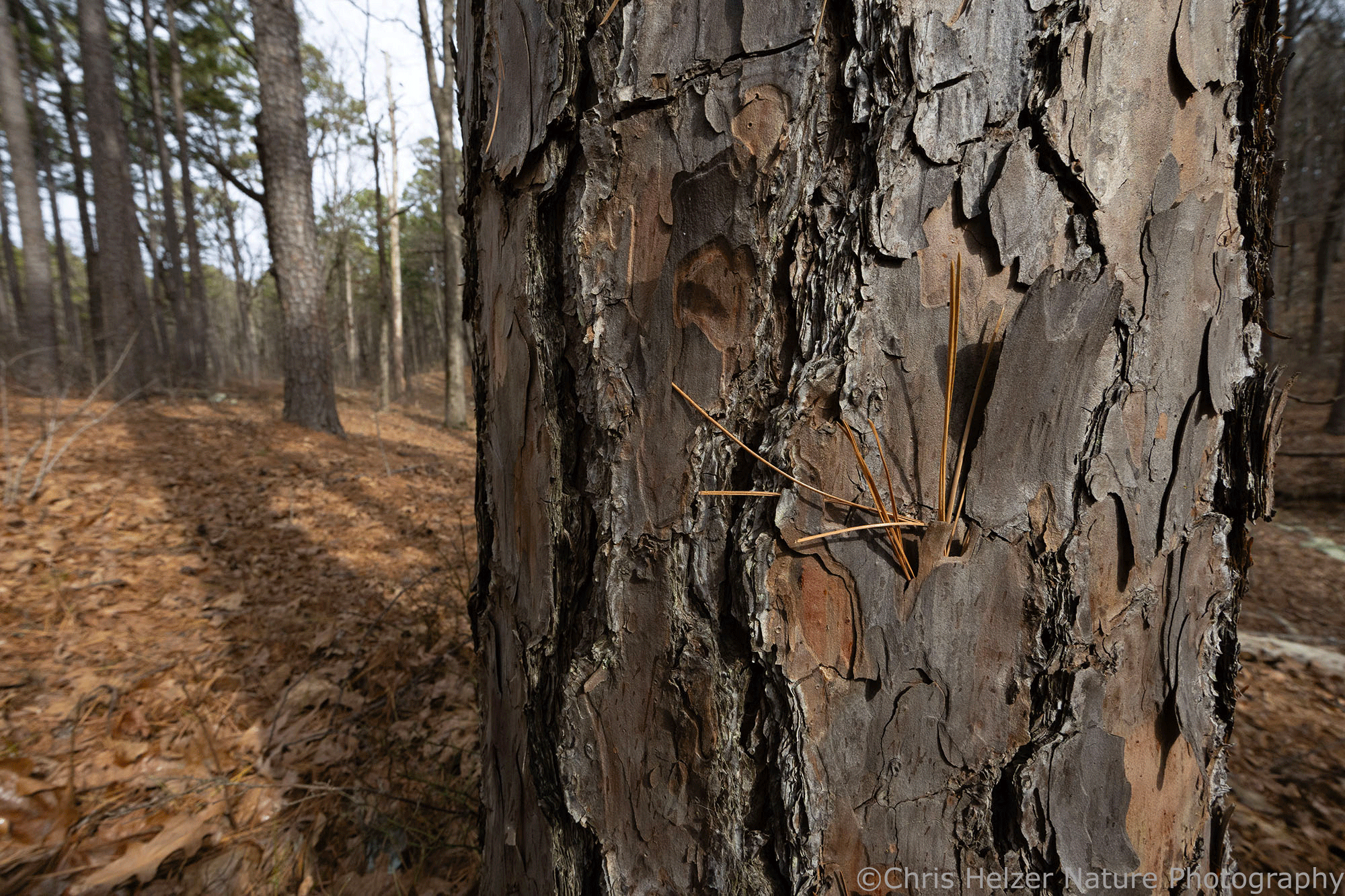
Anyway, the trail winds through the Ouachita National Forest, full of shortleaf pine, a variety of oak species, black bears (supposedly, though I didn’t see any), and – last weekend – a bunch of crazy trail runners. Kim and I had come down once before for this race a few years ago, but snow and cold weather had made part of the trail inaccessible and they shortened the race to 25 kilometers. This time, Kim got to run the full distance. Lucky her.
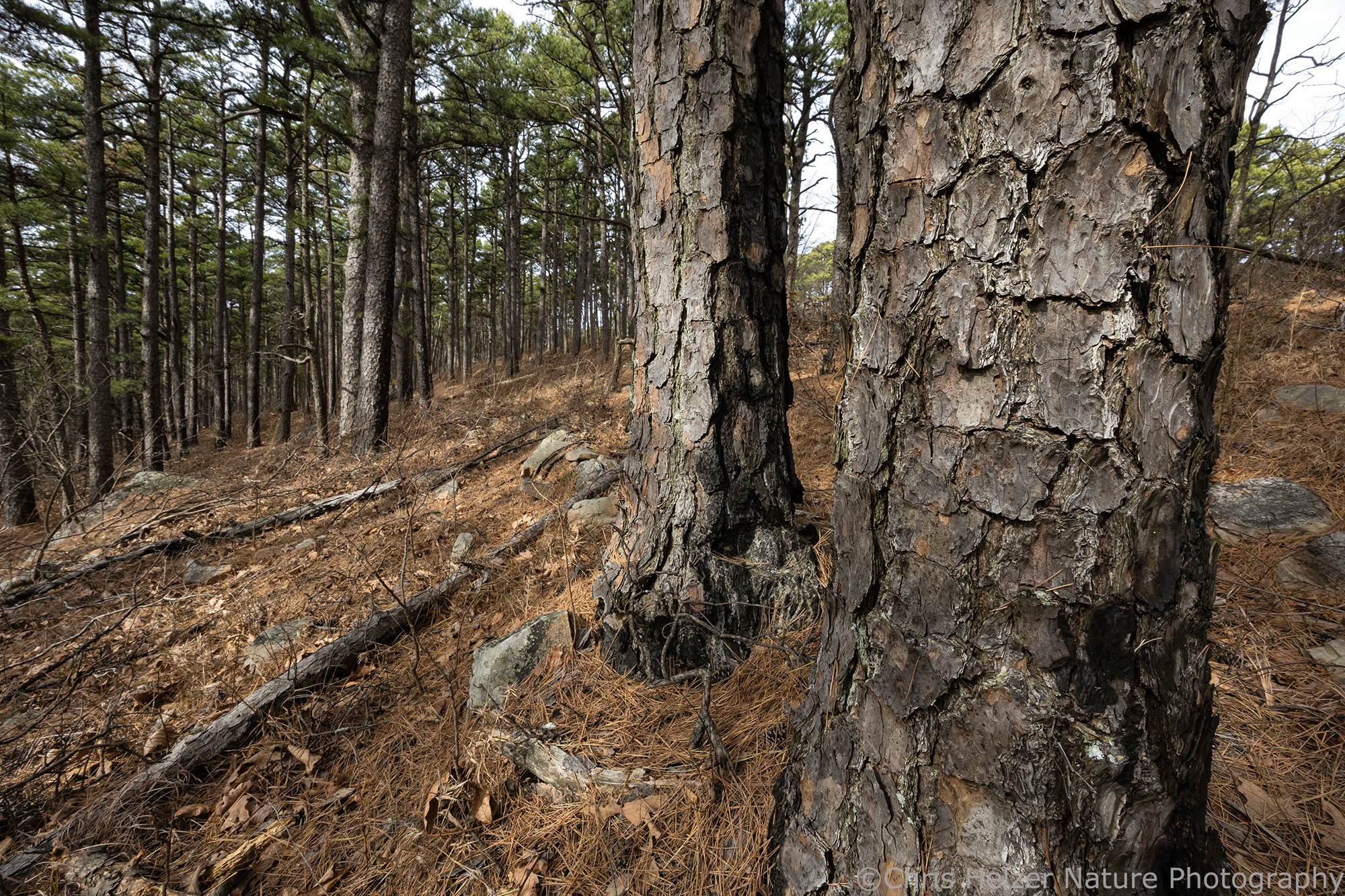
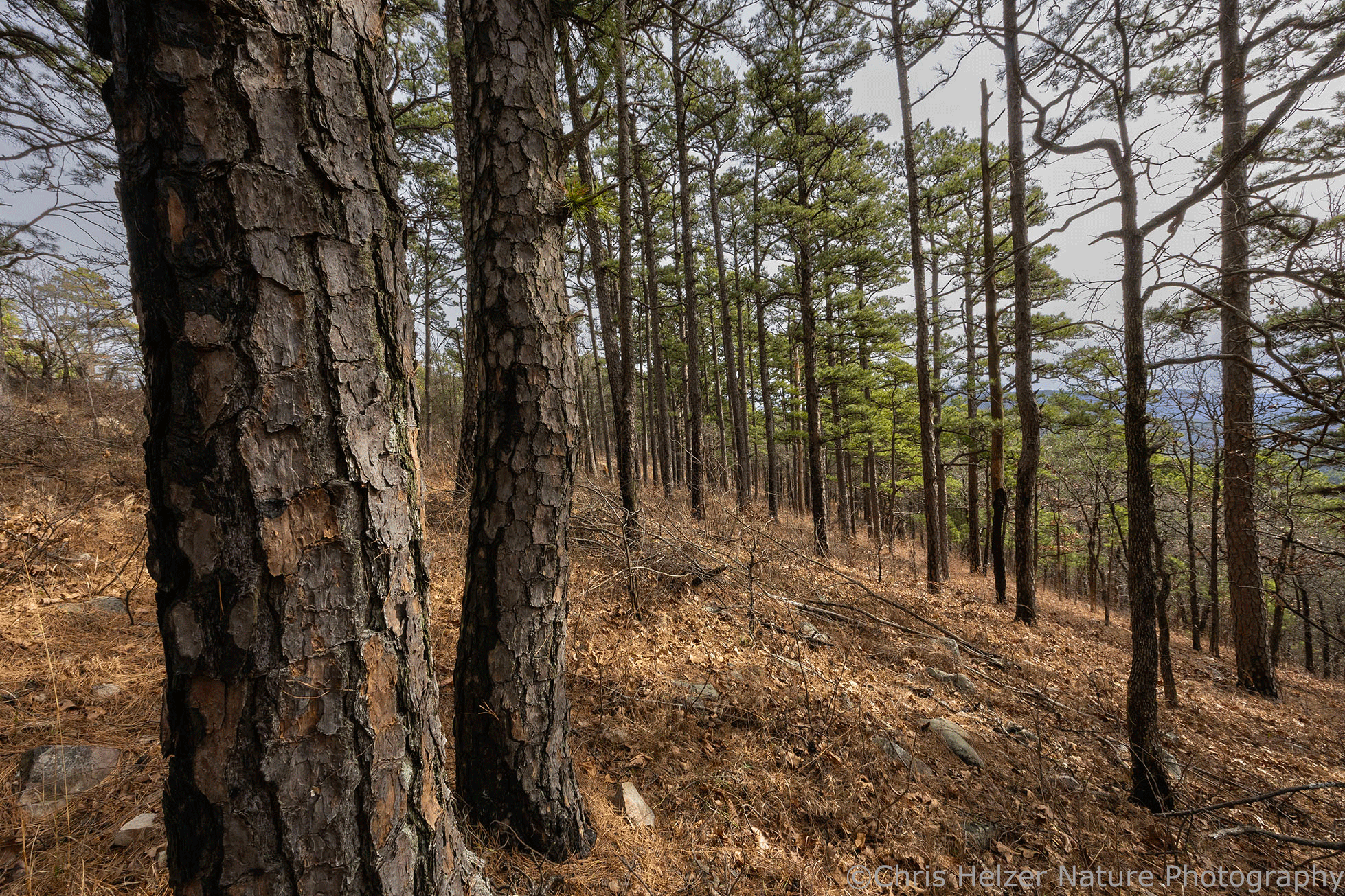
Most of the morning was dark and overcast (and cold) but the sky brightened a little around noon and I took advantage of the better light. Here are some of the scenes I photographed between stops at aid stations to be supportive to my athlete wife.
Shortleaf pines and rocks.More shortleaf pines on steep slopes.
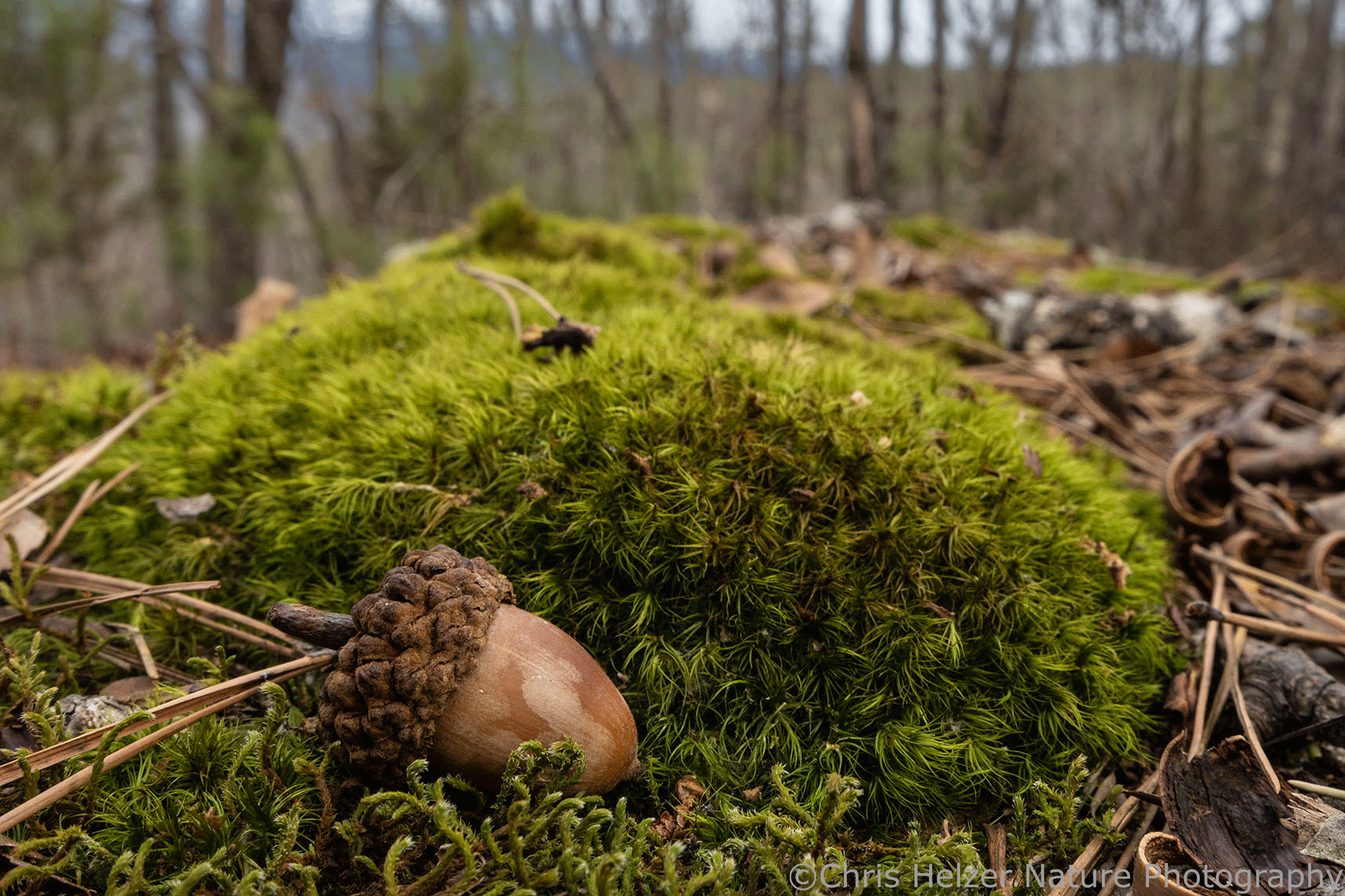
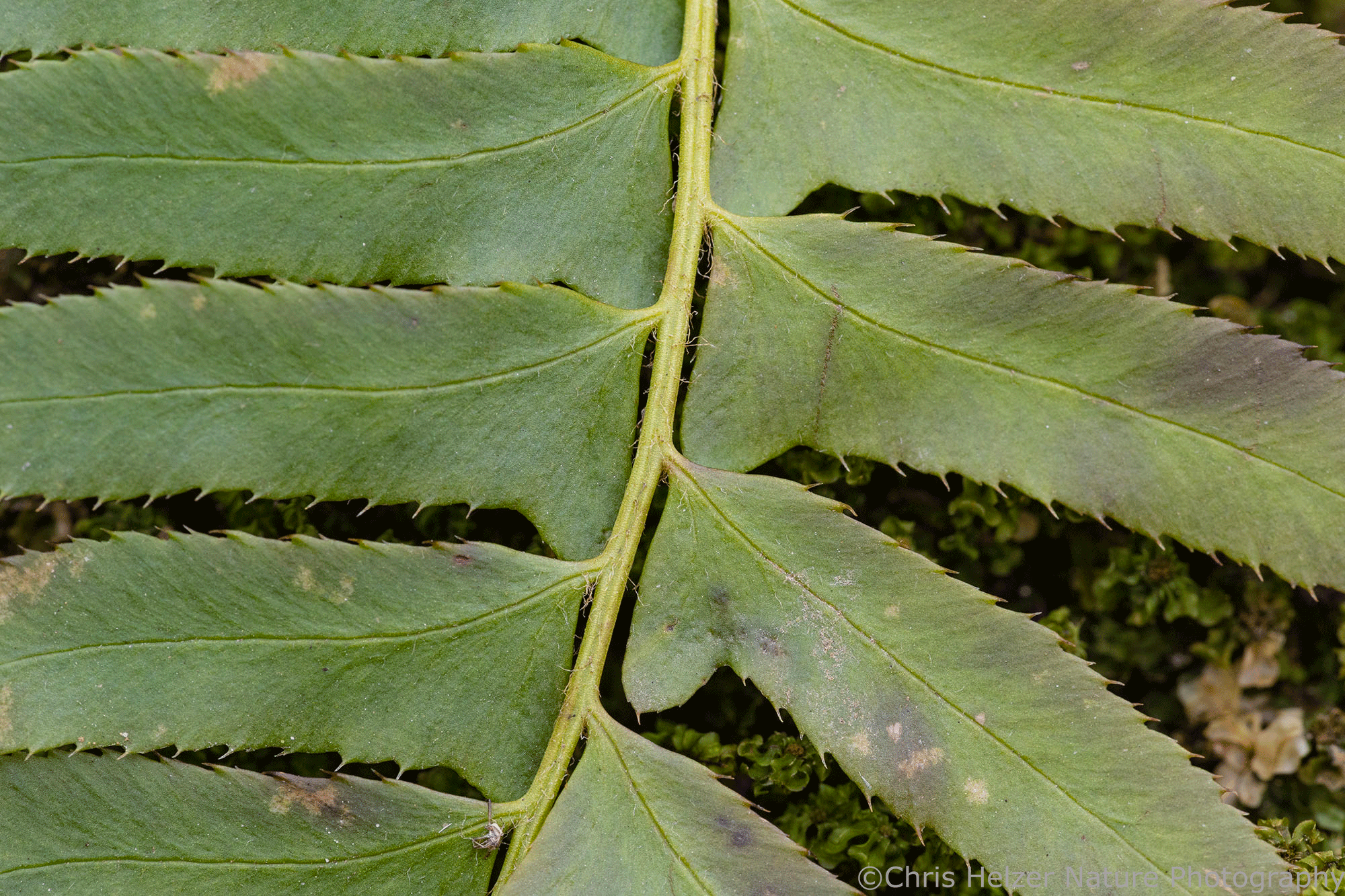
I griped good-naturedly to Kim that there was nothing but trees and rocks to see, but of course that wasn’t really true. There was, however, a lot of brown. That meant that anything green really stood out and caught my eye. Mosses, ferns, and pine needles, especially. I was drawn to those green patches and spent a lot of time photographing them.
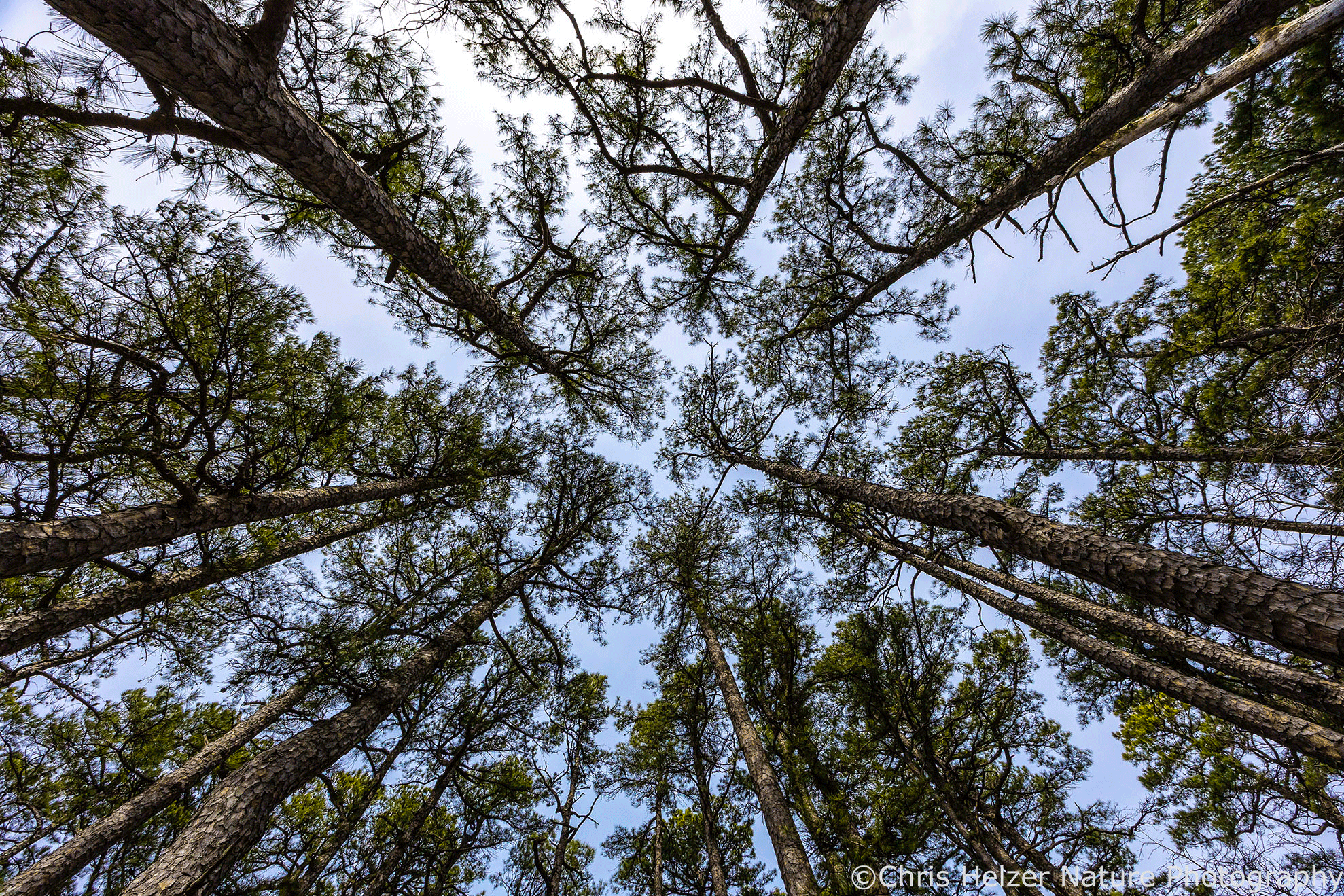
An acorn on a bed of moss.A stick on a bed of moss. Makes me want to sleep on a bed of moss.Christmas fern (Polystichum acrostichoides), I think. Supposedly this species keeps its fronds vertical until after the leaves fall and then lays them down on top of the leaves to catch more sunlight through the winter. Pretty cool strategy.More shortleaf pines.A shortleaf pine with a pocket full of needles.The photo every photographer is required to take in a forest.
I don’t really know what healthy woodlands look like in that part of the world, but the trees seemed to be growing pretty close together in many places and there didn’t seem to be much on the ground besides needles and leaves. I saw very few herbaceous plants, though maybe they were there and just buried under last fall’s oak leaf drop? I’m guessing the site could use some healthy fire, but I need to be careful applying my prairie sensibilities to other ecosystems.
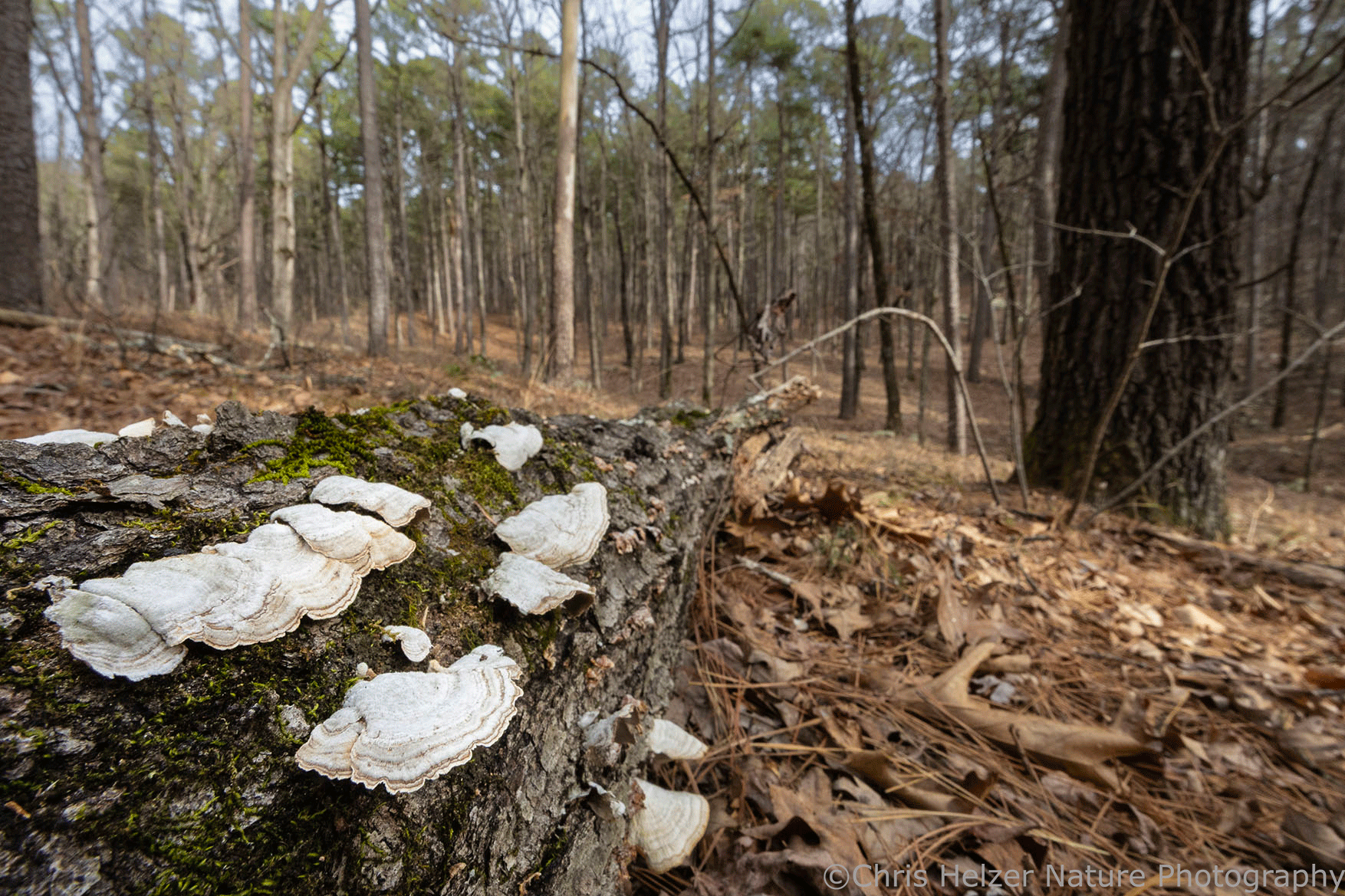
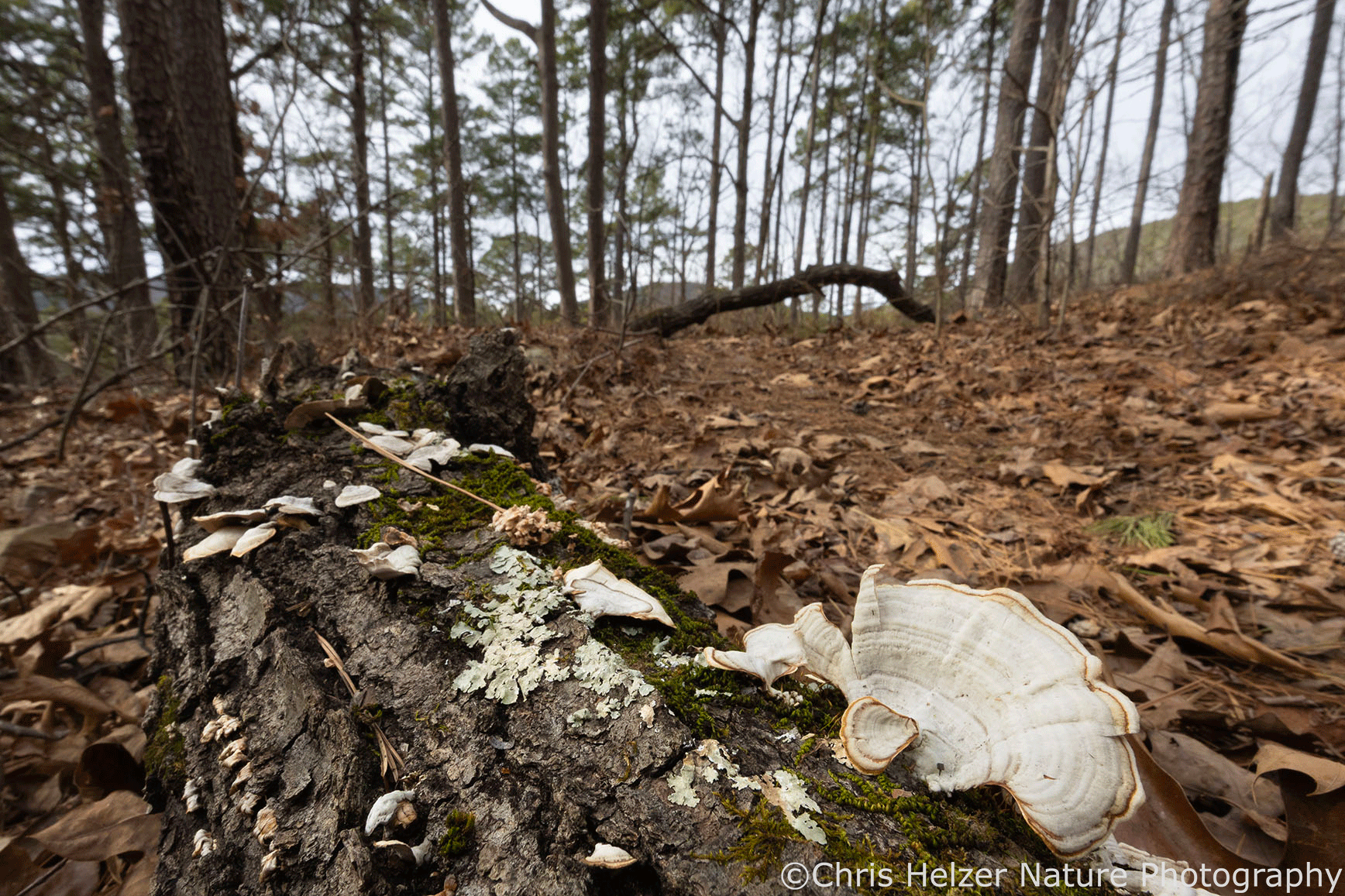
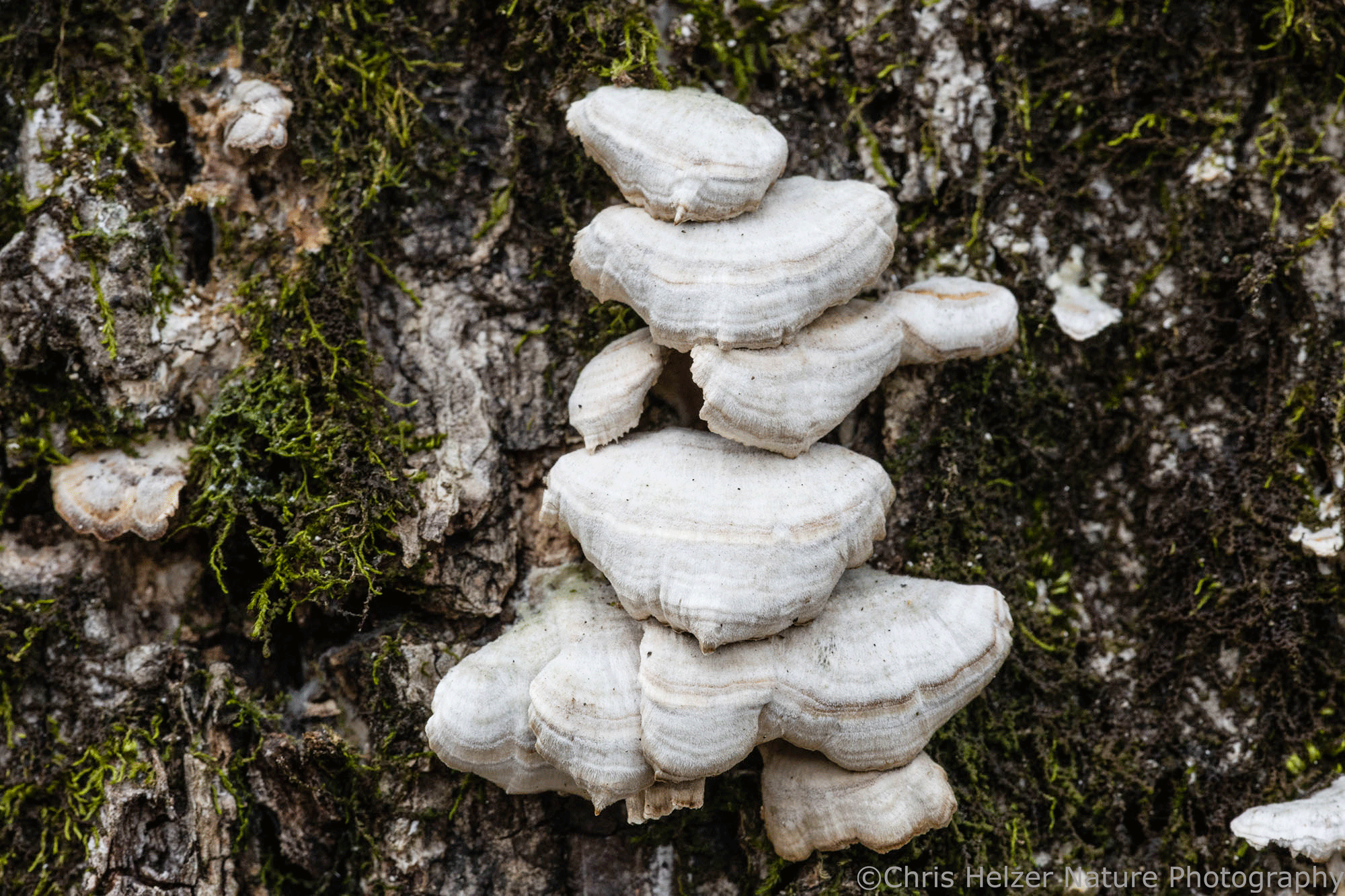
There was a lot of fungus growing on downed logs and dead trees. It all looked the same to me, but my expertise on fungus wouldn’t fill a thimble, so who knows? I used it as foreground for photos and didn’t sweat too much about identification.
Fungus on a log. Maybe a false turkey tail fungus? I don’t know.More of the same fungus. Or maybe a different species altogether.More fungus. It was growing on a tree. Does that help with identification? :)
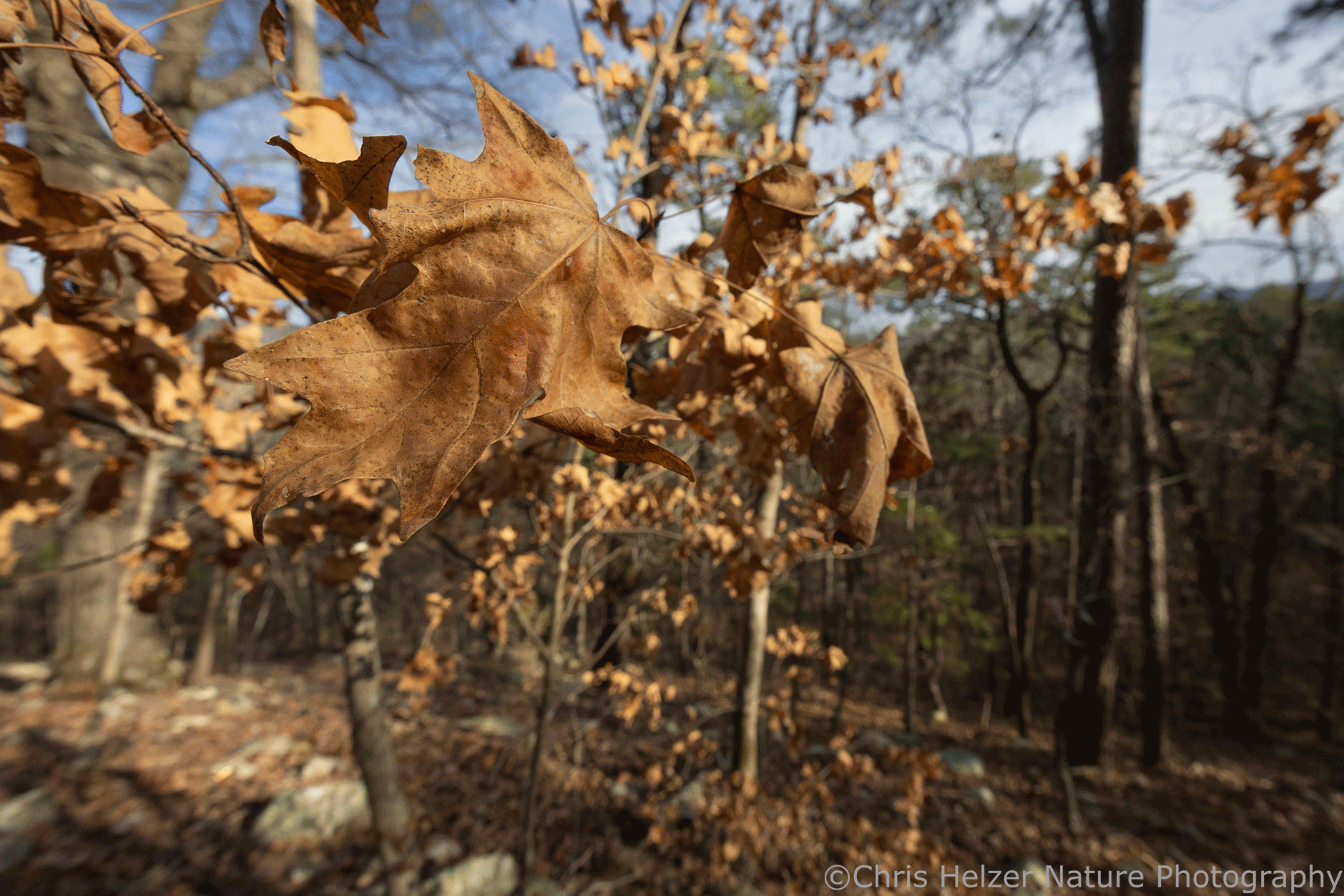
I saw some small trees that I thought were ironwood (Ostrya virginiana) because they were holding their leaves through the winter like that species does in Nebraska oak woodlands. When I examined them up close, though, they definitely weren’t ironwood and I thought they looked more like maples. Kim, after she was done running, said she thought they were oaks, and once she said that, I was sure she was right (and not just because she’s my wife).
Now, there’s a species called the maple-leaf oak (Quercus acerifolia) that is endemic to the area. The fact that I saw an oak that I first thought was a maple makes me wonder if I was actually seeing maple-leaf oaks, but after some online reading, I’m very skeptical. There are only a few populations of the species in the world, so I’m guessing maybe I was just looking at dried leaves of black oak.
Winter tree identification in the mountains of Oklahoma is not something this Nebraska prairie boy is adept at. Any help from people more local to the Ouachitas?
An oak species that looks to me like maple-leaf oak, but surely couldn’t be, right?
Kim finished the race before dark, which was no easy feat, given the distance, terrain, and the fact that she trains in east-central Nebraska, where hills are scarce and not nearly as steep as the Ouachitas. She was very tired. I was too, of course. It takes a lot of energy to walk slowly around the forest looking for mosses and acorns. We were both glad to retreat to the nearby cabin to eat and sleep before driving all the way home the following day.
As I always do in forested hills or mountains, I yearned for clear views of the horizon while walking around the Ouachitas. There were a few scenic overlooks where I got brief reprieves from my mild claustrophobic feelings, but they were few and far between. Still, it’s a really beautiful landscape down there and I’m sure it’s even more lovely during the growing season when there’s a lot more green. I hope to get back there sometime and explore some more.



 The Prairie Ecologist