Unknown's avatar

About Chris Helzer

Chris Helzer is Director of Science and Stewardship for The Nature Conservancy in Nebraska, where he conducts research and supervises the Conservancy’s preserve stewardship program. He also helps develop, test, and share prairie management and restoration strategies. Chris is also dedicated to raising awareness about the value of prairies through his photography, writing and presentations. He is the author of The Prairie Ecologist blog, and two books: The Ecology and Management of Prairies and Hidden Prairie: Photographing Life in One Square Meter. He is also a frequent contributor to NEBRASKAland magazine and other publications. Chris and his family live in Aurora, Nebraska.

Revised Slideshows of Nebraska Nature

At the request of many of you, I’ve added captions to the slideshow photos I posted last November.  Those slideshows can always be found from the home page of this blog (under the Photography Page).  In addition, I’ve provided links to each at the end of this post.
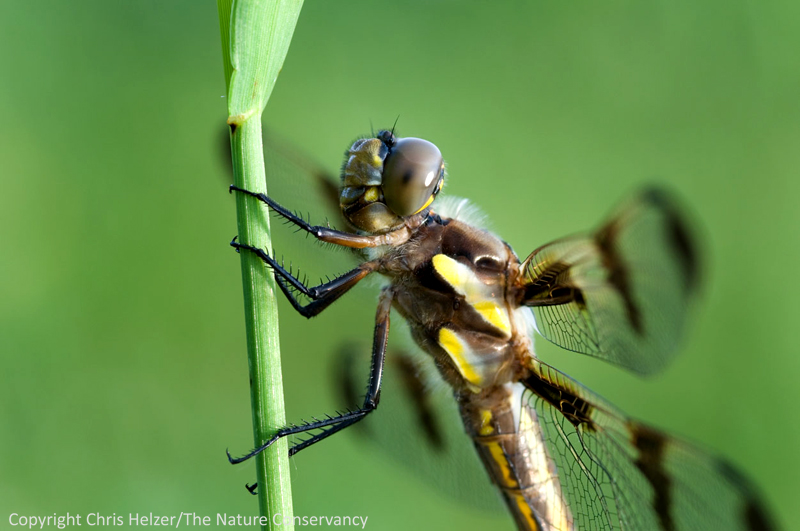
A dragonfly in the early morning - Pawnee County, Nebraska

Now that I’ve got them labeled, I’d appreciate any help you can give me in identifying species correctly.  I’m pretty confident about the vertebrates and plants, but could sure use some assistance with the invertebrates.  If you see one that I’ve got wrong, or you can identify it more specifically, please let me know by adding a comment below the slideshow.

Thank you – I hope you enjoy the photos.

Slideshows:
Invertebrates

Plants

Vertebrates

Landscapes

Winter

Photo of the Week – March 9, 2012

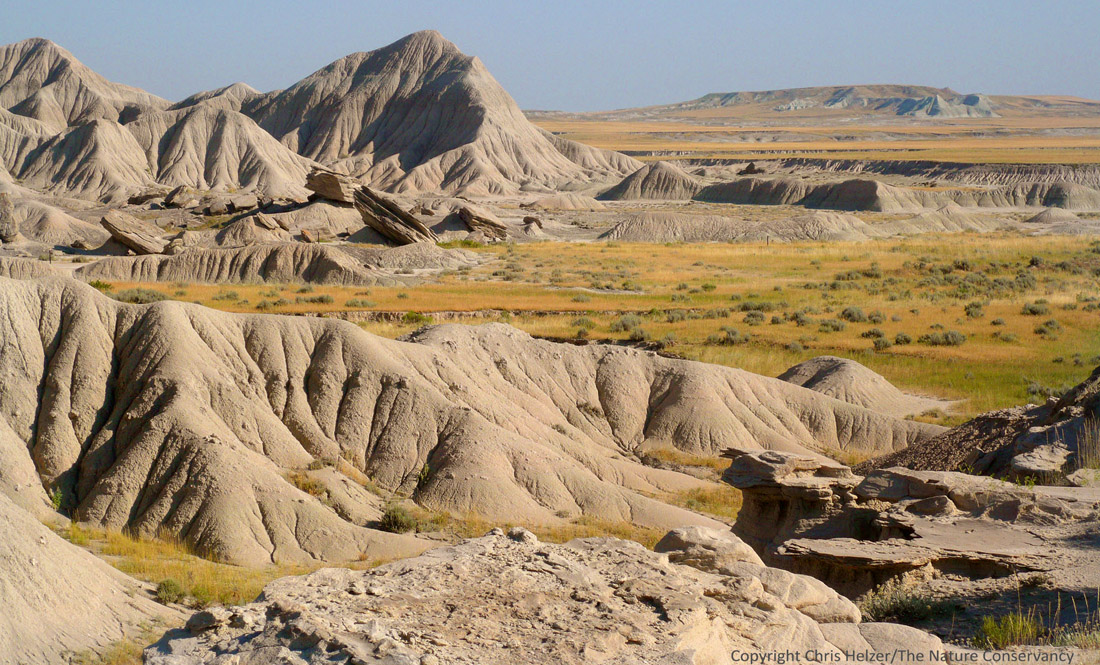
Toadstool Geologic Park is a small public area hidden away in the northwestern corner of Nebraska.  The site is one of the most scenic in Nebraska, but is remote enough that relatively few people visit.  Those who do make the trip can see tracks and fossils of animals that lived in the area 30 million years ago, including camels, rhinos, and others.

Toadstool Geologic Park is part of the Ogalala National Grasslands, administered by the U.S. Forest Service.  The grasslands would be called shortgrass prairie by most of us, but they are technically part of the “shale mixed-grass prairie – characterized by cool season grasses such as western wheatgrass, green needlegrass, and needle-and-thread.  They and other plants, including sego lilies, rabbitbrush, and leafy musineon, grow in dry clay soils that only receive an average about 10-15 inches of rain per year.

One of the reasons I love Nebraska is the variety of landscapes found in the state.  I can travel from the oak woodlands and tallgrass prairies of eastern Nebraska to a place like Toadstool Park in a single day of driving.

There’s an awful lot to explore in between too, and I feel like I’m just getting started.