Square Meter Photo Project – October

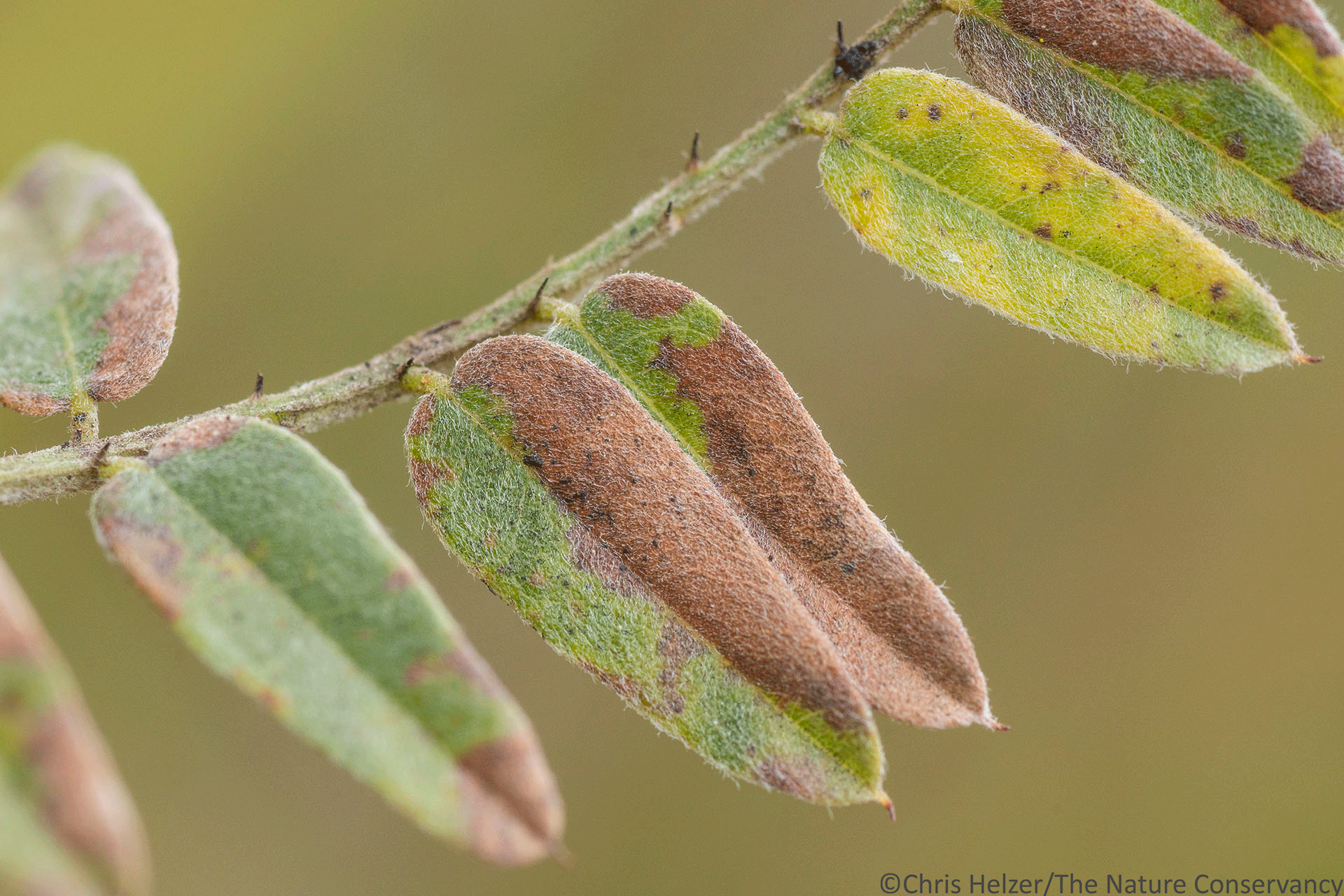
Lead plant (Amorpha canescens) leaflets were already turning colors by early October.

Activity within my square meter plot definitely slowed down during October, but I still managed to find lots of photographic opportunities.  I added a few more species to my list (110 now!), but the theme of the month was much more about change than discovery.  Plants I’d become intimately familiar with during the season were steadily changing colors and dropping leaves and seeds.  As a result, the overall density of the vegetation within the plot dropped dramatically, leaving behind a lot of sunflower stems decorated only by a few withered, dangling leaves.  Tall summer grasses are still there, but some have been broken off part-way up, and others look pretty fragile.  On the other hand, there is a new layer of green growth closer to the ground, consisting mostly of Kentucky bluegrass and a few sedges. 

The fungal (?) spot on this grass grabbed my attention early in the month., especially with the other varied colors of grass leaves behind it.
Toward the end of the month, the same grass leaf had changed quite a bit, as had those in the background.
This leaf has some spreading fungal growth as its chlorophyll slowly breaks down.
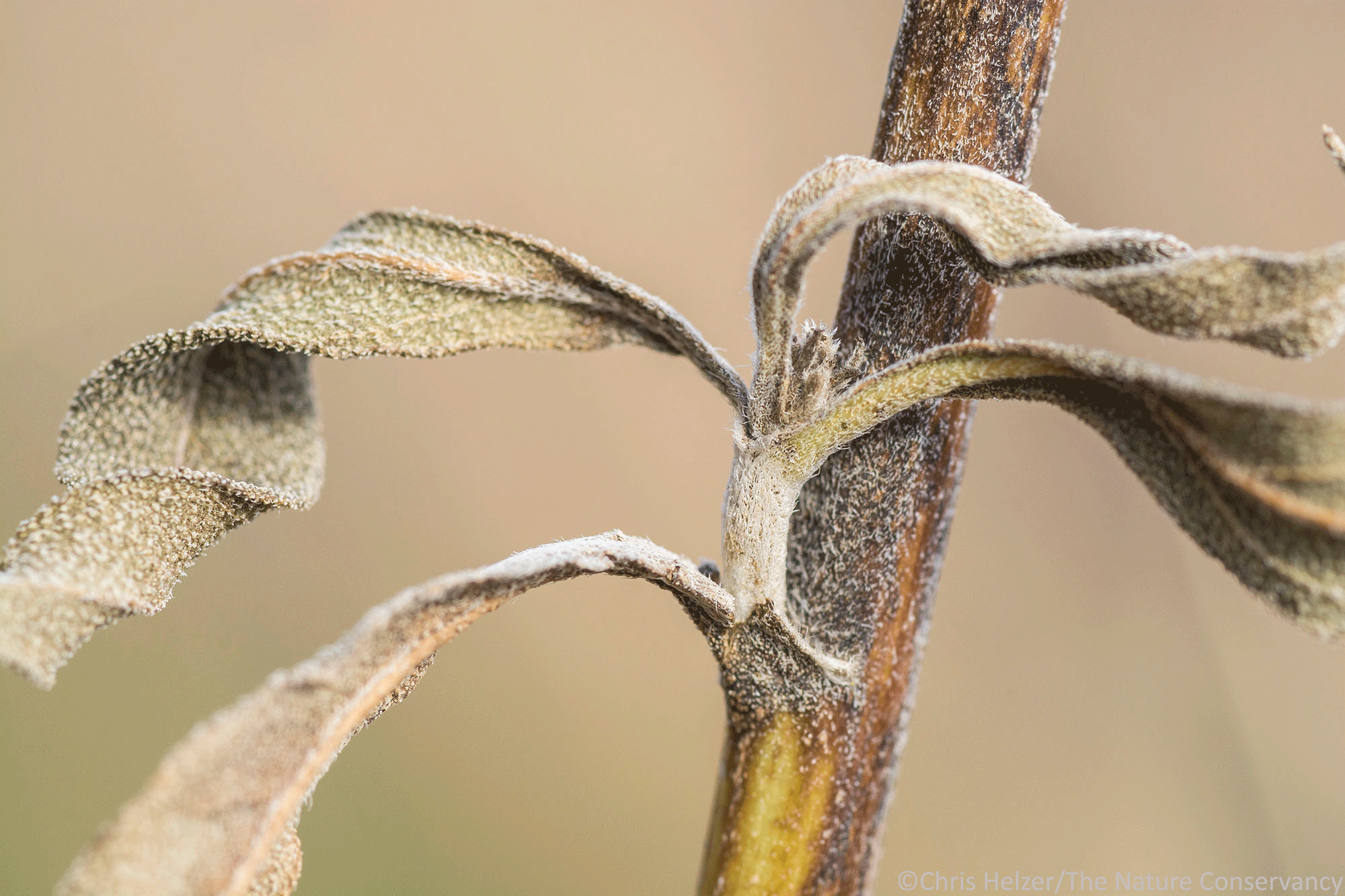
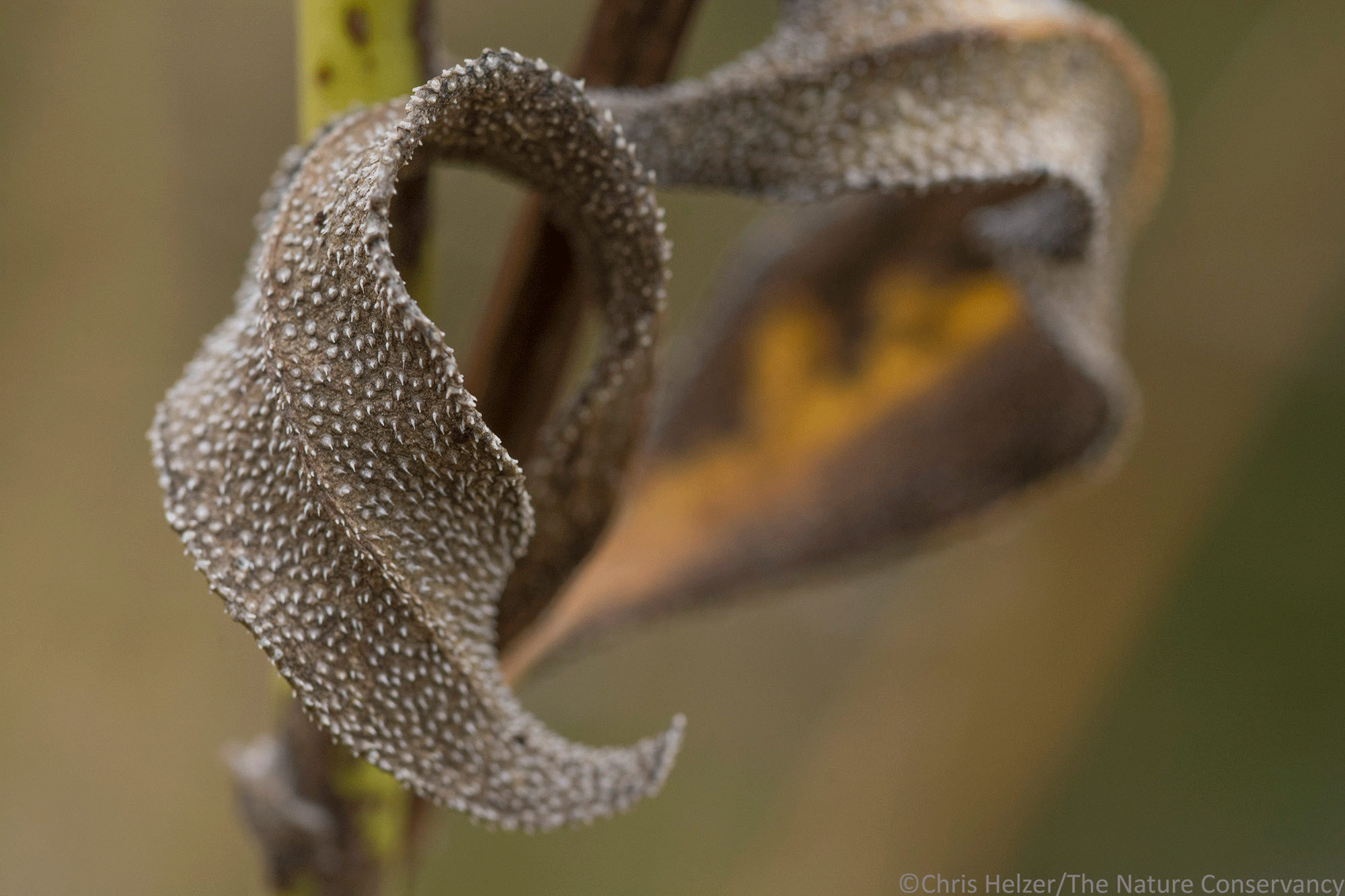
This stiff sunflower (Helianthus pauciflorus) leaf curled beautifully before dropping completely a few days later.
Wilting Maximilian sunflower leaves
Wilting Maximilian sunflower leaves.
Maximilian sunflower (Helianthus maximiliani)
Big bluestem (Andropogon gerardii), early in the month, before it lost its color.
Sideoats grama seeds.
Little bluestem (Schizachyrium scoparium) seeds got really fluffy as they dried.
I watched this hole left by a stem-boring moth larva (I’m told) most of the season.  I wonder if something else will move into it over the winter?

Instead of buzzing with activity, the plot was a lot quieter in October.  During the late summer, there was no shortage of insects, and the challenge was to find species I hadn’t yet photographed this year.  In October, the challenge was to find anything moving at all, other than leaves or seeds dropping or drifting through the air.  I sat quietly, trying to watch the entire plot closely, waiting for something to move, since movement was about the only way to detect most of the well-camouflaged critters I found.  The stink bug below is a great example of that – an insect I saw only when it fluttered from one stem to another and started crawling upward.  Several times, I looked down at my camera and then had to search for it again, even though I knew it was within a few square inches.

This stink bug was a new species for the list, and a welcome surprise when I saw it crawling up a stem.
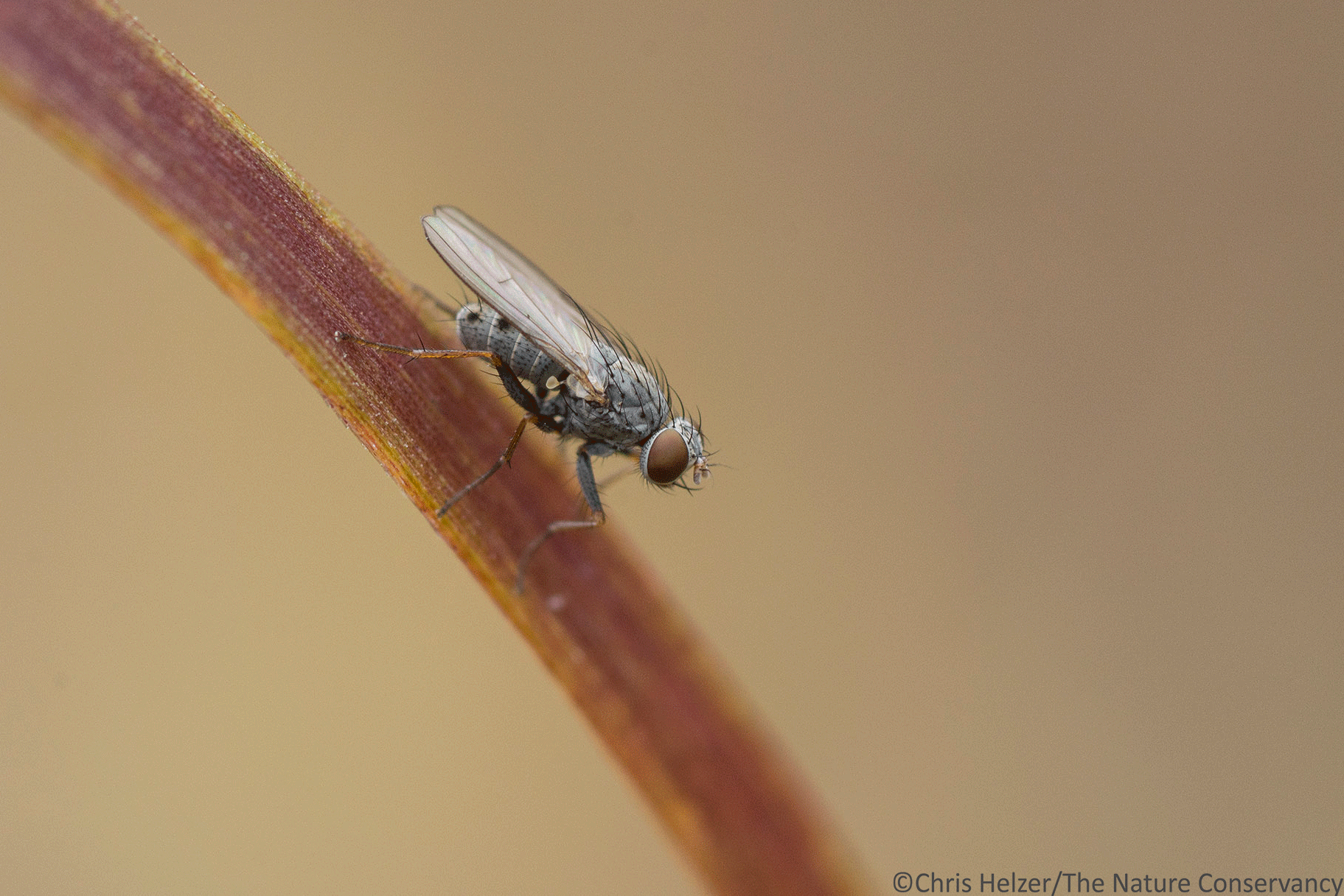
It wasn’t a new species for the list, but this fly was nice to see.  It didn’t stay long.
I actually spotted this tiny crane fly (new species!) before it moved, for which I was impressed with myself.  Of course, it took me about 15 minutes before I realized it was right in front of me…

I was excited to see the first snow of the year in mid-October, and the forecast predicted sunny skies and calm winds for the next day.  However, the snow ended around noon, and by an hour later, it was clear that most of the snow was going to melt that afternoon.  So, even though the sky was still pretty dark and cloudy, I went out to capture what I could of the snow before it all disappeared.
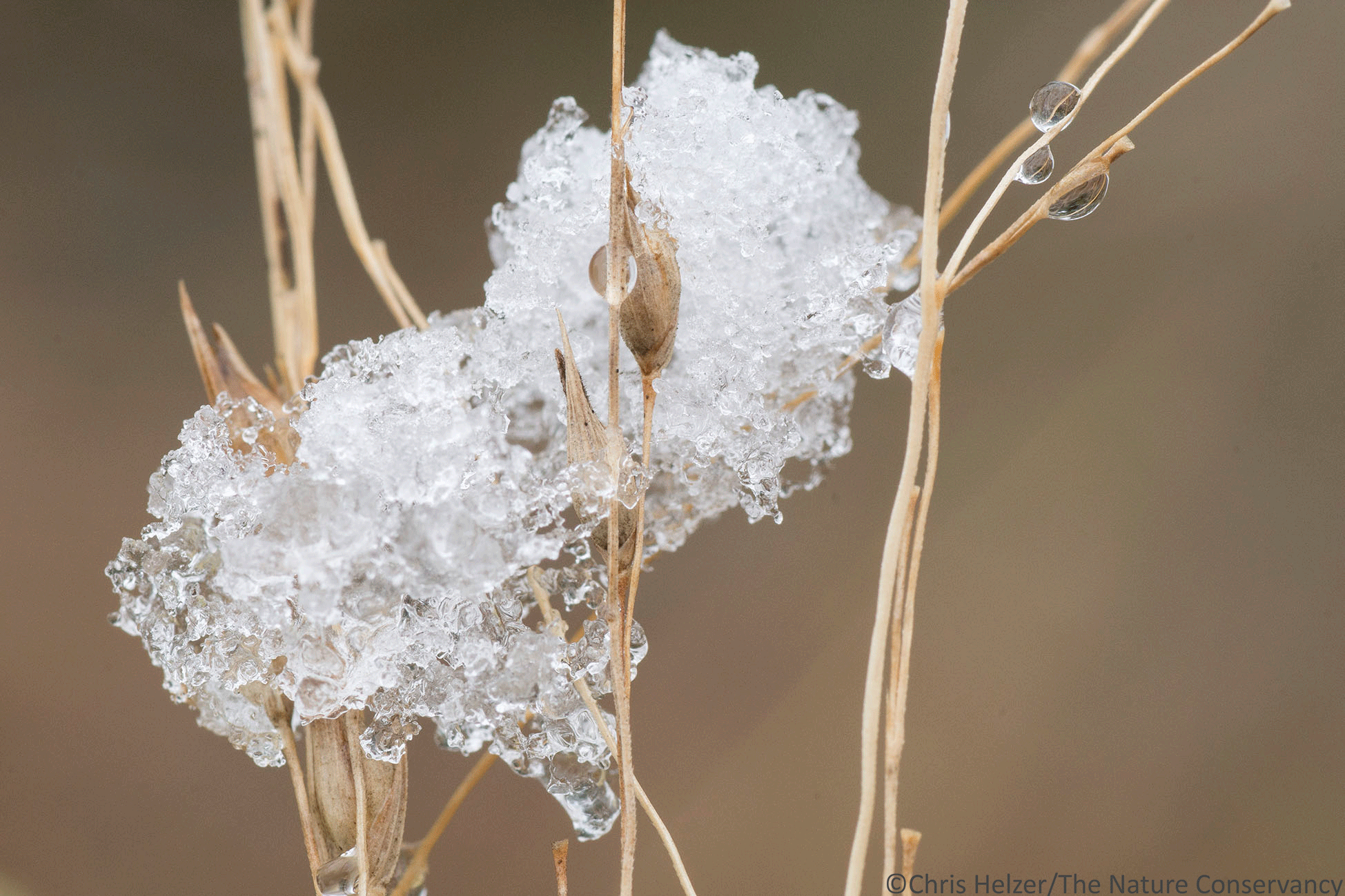
I was able to capture a few photos of the first snow of the season before it all melted away.  (October 14, 2018)
Remnants of the first snow on a switchgrass flower.
More melting snow.
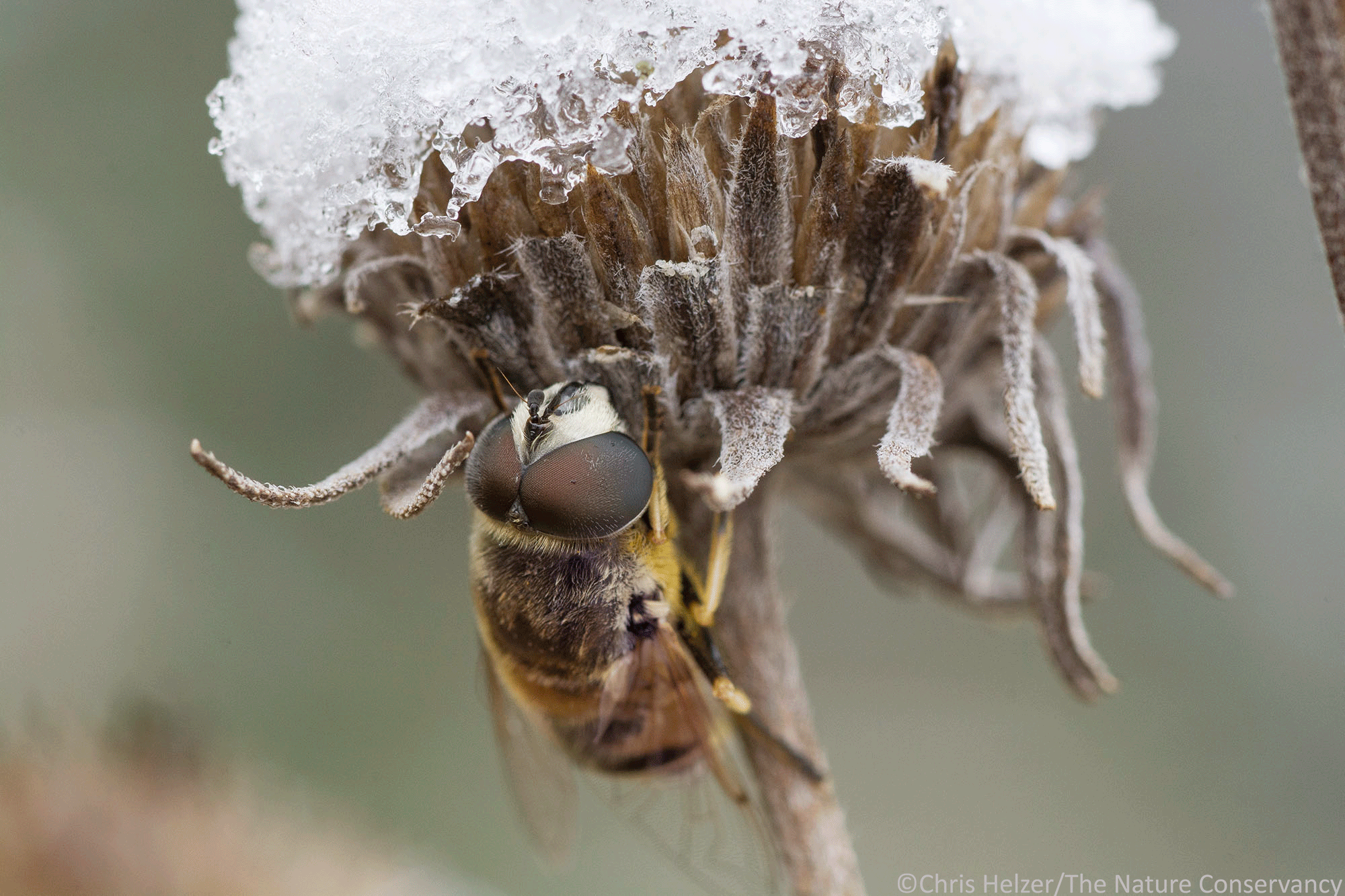
This hover fly (not a new species for the list) wasn’t shivering, but looked like it wanted to, while waiting for the first snow of the season to MELT ALREADY.

I’m planning to keep visiting my square meter plot through the end of January and complete a full year cycle.  I’ll probably go less often in the coming months, mostly waiting for frost or snow to create new photographic opportunities.  Apart from that, I don’t anticipate much change in the appearance of the plot or the species within it. 

However, I still feel drawn to visit now and then, especially when the light conditions are nice.  You never know – maybe I can catch a bird stopping by to feed on the last of the sunflower seeds, or maybe a milkweed seed will get caught within the plot as it drifts past.  What if I’m not there and I miss it?!

Crab Spider Tent

A crab spider and silk webbing at our family last weekend.

A few of us took a short trip out to our family prairie last weekend.  My daughter was back from college for the weekend and wanted to see what was happening in the prairie, so we did a little canoeing (tight circles in the small pond), hiking, and exploring.  Later, I found myself photographing dotted gayfeather seeds, and while I was looking for more of those plants, I stumbled upon a grass leaf that was bent funny with some kind of white silk holding it in that position.  I had actually walked past the grass leaf before my brain finally registered the fact that I should go back and examine it.

Looking more closely, I could see enough of the creature inside to identify it as a crab spider.  It had been raining quite a bit during the previous couple weeks, so my first thought was that the crab spider had made itself a little rain shelter.  (Crab spiders don’t make webs, but like all spiders, do make silk and use it for various purposes.).  However, my better guess was that it was a nest and that it might contain a bunch of spider eggs.  I photographed it for a few minutes, taking lots of photos, since the breeze was making it hard to keep the spider in focus.

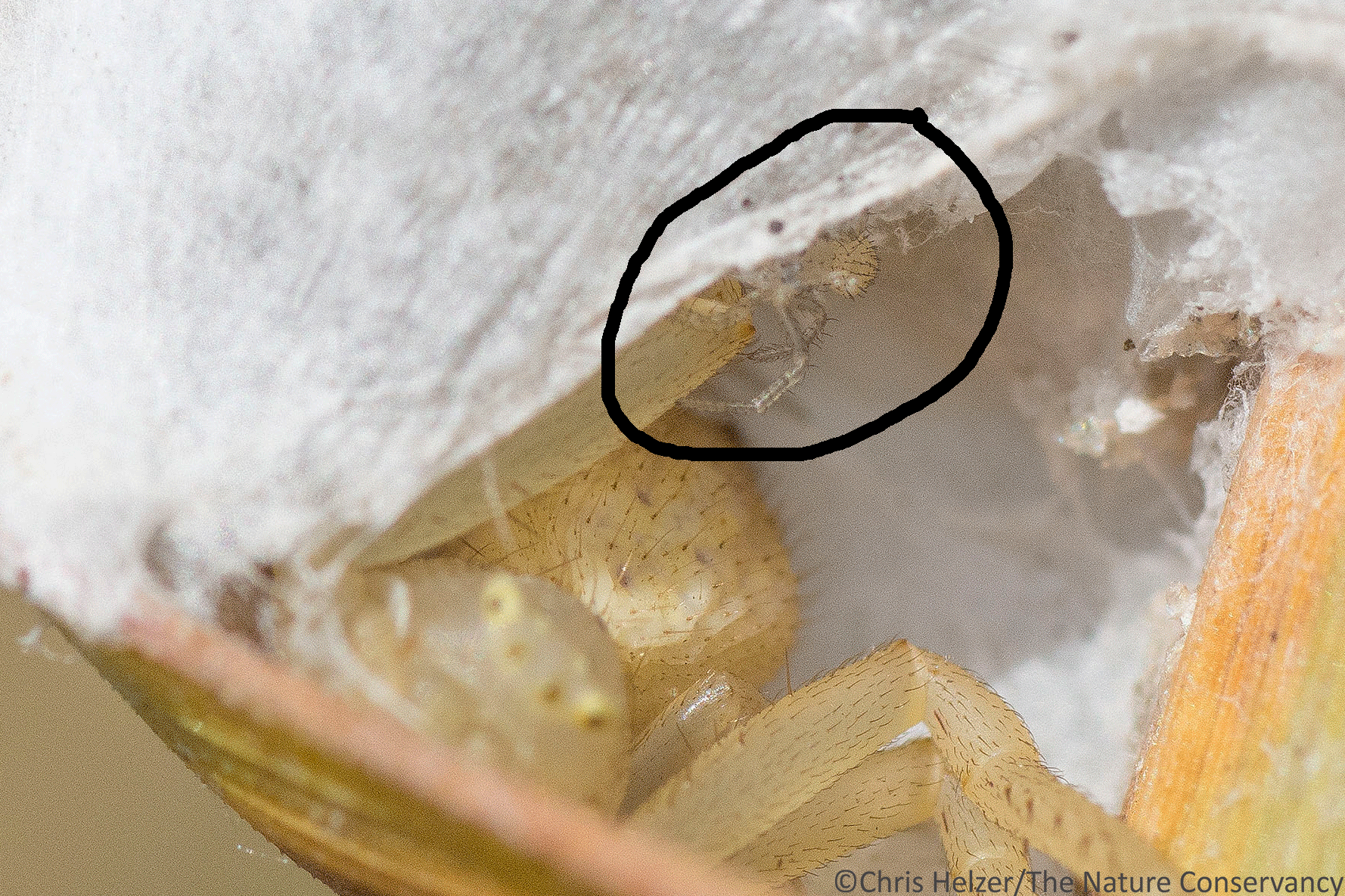
A tiny spiderling, accidentally photographed.

Later, when I was looking through images at home, I was culling all the photos of the spider that weren’t in focus (dang that wind) when I happened to spot something that confirmed my guess.  Right above an unfocused crab spider face, a tiny spiderling appeared – just in one photo, not in any others.  Apparently, this was indeed a crab spider nest, and at least one egg had already hatched.  

The crab spider eventually shifted around and showed its face.

Crab spiders aren’t the only group of spiders that take care of their kids.  Frequent readers of this blog will, of course, remember a previous post of mine showing a mother wolf spider carrying her brood around on her body, and even if you don’t, you may have heard that wolf spiders lug both their egg sacs and newly hatched babies around with them.  Wolf spiders aren’t alone, though, and we’re still learning more about how well various spider species care for their young.  If you’re interested, you can read more in this nice blog post from Biome Ecology.  Otherwise, you can just join me in wishing this particular crab spider’s brood good luck as they disperse and try to find safe places to overwinter.