Crab Spider Tent

A crab spider and silk webbing at our family last weekend.

A few of us took a short trip out to our family prairie last weekend.  My daughter was back from college for the weekend and wanted to see what was happening in the prairie, so we did a little canoeing (tight circles in the small pond), hiking, and exploring.  Later, I found myself photographing dotted gayfeather seeds, and while I was looking for more of those plants, I stumbled upon a grass leaf that was bent funny with some kind of white silk holding it in that position.  I had actually walked past the grass leaf before my brain finally registered the fact that I should go back and examine it.

Looking more closely, I could see enough of the creature inside to identify it as a crab spider.  It had been raining quite a bit during the previous couple weeks, so my first thought was that the crab spider had made itself a little rain shelter.  (Crab spiders don’t make webs, but like all spiders, do make silk and use it for various purposes.).  However, my better guess was that it was a nest and that it might contain a bunch of spider eggs.  I photographed it for a few minutes, taking lots of photos, since the breeze was making it hard to keep the spider in focus.
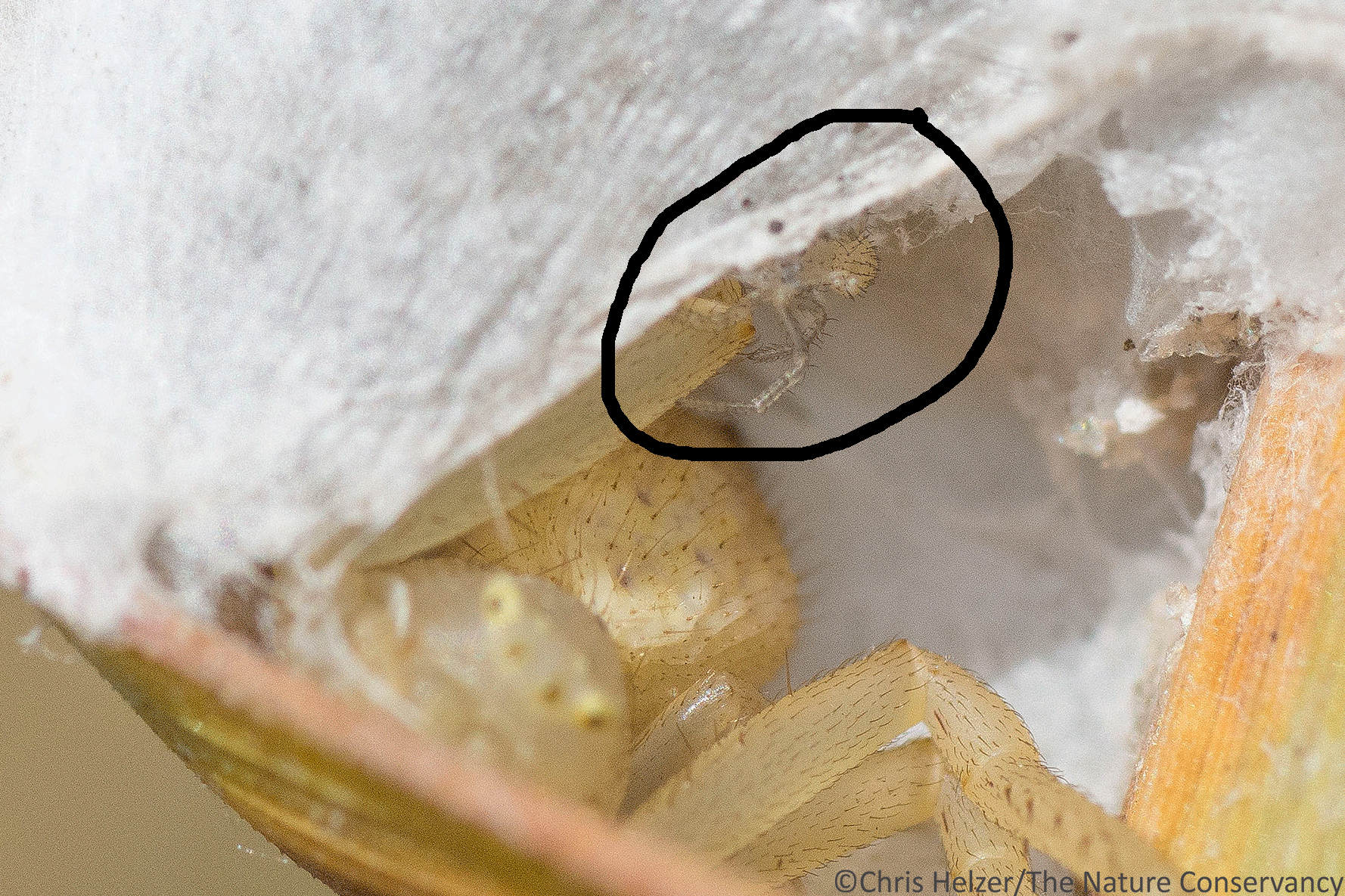
A tiny spiderling, accidentally photographed.

Later, when I was looking through images at home, I was culling all the photos of the spider that weren’t in focus (dang that wind) when I happened to spot something that confirmed my guess.  Right above an unfocused crab spider face, a tiny spiderling appeared – just in one photo, not in any others.  Apparently, this was indeed a crab spider nest, and at least one egg had already hatched.  

The crab spider eventually shifted around and showed its face.

Crab spiders aren’t the only group of spiders that take care of their kids.  Frequent readers of this blog will, of course, remember a previous post of mine showing a mother wolf spider carrying her brood around on her body, and even if you don’t, you may have heard that wolf spiders lug both their egg sacs and newly hatched babies around with them.  Wolf spiders aren’t alone, though, and we’re still learning more about how well various spider species care for their young.  If you’re interested, you can read more in this nice blog post from Biome Ecology.  Otherwise, you can just join me in wishing this particular crab spider’s brood good luck as they disperse and try to find safe places to overwinter.
Square Meter Photo Project – September

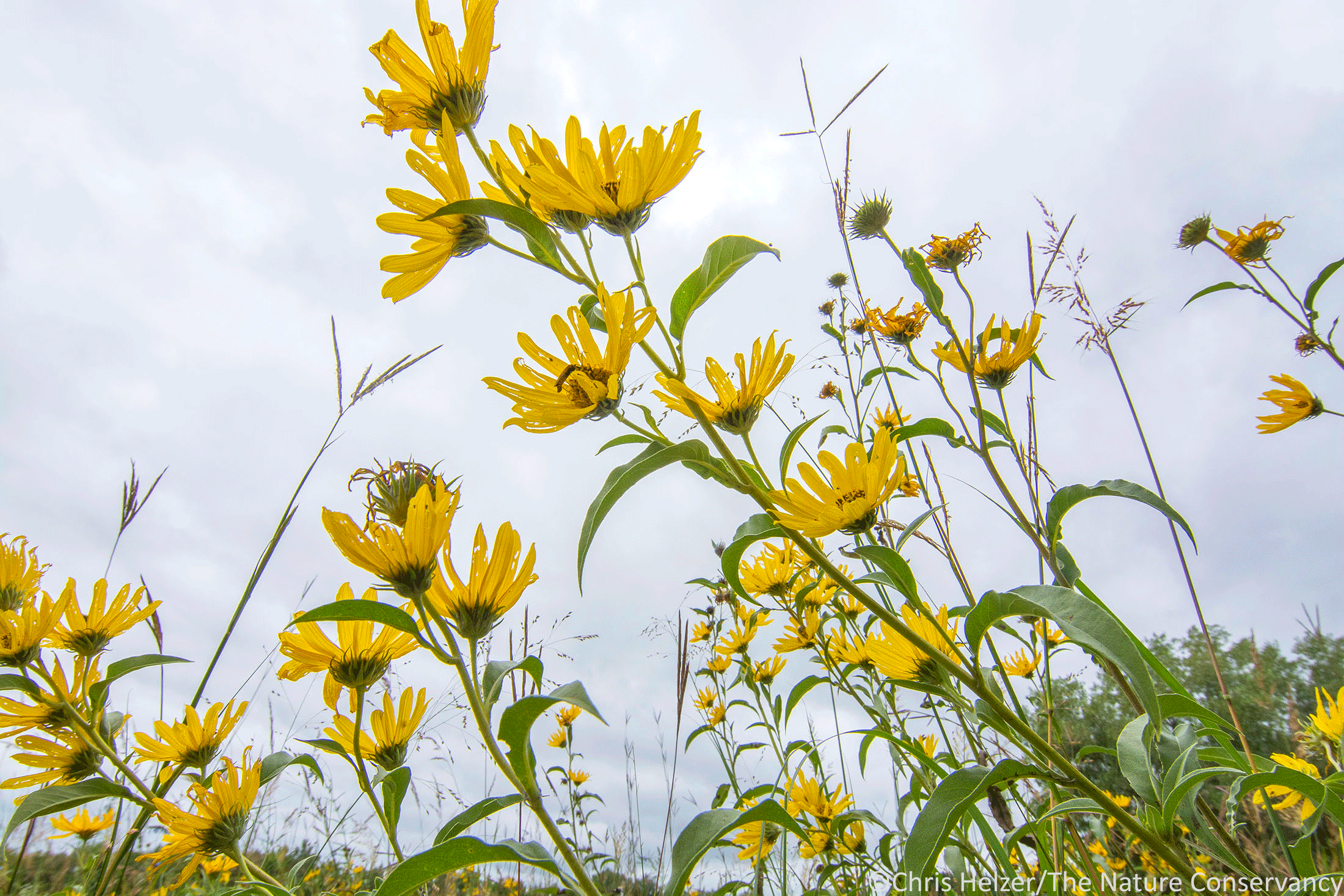
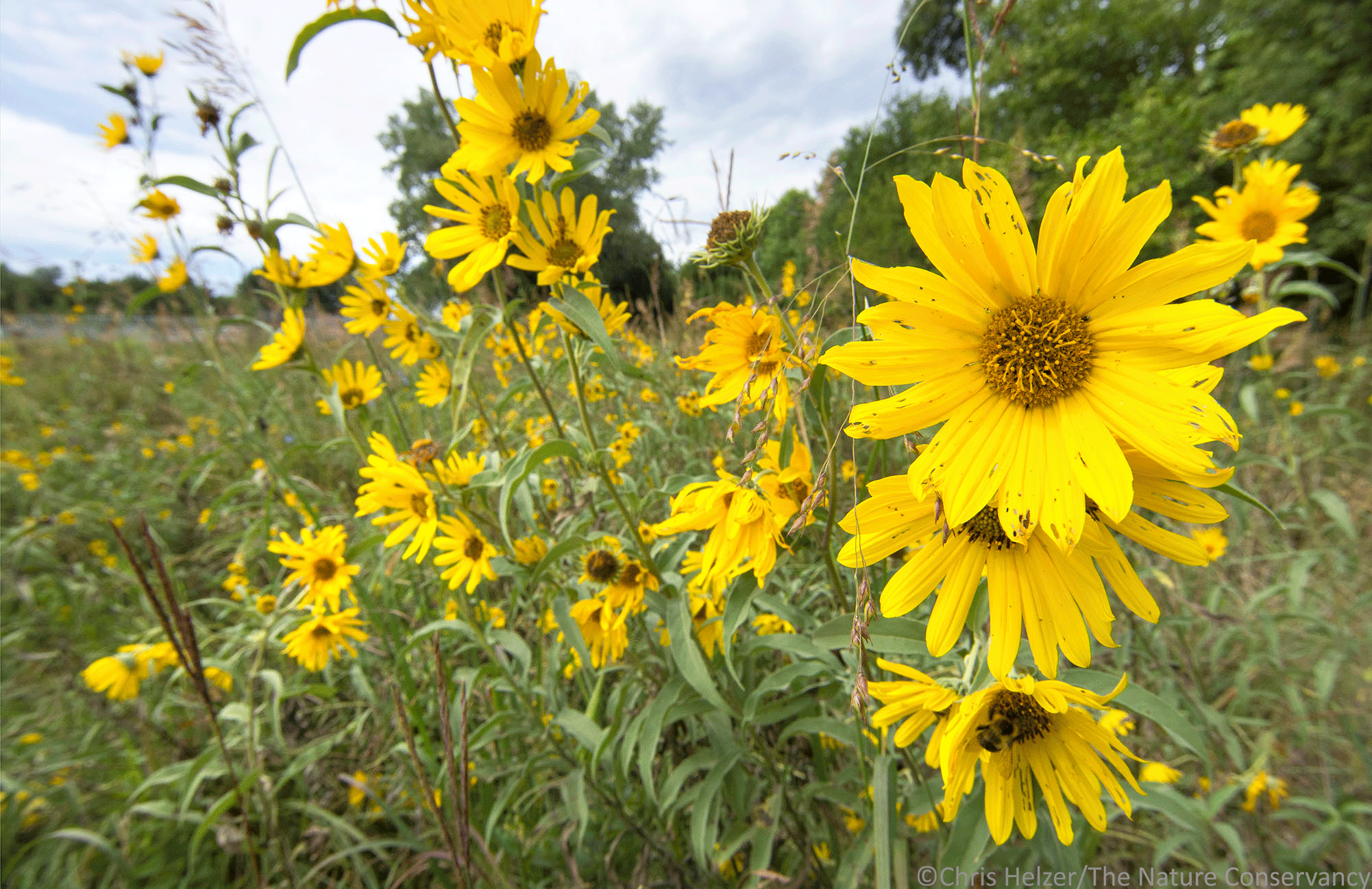
Maximilian sunflower dominated the plot at the beginning of September.

September was another phenomenal month for my square meter photography project.  There were lots of new species to add to my running total, but I also continue to be inspired by the simple process of trying to find beauty within a tiny space.  The month started with a continuation of the Maximilian sunflower flush from August and the myriad insects visiting those blooms.  However, as the sunflowers wilted, I continued to find plenty to photograph, including a few species I’d been hoping for and one (a vertebrate – see below) I’d never expected.

Bumble bee (Bombus impatiens) on Maximilian sunflower.
Indiangrass in full bloom.
This damselfly was curling its long abdomen up above its head.  I caught it half way into its curling motion.
Maximilian sunflower against a cloudy sky.
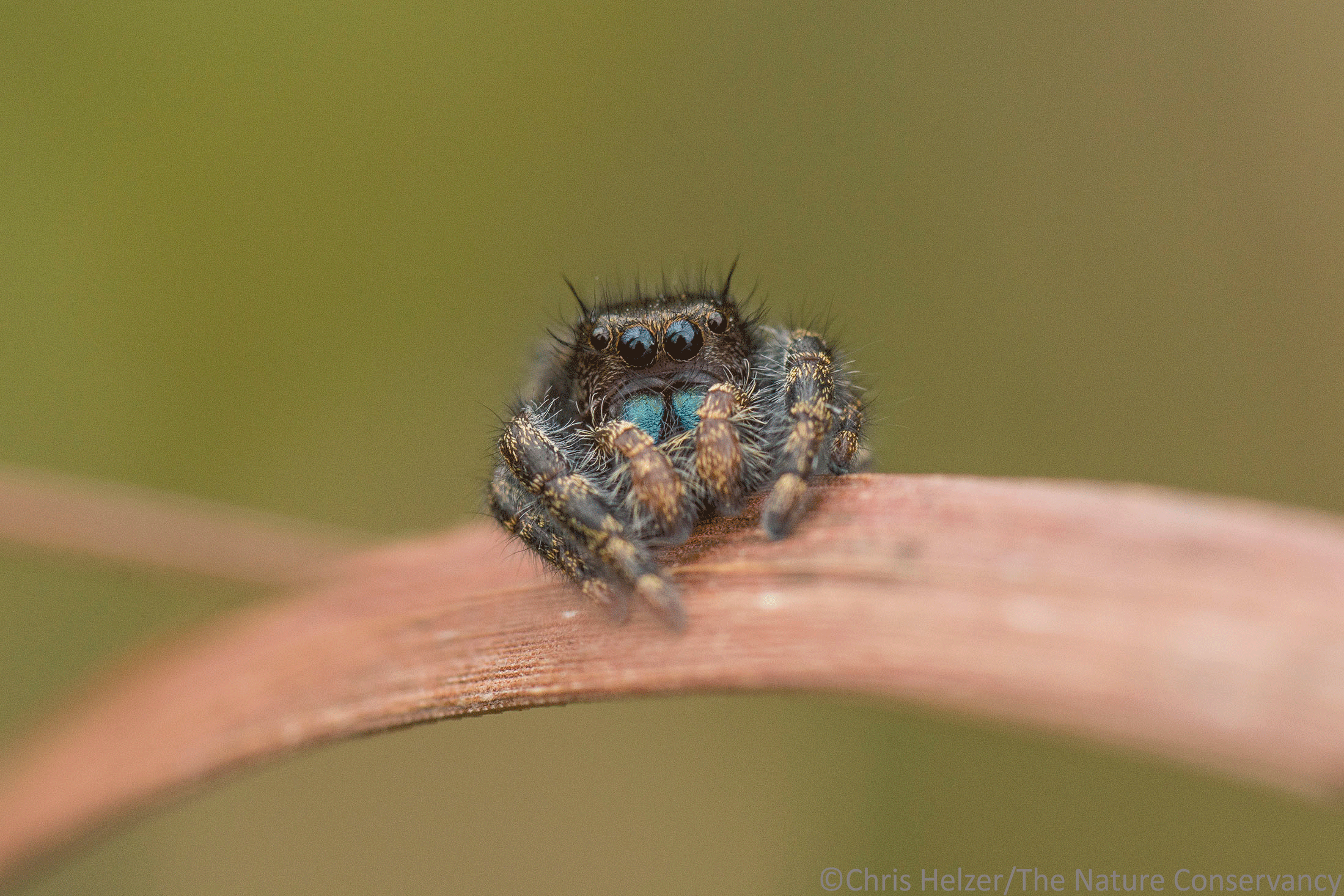
A bold jumper (jumping spider) stops to look at me for a moment.
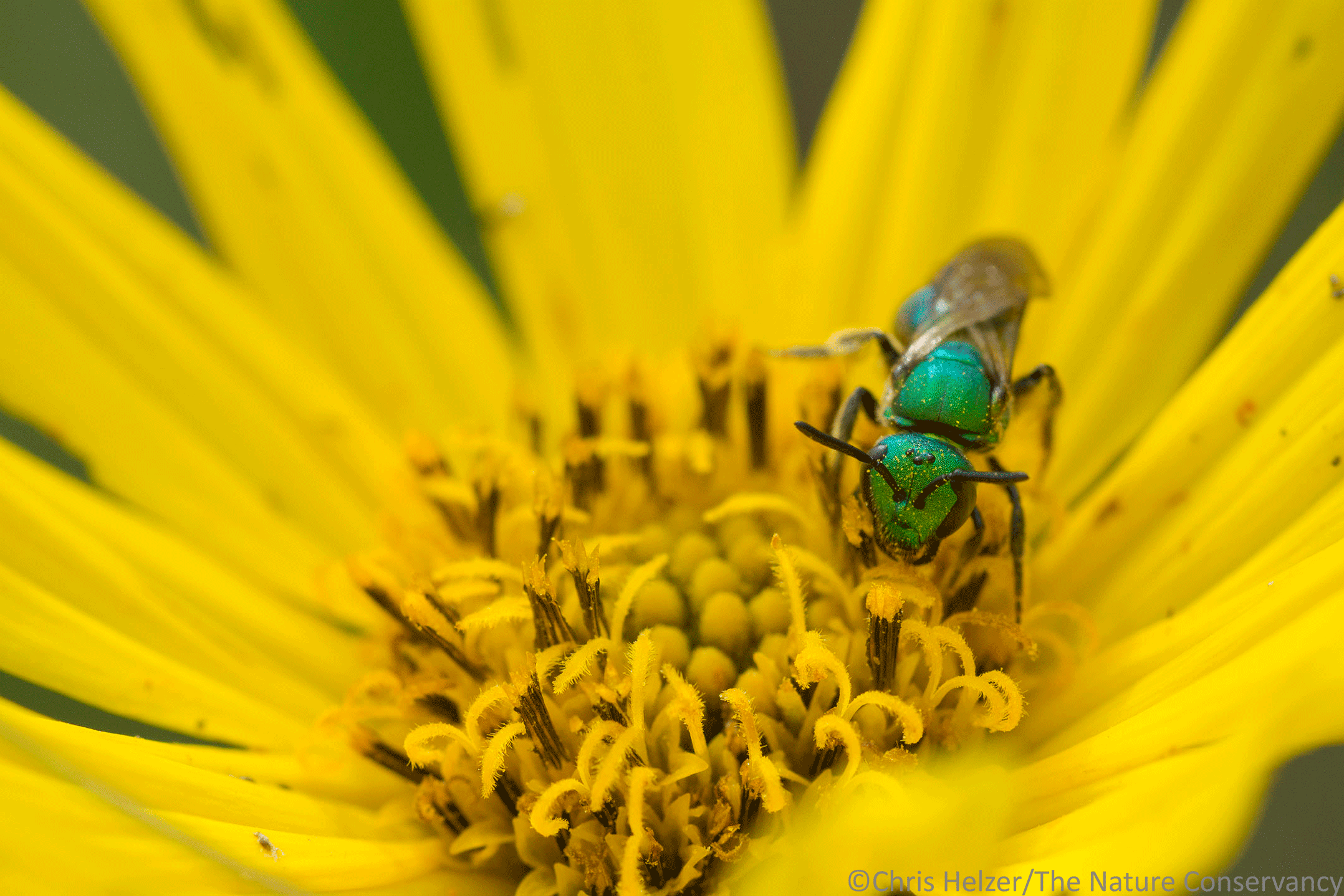
A metallic sweat bee (Augochloropsis fulgida) on Maximilian sunflower.
This Cope’s gray tree frog was the only vertebrate I managed to photograph all year (in my little plot).  It really made my day when I spotted it!

The growing season is quickly winding down now, and most of the plants in my little plot are well on their way toward winter dormancy.  Cold wet weather has greatly reduced the number of insects moving around, and even on warm days, the numbers are pretty low.  I’m going to keep photographing through the end of the year, but I’m guessing my species totals aren’t going to change much.  Right now, I’m enjoying photographing fall colors, and waiting for the first frosts and snows to bring some highlights to the browning leaves and stems.

With the tremendous help of several smart people, I’ve put together a reasonably good summary of the species I’ve found within the plot so far.  Counting a few from October as well, I have now photographed 98 different species of plants and animals in that square meter of prairie – all in 2018!  And yes, I’m really really hoping I can find at least two more…

That species list includes 12 plant species, 21 flies, 15 beetles, and 14 bees, along with butterflies, moths, mantids, spiders, ants, bugs, hoppers, aphids, barklice, grasshoppers, mites, and katydids.  Many thanks to Julie Peterson, James Trager, Mike Arduser, and Jim Kalisch for their identification help.

I spooked this milkweed bug off the butterfly milkweed plant in my plot and then spotted it a few minutes later crawling up a sunflower.
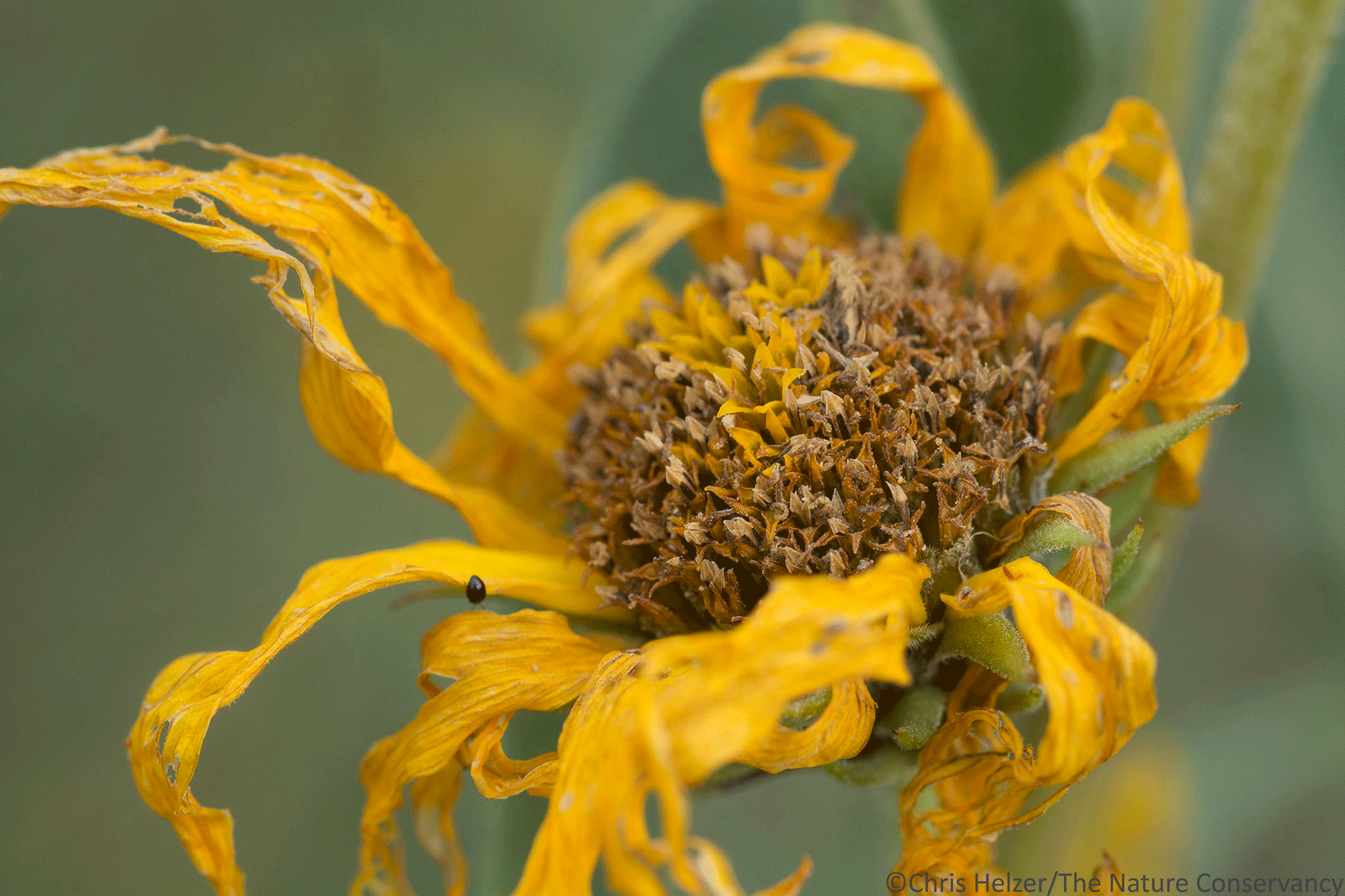
Wilting Maximilian sunflower blossoms.
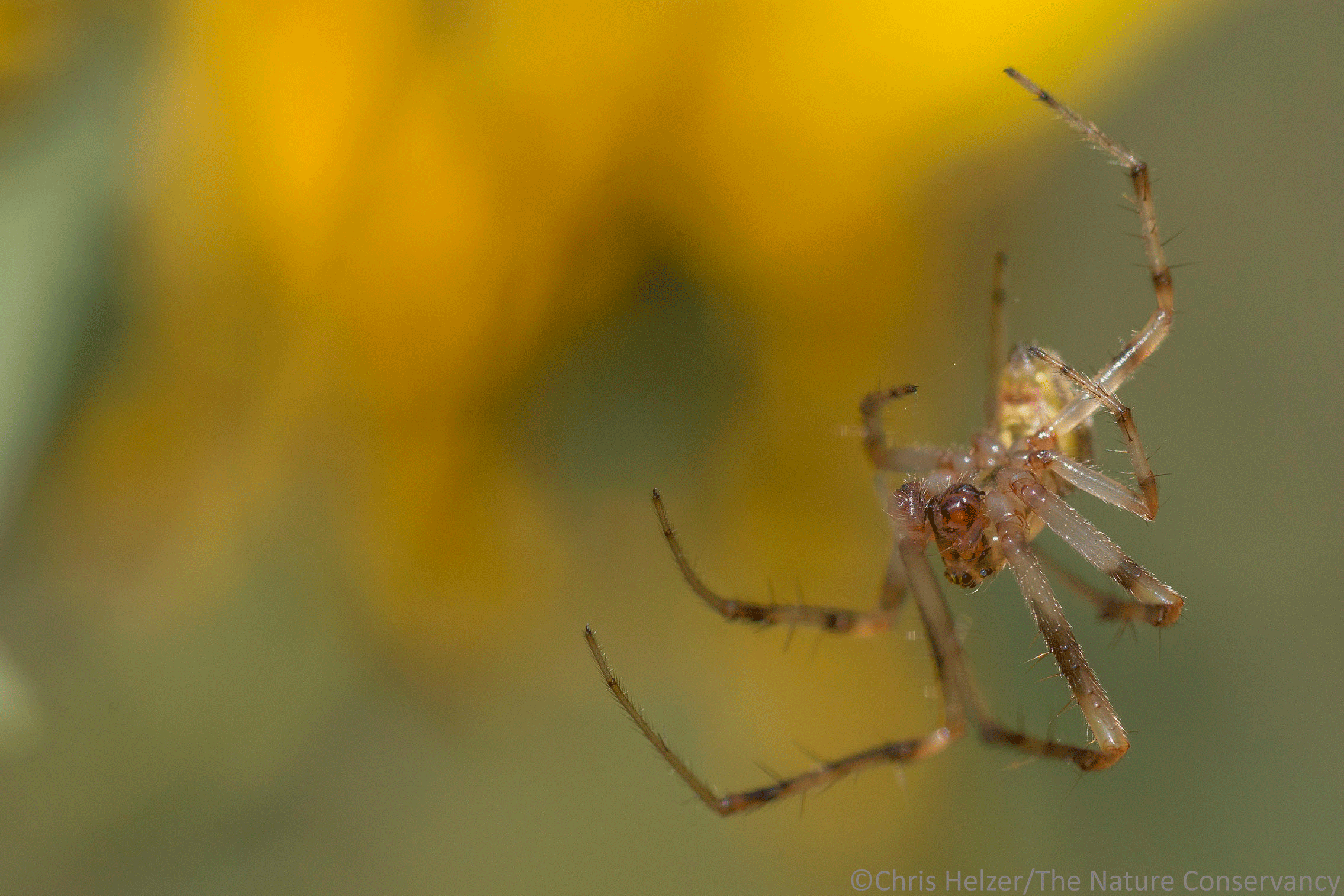
An Arabesque orbweaver dangles on a silk thread.
Can you spot the tiny black beetle?
A syrphid fly on a dried Maximilian sunflower leaf.
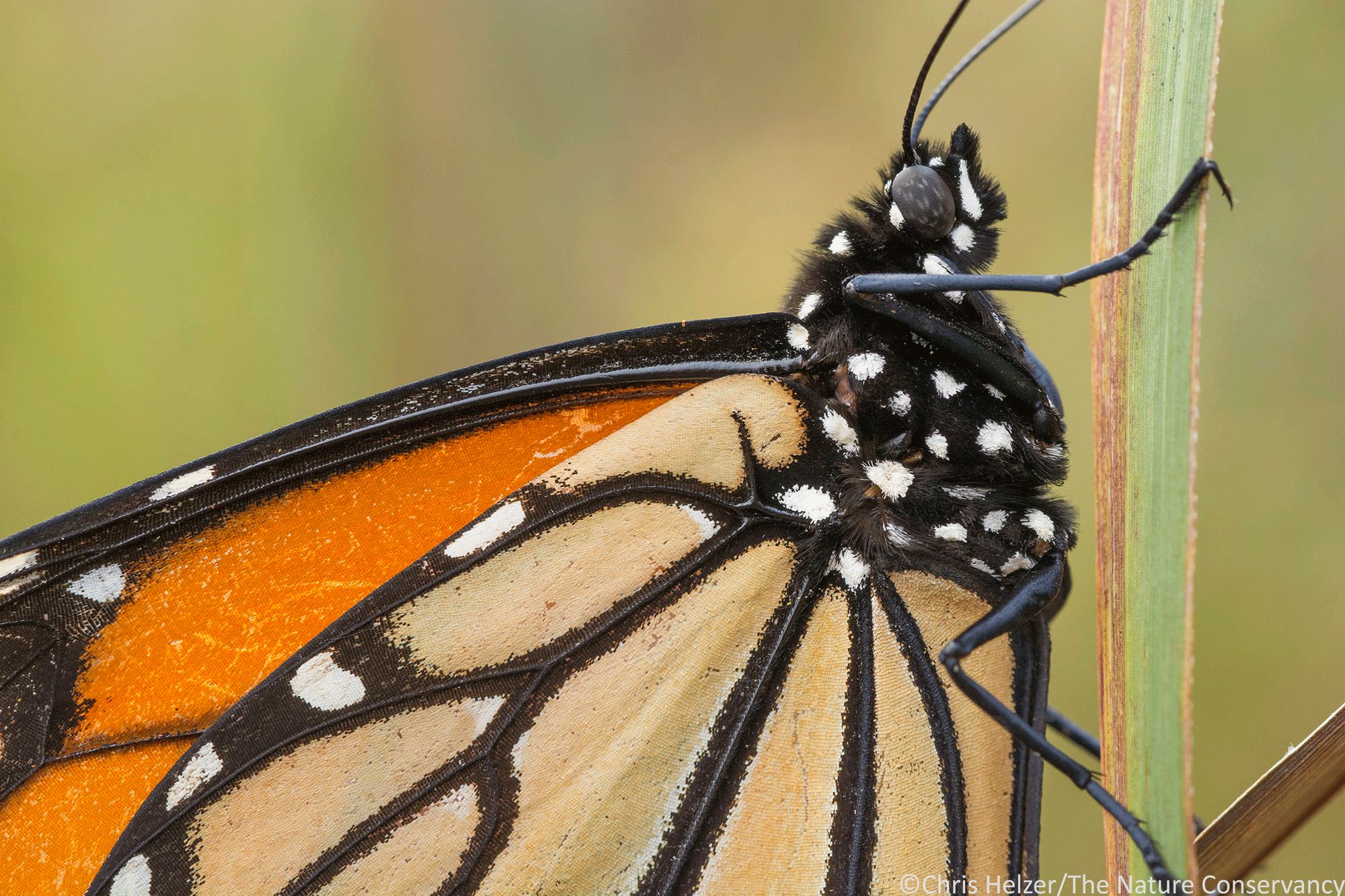
This monarch was warming up and drying off when I arrived at my plot one morning.
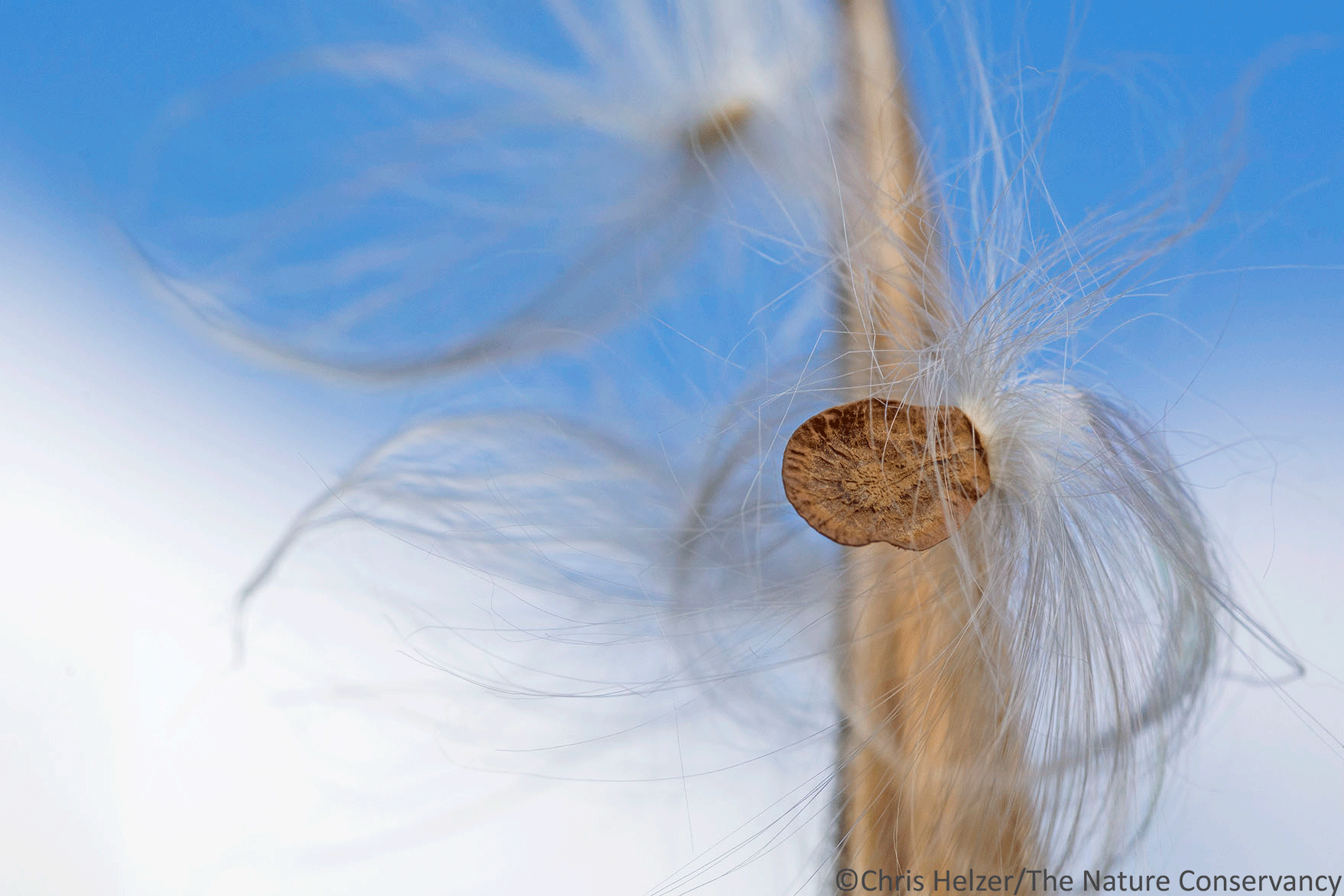
This is a photo I showed earlier this month, but it was worth an encore.  Butterfly milkweed seed hanging on its pod.
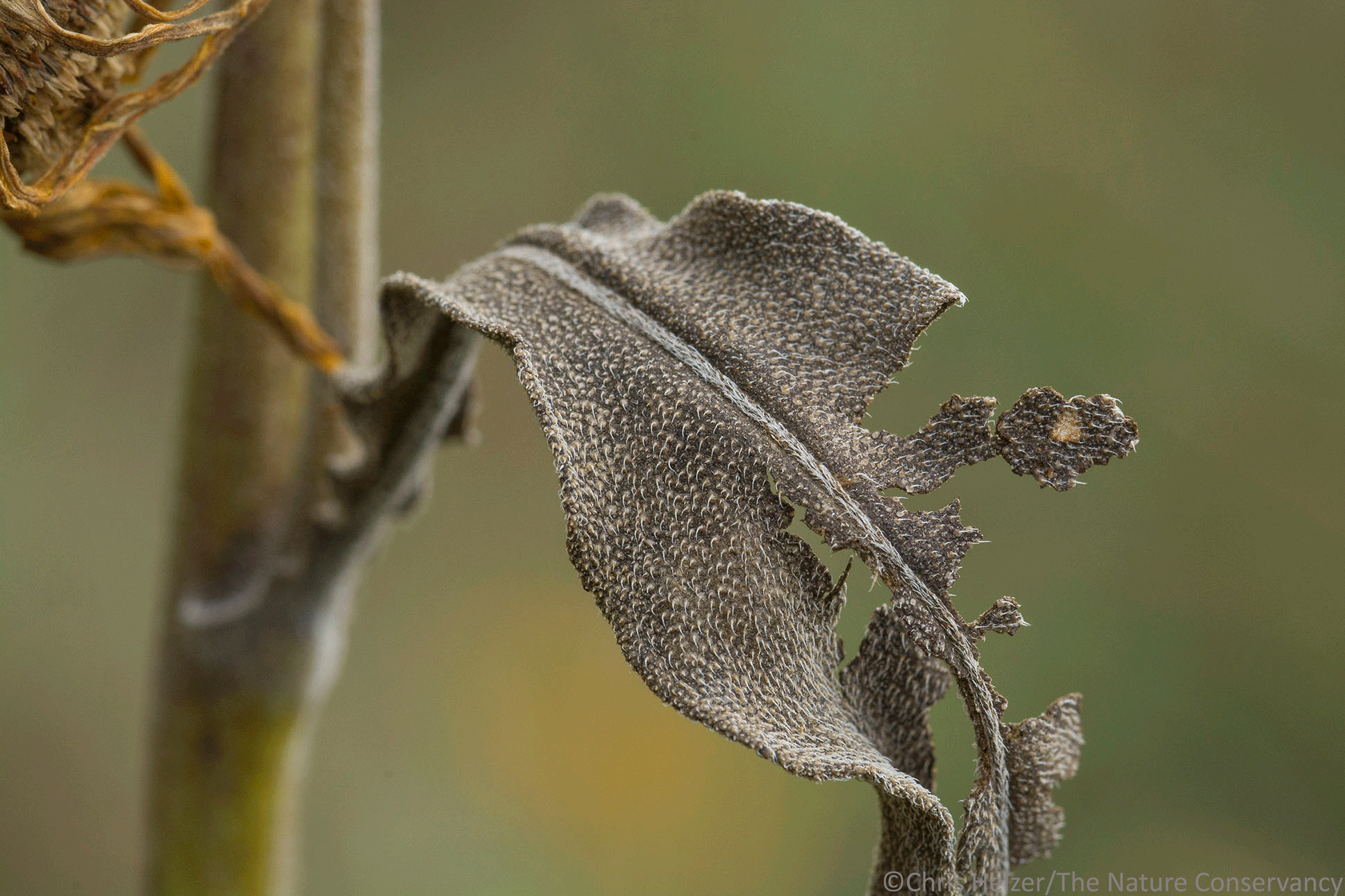
A Maximilian sunflower leaf drying out as Autumn nears.

I’m really hoping this project will help raise awareness of and interest in prairies among people who might not otherwise think twice about an ecosystem they assume is just a bunch of grass.  Additionally, I’m hoping people will see how accessible the diversity and beauty of prairies can be.  I didn’t go looking for the best quality prairie in central Nebraska for this project – I chose the closest example of a restored (planted) prairie to my house.  Once I chose the spot, I just sat down and started paying attention.  Anyone can do the same thing in any prairie anywhere.  

If you think this project might be helpful to your own efforts to convince your friends or neighbors that prairies are interesting, feel free to send them to the web page I’ve created for the project.  I’m exploring several other ways to expand the reach of this effort, so stay tuned for more information on those, but for now, I’ve tried to synthesize the project within a single web page.