Photo of the Week – August 8, 2014

I usually shoot more than one composition of a scene or creature.  It’s fun to experiment, and hard to know what I’ll like best when I am reviewing images on my computer later.  Of course, having multiple choices is both a blessing and curse.  It’s nice to have a couple options to choose between, but sometimes I just can’t decide which I like best.  Last year, I asked for your help deciding between two bison images.  Many of you weighed in, but in the end, the vote was almost exactly split down the middle.  (Thanks for the help.)

Despite that, I’m going to ask for your input again.  This time, there are three pairs of recent photos I’m struggling with.  See what you think.  If you want to tell me which ones you like best, you can leave your vote in the comments section below.  (Click on the post’s title if you don’t see the comments section.)
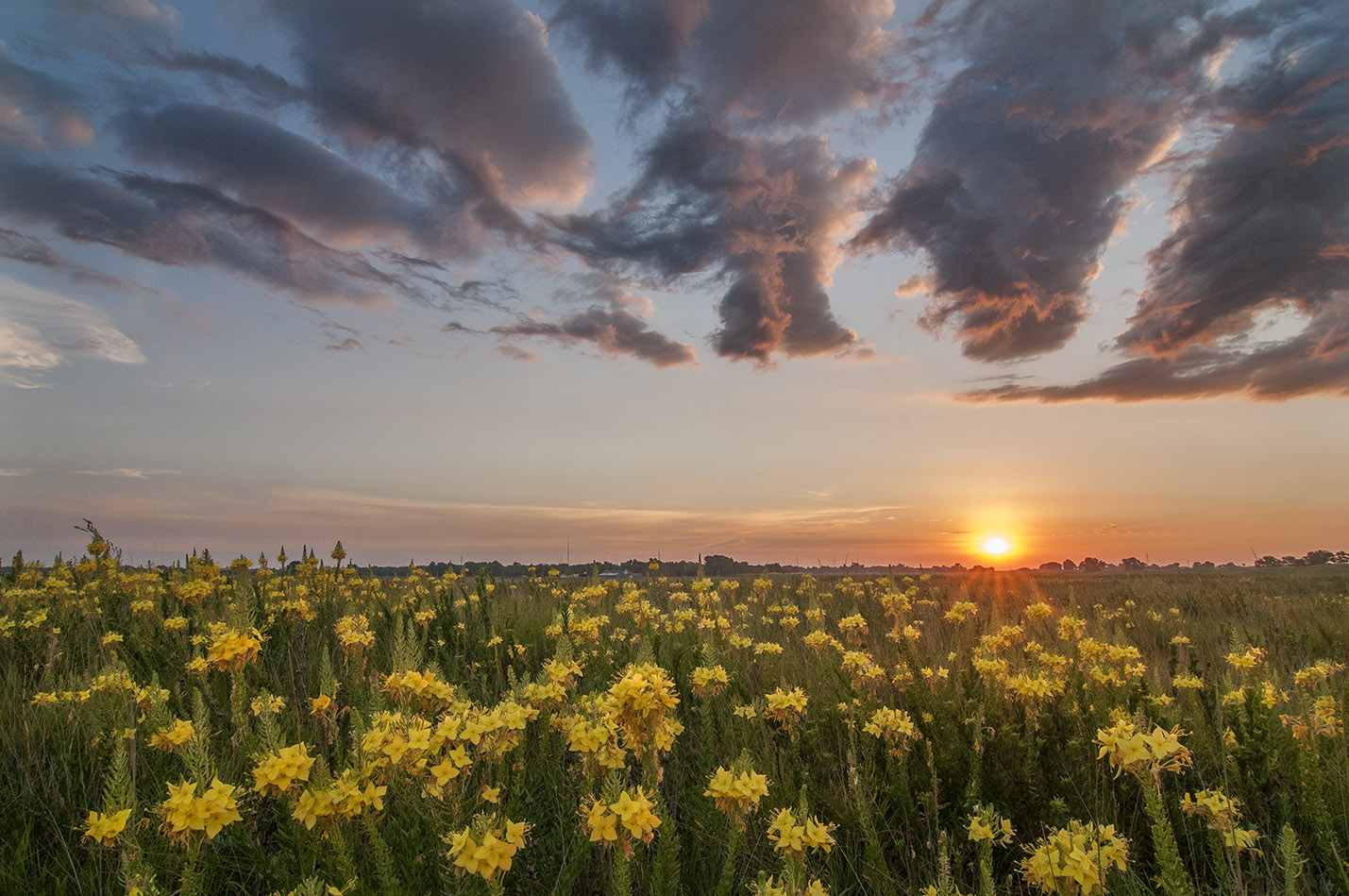
This is a photo I used as part my "Photo of the Week" series back on July 24.  I like it very much, but also like the next photo (below).  We'll call this Photo A.

This is a photo I used as part my “Photo of the Week” series back on July 24. I like it very much, but also like the next photo too! (below). We’ll call this Photo A.
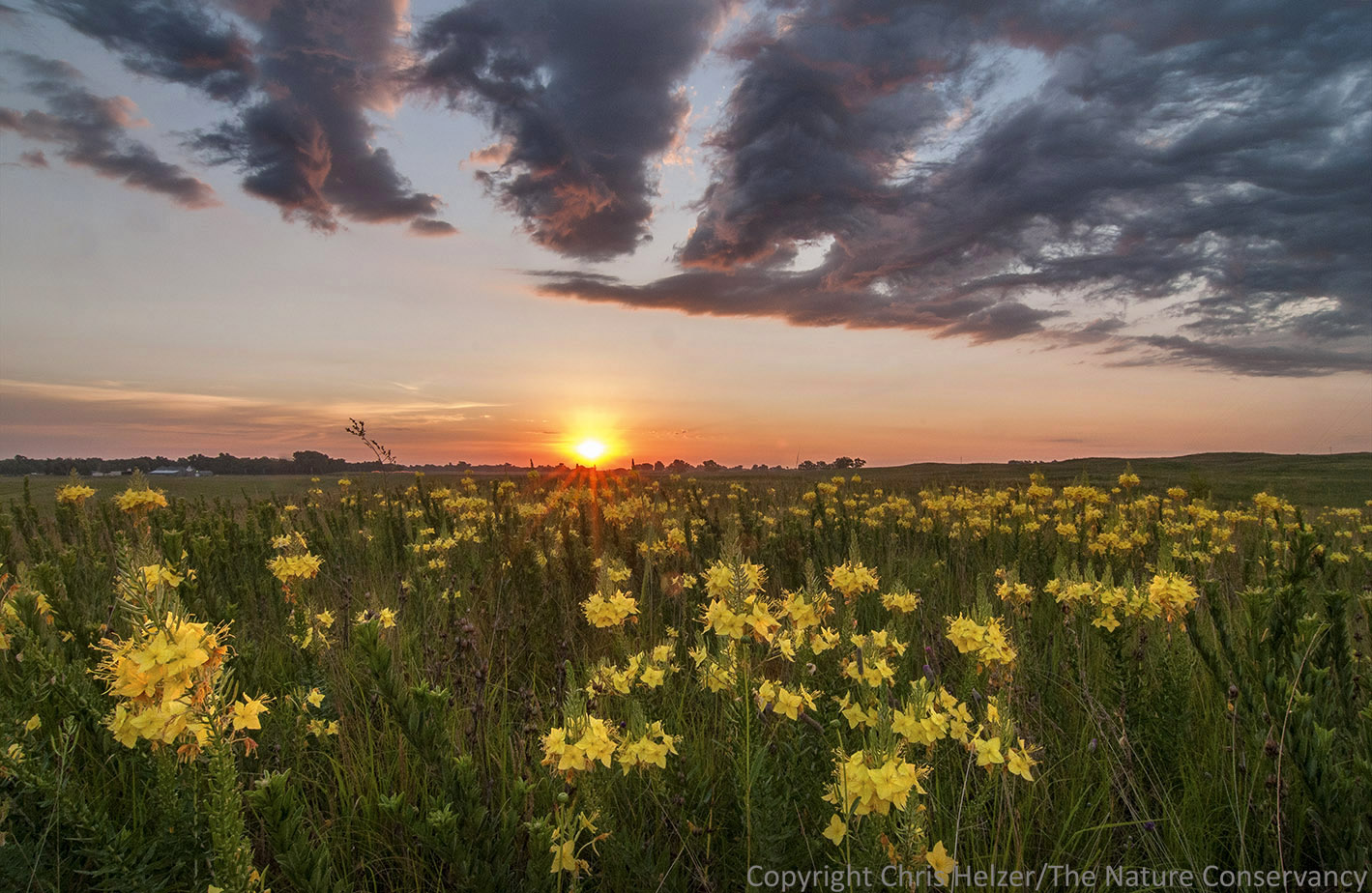
This photo was taken within just a few seconds of the one above.  Which do you like better?  This is Photo B.

This photo was taken within just a few seconds of the one above. Which do you like better? This is Photo B.

.

This bee appeared in a post earlier this week.  This is Photo C.

This bee appeared in a post earlier this week. This is Photo C.

In this second version (Photo D), there is no anther blocking the view of the bee's face, but the bee's face is more in profile.  It seems like a tiny difference, but I think the Photo C has a pretty different feel from Photo D.  Thoughts?

In this second version (Photo D), there is no anther blocking the view of the bee’s face, but the bee’s face is more in profile. It might seem like a tiny difference, but I think Photo D has a less personal  feel than Photo C.

.

This photo of Maximilian sunflower (from the "wrong" side) is a little off-center and includes a bit of leaf to the left.

This photo of Maximilian sunflower blossom (from the “wrong” side) feels a little off-balance and includes a stray bit of leaf to the left.  This is Photo E.

This (Photo F) is a more conventional way to shoot a flower (though still from the wrong side).  The composition is tighter on the flower and feels more balanced.  Despite that, I think I like Photo E better.

This (Photo F) is a more conventional way to shoot a flower (though still from the wrong side). The composition is tighter on the flower and feels more balanced. The flower is “looking” out the right side of the frame, but placed a little to the left to compensate for that.  Despite all that, I think I like Photo E better…  Am I crazy?

Let me know if you have opinions.  If not, feel free to just enjoy the photos!
Emergence of Life in a Wetland

After many years of wanting to, we finally installed some solar-powered pumps and livestock water tanks in our family prairie.  (Thanks to the U.S. Fish and Wildlife Service and Nebraska Game and Parks for providing cost-share money!)  Those two water tanks give the cattle nice cool clean water to drink and allow us more flexibility in the way we design our grazing each year.  Most importantly, they allow us to exclude the pond/wetland from grazing so it can start to function as a wetland rather than as a big mud hole for cattle to stand around in.

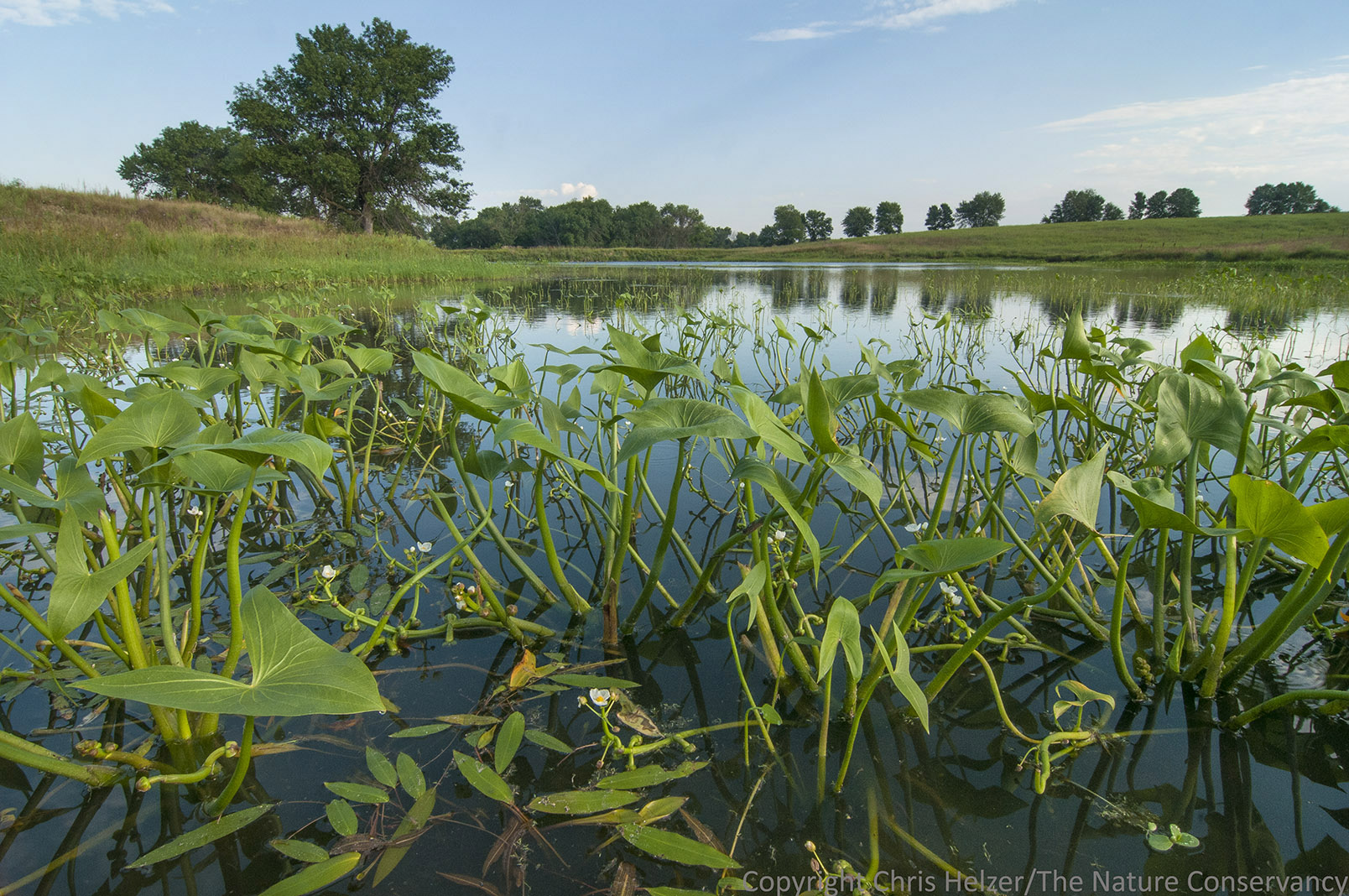
Because we’ve had good rains this year, the wetland has been pretty full.  That’s nice, but it has also prevented much of the wetland-edge seed I planted from germinating and growing.  Despite that, the recovery of the wetland is well underway.  There is now grass growing right to the water’s edge and arrowhead and other emergent plants are starting to appear in shallow water.  I’ve been spraying the few reed canarygrass plants growing nearby in the hope of preventing that invasive species from taking over the margins of the wetland, and hopefully I can get some more diverse wetland plants to establish there instead.

The pond/wetland at the Helzer family prairie with abundant arrowhead (Sagittaria sp.) in the shallows.

The pond/wetland at the Helzer family prairie with abundant arrowhead (Sagittaria sp.) in the shallows.

My daughter and I went for a walk at the prairie over the weekend and visited the wetland to see what was happening.  As I waded into the shallow water to take the above photo, leopard frogs scattered from my footsteps and red-winged blackbirds scolded me for encroaching upon their territories – very good signs of recovery.  However, looking more closely at the arrowhead plants poking through the water, I found even more evidence of new life.

Abandoned exoskeletons of damselfly nymphs were littered around the wetland.

Abandoned exoskeletons of damselfly nymphs were littered around the wetland.

Adult damselflies fluttered around everywhere, and many of them had apparently just appeared on the scene because the larval exoskeletons they’d just emerged from were stuck to leaves and stems all over the place.

ENPO140802_D008

ENPO140802_D010

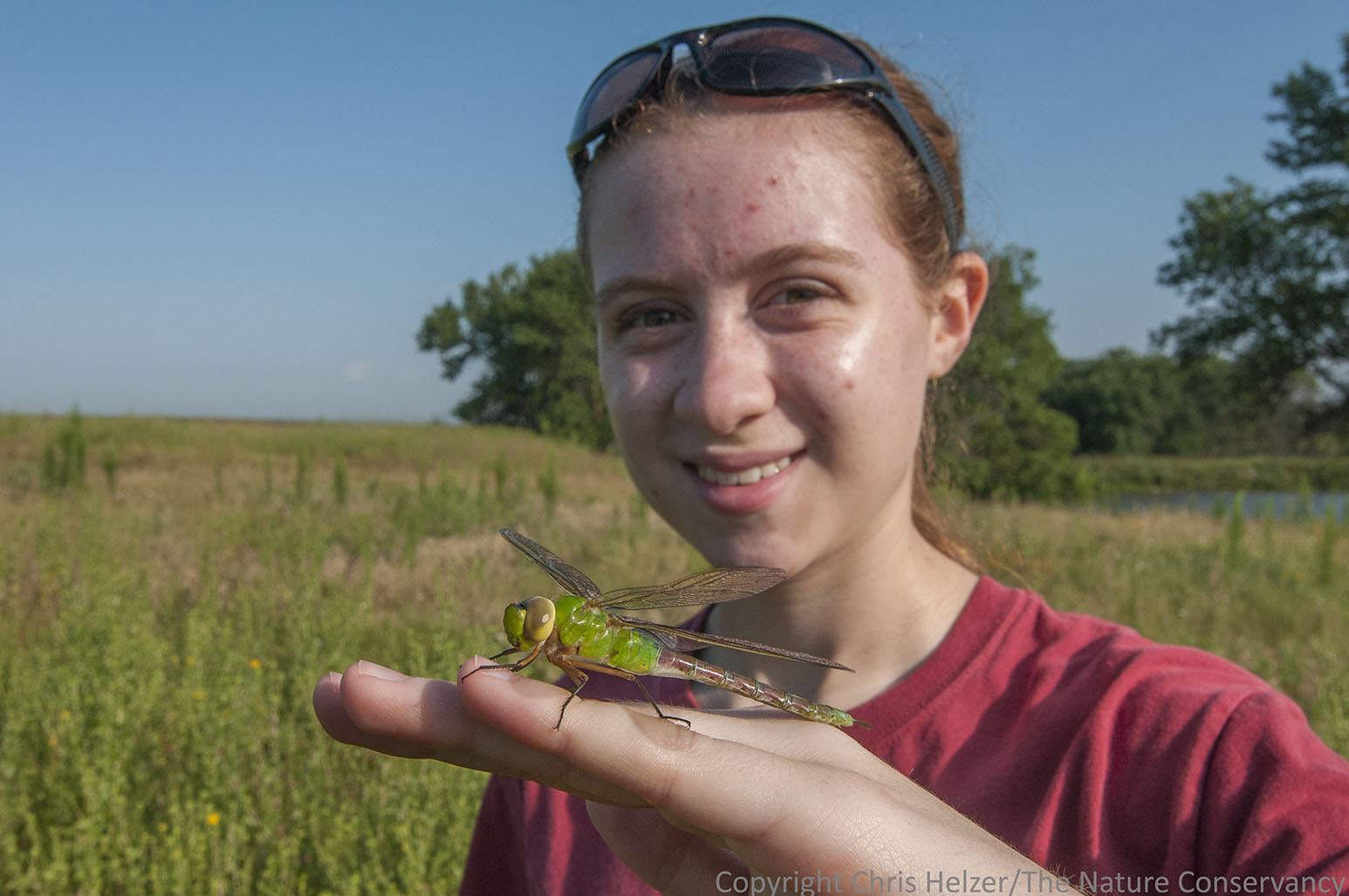
While I was too late to see the actual emergence of the damselflies, I did manage to find a green darner dragonfly that had just popped out of its larval skeleton and was fluttering its wings and waiting for its body to dry and harden.  I snapped a few pictures of it in place and then carried it over to Anna so she could get a good look at it.

A green darner dragonfly and the larval exoskeleton it had only recently escaped from.

A green darner dragonfly and the larval exoskeleton it had only recently escaped from.

Anna enjoyed getting a close-up view of the dragonfly and even posed for a photo with it.

Anna enjoyed getting a close-up view of the dragonfly and even posed for a photo with it.

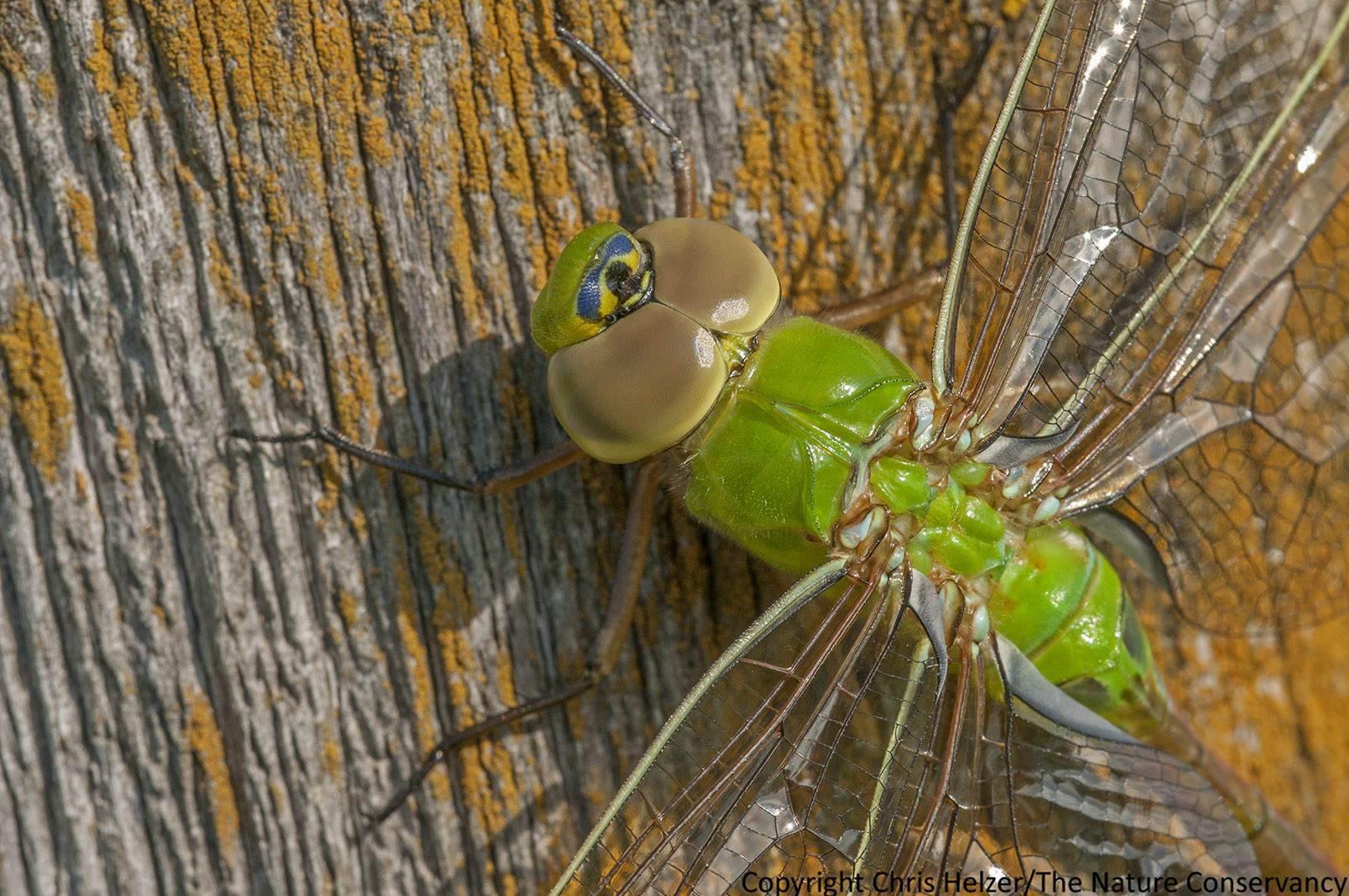
After we became a little better acquainted with the new dragonfly, we set it safely on a fence post so it could finish hardening up in the warm sun.  I took a few more quick photos of it on the post and then left it alone.  It was gratifying to see other dragonfly species zipping around nearby too – I’m hoping that’s a sign that a number of other aquatic invertebrates are also colonizing our recovering wetland.  It should be fun to watch the changes in the coming years.

Our new friend on the top of a fence post.

Our new friend on the top of a fence post.

ENPO140802_D019