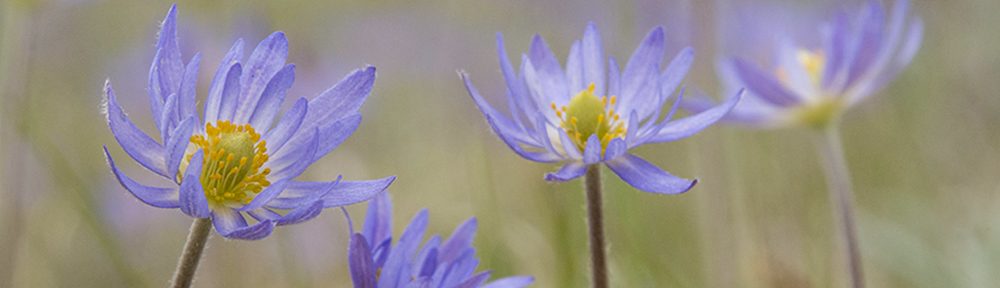
Just over a year ago, I wrote a post about the importance of each of us telling our personal stories as a way to build a constituency for conservation. If you missed it, I encourage you to read it. As I said in that post, getting public support is absolutely critical to our success. There’s no way conservation can succeed if the majority of the world doesn’t see it as relevant and important.
I feel very strongly that the best way to get those around us to think more and/or differently about nature and conservation is to share our individual perspectives with them. That includes talking about how much we enjoy outdoor experiences and showing how excited we are about recent observations. Even just mentioning that we’ve been out cutting trees in prairies or harvesting seeds for a restoration project helps normalize those activities and reminds people that conservation exists.
None of this means we have to walk the streets proclaiming the good news of conservation at the top of our lungs. It just helps to share our individual perspectives when we have an opportunity – in person, via social media posts, or in other ways. Don’t underestimate the value of showing your passion to your friends and acquaintances. People who have a connection with you will automatically feel a connection to what you’re interested in too.
Now, having said all that, it’s also really important to match our messages to our audience. We’d like to think that most people view nature the way we do – that they think hiking through a prairie full of wildflowers is a great way to spend a Saturday morning, or watching a big bumble bee land on the flower right in front of our noses is a magical experience. The reality is that most people don’t think about nature nearly as much as we do, many don’t see it as relevant to their lives, and more than we’d like to admit are simply afraid of it.
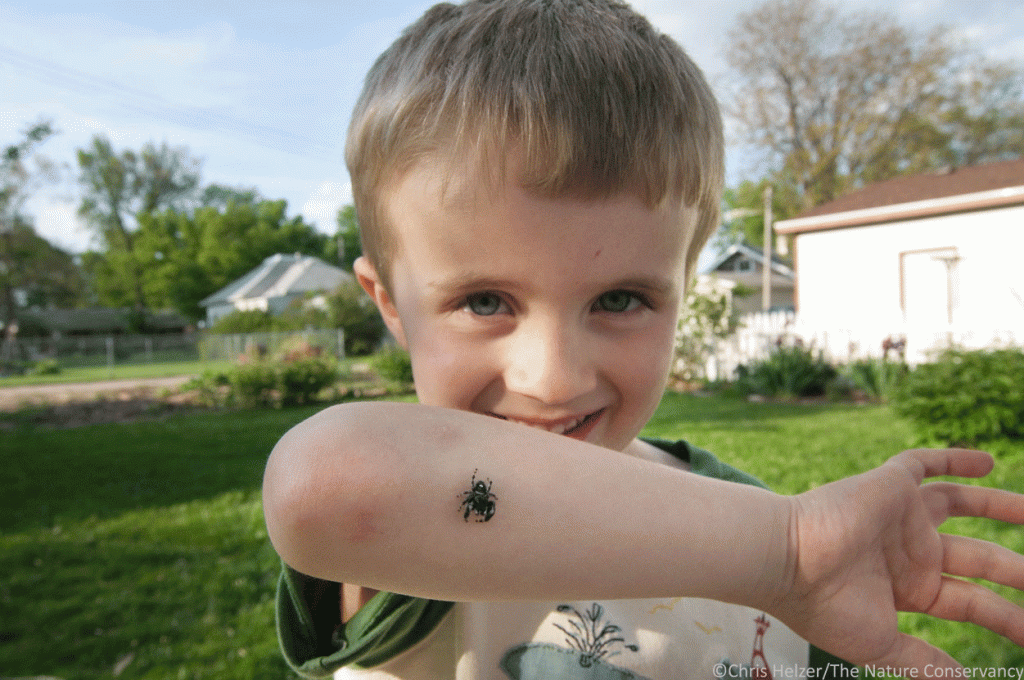
We need to be aware of how those around us view nature and conservation in order to craft our messages appropriately. Many of us working in prairies have had the experience of people reacting negatively when we talk about cutting trees because they grew up learning that trees and nature are synchronous. “Why would you cut down trees? I thought you were trying to save nature??” Sometimes that reaction just leads to a productive conversation about trees and prairies, but there are also lots of examples of prairie restoration projects that have been shut down by public outcry over the removal of trees.
In addition, talking about how much we love snakes or why the smell of prairie smoke makes us happy isn’t going to connect well with people who view snakes and fire negatively. It’s just going to make us seem crazy, which isn’t helpful to our cause. Instead, we’d probably be smart to start by describing simple positive experiences we’ve had with animals and plants those people might be familiar and comfortable with. “Wow, the butterflies out in the prairie today were amazing!” Or, at the very least, if we’re going to talk about how much we enjoy conducting prairie fires, we should provide some context for those who can’t imagine why those fires might be positive.
Rather than keep blathering on about this, I’ve created what I hope is a humorous but helpful short video on the topic. Some of it will look familiar to a few of you who have seen one of my recent presentations, but I’ve tried to tweak it a little, so I hope you’ll still enjoy it. You can watch it below or just click on this link: https://youtu.be/A4v2K7xS8Es
Keep sharing your stories. Let people see how much nature and conservation mean to you and they’ll start seeing the world a little more through your eyes. Just be careful to meet people where they are and craft your messages appropriately.

 The Prairie Ecologist