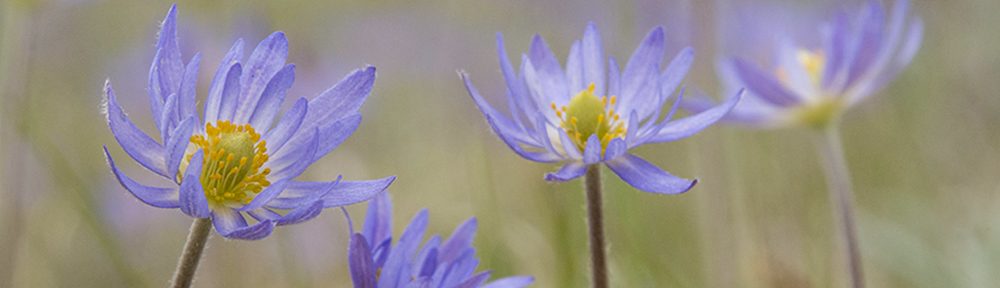
Today’s post was written by Hubbard Fellow Ashley Oblander. Ashley has finished her fellowship, but is sticking around for a couple extra weeks to help our brand new Fellows get started (more on them soon). As she is wrapping up her time with us, she’s apparently feeling introspective and philosophical, as you’ll see from her post today. Ashley is applying for jobs, so if anyone is looking for a terrific land steward, let her know! Please enjoy her blog post:
The other day Chris said something that really stuck with me. During my time as a Hubbard Fellow, I conducted an independent research project on ground-dwelling invertebrates. Because the fellowship is almost over, Dat and I presented the results of our projects last week, and while Chris was welcoming our audience over zoom and doing introductions he said, “I think the word for this past year is adaptation.” It got me thinking about the resilience that we’ve had to build this year, and how similar it is to what nature is doing all the time.
At the beginning of the pandemic, everyone was in shock and didn’t know what to do or how to feel. Lockdown hit a month into my year-long fellowship and it was unclear what the rest of it would look like. However, like nature, we adapted. Conferences were held virtually. While there were disadvantages to that, I was also able to attend events online that I probably wouldn’t have been able to attend in person. Stewardship activities were also able to continue with new safety and sanitation considerations. So, although my job looked different, I was lucky that it could continue in a new form.
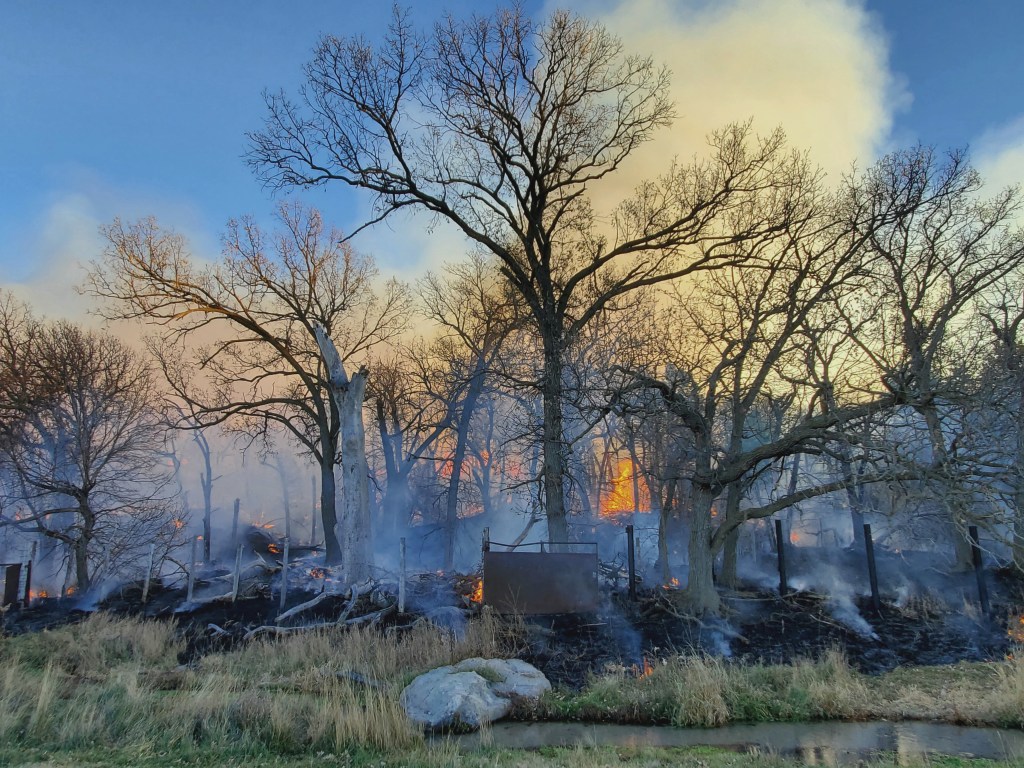
For so many reasons, this year has been challenging and exhausting. I was fortunate to live on a preserve where I could find solace in nature whenever I needed it. However, I know not everyone has that privilege so I wanted to share some other things that have helped me in hopes that they can help others and provide a place for others to share as well.
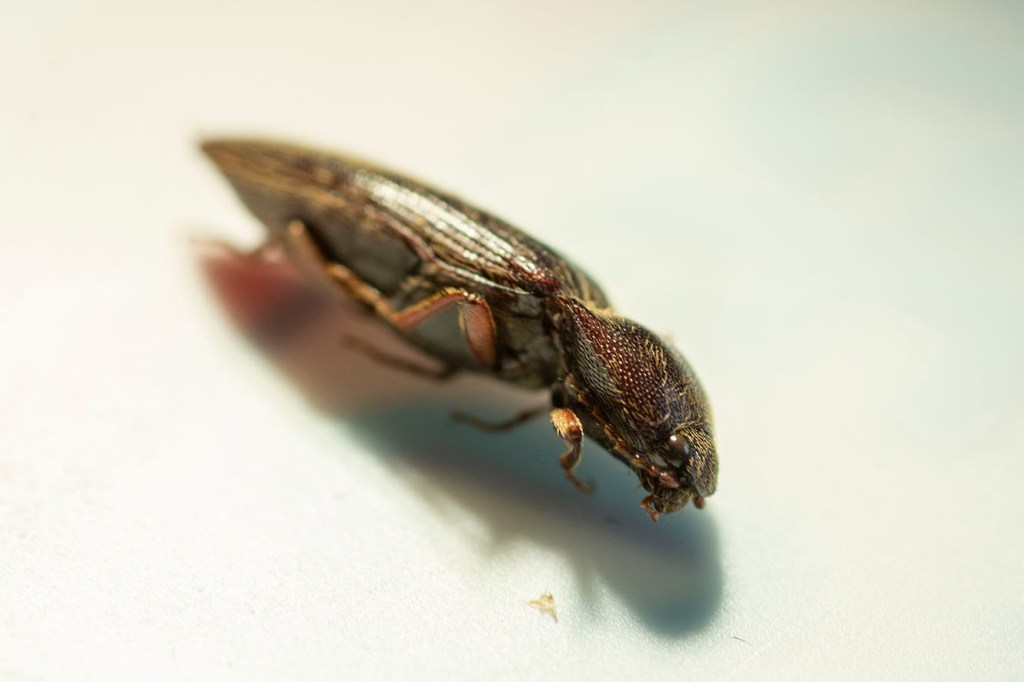
Something that has given me hope is that even little things can have a huge impact. An example of this from nature is an evolutionary adaptation found in a group of beetles, called click beetles. They developed a latch coming off their thorax (called a pronotum in beetles) that they can load with energy and then release to right themselves when they are stuck on their back. It’s a seemingly small adaptation, but how many times do you think it has saved a beetle from being a meal for another species? When I’m feeling worn down, I remind myself that even making small steps can help. Practicing meditation or starting a new hobby may not seem like a lot during a time of great stress, but it helps us feel better at the time, and that’s enough.
I’ve also found comfort in thinking outside myself. It’s easy to get overwhelmed when looking at the big picture, but I try to reframe it in a positive way. An ecosystem is resilient when it contains lots of different groups of organisms with varying strengths, so that no matter what big event comes along, like a flood or drought, the system can persevere through it. Like that ecosystem, our world is full of people with different strengths. So, when I’m feeling anxious or there are areas where I fall short, it helps to remember I can rely on those around me to pick up the slack and help us all thrive together.
That can present itself on different scales. If I’m having problems with a water pump, I know I can call my friend and colleague, Nelson, and he will come offer assistance and expertise. On a larger scale, I can do my best to educate others and make changes to help fight climate change, but there are other people and groups that are better equipped to address world hunger, and they just need my support. I don’t have to put pressure on myself to do everything. It’s okay to ask for help and lean on others. To relate back to nature, a single tree can’t fill every role or need in an ecosystem. It relies on animals, fungi, and many other organisms to make the system whole.
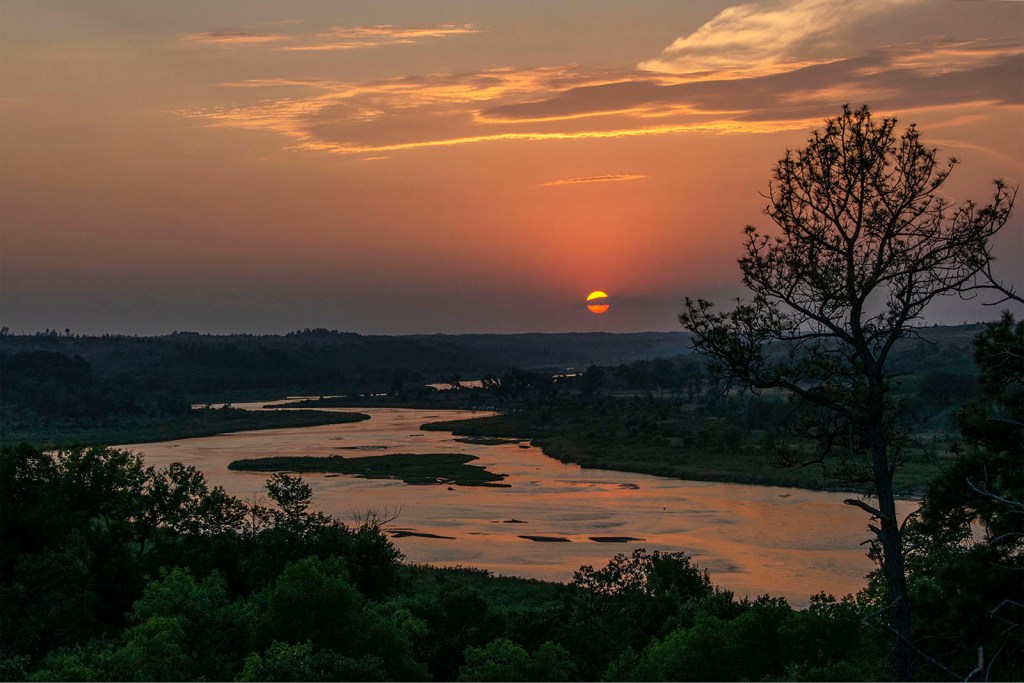
I’m constantly amazed by the resilience shown in the natural world. The adaptations that took place to form the relationship between the yucca plant and yucca moth seem almost magical. However, there were countless bumps in the road that each species had to endure. While difficult, those bumps are precisely what made those species what they are today. It’s a nice reminder to give ourselves a break and understand that if we are adapting the best we can, we can endure our own bumps, and if we’re lucky, we’ll come out better on the other side.


 The Prairie Ecologist